

Customer delight is the strategic differentiator that transforms ordinary transactions into memorable experiences, driving loyalty, advocacy, and long-term engagement. While satisfaction ensures that products or services function adequately, delight creates emotional resonance, turning customers into repeat users and enthusiastic promoters. By designing peak moments, embedding surprise and personalization across the customer journey, and empowering employees to deliver meaningful interactions, organizations—whether startups, established brands, or social impact initiatives—can create lasting emotional bonds. Measuring delight through experiential, behavioral, and retention metrics ensures that emotional investment translates into tangible business or social outcomes. Ultimately, delight is not a gimmick or one-time effort; it is a repeatable, sustainable, and measurable strategy that builds trust, loyalty, and value in ways satisfaction alone cannot achieve.
ಗ್ರಾಹಕ ಸಂತೋಷವು ಸಾಮಾನ್ಯ ವ್ಯವಹಾರಗಳನ್ನು ಸ್ಮರಣೀಯ ಅನುಭವಗಳಲ್ಲಿ ಪರಿವರ್ತಿಸುವ ಮತ್ತು ನಿಷ್ಠೆ, ಪ್ರಚಾರ ಮತ್ತು ದೀರ್ಘಕಾಲದ ಭಾಗವಹಿಸುವಿಕೆಯನ್ನು ಉತ್ತೇಜಿಸುವ ಕಾರ್ಯತಂತ್ರಾತ್ಮಕ ಭೇದಕವಾಗಿದೆ. ಉತ್ಪನ್ನಗಳು ಅಥವಾ ಸೇವೆಗಳು ಸಮರ್ಪಕವಾಗಿ ಕಾರ್ಯನಿರ್ವಹಿಸುತ್ತವೆ ಎಂಬ ತೃಪ್ತಿ ಖಚಿತಪಡಿಸಿಕೊಳ್ಳುತ್ತದೆ, ಆದರೆ ಸಂತೋಷವು ಭಾವನಾತ್ಮಕ ಸಂಬಂಧವನ್ನು ರಚಿಸುತ್ತದೆ, ಗ್ರಾಹಕರನ್ನು ಪುನರಾವೃತ್ತಿ ಬಳಕೆದಾರರು ಮತ್ತು ಉತ್ಸಾಹಭರಿತ ಪ್ರಚಾರಕರಾಗಿಸುತ್ತದೆ. ಗ್ರಾಹಕರ ಪ್ರಯಾಣದ ಪ್ರಮುಖ ಕ್ಷಣಗಳನ್ನು ವಿನ್ಯಾಸಗೊಳಿಸುವ ಮೂಲಕ, ಆಶ್ಚರ್ಯ ಮತ್ತು ವೈಯಕ್ತಿಕತೆಯನ್ನು ಸಂಯೋಜಿಸುವ ಮೂಲಕ, ಮತ್ತು ನೇರವಾದ ಸಂಬಂಧವನ್ನು ಒದಗಿಸಲು ಉದ್ಯೋಗಿಗಳನ್ನು ಸಬಲಗೊಳಿಸುವ ಮೂಲಕ, ಸಂಸ್ಥೆಗಳು—ಸ್ಟಾರ್ಟ್ಅಪ್ಗಳು, ಸ್ಥಾಪಿತ ಬ್ರ್ಯಾಂಡ್ಗಳು ಅಥವಾ ಸಾಮಾಜಿಕ ಪರಿಣಾಮದ ಉಪಕ್ರಮಗಳಾದರೂ—ತಿರಸ್ಕೃತ ಭಾವನಾತ್ಮಕ ಬಾಂಧವ್ಯಗಳನ್ನು ನಿರ್ಮಿಸಬಹುದು. ಅನುಭವಾತ್ಮಕ, ವರ್ತನೆ ಮತ್ತು ನಿಗ್ರಹಿತ ಮೆಟ್ರಿಕ್ಗಳ ಮೂಲಕ ಸಂತೋಷವನ್ನು ಅಳೆಯುವುದು ಭಾವನಾತ್ಮಕ ಹೂಡಿಕೆಯನ್ನು ತಾತ್ತ್ವಿಕ ವೃತ್ತಾಂತಗಳಿಗೆ ಪರಿವರ್ತಿಸುತ್ತದೆ. ಕೊನೆಗೆ, ಸಂತೋಷವು ಕೇವಲ ತಂತ್ರವಲ್ಲ ಅಥವಾ ಒಂದು ಬಾರಿ ಪ್ರಯತ್ನವಲ್ಲ; ಇದು ಪುನರಾವೃತ್ತಿ, ಶಾಶ್ವತ, ಮತ್ತು ಅಳೆಯಬಹುದಾದ ಕಾರ್ಯತಂತ್ರವಾಗಿದೆ, ಅದು ತೃಪ್ತಿಯು ಮಾತ್ರ ಸಾಧ್ಯವಿಲ್ಲದ ರೀತಿಯಲ್ಲಿ ವಿಶ್ವಾಸ, ನಿಷ್ಠೆ ಮತ್ತು ಮೌಲ್ಯವನ್ನು ನಿರ್ಮಿಸುತ್ತದೆ.

Why Customer Delight Must Replace Customer Satisfaction as the Core of Modern User Experience
I. Introduction: The New Rules of Customer Experience
A. Intended Audience and Purpose of the Article
This article is crafted to shift the mindset of anyone building a product, service, business, or social initiative—from focusing on functional customer satisfaction to building emotional customer delight. Because in a world where every competitor offers “good enough,” only delight drives loyalty.
Audience:
This message is for startup founders, product leaders, UX designers, service innovators, social entrepreneurs, and customer experience strategists—people who wake up every morning knowing that if they don’t deliver meaningful value, someone else will.
These are the individuals designing the way humans interact with technology, services, brands, and communities. You are the architects of experiences, and the experiences you create will influence whether customers stay, leave, or become evangelists.
Purpose:
To clearly demonstrate, with practical examples, psychology-backed reasoning, and field-tested business logic, that customer delight—not mere satisfaction—must become your North Star. The goal is to help you build durable loyalty, organic advocacy, and emotional resonance—three assets money cannot buy, competition cannot steal, and algorithms cannot automate.
B. Welcome to the Experience Economy (Pine & Gilmore)
You are no longer selling a product or a service; you are staging an experience. And your customers are not evaluating transactions—they are evaluating memories.
In The Experience Economy, Pine & Gilmore made a bold prediction that has now become a global business reality: products and services have become commodities; experiences are the new currency.
Today:
- Phones are similar—so Apple sells identity, belonging, and ritual.
- Coffee is generic—so Starbucks sells community and consistency.
- Shoes are shoes—so Nike sells inspiration, emotion, and human potential.
- NGOs provide services—yet few build emotionally meaningful experiences for the people they serve; those who do create lifelong trust and loyalty.
Customers no longer seek usefulness; they seek meaning, connection, memory, and emotion.
Gone are the days when a business could win by being slightly cheaper, slightly faster, or slightly more efficient. Cheap, fast, and efficient are now baseline commodities. Everyone offers them; everyone claims them; no one wins with them.
The new battleground is emotional experience:
- Meaning, not transactions
- Memory, not checklists
- Connection, not completion
- Transformation, not delivery
If you build experiences that enrich your customers emotionally, they stay. If you don’t, they drift toward the next shiny thing.
C. Why Satisfaction Is a Weak Metric
Customer satisfaction is not a strategy—it is a survival mechanism. It keeps you alive, but it will never help you grow.
Let’s be brutally honest:
A “satisfied” customer isn’t excited, isn’t engaged, and most importantly—isn’t loyal.
A satisfied customer simply means
“Nothing went wrong.”
That’s it.
It is the equivalent of saying your food was “okay” or your flight was “fine.”
But “fine” is forgettable.
“Okay” is replaceable.
And forgettable experiences never produce loyalty.
The real danger?
Satisfaction breeds indifference.
And indifference is the silent assassin of customer relationships.
Here’s the uncomfortable truth most founders avoid:
A satisfied customer will leave you the moment they find a cheaper, faster, more convenient option. They owe you nothing emotionally—and you’ve given them nothing worth remembering.
Delight, on the other hand, builds emotional memory.
And memory is the foundation of loyalty.
D. Thesis
Delight—not satisfaction—is the strategic engine that creates peak moments, emotional loyalty, and transformative experiences that customers remember, return for, and recommend.
Delight is not about lavish rewards or expensive gestures.
It is about:
- Designing peak emotional moments
- Creating positive surprises
- Showing human warmth in digital spaces
- Building identity, connection, and meaning
- Turning a service into a memory
- Turning a customer into a storyteller
- Turning value into emotion
Satisfaction keeps the lights on.
Delight builds cathedrals.
This article will show you exactly how.

II. From Function to Emotion: Satisfaction vs. Delight
A. The Functional Minimalism of Customer Satisfaction
Customer satisfaction is the bare minimum. It keeps people from complaining, but it never makes them stay.
Most companies overestimate the power of a “satisfied customer” because they confuse absence of pain with presence of loyalty. These are not the same. In fact, they are opposites.
Let’s be blunt:
Satisfaction simply means the product works.
Nothing more. Nothing memorable. Nothing emotional.
A satisfied customer says:
“It was fine.”
Which is business language for:
“You did nothing special.”
Here’s the psychological problem:
No emotional imprint → no recall → no loyalty.
If the brain doesn’t tag an experience as emotionally significant, it erases it as routine.
Erased moments never create return customers.
Joey Coleman, in Never Lose a Customer Again, highlights the crucial danger here:
The first 100 days determine whether a customer stays or leaves.
In those 100 days, satisfaction is not strong enough to win hearts.
It doesn’t excite, doesn’t bond, and doesn’t signal commitment.
Satisfaction is a checkbox.
Delight is a choice.
Loyalty is the outcome.
If you want to win the first 100 days, you cannot rely on “things working.” You must deliver emotional elevation.
B. The Emotional Gravity of Delight (Delivering Happiness)
Delight is what pulls a customer closer than your competitors ever can.
Delight is the opposite of routine.
It is the opposite of forgettable.
It is the opposite of “fine.”
Delight is unexpected positive emotional elevation—a small moment that triggers a big feeling.
Tony Hsieh built Zappos on a radical idea:
“Customer service is not a business function. It is a happiness delivery engine.”
Zappos didn’t delight customers through expensive gestures—it did it through humanised gestures:
- Staying on a support call for hours
- Sending flowers when a customer experienced loss
- Upgrading shipping without being asked
- Empowering employees to break the script
Delight becomes a “wow culture,” not because you train employees to follow rules, but because you empower them to create emotional highs.
This philosophy transformed Zappos:
- Customers weren’t just repeat buyers—they became evangelists.
- Employees weren’t just workers—they became storytellers.
- The brand didn’t just sell shoes—it sold joy.
Delight makes the relationship memorable.
And memorable is what makes it meaningful.
C. Insights from The Power of Moments
Delight emerges when you design for emotion rather than efficiency.
Chip and Dan Heath, in The Power of Moments, explain that peak memories are not random—they are engineered. They discovered that delight can be created through four types of experiences:
1. Elevation — Breaking the Script
Moments that lift people above the ordinary:
- Unexpected treats
- Surprise upgrades
- Thoughtful gestures
- Humor or friendliness
Customers remember the moment something broke routine.
2. Insight — Seeing Clarity or Progress
Helping customers understand or achieve something:
- Milestone markers
- Usage insights
- Aha-moments in the onboarding flow
- Celebrating progress with real-time feedback
Insight generates emotional ownership.
3. Pride — Celebrating Accomplishments
Acknowledge customer wins:
- “Congratulations — your first month completed!”
- “You’ve helped 10 people—here’s your badge!”
- “Welcome to our VIP circle!”
Customers love feeling recognized.
4. Connection — Genuinely Human Moments
People bond through shared meaning:
- Empathetic conversations
- Community spaces
- Personalised outreach
- Messages in local language
- Remembering names, preferences, or even frustrations
Connection transforms a transaction into a relationship.
Why this matters:
Peak moments create the narrative customers carry in their memory.
And narrative is what powers loyalty.
D. The Science of Habit Formation (Hooked)
Delight builds habits because it rewards the brain emotionally — and the brain returns to what feels good.
Nir Eyal’s Hooked framework explains how products create behavioral loops. Delight strengthens three key components of this loop:
1. Emotional Triggers
Positive emotions become internal triggers.
A delighted customer thinks:
“That felt good. I want to experience it again.”
2. Reward Anticipation
When delight is part of the customer journey, the brain anticipates small joys:
- Friendly microcopy
- Playful animations
- Personalized tips
- Surprising bonuses
Anticipation itself becomes addictive.
3. Behavioral Repetition
The more times a user experiences delight:
- The more the behavior sticks
- The more the app becomes a habit
- The more loyalty becomes a natural reflex
Eventually, the customer doesn’t need persuasion—they return automatically.
Delight → Emotional reward → Habit → Loyalty.
This is the psychology behind brand devotion.
Not discounts.
Not features.
Not even quality.
Emotion drives repetition; repetition drives loyalty.
III. Why Customer Delight Outperforms Satisfaction on Every Metric
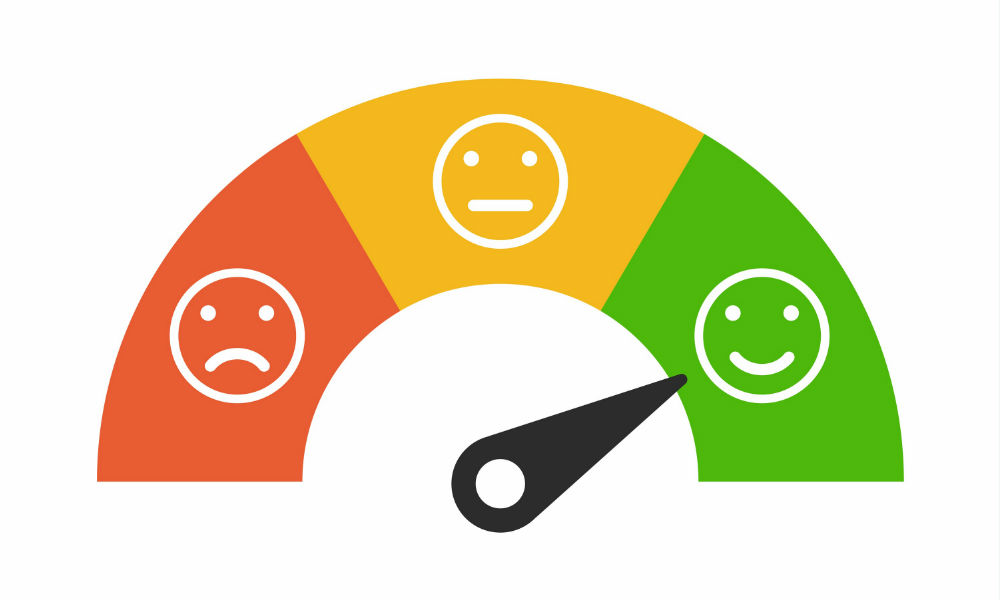
Delight is not a “nice-to-have emotion”—it is a commercial engine. It outperforms satisfaction across loyalty, margins, retention, story-based marketing, and brand identity because it hits customers where satisfaction cannot: their emotions, memory, and sense of belonging. And when a brand occupies emotional real estate, competitors cannot touch it.
A. Loyalty That Transcends Price (Never Lose a Customer Again)
Customer satisfaction keeps people neutral.
Customer delight makes them stay even when alternatives are cheaper, shinier, or more convenient.
Here’s why delight wins the long game:
- Delight creates a bond. Customers feel acknowledged, understood, and valued — not processed.
- Surprise accelerates attachment. Neuroscience shows surprise spikes dopamine, strengthening memory.
- Loyalty is emotional, not transactional. People don’t commit to brands; they commit to how brands make them feel.
As Joey Coleman puts it: what happens in the first 100 days determines whether the customer is yours or slipping away silently. Satisfaction only keeps them undecided. Delight convinces them to unpack their emotional bags and stay.
B. The Experience Economy Advantage (Pine & Gilmore)
In a world where every product feature gets copied within weeks, delight becomes the only defensible competitive advantage.
Pine & Gilmore highlight three truths:
- Memorability is the new currency. Products impress the wallet; experiences impress the mind.
- Delighted customers remember emotional highs. No one reminisces about an app that “worked fine.” They remember the one that surprised them, helped them shine, or made them feel seen.
- Experiences are hard to clone. Competitors can copy your pricing, your features, even your UI. But they cannot replicate how your brand makes people
Delight is an emotional moat. Once built, it protects.
C. Word-of-Mouth & Story-Based Advocacy (The Power of Moments)
If satisfaction is a checklist, delight is a story. And humans don’t share checklists.
The Heath brothers remind us:
- People retell moments of elevation—surprises, gestures, and above-and-beyond actions.
- A delightful moment becomes a micro-story customers carry everywhere, sometimes for years.
- Word-of-mouth becomes free, self-propelled marketing—the most credible and cost-effective growth engine for any startup.
You don’t need a large marketing budget when customers become your press team.
D. Lifetime Value, Profitability & Margin Expansion
Delighted customers are the silent CFOs of your business. They:
- Stay longer because they feel emotionally anchored
- Explore more features because curiosity grows with trust
- Forgive failures because goodwill cushions mistakes
- Spend more because positive emotion widens buying behavior
- Become less price-sensitive because the relationship matters more than the discount
Founders chase revenue; delight multiplies it without increasing acquisition spend.
E. Delivering Happiness: The Financial Logic of Emotion
Tony Hsieh decoded something profound:
Delight is profitable.
Cultures built around delight generate:
- High employee engagement (happy teams create happy customers)
- Low churn (replacing customers is costly; retaining them is gold)
- Customer evangelism (free, powerful, and unstoppable)
- Elevated brand trust (trust compounds like interest)
When happiness becomes operational, margins follow.
This is not soft stuff — it’s strategic infrastructure.

IV. The Strategy Framework: How to Build Delight into UX
Delight doesn’t happen by accident—it is designed, staged, and reinforced at every touchpoint. The best brands treat customer experience as an art form, a psychological science, and a habit-forming system all at once. Here’s how to do it in a systematic, actionable way.
A. Create Differentiated Experiences (Experience Economy)
Customers remember how you made them feel more than what you gave them. Experiences are your moat; delight is the emotional glue.
- Engage the Senses
- Visual: color palettes, iconography, packaging, and micro-interactions.
- Tone: friendly microcopy, conversational support, storytelling.
- Tactile: physical packaging, unboxing, or in-store touchpoints.
- Behavioral: gamified cues, micro-interactions, smooth flows.
Why it works: Multi-sensory engagement strengthens memory and emotional recall.
- Stage Experiences, Don’t Just Provide Services
- Treat every interaction as a “scene” in the customer journey.
- Example: onboarding as a welcoming ceremony, not a checklist.
- Example: delivery as a mini-event, with updates, surprise notes, or small perks.
- Design Moments as Micro-Performances
- Every support call, email, or app notification is an opportunity to delight.
- Use storytelling, humor, or empathy to transform functional tasks into emotional moments.
B. Build Habit Loops That Reinforce Positive Emotion
Delight drives habits because the brain craves positive emotional spikes.
- Trigger → Action → Variable Reward → Investment
- Example: A reminder triggers a user to log in → they complete a task → they receive a surprise badge → they invest more time and effort.
- Delight as Variable Reward Spike
- Occasional, unexpected delight strengthens anticipation and attachment.
- Examples: personalized tips, surprise upgrades, celebratory micro-messages.
- Use Delight to Build Loyalty into Daily Behavior
- Reinforce small wins.
- Reward repeated interactions emotionally, not just functionally.
- Over time, delight becomes a self-reinforcing loop of engagement.
C. Engineer Peak Moments (The Power of Moments)
Peak moments transform functional experiences into emotionally unforgettable ones.
- Surprise Upgrades – Extra features, faster delivery, or unexpected perks.
- Milestone Celebrations – First purchase, anniversaries, loyalty milestones.
- Personalized Acknowledgments – Messages tailored to individual preferences or achievements.
- Community-Building Rituals – Shared events, forums, challenges, or social recognition.
- “Breaking the Script” – Small deviations from standard procedure that delight unexpectedly.
Why it works: Peak moments create memory anchors, turning customers into storytellers.
D. Human-Centric Service Mindset (Delivering Happiness)
The human touch amplifies delight. Your team is the engine; your culture is the fuel.
- Train Teams for Empathy, Flexibility, and Warmth
- Scripts are secondary; human judgment matters.
- Emotional intelligence training ensures staff can adapt to customer moods.
- Empower Creative Problem-Solving
- Give employees discretion to resolve issues in ways that feel personal and memorable.
- Hire for Attitude, Reward Emotional Intelligence
- Technical skill is necessary; emotional skill is differentiating.
- Reward team members who consistently create moments of delight.
E. Emotional Onboarding & Early-Stage Retention (Never Lose a Customer Again)
The first 100 days are make-or-break. Satisfaction cannot protect you here—delight must.
- Include 2–3 Moments of Delight Early
- Personalized welcome notes, onboarding tips, milestone celebrations.
- Create Reassurance, Personalization, and Small Surprises
- Reduces uncertainty and builds trust.
- Reduce Anxiety, Ambiguity, and Friction
- Smooth flows, preemptive support, and proactive communication.
F. Proactive Omnichannel Support
Delight shows up when problems appear before the customer notices them.
- Cover every touchpoint: WhatsApp, app notifications, SMS, phone, in-store, field service.
- Anticipate issues and resolve proactively.
- Example: “We noticed your payment didn’t go through—here’s how we fixed it.”
G. Feedback Loop Transformation
Delight requires listening, learning, and demonstrating responsiveness.
- Turn feedback into visible product improvements.
- Close the loop: “You suggested X, we implemented Y—thank you.”
- Customers love seeing their input create impact; it reinforces emotional connection and loyalty.
H. Build a Culture Where Employees Create Delight Naturally
Happy employees = happy customers. Delighting your audience starts internally.
- Employee experience → customer experience: Invest in team happiness, recognition, and autonomy.
- Happiness culture → delight as a habit: Embed small daily rituals to encourage employees to surprise, help, and care.
- Employees empowered to delight regularly create predictable, repeatable emotional highs for customers.
Summary:
Delight is systematic, intentional, and repeatable. It’s not a gimmick—it’s a strategic framework combining human empathy, behavioral psychology, and emotional design. Every touchpoint, micro-moment, and habit loop contributes to a richer, sticky, and more profitable user experience.
V. Designing Delight Across the Customer Journey
Delight is not a single moment—it is a journey woven through every stage of the customer lifecycle. Each touchpoint is an opportunity to surprise, engage, and emotionally connect, turning functional interactions into memorable experiences.
A. Pre-Purchase: Experience as Attraction
Before a customer buys, you have seconds to impress emotionally—not just rationally. Delight in this stage sets expectations, builds trust, and sparks curiosity.
- Micro-Delight in Ads, Conversations, Discovery, and Demos
- Examples: personalized ad copy, witty social media posts, surprise free tips, or interactive demos.
- Goal: create small positive emotions before the transaction even starts.
- Survivorship Signals
- Authentic storytelling: share real customer experiences, challenges, and solutions.
- Small surprises: free guides, checklists, or unexpected insights.
- Why it works: customers are subconsciously evaluating “Can I trust this brand to make me feel good?”
Actionable Tip: Even your landing page or first email can delight. Include unexpected humor, local references, or micro-interactions that make people smile.
B. Onboarding (The “Make-or-Break” Stage)
The first interaction after a purchase is critical. Delight here determines whether a customer continues or abandons.
- Remove Cognitive Load
- Simplify processes. Avoid jargon. Make actions intuitive.
- Reduce friction to let the emotional experience shine.
- Celebrate First Actions
- Acknowledge the first login, first purchase, first use.
- Example: “Congrats! You’ve just completed your first step toward X.”
- Provide Friendly Guidance
- Personalized tips, tooltips, or mini-tutorials delivered with warmth and humor.
- Give Early Wins
- Show immediate value to reinforce satisfaction and spark delight.
- Example: unlocking a badge, completing a tutorial, or seeing first results.
Actionable Tip: Treat onboarding as a story, not a checklist. Your goal is to create emotional momentum.
C. Usage Phase
Delight must be sustained during regular use. Otherwise, novelty fades, and satisfaction becomes routine.
- Gamified Progression
- Track progress, achievements, streaks, or levels.
- Reward emotional satisfaction, not just points.
- Nudges
- Friendly reminders, contextual tips, or motivational cues.
- Example: “Hey, you’re 80% through—almost there! Keep going!”
- Personalized Milestones
- Recognize anniversaries, frequency of use, or engagement milestones.
- Smart Recommendations
- Offer personalized suggestions that feel thoughtful, not algorithmic.
- Example: “Based on your last activity, you might love this!”
Actionable Tip: Use delight to make habitual interactions emotionally satisfying. The user should feel seen, celebrated, and supported.
D. Problem Moments (The Best Opportunity for Delight)
Challenges are secret gateways to loyalty. Delight can convert frustration into deep emotional attachment.
- Fast, Empathetic, No-Blame Resolution
- Resolve issues quickly and kindly.
- Avoid bureaucratic scripts—focus on human connection.
- Follow-Up with Warmth
- Confirm resolution and check in personally.
- Example: “We’ve fixed your issue and wanted to make sure you’re enjoying X again.”
- Convert Frustration into Loyalty
- Exceptional handling turns detractors into advocates.
- Surprise gestures during problem resolution amplify emotional stickiness.
Actionable Tip: Train teams to see problems as opportunities to delight, not just fix.
E. Loyalty & Community
Long-term delight is about creating belonging and shared identity. Loyal customers want to feel part of something bigger than themselves.
- Customer Circles
- Peer forums, community groups, or mentorship programs.
- Exclusive Content
- Early access, behind-the-scenes insights, or special tutorials.
- Personalized Rewards
- Tailor offers, badges, or recognition to individual engagement patterns.
- Recognition Programs
- Celebrate contributions, testimonials, milestones, and advocacy.
Actionable Tip: Emotional loyalty grows when customers feel seen, valued, and celebrated. Make them part of your story.
Summary:
Delight is most powerful when woven across the full journey, from discovery to loyalty. Each stage offers unique opportunities to engage emotion, create memorable moments, and transform functional satisfaction into lasting advocacy.

VI. The Delight Metrics Framework
You cannot manage what you do not measure. Delight may feel intangible, but it can—and must—be quantified. By tracking emotional impact, advocacy, behavioral repetition, and retention, startups and service innovators can turn subjective joy into actionable strategy.
A. Experiential Metrics (Experience Economy)
The quality of experience drives loyalty more than functional performance. Measuring emotional engagement ensures your experiences stick.
- Engagement Depth
- Time spent interacting, repeat interactions, micro-moment engagement.
- Example: tracking how users explore tutorials, community forums, or in-app features.
- Emotional Valence
- Positive vs. negative emotional response.
- Surveys, sentiment analysis, or reaction tracking can capture emotional highs and lows.
- Memory Recall Patterns
- Measure what customers remember from interactions.
- Post-interaction surveys, storytelling prompts, or interviews reveal which moments “stuck.”
Actionable Tip: Experiential metrics are forward-looking: high scores indicate moments that will fuel advocacy and habit formation.
B. NPS & Promoter Strength
A delighted customer is a promoter. Advocacy is the clearest business proof of emotional impact.
- Net Promoter Score (NPS)
- Segment scores: promoters (9–10), passives (7–8), detractors (0–6).
- Focus on moving passives to promoters through targeted delight strategies.
- Promoter Strength
- Track actual referrals, social mentions, testimonials, and word-of-mouth stories.
- Measure quality of advocacy: are customers sharing stories, not just links?
Actionable Tip: NPS alone isn’t enough. Track emotional storytelling to ensure delight drives genuine promotion.
C. The “Emotional Signature” Score
Delight leaves a fingerprint on the heart—a measurable “emotional signature.”
- Definition: A composite metric derived from customer emotional responses at key touchpoints.
- Components:
- Surprise moments
- Personalization impact
- Problem resolution sentiment
- Milestone recognition happiness
- Why it matters: Shows which moments generate the strongest attachment and loyalty.
Actionable Tip: Use emotional signature scores to prioritize investments in touchpoints that truly delight.
D. Habit Metrics (Hooked Model)
Delight creates behavioral loops. Tracking these loops ensures delight is embedded in routine usage.
- Frequency – How often customers return or engage in repeat actions.
- Trigger-Response Reliability – Are your triggers consistently leading to desired actions?
- Reward Engagement – Are emotional spikes (surprises, achievements) reinforcing the loop?
Actionable Tip: Habit metrics quantify how delight converts curiosity into repeated, loyal behavior.
E. Retention Metrics (Never Lose a Customer Again)
Delight must translate into measurable retention. Without retention, all emotional efforts are wasted.
- 30/60/90-Day Active Cohorts – Track engagement and retention across early lifecycle stages.
- First 100 Days Churn Drop – Monitor whether delight interventions reduce early-stage attrition.
- Milestone Retention – Evaluate if emotionally significant moments correspond with long-term retention.
Actionable Tip: Early-stage delight interventions have outsized impact. Optimize first interactions to prevent churn and maximize lifetime value.
Summary:
The Delight Metrics Framework transforms emotion into strategy. By measuring experiential impact, advocacy, habit formation, and retention, startups and organizations can systematically design, optimize, and scale delight—turning joy into measurable growth, loyalty, and lasting competitive advantage.

VII. Case Examples: Applying the Book Principles in Real Life
The principles of delight are not abstract—they work. Across global giants, digital natives, local businesses, and social impact initiatives, emotional engagement drives loyalty, advocacy, and growth. Seeing these examples in action helps translate theory into actionable strategy.
1. Zappos (Delivering Happiness)
Principle Applied: Empowerment and human-centric service.
- Empowered Employees: Staff are encouraged to make judgment calls—even bending rules—to delight customers.
- Outcome: Customers feel a personal connection; loyalty grows exponentially.
- Business Impact: Zappos went from a startup to an $850M acquisition largely through emotional engagement, not advertising spend.
Takeaway: Delight starts internally—happy, empowered employees create contagious customer happiness.
2. Disney (Experience Economy)
Principle Applied: Staging experiences and engineering peak moments.
- Stage-Managed Micro-Moments: Every interaction, from the first step into the park to the exit, is intentionally designed to create emotional highs.
- Outcome: Guests remember feelings, not ride specs. Disney parks thrive on memory-driven loyalty, returning for decades.
- Business Impact: Emotional experience becomes a defensible moat; no competitor can replicate Disney’s “magic.”
Takeaway: Emotional architecture in experiences produces enduring brand equity.
3. Duolingo (Hooked)
Principle Applied: Habit loops reinforced with variable rewards.
- Gamified Learning: Streaks, progress bars, levels, and occasional surprise rewards keep users engaged.
- Outcome: Millions of users form daily habits around learning, creating global obsession.
- Business Impact: Habit-forming delight drives retention, word-of-mouth promotion, and premium upgrades.
Takeaway: Delight can be embedded in functional products to create automatic loyalty through behavioral psychology.
4. Small Indian Businesses
Principle Applied: Micro-delight, cultural relevance, and personal touch.
- Handwritten Notes: Personal thank-you cards accompanying purchases evoke warmth and human connection.
- Festival Surprises: Seasonal gifts or discounts tied to local festivals create emotional resonance.
- Local Language Delight: Communicating in the customer’s native language builds trust and belonging.
Outcome: Customers feel seen and valued, creating loyalty in crowded, price-sensitive markets.
Takeaway: Even small gestures, culturally contextualized, create outsized emotional impact.
5. NGO / Social Impact Examples (MEDA Foundation Context)
Principle Applied: Thoughtful touchpoints to build trust, engagement, and community loyalty.
- Personalized Engagement: Remembering individual needs, preferences, or progress milestones.
- Community Rituals: Celebrating achievements or contributions collectively strengthens belonging.
- Follow-Up Delight: Checking back to show how inputs or donations created impact.
Outcome: Communities feel respected, heard, and connected, fostering long-term trust.
Business / Social Impact: Emotional connection accelerates adoption, participation, and advocacy for the NGO’s mission.
Takeaway: Delight is not limited to commercial contexts—social impact grows faster when emotional bonds are prioritized.
Summary:
Across contexts—global brands, tech platforms, local businesses, and NGOs—delight is the multiplier that turns functional service into memorable experiences, repeat engagement, and advocacy. The principle is universal: emotional engagement is currency, and delight is its most powerful form.

VIII. Misconceptions & Pitfalls: What Delight Is Not
Delight is powerful, but only when understood correctly. Misapplied, it can backfire or be wasted. True delight is meaningful, sustainable, and emotionally authentic, not a gimmick or a one-off stunt.
1. Not Bribing Customers
- Delight is not about transactional sweeteners that temporarily influence behavior.
- Example: Random discounts or freebies without context may create momentary satisfaction but not emotional loyalty.
- Rule of Thumb: The customer should feel valued, not purchased.
2. Not Expensive Gifts
- High cost does not equal delight.
- Meaningful gestures—even small ones—can be more powerful than lavish but impersonal gifts.
- Example: A handwritten note, thoughtful guidance, or timely recognition often trumps a high-end gadget.
3. Not Shallow Fireworks
- Flashy but irrelevant stunts create wow moments that are forgotten immediately.
- Example: Temporary gimmicks or viral marketing without emotional resonance fail to generate loyalty.
- True Delight: Rooted in the customer’s experience, needs, and emotional context.
4. Not One-Time Efforts
- Delight is not a single event; it’s embedded in the journey.
- Sporadic moments may spark surprise, but consistency builds memory, attachment, and trust.
5. Not Manipulation Through Dopamine
- Delight should not exploit neurochemistry to control behavior.
- Example: Random notifications or gamified addiction without value may backfire.
- Meaningful Delight: Engages genuine emotion, reinforces trust, and provides functional or social benefit.
6. Not Unsustainable
- The best delights are small, sincere, repeatable.
- Sustainability is key for startups and NGOs alike—delight must scale without burnout or cost overrun.
- Example: Personalized greetings, simple celebratory messages, or acknowledgment of milestones can be repeated without strain.
Summary:
Delight is emotional intelligence in action, not a gimmick. It is authentic, scalable, and relationship-driven, creating loyalty, advocacy, and long-term engagement. Understanding what delight is not ensures your efforts are strategic, sustainable, and truly effective.

IX. Conclusion: The Business Case for Emotion
A. Conclusion-First Summary
Customer delight is not a nicety—it is a strategic advantage. While satisfaction keeps the lights on, delight drives loyalty, advocacy, habitual engagement, and profitability. It transforms transactions into emotional experiences, turning one-time users into lifelong ambassadors.
B. Why Your Business (or NGO) Must Embrace Delight Now
- Emotional Memory Trumps Product Memory: Customers remember how you made them feel, not what you sold. Emotional resonance creates durable loyalty.
- Emotional Anchors Resist Competition: Delight builds attachments that cannot be copied, outmaneuvering competitors even with better pricing or features.
- Scalable Impact: Whether in commerce, services, or social impact, delight amplifies engagement, participation, and advocacy in ways satisfaction alone cannot.
C. Participate and Donate to MEDA Foundation
Join us in building inclusive, compassionate, and opportunity-driven ecosystems for autistic individuals and underserved communities.
Your support enables:
- Memorable, empowering experiences of dignity and learning
- Employment opportunities that foster independence
- Community-driven programs that cultivate advocacy and belonging
- Creating repeatable, sustainable delight in lives that need it most
Every contribution helps transform small interventions into lasting emotional and social impact.
D. Book References
- The Experience Economy – Pine & Gilmore
- The Power of Moments – Chip & Dan Heath
- Hooked – Nir Eyal
- Delivering Happiness – Tony Hsieh
- Never Lose a Customer Again – Joey Coleman
Final Thought:
Delight is intentional, measurable, and transformative. For startups, social enterprises, and NGOs alike, embedding delight into every touchpoint is not just good practice—it is a competitive, moral, and strategic imperative.


