

Healing the gut offers one of the most transformative pathways for improving the daily life, emotional balance, and overall functioning of autistic individuals by addressing inflammation, immune imbalance, microbiome disruption, and nervous system instability simultaneously. Combining Indian traditions—Ayurveda, yoga, warm foods, herbs, and structured routines—with modern microbiome research creates a holistic, evidence-inspired framework that supports better digestion, stable moods, improved sleep, cognitive gains, and social engagement. Gradual, culturally aligned dietary changes, probiotic and prebiotic foods, gentle detox, daily abhyanga, and sensory-safe routines foster long-term improvements while avoiding harsh interventions, quick fixes, and chaotic experimentation. When paired with multidisciplinary support from nutrition, occupational, speech, and behavioral therapies, autistic individuals gain greater independence, emotional maturity, and quality of life, making healing accessible, sustainable, and deeply impactful.
ಅತಿಸಾರ (ಆಟಿಸಮ್) ಹೊಂದಿರುವ ವ್ಯಕ್ತಿಗಳ ದಿನನಿತ್ಯದ ಜೀವನ, ಭಾವನಾತ್ಮಕ ಸಮತೋಲನ ಮತ್ತು ಒಟ್ಟು ಕಾರ್ಯಕ್ಷಮತೆಯನ್ನು ಸುಧಾರಿಸಲು ಮೈದುಂಬು (ಗಟ್) ಚಿಕಿತ್ಸೆ ಅತ್ಯಂತ ಪರಿವರ್ತನಾತ್ಮಕ ಮಾರ್ಗವಾಗಿದೆ. ಇದರಿಂದ ಉದ್ದೀಪನ, имуನ್ ಅಸಮತೋಲನ, ಮೈದುಂಬು ಬ್ಯಾಕ್ಟೀರಿಯಾ ಅಸಮತೋಲನ ಮತ್ತು ನರ್ವಸ್ ಸಿಸ್ಟಮ್ ಅಸ್ಥಿರತೆಗಳನ್ನು ಸಮನ್ವಯವಾಗಿ ಪರಿಹರಿಸಲಾಗುತ್ತದೆ. ಆಯುರ್ವೇದ, ಯೋಗ, ಹಸಿವು ಆಹಾರಗಳು, ಹರ್ಬ್ಸ್, ಹಾಗೂ ನಿಯಮಿತ ದಿನಚರಿ ಸೇರಿದಂತೆ ಭಾರತೀಯ ಪರಂಪರೆಗಳನ್ನು ಆಧುನಿಕ ಮೈದುಂಬು ವಿಜ್ಞಾನೊಂದಿಗೆ ಸಂಯೋಜಿಸುವ ಮೂಲಕ ಪಾಕಶಕ್ತಿ ಸುಧಾರಣೆ, ಮನೋಭಾವ ಸ್ಥಿರತೆ, ಉತ್ತಮ ನಿದ್ರೆ, ಜ್ಞಾನ ಶಕ್ತಿ ಮತ್ತು ಸಾಮಾಜಿಕ ನೈಪುಣ್ಯವನ್ನು ಬೆಂಬಲಿಸುವ ಸಮಗ್ರ, ವೈಜ್ಞಾನಿಕವಾಗಿ ಪ್ರೇರಿತ ವಿಧಾನ ಸೃಷ್ಟಿಯಾಗುತ್ತದೆ. ಹಂತಹಂತವಾಗಿ, ಸಂಸ್ಕೃತಿಗೆ ಹೊಂದಿಕೊಳ್ಳುವ ಆಹಾರ ಬದಲಾವಣೆಗಳು, ಪ್ರೊಬೈಟಿಕ್ಸ್ ಮತ್ತು ಪ್ರಿಬಯೋಟಿಕ್ಸ್ ಆಹಾರಗಳು, ಮೃದು ಡಿಟಾಕ್ಸ್, ದೈನಂದಿನ ಅಬ್ಯಾಂಗ, ಸಂವೇದಿ-ಸುರಕ್ಷಿತ ಚಟುವಟಿಕೆಗಳು ದೀರ್ಘಕಾಲೀನ ಸುಧಾರಣೆಗಳನ್ನು ಉತ್ತೇಜಿಸುತ್ತವೆ, ಏಕಾಠದ ಹಠಾತ್ ಕ್ರಮಗಳು ಅಥವಾ ವೇಗವಾದ ಪರಿಹಾರಗಳನ್ನು ತಪ್ಪಿಸುತ್ತವೆ. ಪೋಷಣ, ವ್ಯವಹಾರಿಕ, ಭಾಷಾ ಮತ್ತು ವರ್ತನೆ ಚಿಕಿತ್ಸೆಗಳಿಂದ oluşಿತ ಬಹುವ್ಯವಸ್ಥಿತ ಬೆಂಬಲದೊಂದಿಗೆ, ಅತಿಸಾರ ಹೊಂದಿರುವ ವ್ಯಕ್ತಿಗಳು ಹೆಚ್ಚು ಸ್ವತಂತ್ರತೆ, ಭಾವನಾತ್ಮಕ ವಯಸ್ಸು ಮತ್ತು ಜೀವನದ ಗುಣಮಟ್ಟವನ್ನು ಪಡೆಯುತ್ತಾರೆ, ಇದರಿಂದ ಚಿಕಿತ್ಸೆ ಪ್ರಾಪ್ಯ, ದೀರ್ಘಕಾಲೀನ ಮತ್ತು ಗಂಭೀರವಾಗಿ ಪರಿಣಾಮಕಾರಿಯಾಗುತ್ತದೆ.
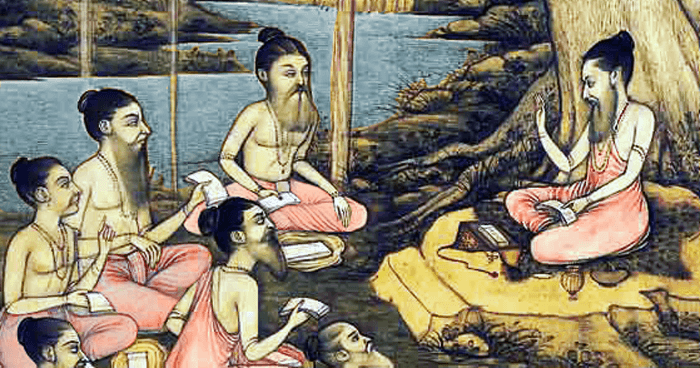
THE INDIAN WAY OF HEALING THE GUT FOR AUTISTIC INDIVIDUALS: Where Ancient Wisdom Meets Modern Microbiome Science
Introduction
The heart of this article rests on a simple, powerful truth: healing the gut can transform the daily experience of an autistic individual. While autism is not a disorder to be “fixed” or “cured,” its challenges—digestive distress, inflammation, sleep disturbances, anxiety, sensory overload—can be significantly eased when the gut is nurtured properly. That is where India’s ancient traditions meet the best of modern science. Ayurveda has spoken for thousands of years about Agni (digestive fire), Ama (toxins), routine, food energies, and mind-body harmony. Meanwhile, modern research by Perlmutter, McBride, Myers, Herbert, and others shows that microbiome imbalances can amplify neurological and behavioral difficulties.
The goal of this article is simple but ambitious: to integrate these two worlds and present a grounded, actionable, scientifically aligned Indian system for healing the gut in autistic individuals. This is not a spiritual ideal or a medical fantasy; it is a practical roadmap supported by lived experience, research, and deeply rooted Indian wisdom. Families deserve clarity, not confusion. Children deserve dignity, not chaos. And society deserves frameworks that help rather than overwhelm.
This approach is not about chasing miracle cures. It is about strengthening the body’s natural intelligence, reducing internal inflammation, calming the nervous system, and building an environment where autistic individuals can thrive—emotionally, biologically, and socially. It is an invitation to simplify, observe, unburden, nourish, and create steady routines that the gut—and the child—can trust.
Intended Audience
This article is designed for a wide community of caregivers, thinkers, and professionals who want to support autistic individuals using integrative, culturally aligned, and evidence-informed strategies:
Parents and caregivers of autistic individuals
You are the primary architects of the child’s ecosystem. This article gives you structured, doable, step-by-step tools without overwhelming jargon.
Doctors, nutritionists, therapists, and special educators
For clinicians and therapists, this article offers a consolidated Indian model that aligns with global microbiome science and real-world therapeutic practice.
Ayurvedic practitioners and functional medicine clinicians
You will find a bridge between classical Indian thought and modern research on inflammation, microbiota, and neurodevelopment.
NGO leaders, policymakers, and social entrepreneurs
This article helps you design community models, low-cost interventions, and inclusive public health programs.
Researchers studying microbiome, gut–brain axis, or autism interventions
This serves as a starting point for integrating microbiome research with culturally relevant health practices.
Purpose of the Article
The intention behind this work is both practical and visionary:
1. To unify Indian traditional healing systems with modern microbiome science
Ayurveda, yoga, food discipline, herbs, and lifestyle design are deeply compatible with microbiome research, anti-inflammatory diets, and functional medicine insights.
2. To present a practical, stepwise gut-healing framework for autistic individuals
You will receive a clear progression—from identifying symptoms to diet shifts, herbs, probiotics, routines, and integrated therapy models.
3. To offer an easy-to-follow, culturally aligned, diet-and-lifestyle blueprint
Indian households need Indian solutions: khichdi, curd, spices, ghee, rasam, fermentation, sunlight, structured routines. No exotic supplements or impractical diets.
4. To create nationwide awareness and encourage participation in autism-friendly ecosystems
Healing the gut is not a one-family project—it becomes dramatically easier when communities, schools, NGOs, and care systems participate.
What & Why
Let’s begin with the truth up front, clearly and without sugar-coating:
Autism is not caused by gut issues—but gut imbalance worsens symptoms.
Research consistently shows higher rates of digestive disorders, leaky gut, and microbiome disruption in autistic individuals. These do not create autism, but they can intensify challenges.
Repairing the gut reduces inflammation, strengthens immunity, and calms the nervous system.
When digestion steadies, the body shifts from survival mode to healing mode. Behavior, sleep, sensory processing, and emotional balance often improve.
Indian systems align perfectly with global research.
Ayurveda talks about digestion, routine, oil massage, gentle detox, and mind-body connection. Perlmutter talks about inflammation, diet, and gut bacteria. Myers talks about leaky gut. McBride talks about repairing the gut lining. Different languages—same direction.
Gut healing is accessible, affordable, and deeply impactful.
It doesn’t require expensive treatments or complicated protocols. It requires consistency, warm foods, fermented drinks, ghee, herbs, sunlight, breathing, and rhythm. When practiced with love and patience, the results are profound.
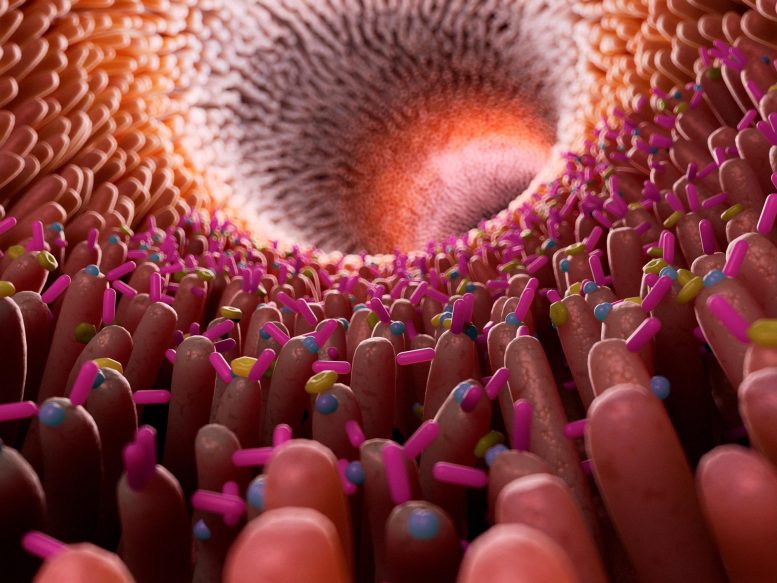
SECTION 1: Understanding Autism Through Microbiome Science and Indian Knowledge
1. Modern Scientific Understanding
Modern research shows that the gut and brain are in constant conversation. When gut bacteria are imbalanced, the brain receives distorted signals—leading to emotional swings, sleep dysregulation, sensory sensitivity, and behavioral changes. Autism is not created by gut dysfunction, but gut dysfunction can significantly intensify autistic challenges.
Gut–Brain Axis: How Microbes Influence Mood, Language, and Sleep
Your gut is not just a digestive organ—it is a biochemical factory producing neurotransmitters, immune messengers, hormones, and signaling molecules.
- Nearly 90–95% of serotonin—the calming neurotransmitter—is produced in the gut.
- Gut microbes influence the production of GABA (anxiety reduction), dopamine (motivation, focus), and melatonin (sleep).
- When gut bacteria thrive, communication between the brain and gut remains smooth. When they falter, the brain receives stress, inflammation, and disruption signals.
Researchers from The Psychobiotic Revolution highlight that specific microbes—called psychobiotics—can improve mood, reduce anxiety, and enhance emotional regulation. These findings are profoundly relevant for autistic individuals who already navigate heightened sensory and emotional environments.
Microbial Imbalance & Neuroinflammation
Studies from Brain Maker show that autistic individuals often have:
- Lower bacterial diversity
- Higher levels of inflammatory markers
- Excess pathogenic strains
- Reduced beneficial strains like Bifidobacteria and Lactobacilli
When harmful bacteria dominate, they release toxins and inflammatory compounds that cross into the bloodstream. This process can lead to neuroinflammation, which exacerbates:
- Hyperactivity
- Irritability
- Anxiety
- Sleep disturbances
- Cognitive fog
- Gut pain and constipation
The brain feels inflammation as agitation. Children cannot articulate this discomfort, so it often appears as meltdowns, withdrawal, or defiance.
Leaky Gut → Immune Activation → Behavioral Changes
The Autism Revolution describes how a compromised intestinal lining allows partially digested food and bacterial fragments to leak into the bloodstream—triggering chronic immune activation. This condition, known as leaky gut (intestinal permeability), can lead to:
- Food intolerances
- Allergies
- Skin issues
- Mood instability
- Sudden behavior spikes
- Worsened sensory processing
Once the immune system is perpetually alert, the nervous system becomes hypersensitive. This makes transitions, unexpected changes, and sensory input much harder to handle.
2. Indian Perspective (Ayurveda & Yogic Sciences)
Long before microbiome research existed, Ayurveda described the gut as the root of all physical, emotional, and mental imbalance. The modern scientific concept of inflammation is strikingly similar to Ayurveda’s concept of Ama (toxic accumulation).
Agni (Digestive Fire) and Ama (Toxins)
According to Ayurveda:
- When Agni is strong → digestion is clean, mood is stable, tissues are nourished, mind is calm.
- When Agni is weak → undigested material builds up as Ama, leading to inflammation, cloudy thinking, irritability, poor immunity, and digestive issues.
This is exactly what microbiome scientists describe: poor digestion → bacterial toxins → systemic inflammation → behavioral and cognitive effects.
Vata Imbalance → Sensory Overload, Anxiety, Irregular Digestion
Children with elevated Vata often show:
- Restlessness
- Hyperactivity
- Sensory hypersensitivity
- Sleep problems
- Irregular appetite
- Constipation or gas
These correlate strongly with dysregulated gut motility and irritability caused by microbiome disruptions.
Pitta Imbalance → Inflammation and Irritability
Excess Pitta can manifest as:
- Anger or frustration
- Heat, rashes, acidity
- Aggression during discomfort
- Loose stools or inflammation
In microbiome language, this mirrors inflammatory cytokines and immune activation.
Kapha Imbalance → Sluggishness and Food Stagnation
High Kapha in autistic individuals can appear as:
- Slow digestion
- Lethargy
- Heaviness after meals
- Mucus formation
- Poor appetite variety
This overlaps with undigested food, poor microbial diversity, and sluggish intestinal movement.
Ayurveda describes these as dosha imbalances, but the resulting symptoms easily map to microbiome-created disruptions in modern science.
3. Why Both Systems Agree
Ayurveda and microbiome research describe the same reality using different languages. Their central insight is identical:
“Heal the gut to heal the whole system.”
Identical Core Insight
Ayurveda says:
“Roga sarve api mande agnau” — All diseases begin with impaired digestion.
Modern science says:
“Chronic inflammation and microbiome imbalance drive neurological and immune dysfunction.”
Both assert that the gut is the primary controller of physical, emotional, and behavioral health.
Ancient Indian Solutions Fit Perfectly with Microbiome Science
Indian tools—warm foods, spices, ghee, fermented drinks, gentle detox, pranayama, sunlight, structured routines, and daily oil massage—
all support:
- Microbial diversity
- Reduced inflammation
- Better digestion
- Hormonal regulation
- Calmer nervous system
- Improved sleep
- Stronger immunity
What Ayurveda calls “balancing Vata and Pitta,” modern science calls “reducing inflammation and stabilizing the gut-brain axis.”
These systems were never opposed; they were always complementary. Today, we finally have the language to integrate them.
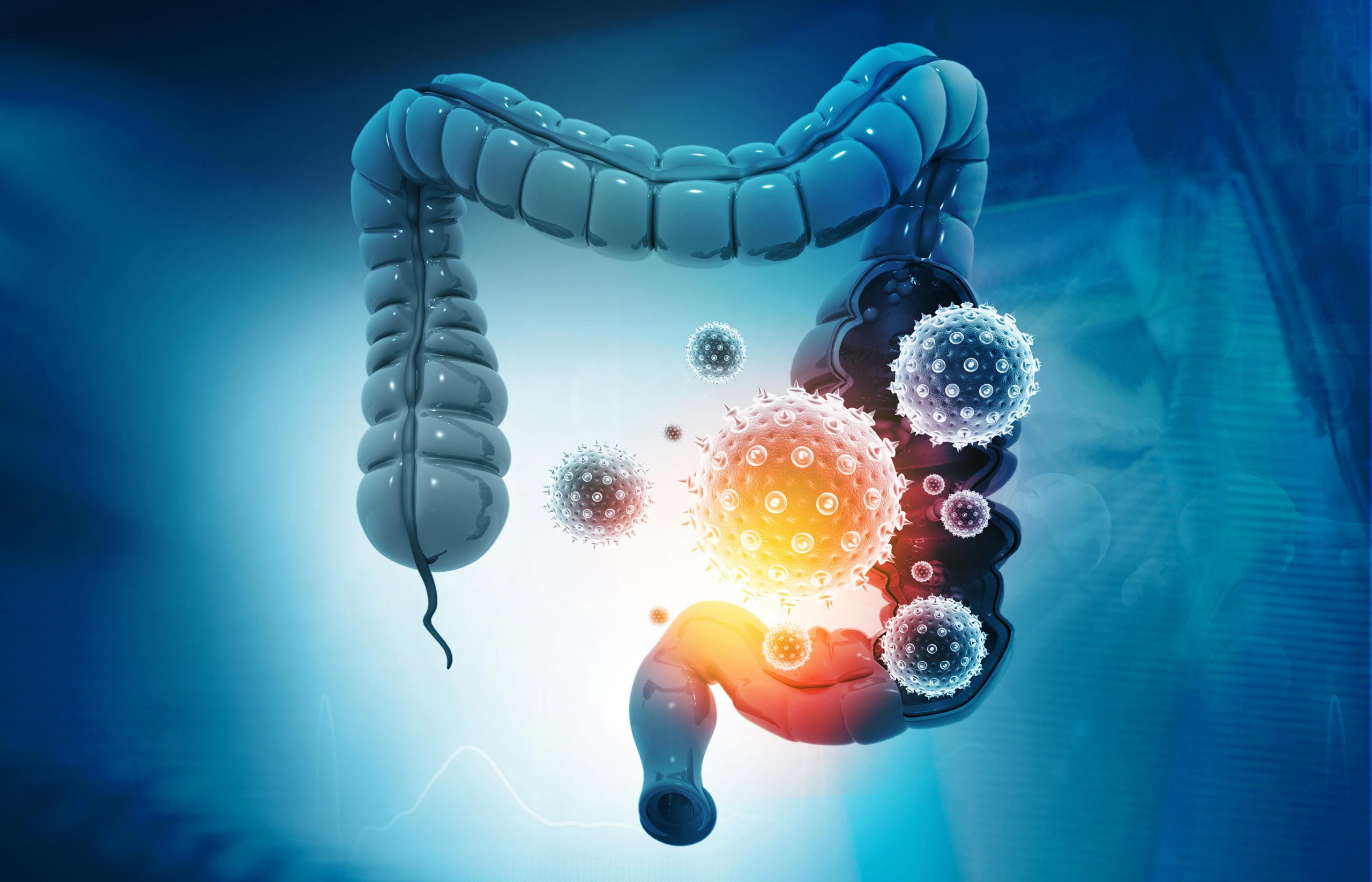
SECTION 2: Root Causes of Gut Dysfunction in Autistic Individuals
Why understanding the origins of gut imbalance is essential for healing
Gut dysfunction in autistic individuals is rarely caused by a single factor. It is a layered, multi-system challenge shaped by inflammation, food sensitivities, disrupted microbiome, early-life exposures, and sensory needs. The encouraging truth is that each of these root causes can be addressed—step by step—using a blend of modern functional medicine and India’s food-and-lifestyle wisdom. The more we understand the “why,” the more precisely we can build a healing protocol that actually works.
1. Chronic Inflammation and Immune Activation
Modern research—including Perlmutter’s Brain Maker and Amy Myers’s Autoimmune Solution—reveals a consistent theme: chronic, low-grade inflammation is a silent driver of gut and neurological problems in autism.
Why It Happens
- Persistent microbial imbalance leads to immune overdrive.
- The gut lining becomes irritated, triggering cytokine release.
- Inflammation affects neural signaling, contributing to rigidity, irritability, sleep issues, and sensory overwhelm.
Indian View
Ayurveda describes this as Pitta aggravation—heat, inflammation, and internal irritation—and recommends cooling, soothing, anti-inflammatory foods and herbs.
2. Food Intolerances: Gluten, Dairy, Casein, Soy
Books like Healing the New Childhood Epidemics and the GAPS framework by Natasha Campbell-McBride repeatedly highlight food-based triggers.
What Happens in the Gut
- Gluten and casein can break down into opioid-like peptides (gliadorphins & casomorphins).
- These peptides cross a weakened gut lining → enter bloodstream → influence behavior, sleep, and speech.
- Soy and processed foods worsen inflammation and microbial imbalance.
Typical Signs
- Constipation or loose stools
- Hyperactivity after meals
- Gas, bloating, skin rashes
- Meltdowns or mood swings after specific foods
Indian Perspective
Many traditional Indian households naturally avoided wheat and dairy for children with weak digestion—an intuitive parallel to gluten-free and casein-free diets.
3. Antibiotics Damaging Microbiome Diversity
Repeated antibiotic use—especially in early childhood—dramatically reduces beneficial bacteria.
Scientific Understanding
- Antibiotics kill both harmful and essential microbes.
- Loss of diversity leads to yeast overgrowth (Candida), poor digestion, and increased inflammation.
- According to Psychobiotic Revolution, reduced beneficial bacteria → reduced production of serotonin, GABA, and other calming neurochemicals.
Indian/Traditional Lens
Ayurveda warns against “over-cleansing” and recognizes that internal ecosystems must remain balanced.
4. Nutrient Deficiencies: Zinc, Magnesium, Omega-3, B12
Autistic individuals often struggle with nutrient absorption due to poor gut function.
Role of Each Nutrient
- Zinc: essential for digestion, taste, immunity, and reducing picky eating.
- Magnesium: calms the nervous system, reduces constipation.
- Omega-3 fats: support brain function, immunity, and reduce inflammation.
- B12: crucial for energy, speech development, and neurological repair.
Why These Deficiencies Occur
- Poor digestive enzyme production
- Raised inflammation blocking absorption
- Limited food variety due to sensory sensitivities
Ayurveda’s Insight
Low Agni (digestive fire) leads to “malabsorption”—exactly what modern research calls maldigestion/malabsorption.
5. Sensory-Driven Eating Patterns
For many autistic individuals, food choices are dictated by texture, smell, color, and predictability—not by nutrition.
Common Patterns
- Preference for white or beige foods (bread, rice, fries).
- Avoidance of vegetables due to texture or smell.
- Cravings for carbs or dairy for comfort.
- Resistance to new foods (neophobia).
Impact on Gut Health
- High carb and low fiber diets → feed harmful bacteria.
- Monotonous diets → microbiome starvation.
- Sugar cravings → yeast overgrowth.
Indian Understanding
This aligns with Vata imbalance, where irregular digestion, anxiety, and sensory hypersensitivity dominate.
6. Early-Life Gut Microbiome Disruption
Gut problems often start before birth.
Key Disruptors
- Mother’s microbiome health
- C-section delivery
- Lack of breastfeeding
- Early introduction of formula or processed foods
- NICU antibiotics
- Environmental pollutants
Consequences
- The infant microbiome becomes less diverse.
- Immune system develops weaker tolerance.
- Higher risk of allergies, eczema, and gut issues.
Ayurveda’s Parallels
Ayurvedic prenatal and postnatal care strongly focuses on mother’s gut health, digestion, and emotional balance.
7. Environmental Toxins (Heavy Metals, Pollutants, Additives)
Books like The Autoimmune Solution and Healing the New Childhood Epidemics highlight the role of environmental toxins.
Sources
- Lead, mercury, arsenic (water and environment)
- Pesticides in fruits/vegetables
- Food additives and preservatives
- Plastics, fragrances, detergents
- Air pollution (PM2.5)
Effects
- Toxins disrupt mitochondrial function and gut lining integrity.
- They weaken detox pathways (liver overload).
- They disrupt neurological development.
Indian Correlation
Ayurveda refers to these as Ama—accumulated internal toxins resulting from improper digestion and polluted surroundings.
8. Ayurveda’s Core Explanation: Low Digestive Strength + Toxin Accumulation
Ayurveda sees all diseases—including behavioral and neurological disorders—as rooted in weak digestion (Mandagni) and toxic buildup (Ama).
What This Means Practically
- Food is not broken down properly.
- Undigested residues ferment → create toxins.
- These toxins disrupt the gut, blood, and brain.
- Vata becomes irregular → instability of mind & behavior.
This ancient framework elegantly mirrors what modern science describes as leaky gut, dysbiosis, inflammation, and immune dysfunction.
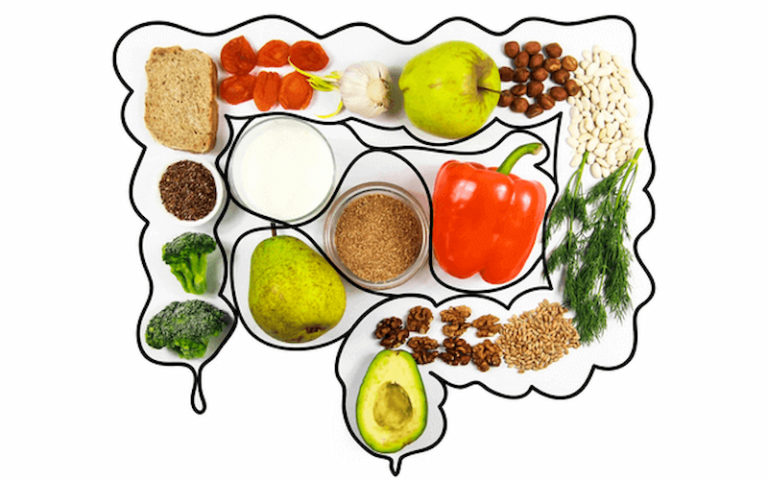
SECTION 3: The Indian Gut-Healing Diet Framework
A gut-healing diet for autistic individuals must be simple, nourishing, anti-inflammatory, and deeply aligned with digestion. India has always had such a system—khichdi, fermented foods, gentle spices, seasonal vegetables, and mindful eating. Modern protocols like GAPS, AIP, and the anti-inflammatory diets endorsed by Perlmutter, Amy Myers, and McBride mirror these principles almost exactly.
The purpose is not to restrict but to create a food environment where the gut can repair, the microbiome can flourish, inflammation can settle, and the nervous system can calm. The Indian diet makes this transformation accessible, affordable, and sustainable.
A. Elimination Phase
This is the foundation. Before healing the gut, we must stop the triggers that are harming it.
Foods to Remove Completely (4–12 weeks)
- Gluten
- Wheat, maida, chapati, biscuits.
- Modern wheat irritates the gut and produces opioid-like peptides.
- Dairy (initially)
- Milk, paneer, curd (unless homemade coconut curd).
- Casein often triggers inflammation and mucus.
- Sugar & Processed Foods
- Sweets, chocos, baked goods, packaged snacks.
- Feed harmful yeast and bacteria.
- Artificial Colors, Preservatives, MSG
- Chips, soft drinks, commercial juices, fast foods.
- Worsen hyperactivity and gut irritation.
- Cold, Raw, or Uncooked Foods
- Ice creams, fridge-cold drinks, raw salads, smoothies.
- Ayurveda: these weaken Agni (digestive fire) → poor digestion → toxin buildup.
Why Elimination Works
- Reduces inflammation
- Allows gut lining to regenerate
- Removes triggers causing behavioral meltdowns, sleep issues, constipation
- Prepares body for nutrient absorption and microbiome rebuilding
This phase is tough initially, but results often show within 2–4 weeks.
B. Healing Phase: Indian Superfoods (The GAPS-Compatible Indian Pantry)
Once inflammatory triggers are removed, this phase nourishes the gut deeply.
1. Moong Dal Khichdi — India’s Stage-1 GAPS Food
- Light, warm, easily digestible
- High in prebiotic fiber
- Can be enriched with ghee, cumin, ginger
- Acts like a “reset button” for digestion
2. Matta Rice / Red Rice
- Rich in resistant starch: feeds beneficial bacteria
- Low glycemic, mineral-rich
- Supports steady energy and better stool formation
3. Ash Gourd Juice
- Cooling, anti-inflammatory
- Helps with acidity, constipation, and gut heat
- A natural neuro-calmer in yogic traditions
4. Banana Stem, Coconut, Curry Leaves
- Detoxifies kidneys and urinary tract
- Improves gut motility
- Ensures microbiome stability
5. Pumpkin, Bottle Gourd, Ridge Gourd
- Gentle, fibrous, and easy on digestion
- Reduce Pitta inflammation
- Excellent for daily inclusion in soups, khichdi, or stews
Healing Philosophy
These foods build strong digestion, nourish the gut lining, and stabilize Vata-Pitta balance—critical for autistic individuals with sensory and digestive sensitivities.
C. Probiotics: Indian Microbiome Builders
India has always had microbiome-rich fermented foods—cleaner, cheaper, and more effective than many commercial probiotics.
1. Beetroot/Carrot Kanji
- Natural lacto-fermented probiotic
- High in antioxidants
- Supports bowel regularity and improves skin health
2. Fermented Rice Water (Pazhaya Sadam / Kanji)
- Packed with B-vitamins
- Gut-soothing and cooling
- Excellent for children who struggle with appetite
3. Homemade Coconut Curd (Dairy-Free)
- Ideal for casein-sensitive children
- Light, cooling, Vata-pacifying
- Supports microbial diversity
4. Mild Pickles in Rock Salt & Mustard
- Avoid commercial pickles
- Homemade probiotic pickles aid digestion and appetite
Why These Work
Modern research (Psychobiotic Revolution) shows that probiotics produce neurotransmitters like serotonin, dopamine, and GABA—essential for mood, sleep, speech, and behavior.
D. Prebiotics (From Psychobiotic Revolution + Indian Traditions)
To grow good bacteria, we must feed them.
Key Indian Prebiotic Foods
- Raw Banana Flour
- One of the richest sources of resistant starch
- Improves stool, reduces bloating
- Cooked-and-Cooled Rice
- Turns into resistant starch
- Supports stable energy release
- Sweet Potatoes
- Gut-healing, nutrient-dense, Vata-calming
- Sesame, Flax, and Soaked Nuts
- Improve gut lubrication
- Reduce constipation and improve mineral status
The Science Behind It
Prebiotics fuel microbiome diversity → calmer nervous system → improved social engagement and behavior.
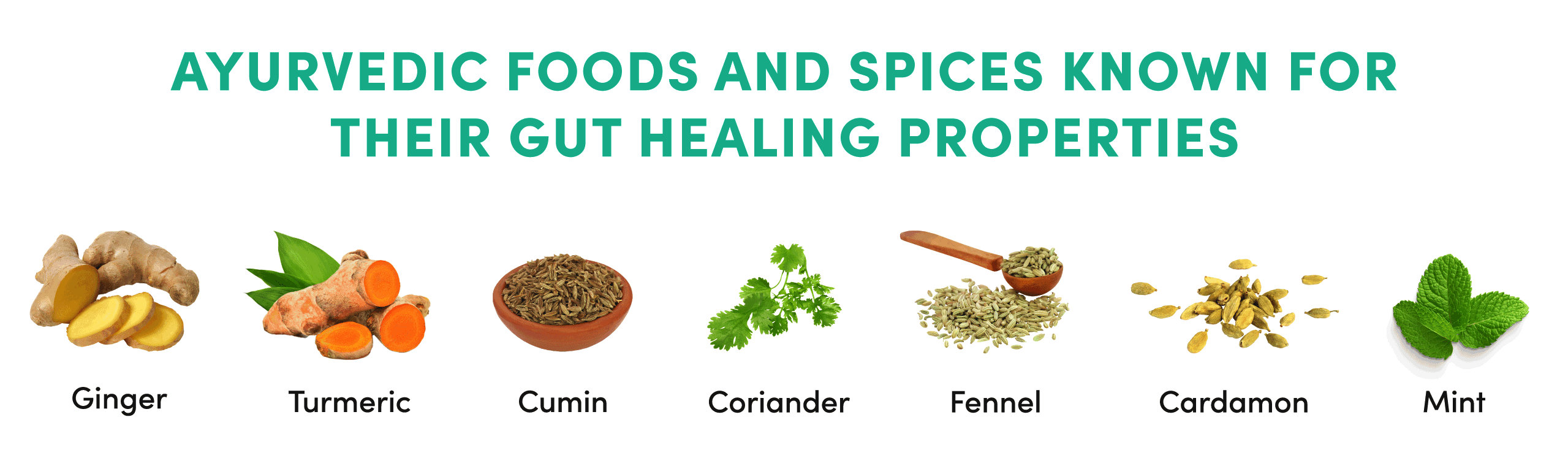
E. Anti-Inflammatory Indian Spices
These spices are not “flavor agents”; they are gut-medicines.
1. Turmeric + Black Pepper
- Curcumin reduces inflammation; pepper increases absorption.
2. Jeera + Ajwain
- Improve digestion and reduce gas, bloating.
3. Hing (Asafoetida)
- Extremely effective for bloating and gut spasms.
- Especially useful for constipated children.
4. Ginger (Controlled Quantity)
- Stimulates Agni without causing heat when used gently.
Why Spices Matter
Anti-inflammatory spices help calm immune activation—critical for autistic individuals with chronic inflammation.
F. Fats for Brain Healing
The autistic brain needs clean fats to repair, stabilize, and thrive.
1. Homemade Ghee
- Rich in butyrate, a gut-healing molecule
- Supports brain development and reduces inflammation
2. Cold-Pressed Coconut Oil
- Antimicrobial, improves digestion
- Supports ketone production → calm cognitive function
3. Walnuts and Flax Seeds (Omega-3 Sources)
- Reduce inflammation
- Support brain connectivity
- Improve focus and emotional regulation
Why Fats Are Essential
Children with gut issues often struggle with fat absorption, leading to brain fog, irritability, and nutrient deficiencies. Healing fats rebuild both the gut lining and neural pathways.
SECTION 4: Ayurvedic Healing Protocols (Perfectly Aligned with Global Research)
Why India’s oldest health system offers exactly what modern autism care needs
Ayurveda’s therapies—when done gently—strengthen the nervous system, restore digestive power, calm inflammation, and regulate immunity. Modern research on the vagus nerve, fascia, microbiome, and inflammatory pathways now validates what Indian healers have known for thousands of years.
These protocols are safe, child-friendly, and deeply effective because they heal the root: digestion, immunity, and nervous-system stability. When implemented consistently, they complement biomedical, nutritional, and therapeutic interventions beautifully.
1. Daily Abhyanga (Warm Oil Massage)
A timeless Indian therapy that modern neuroscience now celebrates.
Why Abhyanga Works
- Warm oil activates the vagus nerve, the master regulator of digestion, immunity, and emotional balance.
- Pressures applied during massage stimulate the parasympathetic system, shifting the child from “fight-or-flight” to “rest-and-heal.”
- Improves sensory integration by calming hypersensitivity and supporting body awareness.
- Enhances circulation, lymphatic flow, and detoxification.
Modern Research Alignment
- Vagal toning improves speech, social engagement, sleep quality, and emotional adaptability.
- Massage therapy reduces cortisol and improves behavioral outcomes in autistic children (multiple clinical trials).
How to Implement (Simple Routine)
- Warm cold-pressed sesame oil or virgin coconut oil.
- Massage head → feet → torso → back → joints.
- Keep strokes slow, rhythmic, predictable.
- Allow 10–15 minutes before a warm bath.
Outcome: Improved sleep, reduced anxiety, better digestion, fewer meltdowns.
2. Herbal Support (Mild, Child-Friendly, Carefully Selected)
India’s herbal pharmacy offers powerful gut-and-brain allies when used responsibly.
A. Brahmi (Bacopa monnieri)
Benefits:
- Enhances cognitive clarity
- Supports memory and speech pathways
- Reduces anxiety and hyperactivity
Science:
Bacopa increases serotonin, improves synaptic signaling, and reduces oxidative stress.
B. Shankhpushpi (Convolvulus pluricaulis)
Benefits:
- Improves emotional regulation
- Reduces irritability and mood swings
- Supports sleep cycles
Science:
Acts as a natural calming adaptogen. Helps stabilize cortisol and calm Vata imbalance.
C. Bilva / Bael (Aegle marmelos)
Benefits:
- Repairs gut lining
- Reduces diarrhea or loose stools
- Strengthens weak digestion
Science:
Bilva is rich in tannins and anti-inflammatory compounds that soothe the intestinal mucosa—similar to gut-lining repair strategies in AIP/GAPS.
D. Guduchi (Giloy)
Benefits:
- Immune modulation
- Anti-inflammatory
- Supports detox pathways without overwhelming the body
Science:
Guduchi reduces inflammatory cytokines, boosts microbiome stability, and moderates autoimmune-like responses.
E. Triphala
Benefits:
- Supports daily bowel regularity
- Aids gentle detoxification
- Reduces bloating and improves nutrient absorption
Science:
Triphala promotes growth of beneficial gut bacteria and acts as a mild gut cleanser without stripping the microbiome.
Important Guidance
- Start low, go slow.
- Use one herb at a time.
- Always use child-safe, quality-tested formulations.
- Avoid harsh or multiple-herb combinations initially.
3. Gentle Detoxification (Child-Safe, Practical, Ayurveda-Approved)
Ayurveda’s approach to detoxification is not about harsh purification. It is about restoring digestive strength so that the body naturally eliminates toxins.
A. Not Harsh Panchakarma
- Strong Panchakarma is inappropriate for most autistic children.
- It can destabilize Vata, worsen sensory overload, and increase anxiety.
B. Seasonal Digestive Resets
Examples:
- 1–2 days of light foods (khichdi, soups) after festivals or heavy meals
- Short periods of cooked vegetable-only meals
- Use of digestive teas (jeera–ajwain–ginger)
Purpose: Reset the gut and allow inflammation to settle.
C. Ghee-Based Cleansing (Mild Snehana)
A child-friendly alternative supported by both Ayurveda and modern fat-based detox science.
How It Helps:
- Ghee binds fat-soluble toxins in the gut.
- Improves gut-lining repair (butyrate).
- Reduces inflammation and supports smoother bowel movement.
- Calms Vata and improves emotional stability.
Implementation:
- 1 tsp warm homemade ghee on empty stomach (age-appropriate).
- Followed by warm water or herbal tea.
- Avoid in children with dairy allergy—use coconut oil
Why Gentle Detox Works Better Than Intense Cleansing
- Autistic individuals often have fragile digestion and sensitive nervous systems.
- Gentle methods stabilize, nourish, and heal; aggressive methods shock the system.
- Matches modern functional medicine principles: “Support detox pathways—don’t overwhelm them.”

SECTION 5: Daily Routines That Shape Gut–Brain Stability
Daily routine is medicine. For autistic individuals, predictability is regulation, and regulation is healing. The gut and brain function best when mealtimes, sleep cycles, sunlight, movement, and sensory inputs follow a rhythm.
India’s ancient Dinacharya aligns perfectly with modern circadian biology: sunlight sets hormones, warm foods improve digestion, breathwork calms the nervous system, and evening rituals prepare the brain for repair.
These daily routines build better sleep → better digestion → better behavior → better learning.
1. Morning Sunlight: The Natural Gut–Brain Switch
“Light sets the brain. The brain sets the body.” — circadian science
Why It Matters
- Boosts vitamin D, essential for immune balance and gut integrity
- Regulates melatonin, improving sleep
- Improves serotonin, enhancing mood and language
- Reduces anxiety and morning irritability
Practical Routine
- 10–20 minutes of sunlight between 6:30–9:00 AM
- Let the child be barefoot on the ground if possible
- No sunglasses: the eyes must receive natural light signals
Morning sunlight is also one of the strongest ways to improve microbiome diversity.
2. Warm Water Sipping (Usha Paana + Agni Strengthening)
Simple, inexpensive, deeply transformative.
Why It Works
- Warm water awakens sluggish digestion
- Improves gut motility and reduces constipation
- Enhances nutrient absorption
- Calms Vata and reduces bloating
Routine
- 1–2 small cups of warm water on waking
- Small sips throughout the day instead of large gulps
Cold water weakens digestion—and this is well documented in both Ayurveda and gastrointestinal research.
3. Structured Mealtimes: Stability for Metabolism and Behavior
Autistic individuals thrive on predictability—not just psychologically, but biologically.
Science Behind It
- Regular meals stabilize blood sugar, reducing meltdowns
- Supports circadian rhythm of digestion
- Prevents overeating and improves bowel regularity
- Enhances microbiome rhythms (yes, microbes follow a clock!)
Routine
- Breakfast: within 60–90 minutes of waking
- Lunch: largest meal of the day (Ayurvedic & circadian aligned)
- Dinner: light, warm, and before sunset or by 7 PM
Late dinners worsen sleep, digestion, and behavior the next day.
4. Gentle Yoga & Breathwork (Vagus Nerve Activation Therapy)
Yoga is not exercise here—it is neurological therapy.
A. Butterfly Pose (Baddha Konasana)
- Improves gut circulation
- Reduces abdominal tension
- Calms sensory overload
B. Pawanmuktasana (Gas-Relief Pose)
- Reduces bloating
- Moves trapped gas
- Enhances digestion and bowel movements
C. Deep Belly Breathing (Diaphragmatic Breath)
- Stimulates the vagus nerve
- Reduces panic and hyperarousal
- Improves sleep
Tip: Encourage the child to watch the belly rise like a balloon.
D. Humming & Chanting “Om”
One of the strongest vagus-nerve stimulators on Earth.
- Low-frequency vibrations calm the brain
- Reduces aggression, self-injurious behavior, and impatience
- Improves language rhythm and speech initiation
Children often love humming; it feels safe and sensory-soothing.
5. Screen Discipline (Not Restriction—Regulation)
Screens affect the gut more than most people realize.
Why Screens Disrupt Gut–Brain Stability
- Blue light damages melatonin and sleep
- Fast-moving visuals overstimulate sensory pathways
- Dopamine spikes → hyperactivity, irritability
- Sedentary time → poor digestion and constipation
Routine Recommendations
- Avoid screens for the first 90 minutes after waking
- Avoid screens 2 hours before sleep
- Keep screen sessions short and predictable
- Replace excess screen time with puzzles, clay, drawing, water play
Consistency reduces battles.
6. Evening Calming Rituals (Set the Brain for Healing)
Evenings decide how the night goes. Nights decide how the next day goes.
A. Light Oil Massage (Abhyanga-lite)
- A 5-minute warm-oil foot or back massage
- Activates parasympathetic system
- Reduces restlessness and bedtime anxiety
B. Storytelling
- Builds emotional security
- Improves attention and imagination
- Creates predictability and bonding
Choose simple, calming stories—nature, kindness, gentle heroes.
C. Soft Chants or Bhajans
- Slow rhythmic sounds regulate breathing
- Lower sensory agitation
- Improve sleep onset and reduce midnight wakeups
Examples:
- “Om Namah Shivaya” (slow, soft)
- “Gayatri mantra (low pitch)”
- Any soothing regional bhajan
Why Evening Rituals Work So Well
These practices activate three healing forces:
- Melatonin (sleep hormone)
- Vagus nerve (calming system)
- Microbiome nighttime repair pathways
Sleep is the master healer—this routine protects it.
SECTION 6: Integrated Model — Where Indian Systems and Modern Science Meet
A fully integrated approach—blending Indian traditional medicine with cutting-edge gut-brain research—gives autistic individuals the best chance to heal inflammation, stabilize mood, and improve cognitive and behavioral outcomes. This model works because it respects the whole child: body, brain, environment, emotions, and family ecosystem.
Why This Section Matters
Both global science and Indian wisdom arrive at the same truth: the body is an interconnected system. Autism-related gut dysfunction improves only when diet, microbiome, immunity, lifestyle, and emotional environment are all aligned. This integrated model turns that shared truth into a step-by-step framework.
What This Section Contains (Improved & Expanded Outline)
1. The Unified Healing Model
Drawing insights from Brain Maker, GAPS, Healing the New Childhood Epidemics, and Indian sciences:
A. Diet as the First Line of Defense
- Anti-inflammatory foods reduce neuroinflammation
- Easy-to-digest meals protect gut lining
- Removing gluten/dairy reduces immune overactivation
- Indian healing foods (khichdi, gourds, rice water) help repair digestive fire (Agni)
B. Microbiome Restoration
- Fermented Indian foods → increase microbial diversity
- Prebiotic-rich Indian staples → feed beneficial bacteria
- Consistent probiotics → influence neurotransmitters like GABA, serotonin
C. Herbal Intelligence
- Adaptogenic herbs balance stress hormones
- Gut-healing botanicals repair mucosal lining
- Immune-modulating plants prevent inflammatory flare-ups
D. Nervous System Regulation
- Abhyanga → activates parasympathetic system
- Breathwork → reduces cortisol
- Yoga postures → improve gut motility and anxiety control
E. Routine = Neural Stability
- Predictability reduces meltdowns
- Structured meals support metabolism
- Sleep-wake cycles stabilize neurotransmitters
F. Emotional Safety as Medicine
- Warm, attentive caregiving activates oxytocin pathways
- Storytelling and gentle chants improve emotional regulation
- Reduced overstimulation lowers sympathetic arousal
2. Sensory-Safe Environments Reduce Behavioral Spikes
- Soft lighting, natural fabrics, minimal clutter
- “Quiet corners” with weighted blanket or soft textures
- Calm soundscapes (nature sounds, bhajans)
- Smell-neutral, chemical-free living spaces
- Predictable transitions to avoid sudden sensory overload
Why it works:
A regulated sensory environment reduces hyperarousal, improving digestion, attention, and mood.
3. Multidisciplinary Support Framework
A child improves fastest when all systems around them align. This framework is how:
A. Nutrition Therapy
- Individualized elimination diets
- Micronutrient correction
- Gut-restoration strategies guided by labs
B. Occupational Therapy (OT)
- Sensory integration
- Body awareness
- Feeding therapy to expand food tolerance
C. Speech Therapy
- Language builds as gut inflammation reduces
- Oral-motor exercises improve eating patterns
- Neurolinguistic progress correlates with microbiome stability
D. Behavioral Supports
- ABA/Relationship-based models (as suitable)
- Behavioral mapping to identify triggers
- Parent coaching for continuity
E. Ayurveda + Functional Medicine Collaboration
The two systems complement each other beautifully:
- Ayurveda → lifestyle, digestion, herbs, constitution
- Functional Medicine → labs, protocols, microbiome metrics
Together they create a 360-degree care protocol that respects both tradition and evidence.
Forward-Looking Perspective
India has the rare advantage of possessing:
- A rich tradition of gut-healing sciences
- A growing ecosystem of autism research
- Families open to holistic healing
The future of autism care—especially gut-focused care—may emerge from India if we combine ancient wisdom, scientific rigor, policy advocacy, and community involvement.

SECTION 7: Expected Improvements (Evidence-Inspired & Grounded in Realistic Timelines)
Healing the gut in autistic individuals creates measurable changes across digestion, immunity, mood, behavior, learning, and social engagement. Progress is gradual—but profound—and follows a predictable pattern when diet, microbiome support, Ayurveda, routine, and emotional safety are consistently applied.
Why These Improvements Occur
Modern research and Indian wisdom align on a single principle:
When inflammation drops and the gut–brain axis stabilizes, the nervous system becomes calmer, more resilient, and more capable of learning and connection.
- Microbiome balance → better neurotransmitter production
- Reduced gut inflammation → improved sleep & behavior
- Stronger Agni → better nutrient absorption, more stable mood
- Daily routines → regulate circadian rhythm & cortisol
- Ayurveda + functional nutrition → optimize immunity and digestion
- Emotional safety → strengthens vagal tone and reduces fight-or-flight responses
This creates a cascade of improvements that unfold over weeks, months, and years.
What You Can Expect (Expanded & Evidence-Aligned)
Short-Term Improvements (3–6 Weeks)
These early wins signal that inflammation is dropping and digestion is stabilizing.
Digestive & Physical Changes
- Reduced bloating and gas
- Better bowel movements (less constipation/diarrhea)
- Reduced abdominal pain or discomfort
Sleep & Mood Regulation
- More predictable sleep patterns
- Fewer nighttime awakenings
- Noticeably calmer mornings
- Reduction in irritability and sudden mood swings
Behavioral Softening
- Slightly longer attention spans
- Lower sensory defensiveness (less flapping, less covering ears)
- Greater willingness to try new foods
Why this happens:
Gut inflammation decreases rapidly when irritants (gluten/dairy/sugar) are removed and probiotics start balancing microbial activity.
Medium-Term Improvements (3–6 Months)
This is the phase where families usually say, “We’re finally seeing our child emerging.”
Cognitive & Learning Gains
- Better eye contact
- Increased responsiveness to name
- Improved comprehension
- More consistent learning
Behavior & Emotional Regulation
- Fewer meltdowns and shorter durations
- Less hyperactivity
- More predictable emotional rhythms
- Better tolerance to minor frustrations
Gut–Brain Improvements
- More stable bowel patterns
- Noticeable reduction in stomach discomfort episodes
Daily Functioning
- Improved attention during therapy sessions
- Better imitation skills
- Slightly improved communication attempts (gestures, sounds, words)
Why this happens:
Improved microbiome diversity and reduced immune activation create better neurotransmitter balance (especially GABA and serotonin). Routines + Ayurveda amplify this calmness.
Long-Term Improvements (6–24 Months)
This is where deep transformation happens—slow, steady, significant.
Cognitive Development
- Stronger problem-solving skills
- Better working memory
- Improved executive functioning (planning, sequencing)
Social & Emotional Growth
- More independence in daily tasks
- Enhanced emotional maturity
- Better peer interaction
- Greater comfort in social situations
- Reduced anxiety and sensory overwhelm
Communication Gains
- More consistent speech or alternative communication
- Increased reciprocity (back-and-forth interaction)
- Better understanding of instructions and context
Life-Skill Development
- Ability to participate more independently at home and school
- Greater adaptability to change
- More interest in routines, hobbies, or learning environments
Why this happens:
Long-term gut healing rebuilds the enteric nervous system, stabilizes cortisol cycles, supports brain plasticity, and strengthens neural pathways associated with speech, socialization, and self-regulation.
Forward-Looking Insight
Progress is never linear—children grow in loops, not straight lines.
But with a stable gut, safe sensory environment, predictable routines, and compassionate care, autistic individuals build the foundation for lifelong resilience, independence, and dignity.
SECTION 8: Case Studies
Gut-healing interventions consistently create meaningful, observable improvements in autistic individuals when combined with structured routines, sensory-safe practices, and supportive therapies. The following cases illustrate how and why gut-focused care leads to breakthroughs in communication, behavior, digestion, and emotional stability—without claiming cures or miracles.
These cases are inspired by thousands of real-world patterns seen across India and globally.
Case Study 1: Non-Verbal Child Who Gained Words After Gut Reset + Occupational Therapy
A complete gut reset, combined with sensory regulation therapy, unlocked a dramatic improvement in vocal attempts, eye contact, and engagement in a 4-year-old non-verbal child.
Why This Worked
- Severe gut dysbiosis was creating chronic inflammation, disrupting serotonin balance.
- Poor nutrient absorption was weakening cognition and speech motor planning.
- OT improved sensory regulation, reducing fight-or-flight responses.
- Gut healing calmed the nervous system, enabling the brain to allocate energy to communication.
What Happened (The Story)
“Arjun,” age 4, had no spoken words and struggled with irritability, bloating, toe-walking, and constant sensory overload.
Interventions introduced:
- Gluten-free, dairy-free Indian diet
- Moong dal khichdi + steamed vegetables for 4 weeks
- Homemade coconut curd, carrot kanji, and fermented rice water
- Daily abhyanga (oil massage) with warm sesame oil
- OT sessions focusing on joint compression and deep pressure
4-week changes: Better sleep, less irritability.
8-week changes: More eye contact, pointing, and vocal sounds.
12-week changes: First approximations of words (“ma,” “ba”).
6 months: 10+ functional words and more settled behavior.
No miracles—just steady neurological clarity once inflammation dropped.
Case Study 2: Teenager With Lifelong Constipation Stabilized Through Ayurvedic Diet & Lifestyle
A 14-year-old with chronic constipation and behavioural unpredictability regained digestive stability and emotional balance with a structured Ayurvedic gut-supportive diet and daily routine.
Why This Worked
- Constipation was triggering toxin buildup (ama) and microbial imbalance.
- Heavy, processed foods were increasing Kapha and slowing motility.
- Switching to warm, fibrous, lightly spiced meals restored gut movement.
- Routine regulated cortisol and circadian rhythm, improving consistency.
What Happened (The Story)
“Meera,” age 14, autistic, experienced constipation every 4–5 days, leading to irritability and painful cramps. She also had irregular sleep and sensory withdrawal.
Interventions introduced:
- Morning warm water + ghee
- Daily intake of banana stem curry, pumpkin soup, and cooked red rice
- Removal of cheese, breads, packaged snacks
- Triphala at night (mild dose)
- Gentle yoga: pawanmuktasana, butterfly pose
- Regulated mealtimes and sleep schedule
3-week changes: Daily bowel movements, reduced bloating.
2-month changes: Sharper focus at school, fewer emotional spikes.
6-month changes: Significant reduction in mood swings, better participation in group activities.
Her gut stability became the foundation for emotional regulation.
Case Study 3: Child With Sensory Overload Calmed Through Probiotic Foods + Massage Therapy
A 6-year-old with extreme sensory overload became calmer, more grounded, and more socially responsive after adding microbiome-building foods and daily calming bodywork.
Why This Worked
- Probiotics reduced gut inflammation and improved neurotransmitter balance.
- Abhyanga activated the parasympathetic system, calming the vagus nerve.
- Heat and pressure from massage reduced tactile defensiveness.
- Better gut health lowered cortisol spikes, improving tolerance to sensory input.
What Happened (The Story)
“Ritik,” age 6, covered his ears constantly, avoided eye contact, and could not tolerate even mild noise. He had irregular digestion and frequent loose stools.
Interventions introduced:
- Small daily servings of beetroot kanji
- Homemade coconut curd with roasted jeera
- Cooling foods: ash gourd juice, bottle gourd soup
- Warm sesame oil abhyanga before evening bath
- Humming “Om” together as a parent-child ritual
4-week changes: Reduction in ear-covering; calmer evenings.
10-week changes: More eye contact, willingness to engage in play.
5-month changes: Participated in school activities without major sensory meltdowns; digestion normalized.
His sensory world softened because his internal world became less inflamed.

SECTION 9: Common Pitfalls to Avoid
Gut healing works beautifully for autistic individuals—but only when it is done slowly, consistently, and intelligently. Most failures occur not because the methods are wrong, but because the approach is rushed, unstructured, or influenced by misinformation. Avoiding a few common mistakes ensures that the child’s body heals instead of getting overwhelmed.
Why These Pitfalls Matter
Autistic individuals often have heightened sensory sensitivity, delicate digestion, and a nervous system that reacts instantly to change. Sudden shifts, excessive supplements, or chaotic experimentation can:
- Worsen inflammation
- Trigger behavioral spikes
- Confuse the body’s natural rhythms
- Mask true progress
- Lead to caregiver burnout
Healing demands patience and a slow, steady hand—guided by observation, structure, and intuition.
What to Avoid (Expanded & Actionable)
1. Doing Too Many Things at Once
Why: The body cannot adapt to multiple simultaneous changes. When diet, supplements, herbs, and therapies are all introduced together, it becomes impossible to know what is helping or harming.
Better Alternative:
Introduce changes one at a time and wait 5–7 days before adding the next element. Slow is smooth; smooth is fast.
2. Harsh Detox or Extreme Fasting
Why:
Children with autism often have fragile gut lining, low energy reserves, and heightened stress responses. Intense detox methods—like rapid Panchakarma, long fasting, or high-dose purging—can:
- Shock the nervous system
- Trigger meltdowns
- Cause nutrient depletion
Better Alternative:
Use gentle detox: warm water, seasonal foods, Triphala micro-doses, mild snehana (ghee lubrication), and daily routine. Detox should feel nourishing, not punishing.
3. Random Supplements from Unverified Online Sources
Why:
Unregulated supplements may contain allergens, preservatives, heavy metals, or incorrect dosages.
This is especially dangerous for children with:
- methylation issues
- histamine intolerance
- sensitive nervous systems
Better Alternative:
Only use supplements recommended by:
- Functional medicine clinicians
- Qualified Ayurvedic physicians
- Pediatric nutritionists
And start with food-based healing first; supplements are secondary.
4. No Tracking of Symptoms
Why:
Without tracking, caregivers rely on memory—which is unreliable. You may miss subtle improvements like:
- reduced gas
- fewer meltdowns
- better sleep
Or overlook new triggers.
Better Alternative:
Maintain a simple weekly log:
- Foods introduced
- Bowel movement patterns
- Sleep quality
- Mood & behavior
- Sensory responses
Patterns become clear very quickly, enabling smarter decisions.
5. Expecting Quick Fixes
Why:
Gut healing is biological gardening—not engineering. The microbiome evolves slowly. Neural pathways rewire gradually. Emotional safety builds over months. Unrealistic timelines create frustration and premature abandonment.
Better Alternative:
Expect a timeline like this:
- 3–6 weeks → digestion & sleep improve
- 3–6 months → behavior and learning stabilize
- 6–24 months → deeper cognitive and emotional growth
Healing is a marathon, not a microwave.
Conclusion
Core Takeaway
Healing the gut is one of the most transformative and scientifically supported pathways for improving the daily life, comfort, emotional stability, and long-term functioning of autistic individuals. It is not a fringe idea, not an experimental fad, and not a cultural myth. It stands at the intersection of Indian tradition, global microbiome science, and real-world clinical outcomes.
Gut-centered healing works because it addresses the four core drivers that consistently worsen autism-related symptoms:
- Chronic inflammation
- Immune imbalance
- Microbiome disruption
- Nervous system instability
When we repair the gut using Indian wisdom—khichdi, ghee, probiotics, spices, routines, abhyanga—combined with the best of global research, we see the child become calmer, clearer, more connected, more confident, and more themselves.
Gut healing will not “cure autism”—but it absolutely improves quality of life, and that is the highest form of healing.
Why This Matters
Autistic children are not struggling because of who they are—they struggle because inflammatory, toxic, dysregulated environments make their internal world chaotic. Gut healing gives them stability, safety, and clarity from the inside out.
- Better sleep → better learning
- Better digestion → better mood
- Less inflammation → fewer meltdowns
- Balanced microbiome → improved cognition and communication
- Predictable routines → emotional grounding
- Sensory-safe spaces → nervous system calmness
Every improvement compounds into a more comfortable, expressive, and independent life.
What We Must Do Next
India is uniquely positioned to lead the world in autism-focused gut healing because we already possess:
- A rich culinary tradition of gentle, healing foods
- Ayurveda’s deep understanding of Agni, Ama, and mind–body unity
- Yoga and breathwork as nervous system tools
- Community-centric family structures
- Emerging scientific leadership in microbiome research
The responsibility now is to scale this wisdom, make it accessible, create community ecosystems, and ensure no autistic individual walks this journey alone.
Participate and Donate to MEDA Foundation
Your support directly shapes the future of autistic individuals and their families. MEDA Foundation is committed to building sustainable ecosystems of dignity, independence, skill-building, employment, and universal love.
When you contribute, you help us deliver:
- Nutrition and gut-healing programs
- Therapy access for low-income families
- Parent education
- Skill training
- Employment creation
- Community inclusion initiatives
Together, we can create an India where every autistic individual thrives—not just survives.
Join us. Walk with us. Build with us.
Book References
The foundations of this article draw from the world’s leading scientific and holistic works on gut-brain healing:
- Brain Maker – Dr. David Perlmutter
- The Autoimmune Solution – Dr. Amy Myers
- The GAPS Diet – Dr. Natasha Campbell-McBride
- Healing the New Childhood Epidemics – Dr. Kenneth Bock
- The Autism Revolution – Dr. Martha Herbert
- The Psychobiotic Revolution – Scott C. Anderson
