Tag: #CustomerLoyalty

  • Functional to Emotional: Why Delight, Not Satisfaction, Drives Success

    Functional to Emotional: Why Delight, Not Satisfaction, Drives Success

    Customer delight is the strategic differentiator that transforms ordinary transactions into memorable experiences, driving loyalty, advocacy, and long-term engagement. While satisfaction ensures that products or services function adequately, delight creates emotional resonance, turning customers into repeat users and enthusiastic promoters. By designing peak moments, embedding surprise and personalization across the customer journey, and empowering employees to deliver meaningful interactions, organizations—whether startups, established brands, or social impact initiatives—can create lasting emotional bonds. Measuring delight through experiential, behavioral, and retention metrics ensures that emotional investment translates into tangible business or social outcomes. Ultimately, delight is not a gimmick or one-time effort; it is a repeatable, sustainable, and measurable strategy that builds trust, loyalty, and value in ways satisfaction alone cannot achieve.

    ಗ್ರಾಹಕ ಸಂತೋಷವು ಸಾಮಾನ್ಯ ವ್ಯವಹಾರಗಳನ್ನು ಸ್ಮರಣೀಯ ಅನುಭವಗಳಲ್ಲಿ ಪರಿವರ್ತಿಸುವ ಮತ್ತು ನಿಷ್ಠೆ, ಪ್ರಚಾರ ಮತ್ತು ದೀರ್ಘಕಾಲದ ಭಾಗವಹಿಸುವಿಕೆಯನ್ನು ಉತ್ತೇಜಿಸುವ ಕಾರ್ಯತಂತ್ರಾತ್ಮಕ ಭೇದಕವಾಗಿದೆ. ಉತ್ಪನ್ನಗಳು ಅಥವಾ ಸೇವೆಗಳು ಸಮರ್ಪಕವಾಗಿ ಕಾರ್ಯನಿರ್ವಹಿಸುತ್ತವೆ ಎಂಬ ತೃಪ್ತಿ ಖಚಿತಪಡಿಸಿಕೊಳ್ಳುತ್ತದೆ, ಆದರೆ ಸಂತೋಷವು ಭಾವನಾತ್ಮಕ ಸಂಬಂಧವನ್ನು ರಚಿಸುತ್ತದೆ, ಗ್ರಾಹಕರನ್ನು ಪುನರಾವೃತ್ತಿ ಬಳಕೆದಾರರು ಮತ್ತು ಉತ್ಸಾಹಭರಿತ ಪ್ರಚಾರಕರಾಗಿಸುತ್ತದೆ. ಗ್ರಾಹಕರ ಪ್ರಯಾಣದ ಪ್ರಮುಖ ಕ್ಷಣಗಳನ್ನು ವಿನ್ಯಾಸಗೊಳಿಸುವ ಮೂಲಕ, ಆಶ್ಚರ್ಯ ಮತ್ತು ವೈಯಕ್ತಿಕತೆಯನ್ನು ಸಂಯೋಜಿಸುವ ಮೂಲಕ, ಮತ್ತು ನೇರವಾದ ಸಂಬಂಧವನ್ನು ಒದಗಿಸಲು ಉದ್ಯೋಗಿಗಳನ್ನು ಸಬಲಗೊಳಿಸುವ ಮೂಲಕ, ಸಂಸ್ಥೆಗಳು—ಸ್ಟಾರ್ಟ್‌ಅಪ್‌ಗಳು, ಸ್ಥಾಪಿತ ಬ್ರ್ಯಾಂಡ್‌ಗಳು ಅಥವಾ ಸಾಮಾಜಿಕ ಪರಿಣಾಮದ ಉಪಕ್ರಮಗಳಾದರೂ—ತಿರಸ್ಕೃತ ಭಾವನಾತ್ಮಕ ಬಾಂಧವ್ಯಗಳನ್ನು ನಿರ್ಮಿಸಬಹುದು. ಅನುಭವಾತ್ಮಕ, ವರ್ತನೆ ಮತ್ತು ನಿಗ್ರಹಿತ ಮೆಟ್ರಿಕ್‌ಗಳ ಮೂಲಕ ಸಂತೋಷವನ್ನು ಅಳೆಯುವುದು ಭಾವನಾತ್ಮಕ ಹೂಡಿಕೆಯನ್ನು ತಾತ್ತ್ವಿಕ ವೃತ್ತಾಂತಗಳಿಗೆ ಪರಿವರ್ತಿಸುತ್ತದೆ. ಕೊನೆಗೆ, ಸಂತೋಷವು ಕೇವಲ ತಂತ್ರವಲ್ಲ ಅಥವಾ ಒಂದು ಬಾರಿ ಪ್ರಯತ್ನವಲ್ಲ; ಇದು ಪುನರಾವೃತ್ತಿ, ಶಾಶ್ವತ, ಮತ್ತು ಅಳೆಯಬಹುದಾದ ಕಾರ್ಯತಂತ್ರವಾಗಿದೆ, ಅದು ತೃಪ್ತಿಯು ಮಾತ್ರ ಸಾಧ್ಯವಿಲ್ಲದ ರೀತಿಯಲ್ಲಿ ವಿಶ್ವಾಸ, ನಿಷ್ಠೆ ಮತ್ತು ಮೌಲ್ಯವನ್ನು ನಿರ್ಮಿಸುತ್ತದೆ.

    Customer Delight Vs. Customer Satisfaction: Key Differences | Amoeboids

    Why Customer Delight Must Replace Customer Satisfaction as the Core of Modern User Experience

    I. Introduction: The New Rules of Customer Experience

    A. Intended Audience and Purpose of the Article

    This article is crafted to shift the mindset of anyone building a product, service, business, or social initiative—from focusing on functional customer satisfaction to building emotional customer delight. Because in a world where every competitor offers “good enough,” only delight drives loyalty.

    Audience:
    This message is for startup founders, product leaders, UX designers, service innovators, social entrepreneurs, and customer experience strategists—people who wake up every morning knowing that if they don’t deliver meaningful value, someone else will.

    These are the individuals designing the way humans interact with technology, services, brands, and communities. You are the architects of experiences, and the experiences you create will influence whether customers stay, leave, or become evangelists.

    Purpose:
    To clearly demonstrate, with practical examples, psychology-backed reasoning, and field-tested business logic, that customer delight—not mere satisfaction—must become your North Star. The goal is to help you build durable loyalty, organic advocacy, and emotional resonance—three assets money cannot buy, competition cannot steal, and algorithms cannot automate.

    B. Welcome to the Experience Economy (Pine & Gilmore)

    You are no longer selling a product or a service; you are staging an experience. And your customers are not evaluating transactions—they are evaluating memories.

    In The Experience Economy, Pine & Gilmore made a bold prediction that has now become a global business reality: products and services have become commodities; experiences are the new currency.

    Today:

    • Phones are similar—so Apple sells identity, belonging, and ritual.
    • Coffee is generic—so Starbucks sells community and consistency.
    • Shoes are shoes—so Nike sells inspiration, emotion, and human potential.
    • NGOs provide services—yet few build emotionally meaningful experiences for the people they serve; those who do create lifelong trust and loyalty.

    Customers no longer seek usefulness; they seek meaning, connection, memory, and emotion.

    Gone are the days when a business could win by being slightly cheaper, slightly faster, or slightly more efficient. Cheap, fast, and efficient are now baseline commodities. Everyone offers them; everyone claims them; no one wins with them.

    The new battleground is emotional experience:

    • Meaning, not transactions
    • Memory, not checklists
    • Connection, not completion
    • Transformation, not delivery

    If you build experiences that enrich your customers emotionally, they stay. If you don’t, they drift toward the next shiny thing.

    C. Why Satisfaction Is a Weak Metric

    Customer satisfaction is not a strategy—it is a survival mechanism. It keeps you alive, but it will never help you grow.

    Let’s be brutally honest:
    A “satisfied” customer isn’t excited, isn’t engaged, and most importantly—isn’t loyal.

    A satisfied customer simply means

    “Nothing went wrong.”

    That’s it.
    It is the equivalent of saying your food was “okay” or your flight was “fine.”

    But “fine” is forgettable.
    “Okay” is replaceable.
    And forgettable experiences never produce loyalty.

    The real danger?
    Satisfaction breeds indifference.
    And indifference is the silent assassin of customer relationships.

    Here’s the uncomfortable truth most founders avoid:
    A satisfied customer will leave you the moment they find a cheaper, faster, more convenient option. They owe you nothing emotionally—and you’ve given them nothing worth remembering.

    Delight, on the other hand, builds emotional memory.
    And memory is the foundation of loyalty.

    D. Thesis

    Delight—not satisfaction—is the strategic engine that creates peak moments, emotional loyalty, and transformative experiences that customers remember, return for, and recommend.

    Delight is not about lavish rewards or expensive gestures.
    It is about:

    • Designing peak emotional moments
    • Creating positive surprises
    • Showing human warmth in digital spaces
    • Building identity, connection, and meaning
    • Turning a service into a memory
    • Turning a customer into a storyteller
    • Turning value into emotion

    Satisfaction keeps the lights on.
    Delight builds cathedrals.

    This article will show you exactly how.

    The concept of customer delight

    II. From Function to Emotion: Satisfaction vs. Delight

    A. The Functional Minimalism of Customer Satisfaction

    Customer satisfaction is the bare minimum. It keeps people from complaining, but it never makes them stay.

    Most companies overestimate the power of a “satisfied customer” because they confuse absence of pain with presence of loyalty. These are not the same. In fact, they are opposites.

    Let’s be blunt:
    Satisfaction simply means the product works.
    Nothing more. Nothing memorable. Nothing emotional.

    A satisfied customer says:

    “It was fine.”
    Which is business language for:
    “You did nothing special.”

    Here’s the psychological problem:
    No emotional imprint → no recall → no loyalty.
    If the brain doesn’t tag an experience as emotionally significant, it erases it as routine.
    Erased moments never create return customers.

    Joey Coleman, in Never Lose a Customer Again, highlights the crucial danger here:
    The first 100 days determine whether a customer stays or leaves.
    In those 100 days, satisfaction is not strong enough to win hearts.
    It doesn’t excite, doesn’t bond, and doesn’t signal commitment.

    Satisfaction is a checkbox.
    Delight is a choice.
    Loyalty is the outcome.

    If you want to win the first 100 days, you cannot rely on “things working.” You must deliver emotional elevation.

    B. The Emotional Gravity of Delight (Delivering Happiness)

    Delight is what pulls a customer closer than your competitors ever can.

    Delight is the opposite of routine.
    It is the opposite of forgettable.
    It is the opposite of “fine.”

    Delight is unexpected positive emotional elevation—a small moment that triggers a big feeling.

    Tony Hsieh built Zappos on a radical idea:

    “Customer service is not a business function. It is a happiness delivery engine.”

    Zappos didn’t delight customers through expensive gestures—it did it through humanised gestures:

    • Staying on a support call for hours
    • Sending flowers when a customer experienced loss
    • Upgrading shipping without being asked
    • Empowering employees to break the script

    Delight becomes a “wow culture,” not because you train employees to follow rules, but because you empower them to create emotional highs.

    This philosophy transformed Zappos:

    • Customers weren’t just repeat buyers—they became evangelists.
    • Employees weren’t just workers—they became storytellers.
    • The brand didn’t just sell shoes—it sold joy.

    Delight makes the relationship memorable.
    And memorable is what makes it meaningful.

    C. Insights from The Power of Moments

    Delight emerges when you design for emotion rather than efficiency.

    Chip and Dan Heath, in The Power of Moments, explain that peak memories are not random—they are engineered. They discovered that delight can be created through four types of experiences:

    1. Elevation — Breaking the Script

    Moments that lift people above the ordinary:

    • Unexpected treats
    • Surprise upgrades
    • Thoughtful gestures
    • Humor or friendliness

    Customers remember the moment something broke routine.

    2. Insight — Seeing Clarity or Progress

    Helping customers understand or achieve something:

    • Milestone markers
    • Usage insights
    • Aha-moments in the onboarding flow
    • Celebrating progress with real-time feedback

    Insight generates emotional ownership.

    3. Pride — Celebrating Accomplishments

    Acknowledge customer wins:

    • “Congratulations — your first month completed!”
    • “You’ve helped 10 people—here’s your badge!”
    • “Welcome to our VIP circle!”

    Customers love feeling recognized.

    4. Connection — Genuinely Human Moments

    People bond through shared meaning:

    • Empathetic conversations
    • Community spaces
    • Personalised outreach
    • Messages in local language
    • Remembering names, preferences, or even frustrations

    Connection transforms a transaction into a relationship.

    Why this matters:
    Peak moments create the narrative customers carry in their memory.
    And narrative is what powers loyalty.

    D. The Science of Habit Formation (Hooked)

    Delight builds habits because it rewards the brain emotionally — and the brain returns to what feels good.

    Nir Eyal’s Hooked framework explains how products create behavioral loops. Delight strengthens three key components of this loop:

    1. Emotional Triggers

    Positive emotions become internal triggers.
    A delighted customer thinks:

    “That felt good. I want to experience it again.”

    2. Reward Anticipation

    When delight is part of the customer journey, the brain anticipates small joys:

    • Friendly microcopy
    • Playful animations
    • Personalized tips
    • Surprising bonuses

    Anticipation itself becomes addictive.

    3. Behavioral Repetition

    The more times a user experiences delight:

    • The more the behavior sticks
    • The more the app becomes a habit
    • The more loyalty becomes a natural reflex

    Eventually, the customer doesn’t need persuasion—they return automatically.

    Delight → Emotional reward → Habit → Loyalty.

    This is the psychology behind brand devotion.
    Not discounts.
    Not features.
    Not even quality.
    Emotion drives repetition; repetition drives loyalty.

    Customer Delight, Satisfaction & Retention

    III. Why Customer Delight Outperforms Satisfaction on Every Metric

    Delight is not a “nice-to-have emotion”—it is a commercial engine. It outperforms satisfaction across loyalty, margins, retention, story-based marketing, and brand identity because it hits customers where satisfaction cannot: their emotions, memory, and sense of belonging. And when a brand occupies emotional real estate, competitors cannot touch it.

    A. Loyalty That Transcends Price (Never Lose a Customer Again)

    Customer satisfaction keeps people neutral.
    Customer delight makes them stay even when alternatives are cheaper, shinier, or more convenient.

    Here’s why delight wins the long game:

    • Delight creates a bond. Customers feel acknowledged, understood, and valued — not processed.
    • Surprise accelerates attachment. Neuroscience shows surprise spikes dopamine, strengthening memory.
    • Loyalty is emotional, not transactional. People don’t commit to brands; they commit to how brands make them feel.

    As Joey Coleman puts it: what happens in the first 100 days determines whether the customer is yours or slipping away silently. Satisfaction only keeps them undecided. Delight convinces them to unpack their emotional bags and stay.

    B. The Experience Economy Advantage (Pine & Gilmore)

    In a world where every product feature gets copied within weeks, delight becomes the only defensible competitive advantage.

    Pine & Gilmore highlight three truths:

    1. Memorability is the new currency. Products impress the wallet; experiences impress the mind.
    2. Delighted customers remember emotional highs. No one reminisces about an app that “worked fine.” They remember the one that surprised them, helped them shine, or made them feel seen.
    3. Experiences are hard to clone. Competitors can copy your pricing, your features, even your UI. But they cannot replicate how your brand makes people

    Delight is an emotional moat. Once built, it protects.

    C. Word-of-Mouth & Story-Based Advocacy (The Power of Moments)

    If satisfaction is a checklist, delight is a story. And humans don’t share checklists.

    The Heath brothers remind us:

    • People retell moments of elevation—surprises, gestures, and above-and-beyond actions.
    • A delightful moment becomes a micro-story customers carry everywhere, sometimes for years.
    • Word-of-mouth becomes free, self-propelled marketing—the most credible and cost-effective growth engine for any startup.

    You don’t need a large marketing budget when customers become your press team.

    D. Lifetime Value, Profitability & Margin Expansion

    Delighted customers are the silent CFOs of your business. They:

    • Stay longer because they feel emotionally anchored
    • Explore more features because curiosity grows with trust
    • Forgive failures because goodwill cushions mistakes
    • Spend more because positive emotion widens buying behavior
    • Become less price-sensitive because the relationship matters more than the discount

    Founders chase revenue; delight multiplies it without increasing acquisition spend.

    E. Delivering Happiness: The Financial Logic of Emotion

    Tony Hsieh decoded something profound:
    Delight is profitable.

    Cultures built around delight generate:

    • High employee engagement (happy teams create happy customers)
    • Low churn (replacing customers is costly; retaining them is gold)
    • Customer evangelism (free, powerful, and unstoppable)
    • Elevated brand trust (trust compounds like interest)

    When happiness becomes operational, margins follow.
    This is not soft stuff — it’s strategic infrastructure.

    concept de satisfaction des commentaires des clients sécurisés. symbole de  visage d'émotion pour l'évaluation du service et l'avis des clients  10075453 Art vectoriel chez Vecteezy

    IV. The Strategy Framework: How to Build Delight into UX

    Delight doesn’t happen by accident—it is designed, staged, and reinforced at every touchpoint. The best brands treat customer experience as an art form, a psychological science, and a habit-forming system all at once. Here’s how to do it in a systematic, actionable way.

    A. Create Differentiated Experiences (Experience Economy)

    Customers remember how you made them feel more than what you gave them. Experiences are your moat; delight is the emotional glue.

    1. Engage the Senses
      • Visual: color palettes, iconography, packaging, and micro-interactions.
      • Tone: friendly microcopy, conversational support, storytelling.
      • Tactile: physical packaging, unboxing, or in-store touchpoints.
      • Behavioral: gamified cues, micro-interactions, smooth flows.
        Why it works: Multi-sensory engagement strengthens memory and emotional recall.
    2. Stage Experiences, Don’t Just Provide Services
      • Treat every interaction as a “scene” in the customer journey.
      • Example: onboarding as a welcoming ceremony, not a checklist.
      • Example: delivery as a mini-event, with updates, surprise notes, or small perks.
    3. Design Moments as Micro-Performances
      • Every support call, email, or app notification is an opportunity to delight.
      • Use storytelling, humor, or empathy to transform functional tasks into emotional moments.

    B. Build Habit Loops That Reinforce Positive Emotion

    Delight drives habits because the brain craves positive emotional spikes.

    1. Trigger → Action → Variable Reward → Investment
      • Example: A reminder triggers a user to log in → they complete a task → they receive a surprise badge → they invest more time and effort.
    2. Delight as Variable Reward Spike
      • Occasional, unexpected delight strengthens anticipation and attachment.
      • Examples: personalized tips, surprise upgrades, celebratory micro-messages.
    3. Use Delight to Build Loyalty into Daily Behavior
      • Reinforce small wins.
      • Reward repeated interactions emotionally, not just functionally.
      • Over time, delight becomes a self-reinforcing loop of engagement.

    C. Engineer Peak Moments (The Power of Moments)

    Peak moments transform functional experiences into emotionally unforgettable ones.

    1. Surprise Upgrades – Extra features, faster delivery, or unexpected perks.
    2. Milestone Celebrations – First purchase, anniversaries, loyalty milestones.
    3. Personalized Acknowledgments – Messages tailored to individual preferences or achievements.
    4. Community-Building Rituals – Shared events, forums, challenges, or social recognition.
    5. “Breaking the Script” – Small deviations from standard procedure that delight unexpectedly.

    Why it works: Peak moments create memory anchors, turning customers into storytellers.

    D. Human-Centric Service Mindset (Delivering Happiness)

    The human touch amplifies delight. Your team is the engine; your culture is the fuel.

    1. Train Teams for Empathy, Flexibility, and Warmth
      • Scripts are secondary; human judgment matters.
      • Emotional intelligence training ensures staff can adapt to customer moods.
    2. Empower Creative Problem-Solving
      • Give employees discretion to resolve issues in ways that feel personal and memorable.
    3. Hire for Attitude, Reward Emotional Intelligence
      • Technical skill is necessary; emotional skill is differentiating.
      • Reward team members who consistently create moments of delight.

    E. Emotional Onboarding & Early-Stage Retention (Never Lose a Customer Again)

    The first 100 days are make-or-break. Satisfaction cannot protect you here—delight must.

    1. Include 2–3 Moments of Delight Early
      • Personalized welcome notes, onboarding tips, milestone celebrations.
    2. Create Reassurance, Personalization, and Small Surprises
      • Reduces uncertainty and builds trust.
    3. Reduce Anxiety, Ambiguity, and Friction
      • Smooth flows, preemptive support, and proactive communication.

    F. Proactive Omnichannel Support

    Delight shows up when problems appear before the customer notices them.

    • Cover every touchpoint: WhatsApp, app notifications, SMS, phone, in-store, field service.
    • Anticipate issues and resolve proactively.
    • Example: “We noticed your payment didn’t go through—here’s how we fixed it.”

    G. Feedback Loop Transformation

    Delight requires listening, learning, and demonstrating responsiveness.

    • Turn feedback into visible product improvements.
    • Close the loop: “You suggested X, we implemented Y—thank you.”
    • Customers love seeing their input create impact; it reinforces emotional connection and loyalty.

    H. Build a Culture Where Employees Create Delight Naturally

    Happy employees = happy customers. Delighting your audience starts internally.

    • Employee experience → customer experience: Invest in team happiness, recognition, and autonomy.
    • Happiness culture → delight as a habit: Embed small daily rituals to encourage employees to surprise, help, and care.
    • Employees empowered to delight regularly create predictable, repeatable emotional highs for customers.

    Summary:
    Delight is systematic, intentional, and repeatable. It’s not a gimmick—it’s a strategic framework combining human empathy, behavioral psychology, and emotional design. Every touchpoint, micro-moment, and habit loop contributes to a richer, sticky, and more profitable user experience.
    User Experience, Customer Satisfaction Meter with Emotions Icons. Consumer  Online report, flat vector modern illustration 33030301 Vector Art at  Vecteezy

    V. Designing Delight Across the Customer Journey

    Delight is not a single moment—it is a journey woven through every stage of the customer lifecycle. Each touchpoint is an opportunity to surprise, engage, and emotionally connect, turning functional interactions into memorable experiences.

    A. Pre-Purchase: Experience as Attraction

    Before a customer buys, you have seconds to impress emotionally—not just rationally. Delight in this stage sets expectations, builds trust, and sparks curiosity.

    • Micro-Delight in Ads, Conversations, Discovery, and Demos
      • Examples: personalized ad copy, witty social media posts, surprise free tips, or interactive demos.
      • Goal: create small positive emotions before the transaction even starts.
    • Survivorship Signals
      • Authentic storytelling: share real customer experiences, challenges, and solutions.
      • Small surprises: free guides, checklists, or unexpected insights.
      • Why it works: customers are subconsciously evaluating “Can I trust this brand to make me feel good?”

    Actionable Tip: Even your landing page or first email can delight. Include unexpected humor, local references, or micro-interactions that make people smile.

    B. Onboarding (The “Make-or-Break” Stage)

    The first interaction after a purchase is critical. Delight here determines whether a customer continues or abandons.

    • Remove Cognitive Load
      • Simplify processes. Avoid jargon. Make actions intuitive.
      • Reduce friction to let the emotional experience shine.
    • Celebrate First Actions
      • Acknowledge the first login, first purchase, first use.
      • Example: “Congrats! You’ve just completed your first step toward X.”
    • Provide Friendly Guidance
      • Personalized tips, tooltips, or mini-tutorials delivered with warmth and humor.
    • Give Early Wins
      • Show immediate value to reinforce satisfaction and spark delight.
      • Example: unlocking a badge, completing a tutorial, or seeing first results.

    Actionable Tip: Treat onboarding as a story, not a checklist. Your goal is to create emotional momentum.

    C. Usage Phase

    Delight must be sustained during regular use. Otherwise, novelty fades, and satisfaction becomes routine.

    • Gamified Progression
      • Track progress, achievements, streaks, or levels.
      • Reward emotional satisfaction, not just points.
    • Nudges
      • Friendly reminders, contextual tips, or motivational cues.
      • Example: “Hey, you’re 80% through—almost there! Keep going!”
    • Personalized Milestones
      • Recognize anniversaries, frequency of use, or engagement milestones.
    • Smart Recommendations
      • Offer personalized suggestions that feel thoughtful, not algorithmic.
      • Example: “Based on your last activity, you might love this!”

    Actionable Tip: Use delight to make habitual interactions emotionally satisfying. The user should feel seen, celebrated, and supported.

    D. Problem Moments (The Best Opportunity for Delight)

    Challenges are secret gateways to loyalty. Delight can convert frustration into deep emotional attachment.

    • Fast, Empathetic, No-Blame Resolution
      • Resolve issues quickly and kindly.
      • Avoid bureaucratic scripts—focus on human connection.
    • Follow-Up with Warmth
      • Confirm resolution and check in personally.
      • Example: “We’ve fixed your issue and wanted to make sure you’re enjoying X again.”
    • Convert Frustration into Loyalty
      • Exceptional handling turns detractors into advocates.
      • Surprise gestures during problem resolution amplify emotional stickiness.

    Actionable Tip: Train teams to see problems as opportunities to delight, not just fix.

    E. Loyalty & Community

    Long-term delight is about creating belonging and shared identity. Loyal customers want to feel part of something bigger than themselves.

    • Customer Circles
      • Peer forums, community groups, or mentorship programs.
    • Exclusive Content
      • Early access, behind-the-scenes insights, or special tutorials.
    • Personalized Rewards
      • Tailor offers, badges, or recognition to individual engagement patterns.
    • Recognition Programs
      • Celebrate contributions, testimonials, milestones, and advocacy.

    Actionable Tip: Emotional loyalty grows when customers feel seen, valued, and celebrated. Make them part of your story.

    Summary:
    Delight is most powerful when woven across the full journey, from discovery to loyalty. Each stage offers unique opportunities to engage emotion, create memorable moments, and transform functional satisfaction into lasting advocacy.
    User Experience, Customer Satisfaction Meter with Emotions Icons. Consumer  Online report, flat vector modern illustration 33030301 Vector Art at  Vecteezy

    VI. The Delight Metrics Framework

    You cannot manage what you do not measure. Delight may feel intangible, but it can—and must—be quantified. By tracking emotional impact, advocacy, behavioral repetition, and retention, startups and service innovators can turn subjective joy into actionable strategy.

    A. Experiential Metrics (Experience Economy)

    The quality of experience drives loyalty more than functional performance. Measuring emotional engagement ensures your experiences stick.

    • Engagement Depth
      • Time spent interacting, repeat interactions, micro-moment engagement.
      • Example: tracking how users explore tutorials, community forums, or in-app features.
    • Emotional Valence
      • Positive vs. negative emotional response.
      • Surveys, sentiment analysis, or reaction tracking can capture emotional highs and lows.
    • Memory Recall Patterns
      • Measure what customers remember from interactions.
      • Post-interaction surveys, storytelling prompts, or interviews reveal which moments “stuck.”

    Actionable Tip: Experiential metrics are forward-looking: high scores indicate moments that will fuel advocacy and habit formation.

    B. NPS & Promoter Strength

    A delighted customer is a promoter. Advocacy is the clearest business proof of emotional impact.

    • Net Promoter Score (NPS)
      • Segment scores: promoters (9–10), passives (7–8), detractors (0–6).
      • Focus on moving passives to promoters through targeted delight strategies.
    • Promoter Strength
      • Track actual referrals, social mentions, testimonials, and word-of-mouth stories.
      • Measure quality of advocacy: are customers sharing stories, not just links?

    Actionable Tip: NPS alone isn’t enough. Track emotional storytelling to ensure delight drives genuine promotion.

    C. The “Emotional Signature” Score

    Delight leaves a fingerprint on the heart—a measurable “emotional signature.”

    • Definition: A composite metric derived from customer emotional responses at key touchpoints.
    • Components:
      • Surprise moments
      • Personalization impact
      • Problem resolution sentiment
      • Milestone recognition happiness
    • Why it matters: Shows which moments generate the strongest attachment and loyalty.

    Actionable Tip: Use emotional signature scores to prioritize investments in touchpoints that truly delight.

    D. Habit Metrics (Hooked Model)

    Delight creates behavioral loops. Tracking these loops ensures delight is embedded in routine usage.

    • Frequency – How often customers return or engage in repeat actions.
    • Trigger-Response Reliability – Are your triggers consistently leading to desired actions?
    • Reward Engagement – Are emotional spikes (surprises, achievements) reinforcing the loop?

    Actionable Tip: Habit metrics quantify how delight converts curiosity into repeated, loyal behavior.

    E. Retention Metrics (Never Lose a Customer Again)

    Delight must translate into measurable retention. Without retention, all emotional efforts are wasted.

    • 30/60/90-Day Active Cohorts – Track engagement and retention across early lifecycle stages.
    • First 100 Days Churn Drop – Monitor whether delight interventions reduce early-stage attrition.
    • Milestone Retention – Evaluate if emotionally significant moments correspond with long-term retention.

    Actionable Tip: Early-stage delight interventions have outsized impact. Optimize first interactions to prevent churn and maximize lifetime value.

    Summary:
    The Delight Metrics Framework transforms emotion into strategy. By measuring experiential impact, advocacy, habit formation, and retention, startups and organizations can systematically design, optimize, and scale delight—turning joy into measurable growth, loyalty, and lasting competitive advantage.

    Customer Satisfaction vs Customer Delight

    VII. Case Examples: Applying the Book Principles in Real Life

    The principles of delight are not abstract—they work. Across global giants, digital natives, local businesses, and social impact initiatives, emotional engagement drives loyalty, advocacy, and growth. Seeing these examples in action helps translate theory into actionable strategy.

    1. Zappos (Delivering Happiness)

    Principle Applied: Empowerment and human-centric service.

    • Empowered Employees: Staff are encouraged to make judgment calls—even bending rules—to delight customers.
    • Outcome: Customers feel a personal connection; loyalty grows exponentially.
    • Business Impact: Zappos went from a startup to an $850M acquisition largely through emotional engagement, not advertising spend.

    Takeaway: Delight starts internally—happy, empowered employees create contagious customer happiness.

    2. Disney (Experience Economy)

    Principle Applied: Staging experiences and engineering peak moments.

    • Stage-Managed Micro-Moments: Every interaction, from the first step into the park to the exit, is intentionally designed to create emotional highs.
    • Outcome: Guests remember feelings, not ride specs. Disney parks thrive on memory-driven loyalty, returning for decades.
    • Business Impact: Emotional experience becomes a defensible moat; no competitor can replicate Disney’s “magic.”

    Takeaway: Emotional architecture in experiences produces enduring brand equity.

    3. Duolingo (Hooked)

    Principle Applied: Habit loops reinforced with variable rewards.

    • Gamified Learning: Streaks, progress bars, levels, and occasional surprise rewards keep users engaged.
    • Outcome: Millions of users form daily habits around learning, creating global obsession.
    • Business Impact: Habit-forming delight drives retention, word-of-mouth promotion, and premium upgrades.

    Takeaway: Delight can be embedded in functional products to create automatic loyalty through behavioral psychology.

    4. Small Indian Businesses

    Principle Applied: Micro-delight, cultural relevance, and personal touch.

    • Handwritten Notes: Personal thank-you cards accompanying purchases evoke warmth and human connection.
    • Festival Surprises: Seasonal gifts or discounts tied to local festivals create emotional resonance.
    • Local Language Delight: Communicating in the customer’s native language builds trust and belonging.

    Outcome: Customers feel seen and valued, creating loyalty in crowded, price-sensitive markets.

    Takeaway: Even small gestures, culturally contextualized, create outsized emotional impact.

    5. NGO / Social Impact Examples (MEDA Foundation Context)

    Principle Applied: Thoughtful touchpoints to build trust, engagement, and community loyalty.

    • Personalized Engagement: Remembering individual needs, preferences, or progress milestones.
    • Community Rituals: Celebrating achievements or contributions collectively strengthens belonging.
    • Follow-Up Delight: Checking back to show how inputs or donations created impact.

    Outcome: Communities feel respected, heard, and connected, fostering long-term trust.
    Business / Social Impact: Emotional connection accelerates adoption, participation, and advocacy for the NGO’s mission.

    Takeaway: Delight is not limited to commercial contexts—social impact grows faster when emotional bonds are prioritized.

    Summary:
    Across contexts—global brands, tech platforms, local businesses, and NGOs—delight is the multiplier that turns functional service into memorable experiences, repeat engagement, and advocacy. The principle is universal: emotional engagement is currency, and delight is its most powerful form.

    The Magic That Makes Customer Experiences Stick

    VIII. Misconceptions & Pitfalls: What Delight Is Not

    Delight is powerful, but only when understood correctly. Misapplied, it can backfire or be wasted. True delight is meaningful, sustainable, and emotionally authentic, not a gimmick or a one-off stunt.

    1. Not Bribing Customers

    • Delight is not about transactional sweeteners that temporarily influence behavior.
    • Example: Random discounts or freebies without context may create momentary satisfaction but not emotional loyalty.
    • Rule of Thumb: The customer should feel valued, not purchased.

    2. Not Expensive Gifts

    • High cost does not equal delight.
    • Meaningful gestures—even small ones—can be more powerful than lavish but impersonal gifts.
    • Example: A handwritten note, thoughtful guidance, or timely recognition often trumps a high-end gadget.

    3. Not Shallow Fireworks

    • Flashy but irrelevant stunts create wow moments that are forgotten immediately.
    • Example: Temporary gimmicks or viral marketing without emotional resonance fail to generate loyalty.
    • True Delight: Rooted in the customer’s experience, needs, and emotional context.

    4. Not One-Time Efforts

    • Delight is not a single event; it’s embedded in the journey.
    • Sporadic moments may spark surprise, but consistency builds memory, attachment, and trust.

    5. Not Manipulation Through Dopamine

    • Delight should not exploit neurochemistry to control behavior.
    • Example: Random notifications or gamified addiction without value may backfire.
    • Meaningful Delight: Engages genuine emotion, reinforces trust, and provides functional or social benefit.

    6. Not Unsustainable

    • The best delights are small, sincere, repeatable.
    • Sustainability is key for startups and NGOs alike—delight must scale without burnout or cost overrun.
    • Example: Personalized greetings, simple celebratory messages, or acknowledgment of milestones can be repeated without strain.

    Summary:
    Delight is emotional intelligence in action, not a gimmick. It is authentic, scalable, and relationship-driven, creating loyalty, advocacy, and long-term engagement. Understanding what delight is not ensures your efforts are strategic, sustainable, and truly effective.

    Customer Satisfaction Faces Stock Illustrations – 1,505 Customer  Satisfaction Faces Stock Illustrations, Vectors & Clipart - Dreamstime

    IX. Conclusion: The Business Case for Emotion

    A. Conclusion-First Summary

    Customer delight is not a nicety—it is a strategic advantage. While satisfaction keeps the lights on, delight drives loyalty, advocacy, habitual engagement, and profitability. It transforms transactions into emotional experiences, turning one-time users into lifelong ambassadors.

    B. Why Your Business (or NGO) Must Embrace Delight Now

    • Emotional Memory Trumps Product Memory: Customers remember how you made them feel, not what you sold. Emotional resonance creates durable loyalty.
    • Emotional Anchors Resist Competition: Delight builds attachments that cannot be copied, outmaneuvering competitors even with better pricing or features.
    • Scalable Impact: Whether in commerce, services, or social impact, delight amplifies engagement, participation, and advocacy in ways satisfaction alone cannot.

    C. Participate and Donate to MEDA Foundation

    Join us in building inclusive, compassionate, and opportunity-driven ecosystems for autistic individuals and underserved communities.

    Your support enables:

    • Memorable, empowering experiences of dignity and learning
    • Employment opportunities that foster independence
    • Community-driven programs that cultivate advocacy and belonging
    • Creating repeatable, sustainable delight in lives that need it most

    Every contribution helps transform small interventions into lasting emotional and social impact.

    D. Book References

    • The Experience Economy – Pine & Gilmore
    • The Power of Moments – Chip & Dan Heath
    • Hooked – Nir Eyal
    • Delivering Happiness – Tony Hsieh
    • Never Lose a Customer Again – Joey Coleman

    Final Thought:
    Delight is intentional, measurable, and transformative. For startups, social enterprises, and NGOs alike, embedding delight into every touchpoint is not just good practice—it is a competitive, moral, and strategic imperative.

  • Unlocking Sales Potential with Facial Recognition: Revolutionizing Customer Experience

    Unlocking Sales Potential with Facial Recognition: Revolutionizing Customer Experience

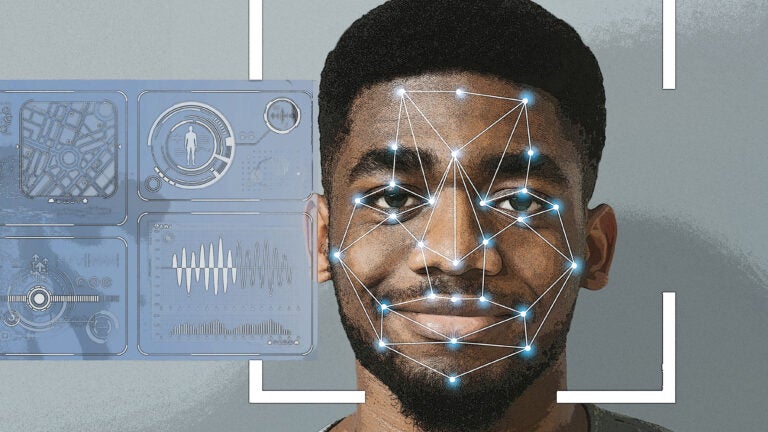
    Facial recognition technology (FRT) is rapidly evolving from a security tool to a powerful driver of sales and customer engagement across industries. By leveraging advanced algorithms and AI-driven analytics, businesses can offer hyper-personalized experiences, enhance customer loyalty, and increase sales efficiency. FRT enables businesses to recognize demographics, differentiate between first-time and repeat customers, and tailor promotions in real-time, improving conversion rates. Additionally, integrating FRT with immersive technologies like AR/VR opens new avenues for personalized interactions. However, the adoption of facial recognition must be balanced with ethical considerations, ensuring transparency, privacy, and data security. As businesses explore these innovations, they must also adhere to emerging standards in ethical AI governance to build customer trust and stay competitive in an increasingly digital marketplace.
    How the Massachusetts police reform bill would actually affect law  enforcement use of facial recognition technology
    Using Facial Recognition to Enhance Sales Decisions

    Introduction

    1. Definition of Facial Recognition Technology (FRT):
      Facial Recognition Technology (FRT) is a subset of artificial intelligence (AI) that identifies and verifies individuals by analyzing their facial features. It uses advanced machine learning algorithms to capture, process, and compare facial data against stored templates or databases. The process typically involves three steps:
    1. Detection: The system identifies a face within an image or video frame.
    2. Analysis: Key features such as the distance between eyes, the shape of the jawline, and facial proportions are extracted.
    3. Recognition or Verification: The extracted data is compared with pre-existing records to identify or verify the individual.

    FRT leverages technologies like Convolutional Neural Networks (CNNs) and computer vision tools to ensure high accuracy. Its adaptability across diverse industries makes it a revolutionary tool for solving complex identification and personalization challenges.

    1. Historical Context:
      Facial recognition traces its roots back to the 1960s when early computer systems attempted to identify facial patterns manually. These efforts were limited due to technological constraints. By the 1990s, algorithms like Principal Component Analysis (PCA) made facial recognition semi-automated and moderately reliable.

    The 21st century ushered in breakthroughs with machine learning and AI. Today’s facial recognition systems leverage deep learning, enabling robust performance even under challenging conditions like varied lighting, angles, or partial occlusions.

    Originally popular in security and surveillance, FRT has transcended into other domains, such as healthcare, education, and now, sales and marketing. Businesses are increasingly leveraging it to gain real-time insights into customer behavior, opening the doors for hyper-personalized experiences.

    1. Relevance to Sales:
      The integration of facial recognition in sales marks a paradigm shift in customer engagement. Businesses can now utilize FRT to:
    • Personalize Customer Interactions: FRT identifies demographics like age, gender, and emotional states, enabling tailored recommendations.
    • Boost Conversions: By delivering relevant promotions and products based on facial cues, businesses can improve sales outcomes.
    • Foster Loyalty: Recognizing repeat customers allows for targeted loyalty programs and personalized rewards, strengthening customer relationships.
    • Streamline In-Store Operations: Real-time customer insights help staff provide proactive support, improving the overall shopping experience.

    In an era where customers demand highly individualized services, FRT offers businesses a competitive edge.

    1. Purpose of the Article:
      This article aims to shed light on the transformative potential of facial recognition technology in the sales domain. It delves into practical applications, successful case studies, and the ethical considerations of using FRT.

    Key objectives:

    • Educate readers about the nuances of FRT and its role in revolutionizing customer engagement.
    • Provide actionable insights for implementing FRT effectively in sales strategies.
    • Highlight the importance of balancing innovation with privacy and ethical practices.

    Intended Audience:
    This article is designed for:

    • Retailers: Seeking ways to modernize their operations and connect better with customers.
    • Marketing Professionals: Exploring tools for personalized and effective campaigns.
    • Tech Enthusiasts: Interested in the evolving applications of AI in everyday life.

    By understanding the power of FRT and its sales applications, businesses can position themselves at the forefront of technological and consumer trends.

    100 Facial Recognition with Python: Building Your Own System | by Gene Da  Rocha | Medium

    Core Concepts of Facial Recognition in Sales

    1. Popular Algorithms Driving FRT

    Facial Recognition Technology relies on advanced algorithms and tools to analyze and identify faces with high accuracy. The following technologies and tools play a pivotal role in enabling FRT:

    • Haar Cascades:
      An older yet efficient method, Haar Cascades uses a series of classifiers to detect faces. While not as advanced as newer methods, it is lightweight and still applicable in low-resource environments.
    • Convolutional Neural Networks (CNNs):
      CNNs are the backbone of modern FRT. These deep learning models analyze spatial hierarchies in images, enabling highly accurate facial feature extraction and identification.
    • YOLO (You Only Look Once):
      A real-time object detection algorithm, YOLO is increasingly used in FRT for its speed and precision. It identifies faces and other objects in images or videos in milliseconds, making it ideal for real-time applications in sales.
    • Tools Like OpenCV and DeepFace:
      • OpenCV: An open-source library for computer vision, OpenCV supports facial detection and analysis, offering robust solutions for businesses looking to integrate FRT.
      • DeepFace: A deep learning library specializing in facial analysis. It is highly accurate in tasks such as emotion detection, age prediction, and gender identification, enabling nuanced customer profiling.
    1. Demography Recognition with FRT

    Facial recognition systems excel in demographic analysis, which is critical for customer segmentation in sales:

    • Age Identification:
      Businesses can categorize customers into age groups and recommend age-appropriate products or services. For example, suggesting toys for younger customers or anti-aging creams for middle-aged shoppers.
    • Gender Detection:
      Gender analysis enables targeted campaigns, such as promoting male grooming kits or women’s fashion accessories.
    • Emotional State Analysis:
      By analyzing facial expressions, FRT can infer emotions like happiness, frustration, or interest. For instance, identifying a happy customer can trigger upsell opportunities, while detecting frustration can prompt staff to provide additional support.
    1. Understanding Customer Types

    Recognizing the type of customer (first-time or repeat) is crucial for tailoring interactions:

    • First-Time Customers:
      FRT systems detect unfamiliar faces, marking them as new visitors. Businesses can use this insight to offer welcome discounts or onboarding experiences that make the customer feel valued.
    • Repeat Customers:
      Repeat customers can be identified and greeted personally. Recognizing loyalty enables businesses to offer personalized rewards or exclusive deals, increasing the customer’s lifetime value.

    Importance of Differentiating Repeat Customers:
    Repeat customers typically account for a significant portion of revenue. Recognizing them fosters loyalty and helps businesses build deeper relationships, ultimately leading to sustained growth.

    1. Interoperability with Other Systems

    FRT’s effectiveness increases when integrated with other business tools:

    • Customer Relationship Management (CRM) Systems:
      • FRT data enriches CRM profiles with insights like purchase history, preferences, and visit frequency.
      • Sales teams can use this data to create hyper-personalized marketing strategies.
    • Inventory Management Systems:
      • Linking FRT insights with inventory helps businesses ensure that high-demand products are readily available. For instance, if a certain demographic frequently buys a product, inventory systems can automatically adjust stock levels.

    Interoperability enables seamless data flow, creating a comprehensive understanding of customer behavior across touchpoints.

    1. Emotional Analysis for Real-Time Insights

    Emotion detection is a game-changer in sales environments:

    • Dynamic Sales Adaptation:
      FRT systems can gauge a customer’s mood and adjust interactions accordingly. For instance:
      • A smiling customer might be more open to upselling strategies.
      • A frustrated customer could be offered faster checkout or problem-solving assistance.
    • Enhanced Customer Experience:
      Emotion-driven insights ensure that sales teams approach customers empathetically, creating a more engaging and satisfying experience.
    • Predictive Analysis:
      Combining emotional analysis with historical data allows businesses to predict customer behavior, making promotional efforts more effective.

    Face Detection and Verification Solutions using computer vision.

    Practical Applications of Facial Recognition in Sales

    1. Industry-Specific Use Cases

    Facial recognition technology (FRT) has found diverse applications across multiple industries, each leveraging its capabilities to enhance customer engagement and drive sales:

    • Retail:
      Retailers use FRT to identify high-value customers as they enter the store. By analyzing their purchase history and preferences, staff can proactively offer personalized promotions or recommend products, creating a tailored shopping experience that increases conversion rates.
    • Hospitality:
      Hotels and resorts utilize FRT to recognize returning guests, allowing them to offer a seamless and personalized check-in experience. Knowing guest preferences, such as room type or dietary needs, enhances satisfaction and loyalty.
    • Automotive:
      In automotive showrooms, FRT can identify returning visitors and recall their interests, such as specific car models or features. This allows sales teams to provide highly focused demonstrations, increasing the likelihood of a purchase.
    • Food & Beverage:
      Restaurants and cafes leverage FRT to analyze demographic data such as age and gender. This enables dynamic menu adjustments or promotional offers. For instance, a young customer group may trigger discounts on trending beverages, while families might receive offers on combo meals.
    1. Cross-Channel Integration

    FRT plays a pivotal role in bridging online and offline sales channels to create an omnichannel experience:

    • Unified Customer Profiles:
      By integrating FRT with e-commerce platforms and physical stores, businesses can track customer interactions across channels. For example, recognizing a customer who browsed products online can prompt in-store staff to guide them to the items they were considering.
    • Consistent Engagement:
      Promotions and messaging remain consistent across platforms, ensuring customers experience seamless brand interaction.
    • Data-Driven Campaigns:
      Insights from FRT enable targeted campaigns that resonate with customers, regardless of where they engage with the brand.
    1. Real-Time Data Collection

    Facial recognition technology allows businesses to capture and act on customer data in real time, offering several advantages:

    • Dynamic Adjustments:
      Based on the customer’s facial expressions or demographics, sales teams can adjust their approach. For instance, a hesitant customer might be offered a limited-time discount to encourage purchase decisions.
    • Automated Recommendations:
      Systems equipped with FRT can instantly suggest products or services based on the customer’s profile, saving time and enhancing satisfaction.
    • Staff Empowerment:
      Real-time insights equip sales teams to make informed decisions, increasing efficiency and effectiveness.
    1. Promotions and Purchase Suggestions

    Tailoring promotions and recommendations to individual customers is one of FRT’s standout features:

    • Profile-Based Offers:
      By analyzing customer profiles, FRT systems can recommend deals that align with their preferences. For instance, a fitness enthusiast might receive discounts on sports gear, while a family shopper could be presented with bundled offers.
    • Behavioral Triggers:
      FRT can identify patterns such as frequent visits without purchases and target such customers with exclusive promotions to convert them into buyers.
    • Enhanced Upselling:
      Recognizing high-value customers allows businesses to introduce premium products or services, driving higher revenue per transaction.
    1. Magic Mirror Sales Systems

    The concept of magic mirrors is a futuristic yet practical application of FRT in retail and customer service:

    • Personalized Product Recommendations:
      Magic mirrors use FRT to identify the customer and display tailored product suggestions on an interactive screen. For instance, it might recommend outfits based on previous purchases or accessories that complement their current selections.
    • Nearby Store Suggestions:
      Customers searching for out-of-stock items can be directed to nearby locations where the product is available.
    • Dynamic Sales Promotions and Coupons:
      Magic mirrors can display real-time promotions, loyalty rewards, or exclusive coupons based on the customer’s profile, encouraging immediate purchases.

    These systems not only enhance the shopping experience but also provide retailers with actionable insights into customer behavior, preferences, and purchasing patterns.

    Image Recognition vs Computer Vision

    Technological Frameworks for Implementation

    1. Using CCTV for Facial Recognition

    Leveraging existing CCTV systems for facial recognition offers a cost-effective entry point for businesses, but it also comes with certain challenges:

    • Benefits:
      • Cost Efficiency: Utilizing pre-installed CCTV cameras reduces the need for additional hardware investments.
      • Broad Coverage: Existing surveillance networks often cover wide areas, making them ideal for capturing customer data across the premises.
      • Seamless Integration: Many modern facial recognition software tools can integrate directly with CCTV feeds, enabling real-time analysis without extensive upgrades.
    • Limitations:
      • Accuracy Issues: Standard CCTV cameras may lack the resolution and positioning needed for precise facial recognition.
      • Infrastructure Compatibility: Older systems may not support the bandwidth or processing requirements of facial recognition software.
      • Privacy Concerns: Continuous surveillance raises ethical and legal issues, requiring robust data protection measures.
    1. Dedicated Systems Like Magic Mirrors

    Dedicated facial recognition systems, such as magic mirrors, provide tailored solutions for retail and customer-facing environments:

    • Features:
      • Interactive Displays: Magic mirrors combine facial recognition with touchscreens or augmented reality to enhance customer engagement.
      • Real-Time Recommendations: These systems analyze facial data and display customized promotions, product suggestions, and loyalty rewards.
      • Integration Options: Magic mirrors can connect with CRM and inventory systems, enabling unified customer profiling.
    • Scalability:
      • These systems can be scaled from a single store to a chain of outlets, depending on business needs.
      • Modular components allow upgrades to software and hardware as technology evolves.
    • Benefits:
      • Enhanced Customer Experience: By offering personalized shopping assistance, these systems make interactions more engaging and efficient.
      • Data-Driven Insights: Magic mirrors provide rich datasets for analyzing customer preferences and behaviors.
    1. Comparison of Popular Tools

    Businesses have access to a variety of facial recognition tools. Below is a comparative overview of some popular options:

    Tool/Framework

    Accuracy

    Cost

    Scalability

    Key Features

    OpenCV

    High

    Low (Open-source)

    Suitable for small to medium setups

    Real-time detection, customizable modules

    DeepFace

    Very High

    Moderate

    Highly scalable

    Emotion detection, demographic analysis

    Amazon Rekognition

    Very High

    Pay-as-you-go

    Enterprise-level scalability

    API-based integration, cloud-based

    Face++

    High

    Moderate

    Suitable for global operations

    Comprehensive SDK, supports mobile apps

    Microsoft Azure Face API

    Very High

    Subscription-based

    Enterprise-level scalability

    Cloud-based, integration with Azure ecosystem

    Businesses should evaluate tools based on their operational scale, accuracy requirements, and budget constraints.

    1. ROI Metrics for Evaluation

    Measuring the return on investment (ROI) is crucial for assessing the effectiveness of facial recognition systems. Key metrics include:

    • Increased Sales Conversions:
      • Track changes in the percentage of customers who make purchases after interacting with personalized recommendations.
    • Average Order Value (AOV):
      • Monitor whether the use of facial recognition leads to higher spending per transaction due to effective upselling and cross-selling strategies.
    • Customer Retention Rates:
      • Assess improvements in repeat visits and loyalty program participation as a result of enhanced customer experiences.
    • Operational Efficiency Gains:
      • Calculate cost savings from automating customer segmentation and reducing manual effort in personalized marketing.
    • Customer Feedback and Satisfaction:
      • Use surveys and reviews to measure customer sentiment toward the personalized experiences facilitated by FRT.

    Computer Vision With Some Applications - Champsoft

    Challenges and Ethical Considerations

    1. Technical Challenges

    Facial recognition technology, while powerful, encounters several technical hurdles that can impact its reliability and effectiveness:

    • Accuracy Issues in Varied Conditions:
      • Lighting Variability: Poor or overly bright lighting can distort facial features, reducing recognition accuracy.
      • Dynamic Environments: Crowded or fast-paced areas, such as malls or airports, pose challenges for consistently identifying faces.
      • Diverse Demographics: Algorithms sometimes show biases in recognizing faces of different ethnicities, genders, or age groups, leading to inconsistent results.
    • Integration Complexities with Existing Systems:
      • Many businesses rely on legacy systems for CRM, inventory, or analytics. Integrating FRT with such systems can require significant customization and technical expertise.
      • Real-time processing demands robust infrastructure, including high-resolution cameras, reliable network bandwidth, and powerful processing units.
    1. Ethical Concerns

    The use of facial recognition in sales and marketing raises important ethical questions that businesses must address responsibly:

    • Privacy Concerns:
      • Collecting and analyzing facial data without explicit consent can infringe on individuals’ privacy.
      • Continuous monitoring using CCTV and other devices may lead to a perception of constant surveillance, eroding customer trust.
    • Data Security Risks:
      • Facial data, being biometric, is highly sensitive. Unauthorized access or breaches can have severe consequences, including identity theft.
    • Real-Life Examples of Misuse:
      • Cases where facial recognition has been misapplied, such as targeting specific demographics unfairly or tracking individuals without consent, highlight the need for caution and accountability.
    1. Proactive Solutions for Privacy Concerns

    Addressing privacy issues head-on ensures ethical implementation while maintaining customer trust:

    • Anonymized Data Processing:
      • Instead of storing identifiable information, businesses can process facial data in an anonymized manner. This reduces risks while still enabling valuable insights, such as demographic analysis or emotion detection.
    • Secure Consent Management Systems:
      • Implement systems where customers actively opt-in to facial recognition services, ensuring transparency.
      • Offer clear explanations about how data will be used and provide options for users to review or withdraw consent.
    • Encryption and Data Minimization:
      • Use encryption to secure stored facial data.
      • Collect only the data necessary for specific applications, avoiding over-collection or long-term storage.
    1. Legal Obligations and Checklist

    Compliance with regional and international regulations is critical for lawful and ethical FRT implementation:

    • Regional Compliance Requirements:
      • GDPR (General Data Protection Regulation): Applicable in the EU, requires businesses to obtain explicit consent for processing biometric data and provides individuals with the right to access and delete their data.
      • CCPA (California Consumer Privacy Act): U.S.-based regulation mandating disclosure of data collection practices and granting consumers the right to opt-out.
      • India’s Proposed Data Protection Bill: Focuses on data localization and explicit user consent for sensitive personal information.
    • Gaining Customer Consent:
      • Develop straightforward, user-friendly interfaces to collect and manage consent.
      • Include detailed privacy policies explaining the scope and purpose of facial recognition usage.
    • Transparency and Accountability:
      • Regularly audit facial recognition systems for compliance and fairness.
      • Publish reports or statements detailing how facial data is handled, enhancing trust among stakeholders.

    These challenges and ethical considerations underscore the importance of a balanced approach to adopting facial recognition technology. By proactively addressing these issues, businesses can unlock FRT’s potential while safeguarding customer rights and adhering to legal standards.

    Abstract hightech eye concept face recognition and access concept  illustration | Premium AI-generated image

    Implementation Roadmap for Facial Recognition Technology in Sales

    1. Assessing Business Needs

    A successful implementation begins with a thorough understanding of the business’s objectives and the challenges it aims to address:

    • Identifying Target Outcomes:
      • Determine what the business hopes to achieve with facial recognition, such as higher sales conversions, better customer experiences, or enhanced loyalty programs.
      • Examples of target outcomes might include a 20% increase in repeat customer visits or a 15% improvement in targeted promotion effectiveness.
    • Understanding Customer Pain Points:
      • Conduct surveys or analyze existing customer feedback to identify issues like long checkout times, irrelevant promotions, or lack of personalized interactions.
      • Use this information to prioritize FRT features that will directly address these pain points, such as real-time product recommendations or automated loyalty recognition.
    1. Phased Deployment Strategy

    Implementing facial recognition technology in stages helps mitigate risks and ensures smooth adoption:

    • Pilot Testing:
      • Begin with a limited deployment in a single store or a specific section of operations, such as customer check-ins or targeted promotions.
      • Use the pilot phase to test system accuracy, integration with existing infrastructure, and customer response.
    • Gathering Feedback:
      • Collect data on system performance and customer experiences during the pilot phase.
      • Use surveys and employee feedback to identify any usability or privacy concerns.
    • Scaling Implementation:
      • Once the pilot phase delivers successful outcomes, roll out the technology across more locations or expand its functionalities.
      • Ensure adequate training for staff to use and troubleshoot the system effectively.
    1. Cost Analysis and Budget Planning

    A detailed financial plan is essential to align costs with expected benefits:

    • Estimating Initial Costs:
      • Account for expenses such as software licensing, hardware procurement (e.g., high-resolution cameras or magic mirrors), and system integration.
      • Example: A small retail chain might spend $50,000–$100,000 for initial setup, depending on scale and technology choice.
    • Projecting Ongoing Costs:
      • Include recurring costs such as software subscriptions, maintenance, and updates.
      • Allocate a budget for employee training and compliance audits.
    • Calculating Expected ROI:
      • Use metrics such as increased sales, reduced customer acquisition costs, and higher retention rates to estimate ROI.
      • Example: If FRT increases conversions by 10%, leading to $200,000 in additional revenue annually, the investment could be recovered within a year.
    1. Continuous Optimization

    Facial recognition systems require regular updates and refinements to remain effective in dynamic environments:

    • Monitoring System Performance:
      • Use analytics dashboards to track system accuracy, customer engagement metrics, and operational efficiency.
      • Regularly evaluate whether the technology meets the initially identified business needs.
    • Adapting to Customer Behavior Trends:
      • Analyze data patterns to refine customer segmentation and personalization strategies.
      • For instance, if certain promotions perform better for specific demographics, tweak the system to prioritize those offers.
    • Regular Updates:
      • Stay updated with advancements in facial recognition algorithms and integrate enhancements to improve system reliability and accuracy.
      • Update privacy protocols and compliance measures in line with evolving legal requirements.

    Computer vision: features and how it works? - Oksim

    Future Trends in Facial Recognition Technology (FRT) for Sales

    1. AI-Driven Customer Personas

    The future of sales personalization lies in combining facial recognition with AI-driven analytics to create detailed, dynamic customer personas:

    • Predictive Analytics for Hyper-Personalized Marketing:
      • Enhanced Customer Insights: AI can analyze facial data alongside purchase histories and behavioral patterns to predict future preferences.
      • Dynamic Profiling: Customer personas will evolve in real-time, enabling businesses to adjust their marketing strategies instantaneously.
      • Use Case: A retail store might identify a customer’s interest in eco-friendly products based on past behavior and facial expressions, promoting sustainable options during their next visit.
    • Scalable Personalization:
      • AI systems can handle vast amounts of data, enabling businesses to scale personalization efforts across thousands or millions of customers.
      • This technology will move beyond static segmentation to fluid and adaptable customer profiles, leading to more impactful marketing campaigns.
    1. Expansion into AR/VR Environments

    The integration of FRT with augmented reality (AR) and virtual reality (VR) technologies will redefine customer engagement:

    • Combining FRT with Immersive Technologies:
      • Personalized Virtual Shopping Experiences: VR environments can use facial recognition to tailor virtual store layouts, product placements, and interactive suggestions.
      • Emotion-Aware Interactions: AR mirrors or headsets could adjust content based on the user’s real-time emotional state, enhancing engagement.
    • Creating Unique Experiences:
      • Virtual try-ons powered by FRT will allow customers to visualize products like clothing, eyewear, or makeup in an immersive environment, boosting confidence in purchasing decisions.
      • For example, a customer could walk into a virtual showroom where their preferences and past purchases are seamlessly integrated into the shopping experience.
    • Future Outlook:
      • Retailers may develop entirely virtual storefronts where customers interact with avatars of sales associates, using FRT to make these avatars more relatable and adaptive.
    1. Emerging Standards in Ethical AI Governance

    As facial recognition becomes more prevalent, the importance of ethical AI practices will grow significantly:

    • Evolving Industry Standards:
      • Transparency Requirements: Customers and regulatory bodies will demand clear explanations of how facial data is collected, processed, and used.
      • Bias Mitigation: Emerging standards will address algorithmic biases, ensuring equitable treatment across diverse demographics.
      • Certification Processes: Businesses adopting FRT may need to comply with ethical certification frameworks, akin to ISO standards in other industries.
    • Guidance for Ethical FRT Adoption:
      • Collaborative Governance Models: Governments, tech firms, and consumer advocacy groups will work together to establish best practices for FRT usage in sales.
      • Case Example: The retail industry may adopt an ethical AI seal, providing customers with assurance about the responsible use of their data.
    • Future Impact:
      • Proactive adherence to ethical AI standards will build customer trust and loyalty, making responsible FRT adopters more competitive in the market.

    Facial recognition technology is set to revolutionize sales by integrating AI, immersive environments, and ethical practices. These trends will not only enhance customer experiences but also shape the broader relationship between technology and commerce.

    How to build a Mobile App with facial Recognition

    Conclusion

    1. Recap of Benefits

    Facial recognition technology (FRT) is transforming the sales landscape, offering businesses a host of benefits that drive both customer satisfaction and profitability:

    • Enhanced Customer Experiences:
      FRT enables hyper-personalized interactions that cater to individual preferences, resulting in more tailored product suggestions, targeted promotions, and personalized services. By understanding customer demographics and emotions, businesses can deliver an experience that feels uniquely designed for each individual.
    • Improved Loyalty:
      Recognizing repeat customers and offering them personalized rewards, promotions, and recognition fosters a deeper sense of loyalty. Customers are more likely to return to businesses where they feel valued and understood, leading to increased lifetime value.
    • Increased Sales Efficiency:
      Real-time data collection and predictive analytics help businesses optimize their sales strategies, identify opportunities for upselling, and streamline operations. The ability to offer promotions at the right time, based on customer profiles, ensures that sales efforts are both efficient and effective.
    1. Balancing Innovation with Ethics

    As businesses harness the power of facial recognition technology, it is essential to balance innovation with responsible and ethical implementation:

    • Responsible Implementation:
      While FRT offers numerous advantages, businesses must ensure that their systems are transparent, fair, and designed with the customer’s consent in mind. Ethical considerations, such as privacy protection, data security, and algorithmic fairness, should be top priorities to maintain customer trust and confidence.
    • Transparency and Consent:
      Clear communication about how customer data is used, along with easy-to-understand consent processes, are crucial for fostering trust. By prioritizing ethical guidelines, businesses can leverage the benefits of FRT without compromising privacy or fairness.
    1. Call to Action
    • Encourage Businesses to Explore FRT Solutions:
      The integration of facial recognition into sales strategies is no longer a luxury—it is becoming a necessity for businesses to stay competitive in a rapidly evolving marketplace. Retailers, hospitality providers, automotive brands, and other industries must explore these solutions to enhance customer engagement and drive sales.
    • Participate and Donate to MEDA Foundation:
      To support inclusive innovation and empower individuals with diverse abilities, we encourage participation in and donations to the MEDA Foundation. Your contributions help create sustainable ecosystems for people to help themselves, particularly those with autism, fostering inclusivity and self-sufficiency. Visit MEDA Foundation for more information and ways to get involved.
    • Book References:
      For a deeper dive into facial recognition technology, customer personalization, and ethical AI, the following books are recommended:
      • “The Age of Surveillance Capitalism” by Shoshana Zuboff
      • “Artificial Intelligence: A Guide for Thinking Humans” by Melanie Mitchell
      • “Weapons of Math Destruction” by Cathy O’Neil
      • “The Future of Work: Robots, AI, and Automation” by Darrell M. West
      • “Data and Goliath: The Hidden Battles to Collect Your Data and Control Your World” by Bruce Schneier