

I. Introduction
Opening Statement:
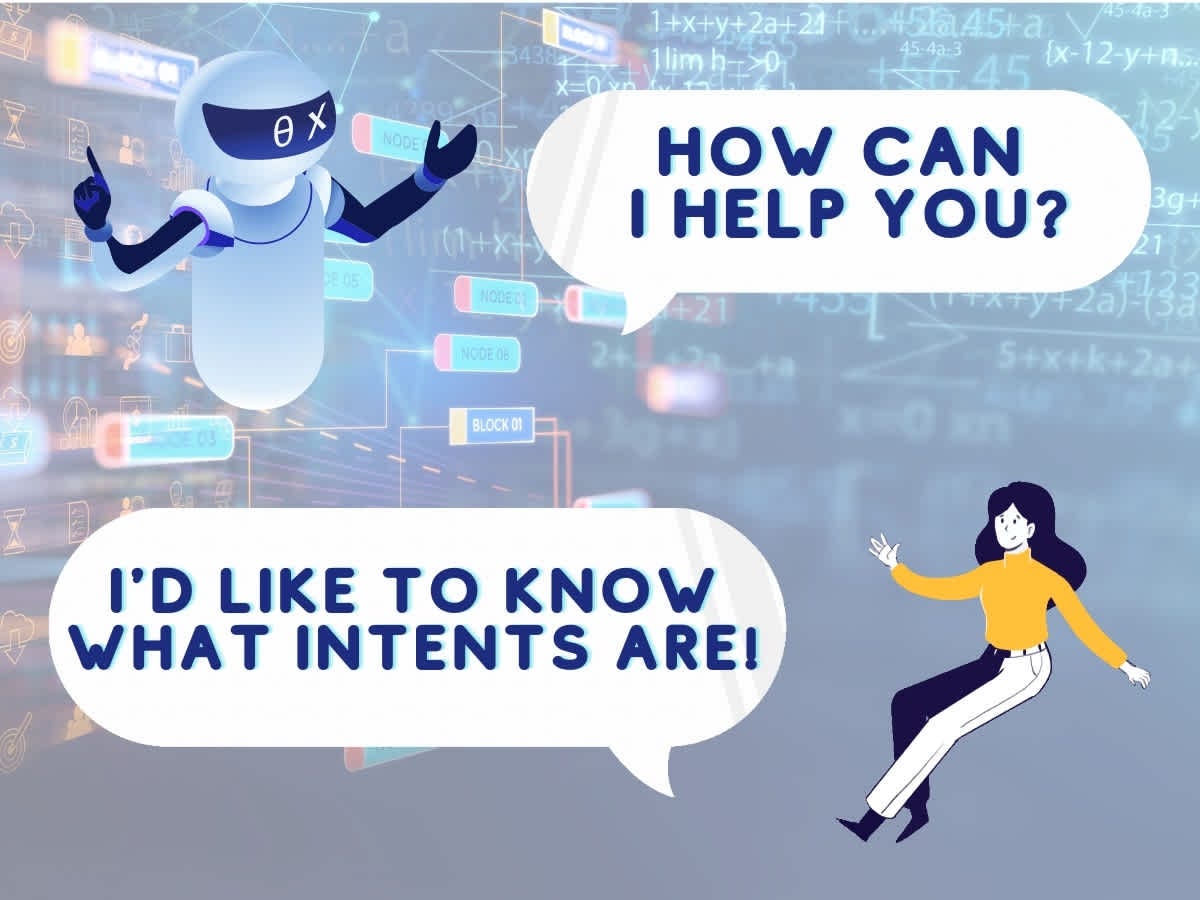
In an era where communication happens at lightning speed—through texts, emails, social media, and face-to-face interactions—there’s a growing need to go beyond mere words. The key to effective communication doesn’t just lie in what is said but in understanding the intent behind those words. Intent-based communication is a powerful approach that prioritizes the underlying purpose, feelings, and goals driving a conversation, rather than merely responding to the words spoken.
In today’s complex and fast-paced world, intent-based communication is vital. It helps to bridge gaps in understanding, fosters deeper connections, and leads to more effective problem-solving. Whether you’re in a business meeting, resolving a conflict at home, or engaging in community work, focusing on the intent behind the conversation ensures that the dialogue is productive and meaningful. Instead of just providing answers to questions, addressing the intent behind them can lead to more thoughtful and impactful outcomes.
Consider a scenario where a team member asks for an extension on a deadline. If you focus solely on the question, you might simply grant or deny the request. But if you explore the intent behind it—perhaps the team member is feeling overwhelmed, or there are unforeseen challenges—you can provide more targeted support, such as adjusting workloads or offering additional resources. This approach not only resolves the immediate issue but also builds trust and encourages open communication.
Purpose of the Article:
Intended Audience:
This article is designed for anyone who engages in regular communication—whether in personal relationships, professional settings, or community involvement. It’s especially relevant for leaders, managers, educators, social workers, and caregivers who frequently interact with diverse groups of people. For those involved in non-profit work or advocacy, understanding intent is crucial for effectively addressing the needs of the communities they serve.
The concepts discussed here are also valuable for individuals seeking to improve their interpersonal relationships, whether with family, friends, or colleagues. By focusing on intent, you can enhance your ability to connect with others, resolve conflicts, and foster a supportive environment.
Exploration of Intent-Based Communication:
In this article, we will delve into the significance of intent-based communication, exploring why it’s more effective than simply answering questions at face value. We’ll discuss the various benefits of this approach, such as improved clarity, alignment, and relationship-building.
We will also provide practical techniques for uncovering and addressing intent, including strategies for asking the right questions, active listening, and recognizing non-verbal cues. Real-life examples and scenarios will illustrate how intent-based communication can be applied in different contexts—be it in business, personal relationships, or community work.
Finally, this article will offer actionable steps that you can take to integrate intent-based communication into your daily life. These steps will include self-assessment tools, interactive exercises, and a checklist for continuous improvement.
By the end of this article, you’ll be equipped with the knowledge and tools to not only improve your communication skills but also make a positive impact on your relationships and the broader community. You’ll also discover how intent-based communication ties into the mission of the MEDA Foundation, particularly in supporting autistic individuals and fostering self-sustaining ecosystems.

II. The Difference Between Answering a Question and Addressing Intent
Understanding the Basics:
Defining Intent-Based Communication:
Intent-based communication is a method of interacting where the focus shifts from merely responding to words to understanding and addressing the underlying reasons, emotions, and goals behind those words. It’s about recognizing that every question, statement, or request is driven by a deeper intent—whether it’s seeking help, expressing concern, or attempting to connect with another person.
In intent-based communication, the listener or respondent doesn’t just hear the words spoken; they tune into the broader context, considering the speaker’s emotions, needs, and unspoken motivations. This approach goes beyond superficial exchanges and taps into the heart of what the speaker truly wants to convey or achieve.
Surface-Level Responses vs. Understanding Intent:
When we focus solely on answering a question, we often address only the surface-level concerns. This approach is straightforward but can be limiting, as it may miss the bigger picture. For instance, a simple question might be a front for a more complex issue. If we respond only to the question, we might provide an answer that is technically correct but ultimately unsatisfying or even counterproductive.
In contrast, understanding intent requires us to look deeper. It’s about asking why the question is being asked in the first place. What are the underlying needs, concerns, or desires? By addressing these deeper layers, we can offer solutions that are more meaningful, satisfying, and effective.
For example, if someone asks, “Can you extend the deadline on this project?” simply answering “yes” or “no” only addresses the immediate request. But by exploring the intent—perhaps the person is overwhelmed, needs more resources, or is concerned about the quality of work—you can provide a response that not only answers the question but also supports the person’s deeper needs. This might involve offering help, redistributing tasks, or discussing ways to improve time management.
Real-Life Example:
Scenario 1: Answering the Question – A Suboptimal Outcome
Imagine a manager, Priya, who is approached by one of her team members, Rohan. Rohan asks, “Can I leave early today?” Priya, preoccupied with her own work, quickly responds, “No, we have a meeting at 4 PM that you need to attend.”
In this scenario, Priya has answered the question directly and factually. However, she hasn’t taken the time to understand why Rohan is asking to leave early. As a result, Rohan might feel dismissed or frustrated, leading to decreased morale or even resentment. The outcome is suboptimal because the manager has addressed only the surface-level request without considering Rohan’s underlying needs.
Scenario 2: Addressing Intent – A More Effective Solution
Now, let’s consider how the situation could have played out differently if Priya had practiced intent-based communication. When Rohan asks, “Can I leave early today?” Priya takes a moment to pause and respond, “Is everything okay? Is there a specific reason you need to leave early?”
Rohan then explains that he has a family emergency and needs to pick up his child from school unexpectedly. Understanding the intent behind Rohan’s request, Priya reassures him that family comes first and suggests they find a way to cover his responsibilities during the meeting. She may even offer to reschedule the meeting or ask another team member to step in.
By addressing the intent, Priya not only supports Rohan in a time of need but also strengthens their working relationship. Rohan feels valued and understood, which boosts his morale and commitment to the team. The outcome is far more effective because Priya has addressed the deeper concern rather than just the immediate question.
Key Takeaway:
These two scenarios highlight the stark difference between simply answering a question and taking the time to understand and address intent. In the first scenario, the question was answered, but the underlying issue was ignored, leading to a suboptimal outcome. In the second scenario, by understanding Rohan’s intent, Priya was able to provide a solution that was not only effective but also fostered trust and empathy.
Intent-based communication transforms how we interact by ensuring that responses are not only relevant but also aligned with the speaker’s true needs. This approach leads to more meaningful and effective communication, paving the way for stronger relationships and better outcomes in both personal and professional contexts.

III. The Benefits of Intent-Focused Communication
Clarity and Alignment:
How Intent Brings Clarity to Conversations:
In any conversation, clarity is key. Without it, misunderstandings, confusion, and conflicts can easily arise. Intent-focused communication enhances clarity by ensuring that the true meaning behind words is understood, rather than just the literal content. When we focus on intent, we actively seek to comprehend not only what is being said but also why it’s being said. This deeper understanding allows for clearer communication because it aligns the message with the underlying purpose.
For instance, in a workplace scenario, if a team member expresses concern about a project timeline, a manager might initially think the concern is about workload. However, by focusing on the intent, the manager might realize the team member is actually worried about the project’s quality or potential client feedback. This insight leads to a conversation that directly addresses the real issue, ensuring that both parties are on the same page.
Ensuring Alignment in Understanding and Goals:
When all parties in a conversation understand the true intent behind the words, they are more likely to be aligned in their goals. This alignment is crucial for achieving successful outcomes, whether in a business project, a personal relationship, or community collaboration. By clarifying intent, everyone involved can work towards the same objectives, reducing the risk of miscommunication or conflicting priorities.
For example, in a community setting, a group might be discussing how to allocate resources for a local project. If each member’s intent is clearly understood—whether it’s to maximize impact, ensure sustainability, or engage the community—the group can align their strategies and make decisions that reflect the collective intent. This leads to a more cohesive and effective approach, where everyone’s efforts are synchronized towards a common goal.
Improved Problem-Solving:
Addressing Intent to Identify Root Causes:
Problem-solving often falters when only the surface issues are addressed, rather than the underlying causes. Intent-focused communication is a powerful tool for uncovering these root causes, enabling more effective problem resolution. When we understand the intent behind a concern, complaint, or request, we can delve deeper to identify what’s really driving the issue.
For instance, consider a situation where a customer complains about a product. A surface-level response might involve addressing the specific complaint, such as replacing a faulty item. However, by exploring the customer’s intent—perhaps they’re frustrated by a recurring issue or feel that their concerns aren’t being taken seriously—the company can implement broader solutions that prevent future complaints. This might include improving quality control or enhancing customer service processes. By addressing the root cause, the company not only resolves the immediate issue but also reduces the likelihood of similar problems arising in the future.
Effective Solutions Through Intent Understanding:
When solutions are based on a deep understanding of intent, they are more likely to be effective and sustainable. This is because such solutions target the real needs and concerns rather than just the symptoms. For example, in a business context, if an employee is consistently missing deadlines, a manager might initially consider disciplinary action. However, by understanding the employee’s intent—perhaps they’re struggling with a personal issue or feeling overwhelmed with their workload—the manager can offer support that addresses the underlying problem, such as flexible working hours or additional resources. This approach not only solves the immediate issue but also fosters a supportive work environment.
Strengthening Relationships:
Empathy and Intent in Relationship Building:
Strong relationships are built on trust, understanding, and empathy. Intent-focused communication naturally fosters these qualities by encouraging us to look beyond words and understand the emotions, motivations, and needs that drive them. When we take the time to understand someone’s intent, we show that we value their perspective and are committed to meeting their needs. This builds trust and deepens the connection between individuals, whether in a professional or personal context.
For example, in a personal relationship, if a friend expresses frustration over not spending enough time together, the surface issue might seem to be about scheduling. However, by exploring the intent, you might discover that your friend feels neglected or unappreciated. Responding to this intent by making a genuine effort to prioritize the relationship can significantly strengthen your bond and prevent future misunderstandings.
Application in Business, Personal Life, and Community Settings:
In business, understanding intent helps leaders build stronger teams by fostering open communication and trust. When employees feel that their intent is understood and respected, they are more likely to be engaged, motivated, and committed to the organization’s success.
In personal life, intent-focused communication enhances relationships by promoting empathy and mutual understanding. It helps resolve conflicts more effectively and ensures that both parties feel heard and valued.
In community settings, understanding intent is crucial for collaboration and collective action. Whether you’re working on a local initiative or participating in a volunteer group, knowing the intent behind different perspectives allows for more inclusive decision-making and stronger community bonds.
The benefits of intent-focused communication are far-reaching. By bringing clarity to conversations, improving problem-solving, and strengthening relationships, this approach transforms how we interact with others. It allows us to move beyond superficial exchanges and engage in meaningful, productive dialogues that lead to positive outcomes in every aspect of our lives. Whether you’re in a boardroom, a living room, or a community center, focusing on intent is a powerful way to enhance your communication and create lasting impact.

IV. Techniques to Uncover and Address Intent
Asking the Right Questions:
Strategies for Asking Open-Ended and Probing Questions:
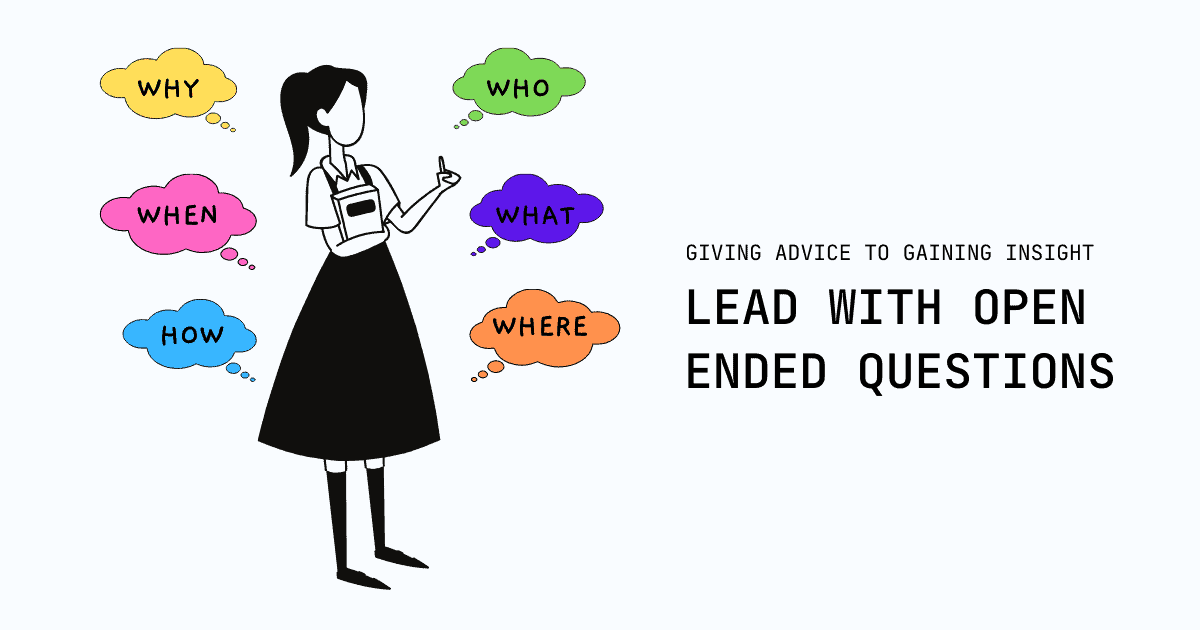
Uncovering intent begins with asking the right questions. Instead of relying on closed-ended questions that yield simple “yes” or “no” answers, intent-focused communication emphasizes open-ended and probing questions that encourage deeper exploration. These types of questions allow the other person to express their thoughts, feelings, and motivations more fully, providing insights into their true intent.
Open-Ended Questions: These questions invite expansive answers and encourage the speaker to elaborate on their thoughts and feelings. They often begin with “how,” “what,” “why,” or “can you tell me more about…”
Probing Questions: Probing questions are follow-up questions that delve deeper into a specific topic, clarifying or expanding on the initial response. They help uncover underlying concerns or motivations that may not be immediately apparent.
Examples of Questions That Dig Deeper:
- Surface-Level Question: “Are you worried about the project deadline?”
Intent-Focused Question: “What are your biggest concerns regarding the project deadline?”
- Surface-Level Question: “Did you enjoy the event?”
Intent-Focused Question: “What aspects of the event stood out to you, and how did they make you feel?”
- Surface-Level Question: “Do you need help with this task?”
Intent-Focused Question: “What challenges are you facing with this task, and how can I support you?”
- Surface-Level Question: “Are you okay with this decision?”
Intent-Focused Question: “How do you feel about this decision, and is there anything that’s making you uncertain?”
By asking open-ended and probing questions, you encourage deeper conversations that reveal the true intent behind someone’s words or actions. This approach not only clarifies their needs but also fosters a more empathetic and supportive dialogue.
Active Listening:
Importance of Active Listening in Understanding Intent:
Active listening is a critical component of intent-focused communication. It goes beyond simply hearing the words spoken; it involves fully engaging with the speaker, understanding their message, and responding thoughtfully. Active listening shows that you value the speaker’s perspective and are genuinely interested in understanding their intent.
When you listen actively, you’re more likely to pick up on subtle cues and underlying emotions that reveal the speaker’s true intent. This depth of understanding helps you respond in a way that is aligned with their needs and goals, leading to more effective communication.
Tips for Improving Active Listening Skills:
- Be Present: Focus entirely on the speaker, avoiding distractions such as phones or side conversations. Give them your full attention.
- Reflect Back: Paraphrase what the speaker has said to confirm your understanding. For example, “So what I’m hearing is that you’re concerned about the timeline because it might impact the quality of the work. Is that correct?”
- Use Non-Verbal Cues: Show that you’re listening through eye contact, nodding, and appropriate facial expressions. These cues reinforce your engagement with the conversation.
- Avoid Interrupting: Allow the speaker to express their thoughts fully before jumping in with your response. Interruptions can derail their train of thought and prevent you from understanding their full intent.
- Ask Clarifying Questions: If something isn’t clear, ask questions to ensure you’ve understood correctly. For example, “Can you explain more about what you mean by that?” or “What makes this issue particularly important to you?”
- Respond Thoughtfully: After listening, take a moment to consider your response. Aim to address the intent behind their words rather than just the surface content. This thoughtful response shows that you’ve truly understood their perspective.
By practicing active listening, you not only gain a better understanding of the speaker’s intent but also build trust and rapport, making the conversation more meaningful and productive.
Recognizing Non-Verbal Cues:
Insights from Body Language, Tone of Voice, and Other Non-Verbal Cues:
Non-verbal cues often reveal more about a person’s intent than their words alone. Body language, tone of voice, facial expressions, and other non-verbal signals can provide critical insights into how someone truly feels and what they’re trying to communicate. Being attuned to these cues allows you to pick up on unspoken emotions or concerns that might not be explicitly stated.
- Body Language: Gestures, posture, and movement can indicate how comfortable or engaged someone is in the conversation. For example, crossed arms might suggest defensiveness, while leaning in could indicate interest or agreement.
- Facial Expressions: Subtle changes in facial expressions can reveal a lot about someone’s emotional state. A furrowed brow might indicate confusion or concern, while a smile could suggest agreement or satisfaction.
- Tone of Voice: The tone, pitch, and pace of someone’s voice can convey emotions such as frustration, excitement, or hesitation. A raised voice might signal anger or urgency, while a softer tone might indicate uncertainty or the need for reassurance.
- Eye Contact: Consistent eye contact often indicates confidence and engagement, while avoiding eye contact might suggest discomfort, anxiety, or dishonesty.
Practical Advice for Being Attuned to Non-Verbal Signals:
- Observe Consistency: Compare what someone is saying with their non-verbal cues. If the words and body language don’t match, it’s worth exploring further to understand their true intent.
- Pay Attention to Changes: Notice any sudden changes in body language or tone of voice, which might indicate a shift in emotions or a deeper issue that hasn’t been verbalized.
- Create a Comfortable Environment: Ensure that the setting encourages open communication. A relaxed and supportive environment can help others feel more at ease, making their non-verbal cues more aligned with their true intent.
- Practice Empathy: Put yourself in the other person’s shoes to better interpret their non-verbal signals. Empathy helps you connect more deeply with their emotions and intent.
- Confirm Your Observations: If you pick up on a non-verbal cue that suggests a different intent than what’s being said, gently probe to confirm. For example, “You seem a bit hesitant. Is there something else on your mind that we haven’t discussed?”
By recognizing and interpreting non-verbal cues, you can gain a more complete understanding of someone’s intent. This deeper insight allows you to respond in ways that are more supportive and aligned with their needs, enhancing the effectiveness of your communication.
Uncovering and addressing intent requires a combination of asking the right questions, actively listening, and being attuned to non-verbal cues. By mastering these techniques, you can move beyond surface-level communication and engage in deeper, more meaningful dialogues that lead to better outcomes in all areas of life. Whether you’re in a professional setting, navigating personal relationships, or working within a community, these skills will help you understand and address the true needs and concerns of those you interact with, fostering stronger connections and more effective problem-solving.

V. Application of Intent-Based Communication in Different Spheres
Business Context:
Enhancing Negotiations:
In business negotiations, understanding intent is crucial for achieving mutually beneficial outcomes. Traditional negotiation often focuses on the terms and conditions being discussed. However, by uncovering the underlying intent behind each party’s position, negotiators can identify shared goals and potential compromises that may not be immediately obvious.
For example, during a price negotiation between a supplier and a buyer, the buyer might be focused on getting the lowest possible price. However, the intent behind the supplier’s pricing could be related to maintaining quality standards or covering the costs of sustainable practices. By understanding this intent, the buyer might agree to a slightly higher price in exchange for long-term quality assurance or a commitment to environmental responsibility, leading to a win-win situation.
Improving Customer Service:
In customer service, addressing intent rather than just resolving complaints can transform a dissatisfied customer into a loyal advocate. When customer service representatives focus on understanding the intent behind a complaint—such as a customer’s desire for validation, reassurance, or a quick resolution—they can provide more tailored and empathetic support.
For instance, if a customer complains about a delayed shipment, the surface issue is the delay, but the intent might be the customer’s frustration over a missed deadline or an important occasion. By acknowledging this intent and offering solutions that address the customer’s broader concern—such as expedited future shipping or a discount on the next purchase—the company can enhance customer satisfaction and loyalty.
Strengthening Leadership:
Effective leaders use intent-based communication to inspire and align their teams. Instead of issuing directives based solely on what needs to be done, intent-based leaders explain the why behind their decisions, ensuring that their team understands the broader purpose and goals.
For example, a leader might ask their team to work extra hours to meet a tight deadline. Rather than just making the request, they could share the intent behind it—perhaps it’s to secure a crucial contract or to maintain the company’s reputation for reliability. By communicating this intent, the leader fosters a sense of shared purpose, motivating the team to go the extra mile.
Examples from Successful Companies:
- Amazon: Amazon’s customer-centric approach is rooted in understanding the intent behind customer behaviors. By focusing on what customers want—convenience, variety, and fast delivery—Amazon has been able to tailor its services to meet these needs, leading to its success as an e-commerce giant.
- Southwest Airlines: Southwest Airlines prioritizes employee and customer satisfaction by understanding the intent behind their needs. The company’s “employees-first” policy is based on the belief that happy employees lead to happy customers, which has resulted in strong customer loyalty and positive employee engagement.
Personal Life:
Building and Maintaining Healthy Relationships:
Intent-based communication plays a pivotal role in nurturing healthy relationships. Whether it’s with a partner, family member, or friend, understanding intent helps to address underlying emotions and needs, leading to more meaningful connections.
For instance, in a romantic relationship, a partner might express frustration about not spending enough time together. The surface complaint is about time, but the underlying intent might be a need for reassurance, intimacy, or validation. By addressing this intent—perhaps by planning quality time together or expressing appreciation more frequently—you can strengthen the relationship and prevent future misunderstandings.
Effective Parenting:
In parenting, understanding a child’s intent can lead to more effective and compassionate discipline. Children often express themselves through actions rather than words, and what might seem like misbehavior could be driven by a deeper need for attention, security, or understanding.
For example, a child throwing a tantrum might be seeking attention or struggling to express their feelings. By addressing the intent behind the behavior—such as providing comfort, setting aside dedicated time for the child, or helping them articulate their emotions—parents can guide their children in a way that meets their emotional needs while teaching appropriate behavior.
Meaningful Friendships:
Intent-based communication also enhances friendships by fostering deeper connections and understanding. Friends who understand each other’s intent can offer more meaningful support, whether it’s through being a sounding board, offering advice, or simply being present during challenging times.
For instance, if a friend frequently seeks advice on a particular issue, the intent might be more about needing emotional support than seeking solutions. Recognizing this, you might choose to offer a listening ear rather than jumping to problem-solving, which can strengthen the bond and provide the support your friend truly needs.
Personal Anecdotes:
- Anecdote on Friendship: A close friend once kept asking for advice on a difficult work situation. Initially, I focused on offering solutions, but I noticed that my friend still seemed unsettled. By shifting my approach and simply listening, I realized that what she needed was validation and emotional support, not just answers. This change deepened our friendship, as she felt more understood and valued.
- Anecdote on Parenting: When my child started acting out at school, I initially thought it was just a phase of misbehavior. However, by focusing on his intent, I discovered that he was struggling with anxiety about a new school environment. Addressing his fears through open conversations and offering reassurance helped resolve the behavior and strengthened our relationship.
Non-Profit and Community Work:
Understanding Community Intent for Better Outcomes:
In non-profit and community work, understanding the intent of the community you’re serving is vital for creating impactful and sustainable outcomes. This approach ensures that initiatives are aligned with the true needs and aspirations of the community, rather than imposing external solutions that might not resonate.
For example, in a community development project, if the intent behind the community’s request for better infrastructure is to improve access to education, then the focus could be on building schools or providing transportation rather than just constructing roads. By aligning the project’s goals with the community’s intent, the initiative is more likely to be successful and embraced by the people it’s meant to serve.
Volunteer Engagement:
Understanding the intent of volunteers can also enhance engagement and satisfaction. Volunteers often have personal motivations for getting involved, whether it’s a desire to give back, learn new skills, or connect with others. By recognizing these intents, non-profits can tailor volunteer opportunities to match these motivations, leading to more fulfilling and effective volunteer experiences.
For instance, if a volunteer’s intent is to gain experience in a particular field, providing them with relevant tasks and mentorship opportunities can increase their commitment and contribution to the cause.
Fundraising:
In fundraising, understanding the intent of donors can lead to more successful campaigns. Donors might be motivated by a personal connection to the cause, a desire to make a difference, or a belief in the organization’s mission. By tailoring communication and engagement strategies to reflect these intents, non-profits can build stronger relationships with donors and increase their support.
Intent-based communication is a powerful tool that can be applied across various spheres of life. In business, it enhances negotiations, customer service, and leadership. In personal life, it strengthens relationships, parenting, and friendships. In non-profit and community work, it leads to better outcomes by aligning initiatives with the true needs of those we serve. By focusing on intent, we can create more meaningful connections, solve problems more effectively, and make a positive impact in all areas of life.

VI. Common Challenges in Intent-Based Communication and How to Overcome Them
Misinterpretation of Intent:
Common Pitfalls:
Misinterpreting someone’s intent is a frequent challenge in communication. Often, we make assumptions about what others mean based on our own experiences, biases, or expectations. This can lead to misunderstandings, where the true intent behind someone’s words or actions is missed entirely. Such misinterpretations can cause unnecessary conflict, reduce the effectiveness of communication, and create barriers to collaboration.
Example of a Pitfall:
- Assumption: A manager might assume that a team member’s reluctance to take on a new project is due to a lack of interest or motivation. However, the team member’s true intent might be a concern about their current workload or a desire for more clarity on project expectations.
- Result: The manager’s assumption could lead to a strained relationship and missed opportunities for support and collaboration.
Strategies to Clarify and Confirm Intent:
- Ask for Clarification: Instead of making assumptions, directly ask the person to clarify their intent. For example, “I noticed you seemed hesitant about the project. Could you share your thoughts or concerns with me?”
- Paraphrase and Reflect: Repeat what you believe the other person’s intent is, and ask for confirmation. For example, “It sounds like you’re concerned about how this new project might impact your current workload. Is that correct?”
- Check for Consistency: Compare the verbal and non-verbal cues. If there’s a mismatch between what is said and the body language or tone of voice, it’s worth exploring further to ensure the correct intent is understood.
- Encourage Openness: Foster a communication environment where people feel comfortable expressing their true intent without fear of judgment or misunderstanding. This can be achieved by being non-judgmental, patient, and empathetic in your approach.
By using these strategies, you can reduce the likelihood of misinterpreting intent, leading to clearer and more effective communication.
Expressing Intent Clearly:
Challenges in Articulating Intent:
Even when we understand our own intent, expressing it clearly to others can be challenging. Factors such as anxiety, ambiguity in thought, or the complexity of the situation can make it difficult to convey intent in a way that others understand. This can result in mixed messages, where the listener is left guessing the true meaning behind our words.
Example of a Challenge:
- Scenario: An employee might intend to express their eagerness to take on a leadership role but, due to nervousness, might come across as uncertain or unprepared.
- Result: The manager might misinterpret the employee’s intent as a lack of confidence, leading to missed opportunities for professional growth.
Tips for Clear and Concise Communication:
- Be Direct: Clearly state your intent at the beginning of the conversation. For example, “I’m excited about the possibility of taking on more leadership responsibilities and would like to discuss how I can prepare for that role.”
- Use “I” Statements: Frame your intent in terms of your own thoughts and feelings to avoid sounding accusatory or vague. For example, “I feel ready to take on more responsibility and believe I can contribute effectively to this new project.”
- Avoid Ambiguity: Be specific about what you want to achieve or communicate. Instead of saying, “I’d like to talk about the project,” say, “I’d like to discuss how I can contribute to the project’s success and what steps I should take next.”
- Practice Brevity: Aim to be concise, avoiding unnecessary details that can obscure your main point. Focus on the key message you want to convey, and elaborate only when necessary.
- Seek Feedback: After expressing your intent, ask the listener if they understood your message. For example, “Does that make sense, or is there anything that needs more clarification?”
- Use Positive Language: Frame your intent in a positive light to create a more constructive and collaborative tone. For example, instead of saying, “I don’t want to work on this project,” say, “I’m more interested in working on projects that align with my skills in X, Y, and Z.”
By following these tips, you can improve your ability to express your intent clearly, ensuring that others understand your message as you intended.
Overcoming Emotional Barriers:
How Emotions Can Cloud Intent:
Emotions often play a significant role in communication, sometimes clouding our ability to express or understand intent. Strong emotions like anger, frustration, or anxiety can distort the message we want to convey or how we interpret others’ messages. This emotional interference can lead to misunderstandings, conflict, and ineffective communication.
Example of Emotional Interference:
- Scenario: During a heated discussion, a person might intend to express a concern but, due to their frustration, comes across as confrontational or dismissive.
- Result: The other party might perceive the intent as aggressive or disrespectful, leading to conflict rather than resolution.
Techniques to Manage Emotional Responses:
- Pause and Reflect: Before responding, take a moment to pause and reflect on your emotions. This pause can help you regain composure and think more clearly about how to express your intent. For example, taking deep breaths or counting to ten can help diffuse immediate emotional reactions.
- Acknowledge Your Emotions: Recognize and name your emotions before continuing the conversation. For example, “I’m feeling a bit frustrated right now, and I want to make sure I communicate this clearly.”
- Focus on Facts, Not Feelings: Try to separate your emotions from the facts of the situation. Focus on what needs to be communicated rather than how you feel about it. For example, instead of saying, “You never listen to me,” say, “I feel unheard when my suggestions are not acknowledged.”
- Use Empathy: Consider the other person’s perspective and emotions. Understanding their emotional state can help you tailor your response in a way that is more likely to be received positively. For example, if someone is clearly upset, acknowledge their feelings before addressing the issue at hand.
- Practice Self-Regulation: Develop habits that help manage your emotions in the long term, such as mindfulness, regular exercise, or talking through your feelings with a trusted friend or therapist. Self-regulation helps maintain emotional balance, especially in high-stress situations.
- Express Vulnerability: If appropriate, share your emotional state with the other person to foster openness and understanding. For example, “I’m feeling overwhelmed by this situation, and I’d appreciate it if we could take a step back to discuss our next steps calmly.”
By managing your emotional responses, you can communicate more effectively, ensuring that your intent is expressed clearly and received as intended. This approach not only helps you overcome communication barriers but also fosters a more empathetic and collaborative dialogue.
Intent-based communication, while powerful, comes with its own set of challenges. Misinterpretations, difficulty in expressing intent, and emotional barriers are common obstacles that can hinder effective communication. However, by applying strategies to clarify intent, articulate your message clearly, and manage emotional responses, you can overcome these challenges. As a result, you’ll be better equipped to engage in meaningful and productive conversations that align with the true intent of all parties involved. Whether in business, personal life, or community work, mastering these skills will lead to stronger relationships, more effective problem-solving, and greater overall success in communication.
VII. Actionable Steps for the Reader
Interactive Exercises:
Self-Assessment Tool:
Understanding and addressing intent in communication is a skill that can be developed and refined over time. To help readers gauge their current proficiency, here’s a simple self-assessment tool:
Self-Assessment Quiz: Answer the following questions on a scale of 1 to 5, where 1 = Strongly Disagree and 5 = Strongly Agree.
- I take time to understand the purpose behind others’ questions or statements before responding.
- I ask clarifying questions when I’m unsure of someone’s intent.
- I make an effort to express my own intent clearly in conversations.
- I avoid making assumptions about others’ intentions without verifying them.
- I am attuned to non-verbal cues (e.g., body language, tone of voice) that might indicate a person’s true intent.
- I remain calm and composed during emotionally charged conversations.
- I seek feedback to ensure my intent is understood by others.
- I prioritize understanding others’ needs and motivations during interactions.
Scoring:
- 32-40: You have a strong grasp of intent-based communication. Keep honing your skills and consider mentoring others.
- 24-31: You’re on the right track but could benefit from focusing on specific areas like clarifying intent or managing emotional responses.
- 16-23: There’s room for improvement. Consider practicing the techniques discussed in this article to enhance your communication effectiveness.
- 8-15: This might be a new concept for you, but with practice, you can significantly improve your understanding and application of intent-based communication.
Scenarios for Practice:
- Scenario 1:
- Context: A colleague frequently interrupts you during meetings.
- Guided Questions:
- What could be the intent behind their interruptions?
- How might you address this behavior while understanding their intent?
- What questions could you ask to clarify their motivations?
Example Approach:
- Before reacting, consider whether the colleague might be trying to contribute urgently or is unaware of their behavior. You might say, “I notice you have a lot to share. Can we find a way to ensure everyone gets a chance to speak?”
- Scenario 2:
- Context: A friend often cancels plans at the last minute.
- Guided Questions:
- What might be the underlying intent or concern driving this behavior?
- How can you express your feelings while also addressing their possible intent?
- What questions could you ask to better understand their situation?
Example Approach:
- Instead of focusing on the cancellations, explore their intent by saying, “I’ve noticed you’ve had to cancel a few times. Is everything okay? I’m here if you need support.”
- Scenario 3:
- Context: You’re leading a team, and one member is consistently late with their deliverables.
- Guided Questions:
- What might be the reasons behind their tardiness?
- How can you communicate your expectations while considering their intent?
- What can you do to align their intent with team goals?
Example Approach:
- Approach the situation with empathy: “I’ve noticed you’ve been running behind on deadlines. Is there something that’s making it difficult to meet them? Let’s work together to find a solution.”
These scenarios encourage readers to practice identifying and addressing intent, helping to build their confidence in applying these techniques in real-life situations.
Checklist for Intent-Based Communication:
Downloadable Toolkit:
To support readers in their daily interactions, here’s a downloadable checklist that can be used as a quick reference for intent-based communication:
Intent-Based Communication Checklist:
- Pre-Conversation Preparation:
- Have I identified my own intent clearly before starting the conversation?
- Am I open to understanding the other person’s intent, even if it differs from my expectations?
- Have I set aside any assumptions or biases that might cloud my understanding?
- During the Conversation:
- Am I asking open-ended questions to uncover the other person’s intent?
- Am I actively listening, paying attention to both verbal and non-verbal cues?
- Have I clarified any ambiguities by paraphrasing or asking follow-up questions?
- Am I managing my emotions, ensuring they don’t interfere with the communication process?
- Have I clearly articulated my own intent in a way that is easy to understand?
- Post-Conversation Reflection:
- Did I achieve a clear understanding of the other person’s intent?
- Was my intent understood as I intended it to be?
- What could I improve for future conversations to better address and express intent?
- Did the conversation lead to alignment on goals, expectations, or solutions?
- Continuous Improvement Tips:
- Regularly review and practice the techniques discussed in this article.
- Seek feedback from trusted colleagues, friends, or family members on your communication style.
- Engage in role-playing exercises to practice intent-based communication in a safe environment.
- Reflect on your conversations at the end of each day, identifying areas for growth and celebrating successes.
- Consider keeping a journal to track your progress and insights gained from applying intent-based communication strategies.
Reflection and Growth:
Intent-based communication is not a one-time effort but a continuous journey of growth and improvement. By incorporating these exercises, checklists, and tips into your daily life, you can gradually enhance your ability to understand and address intent, leading to more meaningful and effective interactions.
This section provides actionable steps that empower readers to actively practice and integrate intent-based communication into their lives. Through self-assessment, practical scenarios, and a handy checklist, readers can develop a deeper understanding of intent and enhance their communication skills. By committing to continuous improvement and reflection, they can foster stronger relationships, resolve conflicts more effectively, and achieve better outcomes in both personal and professional contexts.

VIII. Tying Intent to the Work of MEDA Foundation
Relevance to the Foundation’s Mission:
Intent-Based Communication in Supporting Autistic Individuals:
Intent-based communication is a critical aspect of the MEDA Foundation’s work, especially in supporting autistic individuals. Autism often involves challenges in social communication and understanding, making it essential to focus on intent rather than just the literal content of conversations. By prioritizing intent, we create an environment where autistic individuals feel understood and supported, rather than misunderstood or marginalized.
For instance, when interacting with someone on the autism spectrum, it’s vital to look beyond their words to understand their true needs, concerns, or desires. A seemingly simple statement like “I don’t want to go” might mask anxiety or sensory overload. By focusing on intent, we can tailor our responses and support strategies to better align with their needs, fostering a more inclusive and empathetic environment.
Fostering Self-Sustaining Ecosystems:
The MEDA Foundation’s mission to create self-sustaining ecosystems is also deeply rooted in understanding and addressing intent. Whether it’s in the context of employment initiatives, community programs, or support networks, knowing the underlying intent of participants helps us design and implement programs that truly meet their needs.
For example, in employment programs, understanding the intent of participants—whether they seek financial independence, personal growth, or social inclusion—allows us to match them with opportunities that align with their goals. This approach not only leads to more successful outcomes but also empowers individuals to become active, contributing members of their communities.
Examples of Intent-Focused Strategies in MEDA Programs:
- Personalized Support Plans:
- In our educational and vocational programs for autistic individuals, we use intent-based assessments to create personalized support plans. These plans are designed not just based on observable behaviors but also on the individual’s aspirations, preferences, and long-term goals.
- Community Engagement:
- In our efforts to build self-sustaining communities, we engage in deep listening sessions with community members to understand their intents and priorities. Whether it’s identifying the need for skill development workshops or understanding the desire for social inclusion activities, our programs are crafted to reflect the true intent of those we serve.
- Collaboration with Families:
- We actively involve families in the process, recognizing that their insights into the needs and intents of their loved ones are invaluable. By aligning our programs with the collective intent of the family unit, we ensure a more holistic and supportive approach.
Call to Action:
Get Involved with the MEDA Foundation:
We invite you to join us in our mission to support autistic individuals and build self-sustaining ecosystems. Your involvement can make a significant difference in the lives of those we serve.
- Participate in Workshops:
- Attend one of our upcoming workshops focused on intent-based communication, specifically tailored for families, educators, and employers working with autistic individuals. These workshops provide practical tools and strategies to enhance understanding and support.
- Volunteer Your Time:
- Consider volunteering with the MEDA Foundation. Whether you have skills in education, therapy, community organizing, or simply a passion for making a difference, your time and expertise can help us reach more individuals and create lasting impact.
- Make a Donation:
- Your financial support is crucial to sustaining our programs and expanding our reach. Donations help fund personalized support plans, community engagement initiatives, and much more. Even a small contribution can have a profound impact on our ability to serve.
Specific Programs You Can Support:
- Autism Employment Initiative: Support our program aimed at providing meaningful employment opportunities for autistic individuals. Your contribution can help fund job training, workplace accommodations, and ongoing support services.
- Community Skill-Building Workshops: Donate to our workshops that focus on building essential life skills within communities, helping individuals become self-reliant and confident.
- Family Support Networks: Help us expand our family support programs, providing resources and guidance to families of autistic individuals, ensuring they have the tools needed to thrive.
How to Contribute:
- Visit Our Website: Go to www.MEDA.Foundation to learn more about our initiatives and find out how you can get involved.
- Donate Online: Use our secure online donation platform to make a contribution. You can choose to support specific programs or make a general donation that will be used where it’s needed most.
- Join Our Mailing List: Sign up for our newsletter to stay informed about upcoming events, success stories, and new opportunities to engage with the MEDA Foundation.
Final Thoughts:
At the MEDA Foundation, intent-based communication is more than just a strategy—it’s a guiding principle that shapes everything we do. By focusing on intent, we ensure that our actions are aligned with the true needs and desires of those we serve, leading to more meaningful and lasting outcomes. We invite you to be part of this journey. Together, we can create a world where everyone, regardless of their challenges, has the opportunity to thrive and contribute to a self-sustaining ecosystem.

IX. Conclusion
Summary of Key Points:
Understanding and addressing intent is a powerful approach to enhancing communication and achieving more meaningful outcomes. This article has explored the critical difference between merely answering questions and delving into the underlying intent behind them. By focusing on intent, we can achieve greater clarity, improve problem-solving, and strengthen relationships. We discussed practical techniques for uncovering and addressing intent, including asking the right questions, active listening, and recognizing non-verbal cues. Additionally, we highlighted the relevance of intent-based communication across various contexts, from business and personal life to non-profit and community work.
The importance of applying these concepts cannot be overstated. Whether you are interacting with colleagues, friends, or community members, understanding the true intent behind communications can lead to more effective and empathetic interactions. By practicing intent-based communication, you can foster a deeper connection with others, resolve conflicts more constructively, and work towards shared goals more efficiently.
Final Thought:
Imagine a world where every interaction, whether personal or professional, is guided by a genuine understanding of intent. Such a world would be marked by empathy, clarity, and mutual respect. By incorporating the principles of intent-based communication into your daily life, you can witness the transformative impact this approach can have. Start by applying the techniques discussed in this article, and observe how your relationships and conversations evolve. Embrace the opportunity to make every interaction more meaningful and effective.
Closing Call to Action:
As you embark on this journey of enhancing your communication skills, we invite you to extend your commitment to understanding and compassion by engaging with the MEDA Foundation. Your involvement can make a significant difference in the lives of autistic individuals and contribute to building self-sustaining ecosystems.
Thank you for your commitment to making a difference. Together, we can foster a more inclusive and empathetic world through the power of intent-based communication.
Book References:
- “Nonviolent Communication: A Language of Life” by Marshall B. Rosenberg
- This book offers insights into effective communication based on understanding and empathy, aligning closely with the principles of intent-based communication.
- “The 7 Habits of Highly Effective People” by Stephen R. Covey
- Covey’s classic work includes strategies for empathetic communication and understanding, which can complement the skills discussed in this article.
- “Crucial Conversations: Tools for Talking When Stakes Are High” by Kerry Patterson, Joseph Grenny, Ron McMillan, and Al Switzler
- This book provides practical tools for handling important conversations with an emphasis on understanding underlying intents.
- “The Art of Communication: Effective Communication Skills for Building Strong Relationships” by Jim Stovall
- A practical guide to improving communication skills with a focus on building better relationships through understanding and clarity.


