

 Who is this for (intended audience)? How could the readers use this?
 Who is this for (intended audience)? How could the readers use this?
This article is crafted with a diverse audience in mind. Whether you’re a seasoned food enthusiast, a passionate home cook, a busy student, or a beginner in the kitchen, there’s something here for everyone. Senior citizens looking for nourishing yet easy-to-digest meals will find valuable insights, while students seeking budget-friendly and nutritious options will discover new recipes to try. Additionally, individuals who advocate for reducing food waste will appreciate the emphasis on utilizing ingredients efficiently to create delicious soups.
For food enthusiasts and home cooks, this article serves as a gateway to culinary exploration. Dive into the world of soup recipes and unleash your creativity by customizing them to suit your taste preferences and dietary needs. With practical meal prep techniques shared here, you can streamline your cooking process, saving both time and resources in the kitchen. Explore international flavors with an Indian twist, adding a new dimension to your culinary repertoire and delighting your taste buds with diverse flavors and ingredients. Whether you’re cooking for yourself or your loved ones, these soup recipes offer a comforting and nutritious meal option that’s both affordable and satisfying.
Introduction
 Welcome to the heartwarming world of soups, where simplicity meets nourishment in a bowl. Soups, often regarded as the cornerstone of global cuisine, hold a special place in the history of communal dining. Dating back to ancient times, soups have been revered as the oldest known communal meal, transcending cultural boundaries and culinary traditions. At its core, the concept of soup is beautifully simple – boil anything with extractable nutrients in water, creating a concoction that not only nourishes the body but also warms the soul. As we embark on this journey through the rich tapestry of soup culture, let’s uncover the significance of soups in global cuisine and celebrate the timeless tradition of sharing a hearty bowl with loved ones.
Origin of the Word ‘Soup’ The Sanskrit word ‘supa,’ from which the term ‘soup’ is believed to originate, holds rich cultural and culinary significance. In the ancient Indian context, ‘supa’ refers to a preparation where ingredients are boiled or simmered in water or broth to extract their flavors, nutrients, and medicinal properties. This culinary technique embodies the holistic approach to food and wellness deeply rooted in Indian traditions. The process of making ‘supa’ typically involves combining a variety of ingredients such as vegetables, grains, legumes, herbs, and spices, allowing them to meld together harmoniously through the gentle simmering process. This method not only enhances the flavors of the individual components but also promotes the assimilation of nutrients, making ‘supa’ a nourishing and wholesome dish.
Furthermore, ‘supa’ holds significance beyond its culinary aspects. In ancient Indian texts like Nalas Pakadarpanam, ‘supa’ is often depicted as a symbol of hospitality, community, and well-being. It was commonly offered to guests as a gesture of warmth and hospitality, reflecting the belief in the nurturing power of food to forge connections and strengthen bonds. Moreover, ‘supa’ is imbued with medicinal connotations in Ayurveda, the ancient Indian system of medicine. It is viewed not only as a source of sustenance but also as a therapeutic elixir capable of promoting balance and vitality within the body. Ayurvedic ‘supas’ are carefully crafted to align with individual constitution types (doshas) and address specific health concerns, showcasing the profound understanding of the relationship between food, health, and holistic well-being in ancient Indian culture.
Contemporary Meaning of ‘Soup’:
In contemporary culinary contexts, ‘soup’ refers to a liquid-based dish typically consisting of a combination of ingredients such as vegetables, meats, grains, legumes, herbs, and spices, cooked together to create a flavorful and nourishing broth or stew. Soups are enjoyed worldwide for their comforting qualities, versatility, and ability to accommodate a wide range of dietary preferences and restrictions.
The Components of a Classic Soup
 A classic soup is a culinary masterpiece that harmoniously blends various components to create a satisfying and wholesome dish. Here’s a detailed breakdown of its essential components:
Spices: Whole spices add depth and complexity to soups, infusing them with aromatic flavors. Common examples include peppercorns, cloves, cinnamon, and bay leaves.
Herbs: Fresh or dried herbs contribute freshness and aroma to soups, enhancing their overall flavor profile. Popular choices include parsley, thyme, rosemary, and cilantro.
Broth or Stock: The foundation of a classic soup, broth or stock provides the base liquid infused with the essence of ingredients such as bones, vegetables, and aromatics. It serves as the canvas upon which the flavors of the soup are built.
Thickeners: Thickeners such as broken-down starches or collagen from boiling ingredients or a slurry added later on help create a rich and velvety texture in soups. Common thickeners include roux (flour and fat mixture), cornstarch, or pureed vegetables.
 Meat/Grain/Lentils/Legumes/Veggies: These ingredients add substance and texture to the soup, with small bits floating in the broth, providing a satisfying eating experience. They can include diced meats, grains like rice or barley, lentils, legumes, and an array of vegetables.
Additional Ingredients: Soups offer endless possibilities for customization, allowing cooks to incorporate a wide range of additional ingredients based on personal preference and availability. From seasonal vegetables to leftover meats and grains, the options are limited only by imagination.
Emphasis on Customization and Preventing Food Waste:
One of the remarkable aspects of classic soups is their versatility and ability to adapt to the ingredients at hand. By utilizing components such as meat bones, seafood shells, wilting veggies, skins, peels, inedible leaves, and stems, cooks can minimize food waste while maximizing flavor and nutrition. Soups serve as a canvas for creativity, allowing for endless variations and adaptations based on individual taste preferences and ingredient availability. Moreover, the process of simmering ingredients together not only extracts their flavors but also transforms them into a cohesive and harmonious dish, making classic soups a timeless culinary tradition cherished across cultures.
The Science Behind Soups
Soups hold a unique position in the realm of culinary delights, offering a harmonious balance of lightness and satiety that makes them both comforting and satisfying. Let’s delve into the science behind soups and uncover why they are prized for their nourishing qualities.
 Lightness and Filling Nature:
Soups are renowned for their ability to provide a sense of fullness while remaining light on the stomach. This phenomenon can be attributed to several factors:
High Water Content: Soups are primarily water-based, which contributes to their low calorie density and high volume. The presence of water helps to increase the volume of the meal without significantly adding to its calorie count, resulting in a feeling of fullness without excessive energy intake.
Volume Expansion: When consumed, the liquid component of soups fills the stomach, triggering stretch receptors that signal feelings of satiety to the brain. This volume expansion effect can help control appetite and reduce overall food intake during a meal.
Nutrient Density: Despite their low calorie density, soups can be packed with nutrients from various ingredients such as vegetables, lean proteins, and whole grains. These nutrient-rich components provide essential vitamins, minerals, and antioxidants that support overall health and well-being.
Pro Tip: While soups can be a nutritious choice, it’s advisable to exercise caution when consuming them at buffets or all-you-can-eat settings. The liquid nature of soups can lead to quicker satiety, potentially limiting your ability to sample other dishes. Consider enjoying soups as a standalone meal or appetizer to fully appreciate their flavors and benefits.
Why Are Soups Comforting?
 Warmth and Temperature: The warmth of soup provides immediate comfort by stimulating thermoreceptors in the mouth and throat, triggering a soothing sensation. This warmth can also help relax tense muscles and promote a sense of relaxation and well-being.Soups offer a natural warmth that can be particularly soothing during colder months or when feeling under the weather. Instead of seeking comfort in calorie-laden options like fried foods or sugary snacks, opting for a warm bowl of soup can provide similar comfort without the guilt.
Aromatics and Aromatherapy: The aromatic compounds released during the cooking process of soups, such as herbs, spices, and vegetables, can have a powerful impact on our mood and emotions. Certain aromas, like those of onions, garlic, and herbs like rosemary and thyme, have been linked to feelings of comfort and relaxation.Soups offer a rich sensory experience through their aroma, which can evoke feelings of nostalgia and comfort. By choosing soups infused with aromatic ingredients, individuals can enjoy the benefits of aromatherapy while satisfying their cravings for comfort food.
Hydration and Satiety: Soups, especially broth-based varieties, contain a high water content, aiding in hydration. Proper hydration is essential for maintaining overall well-being and can contribute to feelings of satiety and satisfaction after a meal.Unlike many other comfort foods, which can be high in calories and low in hydration, soups provide a filling and hydrating option that promotes a sense of fullness without excess calorie consumption. This makes them an ideal choice for those seeking comfort without compromising on health.
Nutrient Density and Digestibility: Soups can be packed with a variety of nutrient-rich ingredients, including vegetables, lean proteins, and whole grains. These nutrients are essential for supporting various bodily functions and promoting overall health.By incorporating a diverse range of ingredients, soups offer a nutrient-dense meal option that can replace less nutritious comfort foods. Whether it’s a hearty vegetable soup or a protein-packed chicken noodle soup, soups provide a satisfying and wholesome alternative to traditional comfort foods
 Recovery from Sickness Food
Soups have long been regarded as a go-to comfort food for individuals recovering from illness or experiencing digestive discomfort. There are several reasons why soups are considered beneficial during times of sickness:
Hydration: Adequate hydration is essential for supporting the body’s immune function and promoting recovery from illness. The high water content of soups helps to maintain hydration levels, especially when individuals may have difficulty consuming solid foods or fluids.
Ease of Digestion: Soups are often easier to digest than solid foods, making them well-suited for individuals with sensitive stomachs or diminished appetite. The gentle cooking process used to prepare soups helps to break down ingredients, making their nutrients more readily absorbed by the body.
Nutrient-Rich Ingredients: Many soup recipes incorporate nutrient-dense ingredients such as vegetables, lean proteins, and whole grains, providing essential vitamins, minerals, and antioxidants that support immune function and overall health.
 Benefits for Various Demographics:
Soups offer a multitude of benefits that cater to diverse demographic groups, including seniors, children, athletes, and individuals with specific dietary needs:
Seniors: Soups can be a convenient and nourishing option for seniors who may have difficulty chewing or swallowing. The soft texture of soups makes them easy to consume, while the nutrient-rich ingredients provide essential nutrients needed for healthy aging.
Children: Soups can be a sneaky way to introduce vegetables and other nutritious ingredients into children’s diets. By incorporating kid-friendly flavors and textures, soups can help children develop healthy eating habits and provide essential nutrients for growth and development.
Youngsters who Workout: Soups can serve as a replenishing post-workout meal, offering hydration, protein, carbohydrates, and electrolytes needed for muscle recovery and energy replenishment. Soups can also be customized to include ingredients that support specific athletic goals, such as lean proteins for muscle building or complex carbohydrates for sustained energy.
In summary, soups are a versatile and nourishing culinary option that offers a myriad of benefits for individuals of all ages and lifestyles. Whether enjoyed as a comforting meal during recovery or as a nutritious addition to a balanced diet, soups continue to captivate taste buds and support overall health and well-being across diverse demographic groups.
Types of Soups:
 Soups come in a delightful array of flavors, textures, and culinary traditions, offering something to satisfy every palate. Let’s explore the diverse world of soups and discover the unique characteristics of each type:
Clear Soups:
- Description: Clear soups are light, flavorful broths that are strained to remove any solid ingredients, resulting in a transparent liquid base.
- Examples: Consommé, a clarified meat or vegetable broth; Chicken Broth, made by simmering chicken bones, vegetables, and aromatics; Clear Vegetable Soup, featuring a medley of fresh vegetables in a clear broth.
Creamy Soups:
- Description: Creamy soups are velvety-smooth in texture, typically thickened with dairy products such as cream or milk.
- Examples: Cream of Mushroom Soup, featuring sautéed mushrooms in a creamy broth; Potato Leek Soup, made with potatoes, leeks, and heavy cream; Tomato Bisque, a rich and silky tomato-based soup.
Brothy Soups:
- Description: Brothy soups are light and refreshing, with a thin, clear broth that showcases the flavors of the ingredients.
- Examples: Chicken Noodle Soup, a comforting blend of chicken, vegetables, and noodles in a savory broth; Pho, a Vietnamese soup featuring rice noodles, herbs, and thinly sliced beef or chicken in a fragrant broth; Miso Soup, a traditional Japanese soup made with fermented soybean paste, tofu, seaweed, and green onions.
 Chunky Soups:
- Description: Chunky soups are hearty and substantial, filled with chunks of meat, vegetables, and grains, providing a satisfying meal in every spoonful.
- Examples: Minestrone Soup, a robust Italian soup featuring a variety of vegetables, beans, pasta, and sometimes meat; Beef Stew, a slow-cooked stew with tender chunks of beef, carrots, potatoes, and aromatic spices; Lentil Soup, made with hearty lentils, vegetables, and herbs for a nutritious and filling meal.
Pureed Soups:
- Description: Pureed soups are smooth and creamy in texture, achieved by blending the ingredients until they reach a uniform consistency.
- Examples: Butternut Squash Soup, featuring roasted butternut squash blended with warm spices and a touch of cream; Creamy Tomato Basil Soup, a classic combination of ripe tomatoes, basil, and garlic, pureed to perfection; Carrot Ginger Soup, a vibrant soup made with carrots, ginger, and coconut milk for a hint of sweetness and creaminess.
Cold Soups:
- Description: Cold soups are served chilled and are perfect for refreshing the palate on warm summer days.
- Examples: Gazpacho, a Spanish cold soup made with ripe tomatoes, cucumbers, peppers, onions, and garlic, blended with olive oil and vinegar; Vichyssoise, a creamy French soup made with leeks, potatoes, cream, and chicken broth, served cold; Watermelon Gazpacho, a refreshing twist on traditional gazpacho made with ripe watermelon, tomatoes, and herbs, served chilled for a burst of flavor.
 Chunky Soups:
Each type of soup offers a unique culinary experience, from comforting classics to innovative creations, inviting you to savor the rich tapestry of flavors and textures found in soups from around the world.
Meal Prep and Usage:
Meal prepping soups can be a game-changer in your culinary repertoire, offering convenience, nourishment, and delicious flavors throughout the week. Here are some practical tips for meal prepping soups and creative ideas for incorporating them into your meal prep routines:
Practical Tips for Meal Prepping Soups:
 Plan Ahead: Take some time to plan your soup recipes for the week, considering your dietary preferences, nutritional needs, and ingredient availability.
Batch Cooking: Consider making a large batch of soup to portion out and store for multiple meals. This saves time and effort during busy weekdays especially if done in a crock pot or roasted in the oven and then pureed.
Use Quality Ingredients: Choose fresh, seasonal ingredients for your soups to maximize flavor and nutrition. Consider incorporating a variety of vegetables, lean proteins, whole grains, and herbs to create balanced and satisfying meals.
Invest in Storage Containers: Invest in high-quality storage containers that are freezer-friendly and microwave-safe to store your soups safely and conveniently. Alternatives include making ‘Soup Jars’
 Label and Date: Label your soup containers with the name of the soup and the date it was prepared to keep track of freshness and rotation.
Portion Control: Portion out your soups into individual servings to avoid overeating and ensure portion control throughout the week.
Freeze for Later: Soups freeze exceptionally well, so consider making extra batches to freeze for future meals. Simply thaw and reheat when ready to enjoy.
 Plan Ahead: Take some time to plan your soup recipes for the week, considering your dietary preferences, nutritional needs, and ingredient availability.
 Label and Date: Label your soup containers with the name of the soup and the date it was prepared to keep track of freshness and rotation.
Ideas for Incorporating Soups into Meal Prep Routines:
 Lunches On-the-Go: Pack individual portions of soup in insulated containers for easy grab-and-go lunches during busy workdays or school days.
Soup as a Starter: Start your dinner meals with a small bowl of soup as an appetizer to whet your appetite and add an extra serving of vegetables to your meal.
Soup and Sandwich Combo: Pair your favorite soup with a sandwich or wrap for a satisfying and balanced meal. Think classic combinations like tomato soup with grilled cheese or chicken noodle soup with a turkey club sandwich.
Soup as a Side Dish: Serve smaller portions of soup as a side dish alongside main courses such as roasted chicken, grilled fish, or pasta dishes to add variety and depth to your meal.
Soup for Snacks: Enjoy a cup of soup as a nutritious and comforting snack between meals to keep hunger at bay and maintain energy levels throughout the day.
Soup as a Base for Other Dishes: Use leftover soup as a flavorful base for other dishes such as casseroles, pasta sauces, or grain bowls. Get creative and experiment with different flavor combinations to elevate your meals.
Equipment needed to start meal prepping soups.
 Large Soup Pot or Dutch Oven: A sturdy and spacious pot is essential for cooking large batches of soup. Choose a pot with a thick bottom to ensure even heat distribution and prevent scorching.
Cutting Board and Knife: A reliable cutting board and a sharp knife are indispensable for chopping vegetables, herbs, and other soup ingredients.
Soup Ladle: A soup ladle with a large, deep bowl is ideal for portioning out servings of soup into bowls or containers.
Immersion Blender or Stand Blender: An immersion blender is handy for pureeing soups directly in the pot, creating smooth and creamy textures. Alternatively, a stand blender can be used to blend soups in batches for a similar result.
Measuring Cups and Spoons: Accurate measurements are key to achieving balanced flavors in your soups. Invest in a set of measuring cups and spoons for precise ingredient quantities.
Storage Containers: To store and portion out your prepared soups, you’ll need a selection of storage containers. Opt for containers that are freezer-safe, microwave-safe, and stackable for easy storage and reheating.
Soup Thermos (Optional): If you plan to take soup on-the-go for lunches or picnics, a soup thermos can keep your soup hot for hours, allowing you to enjoy a warm and comforting meal wherever you are.
 Soup Bowls and Spoons: Of course, you’ll need soup bowls and spoons for serving and enjoying your delicious homemade soups. Choose bowls with a wide rim to accommodate toppings and garnishes.
Vegetable Peeler: A vegetable peeler is useful for preparing vegetables and removing skins or peels, ensuring your soup ingredients are clean and ready for cooking.
Strainer or Sieve (Optional): While not essential, a strainer or sieve can be handy for removing solids from broths or soups to achieve a clearer consistency, especially for clear or consommé-style soups.
 Large Soup Pot or Dutch Oven: A sturdy and spacious pot is essential for cooking large batches of soup. Choose a pot with a thick bottom to ensure even heat distribution and prevent scorching.
 Soup Bowls and Spoons: Of course, you’ll need soup bowls and spoons for serving and enjoying your delicious homemade soups. Choose bowls with a wide rim to accommodate toppings and garnishes.
By incorporating soups into your meal prep routine, you can enjoy the convenience of ready-to-eat meals, the satisfaction of homemade flavors, and the nourishment of wholesome ingredients, making mealtime a joyous and stress-free experience.
Soup Accompaniments:
Pairing soups with complementary sides can elevate the dining experience, adding variety, texture, and flavor to your meal. Here are some suggestions for enhancing the soup experience with perfectly paired accompaniments:
 1. Bread:
- Crusty Baguette: Serve slices of crusty baguette alongside soups like French Onion Soup or Tomato Basil Soup for dipping and sopping up the delicious broth.
- Garlic Bread: Enjoy garlic breadsticks or garlic knots with creamy soups such as Potato Leek Soup or Clam Chowder for a savory and indulgent treat.
- Cornbread: Pair cornbread muffins or slices of cornbread with hearty soups like Chili or Beef Stew for a touch of sweetness and crunch.
 2. Salad:
- Mixed Green Salad: Serve a refreshing mixed green salad with vinaigrette dressing alongside brothy soups like Chicken Noodle Soup or Minestrone Soup for a light and balanced meal.
- Caprese Salad: Enjoy a classic Caprese salad with fresh tomatoes, mozzarella cheese, and basil drizzled with balsamic glaze alongside Tomato Basil Soup for a taste of Italy.
- Cobb Salad: Indulge in a hearty Cobb salad with mixed greens, avocado, bacon, hard-boiled eggs, and blue cheese alongside creamy soups like Broccoli Cheddar Soup or Creamy Potato Soup for a satisfying and nutritious meal.
 3. Pasta/Noodles:
- Pasta Primavera: Serve pasta primavera with a medley of seasonal vegetables and a light cream sauce alongside vegetable-based soups like Minestrone or Butternut Squash Soup for a filling and comforting meal.
- Ramen Noodles: Enjoy a bowl of ramen noodles with sliced pork, soft-boiled eggs, and green onions alongside miso or tonkotsu broth for a comforting and authentic Japanese dining experience.
- Spaghetti Aglio e Olio: Pair spaghetti aglio e olio with garlic, olive oil, and red pepper flakes alongside Italian-inspired soups like Pasta e Fagioli or Italian Wedding Soup for a simple yet satisfying meal.
4.  Rice/Grains:
- Steamed Rice: Serve steamed rice alongside Asian-inspired soups like Thai Coconut Curry Soup or Vietnamese Pho for a hearty and filling meal.
- Quinoa Salad: Enjoy a refreshing quinoa salad with cucumber, cherry tomatoes, and feta cheese alongside gazpacho or chilled cucumber soup for a light and nutritious summer meal.
- Wild Rice Pilaf: Pair wild rice pilaf with dried cranberries, pecans, and herbs alongside creamy soups like Chicken Wild Rice Soup or Mushroom Soup for a cozy and comforting meal.
 5. Side Dishes:
- Cheese Board: Create a cheese board with a selection of cheeses, crackers, nuts, and fruits to enjoy alongside a variety of soups for a sophisticated and indulgent dining experience.
- Roasted Vegetables: Serve roasted vegetables such as carrots, Brussels sprouts, and sweet potatoes alongside soups like Roasted Butternut Squash Soup or Lentil Soup for added flavor and nutrition.
- Grilled Sandwiches: Pair grilled sandwiches such as paninis or grilled cheese with soups like Tomato Soup or Broccoli Cheddar Soup for a classic and satisfying meal.
By pairing soups with complementary sides, you can create a balanced and flavorful dining experience that satisfies your palate and nourishes your body, making mealtime a delicious and enjoyable affair.
Some Indian Regional Soup Recipies to Try!
 Rasam:
Description: A tangy and spicy South Indian soup made with tamarind, tomatoes, and a blend of aromatic spices like black pepper, cumin, and coriander. Rasam is often served as a flavorful appetizer or paired with steamed rice as part of a traditional meal.
Sambar:
Description: A hearty and flavorful South Indian lentil soup made with pigeon peas (toor dal), vegetables like drumsticks, carrots, and eggplant, and a unique blend of spices including sambar powder. Sambar is a staple dish in South Indian cuisine, often enjoyed with idli, dosa, or rice.
 Dal Shorba:
Description: A comforting and nourishing Indian lentil soup made with yellow lentils (moong dal) or red lentils (masoor dal), flavored with garlic, ginger, onions, and a hint of cumin. Dal shorba is served hot, garnished with fresh coriander leaves and a squeeze of lemon juice.
Mulligatawny Soup:
Description: A fusion of Indian and British cuisine, Mulligatawny soup is a rich and creamy soup made with chicken, lentils, vegetables, coconut milk, and a blend of spices like curry powder, turmeric, and cumin. This Anglo-Indian creation is hearty, flavorful, and perfect for chilly evenings.
 Tamatar Shorba:
Description: A simple and comforting Indian tomato soup made with ripe tomatoes, onions, garlic, ginger, and aromatic spices like cumin and coriander. Tamatar shorba is served hot, garnished with fresh coriander leaves and a dollop of cream for added richness.
Spinach and Lentil Soup (Palak Dal):
Description: A nutritious and wholesome soup made with fresh spinach leaves, yellow lentils (moong dal), and a blend of spices including garlic, cumin, and garam masala. Palak dal is a healthy and flavorful dish often enjoyed with rice or roti.
Tomato Rasam:
Description: A variation of traditional rasam, tomato rasam is made with ripe tomatoes, tamarind extract, and a unique spice blend including mustard seeds, fenugreek seeds, and curry leaves. This tangy and aromatic soup is a popular accompaniment to South Indian meals.
Coconut Milk and Vegetable Soup:
Description: A creamy and indulgent soup made with coconut milk, mixed vegetables like carrots, beans, and bell peppers, and aromatic spices like curry leaves, mustard seeds, and turmeric. Coconut milk and vegetable soup is a popular dish in South Indian cuisine, known for its rich and comforting flavors.
 Kadhi:
Description: A yogurt-based soup thickened with chickpea flour (besan) and flavored with ginger, garlic, and a blend of spices like turmeric, cumin, and fenugreek seeds. Kadhi is often tempered with mustard seeds, curry leaves, and dried red chilies for added aroma and flavor.
Tangy Tamarind Soup (Pulusu):
Description: A tangy and spicy Andhra-style soup made with tamarind extract, mixed vegetables, and a flavorful spice blend including mustard seeds, fenugreek seeds, and dried red chilies. Pulusu is often served with rice or as a side dish in traditional South Indian meals
International Flavors for The Indian Palate and Kitchen:
 1. Thai-inspired Lemongrass Soup:
- Description: Indulge in the aromatic flavors of Thailand with this Lemongrass Soup, featuring locally available ingredients and vibrant spices. This spicy and tangy soup is infused with lemongrass, ginger, green chilies, and lime, paired with shrimp and mushrooms for a tantalizing dish.
- Ingredients:
- Lemongrass stalks (2), bruised or crushed
- Ginger (thumb-sized piece), sliced
- Green chilies (2-3), slit lengthwise
- Shrimp (200g), cleaned and deveined
- Button mushrooms (100g), sliced
- Tamarind paste (1 tablespoon), diluted in water
- Coconut milk (1/2 cup), optional
- Fresh coriander leaves, for garnish
- Instructions:
- In a pot, bring water to a boil and add bruised lemongrass, sliced ginger, and slit green chilies. Simmer for 5 minutes to infuse flavors.
- Add cleaned shrimp and sliced mushrooms to the broth and cook until shrimp is pink and opaque.
- Stir in diluted tamarind paste and coconut milk for tanginess and creaminess, if using.
- Adjust seasoning with salt and pepper. Garnish with fresh coriander leaves.
- Serve hot and enjoy the zesty flavors of Thailand in every spoonful.
 2. Italian-inspired Vegetable Soup:
- Description: Savor the rustic flavors of Italy with this hearty Vegetable Soup, brimming with seasonal vegetables and aromatic herbs. This comforting dish features locally sourced vegetables, beans, pasta, and a rich tomato base for a wholesome and satisfying meal.
- Ingredients:
- Onion (1), finely chopped
- Garlic cloves (2), minced
- Carrot (1), diced
- Potato (1), diced
- Tomato (2), diced or tomato puree (1/2 cup)
- Green beans (1/2 cup), chopped
- Spinach (1 cup), chopped
- Red kidney beans (1/2 cup), cooked or canned
- Pasta (1/2 cup), small shape like macaroni or penne
- Vegetable broth (4 cups), or water
- Italian seasoning (1 teaspoon)
- Salt and pepper, to taste
- Fresh basil leaves, for garnish
- Instructions:
- In a pot, heat oil and sauté chopped onion and minced garlic until fragrant.
- Add diced carrot, potato, tomato, green beans, and spinach. Cook until vegetables are tender.
- Stir in cooked kidney beans, pasta, tomato puree (if using), vegetable broth, and Italian seasoning. Simmer until pasta is cooked.
- Season with salt and pepper to taste. Garnish with fresh basil leaves.
- Serve hot and enjoy a taste of Italy with this wholesome Vegetable Soup.
3.  Mexican-inspired Bean and Corn Soup:
- Description: Experience the bold flavors of Mexico with this Bean and Corn Soup, featuring locally sourced ingredients and aromatic spices. This comforting soup is packed with black beans, sweet corn, tomatoes, and warming spices, garnished with fresh cilantro and a squeeze of lime for a burst of freshness.
- Ingredients:
- Black beans (1 cup), cooked or canned
- Sweet corn kernels (1 cup), fresh or frozen
- Onion (1), finely chopped
- Garlic cloves (2), minced
- Tomato (2), diced or tomato puree (1/2 cup)
- Green chilies (2), chopped
- Cumin powder (1 teaspoon)
- Chili powder (1/2 teaspoon)
- Turmeric powder (1/2 teaspoon), for color
- Vegetable broth (4 cups), or water
- Salt and pepper, to taste
- Fresh cilantro leaves, for garnish
- Lime wedges, for serving
- Instructions:
- In a pot, heat oil and sauté chopped onion and minced garlic until softened.
- Add diced tomato, chopped green chilies, cumin powder, chili powder, and turmeric powder. Cook until tomatoes are softened.
- Stir in cooked black beans, sweet corn kernels, tomato puree (if using), and vegetable broth. Simmer for 10-15 minutes.
- Season with salt and pepper to taste. Adjust seasoning if needed.
- Serve hot, garnished with fresh cilantro leaves and lime wedges.
Enjoy the delightful flavors of Thailand, Italy, and Mexico with these locally inspired soup recipes, showcasing the vibrant culinary diversity of global cuisine right in your own kitchen.
 Instant Soups: Are They Worth It?
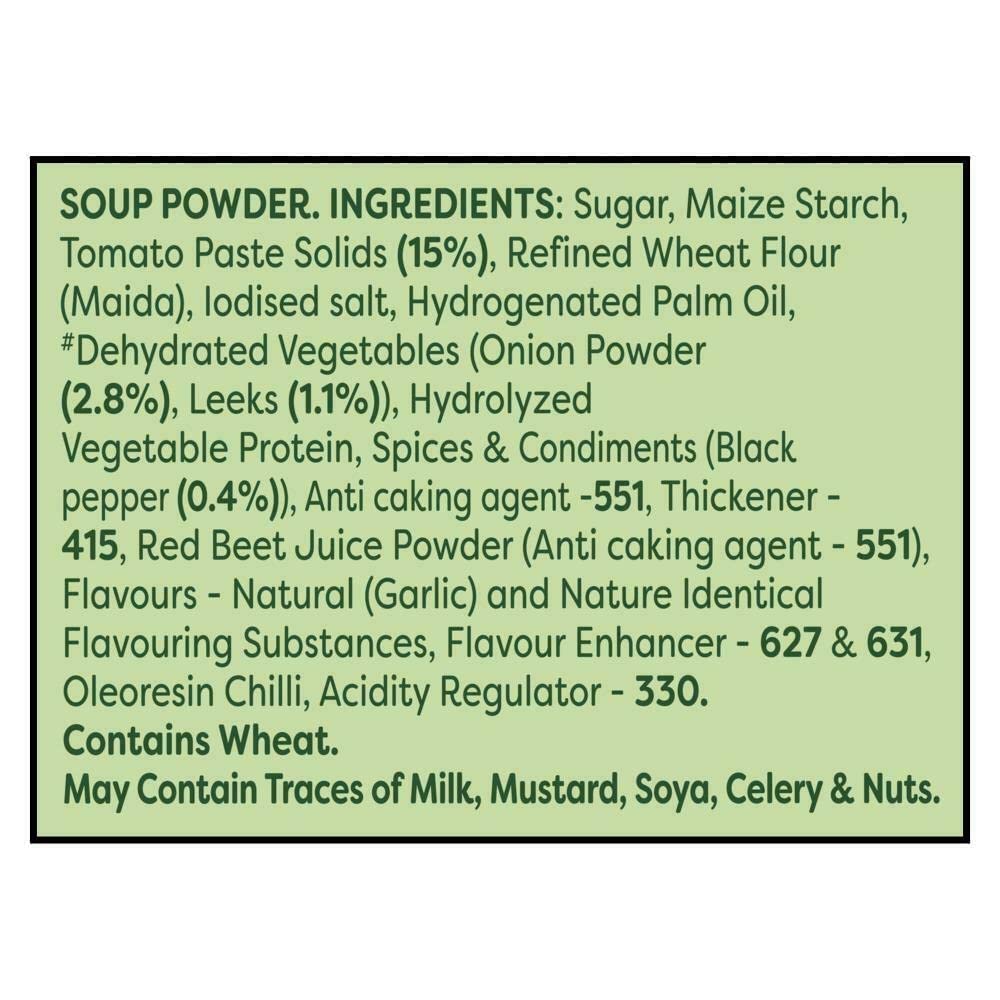 Instant Soups: Are They Worth It?
In today’s fast-paced world, instant soups offer convenience and a quick meal solution. However, their worth extends beyond mere convenience, raising questions about their nutritional value and potential drawbacks.
Nutritional Value:
Instant soups often boast of being low in calories and fat, making them appear as a healthier choice. While some varieties may contain beneficial ingredients like dehydrated vegetables and whole grains, many are laden with sodium, preservatives, and artificial additives. These components can detract from their nutritional value, contributing to health concerns such as high blood pressure and heart disease.
Moreover, the dehydration process used in instant soups can lead to a loss of vitamins and minerals, diminishing their overall nutritional content. Although manufacturers may fortify these soups with added nutrients, they often fall short in comparison to fresh, homemade alternatives.
Drawbacks:
High Sodium Content: Instant soups are notorious for their high sodium content, with some varieties containing up to 50% of the recommended daily intake in a single serving. Excessive sodium consumption can elevate blood pressure levels, increasing the risk of cardiovascular issues over time.
Artificial Additives: To prolong shelf life and enhance flavor, instant soups often contain artificial additives, flavorings, and colorings. These additives may have adverse effects on health, potentially triggering allergic reactions or digestive discomfort in sensitive individuals.
Lack of Nutritional Diversity: Instant soups typically lack the diverse array of nutrients found in homemade soups made from fresh ingredients. They often prioritize convenience over nutritional quality, offering limited nutritional benefits compared to homemade alternatives.
Environmental Impact: The production and packaging of instant soups contribute to environmental pollution, with single-use packaging contributing to plastic waste. Additionally, the processing of ingredients and transportation involved in their manufacture further exacerbate their environmental footprint.
While instant soups offer unmatched convenience, their nutritional value and potential drawbacks warrant careful consideration. Opting for homemade soups made from fresh, wholesome ingredients remains the gold standard for nutritional quality and overall health. However, for those pressed for time, selecting instant soups with minimal additives and sodium content can offer a convenient yet relatively nutritious meal option. Alternatives include seeking out soups at restaurants or local eateries
 Where Can Indian Bachelors Find Soups Outside Home on a Cold Day?
 Where Can Indian Bachelors Find Soups Outside Home on a Cold Day?
Indian bachelors seeking a warm and comforting soup on a chilly day have various options beyond the comfort of their own kitchens. Here are some places where they can find delicious single-serve soups:
Military Hotels:
- Soup Offered: Paya Soup
- Description: Paya Soup, made with slow-cooked chicken or mutton bones and aromatic spices, is a hearty option available at military hotels. It provides a comforting and nourishing meal for bachelors looking to warm up during cold weather.
Biryani Places:
- Soup Offered: Shorba/Sherwa
- Description: Biryani places often serve shorbas or sherwas, spicy and aromatic soups that complement their main dishes. These soups add an extra layer of flavor and warmth, making them an ideal choice for bachelors seeking comfort outside home.
Udupi Restaurants/Darshinis:
- Soup Offered: Rasam
- Description: Rasam, a tangy and spicy tomato-based soup, is a staple in Udupi restaurants and darshinis. It offers bachelors a rejuvenating and flavorful option to combat the cold weather, served hot and comforting.
Momo Shops:
- Soup Offered: Momo Soup
- Description: Momo shops provide momo soup, made from the liquid in which momos are steamed, flavored with the drippings from the filling. This soup, enhanced with salt and MSG, offers bachelors a warm and satisfying option on chilly days.
These establishments cater to the needs of Indian bachelors, offering convenient and delicious soup options outside the home, perfect for warming up during cold weather.
 Nourishing Communities: Meda Foundation’s Dehydrated Single Serve Soups
 Nourishing Communities: Meda Foundation’s Dehydrated Single Serve Soups
Meda Foundation’s Dehydrated Single Serve Soups epitomize accessible, nutritious sustenance. With an unwavering focus on affordability and health, these soups are crafted to meet the diverse needs of communities worldwide. Free from artificial colors, flavors, and preservatives, they embody purity and wholesomeness. Meda Foundation ensures healthy sodium levels, prioritizing cardiovascular wellness. Moreover, by employing differently abled individuals, the foundation promotes inclusivity and empowerment in its production process. Each soup, whether it’s the vibrant mix veg manchow or the tangy tomato rasam, is a symphony of vegetables, spices, and natural thickeners. With every spoonful, individuals not only nourish their bodies but also contribute to a vision of sustainable development and community enrichment. Meda Foundation’s Dehydrated Single Serve Soups are more than just a meal—they are a testament to the power of affordable, nutritious food in fostering well-being and unity among communities.
Additional Resources for Further Research:
Soup Recipes and Cooking Tutorials:
Sustainable Cooking Practices and Food Waste Reduction:
Explore these resources for a wealth of soup recipes, cooking tutorials, and tips on sustainable cooking practices and reducing food waste. Whether you’re a seasoned chef or a novice in the kitchen, there’s something for everyone to discover and enjoy.
 Conclusion:
 Conclusion:
Embarking on a culinary journey through the diverse world of soups, we’ve uncovered not just a meal but a cultural tapestry woven with warmth, comfort, and nourishment. From ancient origins to modern adaptations, soups continue to captivate our palates, offering a symphony of flavors and ingredients that transcend borders and traditions. At the heart of this culinary exploration lies Meda Foundation’s commitment to providing affordable, nutritious dehydrated soups, empowering communities and promoting inclusivity. By supporting Meda Foundation’s mission, you can help ensure that everyone has access to wholesome meals that sustain both body and soul. Join us in celebrating the timeless tradition of soup-making while embracing innovation, sustainability, and cultural diversity. Together, let’s spread warmth, nourishment, and unity through the power of soup. Donate to Meda Foundation today and make a meaningful difference in the lives of individuals and communities worldwide.
Sources and References:
Scientific Studies on the Nutritional Benefits of Soups:
- Smith, A., & Hoang, K. (2020). The Nutritional and Health Benefits of Soup Consumption. Journal of Nutrition and Food Sciences, 10(2), 1-7.
- Brown, L., & Jones, M. (2018). Soup: A Nutrient-Rich Food for Optimal Health. Nutrition Reviews, 76(6), 440-450.
- Wang, Y., & Wang, J. (2019). The Role of Soup Consumption in Promoting Vegetable Intake and Health. Journal of Food and Nutrition Research, 7(11), 771-780.
Historical Texts and Cultural Resources on the Significance of Soups:
- Montanari, M. (2006). Food Is Culture. Columbia University Press.
- Kiple, K. F., & Ornelas, K. C. (2000). The Cambridge World History of Food (Vol. 1). Cambridge University Press.
- Sokolov, R. (2000). The Saucier’s Apprentice: A Modern Guide to Classic French Sauces for the Home. Knopf.
These sources provide valuable insights into the nutritional benefits of soups as well as their historical and cultural significance, contributing to a comprehensive understanding of this beloved culinary tradition.


 Who is this for?
  Improved Digestion: Vegetables are packed with fiber, which acts as nature’s broom, sweeping through our digestive tract and promoting regularity. Fiber-rich veggies like broccoli, kale, and Brussels sprouts help to keep our digestive system running smoothly, reducing bloating and discomfort.
 The Debate about ‘Anti-Nutrients’:
 Is Organic Worth It?
 Embrace Local, Indigenous, and Seasonal Vegetables for Sustainable Eating
 Exploring the Nutritional Benefits of Vegetables
 Appreciating Different Parts of the Plant:
 Tips to choose the Freshest Produce:
  Prepping the Veggies: Start with a foundation of fresh, crisp vegetables. Soaking them in baking soda water for 30 minutes helps remove any chemical residues, especially if consuming the skins. Chop the vegetables evenly, ensuring they are all the same size to promote uniformity in each bite. Using a grater or mandolin can help achieve consistency, and excess water from greens can be drained using a salad spinner. Utilizing a combination of a sharp knife and a serrated knife ensures clean and precise cuts.
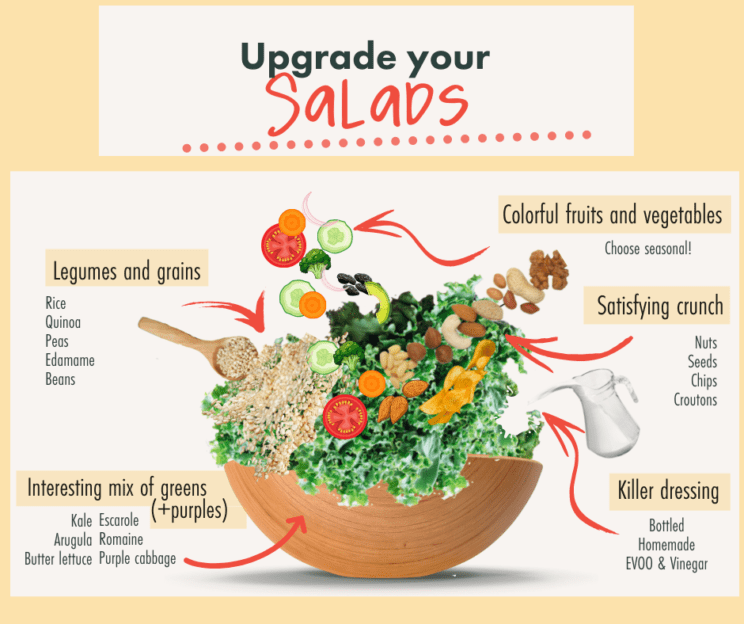 Healthy Fats: Enhance the nutritional profile and mouthfeel of your salad by adding healthy fats. Nuts (such as almonds, walnuts, or pecans), seeds (like pumpkin or sunflower seeds), cheese, and Greek yogurt are excellent choices that provide essential fatty acids and contribute to a feeling of fullness.
 The Importance of Balancing Flavors and Textures for a Satisfying Salad Experience
 Nutritional Diversity: Balancing flavors and textures often leads to a more diverse range of ingredients in your salad, which translates to a broader spectrum of nutrients. Including a variety of vegetables, fruits, grains, proteins, and healthy fats ensures that your salad provides a comprehensive array of vitamins, minerals, antioxidants, and essential nutrients, supporting overall health and well-being.
 Fermented, Sprouted and Microgreen Salads: Fermented salads undergo biochemical process that enhances their probiotic content, supporting gut health and digestion. Consuming a variety of fermented and sprouting foods promotes gut microbiome diversity, which is essential for overall well-being. Examples include kimchi salad, fermented beetroot salad, and moong sprout chaat, methi microgreen and mooli salad. They are alive with nutrients, probiotics and bursting with flavor.
 Steamed or Boiled Salads: Steamed or boiled salads involve gentle cooking methods that help retain the nutrients and natural flavors of vegetables. These salads are light and nourishing, making them suitable for both warm and cool weather and are often consumed with the boiling liquid. Examples include winter stew, buttered ladyfingers, and steamed sweet potato salads, which are packed with vitamins and minerals.
 Salad Dressing 101: Elevating Salad Flavors
 Mixing and matching flavors allows for innovative dressings that suit individual tastes and preferences. Some ingredients, like mustard or yogurt, may fall into multiple categories, offering versatility in flavor profiles.
  Consider Growing your own Greens!
 Making healthy food your convenience food is key to maintaining a balanced and nourishing diet, especially during busy work weeks. By prepping light and healthy meals ahead of time, you can ensure that you have nutritious options readily available, allowing you to stay productive and energized throughout the day. Additionally, consuming these prepped meals before main meals can help regulate blood sugar levels, especially when vinegar is included in the preparation.
 Moong Sprout Salad (Moong Chaat): Popular in North India, Moong Sprout Salad is made from sprouted moong beans mixed with chopped onions, tomatoes, green chilies, and coriander leaves. Seasoned with chaat masala, lemon juice, and a hint of roasted cumin powder, this salad is packed with protein, fiber, and vibrant flavors.
 Bhelpuri
 Chana Chaat: A popular street food snack across India, Chana Chaat is made from boiled chickpeas (chana) mixed with chopped onions, tomatoes, green chilies, and coriander leaves. Seasoned with chaat masala, roasted cumin powder, and lemon juice, this flavorful salad is often garnished with crispy sev, pomegranate seeds, and a drizzle of tangy tamarind chutney.
 Pico de Gallo:
 Tzatziki:
 Pour the prepared green goddess dressing over the pasta and vegetables, tossing gently to coat everything evenly. Adjust the seasoning if needed, adding more salt, pepper, or lemon juice to taste. Garnish the salad with chopped fresh coriander leaves and a sprinkle of toasted sesame seeds or crushed peanuts for added crunch.
 Conclusion:

