
Designed for people who live under constant time pressure, mental load, and competing priorities, it speaks to professionals, caregivers, students, creators, and anyone tired of relying on takeout or ultra-processed food. It is especially useful for households where no one has the luxury of cooking daily from scratch. Drawing from resilient food systems shaped by scarcity, migration, war, climate uncertainty, and long workdays, it shows how nutrition, preservation, and flavor were optimized together. Readers gain practical patterns—make-ahead bases, fermentations, soak-only foods, and low-effort assemblies—that reduce cooking time, waste, cost, and decision fatigue while supporting energy, health, and long-term ambition without sacrificing cultural continuity or everyday eating satisfaction.
Why Look Back When Life Is Moving Faster Than Ever
Modern life feels uniquely hurried. Calendars are crowded, attention is fragmented, and food is often squeezed into the smallest available gap between obligations. Yet the experience of living under pressure is not new. What has changed is the form of busyness, not its intensity. Earlier societies faced long workdays, physical labor, uncertainty of income, unpredictable weather, conflict, migration, and periodic scarcity. Their days were shaped by survival demands rather than digital notifications, but the underlying constraint was the same: limited time, energy, and certainty.
For most of human history, people could not pause life to cook. Farming, trading, herding, building, caregiving, and defending communities took precedence. Meals had to fit around work, not the other way around. As a result, food systems evolved under continuous pressure. They were not expressions of leisure, experimentation, or indulgence. They were practical responses to the question: How do we keep ourselves nourished, functional, and resilient when tomorrow is uncertain and today is full?
Seen through this lens, traditional cuisines were not merely collections of recipes. They were infrastructure—quiet, reliable systems that supported daily life in difficult conditions. Preservation methods such as fermentation, drying, salting, and oil immersion were not culinary trends; they were risk-management tools. Make-ahead bases, multi-use gravies, dry powders, and fermented staples allowed people to convert raw ingredients into durable nutrition that could be accessed quickly, even during exhaustion, illness, travel, or crisis. These systems reduced dependence on daily effort and protected communities from both short-term disruption and long-term instability.
Over time, as food became more abundant and convenience technologies expanded, these systems were gradually reframed. What was once intelligent design began to be labeled as “simple,” “poor,” or “old-fashioned.” Cooking from scratch every day became an ideal, even though it had rarely been the historical norm. This shift obscured an important truth: traditional food practices were not born of limitation alone, but of optimization. They balanced nutrition, labor, fuel, storage, and human energy with remarkable precision.
Revisiting these practices today is not an exercise in nostalgia, nor an argument for returning to hardship. It is an opportunity to study how complex problems were solved without excess time, money, or choice. When traditional cooking is viewed as systems design rather than sentiment, it offers practical insights for modern lives that are similarly constrained, albeit in different ways. By understanding why these food systems worked, we can selectively adapt their principles—reducing daily friction, improving nutritional reliability, and building food habits that support ambition, health, and continuity in an increasingly demanding world.

When No One Had Time to Cook
For much of history, the idea of a household member whose primary role was to cook every day was the exception, not the rule. In many cultures, survival depended on the collective labor of all able members. Food preparation had to coexist with farming, herding, trading, craftsmanship, caregiving, and, at times, defense. There was simply no guarantee that one person could step away from productive work each day to plan, cook, and clean multiple fresh meals.
Men and women often worked comparable hours, though in different forms of labor. Elders contributed through knowledge, supervision, and lighter tasks, while children participated in age-appropriate work. Energy was distributed across the household, but time was scarce for everyone. Under these conditions, food systems evolved to minimize daily demands. Cooking was organized around occasional intensity rather than constant effort—periods of batch preparation followed by days or weeks of simple assembly.
Communal and large-batch strategies were a natural response. Grains were processed in bulk. Lentils were soaked, cooked, and repurposed across multiple meals. Vegetables were dried or fermented when available. Bases such as spiced oils, masalas, or fermented batters were prepared in quantities large enough to support many future meals. These components could be combined quickly with staples, allowing nourishment to remain consistent even when time or labor was disrupted.
Importantly, these systems did not assume ideal conditions. They were designed to function during illness, travel, seasonal labor peaks, childbirth, or crisis. If one person was unavailable, the system still worked. Knowledge was shared, methods were standardized, and ingredients were familiar. This reduced dependence on individual capacity and increased household resilience.
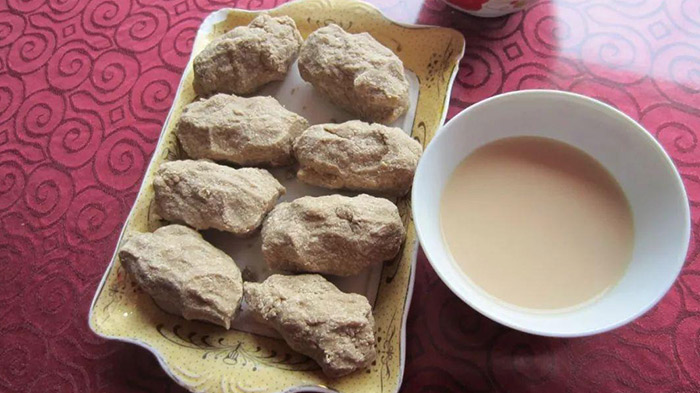
Modern households increasingly mirror these historical realities. Dual-income families, single adults managing work and care responsibilities, and households supporting children, elders, or people with disabilities often operate under continuous time pressure. There is rarely a “free” day to cook elaborately, yet the need for reliable nutrition remains. In this context, traditional batch-based and communal food strategies offer more than cultural insight. They provide a blueprint for organizing food around real life—where cooking supports work, health, and caregiving, rather than competing with them.
Design Principles Shared Across Hardy Cultures
Across geography and history, cultures facing chronic pressure converged on a remarkably similar set of food-design principles. These were not formal rules, but practical responses refined over generations. Together, they reveal how nourishment was optimized when time, fuel, and resources were unreliable.
1. Maximum Nutrition per Unit of Effort
In demanding environments, calorie intake alone was not enough. People needed food that sustained strength, immunity, and endurance over long periods. As a result, meals were designed to deliver multiple forms of nourishment at once—energy, protein, minerals, fats, and digestive support—without requiring elaborate preparation.
Lentils, fermented dairy, nuts, seeds, and whole grains appeared repeatedly because they offered a high return on effort. Fat was not treated as optional; ghee, oils, and animal fats improved satiety, nutrient absorption, and physical resilience. Equally important was digestibility. Techniques such as soaking, fermenting, and slow cooking reduced anti-nutrients and made food easier to assimilate, allowing bodies to extract more value from the same ingredients. The goal was not abundance, but efficiency of nourishment.
2. Preservation as a Nutritional Upgrade
Preservation in hardy cultures went beyond preventing spoilage. It was a way to improve food. Fermentation transformed raw ingredients into more digestible, mineral-rich, and probiotic forms. Drying concentrated nutrients while reducing weight and bulk. Salting, oil immersion, and smoking extended shelf life while adding antimicrobial and medicinal properties.
These methods also stabilized food supply across seasons and disruptions. Preserved foods could be relied upon when fresh ingredients were unavailable, and they often required little to no additional cooking. Instead of being nutritionally inferior, many preserved foods became staples precisely because they were more potent and reliable than their fresh counterparts.
3. Passive Time Over Active Time
A defining feature of traditional food systems was the preference for waiting over working. Time itself was used as a resource. Soaking grains and legumes overnight, fermenting batters and vegetables, or allowing stews to cook slowly on residual heat reduced the need for constant attention.
This shift from active to passive time mattered greatly in work-heavy lives. Food preparation could happen alongside sleep or labor rather than competing with it. By minimizing tasks that required presence, stirring, or supervision, cultures ensured that nourishment did not depend on continuous effort. This principle remains highly relevant for modern lives shaped by long work hours and mental fatigue.
4. Make-Ahead Flavor and Nutrition Concentrates
Rather than cooking complete dishes daily, many cultures invested effort in preparing concentrated components. Dry spice blends, roasted powders, fermented pastes, spiced oils, and pickles carried intense flavor and dense nutrition in small quantities. When combined with simple staples like rice, bread, or porridge, they produced meals that were both satisfying and complete.
These concentrates served multiple functions: they saved time, standardized taste, improved digestion, and increased nutrient diversity. A plain base could be transformed in minutes, making it possible to eat well even during exhaustion or scarcity. This modular approach turned cooking into assembly, not reinvention.
5. Zero Waste and Leftover Reincarnation
Scarcity demanded respect for every edible element. Peels became chutneys or broths. Bones were simmered for minerals. Stale grains were dried, fermented, or re-cooked into new forms. Excess harvest was preserved for lean times. Leftovers were not an afterthought; they were inputs for the next meal.
This mindset reduced waste while increasing resilience. By designing food systems that anticipated reuse, cultures ensured continuity even when supplies fluctuated. Beyond practicality, it reinforced an ethic of care toward resources—recognizing food as effort embodied, not a disposable commodity. In modern contexts of both excess and insecurity, this principle offers a grounded path toward sustainability and mindful nourishment.

Functional Taxonomy of Traditional Meal-Prep Systems
(Transferable Patterns Beyond Geography)
While traditional cuisines are often categorized by region, climate, or culture, a more useful lens is function. When examined this way, food systems from very different parts of the world reveal shared solutions to the same constraints. This functional taxonomy highlights patterns that can be adapted easily to modern kitchens, regardless of cultural background.
Flavor Concentrates
Flavor concentrates are among the most powerful tools developed by time-pressed cultures. Dry powders, fermented pastes, and spiced oils allowed large amounts of flavor and nutrition to be stored in compact, shelf-stable forms. A small quantity could transform a plain staple into a complete meal.
These concentrates served several purposes at once. They standardized taste, reduced daily cooking effort, and often supported digestion through spices, fermentation, or fats. Because they were prepared in advance and lasted weeks or months, they decoupled flavor and nutrition from daily labor. In practice, this meant that even a bowl of rice or flatbread could become satisfying and nourishing within minutes.
Protein Without Fresh Meat
Fresh meat was rarely available daily and was often reserved for special occasions. To meet ongoing protein needs, cultures relied on plant-based and preserved animal proteins that were affordable, durable, and easy to prepare.
Lentils, beans, and pulses appeared across civilizations because they stored well and paired easily with grains. Fermented dairy provided both protein and probiotics, while dried or salted fish delivered concentrated nutrition in small amounts. These protein sources required little fuel and could be integrated into meals quickly, ensuring that physical labor was supported even when resources were limited.
Fuel-Saving Foods
Fuel—whether firewood, charcoal, or dung—was often as scarce as food itself. As a result, many dishes were designed to minimize heat use. One-pot meals combined grains, legumes, vegetables, and fats in a single vessel, reducing both cooking time and cleanup. Other foods required no reheating at all and could be eaten at room temperature.
Fuel-saving foods reduced dependence on constant access to fire and allowed meals to be prepared even during travel, bad weather, or exhaustion. This efficiency was critical in environments where cooking itself carried a cost.
Shelf-Stable Vegetables
Vegetables are highly perishable, yet micronutrients were essential for long-term health. Traditional cultures solved this tension by turning vegetables into shelf-stable forms through drying, pickling, and fermentation.
Dried greens, fermented leaves, and pickled roots preserved vitamins and minerals while dramatically extending usability. These vegetables could be added to soups, porridges, or grains in small amounts to restore nutritional balance when fresh produce was unavailable. Instead of treating vegetables as daily requirements, cultures treated them as nutrient reserves.
Travel-Ready Assemblies
Migration, trade, seasonal labor, and conflict meant that people often ate away from home. Travel-ready foods were therefore essential. These meals required little or no preparation, resisted spoilage, and could be eaten on the move.
Flatbreads paired with concentrates, dried foods mixed with fermented or fatty components, and simple grain-based assemblies ensured continuity of nourishment without kitchens or tools. These systems allowed people to remain mobile without sacrificing health, demonstrating a sophisticated understanding of portability and preservation.

Indian Sub-Regional Food Intelligence (Special Focus)
India’s culinary diversity is often described in terms of flavor and variety, but its deeper intelligence lies in adaptation to constraint. Across regions, food systems evolved not as indulgent expressions but as practical responses to climate, labor patterns, and uncertainty. Examining these sub-regional patterns reveals how Indian kitchens quietly solved problems of time, fuel, preservation, and nutrition long before modern conveniences existed.
1. South India: Fermentation and Dry Powders
South Indian food systems are built around fermentation and dry concentrates, both of which drastically reduce daily cooking effort while improving nutrition. Idli and dosa batters, prepared in large batches, convert rice and lentils into protein-rich, highly digestible food that can be cooked quickly over several days. Fermentation enhances mineral absorption and supports gut health, making these staples particularly effective for physically demanding lives.
Dry powders such as rasam podi and various podis (lentil- and seed-based spice blends) function as instant flavor and nutrition enhancers. With minimal fuel and time, a simple starch can become a balanced meal. These powders also store well in humid climates, reducing dependence on daily fresh preparation.
2. Arid and Semi-Arid Regions (Rajasthan, Gujarat)
In regions where water and fresh vegetables were unreliable, food systems evolved to function independently of abundance. Dishes like gatte, made from gram flour, provided protein and satiety without relying on fresh produce. Dried vegetables and beans extended the usefulness of seasonal harvests, while oil-preserved gravies allowed cooked food to last for days without spoilage.
These cuisines demonstrate a crucial principle: meals do not need constant freshness to be nourishing. By relying on shelf-stable ingredients and preservation techniques, households could cook effectively even during droughts, travel, or scarcity.
3. Deccan and Maharashtra: Multi-Use Bases
In the Deccan plateau and Maharashtra, efficiency came from versatility. A single well-prepared masala could be used across vegetables, legumes, and grains, reducing both prep time and decision-making. Roasted lentil and coconut bases added protein, fats, and flavor in one step, allowing meals to be assembled rather than cooked from scratch.
This modular approach supported large households and long workdays. Instead of maintaining multiple complex dishes, families relied on a few dependable bases that adapted easily to whatever ingredients were available.
4. Eastern India: Flood-Resilient Food Systems
Eastern India’s food intelligence reflects life in flood-prone, high-humidity environments. Fermented rice, such as panta bhat, allowed leftover grains to remain edible and even nutritionally enhanced overnight. Dried and fermented fish provided concentrated protein that stored well despite moisture.
Mustard oil and mustard-based pastes acted as natural preservatives with antimicrobial properties, extending shelf life while supporting digestion. Meals were designed to remain functional despite spoilage risks, disrupted markets, and unpredictable access to fresh food.
5. Himalayan and Cold Regions
In mountainous and cold regions, short growing seasons and high energy demands shaped food systems around concentration and preservation. Drying and fermenting leafy greens created nutrient-dense stores for winter months. Fat-based nutrition from dairy or animal sources supported warmth and endurance in cold climates.

Soups and simple grain-based meals, enriched with preserved vegetables and fats, balanced limited variety with sustained nourishment. These systems prioritized reliability and caloric efficiency over culinary complexity.
Global Parallels from High-Pressure Cultures
The pressures that shaped resilient food systems in India were not unique. Across the world, cultures facing mobility, conflict, environmental instability, and extreme seasonality arrived at strikingly similar solutions. These global parallels reinforce an important insight: when human lives are constrained by uncertainty, food systems converge toward reliability, preservation, and efficiency rather than novelty or abundance.
Nomadic and Trader Cultures: Food for Movement
Nomadic herders, caravan traders, and seafaring communities required food that could travel long distances without spoiling or demanding daily preparation. Their diets emphasized portability, durability, and concentrated nutrition. Dried meats, fermented dairy products, and compact grain-based foods were common because they resisted spoilage and provided sustained energy.
Fermented milk products such as yogurt, kefir, or dried curds supplied protein and probiotics in lightweight forms. Grains were roasted, flattened, or ground to reduce cooking time. These foods were not meant to impress but to function reliably under movement, fatigue, and limited fuel. The emphasis was on continuity of nourishment rather than variety.
War-Time and Famine Cuisines: Continuity Under Disruption
Periods of war and famine forced communities to rethink food as a stabilizing force. Access to fresh ingredients became unpredictable, and cooking facilities were often compromised. In response, cuisines leaned heavily on preserved staples, one-pot dishes, and ingredients that could be stretched across many meals.
Fermented vegetables, grain-based porridges, and soups made from minimal inputs allowed families to maintain nutritional intake despite rationing and uncertainty. These foods were designed to be forgiving—capable of absorbing substitutions and tolerating irregular preparation. The goal was not optimal taste but nutritional continuity, ensuring that bodies remained functional through prolonged stress.
Disaster-Prone Regions: Fermentation and Pickling as Insurance
In regions prone to earthquakes, floods, cyclones, or volcanic activity, food preservation became a form of insurance. Fermentation and pickling transformed perishable ingredients into stable reserves that could be accessed when markets, transport, or electricity failed.
These preserved foods required little to no cooking and could be eaten even when fuel was scarce. Their acidity and salt content provided both preservation and protection against foodborne illness. Over time, such practices became embedded in daily cuisine, ensuring that households always had a buffer against sudden disruption.
Seasonal Cultures: Abundance and Absence
In climates with dramatic seasonal swings, communities learned to cook for both feast and famine. During periods of abundance, excess produce was dried, fermented, or stored. During lean months, these reserves became dietary anchors.
This cyclical approach required restraint and foresight. Food was not consumed solely according to immediate desire but managed as a long-term resource. Meals during scarcity were simpler, but they were nutritionally intentional, designed to carry people through months of limited access.
The Invisible Benefit: Reduced Cognitive and Emotional Load
One of the least visible yet most important advantages of traditional food systems was their effect on the mind. Beyond calories and nutrients, these systems were designed to reduce daily cognitive and emotional burden. In lives already filled with uncertainty and labor, food could not become another complex problem to solve each day.
By limiting the number of choices required at mealtimes, these cultures conserved mental energy. Staples were fixed, preparation methods were familiar, and flavor came from pre-made concentrates rather than spontaneous invention. Meals followed predictable patterns. This consistency reduced decision fatigue and lowered the risk of mistakes, especially during exhaustion, illness, or crisis. Knowing that nourishment was already “handled” allowed attention to remain on work, caregiving, and survival.
Familiar assemblies also provided emotional stability. Repeated food combinations created a sense of normalcy even when external conditions were unstable. The taste, texture, and ritual of known meals anchored people psychologically, offering comfort without requiring extra effort. This was particularly important during periods of displacement, loss, or hardship.
Crucially, these systems supported mental endurance alongside physical survival. By externalizing food decisions into established routines and shared knowledge, households reduced stress and protected cognitive resources. In modern contexts, where mental fatigue often outweighs physical exhaustion, this invisible benefit may be one of the most valuable lessons traditional food systems have to offer.
The Universal Ancient Meal Formula
Across cultures and centuries, meals built under pressure tend to follow a remarkably consistent structure. Stripped of regional ingredients and culinary language, the underlying formula is simple:
Staple + Protein or Ferment + Concentrate + Fat
This pattern appears repeatedly because it solves several problems at once. The staple—such as grains, tubers, or flatbreads—provides reliable energy and satiety. Protein or fermented components support muscle maintenance, immunity, and digestion. Concentrates deliver flavor, micronutrients, and complexity without requiring daily effort. Fat improves caloric density, enhances nutrient absorption, and sustains energy over long work periods. Together, these elements create meals that are balanced, adaptable, and quick to assemble.
The repetition of this formula across cultures is not coincidence. It reflects constraints shared by human societies: limited time, limited fuel, and the need for dependable nourishment. By separating food into modular components, cultures reduced daily labor while preserving flexibility. If one element was scarce, others could compensate. The system worked under abundance, scarcity, travel, or crisis.
In practice, this meant meals could be assembled in minutes. Rice combined with fermented dairy, a spiced powder, and fat became complete. Flatbread paired with preserved protein, a pickle or paste, and oil delivered the same balance. Soups enriched with dried greens and fat followed identical logic. These fast assemblies were not shortcuts; they were intentional designs that allowed people to eat well consistently, even when life allowed little room for cooking.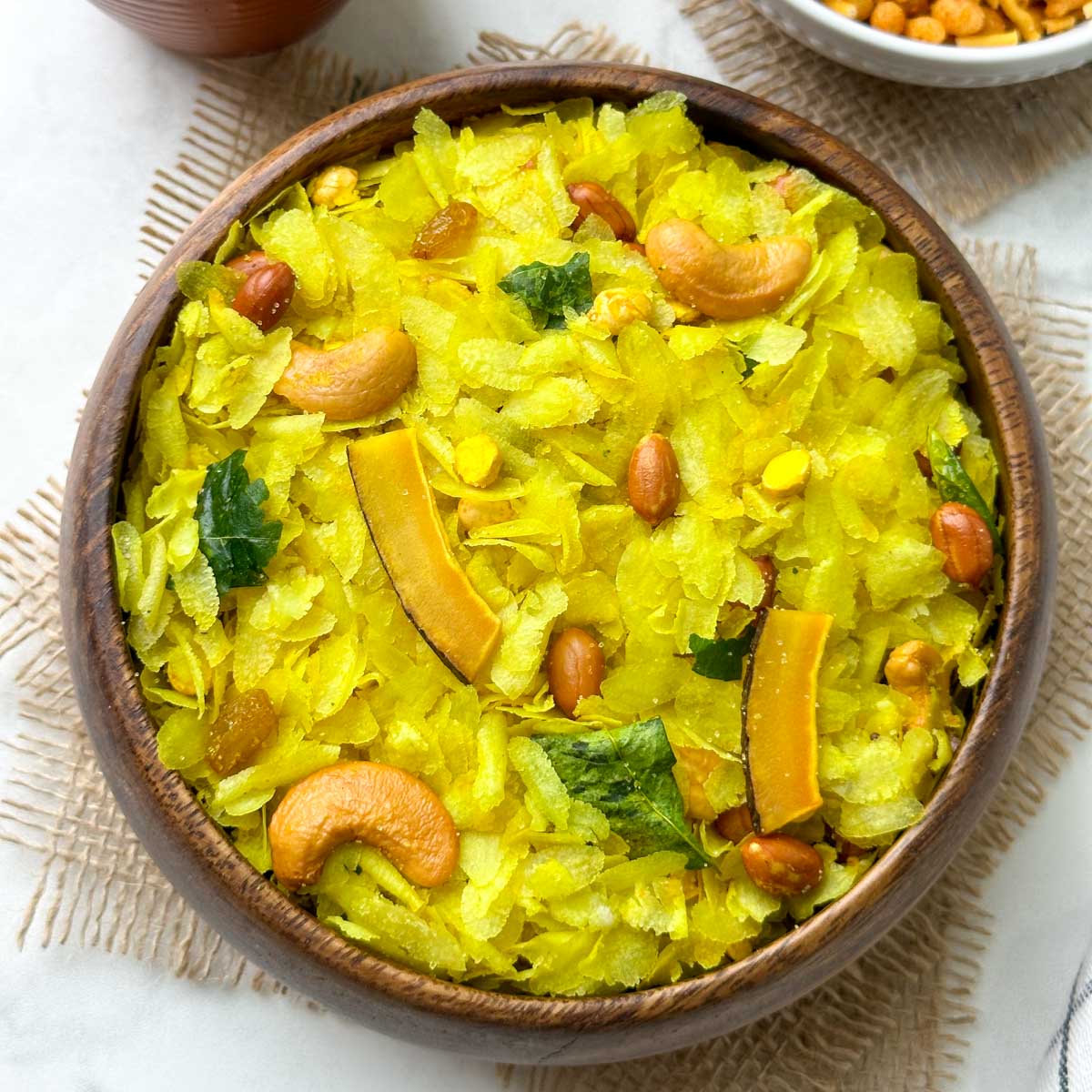
Applying These Strategies to Modern Busy Lives
The value of traditional food systems lies not in copying specific dishes, but in adapting their structural logic to contemporary constraints. Modern lives may not mirror historical hardship, but they are similarly shaped by time pressure, cognitive overload, and irregular schedules. Applying these strategies requires thinking in layers rather than meals.
The Weekly Layer: Front-Load Effort
Instead of cooking daily, invest limited energy once or twice a week. Prepare one fermented component, such as a batter, curd, or pickled vegetable. Create one dry or concentrated base, like a roasted powder or spice blend. Add one preserved element, whether oil-based, salted, or dried. These three components form the backbone of multiple meals.
This approach spreads effort over time and creates optionality. Even if the week becomes chaotic, nourishment remains accessible.
The Daily Layer: Assemble, Don’t Cook
On busy days, the goal is not creativity but reliability. Meals should come together through simple assembly. Rehydrate dried components, mix a staple with a concentrate, or warm food gently rather than cooking from scratch. Fuel use and cleanup remain minimal, and the barrier to eating real food stays low.
This mirrors ancient kitchens, where cooking was often an occasional act and eating was a daily necessity.
The Mindset Shift: Redefining “Simple”
Perhaps the most important change is conceptual. Simple food is often mistaken for inadequate food. In reality, simplicity is what makes nourishment sustainable. Efficiency does not signal compromise; it signals design. Food that is easy to prepare is more likely to be eaten consistently, supporting health over time rather than intermittently.
By adopting this mindset, modern households can move away from dependence on takeout or ultra-processed foods and toward systems that quietly support energy, focus, and long-term well-being—without demanding constant attention.
Traditional Limited-Resource Food Options (Functional Table)
| Category | Traditional Options (Low Resource) | Why It Worked Traditionally | Modern Meal-Prep / Storage Upgrade |
|---|---|---|---|
| Staple Carb / Energy | Rice (parboiled, aged), millets (ragi, jowar, bajra), flattened rice (poha), wheat roti, barley, potatoes | Cheap calories, long storage, flexible cooking | Batch-cook rice/millets and refrigerate or freeze portions |
| Protein | Lentils (toor, moong, masoor), chickpeas, fermented curd/yogurt, dried fish, paneer | Shelf stability, affordable, scalable | Cook lentils in bulk; freeze in flat containers; canned beans as backup |
| Probiotic / Ferment | Curd, buttermilk, idli/dosa batter, fermented rice (panta bhat), pickled vegetables | Improved digestion, mineral absorption | Maintain curd culture in fridge; store batter 3–5 days |
| Soaking Only / Sprouting | Soaked peanuts, soaked chana, sprouted moong, soaked poha, soaked oats | Zero fuel, high digestibility | Soak overnight in containers; refrigerate soaked items 1–2 days |
| Spice Concentrate / Dehydrated | Podi, rasam powder, goda masala, dried chutneys, pickle, kasundi | Instant flavor + micronutrients | Store airtight; freeze fresh herb pastes in cubes |
| Fat | Ghee, mustard oil, groundnut oil, coconut oil, sesame oil | Energy density, nutrient absorption | Keep shelf oils; freeze ghee if needed for long storage |
Sample Mix-and-Match Meal Combos
(One item from each category + modern shortcuts)
Meal Combo 1: Ultra-Fast No-Cook Bowl (5 minutes)
Staple: Leftover rice (refrigerated)
Protein: Soaked peanuts or canned chickpeas (rinsed)
Probiotic: Fresh curd or buttermilk
Soaking/Sprouting: Soaked poha mixed in
Concentrate: Podi or pickle
Fat: Ghee or sesame oil
Modern prep tip:
Cook rice once for 3–4 days. Keep soaked peanuts in fridge.
Assemble cold. No reheating needed.
Meal Combo 2: One-Pot Warm Meal (Low Fuel)
Staple: Millets or barley (batch cooked)
Protein: Frozen dal portion
Probiotic: Small side of curd
Soaking/Sprouting: Sprouted moong added at end
Concentrate: Rasam powder or goda masala
Fat: Groundnut oil or ghee
Modern prep tip:
Freeze dal in flat zip bags. Reheat with millet in one pot.
Sprouts cook in residual heat.
Meal Combo 3: Travel / Workday Assembly Meal
Staple: Roti or khakhra
Protein: Paneer cubes or canned beans
Probiotic: Buttermilk in insulated bottle
Soaking/Sprouting: Soaked chana
Concentrate: Thecha, pickle, or dry chutney
Fat: Drizzle of oil or ghee
Modern prep tip:
Pre-portion paneer and freeze. Carry dry items separately.
No kitchen required.

Why These Systems Matter More Today Than Ever
Modern food environments promise convenience, yet many people feel increasingly disconnected from nourishment. Dependence on takeout, packaged meals, and ultra-processed foods has grown not because these options are ideal, but because everyday life leaves little room for planning, cooking, or recovery. While these foods reduce immediate effort, they often increase long-term costs—nutritional gaps, energy crashes, decision fatigue, and a sense of loss of control over daily eating.
At the same time, food literacy has declined even amid abundance. Many households have access to more ingredients and appliances than any generation before, yet lack reliable systems to turn them into consistent nourishment. Cooking is treated as an occasional project rather than a foundational practice, making it vulnerable to disruption when schedules tighten or stress rises.
Traditional food systems offer a different model. They were designed to function under uncertainty, with limited time, fuel, and resources. Their strength lies in their resilience: modular components, preservation techniques, and predictable assemblies that continue working even when conditions are less than ideal. Adapted thoughtfully, these systems provide sustainable alternatives to both burnout cooking and dependency on industrial convenience.
Closing Reflection
Food that endured across centuries did so because it solved real problems. It allowed people to stay nourished while directing their energy toward work, care, and survival. Designing meals around continuity rather than constant effort frees mental and physical space for life’s ambitions.
A useful question remains:
If time, fuel, and certainty disappeared tomorrow, would your food system still function?
Support Meda Foundation
This article, like all the others, has been made possible through the support of patrons who believe in thoughtful, practical knowledge for real lives.
If you found this piece informative or useful, please consider donating to support ongoing work and research.
You are also invited to share your own knowledge, experiences, and reflections through the feedback form.
Your participation helps strengthen a shared ecosystem of learning, resilience, and inclusive growth.
Resources for Further Research
(Web addresses provided in plain text)
Traditional Food Systems & Anthropology
Fermentation, Preservation, and Nutrition
https://www.ncbi.nlm.nih.gov (search: fermentation nutrition bioavailability)
https://www.who.int (traditional diets and food security)
Indian Food Systems & Culinary History
https://www.npr.org/sections/thesalt (Indian food features)
Food Security, Resilience, and Sustainability
https://www.unep.org (food systems and sustainability)
Cognitive Load, Decision Fatigue, and Daily Systems
https://www.apa.org (search: cognitive load decision making)
Podcasts, Videos, and Long-Form Media
https://www.youtube.com/@DWDocumentary (food & culture documentaries)
https://www.netflix.com (search: food culture documentaries)
https://www.bbc.co.uk/programmes (food, history, anthropology)


