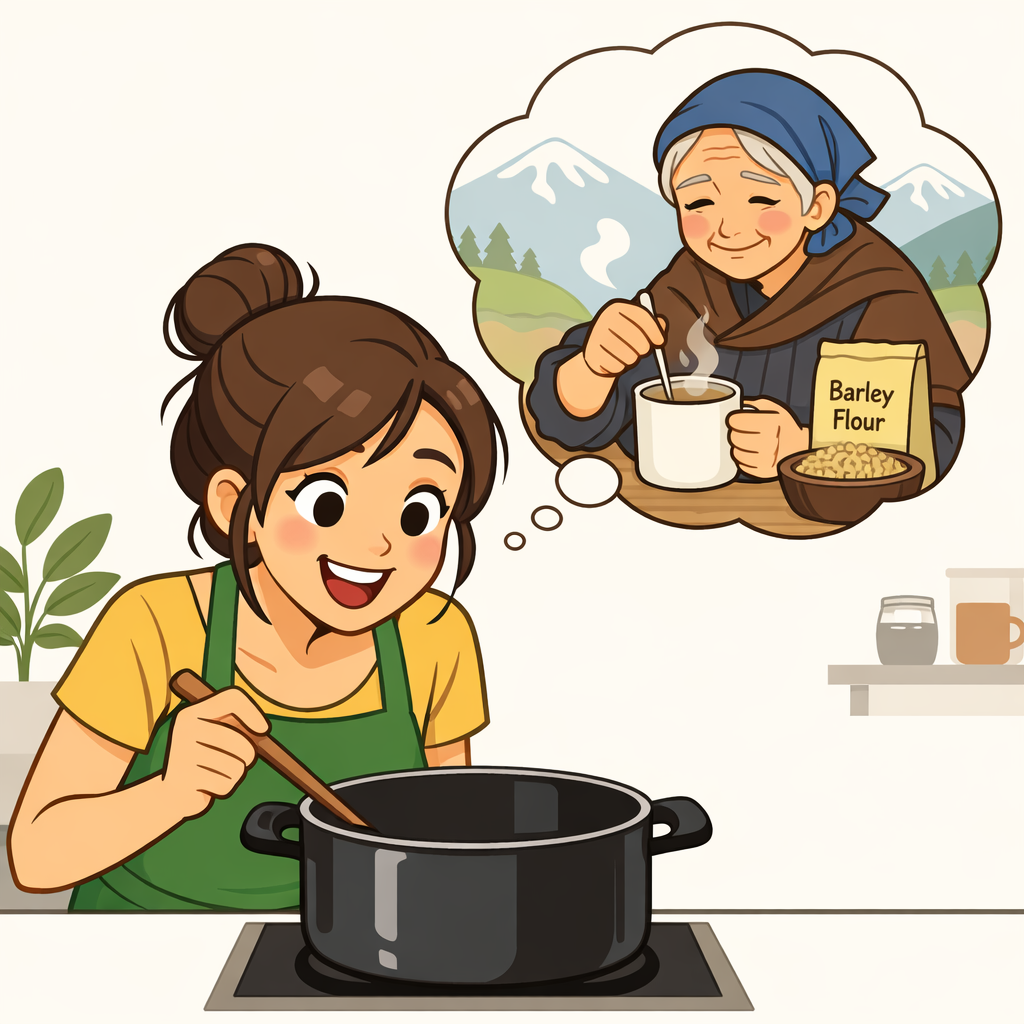
Designed for people who live under constant time pressure, mental load, and competing priorities, it speaks to professionals, caregivers, students, creators, and anyone tired of relying on takeout or ultra-processed food. It is especially useful for households where no one has the luxury of cooking daily from scratch. Drawing from resilient food systems shaped by scarcity, migration, war, climate uncertainty, and long workdays, it shows how nutrition, preservation, and flavor were optimized together. Readers gain practical patterns—make-ahead bases, fermentations, soak-only foods, and low-effort assemblies—that reduce cooking time, waste, cost, and decision fatigue while supporting energy, health, and long-term ambition without sacrificing cultural continuity or everyday eating satisfaction.
Why Look Back When Life Is Moving Faster Than Ever
Modern life feels uniquely hurried. Calendars are crowded, attention is fragmented, and food is often squeezed into the smallest available gap between obligations. Yet the experience of living under pressure is not new. What has changed is the form of busyness, not its intensity. Earlier societies faced long workdays, physical labor, uncertainty of income, unpredictable weather, conflict, migration, and periodic scarcity. Their days were shaped by survival demands rather than digital notifications, but the underlying constraint was the same: limited time, energy, and certainty.
For most of human history, people could not pause life to cook. Farming, trading, herding, building, caregiving, and defending communities took precedence. Meals had to fit around work, not the other way around. As a result, food systems evolved under continuous pressure. They were not expressions of leisure, experimentation, or indulgence. They were practical responses to the question: How do we keep ourselves nourished, functional, and resilient when tomorrow is uncertain and today is full?
Seen through this lens, traditional cuisines were not merely collections of recipes. They were infrastructure—quiet, reliable systems that supported daily life in difficult conditions. Preservation methods such as fermentation, drying, salting, and oil immersion were not culinary trends; they were risk-management tools. Make-ahead bases, multi-use gravies, dry powders, and fermented staples allowed people to convert raw ingredients into durable nutrition that could be accessed quickly, even during exhaustion, illness, travel, or crisis. These systems reduced dependence on daily effort and protected communities from both short-term disruption and long-term instability.
Over time, as food became more abundant and convenience technologies expanded, these systems were gradually reframed. What was once intelligent design began to be labeled as “simple,” “poor,” or “old-fashioned.” Cooking from scratch every day became an ideal, even though it had rarely been the historical norm. This shift obscured an important truth: traditional food practices were not born of limitation alone, but of optimization. They balanced nutrition, labor, fuel, storage, and human energy with remarkable precision.
Revisiting these practices today is not an exercise in nostalgia, nor an argument for returning to hardship. It is an opportunity to study how complex problems were solved without excess time, money, or choice. When traditional cooking is viewed as systems design rather than sentiment, it offers practical insights for modern lives that are similarly constrained, albeit in different ways. By understanding why these food systems worked, we can selectively adapt their principles—reducing daily friction, improving nutritional reliability, and building food habits that support ambition, health, and continuity in an increasingly demanding world.

When No One Had Time to Cook
For much of history, the idea of a household member whose primary role was to cook every day was the exception, not the rule. In many cultures, survival depended on the collective labor of all able members. Food preparation had to coexist with farming, herding, trading, craftsmanship, caregiving, and, at times, defense. There was simply no guarantee that one person could step away from productive work each day to plan, cook, and clean multiple fresh meals.
Men and women often worked comparable hours, though in different forms of labor. Elders contributed through knowledge, supervision, and lighter tasks, while children participated in age-appropriate work. Energy was distributed across the household, but time was scarce for everyone. Under these conditions, food systems evolved to minimize daily demands. Cooking was organized around occasional intensity rather than constant effort—periods of batch preparation followed by days or weeks of simple assembly.
Communal and large-batch strategies were a natural response. Grains were processed in bulk. Lentils were soaked, cooked, and repurposed across multiple meals. Vegetables were dried or fermented when available. Bases such as spiced oils, masalas, or fermented batters were prepared in quantities large enough to support many future meals. These components could be combined quickly with staples, allowing nourishment to remain consistent even when time or labor was disrupted.
Importantly, these systems did not assume ideal conditions. They were designed to function during illness, travel, seasonal labor peaks, childbirth, or crisis. If one person was unavailable, the system still worked. Knowledge was shared, methods were standardized, and ingredients were familiar. This reduced dependence on individual capacity and increased household resilience.

Modern households increasingly mirror these historical realities. Dual-income families, single adults managing work and care responsibilities, and households supporting children, elders, or people with disabilities often operate under continuous time pressure. There is rarely a “free” day to cook elaborately, yet the need for reliable nutrition remains. In this context, traditional batch-based and communal food strategies offer more than cultural insight. They provide a blueprint for organizing food around real life—where cooking supports work, health, and caregiving, rather than competing with them.
Design Principles Shared Across Hardy Cultures
Across geography and history, cultures facing chronic pressure converged on a remarkably similar set of food-design principles. These were not formal rules, but practical responses refined over generations. Together, they reveal how nourishment was optimized when time, fuel, and resources were unreliable.
1. Maximum Nutrition per Unit of Effort
In demanding environments, calorie intake alone was not enough. People needed food that sustained strength, immunity, and endurance over long periods. As a result, meals were designed to deliver multiple forms of nourishment at once—energy, protein, minerals, fats, and digestive support—without requiring elaborate preparation.
Lentils, fermented dairy, nuts, seeds, and whole grains appeared repeatedly because they offered a high return on effort. Fat was not treated as optional; ghee, oils, and animal fats improved satiety, nutrient absorption, and physical resilience. Equally important was digestibility. Techniques such as soaking, fermenting, and slow cooking reduced anti-nutrients and made food easier to assimilate, allowing bodies to extract more value from the same ingredients. The goal was not abundance, but efficiency of nourishment.
2. Preservation as a Nutritional Upgrade
Preservation in hardy cultures went beyond preventing spoilage. It was a way to improve food. Fermentation transformed raw ingredients into more digestible, mineral-rich, and probiotic forms. Drying concentrated nutrients while reducing weight and bulk. Salting, oil immersion, and smoking extended shelf life while adding antimicrobial and medicinal properties.
These methods also stabilized food supply across seasons and disruptions. Preserved foods could be relied upon when fresh ingredients were unavailable, and they often required little to no additional cooking. Instead of being nutritionally inferior, many preserved foods became staples precisely because they were more potent and reliable than their fresh counterparts.
3. Passive Time Over Active Time
A defining feature of traditional food systems was the preference for waiting over working. Time itself was used as a resource. Soaking grains and legumes overnight, fermenting batters and vegetables, or allowing stews to cook slowly on residual heat reduced the need for constant attention.
This shift from active to passive time mattered greatly in work-heavy lives. Food preparation could happen alongside sleep or labor rather than competing with it. By minimizing tasks that required presence, stirring, or supervision, cultures ensured that nourishment did not depend on continuous effort. This principle remains highly relevant for modern lives shaped by long work hours and mental fatigue.
4. Make-Ahead Flavor and Nutrition Concentrates
Rather than cooking complete dishes daily, many cultures invested effort in preparing concentrated components. Dry spice blends, roasted powders, fermented pastes, spiced oils, and pickles carried intense flavor and dense nutrition in small quantities. When combined with simple staples like rice, bread, or porridge, they produced meals that were both satisfying and complete.
These concentrates served multiple functions: they saved time, standardized taste, improved digestion, and increased nutrient diversity. A plain base could be transformed in minutes, making it possible to eat well even during exhaustion or scarcity. This modular approach turned cooking into assembly, not reinvention.
5. Zero Waste and Leftover Reincarnation
Scarcity demanded respect for every edible element. Peels became chutneys or broths. Bones were simmered for minerals. Stale grains were dried, fermented, or re-cooked into new forms. Excess harvest was preserved for lean times. Leftovers were not an afterthought; they were inputs for the next meal.
This mindset reduced waste while increasing resilience. By designing food systems that anticipated reuse, cultures ensured continuity even when supplies fluctuated. Beyond practicality, it reinforced an ethic of care toward resources—recognizing food as effort embodied, not a disposable commodity. In modern contexts of both excess and insecurity, this principle offers a grounded path toward sustainability and mindful nourishment.

Functional Taxonomy of Traditional Meal-Prep Systems
(Transferable Patterns Beyond Geography)
While traditional cuisines are often categorized by region, climate, or culture, a more useful lens is function. When examined this way, food systems from very different parts of the world reveal shared solutions to the same constraints. This functional taxonomy highlights patterns that can be adapted easily to modern kitchens, regardless of cultural background.
Flavor Concentrates
Flavor concentrates are among the most powerful tools developed by time-pressed cultures. Dry powders, fermented pastes, and spiced oils allowed large amounts of flavor and nutrition to be stored in compact, shelf-stable forms. A small quantity could transform a plain staple into a complete meal.
These concentrates served several purposes at once. They standardized taste, reduced daily cooking effort, and often supported digestion through spices, fermentation, or fats. Because they were prepared in advance and lasted weeks or months, they decoupled flavor and nutrition from daily labor. In practice, this meant that even a bowl of rice or flatbread could become satisfying and nourishing within minutes.
Protein Without Fresh Meat
Fresh meat was rarely available daily and was often reserved for special occasions. To meet ongoing protein needs, cultures relied on plant-based and preserved animal proteins that were affordable, durable, and easy to prepare.
Lentils, beans, and pulses appeared across civilizations because they stored well and paired easily with grains. Fermented dairy provided both protein and probiotics, while dried or salted fish delivered concentrated nutrition in small amounts. These protein sources required little fuel and could be integrated into meals quickly, ensuring that physical labor was supported even when resources were limited.
Fuel-Saving Foods
Fuel—whether firewood, charcoal, or dung—was often as scarce as food itself. As a result, many dishes were designed to minimize heat use. One-pot meals combined grains, legumes, vegetables, and fats in a single vessel, reducing both cooking time and cleanup. Other foods required no reheating at all and could be eaten at room temperature.
Fuel-saving foods reduced dependence on constant access to fire and allowed meals to be prepared even during travel, bad weather, or exhaustion. This efficiency was critical in environments where cooking itself carried a cost.
Shelf-Stable Vegetables
Vegetables are highly perishable, yet micronutrients were essential for long-term health. Traditional cultures solved this tension by turning vegetables into shelf-stable forms through drying, pickling, and fermentation.
Dried greens, fermented leaves, and pickled roots preserved vitamins and minerals while dramatically extending usability. These vegetables could be added to soups, porridges, or grains in small amounts to restore nutritional balance when fresh produce was unavailable. Instead of treating vegetables as daily requirements, cultures treated them as nutrient reserves.
Travel-Ready Assemblies
Migration, trade, seasonal labor, and conflict meant that people often ate away from home. Travel-ready foods were therefore essential. These meals required little or no preparation, resisted spoilage, and could be eaten on the move.
Flatbreads paired with concentrates, dried foods mixed with fermented or fatty components, and simple grain-based assemblies ensured continuity of nourishment without kitchens or tools. These systems allowed people to remain mobile without sacrificing health, demonstrating a sophisticated understanding of portability and preservation.

Indian Sub-Regional Food Intelligence (Special Focus)
India’s culinary diversity is often described in terms of flavor and variety, but its deeper intelligence lies in adaptation to constraint. Across regions, food systems evolved not as indulgent expressions but as practical responses to climate, labor patterns, and uncertainty. Examining these sub-regional patterns reveals how Indian kitchens quietly solved problems of time, fuel, preservation, and nutrition long before modern conveniences existed.
1. South India: Fermentation and Dry Powders
South Indian food systems are built around fermentation and dry concentrates, both of which drastically reduce daily cooking effort while improving nutrition. Idli and dosa batters, prepared in large batches, convert rice and lentils into protein-rich, highly digestible food that can be cooked quickly over several days. Fermentation enhances mineral absorption and supports gut health, making these staples particularly effective for physically demanding lives.
Dry powders such as rasam podi and various podis (lentil- and seed-based spice blends) function as instant flavor and nutrition enhancers. With minimal fuel and time, a simple starch can become a balanced meal. These powders also store well in humid climates, reducing dependence on daily fresh preparation.
2. Arid and Semi-Arid Regions (Rajasthan, Gujarat)
In regions where water and fresh vegetables were unreliable, food systems evolved to function independently of abundance. Dishes like gatte, made from gram flour, provided protein and satiety without relying on fresh produce. Dried vegetables and beans extended the usefulness of seasonal harvests, while oil-preserved gravies allowed cooked food to last for days without spoilage.
These cuisines demonstrate a crucial principle: meals do not need constant freshness to be nourishing. By relying on shelf-stable ingredients and preservation techniques, households could cook effectively even during droughts, travel, or scarcity.
3. Deccan and Maharashtra: Multi-Use Bases
In the Deccan plateau and Maharashtra, efficiency came from versatility. A single well-prepared masala could be used across vegetables, legumes, and grains, reducing both prep time and decision-making. Roasted lentil and coconut bases added protein, fats, and flavor in one step, allowing meals to be assembled rather than cooked from scratch.
This modular approach supported large households and long workdays. Instead of maintaining multiple complex dishes, families relied on a few dependable bases that adapted easily to whatever ingredients were available.
4. Eastern India: Flood-Resilient Food Systems
Eastern India’s food intelligence reflects life in flood-prone, high-humidity environments. Fermented rice, such as panta bhat, allowed leftover grains to remain edible and even nutritionally enhanced overnight. Dried and fermented fish provided concentrated protein that stored well despite moisture.
Mustard oil and mustard-based pastes acted as natural preservatives with antimicrobial properties, extending shelf life while supporting digestion. Meals were designed to remain functional despite spoilage risks, disrupted markets, and unpredictable access to fresh food.
5. Himalayan and Cold Regions
In mountainous and cold regions, short growing seasons and high energy demands shaped food systems around concentration and preservation. Drying and fermenting leafy greens created nutrient-dense stores for winter months. Fat-based nutrition from dairy or animal sources supported warmth and endurance in cold climates.

Soups and simple grain-based meals, enriched with preserved vegetables and fats, balanced limited variety with sustained nourishment. These systems prioritized reliability and caloric efficiency over culinary complexity.
Global Parallels from High-Pressure Cultures
The pressures that shaped resilient food systems in India were not unique. Across the world, cultures facing mobility, conflict, environmental instability, and extreme seasonality arrived at strikingly similar solutions. These global parallels reinforce an important insight: when human lives are constrained by uncertainty, food systems converge toward reliability, preservation, and efficiency rather than novelty or abundance.
Nomadic and Trader Cultures: Food for Movement
Nomadic herders, caravan traders, and seafaring communities required food that could travel long distances without spoiling or demanding daily preparation. Their diets emphasized portability, durability, and concentrated nutrition. Dried meats, fermented dairy products, and compact grain-based foods were common because they resisted spoilage and provided sustained energy.
Fermented milk products such as yogurt, kefir, or dried curds supplied protein and probiotics in lightweight forms. Grains were roasted, flattened, or ground to reduce cooking time. These foods were not meant to impress but to function reliably under movement, fatigue, and limited fuel. The emphasis was on continuity of nourishment rather than variety.
War-Time and Famine Cuisines: Continuity Under Disruption
Periods of war and famine forced communities to rethink food as a stabilizing force. Access to fresh ingredients became unpredictable, and cooking facilities were often compromised. In response, cuisines leaned heavily on preserved staples, one-pot dishes, and ingredients that could be stretched across many meals.
Fermented vegetables, grain-based porridges, and soups made from minimal inputs allowed families to maintain nutritional intake despite rationing and uncertainty. These foods were designed to be forgiving—capable of absorbing substitutions and tolerating irregular preparation. The goal was not optimal taste but nutritional continuity, ensuring that bodies remained functional through prolonged stress.
Disaster-Prone Regions: Fermentation and Pickling as Insurance
In regions prone to earthquakes, floods, cyclones, or volcanic activity, food preservation became a form of insurance. Fermentation and pickling transformed perishable ingredients into stable reserves that could be accessed when markets, transport, or electricity failed.
These preserved foods required little to no cooking and could be eaten even when fuel was scarce. Their acidity and salt content provided both preservation and protection against foodborne illness. Over time, such practices became embedded in daily cuisine, ensuring that households always had a buffer against sudden disruption.
Seasonal Cultures: Abundance and Absence
In climates with dramatic seasonal swings, communities learned to cook for both feast and famine. During periods of abundance, excess produce was dried, fermented, or stored. During lean months, these reserves became dietary anchors.
This cyclical approach required restraint and foresight. Food was not consumed solely according to immediate desire but managed as a long-term resource. Meals during scarcity were simpler, but they were nutritionally intentional, designed to carry people through months of limited access.

The Invisible Benefit: Reduced Cognitive and Emotional Load
One of the least visible yet most important advantages of traditional food systems was their effect on the mind. Beyond calories and nutrients, these systems were designed to reduce daily cognitive and emotional burden. In lives already filled with uncertainty and labor, food could not become another complex problem to solve each day.
By limiting the number of choices required at mealtimes, these cultures conserved mental energy. Staples were fixed, preparation methods were familiar, and flavor came from pre-made concentrates rather than spontaneous invention. Meals followed predictable patterns. This consistency reduced decision fatigue and lowered the risk of mistakes, especially during exhaustion, illness, or crisis. Knowing that nourishment was already “handled” allowed attention to remain on work, caregiving, and survival.
Familiar assemblies also provided emotional stability. Repeated food combinations created a sense of normalcy even when external conditions were unstable. The taste, texture, and ritual of known meals anchored people psychologically, offering comfort without requiring extra effort. This was particularly important during periods of displacement, loss, or hardship.
Crucially, these systems supported mental endurance alongside physical survival. By externalizing food decisions into established routines and shared knowledge, households reduced stress and protected cognitive resources. In modern contexts, where mental fatigue often outweighs physical exhaustion, this invisible benefit may be one of the most valuable lessons traditional food systems have to offer.
The Universal Ancient Meal Formula
Across cultures and centuries, meals built under pressure tend to follow a remarkably consistent structure. Stripped of regional ingredients and culinary language, the underlying formula is simple:
Staple + Protein or Ferment + Concentrate + Fat
This pattern appears repeatedly because it solves several problems at once. The staple—such as grains, tubers, or flatbreads—provides reliable energy and satiety. Protein or fermented components support muscle maintenance, immunity, and digestion. Concentrates deliver flavor, micronutrients, and complexity without requiring daily effort. Fat improves caloric density, enhances nutrient absorption, and sustains energy over long work periods. Together, these elements create meals that are balanced, adaptable, and quick to assemble.
The repetition of this formula across cultures is not coincidence. It reflects constraints shared by human societies: limited time, limited fuel, and the need for dependable nourishment. By separating food into modular components, cultures reduced daily labor while preserving flexibility. If one element was scarce, others could compensate. The system worked under abundance, scarcity, travel, or crisis.
In practice, this meant meals could be assembled in minutes. Rice combined with fermented dairy, a spiced powder, and fat became complete. Flatbread paired with preserved protein, a pickle or paste, and oil delivered the same balance. Soups enriched with dried greens and fat followed identical logic. These fast assemblies were not shortcuts; they were intentional designs that allowed people to eat well consistently, even when life allowed little room for cooking.
Applying These Strategies to Modern Busy Lives
The value of traditional food systems lies not in copying specific dishes, but in adapting their structural logic to contemporary constraints. Modern lives may not mirror historical hardship, but they are similarly shaped by time pressure, cognitive overload, and irregular schedules. Applying these strategies requires thinking in layers rather than meals.
The Weekly Layer: Front-Load Effort
Instead of cooking daily, invest limited energy once or twice a week. Prepare one fermented component, such as a batter, curd, or pickled vegetable. Create one dry or concentrated base, like a roasted powder or spice blend. Add one preserved element, whether oil-based, salted, or dried. These three components form the backbone of multiple meals.
This approach spreads effort over time and creates optionality. Even if the week becomes chaotic, nourishment remains accessible.
The Daily Layer: Assemble, Don’t Cook
On busy days, the goal is not creativity but reliability. Meals should come together through simple assembly. Rehydrate dried components, mix a staple with a concentrate, or warm food gently rather than cooking from scratch. Fuel use and cleanup remain minimal, and the barrier to eating real food stays low.
This mirrors ancient kitchens, where cooking was often an occasional act and eating was a daily necessity.
The Mindset Shift: Redefining “Simple”
Perhaps the most important change is conceptual. Simple food is often mistaken for inadequate food. In reality, simplicity is what makes nourishment sustainable. Efficiency does not signal compromise; it signals design. Food that is easy to prepare is more likely to be eaten consistently, supporting health over time rather than intermittently.
By adopting this mindset, modern households can move away from dependence on takeout or ultra-processed foods and toward systems that quietly support energy, focus, and long-term well-being—without demanding constant attention.
Traditional Limited-Resource Food Options (Functional Table)
| Category | Traditional Options (Low Resource) | Why It Worked Traditionally | Modern Meal-Prep / Storage Upgrade |
|---|---|---|---|
| Staple Carb / Energy | Rice (parboiled, aged), millets (ragi, jowar, bajra), flattened rice (poha), wheat roti, barley, potatoes | Cheap calories, long storage, flexible cooking | Batch-cook rice/millets and refrigerate or freeze portions |
| Protein | Lentils (toor, moong, masoor), chickpeas, fermented curd/yogurt, dried fish, paneer | Shelf stability, affordable, scalable | Cook lentils in bulk; freeze in flat containers; canned beans as backup |
| Probiotic / Ferment | Curd, buttermilk, idli/dosa batter, fermented rice (panta bhat), pickled vegetables | Improved digestion, mineral absorption | Maintain curd culture in fridge; store batter 3–5 days |
| Soaking Only / Sprouting | Soaked peanuts, soaked chana, sprouted moong, soaked poha, soaked oats | Zero fuel, high digestibility | Soak overnight in containers; refrigerate soaked items 1–2 days |
| Spice Concentrate / Dehydrated | Podi, rasam powder, goda masala, dried chutneys, pickle, kasundi | Instant flavor + micronutrients | Store airtight; freeze fresh herb pastes in cubes |
| Fat | Ghee, mustard oil, groundnut oil, coconut oil, sesame oil | Energy density, nutrient absorption | Keep shelf oils; freeze ghee if needed for long storage |
Sample Mix-and-Match Meal Combos
(One item from each category + modern shortcuts)
Meal Combo 1: Ultra-Fast No-Cook Bowl (5 minutes)
Staple: Leftover rice (refrigerated)
Protein: Soaked peanuts or canned chickpeas (rinsed)
Probiotic: Fresh curd or buttermilk
Soaking/Sprouting: Soaked poha mixed in
Concentrate: Podi or pickle
Fat: Ghee or sesame oil
Modern prep tip:
Cook rice once for 3–4 days. Keep soaked peanuts in fridge.
Assemble cold. No reheating needed.
Meal Combo 2: One-Pot Warm Meal (Low Fuel)
Staple: Millets or barley (batch cooked)
Protein: Frozen dal portion
Probiotic: Small side of curd
Soaking/Sprouting: Sprouted moong added at end
Concentrate: Rasam powder or goda masala
Fat: Groundnut oil or ghee
Modern prep tip:
Freeze dal in flat zip bags. Reheat with millet in one pot.
Sprouts cook in residual heat.
Meal Combo 3: Travel / Workday Assembly Meal
Staple: Roti or khakhra
Protein: Paneer cubes or canned beans
Probiotic: Buttermilk in insulated bottle
Soaking/Sprouting: Soaked chana
Concentrate: Thecha, pickle, or dry chutney
Fat: Drizzle of oil or ghee
Modern prep tip:
Pre-portion paneer and freeze. Carry dry items separately.
No kitchen required.

Why These Systems Matter More Today Than Ever
Modern food environments promise convenience, yet many people feel increasingly disconnected from nourishment. Dependence on takeout, packaged meals, and ultra-processed foods has grown not because these options are ideal, but because everyday life leaves little room for planning, cooking, or recovery. While these foods reduce immediate effort, they often increase long-term costs—nutritional gaps, energy crashes, decision fatigue, and a sense of loss of control over daily eating.
At the same time, food literacy has declined even amid abundance. Many households have access to more ingredients and appliances than any generation before, yet lack reliable systems to turn them into consistent nourishment. Cooking is treated as an occasional project rather than a foundational practice, making it vulnerable to disruption when schedules tighten or stress rises.
Traditional food systems offer a different model. They were designed to function under uncertainty, with limited time, fuel, and resources. Their strength lies in their resilience: modular components, preservation techniques, and predictable assemblies that continue working even when conditions are less than ideal. Adapted thoughtfully, these systems provide sustainable alternatives to both burnout cooking and dependency on industrial convenience.
Closing Reflection
Food that endured across centuries did so because it solved real problems. It allowed people to stay nourished while directing their energy toward work, care, and survival. Designing meals around continuity rather than constant effort frees mental and physical space for life’s ambitions.
A useful question remains:
If time, fuel, and certainty disappeared tomorrow, would your food system still function?
Support Meda Foundation
This article, like all the others, has been made possible through the support of patrons who believe in thoughtful, practical knowledge for real lives.
If you found this piece informative or useful, please consider donating to support ongoing work and research.
You are also invited to share your own knowledge, experiences, and reflections through the feedback form.
Your participation helps strengthen a shared ecosystem of learning, resilience, and inclusive growth.
Resources for Further Research
(Web addresses provided in plain text)
Traditional Food Systems & Anthropology
Fermentation, Preservation, and Nutrition
https://www.ncbi.nlm.nih.gov (search: fermentation nutrition bioavailability)
https://www.who.int (traditional diets and food security)
Indian Food Systems & Culinary History
https://www.npr.org/sections/thesalt (Indian food features)
Food Security, Resilience, and Sustainability
https://www.unep.org (food systems and sustainability)
Cognitive Load, Decision Fatigue, and Daily Systems
https://www.apa.org (search: cognitive load decision making)
Podcasts, Videos, and Long-Form Media
https://www.youtube.com/@DWDocumentary (food & culture documentaries)
https://www.netflix.com (search: food culture documentaries)
https://www.bbc.co.uk/programmes (food, history, anthropology)


Pleasure:
Utility:


Kulning, an ancient Scandinavian vocal tradition, is a powerful and ethereal form of singing originally used by women to call livestock across vast mountainous landscapes.This timeless tradition, now accessible to anyone, can serve as a refreshing and empowering vocal therapy, allowing urban dwellers to tap into a primal, healing sound.In today’s urban environment, kulning offers unique physical benefits like clearing sinuses, increasing lung capacity, and stimulating the vagus nerve, while also providing mental and spiritual rewards such as pranic cleansing and emotional release.
In today’s fast-paced urban environment, kulning offers a distinctive form of vocalization therapy that appeals to those seeking a deeper connection with their inner selves. The practice is particularly attractive to urban women, who may find the graceful and ethereal sounds of kulning to be a way to tap into their divine feminine energy. While kulning is traditionally performed by women due to its reliance on a higher-pitched ‘head voice,’ though men may also practice and benefit from this ancient art it is primarily preferred by females. Kulning provides a means of expression that transcends the confines of modern life, offering both a spiritual and physical outlet for stress relief, emotional release, and self-empowerment. Whether used as a therapeutic practice or simply as a way to explore a unique and ancient vocal tradition, kulning holds timeless appeal for those looking to incorporate a sense of tradition and mindfulness into their daily lives.
Kulning, with its unique vocal techniques and resonance, can significantly aid in clearing nasal passages. The high-pitched tones produced during kulning generate strong vibrations in the sinuses, which can help to dislodge mucus and open up blocked nasal passages. This effect is similar to humming or other vocal exercises that create resonance in the head and face. The consistent practice of kulning can be particularly beneficial for those who suffer from chronic sinus congestion, allergies, or colds, providing a natural method to maintain clear and healthy airways. Additionally, the breath control required in kulning ensures that air is drawn deeply into the lungs, which can further support sinus health by maintaining a steady flow of air through the nasal passages.
One of the most significant physical benefits of kulning is its ability to enhance lung capacity. Kulning involves singing sustained, high-pitched notes that require deep, controlled breathing. This practice naturally exercises the lungs, improving their capacity over time. As practitioners work to maintain these extended notes, they strengthen their diaphragms and the intercostal muscles (the muscles between the ribs), which play a crucial role in breathing. The increased lung capacity resulting from regular kulning practice can lead to better endurance, not just in singing but also in other physical activities. Enhanced lung capacity can also improve overall respiratory health, making it easier to breathe deeply and efficiently in daily life, which is particularly beneficial in urban environments where air quality may be compromised.
Kulning is a powerful exercise for strengthening the vocal cords and the muscles involved in voice production. The sustained, high-pitched tones of kulning require significant vocal control and stamina, which can lead to increased vocal strength over time. Regular practice helps to build the endurance of the vocal cords, allowing practitioners to sing for longer periods without experiencing vocal fatigue. Additionally, kulning encourages the use of the diaphragm and other supportive muscles, which are essential for producing a strong, clear voice. For singers, public speakers, or anyone who relies on their voice for communication, the enhanced vocal strength gained from kulning can improve vocal performance and reduce the risk of vocal strain. In an urban environment where noise pollution and long hours of speaking may take a toll on the voice, kulning offers a natural way to maintain vocal health and resilience.
Kulning, with its ethereal, high-pitched tones, serves as a powerful tool for women to connect with their inner divine feminine energy. This ancient practice allows women to channel their strength, intuition, and creativity through vocal expression. The haunting beauty of kulning’s sound, which can carry across vast distances, is more than just a method of communication—it is an embodiment of grace and power. As women engage in kulning, they tap into an ancient lineage of female vocalists who used their voices not only to call livestock but to assert their presence in the natural world. This connection to the divine feminine is especially potent in a modern urban context, where women may feel disconnected from their inner selves amidst the hustle and bustle of city life. Kulning offers a way to reclaim that connection, allowing women to embrace their unique power through the resonance of their voices. This practice serves as a reminder that the voice is not only a tool for communication but also a sacred instrument for self-expression and spiritual empowerment.
The practice of kulning is deeply intertwined with breathwork, making it a potent form of pranic cleansing—a method of purifying and rejuvenating the body’s vital energy, or prana. As one engages in kulning, the deep, controlled breathing required to sustain the high-pitched tones helps to circulate fresh prana throughout the body. This process can clear stagnant energy, release blockages, and promote a sense of vitality and well-being. The vibrations generated by the vocal tones during kulning also play a crucial role in this cleansing process. These vibrations resonate within the body, helping to break up and dispel any negative energy that may have accumulated. In an urban environment, where individuals are often exposed to stress and pollution, kulning can serve as a powerful tool for energetic renewal. By regularly practicing kulning, individuals can maintain a high level of pranic energy, which supports overall health and helps to protect against the draining effects of city life.
Kulning is not only a form of vocal expression but also a method for aligning and balancing the chakras, the energy centers within the body. The throat chakra, or Vishuddha, is particularly activated during kulning due to the focus on vocalization and self-expression. As the practitioner engages in kulning, the vibrations and sound waves produced can help to open and balance the throat chakra, enhancing communication skills and self-confidence. Additionally, the heart chakra, or Anahata, is often stimulated by the emotional depth and resonance of the practice. The act of singing with intention and emotion allows for a deeper connection to one’s feelings, promoting love, compassion, and emotional healing. Through the sustained practice of kulning, other chakras may also come into alignment, leading to a more balanced and harmonious energy flow throughout the body. For those seeking spiritual growth and self-discovery, kulning offers a unique pathway to achieve chakra alignment, fostering a deeper connection between the mind, body, and spirit.
Kulning’s powerful, resonant tones provide a unique avenue for emotional release and catharsis. The act of singing in such a primal and uninhibited manner allows individuals to access and express deep-seated emotions that may be difficult to articulate in everyday life. Whether it is joy, sorrow, anger, or love, kulning provides a safe and therapeutic outlet for these emotions to be released. The vocal intensity of kulning, combined with its emphasis on breath control and sustained notes, encourages a full-bodied expression of feelings, leading to a profound sense of relief and emotional cleansing. In an urban environment, where emotional stress and pressure are often high, kulning can serve as an effective tool for managing and processing emotions. The practice helps to prevent the buildup of emotional tension, reducing the likelihood of stress-related issues such as anxiety or depression. By regularly engaging in kulning, individuals can maintain emotional balance, ensuring that their feelings are acknowledged and released in a healthy and constructive way.
Beyond its physical and emotional benefits, kulning also serves as a spiritual practice that fosters a deeper connection with oneself and the surrounding environment. The act of singing in nature, as was traditionally done, or even in the echoes of urban spaces, creates a sense of unity with the world. This connection can be grounding, helping individuals to feel more centered and present in their daily lives. The rhythmic breathing and vocalization of kulning can induce a meditative state, allowing practitioners to enter a space of inner peace and clarity. This spiritual aspect of kulning is particularly valuable in modern life, where individuals often feel disconnected from nature and their inner selves. By integrating kulning into daily practice, one can cultivate a deeper sense of spiritual awareness, grounding, and connection to the world, enhancing overall well-being and life satisfaction.
Kulning can be a fun and creative practice, especially when you involve others or explore different environments. One engaging way to incorporate kulning into your life is by creating kulning tunes as a code language with friends and family. This playful approach not only strengthens relationships but also adds a layer of creativity and enjoyment to your practice. You can come up with simple melodies or phrases that carry specific meanings, using them to communicate in a way that is both meaningful and lighthearted.
If you live in close quarters with others and are concerned about disturbing them, consider practicing quietly by singing into a pillow. This technique can help muffle the sound while still allowing you to practice the key elements of kulning. Alternatively, you can choose times when your neighbors or housemates are less likely to be disturbed, such as during the day when they are out or wearing headphones with low background music to reduce the impact of your voice.
Embracing the ancient art of kulning can offer significant benefits for urbanites, providing a unique and refreshing way to connect with a time-honored tradition while navigating the complexities of modern life. The practice of kulning, with its hauntingly beautiful tones and powerful vocal techniques, provides a means to tap into a deep sense of empowerment and joy. By incorporating this ancient art into your daily routine, you not only gain access to a valuable form of vocal therapy but also engage in a practice that bridges the gap between past and present, connecting you to a rich cultural heritage.
It’s also for those looking to be happy with less. The Caribbean teaches us that limited resources don’t limit happiness. Instead, it fosters creativity, community, and a deep appreciation for simple pleasures. Readers can apply these lessons to cultivate contentment and joy without needing material abundance.
Geographical disadvantages also pose significant threats to the Caribbean. The region is frequently battered by natural disasters such as hurricanes, earthquakes, and volcanic eruptions. These events can cause widespread destruction, displacing communities and devastating local economies. Recovery efforts often strain already limited resources, making it difficult for affected areas to rebuild and recover fully.
This philosophy helps Caribbean people focus intensely on the present moment, finding joy in simple daily pleasures. Basic needs like food, companionship, and music are cherished as essential components of a fulfilling life. Whether it’s sharing a meal with family and friends, listening to music on a sunny afternoon, or enjoying a quiet moment by the sea, these activities are imbued with significance. The ability to derive happiness from these seemingly ordinary moments reflects a deep-seated resilience and a commitment to living fully despite challenges.
Beyond individual experiences, the philosophy of celebrating every day underscores a cultural ethos that values community, creativity, and the arts. Festivals like Carnival exemplify this spirit, blending music, dance, and colorful costumes into exuberant displays of cultural pride and unity. These events transcend mere entertainment, serving as powerful affirmations of identity and resilience in the face of historical and contemporary challenges.
Artistic expression through art, music, and dance plays a crucial role in how Caribbean communities cope with adversity. Scientifically, engaging in creative activities like painting, playing instruments, or dancing triggers the release of neurotransmitters such as serotonin, endorphins, and dopamine in the brain. These chemicals are known to elevate mood, reduce stress, and promote a sense of well-being. Additionally, the alpha state of mind induced during creative pursuits enhances relaxation and creativity, fostering a positive mental outlook. Moreover, some studies suggest that activities like dancing can induce the release of DMT, a neurotransmitter associated with heightened states of consciousness and spiritual experiences, further enriching the emotional and psychological benefits of artistic expression.
Carnival holds a special place in Caribbean culture, embodying the region’s spirit of joy and unity. Originating from European pre-Lenten celebrations and influenced by African traditions, Carnival has evolved into a spectacular showcase of music, dance, and elaborate costumes. Each island puts its unique spin on Carnival, with parades, competitions, and festivities that bring communities together in a spirit of camaraderie and cultural pride. Beyond its entertainment value, Carnival serves as a platform for social commentary and artistic expression, addressing issues of identity, history, and contemporary social issues.
In everyday Caribbean life, music and dance are seamlessly integrated into daily routines. Mornings may begin with slow, soulful tunes playing softly in neighborhood cafes, setting a relaxed and contemplative mood for the day ahead. Evenings transform bustling markets and street corners into impromptu dance parties, where locals and visitors alike sway to the infectious rhythms of live music bands. These spontaneous gatherings not only provide entertainment but also strengthen social bonds and foster a sense of community spirit. Whether through traditional folk music or contemporary genres like reggae and soca, music serves as a unifying force that transcends cultural differences and connects people on a deeper level.
Community spirit plays a pivotal role in fostering these strong bonds throughout the Caribbean islands. A prevalent belief is the concept that “every child is the child of the tribe,” emphasizing communal responsibility and collective upbringing. This mindset underscores the importance of mutual support and solidarity within neighborhoods and villages. It encourages individuals to look out for one another, offering assistance and guidance without hesitation. This deep sense of community fosters resilience in times of adversity, as shared burdens become lighter through the strength of collective unity.
Moreover, the acceptance of genuine human connections transcends traditional boundaries of ethnicity, religion, or social status. It encourages inclusivity and empathy, fostering a culture where differences are celebrated rather than divisive. Festivals and celebrations become opportunities for communities to come together, reinforcing a shared identity and cultural pride. Through music, dance, and storytelling, Caribbean people preserve their heritage and pass down values of unity and acceptance to future generations.
The famous Caribbean mantra “Don’t Worry, Be Happy” encapsulates this philosophy perfectly. It serves as a reminder to prioritize mental well-being by letting go of anxieties and focusing on the present. This mindset is more than just a saying—it’s a way of life that promotes resilience and adaptive coping strategies in the face of adversity. By embracing a carefree attitude and maintaining optimism, Caribbean people demonstrate a remarkable ability to bounce back from challenges and setbacks, fostering emotional resilience and mental clarity.
In Caribbean life, there exists a delicate balance between work and leisure that underscores the importance of rest and relaxation. Many Caribbean occupations, such as fishing and agriculture, operate on seasonal cycles that allow for extended periods of downtime. For instance, fishermen may spend six months at sea, followed by several months of preserving their catch and enjoying leisure activities during the off-season. This rhythm of work and relaxation is ingrained in the cultural fabric of the islands, promoting a sustainable lifestyle that prioritizes personal well-being alongside economic productivity.
Caribbean communities embody a remarkable ability to find joy and contentment with limited financial resources. Rather than measuring wealth in monetary terms, individuals value the richness of cultural heritage, community bonds, and shared experiences. This outlook encourages creativity and resourcefulness in making the most out of what is available, whether it’s creating music with homemade instruments, sharing meals with neighbors, or finding solace in nature’s beauty.
This philosophy also highlights a rejection of consumerism and the pursuit of material excess. Instead, it promotes sustainable living practices and environmental stewardship, respecting the natural resources that sustain Caribbean livelihoods. It encourages a deeper connection to the land, sea, and community, fostering a sense of responsibility and care for future generations.
Embracing Community: Strengthening social connections is essential for applying Caribbean philosophies to everyday life. Take time to nurture relationships with friends, family, and neighbors. Support your community by participating in local events, volunteering, or simply lending a listening ear to those in need. Adopting a mindset of collective responsibility—where everyone looks out for one another—can foster a sense of belonging and mutual support similar to Caribbean communities.
Living in the Present: To live in the present moment, practice mindfulness techniques such as deep breathing, meditation, or yoga. These practices help quiet the mind, reduce anxiety, and improve focus. Set aside dedicated time each day to disconnect from distractions like phones or computers and immerse yourself fully in whatever you’re doing—whether it’s enjoying a meal, taking a walk in nature, or engaging in a hobby. By slowing down and savoring each moment, you can cultivate a sense of peace and clarity that mirrors the Caribbean’s laid-back approach to life.
In conclusion, embracing Caribbean philosophies offers valuable insights into living a more fulfilling and resilient life. From finding joy in small things and embracing community to using art as therapy and living in the present, these practices foster a deeper appreciation for life’s moments and strengthen our connections with others. By balancing work with relaxation and prioritizing well-being, we can cultivate a healthier lifestyle that promotes happiness and reduces stress.
By exploring Japan’s unique strategies and philosophies, readers can find valuable insights applicable to various aspects of their lives and work. For individuals, adopting Japanese philosophies such as wabi-sabi and ikigai can foster mindfulness, contentment, and a sense of purpose, enhancing overall well-being and personal fulfillment. Business leaders and entrepreneurs can learn from Japan’s focus on quality over quantity, continuous improvement (kaizen), and innovation, leading to more sustainable and efficient business practices. These strategies can help businesses create high-quality products, foster customer loyalty, and remain competitive in the global market. Policy-makers and urban planners can draw inspiration from Japan’s efficient public transportation systems, disaster-resistant infrastructure, and sustainable urban design to improve their own communities. By integrating these practices, they can enhance resilience, reduce environmental impact, and promote social harmony. Ultimately, the principles discussed in this article offer a comprehensive framework for achieving resilience, innovation, and sustainability in personal, professional, and community settings. By embracing these lessons from Japan, readers can navigate their own challenges more effectively and contribute to building a better, more resilient world.
Moreover, Japan’s emphasis on quality over quantity and meticulous attention to detail in craftsmanship sets a standard for excellence that transcends borders. This approach not only ensures high standards of product and service but also fosters a culture of pride and commitment to excellence in work and daily life. The philosophy of wabi-sabi, which finds beauty in imperfection and transience, encourages acceptance and appreciation of life’s inevitable ups and downs. This mindset resonates with individuals seeking to find meaning and beauty in life’s imperfections, fostering personal growth and resilience.
The psychological effects of Japan’s environment have played a pivotal role in shaping its people’s mindset and laying the foundation for their success. Instead of viewing these setbacks as insurmountable barriers, the Japanese have embraced them as opportunities for growth and innovation. The constant threat of natural disasters, for instance, has fostered a culture of preparedness and resilience. From early childhood, Japanese students are taught disaster preparedness drills, ensuring they are mentally and physically ready to respond to emergencies. This proactive approach not only minimizes the impact of disasters but also instills a sense of collective responsibility and community cohesion.
Moreover, Japan’s geographic limitations, such as its mountainous terrain and lack of arable land, have led to an emphasis on efficiency and resourcefulness. The concept of “mottainai,” which translates to “what a waste” or “don’t waste,” reflects a deep-seated respect for resources and a commitment to minimizing waste. This mindset encourages individuals and industries alike to maximize the utility of available resources, whether through advanced recycling systems or innovative agricultural practices like terrace farming on hillsides. By making the most of what they have, despite limited natural resources, the Japanese have cultivated a sustainable approach to development that balances economic growth with environmental stewardship.
Why This Is Effective: High-quality products lead to greater customer satisfaction, longer product lifespans, and a strong reputation for reliability. This focus on quality helps build brand loyalty and reduces waste through fewer defective products.
Why This Is Effective: Continuous improvement leads to ongoing enhancement of processes, products, and personal skills. It encourages innovation, reduces waste, and fosters a proactive problem-solving culture.
Why This Is Effective: Appreciating simplicity and imperfection promotes mindfulness, reduces stress, and fosters contentment. It encourages people to focus on the present moment and appreciate the beauty in everyday life.
Why This Is Effective: Being prepared and adaptable in the face of challenges reduces the impact of adverse events and facilitates quicker recovery. It builds a strong, resilient society capable of overcoming difficulties.
Why This Is Effective: Resourcefulness and sustainability reduce environmental impact, conserve resources, and promote a more sustainable way of living. This mindset encourages people to make the most of what they have and to minimize waste.
Why This Is Effective: Promoting social harmony and community support leads to a cohesive and cooperative society. It ensures that individuals feel valued and supported, which enhances overall well-being and productivity.
Why This Is Effective: Continuous innovation keeps industries competitive and drives progress. It enables the development of new solutions to global challenges and enhances productivity and efficiency.
By adopting Japan’s philosophies, whether in personal consumption habits, professional endeavors, or creative pursuits, individuals can cultivate a mindset of continuous learning and excellence. Embracing quality in all aspects of life not only leads to greater satisfaction and fulfillment but also contributes to a more sustainable and harmonious world.
By engaging in rhythmic spinning, practitioners harness the meditative power of movement, inducing a trance-like state that balances the mind and body. This ancient practice offers significant benefits, from stress relief to enhanced mindfulness. Practical considerations such as proper nutrition, safe environments, and appropriate attire further enhance the experience, making it accessible and enjoyable. Whether seeking spiritual growth, mental clarity, or physical well-being, sacred whirling provides a transformative journey that integrates tradition with modern therapeutic needs, offering a holistic path to personal healing and enjoyment.
Anyone seeking a form of movement therapy or active meditation that is simple, free of cost, and can be practiced at home will find sacred whirling to be an ideal practice. It is suitable for individuals looking for a meditative exercise that integrates physical activity with spiritual reflection. This practice is particularly beneficial for those who prefer natural and holistic approaches to stress relief and emotional well-being. Sacred whirling can be practiced by children , adults and individual with special needs such as ADHD or Autism. It must be approached with caution by the elderly and those prone to discomfort from spinning.
The attraction to spinning, including practices like sacred whirling, appears to be innate in humans from a young age. Children often exhibit a natural inclination towards spinning activities, such as spinning in circles or enjoying amusement park rides like merry-go-rounds. This innate fascination with spinning suggests a primal connection to the sensation of movement and its effects on the body and mind. While sacred whirling is a more structured and intentional form of spinning practiced in various cultures for spiritual and meditative purposes, its roots in basic human behavior can be traced back to our early developmental stages. This universal appeal underscores the potential psychological and physiological benefits of whirling as a therapeutic practice that resonates deeply with human nature.
Sacred whirling, also known as Sufi whirling, is a meditative practice with origins in the Sufi tradition, where it is used as a form of spiritual devotion. Though rooted in Sufi culture, sacred whirling transcends religious boundaries and can be practiced by anyone seeking to connect with the universe and explore deeper aspects of their inner self. This ancient practice involves spinning in repetitive, rhythmic motions to induce a meditative state. The movement symbolizes the journey of the soul towards divine love and unity with the cosmos. By engaging in whirling, practitioners aim to transcend the ego and experience a profound sense of oneness with the universe.
Sacred whirling functions as active meditation by engaging the body to calm the mind through rhythmic movement. The repetitive spinning motions require physical coordination and concentration, diverting attention away from daily concerns and promoting a sense of inner calm. As practitioners spin, they enter a meditative state characterized by heightened awareness and reduced mental chatter. This state is induced by the continuous, circular motion which synchronizes brainwaves and promotes relaxation. The rhythmic movement of sacred whirling helps to balance and coordinate the body, enhancing mindfulness by fostering a deep connection between mind and body. This integrated awareness promotes present-moment focus and clarity, facilitating a state of mindfulness that extends beyond the spinning session. Scientifically, spinning activates the vestibular system in the inner ear, which regulates balance and spatial orientation. This stimulation influences brain function by altering brainwave patterns, shifting towards alpha and theta waves associated with relaxation and introspection. These neurological changes support the meditative effects of sacred whirling, providing a physiological basis for its ability to induce a state of calm and heightened consciousness
The symbolism and spiritual meanings embedded in sacred whirling are profound and universal. At its core, whirling represents the motion of the universe and the cycles that govern all existence. Everything in the cosmos, from the planets and stars to the smallest particles, is in a state of perpetual motion. By emulating this natural cycle through their spinning, practitioners of sacred whirling align themselves with the fundamental rhythms of the universe. The act of spinning symbolizes the soul’s journey towards enlightenment and unity with the divine, transcending the ego and merging with the infinite.
In sacred whirling, the role of eye posture significantly influences the depth of the meditative state. Practitioners often practice with half-closed eyes or gaze fixed on a point in the distance or on the ceiling. Persian architecture historically featured ceilings adorned with intricate sacred geometry, which practitioners could use as a focal point during spinning. This focused gaze is believed to stimulate the pineal gland, which produces hormones such as melatonin and potentially DMT (N, N-Dimethyltryptamine), a naturally occurring psychedelic substance associated with spiritual experiences and altered states of consciousness. Focusing on these geometric patterns may enhance the production of DMT, facilitating visions and heightened spiritual awareness during the whirling practice.
The traditional white skirt worn by whirling dervishes serves a dual function in gathering and channeling energy during practice. The circular design of the skirt facilitates the spiraling motion of the whirler, creating a vortex-like effect that channels external energies inward. The color white symbolizes purity and spiritual awakening, reflecting external vibrations and cosmic energies. As the practitioner spins, the flowing fabric of the skirt catches these energies and channels them into the whirler’s body, enhancing the spiritual and energetic experience. Additionally, practicing barefoot allows the feet to connect directly with the earth, grounding the practitioner and facilitating the flow of earth energy (known as chi or prana) up through the body. Together, bare feet and the swirling skirt create a harmonious synergy that enhances the practitioner’s connection to both earthly and cosmic energies, deepening the meditative and transformative aspects of sacred whirling.
For elderly individuals and those with special needs such as Autism, ADHD, limited mobility, or sensitivity to spinning, adaptations can make sacred whirling more accessible. Modifications may include slower spinning speeds, shorter sessions, and the use of supportive aids or gentle guidance to ensure safety and comfort. Practitioners should prioritize balance, coordination, and endurance training to enhance their ability to engage in whirling effectively. Building core strength and flexibility can improve stability during spinning and reduce the risk of injury.
Appropriate attire contributes to a comfortable and effective whirling experience. Traditional attire often includes a long, circular skirt that facilitates the flowing, spiraling movements of whirling. Practitioners can create a DIY skirt using lightweight, breathable fabric that allows for freedom of movement. Being barefoot enhances tactile connection with the ground, promoting balance and grounding energy flow through the body. Comfortable attire that allows unrestricted movement supports the fluidity and grace of whirling, enhancing the overall therapeutic benefits of the practice.
Sacred whirling offers profound spiritual and psychological benefits that extend beyond the physical practice itself. One of the primary benefits is stress reduction and emotional release. The rhythmic spinning and focused concentration inherent in whirling help to quiet the mind and release pent-up emotions. Many practitioners report feeling a sense of emotional catharsis during or after whirling sessions, sometimes accompanied by tears. This release can provide relief from stress and tension accumulated throughout daily life, promoting a profound sense of emotional well-being and relaxation. Additionally, the meditative state induced by whirling promotes better sleep quality, as practitioners often experience a deep sense of calm and mental clarity post-practice.
On a deeper spiritual level, sacred whirling fosters a sense of connection to higher spiritual realms and facilitates ego dissolution. Through consistent practice, practitioners may experience a shift in consciousness, transcending the limitations of the ego and connecting more deeply with their inner selves and the universe. The spinning motion symbolizes the cyclical nature of existence and the perpetual journey towards spiritual enlightenment. This spiritual connection and dissolution of the ego contribute to a profound sense of inner peace, unity, and spiritual growth over time.
Starting to practice sacred whirling involves a deliberate approach to ensure safety, effectiveness, and enjoyment. Gradual training is essential, particularly for beginners. Begin by spinning slowly and steadily, focusing on maintaining balance and posture. Gradually increase the speed and duration of spinning as you build endurance and familiarity with the movements. It’s important to listen to your body and avoid overexertion, especially in the early stages of practice.
The time of day can influence the quality of your whirling practice. Many practitioners find early morning or late evening sessions conducive to a peaceful and focused practice. Choose a time when you can dedicate uninterrupted time to whirling without distractions. Start with shorter sessions, typically 10-15 minutes, and gradually extend the duration as your endurance and comfort level increase. It’s essential to pace yourself and avoid rushing the process of whirling.
In conclusion, sacred whirling offers a transformative journey towards holistic well-being and spiritual growth. Here are the main takeaways from exploring this ancient practice:
Before forming an opinion about someone’s choices, it’s essential to consider the options they had available. Often, we hastily judge others based on our values and perspectives, forgetting that their circumstances and constraints may be vastly different from our own. For instance, a single parent working two jobs might prioritize immediate financial stability over long-term career aspirations, a decision driven by necessity rather than lack of ambition. Similarly, a person declining higher education might do so not out of disinterest in learning but due to financial barriers or familial responsibilities. Recognizing the context behind decisions reveals that what may seem like poor choices are often rational responses to limited options. By understanding the full story and the choices available to someone, we cultivate empathy and reduce unfair judgments, allowing for a more nuanced and compassionate view of the diverse paths people navigate in life.
This article is for anyone striving to understand the complexities behind people’s choices and actions. It is particularly beneficial for individuals who often find themselves puzzled by decisions that seem irrational or unreasonable based on their own life experiences.
Readers can apply the insights from this article to enhance their understanding and interactions in various aspects of life. In the workplace, HR managers and team leaders can use these principles to create more inclusive and supportive environments, improving team dynamics and employee satisfaction. Sales and customer service professionals can tailor their approaches to better meet the diverse needs of clients, leading to more effective communication and increased customer loyalty. Educators can apply these insights to support students from diverse backgrounds, fostering a more inclusive and understanding classroom environment. In healthcare, providers can offer more patient-centered care by considering individual circumstances and challenges. On a personal level, understanding the context behind others’ decisions can lead to more empathetic and meaningful relationships with family, friends, and neighbors. By acknowledging and respecting the diverse factors influencing choices, individuals can contribute to a more compassionate and connected community.
Central to this discussion is the recognition that each person’s choices are influenced by a myriad of factors, many of which are not immediately apparent. For instance, individuals facing limited resources may make decisions that seem puzzling to those with more financial stability. A single parent juggling multiple jobs to make ends meet might prioritize immediate financial security over career advancement, illustrating how necessity can dictate choices. This context highlights the significant impact that socio-economic status can have on decision-making processes.
Cognitive biases, such as the availability heuristic or the confirmation bias, play a pivotal role in shaping our quick judgments. The availability heuristic refers to the tendency to rely on information that is readily available in our memory. For example, if media portrayals predominantly depict certain groups in a negative light, we may subconsciously apply these portrayals to individuals we encounter, leading to unfair assessments. Confirmation bias reinforces existing beliefs by seeking out information that supports our preconceived notions while dismissing contradictory evidence, further solidifying stereotypes.
The decisions individuals make are profoundly shaped by the options available to them in their respective contexts. Options encompass not only tangible choices but also the intangible opportunities and constraints imposed by socio-economic status, cultural background, and personal circumstances. Socio-economic status, for instance, dictates access to resources such as education, healthcare, and employment opportunities. Individuals from lower socio-economic backgrounds often face limited access to higher education due to financial constraints, leading them to prioritize immediate financial stability over long-term career advancement. This economic pressure significantly influences their decisions, impacting their life trajectories and opportunities for social mobility.
Personal circumstances, such as health conditions or caregiving responsibilities, further restrict or expand options available to individuals. A person managing a chronic illness may prioritize employment opportunities that offer flexible working hours or comprehensive healthcare benefits. Similarly, caregivers may make decisions based on the needs of their dependents, balancing personal aspirations with familial responsibilities.
Misjudgment also fosters discrimination and inequality by reinforcing stereotypes and perpetuating systemic biases. When entire groups of people are unfairly judged based on race, gender, socio-economic status, or other characteristics, it leads to social stratification and entrenches disparities. For example, assuming that blue-collar workers are less professional than their white-collar counterparts contributes to workplace hierarchies that undervalue essential labor. This not only affects the workers’ job satisfaction and career advancement but also perpetuates economic inequality. Similarly, when wealthy individuals are presumed to be out of touch with reality, it can prevent meaningful dialogue and cooperation across socio-economic divides, further entrenching societal gaps.
Such examples underscore the pervasive and detrimental effects of misjudgment. When people are unfairly judged, they are denied the opportunity to fully realize their potential, and society as a whole loses out on the contributions they could make. By fostering an environment where individuals are valued based on their merits and understood within the context of their unique circumstances, we can mitigate these harmful effects. Promoting empathy, open-mindedness, and a commitment to understanding the full story behind people’s choices is essential in combating the dangers of misjudgment.
Active listening is a foundational skill for fostering empathy. It involves fully concentrating, understanding, responding, and remembering what the other person is saying. This means giving your full attention to the speaker, avoiding interruptions, and showing that you are engaged through verbal and non-verbal cues. Techniques such as nodding, maintaining eye contact, and using affirmations like “I see” or “Go on” can help convey attentiveness. Additionally, paraphrasing what the speaker has said to ensure clarity and understanding is crucial. For example, saying, “So what you’re saying is…” followed by a summary of their point can confirm that you’ve truly grasped their message. Active listening not only helps you understand the other person’s perspective but also makes them feel valued and respected, thereby deepening the connection and fostering empathy.
Exposure to diverse perspectives is crucial for broadening our understanding and fostering empathy. Interacting with people from different cultural, socio-economic, and professional backgrounds challenges our preconceived notions and exposes us to new ways of thinking. This can be achieved through various means, such as participating in cultural exchange programs, attending events or workshops focused on diversity and inclusion, or simply engaging in conversations with people outside your usual social circle. For instance, joining a community organization or volunteer group that includes members from diverse backgrounds can provide valuable insights and experiences. Reading books, watching films, or consuming media created by people from different cultures also broadens our perspective. These experiences help us appreciate the richness of human diversity and understand the unique challenges and opportunities faced by different groups. By actively seeking out and embracing diverse perspectives, we become more open-minded and empathetic.
Self-reflection is an essential practice for cultivating empathy and open-mindedness. It involves examining our own beliefs, biases, and assumptions to understand how they shape our perceptions and interactions with others. This process requires honesty and a willingness to confront uncomfortable truths about ourselves. One effective method for self-reflection is journaling, where you regularly write about your thoughts, feelings, and experiences. Reflecting on instances where you may have judged someone unfairly or recognized a bias in your thinking can be particularly enlightening. Additionally, seeking feedback from trusted friends or mentors can provide valuable insights into your blind spots. Another important aspect of self-reflection is educating yourself about different forms of bias, such as implicit bias, confirmation bias, and stereotyping. Understanding these concepts helps you identify when they are influencing your thoughts and actions. By continually reflecting on and challenging our biases, we can become more empathetic and open-minded individuals.
Understanding the options and contexts that shape others’ decisions can profoundly enhance personal relationships. When we appreciate the factors influencing a friend’s or family member’s choices, we become more empathetic and supportive. For example, recognizing that a friend prioritizes job security over passion due to financial obligations can help us offer more meaningful support and avoid passing judgment. This deeper understanding fosters trust and strengthens emotional bonds. Empathy allows us to navigate conflicts more effectively, as we are better equipped to see things from the other person’s perspective. By acknowledging and valuing the unique circumstances of those we care about, we create a nurturing environment that promotes emotional well-being and mutual respect.
Understanding employees’ unique circumstances and options can significantly improve HR practices and team dynamics. For instance, HR professionals who consider factors like caregiving responsibilities, health issues, or educational backgrounds can create more effective and supportive workplace policies. Flexible work arrangements, personalized career development plans, and comprehensive wellness programs can be tailored to meet diverse needs, leading to increased job satisfaction and retention. Team dynamics also benefit when members appreciate each other’s backgrounds and challenges, fostering a collaborative and inclusive environment. This approach enhances communication, reduces conflicts, and promotes a culture of mutual respect and empathy.
In multigenerational families, understanding the different life stages and perspectives of family members can help manage expectations and improve relationships. For instance, younger family members may prioritize career development and social activities, while older members might focus on health and stability. By appreciating these differing priorities, family members can support each other more effectively. This might involve offering flexible support structures, such as part-time caregiving for elderly relatives while respecting the independence and aspirations of younger members. Open communication and empathy can bridge generational gaps, fostering a harmonious family environment.
Understanding the full context behind people’s choices is crucial for fostering empathy and reducing unfair judgments. By recognizing the diverse factors that influence decisions—whether they be socio-economic conditions, cultural backgrounds, or personal circumstances—we can better appreciate the complexity of human behavior. This deeper understanding helps us move beyond superficial assessments and develop more meaningful connections with others.
Building a more understanding and inclusive world requires a collective effort. Each of us has a role to play in promoting empathy and open-mindedness, whether through individual actions or supporting initiatives that foster diversity and inclusion. By committing to these values, we can help create a society where everyone is valued and respected for their unique perspectives and experiences.

This post is for a diverse audience eager to uncover practical wisdom from history. Educators seeking innovative teaching methods will find strategies to make history engaging and relevant. Students at any level who desire a deeper understanding of history can connect past events to their lives and future careers. Lifelong learners interested in personal growth will see how historical lessons can shape their perspectives. Community leaders and activists can use historical insights to guide effective social initiatives. Business professionals and HR managers looking to enhance company culture will find ways to apply historical contexts to workplace dynamics. Individuals seeking to understand potential spouses and in-law family dynamics can appreciate diverse cultural backgrounds. Lastly, those considering where to live, buy property, or settle down can use historical context to predict future development and suitability. This approach makes history a rich resource for practical, everyday use.
Readers can apply historical lessons in numerous practical ways. By integrating historical insights into personal development plans, individuals can learn resilience and adaptability from past events, enhancing their ability to navigate modern challenges. In community projects, understanding historical contexts can provide innovative solutions and foster effective problem-solving. For instance, community leaders might draw inspiration from successful historical initiatives to address current social issues. Encouraging critical thinking and empathy through diverse historical perspectives helps individuals understand and appreciate different cultures and experiences, promoting inclusivity and mutual respect. By studying how communities in the past have overcome adversity, readers can adapt these techniques to build stronger, more cohesive communities today. These actionable steps ensure that history is not just a subject to be studied but a vital tool for personal and collective growth, making it a rich resource for addressing contemporary challenges and fostering a brighter future.
Opening Quote: “Learn from the past.”
The Conventional Approach: Traditional history education often emphasizes memorizing dates, names, and isolated events. This method can make history seem dry and disconnected from real life, leaving students without a deeper understanding of how these events shaped the world.
Comprehensive Understanding: This approach allows us to gain a deeper, more nuanced view of historical events. By looking beyond mere dates and names, we understand the complexities and interconnectedness of past occurrences.
Empathy and Inclusion: By promoting empathy through diverse perspectives and marginalized voices, we foster a more inclusive understanding of history. Recognizing the experiences of women, children, and common folk alongside those of kings and nobility enriches our view of the past and enhances our empathy for others.
Consult Multiple Sources:
Apply Psychology:
Look for Repeating Patterns:
Historical Context of Technology and Innovation:
Conventional Teaching: In traditional classrooms, the Indian Independence Movement is often taught through the dates of key events, names of prominent leaders like Mahatma Gandhi and Jawaharlal Nehru, and major battles and protests. This method provides a chronological overview but can feel disconnected from the broader implications and experiences of the time.
Life Lessons: This comprehensive view teaches the importance of unity, resilience, and strategic adaptability. The movement shows how a diverse population can come together for a common cause, overcoming significant obstacles through collective effort and strategic non-violence.
Strategies:
Interdisciplinary Approaches: Integrate history with other subjects such as geography, literature, and social studies. For instance, studying the geographical influences on historical events or reading literature from the period being studied can provide a more comprehensive view.
Strategies:
Strategies:
Attend Family and Commounity Events: Participate in family gatherings, celebrations, and rituals. These events offer firsthand experience of the family’s culture and provide opportunities to observe their customs and interactions. Neighbours and Security Guards and Domestic Help may also be consulted.
Strategies:
Personal Development: Learning history goes beyond memorizing dates and events; it fosters self-development and open-mindedness. By understanding the past, we gain insights into human behavior, societal evolution, and cultural diversity, which in turn help us develop a more nuanced perspective on the present and future.
Incorporating useable historical insights into our daily lives can empower us to make informed decisions, foster empathy, and create a better future. By understanding the past holistically, we gain invaluable lessons that can be applied to various aspects of life, from education and career choices to personal relationships and community development.
The Choctaw people, indigenous to the southeastern United States, have a rich cultural heritage steeped in reverence for the land and a deep spiritual connection to nature. For centuries, they thrived in harmony with their environment, practicing sustainable agricultural techniques and fostering strong communal bonds. However, their way of life was disrupted by the insatiable appetite of European colonial powers, leading to forced removals and the tragic Trail of Tears in the 1830s. Despite enduring unimaginable hardships, including disease, hunger, and displacement, the Choctaw persevered, holding onto their traditions and kinship ties.
Meanwhile, across the Atlantic, the Irish people were facing their own crucible of suffering. Dependent on potatoes as a staple crop, they were devastated by a blight that ravaged their fields, leading to widespread famine and death. Compounding their plight were oppressive colonial policies enacted by the British, which exacerbated poverty and exacerbated the effects of the famine. Families watched helplessly as loved ones succumbed to starvation and disease, while others were forced to emigrate in search of survival.
The Trail of Tears stands as a harrowing testament to the injustices inflicted upon indigenous peoples in the United States. It was a dark chapter in American history driven by greed, expansionism, and a profound disregard for human rights. In the early 19th century, the US government, under President Andrew Jackson’s administration, enacted policies aimed at forcibly removing Native American tribes from their ancestral lands to make way for white settlement and economic development.
As the Choctaw and other indigenous peoples suffered unspeakable atrocities at the hands of the US government, they witnessed a similar indifference towards the suffering of others across the Atlantic. The Irish potato famine of the mid-19th century was a humanitarian crisis of immense proportions, triggered by the failure of the potato crop, which was the primary source of sustenance for the Irish population. Despite the severity of the famine and the widespread starvation and death it caused, the British government, which ruled over Ireland at the time, offered little assistance to alleviate the suffering of the Irish people.
The Choctaw donation, amounting to several hundred dollars at the time, was a significant sum considering their own economic hardships. It was a testament to their generosity and empathy towards fellow human beings in distress. The fundraising effort was grassroots in nature, with tribal members contributing what they could, whether in the form of monetary donations, food supplies, or other goods.
Amid the global turmoil caused by the Covid-19 pandemic, Ireland emerged as a beacon of compassion and solidarity. Facing the crisis head-on, the Irish people mobilized to support vulnerable communities, both at home and abroad. One remarkable aspect of their response was the aid extended to Native American tribes in the United States, who were disproportionately affected by the pandemic.
For many Irish descendants, the memory of Choctaw generosity remained a poignant reminder of the importance of compassion and mutual support during times of crisis. Recognizing the parallels between their own history of suffering and the struggles of Native American communities, Irish individuals were driven by a sense of shared humanity to extend assistance to those in need.
A weary people on their knees ; Potato blight a rotten disease;
Choctaw Indians heard our plight; Hunger struggles and usual fight;
In a remote corner of County Cork, Ireland, nestled amidst the picturesque landscape of Midleton, stands a testament to the enduring bond between two distant peoples: the Choctaw tribe of Native Americans and the Irish people. This monument, known as the “Kindred Spirits” sculpture, serves as a poignant reminder of the historic gesture of kindness and solidarity between the Choctaw and the Irish during the potato famine of the 19th century.
Contrarily, “The Eternal Heart” sculpture, jointly funded by the Choctaw Nation and the government of Ireland, was designed by Samuel Stitt, a member of the Choctaw tribe hailing from Spokane Valley, Washington. Featuring a Celtic trinity shape intertwined with a heart, the sculpture symbolizes the enduring bond between the Choctaw and Irish peoples. The artwork, standing at 8 feet tall, is characterized by its timeless design, with no clear beginning or end, signifying eternity. Positioned with the heart facing towards Ireland, the sculpture’s orientation embodies the heartfelt connection between the two nations.
The Kindred Spirits sculpture carries profound symbolism, embodying the themes of empathy, solidarity, and interconnectedness. The nine feathers that comprise the sculpture represent the nine traditional Choctaw clans, symbolizing unity and community. The circular arrangement of the feathers evokes the image of a bowl, a universal symbol of nourishment and sustenance, reflecting the Choctaw tribe’s compassionate act of providing aid to the starving Irish during their time of need.
Extend Acts of Kindness: Look for opportunities to perform random acts of kindness in your daily life. Whether it’s helping a neighbor with groceries, volunteering at a local charity, or simply offering a smile to a stranger, every act of kindness makes a difference.
The bond between the Choctaw tribe and the Irish people shines as a beacon of empathy, solidarity, and resilience. From the depths of despair during the potato famine to the challenges of the modern era, their story serves as a timeless reminder of the transformative power of kindness and compassion.
The Hadzabe are one of the last remaining hunter-gatherer tribes in East Africa, with a history that spans thousands of years. Their culture is characterized by a deep connection to the land and a nomadic lifestyle centered around hunting and foraging. Unlike many modern societies, the Hadzabe lack complex social hierarchies and live in small, egalitarian communities. Their language, Hadza, is unique and distinct, reflecting their rich cultural heritage.
Living in the rugged terrain of Tanzania’s Lake Eyasi region, the Hadzabe tribe thrives in one of the harshest environments on Earth. Their habitat consists of arid savannahs, rocky outcrops, and dense bushland, where temperatures can soar during the day and plummet at night. To survive in such challenging conditions, the Hadzabe have developed extraordinary physical and mental capabilities honed over generations.
The Hadzabe’s physical attributes are finely tuned to their environment, reflecting centuries of adaptation to their surroundings. One of the most striking features of the Hadzabe is their exceptional skin resilience, which remains supple and resistant to damage despite prolonged exposure to the sun and elements. Their bone structure is robust and well-suited to the demands of hunting and gathering, providing a sturdy framework for their muscular physique.
What’s truly remarkable about the Hadzabe diet is its ability to meet their nutritional needs despite its apparent simplicity. While they may not have access to the wide range of foods available in more developed societies, the Hadzabe’s bodies have adapted to extract maximum nutrition from the foods they do consume. In essence, they are their own pharmacy, producing vitamins and minerals from within to supplement what may be lacking in their diet.
Recent scientific research has shed light on one of the Hadzabe’s hidden strengths: their gut bacteria. Unlike gut microbiomes found in other populations around the world, the Hadzabe harbor unique colonies of bacteria that have co-evolved with them over generations. These bacteria, not found anywhere else on Earth, play a crucial role in the Hadzabe’s overall health and well-being.
The concept of the “gut-brain axis” suggests that the microbiota in our digestive tract can influence not only our physical health but also our mental and emotional well-being. In the case of the Hadzabe, their unique gut bacteria may hold the key to their extraordinary wisdom and adaptability. Emerging research suggests that the gut microbiome plays a crucial role in cognitive function, mood regulation, and stress response, all of which are essential for thriving in challenging environments.
Even their approach to owning hunting dogs reflects this ethos of sharing and cooperation. Rather than belonging to a single individual, hunting dogs are considered communal assets, cared for and utilized by the entire community. This collective approach not only fosters a sense of solidarity and interdependence but also ensures that resources are utilized efficiently and wastage is minimized.
For the Hadzabe, happiness is not contingent on external circumstances but arises from within, fueled by a sense of gratitude for the simple pleasures of life. Whether it’s sharing a meal with loved ones, basking in the warmth of the sun, or reveling in the beauty of nature, the Hadzabe find joy in the ordinary moments that many of us take for granted.
Books:
The Hadzabe’s legacy serves as a testament to the remarkable potential of the human spirit. Their resilience, wisdom, and adaptability in the face of adversity inspire us to recognize and celebrate the innate capabilities within each individual. By honoring the Hadzabe’s enduring legacy, we acknowledge the power of human diversity and the importance of preserving indigenous cultures and knowledge for generations to come.