

Canvas Thinking offers a transformative way to design and lead enterprises by turning complex ideas into clear, actionable systems. It brings together a family of visual frameworks—the Business Model, Value Proposition, Mission, Impact, and Sustainability Canvases, among others—each serving as a lens for clarity, adaptability, and alignment. Together, they form an integrated “Canvas Stack” that helps innovators move from purpose to execution, from vision to measurable impact. Rooted in empathy, ethics, and experimentation, Canvas Thinking empowers leaders to balance profit with purpose, build regenerative organizations, and navigate change with consciousness and creativity—designing not just businesses, but living systems that serve humanity and the planet.
ಕ್ಯಾನ್ವಾಸ್ ಚಿಂತನೆ (Canvas Thinking) ಎಂಬುದು ಸಂಕೀರ್ಣವಾದ ಆಲೋಚನೆಗಳನ್ನು ಸ್ಪಷ್ಟ ಮತ್ತು ಕ್ರಿಯಾಶೀಲ ವ್ಯವಸ್ಥೆಗಳಲ್ಲಿ ಪರಿವರ್ತಿಸಲು ಸಹಾಯ ಮಾಡುವ ಪರಿವರ್ತನಾತ್ಮಕ ದೃಷ್ಟಿಕೋನವಾಗಿದೆ. ಇದು ವ್ಯವಹಾರ ಮಾದರಿ, ಮೌಲ್ಯ ಪ್ರಸ್ತಾಪ, ಧ್ಯೇಯ, ಪ್ರಭಾವ ಮತ್ತು ಸ್ಥಿರತೆ ಕ್ಯಾನ್ವಾಸ್ಗಳಂತಹ ದೃಶ್ಯ ರೂಪರೇಖೆಗಳ ಕುಟುಂಬವನ್ನು ಒಟ್ಟುಗೂಡಿಸುತ್ತದೆ — ಪ್ರತಿಯೊಂದು ಸ್ಪಷ್ಟತೆ, ಹೊಂದಾಣಿಕೆ ಮತ್ತು ಸಮ್ಮಿಲನಕ್ಕಾಗಿ ವಿಭಿನ್ನ ದೃಷ್ಟಿಕೋನವನ್ನು ಒದಗಿಸುತ್ತದೆ. ಒಟ್ಟಾಗಿ, ಅವು “ಕ್ಯಾನ್ವಾಸ್ ಸ್ಟ್ಯಾಕ್” ಅನ್ನು ರೂಪಿಸುತ್ತವೆ, ಇದು ನವೋದ್ಯಮಿಗಳಿಗೆ ಉದ್ದೇಶದಿಂದ ಕಾರ್ಯರೂಪಕ್ಕೆ, ದೃಷ್ಟಿಯಿಂದ ಮಾಪನೀಯ ಪ್ರಭಾವಕ್ಕೆ ಹೋಗುವ ದಾರಿಯನ್ನು ತೋರಿಸುತ್ತದೆ. ಸಹಾನುಭೂತಿ, ನೈತಿಕತೆ ಮತ್ತು ಪ್ರಯೋಗಶೀಲತೆಯ ಮೇಲೆ ಆಧಾರಿತವಾಗಿ, ಕ್ಯಾನ್ವಾಸ್ ಚಿಂತನೆ ನಾಯಕತ್ವಕ್ಕೆ ಲಾಭ ಮತ್ತು ಉದ್ದೇಶವನ್ನು ಸಮತೋಲನಗೊಳಿಸಲು, ಪುನರುತ್ಪಾದಕ ಸಂಸ್ಥೆಗಳನ್ನು ನಿರ್ಮಿಸಲು ಮತ್ತು ಬದಲಾವಣೆಯನ್ನು ಜಾಗೃತತೆ ಮತ್ತು ಸೃಜನಶೀಲತೆಯೊಂದಿಗೆ ನಿಭಾಯಿಸಲು ಶಕ್ತಿಯನ್ನು ನೀಡುತ್ತದೆ — ಮಾನವಕುಲ ಮತ್ತು ಭೂಮಿಗೆ ಸೇವೆ ಮಾಡುವ ಜೀವಂತ ವ್ಯವಸ್ಥೆಗಳನ್ನು ವಿನ್ಯಾಸಗೊಳಿಸುವ ಒಂದು ನೂತನ ಮಾರ್ಗವನ್ನು ತೆರೆದಿಡುತ್ತದೆ.

The Power of Canvas Thinking: A Unified Framework for Vision, Strategy, and Sustainable Impact
🎯 Intended Audience and Purpose
Audience:
This article is crafted for entrepreneurs, social innovators, non-profit leaders, and ecosystem builders — individuals who are not only dreamers but also doers. It speaks to those who stand at the crossroads of vision and execution, struggling to convert inspired ideas into coherent strategies, operational clarity, and measurable impact. Whether you are founding a tech startup, running a mission-driven enterprise, or leading a community initiative, this work is for you if you seek clarity of design, discipline in implementation, and resilience in growth.
It particularly resonates with those navigating complex, resource-constrained environments — the reality of most Indian and emerging market ventures — where creativity must coexist with pragmatism, and every decision carries tangible social and financial implications.
Purpose:
The purpose of this article is to present a unified strategic language — a way to think, plan, and communicate the evolution of an idea into a thriving, value-driven organization. It introduces and integrates a suite of Model Canvas frameworks, each designed to capture a unique dimension of enterprise building: from vision articulation and value creation to operational design, financial architecture, and sustainability.
Rather than treating each canvas as an isolated tool, this article weaves them into a cohesive roadmap — a living system of strategy. It shows how a founder or leader can:
- Begin with a clear purpose and customer understanding,
- Move toward structured validation and business modeling,
- Align teams, operations, and resources, and
- Grow into sustainable, impact-oriented enterprises that endure.
Each section will reveal why the canvas matters, how it connects to others, and what actionable outcomes one should derive at every stage. Practical insights, templates, and reflective prompts will accompany each model, enabling readers to move from theory to field execution.
Ultimately, this is not just about business design — it is about building coherence between intent and action, between impact and profitability, and between the personal mission and the organizational model.
This article aims to serve as both a strategic compass and a practical field manual — helping readers progress from idea validation to sustainable scaling with purpose, precision, and humanity at the core.

INTRODUCTION — Canvas Thinking: From Ideas to Action on a Single Page
In an age defined by volatility, innovation, and rapid transformation, the ability to think clearly and act decisively has become a defining trait of successful entrepreneurs and changemakers. The modern world rewards clarity, adaptability, and speed of execution — not length of documentation. While traditional business plans often drown visionaries in pages of projections and jargon, canvas frameworks distill complexity into coherence, allowing ideas to breathe, evolve, and communicate effectively.
Canvas Thinking represents a powerful shift — from bureaucratic documentation to living design systems. It is the art of capturing the essence of a business, project, or mission on a single page — a visual map of logic, purpose, and flow. In essence, a canvas is not a static plan; it’s a thinking tool — one that encourages experimentation, reflection, and collaboration. It translates inspiration into structure and turns assumptions into testable hypotheses.
Each canvas within this evolving ecosystem serves a distinct role:
- The Business Model Canvas clarifies how value is created and delivered.
- The Value Proposition Canvas defines why customers or beneficiaries should care.
- The Mission and Social Canvases root the enterprise in meaning, ethics, and social return.
- The Operating and Service Canvases connect strategy to execution, ensuring that internal systems reflect external promises.
- The Sustainability and Impact Canvases ensure that growth aligns with long-term purpose and planetary well-being.
Individually, these frameworks offer structure. Collectively, they create a holistic method of design and decision-making — one that adapts across sectors, scales, and missions. They help founders, teams, and organizations see the whole picture, align their energies, and act with precision.
This article invites you to explore the family of model canvases not as isolated templates but as a symphony of strategy — each note contributing to the rhythm of innovation, purpose, and resilience. By weaving these frameworks into a single, coherent narrative, leaders can bridge the gap between entrepreneurship and social change, between vision and viability, and between thinking and doing.

SECTION 1 — FOUNDATION: THE LOGIC OF VALUE CREATION
At the heart of every successful venture — whether for profit or for purpose — lies a clear understanding of value: what it means, for whom it exists, and how it flows through systems of creation, delivery, and exchange. The foundational layer of canvas thinking is built on this logic of value creation, where an idea begins to take structural form and an abstract dream evolves into a tangible model. Two canvases stand as the cornerstones of this stage — the Business Model Canvas (BMC) and the Lean Canvas. Together, they help transform vision into architecture and uncertainty into validated direction.
1. Business Model Canvas (BMC): The Structural Blueprint
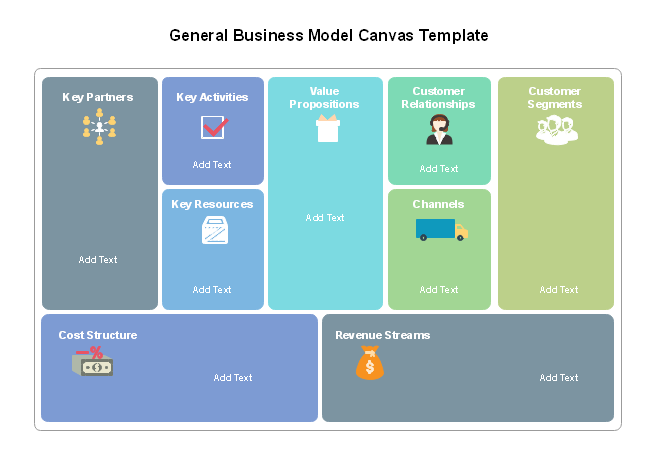
The Business Model Canvas, created by Alexander Osterwalder, remains one of the most influential strategic tools in modern entrepreneurship. It breaks down a business or mission into nine interconnected building blocks — each representing a key pillar of how value moves through the organization:
- Customer Segments – Who are you creating value for?
- Value Propositions – What problems are you solving or desires fulfilling?
- Channels – How do you reach and engage your customers?
- Customer Relationships – What type of relationship will you maintain?
- Revenue Streams – How does money or value flow in?
- Key Resources – What assets are critical to your functioning?
- Key Activities – What must you do to deliver on your value promise?
- Key Partnerships – Who supports and strengthens your ecosystem?
- Cost Structure – What are the financial or resource implications of your model?
These nine components act like a strategic genome — they define how an organization creates, delivers, and captures value. More importantly, they encourage systemic thinking: every block is interconnected. A change in customer segment will affect channels, costs, and value propositions. A shift in partnerships might transform operations or scalability.
For entrepreneurs, the BMC is not a one-time planning tool; it is a living document. It evolves with feedback, market insights, and organizational growth. The discipline lies in revisiting it often — updating assumptions, adding real-world data, and aligning it with the organization’s maturing vision. For social enterprises and NGOs, the same canvas can be adapted to represent not just financial flows, but also social or environmental value creation — redefining “profit” as multi-dimensional impact.
In essence: the BMC gives form to the invisible — it turns vision into visible architecture.
2. Lean Canvas: The Engine of Experimentation

If the Business Model Canvas is the architectural blueprint, the Lean Canvas is the laboratory of validation. Adapted from the BMC by Ash Maurya, it reorients focus from extensive planning to validated learning — emphasizing experimentation over assumption.
In the Lean Canvas, the structure is simplified and tuned for startup realities. It replaces some blocks with sharper focus areas:
- Problem: What real, pressing problems are you solving?
- Solution: What’s your proposed fix — and how unique is it?
- Key Metrics: How will you measure progress and success?
- Unfair Advantage: What gives you defensibility or differentiation?
The canvas helps founders identify assumptions rather than facts, and design quick, low-cost experiments to test them. Each iteration becomes a learning loop — helping refine the idea before significant resources are committed.
It shifts the question from “Can we build this?” to “Should we build this?” — and ultimately, “Is this the right problem to solve?”
For early-stage ventures, this approach builds organizational agility. Teams learn to adapt to uncertainty, pivot intelligently, and grow sustainably. Instead of being trapped in a plan, they evolve through evidence-based momentum.
For non-profits or social enterprises, the Lean Canvas equally applies: instead of testing commercial hypotheses, they validate assumptions about beneficiary needs, community engagement, and social behavior change. The result is not just innovation but relevance — solutions that are grounded in real-world resonance.
In essence: the Lean Canvas injects life into the blueprint — it turns structure into movement, and planning into learning.
Together, the Business Model Canvas and Lean Canvas form the foundation of all entrepreneurial thinking. One defines the system; the other refines it through experience. One provides the map; the other keeps the compass aligned.
Both remind us that business success — and indeed, mission success — is not a matter of perfection at first draft, but of continuous learning, adaptation, and alignment with real-world value.
SECTION 2 — CUSTOMER AND VALUE ALIGNMENT: CRAFTING MEANINGFUL FIT
No matter how elegant a business model may appear on paper, its true test lies in one fundamental question: Does it matter to the customer? Successful ventures — whether commercial or social — are not built on ideas alone but on fit: the precise alignment between what people need and what the organization delivers.
This section explores two powerful frameworks that bring the human perspective into the design process: the Value Proposition Canvas, which clarifies the dialogue between customer needs and offerings, and Customer Journey Mapping, which visualizes how people experience that offering in real time. Together, they help shift thinking from product-centric to people-centric innovation.
3. Value Proposition Canvas: The Dialogue Between Need and Offering
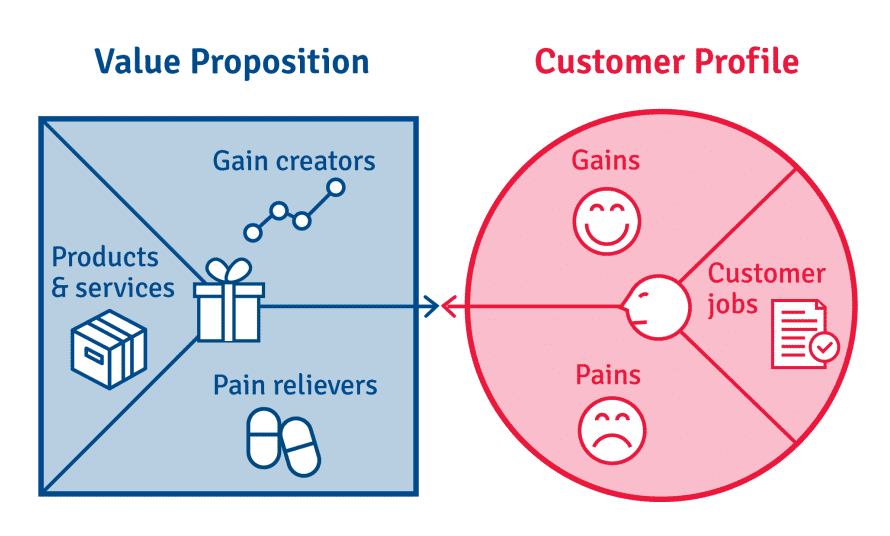
At its core, the Value Proposition Canvas (VPC) is a mirror that reflects how deeply you understand the person you serve. It moves beyond demographics or surface-level data to uncover what truly drives decisions — needs, emotions, struggles, and aspirations.
The VPC is divided into two sides:
- Customer Profile: representing the person’s world —
- Jobs-to-be-Done: What are they trying to accomplish in their life or work?
- Pains: What frustrations, risks, or barriers do they face?
- Gains: What outcomes or benefits would make them feel successful or fulfilled?
- Value Map: representing your organization’s response —
- Products & Services: What you offer.
- Pain Relievers: How your offering removes obstacles or frustrations.
- Gain Creators: How your offering enhances success, satisfaction, or meaning.
The magic lies in the intersection — where the customer’s pain meets your relief, and their gain meets your creation.
This canvas fosters empathy-driven design rather than feature-driven sales. Instead of asking, “What can we sell?” it asks, “What does the customer truly value?” This mindset builds bridges of trust and relevance. It also provides a strategic foundation for innovation, product design, and communication, ensuring that every improvement traces back to genuine human need.
When used continuously, the Value Proposition Canvas becomes a listening tool — a way to stay attuned to shifting desires, cultural nuances, and evolving expectations. It transforms customer understanding from static market data into a living relationship.
In essence: the VPC helps organizations speak the customer’s language — fluently, sincerely, and meaningfully.
4. Customer Journey Mapping: The Flow of Experience

While the Value Proposition Canvas clarifies what customers value, Customer Journey Mapping reveals how they experience it. It visualizes the complete flow of interaction — from the first moment of awareness to long-term loyalty — capturing both functional touchpoints and emotional responses.
A well-designed customer journey map includes key stages such as:
- Awareness: How customers discover your brand or initiative.
- Consideration: How they evaluate and compare your offering.
- Acquisition: The process of making the first purchase or commitment.
- Delivery/Onboarding: How they begin using or engaging with your product or service.
- Support and Relationship: How you continue to serve, delight, and retain them.
- Advocacy: How satisfied users become ambassadors and influence others.
Across each stage, the map explores:
- Emotions: What do customers feel at each moment — trust, confusion, excitement, frustration?
- Touchpoints: What channels or people do they interact with — website, salesperson, helpline, community?
- Pain Points: Where does friction occur, and why?
- Moments of Delight: Where do customers experience genuine satisfaction or surprise?
By illuminating the customer’s emotional and practical journey, this framework helps leaders bridge internal silos — aligning marketing, operations, service, and design teams around a shared goal: a seamless, meaningful customer experience.
More importantly, it shifts customer-centricity from being a departmental function to becoming a cultural discipline. Every team, from backend engineering to frontline support, begins to see themselves as part of the customer story.
In the context of social enterprises or mission-driven organizations, journey mapping is equally transformative. It helps visualize how beneficiaries engage with programs — from awareness and participation to empowerment and transformation — ensuring empathy and dignity are embedded in every interaction.
In essence: Customer Journey Mapping transforms data into empathy, and process into experience. It teaches organizations not only to deliver value but to make people feel valued.
Together, the Value Proposition Canvas and Customer Journey Map form the heart of value alignment. One defines why people should care; the other ensures they feel cared for.
They turn business design into a dialogue — one rooted not in transaction, but in relationship, trust, and meaning.
SECTION 3 — PURPOSE AND IMPACT: BEYOND PROFIT, TOWARD MEANING
In a world that often equates success with scale, purpose-led ventures redefine the narrative. They measure progress not just in revenue but in relevance — in the difference they make to people, communities, and the planet. This section delves into the canvases of meaning — frameworks that go beyond financial logic to explore how values translate into measurable impact.
The Mission Model Canvas, Social Business Model Canvas, and Impact Canvas form a trilogy of transformation: they bring ethics, empathy, and evidence into enterprise design. Each helps organizations articulate not only what they do but why it matters — ensuring that purpose remains at the heart of every decision.
5. Mission Model Canvas: Redefining Success as Service
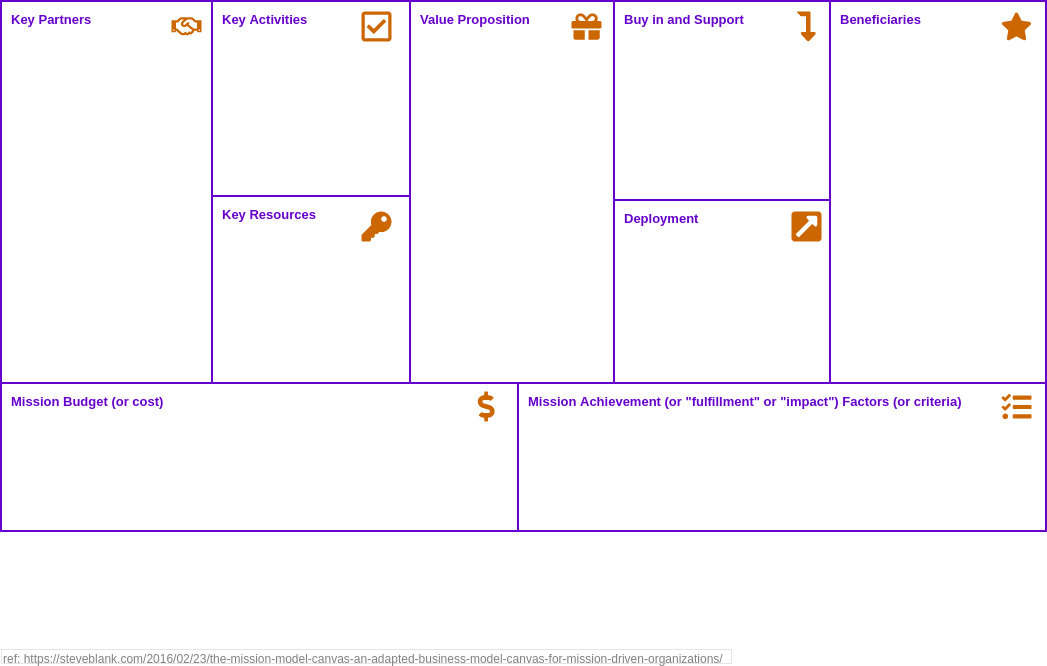
The Mission Model Canvas (MMC) extends the logic of the Business Model Canvas into the domain of public good and social transformation. It was originally inspired by how government agencies, non-profits, and social innovators operate — where “customers” are often beneficiaries, and “revenues” translate into mission outcomes.
Instead of asking, “How do we maximize profit?”, the MMC asks, “How do we maximize mission success?” It emphasizes mission over margin, service over scale, and meaning over metrics — while still retaining strategic rigor.
Key dimensions of the Mission Model Canvas include:
- Beneficiaries – Who directly benefits from your work?
- Value Proposition – What human or social problem are you solving?
- Mission Achievement Indicators – What measurable outcomes reflect success?
- Channels & Partners – How is your impact delivered and scaled?
- Key Activities & Resources – What drives the execution of your mission?
- Funding Streams – How are operations sustained ethically and efficiently?
The MMC pushes organizations to translate values into actionable, quantifiable outcomes. It bridges the philosophical with the practical, helping mission-driven leaders ensure that their ideals are not only inspiring but also operationally sound.
By visualizing the ecosystem of impact, it cultivates long-term thinking — focusing on resilience rather than short-term results. The goal is not growth at any cost, but lasting contribution.
In essence: the Mission Model Canvas transforms purpose into process — ensuring that every strategic choice serves the greater good.
6. Social Business Model Canvas: The Balance of Purpose and Profit
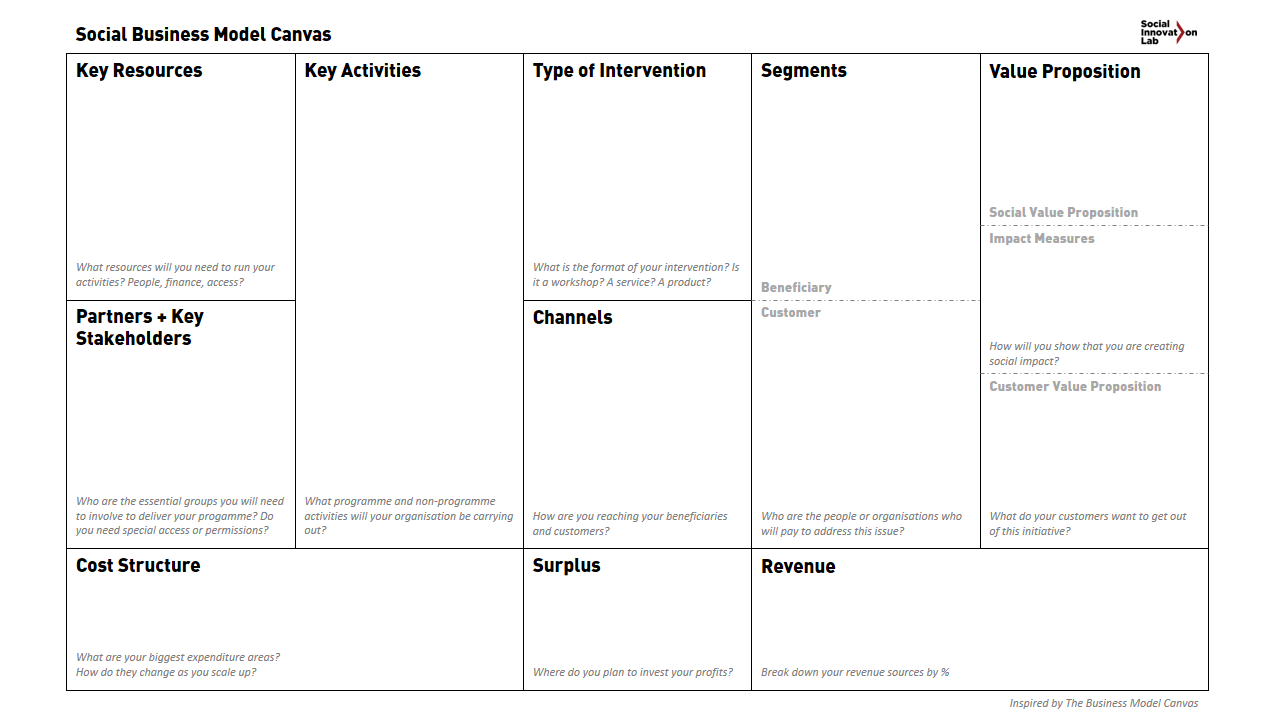
The Social Business Model Canvas (SBMC) recognizes that social and financial objectives are not opposites — they are interdependent dimensions of sustainable enterprise. It integrates the economic engine of business with the ethical engine of impact, illustrating how money, mission, and meaning can reinforce each other in a circular flow of value.
The SBMC adds several critical lenses to the traditional BMC:
- Social Value Proposition: What societal change or improvement do you enable?
- Impact Measurement: How will you assess progress toward your goals?
- Surplus Allocation: How are profits reinvested into purpose or shared with stakeholders?
- Stakeholder Inclusion: Who participates in — and benefits from — your ecosystem?
Through this integration, organizations learn to design systems where profitability fuels purpose, and purpose amplifies profitability. This is the essence of circular value creation — where the enterprise becomes a regenerative system, not an extractive one.
For example, a renewable energy startup’s financial sustainability allows it to bring affordable energy to rural communities; that impact, in turn, strengthens its brand and social legitimacy — creating a reinforcing cycle of growth and goodwill.
The Social Business Model Canvas is particularly powerful for hybrid organizations — NGOs transitioning into social enterprises, startups embedding ESG goals, or corporates aligning CSR with core operations. It turns idealism into measurable, bankable impact.
In essence: the SBMC builds the bridge between doing good and doing well, proving that integrity and innovation are not mutually exclusive.
7. Impact Canvas: Designing Measurable Transformation
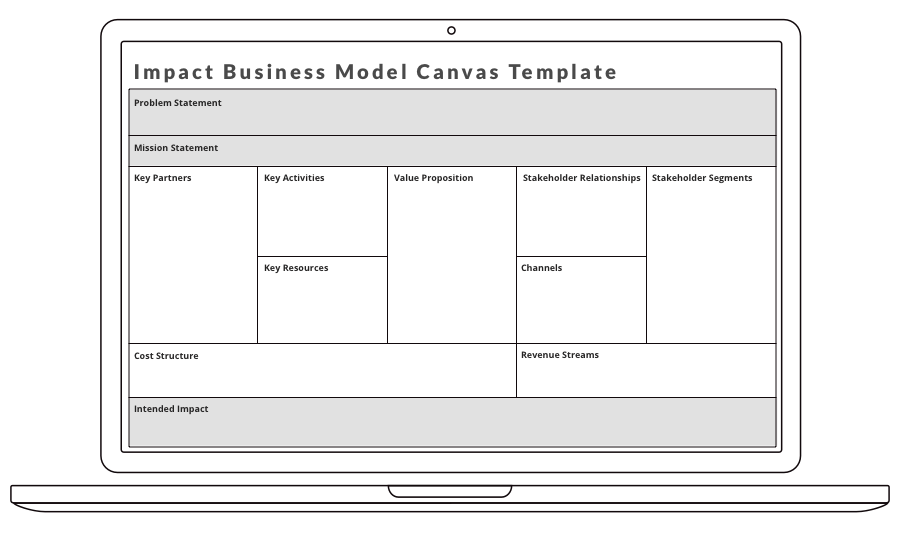
The Impact Canvas takes the abstract ambition of “making a difference” and grounds it in evidence, clarity, and accountability. It helps organizations design, track, and communicate how their actions lead to genuine, measurable transformation — not just activity, but outcome.
This canvas decomposes impact into three logical layers:
- Problem Definition: What root cause or systemic issue are you addressing?
- Inputs & Activities: What actions, resources, and partnerships are mobilized?
- Outputs & Outcomes: What tangible and intangible changes occur as a result?
It then connects these layers with indicators of success, enabling continuous monitoring and adaptation. The result is a feedback loop between mission intent and field reality — ensuring that learning flows both ways.
The Impact Canvas fosters a culture of transparency and humility. It invites organizations to measure what truly matters — not vanity metrics, but indicators of empowerment, well-being, inclusion, and sustainability.
In doing so, it serves as the bridge between purpose and performance: it doesn’t just ask “Are we active?” but “Are we effective?”
In essence: the Impact Canvas transforms inspiration into evidence — turning moral ambition into measurable, lasting transformation.
Together, these three canvases form the ethical backbone of modern enterprise.
- The Mission Model Canvas defines why we serve.
- The Social Business Model Canvas defines how we sustain that service.
- The Impact Canvas ensures we measure what truly matters.
They remind us that profit is only meaningful when it serves a purpose, and purpose only endures when it sustains itself. In this unity of meaning and mechanism lies the true evolution of enterprise — where doing good becomes not an afterthought, but the very logic of success.
SECTION 4 — EXECUTION: TURNING STRATEGY INTO SYSTEMS
A brilliant idea without execution is like a symphony without instruments — beautiful in concept but silent in reality. Vision, no matter how noble or innovative, must eventually translate into systems, rhythms, and routines that deliver consistent results. This is where strategy meets structure, and where leadership matures from inspiration to orchestration.
The trio of frameworks in this section — the Operating Model Canvas, the Service Model Canvas, and the Team Alignment Canvas — bring clarity to the machinery of execution. They convert abstract goals into tangible workflows, define accountability, and ensure that people, processes, and technology operate in harmony.
8. Operating Model Canvas: The Architecture of Execution

The Operating Model Canvas (OMC) is the bridge between strategy and day-to-day delivery. If the Business Model Canvas answers “What should we do?”, the Operating Model Canvas answers “How do we make it happen — reliably and at scale?”
The OMC visualizes how an organization’s people, processes, information, and infrastructure interact to deliver on its promise. It defines the operating rhythm — the heartbeat of execution — through which decisions are made, knowledge is shared, and performance is measured.
Key areas typically captured in the OMC include:
- Processes: Core workflows that convert inputs into customer value.
- Organization: How people, roles, and hierarchies are structured.
- Locations & Assets: Where value is created and what physical/digital resources are needed.
- Information Flows: How data moves across teams and supports decisions.
- Suppliers & Partners: Who strengthens capability and resilience.
- Management System: How performance, governance, and feedback loops are maintained.
By mapping these dimensions, the OMC reveals hidden dependencies — how a delay in one function impacts others, or how unclear responsibilities create execution friction.
It’s an essential tool when scaling beyond founder-led operations, ensuring that growth doesn’t outpace coordination. In larger or distributed organizations, it also helps align autonomy with accountability, allowing innovation to flourish without chaos.
In essence: the Operating Model Canvas transforms ambition into architecture — ensuring that vision flows seamlessly through systems and people.
9. Service Model Canvas: Designing for Consistent Excellence
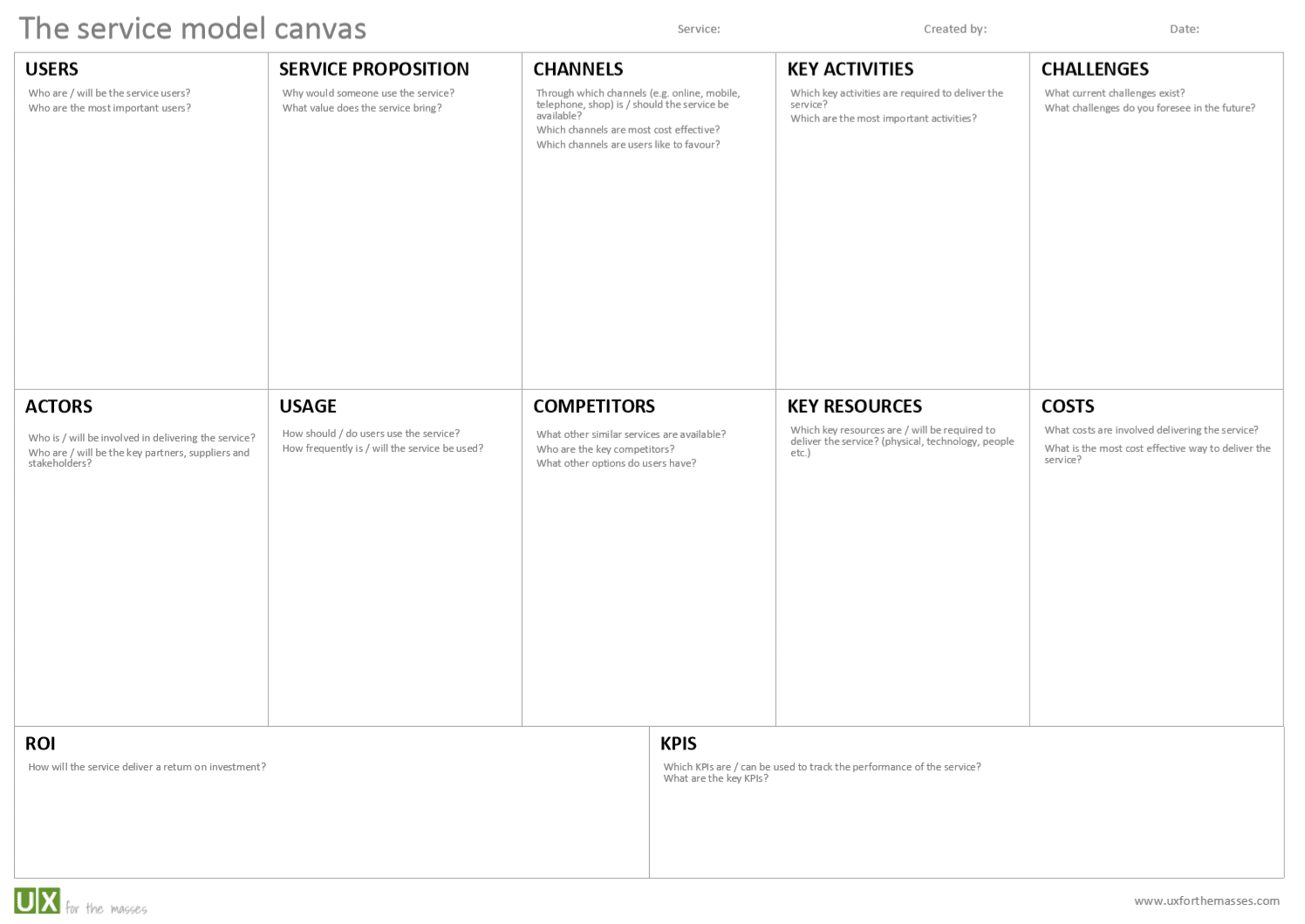
While the Operating Model Canvas structures internal execution, the Service Model Canvas (SMC) focuses on the experience delivered to the customer — and how internal processes support it. It is particularly relevant for service-oriented organizations, social programs, and customer-centric enterprises where trust, empathy, and reliability are the real currencies of value.
The Service Model Canvas maps both the frontstage (what the customer experiences) and the backstage (what the organization does to make that experience possible).
Typical components include:
- Customer Needs & Expectations: What defines “excellent service” in their eyes?
- Frontstage Experience: Interactions, tone, design, and emotional cues.
- Backstage Processes: Systems, logistics, and support functions enabling delivery.
- Touchpoints & Channels: How and where customers engage.
- Support Infrastructure: Tools, technology, and teams behind the scenes.
- Metrics of Experience: How satisfaction and quality are measured and improved.
This canvas encourages leaders to design from the customer’s perspective inward, rather than building from internal convenience outward. It forces reflection on whether systems truly serve the customer or merely serve internal efficiency.
In mature organizations, the SMC ensures consistency at scale — replicating excellence without losing humanity. For nonprofits and social enterprises, it guarantees that dignity, respect, and accessibility are embedded into every interaction.
In essence: the Service Model Canvas converts service into craft — ensuring that excellence is not accidental but designed into the system itself.
10. Team Alignment Canvas: The Human Infrastructure
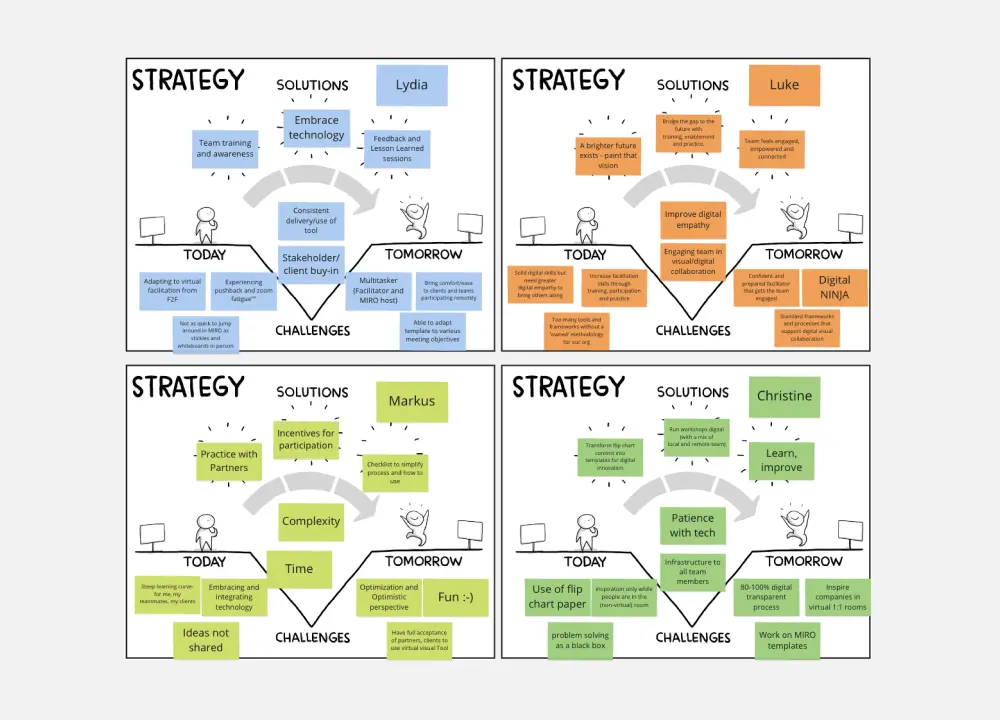
No system functions without the people who bring it to life. The Team Alignment Canvas (TAC) focuses on the human architecture — clarifying how individuals connect, collaborate, and contribute toward shared outcomes.
This framework promotes collective clarity by mapping:
- Roles and Responsibilities: Who does what — and why it matters.
- Goals and Commitments: What the team is collectively accountable for.
- Dependencies: How members rely on each other for success.
- Risks and Constraints: What could derail progress, and how to mitigate it.
- Norms and Values: How the team communicates, decides, and resolves conflict.
The TAC is especially vital for diverse, cross-functional, or hybrid teams, where miscommunication or ambiguity can erode trust and momentum. It creates space for open dialogue — helping teams discuss not only deliverables but dynamics: how they want to work together, and what they need from each other to thrive.
More than a planning tool, the Team Alignment Canvas is a trust-building framework. It transforms coordination into collaboration and hierarchy into shared leadership.
In essence: the Team Alignment Canvas turns groups into teams — uniting people through clarity, communication, and common purpose.
Together, these three canvases — Operating, Service, and Team Alignment — form the execution layer of the canvas ecosystem.
- The Operating Model Canvas defines how systems function.
- The Service Model Canvas defines how customers experience those systems.
- The Team Alignment Canvas ensures the people behind them move as one.
They remind us that execution is not merely about doing — it’s about designing how doing happens. Great organizations are not powered by heroic individuals, but by well-crafted systems where purpose, process, and people move in harmony.
SECTION 5 — GROWTH AND SUSTAINABILITY: BUILDING ENDURING ENTERPRISES
Growth is not merely expansion — it is continuity with integrity. The true test of any enterprise lies not in how fast it grows, but in how gracefully it endures. Sustainable organizations are those that balance ambition with accountability, profit with purpose, and innovation with regeneration.
This section explores two advanced canvases — the Revenue Model Canvas and the Sustainable Business Model Canvas — that help leaders build enterprises capable of thriving economically while nurturing the ecosystems—human, natural, and social—that sustain them.
11. Revenue Model Canvas: The Logic of Financial Sustainability
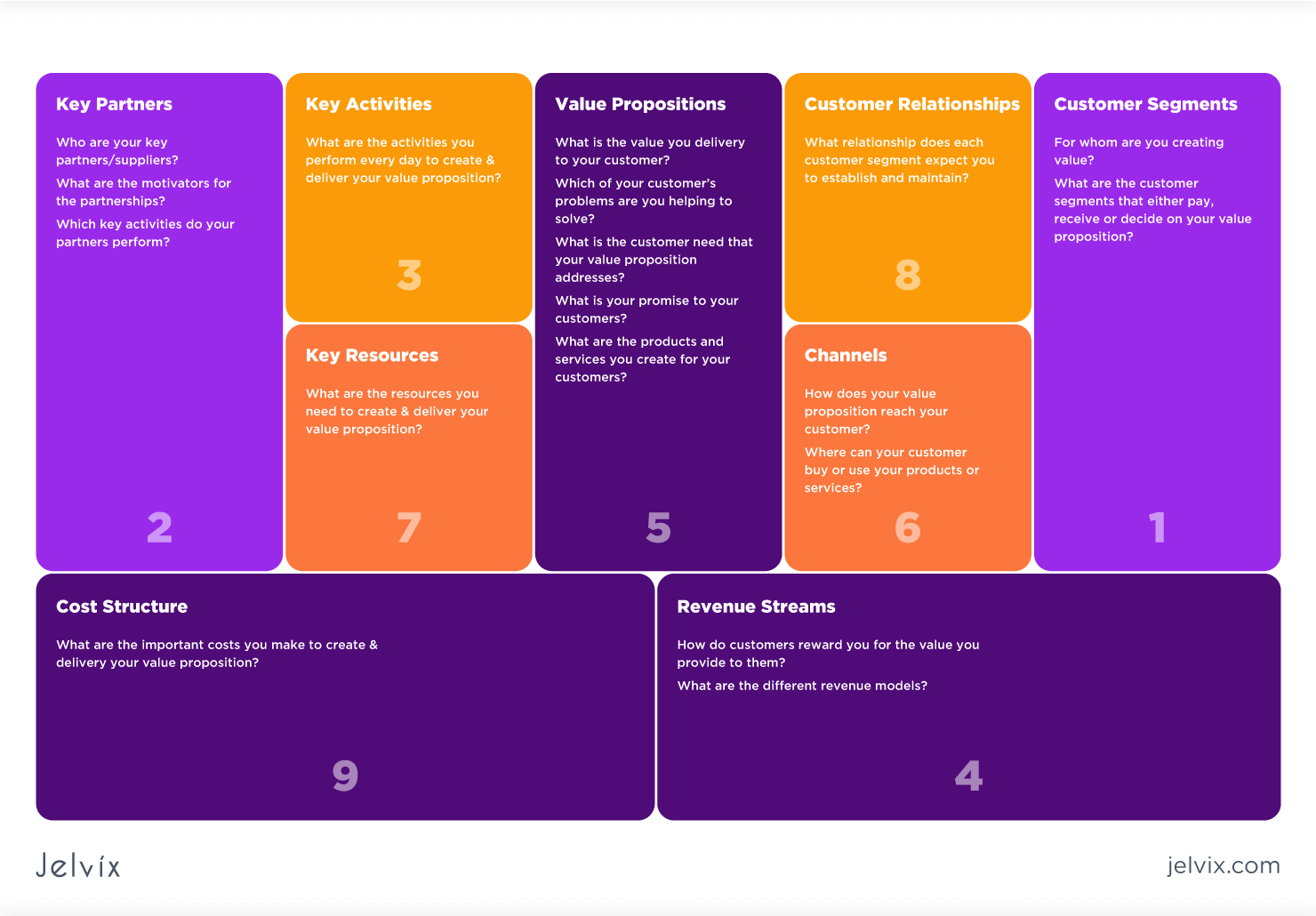
Every idea, no matter how visionary, must eventually answer a simple question: How will it sustain itself financially? The Revenue Model Canvas (RMC) is designed to clarify that logic — making visible the flows of value and income that keep a mission alive.
Unlike the traditional Business Model Canvas, which maps the overall structure of value creation and delivery, the RMC zooms in on how revenues are generated, from whom, and under what conditions. It helps organizations — especially social enterprises and nonprofits — build resilient financial engines without compromising their purpose.
Key building blocks of the RMC include:
- Customer Segments: Who pays (directly or indirectly) and why they are willing to do so.
- Value Exchange: What tangible or emotional value customers receive in return.
- Revenue Streams: The variety of income sources — sales, subscriptions, licensing, donations, sponsorships, or hybrid mechanisms.
- Pricing Logic: The structure that balances affordability, fairness, and viability.
- Channels and Mechanisms: How payments are collected and value delivered efficiently.
- Partnerships: Collaborations that expand reach or share costs.
The power of this canvas lies in its ability to encourage experimentation. It invites leaders to test different pricing models (freemium, tiered, pay-what-you-want), explore cross-subsidization (where profitable segments support underprivileged ones), or design hybrid income models that blend market revenue with philanthropic funding.
For mission-driven ventures, this tool is crucial in escaping donor dependency and ensuring that impact does not collapse when funding dries up. It also demonstrates how value exchange sustains both social and financial ecosystems — showing that doing good and doing well are not opposites but partners in endurance.
In essence: The Revenue Model Canvas translates purpose into a sustainable economic logic, ensuring that ideals are not just inspiring but also viable.
12. Sustainable Business Model Canvas: Building Regenerative Enterprises
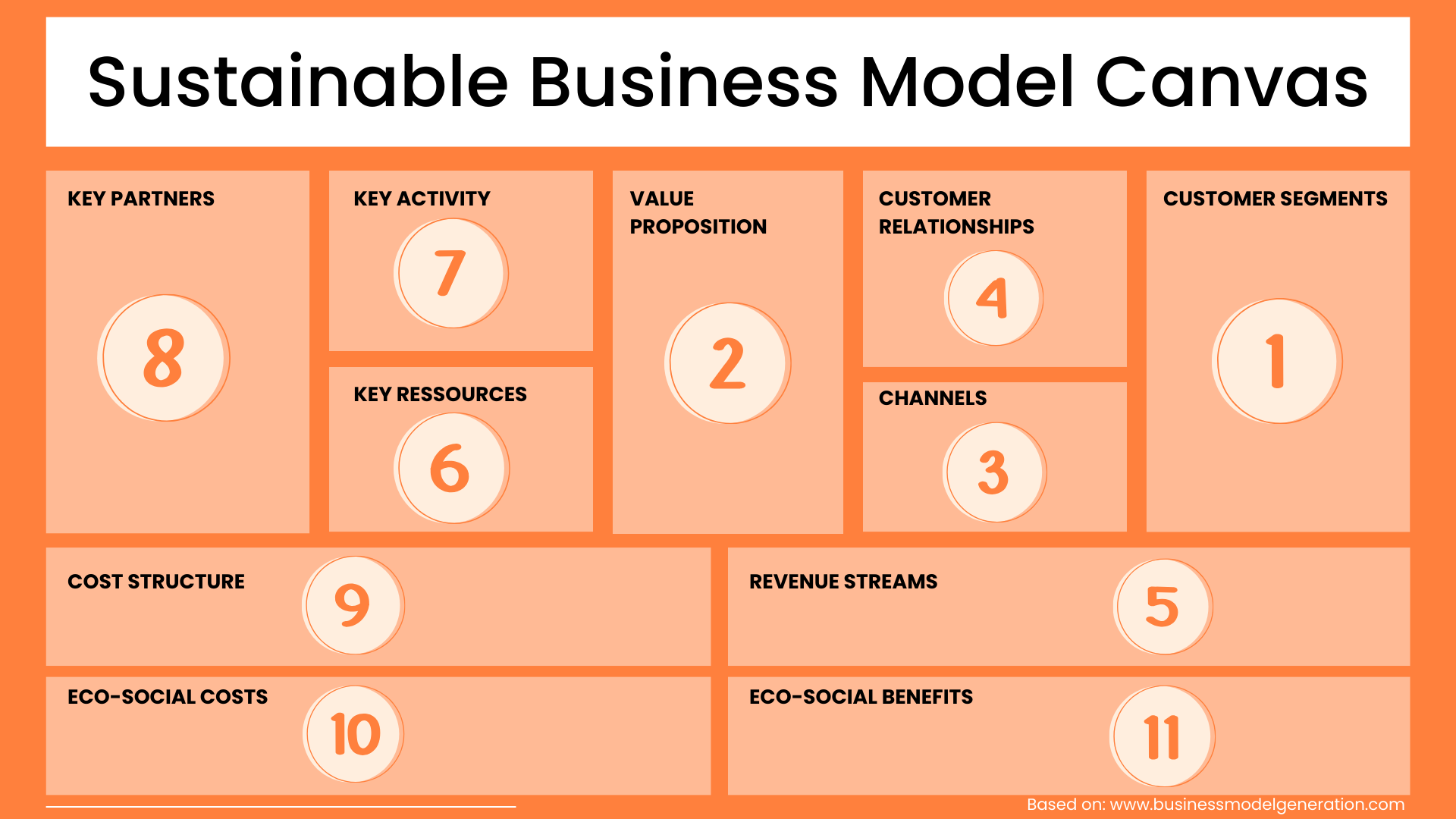
Sustainability, once treated as an afterthought or a marketing slogan, has now become a core strategic pillar. The Sustainable Business Model Canvas (SBMC) expands the traditional business model framework to include ecological integrity, ethical behavior, and community well-being as non-negotiable dimensions of success.
Where the Revenue Model Canvas ensures economic continuity, the SBMC ensures planetary and social continuity. It helps leaders design enterprises that give back more than they take, aligning operations with the rhythms of nature and the needs of society.
Typical elements of the SBMC include:
- Purpose and Values: The ethical foundation driving decision-making.
- Key Stakeholders: Expands “customers” to include employees, communities, and ecosystems.
- Value Proposition: Redefined to encompass environmental and social value, not just utility or convenience.
- Resource Use: Focus on renewable inputs, circular processes, and reduced waste.
- Key Activities: Designed for regenerative impact — such as upcycling, community capacity-building, or biodiversity protection.
- Impact Metrics: Success measured through triple bottom line — people, planet, profit.
- Sustainability Partners: Collaborators who strengthen responsibility and transparency across the value chain.
This canvas invites enterprises to move from sustainability (doing less harm) toward regeneration (creating positive cycles). It embodies the principle that growth must replenish the resources it consumes — financial, environmental, and human.
By mapping these dimensions, organizations can:
- Identify wasteful or extractive loops in their value chains.
- Design closed-loop systems that reuse materials and knowledge.
- Integrate ethical and community outcomes into their performance metrics.
- Inspire employees and customers through purpose-driven engagement.
Ultimately, the SBMC reframes success itself — from quarterly profit to intergenerational well-being. It reminds leaders that enterprises are living systems within larger living systems, and their prosperity depends on the health of the whole.
In essence: The Sustainable Business Model Canvas transforms businesses into regenerative ecosystems — enterprises that profit by healing, not harming.
Together, the Revenue Model Canvas and the Sustainable Business Model Canvas form the growth and continuity layer of the canvas ecosystem.
- The Revenue Model Canvas ensures economic resilience — a structure that funds the mission.
- The Sustainable Business Model Canvas ensures ecological and ethical resilience — a philosophy that sustains the planet.
They remind us that true growth is not expansion but evolution — the ability to thrive without eroding the foundations that make thriving possible.
SECTION 6 — CONTEXT AND STRATEGIC FORESIGHT
No organization operates in a vacuum. Every enterprise, regardless of its size or mission, is shaped by external forces—economic shifts, cultural movements, policy changes, and technological disruptions.
True leadership, therefore, demands strategic foresight—the ability to sense change before it becomes visible, to see patterns where others see noise, and to adapt gracefully in an evolving world.
This section introduces two powerful lenses of contextual intelligence—the Business Model Environment Map and the Strategy Canvas—which together equip leaders to see beyond their walls and design strategies that are resilient, relevant, and remarkable.
13. Business Model Environment Map: Understanding the Forces That Shape You

Every business model exists within a living ecosystem—constantly influenced by external dynamics. The Business Model Environment Map (BMEM) provides a structured way to explore those dynamics, helping organizations contextualize their strategy and stay future-ready.
While most canvases focus inward (value, operations, resources), this one forces a look outward—at the landscape that defines opportunity and risk. It enables leaders to see the terrain before moving the troops.
Key dimensions of the BMEM include:
- Market Forces: Demand trends, customer behavior shifts, emerging needs, and market saturation.
- Industry Forces: Competitors, new entrants, substitute products, and power balances across the value chain.
- Key Trends: Technological advances, regulatory changes, social values, and cultural movements.
- Macroeconomic Forces: Global and regional economic shifts, inflation, resource constraints, or geopolitical dynamics.
Using this framework, organizations can:
- Identify emerging disruptors and weak signals of change before they become existential threats.
- Adapt their business and impact models to reflect new realities—e.g., shifting from product ownership to service-based delivery.
- Design strategic partnerships with actors who complement their capabilities or share their ecosystem.
- Build adaptive learning loops, ensuring that insights from the field continuously refine the model.
The strength of this canvas lies in cultivating situational awareness—the kind that helps organizations evolve, not react. By mapping environmental shifts, leaders can anticipate where friction or opportunity will emerge and position themselves accordingly.
In essence: The Business Model Environment Map transforms uncertainty into insight—it is a radar system for entrepreneurial navigation.
14. Strategy Canvas: Finding Your Unique Space
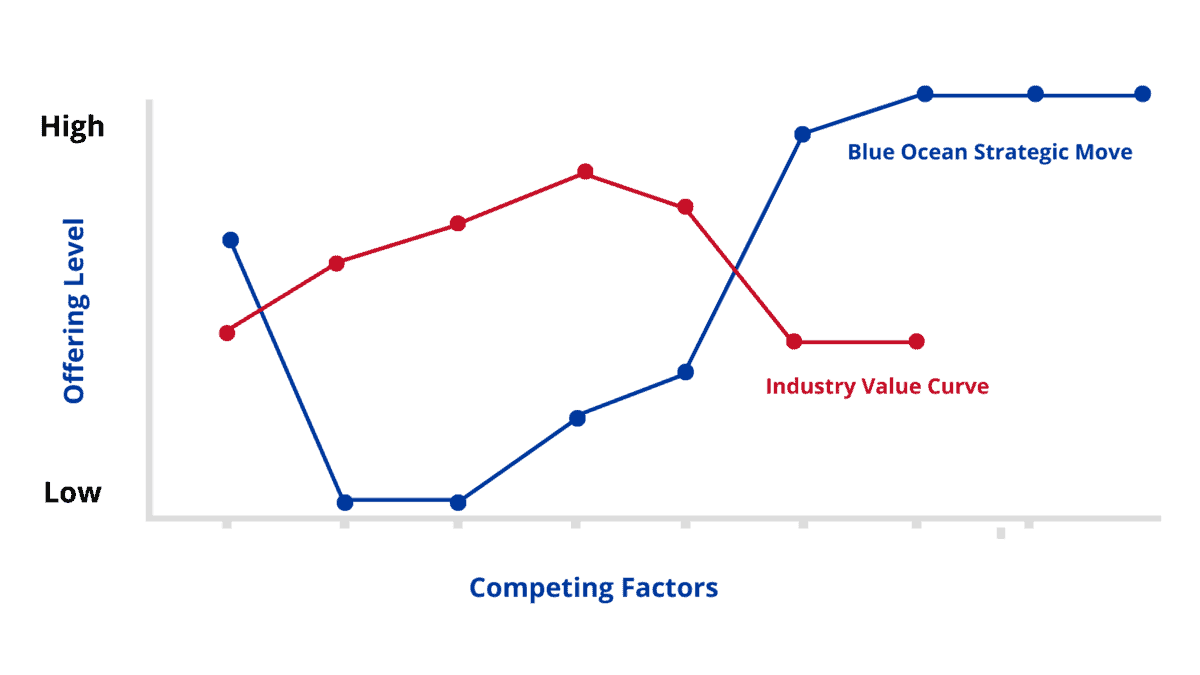
In crowded markets and competitive social spaces, differentiation is survival. The Strategy Canvas—popularized through the “Blue Ocean” concept—visualizes where an organization stands relative to competitors and reveals where innovation can create new, uncontested territory.
This canvas maps key competitive factors (price, quality, speed, personalization, experience, etc.) on one axis and relative performance on the other, producing a clear visual of where everyone is playing—and where no one yet is.
The true power of the Strategy Canvas is its simplicity: it helps you see what to stop doing as much as what to start doing.
Key outcomes of applying this framework:
- Identify Differentiation Gaps: Discover where you can offer unique value, not incremental improvement.
- Pursue Value Innovation: Focus on increasing value for customers or beneficiaries while simultaneously reducing cost or effort.
- Simplify for Strength: Avoid diffusion of focus—channel resources toward high-impact areas.
- Find Blue Oceans: Create spaces where your mission and strengths align with unmet needs or underserved markets.
For purpose-driven organizations, this tool prevents “mission drift” by ensuring that every strategic move reinforces core values and societal contribution. It encourages a balance between focus and foresight, between creativity and discipline.
In essence: The Strategy Canvas teaches the art of strategic minimalism—doing fewer things, but doing them exceptionally well. It helps organizations escape the red ocean of competition and sail toward the blue ocean of opportunity.
Together, the Business Model Environment Map and the Strategy Canvas serve as the eyes and compass of the canvas ecosystem.
- The Environment Map ensures that leaders see the world as it is—and as it’s becoming.
- The Strategy Canvas ensures they choose their place within it wisely.
Together, they turn context into clarity and strategy into movement, ensuring that every decision aligns with both today’s landscape and tomorrow’s horizon.
SECTION 7 — INTEGRATING IT ALL: THE CANVAS STACK
Every canvas offers a powerful way to visualize and refine one aspect of an organization — but real transformation emerges when these canvases interact. Like individual organs in a living body, each framework serves a unique function, yet their integration produces something greater than the sum of parts: a living, breathing strategic system.
This integrated approach is what we call “The Canvas Stack.” It’s not a linear checklist but a layered ecosystem of thought and design — a way to move fluidly from idea to impact, from inspiration to institutionalization. The Canvas Stack empowers organizations to stay creative without losing coherence, and to stay structured without losing soul.
The 360° Strategic System: Seeing the Whole Picture
Each canvas represents a lens through which leaders can examine and evolve their enterprise. Used in harmony, they form a 360° map of how ideas are conceived, delivered, sustained, and renewed.
The genius of this approach lies in its balance — between vision and validation, people and process, profit and purpose. The Canvas Stack helps you design not just a business, but an ecosystem capable of adapting, learning, and thriving in complexity.
Sequence of Application: From Idea to Strategic Maturity
While each organization’s journey is unique, the following sequence provides a logical and iterative path for building a venture or initiative using the Canvas Stack:
- Idea Formation — Lean Canvas:
Begin with assumptions. Map the problem, proposed solution, target audience, and key metrics. Test fast. Fail cheap. Learn constantly.
This is where entrepreneurial curiosity meets disciplined experimentation. - Value Definition — Value Proposition Canvas:
Once the idea shows promise, clarify why it matters. Identify customer jobs, pains, and gains. Align offerings with genuine needs.
This step transforms a product into a purpose and marketing into empathy. - Purpose Alignment — Mission / Social Canvas:
Integrate ethics, inclusion, and long-term meaning. Define success not by revenue alone but by transformation.
Here, the organization’s soul takes shape — balancing purpose with performance. - Execution Design — Operating / Service Canvas:
Translate intent into action. Map how teams, systems, and processes deliver value consistently.
This is where clarity becomes capability — the invisible machinery that powers excellence. - Team Integration — Team Alignment Canvas:
Build cohesion and clarity. Ensure everyone knows who does what, why it matters, and how to work together.
This step replaces friction with flow — and creates psychological safety for innovation. - Revenue & Longevity — Revenue & Sustainable Canvas:
Design for endurance. Align financial sustainability with environmental and ethical responsibility.
This is the heart of lasting impact — where money becomes a means, not a master. - Strategic Foresight — Environment Map & Strategy Canvas:
Lift your gaze beyond the present. Map external forces, anticipate change, and identify blue ocean opportunities.
This final layer ensures you’re not just reacting to the world but co-creating its future.
The Canvas Stack as a Living Framework
The Canvas Stack is not a static tool — it’s an adaptive mindset. Whether you’re a startup founder testing a prototype, a social innovator refining your impact thesis, or a public institution designing inclusive policies, this stack can flex to fit your scale and context.
Its purpose is to ensure disciplined creativity — the sweet spot where structured thinking enhances imagination, not stifles it. It helps organizations:
- Navigate from chaos to clarity without losing agility.
- Align teams and stakeholders around a shared language of design.
- Move from abstract vision to measurable results.
- Continuously evolve through feedback, reflection, and learning.
In a world where change is constant, the Canvas Stack offers continuity through adaptability. It becomes a portable operating system for innovation — one that unites visionaries, analysts, designers, and doers under a common, visual grammar of progress.
In essence: The Canvas Stack is a universal strategic language — one that empowers anyone, anywhere, to transform complexity into clarity, purpose into process, and intention into impact.

CONCLUSION — Canvas Thinking as a Way of Being
At its heart, Canvas Thinking is not a method — it is a mindset. It’s a way of seeing the world as interconnected, dynamic, and full of potential. The canvases we explored are not mere frameworks or worksheets; they are living mirrors that reflect how we think, collaborate, and evolve.
When practiced with intention, Canvas Thinking transforms strategy into dialogue — inviting diverse minds to co-create understanding rather than dictate plans. It shifts focus from control to adaptability, from rigidity to resilience, and from documentation to continuous discovery. Each canvas becomes a conversation — between vision and reality, between people and purpose.
This mindset is especially crucial in an age of uncertainty and acceleration. Traditional hierarchies and fixed plans crumble under rapid change, while flexible thinkers — those who can sense, design, and adapt — thrive. Canvas Thinking replaces the illusion of certainty with the power of coherence: aligning people, resources, and values in motion, not in static boxes.
When practiced with integrity, each canvas becomes a moral compass as much as a managerial tool. It asks not only “What do we build?” but also “Why does it matter, and for whom?” This ethical dimension transforms business design into social design, and strategy into stewardship.
The future belongs to leaders and organizations that can think holistically, act ethically, and design with empathy. Whether you are shaping a startup, scaling a social enterprise, or nurturing a community movement, Canvas Thinking gives you a language of clarity and compassion — a way to see your world, shape your system, and serve humanity better.
In essence, it’s a philosophy of alignment and awareness — where every action is guided by insight, every plan by empathy, and every success by shared growth.
💖 Participate and Donate to MEDA Foundation
Join us in empowering neurodiverse individuals, creating inclusive workplaces, and building self-sustaining communities where everyone can thrive.
Your contribution supports education, skill-building, and employment innovation across India — nurturing a future where purpose and prosperity coexist.
Together, let’s design not just better businesses — but a better world.
📚 Book References
- “Business Model Generation” by Alexander Osterwalder & Yves Pigneur
- “Value Proposition Design” by Alexander Osterwalder, Yves Pigneur, Gregory Bernarda, & Alan Smith
- “The Invincible Company” by Alexander Osterwalder & Yves Pigneur
- “Blue Ocean Strategy” by W. Chan Kim & Renée Mauborgne
- “Lean Startup” by Eric Ries
- “Social Business Model Canvas Guide” by Social Innovation Lab
- “Designing Regenerative Cultures” by Daniel Christian Wahl
- “The Infinite Game” by Simon Sinek
- “Good Strategy, Bad Strategy” by Richard Rumelt
- “The Systems View of Life” by Fritjof Capra & Pier Luigi Luisi


