

The Importance of Helping Those Who Are Open to Receiving Help
Introduction
Caregiving, whether in a professional or personal capacity, is a demanding and often emotionally charged role. Caregivers invest significant time, energy, and compassion into supporting those in need. However, the effectiveness of their efforts is closely tied to the willingness of the individual to accept help. When someone is ready to receive assistance, the potential for positive outcomes increases significantly. This readiness fosters a collaborative environment where both the caregiver and the individual work together towards common goals, leading to more meaningful and lasting changes.
Wasted Time and Energy: The Pitfalls of Helping Someone Who Is Not Ready
Attempting to help someone who is not ready to acknowledge their issues or make changes can be a frustrating and futile endeavor. In the context of alcoholism, for example, individuals who do not recognize their drinking as problematic are unlikely to benefit from interventions. They may resist or reject assistance, leading to a cycle of ineffective support and increased stress for the caregiver. This situation not only wastes valuable resources but can also lead to burnout and disillusionment among caregivers. Recognizing and respecting an individual’s readiness to change is crucial for both the efficiency of the caregiving process and the well-being of the caregiver.
Readiness to Receive Help: Understanding the Concept
Readiness to receive help is a dynamic and multi-faceted concept, particularly pertinent in the context of alcoholism. It involves an individual’s awareness of their problem, their acknowledgment of the need for change, and their willingness to engage in the process of receiving help. This readiness can be influenced by various factors, including personal experiences, support systems, and external pressures.
In the case of alcoholism, readiness often manifests in stages. Initially, an individual may be in denial about their drinking habits, believing they have control over their alcohol consumption. As they progress, they may begin to recognize the negative impacts of their drinking on their health, relationships, and daily functioning. Eventually, they may reach a point where they actively seek help and are open to interventions.
Understanding these stages and recognizing the signs of readiness are essential skills for caregivers. By aligning their efforts with the individual’s stage of readiness, caregivers can maximize the effectiveness of their support and facilitate more successful outcomes.

Section 1: Understanding Alcoholic Syndrome
Definition and Explanation of Alcoholic Syndrome
Alcoholic syndrome, commonly referred to as alcoholism or alcohol use disorder (AUD), is a chronic disease characterized by an inability to control alcohol consumption despite adverse consequences. It is marked by a strong craving for alcohol, loss of control over drinking, physical dependence, and an increased tolerance to alcohol’s effects. This syndrome affects not only the individual’s physical health but also their psychological well-being, social relationships, and professional life.
Alcoholism is classified as a spectrum disorder, meaning its severity can range from mild to severe. Individuals with mild AUD might drink excessively on occasion, while those with severe AUD might experience profound physical and psychological dependency on alcohol.
Common Signs and Symptoms of Alcoholism
Recognizing the signs and symptoms of alcoholism is crucial for timely intervention and support. Common indicators include:
- Craving: A strong need or urge to drink alcohol.
- Loss of Control: Inability to stop drinking once started or to control the amount consumed.
- Tolerance: Needing to drink more alcohol to achieve the same effects previously experienced with lesser amounts.
- Withdrawal Symptoms: Experiencing physical symptoms, such as nausea, sweating, shakiness, and anxiety, when not drinking.
- Neglecting Responsibilities: Failing to fulfill major obligations at work, school, or home due to repeated alcohol use.
- Continued Use Despite Problems: Persisting in alcohol consumption despite knowing it is causing or exacerbating physical, psychological, or social issues.
- Drinking in Hazardous Situations: Consuming alcohol in situations where it is physically dangerous, such as while driving or operating machinery.
- Spending Excessive Time: Devoting significant time to obtaining, using, and recovering from the effects of alcohol.
The Psychological and Physiological Aspects of Alcoholism
Psychological Aspects
The psychological impact of alcoholism is profound and multifaceted. Alcohol affects brain chemistry, leading to alterations in mood, behavior, and cognitive function. Over time, these changes can contribute to the development of mental health disorders such as depression, anxiety, and bipolar disorder. Alcohol often becomes a coping mechanism for individuals dealing with stress, trauma, or other psychological issues, creating a vicious cycle of dependency.
Key psychological aspects include:
- Mood Swings: Frequent fluctuations in mood, ranging from euphoria when drinking to irritability or depression during withdrawal.
- Cognitive Impairment: Difficulties with concentration, memory, and decision-making.
- Behavioral Changes: Increased aggression, risk-taking behavior, and social withdrawal.
- Mental Health Disorders: Co-occurring conditions such as depression, anxiety, and personality disorders.
Physiological Aspects
Alcoholism has significant physiological consequences that can affect nearly every organ system in the body. Chronic alcohol consumption leads to a range of health issues, some of which can be life-threatening.
Key physiological aspects include:
- Liver Damage: Conditions such as fatty liver, alcoholic hepatitis, fibrosis, and cirrhosis.
- Cardiovascular Issues: Increased risk of high blood pressure, cardiomyopathy, arrhythmias, and stroke.
- Gastrointestinal Problems: Inflammation of the stomach lining (gastritis), pancreatitis, and an increased risk of gastrointestinal cancers.
- Neurological Damage: Damage to the brain and nervous system, leading to neuropathy, cognitive deficits, and Wernicke-Korsakoff syndrome (a severe form of brain damage caused by thiamine deficiency).
- Immune System Suppression: Increased susceptibility to infections and slower recovery from illnesses.
Understanding alcoholic syndrome in its entirety is essential for caregivers to provide effective support and interventions. By recognizing the signs, symptoms, and comprehensive impact of alcoholism, caregivers can better assess readiness for help and tailor their approaches to meet the needs of those they are assisting.

Section 2: Recognizing Readiness for Help
Key Indicators That Someone Is Ready to Receive Help
Understanding when an individual is ready to receive help is crucial for effective intervention and support. Key indicators include:
Acknowledgment of Their Problem
The first and most critical indicator of readiness is the individual’s acknowledgment of their drinking problem. This may involve admitting the negative impact that alcohol has on their life, recognizing the loss of control over their drinking, and understanding the health, social, and personal consequences associated with their behavior. This self-awareness is a fundamental step towards seeking help and making changes.
Expressing a Desire to Change
Another significant indicator is the expression of a desire to change. This can manifest in various ways, such as verbalizing a wish to cut down or stop drinking, setting personal goals related to reducing alcohol consumption, or demonstrating frustration with their current situation. This desire often stems from a realization that their life could improve without alcohol and a willingness to take the necessary steps to achieve that improvement.
Seeking Information or Resources
When individuals start seeking information or resources about alcoholism and its treatment, it is a clear sign they are preparing for change. This might involve researching online, asking questions about recovery options, attending informational meetings, or reaching out to support groups. This proactive behavior indicates that the person is considering their options and planning for a future without alcohol dependency.
Tools and Techniques for Assessing Readiness
Assessing readiness to receive help requires specific tools and techniques to accurately gauge an individual’s stage in the change process. Two effective methods are motivational interviewing and the Stages of Change Model.
Motivational Interviewing
Motivational interviewing (MI) is a client-centered, directive counseling approach that helps individuals explore and resolve their ambivalence about change. It is particularly effective in encouraging individuals to move towards readiness for help.
Key Components of MI:
- Express Empathy: Creating a safe, non-judgmental space where individuals feel understood and respected.
- Develop Discrepancy: Helping individuals see the gap between their current behavior and their personal goals or values.
- Roll with Resistance: Avoiding direct confrontation and instead, addressing resistance with empathy and understanding.
- Support Self-Efficacy: Encouraging belief in the individual’s ability to make positive changes.
Through these techniques, MI facilitates self-exploration and motivates individuals to consider and commit to change.
Stages of Change Model (Prochaska and DiClemente)
The Stages of Change Model, also known as the Transtheoretical Model, outlines a series of stages individuals go through when changing behavior. Understanding these stages helps caregivers tailor their interventions according to the individual’s readiness.
Stages of Change:
- Precontemplation: The individual is not yet considering change and may be unaware of their problem.
- Contemplation: The individual acknowledges the problem and begins to consider the possibility of change but is ambivalent.
- Preparation: The individual decides to change and starts planning the steps needed to achieve it.
- Action: The individual actively implements the change, such as reducing or stopping alcohol use.
- Maintenance: The individual works to sustain the change and prevent relapse.
- Relapse: The individual may revert to previous behavior, but this stage is part of the process, and they can return to the action and maintenance stages.
By identifying the stage an individual is in, caregivers can provide appropriate support and interventions. For instance, those in the precontemplation stage may benefit from awareness-raising activities, while those in the preparation stage might need help developing a concrete action plan.
Recognizing readiness for help is a nuanced and ongoing process. Caregivers equipped with the right tools and techniques can better support individuals in their journey towards recovery, ensuring that interventions are timely, relevant, and effective.

Section 3: The Consequences of Forcing Help
The Potential Negative Impacts of Trying to Help Someone Who Is Not Ready
Attempting to help someone who is not ready to accept assistance can have several detrimental effects. These consequences not only hinder the recovery process but also negatively affect the caregiver and their relationship with the individual in need.
Strained Relationships
One of the most immediate consequences of trying to help someone who is not ready is the strain it places on relationships. When an individual feels pressured or coerced into accepting help, they may become defensive, resentful, or withdrawn. This tension can erode trust and communication, making it more challenging to offer support in the future. Friends, family members, and caregivers may find themselves in constant conflict with the individual, leading to feelings of frustration and helplessness on both sides.
Increased Resistance to Change
Forcing help on someone who is not ready can paradoxically increase their resistance to change. This phenomenon, often referred to as psychological reactance, occurs when individuals perceive their freedom of choice is being threatened. In response, they may dig in their heels and resist even more strongly, reinforcing their problematic behavior. This increased resistance makes it harder for them to recognize their issues and seek help voluntarily in the future.
Emotional and Physical Burnout for the Helper
Caregivers who persist in trying to help someone who is not ready often experience significant emotional and physical burnout. The constant effort to persuade or intervene can lead to feelings of exhaustion, frustration, and defeat. Over time, this burnout can affect the caregiver’s own health and well-being, diminishing their ability to provide effective support. It can also lead to a sense of hopelessness and despair, as their efforts seem to yield little or no positive outcomes.
Case Studies or Anecdotal Evidence Illustrating These Consequences
Case Study 1: Family Conflict and Resentment
John, a 45-year-old man with a long history of alcohol use, was pressured by his family to enter a rehabilitation program. Despite not acknowledging his drinking as a problem, he reluctantly agreed to avoid further conflict. Throughout the program, John remained resistant, frequently skipping sessions and refusing to engage with the treatment plan. His resentment towards his family grew, leading to frequent arguments and estrangement. Ultimately, John left the program early, and his relationship with his family suffered significantly. This case illustrates how forcing help can lead to strained relationships and ineffective outcomes.
Case Study 2: Increased Resistance in a Workplace Setting
Sarah, a talented graphic designer, was known for her heavy drinking outside of work. Her manager, concerned about her well-being, arranged an intervention without consulting her. Feeling ambushed and pressured, Sarah became defensive and refused any form of assistance. She perceived the intervention as an attack on her personal freedom and responded by increasing her alcohol consumption as a form of rebellion. This case highlights how well-intentioned efforts can backfire, leading to increased resistance and exacerbation of the problem.
Anecdote: Caregiver Burnout
Emily, a social worker, dedicated herself to helping a client with severe alcohol dependence. Despite her best efforts, her client showed no interest in changing his behavior. Emily spent countless hours arranging resources, making home visits, and offering counseling, only to be met with apathy and rejection. Over time, Emily began to experience severe burnout, feeling physically drained and emotionally depleted. She struggled to maintain her own mental health, and her effectiveness as a caregiver diminished. This anecdote underscores the toll that unreciprocated efforts can take on caregivers, emphasizing the importance of recognizing readiness for help.
The consequences of forcing help on someone who is not ready can be far-reaching and damaging. Strained relationships, increased resistance to change, and caregiver burnout are significant risks that can undermine the potential for positive outcomes. By understanding and respecting an individual’s readiness for help, caregivers can avoid these pitfalls and provide support that is both effective and sustainable.

Section 4: How to Respectfully Back Out
Strategies for Gracefully Withdrawing When Someone Is Not Ready for Help
When faced with an individual who is not ready to accept help, it is important to withdraw gracefully and respectfully. This approach ensures that the relationship remains intact and that the door remains open for future support when the individual is ready. Here are some strategies to achieve this:
Communicating Your Intentions Clearly
Clear communication is essential when withdrawing from an attempt to help someone who is not ready. Express your intentions with empathy and respect, making it clear that your decision to step back is based on their current readiness. This conversation should be conducted in a non-judgmental manner, emphasizing that your primary concern is their well-being.
Example: “I understand that you might not feel ready to make any changes right now, and that’s okay. I’m here to support you when you feel the time is right.”
Offering Ongoing Support If They Decide to Seek Help in the Future
Make it known that your support is available whenever they choose to seek help. This reassures the individual that they are not being abandoned and that help is accessible when they are ready. Providing information about available resources can also be beneficial, so they know where to turn when they decide to seek assistance.
Example: “Whenever you feel ready to talk or need support, please know that I’m here for you. Here’s some information on resources that might be helpful whenever you’re ready to explore them.”
Maintaining a Supportive Relationship Without Enabling Destructive Behavior
While it is important to maintain a supportive relationship, it is equally crucial to avoid enabling destructive behavior. Establishing healthy boundaries ensures that you are not inadvertently contributing to the problem. This can involve limiting discussions about the individual’s drinking habits or setting clear limits on what you are willing to tolerate.
Example: “I care about you and want to support you, but I cannot support behaviors that harm you or others. If you ever need to talk or need help finding resources, I’m here, but I have to set some boundaries to protect both of us.”
Respectfully backing out when someone is not ready to receive help involves clear communication, offering ongoing support, and maintaining a supportive relationship without enabling harmful behaviors. These strategies ensure that you can step back without causing additional harm, keeping the door open for future engagement and support when the individual is ready for change. This respectful approach preserves the integrity of the relationship and fosters a foundation of trust and understanding, which is essential for effective caregiving.

Section 5: Preparing Someone to Receive Help
Methods to Help Someone Move Towards Readiness
Helping someone move towards readiness to receive help requires a thoughtful and supportive approach. The following methods can facilitate this process:
Building Trust and Rapport
Establishing a foundation of trust and rapport is crucial for preparing someone to accept help. When individuals feel understood and respected, they are more likely to be open to assistance. Building trust involves active listening, showing empathy, and being consistent in your support.
Strategies:
- Active Listening: Pay full attention to the individual, acknowledging their feelings and concerns without judgment.
- Empathy: Express genuine understanding and compassion for their situation.
- Consistency: Be reliable and consistent in your interactions, demonstrating that you are a trustworthy source of support.
Example: “I’m here for you, and I want to understand what you’re going through. Whenever you’re ready to talk, I’m ready to listen.”
Providing Education and Information
Educating the individual about their condition and the benefits of seeking help can gradually shift their perspective. This involves sharing information in a non-confrontational manner and providing resources that they can explore at their own pace.
Strategies:
- Informative Discussions: Engage in conversations that provide insights into the consequences of their behavior and the benefits of change.
- Resource Sharing: Offer articles, books, or pamphlets about alcoholism and recovery.
- Workshops and Seminars: Suggest attending workshops or seminars that provide valuable information about addiction and recovery.
Example: “I came across this article about the effects of alcohol on health. It might be interesting to you. Let me know if you’d like to talk about it.”
Encouraging Small, Manageable Steps Towards Change
Encouraging the individual to take small, manageable steps can help them feel more in control and less overwhelmed by the idea of change. Breaking down the process into achievable tasks makes it more approachable.
Strategies:
- Setting Small Goals: Help them set realistic and attainable goals, such as reducing their alcohol intake or seeking professional advice.
- Celebrating Progress: Acknowledge and celebrate even the smallest achievements to build confidence and motivation.
- Providing Support: Offer assistance in accomplishing these small steps, such as accompanying them to a support group meeting.
Example: “How about trying to cut down on drinking just one day a week? It’s a small step, but it can make a big difference.”
The Role of Patience and Persistence
Preparing someone to receive help is often a slow and gradual process that requires patience and persistence. Change doesn’t happen overnight, and setbacks are common. Demonstrating patience shows that you respect their pace and are committed to their well-being. Persistence, on the other hand, ensures that you remain a constant source of support and encouragement.
Patience:
- Allow the individual to process information and make decisions in their own time.
- Avoid pushing them too hard, which can lead to resistance.
- Be understanding of their struggles and relapses.
Persistence:
- Regularly check in and offer support without being intrusive.
- Continue providing information and resources, even if they seem disinterested initially.
- Remain a consistent presence, ready to assist when they are prepared to take steps towards change.
Example: “I know this is a difficult journey, and I’m here with you every step of the way. Take your time, and remember, I’m here whenever you need me.”
Preparing someone to receive help involves building trust and rapport, providing education and information, and encouraging small, manageable steps towards change. The process requires patience and persistence, recognizing that readiness is a gradual journey. By employing these methods, caregivers can effectively support individuals in moving towards a state of readiness, paving the way for successful interventions and lasting change.

Section 6: Applying These Principles Across Ages and Professions
How Readiness and Approaches Can Differ Based on Age Groups
Readiness to receive help and the approaches to fostering it can vary significantly across different age groups. Tailoring strategies to the unique needs and developmental stages of each group enhances the effectiveness of interventions.
Adolescents and Young Adults
Adolescents and young adults are often in a period of identity formation and seeking independence. Approaching them requires sensitivity to their developmental stage and a focus on building trust and respect.
Approaches:
- Peer Influence: Leverage the influence of peers by involving them in supportive activities and groups.
- Educational Programs: Implement engaging and interactive educational programs that resonate with their experiences.
- Confidentiality: Emphasize confidentiality to build trust and encourage openness.
Example: “Let’s check out this group together. It’s made up of people your age who are going through similar experiences. It might be helpful to hear their stories.”
Middle-Aged Individuals
Middle-aged individuals may be dealing with significant life stressors such as career pressures, family responsibilities, and health issues. Addressing these factors is crucial in preparing them for change.
Approaches:
- Work-Life Balance: Discuss how reducing alcohol use can improve their overall quality of life and work performance.
- Stress Management: Provide resources for stress management and coping strategies that don’t involve alcohol.
- Family Involvement: Involve family members in supportive roles, emphasizing the positive impact on family dynamics.
Example: “Reducing your drinking could really help you manage stress better and improve your focus at work. Here are some stress management techniques that might help.”
Older Adults
Older adults may face issues related to isolation, chronic health conditions, and loss of independence. Approaches should be compassionate and considerate of these unique challenges.
Approaches:
- Health Focus: Highlight the health benefits of reducing alcohol use, particularly in relation to managing chronic conditions.
- Social Support: Encourage participation in social activities and groups to reduce isolation and provide a sense of community.
- Empathy and Patience: Show empathy and patience, recognizing that change may be slower due to ingrained habits and physical limitations.
Example: “Joining a local senior group can provide social support and activities that don’t involve alcohol. It might be a great way to stay active and connected.”
Professional Settings and the Role of Readiness
Different professional settings require tailored approaches to assess and foster readiness for help.
Healthcare Professionals
Healthcare professionals are often in a unique position to identify and intervene in cases of alcohol misuse. Their approach should be based on medical knowledge and patient-centered care.
Approaches:
- Screening and Brief Interventions: Utilize screening tools to identify alcohol misuse early and provide brief interventions that motivate change.
- Patient Education: Offer clear, concise information about the health risks of alcohol and the benefits of reducing consumption.
- Follow-Up: Ensure regular follow-up appointments to monitor progress and provide ongoing support.
Example: “Your recent tests indicate that alcohol might be affecting your health. Reducing your intake could have significant benefits. Let’s work together to create a plan that fits your lifestyle.”
Social Workers and Counselors
Social workers and counselors play a critical role in addressing the social and emotional aspects of alcohol misuse. Their approach should be holistic and client-centered.
Approaches:
- Motivational Interviewing: Use motivational interviewing techniques to explore the individual’s ambivalence and build motivation for change.
- Resource Connection: Connect clients with community resources, support groups, and treatment programs.
- Personalized Plans: Develop personalized intervention plans that address the client’s specific needs and circumstances.
Example: “I understand you have mixed feelings about changing your drinking habits. Let’s talk about what’s important to you and how we can work towards those goals.”
Family Members and Friends
Family members and friends are often the first to notice signs of alcohol misuse and can play a pivotal role in encouraging readiness for help.
Approaches:
- Open Communication: Foster open and honest communication, expressing concern without judgment.
- Supportive Environment: Create a supportive environment that encourages healthy choices and reduces the temptation to drink.
- Boundaries and Self-Care: Set clear boundaries to avoid enabling behavior and ensure you also take care of your own well-being.
Example: “I’m really concerned about how much you’ve been drinking lately. I care about you and want to support you in any way I can. How can I help you feel more ready to make a change?”
Applying principles of readiness to receive help across different age groups and professional settings requires tailored approaches that consider the unique needs and circumstances of each individual. By understanding and addressing these differences, caregivers and professionals can more effectively support individuals on their journey towards recovery, ensuring that interventions are both respectful and impactful.

Section 7: Practical Tips for Helpers
Self-Care Strategies for Those Offering Help
Helping someone struggling with alcoholism can be emotionally and physically taxing. To sustain your well-being and effectiveness as a helper, it is essential to prioritize self-care. Here are some strategies to maintain your own health and resilience.
Setting Boundaries
Establishing and maintaining boundaries is crucial to prevent burnout and ensure that your support is sustainable. Boundaries help delineate what you can and cannot do for the person you are helping, protecting both your well-being and the integrity of the relationship.
Tips:
- Define Limits: Clearly define what behaviors you will and will not tolerate. Communicate these limits respectfully and firmly.
- Time Management: Allocate specific times for helping and stick to them, ensuring you have time for your own activities and rest.
- Emotional Boundaries: Maintain a balance between empathy and detachment. While it’s important to be compassionate, avoid becoming emotionally entangled.
Example: “I care about you, but I need to take care of myself as well. I can support you, but I also need time to recharge and focus on my own life.”
Seeking Support for Yourself
Helping others can be draining, so it’s important to have a support system in place for yourself. Seeking support from friends, family, or professional counselors can provide you with the emotional strength and perspective needed to continue your efforts effectively.
Tips:
- Support Groups: Join support groups for caregivers or those affected by a loved one’s addiction.
- Professional Help: Consider seeing a therapist or counselor to process your feelings and gain professional advice.
- Peer Support: Connect with others in similar situations to share experiences and coping strategies.
Example: “Talking to others who are going through similar experiences can be really helpful. Consider joining a support group where you can share and learn from others.”
Recognizing and Managing Your Own Stress
Awareness of your own stress levels and implementing stress management techniques is vital. Chronic stress can lead to burnout, affecting your ability to provide effective support.
Tips:
- Mindfulness and Relaxation: Practice mindfulness, meditation, or relaxation techniques to reduce stress.
- Physical Activity: Regular exercise can help manage stress and improve overall well-being.
- Hobbies and Interests: Engage in activities you enjoy to divert your mind and recharge your energy.
Example: “Taking care of yourself is important. Make sure to set aside time each day for activities that help you relax and unwind.”
Tips for Effective Communication
Effective communication is the cornerstone of providing support to someone struggling with alcoholism. Utilizing the right communication techniques can foster trust, understanding, and a willingness to accept help.
Active Listening
Active listening involves fully concentrating, understanding, responding, and remembering what the other person is saying. It shows that you value their perspective and are genuinely interested in their well-being.
Tips:
- Full Attention: Give your full attention to the speaker, avoiding distractions.
- Reflect and Clarify: Reflect on what the person is saying and ask clarifying questions to ensure understanding.
- Non-Verbal Cues: Use non-verbal cues like nodding and eye contact to show engagement.
Example: “It sounds like you’re feeling really overwhelmed right now. Can you tell me more about what’s been going on?”
Empathy and Compassion
Empathy and compassion involve understanding and sharing the feelings of another. They create a safe space for the individual to express themselves without fear of judgment.
Tips:
- Validate Feelings: Acknowledge and validate the person’s feelings, showing that you understand their emotions.
- Be Patient: Demonstrate patience, allowing the person to express themselves at their own pace.
- Avoid Judgment: Refrain from judging or criticizing the person’s experiences or feelings.
Example: “I can see that this is really hard for you. It’s okay to feel this way, and I’m here to support you.”
Clear and Honest Dialogue
Clear and honest dialogue fosters trust and transparency, making it easier for the person to open up and consider your support.
Tips:
- Be Direct and Honest: Communicate your thoughts and concerns clearly and honestly, but with sensitivity.
- Stay Calm: Keep your tone calm and composed, even when discussing difficult topics.
- Encourage Openness: Encourage the person to share their thoughts and feelings openly, assuring them of a non-judgmental space.
Example: “I’m concerned about your drinking because I care about you and your health. I’m here to support you in any way you need.”
Providing support to someone struggling with alcoholism requires effective communication and strong self-care practices. By setting boundaries, seeking your own support, and managing stress, you can maintain your well-being while helping others. Effective communication, through active listening, empathy, compassion, and clear dialogue, fosters a trusting and supportive environment, making your efforts more impactful and sustainable.

Conclusion
Recap of the Importance of Helping Those Who Are Ready
Helping individuals who are ready to receive assistance is crucial for effective and meaningful support. When a person acknowledges their problem, expresses a desire to change, and seeks information or resources, they are in a position to benefit from help. Focusing efforts on those who are prepared for change ensures that time and energy are utilized productively, leading to better outcomes for both the helper and the individual in need.
Encouragement to Recognize and Respect Readiness
Recognizing and respecting an individual’s readiness for help is essential. It involves understanding the signs of readiness, such as acknowledgment of the problem and a desire for change, and using appropriate tools to assess it. Respecting readiness means stepping back when the individual is not ready and maintaining a supportive presence without enabling destructive behavior. This approach fosters trust and keeps the door open for future assistance when they are prepared to embrace change.
The MEDA Foundation is dedicated to supporting individuals on their journey to recovery and well-being. We encourage readers to join us in our mission to provide effective and compassionate care. By participating in our efforts, whether through volunteering, donating, or spreading awareness, you can make a significant impact in the lives of those ready to receive help. Together, we can create a supportive community that fosters recovery and positive change.
Final Thoughts on Creating Meaningful and Effective Engagements
Creating meaningful and effective engagements involves a balance of empathy, patience, and strategic intervention. By understanding the nuances of readiness, applying tailored approaches across different age groups and professions, and maintaining a focus on self-care and effective communication, caregivers can maximize their impact. Every step taken with empathy and respect contributes to a supportive environment that empowers individuals to seek and sustain change.
Further Reading References
For those interested in learning more about helping individuals with alcoholism and understanding readiness for change, the following resources are recommended:
- “Motivational Interviewing: Helping People Change” by William R. Miller and Stephen Rollnick – This book offers comprehensive insights into the principles and techniques of motivational interviewing.
- “Changing for Good” by James O. Prochaska, John C. Norcross, and Carlo C. DiClemente – This book explores the Stages of Change Model and provides practical strategies for facilitating change.
- National Institute on Alcohol Abuse and Alcoholism (NIAAA) – Website – The NIAAA offers extensive information on alcoholism, treatment options, and resources for both individuals and caregivers.
- “The Gifts of Imperfection” by Brené Brown – This book discusses the importance of self-care and vulnerability, which can be vital for caregivers.
- Substance Abuse and Mental Health Services Administration (SAMHSA) – Website – SAMHSA provides valuable resources and support services for individuals struggling with substance abuse and their families.












 In exploring the dynamic interplay between friendships and familial bonds, this article highlights the transformative power of relationships that defy conventional labels. It underscores that the best friends can indeed feel like family, offering unwavering support, shared experiences, and emotional understanding akin to close relatives. Similarly, when relatives become friends, there’s a unique enrichment that comes from shared interests, mutual respect, and deep emotional connections. The blurring of lines between friend and relative signifies the essence of unconditional love—being whatever one needs in any given moment. Practical insights guide readers on nurturing friendships with familial care and fostering family relationships with the openness and companionship of friends. Ultimately, the article encourages embracing diverse forms of love and connection, emphasizing their profound impact on personal fulfillment and the joy of human relationships.
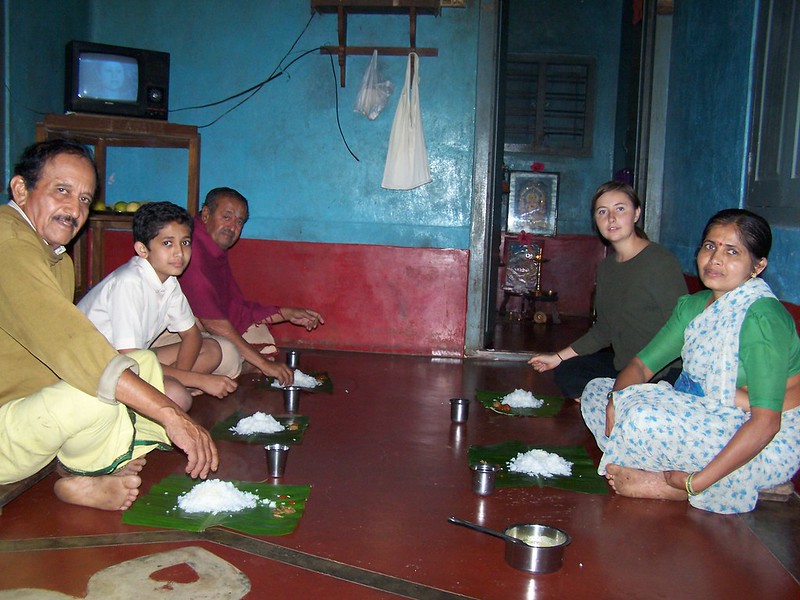
 A friend is someone with whom you share a bond of mutual affection, trust, and support. Unlike familial relationships, friendships are chosen and nurtured based on shared interests, experiences, and values. The foundation of friendship is built on mutual respect, honesty, empathy, and a sense of companionship. Friends are those who stand by you during both joyous and challenging times, providing emotional support, laughter, and understanding. They celebrate your successes and comfort you during hardships, creating a reliable presence in your life. Trust is a key element in friendships, allowing you to share your innermost thoughts and feelings without fear of judgment.
 A relative is a person connected to you by blood, marriage, or adoption, forming the network known as family. Familial bonds are significant because they provide a sense of identity, belonging, and continuity. These relationships are often marked by a deep, inherent connection that goes beyond mere acquaintance, rooted in shared history, genetics, or long-standing commitments. Family bonds are crucial for emotional support, especially in times of crisis or major life events, and they often come with a sense of duty and responsibility towards each other. The significance of familial bonds lies in their ability to offer unconditional love, security, and a stable foundation for personal growth and development.
 Consider the friend who becomes a mentor, offering life advice and career guidance similar to an older sibling or parent. Their insights and support can be pivotal in shaping your decisions and building your confidence. Another example is a friend who provides unwavering emotional support during tough times, offering a shoulder to cry on and words of encouragement, much like a close family member. Friends who help solve major life issues—whether it’s finding a job, moving houses, or dealing with a personal crisis—demonstrate the depth of their commitment, reflecting the solidarity often expected from family. Celebrating milestones together, such as birthdays, weddings, or promotions, further solidifies their role as chosen family members.
 Consistent Presence: Just as family members are expected to be there during both good and bad times, showing up consistently for your friends reinforces their sense of security and trust. Whether it’s celebrating their achievements or supporting them through difficult moments, reliability strengthens the bond.
 Communicate Openly
 When relatives transition from traditional familial roles to also become friends, it signifies a deepening and broadening of the relationship beyond biological or legal ties. This evolution often occurs when shared interests, mutual respect, and emotional understanding develop, transforming the familial bond into a friendship-like connection. The value and significance lie in the enrichment of life through a deeper, more personal connection that goes beyond familial obligations.
 These relationships enrich life by providing companionship, emotional support, and a sense of belonging. A sibling who becomes a trusted confidant, offering emotional understanding and supportive advice during difficult times, exemplifies how familial relationships can evolve into friendships. Similarly, grandparents who share stories, wisdom, and mutual interests with their grandchildren foster a friendship-like bond that transcends generational gaps and deepens family ties.
 Regular Family Meetings: Schedule regular family meetings to discuss important matters, share updates, and express concerns. This practice promotes open communication and ensures everyone feels heard and valued, fostering a supportive environment akin to friendship.
 Embrace Differences: Encourage acceptance of each family member’s unique personality traits, beliefs, and preferences. Respect individual boundaries and choices, fostering an environment where everyone feels valued and accepted for who they are. This acceptance mirrors the unconditional support and understanding found in close friendships.
 Being able to “be whatever others need in their lives” reflects a profound ability to adapt and support loved ones in various roles. Whether acting as a mentor, confidant, or caregiver, this adaptability allows individuals to fulfill different needs based on circumstances and personal growth stages. It encourages personal transformation by promoting empathy, patience, and selflessness, essential qualities for building meaningful connections.
 Flexible roles in relationships play a pivotal role in fostering meaningful connections by adapting to evolving needs and circumstances. In friendships, being able to offer emotional support, celebrate successes, and navigate challenges mirrors the supportive roles traditionally associated with family members. Conversely, family members who adopt friend-like roles provide companionship, shared interests, and unconditional support beyond familial obligations. This flexibility promotes a sense of belonging and mutual understanding, enriching the quality of relationships and fostering a supportive environment.
 Cultivate Empathy and Understanding: Embodying unconditional love starts with empathizing deeply with others’ emotions and perspectives. Understanding their joys, struggles, and needs allows you to offer genuine support and encouragement. For example, actively listening to a friend’s concerns without judgment or offering practical help during a difficult time demonstrates empathy.
 In conclusion, exploring the dynamics between friends and relatives has revealed the transformative power of unconditional love, empathy, and adaptability in relationships. Key takeaways include:







 Music has a remarkable ability to evoke powerful memories and influence our mood, making it a valuable tool for enhancing both cognitive function and emotional well-being. In this blog we explore the fascinating interplay between melodies and memories, revealing how certain tunes can trigger vivid recollections and emotional states. By understanding the neurological mechanisms behind this phenomenon, we can harness music to boost memory retention and mood regulation. From creating personalized playlists for studying to selecting calming tracks for stress relief, music offers a versatile and accessible way to improve mental performance and emotional resilience. Whether aiming to recall information more effectively, ease anxiety, or simply elevate one’s spirits, integrating music into daily routines can lead to significant cognitive and psychological benefits. Dive into this article to discover practical strategies and scientific insights on making music a powerful ally in your mental toolkit.
 Understanding the connection between music and memory can benefit a wide range of individuals. Students aiming to enhance their learning and recall abilities can leverage music to create more effective study routines and improve information retention. Professionals dealing with stress and anxiety can use specific tunes to manage their emotional states and increase productivity. Individuals seeking better sleep and relaxation can incorporate calming music into their nighttime routines to promote a more restful sleep environment. Additionally, anyone looking to enhance their social experiences can use music to create memorable and emotionally resonant gatherings with family and friends. By tailoring music choices to their specific needs and circumstances, people can harness the power of melodies to improve cognitive functions, emotional well-being, and social connections. This approach opens up new avenues for using music as a versatile tool in everyday life, catering to diverse needs and enhancing overall quality of life.
 By understanding the profound link between music and memory, individuals can strategically use music to enhance various aspects of their lives. Students can create specific playlists for study sessions, associating certain genres or songs with different subjects to improve recall during exams. Professionals can design calming playlists to play during work, helping to alleviate stress and boost concentration. For those struggling with sleep, incorporating soothing music into their bedtime routine can signal the brain that it’s time to wind down, promoting better sleep quality. During social gatherings, selecting nostalgic or upbeat music can enhance the atmosphere, creating a sense of warmth and connection among friends and family. Additionally, tailored playlists can be used in public speaking or performance settings to calm nerves and boost confidence. By deliberately choosing music that aligns with desired outcomes, individuals can significantly enhance their cognitive and emotional experiences, making music a powerful tool in their daily routines.
 These associations form because music has a unique ability to embed itself deeply in our memories, connecting with multiple senses. When we hear a song from our past, we don’t just recall the visuals of that time. We remember the specific places and people involved. The melody might evoke a vivid picture of a long-lost friend, the layout of a room, or a favorite spot in the city. This visual recollection is often accompanied by the taste of food or drink commonly enjoyed during that period. A song from a high school summer might bring back the taste of barbecue at a friend’s house or the sweetness of a favorite ice cream.
 Smell also plays a significant role in these musical flashbacks. The scent of an incense stick or a particular hygiene product used during that time can be vividly recalled. A song that was popular during your first job might bring back
  The connection between music and memory is deeply rooted in our brain’s intricate neurological and psychological mechanisms. Central to this process are the hippocampus and amygdala, two critical structures involved in memory formation and emotional regulation. The hippocampus is primarily responsible for forming and organizing memories, while the amygdala processes emotions and attaches emotional significance to our experiences. When we listen to music, these areas work in concert, linking melodies to the emotions we feel and the events we experience, thereby creating lasting memories.
 Research has consistently demonstrated the link between music and memory. Studies show that music has a remarkable ability to trigger autobiographical memories, often referred to as the “reminiscence bump.” This phenomenon explains why songs from our adolescence and early adulthood tend to evoke particularly vivid memories. For instance, research by psychologist Petr Janata at the University of California, Davis, found that when participants listened to songs from their past, there was increased activity in the medial prefrontal cortex, a region linked to self-referential thinking and memory retrieval. This activation suggests that music is intricately connected to our sense of self and personal history.
 Music can be a potent tool for reinforcing positive memories through deliberate association techniques. The process involves linking specific tunes or melodies with particular activities, thoughts, or emotions to create lasting connections in our brains. One effective strategy is to repeat a particular tune or melody frequently while engaging in a specific action or thought process. For example, listening to classical music while studying biology can create a mental link between the subject matter and the soothing notes of Mozart or Bach. To strengthen this association, it’s essential to keep the melody almost exclusive to the given activity, minimizing exposure to the tune outside of the intended context.
 Public speaking can provoke anxiety and nervousness in many individuals, affecting performance and confidence. Calming music can be a valuable tool to manage pre-speaking jitters and improve overall presentation skills. The key is to select music that induces relaxation and reduces stress levels.
 Creating a soothing bedtime playlist can enhance relaxation and improve sleep quality by promoting a calm and tranquil atmosphere. The choice of music is crucial, as it should help induce a sense of peace and serenity while preparing the mind and body for rest.
 Nostalgic music has the power to evoke cherished memories and strengthen emotional connections during reunions with family and friends. Curating a playlist of songs that hold special meaning and significance to shared experiences can enhance the atmosphere and foster a sense of closeness and joy.
 One effective strategy to avoid negative memory associations is to refrain from repeatedly listening to specific songs during stressful activities. For instance, if a particular song was playing during a challenging work project or a difficult workout session, frequent exposure to that song outside of those contexts can inadvertently reinforce negative emotions associated with those activities. Instead, vary your music choices and playlists to introduce new stimuli and prevent the formation of strong negative associations.
 When selecting background music, particularly during emotionally charged situations, it’s essential to be mindful of its potential impact on mood and memory. Opt for music that promotes relaxation, focus, or positivity, rather than exacerbating stress or negative emotions. For example, during periods of high stress or anxiety, soothing instrumental music or nature sounds can help calm the mind and maintain a balanced emotional state. By aligning music choices with emotional needs, individuals can create a supportive environment that enhances well-being and minimizes the risk of negative memory associations.
 Music can be a powerful ally in daily life, capable of enhancing mood, productivity, and overall well-being. Here are practical tips on how to strategically incorporate music into your routines:
 Personalizing your music choices involves understanding your unique preferences, memories, and associations with different songs and genres. Reflect on music that evokes positive emotions or memories from past experiences. For example, listening to a favorite song from a memorable vacation can instantly transport you back to that joyful moment. Consider creating themed playlists that resonate with your interests and daily activities. Whether it’s compiling a collection of nostalgic hits for family gatherings or curating a mix of calming tunes for stress relief, tailor your music selections to enhance your mood and enrich your personal experiences.
 The connection between music and personal history is undeniable. Songs can serve as time capsules, transporting us back to significant moments and shaping our memories in profound ways. Whether it’s creating playlists for family gatherings, using calming music to unwind after a busy day, or selecting motivational tracks for workouts, music enhances our lives in countless ways.








 Before forming an opinion about someone’s choices, it’s essential to consider the options they had available. Often, we hastily judge others based on our values and perspectives, forgetting that their circumstances and constraints may be vastly different from our own. For instance, a single parent working two jobs might prioritize immediate financial stability over long-term career aspirations, a decision driven by necessity rather than lack of ambition. Similarly, a person declining higher education might do so not out of disinterest in learning but due to financial barriers or familial responsibilities. Recognizing the context behind decisions reveals that what may seem like poor choices are often rational responses to limited options. By understanding the full story and the choices available to someone, we cultivate empathy and reduce unfair judgments, allowing for a more nuanced and compassionate view of the diverse paths people navigate in life.
 This article is for anyone striving to understand the complexities behind people’s choices and actions. It is particularly beneficial for individuals who often find themselves puzzled by decisions that seem irrational or unreasonable based on their own life experiences.
  Readers can apply the insights from this article to enhance their understanding and interactions in various aspects of life. In the workplace, HR managers and team leaders can use these principles to create more inclusive and supportive environments, improving team dynamics and employee satisfaction. Sales and customer service professionals can tailor their approaches to better meet the diverse needs of clients, leading to more effective communication and increased customer loyalty. Educators can apply these insights to support students from diverse backgrounds, fostering a more inclusive and understanding classroom environment. In healthcare, providers can offer more patient-centered care by considering individual circumstances and challenges. On a personal level, understanding the context behind others’ decisions can lead to more empathetic and meaningful relationships with family, friends, and neighbors. By acknowledging and respecting the diverse factors influencing choices, individuals can contribute to a more compassionate and connected community.
 Central to this discussion is the recognition that each person’s choices are influenced by a myriad of factors, many of which are not immediately apparent. For instance, individuals facing limited resources may make decisions that seem puzzling to those with more financial stability. A single parent juggling multiple jobs to make ends meet might prioritize immediate financial security over career advancement, illustrating how necessity can dictate choices. This context highlights the significant impact that socio-economic status can have on decision-making processes.
 Cognitive biases, such as the availability heuristic or the confirmation bias, play a pivotal role in shaping our quick judgments. The availability heuristic refers to the tendency to rely on information that is readily available in our memory. For example, if media portrayals predominantly depict certain groups in a negative light, we may subconsciously apply these portrayals to individuals we encounter, leading to unfair assessments. Confirmation bias reinforces existing beliefs by seeking out information that supports our preconceived notions while dismissing contradictory evidence, further solidifying stereotypes.
 The decisions individuals make are profoundly shaped by the options available to them in their respective contexts. Options encompass not only tangible choices but also the intangible opportunities and constraints imposed by socio-economic status, cultural background, and personal circumstances. Socio-economic status, for instance, dictates access to resources such as education, healthcare, and employment opportunities. Individuals from lower socio-economic backgrounds often face limited access to higher education due to financial constraints, leading them to prioritize immediate financial stability over long-term career advancement. This economic pressure significantly influences their decisions, impacting their life trajectories and opportunities for social mobility.
 Personal circumstances, such as health conditions or caregiving responsibilities, further restrict or expand options available to individuals. A person managing a chronic illness may prioritize employment opportunities that offer flexible working hours or comprehensive healthcare benefits. Similarly, caregivers may make decisions based on the needs of their dependents, balancing personal aspirations with familial responsibilities.
 Misjudgment also fosters discrimination and inequality by reinforcing stereotypes and perpetuating systemic biases. When entire groups of people are unfairly judged based on race, gender, socio-economic status, or other characteristics, it leads to social stratification and entrenches disparities. For example, assuming that blue-collar workers are less professional than their white-collar counterparts contributes to workplace hierarchies that undervalue essential labor. This not only affects the workers’ job satisfaction and career advancement but also perpetuates economic inequality. Similarly, when wealthy individuals are presumed to be out of touch with reality, it can prevent meaningful dialogue and cooperation across socio-economic divides, further entrenching societal gaps.
 Such examples underscore the pervasive and detrimental effects of misjudgment. When people are unfairly judged, they are denied the opportunity to fully realize their potential, and society as a whole loses out on the contributions they could make. By fostering an environment where individuals are valued based on their merits and understood within the context of their unique circumstances, we can mitigate these harmful effects. Promoting empathy, open-mindedness, and a commitment to understanding the full story behind people’s choices is essential in combating the dangers of misjudgment.
 Active listening is a foundational skill for fostering empathy. It involves fully concentrating, understanding, responding, and remembering what the other person is saying. This means giving your full attention to the speaker, avoiding interruptions, and showing that you are engaged through verbal and non-verbal cues. Techniques such as nodding, maintaining eye contact, and using affirmations like “I see” or “Go on” can help convey attentiveness. Additionally, paraphrasing what the speaker has said to ensure clarity and understanding is crucial. For example, saying, “So what you’re saying is…” followed by a summary of their point can confirm that you’ve truly grasped their message. Active listening not only helps you understand the other person’s perspective but also makes them feel valued and respected, thereby deepening the connection and fostering empathy.
 Exposure to diverse perspectives is crucial for broadening our understanding and fostering empathy. Interacting with people from different cultural, socio-economic, and professional backgrounds challenges our preconceived notions and exposes us to new ways of thinking. This can be achieved through various means, such as participating in cultural exchange programs, attending events or workshops focused on diversity and inclusion, or simply engaging in conversations with people outside your usual social circle. For instance, joining a community organization or volunteer group that includes members from diverse backgrounds can provide valuable insights and experiences. Reading books, watching films, or consuming media created by people from different cultures also broadens our perspective. These experiences help us appreciate the richness of human diversity and understand the unique challenges and opportunities faced by different groups. By actively seeking out and embracing diverse perspectives, we become more open-minded and empathetic.
 Self-reflection is an essential practice for cultivating empathy and open-mindedness. It involves examining our own beliefs, biases, and assumptions to understand how they shape our perceptions and interactions with others. This process requires honesty and a willingness to confront uncomfortable truths about ourselves. One effective method for self-reflection is journaling, where you regularly write about your thoughts, feelings, and experiences. Reflecting on instances where you may have judged someone unfairly or recognized a bias in your thinking can be particularly enlightening. Additionally, seeking feedback from trusted friends or mentors can provide valuable insights into your blind spots. Another important aspect of self-reflection is educating yourself about different forms of bias, such as implicit bias, confirmation bias, and stereotyping. Understanding these concepts helps you identify when they are influencing your thoughts and actions. By continually reflecting on and challenging our biases, we can become more empathetic and open-minded individuals.
 Understanding the options and contexts that shape others’ decisions can profoundly enhance personal relationships. When we appreciate the factors influencing a friend’s or family member’s choices, we become more empathetic and supportive. For example, recognizing that a friend prioritizes job security over passion due to financial obligations can help us offer more meaningful support and avoid passing judgment. This deeper understanding fosters trust and strengthens emotional bonds. Empathy allows us to navigate conflicts more effectively, as we are better equipped to see things from the other person’s perspective. By acknowledging and valuing the unique circumstances of those we care about, we create a nurturing environment that promotes emotional well-being and mutual respect.
 Understanding employees’ unique circumstances and options can significantly improve HR practices and team dynamics. For instance, HR professionals who consider factors like caregiving responsibilities, health issues, or educational backgrounds can create more effective and supportive workplace policies. Flexible work arrangements, personalized career development plans, and comprehensive wellness programs can be tailored to meet diverse needs, leading to increased job satisfaction and retention. Team dynamics also benefit when members appreciate each other’s backgrounds and challenges, fostering a collaborative and inclusive environment. This approach enhances communication, reduces conflicts, and promotes a culture of mutual respect and empathy.
 In multigenerational families, understanding the different life stages and perspectives of family members can help manage expectations and improve relationships. For instance, younger family members may prioritize career development and social activities, while older members might focus on health and stability. By appreciating these differing priorities, family members can support each other more effectively. This might involve offering flexible support structures, such as part-time caregiving for elderly relatives while respecting the independence and aspirations of younger members. Open communication and empathy can bridge generational gaps, fostering a harmonious family environment.
 Understanding the full context behind people’s choices is crucial for fostering empathy and reducing unfair judgments. By recognizing the diverse factors that influence decisions—whether they be socio-economic conditions, cultural backgrounds, or personal circumstances—we can better appreciate the complexity of human behavior. This deeper understanding helps us move beyond superficial assessments and develop more meaningful connections with others.
 Building a more understanding and inclusive world requires a collective effort. Each of us has a role to play in promoting empathy and open-mindedness, whether through individual actions or supporting initiatives that foster diversity and inclusion. By committing to these values, we can help create a society where everyone is valued and respected for their unique perspectives and experiences.















 In this article, we explore the art of customizing dishes to suit individual bio-individuality using Ayurvedic principles. Ayurveda, an ancient Indian holistic healing system, emphasizes the importance of balancing the three doshas—Vata, Pitta, and Kapha—for optimal health. By understanding one’s unique constitution (Prakriti), home cooks can tailor meals to promote well-being and balance. We provide practical tips on adjusting the quantity, timing, order, and preparation methods of common Indian dishes like rice, chapati, dosa, and dal. For instance, warming spices and ghee can ground Vata, while cooling herbs and lighter cooking methods can soothe Pitta, and pungent spices and dry cooking techniques can invigorate Kapha. Additionally, we discuss the importance of using fresh, seasonal ingredients and proper storage methods to maintain food qualities that align with Ayurvedic principles. This approach ensures that each meal supports individual health needs and promotes overall wellness.
 Bio-individuality, or Prakriti in Ayurvedic terms, refers to the unique constitution of each individual, influenced by the balance of three primary doshas: Vata, Pitta, and Kapha. These doshas determine not only our physical and mental characteristics but also our dietary needs and preferences. Just as no two individuals are the same, their optimal diets also vary significantly. Understanding Prakriti involves recognizing these inherent differences and tailoring nutrition to meet specific needs, which can enhance overall health and well-being. This concept aligns closely with contemporary nutritional science, which emphasizes personalized nutrition as a key to optimizing health outcomes.
 Balancing the doshas through diet is crucial for maintaining optimal health. Vata, characterized by qualities such as coldness, dryness, and movement, requires warm, moist, and grounding foods to maintain balance. Pitta, associated with heat and intensity, benefits from cooling, hydrating, and mildly spiced foods to prevent overheating and irritation. Kapha, which embodies heaviness, coolness, and stability, thrives on light, dry, and stimulating foods to counteract its inherent tendencies towards stagnation and lethargy. By aligning dietary choices with these principles, individuals can support their unique constitution and achieve a state of balance and harmony.
 For home cooks, creating meals that cater to the diverse needs of Vata, Pitta, and Kapha doshas can seem challenging. However, by starting with inherently balanced and easy-to-digest recipes, you can create a neutral base that can be customized according to individual requirements. Choosing dishes like kichadi (a traditional Indian dish made from rice and lentils) provides a balanced foundation. Kichadi is naturally soothing and easy on the digestive system, making it a great base for further customization. Other examples include simple vegetable curries, dal (lentil soup), and lightly spiced pulao (rice pilaf).
 Adjusting portion sizes, meal timings, and meal sequencing can significantly impact how well food supports an individual’s dosha. For Vata, characterized by lightness and irregularity, small, frequent meals are recommended. Large portions can overwhelm Vata’s delicate digestion, leading to bloating and discomfort. Instead, opt for smaller, more frequent meals that are warm and nourishing, such as a small bowl of oatmeal with ghee in the morning, a mid-morning snack of nuts and dried fruit, a hearty soup for lunch, and another light meal in the evening. Avoid eating late at night as it can disrupt Vata’s sensitive sleep patterns.
 Cooking techniques can greatly influence how well food supports an individual’s dosha. Vata benefits from moist cooking methods such as steaming, stewing, and slow cooking, which add necessary warmth and hydration to their diet. Avoid dry, raw, or cold foods that can increase Vata’s natural dryness and coldness. Steamed vegetables with a drizzle of ghee, soups, and stews with warming spices like cumin and coriander are excellent choices. Using slow cookers or pressure cookers can simplify these methods while ensuring meals are nourishing and easy to digest.
 Selecting and substituting ingredients to cater to different dosha needs can significantly enhance the balance and health benefits of meals. Vata individuals, with their tendency towards dryness and coldness, benefit from using ghee and healthy oils, which add necessary lubrication and warmth. For example, substituting ghee for other oils in cooking can make a dish more Vata-friendly. Adding root vegetables like sweet potatoes and carrots, which are grounding and nourishing, can also help balance Vata’s light and airy nature.
 For Pitta, rice should be prepared in a way that cools and soothes. Using coconut milk or adding a handful of fresh herbs like cilantro can impart a cooling effect. Avoiding too many heating spices is crucial; instead, opt for cooling seasonings such as fennel seeds and a pinch of mint. A simple lemon rice with a squeeze of fresh lemon juice and a sprinkle of coriander leaves can be refreshing and balancing for Pitta.
 Chapati, a whole wheat flatbread, can be customized in various ways to suit different doshas. For Vata, chapati dough should be made softer by adding a bit of ghee or oil to the flour before kneading. This makes the bread more lubricating and less drying. Additionally, serving chapatis with warm, moist curries or stews can help balance Vata’s dry nature. Spreading a thin layer of ghee on the chapati before serving adds warmth and grounding.
 Dosa, a fermented rice and lentil crepe, can be tailored to different doshas by varying its fillings and accompaniments. For Vata, dosa should be served with moist and grounding fillings. A mashed potato filling with ghee and warming spices like cumin and turmeric is ideal. Coconut chutney(fresh or dehydrated powder) can be a good accompaniment, adding both moisture and cooling effects. Ensuring the dosa is not too crispy and more on the softer side helps in balancing Vata.
 Idli, a steamed rice and lentil cake, is a versatile dish that can be customized based on dosha needs. For Vata, idlis should be served warm with a bit of ghee to add moisture and grounding qualities. Accompanying idlis with sambar, which has warming spices and a liquid consistency, helps in balancing Vata. Coconut chutney can also be beneficial due to its cooling and hydrating properties.
 Dal, a lentil soup, is a staple that can be easily customized. For Vata, dal should be cooked with ghee and warming spices like cumin, ginger, and asafoetida. Adding a bit of lemon juice towards the end of cooking can aid digestion. A thicker consistency with a bit of extra ghee or oil helps to ground Vata and add necessary moisture.
 A vegetable stir-fry can be tailored to different doshas through the choice of vegetables and spices. For Vata, using root vegetables like carrots, sweet potatoes, and beets provides grounding and stability. Cooking these vegetables with ghee and warming spices like cumin, ginger, and turmeric enhances their digestibility. Adding a bit of moisture through a splash of broth or coconut milk can prevent dryness.
 Stews are versatile and can be adjusted easily for different doshas. For Vata, a hearty vegetable stew with root vegetables, ghee, and warming spices is ideal. Adding lentils or beans provides protein, and using bone broth or vegetable broth adds extra nourishment. Seasoning with spices like cumin, coriander, and turmeric helps with warmth and digestion.
 Curd, or yogurt, can be customized with herbs and fruits to suit different doshas. For Vata, curd should be consumed in moderation and always at room temperature. Adding a bit of honey and warming spices like cinnamon or nutmeg can help balance Vata. Mixing curd with ripe, sweet fruits like bananas or mangoes adds grounding qualities.
 Cofee can be customized to suit different doshas. For Vata, who may be sensitive to caffeine, opting for a smaller cup and adding a bit of ghee or coconut oil can help buffer its stimulating effects. Adding warming spices like cinnamon or cardamom can enhance its digestibility. Consuming coffee in moderation and preferably in the morning can support Vata’s need for warmth and grounding.
 For individuals with Vata constitution, characterized by qualities of cold, dryness, and irregularity, warming and grounding teas are beneficial. A soothing option is ginger tea, made by steeping freshly grated ginger in hot water. Ginger helps to kindle Agni (digestive fire) and provides warmth, which is especially comforting for Vata. Adding a dash of cinnamon or cardamom enhances the warming effect and adds a pleasant aroma. Vata individuals should avoid excessive caffeine, so opting for herbal teas like chamomile or licorice root tea can be calming and supportive for their sensitive nervous system. Sweetening with a small amount of honey can balance the bitter taste and further soothe Vata.
 Experimentation and observation are key in discovering optimal combinations of foods and practices that resonate with personal bio-individuality. By being mindful of how different foods affect mood, energy, and digestion, individuals can refine their dietary choices to suit their unique needs and preferences. Small changes in cooking practices, such as adjusting spices, incorporating seasonal produce, or modifying cooking methods, can have a significant impact on health outcomes.







 Managing glucose spikes is crucial for maintaining youth and health both externally and internally. By understanding the science of glycation and the formation of harmful AGEs, we see how frequent and high glucose spikes accelerate aging and damage tissues. Key strategies to mitigate these effects include adopting a diet rich in low glycemic index foods, incorporating fiber, proteins, and healthy fats, and considering practices like intermittent fasting or OMAD. Additionally, lifestyle changes such as regular exercise, staying hydrated, and mindful meal planning can significantly reduce glucose spikes. Ultimately, a holistic approach that combines dietary adjustments, lifestyle modifications, and regular monitoring can help us maintain stable blood sugar levels, thereby promoting longevity and reducing the risk of chronic diseases. By implementing these practical strategies, we can enhance our overall well-being and age more gracefully.
 This information is for anyone interested in maintaining their health and youthfulness by managing their blood sugar levels. It is particularly useful for:
 When we eat sugary foods, our bodies use the sugar to give us energy. But sometimes, if we eat too much sugar, our blood sugar levels can go up very fast. This is called a glucose spike. Imagine when you cook something like a chicken. When it gets brown and crispy, it’s ready to eat.
 Minimizing Carb Consumption and Making Wise Choices
 Role of Vinegar Before Meals to Cut Glucose Spikes
 Putting ‘Clothing’ on Our Carbs
 How It Stabilizes Blood Sugar Levels:
 Eating One Big Meal Instead of Multiple Smaller Meals (OMAD):
 Savory Breakfast instead of a Sweet One
 Probiotics to Cut Glucose Spikes
 Importance of Post-Meal Movement
 Managing glucose spikes is crucial not only for our internal health but also for maintaining a youthful appearance over time. Glucose spikes, which occur when our blood sugar levels rise sharply after meals, can lead to the formation of advanced glycation end-products (AGEs). These AGEs contribute to aging by affecting proteins like collagen and elastin, which are important for keeping our skin smooth and our tissues flexible.


















 Bioavailability refers to the extent and rate at which nutrients are absorbed into the bloodstream and utilized by the body. Proper preparation techniques play a crucial role in enhancing the bioavailability of spices, ensuring that their beneficial compounds are effectively absorbed and utilized. Here are several methods commonly used in Indian cooking to maximize the bioavailability of spices:
 Dry roasting involves heating spices in a pan without any oil over medium heat until they become fragrant and slightly darker in color. This process activates the essential oils within the spices, intensifying their flavors and aromas. For example, whole spices like cumin seeds, coriander seeds, and black peppercorns release their oils and natural oils when dry roasted, transforming their taste profiles from raw and mild to warm and robust.
 Mortar and Pestle: This traditional method allows for a more controlled grinding process. It’s perfect for small quantities of spices and provides a coarser texture, which can add a rustic appeal to dishes.
 Boiling spices in water extracts essential oils, antioxidants, vitamins, and minerals that are water-soluble. This method is particularly effective for delicate spices like cinnamon, cardamom, and cloves, which infuse their flavors into the liquid without being subjected to high heat that could degrade their beneficial properties. To facilitate easy removal and prevent the spices from dispersing throughout the dish, tie whole spices in a muslin cloth or cheesecloth bundle. This allows for easy removal after the desired flavor infusion.
 Infusion Bundles: Bundle whole spices in a muslin cloth or cheesecloth before adding them to the water. This method allows for easy removal of spices once the desired flavor profile is achieved, ensuring the broth or tea remains clear and free of sediment.
 Identifying quality spices begins with understanding the visual cues, aroma, and texture that indicate freshness and potency. Look for whole spices that are intact, without signs of discoloration or mold. Whole spices should have vibrant colors; for instance, turmeric should be bright yellow, and cinnamon should have a reddish-brown hue. Crush or break open spices to release their aroma—fresh spices should have a strong, aromatic scent indicative of their essential oils. Texture also plays a role; whole spices should feel dense and heavy, indicating they are filled with essential oils and flavor compounds. Avoid spices that are dusty or brittle, as these may have lost their potency.
 When buying spices, opt for trusted brands or sources known for their quality and reliability. Specialty spice shops or ethnic markets often offer fresher and more diverse selections compared to standard grocery stores. Purchase spices in small quantities to ensure freshness and potency. Spices lose their flavor and aroma over time, especially once ground, so it’s better to buy smaller amounts that can be used within a few months. This practice not only ensures better flavor but also reduces waste and saves money in the long run.
 Proper storage is crucial to maintaining the flavor and potency of spices. Store spices in airtight containers to protect them from exposure to air, moisture, and light, which can degrade their quality. Glass jars with tight-sealing lids or metal tins are excellent choices for storing spices. Keep spices in a cool, dry place away from direct sunlight and heat sources like stoves or ovens. A pantry or cupboard away from the kitchen’s heat and humidity is ideal.
 Fennel seeds are well-known for their ability to relieve bloating and improve digestion. They also provide a rich source of dietary fiber. Cardamom, on the other hand, aids in detoxification and freshens breath with its antimicrobial properties. Together, fennel and cardamom create a soothing and aromatic tea that supports digestive health. To prepare Fennel-Cardamom Tea, crush fennel and cardamom pods lightly and steep them in hot water for 5-10 minutes. This tea can be enjoyed after meals to aid digestion or throughout the day as a refreshing beverage.
 For the elderly, who may have more sensitive digestive systems and specific health concerns, it’s beneficial to focus on gentle spices that aid digestion and offer anti-inflammatory properties. Turmeric, known for its curcumin content, ginger, and cardamom are excellent choices. These spices can be incorporated into soups, stews, or brewed into teas to provide comfort and support digestive health. By choosing spices thoughtfully based on age-related considerations, individuals can enjoy flavorful meals while supporting their unique nutritional needs.




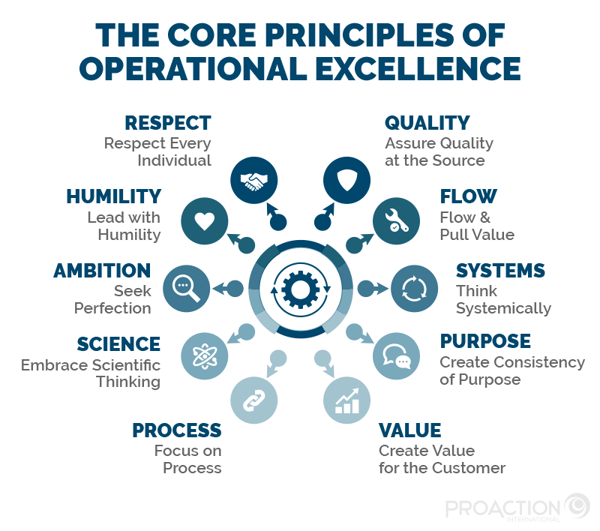











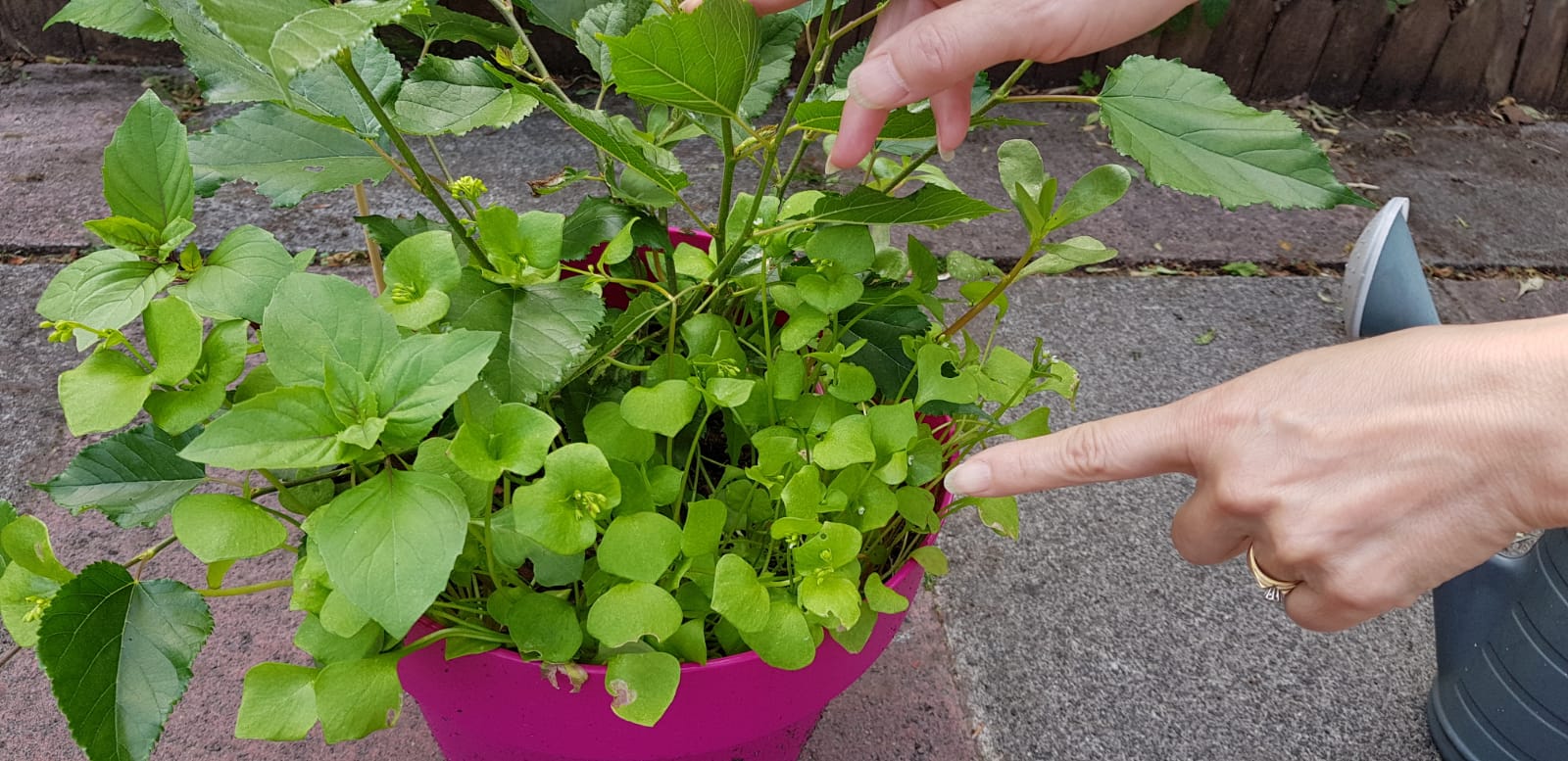
:max_bytes(150000):strip_icc()/purslane_annotated-17d455aa121d40f5b0c3cf583289203c.jpg)

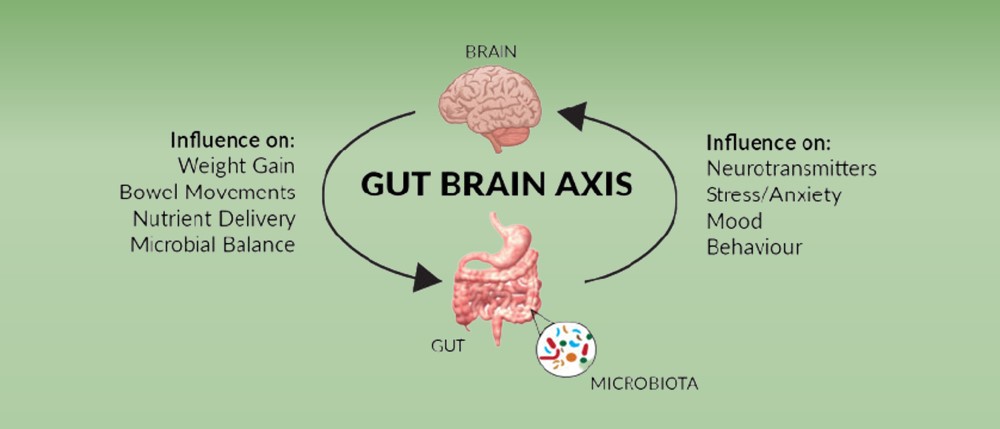










 This article is tailored for urban women who lead sedentary lifestyles and are actively seeking natural solutions to address specific health concerns such as menstrual issues, PCOS, prolapse, and challenges associated with menopause or the postpartum stage. It focuses on empowering these women with simple, natural, affordable, and practical approaches to improve pelvic floor health. The content delves into the importance of strengthening abdominal and pelvic floor muscles, highlighting their critical role in maintaining overall women’s health and hormonal balance. By emphasizing the benefits of pelvic floor exercises, the article aims to educate and equip readers with DIY methods to assess their pelvic floor fitness and guidance on incorporating effective exercises into their daily routines. It encourages a holistic approach, acknowledging the interconnectedness of pelvic floor health with core strength and thigh muscles, thereby addressing posture, sexual function, and pelvic organ support. Ultimately, the article serves as a comprehensive resource that aims to inspire and support urban women in taking proactive steps towards enhancing their pelvic floor health naturally and sustainably.
 Women’s health encompasses a broad spectrum of physical and emotional well-being, with pelvic floor muscles playing a pivotal but often overlooked role. The pelvic floor refers to a group of muscles, ligaments, and connective tissues that form a supportive sling at the base of the pelvis, supporting vital organs such as the bladder, uterus, and rectum. The fitness of these muscles is defined by their strength, endurance, and ability to function optimally.
 Pelvic floor fitness is a cornerstone of women’s health, integral not only for physical stability but also for hormonal balance and overall well-being. The pelvic floor muscles, often overlooked, form a supportive hammock for key pelvic organs including the bladder, uterus, and intestines. When these muscles are strong and functional, they contribute significantly to core stability, which is crucial for maintaining posture and preventing lower back pain. The connection between pelvic floor health and abdominal strength is symbiotic; a strong core supports the pelvic floor, and vice versa, ensuring that the body’s central structure remains robust and resilient against various stresses and strains.
 The interconnected strength of the pelvic floor, core, and thigh muscles forms a powerhouse trio crucial for overall health and well-being. Strengthening these muscle groups offers a plethora of scientific benefits, extending far beyond mere physical fitness. The pelvic floor muscles provide foundational support to pelvic organs such as the bladder, uterus, and intestines, ensuring their proper function and positioning. A strong pelvic floor also improves bladder control, reducing the risk of urinary incontinence and prolapse, which can significantly impact quality of life.
 Assessing the strength of your pelvic floor is an essential first step towards improving its fitness. One simple DIY test is the “stop-test” during urination. This involves attempting to stop the flow of urine midstream. If you can do this quickly and effectively, it indicates good pelvic floor muscle control. However, this test should not be done regularly as it can interfere with normal bladder function.
 Yoga is a powerful practice that can effectively target and strengthen the pelvic floor muscles. Specific poses not only engage these muscles but also improve overall flexibility, balance, and relaxation. One of the most beneficial poses for pelvic floor health is the Malasana squat. To perform Malasana, stand with your feet slightly wider than hip-width apart and squat down, bringing your buttocks towards the floor while keeping your heels grounded. Press your elbows against the inside of your knees and bring your palms together at your chest, using your elbows to gently press your knees apart. This pose opens the pelvic area and engages the pelvic floor muscles.
 For beginners, modifications are essential to ensure safety and effectiveness. In Malasana, if it’s difficult to keep your heels on the ground, place a rolled-up towel or yoga block under them for support. In Bridge Pose, you can place a yoga block under your sacrum for added support if lifting your hips fully is challenging.
 In summary, maintaining strong abdominal and pelvic floor muscles is crucial for overall women’s health and hormonal balance. Pelvic floor exercises offer numerous scientific benefits, positively impacting core muscles, thighs, and overall physical stability. Techniques such as Kegel exercises, pelvic floor yoga, and incorporating muscle-engaging activities into daily routines can significantly improve pelvic floor strength and function. Additionally, engaging in dance forms like belly dancing and Bharatnatyam can naturally strengthen these muscles while providing a fun and enjoyable workout.
:max_bytes(150000):strip_icc()/GettyImages-490668637-598c1b54d088c00013461256.jpg)