

Blog

  • Parkinson’s Law: Enhancing Productivity Through Strict Deadlines

    Parkinson’s Law: Enhancing Productivity Through Strict Deadlines

    Parkinson’s Law underscores the transformative power of setting strict deadlines, compelling individuals to prioritize tasks effectively and optimize productivity. By embracing this principle, one can cultivate disciplined habits, mitigate procrastination, and achieve meaningful goals with greater efficiency. Implementing Parkinson’s Law not only enhances time management skills but also fosters a mindset that values the judicious use of time as a catalyst for personal and professional growth. It encourages a proactive approach to task management, ensuring tasks are completed within focused time frames, ultimately leading to increased productivity and a more fulfilling life.

    The Modern Application of Parkinson’s Law

    I. Introduction
    Overview of Parkinson’s Law

    Parkinson’s Law is a principle that states, “Work expands to fill the time available for its completion.” This insight, coined by British naval historian and author Cyril Northcote Parkinson in his 1955 essay published in The Economist, captures a common human behavior observed in various domains of life. The law reflects how tasks tend to consume all the time allocated to them, often leading to inefficiencies and unnecessary delays.

    Historical Context and Origin by Cyril Northcote Parkinson

    Cyril Northcote Parkinson was a British naval historian who observed bureaucratic inefficiencies within the British Civil Service. His observations led to the formulation of Parkinson’s Law, which he humorously illustrated through various examples. Parkinson noted that as organizations grow, the amount of work does not necessarily increase in proportion to the number of employees. Instead, tasks and activities expand to occupy the time and resources available, often without adding significant value.

    Relevance in the Modern World

    In today’s fast-paced, technology-driven world, Parkinson’s Law remains highly relevant. With constant connectivity and the pressure to multitask, individuals and organizations often find themselves overwhelmed by expanding workloads. Understanding and applying Parkinson’s Law can help in creating more efficient workflows, better time management, and higher productivity.

    The relevance of Parkinson’s Law extends across various settings, from personal life to professional environments. Whether managing individual tasks, leading a team, or coordinating global projects, the principle underscores the importance of setting strict deadlines to prevent work from dragging on indefinitely.

    By embracing Parkinson’s Law and its implications, individuals and organizations can cultivate a more disciplined approach to time management, ensuring that tasks are completed efficiently and effectively within the available time frame. This article explores practical ways to implement these principles across different aspects of life and work, offering actionable insights for a wide range of readers.

    Importance of Deadlines
    Why Strict Deadlines Are Essential

    Strict deadlines play a critical role in various aspects of life and work. Here are several reasons why they are essential:

    1. Enhance Focus and Priority Management:
      • Deadlines help prioritize tasks, ensuring that the most critical activities are addressed first.
      • By setting a clear endpoint, individuals and teams can focus their efforts and avoid getting sidetracked by less important tasks.
    2. Encourage Efficient Work Practices:
      • With a deadline in place, there is a natural inclination to streamline processes and eliminate unnecessary steps.
      • This efficiency leads to faster completion times and better use of resources.
    3. Provide Motivation and a Sense of Urgency:
      • Deadlines create a sense of urgency, motivating individuals and teams to start working promptly and maintain momentum.
      • This urgency can combat procrastination and keep projects moving forward.
    4. Facilitate Planning and Time Management:
      • Deadlines enable better planning and time allocation, helping to break down large projects into manageable chunks.
      • This structured approach allows for more accurate progress tracking and adjustments as needed.
    5. Increase Accountability and Responsibility:
      • Setting deadlines holds individuals and teams accountable for their deliverables.
      • This accountability fosters a sense of responsibility and commitment to meeting expectations.
    6. Ensure Consistency and Reliability:
      • Consistent adherence to deadlines builds reliability, fostering trust and confidence among team members, clients, and stakeholders.
      • This reliability is crucial for maintaining long-term professional relationships and reputation.
    Consequences of Not Setting Strict Deadlines

    Failing to set strict deadlines can lead to a range of negative outcomes:

    1. Procrastination and Delays:
      • Without a clear deadline, tasks are more likely to be postponed or delayed indefinitely.
      • This procrastination can result in missed opportunities and rushed work at the last minute.
    2. Inefficiency and Wasted Resources:
      • Tasks without deadlines tend to expand unnecessarily, consuming more time and resources than needed.
      • This inefficiency can lead to increased costs and reduced productivity.
    3. Loss of Focus and Direction:
      • Without deadlines, it is easy to lose sight of priorities and spend time on less important activities.
      • This lack of focus can derail projects and prevent the achievement of key goals.
    4. Decreased Accountability:
      • The absence of deadlines reduces the pressure to deliver on commitments, leading to a lack of accountability.
      • This can result in subpar performance and a decline in overall team morale.
    5. Missed Opportunities and Reduced Competitiveness:
      • In competitive environments, failing to meet deadlines can lead to missed opportunities and a loss of market advantage.
      • This can have long-term implications for an individual’s or organization’s reputation and success.
    6. Increased Stress and Burnout:
      • Without deadlines, tasks can accumulate and become overwhelming, leading to increased stress and burnout.
      • This can affect overall well-being and performance, both personally and professionally.
    7. Reduced Quality and Innovation:
      • Lack of deadlines can lead to complacency and a tendency to do just enough to get by.
      • This can stifle creativity and innovation, as there is no urgency to explore new ideas or improve existing processes.

    By understanding the importance of strict deadlines and the consequences of neglecting them, individuals and organizations can better manage their time and resources, ensuring that tasks are completed efficiently and effectively. This disciplined approach not only enhances productivity but also contributes to overall success and achievement.

    Time Management Strategies

    Implementing Parkinson’s Law in personal life requires disciplined time management strategies. Here are key techniques to set realistic and strict deadlines for personal tasks:

    Setting Realistic and Strict Deadlines for Personal Tasks
    1. Assess Task Requirements:
      • Understand the scope and complexity of each task to set achievable deadlines.
      • Break down larger tasks into smaller, manageable components with individual deadlines.
    2. Estimate Time Accurately:
      • Reflect on past experiences to gauge how long similar tasks took to complete.
      • Consider potential interruptions and include buffer time to handle unexpected delays.
    3. Set Clear and Specific Deadlines:
      • Instead of vague deadlines like “by the end of the week,” specify exact dates and times.
      • Use calendar tools to mark deadlines and set reminders for upcoming tasks.
    4. Commit to Deadlines Publicly:
      • Share your deadlines with friends, family, or colleagues to increase accountability.
      • Use social commitments or public declarations as motivation to meet your goals.
    Using Time-Blocking Techniques
    1. Allocate Dedicated Time Slots for Tasks:
      • Divide your day into blocks of time dedicated to specific tasks or activities.
      • Ensure each block has a clear start and end time to maintain focus and efficiency.
    2. Group Similar Tasks Together:
      • Combine related tasks into single blocks to minimize context switching.
      • For example, allocate one block for all administrative work and another for creative tasks.
    3. Include Breaks and Buffer Time:
      • Schedule regular short breaks between blocks to rest and recharge.
      • Add buffer time between blocks to account for overruns and prevent task spillover.
    4. Review and Adjust Time Blocks Regularly:
      • At the end of each day or week, assess how well you adhered to your time blocks.
      • Adjust future blocks based on what worked well and where improvements are needed.
    Prioritizing Tasks Based on Urgency and Importance
    1. Use the Eisenhower Matrix:
      • Categorize tasks into four quadrants: urgent and important, important but not urgent, urgent but not important, and neither urgent nor important.
      • Focus on completing tasks in the “urgent and important” quadrant first.
    2. Set Daily and Weekly Priorities:
      • Identify your top three to five priorities each day and week.
      • Ensure these priorities align with your long-term goals and values.
    3. Delegate and Eliminate Non-Essential Tasks:
      • Delegate tasks that others can handle, freeing up time for more critical activities.
      • Eliminate or postpone tasks that do not significantly contribute to your goals.
    4. Review and Adjust Priorities Regularly:
      • Regularly revisit your priorities to ensure they remain relevant and aligned with your goals.
      • Adjust as necessary based on changes in circumstances or new information.

    By adopting these time management strategies, you can effectively implement Parkinson’s Law in your personal life. Setting realistic and strict deadlines, using time-blocking techniques, and prioritizing tasks based on urgency and importance will help you complete tasks more efficiently and achieve a better balance between work and personal life.

    Tools and Techniques

    To effectively implement Parkinson’s Law in personal life, leveraging various productivity tools and techniques can be immensely beneficial. Here are some key tools and techniques:

    Productivity Apps and Tools
    1. Trello:
      • Features: Trello uses boards, lists, and cards to help you organize tasks visually. You can create boards for different projects, lists for various stages of a project, and cards for individual tasks.
      • Benefits: Trello’s visual approach makes it easy to track progress and collaborate with others. Deadlines and checklists within cards help keep tasks on schedule.
    2. Todoist:
      • Features: Todoist is a task management app that allows you to create and organize tasks with deadlines, priorities, and project labels. It also supports recurring tasks and subtasks.
      • Benefits: Todoist’s simple interface and powerful organization features help you stay on top of deadlines and ensure that tasks are completed in a timely manner.
    3. Asana:
      • Features: Asana offers task and project management capabilities, including task assignments, due dates, project timelines, and progress tracking.
      • Benefits: Asana’s collaborative features and integration with other tools make it ideal for both individual and team project management, ensuring that deadlines are met efficiently.
    The Pomodoro Technique
    1. Overview:
      • The Pomodoro Technique involves breaking work into intervals, typically 25 minutes long, separated by short breaks. Each interval is called a “Pomodoro.”
    2. Steps:
      • Set a timer for 25 minutes: Work on a single task without interruptions.
      • Take a 5-minute break: After the timer goes off, take a short break to rest and recharge.
      • Repeat: Complete four Pomodoros, then take a longer break (15-30 minutes).
    3. Benefits:
      • Improved Focus: Short, timed intervals help maintain concentration and reduce distractions.
      • Reduced Fatigue: Regular breaks prevent burnout and keep energy levels high.
      • Enhanced Productivity: The structured approach ensures consistent progress on tasks.
    Habit Formation and Tracking
    1. Building New Habits:
      • Start Small: Begin with small, manageable changes to build momentum.
      • Be Consistent: Commit to performing the habit at the same time each day.
      • Use Triggers: Associate the new habit with an existing routine or event to reinforce it.
    2. Tracking Progress:
      • Habit Tracking Apps: Use apps like Habitica, HabitBull, or Streaks to monitor and reinforce new habits. These apps allow you to set goals, track progress, and receive reminders.
      • Visual Cues: Maintain a physical habit tracker, such as a calendar or journal, where you can mark off each day you successfully complete the habit.
    3. Benefits:
      • Accountability: Tracking progress provides a sense of accomplishment and motivates you to maintain consistency.
      • Insight: Monitoring your habits helps identify patterns and areas for improvement.
      • Long-term Success: Consistent tracking and reinforcement increase the likelihood of turning new behaviors into lasting habits.

    By incorporating these tools and techniques into your daily routine, you can better implement Parkinson’s Law in your personal life. Productivity apps and tools streamline task management, the Pomodoro Technique enhances focus and productivity, and habit formation and tracking foster long-term behavioral changes. Together, these strategies help ensure that tasks are completed efficiently and effectively within set deadlines.

    Examples and Case Studies

    Understanding the practical application of Parkinson’s Law can be greatly enhanced by looking at real-life success stories. Here are some examples and case studies of individuals who have successfully implemented Parkinson’s Law in their daily routines:

    Example 1: Entrepreneur and Small Business Owner

    Background: Sarah, an entrepreneur running a small digital marketing agency, struggled with managing her expanding list of client projects. Tasks often stretched into late hours, affecting her work-life balance.

    Implementation:

    • Setting Realistic Deadlines: Sarah began setting strict deadlines for each task, breaking down larger projects into smaller, manageable parts.
    • Using Time-Blocking: She allocated specific time blocks for client work, administrative tasks, and personal development.
    • Leveraging Productivity Tools: Sarah adopted Trello to organize tasks and track deadlines.

    Outcome:

    • Increased Efficiency: By adhering to strict deadlines and using time-blocking, Sarah found she could complete tasks more quickly and with greater focus.
    • Better Work-Life Balance: The clear structure helped her finish work within business hours, allowing more personal time.
    • Enhanced Client Satisfaction: Timely delivery improved client relationships and business reputation.

    Example 2: University Student

    Background: John, a university student, often found himself cramming for exams and rushing to meet assignment deadlines due to poor time management.

    Implementation:

    • Pomodoro Technique: John adopted the Pomodoro Technique to study in focused intervals, with regular breaks.
    • Todoist for Task Management: He used Todoist to list all assignments and exam dates, setting clear deadlines for study sessions and assignments.
    • Habit Tracking: John tracked his study habits using a habit tracking app to ensure consistency.

    Outcome:

    • Improved Academic Performance: Regular, focused study sessions improved John’s understanding and retention of material.
    • Reduced Stress: Structured study times and regular breaks helped manage stress and avoid burnout.
    • Consistent Study Habits: Habit tracking reinforced his study routine, making it easier to stay on track.

    Example 3: Corporate Manager

    Background: Maria, a middle manager at a multinational company, often felt overwhelmed by the volume of emails, meetings, and reports she had to handle daily.

    Implementation:

    • Setting Priorities: Maria used the Eisenhower Matrix to prioritize her tasks, focusing on urgent and important activities first.
    • Time-Blocking for Deep Work: She reserved blocks of time each day for uninterrupted, deep work on key projects.
    • Using Asana: Maria organized her team’s tasks in Asana, setting clear deadlines and tracking progress.

    Outcome:

    • Enhanced Productivity: Prioritizing and blocking time for deep work increased Maria’s productivity and the quality of her work.
    • Better Team Collaboration: Clear deadlines and task assignments in Asana improved team coordination and accountability.
    • Reduced Email Overload: Allocating specific times for checking emails minimized interruptions and allowed more focused work periods.

    Example 4: Freelance Writer

    Background: Alex, a freelance writer, often struggled with meeting deadlines due to the unstructured nature of his work and the tendency to procrastinate.

    Implementation:

    • Strict Deadlines: Alex set firm deadlines for each writing project and intermediate milestones.
    • Pomodoro Technique: He used the Pomodoro Technique to maintain focus during writing sessions.
    • Trello for Project Management: Alex used Trello to visualize his workflow and keep track of progress on multiple projects.

    Outcome:

    • Increased Output: The combination of strict deadlines and focused work sessions significantly boosted Alex’s writing productivity.
    • Timely Deliveries: Consistently meeting deadlines improved client satisfaction and led to more repeat business.
    • Reduced Procrastination: The structured approach helped Alex overcome procrastination and maintain a steady work rhythm.

    These examples illustrate how Parkinson’s Law can be effectively implemented across various contexts, from business and academia to personal projects. By setting strict deadlines, using effective time management techniques, and leveraging productivity tools, individuals can significantly enhance their efficiency and achieve their goals more effectively.

    III. Applying Parkinson’s Law in Professional Life
    For Individual Contributors

    Parkinson’s Law can be a powerful tool for individual contributors in professional settings, helping them manage tasks more efficiently and enhance productivity. Here’s how individual contributors can apply Parkinson’s Law in their professional lives:

    Setting Personal Project Deadlines
    1. Understand Project Requirements:
      • Before setting deadlines, thoroughly analyze the scope and requirements of each project or task.
      • Break down the project into smaller, actionable steps to facilitate better time estimation.
    2. Set Realistic Deadlines:
      • Establish specific and achievable deadlines for completing each phase or milestone of the project.
      • Consider factors such as complexity, resources available, and potential obstacles.
    3. Use Tools for Time Management:
      • Utilize digital tools like Todoist, Asana, or Trello to create task lists, set deadlines, and track progress.
      • Calendar apps can help in scheduling and reminding of deadlines to ensure tasks are completed on time.
    Breaking Down Tasks into Manageable Chunks
    1. Task Decomposition:
      • Divide larger projects or complex tasks into smaller, manageable subtasks.
      • This approach helps in maintaining focus, tracking progress, and achieving milestones more efficiently.
    2. Prioritize Tasks:
      • Use prioritization techniques such as the Eisenhower Matrix to identify tasks that are urgent and important.
      • Address critical tasks first to prevent them from expanding unnecessarily.
    3. Allocate Time for Each Task:
      • Estimate the time required for each subtask and allocate dedicated time slots in your schedule.
      • Avoid overcommitting or underestimating time requirements by regularly reviewing and adjusting your schedule.
    The Role of Self-Discipline and Accountability
    1. Self-Discipline:
      • Develop habits and routines that promote productivity and focus, such as setting aside specific times for deep work.
      • Avoid distractions and maintain a dedicated workspace conducive to concentration.
    2. Accountability Practices:
      • Share your project timelines and goals with colleagues or supervisors to create external accountability.
      • Regularly review progress and discuss challenges or adjustments needed to stay on track.
    3. Reflect and Adjust:
      • Reflect on your productivity and time management practices regularly.
      • Identify areas for improvement and adjust your approach to enhance efficiency and meet deadlines consistently.

    By applying Parkinson’s Law principles—setting personal project deadlines, breaking tasks into manageable chunks, and cultivating self-discipline and accountability—individual contributors can optimize their productivity and contribute effectively to their professional roles. These practices not only improve task management but also enhance overall job satisfaction and career advancement opportunities.

    For Team Dynamics

    Parkinson’s Law can be instrumental in improving team dynamics within professional environments, fostering collaboration, and ensuring timely project completion. Here’s how teams can apply Parkinson’s Law effectively:

    Establishing Team Deadlines and Milestones
    1. Define Clear Objectives:
      • Begin by outlining the project goals, scope, and deliverables with the entire team.
      • Break down the project into specific phases or milestones to track progress effectively.
    2. Set Realistic and Achievable Deadlines:
      • Collaboratively set deadlines for each phase or milestone, considering input from team members and stakeholders.
      • Ensure deadlines are realistic, taking into account the complexity of tasks and available resources.
    3. Use Project Management Tools:
      • Implement project management software like Asana, Jira, or Monday.com to assign tasks, set deadlines, and monitor progress.
      • These tools facilitate transparency, accountability, and communication among team members.
    Encouraging a Culture of Timely Completion
    1. Lead by Example:
      • Team leaders and managers should prioritize punctuality and timely completion of tasks.
      • Demonstrate the importance of deadlines through personal commitment and adherence to schedules.
    2. Promote Open Communication:
      • Foster an environment where team members feel comfortable discussing challenges, progress, and adjustments to deadlines.
      • Encourage regular team meetings or check-ins to review project status and address any obstacles.
    3. Recognize and Reward Timely Completion:
      • Acknowledge team members who consistently meet or exceed deadlines.
      • Implement incentive programs or recognition schemes to reinforce a culture of accountability and punctuality.
    Balancing Flexibility with Strict Timelines
    1. Allow for Flexibility in Planning:
      • Recognize that unforeseen circumstances or changes in project requirements may necessitate adjustments to deadlines.
      • Build contingency plans or buffer time into schedules to accommodate unexpected delays without compromising overall project timelines.
    2. Communicate Expectations Clearly:
      • Clarify expectations regarding flexibility and the importance of meeting deadlines unless otherwise communicated.
      • Ensure team members understand the consequences of missed deadlines and the impact on project milestones.
    3. Evaluate and Adapt Processes:
      • Regularly assess the effectiveness of deadlines and team dynamics.
      • Solicit feedback from team members on the feasibility of timelines and identify areas for improvement in project management practices.

    By establishing clear team deadlines, cultivating a culture of timely completion, and balancing flexibility with strict timelines, teams can leverage Parkinson’s Law to enhance productivity, collaboration, and project success. These practices not only streamline workflow but also contribute to a positive and efficient work environment conducive to achieving organizational goals.

    Managing Global Teams and Different Management Structures
    Challenges of Global Teams

    Managing global teams introduces unique challenges that can impact project timelines and overall efficiency. Addressing these challenges effectively is crucial for successful collaboration and achieving project goals. Here are key challenges faced by global teams:

    Time Zone Differences
    1. Coordination and Scheduling:
      • Global teams span multiple time zones, making synchronous communication and real-time collaboration challenging.
      • Team members must coordinate meetings, deadlines, and project updates to accommodate time zone differences effectively.
    2. Overlap Hours and Flexibility:
      • Identify overlapping working hours where team members from different time zones can collaborate in real-time.
      • Encourage flexibility in work schedules to accommodate meetings or critical discussions outside regular working hours.
    3. Use of Technology:
      • Leverage technology such as video conferencing, project management tools with time zone support, and instant messaging platforms.
      • Ensure all team members have access to shared calendars and scheduling tools to streamline communication.
    Cultural Variations in Work Habits and Perceptions of Time
    1. Work Ethic and Punctuality:
      • Different cultures may have varying perceptions of punctuality and adherence to deadlines.
      • Clarify expectations and cultural norms regarding work hours, deadlines, and response times within the global team.
    2. Communication Styles:
      • Cultural differences influence communication styles, including directness, formality, and non-verbal cues.
      • Encourage open communication and sensitivity to cultural norms to foster effective collaboration and understanding.
    3. Building Trust and Team Cohesion:
      • Establish virtual team-building activities and opportunities for informal interactions to build trust and rapport among team members.
      • Address cultural misunderstandings promptly and promote cultural awareness within the team.
    Mitigating Challenges
    1. Clear Communication and Documentation:
      • Document key decisions, action items, and deadlines clearly to ensure all team members are aligned despite time zone differences.
      • Use collaborative platforms for document sharing and version control to facilitate seamless workflow.
    2. Regular Check-ins and Feedback:
      • Schedule regular team meetings and individual check-ins to discuss progress, address challenges, and provide feedback.
      • Encourage open dialogue and proactive problem-solving to mitigate issues before they impact project timelines.
    3. Adapting Leadership and Management Practices:
      • Adopt flexible leadership styles that accommodate diverse cultural backgrounds and work preferences.
      • Empower local team leaders to address cultural nuances and operational challenges specific to their regions.

    Managing global teams effectively requires proactive planning, clear communication, and cultural sensitivity. By addressing time zone differences and understanding cultural variations in work habits and perceptions of time, organizations can optimize collaboration, enhance productivity, and achieve successful outcomes across borders and diverse management structures.

    Strategies for Effective Implementation

    Successfully managing global teams requires strategic planning and the implementation of effective practices to overcome challenges and ensure productivity. Here are key strategies for managing global teams and different management structures:

    Synchronized Deadlines and Milestones
    1. Aligning Time Zones:
      • Establish synchronized deadlines that accommodate the working hours and time zones of global team members.
      • Use tools like World Time Buddy or similar apps to identify overlapping hours for real-time collaboration.
    2. Global Calendar Integration:
      • Maintain a centralized calendar with key milestones, deadlines, and team availability across all time zones.
      • Ensure all team members have access to and regularly update the calendar to stay informed and aligned.
    3. Buffer Time for Flexibility:
      • Incorporate buffer time into project timelines to account for unexpected delays or adjustments needed due to time zone differences.
      • Encourage proactive communication and adjustments to deadlines as needed to maintain project momentum.
    Clear Communication and Coordination Tools
    1. Utilize Collaboration Platforms:
      • Implement robust communication tools such as Slack, Microsoft Teams, or Zoom for real-time messaging, video conferencing, and file sharing.
      • Utilize project management software like Asana, Trello, or Jira to assign tasks, track progress, and manage deadlines collaboratively.
    2. Establish Communication Protocols:
      • Define clear communication protocols that outline expectations for responsiveness, meeting schedules, and update frequency across global teams.
      • Encourage the use of structured channels and threads within communication platforms to ensure clarity and organization.
    3. Regular Status Updates and Check-ins:
      • Schedule regular team meetings, check-ins, or stand-ups to review progress, discuss challenges, and align on priorities.
      • Rotate meeting times to accommodate different time zones and ensure all team members have the opportunity to participate.
    Role of Project Managers in Enforcing Deadlines
    1. Setting Clear Expectations:
      • Project managers play a crucial role in defining and communicating project goals, milestones, and deadlines clearly to all team members.
      • Ensure team members understand the importance of meeting deadlines and the impact on overall project success.
    2. Monitoring Progress and Accountability:
      • Regularly monitor project progress and task completion using project management tools.
      • Provide feedback and support to team members to help them stay on track and address any obstacles promptly.
    3. Facilitating Collaboration and Problem-Solving:
      • Foster a collaborative environment where team members feel empowered to share ideas, raise concerns, and work together to resolve issues.
      • Encourage proactive problem-solving and decision-making to keep projects moving forward efficiently.

    By implementing synchronized deadlines and milestones, leveraging clear communication and coordination tools, and empowering project managers to enforce deadlines effectively, organizations can optimize the productivity and success of global teams. These strategies promote alignment, collaboration, and accountability across diverse time zones and management structures, ultimately driving positive outcomes and achieving business objectives.

    Case Studies and Examples

    Real-world examples demonstrate how Parkinson’s Law can be effectively applied to manage global teams, ensuring efficiency, collaboration, and successful project outcomes:

    Example 1: Tech Company’s Global Development Team

    Background: A leading tech company has a global development team spread across North America, Europe, and Asia-Pacific regions. They collaborate on software development projects with tight deadlines and complex technical requirements.

    Implementation:

    • Synchronized Deadlines: The team uses a centralized project management tool (e.g., Jira) to set synchronized deadlines for each phase of the project. Deadlines are adjusted to accommodate different time zones, ensuring that team members can collaborate effectively without delays.
    • Clear Communication Tools: Slack is utilized for real-time communication and quick updates. Channels are organized by project and region to facilitate streamlined communication and document sharing.
    • Role of Project Managers: Project managers play a crucial role in monitoring progress, assigning tasks, and enforcing deadlines. They conduct regular stand-ups and bi-weekly meetings across time zones to review progress, address challenges, and adjust timelines as needed.

    Outcome: By implementing synchronized deadlines and leveraging clear communication tools, the tech company’s global development team achieved:

    • Improved Collaboration: Enhanced coordination and communication led to faster decision-making and reduced time spent on resolving issues.
    • Timely Project Delivery: Projects were completed within deadlines, contributing to client satisfaction and maintaining a competitive edge in the market.
    • Team Cohesion: Regular meetings and structured communication fostered a sense of teamwork and accountability among team members despite geographical distances.

    Example 2: Consulting Firm’s Cross-Continental Project Team

    Background: A global consulting firm manages cross-continental projects involving teams from North America, Europe, and the Middle East. They provide strategic advisory services with deliverables requiring meticulous attention to detail and client-specific timelines.

    Implementation:

    • Synchronized Milestones: The firm uses a global calendar to synchronize project milestones and deadlines across all regions. This ensures alignment and transparency among team members regarding project timelines and deliverables.
    • Communication Protocols: Microsoft Teams is used for video conferencing, document sharing, and instant messaging. Weekly status meetings are scheduled to provide updates, discuss progress, and address any challenges faced by the team.
    • Role of Project Leaders: Senior project leaders take charge of coordinating efforts across regions, setting clear expectations for deliverables, and overseeing quality control measures. They emphasize the importance of meeting deadlines and adhering to client commitments.

    Outcome: Through effective use of synchronized milestones and clear communication protocols, the consulting firm’s cross-continental project teams achieved:

    • Client Satisfaction: Timely delivery of high-quality deliverables strengthened client relationships and increased client satisfaction ratings.
    • Efficient Resource Allocation: Improved coordination and resource utilization across regions led to optimized project timelines and reduced operational costs.
    • Knowledge Sharing: Regular meetings and collaborative tools facilitated knowledge sharing and best practice dissemination among global team members.

    These case studies highlight how organizations can successfully manage global teams by applying Parkinson’s Law principles. Synchronized deadlines, clear communication, and effective leadership play crucial roles in overcoming challenges associated with geographical distances and diverse management structures, ultimately driving project success and organizational growth.

    V. Actionable Tips Across Age Groups, Professions, and Lifestyles

    For Students

    Students can benefit greatly from applying Parkinson’s Law principles to manage their academic responsibilities effectively while maintaining a balanced lifestyle:

    Setting Study Schedules and Assignment Deadlines

    1. Use of Time Blocking: Allocate specific time slots for studying each subject or completing assignments. This helps in focusing on tasks without distractions.
    2. Setting Realistic Deadlines: Break down larger projects or study sessions into smaller, manageable tasks with clear deadlines. Use digital tools like Google Calendar or Todoist to schedule and track deadlines.
    3. Prioritization: Identify and prioritize tasks based on urgency and importance using techniques like the Eisenhower Matrix. Focus on completing high-priority assignments first to avoid last-minute rushes.
    Balancing Academics with Extracurricular Activities
    1. Time Management: Develop a weekly schedule that allocates time for both academic commitments and extracurricular activities. Balance study sessions with time for hobbies and social activities to prevent burnout.
    2. Efficient Study Techniques: Adopt effective study techniques such as the Pomodoro Technique to enhance focus during study sessions. Take regular breaks to maintain productivity and mental well-being.
    3. Flexibility and Adaptability: Be prepared to adjust study schedules and priorities based on changing academic demands and personal goals. Learn to optimize study habits and time management strategies that work best for individual learning styles.

    By applying Parkinson’s Law principles to set study schedules, prioritize tasks, and balance academic and extracurricular activities, students can improve their productivity, reduce procrastination, and achieve academic success while maintaining a well-rounded lifestyle. These strategies promote effective time management skills that are beneficial across various stages of education and personal development.

    For Professionals

    Professionals across various industries can leverage Parkinson’s Law to enhance time management, foster continuous professional development, and achieve career growth:

    Time Management in Different Professions
    1. Healthcare Professionals:
      • Prioritization: Use triage principles to prioritize patient care based on urgency and medical need.
      • Efficient Workflow: Adopt electronic health records (EHR) systems to streamline patient documentation and reduce administrative tasks.
      • Time Blocking: Allocate time for patient consultations, rounds, and administrative duties to maintain workflow efficiency.
    2. IT Professionals:
      • Project Management: Use agile methodologies like Scrum or Kanban to break down IT projects into manageable tasks with iterative deadlines.
      • Collaborative Tools: Utilize collaboration platforms such as Jira, GitHub, or Slack for real-time communication, task tracking, and project updates.
      • Continuous Integration/Continuous Deployment (CI/CD): Implement CI/CD pipelines to automate software development processes and optimize time-to-market for IT solutions.
    3. Education Professionals:
      • Lesson Planning: Set clear objectives and learning outcomes for each lesson, incorporating interactive and engaging teaching methods.
      • Student Engagement: Use technology-enhanced learning tools and platforms to facilitate student interaction and feedback.
      • Professional Development: Participate in workshops, conferences, and online courses to stay updated with educational trends and teaching methodologies.
    Continuous Professional Development and Learning
    1. Setting Learning Goals: Identify specific skills or knowledge areas for professional growth and development.
      • Time Allocation: Allocate dedicated time each week for self-study, online courses, or attending webinars related to your profession.
      • Networking and Mentorship: Connect with industry peers, mentors, and professional networks to exchange ideas, gain insights, and explore career advancement opportunities.
      • Reflective Practice: Regularly reflect on learning experiences, achievements, and areas for improvement to enhance professional competencies and adaptability.
    2. Utilizing Learning Platforms: Take advantage of online learning platforms such as LinkedIn Learning, Coursera, or Udemy to access courses and certifications relevant to your career goals.
    3. Applying New Knowledge: Implement newly acquired skills or knowledge in your daily work routine to reinforce learning and demonstrate continuous improvement.

    By integrating Parkinson’s Law principles into time management practices and prioritizing continuous professional development, professionals can optimize productivity, stay competitive in their fields, and pursue meaningful career advancement opportunities. These strategies are adaptable across diverse professions and career stages, promoting lifelong learning and professional excellence.

    For Retirees and Seniors

    Retirees and seniors can benefit from applying Parkinson’s Law principles to maintain an active and fulfilling lifestyle during retirement:

    Setting Goals for Hobbies and Personal Projects
    1. Identify Hobbies and Interests: List down hobbies or interests that you want to pursue during retirement, such as gardening, painting, learning a new language, or volunteering.
    2. Set Specific Goals: Break down larger projects or hobbies into smaller, achievable tasks with clear deadlines. For example, set a goal to complete a painting by the end of the month or plant a new garden bed within two weeks.
    3. Time Blocking for Activities: Allocate dedicated time slots in your weekly schedule for pursuing hobbies and personal projects. Use a planner or digital calendar to schedule these activities and prioritize them alongside other commitments.
    Staying Active and Engaged with Strict Time Frames
    1. Routine and Structure: Establish a daily or weekly routine that includes physical activity, social interactions, and mental stimulation.
    2. Join Community Groups or Clubs: Participate in local clubs or community groups related to your interests, such as book clubs, walking groups, or arts and crafts classes. Attend regular meetings or events to stay engaged and connected with others.
    3. Volunteer Work: Dedicate time to volunteer for causes that are meaningful to you. Set regular hours for volunteering activities, such as tutoring, mentoring, or assisting at community events.
    Benefits of Strict Time Frames
    1. Maintaining Productivity: Setting strict time frames helps retirees and seniors stay productive and focused on achieving their goals and activities.
    2. Sense of Accomplishment: Meeting deadlines and completing tasks provides a sense of accomplishment and fulfillment, boosting mental well-being and self-esteem.
    3. Adaptability and Flexibility: While adhering to time frames is important, allow flexibility to adjust schedules as needed to accommodate unexpected events or changes in health or circumstances.

    By applying Parkinson’s Law principles to set goals for hobbies, personal projects, and daily activities, retirees and seniors can maintain a balanced and purposeful lifestyle during retirement. Embracing structured time frames fosters motivation, engagement, and a sense of fulfillment, promoting overall well-being and quality of life in later stages.

    For Parents and Caregivers

    Parents and caregivers can effectively manage household tasks, caregiving duties, and teach children the importance of deadlines using Parkinson’s Law principles:

    Managing Household Tasks and Caregiving Duties
    1. Prioritize Tasks: Create a daily or weekly to-do list that prioritizes essential household tasks and caregiving responsibilities, such as meal preparation, cleaning, and appointments.
    2. Time Blocking: Allocate specific time blocks for completing tasks. For example, designate mornings for cleaning and afternoons for grocery shopping or errands.
    3. Delegate Responsibilities: Involve family members in age-appropriate tasks to share responsibilities and teach valuable life skills. Assign chores and set deadlines for completing them to instill a sense of accountability.
    Teaching Children the Importance of Deadlines
    1. Setting Clear Expectations: Clearly communicate deadlines for completing chores, homework, and other responsibilities. Use visual aids such as charts or calendars to reinforce deadlines visually.
    2. Encouraging Time Management Skills: Help children break down tasks into smaller steps with manageable deadlines. Teach them to prioritize tasks based on urgency and importance.
    3. Rewarding Timely Completion: Recognize and reward children for meeting deadlines and completing tasks on time. This reinforces positive behavior and motivates them to develop good time management habits.
    Benefits of Implementing Parkinson’s Law
    1. Efficiency and Productivity: By setting deadlines and managing tasks effectively, parents and caregivers can optimize their time and accomplish more within a given timeframe.
    2. Family Harmony: Clear expectations and structured routines contribute to a harmonious family environment, reducing stress and promoting positive relationships.
    3. Skill Development: Teaching children the importance of deadlines helps them develop essential life skills such as responsibility, time management, and accountability from a young age.
    Adapting to Family Needs
    1. Flexibility: While deadlines are important, be flexible and adjust schedules as needed to accommodate unexpected events or changes in family dynamics.
    2. Communication: Foster open communication within the family to discuss priorities, share responsibilities, and support each other in achieving goals.

    By applying Parkinson’s Law principles to manage household tasks, caregiving duties, and teach children about deadlines, parents and caregivers can create a structured and supportive environment that promotes responsibility, productivity, and positive family dynamics. These practices nurture valuable life skills and contribute to a balanced and fulfilling family life.

    VI. Overcoming Common Obstacles
    Procrastination

    Procrastination is a common challenge that can hinder productivity and goal achievement. Implementing Parkinson’s Law can help individuals identify and address procrastination habits effectively:

    Identifying and Addressing Procrastination Habits
    1. Self-Awareness: Recognize signs of procrastination, such as delaying tasks, avoiding difficult or unpleasant activities, or making excuses for not starting.
    2. Identify Triggers: Understand what triggers procrastination, such as fear of failure, perfectionism, or lack of motivation. Keep a journal to track procrastination patterns and triggers.
    3. Mindset Shift: Adopt a proactive mindset by reframing tasks as opportunities for growth and learning rather than daunting challenges.
    Techniques to Overcome Procrastination
    1. Set Clear Goals and Deadlines: Break down tasks into smaller, manageable steps with specific deadlines. Use SMART goals (Specific, Measurable, Achievable, Relevant, Time-bound) to create clarity and focus.
    2. Use the Pomodoro Technique: Allocate focused work intervals (e.g., 25 minutes) followed by short breaks (e.g., 5 minutes). Repeat the cycle to maintain concentration and productivity.
    3. Eat That Frog: Start with the most challenging or important task first each day. Tackling difficult tasks early can build momentum and reduce procrastination tendencies.
    4. Eliminate Distractions: Create a conducive work environment by minimizing distractions such as social media, phone notifications, or clutter. Use productivity apps or website blockers if necessary.
    5. Accountability Partner: Share goals and deadlines with a trusted friend, mentor, or colleague who can provide support and accountability. Regular check-ins can help stay on track and overcome procrastination habits.
    Benefits of Implementing Parkinson’s Law to Overcome Procrastination
    1. Increased Productivity: Setting deadlines and breaking tasks into smaller steps enhances focus and productivity.
    2. Improved Time Management: Effective time management reduces the temptation to procrastinate by creating structure and clarity.
    3. Achievement of Goals: By consistently meeting deadlines and overcoming procrastination, individuals can achieve their goals and build confidence in their abilities.
    Adapting Strategies for Long-Term Success
    1. Consistency: Practice these techniques consistently to develop positive habits and overcome procrastination effectively over time.
    2. Self-Care: Prioritize self-care practices such as adequate sleep, regular exercise, and stress management techniques. A balanced lifestyle supports mental clarity and reduces procrastination tendencies.

    By implementing strategies derived from Parkinson’s Law, individuals can effectively overcome procrastination, enhance productivity, and achieve their personal and professional goals with greater ease and satisfaction.

    Perfectionism

    Perfectionism can often hinder progress and lead to unnecessary delays. Applying Parkinson’s Law principles can help individuals strike a balance between quality and timely completion, while recognizing when “good enough” is sufficient:

    Balancing Quality with Timely Completion

    1. Define Standards: Clarify standards of quality and identify essential criteria for success. Understand the difference between excellence and perfectionism.
    2. Prioritize Tasks: Use the 80/20 rule (Pareto Principle) to prioritize tasks based on impact and importance. Focus efforts on achieving significant outcomes rather than perfection in every detail.
    3. Set Realistic Deadlines: Break down projects into manageable tasks with specific deadlines. Allocate time for reviewing and refining work while maintaining a sense of urgency to avoid over-polishing.
    Recognizing When “Good Enough” is Sufficient
    1. Outcome-Oriented Approach: Focus on achieving desired outcomes and meeting objectives rather than achieving flawless perfection.
    2. Feedback and Iteration: Seek feedback from peers, mentors, or stakeholders to gauge progress and identify areas for improvement. Use feedback to refine work iteratively.
    3. Time Management: Allocate sufficient time for each task or project phase, balancing the pursuit of quality with the need for timely completion.
    Benefits of Embracing Parkinson’s Law to Manage Perfectionism
    1. Increased Efficiency: Setting deadlines and focusing on essential tasks promotes efficient work habits and reduces time spent on minor details.
    2. Improved Decision-Making: Recognizing when to prioritize completion over perfection enhances decision-making and accelerates progress.
    3. Enhanced Creativity: Embracing imperfection fosters creativity and innovation by encouraging experimentation and risk-taking.
    Adapting Strategies for Long-Term Success
    1. Mindfulness and Reflection: Practice mindfulness techniques to stay present and focused on current tasks. Reflect on achievements and areas for improvement to maintain perspective.
    2. Flexibility: Maintain flexibility in standards and expectations, adapting to evolving circumstances and feedback.
    3. Celebrate Milestones: Acknowledge and celebrate milestones and achievements along the way, reinforcing positive behavior and motivation.

    By integrating Parkinson’s Law principles into your approach to managing perfectionism, you can cultivate a balanced perspective on quality and completion, fostering productivity, creativity, and personal growth in various aspects of life and work.

    Distractions and Interruptions

    Distractions and interruptions can derail productivity and hinder effective time management. Implementing Parkinson’s Law principles can help create a focused work environment and minimize distractions effectively:

    Creating a Focused Work Environment
    1. Designate a Workspace: Establish a dedicated workspace that is conducive to concentration and productivity. Ensure it is free from clutter and distractions.
    2. Eliminate Noise: Use noise-cancelling headphones or background music to block out distracting noises. Consider using ambient sounds or white noise apps to create a calm environment.
    3. Optimize Lighting: Ensure adequate lighting in your workspace to reduce eye strain and enhance focus. Natural light is ideal, but adjustable desk lamps can also be beneficial.
    Techniques to Minimize Distractions
    1. Set Clear Boundaries: Communicate your work hours and boundaries to family members, roommates, or colleagues to minimize interruptions during focused work sessions.
    2. Use Productivity Tools: Utilize productivity apps and tools to block distracting websites or apps during designated work periods. Examples include Freedom, StayFocusd, or Focus@Will.
    3. Time Blocking: Allocate specific time blocks for focused work on priority tasks. Use the Pomodoro Technique or similar methods to work in focused intervals with short breaks in between.
    4. Prioritize Tasks: Identify and prioritize tasks based on urgency and importance. Focus on completing high-priority tasks first to minimize the impact of distractions on critical work.
    Benefits of Implementing Parkinson’s Law to Manage Distractions
    1. Enhanced Concentration: Creating a focused work environment and minimizing distractions promotes sustained concentration and productivity.
    2. Improved Time Management: By reducing interruptions, individuals can allocate time more effectively to accomplish tasks within set deadlines.
    3. Reduced Stress: A structured approach to managing distractions reduces stress levels and enhances overall well-being.
    Adapting Strategies for Long-Term Success
    1. Continuous Improvement: Regularly assess your work environment and productivity habits to identify areas for improvement. Adjust strategies as needed to maintain focus and efficiency.
    2. Mindfulness Practices: Incorporate mindfulness techniques such as deep breathing or meditation breaks to restore focus and clarity during work sessions.
    3. Collaborative Communication: Foster a culture of respect and understanding among colleagues or family members to minimize unnecessary interruptions and support focused work efforts.

    By implementing these strategies derived from Parkinson’s Law, individuals can effectively manage distractions and interruptions, enhance productivity, and achieve their goals with greater focus and efficiency in various aspects of life and work.

    VII. Conclusion
    Summary of Key Points

    In summary, Parkinson’s Law emphasizes that work expands to fill the time available for its completion, highlighting the importance of setting strict deadlines in both personal and professional contexts. By implementing this principle:

    • Importance of Strict Deadlines: Setting clear and realistic deadlines helps prioritize tasks, maintain focus, and optimize productivity.
    • Benefits of Implementing Parkinson’s Law: Enhances time management skills, fosters productivity, reduces procrastination, and promotes goal achievement.
    1. Encouragement to Take Action

    To implement Parkinson’s Law effectively and reap its benefits:

    • Practical Steps: Start by identifying key tasks and setting specific deadlines. Use time management techniques like time blocking or the Pomodoro Technique to structure your workflow.
    • Long-Term Benefits: Consistently applying these principles cultivates disciplined habits, improves efficiency, and supports personal and professional growth over time.
    1. Final Thoughts
    • Role of Discipline and Consistency: Success in applying Parkinson’s Law hinges on discipline and consistent effort. Develop routines and strategies that align with your goals and values.
    • Mindset Shift: Embrace a mindset that values time as a precious resource. Prioritize tasks effectively, delegate when possible, and focus on achieving meaningful outcomes.

    Consider supporting the MEDA Foundation, an organization dedicated to promoting economic development and entrepreneurship globally.

    Reading References
    • Cyril Northcote Parkinson’s original writings on Parkinson’s Law.
    • Books on productivity and time management, such as “Eat That Frog!” by Brian Tracy and “Getting Things Done” by David Allen.
  • Living with Integrity: The Freedom of Truth

    Living with Integrity: The Freedom of Truth

    Living a life of truth and contentment not only liberates the individual from the burdens of deceit but also fosters a healthier, more harmonious society. By prioritizing good deeds over covering up bad ones, we cultivate a sense of integrity that strengthens our relationships and enhances our personal growth. Embracing honesty allows us to face mistakes with humility, seek improvement, and contribute positively to our communities. In doing so, we set a powerful example for others, encouraging a collective commitment to ethical behavior and creating a better world for everyone.

    Introduction
    The Liberating Power of Living a Life of Truth and Contentment

    Living a life grounded in truth and contentment is not just a personal choice but a profound and liberating journey. It allows us to shed the heavy burden of deceit and embrace a more authentic and fulfilling existence. This path leads to inner peace, healthier relationships, and a more harmonious society. The freedom that comes from living honestly is a gift we give not only to ourselves but to everyone around us.

    The Importance of Honesty: How Honesty Creates a Better World for All

    Honesty is a cornerstone of trust and integrity, essential for the functioning of any community. When we commit to living truthfully, we build stronger, more reliable relationships with family, friends, colleagues, and neighbors. Honesty fosters an environment where people feel safe, respected, and valued. It promotes transparency and accountability, reducing misunderstandings and conflicts. Ultimately, a commitment to truth enhances the collective well-being and creates a foundation for a just and equitable society.

    Quote for Reflection

    “You can fool anyone, you cannot fool yourself”. “You can fool some people, sometimes. You can never fool all the people, all the time.” This quote encapsulates the essence of why living a life of honesty is crucial. Deception might offer short-term gains, but it cannot sustain long-term fulfillment or respect. True contentment comes from being at peace with oneself and knowing that one’s actions are in harmony with ethical principles.

    Intended Audience

    This article is intended for individuals seeking to improve their personal integrity and contribute positively to their communities. It is particularly relevant for:

    • Young Adults and Students: As they navigate formative years and lay the foundation for their future lives, understanding the value of honesty can guide their decisions and actions.
    • Professionals and Business Leaders: Those in positions of influence can benefit from reinforcing ethical practices within their organizations, fostering trust and respect among colleagues and clients.
    • Parents and Educators: By instilling the principles of truth and contentment in the next generation, they can help cultivate a more honest and compassionate society.
    • Community Leaders and Social Activists: Individuals working to promote social justice and equity will find that a commitment to truth strengthens their cause and resonates with those they aim to serve.

    Let’s explore how to develop and maintain the concept of doing right, how to handle mistakes with humility, and the role of social structures in fostering a culture of honesty and integrity.

    Section 1: The Illusion of “Getting Away”
    Misconception of Success: The False Sense of Achievement When Getting Away with Wrongdoing

    In today’s competitive world, many people believe that getting away with wrongdoing equates to success. This misconception is fueled by short-term gains and the immediate gratification that deceit might bring. Whether it’s cheating in exams, cutting corners at work, or engaging in dishonest business practices, the temporary benefits can create an illusion of achievement. However, this sense of success is inherently flawed, as it is built on a shaky foundation of lies and ethical compromises. True success is sustainable and built on integrity, trust, and respect—qualities that deceit undermines.

    Consequences of Deception: Personal and Social Impacts of Dishonesty

    The consequences of deception are far-reaching, affecting both the individual and society at large. On a personal level, dishonesty leads to guilt, anxiety, and a constant fear of being exposed. The stress of maintaining a façade can take a significant toll on one’s mental and emotional well-being. Additionally, it erodes self-respect and self-esteem, as individuals become increasingly aware of the gap between their actions and their values.

    Socially, dishonesty damages relationships and trust. Friends, family, colleagues, and community members find it challenging to rely on someone known for deceit. This lack of trust can lead to isolation and fractured relationships, making it difficult for the individual to find support and cooperation in times of need. On a broader scale, widespread dishonesty can create a culture of suspicion and cynicism, weakening the social fabric and reducing overall societal cohesion.

    Case Study/Example: A Real-Life Story Illustrating the Negative Effects of Deceit

    Consider the case of a promising young professional named Alex. Alex landed a prestigious job at a well-known firm and quickly rose through the ranks by manipulating reports and taking credit for colleagues’ work. Initially, Alex’s deceitful tactics seemed to pay off, as he received accolades and promotions. However, as the truth began to surface, Alex’s reputation unraveled. His colleagues, feeling betrayed, distanced themselves from him, and his supervisors lost confidence in his abilities. Eventually, Alex was fired, and his professional network shunned him.

    The personal toll was equally devastating. Alex struggled with intense guilt and anxiety, and his self-worth plummeted. His relationships with friends and family suffered as they grappled with his actions and the impact on their own lives. This story highlights the stark reality that getting away with wrongdoing is a hollow victory, leading to long-term consequences that far outweigh any short-term gains.

    The illusion of “getting away” with deceit is just that—an illusion. True contentment and success come from living a life of honesty, where one’s actions align with their values, fostering trust and respect in both personal and professional spheres.

    Section 2: Reactions to Being Caught
    Defensive Behavior: Common Reactions When Faults Are Exposed

    When people are caught in a wrongdoing, their initial reaction is often defensive. This behavior stems from a desire to protect oneself from embarrassment, punishment, or loss of reputation. Common defensive reactions include:

    • Denial: Refusing to acknowledge the mistake or blaming others for the fault.
    • Justification: Providing excuses or rationalizations to downplay the severity of the wrongdoing.
    • Aggression: Lashing out at the accuser or diverting attention to their faults.
    • Withdrawal: Avoiding the situation or people involved to escape confrontation.

    These reactions are natural but ultimately counterproductive, as they prevent individuals from addressing the root cause of their actions and hinder personal growth.

    Impact on Relationships: How Defensive Actions Strain Personal and Professional Bonds

    Defensive behavior can severely strain relationships, both personal and professional. When someone denies their faults or shifts blame, it erodes trust and respect. Loved ones and colleagues may feel hurt, betrayed, and disrespected, leading to resentment and distancing.

    In a personal context, family and friends might struggle to support someone who refuses to acknowledge their mistakes. This can lead to a breakdown in communication and a weakening of emotional bonds. In a professional setting, defensive behavior can damage team dynamics, lower morale, and hinder collaboration. Colleagues may become reluctant to work with someone perceived as dishonest or untrustworthy, impacting overall productivity and workplace harmony.

    Moral Dilemma: The Conflict Between Upholding Values and Maintaining Relationships

    Being caught in a wrongdoing often presents a moral dilemma: the choice between upholding one’s values and maintaining relationships. On one hand, acknowledging mistakes and committing to ethical behavior is crucial for personal integrity and growth. On the other hand, admitting faults can jeopardize relationships and social standing.

    Navigating this dilemma requires a balanced approach. It’s important to:

    • Acknowledge the Mistake: Recognize and accept responsibility for the wrongdoing.
    • Communicate Honestly: Have open and honest conversations with those affected.
    • Seek Forgiveness: Apologize sincerely and seek forgiveness from those impacted.
    • Commit to Improvement: Develop a plan to avoid similar mistakes in the future and demonstrate a commitment to ethical behavior.

    By taking these steps, individuals can begin to rebuild trust and repair damaged relationships while staying true to their values. Although the process may be challenging, it ultimately leads to stronger, more authentic connections and personal growth.

    Defensive reactions to being caught in wrongdoing are common but damaging to relationships and personal integrity. By acknowledging mistakes, communicating honestly, and committing to improvement, individuals can navigate the moral dilemma of upholding values while maintaining relationships, leading to a more fulfilling and ethical life.

    Section 3: Developing the Concept of Doing Right
    Current Thought Processes: How People Rationalize Their Actions

    Many people rationalize their actions to justify wrongdoing and alleviate guilt. These rationalizations often include:

    • Minimization: Downplaying the significance of the wrongdoing (“It’s not that big of a deal”).
    • Comparison: Comparing their actions to worse behaviors (“At least I’m not doing what so-and-so did”).
    • Entitlement: Feeling deserving of the benefits gained from dishonesty (“I deserve this because I work hard”).
    • Blame-Shifting: Assigning responsibility to external factors or other people (“I had no choice because of…”).

    These thought processes can create a false sense of justification, preventing individuals from recognizing the true impact of their actions and hindering personal growth.

    Promoting Integrity: Steps to Encourage Ethical Behavior in Everyday Life

    Encouraging ethical behavior involves a conscious effort to align actions with values. Here are steps to promote integrity in daily life:

    1. Define Core Values: Clearly identify and articulate your core values, such as honesty, respect, and responsibility.
    2. Lead by Example: Model ethical behavior in your actions, setting a standard for others to follow.
    3. Create Accountability: Establish systems of accountability, such as regular self-assessments or seeking feedback from trusted individuals.
    4. Set Clear Boundaries: Identify and set boundaries to avoid situations that may tempt unethical behavior.
    5. Practice Transparency: Be open and transparent in your actions and decisions, fostering a culture of trust.
    6. Encourage Open Dialogue: Promote honest communication within your personal and professional circles to address ethical concerns and dilemmas.
    Self-Reflection Exercise: A Guide to Evaluating Personal Actions and Motives

    Self-reflection is a powerful tool for personal growth and ethical development. Here’s a guided exercise to evaluate your actions and motives:

    1. Identify Recent Actions: List a few recent actions or decisions that had ethical implications.
    2. Analyze Motivations: Reflect on the motivations behind these actions. Were they driven by self-interest, fear, or genuine concern for others?
    3. Evaluate Impact: Consider the impact of your actions on yourself and others. Did they align with your core values? Did they build or break trust?
    4. Seek Feedback: Share your reflections with a trusted friend or mentor and ask for their perspective.
    5. Commit to Improvement: Identify areas for improvement and develop a plan to align future actions with your values.

    Example:

    • Action: You exaggerated your contributions in a team project.
    • Motivation: Fear of not being recognized for your efforts.
    • Impact: Undermined team trust and created resentment among colleagues.
    • Feedback: A mentor points out the importance of collective success over individual recognition.
    • Improvement Plan: Commit to honest communication in future projects and acknowledge team efforts.

    Developing the concept of doing right involves understanding and challenging the rationalizations behind unethical actions, promoting integrity through conscious efforts, and engaging in regular self-reflection. By taking these steps, individuals can cultivate ethical behavior and create a positive impact in their personal and professional lives.

    Section 4: Accepting and Owning Mistakes
    Humility in Admitting Faults: The Importance of Recognizing and Accepting Mistakes

    Recognizing and accepting mistakes is a crucial aspect of personal and professional growth. Humility allows individuals to acknowledge their imperfections without fear of judgment. Admitting faults demonstrates self-awareness and honesty, fostering trust and respect among peers. This humility paves the way for genuine connections and personal improvement. By accepting mistakes, individuals show a commitment to their values and a willingness to learn, ultimately strengthening their character and integrity.

    Constructive Response: How to Propose Improvements and Seek Forgiveness

    When mistakes occur, it is vital to respond constructively. Here’s a guide to effectively addressing and rectifying errors:

    1. Acknowledge the Mistake: Admit the error clearly and without excuses. Take full responsibility for your actions.
      • Example: “I realize I made a mistake in my report, and I take full responsibility for the oversight.”
    1. Apologize Sincerely: Offer a heartfelt apology to those affected, expressing genuine remorse.
      • Example: “I am truly sorry for any inconvenience or harm my mistake has caused.”
    1. Propose Improvements: Suggest concrete steps to rectify the error and prevent future occurrences.
      • Example: “I will double-check my work in the future and implement a peer review system to catch any mistakes before finalizing reports.”
    1. Seek Forgiveness: Ask for forgiveness and understanding from those impacted.
      • Example: “I hope you can forgive me for this mistake, and I appreciate your understanding as I work to improve.”
    1. Follow Through: Implement the proposed improvements and consistently demonstrate a commitment to better practices.
      • Example: Regularly updating colleagues on progress and showing adherence to the new review system.
    Personal Growth: Benefits of Owning Up to Mistakes for Personal Development

    Owning up to mistakes offers numerous benefits for personal development:

    1. Builds Resilience: Acknowledging errors helps individuals develop resilience and the ability to recover from setbacks.
    2. Enhances Learning: Mistakes provide valuable learning opportunities, enabling individuals to gain new insights and skills.
    3. Strengthens Integrity: Owning up to mistakes reinforces a commitment to honesty and ethical behavior, enhancing personal integrity.
    4. Fosters Trust: Admitting faults and seeking forgiveness builds trust and credibility with others, strengthening relationships.
    5. Promotes Self-Improvement: Recognizing and addressing weaknesses allows for continuous self-improvement and personal growth.

    Accepting and owning mistakes is an essential part of living a life of truth and contentment. Humility in admitting faults, responding constructively, and seeking forgiveness not only repairs the immediate harm but also fosters personal growth and strengthens integrity. By embracing our imperfections and committing to improvement, we can build a more honest, resilient, and trustworthy self.

    Section 5: Role of Social Structures
    Family Influence: The Role of Family in Instilling Values of Truth and Contentment

    Families are the primary environment where individuals first learn about values and ethics. The behavior and attitudes of parents and guardians significantly influence a child’s understanding of honesty and integrity. When families prioritize truthfulness, they create a foundation for children to value and practice honesty. Key aspects include:

    • Modeling Behavior: Parents who demonstrate honesty and admit their mistakes teach their children to do the same.
    • Open Communication: Encouraging open and honest dialogue within the family helps children feel safe to express themselves truthfully.
    • Positive Reinforcement: Rewarding honesty and ethical behavior reinforces these values in children, making them more likely to continue such practices.
    Educational Institutions: How Schools Can Foster Ethical Behavior and Integrity

    Schools play a crucial role in shaping the ethical perspectives of young individuals. Educational institutions can foster integrity and honesty through:

    • Ethics Education: Incorporating ethics and moral philosophy into the curriculum helps students understand and appreciate the importance of honesty.
    • Honor Codes: Implementing and enforcing honor codes discourages cheating and plagiarism, promoting a culture of integrity.
    • Role Models: Teachers and staff who exhibit ethical behavior serve as role models for students, demonstrating the importance of living truthfully.
    • Extracurricular Activities: Programs like debate clubs, student councils, and service organizations can provide practical experiences in ethical decision-making and leadership.
    Community Support: The Impact of Friends, Neighbors, and Society on Promoting Honesty

    The broader community, including friends, neighbors, and societal structures, also plays a significant role in promoting honesty. This can be achieved through:

    • Social Norms: Establishing and maintaining social norms that value and reward honesty encourages individuals to act ethically.
    • Support Networks: Community groups and support networks can provide guidance and reinforcement for individuals striving to live truthfully.
    • Public Recognition: Celebrating and recognizing individuals and groups who demonstrate integrity can inspire others to follow suit.
    • Collaborative Efforts: Community initiatives that promote transparency and accountability, such as neighborhood watch programs or local governance forums, foster a collective commitment to honesty.
    Case Studies/Examples: Instances Where Social Structures Successfully Encouraged Ethical Behavior
    1. Family Example: In a family where parents openly discuss their mistakes and emphasize the importance of honesty, children grow up valuing truthfulness. For instance, a family might have a tradition of sharing “lessons learned” from mistakes during dinner conversations, reinforcing the idea that everyone makes errors and the key is to learn and improve.
    2. School Example: A school implements an honor code that requires students to pledge not to cheat, lie, or steal. The school also conducts regular workshops on ethics and has a peer mentoring program where older students guide younger ones in ethical decision-making. As a result, instances of academic dishonesty decrease, and a culture of integrity flourishes.
    3. Community Example: A neighborhood forms a community group focused on promoting transparency and accountability. They organize regular meetings where residents can discuss local issues openly, and they implement initiatives like a “Good Neighbor” award to recognize individuals who demonstrate honesty and integrity. This collective effort strengthens trust and cooperation within the community.

    Social structures such as family, educational institutions, and the broader community play vital roles in promoting honesty and integrity. By modeling ethical behavior, providing education on ethics, and fostering supportive environments, these structures can significantly influence individuals to live lives of truth and contentment. Through case studies and real-life examples, we see the positive impact of such efforts, highlighting the importance of a collective commitment to ethical living.

    Section 6: Developing a Strong Belief System Across Ages
    Childhood Foundations: Early Interventions and Teachings to Develop Honesty

    Early childhood is a critical period for developing foundational beliefs and values, including honesty. Parents, caregivers, and educators can promote honesty by:

    • Setting Clear Expectations: Establishing rules and expectations that emphasize the importance of truthfulness.
    • Teaching Consequences: Helping children understand the consequences of lying and the benefits of honesty.
    • Modeling Behavior: Serving as role models by demonstrating honesty in their own actions and interactions.
    • Encouraging Open Communication: Creating a safe and supportive environment where children feel comfortable discussing their thoughts and feelings truthfully.
    Adolescence and Young Adulthood: Strengthening Values During Formative Years

    During adolescence and young adulthood, individuals further develop their moral compass and identity. Strategies to strengthen values of honesty include:

    • Critical Thinking Exercises: Engaging in discussions and activities that challenge ethical dilemmas and encourage thoughtful decision-making.
    • Peer Influence: Surrounding oneself with friends and mentors who prioritize integrity and honesty.
    • Ethics Education: Incorporating ethics courses and discussions into school curricula and extracurricular activities.
    • Real-World Experiences: Providing opportunities for volunteerism, internships, or part-time jobs that require ethical decision-making.
    Adulthood and Beyond: Maintaining and Reinforcing a Strong Belief System Throughout Life

    Maintaining a strong belief system of honesty in adulthood involves continuous reflection and practice. Key strategies include:

    • Personal Accountability: Taking ownership of one’s actions and decisions, and seeking feedback to improve.
    • Ethical Leadership: Leading by example in professional settings and encouraging ethical behavior among colleagues and subordinates.
    • Continued Learning: Engaging in lifelong learning opportunities that foster moral development and ethical awareness.
    • Community Engagement: Participating in community initiatives and organizations that promote integrity and transparency.
    Guidelines for All Ages: Practical Tips and Strategies for Fostering Integrity at Different Life Stages

    Regardless of age, fostering integrity and a strong belief system in honesty can be achieved through:

    • Regular Self-Reflection: Setting aside time to reflect on personal values and actions.
    • Seeking Mentorship: Finding mentors or role models who exemplify ethical behavior and seeking their guidance.
    • Embracing Challenges: Viewing ethical dilemmas as opportunities for growth and learning.
    • Open Dialogue: Having open and honest conversations with family, friends, and colleagues about ethical issues and dilemmas.
    • Celebrating Successes: Recognizing and celebrating instances where honesty and integrity are demonstrated, reinforcing their importance.

    Developing a strong belief system of honesty across ages involves intentional efforts in early childhood, adolescence, adulthood, and beyond. By fostering a culture that values integrity, individuals can navigate life’s challenges with honesty, contributing to a more ethical and harmonious society. Through continuous learning, reflection, and practice, individuals can uphold their beliefs and positively influence those around them at every stage of life.

    Conclusion
    Recap of the Benefits of Living a Life of Truth and Contentment

    Throughout this article, we have explored the profound impact of living a life grounded in truth and contentment. Key points include:

    • Liberation and Fulfillment: Embracing honesty frees individuals from the burden of deceit, leading to inner peace and fulfillment.
    • Building Trust and Respect: Honesty fosters trust and respect in personal and professional relationships, creating a foundation for lasting connections.
    • Personal Growth: Owning up to mistakes and striving for ethical behavior promotes self-improvement and strengthens one’s character.
    • Community and Societal Impact: A commitment to truth contributes to a more harmonious and ethical society, where integrity is valued and celebrated.
    Encouragement for Readers to Embrace Honesty and Ethical Behavior in Their Lives

    As we conclude, I encourage each reader to consider the role of honesty in their own lives. By embracing ethical behavior and striving for truthfulness in our actions and interactions, we not only enhance our personal well-being but also contribute positively to the world around us. Let us commit to fostering a culture of integrity and respect, starting with ourselves and extending to our communities.

    The Transformative Power of Truth and Contentment on Individuals and Society

    The transformative power of truth and contentment is undeniable. When individuals choose to live authentically and ethically, they inspire others to do the same. This ripple effect creates a ripple of positive change, fostering stronger relationships, healthier communities, and a more just society. Let us recognize and celebrate the profound impact of truth and contentment in shaping a brighter future for all.

    The MEDA Foundation, with its commitment to promoting ethical behavior and integrity, exemplifies the values explored in this article. Their dedication to supporting individuals and communities in achieving economic and social justice through ethical practices deserves commendation.

    Additional Reading Resources

    “The Power of Integrity: Building a Life Without Compromise” by John C. Maxwell

    This book explores how integrity impacts various aspects of life and how to cultivate it personally and professionally.

    “Ethics in Everyday Life: A Guide for Professionals” edited by Deborah L. Rhode and Amanda K. Packel

    A comprehensive guide that examines ethical dilemmas in everyday life across different professions and provides strategies for ethical decision-making.

    “The Importance of Being Honest: How Lying, Secrecy, and Hypocrisy Collide with Truth in Law” by Steven Lubet

    This book discusses the ethical implications of honesty and truthfulness within the context of legal and societal norms.

  • Beyond the Present: Nikola Tesla’s Vision for Modern Science

    Beyond the Present: Nikola Tesla’s Vision for Modern Science

    Nikola Tesla’s visionary insights into imagination, creativity, and the long-term impact of scientific work continue to resonate in modern society. His belief in the power of innovative thinking, the interconnectedness of energy and vibration, and the importance of ethical considerations in technology guide today’s inventors and scientists. Tesla’s dedication to harnessing natural forces for humanity’s benefit and his patience in laying the groundwork for future advancements inspire ongoing efforts in fields like renewable energy, medical advancements, and AI for social good. As we navigate the complexities of the present and future, Tesla’s legacy serves as a beacon, encouraging us to apply his principles to drive progress and improve the human condition.

    The Visionary Wisdom of Nikola Tesla: Insights and Modern Applications

    Introduction

    Nikola Tesla, a name synonymous with innovation and brilliance, was an inventor and visionary whose work laid the foundations for much of the modern technology we take for granted today. Born on July 10, 1856, in Smiljan, then part of the Austrian Empire (now Croatia), Tesla displayed extraordinary intellectual abilities from a young age. His education in engineering and physics, coupled with his relentless curiosity and imagination, led to groundbreaking discoveries and inventions that have profoundly shaped our world.

    Tesla’s contributions to science and technology are vast and varied. He is perhaps best known for his development of alternating current (AC) electricity, which revolutionized the way we generate and distribute electrical power. His work in electromagnetism and wireless communication paved the way for modern innovations such as radio, remote control, and even the concept of the Internet. Tesla held over 300 patents and his visionary ideas often extended far beyond the technological capabilities of his time.

    Despite his monumental achievements, Tesla’s life was marked by financial struggles and a lack of widespread recognition during his later years. Nevertheless, his legacy endures, inspiring generations of scientists, engineers, and dreamers.

    The purpose of this article is to delve into some of Tesla’s most famous sayings, exploring the depth of his wisdom and its relevance in today’s world. Tesla’s insights into imagination, the power of the mind, science, and innovation are not only reflective of his own genius but also offer timeless guidance for modern society. By examining these quotes, we can glean valuable lessons on creativity, perseverance, and the pursuit of knowledge, all of which are crucial in our rapidly advancing technological landscape.

    Section 1: Imagination and Creativity
    Key Sayings:
    1. “The present is theirs; the future, for which I really worked, is mine.”
    2. “My brain is only a receiver, in the Universe there is a core from which we obtain knowledge, strength, and inspiration. I have not penetrated into the secrets of this core, but I know that it exists.”
    Explanation:

    Nikola Tesla’s belief in the power of imagination and creative thinking was foundational to his numerous inventions and groundbreaking theories. The quote, “The present is theirs; the future, for which I really worked, is mine,” reflects Tesla’s confidence that his work would have a lasting impact, even if not immediately recognized. This forward-thinking perspective underscores the importance of visionary ideas and their potential to shape the future.

    Tesla also had a profound understanding of the universe as a vast reservoir of knowledge and inspiration, as indicated in his quote, “My brain is only a receiver, in the Universe there is a core from which we obtain knowledge, strength, and inspiration. I have not penetrated into the secrets of this core, but I know that it exists.” This belief in an interconnected cosmos filled with unseen truths drove Tesla’s relentless pursuit of innovation. He saw himself as a conduit for universal knowledge, channeling ideas and insights that could transform humanity.

    Modern Implementation:

    In today’s tech-driven world, innovation and forward-thinking are more crucial than ever. Tesla’s approach to creativity and imagination provides a valuable blueprint for modern inventors and entrepreneurs. Embracing a visionary mindset, being unafraid to think beyond current limitations, and tapping into the collective knowledge of the universe are strategies that continue to fuel technological advancements.

    Examples:
    1. Elon Musk and SpaceX: Elon Musk, a modern-day visionary, draws clear inspiration from Tesla’s forward-thinking ethos. Musk’s work with SpaceX aims to revolutionize space travel and colonize Mars, ideas that echo Tesla’s belief in working for a future beyond immediate comprehension. Musk’s relentless pursuit of what many considered impossible has led to significant advancements in aerospace technology and renewable energy.
    2. Steve Jobs and Apple: Steve Jobs, co-founder of Apple, similarly embodied Tesla’s philosophy of imagination and innovation. Jobs’ vision for personal computing and intuitive technology reshaped the tech landscape. His ability to foresee the potential of integrating technology seamlessly into everyday life revolutionized multiple industries, from personal computing to mobile technology. Jobs’ famous belief that “people don’t know what they want until you show it to them” mirrors Tesla’s understanding that the future belongs to those who create it.

    By drawing inspiration from Tesla’s approach, modern innovators continue to push the boundaries of what is possible, ensuring that the spirit of imagination and creativity remains a driving force in our technological evolution. The lessons derived from Tesla’s life and work remind us that the future is crafted by those who dare to dream and act on their visionary ideas.

    Section 2: The Power of the Mind
    Key Sayings:
    1. “If you want to find the secrets of the universe, think in terms of energy, frequency, and vibration.”
    2. “Be alone, that is the secret of invention; be alone, that is when ideas are born.”
    Explanation:

    Nikola Tesla’s perspective on energy, frequency, and vibration reflects his deep understanding of the fundamental principles that govern the universe. He believed that by comprehending these elements, one could unlock the secrets of existence itself. This viewpoint highlights the interconnectedness of all things and suggests that the universe operates on a set of underlying principles that can be deciphered through careful observation and study.

    The second quote emphasizes the significance of solitude and focused thinking for creativity and problem-solving. Tesla often worked alone, and he credited his periods of solitude with allowing him to access deeper levels of insight and innovation. He understood that great ideas are often born in moments of quiet reflection, away from the distractions and noise of everyday life.

    Modern Implementation:

    Tesla’s insights into the power of the mind find numerous applications in today’s world, particularly in the fields of modern physics, quantum mechanics, and mindfulness practices.

    Application of Energy and Frequency Concepts:
    • Modern Physics and Quantum Mechanics: Tesla’s ideas about energy, frequency, and vibration are foundational to modern physics and quantum mechanics. These fields explore the fundamental nature of reality, where particles and waves interact in complex and often counterintuitive ways. Quantum mechanics, in particular, delves into how particles can exist in multiple states simultaneously and how they interact at the smallest scales, echoing Tesla’s views on the hidden dimensions of the universe.
    The Role of Mindfulness and Solitude:
    • Meditation Practices in Silicon Valley: In the fast-paced world of technology and innovation, mindfulness and meditation practices have become increasingly popular. Leaders and innovators in Silicon Valley and other tech hubs use these techniques to enhance focus, creativity, and problem-solving abilities. Meditation helps individuals quiet their minds, reduce stress, and access deeper levels of insight, much like Tesla’s periods of solitude allowed him to generate groundbreaking ideas.
    • Advancements in Quantum Computing: Quantum computing is a cutting-edge field that applies the principles of quantum mechanics to develop new forms of computation. These computers use qubits, which can represent both 0 and 1 simultaneously, allowing for vastly more powerful processing capabilities compared to classical computers. This technology is revolutionizing fields such as cryptography, material science, and artificial intelligence, demonstrating the practical applications of Tesla’s insights into energy and frequency.
    Examples:
    • Meditation Practices in Silicon Valley: Companies like Google and Apple have incorporated mindfulness programs to help employees enhance their mental clarity and creativity. Google’s “Search Inside Yourself” program and Apple’s meditation spaces are designed to foster an environment where innovative ideas can flourish.
    • Advancements in Quantum Computing: Companies like IBM, Google, and D-Wave are at the forefront of quantum computing research. Google’s quantum computer, Sycamore, achieved quantum supremacy in 2019, performing a complex calculation faster than the world’s most advanced classical supercomputer. These advancements are pushing the boundaries of what is possible, much like Tesla’s visionary work did in his time.

    By applying Tesla’s insights into energy, frequency, and vibration, and by recognizing the importance of solitude and focused thinking, modern innovators continue to expand the frontiers of knowledge and technology. Tesla’s legacy lives on in the breakthroughs and discoveries that shape our understanding of the universe and drive human progress.

    Section 3: Science and Innovation
    Key Sayings:
    1. “The day science begins to study non-physical phenomena, it will make more progress in one decade than in all the previous centuries of its existence.”
    2. “I do not think you can name many great inventions that have been made by married men.”
    Explanation:

    Nikola Tesla’s prediction about the future of science focusing on non-physical phenomena reflects his belief in the untapped potential of exploring the unseen and the intangible. Tesla foresaw that studying areas such as consciousness, telepathy, and other non-physical phenomena could yield groundbreaking advancements, potentially surpassing the progress made through traditional physical sciences.

    Tesla’s second quote presents a controversial view on the personal lives of inventors and their impact on innovation. He believed that the intense focus and dedication required for significant breakthroughs often come at the expense of personal relationships. This perspective suggests that the solitude and singular focus that Tesla often practiced were conducive to his innovative success.

    Modern Implementation:

    Tesla’s insights into the study of non-physical phenomena and the balance between personal life and professional innovation have found resonance in various contemporary fields.

    Study of Consciousness and Non-Physical Phenomena:
    • Research on Consciousness and AI: Modern science is increasingly exploring the mysteries of consciousness, attempting to understand how subjective experiences arise from neural processes. This research is crucial for the development of artificial intelligence (AI), particularly in creating machines that can mimic human thought and behavior. Projects like the Human Brain Project and initiatives at institutions like the MIT Media Lab are delving into the nature of consciousness and its potential applications in AI.
    • Parapsychology: Although still a fringe field, parapsychology investigates phenomena such as telepathy, precognition, and psychokinesis. While these areas remain controversial and lack widespread scientific acceptance, there is ongoing research aiming to explore the boundaries of human potential and the mind’s capabilities.
    Balancing Personal Life and Professional Innovation:
    • Work-Life Balance Strategies: In today’s high-paced world, balancing personal life and professional innovation is a significant challenge. Innovators and leaders are increasingly aware of the importance of maintaining this balance to sustain long-term productivity and creativity. Companies and individuals are adopting strategies such as flexible working hours, remote work, and wellness programs to support a healthy work-life balance.
    Examples:
    • Research on Consciousness and AI: Companies like DeepMind and OpenAI are at the forefront of AI research, exploring the intersections of machine learning, neural networks, and consciousness. DeepMind’s AlphaGo and AlphaFold projects have demonstrated the potential of AI to solve complex problems, while OpenAI’s GPT models, including the one powering this text, aim to understand and replicate human-like text generation and understanding.
    • Work-Life Balance Strategies for Innovators: Innovative companies like Google, Microsoft, and Facebook have implemented extensive wellness programs, providing employees with resources for mental health, physical well-being, and work-life balance. Initiatives such as Google’s “20% time,” where employees can spend a portion of their workweek on personal projects, encourage creativity and innovation while allowing for personal growth and satisfaction.

    By embracing Tesla’s vision of studying non-physical phenomena and finding a balance between personal life and professional pursuits, modern science and industry continue to push the boundaries of what is possible. Tesla’s insights remind us of the importance of exploring the unknown and maintaining the well-being of those who drive innovation, ensuring a future where progress is both profound and sustainable.

    Section 4: Life and Purpose
    Key Sayings:
    1. “Life is and will ever remain an equation incapable of solution, but it contains certain known factors.”
    2. “The desire that guides me in all I do is the desire to harness the forces of nature to the service of mankind.”
    Explanation:

    Nikola Tesla’s philosophical view of life as a complex equation reflects his understanding of the inherent mysteries and uncertainties of existence. He recognized that while we may never fully solve the “equation” of life, there are certain known factors—principles and truths—that can guide us. This perspective highlights the importance of embracing both the known and the unknown in our quest for knowledge and understanding.

    Tesla’s commitment to using science and technology for the betterment of humanity is evident in his second quote. He dedicated his life to harnessing the forces of nature to serve mankind, demonstrating a deep sense of responsibility and altruism. His inventions and ideas were driven by the desire to improve the human condition and advance society.

    Modern Implementation:

    Tesla’s insights into life and purpose are highly relevant in today’s world, particularly in the context of ethical considerations and the role of technology in addressing global challenges.

    Ethical Considerations in Modern Scientific and Technological Advancements:
    • Ethical AI and Data Privacy: As technology advances, ethical considerations become increasingly important. The development of artificial intelligence (AI) and data-driven technologies must be guided by principles of fairness, transparency, and privacy. Ensuring that AI systems are unbiased and that individuals’ data is protected is crucial for building trust and promoting the responsible use of technology.
    • Bioethics and Genetic Engineering: The rapid progress in genetic engineering and biotechnology raises significant ethical questions. Techniques like CRISPR have the potential to cure genetic diseases but also pose risks of unintended consequences and ethical dilemmas related to genetic modification. Ethical frameworks and regulations are essential to guide research and application in these fields.
    The Role of Technology in Addressing Global Challenges:
    • Renewable Energy Solutions: In line with Tesla’s vision of harnessing nature’s forces, renewable energy technologies are crucial for addressing climate change and promoting sustainability. Solar, wind, and hydroelectric power are increasingly being adopted worldwide to reduce dependence on fossil fuels and mitigate environmental impact. Innovations in energy storage and smart grids further enhance the efficiency and reliability of renewable energy sources.
    • Medical Advancements: Technology continues to drive significant advancements in healthcare, improving diagnosis, treatment, and patient outcomes. Developments in medical imaging, telemedicine, and personalized medicine are transforming healthcare delivery. AI-powered tools are aiding in early detection of diseases, while robotics and minimally invasive surgery techniques enhance precision and recovery times.
    • AI for Social Good: AI is being leveraged to address various social challenges, from disaster response to education and poverty alleviation. AI-driven analytics help predict and manage natural disasters, optimize resource allocation in humanitarian efforts, and provide personalized learning experiences in education. By aligning technological innovation with social goals, we can create solutions that benefit society as a whole.
    Examples:
    • Renewable Energy Solutions: Companies like Tesla, Inc. (named in honor of Nikola Tesla) are at the forefront of renewable energy innovation. Tesla’s solar panels, energy storage solutions, and electric vehicles exemplify the potential of harnessing clean energy for a sustainable future. Initiatives like the Tesla Powerwall and SolarCity aim to make renewable energy accessible and practical for consumers.
    • Medical Advancements: Innovations such as the Da Vinci Surgical System, an advanced robotic platform, enable surgeons to perform complex procedures with greater precision and control. AI-driven diagnostic tools like IBM Watson Health analyze vast amounts of medical data to assist doctors in making informed treatment decisions, improving patient care and outcomes.
    • AI for Social Good: Projects like Google’s AI for Social Good initiative leverage AI to tackle global challenges. For example, AI is used to predict and monitor wildfires, optimize agricultural practices to combat food insecurity, and enhance accessibility for people with disabilities. These applications demonstrate the transformative potential of AI when aligned with humanitarian objectives.

    By adhering to ethical principles and harnessing the power of technology to address global challenges, we can fulfill Tesla’s vision of using science and innovation for the betterment of humanity. Tesla’s insights into life and purpose continue to inspire efforts to create a more just, sustainable, and prosperous world for all.

    Section 5: Work and Legacy
    Key Sayings:
    1. “Let the future tell the truth, and evaluate each one according to his work and accomplishments. The present is theirs; the future, for which I have really worked, is mine.”
    2. “The scientific man does not aim at an immediate result. He does not expect that his advanced ideas will be readily taken up. His work is like that of the planter—for the future. His duty is to lay the foundation for those who are to come and point the way.”
    Explanation:

    Nikola Tesla’s views on work and legacy reflect a profound understanding of the long-term impact and significance of scientific endeavors. His first quote emphasizes that true evaluation of one’s contributions can only be made by future generations. Tesla recognized that his work might not be immediately appreciated but believed that its true value would be recognized in the long run.

    The second quote highlights the patience and foresight required in groundbreaking research. Tesla likened the work of a scientist to that of a planter, who sows seeds for future growth. He understood that advanced ideas often take time to be accepted and that laying a strong foundation is crucial for future advancements. This perspective underscores the importance of perseverance and vision in scientific and technological pursuits.

    Modern Implementation:

    Tesla’s insights into the importance of legacy and long-term planning continue to inspire contemporary scientists and innovators. The focus on future impact and sustainable progress is evident in various fields today.

    The Importance of Legacy and Long-Term Planning:
    • Space Exploration Missions: Space exploration epitomizes long-term planning and the pursuit of knowledge for future generations. Missions like NASA’s Artemis program, aiming to return humans to the Moon and eventually send astronauts to Mars, are built on decades of foundational research and development. These missions not only advance scientific understanding but also inspire future generations to explore and innovate.
    • Sustainable Development Goals: The United Nations’ Sustainable Development Goals (SDGs) represent a global effort to address pressing challenges such as poverty, inequality, and climate change. Achieving these goals requires long-term commitment and collaboration, mirroring Tesla’s belief in laying the groundwork for future progress. Initiatives under the SDGs aim to create a sustainable and equitable world for future generations.
    • Foundational Research in Various Fields: Foundational research, whether in physics, biology, or computer science, often involves exploring uncharted territories with no immediate applications. However, these efforts are crucial for developing the technologies and solutions of tomorrow. For instance, research in quantum computing, gene editing, and artificial intelligence holds the potential to revolutionize industries and improve human life in the coming decades.
    Examples:
    • Space Exploration Missions: SpaceX, led by Elon Musk, embodies Tesla’s long-term vision with its ambitious plans for space exploration. The company’s development of reusable rockets and its goal of making life multi-planetary align with the idea of planting seeds for future generations. SpaceX’s work is paving the way for sustainable space travel and colonization of other planets.
    • Sustainable Development Goals: Organizations and governments worldwide are investing in renewable energy, sustainable agriculture, and education to meet the SDGs. Projects like the Global Alliance for Clean Cookstoves aim to provide clean cooking solutions to millions, improving health outcomes and reducing environmental impact. These efforts reflect the long-term planning and foresight essential for sustainable development.
    • Foundational Research in Various Fields: The Human Genome Project, completed in 2003, is an example of foundational research with far-reaching implications. Mapping the human genome has opened up new possibilities in personalized medicine, genetic therapy, and biotechnology. Similarly, research in quantum computing by companies like IBM and Google is laying the groundwork for future breakthroughs in computation and problem-solving.

    Tesla’s legacy of visionary thinking and dedication to the future serves as a guiding light for modern innovators. By valuing long-term impact and laying strong foundations, we can continue to advance science and technology in ways that benefit future generations, honoring Tesla’s belief in the enduring power of knowledge and innovation.

    Conclusion
    Summary of Tesla’s Wisdom and Its Relevance to Modern Society

    Nikola Tesla’s wisdom, captured through his profound sayings, offers timeless insights into the power of imagination, the mind, and the importance of a long-term vision. Tesla’s belief in the transformative power of creativity, the interconnectedness of energy and vibration, the value of solitude for innovation, the ethical application of technology, and the enduring impact of one’s work provides a guiding framework for modern society. His forward-thinking approach continues to inspire today’s inventors, scientists, and entrepreneurs to push boundaries and think beyond the present.

    Encouragement for Readers to Apply Tesla’s Insights in Their Own Lives and Careers

    Tesla’s insights are not just historical musings but practical guidelines for anyone aiming to make a significant impact. Readers are encouraged to embrace creativity and imagination in their endeavors, recognizing that innovation often comes from thinking beyond current limitations. By valuing periods of solitude and focused thought, individuals can enhance their problem-solving abilities and foster creativity. Ethical considerations and a commitment to long-term impact should guide our use of technology, ensuring that advancements serve the greater good and address global challenges.

    Final Thoughts on the Enduring Legacy of Nikola Tesla

    Nikola Tesla’s legacy is one of relentless pursuit of knowledge, unwavering dedication to improving humanity, and visionary thinking that transcended his time. His work laid the foundation for numerous technological advancements that continue to shape our world. Tesla’s life and ideas remind us that true innovation requires both a deep understanding of fundamental principles and a bold vision for the future. As we continue to navigate the complexities of modern society, Tesla’s legacy serves as a beacon of inspiration, urging us to harness our knowledge and creativity for the betterment of all.

    The MEDA Foundation is dedicated to fostering innovation, supporting scientific research, and promoting sustainable development. By encouraging the application of Tesla’s principles, the foundation aims to create a world where technological advancements are used to solve pressing global challenges and improve quality of life for all. Through its initiatives, the MEDA Foundation is nurturing the next generation of innovators and ensuring that Tesla’s legacy of visionary thinking and commitment to humanity endures.

    Reading References
    1. “Tesla: Inventor of the Electrical Age” by W. Bernard Carlson – A comprehensive biography that delves into Tesla’s life, inventions, and impact on the modern world.
    2. “Wizard: The Life and Times of Nikola Tesla” by Marc J. Seifer – An in-depth look at Tesla’s personal and professional life, providing context for his visionary ideas.
    3. “The Innovators: How a Group of Hackers, Geniuses, and Geeks Created the Digital Revolution” by Walter Isaacson – A broader exploration of innovation and the impact of visionaries like Tesla on modern technology.
    4. “Quantum Computing Since Democritus” by Scott Aaronson – A resource for understanding the principles of quantum mechanics and computing, areas influenced by Tesla’s insights into energy and frequency.
    5. “The Age of Em: Work, Love, and Life when Robots Rule the Earth” by Robin Hanson – A thought-provoking look at the future of AI and robotics, reflecting the long-term vision that Tesla championed.
  • Proverb: ‘बन्दर क्या जाने अदरक का स्वाद!’A Monkey Knows Not The Taste of Ginger!

    Proverb: ‘बन्दर क्या जाने अदरक का स्वाद!’A Monkey Knows Not The Taste of Ginger!

    The proverb teaches us about the importance of recognizing and respecting differences in appreciation and understanding. Key takeaways from this wisdom include managing expectations, especially when others don’t share your enthusiasm for certain interests. It also emphasizes patience in teaching, understanding that complex concepts take time to grasp. By avoiding frustration and choosing the right audience, you can share your passions more effectively. The article also highlights the significance of personal growth through self-reflection and seeking diverse experiences. In professional settings, clear communication and valuing colleagues’ perspectives enhance teamwork. Fostering inclusivity and encouraging curiosity help create environments where everyone feels valued. Ultimately, appreciating expertise and learning from others enriches our interactions and relationships.

    Who is This Article For and How Can They Use This

    This article is for anyone looking to deepen their understanding of human interactions and improve their communication skills. Whether you are a teacher, a manager, a student, or someone seeking personal growth, the wisdom of the proverb “बन्दर क्या जाने अदरक का स्वाद” offers valuable insights into the importance of appreciating and understanding different perspectives.

    Teachers can use this article to develop patience and effective teaching strategies, recognizing that students may need time to grasp complex concepts. Managers and leaders can apply the principles discussed to foster a more inclusive and understanding work environment, enhancing team dynamics and communication. Students and lifelong learners will benefit from the encouragement to explore new areas of knowledge and expand their horizons.

    On a personal level, this article helps individuals manage their expectations and avoid frustration when their passions and interests are not immediately understood or appreciated by others. By promoting self-reflection and the value of learning from diverse viewpoints, readers can cultivate a more empathetic and open-minded approach to their interactions.

    In essence, this article serves as a guide for anyone striving to build more meaningful and respectful relationships, both personally and professionally. By implementing the wisdom of this ancient proverb, readers can navigate the complexities of human interactions with greater ease and understanding, ultimately leading to more fulfilling and harmonious connections.

    In-Depth Meaning of the Proverb

    The proverb “बन्दर क्या जाने अदरक का स्वाद” (bandar kya jaane adrak ka swad) has deep roots in Hindi literature and culture. Originating from everyday observations and storytelling traditions, this proverb succinctly captures the idea that some individuals lack the ability to appreciate certain things due to their limited experience or understanding. Hindi literature, rich in its use of metaphors and proverbs, often employs such phrases to convey moral lessons or practical wisdom. This particular proverb has been used in various contexts to highlight the importance of knowledge, experience, and appreciation.

    The metaphor of a monkey and ginger is particularly telling. Monkeys are often seen as playful and curious animals but are not known for their discerning taste or appreciation for complex flavors. Ginger, on the other hand, is a spice with a strong, distinct taste that requires a developed palate to appreciate fully. By juxtaposing these two elements, the proverb vividly illustrates the idea that certain levels of understanding or sophistication are necessary to recognize the true value of some things. This choice of metaphor resonates because it uses familiar elements to convey a deeper truth about human nature and perception.

    The broader implications of this proverb extend to recognizing and appreciating value and expertise. In everyday life, people frequently encounter situations where their efforts or interests are not fully understood or appreciated by others. This proverb serves as a reminder that lack of appreciation is often due to a gap in knowledge or experience rather than a reflection of the intrinsic value of the subject at hand. It encourages individuals to be patient and understanding, recognizing that appreciation and understanding can vary widely among different people.

    In professional settings, this proverb can be particularly relevant. When introducing new ideas or projects, it’s important to acknowledge that not everyone will immediately grasp their significance. This understanding can lead to more effective communication strategies, where the focus is on bridging the gap in knowledge and helping others see the value in new concepts. It also encourages professionals to value the expertise of their colleagues, understanding that diverse perspectives can enrich their own understanding and lead to better outcomes.

    In personal relationships, the proverb underscores the importance of empathy and patience. When sharing interests or passions with friends and family, it’s crucial to recognize that not everyone will share the same level of enthusiasm or insight. This understanding can prevent feelings of frustration and help maintain harmonious relationships. By accepting that appreciation often comes with familiarity and exposure, individuals can create more supportive and understanding environments.

    Moreover, the proverb can inspire personal growth. Reflecting on one’s own limitations and seeking to expand knowledge and experience can lead to a deeper appreciation for diverse subjects. It encourages an open-minded approach to learning and understanding, fostering a lifelong curiosity and a willingness to explore new areas.

    The proverb also has a significant cultural dimension, especially in multicultural settings. Understanding that people from different backgrounds may have varied tastes and appreciations can promote inclusivity and respect. It encourages an open-minded approach to cultural differences, where the goal is to learn and share rather than judge or dismiss.

    In summary, the proverb “बन्दर क्या जाने अदरक का स्वाद” offers a wealth of wisdom about understanding and appreciation. By acknowledging that not everyone will immediately recognize the value of certain things, it promotes patience, empathy, and effective communication. It also encourages personal and professional growth through continuous learning and an open-minded approach to diverse perspectives. Ultimately, this ancient piece of wisdom can help individuals navigate the complexities of human interactions with greater ease and understanding.

    Cross-Cultural Relevance : ‘Lack of Appreciation due to Ignorance ‘

    The concept encapsulated by the Hindi proverb “बन्दर क्या जाने अदरक का स्वाद” (bandar kya jaane adrak ka swad) finds parallels in many cultures around the world. These proverbs, though rooted in different traditions and languages, convey a similar message about the limitations of appreciation due to a lack of understanding or experience.

    In English, the proverb “Pearls before swine” is a well-known expression. It implies offering something valuable to someone who does not recognize its worth, much like presenting pearls to pigs who cannot appreciate their beauty or value. This phrase highlights the futility of giving valuable items or insights to those who are incapable of understanding or appreciating them.

    The Japanese proverb “Gold coins to a cat” carries a similar meaning. It describes a situation where something precious is given to someone who cannot appreciate it, much like a cat would not understand the value of gold coins. This proverb emphasizes the importance of recognizing the right audience for valuable gifts or information.

    In Persian culture, the saying “The ox does not know the value of grass” reflects the same idea. It suggests that just as an ox may not understand the quality of the grass it feeds on, some people are unable to appreciate the value of what they have due to their ignorance or lack of discernment.

    These proverbs illustrate the universality of the concept that appreciation and understanding are often limited by one’s experience and knowledge. Across cultures, this wisdom teaches us about the importance of patience, empathy, and the careful consideration of our audience when sharing valuable insights or resources. It underscores the need to recognize and bridge gaps in understanding to foster better communication and appreciation in various aspects of life.

    Explanation and Analysis

    Misunderstandings or lack of appreciation often arise in various scenarios, both personal and professional. For instance, a person passionate about classical music might feel frustrated when friends or family show little interest or fail to recognize the nuances that make it beautiful. In the workplace, an employee might introduce an innovative idea only to find that colleagues dismiss it due to a lack of understanding of its potential impact. These situations illustrate how differing levels of knowledge and experience can lead to a disconnect in appreciation.

    From a psychological perspective, several factors contribute to why people might fail to appreciate certain things. Cognitive biases, such as the Dunning-Kruger effect, suggest that individuals with limited knowledge in a particular area may overestimate their understanding and undervalue more nuanced insights. Additionally, people are often influenced by their own interests, experiences, and cultural backgrounds, which shape their perceptions and what they find valuable. When something falls outside their realm of familiarity, they may struggle to see its worth.

    Moreover, the human brain is wired to conserve energy and prioritize information that seems immediately relevant or beneficial. This means that new or complex ideas requiring significant cognitive effort to understand might be readily dismissed if they do not appear to offer an obvious or immediate reward. This natural tendency can make it challenging for people to appreciate things that are outside their usual scope of interest or expertise.

    To foster appreciation and understanding in others, several strategies can be effective. First, education and exposure are key. Providing clear, relatable explanations and creating opportunities for people to experience and learn about new things can gradually build their appreciation. For example, sharing accessible resources or organizing introductory workshops can help demystify complex subjects.

    Encouraging curiosity and an open-minded attitude is another important strategy. By promoting a culture of continuous learning and exploration, individuals become more inclined to venture beyond their comfort zones. This can be achieved through creating environments where questions are welcomed and diverse perspectives are valued.

    Effective communication is also crucial. Tailoring your message to the audience’s level of understanding can bridge gaps in knowledge. Using analogies and examples that resonate with their experiences can make new concepts more relatable and easier to grasp. Patience and empathy play a significant role here, as understanding often takes time and repeated exposure.

    Finally, recognizing and celebrating small steps of progress can reinforce positive attitudes toward learning and appreciation. Acknowledging efforts and improvements, no matter how minor, can motivate individuals to continue exploring and valuing new areas.

    By implementing these strategies, we can help others move past initial misunderstandings or lack of appreciation, fostering a more inclusive and appreciative environment. This not only enhances individual growth but also enriches collective experiences and interactions.

    Actionable Steps for Implementing the Wisdom in Daily Life

    Managing Expectations and Avoiding Frustration

    Managing Expectations: Understand that not everyone will appreciate or understand the things you value. For example, if you’re passionate about a particular art form or hobby, accept that others might not share the same enthusiasm or insight. This acknowledgment helps in setting realistic expectations and prevents disappointment when your interests are not met with the same level of excitement.

    Avoiding Frustration: If someone dismisses something you care about, don’t take it personally. Recognize that their lack of appreciation is due to their limited experience or knowledge, not a reflection of the thing’s value. This perspective shift can help you maintain emotional balance and prevent feelings of frustration or rejection.

    Setting Realistic Goals: If you’re introducing someone to a new concept or skill, set realistic expectations for their learning curve. Understand that mastery and appreciation take time and exposure. By setting incremental goals and celebrating small achievements, you can help others gradually build their understanding and appreciation, making the learning process more enjoyable and less daunting for them.

    Effective Communication and Teaching

    Patience in Teaching: When explaining something complex or nuanced to someone inexperienced, remember that they might not grasp its importance right away. Be patient and willing to educate them. Approach the teaching process with empathy, breaking down complex ideas into simpler, digestible parts and providing ample opportunities for questions and discussions.

    Choosing Your Audience: Share your passions and interests with those who are more likely to understand and appreciate them. This can lead to more meaningful and fulfilling interactions. Identifying the right audience ensures that your efforts are met with genuine interest and enthusiasm, creating a more supportive environment for your ideas and passions.

    Constructive Feedback: When giving feedback, especially on something requiring specialized knowledge, be aware of the recipient’s background. Tailor your feedback in a way that bridges their understanding. Use clear, relatable language and examples that resonate with their experiences. Constructive feedback should aim to educate and inspire, rather than criticize, fostering a positive learning atmosphere.

    Personal and Professional Growth

    Personal Growth: Reflect on areas where you might be the “monkey” not appreciating the “ginger.” Seek to expand your knowledge and experiences to develop a deeper appreciation for diverse subjects. Embrace a mindset of continuous learning and curiosity, actively exploring new ideas and perspectives. By challenging your own assumptions and broadening your horizons, you can cultivate a deeper understanding and respect for the richness of different cultures, interests, and disciplines.

    Professional Settings: In a work environment, recognize that colleagues might not always see the value in certain tasks or projects. Use this understanding to communicate more effectively and build a stronger case for your ideas. Tailor your communication to highlight the benefits and significance of your proposals, aligning them with organizational goals and demonstrating their potential impact. This approach not only enhances your professional credibility but also fosters a collaborative and supportive work culture.

    Self-Reflection: Regularly reflect on your own biases and gaps in knowledge. This humility can lead to greater empathy and a willingness to understand and appreciate what others value. Take time to examine your assumptions and perspectives, actively seeking feedback and different viewpoints. By cultivating self-awareness and openness to growth, you can contribute positively to personal relationships, professional interactions, and broader community engagement.

    Fostering Understanding and Inclusivity

    Understanding Cultural Differences: In multicultural settings, recognize that people from different backgrounds may not appreciate certain customs, foods, or traditions. Approach these differences with an open mind and willingness to share insights. Embrace diversity as an opportunity to learn and broaden your own perspectives. Engage in respectful dialogue and seek to understand the cultural contexts that shape others’ viewpoints.

    Promoting Inclusivity: Create environments where people feel comfortable expressing their interests and passions, even if they are niche or specialized. This promotes a culture of mutual respect and appreciation. Encourage inclusivity by valuing diverse contributions and actively inviting participation from individuals with varied backgrounds and experiences.

    Personal Relationships: In personal relationships, acknowledge that your partner, friends, or family members might not share the same interests or understand certain things the way you do. Respect their different tastes and find common ground. Foster open communication and empathy, appreciating each other’s unique perspectives and supporting each other’s individual interests and passions. Building a foundation of mutual respect strengthens relationships and creates a supportive environment where differences are celebrated.

    Encouraging Curiosity and Appreciating Expertise

    Encouraging Exploration: Encourage others to explore and learn about new things rather than dismissing them outright. This fosters a culture of curiosity and continuous learning. Emphasize the value of broadening one’s horizons and discovering new interests. By promoting an environment where curiosity is celebrated, individuals feel empowered to pursue knowledge and expand their understanding of the world around them.

    Appreciating Expertise: Value the expertise of others in areas where you might lack knowledge. Recognize that your understanding might be limited and seek to learn from those with more experience. Respect and acknowledge the insights and skills that others bring to the table. Embracing diverse expertise enriches collaborative efforts and fosters a spirit of mutual respect and learning.

    Learning from Others: When encountering someone who seems uninterested or dismissive of something important to you, consider it an opportunity to learn about their perspective. This can help you better understand diverse viewpoints. Approach discussions with curiosity and openness, seeking to bridge gaps in understanding and uncover common ground. By actively listening and learning from others’ experiences, you can cultivate empathy and broaden your own perspectives.

    Conclusion

    In exploring the timeless wisdom of the proverb “बन्दर क्या जाने अदरक का स्वाद” (bandar kya jaane adrak ka swad), we’ve delved into profound insights about appreciation, understanding, and bridging cultural divides. This proverb teaches us to acknowledge that not everyone shares our perspectives or values, and that patience and empathy are essential in fostering meaningful connections. By managing expectations and avoiding frustration, we can navigate differences with grace and understanding, whether in personal relationships or professional settings.

    Effective communication and teaching strategies empower us to convey our passions and ideas effectively, ensuring that our messages resonate with our audiences. Personal and professional growth thrive on self-reflection, inclusivity, and the appreciation of diverse expertise. Embracing curiosity and encouraging exploration enriches our lives with continuous learning and discovery.


    As we conclude, I encourage you to reflect on how these insights resonate with your own experiences. Share your feedback and thoughts with others to promote dialogue and understanding in your community. Additionally, consider supporting organizations like the Meda Foundation, which champions cultural understanding and inclusivity through education and community outreach. Your contributions can make a significant impact in fostering a more connected and empathetic world.

    In a world where differences often divide us, let us embrace the wisdom of “बन्दर क्या जाने अदरक का स्वाद,” reminding ourselves to approach each interaction with curiosity, respect, and a willingness to learn. Together, we can build bridges of understanding and create a future where appreciation for diverse perspectives enriches our collective journey.


    Sources and References

    1. Hofstede, G. (2001). Culture’s Consequences: Comparing Values, Behaviors, Institutions, and Organizations Across Nations.
    2. Dweck, C. S. (2006). Mindset: The New Psychology of Success.
    3. Brown, B. (2012). Daring Greatly: How the Courage to Be Vulnerable Transforms the Way We Live, Love, Parent, and Lead.
    4. Thomas, D. C., & Inkson, K. (2004). Cultural Intelligence: People Skills for Global Business.
    5. Ngozi Adichie, C. (2009). The Danger of a Single Story. TED Talk.
    6. Bradberry, T., & Greaves, J. (2009). Emotional Intelligence 2.0.
    7. Alexander, L. (2015). Why Cultural Competency Matters in Health Care.
    8. Hanh, T. N. (2013). The Art of Communicating.
    9. Flynn, P. M. (2002). Understanding Cultural Diversity and Learning.
    10. Senge, P. M. (2006). The Fifth Discipline: The Art & Practice of The Learning Organization.
    11. Tarvin, A. (2018). The Skill of Humor. TED Talk.
    12. Carnegie, D. (1936). How to Win Friends and Influence People.
    13. Lynch, M. (2016). The Importance of Curiosity in Learning.
    14. Saujani, R. (2016). Teach Girls Bravery, Not Perfection. TED Talk.
     
  • From Chaos to Cohesion: Transforming Service Sectors through Consolidation

    From Chaos to Cohesion: Transforming Service Sectors through Consolidation

    Consolidating unorganized service industries into a pseudo-organized sector offers substantial benefits, including improved efficiency through standardized processes and shared resources, enhanced service quality via rigorous quality control measures, expanded market reach facilitated by collective marketing efforts, and cost savings achieved through bulk purchasing and shared operational expenses. This approach also supports professional development among service providers and strengthens customer relationships by balancing technological advancements with personalized human interaction. Looking ahead, future developments may focus on advanced technological integration, global network expansion, enhanced customization based on data analytics, and sustainable practices to ensure long-term viability and positive social impact. These strategies aim to drive growth, foster innovation, and elevate service standards across diverse service sectors.

    Consolidating Unorganized Service Industries into a Pseudo-Organized Sector

    Introduction

    Unorganized service industries are the lifeblood of many economies, playing a crucial role in meeting everyday needs. These sectors, often managed by individuals or small groups, provide indispensable services such as real estate transactions, pharmacy operations, retail activities, and educational services. Despite their significant contribution, these industries often face challenges that stem from their unorganized nature, leading to inefficiencies, inconsistent service quality, and operational difficulties.

    The aim of this article is to explore the pressing need for consolidating unorganized service industries into a pseudo-organized sector. Such a transformation can unlock numerous benefits for both service providers and consumers. For service providers, consolidation offers a path to streamline operations, enhance service delivery, and ensure consistent quality. Customers, on the other hand, stand to gain from improved reliability, better customer service, and potentially lower costs. This consolidation does not imply a loss of the personal touch that defines these services; instead, it seeks to augment their strengths while mitigating their weaknesses.

    Unorganized service sectors span a wide array of industries, each playing a vital role in the fabric of society. Real estate agencies, for example, are often small operations that manage property transactions, facing challenges like fluctuating market conditions and client demands. Chemists and small merchants are another crucial segment, providing essential goods and medications to local communities but often struggling with inventory management and competitive pricing. Schools, particularly those operating independently, face hurdles in maintaining educational standards and administrative efficiency. Despite their challenges, these sectors share a common thread: the potential to benefit immensely from a structured, pseudo-organized approach that retains their unique characteristics while enhancing their operational capabilities.

    The Current State of Unorganized Service Industries
    Characteristics of Unorganized Sectors

    Unorganized service industries are characterized by their informal structures and operations. Typically run by individuals or small groups, these sectors lack the standardized processes and scalability seen in larger, organized industries. Key features include:

    • Small-Scale Operations: Often limited to a local or regional level, with minimal formal infrastructure.
    • Lack of Standardization: Inconsistent practices and service quality due to the absence of regulatory frameworks.
    • Informal Management: Reliance on traditional or ad-hoc management techniques rather than formal business practices.
    • Limited Access to Capital: Difficulty in securing funding, which restricts growth and development.
    Common Challenges

    Unorganized service industries face several persistent challenges that hinder their efficiency and reliability:

    • Inconsistent Quality: Without standardized procedures, the quality of service can vary significantly from one provider to another. This inconsistency can lead to customer dissatisfaction and loss of business.
    • Unreliable Delivery: Many unorganized service providers struggle with timely delivery due to lack of resources and logistical support. This unreliability can impact customer trust and repeat business.
    • Varying Costs: Prices for services can fluctuate widely due to informal pricing strategies, leading to unpredictability for customers and potential revenue loss for providers.
    • Limited Technological Adoption: Resistance to or lack of access to modern technologies can prevent these businesses from improving efficiency and expanding their reach.
    • Regulatory Challenges: Operating in a largely informal manner can result in difficulties with compliance and legal issues, further complicating business operations.
    The Concept of Pseudo-Organization

    Pseudo-organization refers to the strategic consolidation of unorganized sectors into a semi-structured framework that combines the benefits of both organized and unorganized models. This approach involves:

    • Creating Networks: Establishing networks or alliances among service providers to share resources and best practices.
    • Implementing Standardized Processes: Introducing common procedures and standards to ensure consistency and reliability.
    • Leveraging Technology: Utilizing digital platforms and tools to streamline operations, enhance customer service, and improve overall efficiency.
    • Maintaining Flexibility: Preserving the inherent flexibility and personalized touch of small-scale operations while adopting elements of formal organization.
    Benefits of Pseudo-Organization

    The pseudo-organization model offers a balanced approach that allows service industries to retain their unique advantages while overcoming their inherent challenges. Key benefits include:

    • Enhanced Quality Control: Standardized processes and shared best practices lead to more consistent service quality, boosting customer satisfaction and trust.
    • Improved Reliability: Better resource management and logistical support result in more dependable service delivery, strengthening customer relationships.
    • Cost Efficiency: Economies of scale achieved through consolidation can lead to lower operational costs, benefiting both service providers and consumers.
    • Access to Technology: Increased technological adoption enhances efficiency, expands market reach, and enables better customer engagement.
    • Scalability: A more organized framework allows for easier expansion and growth, providing opportunities for service providers to increase their market presence.
    • Regulatory Compliance: A semi-structured approach helps in meeting legal and regulatory requirements, reducing the risk of non-compliance issues.

    By transitioning to a pseudo-organized sector, unorganized service industries can unlock their full potential, delivering higher value to customers and achieving sustainable growth.

    Key Components of Service Industries
    Service Providers

    Service providers are the backbone of the service industry, offering essential services to meet the needs of their communities. These providers, often small businesses or individual operators, play a crucial role in delivering personalized and localized services. However, they face several challenges that impact their efficiency and sustainability:

    • Limited Resources: Small-scale operations often lack the financial and operational resources needed to invest in technology, marketing, and staff training.
    • Market Competition: With numerous competitors in the unorganized sector, service providers struggle to differentiate themselves and attract a loyal customer base.
    • Operational Inefficiencies: Informal management practices can lead to inefficiencies in service delivery, inventory management, and customer relations.
    • Scalability Issues: The lack of formal structures and processes makes it difficult for these providers to scale their operations and expand their market reach.
    Customers (Service Consumers)

    Customers are at the heart of the service industry, driving demand and shaping the success of service providers. Understanding and meeting their expectations is crucial for sustaining business:

    • High-Quality Service: Customers expect consistent and high-quality services that meet their needs and provide value for money.
    • Reliability: Dependable service delivery is critical, as customers rely on timely and accurate provision of services.
    • Cost-Effectiveness: Customers seek competitive pricing and value for their expenditure, often comparing multiple providers before making a decision.
    • Personalization: In many unorganized sectors, the personal touch and tailored services provided by small businesses are highly valued by customers.
    • Convenience: Ease of access, flexible service options, and efficient customer support are important factors in customer satisfaction.
    Quality Assurance

    Quality assurance is a cornerstone of successful service delivery, ensuring that customers receive consistent and reliable services. High standards in quality assurance can lead to:

    • Customer Trust: Maintaining high standards builds trust and confidence among customers, leading to repeat business and positive word-of-mouth.
    • Competitive Advantage: Superior quality can set a service provider apart from competitors, attracting more customers and enhancing market reputation.
    • Reduced Errors: Implementing quality assurance practices minimizes errors and inconsistencies, improving overall service reliability.
    • Compliance: Adhering to quality standards helps in meeting regulatory requirements and avoiding legal issues.
    Timely Delivery

    Timely delivery is essential for customer satisfaction and operational efficiency. Reliable and prompt service ensures that:

    • Customer Expectations: Meeting delivery timelines reinforces customer trust and satisfaction, making them more likely to return and recommend the service.
    • Operational Flow: Efficient and timely delivery helps maintain a smooth operational flow, reducing bottlenecks and enhancing productivity.
    • Competitive Edge: Providers who consistently deliver on time can differentiate themselves from competitors, gaining a competitive advantage.
    • Resource Management: Effective time management and scheduling optimize resource use, reducing wastage and costs.
    Cost Efficiency

    Balancing cost efficiency with quality is critical for the sustainability and success of service providers. Achieving this balance involves:

    • Value for Money: Providing high-quality services at competitive prices ensures that customers perceive good value for their spending.
    • Operational Costs: Efficient management of operational costs, including labor, materials, and overheads, helps maintain profitability without compromising quality.
    • Pricing Strategy: Adopting a transparent and competitive pricing strategy that reflects the quality of service provided can attract and retain customers.
    • Innovation: Leveraging technology and innovative practices can improve efficiency and reduce costs, while maintaining or enhancing service quality.

    Consolidating unorganized service industries into a pseudo-organized sector can address these key components effectively, leading to improved service delivery, customer satisfaction, and business sustainability. By adopting standardized processes, leveraging technology, and maintaining a human touch, service providers can overcome challenges and thrive in a competitive market.

    The Role of Consolidation Platforms
    Functionality

    Consolidation platforms serve as a bridge, uniting individual service providers into a cohesive network that leverages shared resources, technology, and best practices. These platforms work by:

    • Creating a Centralized Network: Consolidation platforms establish a central hub where service providers can connect, collaborate, and share resources. This centralization facilitates better communication and coordination among members.
    • Implementing Standardized Processes: Platforms introduce standardized procedures and protocols that ensure consistent service delivery across all member organizations. This standardization helps in maintaining quality and reliability.
    • Leveraging Technology: By incorporating digital tools and platforms, these consolidation networks streamline operations, improve customer interactions, and enhance overall efficiency. Technologies like CRM systems, scheduling software, and digital payment solutions are commonly used.
    • Facilitating Training and Development: Consolidation platforms often provide training and development programs to help service providers improve their skills and knowledge, ensuring they can deliver high-quality services.
    • Aggregating Demand and Supply: These platforms can aggregate demand and supply, negotiating better deals with suppliers and providing members with access to larger markets and customer bases.
    Strengthening Businesses

    Associate networks within consolidation platforms strengthen businesses by providing several key benefits:

    • Resource Sharing: Service providers can share resources such as equipment, technology, and personnel, reducing individual costs and increasing operational efficiency.
    • Knowledge Exchange: Members can exchange best practices, innovative ideas, and industry insights, fostering continuous improvement and growth.
    • Enhanced Marketing: Consolidation platforms often offer collective marketing efforts, providing smaller service providers with greater visibility and access to a broader customer base than they could achieve independently.
    • Financial Support: By pooling resources, associate networks can provide better access to financing options, helping members invest in their growth and development.
    • Negotiating Power: United under a single platform, service providers can negotiate better terms with suppliers and vendors, reducing costs and increasing profitability.
    • Customer Trust: Being part of a larger, recognized network can enhance credibility and trust among customers, leading to increased business and customer loyalty.
    Case Studies

    Several industries have successfully adopted the consolidation platform model, demonstrating its effectiveness in uniting service providers and enhancing business operations. Here are a few examples:

    • Real Estate Agencies: Platforms like RE/MAX have united independent real estate agents under a single brand, providing them with access to marketing resources, training programs, and a network of peers. This model has helped agents improve their service quality, reach a wider audience, and increase their sales.
    • Healthcare Providers: In the healthcare sector, networks like the Independent Doctors Association (IDA) bring together small medical practices, offering them access to group purchasing, shared administrative services, and collaborative care models. This consolidation has led to cost savings, improved patient care, and enhanced operational efficiency.
    • Retail Cooperatives: Retail cooperatives like Ace Hardware allow independent hardware store owners to join forces, benefiting from collective purchasing power, shared branding, and centralized logistics. This model has enabled small retailers to compete with larger chains by providing high-quality products at competitive prices.
    • Educational Institutions: Charter school networks such as KIPP (Knowledge Is Power Program) have consolidated individual schools into a cohesive network, providing them with shared curriculum resources, professional development for teachers, and centralized administrative support. This approach has improved educational outcomes and operational efficiency.

    By adopting the consolidation platform model, unorganized service industries can achieve greater efficiency, consistency, and growth, ultimately benefiting both service providers and customers.

    Human Touch in Service Industries
    Importance of Human Interaction

    Human interaction is a cornerstone of the service industry, playing a crucial role in creating meaningful customer experiences and fostering long-term relationships. The personal touch that service providers offer can significantly impact customer satisfaction and loyalty. Key aspects of the value of personal connections include:

    • Trust and Rapport: Personal interactions help build trust and rapport between service providers and customers. When customers feel valued and understood, they are more likely to return and recommend the service to others.
    • Customized Service: Human interaction allows for a better understanding of individual customer needs and preferences, enabling service providers to offer tailored solutions that meet specific requirements.
    • Problem Resolution: Personal connections make it easier to address and resolve issues promptly, enhancing customer satisfaction and reducing the likelihood of negative feedback.
    • Emotional Engagement: Human interactions can evoke positive emotions, creating memorable experiences that strengthen the bond between the customer and the service provider.
    • Community Building: Especially in local or small-scale operations, personal connections contribute to a sense of community, fostering a supportive and loyal customer base.
    Balancing Technology and Human Touch

    While technology can greatly enhance operational efficiency and service delivery, it is essential to balance its use with maintaining the human element that defines the service industry. Here are strategies to achieve this balance:

    • Customer Relationship Management (CRM) Systems: Implement CRM systems that help track customer preferences and history, allowing service providers to personalize interactions and maintain a human touch even in a digital environment.
    • Automated Services with Human Oversight: Use automation for routine tasks such as scheduling and billing, freeing up time for service providers to focus on personalized customer interactions. Ensure that there is always an option for customers to speak with a human representative if needed.
    • Digital Communication Tools: Leverage communication tools like chatbots and messaging apps for quick responses, but always provide the option to escalate to a human agent for more complex or sensitive issues.
    • Virtual Consultations and Services: Offer virtual consultations that mimic in-person interactions, allowing customers to receive personalized service from the comfort of their homes. Ensure these sessions are interactive and engaging to maintain a personal connection.
    • Feedback Mechanisms: Implement feedback mechanisms to gather customer input on their experiences. Use this data to improve both digital and human aspects of service delivery, ensuring that technology enhances rather than replaces the human touch.
    • Training and Development: Invest in training programs that teach service providers how to effectively use technology while maintaining empathy and personal engagement with customers.

    By thoughtfully integrating technology with human interaction, service providers can enhance efficiency and service quality without compromising the personal touch that customers value. This balanced approach ensures that the human element remains at the heart of the service industry, driving customer satisfaction and loyalty.

    Application Across Various Industries
    Real Estate Agencies

    Consolidation in the real estate industry can significantly enhance the operations and success of individual agents and small agencies. Here’s how:

    • Enhanced Marketing Reach: By joining a consolidated network, real estate agents can leverage collective marketing efforts, gaining access to broader advertising platforms and reaching a wider audience. This increases visibility and attracts more potential clients.
    • Resource Sharing: Consolidation platforms enable agents to share resources such as property listings, client databases, and market analytics. This collective approach improves efficiency and allows agents to offer more comprehensive services.
    • Professional Development: Consolidated networks often provide training and development programs, helping agents stay updated with industry trends, regulatory changes, and best practices. This continuous learning enhances their skills and service quality.
    • Technological Integration: Access to advanced real estate technologies, including CRM systems, virtual tour platforms, and digital transaction tools, streamlines operations and improves client interactions.
    • Negotiation Power: A united platform provides agents with better negotiation power with service providers, such as staging companies, photographers, and legal advisors, leading to cost savings and enhanced service offerings.
    Chemists and Small Merchants

    Local businesses, including chemists and small retailers, stand to gain substantially from consolidation into a pseudo-organized framework. Benefits include:

    • Bulk Purchasing: Consolidated networks enable small merchants to benefit from bulk purchasing, reducing costs for inventory and improving profit margins. This collective bargaining power allows them to compete more effectively with larger chains.
    • Inventory Management: Shared resources and standardized inventory management systems ensure better stock control, reducing instances of overstocking or stockouts and enhancing customer satisfaction.
    • Marketing and Branding: Small businesses can participate in joint marketing campaigns, increasing their visibility and attracting more customers. A unified branding strategy helps create a recognizable and trusted presence in the market.
    • Customer Loyalty Programs: Implementing shared loyalty programs encourages repeat business and builds customer loyalty across the network of small merchants.
    • Technological Adoption: Access to modern point-of-sale systems, online ordering platforms, and customer relationship management tools improves operational efficiency and customer service.
    Schools

    Educational institutions, particularly independent and smaller schools, can reap significant rewards from a consolidated, organized approach:

    • Standardized Curriculum and Resources: Consolidation allows schools to share curriculum resources, educational materials, and teaching best practices. This ensures a consistent and high-quality education across the network.
    • Professional Development for Educators: Teachers benefit from shared training programs, workshops, and development opportunities, enhancing their skills and effectiveness in the classroom.
    • Administrative Efficiency: Centralized administrative functions streamline processes such as enrollment, record-keeping, and compliance with regulatory requirements, reducing the administrative burden on individual schools.
    • Access to Technology: Consolidated networks provide schools with access to advanced educational technologies, including e-learning platforms, digital classrooms, and student management systems, enriching the learning experience.
    • Resource Allocation: Efficient allocation of resources, including facilities, staff, and funding, ensures that all schools within the network have the necessary support to thrive.
    • Community Building: A consolidated network fosters a sense of community among schools, encouraging collaboration, student exchanges, and joint extracurricular activities, enhancing the overall educational environment.

    By applying the principles of consolidation across various industries, service providers can achieve greater efficiency, improved service quality, and enhanced customer satisfaction. This approach not only addresses the inherent challenges of unorganized sectors but also unlocks new opportunities for growth and success.

    Strategies for Successful Consolidation
    Building a Strong Network

    Building a strong associate network is the foundation of successful consolidation. Here are some tips to create a robust network:

    • Identify Common Goals: Ensure all members share common objectives and values. This alignment fosters collaboration and a sense of purpose.
    • Select Reliable Partners: Choose associates who are reputable and have a track record of reliability and quality service. This ensures that the network maintains high standards.
    • Foster Trust and Collaboration: Encourage open communication and transparency among members to build trust. Regular meetings and collaborative projects can strengthen relationships.
    • Provide Incentives: Offer benefits such as access to shared resources, training programs, and bulk purchasing discounts to attract and retain members.
    • Establish Clear Guidelines: Develop and enforce clear guidelines and standards for all members to ensure consistency in service delivery and operations.
    Quality Control Measures

    Quality control is essential to maintain the credibility and effectiveness of the consolidated network. Implementing robust quality control measures includes:

    • Standardized Procedures: Develop and implement standardized operating procedures (SOPs) for all members to follow. This ensures consistency in service delivery.
    • Regular Audits: Conduct regular audits and assessments to monitor compliance with standards and identify areas for improvement.
    • Training Programs: Provide ongoing training and development opportunities to ensure that all members are up-to-date with industry best practices and standards.
    • Customer Feedback Mechanisms: Implement systems for collecting and analyzing customer feedback to identify areas for improvement and ensure high-quality service.
    • Continuous Improvement: Foster a culture of continuous improvement where members regularly review and enhance their processes based on feedback and performance data.
    Efficient Communication

    Clear and effective communication is vital for the success of a consolidated network. Strategies to ensure efficient communication include:

    • Centralized Communication Platforms: Use centralized digital platforms, such as intranets or collaborative tools like Slack or Microsoft Teams, to facilitate real-time communication among members.
    • Regular Updates and Meetings: Schedule regular updates and meetings to discuss progress, share information, and address any issues. This keeps everyone informed and aligned.
    • Clear Reporting Structures: Establish clear reporting structures and lines of communication to ensure that information flows smoothly and reaches the right people.
    • Feedback Loops: Create channels for members to provide feedback on communication processes and suggest improvements.
    • Documentation and Knowledge Sharing: Maintain comprehensive documentation and knowledge-sharing platforms where members can access important information, guidelines, and resources.
    Customer Feedback and Adaptation

    Customer feedback is a valuable resource for improving services and ensuring customer satisfaction. Effective strategies for leveraging customer feedback include:

    • Feedback Collection Systems: Implement various channels for collecting customer feedback, such as surveys, feedback forms, and online reviews.
    • Analyze Feedback: Regularly analyze the collected feedback to identify trends, common issues, and areas for improvement.
    • Action Plans: Develop action plans based on feedback to address identified issues and enhance service quality.
    • Engage with Customers: Actively engage with customers who provide feedback to show that their opinions are valued and to gain deeper insights into their needs and preferences.
    • Continuous Monitoring: Continuously monitor customer feedback and make adjustments to services and processes as needed to ensure ongoing improvement and customer satisfaction.

    By adopting these strategies, service industries can effectively consolidate and transform into a pseudo-organized sector, leveraging the strengths of individual providers while achieving greater efficiency, consistency, and customer satisfaction.

    Conclusion
    Recap of Benefits

    Consolidating unorganized service industries into a pseudo-organized sector brings numerous advantages that can significantly enhance the operations and success of individual service providers:

    • Improved Efficiency: Standardized processes, shared resources, and technological integration streamline operations and reduce inefficiencies.
    • Consistent Quality: Implementing quality control measures ensures consistent and high-quality service delivery across all members of the network.
    • Enhanced Marketing Reach: Collective marketing efforts increase visibility and attract a broader customer base, providing small businesses with greater exposure.
    • Cost Savings: Bulk purchasing and shared resources reduce costs, allowing service providers to offer competitive pricing while maintaining profitability.
    • Professional Development: Access to training and development programs helps service providers stay updated with industry best practices and improve their skills.
    • Stronger Customer Relationships: The balance between technology and human touch fosters trust and loyalty among customers, leading to repeat business and positive word-of-mouth.
    Call to Action

    The time is ripe for stakeholders in unorganized service industries to consider adopting consolidation platforms. By uniting under a common framework, service providers can overcome individual challenges, improve operational efficiency, and enhance customer satisfaction. Business owners, industry leaders, and policymakers should explore the potential of these platforms to drive growth and success in their sectors.

    Future Outlook

    As technology continues to advance and industries evolve, the concept of consolidation is likely to expand and become more sophisticated. Future developments may include:

    • Advanced Technological Integration: Further adoption of AI, machine learning, and automation to optimize operations and enhance customer experiences.
    • Global Networks: Expansion of consolidation platforms beyond local markets, creating global networks that offer even greater resource sharing and market reach.
    • Enhanced Customization: Use of data analytics to provide highly personalized services that cater to individual customer preferences and needs.
    • Sustainable Practices: Emphasis on sustainability and ethical practices within consolidated networks, ensuring long-term viability and positive social impact.

    The MEDA Foundation is dedicated to supporting initiatives that promote economic development and social empowerment. Consider contributing to their efforts to create lasting positive change.

    References:
    1. “The Benefits of Consolidation in Service Industries” – Journal of Business Research
      An in-depth analysis of how consolidation can improve efficiency, quality, and profitability in various service industries.
    2. “Technology and Human Touch in Service Delivery” – Harvard Business Review
      This article explores the balance between technological integration and maintaining personal connections in service industries.
    3. “Case Studies on Successful Industry Consolidation” – Industry Week
      A collection of case studies detailing how different industries have successfully implemented consolidation strategies to enhance their operations.
    4. “Building Strong Networks for Business Success” – Forbes
      Tips and strategies for creating robust associate networks that can drive business growth and improve service delivery.
    5. “Quality Control in Service Industries: Best Practices” – Total Quality Management Journal
      A comprehensive guide to implementing quality control measures that ensure consistent service quality.
    6. “Effective Communication in Business Networks” – Business Communication Quarterly
      An exploration of the importance of clear and efficient communication channels within business networks.
    7. “Customer Feedback: The Key to Service Improvement” – Customer Experience Magazine
      Insights into how businesses can leverage customer feedback to enhance their services and meet customer expectations.
    8. “The Future of Consolidation in Service Industries” – McKinsey & Company
      Predictions and trends on how consolidation will evolve and impact various service sectors in the coming years.
  • From Field to Table: Transforming Agriculture Through Collaboration

    From Field to Table: Transforming Agriculture Through Collaboration

    Agriculture stands as a cornerstone of society, yet faces multifaceted challenges that demand collaborative solutions. This article has underscored the critical role of farmers in economic stability and food security, highlighting their struggles with marketing and market uncertainties. It explored innovative strategies like homesteading for extending shelf life and fractional investments for public engagement. The involvement of larger professional setups and food processors was emphasized for bridging gaps between farmers and investors, while certified companies in the microwave-and-serve industry ensure quality and safety. A holistic approach integrating sustainable practices, technological advancements, and robust partnerships among stakeholders was advocated to unlock the sector’s full potential. The call to action encourages farmers, investors, companies, and the public to participate actively in creating value and supporting organizations like the MEDA Foundation for sustainable agricultural development.
    Enhancing Agriculture: Integrating Farmers, Investors, and Food Processing
    I. Introduction
    Importance of Agriculture in Society

    Agriculture is the backbone of our society, serving as the primary source of food, fiber, and raw materials essential for everyday life. It plays a crucial role in the global economy, providing employment for millions and sustaining livelihoods, particularly in rural areas. Beyond its economic contributions, agriculture also holds significant cultural and social value, shaping traditions and lifestyles around the world. The health and prosperity of agriculture directly influence the well-being of entire communities and nations.

    Current State of Farming and Its Challenges

    Despite its importance, the agricultural sector faces numerous challenges that hinder its full potential. Farmers, the primary custodians of this vital industry, often find themselves confined to the role of cultivators, struggling to navigate the complexities of modern markets. Marketing their produce effectively remains a significant hurdle, with many farmers lacking direct access to buyers, leading to reliance on intermediaries who often do not offer fair prices. This marketing conundrum, coupled with unpredictable price fluctuations and limited storage options, exacerbates their vulnerability.

    Furthermore, the rapid pace of technological advancement presents both opportunities and obstacles. While innovative agricultural techniques and tools promise increased productivity and sustainability, many farmers lack the resources or knowledge to implement these solutions effectively. The fragmentation within the agricultural sector also impedes collaboration and collective growth, leaving farmers isolated and underrepresented.

    Focus and Objectives

    This article aims to address these pressing issues by exploring practical and innovative solutions that can elevate the agricultural sector. We will delve into the potential of homesteading to extend the shelf life of produce, thereby reducing waste and enhancing profitability. The concept of fractional investments will be introduced, highlighting how public participation can provide much-needed capital for farmers while offering attractive returns for investors.

    We will also examine the pivotal role larger professional setups can play in bridging the gap between farmers and investors, fostering an ecosystem of support and growth. Additionally, the article will discuss the critical contributions of food processing companies, emphasizing how value-added products can offer alternatives to selling fresh produce and open new revenue streams for farmers.

    The ultimate goal is to inspire stakeholders from all sectors to participate actively in creating a robust and sustainable agricultural landscape that benefits everyone involved.

    II. The Essential Role of Agriculture
    Agriculture as the Backbone of Society

    Agriculture is the cornerstone upon which civilizations are built. It is the primary source of sustenance, providing the food that nourishes billions of people around the globe. Beyond its immediate role in feeding the population, agriculture also supplies raw materials for countless industries, from textiles to pharmaceuticals. The stability and growth of economies are often tied to the health of their agricultural sectors, making agriculture a fundamental pillar of societal well-being.

    Contributions of Farmers to the Economy and Food Security

    Farmers play an indispensable role in the economy, driving both local and global markets. They are the initial link in a vast supply chain that spans from fields to grocery stores and dining tables. By cultivating crops and raising livestock, farmers generate employment opportunities not only within agriculture but also in related industries such as food processing, transportation, and retail.

    In terms of food security, farmers are the guardians of our food supply. Their work ensures a steady flow of nutritious food, which is essential for maintaining public health and stability. Without a reliable agricultural sector, countries would face significant challenges in meeting the dietary needs of their populations, leading to increased malnutrition and food scarcity.

    Challenges Faced by Farmers Beyond Cultivation

    Despite their critical contributions, farmers encounter numerous obstacles that extend beyond the act of cultivation. One of the primary challenges is the marketing and distribution of their produce. Limited access to direct markets forces many farmers to sell through intermediaries, who often take a significant portion of the profits. This lack of market access can result in financial instability and discourages farmers from expanding or investing in new technologies.

    Additionally, farmers must contend with unpredictable weather patterns and climate change, which can devastate crops and reduce yields. Financial constraints further exacerbate these issues, as many farmers lack the capital needed to invest in resilient agricultural practices or advanced farming equipment.

    Storage and preservation are also significant concerns. Without adequate facilities to store produce, farmers are forced to sell quickly, often at lower prices, to prevent spoilage. This situation not only affects their income but also contributes to food waste, undermining efforts to achieve food security.

    While agriculture remains a vital and irreplaceable part of society, farmers face a myriad of challenges that hinder their ability to thrive. Addressing these issues requires a concerted effort from all stakeholders, including policymakers, investors, and the broader community. By recognizing the essential role of agriculture and actively working to support farmers, we can create a more sustainable and prosperous future for everyone.

    III. The Marketing Dilemma
    Current Marketing Challenges for Farmers

    Marketing remains one of the most significant hurdles for farmers today. After the hard work of planting, nurturing, and harvesting crops, farmers often find themselves at a loss when it comes to selling their produce effectively. The journey from farm to table is fraught with obstacles, and the lack of streamlined marketing avenues can severely impact farmers’ livelihoods. Many farmers are skilled in agriculture but lack the necessary knowledge and resources to market their produce successfully, leaving them vulnerable to exploitation and financial instability.

    Limited Access to Direct Markets

    One of the primary issues is the limited access to direct markets. Farmers, especially those in rural and remote areas, often have few opportunities to sell their produce directly to consumers. Instead, they must rely on a chain of intermediaries, including local traders, wholesalers, and retailers. Each intermediary takes a cut of the profits, reducing the final earnings for the farmer. This system not only diminishes farmers’ income but also disconnects them from the end consumers, limiting their ability to understand market demands and preferences.

    Farmers’ markets and community-supported agriculture (CSA) programs offer some relief, providing platforms for direct sales. However, these initiatives are often limited in scope and reach, unable to accommodate the vast majority of small-scale farmers. The digital revolution holds promise for bridging this gap, but many farmers lack the digital literacy and infrastructure needed to leverage online marketplaces effectively.

    Price Fluctuations and Market Uncertainties

    Price volatility is another significant challenge that farmers face. Agricultural prices are notoriously unstable, influenced by a myriad of factors including weather conditions, pest outbreaks, and global market trends. This unpredictability makes it difficult for farmers to plan and manage their finances. In some cases, farmers may invest heavily in a particular crop only to see market prices plummet at harvest time, leading to substantial financial losses.

    Market uncertainties are exacerbated by the lack of reliable market information. Farmers often do not have access to real-time data on prices, demand, and supply, which impedes their ability to make informed decisions. This information asymmetry puts them at a disadvantage compared to other market players who can capitalize on timely and accurate data.

    Moreover, the global nature of agricultural markets means that local farmers are often affected by international events beyond their control. Trade policies, currency fluctuations, and geopolitical tensions can all impact market conditions, adding another layer of complexity to the already challenging task of marketing agricultural produce.

    Addressing the Marketing Dilemma

    To tackle these marketing challenges, a multifaceted approach is necessary. Enhancing access to direct markets through the development of farmer cooperatives, local markets, and digital platforms can help farmers retain a larger share of their profits and build stronger connections with consumers. Additionally, providing farmers with better access to market information and training in marketing strategies can empower them to navigate market uncertainties more effectively.

    Innovative solutions such as mobile-based market information systems, blockchain for traceability, and value chain financing can also play a crucial role in mitigating the risks associated with price fluctuations and market volatility. By addressing the marketing dilemma, we can create a more resilient agricultural sector that supports farmers’ livelihoods and ensures a steady supply of quality produce for consumers.

    Extending Shelf Life Through Homesteading
    Introduction to Homesteading and Its Benefits

    Homesteading, a lifestyle of self-sufficiency characterized by small-scale production of food and goods, offers a promising solution to the challenge of extending the shelf life of agricultural produce. By adopting homesteading techniques, farmers can preserve their crops, reduce waste, and increase profitability. Homesteading not only empowers farmers with greater control over their produce but also opens new avenues for value-added products that can reach a broader market.

    Techniques to Increase the Shelf Life of Produce

    Several techniques can be employed in homesteading to extend the shelf life of produce, ensuring that crops remain fresh and marketable for longer periods. These methods not only help in reducing post-harvest losses but also enhance the economic viability of farming operations.

    Pickling

    Pickling is a time-tested method of preserving vegetables and fruits by fermenting them in brine or vinegar. This process not only extends the shelf life but also adds unique flavors, making pickled products highly sought after in markets. Pickling can be done using traditional recipes or innovative variations that cater to modern tastes. Farmers can diversify their offerings by creating a range of pickled products, from classic cucumbers to more exotic combinations.

    Quick Freeze

    Quick freezing, or flash freezing, involves rapidly freezing produce at extremely low temperatures to preserve its texture, flavor, and nutritional value. This technique is particularly useful for fruits and vegetables that can be sold as frozen goods. Quick freeze methods help maintain the quality of produce, allowing farmers to sell frozen items out of season when fresh produce might not be available. This not only stabilizes income but also meets consumer demand for convenience.

    Dehydration

    Dehydration removes moisture from fruits and vegetables, preventing the growth of bacteria and fungi. Dried produce has a significantly longer shelf life and is lightweight, making it easy to store and transport. Dehydration can be achieved using various methods, including sun drying, air drying, and using electric dehydrators. Dried fruits, vegetables, and herbs can be marketed as healthy snacks, culinary ingredients, or even specialty products for health-conscious consumers.

    Cold Storage

    Cold storage involves keeping produce at low temperatures to slow down the metabolic processes that lead to spoilage. This technique is essential for preserving the freshness of perishable items like fruits, vegetables, and dairy products. Cold storage facilities range from simple refrigerated units to more sophisticated, climate-controlled environments. By investing in cold storage, farmers can extend the marketing window for their produce, reducing the pressure to sell quickly and potentially at lower prices.

    Case Studies and Examples of Successful Homesteading Practices

    Numerous examples illustrate the success of homesteading techniques in extending the shelf life of produce and enhancing farm profitability. Here are a few notable case studies:

    The Organic Farm, India

    The Organic Farm, located in a rural region of India, successfully implemented pickling and dehydration techniques to diversify its product range. By producing and selling pickled vegetables and dried fruits, the farm was able to tap into urban markets, increasing its revenue streams and reducing post-harvest losses.

    Smith’s Family Farm, USA

    Smith’s Family Farm adopted quick freeze methods to preserve their berry harvest. By investing in a flash freezer, the farm was able to offer frozen berries year-round, capturing off-season markets and maintaining steady cash flow. The success of this initiative led to the farm expanding its product line to include frozen smoothies and dessert toppings.

    Green Acres Homestead, UK

    Green Acres Homestead utilized cold storage to extend the shelf life of their leafy greens and root vegetables. The addition of a cold storage facility allowed the farm to participate in local farmers’ markets and supply fresh produce to restaurants throughout the year. This investment not only stabilized their income but also strengthened their market presence.

    These case studies highlight the transformative impact of homesteading techniques on agricultural operations. By extending the shelf life of produce, farmers can reduce waste, improve profitability, and offer a diverse array of products to meet consumer demand. Embracing homesteading practices is a crucial step towards building a resilient and sustainable agricultural sector.

    Public Participation and Fractional Investments
    The Concept of Fractional Investments in Agriculture

    Fractional investments in agriculture involve the pooling of funds from multiple investors to finance agricultural projects. This innovative funding model allows individuals and institutions to invest in agricultural ventures without bearing the entire financial burden. By purchasing “fractions” or shares in a farm or agricultural project, investors can support the growth and development of the agricultural sector while diversifying their investment portfolios.

    Fractional investments can cover a wide range of agricultural activities, from purchasing land and equipment to funding sustainable farming practices and expanding production capabilities. This model democratizes investment opportunities, making it possible for a broader audience to participate in and benefit from the agricultural industry.

    Benefits for Farmers and Investors

    Fractional investments offer numerous benefits for both farmers and investors:

    1. For Farmers:
      • Access to Capital: Farmers gain access to much-needed capital to invest in infrastructure, technology, and sustainable practices, which can enhance productivity and profitability.
      • Risk Mitigation: By sharing the financial burden with multiple investors, farmers can reduce the risks associated with large-scale investments and focus on long-term growth.
      • Market Expansion: With additional funds, farmers can explore new markets, diversify their product offerings, and improve their marketing strategies.
    2. For Investors:
      • Diversification: Fractional investments provide an opportunity to diversify investment portfolios by including agricultural assets, which can offer stable returns and hedge against market volatility.
      • Social Impact: Investors can contribute to the growth and sustainability of the agricultural sector, supporting local communities and promoting food security.
      • Attractive Returns: Agricultural investments can yield attractive returns, especially with the growing demand for sustainable and organic produce.
    Examples of Successful Public Participation Models

    Several successful models demonstrate the effectiveness of public participation and fractional investments in agriculture:

    1. CrowdFarming (Europe):
      • CrowdFarming is a platform that connects farmers with consumers and investors. Through this model, individuals can invest in specific crops or livestock, and in return, receive a portion of the harvest. This direct connection fosters transparency and trust while providing farmers with the capital needed to improve their operations.
    2. AgFunder (Global):
      • AgFunder is an online investment platform that allows individuals and institutions to invest in innovative agricultural startups and projects. By pooling funds from multiple investors, AgFunder supports the development of cutting-edge agricultural technologies and practices, driving the industry’s growth.
    3. FarmTogether (USA):
      • FarmTogether offers fractional ownership of farmland, allowing investors to buy shares in high-quality agricultural properties. This model provides farmers with the funds to expand their operations while offering investors stable returns from rental income and land appreciation.
    How to Engage the Public in Agricultural Investments

    Engaging the public in agricultural investments requires a strategic approach that emphasizes transparency, education, and accessibility:

    1. Transparency and Communication:
      • Clear communication about the goals, risks, and potential returns of agricultural investments is crucial. Providing detailed information about the projects, the farmers involved, and the expected impact can build trust and attract investors.
    2. Education and Awareness:
      • Educating the public about the importance of agriculture, the challenges farmers face, and the potential benefits of investing in this sector is essential. Workshops, webinars, and informative content can help raise awareness and interest.
    3. User-Friendly Platforms:
      • Developing easy-to-use online platforms that facilitate fractional investments can make the process more accessible. These platforms should offer secure payment options, regular updates on investment performance, and opportunities for direct engagement with farmers.
    4. Incentives and Rewards:
      • Offering incentives such as discounts on produce, farm visits, or exclusive products can attract more investors. Highlighting the social and environmental impact of their investments can also appeal to socially conscious individuals.
    5. Partnerships and Collaborations:
      • Collaborating with agricultural organizations, financial institutions, and community groups can expand the reach of investment opportunities and attract a diverse pool of investors.

    By leveraging fractional investments and public participation, we can create a more inclusive and robust agricultural sector. This approach not only provides farmers with the resources they need to thrive but also empowers the public to contribute to the sustainable development of agriculture, ensuring food security and economic prosperity for future generations.

    Professional Setups Connecting Farmers and Investors
    Role of Larger Professional Setups in Agriculture

    Larger professional setups play a crucial role in modernizing and streamlining the agricultural sector. These organizations, which include agribusinesses, investment firms, and technology companies, provide the infrastructure, expertise, and resources needed to bridge the gap between farmers and investors. Their involvement ensures that both parties can benefit from more efficient, transparent, and profitable transactions.

    Professional setups bring several advantages to the table:

    • Expertise and Experience: These organizations possess in-depth knowledge of agricultural practices, market dynamics, and investment strategies, which they can leverage to maximize returns for farmers and investors.
    • Scalability: With their extensive networks and resources, professional setups can scale operations, making it easier to manage large-scale agricultural projects and investments.
    • Risk Management: They offer sophisticated risk assessment and management tools, helping to mitigate the financial risks associated with agricultural investments.
    Platforms and Technologies Facilitating Connections

    Innovative platforms and technologies are central to connecting farmers with investors, providing transparent, efficient, and scalable solutions. These digital tools streamline the investment process, facilitate communication, and enhance the overall efficiency of agricultural operations.

    1. Online Investment Platforms:
      • Platforms like FarmTogether, AgFunder, and CrowdFarming allow investors to browse and invest in a variety of agricultural projects. These platforms provide detailed information about each project, including potential returns, risks, and timelines, making it easier for investors to make informed decisions.
    2. Blockchain Technology:
      • Blockchain offers secure and transparent record-keeping, ensuring that all transactions and investments are traceable and immutable. This technology builds trust among stakeholders by providing a verifiable history of investments and returns.
    3. Mobile Applications:
      • Mobile apps connect farmers directly with investors and consumers, offering real-time updates on crop status, market prices, and investment opportunities. These apps are particularly beneficial for farmers in remote areas, providing them with access to broader markets and funding sources.
    4. AgTech Solutions:
      • Advanced agricultural technologies, including precision farming tools, IoT devices, and AI-driven analytics, enhance farm productivity and sustainability. These technologies provide valuable data that can be used to attract investors by demonstrating the potential for high returns and sustainable practices.
    Success Stories of Professional Setups Making a Difference

    Several professional setups have successfully connected farmers with investors, leading to significant improvements in agricultural productivity and profitability.

    1. FarmTogether:
      • FarmTogether has facilitated millions of dollars in investments in high-quality farmland across the United States. By offering fractional ownership, FarmTogether has enabled small and large investors to participate in agricultural investments, providing farmers with the capital needed to expand and modernize their operations.
    2. CrowdFarming:
      • CrowdFarming connects European farmers directly with consumers and investors, allowing them to sell their produce and receive funding for new projects. This platform has helped farmers increase their incomes, reduce food waste, and build sustainable farming practices.
    3. AgriLedger:
      • AgriLedger uses blockchain technology to create transparent supply chains for farmers in developing countries. By ensuring that all transactions are recorded and verified, AgriLedger has helped farmers receive fair prices for their produce and attract investment from international markets.
    Future Prospects and Potential Collaborations

    The future of agriculture lies in increased collaboration between farmers, investors, and professional setups. Several trends and opportunities are emerging that could further strengthen these connections:

    1. Expansion of Digital Platforms:
      • As more farmers and investors become comfortable with digital tools, the scope and reach of online investment platforms are likely to expand. Enhanced features, such as virtual farm tours and AI-driven investment recommendations, can make these platforms even more effective.
    2. Sustainable and Ethical Investments:
      • There is a growing demand for sustainable and ethically-produced food. Professional setups that emphasize sustainability and social responsibility can attract impact investors who are interested in supporting environmentally friendly and socially beneficial agricultural practices.
    3. Public-Private Partnerships:
      • Collaborations between governments, private companies, and non-profit organizations can provide the resources and support needed to scale agricultural investments. These partnerships can facilitate access to funding, technology, and markets, benefiting all stakeholders involved.
    4. Global Market Integration:
      • Integrating local farmers into global supply chains through professional setups can open up new markets and increase profitability. By adhering to international standards and certifications, farmers can attract investment and export their produce to international markets.

    By leveraging the strengths of professional setups and embracing innovative technologies, the agricultural sector can become more efficient, profitable, and sustainable. These efforts will not only benefit farmers and investors but also contribute to global food security and economic development.

    VII. The Role of Food Processing Companies
    Importance of Food Processing in Agriculture

    Food processing is a critical component of the agricultural value chain, transforming raw agricultural products into forms that are more convenient, longer-lasting, and often more nutritious for consumers. It enhances the marketability of produce, reduces post-harvest losses, and adds value to agricultural outputs, ultimately boosting the incomes of farmers and contributing to food security.

    Food processing plays a vital role in ensuring that surplus produce can be preserved and utilized effectively, mitigating the problem of seasonal gluts and scarcity. By converting perishable items into stable, marketable goods, food processing companies help stabilize prices, reduce waste, and create employment opportunities in both rural and urban areas.

    Opportunities for Food Processing Companies

    Food processing companies have a range of opportunities to add value to agricultural produce, each offering unique benefits and market potential:

    1. Pickling and Preserving
      • Pickling and preserving extend the shelf life of fruits and vegetables through fermentation and the use of preservatives. This process not only prevents spoilage but also enhances flavors, creating a diverse array of products such as pickles, jams, and chutneys. These products are highly popular in many markets, offering a profitable avenue for food processing companies to explore.
    2. Quick Freeze and Ready-to-Eat Products
      • Quick freezing, or flash freezing, preserves the texture, flavor, and nutritional value of produce, allowing it to be stored for extended periods without spoilage. Ready-to-eat (RTE) products, such as frozen meals, fruits, and vegetables, cater to the growing demand for convenient and healthy food options. This market segment is particularly lucrative as consumers increasingly seek time-saving yet nutritious meal solutions.
    3. Dehydration and Powdering
      • Dehydration removes moisture from produce, significantly extending its shelf life and reducing its weight, which facilitates easier storage and transportation. Dehydrated products, such as dried fruits, vegetables, and herbs, are popular as snacks and ingredients. Powdering dehydrated produce creates versatile products like fruit powders, vegetable powders, and spices, which can be used in cooking, baking, and as supplements.
    Partnerships Between Farmers and Food Processing Companies

    Collaborative partnerships between farmers and food processing companies are essential for maximizing the benefits of food processing. These partnerships can take various forms, each offering distinct advantages:

    1. Contract Farming:
      • Food processing companies can enter into agreements with farmers to grow specific crops required for their products. This arrangement provides farmers with a guaranteed market and stable income, while companies receive a reliable supply of high-quality raw materials.
    2. Supply Chain Integration:
      • Integrating farmers into the supply chains of food processing companies ensures that produce is handled efficiently from farm to factory. This collaboration can include providing farmers with technical assistance, training, and access to better inputs and technologies, which enhance productivity and product quality.
    3. Profit-Sharing Models:
      • Innovative profit-sharing models allow farmers to benefit directly from the added value created by processing their produce. These models incentivize farmers to adopt best practices and contribute to the overall success of the processing operations.
    4. Joint Ventures:
      • Joint ventures between farmer cooperatives and food processing companies can lead to the establishment of local processing units. These ventures enable farmers to participate in the processing stage, capturing a larger share of the value chain and fostering community development.
    Case Studies and Examples
    1. Hain Celestial and Small Farmers (USA):
      • Hain Celestial, a natural and organic food processing company, collaborates with small farmers to source organic ingredients for their products. By providing farmers with technical support and fair prices, they ensure a steady supply of quality produce while promoting sustainable farming practices.
    2. Amul and Dairy Farmers (India):
      • Amul, one of the largest dairy cooperatives in India, has successfully integrated millions of small dairy farmers into its supply chain. Through cooperative structures, farmers benefit from assured procurement, fair pricing, and access to processing facilities, while Amul ensures a consistent supply of milk and dairy products.
    3. Danone and Mango Farmers (Africa):
      • Danone’s partnership with mango farmers in Africa focuses on improving the quality and sustainability of mango production. By investing in local processing facilities and providing training on best agricultural practices, Danone helps farmers increase their incomes while securing a reliable source of mangoes for their products.
    Future Prospects

    The future of food processing in agriculture is promising, with numerous opportunities for innovation and growth. As consumer preferences shift towards healthier, sustainable, and convenient food options, food processing companies can capitalize on these trends by developing new products and expanding their reach. Emerging technologies, such as AI-driven food processing, biodegradable packaging, and blockchain for supply chain transparency, will further enhance the efficiency and appeal of processed food products.

    By fostering strong partnerships with farmers and leveraging the latest technologies, food processing companies can play a pivotal role in transforming the agricultural sector, ensuring food security, reducing waste, and creating shared value for all stakeholders involved.

    VIII. Certified Companies and the Microwave-and-Serve Industry
    The Growing Demand for Convenient Food Options

    In today’s fast-paced world, the demand for convenient food options has surged dramatically. Busy lifestyles, longer working hours, and the need for quick meal solutions have driven consumers towards ready-to-eat (RTE) and microwave-and-serve products. These products offer the convenience of minimal preparation time while ensuring that meals are nutritious, tasty, and safe.

    The shift towards convenience is also fueled by increasing urbanization and the rise of single-person households. Consumers are looking for high-quality, easy-to-prepare food that fits into their hectic schedules without compromising on taste or nutritional value. This growing demand presents a significant opportunity for the food industry to innovate and expand its offerings.

    Role of Certified Companies in Ensuring Quality and Safety

    Certified companies play a crucial role in the microwave-and-serve industry by ensuring that products meet stringent quality and safety standards. Certification provides assurance to consumers that the food they are purchasing is produced under hygienic conditions, free from harmful contaminants, and meets regulatory requirements.

    Several certifications are relevant in this industry:

    1. HACCP (Hazard Analysis and Critical Control Points):
      • HACCP certification focuses on identifying and controlling potential hazards in the food production process. Companies with HACCP certification demonstrate their commitment to food safety, which is critical for gaining consumer trust.
    2. ISO 22000:
      • ISO 22000 is an international standard for food safety management systems. It covers all aspects of the food supply chain, from production to distribution, ensuring that products are safe for consumption.
    3. Organic and Non-GMO Certifications:
      • For health-conscious consumers, organic and non-GMO certifications are important indicators of product quality. These certifications ensure that the food is produced without synthetic pesticides, fertilizers, or genetically modified organisms.
    4. Fair Trade and Sustainability Certifications:
      • Certifications like Fair Trade and Rainforest Alliance indicate that the products are sourced sustainably and that the producers are paid fair wages. These certifications appeal to ethically-minded consumers who prioritize sustainability and social responsibility.
    Opportunities in the Microwave-and-Serve Market

    The microwave-and-serve market offers a wide range of opportunities for innovation and growth. Companies can capitalize on this trend by developing new products that cater to diverse consumer preferences and dietary needs. Some key opportunities include:

    1. Healthy and Nutritious Options:
      • There is a growing demand for microwave-and-serve meals that are not only convenient but also healthy. Companies can develop products that are low in sodium, free from artificial preservatives, and rich in nutrients. Incorporating superfoods, whole grains, and lean proteins can make these meals more appealing to health-conscious consumers.
    2. Ethnic and Gourmet Meals:
      • Consumers are increasingly seeking diverse culinary experiences. Offering a variety of ethnic and gourmet microwave-and-serve meals can cater to adventurous eaters looking to try new flavors and cuisines from the comfort of their homes.
    3. Plant-Based and Vegan Options:
      • The rise of plant-based diets presents a significant opportunity in the microwave-and-serve market. Developing vegan and vegetarian meal options that are flavorful and satisfying can attract a growing segment of consumers who prefer plant-based foods.
    4. Sustainable Packaging:
      • Environmental concerns are driving demand for sustainable packaging solutions. Companies can differentiate themselves by using eco-friendly packaging materials that are recyclable or biodegradable, reducing the environmental impact of their products.
    Examples of Successful Products and Companies in This Space

    Several companies have successfully tapped into the microwave-and-serve market, offering products that meet consumer demands for convenience, quality, and taste:

    1. Amy’s Kitchen:
      • Amy’s Kitchen is known for its wide range of organic, vegetarian, and vegan microwave-and-serve meals. The company focuses on using high-quality, organic ingredients and offers a variety of options, including ethnic cuisines, gluten-free meals, and low-sodium dishes.
    2. Evol Foods:
      • Evol Foods specializes in natural and organic frozen meals that cater to health-conscious consumers. Their product line includes a variety of microwave-and-serve options, such as burritos, bowls, and entrees, all made with wholesome ingredients and free from artificial additives.
    3. Lean Cuisine:
      • Lean Cuisine offers a range of microwave-and-serve meals that are designed to be healthy and calorie-conscious. The brand is known for its balanced nutrition and portion-controlled meals, making it a popular choice for consumers looking to manage their weight without sacrificing taste.
    4. Kashi:
      • Kashi, a brand known for its commitment to natural and organic foods, offers microwave-and-serve meals that are both nutritious and delicious. Their products often feature whole grains, plant-based proteins, and a variety of vegetables, appealing to health-conscious and environmentally-aware consumers.
    Future Prospects and Potential Collaborations

    The future of the microwave-and-serve industry looks promising, with continuous innovation and growing consumer demand. Potential collaborations between food processing companies, farmers, and technology providers can further enhance this market segment. By leveraging advancements in food preservation, sustainable practices, and nutritional science, companies can develop new products that meet the evolving needs of consumers.

    Collaboration with health and nutrition experts can also help companies create meals that cater to specific dietary requirements, such as low-carb, keto, or gluten-free options. Additionally, partnerships with sustainability organizations can ensure that both the ingredients and packaging materials used are environmentally friendly, appealing to eco-conscious consumers.

    Overall, the microwave-and-serve market offers immense potential for growth and innovation. By focusing on quality, safety, and consumer preferences, certified companies can continue to thrive in this dynamic and expanding industry.

    Creating Value Through Collaboration
    Benefits of a Collaborative Approach in Agriculture

    A collaborative approach in agriculture leverages the strengths and resources of various stakeholders to create a more efficient, sustainable, and profitable sector. This approach not only addresses the individual needs of farmers, investors, and food processors but also contributes to the overall health of the agricultural ecosystem. Key benefits of collaboration in agriculture include:

    1. Resource Optimization:
      • Collaboration allows for the pooling of resources, knowledge, and expertise, leading to more efficient use of inputs such as water, fertilizers, and labor. This optimization reduces costs and improves productivity.
    2. Innovation and Technology Adoption:
      • By working together, stakeholders can accelerate the adoption of innovative technologies and practices that enhance crop yields, improve soil health, and reduce environmental impact.
    3. Market Access and Stability:
      • Collaborative networks help farmers access new markets and achieve better price stability. This is achieved through improved logistics, marketing strategies, and collective bargaining power.
    4. Risk Mitigation:
      • Sharing risks among multiple parties, such as investors and food processors, reduces the financial burden on individual farmers. This encourages investment in new ventures and sustainable practices.
    5. Enhanced Value Chain:
      • Integrating various stages of the agricultural value chain—from production to processing to marketing—ensures that value is added at each step, resulting in higher-quality products and increased profitability for all involved.
    Roles of Various Stakeholders: Farmers, Investors, Food Processors, and Consumers

    Each stakeholder in the agricultural sector plays a crucial role in ensuring the success of a collaborative approach:

    1. Farmers:
      • As primary producers, farmers are at the heart of the agricultural ecosystem. They adopt sustainable practices, produce high-quality crops, and work closely with other stakeholders to ensure a steady supply of raw materials.
    2. Investors:
      • Investors provide the necessary capital for infrastructure development, technology adoption, and expansion of agricultural operations. Their involvement reduces financial risks for farmers and drives innovation in the sector.
    3. Food Processors:
      • Food processors add value to raw agricultural products by transforming them into marketable goods. They ensure quality, extend shelf life, and create diverse product offerings that meet consumer demands.
    4. Consumers:
      • Consumers drive demand for agricultural products and influence market trends. Their preferences for quality, sustainability, and convenience shape the strategies of farmers, processors, and investors alike.
    Potential Economic and Social Impact of a Well-Integrated Agricultural Sector

    A well-integrated agricultural sector can have profound economic and social impacts:

    1. Economic Growth:
      • Enhanced productivity, value addition, and market access contribute to the overall growth of the agricultural sector, boosting GDP and creating new job opportunities.
    2. Rural Development:
      • Investment in agriculture fosters rural development by improving infrastructure, increasing incomes, and enhancing the quality of life for farming communities.
    3. Food Security:
      • A collaborative approach ensures a stable and sufficient supply of food, reducing dependency on imports and enhancing national food security.
    4. Environmental Sustainability:
      • Adoption of sustainable farming practices and efficient resource use reduces the environmental footprint of agriculture, promoting long-term ecological balance.
    5. Social Equity:
      • By empowering smallholder farmers and providing them with fair market access and investment opportunities, collaboration promotes social equity and reduces poverty in rural areas.
    Steps to Foster Collaboration and Innovation in Agriculture

    To foster collaboration and innovation in agriculture, the following steps can be undertaken:

    1. Build Strong Networks:
      • Establishing robust networks and cooperatives among farmers, investors, food processors, and consumers facilitates knowledge sharing, resource pooling, and collective decision-making.
    2. Promote Public-Private Partnerships:
      • Governments, private companies, and non-profit organizations can collaborate to provide funding, technical assistance, and infrastructure support to agricultural projects.
    3. Encourage Research and Development:
      • Investing in research and development (R&D) initiatives helps discover new technologies, practices, and products that can enhance agricultural productivity and sustainability.
    4. Implement Policy Support:
      • Governments can create favorable policies that incentivize collaboration, investment, and innovation in agriculture, such as tax benefits, grants, and subsidies.
    5. Leverage Technology:
      • Utilizing digital tools, precision farming techniques, and data analytics can optimize agricultural operations, improve decision-making, and foster transparency in the value chain.
    6. Educate and Train Stakeholders:
      • Providing education and training programs for farmers, investors, and food processors ensures that they are equipped with the knowledge and skills needed to adopt best practices and innovative technologies.
    7. Facilitate Market Access:
      • Creating platforms and channels that connect farmers directly with consumers and markets reduces intermediaries, enhances price realization, and ensures fair trade practices.

    By embracing a collaborative approach, the agricultural sector can achieve significant advancements in productivity, sustainability, and profitability. This, in turn, will create a resilient and thriving agricultural ecosystem that benefits all stakeholders and contributes to the overall well-being of society.

    Conclusion
    Recap of Key Points

    Agriculture is an essential and integral part of society, contributing significantly to the economy and food security. However, farmers face numerous challenges, particularly in marketing their produce and achieving fair returns. Addressing these challenges requires innovative solutions such as extending shelf life through homesteading, encouraging public participation through fractional investments, and leveraging the expertise of larger professional setups and food processing companies. Certified companies in the microwave-and-serve industry can ensure quality and safety, while collaboration among all stakeholders can drive economic growth and social equity.

    The Importance of a Holistic Approach to Solving Agricultural Challenges

    A holistic approach is vital for solving the complex challenges faced by the agricultural sector. This involves integrating various elements such as sustainable farming practices, advanced technologies, effective marketing strategies, and strong partnerships among farmers, investors, food processors, and consumers. By viewing agriculture as an interconnected system, we can develop comprehensive strategies that address root causes, optimize resources, and create lasting solutions that benefit everyone involved.

    Call to Action for Farmers, Investors, Companies, and the Public to Participate and Create Value in the Agricultural Sector
    • Farmers: Embrace sustainable practices, collaborate with other stakeholders, and explore innovative ways to market and add value to your produce.
    • Investors: Recognize the potential of agriculture as a viable investment opportunity. Support agricultural projects and technologies that promise sustainability and profitability.
    • Companies: Leverage your expertise and resources to create value in the agricultural sector. Develop products and solutions that meet consumer demands while supporting farmers and sustainable practices.
    • Public: Get involved in agricultural initiatives through fractional investments, supporting local farmers, and choosing products from certified companies. Your participation can drive positive change and ensure a stable food supply.

    Supporting organizations like the MEDA Foundation can further enhance efforts to improve the agricultural sector. The MEDA Foundation works towards economic development in various regions, focusing on sustainable agriculture, market access, and community development. Your support can help expand these initiatives, ensuring a brighter future for farmers and the agricultural ecosystem.

    References
    1. “The Omnivore’s Dilemma” by Michael Pollan – An exploration of food production and its impacts on health, environment, and society.
    2. “The Soil Will Save Us” by Kristin Ohlson – A look at how regenerative agriculture can restore soil health and combat climate change.
    3. “Investing in Agricultural Development: A Practical Guide” by the World Bank – A comprehensive guide for investors interested in agricultural projects.
    4. “Food Processing Technology: Principles and Practice” by P.J. Fellows – A detailed overview of food processing techniques and their applications.
    5. “Blockchain in Agriculture: Improving Transparency and Efficiency in Agricultural Supply Chains” by various authors – Insights into how blockchain technology can revolutionize agriculture.


  • Unconventional Wacky Wisdom By Philosopher Diogenes

    Unconventional Wacky Wisdom By Philosopher Diogenes

    In this whimsical yet insightful article, explore the eccentric world of Diogenes, the ancient Greek philosopher known for his unconventional lifestyle and razor-sharp wit. From living in a barrel to challenging societal norms with humor, Diogenes offers timeless lessons. Embracing simplicity, questioning authority, and finding contentment within oneself are central themes. His playful yet profound approach encourages readers, especially teens, to rethink modern complexities with a dash of humor and a quest for authenticity. Discover how Diogenes’ unique perspective on life can inspire a journey towards self-acceptance, critical thinking, and a lighter, more fulfilling existence.

    For Adolescents Seeking Unconventional Wisdom

    This article is crafted for adolescents navigating the turbulent waters of self-discovery amidst societal pressures. For those who feel different, Diogenes offers a refreshing perspective—a blend of wisdom and humor that resonates beyond the confines of traditional moral teachings. Diogenes’ life story, from his barrel dwelling to his witty encounters with authority figures, serves as a quirky yet profound guide for those tired of conventional lectures. By embracing simplicity, questioning norms, and finding contentment within oneself, adolescents can use Diogenes’ teachings to navigate their own paths with authenticity and resilience.

    Adolescents can apply Diogenes’ lessons in practical ways. When faced with peer pressure or societal expectations, they can draw on his example of living simply and staying true to their beliefs. His humorous approach to challenging authority encourages critical thinking without the heaviness of traditional moralizing. By adopting Diogenes’ mindset, teens can find humor in life’s complexities and learn to accept their quirks, fostering a deeper understanding of themselves and others. Ultimately, this article empowers adolescents to embrace their uniqueness and navigate the challenges of adolescence with wit, wisdom, and a touch of rebellious spirit.

    Introduction

    In the bustling streets of ancient Greece, amidst the pomp and power of emperors and scholars, one figure stood out—Diogenes of Sinope, the philosopher who famously defied conventions with humor and eccentricity. Imagine this scene: Alexander the Great, conqueror of lands and hearts, approached Diogenes, curious about the man living in a barrel. As the young emperor offered to grant any wish, Diogenes, reclining in the sun, quipped, “Stand out of my sunlight.” This moment encapsulates the essence of Diogenes—a man unimpressed by authority, living life on his terms, and delivering wisdom wrapped in wit.

    Diogenes was not your typical philosopher. While others lectured in grand halls, he wandered the streets with a lantern in daylight, searching for an honest man. His choice to live in a barrel instead of a lavish home and his disdain for societal norms marked him as an iconoclast. Yet, beneath the surface of his eccentricity lay profound teachings that continue to resonate today.

    Despite his bizarre antics, Diogenes offers timeless life lessons that appeal to both teens and anyone seeking a deeper understanding of life through unconventional means. His philosophy of living simply challenges the materialism of modern society, urging us to focus on what truly matters. By questioning authority and societal norms with humor rather than hostility, Diogenes encourages critical thinking and individuality. His humorous retorts, like calling Plato’s definition of a human “a featherless biped,” reveal a keen insight into human folly and pretension.

    In essence, Diogenes invites us to find authenticity in embracing our quirks and accepting ourselves fully. His approach to contentment, finding joy in the bare essentials of life, speaks directly to those navigating the complexities of adolescence and seeking guidance beyond conventional wisdom. This article explores how Diogenes’ unconventional wisdom, delivered with a wink and a jest, can illuminate the path to self-discovery and resilience, making philosophy not just relevant, but enjoyable and liberating.

    Lesson 1: Embrace Simplicity

    Story: Diogenes of Sinope, the legendary philosopher, chose to live in a large jar or a barrel rather than a conventional home. Amidst the opulence and extravagance of ancient Greece, Diogenes opted for minimalism, owning few possessions beyond what was essential for survival. His humble dwelling, exposed to the elements, symbolized his rejection of material comforts and his belief in the power of simplicity to liberate the mind from unnecessary distractions.

    Lesson: Diogenes’ minimalist lifestyle teaches us the profound value of living simply and focusing on what truly matters. In today’s world, where consumerism often defines success and happiness, Diogenes’ example challenges us to reconsider our priorities. By stripping away excess and embracing simplicity, we can cultivate a deeper appreciation for the essentials of life—relationships, experiences, and personal growth. This lesson resonates particularly with teens navigating peer pressure and societal expectations, offering a pathway to authenticity and contentment.

    Humorous Insight: Imagine Diogenes strolling through a modern-day mall, surrounded by flashy advertisements and endless rows of merchandise. In contrast to the frenzied shoppers, Diogenes would likely scoff at the excess and superficiality of consumer culture. His disdain for unnecessary possessions would be palpable, perhaps eliciting a humorous remark about the absurdity of accumulating more than one needs. Diogenes’ critique serves as a humorous yet poignant reminder of the emptiness often found in material pursuits and the freedom that comes with embracing a simpler, more meaningful existence.

    In embracing simplicity, Diogenes offers a timeless lesson that transcends centuries—a reminder to focus on what truly enriches our lives and to find contentment in the essentials rather than the excesses of the world around us. His unconventional approach challenges us to question societal norms and redefine success on our own terms, making his philosophy not only relevant but essential for those seeking a more fulfilling and grounded way of life.

    Lesson 2: Question Authority and Social Norms

    Story: Diogenes, known for his fearless independence, famously challenged authority figures of his time, including the formidable Alexander the Great. During one encounter, Alexander, impressed by Diogenes’ reputation, asked if there was anything he could do for him. Diogenes, reclining comfortably in the sun, replied with characteristic wit, “Yes, stand out of my sunlight.” This audacious act symbolized Diogenes’ defiance of power and his commitment to living by his own principles, regardless of societal expectations.

    Diogenes also flouted conventional norms to make a point about authenticity and freedom. He openly ate in the marketplace, disregarding the taboo against public eating, to demonstrate his belief in natural behavior over societal rules. His actions were not just acts of rebellion but profound statements on the importance of individual autonomy and critical thinking.

    Lesson: Diogenes’ fearless questioning of authority and societal norms teaches us the vital importance of critical thinking and independent judgment. In today’s world, where conformity often stifles creativity and personal growth, Diogenes’ example encourages us to challenge accepted truths and think for ourselves. By questioning authority, we cultivate a deeper understanding of the world and assert our right to authenticity and self-expression. This lesson is particularly pertinent for adolescents navigating peer pressure and institutional expectations, empowering them to assert their individuality with confidence and purpose.

    Humorous Insight: Consider a modern-day scenario where a high school student questions a strict dress code policy in a humorous yet insightful manner. Inspired by Diogenes’ audacity, the student could use humor to challenge the rationale behind the rules, perhaps proposing a “casual pajama day” to highlight the arbitrary nature of dress codes. This lighthearted rebellion not only sparks laughter but also prompts deeper reflection on the boundaries imposed by authority figures and the potential for change through unconventional means.

    Diogenes’ defiance of authority reminds us that questioning norms can lead to both amusing and enlightening outcomes. His willingness to challenge the status quo with wit and wisdom inspires us to approach societal conventions with a critical eye and a sense of humor, paving the way for greater personal freedom and social progress. By embracing Diogenes’ spirit of rebellion and intellectual curiosity, we honor his legacy and continue to advocate for a more just and enlightened society.

    Lesson 3: The Power of Wit and Humor

    Story: Diogenes of Sinope was not just a philosopher but a master of wit, using humor to both entertain and provoke thought. His sharp retorts were legendary, such as when he was called a dog and replied, “Yes, but I return to those who give me nothing.” This witty response not only deflected insults but also conveyed a deeper philosophical idea about reciprocity and human relationships.

    Diogenes employed humor as a powerful tool to challenge conventional wisdom and societal norms. His humorous anecdotes and playful criticisms were not merely entertainment but strategic provocations aimed at promoting critical thinking and self-reflection.

    Lesson: Diogenes’ use of humor illustrates how wit can be a powerful tool for communication and challenging ideas. In a world often dominated by serious discourse and lofty rhetoric, humor has the unique ability to disarm, engage, and convey profound truths in an accessible way. By employing humor, we can break down barriers, provoke thought, and encourage others to see things from a different perspective. This lesson encourages adolescents to embrace humor as a tool for expressing themselves authentically and engaging meaningfully with complex issues.

    Humorous Insight: Imagine a modern scenario where a comedian uses a well-timed joke to highlight societal absurdities. For instance, a stand-up comic might poke fun at the obsession with social media “influencers,” humorously questioning the meaning of fame in the digital age. This humorous critique not only entertains but also prompts reflection on the values and priorities of contemporary society.

    Diogenes’ witty comebacks and humorous critiques serve as inspiration for using humor to challenge ideas and provoke thought in today’s world. By harnessing the power of wit, adolescents can navigate complex social dynamics with creativity and insight, fostering meaningful connections and fostering a more enlightened society.

    Lesson 4: Authenticity and Self-Acceptance

    Story: Diogenes of Sinope epitomized authenticity by boldly embracing his unique identity, regardless of societal norms or public opinion. One of his most memorable acts was wandering the streets in broad daylight with a lantern, searching for an “honest man.” This symbolic gesture not only challenged the hypocrisy he perceived in society but also affirmed his commitment to truth and integrity, even if it meant appearing eccentric or unconventional.

    Diogenes’ unapologetic embrace of his identity extended beyond symbolic acts. He lived simply, spoke candidly, and rejected societal pretensions, embodying a philosophy of radical honesty and self-acceptance.

    Lesson: Diogenes’ life teaches us the profound importance of being true to oneself and accepting one’s quirks. In a world that often pressures individuals to conform to societal expectations, Diogenes’ example encourages authenticity as a pathway to personal fulfillment and inner peace. By embracing our unique qualities and staying true to our values, we cultivate a deeper sense of self-awareness and resilience against external judgments.

    Humorous Insight: Consider a modern-day scenario where someone proudly embraces their nerdy hobbies or unique fashion sense, despite societal norms. For instance, a student confidently wears a quirky outfit inspired by their favorite fictional character to school. This act of self-expression not only celebrates individuality but also challenges conventional standards of fashion and beauty, prompting others to reconsider their own self-perceptions.

    Diogenes’ commitment to authenticity inspires us to embrace our oddities and idiosyncrasies with pride, recognizing that true happiness comes from accepting ourselves fully. His humorous defiance of societal expectations serves as a reminder that self-acceptance is not about conforming but about celebrating what makes us uniquely human. By following Diogenes’ example, adolescents can navigate the journey of self-discovery with courage and authenticity, forging a path to a more meaningful and fulfilling life.

    Lesson 5: Finding Contentment in Any Situation

    Story: Diogenes of Sinope, renowned for his resilience and philosophical outlook, exemplified the ability to find happiness in the face of adversity. When exiled from Athens, a city he loved, Diogenes famously remarked, “You can exile me from Athens, but you cannot exile me from happiness.” This resilient response encapsulates his belief in finding contentment internally, regardless of external circumstances or hardships.

    Diogenes’ life was a testament to his philosophy of inner contentment. Despite living in poverty and facing societal rejection, he maintained a sense of peace and happiness rooted in his philosophical convictions and personal integrity.

    Lesson: Diogenes’ philosophy teaches us the profound importance of finding contentment within ourselves, rather than relying on external factors for happiness. In today’s fast-paced and materialistic world, where happiness is often equated with wealth or status, Diogenes’ example encourages us to cultivate inner resilience and satisfaction. By shifting our focus inward and prioritizing personal values and fulfillment, we can navigate life’s challenges with grace and maintain a steady sense of contentment.

    Humorous Insight: Imagine a modern scenario where someone loses access to Wi-Fi and becomes visibly distressed. In contrast, Diogenes, with his minimalist lifestyle, would likely find humor in the situation and use it as an opportunity to reflect on the impermanence of material comforts. His ability to find happiness in simplicity contrasts humorously with modern-day frustrations over temporary inconveniences, highlighting the transformative power of adopting his mindset.

    Conclusion

    Recap of Lessons: Diogenes of Sinope, the eccentric philosopher of ancient Greece, imparted timeless wisdom through his unconventional life and witty philosophy. From embracing simplicity and questioning societal norms to using humor as a tool for communication, Diogenes’ teachings emphasize authenticity and finding inner contentment amidst life’s complexities.

    Call to Action: As we reflect on Diogenes’ teachings, let us embrace these lessons in our own lives. Emulate his simplicity by decluttering our minds and surroundings, challenge norms with critical thinking and humor, and strive for authenticity in every aspect of our existence. By prioritizing inner contentment over external validation, we can cultivate resilience and lead more fulfilling lives.

    We invite you to share your reflections and personal insights on how Diogenes’ philosophy resonates with you. Your feedback not only enriches our understanding but also fosters a community of learning and growth. Additionally, consider supporting the Meda Foundation, dedicated to promoting education and philosophical inquiry, through donations to continue spreading wisdom and fostering intellectual curiosity.

    Closing Anecdote: Let us leave you with a final humorous anecdote about Diogenes that encapsulates his irreverent spirit. On one occasion, amidst a heated philosophical debate, Diogenes silenced a verbose lecturer by simply getting up and walking away. His actions spoke volumes, reminding us that sometimes the most profound statements are made without saying a word.

    As we navigate the complexities of life, may Diogenes’ wit and wisdom inspire us to approach challenges with humor, authenticity, and a sense of purpose. Let his legacy guide us in seeking truth, embracing simplicity, and finding joy in the journey of self-discovery.

    Sources and References

    1. “Diogenes of Sinope.” Stanford Encyclopedia of Philosophy.
    2. “Diogenes of Sinope: The Man in the Tub.” Ancient History Encyclopedia.
    3. “The Cynics: The Cynic Movement in Antiquity and Its Legacy.” R. Bracht Branham and Marie-Odile Goulet-Cazé.
    4. “Philosophy as a Way of Life: Spiritual Exercises from Socrates to Foucault.” Pierre Hadot.
    5. “The Lives and Opinions of Eminent Philosophers.” Diogenes Laërtius.
    6. “Diogenes of Sinope: The Founding Father of Cynicism.” World History Encyclopedia.
    7. “Cynics.” Internet Encyclopedia of Philosophy.
    8. “The Philosophers of Greece.” John Burnet.
    9. “Greek Philosophers: The Lives and Times of Socrates, Plato and Aristotle.” Francis A. March.
    10. “The Cynic Movement in Antiquity and Its Legacy.” R. Bracht Branham and Marie-Odile Goulet-Cazé.
    11. “The Philosophy of Diogenes.” Stephen H. Browne.
    12. “The Cynics: The Cynic Movement in Antiquity and Its Legacy.” R. Bracht Branham and Marie-Odile Goulet-Cazé.
    13. “Ancient Philosophy: A Very Short Introduction.” Julia Annas.
    14. “Cynicism and the Ancient Greeks: The Cynic Movement in Antiquity and Its Legacy.” R. Bracht Branham and Marie-Odile Goulet-Cazé.
    15. “The Lives and Opinions of Eminent Philosophers.” Diogenes Laërtius.
    16. “Philosophy and the Good Life: Reason and the Passions in Greek, Cartesian and Psychoanalytic Ethics.” Daniel Russell.


  • Aging Gracefully: Strategies for a Vibrant and Liberating Old Age

    Aging Gracefully: Strategies for a Vibrant and Liberating Old Age

    Planning for old age early on can lead to a joyful and liberating experience. Key areas to focus on include maintaining good physical and mental health, managing finances throughout life, staying socially active, and avoiding toxic relationships. Embrace technology to enhance your daily life, create hobbies and interests, and be open to change. Planning end-of-life care and seeking help when needed are also crucial. Ultimately, the goal is to enjoy life as you see fit, making your golden years truly fulfilling.
    Embracing the Golden Years: Tips and Tricks for a Fulfilling Old Age
    Introduction

    Old age is joyful and liberating if you plan for it early on. This statement encapsulates the essence of a well-prepared and fulfilling journey through the golden years. The aging process, often viewed through a lens of decline and limitation, can instead be a time of joy, freedom, and new opportunities. However, the key to unlocking this potential lies in proactive planning and a positive mindset.

    Importance of Proactive Planning for Old Age

    Proactive planning for old age is not merely about preparing for eventualities; it’s about creating a roadmap that allows for continued growth, happiness, and well-being. As we age, our needs and priorities evolve, necessitating thoughtful consideration of various aspects of life. By addressing these areas early on, we can ensure a smooth transition into our senior years, minimizing stress and maximizing enjoyment.

    Planning ahead helps in maintaining independence, managing health, and ensuring financial stability. It empowers individuals to make informed decisions about their future, reducing the uncertainty that often accompanies aging. Furthermore, it provides peace of mind, knowing that we have taken steps to safeguard our well-being and happiness.

    Overview of Key Areas to Focus on for a Fulfilling Life

    To lead a fulfilling life in old age, it’s essential to focus on several key areas:

    1. Physical Health: Maintaining an active lifestyle and a balanced diet to preserve mobility and vitality.
    2. Mental Health: Engaging in activities that stimulate the mind and promote emotional well-being.
    3. Financial Management: Ensuring financial security through careful planning and management of resources.
    4. Social Engagement: Staying connected with family, friends, and community to foster a sense of belonging.
    5. Healthy Relationships: Avoiding toxic relationships and nurturing positive connections.
    6. Embracing Technology: Utilizing technological tools to enhance daily living and stay informed.
    7. Hobbies and Interests: Pursuing activities that bring joy and fulfillment.
    8. Adaptability: Being open to change and willing to adapt to new circumstances.
    9. End-of-Life Planning: Making arrangements for end-of-life care to ensure dignity and reduce the burden on loved ones.
    10. Seeking Help: Recognizing when to seek assistance and utilizing available resources.
    Objective and Target Audience

    The objective of this article is to provide actionable tips and practical advice to help older adults lead a fulfilling and joyful life. By addressing the key areas outlined above, the article aims to empower seniors to take charge of their well-being and embrace their golden years with confidence and optimism.

    Our target audience includes older adults who are planning for or already experiencing their senior years, as well as their families and caregivers who wish to support them. The insights and recommendations provided are designed to be practical, compassionate, and easy to implement, ensuring that everyone can benefit from the wisdom of proactive aging.

    Maintain Good Physical Health

    Maintaining good physical health is the cornerstone of a joyful and liberating old age. It ensures not only longevity but also the ability to enjoy life to the fullest.

    Stay Active

    Importance of Regular Exercise: Regular physical activity is essential for maintaining strength, flexibility, and balance, which are crucial for preventing falls and injuries. Exercise also boosts mood, energy levels, and overall well-being by promoting the release of endorphins, the body’s natural feel-good hormones.

    Suggested Activities:
    • Walking: A simple yet effective way to stay active. Walking improves cardiovascular health, strengthens muscles, and enhances mood. Aim for brisk walks to get the heart pumping.
    • Swimming: Provides a full-body workout without putting stress on the joints, making it ideal for seniors. Swimming improves cardiovascular health, flexibility, and strength.
    • Yoga: Enhances flexibility, balance, and strength. Yoga also incorporates breathing exercises and meditation, which are beneficial for mental health.
    • Tai Chi: A gentle form of martial arts that improves balance, flexibility, and mental focus. Tai Chi is particularly effective in reducing the risk of falls.

    Recommended Exercise Guidelines: Aim for at least 150 minutes of moderate-intensity aerobic activity or 75 minutes of vigorous-intensity aerobic activity each week. Additionally, include muscle-strengthening activities on two or more days a week to work all major muscle groups.

    Balanced Diet

    Importance of a Varied and Nutritious Diet: A balanced diet provides the essential nutrients needed to maintain health, support bodily functions, and prevent chronic diseases. Good nutrition is vital for energy, immune function, and overall vitality.

    Key Food Groups and Nutrients to Focus On:
    • Fruits and Vegetables: Rich in vitamins, minerals, and antioxidants that help protect against diseases.
    • Whole Grains: Provide fiber, which is important for digestive health, and help maintain steady blood sugar levels.
    • Lean Proteins: Essential for muscle maintenance and repair. Include sources like fish, poultry, beans, and nuts.
    • Healthy Fats: Important for brain health and hormone production. Sources include avocados, nuts, seeds, and olive oil.
    • Dairy or Dairy Alternatives: Provide calcium and vitamin D for bone health.
    Hydration and Limiting Unhealthy Foods:
    • Hydration: Drink plenty of water throughout the day to stay hydrated. Proper hydration is crucial for kidney function, digestion, and overall health.
    • Limiting Unhealthy Foods: Reduce intake of sugary drinks, processed foods, and high-sodium snacks. Avoid trans fats and limit saturated fats to maintain cardiovascular health.
    Regular Check-ups

    Importance of Routine Medical Visits: Regular medical check-ups are essential for monitoring health and catching any potential issues early. These visits help in managing existing conditions and preventing new ones from developing.

    Recommended Screenings and Vaccinations:

    • Screenings: Regular screenings for blood pressure, cholesterol, diabetes, and osteoporosis are important. Cancer screenings (such as mammograms and colonoscopies) should be done as recommended by healthcare providers.
    • Vaccinations: Stay up to date with vaccinations, including the flu shot, pneumonia vaccine, and shingles vaccine, to prevent serious illnesses.

    Benefits of Early Detection and Preventive Care: Early detection of health issues allows for more effective treatment and better outcomes. Preventive care helps avoid complications and maintain a higher quality of life. Regular check-ups and screenings can lead to early intervention, reducing the risk of severe health problems and promoting long-term well-being.

    By focusing on these aspects of physical health, older adults can maintain their vitality, independence, and overall quality of life, ensuring that their golden years are filled with joy and liberation.

    Keep Good Mental Health

    Maintaining good mental health is just as important as physical health in ensuring a joyful and liberating old age. Mental well-being influences overall quality of life, cognitive function, and emotional resilience.

    Stay Mentally Active

    Activities that Challenge the Brain:

    • Puzzles: Engaging in puzzles like crosswords, Sudoku, and jigsaw puzzles can stimulate the brain and improve cognitive function.
    • Reading: Regular reading, whether books, magazines, or articles, keeps the mind engaged and can introduce new ideas and perspectives.
    • Learning New Skills: Taking up new hobbies or learning new skills, such as playing a musical instrument, painting, or even learning a new language, can help keep the brain sharp and active.
    Benefits of Lifelong Learning and Mental Engagement:

    Lifelong learning and mental engagement contribute to neuroplasticity, the brain’s ability to form and reorganize synaptic connections, especially in response to learning or experience. This can delay the onset of cognitive decline and improve overall cognitive function. Engaging in mentally stimulating activities can also boost self-esteem and provide a sense of accomplishment.

    Mindfulness and Relaxation

    Techniques to Reduce Stress:

    • Meditation: Practicing meditation can help reduce stress, increase mindfulness, and promote emotional stability. Even a few minutes a day can make a significant difference.
    • Deep Breathing Exercises: Deep breathing exercises can calm the mind, reduce anxiety, and improve overall mental clarity. Techniques such as diaphragmatic breathing or box breathing are simple and effective.
    • Yoga: Combining physical movement with mindfulness, yoga helps reduce stress and improve mental and physical well-being.

    Importance of Mental Well-being: Mental well-being is crucial for maintaining a positive outlook on life and managing the challenges that come with aging. Good mental health enhances emotional resilience, reduces the risk of mental health disorders, and promotes a sense of inner peace and contentment.

    Seek Professional Help

    Recognizing Signs of Depression and Anxiety: It’s important to be aware of the signs of mental health issues such as depression and anxiety. Symptoms may include persistent sadness, loss of interest in activities, changes in appetite or sleep patterns, feelings of hopelessness, and excessive worry or fear.

    Importance of Mental Health Services and Therapy: Seeking professional help when needed is vital for maintaining mental health. Therapists, counselors, and mental health professionals can provide support, coping strategies, and treatment options for various mental health conditions. Therapy can help individuals process emotions, develop healthy coping mechanisms, and improve overall well-being.

    By staying mentally active, practicing mindfulness and relaxation techniques, and seeking professional help when necessary, older adults can maintain good mental health, ensuring that their golden years are not only joyful but also emotionally and mentally fulfilling.

    Manage Finances Through Lifetime

    Effective financial management is a critical component of enjoying a secure and fulfilling old age. By planning and managing finances wisely, seniors can ensure their needs are met and avoid unnecessary stress.

    Financial Planning

    Importance of Saving and Investing for Retirement: Saving and investing for retirement are essential for maintaining financial independence and security. Starting early allows for the accumulation of wealth over time, benefiting from compound interest. Diversifying investments can also help mitigate risks and ensure a steady income during retirement.

    Consulting with Financial Advisors: Financial advisors can provide valuable insights and guidance tailored to individual financial situations. They can help create a comprehensive retirement plan, advise on investment strategies, and ensure that all aspects of financial health are addressed. Consulting with a professional ensures that decisions are well-informed and aligned with long-term goals.

    Budgeting and Managing Expenses: Creating and adhering to a budget is crucial for managing expenses and maintaining financial stability. A budget helps track income and expenditures, identify areas for savings, and ensure that spending aligns with financial goals. Regularly reviewing and adjusting the budget can help accommodate changing circumstances and priorities.

    Pension and Benefits

    Understanding and Maximizing Retirement Benefits: Understanding the details of pension plans and retirement benefits is crucial for maximizing income during retirement. This includes knowing the payout options, taxation implications, and strategies for optimizing benefits. For example, delaying Social Security benefits can result in higher monthly payments.

    Government Programs and Support: There are various government programs designed to support seniors financially. These include Social Security, Medicare, Medicaid, and Supplemental Security Income (SSI). Being aware of eligibility criteria and the benefits provided by these programs can help seniors make informed decisions and access necessary support.

    • Social Security: Provides a source of income for retirees, based on their earnings history. Understanding when and how to claim benefits can significantly impact financial stability.
    • Medicare: Offers health insurance for those aged 65 and older, covering hospital and medical expenses. Knowing the coverage options and costs can help in making informed healthcare decisions.
    • Medicaid: Assists with medical costs for individuals with limited income and resources. It can cover long-term care, which is a significant concern for many seniors.
    • Supplemental Security Income (SSI): Provides financial assistance to individuals aged 65 or older with limited income and resources, ensuring they have a basic level of financial support.

    By engaging in thorough financial planning, understanding and maximizing retirement benefits, and utilizing available government programs, older adults can manage their finances effectively. This financial stability not only ensures a secure old age but also allows seniors to focus on enjoying their golden years without undue financial stress.

    Be Socially Active

    Maintaining social connections and staying engaged in community activities are vital aspects of a fulfilling and enriching old age. Social interaction contributes to mental and emotional well-being, fosters a sense of belonging, and provides opportunities for personal growth and fulfillment.

    Stay Connected

    Importance of Maintaining Social Connections: Social connections play a crucial role in combating loneliness and isolation, which can negatively impact physical and mental health. Regular interaction with family, friends, and peers promotes a sense of belonging and emotional support. It also stimulates cognitive function and enhances overall quality of life.

    Participating in Community Events and Groups: Engaging in community events, clubs, and groups allows seniors to connect with others who share similar interests and experiences. These activities provide opportunities for socializing, learning, and contributing to the community. Whether it’s attending local gatherings, joining a book club, or participating in recreational activities, involvement in the community fosters a sense of purpose and fulfillment.

    Volunteer and Give Back

    Benefits of Volunteering: Volunteering offers numerous benefits for older adults, both for themselves and for the community:

    • Sense of Purpose: Volunteering provides a meaningful way to contribute to society and make a positive impact on others’ lives.
    • Social Engagement: It connects seniors with like-minded individuals and builds new friendships.
    • Physical and Mental Health: Volunteering can improve overall well-being by reducing stress, boosting self-esteem, and promoting physical activity.
    • Skill Enhancement: It allows seniors to utilize their skills and expertise, fostering personal growth and learning.

    Opportunities to Engage in Meaningful Activities: There are various opportunities for seniors to volunteer and give back to the community:

    • Mentoring Programs: Share knowledge and experience with younger generations or newcomers to the community.
    • Community Service: Participate in local clean-up efforts, food drives, or fundraising events.
    • Arts and Culture: Contribute to museums, theaters, or libraries through guiding tours or assisting with events.
    • Healthcare and Social Services: Support hospitals, nursing homes, or social service organizations through patient companionship or administrative assistance.

    By staying socially active, participating in community events and groups, and volunteering to give back, older adults can cultivate meaningful connections, maintain a sense of purpose, and enrich their lives during their golden years. These activities contribute to a vibrant and fulfilling old age, promoting overall well-being and happiness.

    Stay Away from Toxic Relationships

    Maintaining healthy relationships is crucial for emotional well-being and overall happiness in old age. Toxic relationships, characterized by negativity, manipulation, and lack of support, can have detrimental effects on mental and emotional health. Recognizing and addressing toxic relationships is essential for maintaining a positive and fulfilling life.

    Identify Toxic Relationships

    Signs of Unhealthy Relationships:

    • Constant Criticism: Feeling constantly criticized or belittled by the other person.
    • Lack of Trust: Mutual trust is absent, and there’s a sense of suspicion or betrayal.
    • Manipulation: The other person uses manipulation tactics to control your actions or decisions.
    • One-sided Relationships: Relationships where one person consistently takes without giving back or reciprocating support.
    • Emotional Drain: Feeling emotionally drained, anxious, or depressed after interacting with the person.

    Impact on Mental and Emotional Well-being: Toxic relationships can lead to increased stress, anxiety, and feelings of inadequacy. They may contribute to low self-esteem, depression, and a sense of hopelessness. Long-term exposure to toxic individuals can negatively affect overall mental health and hinder personal growth and happiness.

    Setting Boundaries

    Importance of Establishing and Maintaining Boundaries: Setting boundaries is crucial for protecting one’s emotional and mental well-being. Boundaries define acceptable behaviors and interactions in relationships, ensuring that individuals feel respected and valued. They also help maintain a healthy balance between giving and receiving support.

    Strategies for Distancing from Toxic Individuals:
    • Identify Triggers: Recognize situations or behaviors that trigger stress or negativity in the relationship.
    • Communicate Effectively: Clearly communicate your boundaries and expectations with the other person. Be assertive and respectful in expressing your needs.
    • Limit Contact: Minimize contact or interactions with toxic individuals whenever possible. Focus on spending time with supportive and positive people instead.
    • Seek Support: Lean on trusted friends, family members, or a therapist for guidance and emotional support during challenging times.
    • Self-care: Prioritize self-care activities that promote relaxation, reduce stress, and boost self-esteem. Engage in hobbies, exercise, and mindfulness practices to maintain emotional balance.

    By identifying toxic relationships, setting healthy boundaries, and prioritizing relationships that uplift and support, older adults can cultivate positive and fulfilling connections in their lives. This proactive approach to relationship management promotes emotional resilience and enhances overall well-being during the golden years.

    Use Technology to Enhance Life

    Embracing technology can significantly enrich the lives of older adults, offering new opportunities for communication, learning, and entertainment. However, it’s essential to approach technology use with awareness and safety in mind to fully enjoy its benefits.

    Embrace Technology

    Benefits of Using Technology in Daily Life:

    • Communication: Stay connected with family and friends through video calls, messaging apps, and social media platforms. Virtual communication bridges distances and fosters meaningful relationships.
    • Health Monitoring: Utilize health apps and wearable devices to track fitness levels, monitor vital signs, and manage medications. Technology supports proactive health management and empowers individuals to make informed health decisions.
    • Information Access: Access a wealth of information online for learning, researching interests, and staying updated on current events. Online resources enhance intellectual engagement and lifelong learning opportunities.
    • Entertainment: Enjoy a wide range of entertainment options, including streaming services, e-books, digital games, and online courses. Technology offers endless avenues for relaxation and personal enjoyment.
    Tools and Apps for Health, Communication, and Entertainment:
    • Health Apps: Examples include fitness trackers (Fitbit, Garmin), medication reminders (Medisafe, Mango Health), and telehealth platforms for virtual doctor consultations.
    • Communication Tools: Popular apps for video calls include Skype, Zoom, and FaceTime. Messaging apps like WhatsApp and Facebook Messenger facilitate instant communication.
    • Entertainment Platforms: Netflix, Hulu, Spotify, and Audible provide access to movies, music, podcasts, and audiobooks.
    Stay Safe Online

    Tips for Online Safety and Privacy:

    • Strong Passwords: Use strong, unique passwords for online accounts and update them regularly. Avoid using easily guessable information.
    • Secure Networks: Connect to secure Wi-Fi networks and avoid public Wi-Fi for sensitive transactions.
    • Privacy Settings: Adjust privacy settings on social media platforms and apps to control who can see your information and activities.
    • Phishing Awareness: Be cautious of unsolicited emails, messages, or calls asking for personal information. Verify the authenticity of requests before responding.
    • Update Software: Keep operating systems, antivirus software, and apps updated to protect against security vulnerabilities.
    • Two-Factor Authentication: Enable two-factor authentication for an added layer of security when accessing online accounts.
    Recognizing and Avoiding Scams:
    • Be wary of offers that seem too good to be true, requests for money or personal information, and unexpected prize notifications.
    • Verify the legitimacy of organizations or individuals before providing sensitive information or making financial transactions.
    • Trust your instincts and seek advice from trusted sources if you’re unsure about the legitimacy of a request or offer.

    By leveraging technology responsibly and staying informed about online safety practices, older adults can enhance their daily lives, maintain connections with loved ones, and access valuable resources while safeguarding their privacy and security. Embracing technology opens doors to new experiences and possibilities, contributing to a vibrant and fulfilling old age.

    Create Hobbies/Activities/Interests

    Engaging in hobbies, activities, and interests is essential for enriching life, fostering creativity, and promoting overall well-being in old age. Pursuing passions and exploring new activities not only provide enjoyment but also contribute to personal growth and fulfillment.

    Pursue Passions

    Importance of Hobbies and Interests: Hobbies and interests provide a sense of purpose and enjoyment, offering opportunities to relax, unwind, and pursue personal interests. They can also serve as outlets for creativity, self-expression, and lifelong learning.

    Exploring New Activities and Rekindling Old Passions:
    • Try Something New: Experiment with activities you’ve always wanted to explore, whether it’s gardening, photography, cooking, or learning a musical instrument.
    • Revisit Past Interests: Rediscover hobbies or interests you enjoyed in the past but may have set aside. Rekindling old passions can bring a sense of nostalgia and renewed enthusiasm.
    Benefits of Creativity

    Positive Effects of Engaging in Creative Activities:

    • Art: Creating art, whether through painting, drawing, or sculpting, promotes self-expression, reduces stress, and enhances cognitive abilities.
    • Music: Playing a musical instrument or listening to music stimulates the brain, improves mood, and provides emotional release.
    • Writing: Writing poetry, journaling, or storytelling fosters creativity, helps organize thoughts, and serves as a therapeutic outlet.

    Engaging in creative activities stimulates the mind, promotes mental agility, and enhances overall well-being. It allows individuals to express themselves creatively, explore new perspectives, and maintain a sense of fulfillment and purpose in their golden years.

    By actively pursuing hobbies, exploring new interests, and nurturing creativity through artistic expression, older adults can cultivate a rich and meaningful life, filled with joy, exploration, and personal growth. These activities not only enrich daily experiences but also contribute to a vibrant and fulfilling old age.

    Welcome and Adapt to Changes

    Adapting to changes and embracing new experiences is essential for personal growth, resilience, and a fulfilling old age. As life brings transitions and challenges, maintaining an open mindset and pursuing lifelong learning can enhance well-being and enrich one’s journey through the golden years.

    Embrace Change

    Importance of Being Open to New Experiences: Embracing change fosters adaptability and resilience, allowing individuals to navigate life’s transitions with confidence and optimism. It opens doors to new opportunities for learning, personal growth, and self-discovery.

    Strategies for Adapting to Life Transitions:
    • Positive Outlook: Approach changes with a positive mindset, viewing them as opportunities for growth and learning.
    • Flexibility: Be willing to adjust plans and expectations as circumstances evolve.
    • Seek Support: Lean on friends, family, or support networks during challenging transitions. Sharing experiences and seeking guidance can provide emotional reassurance and practical advice.
    Lifelong Learning

    Opportunities for Continuing Education and Personal Growth:

    • Formal Education: Enroll in courses or workshops at local community centers, colleges, or online platforms to explore new subjects and acquire new skills.
    • Informal Learning: Read books, articles, or documentaries on topics of interest. Attend lectures, seminars, or cultural events to broaden knowledge and perspectives.
    • Skill Development: Learn new hobbies, crafts, or languages to stimulate cognitive function and foster creativity.
    • Technology: Utilize online resources, educational apps, and virtual classes to access learning opportunities from the comfort of home.

    Continuing education and personal growth contribute to mental stimulation, maintain cognitive abilities, and promote a sense of fulfillment in older adults. Embracing change and lifelong learning empower individuals to adapt to evolving circumstances, stay engaged in life, and embrace the possibilities of each new day.

    By welcoming change, remaining curious, and actively pursuing opportunities for growth and learning, older adults can cultivate resilience, vitality, and a positive outlook on life during their golden years. These strategies foster a fulfilling and enriching experience, ensuring that aging is a time of continued personal evolution and joyous exploration.

    Plan End-of-Life Care

    Planning for end-of-life care is a crucial aspect of ensuring dignity, peace of mind, and respect for one’s wishes as they age. By making thoughtful preparations and having open discussions with loved ones, older adults can maintain control over their healthcare decisions and alleviate potential burdens on family members.

    Advanced Planning

    Importance of Having a Will and Advanced Directives:

    • Will: Drafting a will ensures that one’s assets are distributed according to their wishes after death. It provides clarity and legal protection for beneficiaries.
    • Advanced Directives: These documents outline preferences for medical treatment and healthcare decisions in case of incapacity. Examples include living wills and healthcare proxies. Advanced directives empower individuals to specify their desires regarding life-sustaining treatments, pain management, and end-of-life care.
    Discussing Wishes with Family and Healthcare Providers:
    • Family Discussions: Openly communicate end-of-life preferences with family members to ensure they understand and respect individual choices. Discuss values, beliefs, and desired outcomes to facilitate informed decision-making.
    • Healthcare Providers: Engage in conversations with healthcare providers about treatment preferences, goals of care, and expectations for end-of-life scenarios. Ensure that medical professionals are aware of advanced directives and any specific wishes regarding care.
    Consideration of Care Options

    Exploring Options for End-of-Life Care:

    • Hospice Care: Hospice provides compassionate care for individuals with terminal illnesses, focusing on pain management, comfort, and quality of life. It can be provided at home, in a hospice facility, or in a hospital setting.
    • Palliative Care: Palliative care focuses on improving quality of life for individuals with serious illnesses, providing relief from symptoms and addressing physical, emotional, and spiritual needs. It can be offered alongside curative treatments.
    • Making Informed Decisions: Evaluate different care options based on personal preferences, values, and medical needs. Consult healthcare professionals, hospice agencies, and support networks to make informed decisions that align with individual goals and wishes.

    By proactively planning end-of-life care, including legal preparations and discussions with loved ones, older adults can ensure their preferences are honored and minimize uncertainty during challenging times. Taking these steps promotes peace of mind, maintains autonomy, and allows individuals to approach the later stages of life with dignity and respect.

    Seek Help When Needed

    Recognizing the importance of seeking help when necessary is vital for maintaining overall well-being and managing challenges effectively as one ages. Whether for physical, mental, or emotional support, utilizing available resources and reaching out to others can enhance quality of life and promote a sense of resilience.

    Recognize When to Ask for Help

    Importance of Seeking Support for Physical, Mental, and Emotional Health:

    • Physical Health: Recognize signs of declining health or changes in mobility that may require medical attention or assistance from caregivers.
    • Mental Health: Be aware of symptoms of depression, anxiety, or cognitive decline. Seeking help from mental health professionals can provide support and effective treatment options.
    • Emotional Well-being: Address feelings of loneliness, grief, or stress by connecting with friends, family, or support groups. Sharing experiences and emotions with others can provide comfort and perspective.
    Utilize Available Resources

    Community Services, Support Groups, and Professional Assistance:

    • Community Services: Local community centers, senior centers, and religious organizations often offer resources such as meal programs, transportation services, and social activities tailored to older adults.
    • Support Groups: Joining support groups for specific health conditions, caregiving roles, or shared interests allows individuals to connect with others facing similar challenges. These groups provide emotional support, practical advice, and a sense of belonging.
    • Professional Assistance: Consult healthcare professionals, therapists, or counselors for medical advice, mental health support, or guidance on managing life transitions. Professional assistance ensures access to specialized care and personalized treatment plans.

    By acknowledging the need for help, accessing available resources, and engaging with supportive networks, older adults can proactively manage health challenges, enhance social connections, and maintain a fulfilling lifestyle. Seeking assistance when needed promotes resilience, fosters independence, and facilitates a sense of empowerment throughout the aging process.

    Enjoy Life as You See Fit

    Embracing personal fulfillment and living according to one’s values and preferences is fundamental to experiencing joy and satisfaction in old age. By pursuing meaningful activities and maintaining autonomy, older adults can cultivate a sense of purpose and contentment throughout their golden years.

    Personal Fulfillment

    Pursuing Activities that Bring Joy and Satisfaction:

    • Identify Passions: Engage in hobbies, interests, and activities that bring enjoyment and fulfillment. Whether it’s gardening, painting, reading, or traveling, prioritize activities that align with personal interests and passions.
    • Create Meaningful Connections: Foster relationships with friends, family, and community members who share similar values and interests. Participate in social activities and gatherings that promote connection and camaraderie.
    • Celebrate Milestones: Reflect on achievements and milestones throughout life, celebrating accomplishments and cherishing memorable experiences.
    Living According to Personal Values and Preferences:
    • Maintain Autonomy: Make decisions that reflect personal beliefs, preferences, and aspirations. Embrace independence and autonomy in daily choices, lifestyle decisions, and long-term planning.
    • Cultivate Inner Peace: Practice mindfulness, meditation, or spiritual activities that promote inner peace and emotional well-being. Embrace moments of solitude and reflection to nurture a sense of harmony and fulfillment.
    • Stay Curious: Continue learning, exploring new ideas, and seeking novel experiences that stimulate curiosity and intellectual engagement.

    By embracing personal fulfillment, pursuing activities that bring joy and satisfaction, and living according to personal values and preferences, older adults can enhance their quality of life and find fulfillment in every moment. This proactive approach to living fosters resilience, promotes well-being, and ensures that aging is a time of continued growth, purpose, and enjoyment.

    Conclusion

    As we reflect on the journey towards a fulfilling old age, it becomes clear that proactive planning and mindful living are essential for maintaining happiness, health, and independence. By focusing on key areas such as physical and mental well-being, financial security, social engagement, and personal fulfillment, older adults can navigate their golden years with grace and vitality.

    Recap of Key Points:
    • Physical and Mental Health: Maintain good physical health through regular exercise, balanced nutrition, and routine check-ups. Stay mentally active with stimulating activities and mindfulness practices.
    • Financial Management: Plan for retirement with savings, investments, and consultations with financial advisors. Understand and maximize retirement benefits and government support.
    • Social Engagement: Stay connected with loved ones, participate in community activities, and volunteer to give back to society.
    • Personal Fulfillment: Pursue hobbies, interests, and creative activities that bring joy and satisfaction. Embrace lifelong learning and adapt to changes with resilience and positivity.
    • End-of-Life Planning: Plan end-of-life care with advanced directives, discussions with family and healthcare providers, and exploring care options like hospice and palliative care.
    • Seeking Help and Enjoying Life: Recognize the importance of seeking assistance when needed for physical, mental, and emotional well-being. Live life according to personal values and preferences, finding joy in every moment.

    Embrace the Golden Years with Joy and Liberation: As we age, it’s important to embrace each day with gratitude and enthusiasm. By taking proactive steps to care for ourselves physically, emotionally, and financially, we can approach the future with confidence and optimism. Let us celebrate the wisdom and experiences gained over a lifetime while looking forward to new adventures and opportunities.

    Support organizations like the MEDA Foundation that provide valuable resources, support, and services to older adults. Together, we can ensure that seniors receive the care and assistance they need to live fulfilling lives.

    References:
    • Aging and Health:
    • Book: “Successful Aging: A Neuroscientist Explores the Power and Potential of Our Lives” by Daniel J. Levitin
    • Article: “The Longevity Paradox: How to Die Young at a Ripe Old Age” by Steven R. Gundry, MD
    • Financial Planning and Retirement:
    • Book: “The Total Money Makeover: A Proven Plan for Financial Fitness” by Dave Ramsey
    • Article: “Retirement Planning: Everything You Need to Know” by Investopedia
    • Social Engagement and Community Support:
    • Book: “The Village Effect: How Face-to-Face Contact Can Make Us Healthier, Happier, and Smarter” by Susan Pinker
    • Article: “The Benefits of Social Connections and Good Mental Health” by Harvard Health Publishing
    • End-of-Life Care and Advanced Directives:
    • Book: “Being Mortal: Medicine and What Matters in the End” by Atul Gawande
    • Article: “Advance Directives and Living Wills” by Mayo Clinic
    • Mental Well-being and Mindfulness:
    • Book: “The Power of Now: A Guide to Spiritual Enlightenment” by Eckhart Tolle
    • Article: “Mindfulness-Based Stress Reduction and Health Benefits” by National Center for Complementary and Integrative Health
  • Rising Despite the Odds: Lessons We Can Learn from Japan

    Rising Despite the Odds: Lessons We Can Learn from Japan

    This article delves into Japan’s remarkable ability to thrive despite geographic and resource limitations, offering valuable lessons for the world. Key learnings include the emphasis on quality over quantity, as seen in Japan’s meticulous manufacturing and continuous improvement (kaizen) practices. The country’s innovative spirit, driven by substantial investments in research and development, has led to advancements in technology and sustainable practices. Additionally, Japan’s cultural philosophies, such as wabi-sabi (embracing imperfection), ikigai (finding purpose), and mottainai (respect for resources), provide timeless wisdom applicable to personal growth, business strategies, and community planning. By adopting these principles, individuals can enhance their mindfulness and resilience, businesses can achieve sustainable success, and policy-makers can create more resilient and efficient urban environments. Japan’s holistic approach to overcoming challenges offers a blueprint for achieving resilience, innovation, and sustainability in various aspects of life.


    Who Is This For and How Can They Use This?

    This article is tailored for a diverse audience, including individuals seeking personal growth and resilience, business leaders and entrepreneurs aiming for sustainable success, and policy-makers and urban planners looking for innovative solutions.
    By exploring Japan’s unique strategies and philosophies, readers can find valuable insights applicable to various aspects of their lives and work. For individuals, adopting Japanese philosophies such as wabi-sabi and ikigai can foster mindfulness, contentment, and a sense of purpose, enhancing overall well-being and personal fulfillment. Business leaders and entrepreneurs can learn from Japan’s focus on quality over quantity, continuous improvement (kaizen), and innovation, leading to more sustainable and efficient business practices. These strategies can help businesses create high-quality products, foster customer loyalty, and remain competitive in the global market. Policy-makers and urban planners can draw inspiration from Japan’s efficient public transportation systems, disaster-resistant infrastructure, and sustainable urban design to improve their own communities. By integrating these practices, they can enhance resilience, reduce environmental impact, and promote social harmony. Ultimately, the principles discussed in this article offer a comprehensive framework for achieving resilience, innovation, and sustainability in personal, professional, and community settings. By embracing these lessons from Japan, readers can navigate their own challenges more effectively and contribute to building a better, more resilient world.

    Is Japan’s Wisdom Relevant Worldwide?

    Japan’s wisdom and cultural philosophies hold significant relevance worldwide, especially for individuals and societies striving to overcome setbacks and challenges. The principles of resilience, adaptation, and continuous improvement (kaizen) embodied in Japanese culture provide valuable guidance for navigating adversity. Japan’s history of natural disasters, coupled with its geographic constraints, has cultivated a mindset of preparedness and innovation. This resilience is exemplified in Japan’s swift recovery and rebuilding efforts following devastating earthquakes and tsunamis, offering a blueprint for communities globally facing similar challenges.

    Moreover, Japan’s emphasis on quality over quantity and meticulous attention to detail in craftsmanship sets a standard for excellence that transcends borders. This approach not only ensures high standards of product and service but also fosters a culture of pride and commitment to excellence in work and daily life. The philosophy of wabi-sabi, which finds beauty in imperfection and transience, encourages acceptance and appreciation of life’s inevitable ups and downs. This mindset resonates with individuals seeking to find meaning and beauty in life’s imperfections, fostering personal growth and resilience.

    Additionally, Japan’s cultural values of humility, respect for nature, and harmony (wa) promote cooperation, empathy, and sustainable living practices. These values offer insights into fostering community cohesion and environmental stewardship globally. By embracing Japanese wisdom, individuals and societies can cultivate a mindset of continuous learning, adaptability, and respect for others and the environment. Ultimately, Japan’s enduring relevance lies in its ability to inspire and guide others in navigating challenges, finding strength in adversity, and striving for personal and collective improvement amidst a rapidly changing world

    How Does Japan Rise Against the Odds?

    Japan’s rise despite significant geographical setbacks underscores a remarkable resilience and adaptability ingrained in its societal fabric. As a small island nation with limited arable land, a low population density, and a susceptibility to frequent natural disasters like earthquakes, tsunamis, and typhoons, Japan has faced considerable challenges throughout its history. Instead of succumbing to these adversities, the Japanese people have demonstrated a collective resolve and ingenuity that have propelled the nation forward.

    The psychological effects of Japan’s environment have played a pivotal role in shaping its people’s mindset and laying the foundation for their success. Instead of viewing these setbacks as insurmountable barriers, the Japanese have embraced them as opportunities for growth and innovation. The constant threat of natural disasters, for instance, has fostered a culture of preparedness and resilience. From early childhood, Japanese students are taught disaster preparedness drills, ensuring they are mentally and physically ready to respond to emergencies. This proactive approach not only minimizes the impact of disasters but also instills a sense of collective responsibility and community cohesion.

    Moreover, Japan’s geographic limitations, such as its mountainous terrain and lack of arable land, have led to an emphasis on efficiency and resourcefulness. The concept of “mottainai,” which translates to “what a waste” or “don’t waste,” reflects a deep-seated respect for resources and a commitment to minimizing waste. This mindset encourages individuals and industries alike to maximize the utility of available resources, whether through advanced recycling systems or innovative agricultural practices like terrace farming on hillsides. By making the most of what they have, despite limited natural resources, the Japanese have cultivated a sustainable approach to development that balances economic growth with environmental stewardship.

    Furthermore, Japan’s historical isolation from the rest of the world during the Edo period (1603-1868) contributed to the development of a unique cultural identity and a strong sense of national pride. This period of seclusion allowed Japan to preserve and refine its indigenous traditions, arts, and craftsmanship, which continue to distinguish it on the global stage today. The pursuit of excellence and mastery, evident in disciplines such as tea ceremony (sadō), flower arrangement (ikebana), and traditional theater (Noh and Kabuki), reflects a commitment to cultural heritage and artistic expression that transcends generations.

    What Does Japan Do That We Can Learn From?

    Japan’s approach to various aspects of life, work, and society offers valuable insights that individuals and organizations worldwide can adopt. Here’s an exploration of what Japan does differently and how these practices can be incorporated into our daily lives:

    Quality Over Quantity

    What Japan Does: Japan places a high emphasis on producing quality products rather than focusing on mass production. This is evident in the meticulous craftsmanship and attention to detail seen in industries such as automotive manufacturing, electronics, and traditional arts.

    Why This Is Effective: High-quality products lead to greater customer satisfaction, longer product lifespans, and a strong reputation for reliability. This focus on quality helps build brand loyalty and reduces waste through fewer defective products.

    How to Adopt This Mindset:

    • Personal Life: Instead of buying numerous inexpensive items, invest in fewer, high-quality products that will last longer and provide more satisfaction. This could apply to clothing, household items, and technology.
    • Work and Projects: Focus on delivering high-quality results in your work, paying attention to details and striving for excellence. This can enhance your reputation and lead to better opportunities.
    • Craftsmanship: Embrace the idea of mastery in your hobbies or crafts. Whether it’s cooking, writing, or woodworking, aim for precision and excellence.
    Continuous Improvement (Kaizen)

    What Japan Does: The philosophy of kaizen emphasizes constant, incremental improvements in all aspects of life and work. This approach is widely practiced in Japanese businesses and industries to enhance efficiency, quality, and productivity.

    Why This Is Effective: Continuous improvement leads to ongoing enhancement of processes, products, and personal skills. It encourages innovation, reduces waste, and fosters a proactive problem-solving culture.

    How to Adopt This Mindset:

    • Personal Development: Regularly assess and set goals for self-improvement in various areas of your life, such as health, skills, and relationships. Small, consistent efforts can lead to significant improvements over time.
    • Work Environment: Implement small changes in your daily workflow to increase efficiency and productivity. This could include organizing your workspace, learning new tools, or refining your communication methods.
    • Learning: Commit to lifelong learning by taking up new courses, reading, or acquiring new skills regularly. This keeps you adaptable and competitive in your field.
    Simplicity and Imperfection (Wabi-Sabi)

    What Japan Does: Japanese culture embraces the concept of wabi-sabi, which finds beauty in simplicity and imperfection. This philosophy is reflected in Japanese aesthetics, design, and way of life.

    Why This Is Effective: Appreciating simplicity and imperfection promotes mindfulness, reduces stress, and fosters contentment. It encourages people to focus on the present moment and appreciate the beauty in everyday life.

    How to Adopt This Mindset:

    • Home Environment: Simplify your living space by decluttering and keeping only items that bring you joy or serve a purpose. Embrace natural materials and simple designs.
    • Mindfulness: Practice mindfulness by appreciating the present moment and accepting imperfections in yourself and others. This can lead to greater peace and contentment.
    • Art and Creativity: In creative pursuits, allow yourself to experiment and make mistakes. Appreciate the uniqueness of your creations, even if they are not perfect.
    Resilience and Adaptation

    What Japan Does: Japan has developed advanced disaster preparedness and response systems due to its frequent exposure to natural disasters. This resilience is evident in their architecture, infrastructure, and societal mindset.

    Why This Is Effective: Being prepared and adaptable in the face of challenges reduces the impact of adverse events and facilitates quicker recovery. It builds a strong, resilient society capable of overcoming difficulties.

    How to Adopt This Mindset:

    • Emergency Preparedness: Develop a personal emergency plan and keep a supply of essentials. Learn basic survival skills and stay informed about potential risks in your area.
    • Adaptability: Cultivate a flexible mindset that allows you to adapt to changes and challenges. This can involve developing problem-solving skills and maintaining a positive attitude in the face of adversity.
    • Health and Fitness: Maintain physical and mental fitness to better handle stress and unforeseen challenges. Regular exercise, a balanced diet, and mindfulness practices can enhance your resilience.
    Resourcefulness and Sustainability (Mottainai)

    What Japan Does: The principle of mottainai reflects a deep respect for resources and an aversion to waste. Japan’s efficient use of resources and advanced recycling systems embody this philosophy.

    Why This Is Effective: Resourcefulness and sustainability reduce environmental impact, conserve resources, and promote a more sustainable way of living. This mindset encourages people to make the most of what they have and to minimize waste.

    How to Adopt This Mindset:

    • Reduce Waste: Implement the three Rs – reduce, reuse, and recycle – in your daily life. Be mindful of consumption and opt for sustainable products.
    • Energy Efficiency: Practice energy conservation at home by using energy-efficient appliances, turning off lights when not in use, and reducing water waste.
    • Repurposing: Find creative ways to repurpose items instead of discarding them. This could involve upcycling old furniture, clothes, or containers.
    Strong Community and Social Harmony (Wa)

    What Japan Does: Japanese society places a strong emphasis on wa, or harmony, which fosters a sense of community and collective responsibility. This principle is evident in the country’s social norms, workplace culture, and disaster response efforts.

    Why This Is Effective: Promoting social harmony and community support leads to a cohesive and cooperative society. It ensures that individuals feel valued and supported, which enhances overall well-being and productivity.

    How to Adopt This Mindset:

    • Community Engagement: Participate in community activities and volunteer work. Building strong local connections can provide support and foster a sense of belonging.
    • Workplace Culture: Promote teamwork and collaboration in your workplace. Respect diverse opinions and strive for consensus in decision-making.
    • Conflict Resolution: Practice empathy and effective communication to resolve conflicts amicably. Aim for solutions that maintain harmony and mutual respect.
    Innovation and Technology

    What Japan Does: Japan invests heavily in research and development, leading to significant innovations in fields such as robotics, electronics, and renewable energy. This focus on technology and innovation drives economic growth and improves quality of life.

    Why This Is Effective: Continuous innovation keeps industries competitive and drives progress. It enables the development of new solutions to global challenges and enhances productivity and efficiency.

    How to Adopt This Mindset:

    • Embrace Technology: Stay updated with technological advancements and incorporate them into your daily life and work. This could involve using productivity tools, learning to code, or exploring new digital platforms.
    • Creative Thinking: Foster a culture of creativity and innovation by encouraging new ideas and experimenting with different approaches. Allow yourself to take risks and learn from failures.
    • Sustainable Practices: Support and advocate for the use of renewable energy and green technologies. Adopt sustainable practices in your personal and professional life to contribute to a better future.

    Conclusion

    In exploring Japan’s enduring influence and wisdom, several key lessons emerge that resonate globally. Japan’s commitment to quality over quantity, exemplified in its meticulous craftsmanship and attention to detail across industries, underscores the importance of excellence and customer satisfaction. This focus not only enhances product reliability and longevity but also builds strong brand loyalty and reduces environmental impact through reduced waste. Moreover, Japan’s cultural values such as resilience, humility, and harmony (wa) offer valuable insights into navigating challenges, fostering community cohesion, and promoting sustainable living practices. These principles, embodied in practices like kaizen (continuous improvement) and omotenashi (hospitality), inspire individuals and societies worldwide to strive for personal growth, adaptability, and empathy.

    By adopting Japan’s philosophies, whether in personal consumption habits, professional endeavors, or creative pursuits, individuals can cultivate a mindset of continuous learning and excellence. Embracing quality in all aspects of life not only leads to greater satisfaction and fulfillment but also contributes to a more sustainable and harmonious world.

    Your support can make a significant difference in advancing Meda Foundation’s mission to empower communities through education and healthcare initiatives. Consider contributing to our efforts to create positive change and improve lives. We value your feedback and welcome any insights or personal experiences related to the topics discussed. Share how adopting Japanese wisdom has impacted your life or any additional information that could benefit others on their journey to personal and professional growth.

    Together, we can continue to learn from Japan’s rich cultural heritage and apply these timeless principles to create a brighter future for all. Thank you for joining us in this exploration of wisdom and inspiration from Japan.

    Sources

    1. Ministry of Foreign Affairs of Japan. (2022). Japan’s Diplomacy. Retrieved from https://www.mofa.go.jp/

    2. Toyota Global Newsroom. (2022). Toyota Production System. Retrieved from https://global.toyota/en/

    3. Sony Corporation. (2022). Sony Global. Retrieved from https://www.sony.net/

    4. The Japan Times. (2022). Japan’s Work Culture. Retrieved from https://www.japantimes.co.jp/

    5. Honda Global. (2022). ASIMO Robotics. Retrieved from https://global.honda/innovation/

    6. SoftBank Robotics. (2022). Pepper. Retrieved from https://www.softbankrobotics.com/

    7. Nissan Global. (2022). Nissan Leaf. Retrieved from https://www.nissan-global.com/

    8. Japan External Trade Organization (JETRO). (2022). Japanese Business Practices. Retrieved from https://www.jetro.go.jp/

    9. The Japan Foundation. (2022). Japanese Arts and Culture. Retrieved from https://www.jpf.go.jp/

    10. Ministry of Economy, Trade and Industry of Japan. (2022). Japan’s Industrial Policy. Retrieved from https://www.meti.go.jp/english/

    11. Japan Meteorological Agency. (2022). Disaster Prevention and Response. Retrieved from https://www.jma.go.jp/jma/indexe.html

    12. Japan National Tourism Organization. (2022). Traditional Culture. Retrieved from https://www.japan.travel/en/

    13. World Economic Forum. (2022). Innovation in Japan. Retrieved from https://www.weforum.org/

    14. Nikkei Asia. (2022). Technology News. Retrieved from https://asia.nikkei.com/

    15. NHK World Japan. (2022). News and Insights. Retrieved from https://www3.nhk.or.jp/nhkworld/en/news/

    16. Japan Today. (2022). Latest Japan News. Retrieved from https://japantoday.com/

  • Understanding Perspectives: Everyone is right from their perspective

    Understanding Perspectives: Everyone is right from their perspective

    Understanding that everyone is right from their own perspective is crucial, as individual views are shaped by knowledge, skills, experience, and intent. By separating facts from interpretations, we can appreciate the different versions of truth that people hold. Listening and understanding these diverse perspectives enriches our own viewpoint, fosters empathy, and aids in creating an inclusive environment. Embracing this diversity of thought leads to better problem-solving and innovation, while promoting psychological flexibility and open-mindedness helps in harmonizing conflicting views and building consensus.
     
    Understanding Perspectives: Embracing Diverse Interpretations of Truth
     
    Introduction

    In our diverse and interconnected world, the concept of subjective truth is both fascinating and essential to grasp. Subjective truth refers to the idea that each person perceives reality through their own unique lens, shaped by individual experiences, knowledge, skills, and intentions. Unlike objective truths, which are universally accepted facts, subjective truths vary from person to person, influencing how we understand and interact with the world around us.

    The importance of recognizing and understanding these different perspectives cannot be overstated, especially in our personal and professional relationships. In personal interactions, appreciating someone else’s viewpoint fosters empathy, deepens connections, and reduces conflicts. It allows us to see beyond our own experiences and recognize the validity of others’ feelings and thoughts, even when they differ from our own. In professional settings, valuing diverse perspectives can lead to more innovative solutions, enhanced problem-solving abilities, and a more inclusive and collaborative workplace culture. Different viewpoints can provide a broader range of ideas and insights, helping teams to address challenges more effectively and creatively.

    This article aims to explore the reasons behind varied perspectives and offer strategies for harmonizing them. By delving into the factors that shape our individual viewpoints—such as knowledge, skills, experiences, and intentions—we can better understand why people see the world differently. Furthermore, by learning to separate facts from interpretations, we can navigate conversations and conflicts with greater clarity and empathy. Ultimately, embracing diverse interpretations of truth can help us create more empathetic, understanding, and productive personal and professional environments.

    Section 1: The Basis of Different Perspectives
    Knowledge: How an Individual’s Knowledge Shapes Their Perspective

    Examples of Knowledge Influencing Views Knowledge significantly influences how individuals interpret and respond to various situations. For example, a person with a background in environmental science will have a different perspective on climate change compared to someone without that knowledge. The environmental scientist understands the intricacies of ecosystem dynamics and the impact of human activities, leading them to advocate for sustainable practices. In contrast, someone lacking this knowledge might prioritize economic growth over environmental concerns due to a limited understanding of ecological consequences.

    The Role of Education and Information Access Education and access to information play crucial roles in shaping an individual’s knowledge. A well-educated person with access to diverse sources of information is likely to have a broader and more nuanced perspective. For instance, access to global news and scientific journals can inform someone about international issues and advancements, broadening their worldview. Conversely, limited education and restricted access to information can result in a narrower perspective, potentially reinforcing stereotypes and biases.

    Skills: The Impact of Skills on Interpretation

    Case Studies of Different Skill Sets Leading to Different Problem-Solving Approaches Skills acquired through training and practice also shape how individuals perceive and tackle problems. For example, consider a project team consisting of a graphic designer, a software engineer, and a marketing specialist. Faced with the task of launching a new product, each member brings a unique approach based on their skills:

    • Graphic Designer: Focuses on aesthetics, user experience, and visual communication. They prioritize the design’s look and feel, ensuring it appeals to the target audience.
    • Software Engineer: Concentrates on functionality, technical feasibility, and system integration. They address the backend processes, ensuring the product works seamlessly.
    • Marketing Specialist: Emphasizes market trends, consumer behavior, and promotional strategies. They develop campaigns to effectively reach and engage potential customers.

    These different skill sets lead to varied approaches, ultimately resulting in a well-rounded and successful product launch.

    Experience: Personal Experiences as a Major Factor in Shaping Viewpoints

    Stories Illustrating How Unique Experiences Lead to Diverse Perspectives Personal experiences are powerful in shaping our views and interpretations. Consider the differing perspectives of two individuals on remote work. One person, who has thrived while working remotely due to a conducive home environment and self-discipline, may advocate for the benefits of remote work, citing increased productivity and better work-life balance. In contrast, another person who struggled with isolation and distractions at home may argue for the necessity of in-office work, highlighting the importance of social interaction and a structured environment.

    These divergent views stem from their unique experiences, illustrating how personal circumstances significantly influence our opinions and preferences.

    Intent: The Role of Intentions in Interpreting Facts

    Analysis of How Goals and Motives Influence Perceptions Intentions and underlying motives shape how we interpret facts and situations. For example, in a business context, a company executive aiming to maximize profits might view cost-cutting measures as essential and beneficial. They focus on the financial health of the company and shareholder returns. On the other hand, an employee whose intent is to ensure job security and maintain a positive work environment might perceive these same cost-cutting measures as threatening and detrimental to morale.

    These different intentions lead to contrasting interpretations of the same facts, highlighting the importance of understanding the underlying goals that drive people’s perspectives.

    Knowledge, skills, experiences, and intentions all play critical roles in shaping how we perceive and interpret the world around us. By recognizing these factors, we can better appreciate the diversity of viewpoints and work towards more harmonious and empathetic interactions.

    Section 2: Separating Facts from Interpretations
    Defining Facts vs. Interpretations: Clear Definitions and Differences

    Facts: Objective Realities that are Universally Acknowledged Facts are objective statements that can be proven true or false and are generally accepted as reality. They are verifiable through evidence and do not change based on individual perceptions or beliefs. For example, the statement “water boils at 100°C (212°F) at sea level” is a fact. It is a consistent, measurable phenomenon that does not vary with personal opinions.

    Interpretations: Subjective Understandings and Personal Meanings Assigned to Facts Interpretations, on the other hand, are subjective and reflect personal understandings or meanings that individuals assign to facts. They are influenced by a person’s experiences, emotions, knowledge, and beliefs. For example, while the fact is that a company implemented a new policy, interpretations of this change can vary: one employee might see it as an opportunity for growth, while another might view it as an unnecessary complication.

    Examples of Facts vs. Interpretations

    Example 1: Workplace Scenario

    • Fact: An employee missed a deadline.
    • Interpretation 1: The employee is lazy and not committed to their job.
    • Interpretation 2: The employee is overwhelmed with workload and needs support.

    In this example, the fact remains that a deadline was missed. However, the interpretations vary based on how different people view the situation.

    Example 2: Social Media Post

    • Fact: A celebrity posted a photo with a new product.
    • Interpretation 1: The celebrity genuinely likes and uses the product.
    • Interpretation 2: The celebrity is promoting the product for monetary gain.

    Here, the fact is the act of posting a photo with a product. The interpretations differ based on individual beliefs about the celebrity’s intentions.

    Techniques to Separate Facts from Interpretations

    Active Listening and Open-Ended Questions Active listening involves fully concentrating, understanding, responding, and then remembering what is being said. This practice helps in distinguishing facts from interpretations by focusing on what is actually stated rather than jumping to conclusions.

    • Active Listening: Pay close attention to the speaker, avoid interrupting, and provide feedback by paraphrasing or summarizing what was said.
    • Open-Ended Questions: Ask questions that require more than a yes or no answer to encourage detailed responses and clarify the speaker’s intentions and viewpoints. For example, “Can you explain more about what led to this situation?” or “How did you feel about the new policy?”

    Critical Thinking and Mindfulness Practices Critical thinking involves analyzing and evaluating information objectively to form a judgment. Mindfulness helps individuals stay present and aware of their thoughts and feelings without becoming overwhelmed or biased.

    • Critical Thinking Techniques:
      • Identify Assumptions: Recognize and question underlying assumptions that may influence interpretations.
      • Evaluate Evidence: Look for evidence that supports or contradicts the interpretations.
      • Consider Alternative Perspectives: Explore different viewpoints to gain a more comprehensive understanding of the situation.
    • Mindfulness Practices:
      • Stay Present: Focus on the current moment and avoid letting past experiences or future worries cloud judgment.
      • Non-Judgmental Awareness: Observe thoughts and feelings without labeling them as right or wrong. This helps in recognizing personal biases that might affect interpretations.

    By employing these techniques, individuals can better differentiate between objective facts and subjective interpretations, leading to clearer communication and more effective problem-solving.

    Understanding the distinction between facts and interpretations is crucial for effective communication and collaboration. By using active listening, asking open-ended questions, and applying critical thinking and mindfulness practices, we can navigate conversations with greater clarity and empathy, fostering a more harmonious and productive environment.

    Section 3: The Importance of Hearing and Understanding Interpretations
    Listening Skills: The Art of Truly Hearing Another Person’s Interpretation

    Tips for Active Listening Active listening is an essential skill for understanding others’ interpretations. It involves fully concentrating on what is being said rather than passively hearing the message of the speaker. Here are some tips for effective active listening:

    • Maintain Eye Contact: This shows that you are paying attention and are engaged in the conversation.
    • Avoid Interrupting: Let the speaker finish their thoughts before responding. This demonstrates respect and allows you to fully understand their point of view.
    • Provide Feedback: Nod, use verbal affirmations like “I see” or “I understand,” and paraphrase what the speaker has said to show that you are listening and comprehending their message.
    • Ask Clarifying Questions: If something is unclear, ask questions to gain a better understanding. For example, “Can you explain more about what you mean?” or “What led you to that conclusion?”
    • Be Present: Focus entirely on the speaker and avoid distractions. This helps you to fully engage with the conversation and pick up on non-verbal cues like body language and tone of voice.

    Empathy and Its Role in Understanding Empathy is the ability to understand and share the feelings of another person. It plays a crucial role in understanding different interpretations:

    • Put Yourself in Their Shoes: Try to see the situation from the speaker’s perspective. This helps in understanding their emotional responses and the reasoning behind their interpretations.
    • Acknowledge Feelings: Recognize and validate the speaker’s emotions. For example, you might say, “It sounds like you’re feeling frustrated about this situation,” which shows that you understand and respect their feelings.
    • Respond with Compassion: Show that you care about the speaker’s well-being and are open to their perspective. Compassionate responses help build trust and open communication.
    Validating Perspectives: Techniques to Validate and Acknowledge Different Viewpoints

    Reflective Listening and Summarizing Reflective listening involves mirroring back what the speaker has said to show understanding and validate their perspective:

    • Reflect Back: Repeat or paraphrase what the speaker has said. For example, “So, you’re saying that the new policy makes you feel undervalued?” This shows that you are actively listening and helps the speaker feel heard.
    • Summarize Key Points: After listening, summarize the main points to ensure you have understood correctly. For instance, “To summarize, you feel that the new policy is unfair and it’s affecting your motivation at work.”

    Non-Judgmental Responses Non-judgmental responses are crucial for validating different viewpoints without passing judgment:

    • Avoid Criticism: Do not criticize or dismiss the speaker’s feelings or interpretations, even if you disagree. This helps in maintaining an open and respectful dialogue.
    • Use Neutral Language: Employ language that is neutral and non-confrontational. Instead of saying, “You’re wrong,” try saying, “I see it differently,” which acknowledges the difference in perspective without negating the speaker’s viewpoint.
    • Acknowledge Valid Points: Recognize and affirm valid points made by the speaker. For example, “I can see how that policy might seem unfair from your perspective.”

    By mastering listening skills and validating different perspectives, we create an environment where diverse interpretations are acknowledged and respected. This fosters more meaningful conversations, reduces conflicts, and enhances collaboration, ultimately leading to more effective and harmonious personal and professional relationships.

    Section 4: Embracing Diverse Views
    Benefits of Diverse Perspectives: How Multiple Interpretations Can Enrich Understanding

    Examples from Various Fields Diverse perspectives can significantly enrich understanding and drive progress in various fields:

    • Science: In scientific research, diverse perspectives lead to more robust and comprehensive studies. For instance, interdisciplinary research teams composed of biologists, chemists, and physicists can approach a problem from multiple angles, leading to innovative solutions. The Human Genome Project, which involved scientists from different disciplines and countries, successfully mapped the entire human genome, a feat that would have been challenging without such diversity.
    • Art: In the art world, diverse perspectives lead to richer and more varied creations. Artists from different cultural backgrounds bring unique influences and techniques, resulting in a wide array of artistic expressions. The fusion of styles, such as in contemporary art, often leads to new genres and movements that push the boundaries of traditional art.
    • Business: In the business sector, companies that embrace diversity often outperform those that do not. Diverse teams bring different viewpoints and problem-solving approaches, leading to more innovative products and services. For example, a marketing team with members from different cultural backgrounds can better understand and cater to a global customer base, resulting in more effective marketing strategies.
    The Role of Diversity in Innovation and Problem-Solving Diversity plays a crucial role in fostering innovation and enhancing problem-solving capabilities:
    • Innovation: Diverse perspectives challenge conventional thinking and encourage creative solutions. When team members approach a problem from different angles, they can combine their insights to develop innovative ideas that might not emerge in a homogenous group.
    • Problem-Solving: Diverse teams are better equipped to identify and address potential issues. They can anticipate a wider range of challenges and develop more comprehensive solutions. For instance, in the tech industry, diverse development teams can create more inclusive and user-friendly products by considering the needs and preferences of a broader audience.
    Strategies for Harmonizing Different Views

    Building Consensus Through Dialogue Effective dialogue is essential for harmonizing different views and building consensus:

    • Create an Open Environment: Encourage open and honest communication where all team members feel comfortable sharing their perspectives. This fosters mutual respect and understanding.
    • Facilitate Constructive Discussions: Use techniques such as round-robin sharing or structured debates to ensure that all voices are heard. Encourage team members to listen actively and consider each other’s viewpoints.
    • Focus on Common Goals: Emphasize shared objectives and how diverse perspectives can contribute to achieving them. This helps team members see the value in different viewpoints and work towards a common purpose.
    Finding Common Ground While Respecting Differences Finding common ground is key to harmonizing diverse views while respecting individual differences:
    • Identify Overlapping Interests: Look for areas where team members’ goals and values align. Highlight these commonalities to foster a sense of unity and collaboration.
    • Acknowledge and Respect Differences: Recognize and appreciate the unique contributions of each team member. Validate their perspectives and find ways to integrate their ideas into the overall solution.
    • Develop Inclusive Solutions: Create solutions that incorporate elements from different viewpoints. This might involve compromise, but it ensures that everyone’s voice is considered and respected.

    By embracing diverse perspectives and implementing strategies to harmonize different views, organizations and individuals can benefit from a richer understanding of issues, foster innovation, and develop more effective solutions. This approach not only enhances problem-solving capabilities but also creates a more inclusive and collaborative environment, ultimately leading to greater success and fulfillment in both personal and professional relationships.

    Section 5: Accepting Different Versions of Truth
    Psychological Flexibility: Developing the Ability to Accept Multiple Truths

    Techniques for Fostering Open-Mindedness Psychological flexibility is the ability to adapt to changing circumstances and accept different perspectives and truths. Developing this flexibility involves several techniques:

    • Mindfulness Practices: Engage in mindfulness exercises to stay present and aware of your thoughts and emotions without judgment. This can help you remain open to new information and perspectives.
    • Challenge Assumptions: Actively question your own assumptions and beliefs. Consider how your experiences and biases might influence your views and be open to reevaluating them in light of new evidence or perspectives.
    • Seek Diverse Experiences: Expose yourself to different cultures, ideas, and viewpoints. Travel, read widely, and engage in conversations with people from diverse backgrounds to broaden your understanding.
    • Practice Empathy: Put yourself in others’ shoes to understand their perspectives better. Empathy helps in appreciating why someone might hold a different truth and reduces the likelihood of dismissing their views outright.
    Practical Steps to Acceptance

    Self-Reflection and Personal Growth Self-reflection is a critical component of accepting different versions of truth. It involves introspection and a willingness to grow personally:

    • Reflect on Biases: Regularly examine your biases and how they shape your perceptions. Acknowledge that everyone has biases and that recognizing them is the first step toward overcoming them.
    • Set Personal Goals: Aim to become more open-minded and inclusive. Set specific, achievable goals related to understanding and accepting different perspectives, such as learning about a new culture or engaging in discussions on diverse topics.
    • Cultivate Humility: Accept that you do not have all the answers and that other perspectives can be equally valid. Humility allows you to learn from others and expand your understanding of the world.

    Mediation and Conflict Resolution Strategies Effective mediation and conflict resolution strategies can help in accepting different truths:

    • Use a Neutral Facilitator: In situations of conflict, a neutral third party can help mediate discussions, ensuring that all perspectives are heard and respected.
    • Focus on Interests, Not Positions: Encourage parties to express their underlying interests rather than rigid positions. This approach can reveal common ground and facilitate mutually acceptable solutions.
    • Encourage Collaboration: Promote a collaborative problem-solving approach where all parties work together to find a resolution that respects diverse viewpoints.
    Creating an Inclusive Environment

    Encouraging a Culture of Acceptance in Various Settings Creating an inclusive environment involves fostering a culture of acceptance in different settings, such as workplaces and communities:

    • Promote Diversity and Inclusion: Implement policies and practices that promote diversity and inclusion. This can include diverse hiring practices, cultural competency training, and creating spaces for open dialogue.
    • Lead by Example: Leaders should model inclusive behavior by actively listening to diverse perspectives, acknowledging different truths, and demonstrating respect for all viewpoints.
    • Create Safe Spaces: Establish safe spaces where individuals feel comfortable sharing their perspectives without fear of judgment or retaliation. This can include forums, discussion groups, or anonymous feedback channels.
    • Celebrate Differences: Recognize and celebrate the diverse backgrounds and perspectives of individuals. This can involve cultural celebrations, highlighting diverse voices in communications, and rewarding inclusive behavior.

    By fostering psychological flexibility, engaging in self-reflection, and implementing effective conflict resolution strategies, individuals and organizations can accept different versions of truth. Creating an inclusive environment where diverse perspectives are valued and respected leads to a more harmonious and productive society.

    Conclusion

    Throughout this exploration of diverse interpretations of truth, we have uncovered the profound impact that individual perspectives have on our understanding of reality. From the foundational roles of knowledge, skills, experiences, and intentions to the techniques for separating facts from interpretations, each aspect highlights the complexity and richness of human perception.

    Importance of Understanding and Accepting Different Perspectives

    Understanding and accepting different perspectives are essential for fostering empathy, building meaningful relationships, and driving innovation. By acknowledging that everyone perceives truth through their own lens, we cultivate respect for diversity and create inclusive environments where every voice is valued.

    Final Thoughts on the Journey Towards Empathy and Inclusivity

    Embracing diverse interpretations of truth is a journey towards greater empathy and inclusivity. It requires continuous self-reflection, openness to learning from others, and a commitment to challenging our own biases. As we navigate personal and professional interactions with a mindset of understanding, we contribute to a more harmonious and collaborative society.

    I encourage you, dear reader, to apply the concepts discussed in this article to your daily life. Practice active listening, embrace diversity of thought, and seek opportunities to engage with perspectives different from your own. By doing so, you contribute to creating a world where empathy, understanding, and acceptance thrive.

    Consider supporting organizations like the MEDA Foundation, which work tirelessly to promote diversity, equity, and inclusion in communities around the world. Your contribution can make a significant difference in advancing these important values and supporting those who champion inclusivity.

    Book & Article References

    • Books:
      • “The Art of Listening: How to Really Hear What People are Saying” by Les Giblin
      • “Empathy: Why It Matters, and How to Get It” by Roman Krznaric
      • “Crucial Conversations: Tools for Talking When Stakes are High” by Kerry Patterson, Joseph Grenny, Ron McMillan, and Al Switzler
    • Articles:
      • “The Power of Perspective: How Different Views Shape Our World” by Psychology Today
      • “Embracing Diverse Perspectives for Better Decision Making” by Harvard Business Review

    By embracing and celebrating the diversity of truths that exist in our world, we pave the way for a more compassionate and unified future. Let us embark on this journey together, with empathy as our compass and inclusivity as our destination.


  • Easy Wins: Building Systems to Reach Your Goals

    Easy Wins: Building Systems to Reach Your Goals

    Who is This For? How Can They Use This?

    This article is for individuals who aspire to stick to their goals with minimal willpower and hassle. It’s designed for those who want to make achieving their dreams as effortless as possible, even on challenging days. Whether you’re a busy professional, a student, a fitness enthusiast, or someone striving for personal growth, the principles discussed here can help you streamline your efforts and stay on track.

    By creating systems that make desired actions convenient and reduce the temptation to stray, you can significantly alter your life path. These systems allow you to focus on your goals without constantly battling distractions or relying on sheer willpower. For instance, if you aim to eat healthier, having pre-cut veggies ready can make choosing a nutritious snack easier. Similarly, setting up a dedicated, ergonomic workspace can enhance your productivity and concentration.

    Implementing these systems can transform how you approach your daily routines, making success the default option. By investing time and energy into creating effective systems, you ensure that even on tough days, sticking to your goals is the most convenient and appealing choice. This proactive approach sets you up for long-term success and helps you build a life aligned with your ideals.

    Achieving Ideals Easily

    Sticking to goals is often straightforward on smooth or good days, when motivation is high, and obstacles are minimal. However, the true challenge lies in maintaining these goals during difficult times when unexpected challenges arise, energy is low, and distractions are abundant. It is during these moments that our commitment to our ideals is truly tested. Without a solid plan, it’s easy to fall back into old habits or abandon goals altogether.

    This is where the importance of having proactive systems in place comes into play. By designing systems that make sticking to your goals the path of least resistance, you reduce the reliance on willpower, which is a finite resource. For instance, if your goal is to maintain a healthy diet, prepping meals in advance ensures that nutritious options are always available, even on days when you’re too tired or busy to cook. Similarly, setting up a tidy, ergonomic workspace can make it easier to start working and stay focused, regardless of how you’re feeling. These systems act as safety nets, catching you when motivation wanes and guiding you back to your path with minimal effort.

    The impact of small, consistent actions over time cannot be overstated. While grand gestures and major overhauls can be impactful, they are often difficult to sustain. In contrast, small, manageable steps are easier to integrate into daily life and can accumulate into significant progress. For example, committing to walking 10,000 steps a day may seem trivial, but over weeks and months, it contributes significantly to your overall fitness. Similarly, dedicating just 15 minutes a day to decluttering can transform your living space over time. These small actions, when performed consistently, build momentum and create a strong foundation for long-term success.

    Moreover, the consistency fostered by proactive systems helps to reinforce positive habits. Repetition turns actions into routines, making them automatic and ingrained in your daily life. Over time, these routines become second nature, reducing the mental load required to maintain them and freeing up energy for other pursuits. By lowering the barriers to success and making desirable behaviors the default option, you set yourself up for a life where achieving your goals becomes not just possible, but almost inevitable.

    In essence, achieving your ideals easily is about working smarter, not harder. It’s about setting up your environment and your routines in a way that supports your goals effortlessly. By focusing on proactive systems and small, consistent actions, you create a sustainable path to success, ensuring that you can stick to your goals even on the most challenging days. This strategic approach not only makes your aspirations more attainable but also transforms the way you navigate your daily life, paving the way for lasting change and continuous improvement.

    Long-Term Planning and Investment

    Long-term planning and investment in creating systems requires careful consideration of goals to ensure effective use of time, money, and energy. Before embarking on any endeavor, it is crucial to define well-thought-out goals that align with your values and aspirations. This initial step sets the foundation for creating systems that support your long-term objectives.

    Assessing the long-term value and feasibility of goals is essential to avoid wasted resources and effort. Begin by evaluating the relevance and importance of each goal in relation to your overall vision. Consider factors such as potential impact on your personal or professional growth, alignment with your values, and feasibility given your current resources and commitments. For example, if your goal is to improve physical fitness, assess whether your chosen exercise routine is sustainable over time and whether it aligns with your health objectives.

    Starting small and scaling up as needed is a prudent approach to long-term planning and investment. Begin by implementing simple systems or strategies that are manageable and sustainable. For instance, if your goal is to save money for a major purchase, start by setting aside a small percentage of your income each month. As you build confidence and see progress, you can gradually increase your savings rate or explore additional investment opportunities.

    Another example could be in career development, where setting a goal to learn new skills. Start by dedicating a small amount of time each week to online courses or workshops related to your field. As you gain proficiency and identify areas for growth, you can expand your learning initiatives or pursue more advanced certifications.

    In conclusion, long-term planning and investment in creating systems requires thoughtful goal-setting, assessment of feasibility, and a strategic approach to implementation. By starting with achievable goals and scaling your efforts over time, you can build robust systems that support your aspirations and lead to sustained success in various aspects of your life. This proactive approach ensures that your investments of time, money, and energy are aligned with your long-term vision and yield meaningful results over time.

    Creating Effective Systems

    Creating effective systems is essential for achieving your goals with minimal friction. These systems should be designed to integrate seamlessly into your daily life, ensuring that they support your long-term objectives without requiring significant effort to maintain. Here are some key criteria and real-life examples to illustrate how to create systems that work.

    The first criterion for creating effective systems is simplicity and ease of use. Complex systems are often difficult to stick with and can become burdensome over time. A simple system, on the other hand, is more likely to be used consistently. For example, if your goal is to drink more water daily, a simple system might involve placing a water bottle in strategic locations where you spend most of your time, such as your desk, bedside table, and car. By making water easily accessible, you’re more likely to reach for it throughout the day, increasing your hydration without much effort.

    The second criterion is alignment with long-term goals. Effective systems should be directly connected to your overarching objectives, ensuring that every small action contributes to a bigger picture. For instance, if your long-term goal is to improve your fitness, you might create a system that involves setting out your workout clothes the night before and scheduling exercise sessions into your calendar as non-negotiable appointments. This aligns your daily actions with your fitness goals, making it easier to follow through consistently.

    Minimal effort required to maintain is the third criterion. Systems that demand significant upkeep are less likely to be sustained over time. Therefore, the maintenance of these systems should be as effortless as possible. For example, if your goal is to maintain a clean and organized home, a low-effort system could involve spending just 10 minutes each evening tidying up. By breaking down the task into a manageable daily routine, you avoid the overwhelming feeling of having to clean the entire house at once, making it easier to keep your space tidy consistently.

    Designing systems that fit seamlessly into daily life is crucial for their success. This involves considering your existing habits and routines and finding ways to incorporate new behaviors without causing disruption. For example, if you want to increase your reading habit, you could create a system where you read a few pages before bed every night. To make this even more seamless, place your book on your pillow in the morning so that it’s the first thing you see when you go to bed. This small change leverages an existing routine (going to bed) and pairs it with your new goal (reading more), making it easier to adopt the new habit.

    To sum up, creating effective systems involves designing simple, easy-to-use routines that align with your long-term goals and require minimal effort to maintain. By integrating these systems seamlessly into your daily life, you ensure that your actions consistently support your objectives, making it easier to achieve your goals even on challenging days. Whether it’s improving your health, boosting productivity, or enhancing your social life, thoughtful system design can significantly enhance your ability to stick to your goals and create lasting positive change.

    Implementing Systems in Key Areas of Life

    Creating systems to facilitate convenience is crucial for achieving long-term success across various aspects of life. Here are detailed examples of how to create and implement effective systems in health, study/work, and socialization.

    Health

    Goal 1: Eat More Veggies Easily

    Incorporating more vegetables into your diet can be challenging, but with the right system, it becomes much more manageable. Start by pre-cutting and storing vegetables in clear, easy-to-reach containers. This simple step makes vegetables more accessible and saves time during meal preparation. Use meal prep containers to plan and portion meals at the beginning of each week. This not only ensures you have healthy options readily available but also helps with portion control and reduces the temptation to choose less healthy alternatives.

    Another effective strategy is to incorporate veggies into every meal in straightforward ways. Add spinach or kale to your morning smoothies, mix vegetables into your omelets, or prepare stir-fried vegetables as a side dish. Additionally, keep a variety of frozen vegetables on hand for quick and easy additions to meals. Utilizing vegetable-based snacks, like carrot sticks with hummus or cucumber slices with guacamole, can also help increase your vegetable intake without much effort.

    To further streamline this system, create a weekly shopping list focused on vegetables and other healthy ingredients. This ensures you always have the necessary items on hand and reduces the likelihood of resorting to unhealthy options. By making vegetables a convenient and integral part of your diet, you naturally boost your intake and improve your overall health.

    Goal 2: Walk 10,000 Steps Daily

    Reaching 10,000 steps a day can seem daunting, but breaking it down into smaller, manageable tasks can make it achievable. Start by setting reminders to take short walking breaks throughout the day. For instance, a five-minute walk every hour can significantly contribute to your step count and provide a refreshing break from work or other activities.

    Using a fitness tracker is an excellent way to monitor your steps and stay motivated. These devices can give you real-time feedback on your progress and encourage you to move more. Many fitness trackers also offer challenges and rewards, adding a fun and competitive element to your daily activity.

    Choose activities that naturally include walking. Park your car further away from entrances, take the stairs instead of the elevator, or opt for walking meetings when possible. Incorporate walking into your social activities as well, such as walking with friends instead of sitting at a café or taking a stroll with your family after dinner. If you have a pet, use their exercise needs as motivation to get more steps in.

    To make this system even more effective, set specific walking goals and track your progress over time. For example, aim to increase your average step count by a certain percentage each week. This gradual progression makes the goal more attainable and encourages consistent improvement.

    Goal 3: Maintain Clear Skin

    Achieving and maintaining clear skin involves consistency and the right products. Establishing a simple skincare routine is the first step. Choose easy-to-use products that suit your skin type and address your specific concerns. A basic routine might include cleansing, moisturizing, and applying sunscreen daily, with additional treatments like exfoliating or using masks a few times a week.

    Keep your skincare products visible and accessible. Arrange them in the order of use on your bathroom counter or a designated shelf. This visual cue serves as a reminder to follow your routine, even on busy days. Invest in a few high-quality products rather than an overwhelming number of items. This simplifies your routine and makes it easier to stick with consistently.

    Schedule regular reminders for skincare tasks. For example, set a weekly reminder to exfoliate or use a face mask. These scheduled tasks ensure that you maintain a comprehensive skincare regimen without neglecting any steps. Additionally, keep track of your skin’s progress by taking regular photos or notes. This helps you identify which products and practices are most effective, allowing you to adjust your routine as needed.

    To enhance this system, integrate skincare into your other daily routines. For instance, apply a face mask while you relax with a book or watch TV, or perform your skincare routine right after brushing your teeth. This pairing of activities makes it easier to remember and complete your skincare tasks consistently.

    Study/Work

    Goal 1: Increase Duration and Concentration

    Increasing duration and concentration while studying or working can significantly enhance productivity. One effective method is to use time management techniques like the Pomodoro Technique. This involves working for a set period, typically 25 minutes, followed by a short break of 5 minutes. After four such sessions, take a longer break of 15-30 minutes. This structured approach helps maintain focus and prevents burnout, making long study or work sessions more manageable.

    Setting up a distraction-free environment is also crucial. Designate a specific area for studying or working, free from non-essential items and noise. This space should be comfortable, well-lit, and equipped with all necessary tools and resources. The physical separation of work and leisure spaces can signal to your brain that it’s time to focus when you enter your designated work area.

    Utilize apps and tools that block distracting websites and notifications during work periods. Programs like Freedom, StayFocusd, and Cold Turkey can help limit access to social media, news sites, and other distractions, allowing you to concentrate better on the task at hand. Additionally, turning off unnecessary notifications on your devices can further reduce interruptions.

    Another helpful strategy is to set clear, achievable goals for each work session. Break larger tasks into smaller, more manageable parts and allocate specific times for each. This not only makes daunting projects more achievable but also provides a sense of accomplishment as you complete each task. Pairing this with a visual progress tracker can further boost motivation and focus.

    Goal 2: Enhance Productivity

    Enhancing productivity often begins with effective planning. Creating a daily to-do list with prioritized tasks can help manage your workload efficiently. Start by listing all the tasks you need to accomplish, then prioritize them based on urgency and importance. This ensures that you tackle the most critical tasks first, preventing them from being overshadowed by less important activities.

    Using productivity apps like Trello, Asana, or Todoist can help you organize tasks, set deadlines, and track progress. These tools provide a visual representation of your work, making it easier to manage multiple tasks and stay organized. They also often include features like reminders and collaboration options, which can further enhance productivity.

    Scheduling regular breaks is essential to maintain focus and prevent burnout. Short, frequent breaks can refresh your mind and improve overall productivity. Experiment with different work-rest ratios to find what works best for you. Engaging in activities that relax and recharge you, such as stretching, walking, or meditating during breaks, can enhance their effectiveness.

    Another productivity booster is to minimize multitasking. Focus on completing one task at a time, as switching between tasks can reduce efficiency and increase the likelihood of errors. Batch similar tasks together to maintain a flow state and reduce the cognitive load of constantly shifting gears.

    Incorporating routines and rituals into your workday can also enhance productivity. Starting your day with a consistent morning routine, such as reviewing your to-do list and setting your priorities, can set a positive tone for the day. Similarly, establishing an end-of-day routine, such as organizing your workspace and planning for the next day, can help you wind down and prepare for the following day.

    Goal 3: Improve Ergonomics

    Improving ergonomics in your workspace is crucial for comfort and productivity. Investing in ergonomic furniture and accessories, such as an adjustable chair, a desk at the proper height, and ergonomic keyboards and mice, can significantly reduce physical strain. Proper ergonomics help prevent repetitive strain injuries and other issues associated with prolonged sitting, enhancing your ability to work efficiently.

    Arrange your workspace to minimize strain and maximize comfort. Ensure your monitor is at eye level, your feet are flat on the floor, and your elbows are at a 90-degree angle when typing. Regularly adjust your setup to accommodate changes in tasks and maintain comfort. Small adjustments, such as changing the height of your chair or the angle of your monitor, can make a significant difference in your overall comfort and productivity.

    Incorporating regular stretching or movement breaks into your routine can reduce tension and improve circulation. Simple exercises like neck stretches, shoulder rolls, and standing up to walk around can make a significant difference in preventing discomfort and maintaining productivity. Set reminders to stand up and move every hour, even if it’s just for a minute or two, to help keep your body active and reduce the negative effects of prolonged sitting.

    Using ergonomic accessories, such as a footrest or a lumbar support cushion, can further enhance comfort. These accessories can help maintain proper posture and reduce the strain on your body during long work sessions. Additionally, consider alternating between sitting and standing if you have a sit-stand desk, which can help vary your posture and reduce the risks associated with prolonged sitting.

    Creating a clutter-free workspace also contributes to better ergonomics. Keep your desk organized and free from unnecessary items to reduce visual distractions and create a more pleasant work environment. Regularly decluttering your workspace can help maintain this setup and ensure that you have a clear, organized space to work in.

    Socialization/Networking

    Goal 1: Preparing Outfits in Advance

    Preparing outfits in advance can streamline your social and professional interactions, saving you time and reducing stress. Start by planning and laying out outfits for events or meetings the night before. This proactive approach allows you to consider the dress code and occasion, ensuring you look polished and appropriate. Maintain a versatile wardrobe with mix-and-match pieces that can be easily combined for different events. Invest in classic staples like a well-fitted blazer, versatile dresses, and tailored pants that can transition from casual to formal settings with minor adjustments.

    Keeping accessories organized and easy to find further enhances your outfit preparation system. Use jewelry organizers, drawer dividers, or hanging organizers to store accessories neatly. This not only saves time when accessorizing but also helps prevent last-minute searches for misplaced items. Consider creating a designated area in your closet or dresser specifically for accessories, making it effortless to complete your outfit.

    To optimize this system, periodically review and update your wardrobe to reflect seasonal changes and personal style preferences. Donate or store items that are no longer in regular rotation, keeping your wardrobe current and functional. By maintaining a curated collection of clothing and accessories, you can confidently and efficiently dress for any occasion, whether it’s a networking event, dinner party, or professional meeting.

    Goal 2: Buying and Wrapping Gifts

    Having a system for buying and wrapping gifts can simplify your social obligations and enhance your relationships. Start by keeping a stockpile of generic, go-to gifts for various occasions. This could include items like candles, books, or gourmet treats that are universally appreciated. Having a gift stash ensures you are always prepared for birthdays, holidays, or unexpected celebrations without the stress of last-minute shopping.

    Keep wrapping supplies readily available to streamline the gift-giving process. Stock up on gift bags, wrapping paper, ribbons, and tape, and store them in an organized manner. Designate a specific area in your home, such as a closet shelf or drawer, for gift-wrapping supplies. This setup allows you to quickly and efficiently wrap gifts as needed, saving time and reducing the likelihood of forgetting essential supplies.

    Set reminders for upcoming birthdays, anniversaries, and other significant events to avoid last-minute stress. Use a calendar or reminder app to record important dates and set alerts in advance. Planning ahead allows you to select thoughtful gifts and ensures they arrive on time, whether you’re mailing them or presenting them in person. Consider creating a personalized gift list for each recipient to track their preferences and past gifts, ensuring your selections are meaningful and appreciated.

    For added convenience, consider purchasing gifts online and having them shipped directly to the recipient. Many retailers offer gift-wrapping services or include the option to add a personalized message, saving you time and effort. This approach is particularly useful for long-distance relationships or when time constraints prevent in-person shopping.

    Goal 3: Researching Meeting Places

    Effective networking often involves choosing appropriate venues for meetings and gatherings. Create a list of favorite or recommended venues for different types of gatherings, such as coffee shops for casual meetings, restaurants for business lunches, or parks for outdoor activities. Categorize these venues based on factors like ambiance, seating capacity, and proximity to transportation hubs.

    Use apps or websites to find and bookmark new places that align with your networking needs. Platforms like Yelp, Google Maps, and TripAdvisor allow you to read reviews, view photos, and compare amenities before making a decision. Bookmarking these venues or creating lists within these apps makes it easy to reference and share recommendations with others.

    Plan meetups in advance to ensure availability and convenience for all participants. Send invitations early and confirm details like date, time, and location well in advance. This proactive approach not only demonstrates your organizational skills but also ensures that everyone has ample time to schedule their attendance. Consider factors like parking availability, accessibility for attendees with mobility concerns, and noise levels when selecting meeting venues.

    Maintain flexibility in your meeting place options to accommodate diverse preferences and needs. Stay updated on local events, seasonal promotions, and venue specials that may influence your choice of meeting location. Being adaptable allows you to capitalize on opportunities for unique networking experiences and ensures that your gatherings are both enjoyable and productive.

    In conclusion, implementing systems for preparing outfits, buying and wrapping gifts, and researching meeting places can enhance your socialization and networking efforts. By planning ahead and maintaining organized systems, you streamline your interactions and reduce the stress associated with social obligations. These systems enable you to present yourself confidently, show appreciation through thoughtful gifts, and facilitate meaningful connections in various settings. Whether you’re attending a professional networking event, celebrating a friend’s birthday, or arranging a casual meetup, effective systems ensure that you make the most of every social opportunity.

    Conclusion

    In exploring the power of creating systems to facilitate convenience, we’ve uncovered key strategies across various aspects of life. From health and productivity to socialization and long-term planning, implementing effective systems can significantly enhance our ability to achieve goals with less effort and greater consistency. This journey emphasizes the importance of simplicity, alignment with long-term goals, and minimal maintenance effort in designing effective systems. By focusing on these principles, we can transform aspirations into tangible achievements, fostering a lifestyle where success becomes a natural outcome of well-designed habits and routines.

    I encourage you to apply these principles in your own life. Share your experiences and insights with us through the feedback form, contributing to a community of shared wisdom and growth. Additionally, consider supporting the MEDA Foundation through donations, helping to empower communities and create positive change worldwide.

    As you embark on your journey to set yourself up for the life you want, remember that small, consistent actions compound over time to create remarkable outcomes. By prioritizing convenience over perfection and leveraging the power of well-designed systems, you pave the way for sustained success and fulfillment in every area of your life. Embrace the journey, stay resilient, and celebrate each step forward towards your dreams.

    Sources

    1. Harvard Business Review – https://hbr.org/
    2. Mayo Clinic – https://www.mayoclinic.org/
    3. Entrepreneur – https://www.entrepreneur.com/
    4. Psychology Today – https://www.psychologytoday.com/
    5. National Institutes of Health (NIH) – https://www.nih.gov/
    6. Forbes – https://www.forbes.com/
    7. McKinsey & Company – https://www.mckinsey.com/
    8. American Psychological Association (APA) – https://www.apa.org/
    9. The Pomodoro Technique Official Website – https://francescocirillo.com/pages/pomodoro-technique
    10. Trello Blog – https://blog.trello.com/
    11. Todoist Blog – https://blog.doist.com/
    12. Asana Blog – https://blog.asana.com/
    13. Ergonomics Health Association – https://ergonomicshelp.com/
    14. Yelp – https://www.yelp.com/

    These sources provide a range of insights and research on topics related to productivity, health, socialization, and effective goal-setting, contributing valuable information to the discussion on creating systems for convenience and success.


  • BasavanaPada (Ecbolium Viride): Ancient Remedies for Modern Ailments

    BasavanaPada (Ecbolium Viride): Ancient Remedies for Modern Ailments

    Basavanapada, also known as Justicia wynaadensis or Ecbolium viride, is a potent medicinal plant revered in traditional medicine for its extensive therapeutic properties. Known for its anti-inflammatory, antimicrobial, antioxidant, hepatoprotective, and digestive benefits, Basavanapada has been used to treat a variety of conditions such as arthritis, infections, digestive disorders, respiratory issues, fever, and pain. Modern research is beginning to validate these traditional uses, highlighting its relevance in contemporary medicine. Common home remedies include herbal teas, topical applications, and decoctions, showcasing its versatility in promoting holistic health and wellness.
    The Medicinal Significance of Basavanapada: Traditional Wisdom Meets Modern Science
    Introduction

    In the lush landscapes of the Western Ghats in India, a potent medicinal plant known as Basavanapada (Justicia wynaadensis or Ecbolium viride) has long been revered for its extensive therapeutic properties. This vibrant green plant, often overlooked by the untrained eye, holds a treasure trove of healing potential that has been harnessed for centuries in traditional medicine.

    Brief Introduction to Basavanapada (Justicia wynaadensis/Ecbolium viride)

    Basavanapada, belonging to the Acanthaceae family, is a perennial herb characterized by its bright green leaves and small, tubular flowers. The plant thrives in the humid, tropical climates of the Western Ghats and is commonly found in the undergrowth of forests. Known locally by various names, Basavanapada has been a staple in Ayurvedic and folk medicine, where it is utilized for its numerous health benefits.

    Overview of the Plant’s Significance in Traditional and Modern Medicine
    Traditional Medicine

    In traditional medicine, Basavanapada has been celebrated for its multifaceted therapeutic applications. Practitioners of Ayurveda and local healers have used different parts of the plant—leaves, stems, and roots—to prepare remedies for a variety of ailments. The plant’s extracts are commonly employed to treat inflammation, infections, digestive issues, respiratory problems, and more. Its efficacy in alleviating symptoms of arthritis, reducing fevers, and promoting wound healing has made it a trusted natural remedy among indigenous populations.

    Modern Medicine

    The transition from traditional to modern medicine has not diminished the importance of Basavanapada. On the contrary, contemporary scientific research is beginning to substantiate the plant’s traditional uses. Studies have revealed that Basavanapada contains a rich array of phytochemicals, including flavonoids, tannins, and saponins, which contribute to its medicinal properties. These compounds exhibit anti-inflammatory, antimicrobial, antioxidant, and hepatoprotective effects, positioning Basavanapada as a promising candidate for natural therapeutics in modern healthcare.

    As we delve deeper into the medicinal significance of Basavanapada, it becomes evident that this humble plant bridges the gap between ancient wisdom and contemporary science. Its enduring presence in traditional medicine, coupled with emerging scientific validation, underscores its potential to contribute to holistic health and wellness. In the following sections, we will explore the detailed medicinal properties, traditional and modern uses, home remedies, and the various ailments Basavanapada can address, providing a comprehensive understanding of this remarkable herbal treasure.

    The Medicinal Significance of Basavanapada: Traditional Wisdom Meets Modern Science
    Botanical Overview

    Basavanapada, also known as Justicia wynaadensis or Ecbolium viride, is a perennial herb that belongs to the Acanthaceae family. This plant is characterized by its lush green foliage and small, tubular flowers that can range in color from pale blue to violet. The leaves of Basavanapada are broad, ovate, and possess a glossy texture. The plant can grow up to 1-2 feet in height and has a sprawling habit, making it a common sight in the undergrowth of tropical forests.

    Geographic Distribution and Habitat

    Basavanapada is predominantly found in the Western Ghats, a biodiversity hotspot located along the western coast of India. This plant thrives in the humid, tropical climate of the region, particularly in the states of Kerala, Karnataka, and Tamil Nadu. It prefers shady, moist environments and is commonly found in the undergrowth of evergreen and deciduous forests. The plant’s ability to flourish in these conditions highlights its adaptability and resilience in diverse ecological niches.

    Botanical Characteristics

    Basavanapada exhibits several distinctive botanical characteristics that contribute to its identification and classification. Some of these key features include:

    • Leaves: The leaves of Basavanapada are broad, ovate, and glossy, with a prominent midrib and finely serrated margins. They are arranged in an opposite pattern along the stem and can grow up to 10-15 cm in length.
    • Flowers: The plant produces small, tubular flowers that are typically pale blue or violet in color. These flowers are borne in axillary spikes and have a bilabiate (two-lipped) corolla, which is a common feature in the Acanthaceae family.
    • Stems: The stems of Basavanapada are slender, green, and slightly woody at the base. They exhibit a sprawling habit, allowing the plant to spread across the forest floor.
    • Roots: The root system of Basavanapada is fibrous and shallow, enabling it to absorb nutrients and water efficiently from the top layers of the soil.

    Basavanapada, with its unique botanical characteristics and adaptability to tropical environments, stands out as a significant plant in both traditional and modern medicine. Understanding its description, geographic distribution, and botanical features provides a foundation for appreciating its extensive medicinal potential. In the next sections, we will delve deeper into its medicinal properties, traditional and modern uses, and the various ailments it can address, offering a comprehensive insight into this remarkable herbal treasure.

    The Historical and Cultural Significance of Basavanapada

    In Ayurveda, Basavanapada is valued for its ability to pacify inflammatory conditions, alleviate pain, and support digestive and respiratory health. It has been traditionally used to treat arthritis, rheumatism, bronchitis, asthma, fever, and skin ailments. The plant’s efficacy in these applications stems from its bioactive compounds, including flavonoids, tannins, and alkaloids, which contribute to its anti-inflammatory, antimicrobial, antioxidant, and hepatoprotective effects.

    Beyond its medicinal benefits, Basavanapada plays a crucial role in traditional healing ceremonies and rituals, symbolizing purity and healing in various cultural contexts.

    Cultural Importance in Different Regions

    Basavanapada’s cultural significance extends across the regions where it thrives, particularly in the Western Ghats of India. In Kerala, Karnataka, and Tamil Nadu, the plant is not only valued for its medicinal properties but also integrated into local customs and practices. It is often featured in traditional medicine preparations administered during festivals, religious ceremonies, and community gatherings.

    In some indigenous communities, Basavanapada holds spiritual significance, believed to possess purifying properties that cleanse both the body and mind. Its presence in herbal remedies reflects a deep-seated belief in the natural balance and harmony promoted by traditional medicinal practices.

    The plant’s cultural importance is also evident in its portrayal in local art, folklore, and literature, where it symbolizes resilience, healing, and the connection between humans and nature. Through generations, Basavanapada has remained a symbol of traditional wisdom and natural healing, continuing to play a vital role in preserving cultural heritage and promoting holistic well-being.

    Basavanapada’s historical and cultural significance underscores its enduring value as a medicinal plant in traditional systems of medicine. Its therapeutic uses, deeply rooted in ancient practices, continue to resonate in modern times, where scientific research increasingly validates its traditional applications. Understanding its historical journey and cultural importance provides a holistic perspective on the profound impact of Basavanapada on health, culture, and community well-being.

    Exploring the Phytochemical Composition of Basavanapada
    Key Phytochemicals Present in Basavanapada

    Basavanapada (Justicia wynaadensis or Ecbolium viride) is renowned for its rich array of bioactive compounds, which contribute to its potent medicinal properties. Some of the key phytochemicals found in Basavanapada include:

    • Flavonoids: These are potent antioxidants known for their anti-inflammatory, antimicrobial, and anti-cancer properties. Flavonoids help neutralize free radicals in the body, reducing oxidative stress and inflammation.
    • Tannins: Tannins have astringent properties and contribute to the plant’s ability to treat diarrhea, bleeding, and inflammation. They also exhibit antimicrobial effects, helping in the treatment of infections.
    • Alkaloids: These nitrogenous compounds have diverse pharmacological activities, including analgesic (pain-relieving), anti-inflammatory, and antimicrobial effects. Alkaloids contribute to the plant’s efficacy in managing pain and inflammation.
    • Saponins: Saponins have expectorant and antimicrobial properties. They help in breaking down mucus and are beneficial in respiratory conditions such as bronchitis and asthma.
    • Phenolic compounds: These compounds have antioxidant properties and contribute to the plant’s ability to protect cells from damage caused by free radicals. They also have anti-inflammatory effects, supporting the plant’s use in treating inflammatory conditions.
    Importance of These Compounds in Medicinal Properties

    The phytochemicals present in Basavanapada play a crucial role in its medicinal properties and therapeutic efficacy:

    • Anti-inflammatory: Compounds like flavonoids and phenolic compounds reduce inflammation by inhibiting inflammatory pathways and enzymes. This makes Basavanapada effective in treating conditions such as arthritis, rheumatism, and inflammatory bowel diseases.
    • Antimicrobial: Tannins, alkaloids, and saponins possess antimicrobial properties that help in combating various bacterial, fungal, and viral infections. Basavanapada’s antimicrobial activity extends its use in treating skin infections, respiratory infections, and gastrointestinal infections.
    • Antioxidant: Flavonoids, phenolic compounds, and other antioxidants scavenge free radicals, protecting cells from oxidative damage. This antioxidant activity contributes to Basavanapada’s role in preventing chronic diseases and promoting overall health.
    • Hepatoprotective: Certain phytochemicals in Basavanapada, such as flavonoids, have hepatoprotective effects, supporting liver health and aiding in the regeneration of liver cells.
    • Digestive and Respiratory Health: Saponins contribute to Basavanapada’s expectorant properties, helping in clearing respiratory passages and alleviating cough. Additionally, these compounds support digestive health by improving digestion and alleviating gastrointestinal discomfort.

    The diverse phytochemical composition of Basavanapada underscores its multifaceted medicinal properties. From anti-inflammatory and antimicrobial effects to antioxidant and hepatoprotective benefits, these bioactive compounds contribute synergistically to the plant’s therapeutic efficacy. Understanding the phytochemical profile of Basavanapada provides insights into its traditional uses and modern applications in promoting health and well-being. In the following sections, we will explore the traditional and modern uses of Basavanapada, its typical home remedies, and the various ailments it effectively addresses, offering a comprehensive perspective on this valuable medicinal herb.

    Exploring the Medicinal Properties of Basavanapada
    Anti-inflammatory Properties

    Basavanapada exhibits potent anti-inflammatory effects, attributed to its bioactive compounds like flavonoids and phenolic acids. These compounds inhibit inflammatory enzymes and pathways, making the plant effective in reducing inflammation associated with arthritis, rheumatism, and other inflammatory conditions.

    Antimicrobial Activity

    The plant’s antimicrobial activity is mediated by compounds such as tannins, alkaloids, and saponins. Basavanapada shows efficacy against a wide range of bacteria, fungi, and viruses, making it valuable in treating infections of the skin, respiratory tract, and gastrointestinal system.

    Antioxidant Effects

    Basavanapada is rich in antioxidants like flavonoids and phenolic compounds, which neutralize free radicals and protect cells from oxidative stress. This antioxidant activity helps in preventing cellular damage, reducing the risk of chronic diseases, and promoting overall health.

    Hepatoprotective Effects

    Certain phytochemicals in Basavanapada have hepatoprotective properties, supporting liver health and aiding in the regeneration of liver cells. This makes the plant beneficial in treating liver disorders and detoxifying the body.

    Digestive Aid

    Basavanapada is used traditionally as a digestive aid, promoting digestion and alleviating gastrointestinal discomfort. It helps in relieving symptoms such as indigestion, bloating, and flatulence, enhancing overall digestive health.

    Diabetes

    Preliminary studies suggest that Basavanapada may have anti-diabetic effects, potentially helping to regulate blood sugar levels. This makes it valuable in managing diabetes and related metabolic disorders.

    Respiratory Health

    The expectorant properties of Basavanapada, attributed to saponins, help in clearing respiratory passages and easing breathing. It is used to relieve symptoms of asthma, bronchitis, and cough.

    Antipyretic Properties

    Basavanapada exhibits antipyretic properties, aiding in reducing fever and associated symptoms. It helps in lowering body temperature during febrile conditions.

    Pain Relief

    The plant’s analgesic properties provide relief from pain associated with conditions such as arthritis, muscle aches, and headaches. It acts by reducing inflammation and soothing discomfort.

    Wound Healing

    Basavanapada is traditionally used for wound healing due to its antimicrobial and anti-inflammatory properties. It helps in promoting faster healing of cuts, bruises, and other skin injuries.

    Immunomodulatory Effects

    The immunomodulatory effects of Basavanapada support the immune system, enhancing the body’s natural defense mechanisms against infections and diseases.

    Basavanapada’s broad spectrum of medicinal properties makes it a valuable herbal remedy in traditional and modern medicine. From its anti-inflammatory and antimicrobial effects to antioxidant, hepatoprotective, and pain-relieving properties, the plant offers comprehensive health benefits. Its role in promoting digestive health, managing diabetes, supporting respiratory function, and aiding wound healing further highlights its therapeutic potential. Understanding these medicinal properties provides a holistic view of Basavanapada’s efficacy in promoting overall health and well-being.

    Traditional Uses of Basavanapada

    Basavanapada (Justicia wynaadensis or Ecbolium viride) has been valued for centuries in traditional medicine for its diverse therapeutic uses. Let’s explore how this medicinal plant is traditionally utilized across various health conditions:

    Treatment of Inflammatory Conditions (e.g., Arthritis)

    Basavanapada is revered for its anti-inflammatory properties, making it effective in reducing inflammation and alleviating symptoms associated with arthritis, rheumatism, and joint pain. It helps in improving mobility and easing discomfort caused by inflammatory conditions.

    Managing Infections and Skin Conditions

    The antimicrobial activity of Basavanapada, attributed to compounds like tannins, alkaloids, and saponins, makes it valuable in treating bacterial, fungal, and viral infections. It is used topically and internally to manage skin infections, wounds, and other microbial-related ailments.

    Use as a Digestive Aid

    Traditionally, Basavanapada is employed as a digestive aid, promoting digestion and relieving gastrointestinal disturbances such as indigestion, bloating, and flatulence. It aids in enhancing digestive efficiency and supporting overall gastrointestinal health.

    Respiratory Treatments (e.g., Asthma, Bronchitis)

    Basavanapada’s expectorant properties, derived from saponins, help in clearing respiratory passages and easing breathing difficulties. It is used in the treatment of respiratory conditions such as asthma, bronchitis, and cough, facilitating mucus expulsion and soothing respiratory discomfort.

    Fever Reduction

    The antipyretic properties of Basavanapada aid in reducing fever and associated symptoms. It helps in lowering body temperature during febrile conditions, providing relief and promoting recovery.

    Diabetes Treatment

    In traditional medicine, Basavanapada shows potential anti-diabetic effects, possibly assisting in regulating blood sugar levels. It may be beneficial in managing diabetes and improving metabolic health.

    Pain Management

    Basavanapada’s analgesic properties make it effective in alleviating pain associated with various conditions, including arthritis, muscle aches, headaches, and inflammatory disorders. It helps in reducing pain intensity and improving quality of life.

    Liver Health Support

    The hepatoprotective effects of Basavanapada support liver function and aid in detoxification. It helps in protecting liver cells from damage and promoting liver regeneration, making it beneficial in treating liver disorders and enhancing overall liver health.

    Enhancing Immune Function

    Basavanapada exhibits immunomodulatory effects, strengthening the immune system and enhancing the body’s natural defense mechanisms. It supports immune function, helping to combat infections and maintain optimal health.

    Basavanapada’s traditional uses span a wide spectrum of health conditions, reflecting its versatile therapeutic properties. From its role in treating inflammatory conditions, managing infections, and supporting digestive and respiratory health to its efficacy in reducing fever, managing diabetes, and promoting liver health, the plant offers comprehensive health benefits rooted in centuries-old traditional medicine practices. Understanding these traditional uses provides valuable insights into Basavanapada’s efficacy and relevance in promoting holistic health and well-being.

    Typical Home Remedies Using Basavanapada

    Basavanapada (Justicia wynaadensis or Ecbolium viride) is traditionally prepared and used in various home remedies for its therapeutic benefits. Here’s how it is commonly used:

    Herbal Teas and Infusions

    Preparation: To make a herbal tea or infusion, dry or fresh leaves of Basavanapada are steeped in hot water for about 5-10 minutes.

    Use:

    • Digestive Aid: Drinking Basavanapada tea helps alleviate digestive discomforts like indigestion and bloating.
    • Respiratory Health: It can be used to ease symptoms of cough, asthma, and bronchitis by promoting expectoration and soothing respiratory passages.
    Topical Applications for Wounds and Skin Conditions

    Preparation: Crushed or powdered leaves of Basavanapada are mixed with water or oil to form a paste.

    Use:

    • Wound Healing: Applying the paste topically accelerates wound healing due to its antimicrobial and anti-inflammatory properties.
    • Skin Conditions: It helps in treating skin infections, rashes, and irritations when applied as a poultice or paste.
    Decoctions for Digestive and Respiratory Issues

    Preparation: Basavanapada leaves and stems are boiled in water until the volume reduces, creating a concentrated liquid.

    Use:

    • Digestive Issues: Consuming the decoction aids digestion, relieves gas, and improves appetite.
    • Respiratory Issues: Inhaling steam from the decoction can alleviate congestion and respiratory discomfort.
    Poultices and Compresses for Pain Relief and Inflammation

    Preparation: Crushed leaves or stems are wrapped in cloth or directly applied to the affected area.

    Use:

    • Pain Relief: Applying a poultice or compress reduces pain and inflammation associated with arthritis, muscle aches, and joint pain.
    • Localized Inflammation: It helps in reducing swelling and promoting healing in specific areas of inflammation.

    Basavanapada’s versatility in home remedies stems from its diverse medicinal properties, making it a valuable herbal remedy for common health concerns. Whether consumed as a tea for digestive and respiratory health, applied topically for wound healing and skin conditions, brewed as a decoction for internal use, or used as a poultice for pain relief, Basavanapada offers effective and natural solutions rooted in traditional wisdom. Integrating these home remedies into daily health practices highlights Basavanapada’s role in promoting holistic well-being and supporting natural healing processes.

    Ailments Treated by Basavanapada
    Inflammatory Conditions

    Basavanapada’s anti-inflammatory properties make it beneficial in managing:

    • Arthritis
    • Rheumatism
    • Joint pain
    • Inflammatory bowel diseases

    Bacterial and Fungal Infections

    The plant’s antimicrobial activity helps in treating:

    • Bacterial infections
    • Fungal infections
    • Skin infections
    • Respiratory infections
    Oxidative Stress and Chronic Diseases

    Basavanapada’s antioxidant effects mitigate:

    • Oxidative stress
    • Cellular damage
    • Chronic diseases like cardiovascular diseases and cancer

    Liver Disorders

    It supports liver health and aids in:

    • Liver detoxification
    • Hepatoprotection
    • Liver regeneration
    Digestive Problems

    Basavanapada aids in:

    • Digestion improvement
    • Relief from indigestion, bloating, and flatulence
    Diabetes Problems

    It may assist in:

    • Blood sugar regulation
    • Improving insulin sensitivity
    • Managing diabetes and metabolic disorders
    Respiratory Ailments

    Used for:

    • Asthma
    • Bronchitis
    • Cough
    • Respiratory congestion
    Fever and Associated Symptoms

    It helps in:

    • Fever reduction
    • Alleviating fever symptoms like headache and body ache
    Pain and Discomfort

    Basavanapada provides:

    • Pain relief
    • Alleviation of muscle pain, joint pain, and headaches
    Blood Sugar Management

    It supports:

    • Blood sugar level regulation
    • Diabetes management
    Wound Healing and Skin Care

    Used for:

    • Wound healing
    • Skin infections
    • Skin care, including rashes and irritations
    Immune System Support

    Basavanapada aids in:

    • Enhancing immune function
    • Strengthening the body’s natural defenses

    Safety Precautions and Considerations for Basavanapada

    Before using Basavanapada (Justicia wynaadensis or Ecbolium viride) for medicinal purposes, it’s essential to understand the following safety precautions and considerations:

    Potential Side Effects

    While Basavanapada is generally considered safe when used appropriately, excessive consumption or prolonged use may lead to potential side effects such as:

    • Gastrointestinal Issues: High doses may cause digestive discomfort, including nausea, vomiting, or diarrhea.
    • Allergic Reactions: Some individuals may experience allergic reactions, such as skin rashes or itching, especially if sensitive to plants in the Acanthaceae family.
    • Interaction with Medications: Basavanapada may interact with certain medications, affecting their effectiveness or increasing the risk of side effects.
    Contraindications

    Basavanapada may not be suitable for everyone, particularly individuals:

    • Pregnant or Breastfeeding: Safety during pregnancy and breastfeeding has not been established. Consult a healthcare professional before use.
    • Children: Use in children should be supervised by a healthcare provider to ensure safety and appropriate dosage.
    • Allergies: Individuals allergic to plants in the Acanthaceae family should avoid Basavanapada.
    Dosage Recommendations
    • Herbal Tea or Infusion: Steep 1-2 teaspoons of dried leaves in hot water for 5-10 minutes. Drink up to 2-3 cups daily.
    • Decoction: Boil 1-2 teaspoons of dried leaves or stems in water for 10-15 minutes. Consume up to 1-2 cups daily.
    • Topical Application: Apply crushed leaves or paste directly to the affected area as needed.
    • Consultation: Always consult a healthcare professional or qualified herbalist for personalized dosage recommendations, especially for chronic conditions or specific health concerns.
    Importance of Consulting Healthcare Professionals
    • Individualized Advice: Healthcare professionals can provide personalized guidance based on your health status, medical history, and potential interactions with medications.
    • Monitoring: Regular monitoring helps assess the effectiveness and safety of Basavanapada treatment, especially in long-term use or for chronic conditions.
    • Safety Assurance: Consulting healthcare professionals ensures safe integration with existing treatments and optimal health outcomes.

    Basavanapada offers promising health benefits supported by traditional use and emerging scientific research. However, like all herbal remedies, it’s crucial to use Basavanapada responsibly, following recommended dosages and consulting healthcare professionals for personalized advice. By understanding safety precautions and considerations, individuals can harness the therapeutic potential of Basavanapada effectively while minimizing potential risks.

    Conclusion

    Basavanapada (Justicia wynaadensis or Ecbolium viride) stands as a remarkable medicinal plant celebrated for its extensive therapeutic properties rooted in traditional wisdom and supported by modern research. Here’s a summary of its medicinal significance, the importance of further research, and encouragement for safe use:

    Summary of the Medicinal Significance of Basavanapada

    Basavanapada offers a wide array of medicinal benefits, including:

    • Anti-inflammatory Properties: Effective in reducing inflammation and alleviating conditions like arthritis and rheumatism.
    • Antimicrobial Activity: Helps combat bacterial, fungal, and viral infections.
    • Antioxidant Effects: Protects against oxidative stress and chronic diseases.
    • Hepatoprotective Benefits: Supports liver health and function.
    • Digestive and Respiratory Support: Aids digestion, eases respiratory ailments like asthma and bronchitis.
    • Diabetes Management: Assists in blood sugar regulation and insulin sensitivity.
    • Pain Relief: Provides analgesic effects for managing pain and discomfort.
    • Wound Healing: Promotes faster healing of wounds and skin conditions.
    • Immune System Support: Enhances immune function and overall well-being.
    Importance of Further Research

    While Basavanapada has demonstrated significant therapeutic potential, continued research is essential to:

    • Validate its traditional uses through rigorous scientific studies.
    • Explore new therapeutic applications, such as in cancer treatment and neuroprotection.
    • Understand optimal dosage and safety profiles for diverse populations.
    Encouragement for Safe and Informed Use of the Plant

    To harness the benefits of Basavanapada safely:

    • Consult Healthcare Professionals: Seek advice from healthcare providers or herbalists for personalized guidance.
    • Follow Dosage Recommendations: Adhere to recommended dosages to minimize risks of side effects.
    • Monitor Effects: Regularly monitor effects when using Basavanapada, especially in combination with medications or for chronic conditions.

    Support organizations like the MEDA Foundation that promote sustainable herbal medicine practices, conservation efforts, and community health initiatives.

    Book & Article References

    For further reading on Basavanapada and herbal medicine:

    • Books: “Herbal Medicine: Expanded Commission E Monographs” by Mark Blumenthal et al.
    • Articles: Refer to peer-reviewed journals for recent studies on Justicia wynaadensis and Ecbolium viride.

    By embracing Basavanapada with informed understanding and responsible use, individuals can tap into its rich medicinal heritage while contributing to ongoing research and conservation efforts. Let’s continue to explore, respect, and utilize nature’s gifts for our collective well-being and health.

  • Nilavembu (Andrographis paniculata): Ancient Wisdom Meets Modern Medicine

    Nilavembu (Andrographis paniculata): Ancient Wisdom Meets Modern Medicine

    Nilavembu (Andrographis paniculata) is a versatile medicinal herb widely used in traditional Ayurvedic and Siddha medicine for its numerous health benefits. It possesses potent antiviral, antibacterial, anti-inflammatory, and hepatoprotective properties, making it effective in treating conditions like viral fevers (dengue, chikungunya), liver disorders, digestive issues, and respiratory ailments. Nilavembu is also known to boost immunity, manage diabetes, and improve skin health. Common preparations include decoctions, topical applications, and fresh juice, with modern research supporting its traditional uses.
    Nilavembu: A Traditional Herb with Modern Benefits
    Introduction
    Brief Introduction to Nilavembu (Andrographis paniculata)

    Nilavembu, scientifically known as Andrographis paniculata and commonly referred to as “King of Bitters,” is a potent medicinal herb extensively used in traditional Ayurvedic and Siddha medicine. Native to South Asia, particularly India and Sri Lanka, this herb has gained recognition for its robust therapeutic properties. Nilavembu is characterized by its bitter taste and small green leaves, which are the primary parts used for medicinal purposes. The plant has been celebrated for centuries due to its impressive range of health benefits, which include antiviral, antibacterial, anti-inflammatory, and hepatoprotective effects.

    Importance of Medicinal Herbs in Traditional and Modern Medicine

    Medicinal herbs have played a crucial role in healthcare systems around the world for thousands of years. In traditional medicine, herbs like Nilavembu are integral due to their natural healing properties and holistic approach to health. Ayurveda and Siddha medicine, for example, have long utilized Nilavembu for treating various ailments, from fevers to liver disorders, emphasizing the body’s balance and wellness.

    In modern times, there has been a resurgence of interest in medicinal herbs as complementary and alternative therapies. Scientific research has increasingly validated the traditional uses of these herbs, leading to their incorporation into contemporary medical practices. The pharmacological potential of Nilavembu, backed by clinical studies, underscores the significance of bridging traditional wisdom with modern science to enhance healthcare outcomes. This integration not only provides safer, natural alternatives to synthetic drugs but also opens avenues for new therapeutic developments.

    Section 2: Historical and Cultural Significance
    Traditional Uses in Ayurveda and Siddha Medicine

    Nilavembu (Andrographis paniculata), also known as “King of Bitters,” holds a revered place in traditional Indian medicine systems, particularly Ayurveda and Siddha. Its bitter leaves and stems are valued for their medicinal properties, which have been harnessed for centuries.

    In Ayurveda, Nilavembu is classified as “Tikta” (bitter) and “Katu” (pungent) in taste, with a cooling potency. It is believed to balance the “Pitta” (fire) and “Kapha” (earth and water) doshas, making it useful in treating conditions associated with excess heat and inflammation.

    Siddha medicine, which originated in ancient Tamil Nadu, also recognizes Nilavembu for its therapeutic benefits. The plant is considered effective in purifying blood, detoxifying the body, and enhancing immunity. Siddha practitioners often prescribe Nilavembu preparations to treat fevers, respiratory infections, and liver disorders.

    Historical Anecdotes and Cultural Relevance

    The historical significance of Nilavembu transcends its medicinal uses, weaving into cultural narratives and traditional practices across India. References to its healing properties can be traced back to ancient texts like the “Charaka Samhita” and “Sushruta Samhita,” where it is recommended for its ability to combat infections and fevers.

    Culturally, Nilavembu is celebrated during times of epidemics and seasonal illnesses. Communities in southern India have long relied on Nilavembu preparations to bolster immunity and prevent diseases during monsoon seasons. Its bitter taste symbolizes its potency in warding off illnesses, reinforcing its role as a safeguard against common ailments.

    The plant’s presence in local rituals and festivals underscores its deep-rooted cultural significance. In Tamil Nadu, Nilavembu leaves are sometimes offered to deities during ceremonies seeking protection from illnesses and epidemics, highlighting its dual role as both a medicinal herb and a symbol of health and resilience.

    Through centuries of use and reverence, Nilavembu continues to embody the rich tapestry of Indian traditional medicine and cultural practices, standing as a testament to the enduring wisdom of natural healing modalities.

    Section 3: Phytochemical Composition

    Nilavembu (Andrographis paniculata) derives its medicinal potency from a diverse array of bioactive compounds, each contributing to its therapeutic effects.

    Key Bioactive Compounds
    1. Andrographolide: One of the primary bioactive compounds in Nilavembu, andrographolide is renowned for its potent anti-inflammatory, antioxidant, and immunomodulatory properties. It serves as a cornerstone in the plant’s medicinal profile, contributing significantly to its therapeutic benefits.
    2. Flavonoids: Nilavembu contains various flavonoids such as quercetin, kaempferol, and luteolin. These compounds exhibit antioxidant properties, scavenging free radicals and protecting cells from oxidative stress. They also contribute to the plant’s anti-inflammatory and antimicrobial actions.
    3. Diterpenoids: Compounds like neoandrographolide and dehydroandrographolide are diterpenoids found in Nilavembu. They possess hepatoprotective properties, aiding in the protection and regeneration of liver cells.
    4. Xanthones: Although present in smaller quantities, xanthones in Nilavembu contribute to its antimicrobial and anti-inflammatory activities.
    Overview of Chemical Properties

    The chemical properties of Nilavembu’s bioactive compounds synergistically contribute to its medicinal effects:

    • Anti-inflammatory: Andrographolide and flavonoids inhibit inflammatory pathways, reducing inflammation associated with conditions like arthritis, respiratory infections, and gastrointestinal disorders.
    • Antioxidant: Flavonoids and other phenolic compounds scavenge free radicals, protecting cells from oxidative damage and supporting overall cellular health.
    • Immunomodulatory: Andrographolide enhances immune function by stimulating macrophage activity and promoting the production of immune-regulating cytokines, thereby aiding in the body’s defense against infections.
    • Antimicrobial: Various compounds in Nilavembu exhibit antimicrobial activity against a wide range of bacteria, viruses, and fungi, making it effective in treating infections.

    Understanding the phytochemical composition of Nilavembu underscores its therapeutic versatility and validates its traditional use in combating various ailments. These bioactive compounds not only highlight its potential in modern medicine but also reinforce its status as a valuable herb in traditional healing practices.

    Section 4: Medicinal Properties
    1. Antiviral and Antibacterial Properties
      • Mechanism of Action: Nilavembu exhibits antiviral activity by inhibiting viral replication and attachment to host cells. Its antibacterial properties are attributed to compounds like andrographolide, which disrupt bacterial cell membranes and inhibit bacterial growth.
      • Evidence: Studies have shown Nilavembu’s effectiveness against various viruses and bacteria, supporting its traditional use in treating infections. (References: Ayur Times, Netmeds, Wildturmeric)
    2. Anti-inflammatory and Analgesic Properties
      • Nilavembu is valued for its ability to reduce inflammation and alleviate pain, making it beneficial in conditions such as arthritis and fevers.
      • It acts by inhibiting pro-inflammatory cytokines and enzymes, thereby reducing inflammatory responses and providing analgesic effects. (References: Netmeds, Wildturmeric)
    3. Hepatoprotective Effects
      • Nilavembu offers significant benefits for liver health, particularly in the treatment of liver disorders like jaundice and fatty liver disease.
      • Its hepatoprotective properties are attributed to compounds that enhance liver function, promote detoxification, and reduce oxidative stress. (References: Ayur Times, Moolihai.com)
    4. Digestive Health
      • Nilavembu supports digestive health by improving digestion and treating gastrointestinal issues such as ulcers and gastritis.
      • It helps by stimulating digestive enzymes, reducing inflammation in the gastrointestinal tract, and protecting against gastric ulcers. (Reference: Moolihai.com)
    5. Immunity Booster
      • Nilavembu enhances immune response by stimulating immune cells and modulating immune pathways.
      • Traditional and modern studies highlight its role in boosting immunity and defending against infections. (Reference: Wildturmeric)
    6. Cardioprotective Effects
      • Nilavembu has a positive impact on heart health, potentially preventing cardiovascular diseases.
      • It may reduce cholesterol levels, improve blood circulation, and protect against heart damage. (Reference: Moolihai.com)
    7. Diabetes Management
      • Nilavembu exhibits hypoglycemic properties that help regulate blood sugar levels.
      • Caution is advised in diabetic patients, as it may interact with diabetes medications. Guidelines recommend monitoring blood glucose levels closely. (Reference: Wildturmeric)
    8. Respiratory Health
      • Nilavembu is effective in treating respiratory issues such as cough, cold, and bronchitis.
      • Its anti-inflammatory and antibiotic properties help alleviate respiratory symptoms and combat infections. (Reference: Moolihai.com)
    9. Skin Health
      • Nilavembu is applied topically to treat skin disorders like scabies and boils.
      • Its antimicrobial and anti-inflammatory effects promote healing and relieve skin irritation. (Reference: Moolihai.com)
    Toothache cure by smoking it through the ear

    The practice of using Nilavembu (Andrographis paniculata) for treating a toothache by smoking it through the ear is a traditional and less documented method. Here’s a step-by-step outline based on traditional remedies, but please proceed with caution and consider consulting a healthcare professional:

    Materials Needed

    • Dried Nilavembu leaves or Nilavembu powder
    • A small funnel or tube
    • A heat source (like a candle or lighter)
    • A safe, ventilated area

    Steps to Follow

    1. Preparation:
      • Obtain dried Nilavembu leaves and grind them into a fine powder if not using pre-made Nilavembu powder.
      • Alternatively, use dried Nilavembu leaves directly.
    2. Setup:
      • Place a small amount of the Nilavembu powder or leaves in a heat-resistant container or smoking apparatus.
    3. Smoking Procedure:
      • Light the Nilavembu powder or leaves to produce smoke.
      • Use a funnel or tube to direct the smoke towards the ear canal.
      • Carefully position the funnel’s narrow end in your ear, ensuring it is not inserted too deeply.
      • Allow the smoke to gently enter the ear canal. Breathe normally and avoid inhaling deeply to prevent irritation.
    4. Duration:
      • Allow the smoke to enter the ear for a few minutes.
      • Repeat the process for the other ear if necessary.

    Precautions

    • Health Risks: Smoking through the ear is unconventional and can cause irritation or other complications.
    • Consultation: Consult a healthcare professional before trying this method, especially if you have existing ear conditions.
    • Safety: Ensure the area is well-ventilated to avoid inhaling excessive smoke. Perform the procedure carefully to avoid burns or injuries.

    Understanding Nilavembu’s diverse medicinal properties underscores its holistic therapeutic potential across various health conditions, bridging traditional wisdom with modern scientific validation.

    Section 5: Traditional Uses and Preparations

    1. Nilavembu Kashayam (Decoction)
      • Recipe and Preparation: To prepare Nilavembu Kashayam, boil finely chopped Nilavembu leaves and stems in water until the volume reduces by half. Strain and consume warm.
      • Uses and Benefits: Nilavembu Kashayam is traditionally used to boost immunity, treat fevers, and alleviate symptoms of viral infections. It also supports respiratory health and aids in detoxification. (References: Netmeds, Wildturmeric)
    2. Topical Application for Skin Diseases
      • Preparation: Crush fresh Nilavembu leaves to extract juice. Apply the juice directly to affected skin areas.
      • Application Method and Benefits: Topical application of Nilavembu juice helps in treating skin disorders such as scabies and boils. Its antimicrobial and anti-inflammatory properties soothe irritation and promote healing. (Reference: Moolihai.com)
    3. Nilavembu Juice for Liver Disorders
      • Preparation and Dosage: Extract juice from Nilavembu leaves. Consume a specified amount daily, as recommended by traditional sources, to support liver function and treat liver disorders like jaundice and fatty liver disease. (Reference: Netmeds)
    4. Mouthwash for Oral Health
      • Preparation: Prepare a decoction of Nilavembu leaves and stems. Use it as a mouthwash after cooling.
      • Benefits: Nilavembu mouthwash is beneficial for maintaining oral hygiene, reducing toothache, and promoting gum health. Its antimicrobial properties help combat oral infections. (References: Ayur Times, Moolihai.com)
    5. Internal Use for Digestive Health
      • Preparation and Consumption: Nilavembu powder is prepared from dried leaves and taken internally. It can be consumed with water or honey.
      • Benefits: It aids digestion, relieves gastrointestinal discomfort, and helps manage conditions like ulcers and gastritis. (Reference: Moolihai.com)
    6. Anti-diabetic Use
      • Preparation of Decoction: Prepare Nilavembu decoction by boiling the leaves. Consume it regularly under supervision to help manage blood sugar levels.
      • Guidelines for Safe Use: While beneficial for diabetes management, caution is advised in monitoring blood glucose levels and consulting healthcare providers, especially when using Nilavembu alongside diabetes medications. (Reference: Wildturmeric)

    These traditional preparations and uses highlight Nilavembu’s versatility in promoting holistic health through various applications, integrating ancient wisdom with practical health benefits.

    Section 6: Modern Applications and Research

    Overview of Contemporary Research on Nilavembu

    Nilavembu (Andrographis paniculata) has garnered significant attention in modern scientific research, validating its traditional uses and exploring new applications in healthcare.

    • Antiviral and Antibacterial Properties: Recent studies have confirmed Nilavembu’s efficacy against a range of viruses and bacteria, highlighting its potential as a natural alternative for combating infections.
    • Anti-inflammatory and Immunomodulatory Effects: Research indicates that Nilavembu exhibits potent anti-inflammatory effects by inhibiting pro-inflammatory cytokines and modulating immune responses. These properties make it valuable in managing inflammatory conditions and enhancing overall immunity.
    • Liver Protection: Studies support Nilavembu’s hepatoprotective properties, suggesting its role in treating liver disorders and promoting liver health by reducing oxidative stress and enhancing detoxification processes.
    • Cardiovascular Health: Preliminary research suggests that Nilavembu may contribute to cardiovascular health by lowering cholesterol levels, improving blood circulation, and protecting against heart damage.
    Integration of Nilavembu in Modern Medicine and Supplements

    In recent years, Nilavembu has been increasingly integrated into modern medicine and dietary supplements due to its potent bioactive compounds and therapeutic versatility:

    • Pharmaceutical Formulations: Pharmaceutical companies are exploring Nilavembu extracts and formulations for their antiviral, anti-inflammatory, and hepatoprotective properties, aiming to develop novel treatments for infectious diseases, inflammatory disorders, and liver conditions.
    • Nutraceuticals and Dietary Supplements: Nilavembu supplements are gaining popularity as immune boosters and general health supplements. They are marketed for their antioxidant benefits, immune support, and potential in managing chronic conditions like diabetes and cardiovascular diseases.
    • Clinical Trials: Ongoing clinical trials continue to investigate Nilavembu’s efficacy and safety profiles across various health conditions, providing scientific evidence to support its traditional uses and explore new therapeutic avenues.

    As modern research advances, Nilavembu holds promise as a valuable botanical resource in both preventive and therapeutic healthcare practices, bridging traditional knowledge with contemporary scientific validation.

    Section 7: Safety and Precautions

    Nilavembu (Andrographis paniculata) is generally considered safe when used appropriately, but like any herbal remedy, it requires awareness of potential side effects, contraindications, and guidelines for safe usage.

    Potential Side Effects and Contraindications
    • Gastrointestinal Disturbances: Some individuals may experience mild gastrointestinal discomfort, such as nausea, diarrhea, or abdominal pain, especially when consuming higher doses or concentrated extracts of Nilavembu.
    • Allergic Reactions: Allergic reactions to Nilavembu, though rare, may occur in sensitive individuals. Symptoms can include itching, rash, or swelling. Those allergic to plants in the Acanthaceae family should exercise caution.
    • Pregnancy and Lactation: The safety of Nilavembu during pregnancy and breastfeeding has not been sufficiently studied. It is generally recommended to avoid use during these periods unless directed by a healthcare provider.
    • Autoimmune Disorders: Due to its immunomodulatory effects, Nilavembu may theoretically interact with medications or exacerbate symptoms in individuals with autoimmune conditions. Consultation with a healthcare provider is advised.
    Guidelines for Safe Usage
    • Dosage: Follow recommended dosages as per traditional practices or healthcare provider guidance. Excessive consumption can lead to adverse effects.
    • Preparation: Ensure Nilavembu preparations are made from reputable sources and follow proper extraction methods to avoid contamination.
    • Duration of Use: Long-term use of Nilavembu should be monitored, especially when used for chronic conditions. Periodic breaks may be recommended to assess tolerance and efficacy.
    Importance of Medical Supervision for Specific Conditions
    • Diabetes: Nilavembu’s hypoglycemic effects may interact with diabetes medications, necessitating close monitoring of blood glucose levels and adjustment of medication doses as needed.
    • Liver Disorders: While beneficial for liver health, Nilavembu should be used under medical supervision, especially in cases of severe liver disease or ongoing liver treatments.
    • Immunocompromised Individuals: Individuals with compromised immune systems should consult healthcare providers before using Nilavembu due to its potential immunomodulatory effects.
    • Children and Elderly: Special caution is advised when administering Nilavembu to children or elderly individuals, adjusting dosage and frequency based on individual health profiles.

    Understanding these safety considerations ensures that Nilavembu is used effectively and responsibly, minimizing risks and maximizing its therapeutic benefits in diverse healthcare contexts. Regular communication with healthcare providers is essential, especially when integrating herbal remedies into treatment plans for specific health conditions.

    Conclusion

    Nilavembu (Andrographis paniculata) stands as a remarkable botanical remedy deeply rooted in traditional Indian medicine, offering a wealth of therapeutic benefits supported by both ancient wisdom and modern research.

    Summary of Benefits and Uses

    Nilavembu is valued for its:

    • Antiviral and Antibacterial Properties: Effective against a range of infections.
    • Anti-inflammatory and Analgesic Effects: Alleviates inflammation and pain.
    • Hepatoprotective Benefits: Supports liver health and treats liver disorders.
    • Digestive Aid: Improves digestion and manages gastrointestinal issues.
    • Immune Booster: Enhances immune function and defends against illnesses.
    • Cardioprotective Effects: Promotes heart health and prevents cardiovascular diseases.
    • Diabetes Management: Helps regulate blood sugar levels, with caution in diabetic patients.
    • Respiratory Support: Treats respiratory conditions like cough and bronchitis.
    • Skin Care: Treats skin disorders and promotes skin health.
    Integration of Traditional Wisdom with Modern Practices

    By embracing Nilavembu’s holistic benefits, we bridge the gap between traditional knowledge and modern healthcare. Integrating this botanical into health practices underscores its role in promoting wellness and managing various health conditions effectively.

    Supporting organizations like the MEDA Foundation, dedicated to promoting herbal medicine research and education, ensures continued exploration and utilization of plants like Nilavembu for global health benefits.

    References
    • The Encyclopedia of Medicinal Plants by Andrew Chevallier
    • Indian Medicinal Plants: An Illustrated Dictionary by C.P. Khare
  • Bridging the Gap: Corporate Inclusion for Autistic Young Adults

    Bridging the Gap: Corporate Inclusion for Autistic Young Adults

    This article aims to educate corporates and parents on how to effectively support autistic young adults entering the workforce. It explores different modes of employment—sheltered, open, assisted, remote, and freelance—highlighting which modes work best for various autistic conditions. The article examines why parents prefer corporate environments, showcases companies that have successfully included autistic employees, and identifies success and failure factors in corporate inclusion efforts. Additionally, it discusses the role of autism professionals in shaping corporate policies and the importance of parental involvement during the initial work transition. Ultimately, the article provides actionable strategies for creating a more inclusive and supportive workplace for autistic individuals.
    Supporting Autistic Young Adults in the Corporate World
    Introduction

    Employment is a cornerstone of adult life, offering financial independence, a sense of purpose, and a means to contribute to society. For autistic young adults, securing meaningful employment can be particularly impactful, providing structure, routine, and opportunities to develop social and professional skills. However, the journey to employment is often more complex for autistic individuals due to various societal and workplace barriers.

    Corporates have a critical role to play in this landscape. By creating and fostering inclusive opportunities, they not only tap into a pool of unique talents and perspectives but also champion social responsibility and inclusivity. Inclusive workplaces can greatly benefit from the attention to detail, strong focus, and specialized skills that many autistic individuals bring. Furthermore, as diversity and inclusion become increasingly important to both employees and consumers, corporates that prioritize these values are often seen as leaders in their fields, enhancing their reputations and competitive edges.

    Educating Corporates and Parents on the Different Modes of Working Suitable for Autistic Individuals and How to Create Supportive Work Environments

    The primary aim of this article is to inform and educate corporates and parents about the various modes of employment that can accommodate the diverse needs of autistic individuals. Understanding these modes is essential for creating tailored work environments where autistic employees can thrive. The article will explore different employment models, such as sheltered, open, assisted, remote, and freelance work, detailing the benefits and challenges of each.

    In addition to discussing these work modes, the article will provide actionable insights into how corporates can establish and maintain supportive environments for autistic employees. This includes practical strategies for implementing inclusive hiring practices, designing sensory-friendly workplaces, and offering ongoing support through job coaches or mentorship programs. For parents, understanding these options can help them advocate effectively for their children and collaborate with employers to ensure successful transitions into the workforce.

    By bridging the knowledge gap between corporates and parents, we aim to foster an environment where autistic young adults are not only included but are also empowered to succeed and contribute meaningfully to their workplaces.

    Section 1: Different Modes of Working for Autistic Individuals
    Sheltered Employment

    Definition and Examples:
    Sheltered employment refers to work environments specifically designed to support individuals with disabilities, including autism. These workplaces often provide a controlled and supportive setting where tasks are tailored to the abilities of the employees. Examples include workshops or vocational training centers where autistic individuals can engage in various tasks such as assembly work, packaging, or other repetitive activities that match their skill levels.

    Benefits and Limitations:
    Benefits:

    • Provides a safe and structured environment.
    • Tasks are often repetitive and predictable, which can be comforting for individuals who thrive on routine.
    • Opportunities for skill development and confidence building in a supportive setting.
    • Close supervision and assistance from trained staff.

    Limitations:

    • Limited opportunities for career advancement and skill diversification.
    • May not offer competitive wages.
    • Less integration with the broader workforce, potentially leading to social isolation.
    • Can reinforce a sense of segregation from mainstream employment opportunities.
    Open Employment

    Definition and Examples:
    Open employment involves integrating autistic individuals into mainstream workplaces without significant modifications to the work environment. This mode promotes inclusivity by providing opportunities for autistic employees to work alongside neurotypical colleagues. Examples include roles in corporate offices, retail settings, or hospitality where autistic individuals are hired based on their qualifications and supported through inclusive workplace practices.

    Benefits and Limitations:
    Benefits:

    • Promotes social integration and a sense of belonging.
    • Offers competitive wages and benefits comparable to those of neurotypical employees.
    • Provides opportunities for career growth and skill development.
    • Encourages diversity and inclusion in the workplace.

    Limitations:

    • May require significant adjustments for the individual to adapt to a typical work environment.
    • Potential for sensory overload or social challenges.
    • Inadequate support can lead to job dissatisfaction or turnover.
    • Requires employers to be proactive in providing accommodations and support.
    Assisted Employment

    Definition and Examples:
    Assisted employment combines elements of both sheltered and open employment, providing on-the-job support such as job coaches or mentors who help autistic employees navigate their roles and workplace dynamics. This support can be temporary or ongoing, depending on the individual’s needs. Examples include supported employment programs where job coaches assist autistic individuals in roles within various industries, such as administration, IT, or retail.

    Benefits and Limitations:
    Benefits:

    • Provides tailored support to help individuals succeed in mainstream employment.
    • Bridges the gap between sheltered and open employment.
    • Enhances job retention and satisfaction through ongoing assistance.
    • Promotes independence while ensuring necessary support is available.

    Limitations:

    • May still involve some level of segregation if support staff are overly involved.
    • Can be resource-intensive for employers.
    • Reliance on job coaches may limit the development of independent work skills.
    • Potential stigma associated with needing ongoing support.
    Remote Work

    Definition and Examples:
    Remote work allows individuals to perform their job duties from home or another location outside of a traditional office environment. This mode of work has gained popularity due to technological advancements and the shift towards flexible working arrangements. Examples include roles in IT, data entry, content writing, and customer service that can be performed remotely.

    Benefits and Limitations:
    Benefits:

    • Reduces sensory overload from traditional office environments.
    • Provides a comfortable and familiar setting, which can enhance productivity.
    • Offers flexibility in working hours and conditions.
    • Can be tailored to individual needs with appropriate accommodations.

    Limitations:

    • Potential for social isolation due to lack of in-person interaction.
    • Requires strong self-discipline and time management skills.
    • May limit opportunities for career advancement and networking.
    • Dependence on reliable technology and internet access.
    Freelance and Gig Work

    Definition and Examples:
    Freelance and gig work involve short-term or project-based tasks where individuals are hired for specific assignments rather than long-term employment. This mode of work offers flexibility and autonomy, allowing individuals to choose projects that match their skills and interests. Examples include freelance graphic design, writing, programming, and gig economy jobs like ridesharing or delivery services.

    Benefits and Limitations:
    Benefits:

    • High level of flexibility and control over work choices.
    • Opportunities to explore diverse projects and industries.
    • Can accommodate varying work schedules and paces.
    • Potential to leverage specialized skills for niche markets.

    Limitations:

    • Inconsistent income and lack of job security.
    • No access to traditional employee benefits such as health insurance or retirement plans.
    • Requires strong self-marketing and business management skills.
    • Potential for exploitation in gig economy roles with minimal protections.

    By understanding these different modes of working, corporates and parents can better support autistic individuals in finding employment that suits their needs and strengths, ultimately fostering a more inclusive and productive workforce.

    Section 2: Matching Work Modes to Autistic Conditions
    High-Functioning Autism

    Suitable Work Modes and Reasons:

    • Open Employment: High-functioning autistic individuals often excel in open employment settings where their specialized skills can be leveraged. They can thrive in roles that require high attention to detail, logical thinking, and technical expertise. Examples include positions in IT, engineering, research, and data analysis. These environments provide opportunities for career advancement and social integration.
    • Remote Work: Many high-functioning autistic individuals find remote work appealing due to the ability to control their work environment and reduce sensory overload. Roles such as software development, content writing, and digital marketing are well-suited for remote work, allowing for flexibility and focus.
    • Freelance and Gig Work: High-functioning individuals with strong self-management skills can excel in freelance or gig work, where they can choose projects that match their strengths and interests. This mode offers flexibility and autonomy, enabling them to work at their own pace and manage sensory or social challenges more effectively.
    Low-Functioning Autism

    Suitable Work Modes and Reasons:

    • Sheltered Employment: Low-functioning autistic individuals often benefit from the structured and supportive environment of sheltered employment. Tasks are designed to match their abilities, providing a sense of accomplishment and stability. Examples include assembly line work, packaging, and other repetitive tasks that require minimal variability.
    • Assisted Employment: Assisted employment, where job coaches or mentors provide ongoing support, is ideal for low-functioning individuals. This mode helps them integrate into mainstream workplaces while receiving the necessary assistance to perform their tasks. Roles in hospitality, maintenance, and retail can be suitable with appropriate support.
    • Remote Work: For low-functioning individuals who can manage tasks independently with minimal supervision, remote work can be a viable option. Simple data entry, online research, or other straightforward tasks that can be performed in a quiet and controlled environment are ideal.
    Sensory Sensitivities

    Work Environments and Accommodations:

    • Remote Work: Remote work environments can be tailored to minimize sensory overload, making them ideal for individuals with sensory sensitivities. They can control lighting, noise levels, and other environmental factors to create a comfortable workspace.
    • Quiet and Low-Stimulus Areas: For those in open employment, having access to quiet rooms or low-stimulus areas within the workplace is crucial. This accommodation helps them manage sensory overload and remain productive.
    • Flexible Scheduling: Allowing flexible work hours can help individuals with sensory sensitivities avoid peak times when workplaces might be more crowded or noisy.
    • Use of Noise-Canceling Headphones and Other Aids: Providing tools such as noise-canceling headphones, sunglasses, or other sensory aids can help mitigate sensory challenges in the workplace.
    Social Communication Challenges

    Roles and Support Systems:

    • Roles with Limited Social Interaction: Positions that require minimal social interaction, such as data analysis, coding, or research, can be ideal for individuals with social communication challenges. These roles allow them to focus on their tasks without the pressure of frequent social engagement.
    • Structured Communication Channels: Implementing clear and structured communication channels, such as email or messaging platforms, can help these individuals interact more comfortably. Providing written instructions and feedback can also be beneficial.
    • Mentorship Programs: Pairing autistic employees with mentors who understand their communication needs can provide valuable support. Mentors can help navigate workplace dynamics and offer guidance on social interactions.
    • Social Skills Training: Offering social skills training and workshops can help individuals improve their communication abilities and build confidence in social situations.
    • Job Coaches and Assistive Technology: Job coaches can provide personalized support in managing social communication challenges. Additionally, assistive technology, such as communication apps and tools, can facilitate more effective interactions.

    By matching the appropriate work modes to the specific needs and conditions of autistic individuals, corporates and parents can create environments where these individuals can thrive, contribute meaningfully, and achieve long-term employment success.

    Section 3: Corporate Preferences by Parents for Their Autistic Children
    Stability and Structure
    Why Corporates are Seen as Stable Environments:

    Corporates are often perceived as stable environments due to their well-defined organizational structures, policies, and procedures. For parents of autistic children, this stability is crucial for several reasons:

    • Predictable Schedules: Corporates typically operate on regular schedules, which can be beneficial for autistic individuals who thrive on routine and predictability. Consistent work hours and clear expectations help reduce anxiety and allow individuals to plan their daily activities effectively.
    • Established Policies: Corporates generally have established policies and protocols, including anti-discrimination policies and support for employees with disabilities. These policies provide a safety net and assurance that their children will be treated fairly and respectfully.
    • Support Systems: Larger corporations often have dedicated HR departments and employee assistance programs that can offer additional support and resources for employees with disabilities, including autism. This support can range from accommodations to mental health resources, ensuring a holistic approach to employee well-being.
    Career Growth and Opportunities

    Potential for Professional Development:

    Corporates offer numerous opportunities for career growth and professional development, making them attractive to parents who want to see their children succeed and advance in their careers:

    • Training Programs: Many corporates provide training and development programs designed to enhance employees’ skills and knowledge. These programs can be particularly beneficial for autistic individuals, offering them the chance to acquire new competencies and stay updated with industry trends.
    • Mentorship Opportunities: Corporates often have mentorship programs that pair employees with more experienced colleagues. These relationships can provide guidance, support, and valuable networking opportunities, helping autistic individuals navigate their career paths more effectively.
    • Promotion Pathways: Well-defined promotion pathways in corporates allow for clear career progression. This transparency helps autistic employees understand what is required for advancement and work towards their goals with a structured plan.
    • Job Security: Corporates typically offer better job security compared to smaller businesses or freelance work. This security is reassuring for parents who want their children to have long-term employment and financial stability.
    Social Integration

    Benefits of Structured Social Settings:

    Structured social settings in corporates can provide significant benefits for autistic individuals, aiding in their social integration and overall well-being:

    • Facilitated Social Interactions: Corporates often have team-based projects, regular meetings, and social events that encourage interaction among employees. These structured interactions can help autistic individuals build social skills in a controlled and supportive environment.
    • Diverse Workforces: The diverse nature of corporate workforces exposes autistic individuals to a variety of social situations and cultural perspectives, enhancing their social adaptability and understanding.
    • Supportive Networks: Corporates often foster a sense of community and belonging through employee resource groups and affinity networks. These groups can offer additional support, advocacy, and a sense of belonging, which is vital for the mental health and well-being of autistic employees.
    • Communication Skills Development: Regular interactions in a corporate setting can help autistic individuals improve their communication skills. With proper support and training, they can learn to navigate workplace communication more effectively, which is essential for their professional growth and personal development.

    By understanding the reasons behind parents’ preferences for corporate environments, companies can better tailor their practices to attract and retain talented autistic individuals. Creating a supportive, structured, and growth-oriented workplace benefits not only autistic employees but also enhances overall organizational diversity and inclusivity.

    Section 4: Corporate Inclusion of Autistic Employees
    Current Corporate Leaders in Inclusion

    Examples of Companies Leading the Way:

    Several companies have established themselves as leaders in the inclusion of autistic employees by implementing innovative programs and practices:

    • SAP: SAP, a global leader in enterprise software, launched the Autism at Work program in 2013. This initiative focuses on hiring autistic individuals for their unique skills, particularly in roles that require high attention to detail and analytical thinking. SAP provides tailored support and training to help autistic employees succeed in their roles.
    • Microsoft: Microsoft’s Autism Hiring Program is designed to attract and hire autistic talent for various technical roles. The program includes a multi-day hiring process that allows candidates to showcase their skills in a comfortable and supportive environment. Microsoft also provides ongoing support through job coaches and mentors.
    • Ernst & Young (EY): EY has a Neurodiversity Centers of Excellence initiative that aims to create inclusive work environments for neurodiverse individuals, including those with autism. These centers focus on leveraging the strengths of neurodiverse employees in areas such as data analytics and cybersecurity.
    • IBM: IBM’s Neurodiversity@IBM program focuses on hiring and supporting autistic employees through tailored recruitment processes and workplace accommodations. IBM provides training for managers and colleagues to ensure a supportive and inclusive work environment.
    • Walgreens: Walgreens has been a pioneer in creating inclusive employment opportunities through its Retail Employees with Disabilities Initiative (REDI). The program provides training and employment opportunities for autistic individuals and other disabilities, focusing on roles within their distribution centers and retail stores.
    Policies and Practices

    Common Inclusive Practices Adopted by Corporates:

    To successfully include autistic employees, many corporates have adopted a range of inclusive policies and practices:

    • Tailored Recruitment Processes: Inclusive companies often modify their recruitment processes to better accommodate autistic candidates. This can include extended interview times, providing interview questions in advance, and using skills-based assessments rather than traditional interviews.
    • Job Coaches and Mentorship: Providing job coaches or mentors helps autistic employees navigate the workplace and develop necessary skills. These support systems offer guidance, assist with workplace integration, and provide ongoing encouragement.
    • Sensory-Friendly Workspaces: Corporates may create sensory-friendly workspaces to accommodate the needs of autistic employees. This can involve quiet zones, adjustable lighting, noise-canceling headphones, and allowing remote work options.
    • Flexible Work Arrangements: Offering flexible work hours and remote work options can help autistic employees manage their work-life balance and reduce stress. Flexibility in work arrangements allows employees to work during their most productive hours and in environments that suit their needs.
    • Training and Awareness Programs: Implementing training programs for all employees on autism awareness and inclusion helps create a more supportive workplace culture. These programs educate colleagues and managers on how to interact respectfully and effectively with autistic employees.
    • Clear Communication: Corporates can facilitate better communication by providing written instructions, using clear and direct language, and offering regular feedback. Structured communication helps autistic employees understand their tasks and expectations more clearly.
    • Accommodations for Sensory Sensitivities: Corporates can provide accommodations such as noise-canceling headphones, sunglasses for bright lights, and allowing frequent breaks to help autistic employees manage sensory sensitivities.
    • Inclusive Policies: Companies can adopt comprehensive inclusion policies that explicitly support neurodiverse employees, ensuring they are protected against discrimination and have access to necessary accommodations.

    By adopting these inclusive practices, corporates not only create a supportive environment for autistic employees but also benefit from the diverse perspectives and unique strengths that these individuals bring to the workplace. This commitment to inclusion can enhance company culture, boost innovation, and improve overall employee satisfaction and retention.

    Section 5: Success Factors for Corporate Inclusion
    Inclusive Hiring Practices

    Specific Strategies that Work:

    Successful corporate inclusion of autistic employees begins with effective and inclusive hiring practices:

    • Skills-Based Assessments: Using skills-based assessments rather than traditional interviews allows autistic candidates to demonstrate their abilities directly related to the job. This approach focuses on what candidates can do rather than how they communicate or behave during interviews.
    • Extended Hiring Processes: Providing extended hiring processes gives autistic candidates more time to prepare and adjust to the interview environment. This can include multiple rounds of interviews spread over several days to reduce stress and anxiety.
    • Partnerships and Outreach: Collaborating with autism advocacy organizations and disability employment services helps attract a diverse pool of candidates. These partnerships can provide insights into best practices and connect companies with talented autistic individuals seeking employment.
    • Diverse Recruitment Channels: Using diverse recruitment channels, including job boards specifically targeting neurodiverse candidates, increases the visibility of job opportunities within the autistic community. This approach ensures that vacancies are accessible to a broad range of qualified candidates.
    Supportive Work Environment

    Role of Managers and Colleagues:

    Creating a supportive work environment is essential for the success and well-being of autistic employees:

    • Training and Awareness: Providing training and awareness programs for managers and colleagues fosters understanding and acceptance of autism in the workplace. This training educates employees on autism characteristics, communication styles, and effective ways to support autistic colleagues.
    • Clear Expectations and Communication: Managers play a crucial role in setting clear expectations and providing structured communication for autistic employees. Providing written instructions, regular check-ins, and constructive feedback helps clarify job roles and responsibilities.
    • Peer Support Networks: Establishing peer support networks or buddy systems pairs autistic employees with colleagues who can offer guidance, mentorship, and social support. These relationships promote integration, build camaraderie, and enhance workplace morale.
    • Flexibility and Accommodations: Offering flexibility in work arrangements, such as flexible schedules and remote work options, accommodates the individual needs of autistic employees. Providing sensory-friendly workspaces, noise-canceling headphones, and other accommodations supports their comfort and productivity.
    Training and Development Programs

    Importance of Tailored Training:

    Tailored training and development programs are essential for supporting the professional growth and success of autistic employees:

    • Customized Learning Approaches: Tailoring training programs to accommodate different learning styles and preferences ensures that autistic employees receive effective and accessible training. This may include visual aids, step-by-step instructions, and hands-on learning opportunities.
    • Job-Specific Skills Development: Providing job-specific skills development equips autistic employees with the competencies needed to perform their roles effectively. This can include technical skills training, software proficiency, and role-specific certifications.
    • Soft Skills and Social Competence: Incorporating training modules on soft skills development, such as communication, teamwork, and conflict resolution, helps autistic employees navigate interpersonal interactions and enhance their social competence in the workplace.
    • Ongoing Support and Feedback: Offering ongoing support, coaching, and constructive feedback throughout the training process ensures continuous improvement and confidence-building for autistic employees. Regular check-ins with mentors or supervisors help monitor progress and address any challenges promptly.

    By implementing these success factors, corporates can create an inclusive and supportive environment where autistic employees can thrive, contribute their unique talents, and achieve their full potential in their careers. These initiatives not only benefit individual employees but also enhance organizational diversity, innovation, and employee satisfaction.

    Section 6: Failure Factors and Lessons Learned
    Common Pitfalls

    Examples of What Has Not Worked:

    In corporate inclusion efforts for autistic employees, several common pitfalls can hinder success:

    • Overlooking Individual Needs: Failing to recognize and accommodate the diverse needs of autistic employees can lead to discomfort, stress, and reduced productivity. One-size-fits-all approaches often overlook the unique strengths and challenges of autistic individuals.
    • Lack of Training and Awareness: Insufficient training and awareness among managers and colleagues about autism can result in misunderstandings, miscommunications, and a lack of support for autistic employees. This can create barriers to integration and professional development.
    • Inflexible Policies and Practices: Rigid policies and practices that do not allow for flexibility or adjustments for autistic employees can limit their ability to succeed in the workplace. This includes inflexible work schedules, lack of accommodations, and standardized approaches to performance evaluations.
    • Limited Career Development Opportunities: Failing to provide clear pathways for career development and advancement for autistic employees can lead to frustration and demotivation. Without opportunities for growth, talented individuals may seek employment elsewhere.
    Corporate Culture

    Impact of Non-Inclusive Cultures:

    Non-inclusive corporate cultures can undermine efforts to support autistic employees:

    • Stigma and Discrimination: Negative attitudes or stereotypes about autism within the corporate culture can create a hostile or unwelcoming environment for autistic employees. This can lead to feelings of isolation, low morale, and reluctance to disclose their autism diagnosis.
    • Lack of Diversity and Representation: Corporate cultures that do not prioritize diversity and inclusion may overlook the unique contributions of autistic employees. This lack of representation can perpetuate biases and hinder opportunities for meaningful inclusion.
    • Resistance to Change: Resistance from existing employees or management to adopt inclusive practices and accommodations can stall progress. Without leadership support and commitment to inclusivity, efforts to create an inclusive workplace culture may face significant barriers.
    Misalignment of Expectations

    When Expectations Don’t Meet Reality:

    Misalignment of expectations between corporate policies and the realities of supporting autistic employees can lead to challenges:

    • Unrealistic Job Demands: Setting unrealistic job expectations or workload demands without considering the individual capabilities and needs of autistic employees can result in stress, burnout, and diminished job satisfaction.
    • Communication Challenges: Miscommunication or unclear expectations between managers and autistic employees can lead to misunderstandings and performance issues. Clear and direct communication is essential to align expectations and promote mutual understanding.
    • Lack of Support Systems: Failing to provide adequate support systems, such as mentorship programs or access to job coaches, can leave autistic employees feeling isolated and unsupported. This lack of support can hinder their ability to succeed and integrate into the workplace effectively.
    Lessons Learned

    Learning from these failure factors can guide corporates in improving their approach to inclusion:

    • Individualized Support: Recognize and accommodate the individual strengths, preferences, and needs of autistic employees through personalized support plans and flexible accommodations.
    • Education and Training: Invest in ongoing education and training for all employees to increase awareness, understanding, and acceptance of autism in the workplace.
    • Leadership Commitment: Foster a culture of inclusivity from top management down, ensuring that inclusivity is embedded in corporate values and practices.
    • Collaboration and Feedback: Seek input and feedback from autistic employees and disability advocacy groups to continuously improve inclusion efforts and policies.

    By addressing these failure factors and implementing lessons learned, corporates can create more inclusive environments where autistic employees can thrive, contribute their talents, and achieve their full potential. This proactive approach not only benefits autistic individuals but also enhances organizational culture, innovation, and employee satisfaction.

    Section 7: Learning from Failures
    Case Studies

    Examples of How Companies Have Adapted from Failures:

    Learning from failures is crucial for companies aiming to improve their inclusion efforts for autistic employees:

    • Case Study 1: Company A Company A initially struggled with high turnover among its autistic employees due to a lack of tailored support and understanding of autism in the workplace. After receiving feedback from autistic employees and disability advocates, the company implemented a comprehensive training program for managers and colleagues. They also introduced flexible work arrangements and created a peer support network. These initiatives led to improved job satisfaction, retention rates, and productivity among autistic employees.
    • Case Study 2: Company B Company B faced challenges in integrating autistic employees into team-based projects due to communication barriers and misunderstandings. To address this, they implemented structured communication channels, including visual aids and written instructions. They also assigned mentors to provide ongoing support and guidance. As a result, autistic employees became more engaged in collaborative tasks, and team cohesion improved significantly.
    Feedback Mechanisms

    Importance of Continuous Feedback:

    Continuous feedback mechanisms are essential for understanding the needs and experiences of autistic employees:

    • Employee Surveys: Conducting regular surveys and feedback sessions allows companies to gather insights directly from autistic employees about their workplace experiences, challenges, and suggestions for improvement.
    • Focus Groups: Hosting focus groups with autistic employees, disability advocates, and relevant stakeholders provides an opportunity for open dialogue and brainstorming solutions to address specific issues.
    • Exit Interviews: Conducting exit interviews with departing autistic employees can reveal valuable information about the reasons for leaving and areas where the company can improve its support and inclusivity efforts.
    • Anonymous Feedback Channels: Providing anonymous feedback channels encourages autistic employees to share their concerns or suggestions without fear of reprisal, fostering a culture of openness and transparency.
    Policy Adjustments

    How Policies Have Evolved to Be More Inclusive:

    Companies have evolved their policies to better support autistic employees and promote inclusivity:

    • Flexible Work Arrangements: Recognizing the diverse needs of autistic employees, many companies have introduced flexible work schedules and remote work options. This flexibility allows individuals to work during their most productive hours and in environments that suit their sensory preferences.
    • Accommodation Policies: Companies have updated their accommodation policies to include a wider range of supports, such as sensory-friendly workspaces, noise-canceling headphones, and assistive technology. These accommodations are tailored to meet the specific needs of autistic employees and promote their comfort and productivity.
    • Training and Education Programs: Enhanced training and education programs on autism awareness and inclusion have become standard practice. Companies educate managers and colleagues on autism characteristics, communication strategies, and best practices for supporting autistic employees effectively.
    • Recruitment and Hiring Practices: Companies have revised their recruitment and hiring practices to attract and retain autistic talent. This includes using skills-based assessments, partnering with disability employment services, and ensuring inclusive language in job postings to encourage applications from neurodiverse candidates.

    By learning from past failures, implementing effective feedback mechanisms, and adapting policies to be more inclusive, companies can create supportive environments where autistic employees feel valued, empowered, and able to thrive professionally. These initiatives not only benefit individual employees but also contribute to a more diverse, innovative, and inclusive corporate culture overall.

    Section 8: Future Models for Inclusion
    Innovative Practices

    Emerging Trends and Practices:

    The future of inclusion for autistic employees in corporates is evolving with innovative approaches and practices:

    • Neurodiversity Hiring Programs: Companies are increasingly adopting neurodiversity hiring programs that focus on the strengths and talents of autistic individuals. These programs prioritize skills-based assessments, mentorship opportunities, and tailored support to foster a conducive work environment.
    • Job Carving: Job carving involves customizing job roles to match the strengths and abilities of autistic employees. This approach allows companies to create meaningful and productive roles that leverage individuals’ unique skills, interests, and preferences.
    • Holistic Support Programs: Holistic support programs encompass comprehensive initiatives that address the diverse needs of autistic employees. This may include wellness programs, mental health support, financial literacy training, and career counseling to promote overall well-being and professional growth.
    Collaborative Efforts

    Role of Partnerships with Autism Organizations:

    Collaboration with autism organizations plays a pivotal role in advancing corporate inclusion efforts:

    • Advisory Panels and Consultations: Establishing advisory panels comprising autism experts, advocates, and individuals with lived experience provides valuable insights and guidance. These collaborations ensure that inclusion strategies are informed by best practices and align with the needs of autistic employees.
    • Workforce Development Programs: Partnering with autism organizations for workforce development programs helps bridge the gap between education and employment for autistic individuals. These programs offer training, internships, and job placement services tailored to build skills and facilitate career pathways.
    • Community Engagement Initiatives: Engaging with local autism communities through outreach events, workshops, and awareness campaigns fosters positive relationships and strengthens corporate commitment to inclusivity. These initiatives promote understanding, acceptance, and support within the broader community.
    Technology Integration

    Use of Assistive Technologies:

    Advancements in technology are transforming the workplace experience for autistic employees:

    • Communication Apps and Tools: Assistive technologies such as communication apps, visual schedules, and social skills apps support effective communication and interaction in the workplace. These tools help autistic employees navigate social interactions, manage tasks, and enhance productivity.
    • Sensory-Friendly Technology: Innovations in sensory-friendly technology include noise-canceling headphones, adjustable lighting systems, and ergonomic workstations. These technologies create a comfortable and inclusive work environment by minimizing sensory distractions and promoting focus.
    • Virtual Reality (VR) and Augmented Reality (AR): VR and AR technologies offer immersive training simulations and virtual environments that can help autistic employees practice job skills, improve social interactions, and build confidence in a controlled setting.
    • Accessibility Features in Software and Hardware: Companies are integrating accessibility features into software and hardware products to enhance usability for autistic employees. This includes customizable interfaces, text-to-speech functionality, and gesture-based controls that accommodate diverse preferences and needs.

    By embracing innovative practices, fostering collaborative partnerships with autism organizations, and leveraging technology integration, corporates can lead the way in creating inclusive workplaces where autistic employees thrive, contribute meaningfully, and achieve their full potential. These future models not only enhance corporate diversity and innovation but also promote social equity and empowerment for neurodiverse individuals across industries.

    Section 9: Role of Autism Professionals in Corporate Policies
    Importance of Expertise

    Why Autism Professionals Should be Involved:

    Incorporating the expertise of autism professionals is essential for developing effective policies and practices that support autistic employees in corporates:

    • Understanding Autism Spectrum Disorders: Autism professionals possess specialized knowledge and understanding of autism spectrum disorders (ASD), including the diverse strengths, challenges, and characteristics associated with autism. Their expertise ensures that corporate policies are informed by evidence-based practices and tailored to meet the unique needs of autistic individuals.
    • Guidance on Accommodations and Support: Autism professionals can provide guidance on creating inclusive workplace accommodations and support strategies that promote the success and well-being of autistic employees. This may include sensory accommodations, communication strategies, and behavioral supports that enhance workplace accessibility and inclusivity.
    • Training and Education: Professionals can offer training and education programs for managers, colleagues, and HR personnel to increase awareness, understanding, and competence in supporting autistic employees. These initiatives foster a culture of inclusivity and equip stakeholders with the knowledge and skills necessary to create a supportive work environment.
    Designing Inclusive Policies

    How Professionals Can Contribute:

    Autism professionals play a pivotal role in designing and implementing inclusive policies that promote equity and accessibility for autistic employees:

    • Policy Development: Professionals collaborate with corporate stakeholders to develop policies that prioritize inclusivity, equity, and accessibility for autistic individuals. This may involve reviewing existing policies, recommending revisions, and ensuring alignment with best practices in autism inclusion.
    • Needs Assessment and Individualized Support: Conducting needs assessments allows professionals to identify the specific support needs of autistic employees and develop individualized support plans. They facilitate the implementation of accommodations, adjustments, and resources that promote workplace success and well-being.
    • Advocacy and Representation: Professionals advocate for the rights and needs of autistic employees within corporate settings, ensuring that their voices are heard and their perspectives are considered in decision-making processes. They serve as champions for inclusive practices and policies that promote diversity, acceptance, and empowerment.

    By engaging autism professionals in corporate policies, companies can foster a more inclusive and supportive environment where autistic employees are valued, respected, and empowered to thrive. Their expertise enhances organizational effectiveness, promotes employee engagement, and cultivates a culture of diversity and inclusion that benefits all stakeholders.

    Section 10: Role of Parents in Initial Work Transition
    Parental Involvement

    Benefits of Having Parents Involved Initially:

    Parental involvement in the initial work transition of autistic individuals offers several benefits for both the employees and the organization:

    • Support and Advocacy: Parents often serve as advocates for their autistic children, advocating for accommodations, support services, and understanding within the workplace. Their involvement ensures that the needs and preferences of autistic employees are communicated effectively to employers and colleagues.
    • Transition Planning: Parents can play a crucial role in planning and preparing their children for the transition into the workplace. They provide guidance on navigating professional expectations, understanding job roles, and managing workplace interactions, which helps reduce anxiety and promote confidence.
    • Emotional Support: Emotional support from parents during the initial stages of employment helps autistic individuals manage stress, adapt to new environments, and build resilience. Parental encouragement and reassurance bolster self-esteem and motivation, fostering a positive work experience.
    Gradual Transition Strategies

    Best Practices for Easing Into Work:

    Implementing gradual transition strategies can facilitate a smooth adjustment for autistic individuals entering the workforce:

    • Pre-Employment Preparation: Engage in pre-employment preparation activities, such as job shadowing, internships, and vocational training programs, to familiarize autistic individuals with workplace routines, expectations, and tasks.
    • Tailored Onboarding Processes: Develop tailored onboarding processes that accommodate the unique learning styles and sensory preferences of autistic employees. Provide clear instructions, visual aids, and opportunities for practice to facilitate understanding and confidence.
    • Flexible Work Arrangements: Offer flexible work arrangements, such as phased-in schedules or reduced hours initially, to ease the transition and gradually increase work responsibilities. This approach allows autistic employees to acclimate to the demands of the job at their own pace.
    • Role of Job Coaches: Assign job coaches or mentors to provide ongoing support and guidance during the transition period. Job coaches can help clarify job expectations, facilitate communication with supervisors, and troubleshoot challenges that arise in the workplace.
    • Regular Feedback and Check-Ins: Establish regular feedback sessions and check-ins with supervisors and mentors to assess progress, address concerns, and celebrate achievements. Constructive feedback and positive reinforcement promote continuous learning and adjustment.

    By leveraging parental involvement and implementing gradual transition strategies, companies can create a supportive and inclusive environment that maximizes the potential of autistic employees. These strategies enhance workplace integration, promote job retention, and contribute to the overall success and well-being of neurodiverse individuals in corporate settings.

    Conclusion

    Recap of Key Points

    Throughout this article, we have explored the critical aspects of integrating autistic young adults into the corporate workforce. Here are the key points covered:

    1. Different Modes of Working: We discussed various work modes suitable for autistic individuals, including sheltered employment, open employment, assisted employment, remote work, and freelance or gig work, highlighting their benefits and limitations.
    2. Matching Work Modes to Conditions: We examined how to align work modes with different conditions of autism, considering factors such as high-functioning autism, low-functioning autism, sensory sensitivities, and social communication challenges.
    3. Parental Preferences for Corporates: We explored why many parents prefer corporate environments for their autistic children, focusing on stability, career growth, and social integration.
    4. Corporate Inclusion Efforts: We highlighted leading companies and their inclusive practices, showcasing successful policies and programs that support autistic employees.
    5. Success Factors: We identified critical success factors, including inclusive hiring practices, supportive work environments, and tailored training and development programs.
    6. Learning from Failures: We discussed common pitfalls, the impact of non-inclusive cultures, and the importance of aligning expectations with reality, sharing lessons learned from past challenges.
    7. Future Models for Inclusion: We looked at emerging trends, collaborative efforts with autism organizations, and the integration of technology to enhance workplace inclusion.
    8. Role of Autism Professionals: We emphasized the importance of involving autism professionals in corporate policies, highlighting their contributions to policy development and individualized support.
    9. Parental Role in Transition: We outlined the benefits of parental involvement in the initial work transition and shared best practices for easing autistic individuals into the workforce.

    As we move forward, it is crucial for corporates and parents to collaborate closely to foster a more inclusive workforce for autistic young adults. By working together, we can create environments that not only accommodate but also celebrate neurodiversity, unlocking the full potential of autistic individuals.

    • For Corporates: Embrace inclusive hiring practices, develop supportive work environments, and engage in continuous learning and improvement. Your commitment can transform workplaces into spaces where all employees thrive.
    • For Parents: Stay engaged in your children’s career journeys, advocate for their needs, and collaborate with employers to ensure a smooth transition into the workforce. Your support is invaluable in helping them achieve their career aspirations.

    Consider supporting the MEDA Foundation, an organization dedicated to advancing neurodiversity in the workplace. The MEDA Foundation works tirelessly to create opportunities, provide resources, and promote awareness for autistic individuals. Your contribution can make a significant difference in supporting their mission to enhance employment opportunities for neurodiverse talent.

    Reading Resources

    • Books:
      • “NeuroTribes: The Legacy of Autism and the Future of Neurodiversity” by Steve Silberman
      • “The Reason I Jump” by Naoki Higashida
      • “Thinking in Pictures” by Temple Grandin
    • Articles and Journals:
      • “Autism at Work: The Business Case for Diversity” by Deloitte Insights
      • “The Role of Autism and the Potential for Workplace Inclusion” in the Journal of Autism and Developmental Disorders


  • Interactive and Fun: Gamified Kinesthetic Learning for Open schooling Teens!

    Interactive and Fun: Gamified Kinesthetic Learning for Open schooling Teens!

    Gamified learning transforms the educational experience for open schooling teens, making it interactive and fun while catering to their kinesthetic learning needs. By integrating game-like elements into lessons, students engage in hands-on activities, role-playing scenarios, and physical challenges that stimulate both mind and body. This approach not only aligns with teenagers’ natural curiosity and love for exploration but also fosters critical thinking and problem-solving skills. In the flexible environment of open schooling, gamified learning offers unparalleled freedom, allowing students to explore subjects at their own pace without the pressure of traditional classroom settings. With tools like interactive simulations, augmented reality, and collaborative team games, learners can dive deep into concepts, connect theory with real-world applications, and develop a strong, independent identity. By making education a dynamic and enjoyable adventure, gamified learning ensures that open schooling teens remain motivated, engaged, and eager to learn.

    Who Is This For and How Can They Use This?

    This article is tailored for a diverse audience including educators, counselors, parents, and students who are engaged in or exploring open schooling and homeschooling methods. Educators and counselors can utilize the insights to design and implement gamified learning strategies that cater specifically to kinesthetic learners, enhancing their engagement and comprehension. These professionals can incorporate interactive simulations, physical challenges, and collaborative games into their curriculum to make learning more dynamic and effective.

    Parents, on the other hand, can leverage these techniques to create a stimulating home education environment that aligns with their teenagers’ natural learning preferences. By integrating gamified activities, parents can ensure their children remain motivated and enthusiastic about their studies, fostering a love for learning that extends beyond traditional classroom boundaries.

    Students themselves can benefit immensely by adopting gamified learning approaches. They can explore subjects through hands-on projects, role-playing, and augmented reality, making their educational journey both enjoyable and impactful. This method not only helps them grasp complex concepts but also develops their critical thinking, creativity, and problem-solving skills. Overall, this article serves as a comprehensive guide for anyone looking to enhance the educational experience of open schooling teens through the power of gamified learning.

    Introduction

    Kinesthetic learning is a style of learning that emphasizes physical activity and hands-on experiences as primary methods of absorbing information. This approach is particularly significant because it engages multiple senses, enhances memory retention, and fosters a deeper understanding of complex concepts. Kinesthetic learners thrive in environments where they can move, touch, and manipulate objects, making abstract ideas more tangible and comprehensible. This style of learning is not only beneficial for developing cognitive skills but also for nurturing creativity, problem-solving abilities, and emotional intelligence.

    Gamified learning takes these principles a step further by incorporating game elements into the educational process. This approach leverages teenagers’ natural curiosity, love for exploration, and desire for independence. By transforming lessons into interactive games, students can engage in challenges that stimulate their competitive spirit and encourage risk-taking in a safe environment. Gamified learning makes education enjoyable and engaging, helping students to stay motivated and enthusiastic about their studies. It also fosters critical thinking, teamwork, and decision-making skills, which are crucial for personal and academic growth.

    The focus on homeschooling and open schooling contexts highlights the flexibility and adaptability of gamified learning. In these settings, students have the freedom to learn at their own pace, explore diverse resources, and engage in activities without the constraints of traditional classroom environments. This freedom allows for a more personalized and effective learning experience, free from peer pressure and rigid schedules. By integrating gamified learning into homeschooling and open schooling, educators, parents, and students can create a dynamic and supportive educational environment that caters to the unique needs and strengths of kinesthetic learners.

    The Advantage of Kinesthetic Learning

    Kinesthetic learning emphasizes active, hands-on engagement with educational material, allowing students to learn by doing. This approach centers on physical movement and the manipulation of objects, making it particularly effective for students who find traditional, lecture-based learning challenging. Core principles of kinesthetic learning include the use of tangible materials, physical activities, and real-world experiences to understand and internalize new information. This style is highly effective in subjects like science, mathematics, and the arts, where students can directly interact with the concepts they are studying.

    A significant advantage of kinesthetic learning is its ability to integrate other learning styles, such as visual, auditory, and reading/writing. For instance, a kinesthetic learner might use visual aids like diagrams or models while physically building a project, or they might listen to instructions and then apply them through hands-on tasks. Reading instructions and writing reflections about their experiences can further reinforce the learning process. This multi-modal approach ensures that kinesthetic activities cater to a broader range of learning preferences, enhancing overall comprehension and retention.

    Teaching others is another powerful component of kinesthetic learning. When students explain concepts to their peers, they reinforce their own understanding and improve communication skills. This peer interaction fosters a collaborative learning environment where knowledge is actively shared and discussed. Teaching also encourages students to organize their thoughts and present information clearly, which enhances their mastery of the subject. This method promotes deeper learning and helps in developing critical thinking and leadership skills.

    The benefits of kinesthetic learning extend beyond academic achievements to holistic development. Physically, it keeps students active, promoting better health and fitness. Cognitively, it enhances problem-solving abilities and critical thinking through hands-on activities. Emotionally, it builds confidence and reduces anxiety by providing a dynamic and engaging way to learn. Socially, it fosters teamwork and collaboration as students often work in groups to complete tasks and projects. By addressing the physical, cognitive, emotional, and social aspects of development, kinesthetic learning provides a well-rounded educational experience that prepares students for various real-life challenges.

    The Advantages of Gamified Learning for Teenagers

    Gamified learning aligns perfectly with teenagers’ natural curiosity and exploratory behavior, making it an effective educational strategy for this age group. Teenagers are naturally inclined to explore, question, and seek out new experiences. Gamified learning taps into this innate curiosity by presenting educational content in the form of interactive games and challenges. This method not only captivates their interest but also encourages them to delve deeper into subjects they might otherwise find uninteresting or difficult. By turning learning into a game, educators can harness teenagers’ enthusiasm and drive for discovery, making education an adventure rather than a chore.

    One of the key benefits of gamified learning is its ability to encourage risk-taking and resilience. In a game-based environment, failure is seen as a learning opportunity rather than a setback. Teenagers can experiment with different strategies, make mistakes, and learn from them without the fear of negative consequences. This approach builds resilience, as students learn to persevere and adapt in the face of challenges. They become more willing to take intellectual risks, ask questions, and explore alternative solutions, all of which are crucial skills for academic and personal growth.

    Promoting fun and engagement is another significant advantage of gamified learning. Traditional learning methods can sometimes be monotonous and disengaging, leading to a lack of motivation and interest. Gamified learning, on the other hand, incorporates elements of play and competition, making education enjoyable and immersive. When learning is fun, students are more likely to stay engaged and retain information. This increased engagement translates to better academic performance and a more positive attitude towards learning.

    Furthermore, gamified learning fosters the development of an independent identity through personalized learning paths and creative expression. Teenagers are at a stage in life where they are forming their own identities and seeking independence. Gamified learning allows them to take control of their educational journey by choosing paths that align with their interests and strengths. It also encourages creative expression through tasks that require innovative thinking and problem-solving. This personalized approach not only boosts self-confidence but also helps students develop a sense of ownership and responsibility for their learning.

    Why Gamified Learning Works Well with Homeschooling or Open Schooling

    Gamified learning is particularly well-suited to homeschooling and open schooling due to the maximum flexibility it offers in tailoring learning experiences to individual needs and interests. In a homeschooling environment, parents and educators have the freedom to design personalized curricula that cater to each student’s unique learning style and preferences. This flexibility allows for the integration of gamified elements that can make learning more engaging and effective. Students can choose from a variety of educational games and activities that align with their interests, making the learning process more relevant and enjoyable.

    Another significant advantage is the easy access to diverse resources and tools, which enables a rich learning environment. Homeschooling families can utilize a wide range of online platforms, apps, and educational games to supplement traditional learning materials. These resources often provide interactive and immersive experiences that are not typically available in conventional classroom settings. By incorporating these tools into their learning routine, students can explore subjects in greater depth and from different perspectives, enhancing their overall educational experience.

    Freedom from traditional classroom constraints is a key factor in fostering creativity and independent thinking. Without the rigid schedules and standardized curricula of traditional schools, students in homeschooling or open schooling environments have the opportunity to explore topics at their own pace and in their own way. Gamified learning encourages students to think creatively and solve problems through innovative approaches. This autonomy helps them develop critical thinking skills and a love for learning that extends beyond the classroom.

    The absence of peer pressure and comparison is another crucial benefit. In traditional school settings, students often feel pressured to conform to the performance levels of their peers, which can lead to stress and a lack of self-confidence. Homeschooling and open schooling environments provide a supportive atmosphere where students can focus on their own progress without the constant comparison to others. Gamified learning allows them to tackle challenges and celebrate their successes in a personal and meaningful way, building their self-esteem and motivation to learn.

    Interactive Simulations and Role-Playing

    Explanation:

    Interactive simulations and role-playing scenarios provide hands-on learning experiences that immerse students in educational content. Simulated environments allow learners to experiment with variables and see the consequences of their actions in real-time, making abstract concepts more tangible. Role-playing scenarios enable students to step into different characters’ shoes, exploring diverse perspectives and developing a deeper understanding of complex subjects. These methods make learning active and engaging, promoting critical thinking and empathy as students navigate through various scenarios and challenges.

    Real-World Examples:

    History: Acting out historical events to understand different perspectives. In the context of Indian Vedic history, students can role-play as significant figures from the Vedic period, such as sages, kings, and common people. They can re-enact the assembly at the court of King Janaka, where scholars and sages debated philosophical and spiritual matters. By taking on these roles, students gain insights into the cultural, social, and political dynamics of ancient India. This activity helps them appreciate the contributions of Vedic civilization to modern society and understand the diversity of perspectives that shaped historical events.

    Science: Simulating ecosystems to learn about environmental science. Students can use interactive simulations to create and manage virtual ecosystems, experimenting with different variables such as species diversity, climate conditions, and human impact. For instance, they might simulate a forest ecosystem and observe how changes in temperature or the introduction of a new species affect the balance of the ecosystem. This hands-on approach allows students to see the intricate relationships between living organisms and their environment, fostering a deeper understanding of ecological principles and the importance of conservation efforts.

    Literature: Acting out stories for richer comprehension
    In literature classes, students can engage in role-playing activities where they take on the roles of characters from the books they are studying. For example, they might act out scenes from Shakespeare’s “Hamlet” or J.K. Rowling’s “Harry Potter” series. By embodying the characters, students explore their motivations, emotions, and conflicts, leading to a richer comprehension of the narrative and thematic elements. This method also enhances their ability to analyze and interpret literary works, as they gain firsthand experience of the characters’ journeys.

    Benefits:

    Interactive simulations and role-playing offer several educational benefits. Firstly, they significantly enhance engagement by transforming passive learning into an active, participatory experience. Students become more invested in the material as they interact with it in dynamic ways. This heightened engagement leads to better retention and understanding of concepts.

    Secondly, these methods promote critical thinking. By navigating through complex scenarios and making decisions, students develop problem-solving skills and learn to evaluate the consequences of their actions. This process encourages them to think analytically and creatively, applying knowledge in practical contexts.

    Lastly, role-playing fosters empathy. When students assume the roles of historical figures, literary characters, or even animals in an ecosystem, they gain insight into different perspectives and experiences. This practice helps them develop a greater sense of empathy and cultural awareness, essential skills for navigating an increasingly interconnected world.

    In conclusion, interactive simulations and role-playing are powerful tools in gamified learning, particularly for kinesthetic learners. They make education more engaging, foster critical thinking, and build empathy, providing a comprehensive learning experience that goes beyond traditional methods. By integrating these activities into their teaching strategies, educators can create immersive and impactful learning environments for their students.

    Physical Challenges and Movement-Based Games

    Explanation:

    Incorporating physical activity into educational tasks merges learning with movement, catering to kinesthetic learners who thrive through active engagement. This approach involves designing tasks that require students to move, manipulate objects, and physically interact with their environment while learning academic content. By integrating physical challenges and movement-based games into the curriculum, educators can make learning more dynamic and enjoyable, enhancing students’ cognitive and physical development simultaneously.

    Real-World Examples:

    Math: Scavenger hunts involving geometry problems. A scavenger hunt can be an exciting way to teach geometry. Students are given clues that lead them to various locations where they must solve geometry problems to find the next clue. For example, a clue might direct students to measure the angles of a playground structure or calculate the area of a classroom floor. This activity not only reinforces geometric concepts but also makes learning an adventure, encouraging students to think critically and apply their knowledge in real-world contexts.

    Physics: Obstacle courses to understand forces and motion. An obstacle course can effectively illustrate principles of physics such as forces and motion. Students navigate through various physical challenges like climbing, jumping, and balancing, while relating these activities to concepts like gravity, friction, and inertia. For instance, they might push a heavy object across different surfaces to understand friction or use a springboard to explore the effects of force and acceleration. This hands-on approach helps students grasp abstract physics concepts through direct experience.

    Geography: Using Models and Maps to visualize terrains
    In a geography lesson focusing on India, students can participate in a game that involves physical activity and spatial awareness. For example, a large map of India can be laid out on the ground, and students must move to specific states or landmarks as they answer questions about their locations, climates, cultures, or significant historical events. This interactive method helps students visualize and remember geographic information more effectively. They can also perform activities like measuring distances between cities using steps or creating physical models of India’s diverse landscapes, from the Himalayas to the Thar Desert.

    Benefits:

    Incorporating physical challenges and movement-based games into education offers numerous benefits. Firstly, it improves retention through active learning. When students physically engage with the material, they are more likely to remember and understand the concepts being taught. This method capitalizes on the body’s natural ability to learn through movement, making abstract ideas more concrete and accessible.

    Secondly, this approach supports physical health. In an era where sedentary lifestyles are increasingly common, integrating physical activity into education helps students stay active and healthy. Regular movement enhances physical fitness, coordination, and overall well-being, which in turn positively impacts academic performance and concentration.

    Moreover, physical challenges and movement-based games foster a more engaging and enjoyable learning environment. Students often find these activities more stimulating than traditional classroom instruction, leading to increased motivation and enthusiasm for learning. This positive attitude towards education can have long-lasting effects, encouraging lifelong learning habits.

    In conclusion, incorporating physical challenges and movement-based games into the curriculum is a powerful strategy for enhancing education, particularly for kinesthetic learners. It combines cognitive and physical development, improves retention, supports health, and makes learning more engaging. By adopting these methods, educators can create a dynamic and holistic educational experience that benefits students both academically and physically.

    Hands-On Projects and Maker Spaces

    Explanation:

    Hands-on projects and maker spaces emphasize learning through building and crafting, providing students with the opportunity to engage in project-based learning. This approach involves students working on tangible projects that require them to apply theoretical knowledge to practical tasks. Maker spaces are dedicated areas equipped with various tools and materials where students can experiment, create, and innovate. This method promotes active learning and encourages students to take an active role in their education, fostering a deeper understanding of the subjects they study.

    Real-World Examples:

    Engineering: Constructing bridges with household materials. In an engineering project, students can be tasked with constructing bridges using household materials like straws, toothpicks, or popsicle sticks. They can learn about different types of bridges, such as truss, suspension, and arch bridges, and the engineering principles that make them strong and stable. By building their own bridges, students gain hands-on experience with concepts like load distribution, tension, and compression. This activity not only teaches them about structural engineering but also allows them to experiment with design and problem-solving, as they figure out how to make their bridges hold weight.

    Art: Creating models to explore architectural concepts. In an art and architecture project, students can create scale models of famous buildings or design their own architectural structures. Using materials like cardboard, clay, or 3D printing tools, students can explore architectural concepts such as form, function, and aesthetics. They can study the works of renowned architects and apply similar principles to their own designs. This hands-on approach helps students understand the relationship between artistic vision and practical construction, enhancing their appreciation for both art and engineering.

    Benefits:

    Hands-on projects and maker spaces offer numerous educational benefits, particularly in developing problem-solving skills and creativity. When students engage in project-based learning, they encounter real-world challenges that require innovative solutions. This process helps them develop critical thinking skills as they analyze problems, brainstorm potential solutions, and test their ideas. For instance, constructing a bridge out of household materials requires students to consider factors such as weight distribution, material strength, and stability, prompting them to think critically and creatively.

    Moreover, hands-on projects stimulate creativity by providing students with the freedom to experiment and innovate. Maker spaces, with their wide array of tools and materials, serve as creative playgrounds where students can bring their ideas to life. This environment encourages them to explore new concepts, take risks, and learn from their mistakes. As they work on projects, students learn to appreciate the iterative nature of the creative process, understanding that trial and error is a valuable part of learning and discovery.

    Additionally, these projects foster a sense of accomplishment and confidence. Completing a hands-on project gives students a tangible result that they can see and touch, providing a sense of pride and achievement. This positive reinforcement boosts their self-confidence and motivates them to tackle more complex challenges in the future.

    In conclusion, hands-on projects and maker spaces are powerful tools in education, offering practical, engaging, and creative learning experiences. They help students develop essential problem-solving skills and unleash their creativity, making learning an active and fulfilling process. By incorporating these methods into their teaching strategies, educators can create dynamic and inspiring educational environments that prepare students for success in a rapidly changing world.

    Interactive Technology and Augmented Reality (AR)

    Explanation:

    Interactive technology and augmented reality (AR) are revolutionizing education by creating immersive learning experiences that bring abstract concepts to life. These tech tools allow students to interact with digital content in ways that traditional teaching methods cannot match. Augmented reality overlays digital information onto the real world, providing a blended learning environment where students can explore and manipulate 3D models, simulations, and interactive scenarios. This integration of technology into education not only enhances engagement but also helps students visualize and understand complex subjects more intuitively.

    Real-World Examples:

    Biology: AR apps to explore the human body in 3D. In biology classes, AR apps can be used to explore the human body in intricate detail. Students can use their smartphones or tablets to view 3D models of various anatomical structures, such as the circulatory, respiratory, and skeletal systems. By interacting with these models, students can zoom in on specific organs, rotate them, and see how they function within the body. This hands-on approach makes it easier to understand the spatial relationships and functions of different body parts, providing a deeper and more engaging learning experience than traditional textbook diagrams.

    Geography: Virtual field trips to different parts of the world. Geography lessons can be transformed with virtual field trips enabled by AR technology. Students can virtually visit diverse locations around the globe, such as the Great Wall of China, the Amazon Rainforest, or the pyramids of Egypt. Using AR apps, they can explore these sites as if they were physically there, learning about the geography, culture, and history of each place. This immersive experience helps students develop a global perspective and a better understanding of the world’s diverse environments and cultures, making geography more relevant and exciting.

    Benefits:

    Interactive technology and augmented reality offer several key benefits in education, primarily by making abstract concepts tangible and engaging. One of the most significant advantages is the ability to visualize complex ideas. For instance, understanding the intricacies of the human body or the geographical features of distant lands can be challenging through traditional means. AR and interactive technology bring these concepts to life, allowing students to see and manipulate them in 3D, which enhances comprehension and retention.

    Another benefit is the increased engagement these technologies provide. Interactive AR experiences are inherently captivating, capturing students’ attention and motivating them to explore and learn. This engagement is crucial for maintaining interest and enthusiasm in subjects that might otherwise seem dry or difficult. When students are actively involved in their learning process, they are more likely to retain information and develop a deeper interest in the subject matter.

    Additionally, interactive technology and AR foster experiential learning. By providing hands-on experiences that simulate real-world environments, students can apply their knowledge in practical contexts. This experiential learning approach helps students develop critical thinking and problem-solving skills as they navigate through interactive scenarios and challenges.

    In conclusion, interactive technology and augmented reality are powerful educational tools that transform traditional learning methods into dynamic and immersive experiences. By making abstract concepts tangible and engaging, these technologies enhance student comprehension, increase engagement, and promote experiential learning. Integrating interactive technology and AR into education can create a more effective and enjoyable learning environment, preparing students for success in an increasingly digital world.

    Collaborative Learning and Team Games

    Explanation:

    Collaborative learning and team games emphasize teamwork and cooperation through group activities and competitions. These methods involve students working together towards common goals, fostering communication, problem-solving, and interpersonal skills. Collaborative learning encourages active participation and shared responsibility among students, creating a supportive learning environment where they can learn from each other’s strengths and perspectives. Team games add an element of competition that motivates students to work together effectively while learning key academic concepts and skills.

    Real-World Examples:

    Language Arts: Writing and performing a play together. In language arts classes, students can collaborate on writing and performing a play. They work together to develop characters, plotlines, and dialogue, combining their creativity and literary skills. Through this collaborative process, students learn how to communicate ideas effectively, compromise on creative differences, and work towards a common artistic vision. Performing the play allows them to showcase their teamwork and communication skills while building confidence in public speaking and dramatic expression.

    Social Studies: Group debates on current events. In social studies lessons, students can engage in group debates on current events or historical issues. They research different perspectives, gather evidence, and construct arguments to support their viewpoints. Through these debates, students learn critical thinking, persuasion, and respectful discourse. They develop a deeper understanding of complex societal issues and learn how to navigate diverse opinions in a constructive manner. Group debates encourage active listening and collaboration as students work together to present their arguments effectively and respond to opposing viewpoints.

    Benefits:

    Collaborative learning and team games offer several educational benefits, particularly in building social skills and cooperative learning. One significant advantage is the development of social skills. By working in groups, students learn how to communicate effectively, resolve conflicts, and collaborate with peers from diverse backgrounds. These interpersonal skills are essential for success in both academic and professional settings, as they prepare students to work collaboratively and respectfully in team environments.

    Another benefit is cooperative learning. Collaborative activities encourage students to share knowledge, skills, and resources to achieve common goals. This cooperative approach fosters a sense of community and mutual support among students, enhancing their sense of belonging and engagement in the learning process. When students work together towards shared objectives, they not only learn from each other but also develop a deeper understanding of the subject matter through collaborative problem-solving and discussion.

    Additionally, collaborative learning and team games promote active learning. By actively participating in group activities and competitions, students take ownership of their learning and become more engaged in the material. This active involvement enhances their retention of information and allows them to apply academic concepts in practical, real-world contexts. Team games, in particular, motivate students to strive for excellence while reinforcing academic skills such as critical thinking, decision-making, and teamwork.

    In conclusion, collaborative learning and team games are powerful educational strategies that promote teamwork, social skills, and cooperative learning. By encouraging students to work together towards common goals, these methods create a supportive and dynamic learning environment where students can develop essential interpersonal skills and academic competencies. Integrating collaborative activities and team games into education enhances student engagement, fosters a sense of community, and prepares students for success in an increasingly collaborative and interconnected world.

    Outdoor and Real-World Learning

    Explanation:

    Outdoor and real-world learning focuses on education through exploration and firsthand experiences in natural and cultural environments. This approach emphasizes taking students outside the traditional classroom setting to engage with real-world phenomena, encouraging active learning and deepening their understanding of academic subjects. By connecting theoretical knowledge with practical application, outdoor and real-world learning enriches the educational experience, making concepts more tangible and relevant to students’ lives.

    Real-World Examples:

    Science: Nature walks to study ecosystems. In science education, nature walks provide opportunities for students to observe and study ecosystems firsthand. They can explore local parks, forests, or wetlands to observe plant and animal species, identify ecological relationships, and collect data on environmental factors. By engaging in fieldwork, students gain a deeper appreciation for biodiversity and ecological principles. They learn to apply scientific methods, such as observation and data collection, in real-world settings, enhancing their understanding of ecological concepts beyond textbook descriptions.

    History: Visiting historical sites and museums. For history lessons, visiting historical sites and museums allows students to connect with the past through tangible artifacts and landmarks. They can explore ancient ruins, preserved artifacts, and interactive exhibits that bring history to life. By walking in the footsteps of historical figures and experiencing historical contexts firsthand, students gain insights into different cultures, events, and perspectives. These immersive experiences help them contextualize historical events and understand their impact on societies and individuals.

    Benefits:

    Outdoor and real-world learning offers several educational benefits, primarily by connecting theoretical knowledge with practical application. One significant advantage is the enhancement of experiential learning. By immersing students in real-world environments, outdoor learning encourages them to apply academic concepts in authentic contexts. This hands-on approach deepens their understanding of subject matter and fosters critical thinking as they analyze real-world phenomena and make connections between theory and practice.

    Moreover, outdoor and real-world learning promotes interdisciplinary learning. Students can integrate knowledge from various disciplines, such as science, history, geography, and environmental studies, during outdoor exploration and field trips. This interdisciplinary approach helps students develop a holistic understanding of complex topics and encourages them to consider multiple perspectives when exploring real-world issues.

    Additionally, outdoor learning fosters environmental stewardship and appreciation for nature. By experiencing natural environments firsthand, students develop a sense of connection to the natural world and gain awareness of environmental issues. They learn about conservation efforts, sustainable practices, and the importance of preserving biodiversity, inspiring them to become responsible global citizens who care about environmental sustainability.

    In conclusion, outdoor and real-world learning is a valuable educational strategy that enhances student engagement, deepens understanding, and fosters interdisciplinary learning. By providing opportunities for hands-on exploration and connecting academic concepts with practical experiences, this approach prepares students for success in a complex and interconnected world. Integrating outdoor and real-world learning into education enriches the learning experience, promotes environmental awareness, and cultivates lifelong learners who are curious about the world around them.

    Conclusion

    In exploring gamified learning strategies tailored for kinesthetic learners in homeschooling and open schooling contexts, we’ve uncovered a transformative approach to education. Kinesthetic learning, enriched by interactive simulations, physical challenges, and hands-on projects, harnesses movement and engagement to deepen understanding across subjects. Coupled with the inherent appeal of gamification, these methods leverage teenagers’ curiosity, creativity, and desire for independence, making learning an enjoyable journey of discovery rather than a mundane task.

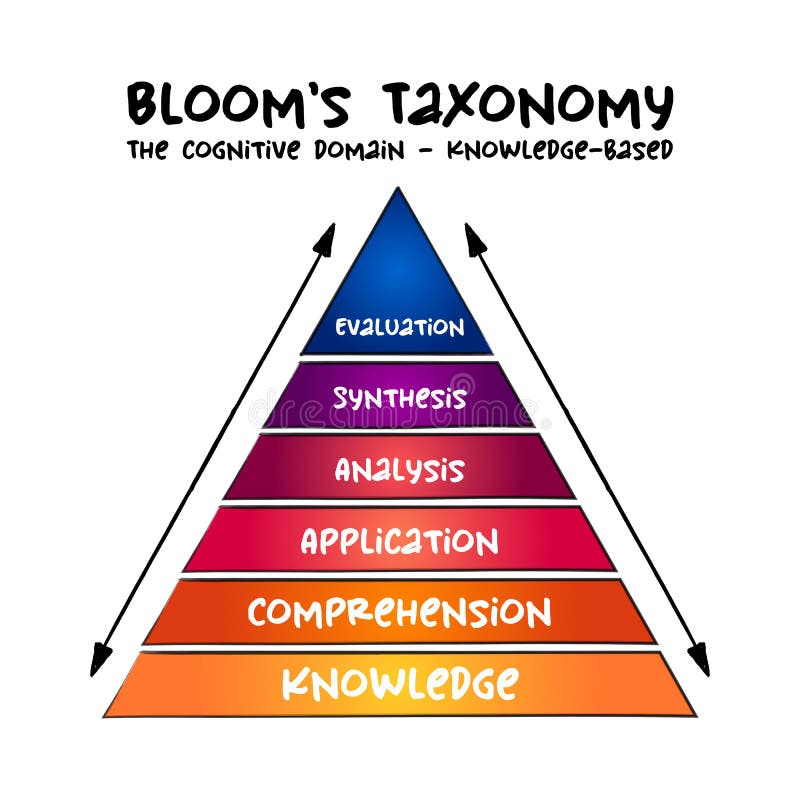
    Integrating collaborative and outdoor learning further enhances this experience, fostering teamwork, critical thinking, and real-world application of knowledge. Whether through role-playing historical events, using AR for immersive experiences, or embarking on nature walks to study ecosystems, students gain invaluable skills and perspectives that transcend the classroom.

    As educators, counselors, parents, and students, let’s embrace these innovative approaches. Implement gamified learning techniques in daily routines, share personal insights via feedback forms to refine educational practices, and support organizations like the Meda Foundation in advancing inclusive and effective learning environments through donations.

    In essence, by nurturing kinesthetic learning through gamification and real-world engagement, we empower learners to thrive academically, socially, and personally. Together, we can inspire a generation of adaptable thinkers and problem-solvers prepared to navigate and shape the future.

    Sources and References

    1. “Kinesthetic Learning: Moving Toward a New Model for Education” by Susan Bauerfeld.
    2. “The Kinesthetic Classroom: Teaching and Learning through Movement” by Traci Lengel.
    3. “Homeschooling: The Early Years” by Linda Dobson.
    4. “The Well-Trained Mind: A Guide to Classical Education at Home” by Susan Wise Bauer and Jessie Wise.
    5. “Gamify Your Classroom: A Field Guide to Game-Based Learning” by Matthew Farber.
    6. “Reality is Broken: Why Games Make Us Better and How They Can Change the World” by Jane McGonigal.
    7. “Mind in Motion: How Action Shapes Thought” by Barbara Tversky.
    8. “Invent to Learn: Making, Tinkering, and Engineering in the Classroom” by Sylvia Libow Martinez and Gary S. Stager.
    9. “Playful Learning: Develop Your Child’s Sense of Joy and Wonder” by Mariah Bruehl.
    10. “Outdoor Education: Methods and Strategies” by Ken Gilbertson and Judy Bumpus.
    11. “Augmented Reality in Education: Current Trends and Research Perspectives” edited by Vivek Sharma.
    12. “The Role of Collaboration in Teaching and Learning” by M. Elizabeth Tidwell.
    13. “Environmental Education: Principles and Practice” by Joseph Cornwall and Amy M. Johnson.

    These sources provide a comprehensive foundation for further exploration into kinesthetic learning, homeschooling practices, gamified learning strategies, and the integration of technology and outdoor education in educational contexts.


  • Mastery: How Practice Makes Perfect (ಕಲಿಯೋವರ್ಗು ಬ್ರಹ್ಮವಿದ್ಯೆ, ಕಲಿತ ಮೇಲೆ ಕೋತಿ ವಿದ್ಯೆ)

    Mastery: How Practice Makes Perfect (ಕಲಿಯೋವರ್ಗು ಬ್ರಹ್ಮವಿದ್ಯೆ, ಕಲಿತ ಮೇಲೆ ಕೋತಿ ವಿದ್ಯೆ)

    The journey from novice to expert is often perceived as daunting due to the initial complexity of new subjects. However, cultural wisdom, like the Kannada saying “ಕಲಿಯೋವರ್ಗು ಬ್ರಹ್ಮವಿದ್ಯೆ, ಕಲಿತ ಮೇಲೆ ಕೋತಿ ವಿದ್ಯೆ,” emphasizes that what seems like divine knowledge before learning becomes accessible and plentiful after mastery. This process is supported by psychological insights and the concept of the 10,000-hour rule, which suggests that dedicated practice over time leads to expertise. By understanding and embracing the stages of learning, overcoming obstacles, and maintaining motivation, anyone can transform complexity into mastery through persistent effort and dedication.
    From Complexity to Mastery: The Journey of Lifelong Learning
    Introduction

    Imagine being faced with a massive, intricate jigsaw puzzle with no picture to guide you. This is often how people feel when they begin learning something new. The initial perception of complexity can be so overwhelming that many are tempted to give up before they’ve truly started.

    However, what seems insurmountable at first can become manageable, even second nature, through sustained effort and dedication. This transformation from novice to expert is well-documented, drawing from cultural wisdom that has been passed down through generations, insights from modern psychology, and robust empirical evidence. By understanding and embracing this journey, anyone can move from confusion to mastery in any field.

    Intended Audience and Purpose of This Article

    This article is aimed at learners, educators, and professionals across various fields who seek to understand the process of mastering new skills. It provides a comprehensive look at how initial complexity can be overcome through dedicated practice, informed by cultural sayings, psychological theories, and empirical research. The goal is to empower readers to persist in their learning endeavors and ultimately achieve expertise, regardless of the challenges they face at the outset.

    Section 1: The Initial Perception of Complexity

    When we start learning something new, the feeling of being overwhelmed is almost universal. This sensation stems from the unfamiliarity and the perceived enormity of the task ahead. Our brains are wired to recognize patterns, and when faced with something entirely new, these patterns are absent, leading to confusion and a sense of chaos. This initial phase can be daunting, with many feeling that the task at hand is beyond their capabilities.

    This feeling is not just psychological but also physiological. The brain, when encountering new information, goes through a process called cognitive load. High cognitive load can lead to mental fatigue, making it difficult to process and retain new information. This is why the early stages of learning can be so challenging and why many people give up before they see any real progress.

    Consider the experience of learning a new language. Initially, the unfamiliar sounds, grammar rules, and vocabulary can seem like an insurmountable barrier. The simplest conversation can feel impossible, and understanding native speakers may seem out of reach. This initial phase is characterized by constant struggle and frequent mistakes, which can be discouraging.

    Similarly, think about learning to play a musical instrument. At first, even holding the instrument correctly can be a challenge, let alone producing coherent sounds. The coordination required to read music, place fingers correctly, and produce the desired notes is overwhelming. Each practice session may feel frustratingly unproductive, with slow progress and numerous errors.

    Understanding a complex subject, such as advanced mathematics or a new programming language, presents similar challenges. The abstract concepts and unfamiliar terminology can make the material seem impenetrable. Students often feel lost in a sea of information, unable to connect new knowledge with what they already know.

    These examples illustrate the common feeling of overwhelm that accompanies the start of any new learning journey. The path from novice to expert is riddled with these initial challenges, but recognizing this as a normal part of the learning process can help individuals persist through the tough early stages.

    Section 2: Cultural Wisdom on Learning

    One insightful piece of cultural wisdom comes from the Kannada language: “kaliyo vargu bramha vidye, kalitamele koti vidye.” This translates to “Until you learn, it seems like divine knowledge; after you learn, it feels very easy.” This saying captures the essence of the learning journey, highlighting the stark contrast between the initial perception of a subject and the ease experienced once mastery is achieved.

    How this saying reflects the initial struggle and eventual ease that comes with learning.

    In the early stages of learning, the subject matter can appear almost mystical, akin to “divine knowledge.” The complexities and nuances seem beyond reach, and the learner feels a sense of reverence and awe, often accompanied by self-doubt. This phase is marked by confusion, frequent mistakes, and slow progress.

    However, as one dedicates time and effort to learning, the once-daunting subject starts to unravel. Concepts become clearer, skills are honed, and what once seemed insurmountable now feels straightforward. The learner’s perspective shifts from viewing the knowledge as unattainable to recognizing it as accessible and manageable. This transition from struggle to ease embodies the journey of learning, where persistence transforms complexity into simplicity.

    Other Cultural Insights

    Cultural wisdom across the globe echoes the sentiment of the Kannada saying, emphasizing the importance of persistence in learning. For instance, the Chinese proverb “千里之行,始于足下” (A journey of a thousand miles begins with a single step) highlights the necessity of starting and continuing the effort, no matter how daunting the task may seem at first.

    In Western culture, the proverb “Rome wasn’t built in a day” serves a similar purpose. It reminds us that significant achievements require time and persistent effort. The Japanese saying “七転び八起き” (Fall down seven times, get up eight) emphasizes resilience, suggesting that perseverance through failures and challenges is essential for success.

    These cultural insights collectively reinforce the idea that mastery is attainable through dedicated effort and perseverance. They offer encouragement and motivation, reminding learners that the initial difficulties are a natural part of the learning process and that persistence will eventually lead to ease and proficiency.

    Section 3: The Science of Learning and Mastery
    Psychological Insights

    Learning is a complex cognitive process involving the brain’s ability to acquire, process, and store information. Through repeated practice, these cognitive processes become more efficient, leading to increased proficiency and eventually expertise.

    Neuroplasticity

    Neuroplasticity refers to the brain’s remarkable ability to reorganize itself by forming new neural connections throughout life. This ability is fundamental to learning and memory. When we learn something new, our brain creates new pathways and strengthens existing ones. Repeated practice enhances these pathways, making the new skills or knowledge more automatic and ingrained. This plasticity allows us to adapt to new information and environments, highlighting the brain’s dynamic nature in response to learning.

    Stages of Competence: Moving from unconscious incompetence to unconscious competence.

    The journey to mastery can be described through the four stages of competence:

    1. Unconscious Incompetence: At this stage, individuals are unaware of what they do not know. They lack knowledge or skill and are not conscious of their deficiencies.
    2. Conscious Incompetence: Here, individuals become aware of their lack of knowledge or skill. This stage often involves frustration and the recognition of the need for improvement.
    3. Conscious Competence: With practice, individuals acquire the necessary skills or knowledge but must concentrate and be conscious of their actions to perform correctly.
    4. Unconscious Competence: At this final stage, the skills or knowledge become second nature. Individuals can perform tasks effortlessly without conscious thought, indicating true mastery.

    Empirical Evidence: Present studies and research that support the idea that prolonged practice leads to mastery.

    10,000-Hour Rule: Malcolm

    One of the most well-known concepts related to mastery is the 10,000-hour rule, popularized by Malcolm Gladwell in his book Outliers. Gladwell posits that approximately 10,000 hours of deliberate practice are required to achieve mastery in any field. This idea is based on research by psychologist Anders Ericsson, who studied the practice habits of expert performers in various domains, including music, sports, and chess. Ericsson’s research demonstrated that the amount and quality of practice are critical determinants of expertise.

    Criticisms and Nuances

    While the 10,000-hour rule has gained widespread recognition, it has also faced criticisms and nuances. Critics argue that the rule oversimplifies the path to expertise, ignoring individual differences in talent, learning methods, and the quality of practice. Not all practice is equally effective; what matters is deliberate practice—focused, goal-oriented practice designed to improve performance.

    Research suggests that factors such as innate ability, access to resources, quality of instruction, and motivation also play significant roles in achieving mastery. Therefore, while prolonged practice is crucial, it must be accompanied by deliberate effort, feedback, and a supportive environment to truly achieve expertise.

    Section 4: The Role of Dedication and Practice
    Importance of Dedicating Learning Hours

    Achieving mastery in any field requires more than just innate talent or sporadic effort. Consistent, focused practice is paramount. Dedication to learning hours ensures that skills are not only acquired but honed to a level of high proficiency. This commitment to practice allows for the deepening of knowledge, the refining of techniques, and the building of muscle memory, all of which are critical for attaining expertise.

    Focused practice means setting clear goals, seeking feedback, and continually challenging oneself to improve. It is through this process of deliberate practice that individuals can push beyond their current capabilities, overcoming plateaus and gradually achieving mastery. The investment of time and effort is a testament to the belief that expertise is not an overnight phenomenon but a journey of persistent effort.

    Case Studies

    Musicians: Stories of famous musicians and their practice routines.

    Consider the example of violinist Itzhak Perlman. From a young age, Perlman dedicated countless hours to practicing his instrument, often playing for five to six hours a day. His rigorous practice regimen, combined with a passion for music, enabled him to achieve a level of proficiency that made him one of the greatest violinists of our time. Perlman’s story is a testament to how consistent, focused practice can lead to extraordinary musical mastery.

    Athletes: Training regimens of elite athletes.

    Elite athletes like Michael Jordan and Serena Williams exemplify the importance of dedication and practice in sports. Michael Jordan, often regarded as the greatest basketball player of all time, was known for his relentless work ethic. He would arrive at the gym early and stay late, constantly working on his skills and physical conditioning. Similarly, Serena Williams has attributed her success in tennis to rigorous training and a disciplined practice routine. Her dedication to practice, even after achieving significant milestones, highlights the continuous effort required to maintain and enhance expertise.

    Professionals: Career paths of experts in fields like medicine, science, and technology.

    In the field of medicine, Dr. Atul Gawande’s career path is a prime example of how dedication and practice lead to expertise. Dr. Gawande, a renowned surgeon and author, has spent thousands of hours honing his surgical skills. His commitment to continuous learning and improvement has made him a leader in his field. Similarly, in technology, individuals like Elon Musk have dedicated extensive time and effort to understanding and innovating in multiple disciplines, from electric vehicles to space exploration. Musk’s relentless pursuit of knowledge and hands-on practice in engineering and business has led to groundbreaking advancements.

    These case studies illustrate that regardless of the field, dedication to practice and the willingness to invest significant time in learning are crucial for achieving mastery. Whether in music, sports, or professional careers, the path to expertise is paved with hours of focused, deliberate practice.

    Section 5: Overcoming Challenges and Staying Motivated
    Common Obstacles

    The journey to mastery is fraught with obstacles. Understanding and anticipating these challenges can help learners develop strategies to overcome them, ensuring continued progress and motivation.

    Plateaus: How to push through periods of slow progress.

    One common challenge is hitting a plateau, where progress seems to stall despite continued effort. This can be frustrating and demotivating. To push through plateaus, it’s important to:

    • Set Specific Goals: Break down the learning process into smaller, achievable milestones. This provides a sense of accomplishment and direction.
    • Change Your Approach: Try new methods or techniques to approach the problem from a different angle. This can stimulate new insights and breakthroughs.
    • Seek Feedback: Get input from mentors or peers to identify areas for improvement that you might have overlooked.
    • Stay Patient and Persistent: Understand that plateaus are a natural part of the learning process and that persistence will eventually lead to progress.

    Burnout: Techniques for maintaining motivation and avoiding burnout.

    Burnout is another significant obstacle. It occurs when sustained effort leads to physical and emotional exhaustion, reducing productivity and motivation. To avoid burnout:

    • Take Regular Breaks: Incorporate rest periods into your practice schedule to recharge.
    • Balance Your Workload: Mix intense practice sessions with lighter, more enjoyable activities to maintain interest and motivation.
    • Set Realistic Expectations: Acknowledge that mastery takes time and set achievable goals to avoid feeling overwhelmed.
    • Practice Self-Care: Engage in activities that promote well-being, such as exercise, meditation, and socializing with friends and family.

    Support Systems: The importance of mentors, peers, and supportive environments in the journey to mastery.

    A robust support system is invaluable in overcoming challenges and staying motivated. Mentors, peers, and supportive environments provide guidance, encouragement, and feedback, all of which are crucial for sustained progress.

    • Mentors: Experienced mentors can offer valuable insights, share their own experiences, and provide personalized advice. They can help you navigate obstacles and stay focused on your goals.
    • Peers: Learning alongside peers creates a sense of camaraderie and shared purpose. Peers can offer mutual support, motivation, and constructive criticism.
    • Supportive Environments: Surrounding yourself with a positive and encouraging environment can significantly impact your learning journey. This includes having access to resources, being in a conducive learning space, and receiving emotional support from family and friends.

    By recognizing common obstacles and leveraging the power of support systems, learners can maintain motivation and persist through the inevitable challenges of the mastery journey. Whether it’s pushing through plateaus, avoiding burnout, or seeking guidance from mentors, these strategies can help ensure continuous progress and sustained dedication.

    Conclusion
    Summary of Key Points

    Throughout this article, we’ve explored the transformative journey from complexity to mastery in learning. We began by acknowledging the initial perception of complexity that often accompanies new learning endeavors, followed by insights into cultural wisdom, psychological principles, and empirical evidence that illustrate how dedicated effort and time can lead to mastery. We discussed the importance of consistent practice, the stages of competence, and the impact of supportive environments in achieving expertise. Addressing common obstacles such as plateaus and burnout, we highlighted strategies to maintain motivation and overcome challenges on the path to mastery.

    Mastery is not reserved for the inherently gifted but is attainable through perseverance and deliberate practice. By embracing the learning process and committing to continuous improvement, individuals can unlock their potential and achieve remarkable proficiency in any area of interest. Remember that every expert was once a beginner who refused to give up.

    As you embark on or continue your learning journey, remember that every moment spent practicing and learning contributes to your growth. Set specific goals, seek guidance from mentors, and cultivate a supportive network to sustain your motivation. Whether mastering an instrument, learning a language, or advancing in your career, commit to dedicating the time and effort needed to achieve excellence.

    Consider supporting organizations like the MEDA Foundation, which promotes education and skill development in underserved communities. Your contribution can make a meaningful difference in providing opportunities for others to pursue their own paths to mastery.

    Book References

    • Outliers: The Story of Success by Malcolm Gladwell
    • Peak: Secrets from the New Science of Expertise by Anders Ericsson and Robert Pool
    • The Talent Code: Greatness Isn’t Born. It’s Grown. Here’s How. by Daniel Coyle


  • Sacred Whirling: A Form of Active Meditation

    Sacred Whirling: A Form of Active Meditation

    Sacred whirling, rooted in Sufi tradition, emerges as a profound form of active meditation, blending spiritual and physical practices to achieve mental clarity, emotional release, and spiritual connection.
    By engaging in rhythmic spinning, practitioners harness the meditative power of movement, inducing a trance-like state that balances the mind and body. This ancient practice offers significant benefits, from stress relief to enhanced mindfulness. Practical considerations such as proper nutrition, safe environments, and appropriate attire further enhance the experience, making it accessible and enjoyable. Whether seeking spiritual growth, mental clarity, or physical well-being, sacred whirling provides a transformative journey that integrates tradition with modern therapeutic needs, offering a holistic path to personal healing and enjoyment.

    Who is this for?

    Anyone seeking a form of movement therapy or active meditation that is simple, free of cost, and can be practiced at home will find sacred whirling to be an ideal practice. It is suitable for individuals looking for a meditative exercise that integrates physical activity with spiritual reflection. This practice is particularly beneficial for those who prefer natural and holistic approaches to stress relief and emotional well-being. Sacred whirling can be practiced by children , adults and individual with special needs such as ADHD or Autism. It must be approached with caution by the elderly and those prone to discomfort from spinning.

    How Can They Use This?


    To understand if sacred whirling is right for them, individuals can begin by exploring its principles and practices through research and introductory sessions. Starting with short, gentle spinning exercises in a safe and comfortable environment allows them to gauge their physical and emotional responses. Paying attention to how their body and mind react to the movement will help determine if they can benefit from this form of active meditation. Consulting with healthcare providers, especially for those with existing health conditions or balance issues, is advisable to ensure safety. They can also join local or online groups, watch instructional videos, and seek guidance from experienced practitioners to gain insights and support. Gradually increasing the duration and intensity of whirling, while maintaining mindfulness and focus, will help them experience the potential benefits of stress relief, emotional healing, and spiritual connection, thus assessing if sacred whirling aligns with their personal wellness goals.

    Is Whirling Innate to Humans?

    The attraction to spinning, including practices like sacred whirling, appears to be innate in humans from a young age. Children often exhibit a natural inclination towards spinning activities, such as spinning in circles or enjoying amusement park rides like merry-go-rounds. This innate fascination with spinning suggests a primal connection to the sensation of movement and its effects on the body and mind. While sacred whirling is a more structured and intentional form of spinning practiced in various cultures for spiritual and meditative purposes, its roots in basic human behavior can be traced back to our early developmental stages. This universal appeal underscores the potential psychological and physiological benefits of whirling as a therapeutic practice that resonates deeply with human nature.

    Introduction to Scared Whirling

    Sacred whirling, also known as Sufi whirling, is a meditative practice with origins in the Sufi tradition, where it is used as a form of spiritual devotion. Though rooted in Sufi culture, sacred whirling transcends religious boundaries and can be practiced by anyone seeking to connect with the universe and explore deeper aspects of their inner self. This ancient practice involves spinning in repetitive, rhythmic motions to induce a meditative state. The movement symbolizes the journey of the soul towards divine love and unity with the cosmos. By engaging in whirling, practitioners aim to transcend the ego and experience a profound sense of oneness with the universe.

    Active meditation is a concept that combines physical movement with meditative awareness, offering an alternative to traditional stillness-based meditation practices. Sacred whirling exemplifies active meditation by integrating bodily motion with spiritual focus. The rhythmic spinning engages the body in a way that naturally calms the mind, helping to quiet mental chatter and promote a state of deep relaxation and introspection. This form of meditation leverages the physical activity to channel energy and focus inward, allowing practitioners to achieve mental clarity, emotional balance, and spiritual connection.

    The effectiveness of sacred whirling as active meditation lies in its ability to harmonize the mind and body through continuous movement. The repetitive nature of the spinning motion helps synchronize brain waves, fostering a state of flow where time seems to disappear, and awareness becomes heightened. This meditative state is enhanced by the physical act of spinning, which activates the vestibular system, promoting balance and spatial orientation. The combination of physical exertion and mental focus creates a holistic meditative experience that can lead to profound spiritual insights and emotional healing. Through sacred whirling, individuals can explore a dynamic path to mindfulness, experiencing the transformative power of movement and meditation in unison.

    Why Sacred Whirling Works as Active Meditation

    Sacred whirling functions as active meditation by engaging the body to calm the mind through rhythmic movement. The repetitive spinning motions require physical coordination and concentration, diverting attention away from daily concerns and promoting a sense of inner calm. As practitioners spin, they enter a meditative state characterized by heightened awareness and reduced mental chatter. This state is induced by the continuous, circular motion which synchronizes brainwaves and promotes relaxation. The rhythmic movement of sacred whirling helps to balance and coordinate the body, enhancing mindfulness by fostering a deep connection between mind and body. This integrated awareness promotes present-moment focus and clarity, facilitating a state of mindfulness that extends beyond the spinning session. Scientifically, spinning activates the vestibular system in the inner ear, which regulates balance and spatial orientation. This stimulation influences brain function by altering brainwave patterns, shifting towards alpha and theta waves associated with relaxation and introspection. These neurological changes support the meditative effects of sacred whirling, providing a physiological basis for its ability to induce a state of calm and heightened consciousness

    Understanding Sacred Whirling

    Sacred whirling has a rich historical background and cultural significance, primarily rooted in Sufi tradition. This meditative dance form is historically associated with Sufi dervishes, often fakirs that have renounced material wealth to pursue a path of spiritual enlightenment. The practice was developed by followers of the 13th-century Persian poet and mystic Rumi, who emphasized love and devotion as the path to spiritual awakening. The whirling dervishes, known for their distinctive spinning dance, use this practice to seek a deeper connection with the divine. Because it originated among those who valued spiritual richness over material wealth, sacred whirling remains a free-of-cost practice that anyone can adopt, making it accessible to people from all walks of life.

    The symbolism and spiritual meanings embedded in sacred whirling are profound and universal. At its core, whirling represents the motion of the universe and the cycles that govern all existence. Everything in the cosmos, from the planets and stars to the smallest particles, is in a state of perpetual motion. By emulating this natural cycle through their spinning, practitioners of sacred whirling align themselves with the fundamental rhythms of the universe. The act of spinning symbolizes the soul’s journey towards enlightenment and unity with the divine, transcending the ego and merging with the infinite.

    Each aspect of the whirling practice is imbued with spiritual significance. The continuous turning reflects the belief that spiritual growth and enlightenment are ongoing processes, never static. The right hand extended upward symbolizes the reception of divine grace, while the left hand, pointing downward, signifies the transmission of this grace to the earth. The whirling motion itself is a physical manifestation of the spiritual quest for truth and unity, embodying the principle that life is a cycle of giving and receiving, of action and reflection. Through sacred whirling, practitioners not only honor these spiritual principles but also experience a profound sense of connection to the cosmic dance that sustains all life.

    The Science Behind Movements of Sacred Whirling

    Sacred whirling involves specific physical movements and body postures that facilitate the attainment of a trance-like state without the use of external substances. Practitioners begin by standing with arms outstretched, palms facing upwards, and slowly begin spinning in a counterclockwise direction. This motion gradually accelerates as the practitioner enters a state of focused meditation. The spinning induces a rhythmic stimulation of the vestibular system, located in the inner ear, which regulates balance and spatial orientation. This stimulation alters brainwave patterns, promoting a shift towards alpha and theta states associated with relaxation and heightened awareness. The sustained spinning helps practitioners achieve a flow state, where movements become automatic and conscious thought recedes, fostering a deep meditative experience.

    In sacred whirling, the role of eye posture significantly influences the depth of the meditative state. Practitioners often practice with half-closed eyes or gaze fixed on a point in the distance or on the ceiling. Persian architecture historically featured ceilings adorned with intricate sacred geometry, which practitioners could use as a focal point during spinning. This focused gaze is believed to stimulate the pineal gland, which produces hormones such as melatonin and potentially DMT (N, N-Dimethyltryptamine), a naturally occurring psychedelic substance associated with spiritual experiences and altered states of consciousness. Focusing on these geometric patterns may enhance the production of DMT, facilitating visions and heightened spiritual awareness during the whirling practice.

    The traditional white skirt worn by whirling dervishes serves a dual function in gathering and channeling energy during practice. The circular design of the skirt facilitates the spiraling motion of the whirler, creating a vortex-like effect that channels external energies inward. The color white symbolizes purity and spiritual awakening, reflecting external vibrations and cosmic energies. As the practitioner spins, the flowing fabric of the skirt catches these energies and channels them into the whirler’s body, enhancing the spiritual and energetic experience. Additionally, practicing barefoot allows the feet to connect directly with the earth, grounding the practitioner and facilitating the flow of earth energy (known as chi or prana) up through the body. Together, bare feet and the swirling skirt create a harmonious synergy that enhances the practitioner’s connection to both earthly and cosmic energies, deepening the meditative and transformative aspects of sacred whirling.

    Health and Physical Requirements

    Sacred whirling, while accessible to many, requires consideration of general physical fitness and health. Practitioners should ensure they are in adequate physical condition to engage in sustained spinning movements. It is advisable to consult with a healthcare provider before beginning this practice, especially for those with pre-existing health conditions or concerns about physical exertion. Individuals should be aware of their limitations and gradually increase the intensity and duration of whirling sessions to avoid overexertion.

    For elderly individuals and those with special needs such as Autism, ADHD, limited mobility, or sensitivity to spinning, adaptations can make sacred whirling more accessible. Modifications may include slower spinning speeds, shorter sessions, and the use of supportive aids or gentle guidance to ensure safety and comfort. Practitioners should prioritize balance, coordination, and endurance training to enhance their ability to engage in whirling effectively. Building core strength and flexibility can improve stability during spinning and reduce the risk of injury.

    Balance and coordination play crucial roles in mastering sacred whirling. These skills are developed through consistent practice and focus on maintaining proper posture and movement technique. Endurance training is also essential to sustain prolonged spinning sessions and maximize the meditative benefits of the practice. By incorporating these physical considerations into their whirling practice, individuals can optimize their experience and achieve greater mental and physical well-being. Sacred Whirling offers a holistic approach to meditation that promotes physical fitness, mindfulness, and spiritual connection, making it a valuable practice for individuals seeking to improve their overall health and wellness.

    Practical Tips for a Therapeutic Experience

    To enhance the therapeutic benefits of sacred whirling, practitioners can consider several practical tips related to nutrition, environment, and attire. Proper nutrition plays a crucial role in preparing for and recovering from whirling sessions. It’s advisable to consume light, easily digestible meals before practice to avoid discomfort during spinning. Hydration is also essential; maintaining adequate water intake helps sustain energy levels and supports physical endurance during whirling. After practice, replenishing fluids and consuming a balanced snack or meal aids in recovery and muscle repair.

    Creating an ideal whirling environment involves selecting a safe and spacious area with soft lighting and clean, comfortable flooring. Burning incense and playing light rhythms can further aid the experience. Ensure the practice space is free of obstacles to prevent accidents during spinning. The flooring should provide a good grip to avoid slips and falls while allowing smooth, uninterrupted movement. Adequate ventilation in the practice area promotes airflow and maintains comfort during physical exertion.

    Appropriate attire contributes to a comfortable and effective whirling experience. Traditional attire often includes a long, circular skirt that facilitates the flowing, spiraling movements of whirling. Practitioners can create a DIY skirt using lightweight, breathable fabric that allows for freedom of movement. Being barefoot enhances tactile connection with the ground, promoting balance and grounding energy flow through the body. Comfortable attire that allows unrestricted movement supports the fluidity and grace of whirling, enhancing the overall therapeutic benefits of the practice.

    By integrating these practical tips into their whirling practice, individuals can optimize their therapeutic experience. Maintaining proper nutrition and hydration supports physical endurance and recovery, while creating an optimal practice environment ensures safety and comfort during spinning. Choosing appropriate attire enhances movement fluidity and grounding, fostering a deeper connection to the meditative and spiritual aspects of sacred whirling. These considerations contribute to a holistic approach to whirling as a therapeutic practice for physical, mental, and spiritual well-being.

    Spiritual and Psychological Benefits Post Whirling

    Sacred whirling offers profound spiritual and psychological benefits that extend beyond the physical practice itself. One of the primary benefits is stress reduction and emotional release. The rhythmic spinning and focused concentration inherent in whirling help to quiet the mind and release pent-up emotions. Many practitioners report feeling a sense of emotional catharsis during or after whirling sessions, sometimes accompanied by tears. This release can provide relief from stress and tension accumulated throughout daily life, promoting a profound sense of emotional well-being and relaxation. Additionally, the meditative state induced by whirling promotes better sleep quality, as practitioners often experience a deep sense of calm and mental clarity post-practice.

    Engaging in sacred whirling also enhances mental clarity and focus. The repetitive spinning motions and meditative state achieved during practice help to quiet the chatter of the mind and improve cognitive function. Practitioners often report heightened concentration and mental acuity following whirling sessions, making it an effective practice for improving focus and productivity in daily life.

    On a deeper spiritual level, sacred whirling fosters a sense of connection to higher spiritual realms and facilitates ego dissolution. Through consistent practice, practitioners may experience a shift in consciousness, transcending the limitations of the ego and connecting more deeply with their inner selves and the universe. The spinning motion symbolizes the cyclical nature of existence and the perpetual journey towards spiritual enlightenment. This spiritual connection and dissolution of the ego contribute to a profound sense of inner peace, unity, and spiritual growth over time.

    In conclusion, the spiritual and psychological benefits of sacred whirling are transformative, offering practitioners a pathway to stress reduction, emotional release, enhanced mental clarity, and deep spiritual connection. By engaging in this ancient practice, individuals can cultivate a harmonious balance between mind, body, and spirit, leading to greater overall well-being and a deeper understanding of their place within the universe. Sacred whirling thus serves as a powerful tool for personal growth, healing, and spiritual awakening.

    How to Start Practicing Sacred Whirling

    Starting to practice sacred whirling involves a deliberate approach to ensure safety, effectiveness, and enjoyment. Gradual training is essential, particularly for beginners. Begin by spinning slowly and steadily, focusing on maintaining balance and posture. Gradually increase the speed and duration of spinning as you build endurance and familiarity with the movements. It’s important to listen to your body and avoid overexertion, especially in the early stages of practice.

    Before starting a whirling session, it’s beneficial to perform warm-up exercises to prepare the body for movement. Gentle stretches, focusing on the legs, hips, and spine, help loosen muscles and improve flexibility. Cooling down after whirling is equally important to prevent muscle stiffness and promote relaxation. Incorporate gentle stretches and deep breathing exercises to gradually bring the body back to a state of rest.

    The time of day can influence the quality of your whirling practice. Many practitioners find early morning or late evening sessions conducive to a peaceful and focused practice. Choose a time when you can dedicate uninterrupted time to whirling without distractions. Start with shorter sessions, typically 10-15 minutes, and gradually extend the duration as your endurance and comfort level increase. It’s essential to pace yourself and avoid rushing the process of whirling.

    Setting intentions before each whirling session can enhance its therapeutic benefits. Reflect on your reasons for practicing whirling, whether for stress relief, spiritual growth, or emotional healing. Setting clear intentions helps focus your mind and align your energy with the purpose of your practice. During whirling, maintain mindfulness by staying present in the moment. Focus on your breath, the sensation of spinning, and any thoughts or emotions that arise. Mindfulness enhances the meditative aspects of whirling, deepening your connection to the practice and its transformative potential.

    Conclusion

    In conclusion, sacred whirling offers a transformative journey towards holistic well-being and spiritual growth. Here are the main takeaways from exploring this ancient practice:


    • Physical and Mental Well-being: Sacred whirling combines physical movement with meditative focus, promoting stress reduction, emotional release, and enhanced mental clarity.
    • Spiritual Connection: Through rhythmic spinning, practitioners can experience a deeper connection to spiritual realms, fostering ego dissolution and inner peace.
    • Accessible to All: Regardless of age or physical ability, sacred whirling can be adapted and practiced by anyone seeking mindfulness and spiritual exploration.

    To embark on your journey with sacred whirling, we encourage you to take action:

    • Start Practicing: Begin your practice of sacred whirling gradually, focusing on building endurance and mindfulness.
    • Share Your Experience: Share your insights and experiences with us via our feedback form, helping us improve and grow our community.
    • Support a Cause: Consider supporting organizations like the MEDA Foundation, which preserves cultural heritage and promotes understanding through initiatives like sacred whirling.

    Your engagement not only enriches your own life but also contributes to a broader community dedicated to healing and spiritual evolution. Together, we can continue to explore the profound benefits of sacred whirling and nurture a path towards inner peace and harmony.

    Sources and References

    1. UNESCO Intangible Cultural Heritage: The Ceremony of SemaUNESCO

    2. “The Physiological and Psychological Effects of Meditation: A Review of Contemporary Research” – Chiesa A., Serretti A. – Evidence-Based Complementary and Alternative Medicine (2010).

    3. “The Vestibular System: A Suggested Pathway to the Accessing of Psycho-Spiritual States” – Buck J. – Journal of Consciousness Exploration & Research (2010).

    4. “The Effects of Mindfulness Meditation: A Meta-Analysis” – Sedlmeier P., et al. – Psychological Bulletin (2012).

    5. “The Healing Power of Movement: How Dance Can Improve Physical and Mental Health” – Koch S.C., Riege R.F., Fichter A. – Frontiers in Psychology (2019).

    6. “Neurophysiological and Neurocognitive Mechanisms Underlying the Effects of Yoga-Based Practices: Towards a Comprehensive Theoretical Framework” – Telles S., Singh N. – Frontiers in Human Neuroscience (2013).

    7. “Sufism and Mental Health” – Abdul-Hamid W.K., Hughes J.D. – Journal of Religion and Health (2014).

    8. “Understanding the Efficacy of Sufi Meditation Techniques: A Scoping Review” – Keshavarz M., et al. – Journal of Religion and Health (2021).

    These sources provide a blend of cultural, psychological, and scientific perspectives on the practice of sacred whirling and its effects on human health and spirituality.


  • The Dual Nature of Attention in Autism: Challenges and Strengths

    The Dual Nature of Attention in Autism: Challenges and Strengths

    Let’s explore the intricate dynamics of attention for autistic adults, highlighting both its strengths and challenges. Autistic individuals often exhibit remarkable abilities such as hyperfocus, creative thinking, and meticulous attention to detail, which can lead to significant achievements in their personal and professional lives. However, they also face obstacles such as sensory overload, difficulty shifting focus, and navigating social interactions. By understanding these complexities and implementing strategies like structured routines, sensory regulation techniques, and effective communication skills, we can create supportive environments that empower autistic individuals to thrive. Embracing diversity in attentional styles is key to fostering inclusivity and enhancing overall understanding and support for the autism community.
    Understanding Attention Dynamics for Autistic Adults
    I. Introduction

    Autism spectrum disorder (ASD) presents unique challenges and strengths in the realm of attentional dynamics, significantly influencing how individuals interact with their environment and engage with tasks. For autistic adults, understanding these dynamics is crucial not only for personal growth but also for fostering supportive environments that encourage their success and well-being.

    Importance of Understanding Attention Dynamics for Autistic Adults

    Navigating attentional patterns is central to daily life for autistic adults. Unlike neurotypical individuals, who may more easily shift focus and filter out irrelevant stimuli, autistic individuals often experience heightened sensitivity to sensory input and difficulty in managing attentional shifts. This sensitivity can lead to sensory overload and challenges in maintaining focus, impacting various aspects of their lives from academic and professional pursuits to social interactions and personal hobbies.

    Overview of How Attention Can Be Both Beneficial and Challenging

    Attention manifests as a dual-edged sword for autistic adults. On one hand, it manifests as hyperfocus—an intense concentration on specific tasks or interests—which can lead to exceptional skills and accomplishments in specialized areas. This ability for deep immersion allows for meticulous attention to detail and innovative thinking, often resulting in unique perspectives and creative solutions that enrich both personal and professional endeavors.

    Conversely, attentional challenges such as sensory overload, difficulty in shifting focus between tasks, and heightened susceptibility to distractions can pose significant obstacles. These challenges not only affect productivity and task completion but also impact social interactions and overall well-being. Understanding these complexities is essential for developing effective strategies that capitalize on strengths while mitigating challenges, promoting greater autonomy and quality of life for autistic adults.

    In this article, we delve deeper into the nuances of attention dynamics for autistic adults, exploring practical strategies to enhance focus, manage sensory sensitivities, and foster supportive environments that celebrate diversity in attentional styles. By gaining insight into these dynamics, we can better support autistic individuals in navigating their unique cognitive landscape with empathy and understanding.

    The Dual Nature of Attention
    Positive Aspects
    1. Enhanced Focus and Deep Dive Abilities
      • Autistic individuals often exhibit remarkable abilities to hyperfocus on tasks of interest, dedicating intense concentration and perseverance.
      • Example: In professional settings, this hyperfocus can lead to exceptional productivity and mastery in specialized fields, such as software development or artistic endeavors.
    2. Unique Perspectives and Creativity
      • Different attentional patterns inherent in autism foster innovative thinking and unique problem-solving approaches.
      • Example: Anecdotal evidence shows autistic individuals contributing novel ideas in design and engineering by thinking outside conventional frameworks.
    3. Detail-Oriented and Thorough
      • Attention to detail enhances accuracy and quality in work or personal pursuits, ensuring meticulous outcomes.
      • Example: Autistic professionals often excel in roles requiring precision, such as data analysis or quality control in manufacturing.
    Challenges
    1. Sensory Overload and Distraction
      • Sensory stimuli can overwhelm autistic individuals, leading to cognitive overload and difficulty concentrating.
      • Coping Strategies: Techniques like sensory modulation techniques (e.g., use of noise-canceling headphones or designated quiet spaces) can help manage sensory input.
    2. Difficulty Shifting Focus
      • Autistic individuals may struggle with transitioning between tasks or shifting attention from one topic to another.
      • Techniques: Structured routines and visual schedules aid in promoting smooth transitions, while task segmentation techniques break down activities into manageable steps.
    3. Social Implications
      • Differences in attentional processing can impact social interactions, affecting communication and social cues interpretation.
      • Tips: Strategies for improving social skills include explicit communication, active listening, and social scripts to navigate interactions effectively.

    Understanding these dual aspects of attention in autism is essential for developing supportive strategies that leverage strengths while addressing challenges. By recognizing and accommodating these unique attentional dynamics, we can foster environments that empower autistic adults to thrive both personally and professionally.

    III. Practical Strategies for Autistic Adults
    Capitalizing on Strengths
    1. Structured Environments and Routines
      • Predictable routines provide stability and reduce anxiety, facilitating better attentional management.
      • Example: A daily schedule with designated times for work, meals, and leisure activities helps maintain focus and productivity.
    2. Utilizing Special Interests
      • Harnessing intense interests allows autistic adults to channel their energy into productive pursuits.
      • Balancing Focus: Finding a balance between personal interests and responsibilities ensures holistic development and fulfillment.
    Addressing Challenges
    1. Sensory Regulation Techniques
      • Techniques like sensory modulation help regulate sensory input and minimize distractions.
      • Tools: Use of sensory tools such as fidget toys or weighted blankets can provide comfort and aid concentration.
      • Creating Sensory-Friendly Spaces: Designing environments with soft lighting, quiet areas, and minimal sensory stimuli supports focus and reduces stress.
    2. Task Management and Organization
      • Breaking down tasks into smaller, manageable steps enhances clarity and reduces overwhelm.
      • Strategies: Visual schedules, checklists, and color-coded organizers help prioritize tasks and maintain focus.
      • Tools/Apps: Utilizing task management apps like Trello or visual timers can improve time management and task completion efficiency.

    These practical strategies empower autistic adults to leverage their strengths effectively while addressing challenges in a supportive manner. By incorporating structured routines, harnessing special interests, implementing sensory regulation techniques, and adopting effective task management strategies, individuals with autism can enhance their overall well-being and achieve success in various aspects of life.

    Supporting Autistic Individuals
    Understanding and Empathy
    1. Educating Others about Attentional Differences in Autism
      • Increasing awareness about how attentional differences manifest in autism promotes understanding and acceptance.
      • Methods: Workshops, informational sessions, and educational materials can educate communities and workplaces about diverse attentional needs.
    2. Fostering Inclusive Environments
      • Creating environments that accommodate varied attentional styles fosters inclusivity and supports autistic individuals.
      • Strategies: Implementing flexible work arrangements, sensory-friendly spaces, and inclusive policies encourages participation and engagement.
    1. Effective Communication
    1. Tips for Clear and Concise Communication
      • Using straightforward language and avoiding ambiguous statements enhances clarity.
      • Techniques: Providing written instructions, using visual aids, and breaking information into manageable chunks aids comprehension.
    2. Listening Actively and Understanding Non-verbal Cues
      • Active listening involves giving full attention, acknowledging responses, and clarifying misunderstandings.
      • Skills: Understanding non-verbal cues such as body language and facial expressions improves communication effectiveness and rapport building.

    Supporting autistic individuals through understanding, empathy, and effective communication creates a conducive environment where their unique strengths can flourish. By educating others about attentional differences, fostering inclusivity, and honing communication skills, we can promote inclusiveness and enhance interactions that respect and value neurodiversity.

    V. Conclusion

    In conclusion, the dual nature of attention for autistic adults embodies both remarkable strengths and unique challenges. Autistic individuals often exhibit exceptional abilities in focused tasks, creative thinking, and meticulous attention to detail. However, they also face difficulties with sensory overload, shifting focus, and navigating social interactions due to their distinctive attentional patterns.

    Embracing diversity in attentional styles is crucial for fostering environments that support the success and well-being of autistic individuals. By recognizing and leveraging their strengths, such as structured routines and intense interests, and by implementing strategies to address challenges like sensory regulation and task management, we can create inclusive spaces where everyone can thrive.

    Enhancing support and understanding for autistic individuals requires collective effort. Educating others about attentional differences, fostering inclusive environments, and improving communication are pivotal steps towards building a more inclusive society that respects neurodiversity.

    Consider supporting organizations like the MEDA Foundation, which provide resources, advocacy, and support services for individuals with autism and their families. Your contribution can make a significant difference in enhancing the lives of autistic individuals and promoting greater acceptance and inclusion.

    Books

    1. “Neurotribes: The Legacy of Autism and the Future of Neurodiversity” by Steve Silberman
    2. “Thinking in Pictures: My Life with Autism” by Temple Grandin
    3. “The Autistic Brain: Helping Different Kinds of Minds Succeed” by Temple Grandin and Richard Panek