

Enduring organizations are built not on control, speed, or short-term metrics, but on learning, values, and human capability. By treating work as a classroom, leaders as mentors, and purpose as the operating system, institutions cultivate continuous reflection, ethical judgment, and collective wisdom. Learning factories embed growth into daily action, reward knowledge sharing, and develop both competence and character, creating workplaces that uplift people, strengthen communities, and build social trust. When organizations prioritize stewardship, cross-generational memory, and ecosystem thinking over extraction and shortcuts, they transform from transient companies into lasting institutions that contribute meaningfully to society and nation-building.
ಸ್ಥಿರ ಸಂಸ್ಥೆಗಳು ನಿಯಂತ್ರಣ, ವೇಗ ಅಥವಾ ತಾತ್ಕಾಲಿಕ ಮೆಟ್ರಿಕ್ಗಳ ಮೇಲೆ ಅಲ್ಲ, ಅಧ್ಯಯನ, ಮೌಲ್ಯಗಳು ಮತ್ತು ಮಾನವ ಸಾಮರ್ಥ್ಯದ ಮೇಲೆ ನಿರ್ಮಿಸಲ್ಪಟ್ಟಿರುತ್ತವೆ. ಕೆಲಸವನ್ನು ತರಗತಿಯಾಗಿ, ನಾಯಕರನ್ನು ಮಾರ್ಗದರ್ಶಕರಾಗಿ, ಉದ್ದೇಶವನ್ನು ಕಾರ್ಯವಿಧಾನ ವ್ಯವಸ್ಥೆಯಾಗಿ ಪರಿಗಣಿಸುವ ಮೂಲಕ, ಸಂಸ್ಥೆಗಳು ನಿರಂತರ ಪರಿಷ್ಕರಣೆ, ನೈತಿಕ ತೀರ್ಮಾನ ಮತ್ತು ಸಂಯುಕ್ತ ಜ್ಞಾನವನ್ನು ಬೆಳೆಸುತ್ತವೆ. ಅಧ್ಯಯನ ಕಾರ್ಖಾನೆಗಳು ದಿನನಿತ್ಯದ ಚಟುವಟಿಕೆಯಲ್ಲಿ ಬೆಳವಣಿಗೆ ಸೇರಿಸುತ್ತವೆ, ಜ್ಞಾನ ಹಂಚಿಕೆಯನ್ನು ಪ್ರೋತ್ಸಾಹಿಸುತ್ತವೆ ಮತ್ತು ಕೌಶಲ್ಯ ಮತ್ತು ನೈತಿಕತೆಯನ್ನು ಅಭಿವೃದ್ಧಿಪಡಿಸುತ್ತವೆ, ಜನರನ್ನು ಉದ್ಘಾಟಿಸುವ, ಸಮುದಾಯಗಳನ್ನು ಬಲಪಡಿಸುವ ಮತ್ತು ಸಾಮಾಜಿಕ ನಂಬಿಕೆಯನ್ನು ನಿರ್ಮಿಸುವ ಕೆಲಸಸ್ಥಳಗಳನ್ನು ಸೃಷ್ಟಿಸುತ್ತವೆ. ಸಂಸ್ಥೆಗಳು ಸ್ವಾರ್ಥಾಚಾರ ಮತ್ತು ಶಾರ್ಟ್ಕಟ್ಗಳ ಮೇಲೆ ಅಲ್ಲ, ಕಾಪುತ್ರಣೆ, ಪೀಳಿಗೆಯ ಜ್ಞಾನ ಸಂಗ್ರಹಣೆ ಮತ್ತು ಪರಿಸರ ವ್ಯವಸ್ಥೆ ಚಿಂತನೆಯ ಮೇಲೆ ಪ್ರಾಥಮ್ಯ ನೀಡಿದಾಗ, ಕಂಪನಿಗಳಿಂದ ಶಾಶ್ವತ ಸಂಸ್ಥೆಗಳಾಗಿ ಪರಿವರ್ತಿತವಾಗುತ್ತವೆ ಮತ್ತು ಸಮಾಜ ಮತ್ತು ರಾಷ್ಟ್ರ ನಿರ್ಮಾಣದಲ್ಲಿ ಅರ್ಥಪೂರ್ಣವಾಗಿ ಭಾಗವಹಿಸುತ್ತವೆ.
The Learning Factory — How Great Institutions Are Built, Not Bought
I. Introduction: Reframing Organizations as Learning Factories
What Truly Endures
Organizations that endure are rarely the loudest, fastest, or most aggressively scaled. They are the ones that quietly and consistently learn better than others. They evolve without losing their soul. They adapt without abandoning their people. They grow without hollowing themselves out.
What truly endures is not a product, a market advantage, or even a charismatic leader. What endures is an institutional capacity for learning—the ability of an organization to reflect on experience, integrate wisdom, correct course, and renew itself across generations.
Core Truth
Great institutions are not created by strategies, capital, or technology alone. These are necessary inputs, but they are not sufficient foundations.
Enduring organizations are forged through:
- Learning cultures where inquiry is valued over compliance
- Values-anchored leadership where decisions are guided by principles, not convenience
- Patient stewardship where leaders see themselves as caretakers of people and purpose, not owners of outcomes
Such organizations do not treat themselves as profit machines. They treat themselves as learning factories—places where human beings grow in capability, judgment, and character while meaningful work gets done.
In a learning factory:
- Work is not just execution; it is education
- Mistakes are not liabilities; they are data
- People are not resources; they are learners in motion
Profit becomes an outcome of competence and trust, not the sole reason for existence.
Why This Matters Now
We are living through an era of unprecedented organizational fragility.
Despite access to advanced technology, abundant capital, and sophisticated management tools, institutions are:
- Burning out leaders and employees
- Losing public trust
- Struggling to adapt to social, ecological, and ethical pressures
- Rising rapidly—and collapsing just as fast
The dominant obsession with speed, scale, and short-term metrics has come at a cost. When learning is sacrificed for velocity, organizations accumulate hidden weaknesses:
- Shallow capability instead of deep competence
- Compliance instead of commitment
- Growth without resilience
The learning factory model offers a radical but grounded alternative:
- Build slower, so foundations are strong
- Learn deeper, so adaptation is intelligent
- Serve longer, so institutions outlive individuals
This is not nostalgia. It is realism. In a volatile world, the only sustainable competitive advantage is the ability to learn faster and wiser than the environment changes.
Call to Action
If you believe leadership should uplift people rather than extract from them,
If you believe organizations should strengthen society rather than hollow it out,
If you believe economic activity must create dignity, not just dividends,
then your participation matters.
Institutions do not change because of ideas alone. They change because people choose to act differently—consistently, courageously, and collectively.
Purpose of the Article
The purpose of this article is to explore how organizations can evolve into living institutions—entities that:
- Learn continuously from experience
- Adapt ethically to changing realities
- Serve society while remaining economically viable
Rather than extracting value until they decay, such institutions regenerate value—within people, communities, and ecosystems.
This is not an abstract theory. It is a practical reorientation of how we design leadership, culture, work, and success.
Intended Audience
This article is written for:
- Business and industry leaders who sense that current models are efficient but hollow
- Social entrepreneurs and nonprofit builders striving to scale impact without losing integrity
- Policy thinkers and educators shaping systems that must last beyond political or academic cycles
- Young professionals seeking purpose, mastery, and meaning beyond paychecks and titles
If you are questioning not just how to grow, but why and at what cost, this exploration is for you.
The Central Idea
An organization’s most valuable asset is not its balance sheet, brand, or technology stack.
It is its capacity to learn collectively, ethically, and continuously.
Everything else—strategy, innovation, resilience, reputation, and even profit—flows from that single capability.

II. Why Most Organizations Fail to Endure
The Hard Truth
Most organizations do not fail because of a lack of intelligence, effort, or ambition. They fail because they mistake control for competence, speed for progress, and memory for irrelevance. In doing so, they slowly dismantle the very capacities required for long-term survival: learning, judgment, and trust.
Institutional collapse is rarely sudden. It is gradual, quiet, and self-inflicted.
A. The Illusion of Control
Modern organizations are obsessed with control. Dashboards multiply. Metrics proliferate. Hierarchies harden. Planning cycles become rituals of reassurance rather than tools for insight.
On the surface, this looks professional. In reality, it is often a sophisticated form of fear.
Over-reliance on Planning, Metrics, and Rigid Hierarchies
Plans are useful until they become substitutes for thinking. Metrics are powerful until they replace meaning. Hierarchies help coordinate action—until they block information flow.
When organizations over-invest in control mechanisms:
- Reality gets filtered before it reaches decision-makers
- Bad news is delayed, softened, or buried
- Learning slows because deviation is punished, not explored
The paradox is cruel: the more leaders try to control outcomes, the less they understand what is actually happening.
Confusing Efficiency with Effectiveness
Efficiency asks: Are we doing things right?
Effectiveness asks: Are we doing the right things?
Most organizations obsess over the first and neglect the second.
Processes get optimized even when they are obsolete. Teams become faster at executing decisions that should never have been made. Productivity rises while relevance declines.
Efficiency without learning creates high-speed irrelevance.
Treating Humans as Resources Instead of Learners
The language reveals the mindset. People are called “headcount,” “capacity,” or “cost centers.” Development is framed as training hours rather than growth in judgment.
When humans are treated as resources:
- Curiosity declines
- Initiative dies
- Responsibility is replaced by compliance
Learning factories, by contrast, assume people are capable of growth. Failing institutions assume people must be controlled. The difference determines everything.
B. Short-Termism as Institutional Poison
Short-termism does not merely distort decisions. It reprograms organizational behavior.
What leaders reward today determines what the organization becomes tomorrow.
Leadership Incentives Tied to Quarterly Outcomes
When incentives are narrowly tied to short-term financial indicators:
- Leaders optimize appearances, not fundamentals
- Long-term investments become liabilities
- Ethical gray zones expand quietly
Decisions that damage the future but improve this quarter suddenly look “rational.” Over time, institutional integrity erodes—not because leaders are immoral, but because the system trains them to be shortsighted.
Talent Churn Replacing Capability Building
Instead of growing people, organizations increasingly replace them.
When challenges arise, the response is often:
- Hire someone new
- Restructure teams
- Bring in external consultants
This creates motion without maturation.
Capability building requires patience, mentorship, and tolerance for early mistakes. Talent churn delivers quick optics but leaves the organization perpetually inexperienced at its core.
Knowledge Walking Out Every Evening—and Never Returning Wiser
Employees leave at the end of the day with their experience, insights, and lessons learned. The tragedy is not that knowledge leaves—it must. The tragedy is that it does not return enriched.
Without reflection, dialogue, and shared learning mechanisms:
- Experience does not accumulate
- Errors repeat under new names
- Organizations stay young and naive, even at scale
Time passes. Wisdom does not.
C. Cultural Amnesia
Perhaps the most dangerous failure mode is not poor strategy, but forgetfulness.
Organizations forget why they exist, how they learned, and what nearly broke them before.
No Mechanisms to Retain Wisdom from Experience
Many organizations capture data, but not insight. They record outcomes, but not reasoning. They store reports, but not stories.
When veterans leave, they take with them:
- Context behind decisions
- Lessons learned the hard way
- Ethical boundaries shaped by experience
Newcomers repeat old mistakes with great enthusiasm—because the institution no longer remembers.
Mistakes Hidden Instead of Examined
In fear-driven cultures, mistakes are concealed. Post-mortems become blame exercises. Silence is safer than honesty.
This creates a lethal dynamic:
- Small errors go unexamined
- Systemic flaws remain invisible
- Catastrophic failures arrive “unexpectedly”
Learning factories surface errors early. Fragile institutions bury them until it is too late.
Success Celebrated, Learning Ignored
Celebration without reflection is indulgence, not progress.
When organizations celebrate wins without asking:
- Why did this work?
- What assumptions held true?
- What risks did we ignore?
they turn success into superstition.
Past victories become dogma. Confidence hardens into arrogance. Adaptability dies quietly under applause.
Closing Insight for This Section
Organizations fail to endure not because they lack intelligence or ambition, but because they disable their own capacity to learn.
Control replaces curiosity. Speed replaces sense-making. Memory is sacrificed for momentum.
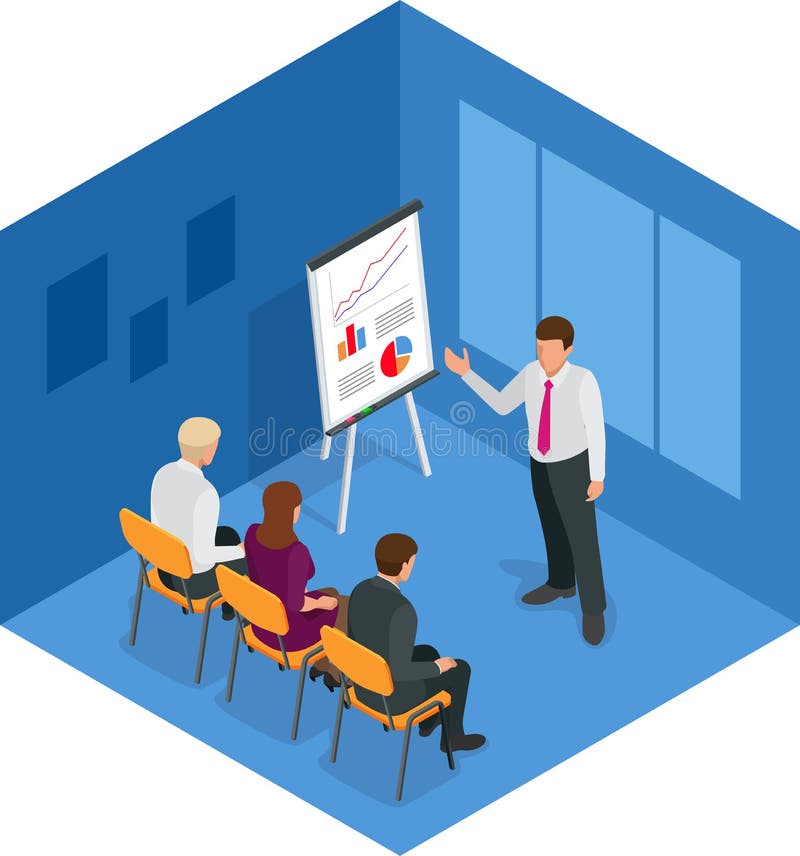
III. What Is a Learning Factory (In Plain Language)
The Simple, Radical Shift
A learning factory is not a new management technique. It is a fundamental shift in how an organization understands itself.
Instead of seeing the organization as a machine that needs tighter controls, better tools, and faster outputs, a learning factory sees itself as a living system—one that grows, adapts, and improves through human learning. Performance is still important, but it is achieved through understanding, not enforcement.
In plain language:
A learning factory is a place where work makes people wiser, not just busier.
A. A Living System, Not a Machine
Traditional organizations are designed like machines:
- Inputs go in
- Outputs come out
- Deviations are treated as faults
Learning factories are designed like living systems:
- They sense their environment
- They respond and adapt
- They evolve over time
Continuous Feedback Loops Between Action and Reflection
In a learning factory, action and reflection are inseparable.
Work is followed by deliberate questions:
- What did we intend to do?
- What actually happened?
- Why was there a difference?
- What should we do differently next time?
These feedback loops are not annual rituals. They happen:
- After projects
- After failures
- After successes
- After major decisions
Learning becomes continuous, not episodic.
Learning Embedded Into Daily Work
Learning is not outsourced to classrooms, workshops, or motivational offsites.
Instead:
- Meetings double as learning forums
- Reviews focus on insight, not blame
- Real problems become learning laboratories
People do not stop working in order to learn. They learn while working.
This dramatically reduces the gap between theory and practice—and ensures learning stays relevant, grounded, and immediately applicable.
B. People as the Core Infrastructure
If technology is the visible infrastructure of an organization, people are the invisible one. In learning factories, this invisible infrastructure is deliberately strengthened.
Workers as Problem-Solvers, Not Task Executors
In failing organizations, people are hired to follow instructions. In learning factories, people are trusted to think.
This means:
- Problems are pushed to the lowest responsible level
- Frontline insights are treated as strategic input
- Initiative is encouraged, not feared
When people are allowed to solve problems, they develop judgment. When they are only told what to do, they develop dependence.
Leaders as Mentors, Not Controllers
Leadership in a learning factory is defined less by authority and more by responsibility for growth.
Leaders ask:
- What is my team learning?
- Where are they stuck?
- How can I remove obstacles?
Control creates compliance. Mentorship creates capability. One scales poorly; the other compounds over time.
Errors Treated as Data, Not Crimes
Mistakes are inevitable in any complex system. The question is not whether errors will occur, but how the organization responds to them.
In a learning factory:
- Errors trigger inquiry, not punishment
- Root causes are examined without humiliation
- Psychological safety enables early disclosure
When errors are criminalized, they are hidden. When they are studied, they become assets.
C. Purpose as the Operating System
Every system runs on an operating logic. In learning factories, that logic is purpose.
A Clear Moral Compass Guiding Decisions
Rules cannot cover every situation. Policies cannot anticipate every dilemma.
Purpose fills that gap.
A clear moral compass allows people to ask:
- Is this the right thing to do?
- Who might be harmed by this decision?
- Would we be proud of this choice if it were public?
When purpose is clear, decision-making accelerates without sacrificing integrity.
Success Defined by Societal Contribution as Well as Performance
Learning factories reject narrow definitions of success.
They measure:
- Economic viability
- Human development
- Social and environmental impact
Performance without contribution creates hollow success. Contribution without performance is unsustainable. Learning factories insist on both.
Closing Insight for This Section
A learning factory is not soft, slow, or naïve.
It is disciplined, demanding, and deeply practical. It recognizes a simple truth: in a complex world, no plan survives contact with reality—but a learning organization does.
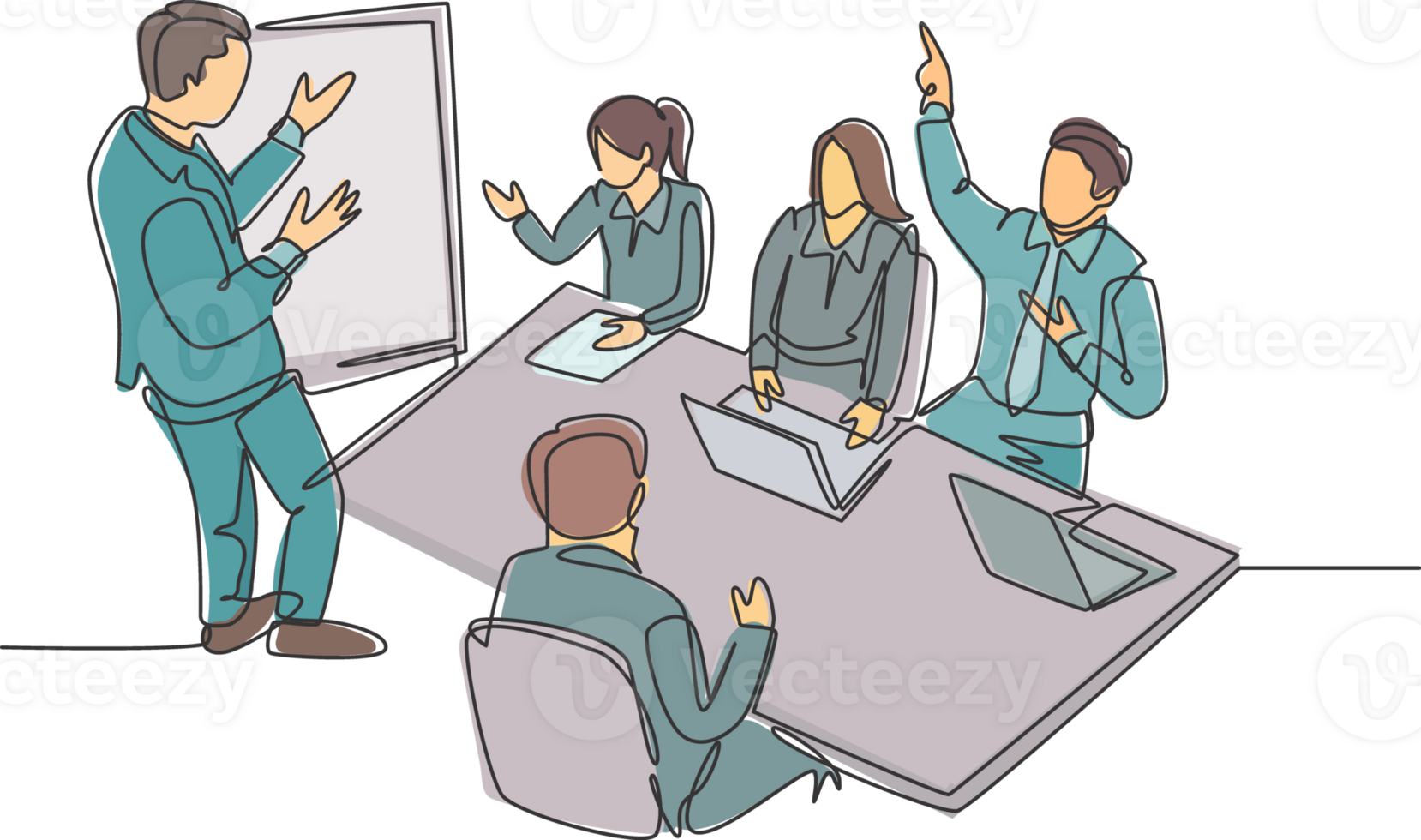
IV. Leadership Inside a Learning Factory
Leadership as a Learning Multiplier
Leadership inside a learning factory is not about commanding performance; it is about multiplying learning. The true test of leadership is not how much authority one holds, but how much capability, judgment, and responsibility one leaves behind.
In learning factories, leaders do not sit at the top of the system. They shape the system—through trust, humility, and stewardship.
A. Authority Rooted in Trust
In traditional organizations, authority flows from position. In learning factories, authority flows from credibility.
Moral Credibility Outweighs Positional Power
Titles may grant permission to speak, but they do not guarantee that others will listen—or learn.
Leaders earn moral credibility when they:
- Align words with actions
- Make difficult but fair decisions
- Hold themselves to the same standards they expect of others
When credibility is high, leaders do not need to micromanage. When it is low, no amount of control is sufficient.
Trust becomes the invisible infrastructure that allows learning to travel freely across levels and functions.
Earning Followership Through Fairness, Consistency, and Care
People do not commit to leaders because of charisma alone. They commit because leaders are:
- Fair in judgment
- Consistent in behavior
- Genuinely invested in their growth
Such leaders create environments where:
- People speak up without fear
- Problems surface early
- Learning accelerates
Followership is not demanded; it is offered.
B. Humility as Strategic Strength
Humility is often misunderstood as weakness. In learning factories, it is recognized as strategic intelligence.
Leaders Who Listen Learn Faster
Leaders operate under a simple constraint: they are farthest from the work.
Those who pretend otherwise make blind decisions with great confidence.
Humble leaders:
- Ask before they decide
- Listen before they instruct
- Observe before they optimize
This listening is not symbolic. It is operational. It directly improves decision quality.
Ground-Level Insights Shape Top-Level Decisions
The most accurate signals of organizational health come from the ground:
- Friction in processes
- Workarounds people invent
- Silence where there should be debate
Learning factory leaders treat frontline insights as strategic assets, not noise. They design channels for upward learning and protect those channels fiercely.
C. Stewardship Over Ownership
Perhaps the most defining feature of leadership in a learning factory is stewardship.
Custodians of Institutions They Will Eventually Leave
Leaders understand a sobering truth:
The institution will outlive them—or it should.
This perspective changes behavior:
- Decisions are made with successors in mind
- Talent is developed, not hoarded
- Systems are strengthened, not bypassed
Stewardship demands restraint. Not every power available needs to be used.
Decisions Evaluated by Long-Term Impact, Not Personal Legacy
Learning factory leaders ask different questions:
- Will this decision weaken or strengthen the institution?
- Does it build future capability or borrow from it?
- Are we solving a problem—or postponing it?
Legacy is not measured by personal achievements, but by the health of the institution after one is gone.
Closing Insight for This Section
Leadership inside a learning factory is demanding because it requires inner work—discipline, self-awareness, and moral clarity.
But it is also deeply rewarding. Such leadership does not merely deliver results. It creates environments where people grow, institutions endure, and learning compounds across generations.

V. How Learning Actually Happens Inside Strong Institutions
Learning Is Not an Event, It Is a Way of Working
In strong, enduring institutions, learning does not happen on the sidelines of work. It happens because of the work. There are no grand declarations about becoming a “learning organization.” Instead, there is a quiet discipline: problems are examined, experiences are reflected upon, and wisdom is intentionally carried forward.
Learning, in such institutions, is not scheduled. It is structural.
A. Learning Through Work, Not Workshops
Work itself is the primary teacher—if the institution knows how to listen.
Real Problems as Classrooms
Strong institutions treat real problems as learning opportunities rather than inconveniences to be bypassed.
This means:
- Teams are expected to analyze failures, not hide them
- Projects end with reflection, not just delivery
- Decisions are reviewed for reasoning, not just outcomes
Unlike simulated case studies, real problems carry real consequences. They sharpen judgment, reveal assumptions, and force trade-offs. When institutions learn from these moments, competence deepens rapidly.
Work becomes the curriculum. Experience becomes the teacher.
Cross-Functional Exposure Builds Systems Thinking
Most organizational failures are not technical—they are systemic. They arise because people understand their part of the system, but not how it interacts with the whole.
Strong institutions deliberately rotate people across functions, geographies, and roles. This builds:
- Appreciation for interdependencies
- Respect for constraints others face
- Ability to anticipate second- and third-order effects
Systems thinkers are not born. They are cultivated through exposure, reflection, and responsibility.
B. From Skill Development to Capability Building
Skills are necessary. Capabilities are decisive.
Technical Skills + Judgment + Ethical Reasoning
Skill development focuses on how to do something. Capability building focuses on when, why, and whether to do it.
True capability integrates:
- Technical competence
- Contextual judgment
- Ethical reasoning
An individual may be highly skilled and still cause damage if judgment is poor or ethics are absent. Strong institutions recognize this and invest accordingly.
Preparing People Not Just for Jobs, but for Life
Enduring institutions understand a simple truth: people do not leave their humanity at the door.
They design learning that prepares individuals to:
- Navigate uncertainty
- Make responsible decisions
- Handle power with restraint
- Learn continuously as roles evolve
When people grow as humans, institutions gain leaders—not just employees.
C. Institutional Memory
Without memory, learning evaporates.
Strong institutions do not rely on individuals to remember. They institutionalize wisdom.
Stories, Rituals, and Shared Values Transmit Wisdom Across Generations
Formal policies capture rules. Stories capture meaning.
Narratives about:
- Hard decisions
- Ethical dilemmas
- Near failures and quiet successes
become carriers of institutional wisdom. Rituals reinforce what matters. Values shape behavior long after the original authors are gone.
This is how institutions teach newcomers how things are really done.
Culture Becomes the Silent Teacher
In strong institutions, culture teaches continuously—without meetings or memos.
People learn:
- What gets rewarded
- What gets ignored
- What gets punished
Culture answers questions faster than any handbook. When aligned with learning, it accelerates growth. When misaligned, it quietly sabotages every training effort.
Closing Insight for This Section
Strong institutions do not separate learning from work, ethics from competence, or memory from progress.
They understand that learning compounds only when it is embedded, lived, and transmitted. Everything else is decoration.

VI. Ethics, Values, and the Invisible Hand That Guides Decisions
Values Decide Long Before Policies Do
In complex organizations, most important decisions are made far away from rulebooks. They are made under pressure, with incomplete information, and in morally ambiguous situations.
In such moments, it is not policy that guides action—it is values.
Ethics and values function as the invisible hand that shapes behavior when no one is watching, no rule applies, and no supervisor is present. In learning factories, this invisible hand is deliberately cultivated.
A. Values as Decision Filters
Rules can govern routine behavior. Values govern judgment.
When Rules Fail, Values Decide
No organization can write a rule for every situation. Reality is too complex, too fast, and too unpredictable.
Values answer the unspoken questions:
- Is this fair, even if it is legal?
- Should we do this, even if we can?
- Who bears the cost of this decision?
When values are clear and shared, people do not freeze in uncertainty or hide behind procedure. They act with confidence and accountability.
Ethical Clarity Reduces Decision Friction
Contrary to popular belief, ethics do not slow organizations down. Ambiguity does.
When values are unclear:
- Decisions escalate unnecessarily
- People second-guess themselves
- Inaction masquerades as caution
Ethical clarity simplifies choices. It narrows the field of acceptable options and accelerates execution—without sacrificing integrity.
B. Profit as a Constraint, Not the Goal
Profit matters. But its role must be properly understood.
Financial Viability Enables Purpose; It Does Not Define It
In learning factories, financial performance is treated as a non-negotiable constraint, not the ultimate objective.
Just as oxygen is essential for life but not the purpose of living, profit is essential for organizational survival—but not its reason for existence.
When profit becomes the sole goal:
- Shortcuts appear attractive
- Ethics become negotiable
- Trust erodes quietly
When profit is treated as an enabler:
- Long-term investments make sense
- People are not sacrificed for numbers
- Decisions align with enduring purpose
Sustainable Success as a By-Product
Sustainable success rarely comes from chasing success directly.
It emerges as a by-product of:
- Consistent ethical behavior
- Investment in people
- Honest engagement with stakeholders
Organizations that do the right thing repeatedly build advantages that competitors cannot easily replicate: credibility, loyalty, and resilience.
C. Reputation as Compounded Trust
Reputation is not marketing. It is memory.
Ethical Behavior Builds Social Capital
Every ethical decision deposits trust into a collective account. Every compromised decision withdraws from it.
Over time, this creates social capital:
- Partners give the benefit of the doubt
- Communities offer cooperation instead of resistance
- Employees extend discretionary effort
This capital cannot be bought. It can only be earned—slowly, patiently, and consistently.
Trust Lowers Transaction Costs and Increases Resilience
High-trust organizations move faster with fewer safeguards:
- Fewer approvals
- Less monitoring
- Lower legal and compliance overhead
More importantly, they weather crises better. When mistakes occur, trusted institutions are forgiven more easily. When shocks arrive, stakeholders rally instead of flee.
Trust does not eliminate risk. It absorbs it.
Closing Insight for This Section
Ethics in learning factories are not slogans on walls or paragraphs in codes of conduct.
They are operational tools—quietly shaping decisions, reducing friction, and building resilience over time.

VII. Learning Factories and Nation-Building
Institutions Educate Nations
Nations are not built by policies alone. They are built—slowly and quietly—by the institutions in which people spend their working lives.
Every workplace is a classroom. Every organization is a training ground for citizenship. Learning factories, therefore, do far more than produce goods and services; they produce capable, responsible, and confident citizens. This is how economic institutions become nation-building forces.
A. Institutions Shape Societies
Institutions are the most influential educators most adults will ever encounter.
Workplaces as Schools of Citizenship
In workplaces, people learn:
- How authority is exercised
- Whether fairness is real or rhetorical
- How conflict is handled
- Whether honesty is rewarded or punished
These lessons are absorbed daily, often unconsciously. Over time, they shape how individuals behave not just at work, but as parents, neighbors, and citizens.
When institutions model:
- Accountability
- Respect
- Dialogue
- Responsibility
they strengthen the moral fabric of society.
What People Learn at Work Spills Into Families and Communities
The habits formed at work do not stay there.
People carry home:
- Confidence or fear
- Agency or helplessness
- Trust or cynicism
Learning factories send people home wiser and more capable. Dysfunctional institutions send people home exhausted, disengaged, and distrustful. The cumulative impact on society is profound.
B. Employment as Dignity Creation
Work is more than income. It is identity.
Jobs That Build Competence Build Confidence
Employment that challenges people appropriately and supports their growth:
- Builds self-respect
- Develops problem-solving ability
- Encourages responsibility
Competence is not merely technical; it is psychological. People who feel capable are more likely to participate constructively in society and less likely to disengage or withdraw.
Economic Participation Creates Social Stability
Exclusion breeds instability. Participation builds cohesion.
When people have meaningful work:
- They feel invested in the system
- They contribute rather than resent
- They protect what they help build
Learning factories expand participation by developing people, not discarding them. In doing so, they strengthen social stability far beyond their immediate economic footprint.
C. Ecosystems, Not Empires
Enduring institutions think in ecosystems, not domination.
Strong Institutions Uplift Suppliers, Partners, and Communities
Learning factories understand that their health depends on the health of the systems around them.
They:
- Invest in supplier capability, not just cost reduction
- Treat partners as collaborators, not expendable inputs
- Engage communities as stakeholders, not obstacles
This creates shared resilience rather than concentrated risk.
Growth Is Shared, Not Extracted
Extraction weakens systems over time. Shared growth strengthens them.
Institutions that hoard value may grow quickly, but they also breed fragility and resistance. Institutions that distribute opportunity and capability create loyalty, stability, and long-term legitimacy.
Growth that is shared becomes sustainable. Growth that is extracted eventually collapses.
Closing Insight for This Section
Learning factories do not merely respond to society—they shape it.
By building competence, dignity, and trust at scale, they become silent partners in nation-building. Their influence outlasts market cycles and political terms.

VIII. What Today’s Leaders Must Unlearn
Progress Begins With Letting Go
The greatest obstacle to building learning factories is not a lack of knowledge—it is unlearning. Many leadership practices that once delivered results now quietly undermine resilience, trust, and long-term viability.
Unlearning is uncomfortable because it challenges identity, power, and habit. Yet without it, no genuine transformation is possible.
A. Control Is Not Leadership
Control creates order. Leadership creates direction and capability. Confusing the two has damaged countless institutions.
Leaders often tighten control when uncertainty rises:
- More approvals
- More monitoring
- More reporting
This response signals distrust and fear. It suppresses initiative, delays learning, and centralizes ignorance.
Leadership, by contrast:
- Distributes authority
- Builds judgment at every level
- Trusts people to think
Control scales poorly. Capability scales indefinitely.
B. Speed Is Not Always Progress
Fast action feels decisive. But speed without understanding often produces motion without advancement.
Leaders must unlearn the reflex to:
- Act before listening
- Announce before learning
- Scale before stabilizing
Some problems require pause, diagnosis, and dialogue. Slowing down to understand reality is not weakness—it is strategic discipline.
Progress that is rushed often needs to be undone. Progress that is learned endures.
C. Intelligence Without Ethics Is Dangerous
Technical brilliance divorced from moral grounding is not neutral—it is hazardous.
Leaders must unlearn the assumption that:
- Smart decisions are automatically good decisions
- Legal choices are necessarily ethical ones
- Outcomes justify methods
History repeatedly shows that intelligent systems without ethical anchors amplify harm at scale. Learning factories insist that ethics and intelligence evolve together.
D. Scale Without Learning Is Fragility
Growth is seductive. Scale impresses investors, markets, and headlines.
But leaders must unlearn the belief that:
- Bigger automatically means stronger
- Replication equals mastery
- Growth can substitute for learning
Scaling an unexamined model simply multiplies its flaws. Learning must precede scale—or fragility becomes inevitable.
Closing Insight for This Section
Unlearning is not regression. It is preparation.
Leaders who let go of control, reckless speed, ethical shortcuts, and premature scale create space for deeper capability to emerge.
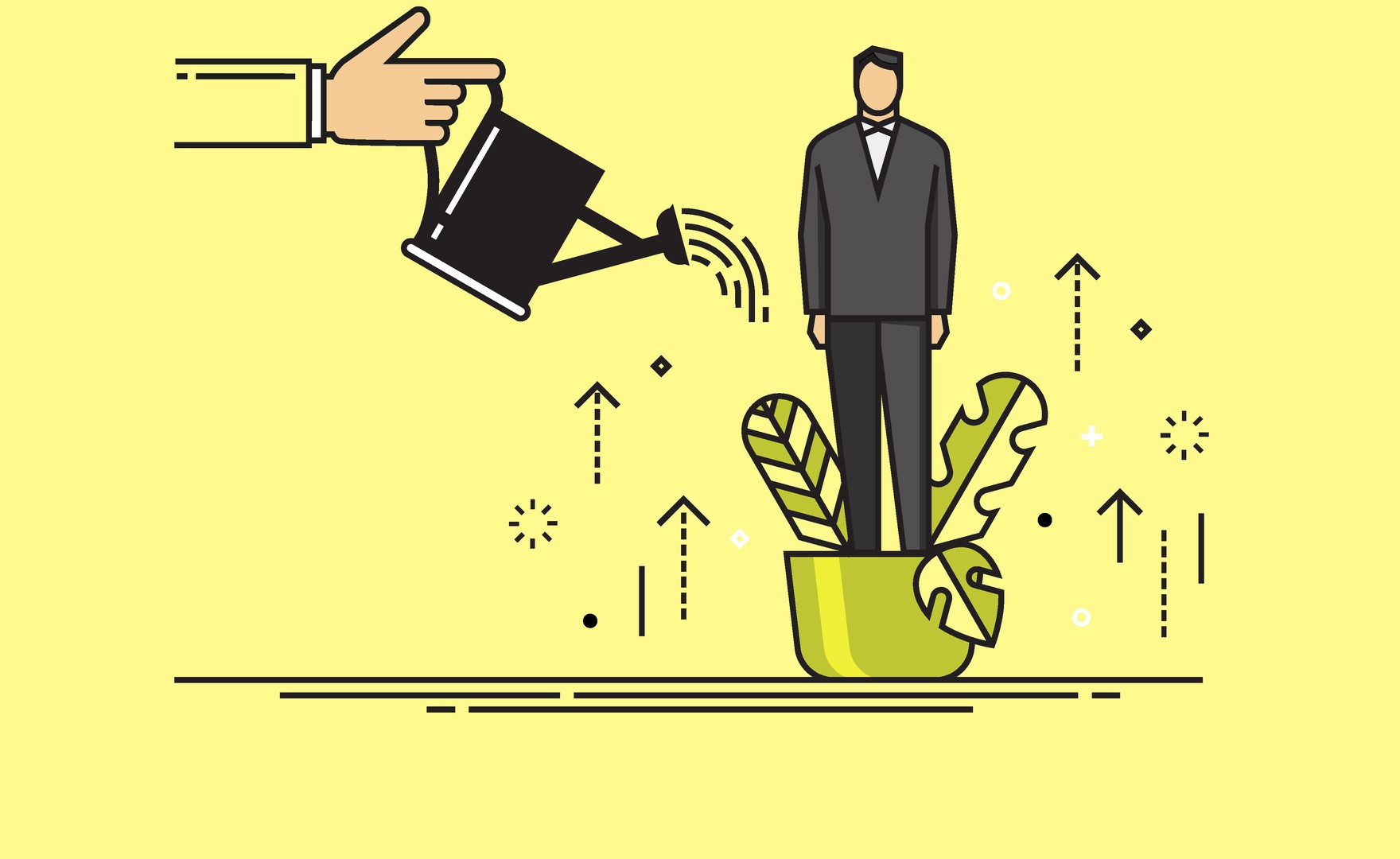
IX. Building a Learning Factory Today: Practical Starting Points
Transformation Begins With Everyday Design Choices
Building a learning factory does not require grand restructures, expensive programs, or inspirational slogans. It begins with small, disciplined design choices made consistently in everyday practices.
The fastest way to change an organization is to change what it rewards, what it discusses, and what it measures.
A. Redesign Meetings as Learning Forums
Meetings are the most underutilized learning spaces in organizations.
Most meetings focus on:
- Status updates
- Justifications
- Decisions already made elsewhere
To become learning forums, meetings must shift from reporting to reflection.
Practical steps:
- Begin meetings with “What did we learn since we last met?”
- Allocate time to examine one failure or surprise, without blame
- End meetings with “What assumptions changed today?”
When meetings teach, learning becomes routine—not optional.
B. Promote Based on Judgment, Not Just Performance
Performance reflects past success. Judgment predicts future resilience.
Many organizations promote:
- High performers who execute well
- Specialists who optimize narrow domains
Learning factories promote those who demonstrate:
- Sound decision-making under uncertainty
- Ability to integrate ethics with outcomes
- Willingness to learn and help others learn
Promotion criteria signal what the organization truly values. Choose carefully.
C. Reward Knowledge Sharing, Not Knowledge Hoarding
Knowledge hoarding is rational in insecure systems.
To reverse it, leaders must:
- Recognize those who teach others
- Reward collaboration over individual heroics
- Publicly value transparency and openness
Simple actions matter:
- Celebrate teams that document lessons learned
- Include mentoring and knowledge transfer in evaluations
- Protect those who speak uncomfortable truths
When sharing becomes safe and visible, learning accelerates.
D. Measure What Grows People, Not Just Numbers
What gets measured shapes behavior.
Beyond financial and output metrics, learning factories track:
- Capability growth
- Quality of decision-making
- Depth of internal talent pipelines
- Psychological safety and trust
These indicators may feel “soft,” but their impact is hard and enduring.
Numbers that ignore human growth eventually undermine financial results. Measures that grow people strengthen everything else.
Closing Insight for This Section
Learning factories are built through intentional practice, not aspiration.
Leaders who redesign meetings, rethink promotions, reward sharing, and measure growth begin reshaping culture immediately—without waiting for permission.

X. Open Questions for the Reader
The Quality of Institutions Reflects the Quality of Questions
Organizations do not drift into greatness. They evolve—or decay—based on the questions their leaders are willing to ask and answer honestly.
The following questions are not rhetorical. They are diagnostic. They reveal whether an organization is merely operating… or truly learning.
1. What Has Your Organization Learned in the Last Year—and What Changed Because of That Learning?
Learning that does not alter behavior is not learning. It is documentation.
Ask yourself:
- Can you name three concrete lessons learned in the past year?
- Did those lessons change policies, processes, or decisions?
- Or were they acknowledged and then quietly ignored?
If learning does not lead to visible change, the organization is accumulating experience—not wisdom.
2. If Your Best People Left Tomorrow, What Wisdom Would Remain?
This question exposes the difference between individual brilliance and institutional strength.
Consider:
- Is critical knowledge embedded in systems or trapped in individuals?
- Are decisions explained and documented, or merely announced?
- Do newcomers inherit understanding—or only instructions?
Strong institutions survive talent turnover. Weak ones panic when key individuals leave.
3. Are You Building a Company… or an Institution?
Companies optimize for performance. Institutions optimize for endurance.
Ask:
- Are decisions driven by this quarter or the next generation?
- Is leadership focused on personal success or collective capability?
- Will this organization still stand, healthy and trusted, without its current leaders?
This is the ultimate question. Everything else is detail.
Closing Reflection
These questions do not demand immediate answers. They demand ongoing attention.
Institutions that endure are not those with perfect strategies, but those that repeatedly ask the right questions—and have the courage to act on what they discover.
The journey from company to institution begins here.
Final Invitation
Discomfort Is the Doorway to Growth
If this article unsettles your assumptions about leadership, success, and institutions—that is not a flaw. It is a signal. Discomfort is often the first, honest sign that learning has begun.
Learning factories are not built by those seeking comfort, control, or quick validation. They are built by leaders willing to question inherited models, confront inconvenient truths, and choose long-term responsibility over short-term applause.
The question now is not whether these ideas make sense.
The question is whether you are willing to act on them.
Why Your Participation Matters
Ideas change minds.
Institutions change lives.
The principles discussed here—learning through work, dignity through employment, values-driven leadership, and ecosystem thinking—must move beyond articles and boardrooms into real communities and real livelihoods.
That translation from thought to action requires committed participants and sustained support.
Participate and Donate to MEDA Foundation
MEDA Foundation works at the grassroots to build real learning factories—places where:
- Individuals, including neurodiverse persons, gain dignity through meaningful work
- Communities develop self-sustaining economic ecosystems
- Learning leads to independence, not dependency
Your participation and donations directly support:
- Inclusive employment creation
- Skill and capability development
- Community-led, values-based economic models
This is not charity. It is institution-building at the human scale.
If you believe work should educate, leadership should elevate, and institutions should endure—stand with us.
Help people learn, earn, and thrive together.
Book References
- The Learning Factory – Arun Maira
Explores how organizations can cultivate learning cultures, develop people, and build enduring institutions. - The Fifth Discipline: The Art & Practice of the Learning Organization – Peter Senge
Introduces systems thinking, personal mastery, shared vision, and team learning as pillars of a learning organization. - Leadership on the Line: Staying Alive Through the Dangers of Leading – Ronald Heifetz & Marty Linsky
Offers practical guidance on adaptive leadership, building trust, and leading change in complex environments. - Good to Great: Why Some Companies Make the Leap… and Others Don’t – Jim Collins
Examines the traits of enduring companies, emphasizing disciplined people, thought, and action. - Reinventing Organizations: A Guide to Creating Organizations Inspired by the Next Stage of Human Consciousness – Frederic Laloux
Explores self-managing, purpose-driven, and learning-focused organizational structures. - The Fifth Risk – Michael Lewis
Highlights the critical role of institutional knowledge, stewardship, and long-term thinking in organizations that impact society. - Start with Why: How Great Leaders Inspire Everyone to Take Action – Simon Sinek
Explains how purpose-driven leadership aligns decisions, culture, and sustained organizational impact. - Drive: The Surprising Truth About What Motivates Us – Daniel H. Pink
Explores intrinsic motivation, autonomy, mastery, and purpose as key drivers of human performance and learning. - Team of Teams: New Rules of Engagement for a Complex World – General Stanley McChrystal
Discusses the power of decentralized leadership, shared intelligence, and continuous learning in adaptive organizations. - The Culture Code: The Secrets of Highly Successful Groups – Daniel Coyle
Investigates how culture, trust, and shared purpose shape collective performance and learning.


