

Autism, gut health, and black seed oil intersect at the core of inflammation, immune regulation, and microbiome balance, offering a holistic framework for improving quality of life. While autism itself is not curable, addressing gut dysfunction through diet, microbiome support, psychobiotics, and carefully introduced black seed oil can reduce digestive issues, stabilize behavior, enhance sleep, and modulate immune responses. Grounded in evidence from pioneering works like Brain Maker, GAPS, and The Autoimmune Solution, a structured, phased approach empowers families to observe patterns, personalize interventions, and foster calm, resilient physiology. The greatest impact arises from combining nutritional strategies, microbiome optimization, immune support, and mindful caregiving within supportive, sustainable ecosystems that honor each child’s unique biology and potential.
ಆಟಿಸಂ, ಒಳನಾಳಿನ ಆರೋಗ್ಯ ಮತ್ತು ನೈಜ ಕಪ್ಪು ಬೀಜದ ಎಣ್ಣೆ (ಬ್ಲ್ಯಾಕ್ ಸೀಡ್ ಆಯಿಲ್) ತೀವ್ರತೆಯಲ್ಲಿನ ಸುಧಾರಣೆ, ರೋಗ ನಿರೋಧಕ ನಿಯಂತ್ರಣ ಮತ್ತು ಮೈಕ್ರೋಬೈಯೋಮ್ ಸಮತೋಲನದ ಕೇಂದ್ರೀಯ ಅಂಶಗಳೊಂದಿಗೆ ಸಂಧಿಸುತ್ತವೆ, ಮತ್ತು ಜೀವನದ ಗುಣಮಟ್ಟವನ್ನು ಸುಧಾರಿಸಲು ಸಮಗ್ರ ಚಟುವಟಿಕೆಗಾಗಿ ಮಾರ್ಗವನ್ನು ಒದಗಿಸುತ್ತವೆ. ಆಟಿಸಂ ನಿರೋಧ್ಯವಲ್ಲದಿದ್ದರೂ, ಆಹಾರ, ಮೈಕ್ರೋಬೈಯೋಮ್ ಬೆಂಬಲ, ಸೈಕೋಬೈಯೋಟಿಕ್ಸ್ ಮತ್ತು ಜಾಗ್ರತೆಯಿಂದ ಪರಿಚಯಿಸಿದ ಕಪ್ಪು ಬೀಜದ ಎಣ್ಣೆಯ ಮೂಲಕ ಒಳನಾಳಿನ ಸಮಸ್ಯೆಗಳನ್ನು ಕಡಿಮೆ ಮಾಡಬಹುದು, ವರ್ತನೆ ಸ್ಥಿರಗೊಳಿಸಬಹುದು, ನಿದ್ರೆಯನ್ನು ಸುಧಾರಿಸಬಹುದು ಮತ್ತು ರೋಗ ನಿರೋಧಕ ಪ್ರತಿಕ್ರಿಯೆಗಳನ್ನು ನಿಯಂತ್ರಿಸಬಹುದು. ಬ್ರೈನ್ ಮೇಕರ, ಗ್ಯಾಪ್ಸ್, ಮತ್ತು ದಿ ಆಟೋಇಮ್ಯೂನ್ ಸೊಲ್ಯೂಶನ್ ಮುಂತಾದ ಪ್ರಾಯೋಗಿಕ ಸಾಹಿತ್ಯದಿಂದ ಪಡೆದುಕೊಂಡ ವೈಜ್ಞಾನಿಕ ಆಧಾರದೊಂದಿಗೆ, ಹಂತ ಹಂತವಾಗಿ ರೂಪುಗೊಂಡ ಕ್ರಮವು ಕುಟುಂಬಗಳಿಗೆ ಮಾದರಿಗಳನ್ನು ಗಮನಿಸಲು, ವೈಯಕ್ತಿಕ ಪರಿಹಾರಗಳನ್ನು ಅಳವಡಿಸಲು ಮತ್ತು ಸಮಾಧಾನಕರ, ದೃಢಶೀಲ ಶಾರೀರಿಕ ಸ್ಥಿತಿಯನ್ನು ಪ್ರೋತ್ಸಾಹಿಸಲು ಶಕ್ತಿಯನ್ನು ನೀಡುತ್ತದೆ. ಪೋಷಣೆ, ಪೋಷಕರ ಮಾರ್ಗದರ್ಶನ, ಆಹಾರ ಮತ್ತು ಮೈಕ್ರೋಬೈಯೋಮ್ ಆಪ್ಟಿಮೈಜೇಶನ್ ಸಂಯೋಜನೆಯಿಂದ ಸಮರ್ಥ, ಸತತ ಪರಿಸರಗಳಲ್ಲಿ ಪ್ರತಿ ಮಗುವಿನ ವೈಯಕ್ತಿಕ ಜೈವಿಕತೆಯನ್ನು ಗೌರವಿಸುವ ಮೂಲಕ, ಅತ್ಯಧಿಕ ಪರಿಣಾಮವನ್ನು ಸಾಧಿಸಬಹುದು.
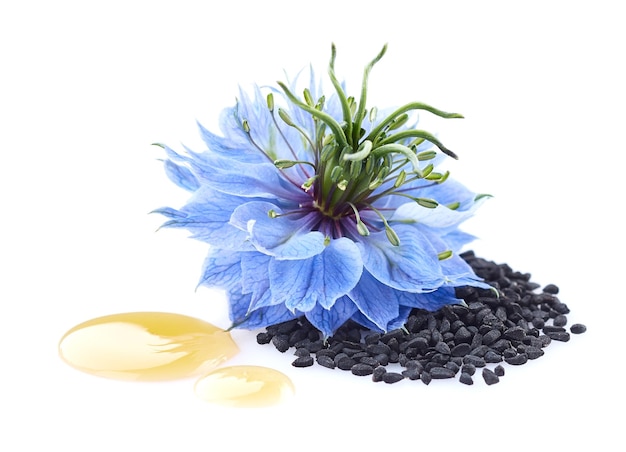
Autism, Gut Health & Black Seed Oil: A Scientific, Holistic, and Practical Exploration of a Hidden but Powerful Triad
I. Introduction
Autism is often framed solely as a neurological condition, but mounting scientific evidence shows it is far more interconnected with the body than we once believed. Many autistic individuals experience chronic gut dysfunction, microbiome imbalance, and immune dysregulation—conditions that can amplify behavioral, emotional, sensory, and cognitive challenges. These physiological stressors often remain overlooked or misunderstood, leaving families to navigate symptoms that seem unpredictable and overwhelming.
A growing body of research suggests that supporting the gut and calming inflammation can meaningfully improve quality of life. Among various natural interventions, black seed oil (Nigella sativa) stands out for its unique combination of anti-inflammatory, antimicrobial, antioxidant, and potential microbiome-modulating properties. While it is not a cure, it presents a scientifically plausible, practical, and accessible tool that may support gut healing, reduce inflammation, and stabilize the body’s internal environment—thereby supporting the well-being of autistic individuals.
This article takes a clear-eyed, realistic, and evidence-based approach. No magical thinking, no exaggerated claims. Just actionable knowledge, grounded in scientific insights and compassionate caregiving.
Why This Article Matters
Families often struggle not because autism itself is incomprehensible, but because the underlying gut–brain–immune triad is:
- misunderstood by mainstream systems,
- untreated due to lack of accessible guidance, and
- dismissed as “alternative,” despite growing scientific validation.
As a result, children and adults endure symptoms that could be eased, and families carry unnecessary emotional and financial burdens.
This article aims to cut through the noise, misinformation, and false hope by integrating the strongest insights from six authoritative frameworks:
• Brain Maker — Cutting-edge Microbiome Science
David Perlmutter’s work reveals how gut bacteria influence inflammation, immunity, behavior, and brain function. His research provides foundational understanding of why autistic individuals often experience gut issues—and how restoring microbial diversity can support neurological health.
• The Autism Revolution — Systems View of Autism Physiology
Martha Herbert reframes autism as a whole-body condition, showing how metabolic stress, oxidative load, immune dysfunction, and gut permeability contribute to autistic challenges. Her systems model guides the article’s holistic and biologically grounded perspective.
• GAPS Diet — Gut-Repair Protocol
Dr. Natasha Campbell-McBride’s GAPS framework introduces practical, structured steps for healing leaky gut, reducing inflammation, and restoring digestive harmony—widely used in autism support ecosystems.
• The Autoimmune Solution — Immune Restoration Pathways
Amy Myers’ protocols illuminate how chronic inflammation, food sensitivities, toxin exposure, and a compromised gut lining overactivate the immune system—patterns commonly seen in autistic individuals.
• Healing the New Childhood Epidemics — Environmental and Biomedical Integration
Kenneth Bock highlights how toxicity, infections, nutrient deficiencies, and immune dysfunction converge in modern developmental disorders. His biomedical approach validates the need for personalized, multi-layered interventions.
• The Psychobiotic Revolution — The Gut’s Influence on Mood & Behavior
This groundbreaking science shows how specific gut bacteria influence anxiety, emotional regulation, social behavior, and stress resilience. It offers an evidence-based path for understanding how gut healing can bring behavioral ease.
Together, these six bodies of work create a robust, interdisciplinary lens that supports families with clarity, strategy, and hope rooted in science—not speculation.
Intended Audience and Purpose
Audience
This article is crafted for:
- parents and caregivers of autistic children
- autistic adults seeking knowledge-based health support
- neurodiversity advocates and community leaders
- nutritionists and diet consultants
- occupational therapists, speech therapists, and special educators
- psychologists, pediatricians, and integrative healthcare professionals
- social entrepreneurs and policymakers
- anyone contributing to autism support ecosystems
Purpose
The purpose is three-fold:
- Explain the Science Clearly
Break down how the gut, immune system, and brain interact in autism—and where black seed oil may play a helpful role. - Offer Practical, Safe, Actionable Strategies
Provide structured guidance, evidence-informed tools, and real-world frameworks families can apply immediately, without overwhelm or unrealistic expectations. - Promote a Holistic and Empowered Approach
Encourage families and caregivers to think in terms of systems, not symptoms. To build sustainable care ecosystems rather than chase isolated fixes. To align with the MEDA Foundation’s vision of self-sufficiency, dignity, and universal love.
II. Autism Through a Systems Lens: The Body–Mind–Ecology Model
Autism is not confined to the brain—it is a multisystem condition involving the gut, immune system, metabolism, mitochondria, and the body’s inflammatory pathways. When these systems are stressed, the brain feels the consequences. And when these systems are supported, the entire child—behaviorally, emotionally, cognitively—can experience meaningful improvement. Understanding autism this way shifts the focus from “managing behaviors” to reducing physiological stress, which is where true transformation begins.
This section lays the foundation for a more compassionate, scientific, and effective model of care.
A. Autism is not only neurological — it is multisystemic
For decades, autism was framed as a purely neurological condition rooted in genetics. Modern research dismantles that oversimplification. A growing body of evidence—across microbiology, immunology, neurology, and environmental medicine—shows that autism is deeply interwoven with physical systems that influence how the brain functions.
Here are the five most critical systems commonly affected:
1. Chronic Inflammation
Many autistic individuals show elevated levels of:
- pro-inflammatory cytokines
- microglial activation in the brain
- systemic inflammatory markers
Inflammation affects:
- emotional regulation
- sensory thresholds
- focus and attention
- digestion
- sleep cycles
With chronic inflammation, the nervous system operates in a perpetual “alert mode,” which can intensify autistic traits.
2. Mitochondrial Dysfunction
Mitochondria are the cell’s energy factories. When they underperform:
- fatigue increases
- neural signaling weakens
- muscle tone decreases
- sensory and emotional regulation fluctuate
Research shows higher rates of mitochondrial abnormalities in autism than in the general population—an often-overlooked biological stressor.
3. Gut Permeability (“Leaky Gut”)
A weakened intestinal lining allows:
- undigested proteins
- toxins
- microbes
…to enter the bloodstream, triggering immune responses.
This downstream inflammation affects:
- mood
- behavior
- cognition
Leaky gut is not fringe theory—it is repeatedly documented in autism research, and it aligns perfectly with parental observations.
4. Oxidative Stress
Oxidative stress = accumulation of free radicals that damage cells.
In autism, oxidative stress:
- impairs neurotransmitter balance
- affects detoxification pathways
- harms gut lining
- worsens anxiety levels
Antioxidant systems are often under-functioning in autistic individuals, making them more vulnerable to environmental triggers.
5. Immune Imbalance
Autistic individuals often show:
- overactive immune responses
- autoimmune-like patterns
- recurring infections
- allergies
- eczema
- food sensitivities
The immune system and the brain are tightly linked; immune imbalance can directly influence behavior, communication, and stress tolerance.
The takeaway:
Autism is not a brain problem alone—it is a systemic physiological pattern where inflammation, immunity, digestion, and metabolism shape the autistic experience.
This deeper understanding opens compassionate and effective paths for support.
B. Behavioral symptoms often mirror physiological stress
Families often see behaviors first—but underneath many behaviors lies body-level discomfort. What presents as a “behavioral” issue may actually be a biological stress signal.
Below is how gut issues commonly express themselves in autistic individuals:
1. Irritability
Inflammation in the gut increases inflammatory cytokines, which can trigger irritability or sudden emotional reactivity. When the body is inflamed, the mind becomes restless.
2. Poor Sleep
Disturbed gut microbiota can interfere with:
- melatonin production
- circadian rhythm
- night-time digestion
A child who cannot sleep is not “misbehaving.” Their microbiome may be shouting for help.
3. Hyperactivity
Gut discomfort creates constant internal agitation. When digestion is off, the body compensates by increasing movement, seeking relief or stimulation.
4. Avoidance Behavior
Avoiding eye contact, withdrawing socially, or escaping situations can be rooted in:
- abdominal pain
- reflux
- constipation
- bloating
Children avoid not because they don’t want connection—but because they are trying to manage discomfort.
5. Sensory Disturbances
A distressed gut sensitizes the nervous system, making:
- sounds louder
- lights brighter
- touch sharper
Sensory overload is often a downstream effect of internal inflammation.
Understanding this link changes everything:
Behavior is not random. It is information. It reflects the biological reality inside the child.
C. “Whole Child” Care: A Paradigm Shift
The traditional approach focuses on managing surface behaviors. But when we shift to a Whole Child lens, we ask deeper, more transformative questions:
- What is the child’s body trying to communicate?
- Where is the stress coming from?
- How can we support their internal physiology to support their mind?
Research and real-world experience show a clear pattern:
When internal systems are balanced, external behaviors soften.
Not through force.
Not through compliance-based strategies.
Not through suppressing the child.
But through genuine relief—physiological, emotional, and sensory.
This approach aligns with the principles of:
- The Autism Revolution (systems biology)
- GAPS (gut-centered therapy)
- Psychobiotic science (microbiome–mind connection)
- Biomedical approaches (immune + metabolic regulation)
The Whole Child model teaches us that:
- A calmer gut creates a calmer mind.
- Reduced inflammation reduces emotional volatility.
- Better sleep improves focus and learning.
- Restored nutrient absorption enhances cognition and energy.
In other words:
When the body feels safe, the child feels safe.
When the body heals, behavior naturally shifts.
This paradigm shift is not about changing the autistic identity—
it is about reducing suffering and supporting potential.
III. Gut Health in Autism: What the Science Shows
Gut health is not a side issue in autism—it is often a core driver of behavior, immunity, mood, learning capacity, and overall stability. The strongest modern research converges on one truth: the autistic gut is uniquely vulnerable, and when supported, many children experience calmer behavior, better focus, improved sleep, and greater adaptability. Below is a deep, evidence-grounded exploration of why this happens and how each system interacts.
A. The Gut–Brain Axis
The gut and brain speak constantly; when the gut is inflamed or imbalanced, the brain experiences stress, resulting in behavioral and emotional challenges often misinterpreted as “just autism.”
Why this matters
Research from Brain Maker, The Psychobiotic Revolution, and dozens of peer-reviewed papers shows that the gut–brain axis operates through three major highways:
- Neural Pathway (Vagus Nerve):
The gut sends signals to the brain about safety, inflammation, satiety, and emotional state. When the gut is irritated, the brain moves into hyperarousal—producing irritability, anxiety, stimming, or withdrawal. - Hormonal / Metabolic Pathway:
Gut bacteria help produce neurotransmitters (serotonin, dopamine, GABA).- ~90% of serotonin originates in the gut
- Many children with ASD show reduced GABA-producing microbes
This imbalanced chemical production influences mood, sleep, attention, and sensory processing.
- Immune Pathway:
70% of the immune system sits in the gut lining (GALT).
When the gut is disturbed, the immune system shifts into chronic activation, creating systemic inflammation—including neuroinflammation.
What this means
If the gut is unwell, the brain cannot feel safe, no matter how many therapies the child receives. Gut repair is not a cure; it is a stabilizing foundation that helps everything else work better—speech therapy, occupational therapy, learning routines, emotional regulation tools, and social engagement.
B. Microbiome Abnormalities in Autism
Many autistic individuals have a microbiome signature that increases inflammation, reduces nutrient absorption, and disrupts neurotransmitter balance—exacerbating behavioral and cognitive challenges.
Why this matters
Across the books Brain Maker, GAPS Diet, The Psychobiotic Revolution, and multiple clinical studies, the same patterns appear: autism frequently correlates with a dysbiotic microbiome.
What the research consistently finds
1. Lower Microbial Diversity
Health comes from microbial variety. Autistic gut profiles often show:
- fewer strains of beneficial bacteria
- reduced resilience
- increased susceptibility to inflammation
Low diversity → weakened digestion → more toxins → more behavioral instability.
2. Overgrowth of Clostridia & Pathogenic Species
Clostridia bacteria produce neurotoxins that affect:
- mood
- attention
- sleep
- irritability
- repetitive behaviors
Some studies show reduction in behaviors when Clostridia levels are corrected.
3. Reduced Beneficial Species
Especially:
- Bifidobacteria
- Lactobacillus
- Akkermansia
- Faecalibacterium prausnitzii
These species help regulate immune function, maintain gut lining integrity, and produce calming neurotransmitters like GABA and serotonin.
4. Reduced Short-Chain Fatty Acids (SCFAs)
Particularly butyrate, vital for:
- gut lining repair
- immune regulation
- reducing neuroinflammation
- supporting mitochondrial energy
Low SCFAs = higher inflammation + lower cognitive stability.
C. Leaky Gut & Immune Activation
A compromised gut lining can fuel chronic inflammation, immune imbalance, and brain irritability—making everyday tasks feel overwhelming for autistic individuals.
Why this matters
Books like The Autoimmune Solution, Healing the New Childhood Epidemics, and The Autism Revolution explain that many autistic children show signs of intestinal permeability (“leaky gut”).
What happens biologically
- Weakened Tight Junctions in the Intestine
Stress, infections, toxins, and dysbiosis damage the epithelial barrier. - Proteins and Toxins Leak into Bloodstream
Casein peptides, gluten fragments, lipopolysaccharides (LPS), and microbial toxins enter circulation. - Immune System Reacts Aggressively
This can trigger:
- chronic inflammation
- mast cell activation
- cytokine storms
- neuroinflammation
- Neuroinflammation Drives Behaviors
Linked to:
- irritability
- meltdowns
- brain fog
- hyperactivity
- anxiety
- sensory overload
What this means
Healing the gut lining is not optional—it is central to stabilizing the immune system and calming the brain. This is where interventions like black seed oil may serve as supportive allies given their anti-inflammatory and mucosal-protective properties.
D. Environmental Triggers and Toxin Load
Modern environments overstimulate the sensitive autistic immune and detox systems, worsening gut dysfunction and neurological stress.
Why this matters
Books like Healing the New Childhood Epidemics emphasize “total load.” It isn’t one toxin—it is the accumulation that overwhelms the child’s system.
Common triggers that worsen gut and immune damage
1. Pesticides (Glyphosate and Organophosphates)
Linked to:
- microbiome disruption
- impaired detoxification
- impaired mineral absorption
- mitochondrial stress
Glyphosate is known to kill beneficial gut bacteria preferentially.
2. Heavy Metals (Lead, Mercury, Aluminum)
Contribute to:
- oxidative stress
- impaired methylation
- neurological irritation
- weakened gut immunity
Children with ASD often have sluggish detox pathways.
3. Overuse of Antibiotics
Destroys beneficial microbes, allowing pathogens like Clostridia and Candida to take over. Many autistic children have a history of recurrent antibiotics early in life.
4. Processed Foods & Additives
Artificial colors, preservatives, emulsifiers, and high-sugar diets worsen:
- dysbiosis
- leaky gut
- inflammation
- behavioral reactivity
5. Maternal Inflammation & Prenatal Stress
Maternal immune activation (MIA) is one of the strongest prenatal predictors of neurodevelopmental differences.
What this means
Reducing environmental load is one of the most powerful long-term gifts we can offer autistic individuals. It lowers inflammation, stabilizes gut ecology, and gives the nervous system breathing room.
The Psychology of the Gut: Psychobiotics and Behavior
The most transformative insight from modern microbiome science is this: your child’s behavior is not solely psychological—it is deeply biological. Bacterial shifts in the gut can shape mood, anxiety, sociability, focus, and emotional stability. When we heal the gut, we often see the child become calmer, more communicative, more present, and more regulated—not because their “autism changed,” but because their biology stopped screaming for help.
This is the central message of The Psychobiotic Revolution, Brain Maker, and The Autism Revolution:
A healthier gut creates a more peaceful mind.
A. How Bacteria Influence Social Behavior, Anxiety, and Mood
1. Serotonin & GABA Production
Microbes help manufacture the very chemicals that allow the brain to feel calm, connected, focused, and emotionally regulated.
Why this matters
- ~90% of serotonin is made in the gut.
- Many beneficial bacteria produce or stimulate the production of GABA, the brain’s “calm-down chemical.”
- Autistic individuals often exhibit reduced GABA signaling and altered serotonin pathways.
When the gut flora is imbalanced:
- serotonin may break down too quickly
- GABA production falls
- anxiety, rigidity, irritability, and sensory defensiveness rise
When beneficial microbes return:
- calmer moods
- better sleep
- reduced anxiety
- improved emotional flexibility
become more frequent and sustained.
What the research shows
Strains like Lactobacillus rhamnosus, Lactobacillus helveticus, and Bifidobacterium longum influence:
- anxiety circuits
- amygdala activity
- dopamine reward pathways
- stress hormone levels
These are not soft, vague effects—they show up in brain scans, hormone panels, and behavioral scoring models.
2. Vagus Nerve Signaling (The Mind–Body Superhighway)
The vagus nerve is the direct line from gut to brain; healthy bacteria stimulate “safety signals,” while dysbiotic bacteria trigger “danger signals.”
Why this matters
The vagus nerve drives:
- heart rate
- stress response
- emotional reactivity
- social engagement readiness
- sleep-wake balance
Dysbiosis → vagus sends distress signals → brain enters protection mode:
- withdrawal
- shutdowns
- hyperactivity
- meltdowns
- fight-flight-freeze patterns
Healthy microbiome → vagus sends soothing signals → increased capacity for:
- eye contact
- communication
- curiosity
- co-regulation
- learning readiness
This aligns beautifully with Stephen Porges’ Polyvagal Theory and explains why gut interventions so often improve relational behaviors in autistic children.
3. Immune Modulation and Neuroinflammation
When gut bacteria become inflammatory, the brain becomes inflamed; when bacteria become anti-inflammatory, the brain becomes calm.
Why this matters
Inflammation changes behavior—period.
Studies link neuroinflammation to:
- irritability
- anxiety
- poor cognitive endurance
- sleep disruption
- sensory hypersensitivity
- mood swings
- impulsivity
Psychobiotic bacteria help modulate immune activity by:
- reducing cytokines (IL-6, TNF-α)
- strengthening gut lining
- improving mucosal immunity
- altering microglial activation in the brain
This is why a child who is screaming, restless, or emotionally fragile isn’t “acting out.”
Their nervous system is overwhelmed.
Their immune system is overreacting.
Their gut is inflamed.
When biology calms, behavior calms.
B. Why Fixing the Gut Often Improves Communication and Calmness
Improved communication, better emotional control, and deeper social engagement are not miracles—they are simply the brain finally operating under reduced inflammation and balanced biochemistry.
Why this matters
When the microbiome shifts toward health, we typically see:
- more eye contact
- better joint attention
- increased verbal attempts
- smoother transitions
- fewer meltdowns
- better sleep
- more curiosity
These are signs of a nervous system that is no longer constantly defending itself.
What actually changes biologically
- neurotransmitter production stabilizes
- vagus nerve tone improves
- cortisol drops
- inflammation decreases
- mitochondrial energy increases
- sensory processing normalizes
With these changes, communication suddenly feels less overwhelming, social contact feels less threatening, and learning becomes more accessible.
What this means for families
You are not “fixing” autism—
you are removing invisible burdens that make daily life harder than it needs to be.
This is empowerment, not cure-seeking.
This is science, not magic.
This is compassionate care, not false hope.
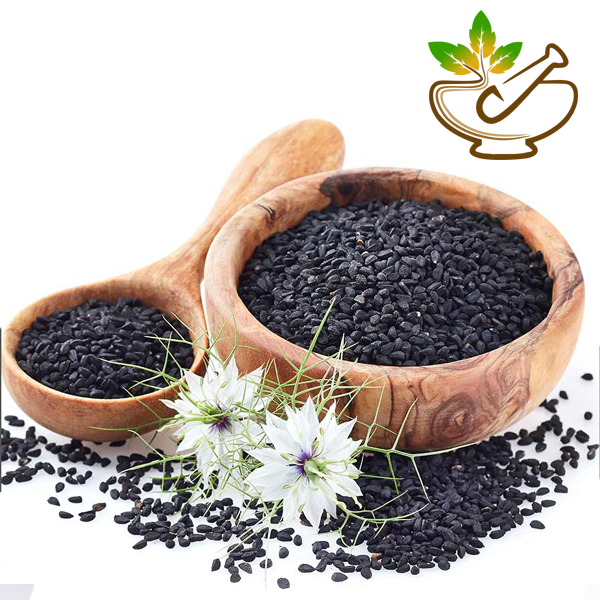
V. Black Seed Oil (Nigella sativa): The Science Behind the Hype
Black seed oil (Nigella sativa) contains well-characterized bioactives—chiefly thymoquinone—that have anti-inflammatory, antioxidant, antimicrobial, mucosal-protective, and immune-modulating effects. These properties align directly with physiological problems commonly seen in autism (gut inflammation, dysbiosis, oxidative stress, immune overactivation). The evidence is strongest at the mechanistic and preclinical level; some human data exist for related conditions, but rigorous autism-specific clinical trials are limited. Practically, black seed oil is a promising adjunctive tool for gut-focused care when used thoughtfully, safely, and as part of a broader, personalized plan.
A. Active Compounds — the chemical toolkit
Thymoquinone (TQ)
- The primary and most studied bioactive.
- Potent anti-inflammatory and antioxidant actions via inhibition of pro-inflammatory cytokines and modulation of oxidative stress pathways.
- Shows neuroprotective effects in animal models (reducing microglial activation and neuroinflammation).
Thymohydroquinone (THQ)
- An antioxidant cousin of TQ; supports redox balance and may synergize with TQ.
Nigellone and other alkaloids/flavonoids
- Exhibit bronchodilatory, anti-spasmodic, and antimicrobial properties.
- Contribute to antifungal and antibacterial effects that can shift gut ecology.
Why this matters: these compounds act on multiple nodes of the gut–brain–immune network—so a single botanical delivers several biologically relevant activities rather than one narrow effect.
B. Effects Relevant to Autism Physiology — mapped to core problems
- Reduces pro-inflammatory cytokines
- TQ downregulates cytokines such as IL-6, TNF-α, and other mediators implicated in systemic and neuroinflammation.
- Clinical implication: lowering inflammatory tone can reduce irritability, fragmentation of attention, and neuroinflammatory signaling that worsens behavior.
- Antioxidant protection
- Black seed compounds upregulate endogenous antioxidant systems (e.g., glutathione pathways) and scavenge free radicals.
- Clinical implication: reduced oxidative stress protects mitochondria and neuronal function—supporting energy, focus, and resilience.
- Antifungal activity (helpful for yeast overgrowth)
- Nigella constituents inhibit Candida and other fungal overgrowth in vitro and in animal studies.
- Clinical implication: when Candida/dysbiosis contributes to GI symptoms or behavior, black seed oil can be a supportive antifungal complement to dietary and probiotic strategies.
- Strengthens gut lining (mucosal protection & repair)
- Evidence suggests Nigella extracts can reduce mucosal damage, promote epithelial integrity, and decrease intestinal permeability.
- Clinical implication: tighter gut barrier → fewer antigenic peptides entering bloodstream → lower immune activation and downstream neuroinflammation.
- Modulates immune pathways
- Balances Th1/Th2 responses, reduces mast cell activation in some models, and helps normalize immune overreaction without global immune suppression.
- Clinical implication: may reduce allergy-like reactivity and immune-driven behavioral flares.
- Supports microbiome balance (indirectly)
- Antimicrobial breadth is selective: pathogenic overgrowths are suppressed while beneficial microbiota can rebound when combined with pre/probiotic support and dietary change.
- Clinical implication: black seed oil is not a probiotic, but it can create ecological conditions where helpful strains recover—especially if used with targeted microbiome therapies.
Bottom line: the pharmacology of Nigella sativa aligns with targets central to autism support: inflammation, oxidative stress, barrier integrity, dysbiosis, and immune balance.
C. Evidence Summary — what we know, what’s emerging, and what remains unproven
What is well-supported (strong preclinical + some clinical evidence)
- Anti-inflammatory and antioxidant effects: robust animal and in-vitro data; several small human trials in inflammatory or metabolic conditions show reductions in inflammatory markers.
- Antifungal and antimicrobial actions: consistent in lab studies and useful adjunct in dysbiosis contexts.
- Mucosal protective effects: animal studies and limited human data indicate improved gut barrier markers with Nigella/Thymoquinone preparations.
What is emerging (promising but limited human data)
- Immune modulation without immune suppression: animal models and small human studies show beneficial shifts in cytokine profiles; larger trials are needed to confirm clinical significance in neurodevelopmental conditions.
- Microbiome-friendly ecological effects: early research suggests Nigella can reduce pathogenic loads and support beneficial microbes when combined with probiotics/dietary change—human microbiome studies are still sparse.
- Neuroprotective and behavior-related benefits: preclinical studies show improved cognition and reduced neuroinflammation; a few small human exploratory studies (not autism-specific) suggest mood and sleep improvements.
What remains unproven (insufficient evidence / requires caution)
- Direct, standalone treatment of autism core features: there are no conclusive large-scale randomized controlled trials showing black seed oil cures or directly modifies core diagnostic features of autism. Any behavioral improvements are likely mediated via physiological relief (gut, immune, sleep), not a change to neurodevelopmental identity.
- Optimal dosing regimens for children with ASD: dosing studies are limited; most dosage guidance comes from general pediatric supplement practice and extrapolation.
- Long-term safety in specific clinical subgroups (epilepsy, autoimmune conditions): data are limited—some animal studies raise theoretical concerns about interactions; clinical caution and medical oversight are advised.
Practical Guidance & Safety Notes (actionable, clinician-minded)
Product quality matters
- Use cold-pressed, food-grade Nigella seed oil from reputable suppliers. Avoid products with unknown extraction solvents or adulterants. Look for standardized thymoquinone content if available.
Start low, go slow
- Begin with microdoses (a drop or two for young children) and increase gradually while tracking GI tolerance, sleep, behavior, and skin. This minimizes GI upset and allergic reactions.
Suggested conservative titration (general guidance — not a prescription)
- Infants/young children (<3 years): avoid unless supervised by clinician.
- Children 3–6 years: start 1–2 drops/day; slowly work up to ¼–½ teaspoon/day if well tolerated.
- Older children/adolescents: start ¼ teaspoon/day; working up to ½–1 teaspoon/day depending on response and weight.
- Adults: typical supportive doses range 1–2 teaspoons/day in complementary medicine literature.
(Always adjust for body weight, sensitivity, and medical context; consult a clinician.)
Administration tips
- Give with food (fatty meal) to improve absorption and reduce GI upset.
- Mix with yogurt (if tolerated), honey (for older children), or a favorite meal.
- Prefer cold recipes if using the oil raw—heat may reduce thymoquinone content.
Monitoring—what to track
- GI: stool frequency/consistency, pain, bloating, appetite.
- Sleep: sleep onset, night wakings, duration.
- Behavior: irritability, meltdowns, transitions, eye contact, communication attempts.
- Allergic signs: rash, swelling, breathing difficulty (stop immediately).
- Medication interactions: note changes if on anticonvulsants, anticoagulants, hypoglycemics, or immunomodulators.
Key contraindications & cautions
- Epilepsy: use caution; consult neurologist—some herbal compounds affect seizure threshold or interact with anticonvulsants.
- Pregnancy & breastfeeding: avoid unless clinician approves.
- Bleeding disorders / anticoagulants: possible additive effect—consult physician.
- Blood sugar–lowering medications: Nigella can influence glucose metabolism; monitor closely.
- Allergy: rare but possible—discontinue if hypersensitivity occurs.
Integration, not isolation
- Use black seed oil as part of a broader gut-healing program: dietary change, pre/probiotics (psychobiotic strains when possible), micronutrient optimization (vitamin D, zinc, magnesium), sleep hygiene, and environmental toxin reduction. Expect best results when multiple targets are addressed simultaneously.
Final takeaways for clinicians and caregivers
- Black seed oil is biologically plausible and practically useful as an adjunct for gut and immune support in many autistic individuals—especially those with GI inflammation, fungal overgrowth, or elevated oxidative stress.
- It is not a cure. Improvements are most likely indirect—mediated by reduced inflammation, improved mucosal health, and downstream stabilization of neurotransmitter and immune signaling.
- Use with care. Start small, monitor closely, choose quality products, and coordinate with medical providers—particularly when seizures, serious medical conditions, or prescription drugs are present.
- Research gap: high-quality, autism-specific clinical trials are needed. Until then, apply Nigella sativa thoughtfully within individualized, evidence-informed care plans.

VI. Connecting the Dots: Autism, Gut Dysfunction & Black Seed Oil
Black seed oil (Nigella sativa) fits neatly into a gut-healing toolkit for many autistic individuals because it simultaneously targets inflammation, mucosal repair, pathogenic overgrowth (including fungi), and immune dysregulation—the very mechanisms that drive much of the gut–brain distress seen in autism. It is best used as an adjunct, not a standalone cure: combined with targeted diet, probiotics/psychobiotics, antioxidant support, and environmental load-reduction, it can help reduce physiological stress and thereby reduce behavioral and cognitive burden.
Below I map how Nigella works on each biological node, show practical integration steps you can apply, and give monitoring and safety guidance so caregivers and clinicians can use it thoughtfully.
A. How black seed oil may reduce gut inflammation
Core idea (why it matters):
Chronic gut inflammation is a major driver of systemic and neuroinflammation in autism. Black seed oil’s primary active, thymoquinone, downregulates pro-inflammatory cytokines and oxidative pathways, helping to cool inflammatory signaling at the mucosa and systemically.
Mechanisms (what it does):
- Lowers pro-inflammatory cytokines (e.g., IL-6, TNF-α) in preclinical and small clinical studies.
- Scavenges free radicals and upregulates endogenous antioxidant defenses (supporting glutathione and mitochondrial resilience).
- Decreases mucosal inflammatory cell infiltration and mast cell activation in animal models.
Practical integration (how to use this actionably):
- Start with baseline inflammation assessment (if possible): CRP, ESR, fecal calprotectin; at minimum use a validated symptom checklist for GI pain, stool pattern, sleep and irritability.
- Introduce black seed oil microdose while simultaneously removing obvious dietary pro-inflammatories (refined sugar, processed foods, artificial colors, and trans fats).
- Pair with antioxidants — especially glutathione-supporting nutrients (NAC or methylation-support per clinician), vitamin C, and diet rich in polyphenols (berries, turmeric, leafy greens) to amplify redox restoration.
- Timeframe: expect measurable symptom shifts in 2–8 weeks (GI comfort, fewer meltdowns, improved sleep) when inflammation is a major driver.
Clinical note: Improvements are typically gradual and work best when the inflammatory load is addressed systemically (diet, sleep, toxin reduction) rather than relying on a single botanical.
B. How it supports microbial balance
Core idea (why it matters):
Dysbiosis—loss of beneficial microbes and overgrowth of pathobionts—undermines SCFA production, epithelial health and neurotransmitter precursors. Nigella’s antimicrobial profile is broad but selective enough to reduce pathogenic load while allowing beneficial strains to recover when supported.
Mechanisms (what it does):
- Exhibits antibacterial activity against several enteric pathogens in vitro.
- Reduces pathogenic fungal and some bacterial colonies that produce neuroactive metabolites (e.g., certain Clostridia species).
- Creates ecological space for beneficial bacteria, especially when used alongside prebiotics/probiotics.
Practical integration (how to use this actionably):
- Assess likely dysbiosis: stool test if available; otherwise use clinical signs (chronic constipation/diarrhea, foul stools, history of recurrent antibiotics).
- Pair black seed oil with microbiome restoration strategies:
- Prebiotics (dietary fiber from tolerated sources) to feed beneficial microbes.
- Psychobiotic probiotics (targeted strains like Bifidobacterium, Lactobacillus species) introduced after or during Nigella use to reseed the gut.
- Timing strategy: consider a short course (4–8 weeks) of Nigella at supportive doses while initiating probiotics 1–2 weeks after starting the oil; this reduces pathogen pressure while probiotics establish.
- Dietary scaffold: emphasize fermented foods if tolerated, a fiber-rich, low-processed diet, and minimize refined carbs that feed opportunists.
Practical caution: avoid indiscriminate long-term antimicrobial use—balance and reseeding are essential.
C. Its antifungal role
Core idea (why it matters):
Many autistic children show signs of yeast (Candida) overgrowth that contribute to GI distress, skin issues, and sometimes behavioral changes. Nigella demonstrates antifungal activity that can help reduce Candida burden alongside dietary and probiotic measures.
Mechanisms (what it does):
- Direct antifungal activity against Candida species in vitro and in animal models.
- May inhibit fungal biofilm formation and reduce fungal toxin production.
- Supports mucosal immunity that prevents fungal overgrowth recurrence.
Practical integration (how to use this actionably):
- Identify clinical indicators of overgrowth: oral thrush, chronic diaper rash, white coating on tongue, significant sugar cravings, persistent GI upset after antibiotics.
- Combine approaches: Nigella + low-sugar/low-refined-carb diet + specific probiotics (e.g., Saccharomyces boulardii or selected Lactobacillus strains) + topical/medical antifungal interventions if clinically indicated.
- Track progress: symptom diary for thrush, diaper/skin, stool; consider follow-up stool or organic acids testing if available.
- Duration: antifungal effects usually apparent within 2–6 weeks; maintain diet and probiotic support to avoid rebound.
Clinical note: for severe fungal infections or immunocompromised children, coordinate with medical provider—do not rely on botanical monotherapy.
D. Its potential role in immune downregulation
Core idea (why it matters):
Immune hyperactivity (allergies, mast cell activation, autoimmune patterns) worsens behavior and sensory load. Black seed oil appears to shift immune responses toward balance—downregulating pathological overactivity without broad immunosuppression.
Mechanisms (what it does):
- Modulates Th1/Th2 balance in animal studies.
- Reduces mast cell degranulation in experimental models, which can lower histamine-driven reactivity.
- Lowers systemic cytokines associated with neuroinflammation.
Practical integration (how to use this actionably):
- Screen for immune markers and clinical patterns: eczema, food sensitivities, seasonal allergies, frequent infections, hyperreactivity to foods.
- Coordinate with allergy/immune team if autoimmune features present—Nigella can be adjunctive but not a replacement for immunomodulatory care.
- Combine with mast cell stabilizing measures: low-histamine diet trial (if indicated), vitamin C, quercetin, and physical/environmental controls (reduce dust, mold exposure).
- Monitor outcomes: reductions in hives, fewer reactive episodes to foods, calmer behavioral baseline over 4–12 weeks may indicate benefit.
Practical caution: in children on immune-modifying drugs, consult the prescribing clinician before adding Nigella due to possible interactions.
Integration: a simple, evidence-informed starter protocol (clinician-reviewed before use)
Purpose: to illustrate how Nigella can be introduced within a multi-modal gut-healing plan.
Week 0 — Assessment & Preparation
- Baseline symptom tracker (GI, sleep, behavior).
- Remove obvious dietary irritants (sugar, processed foods, artificial additives).
- Order basic labs if possible: CBC, CRP, vitamin D, iron studies, stool test (if accessible).
Week 1 — Microdose introduction
- Start Nigella: 1–2 drops with food for small children; ¼ tsp for older children (see earlier safety guidance).
- Begin daily probiotic (gentle Bifidobacteria/Lactobacillus) in evening.
- Increase fiber via tolerated vegetables and cooked fruits.
Weeks 2–4 — Titration & Support
- Gradually increase Nigella toward target dose (if tolerated).
- Add antioxidant support (food based + consider clinician-directed supplements).
- Monitor stool, sleep, behavior weekly. Expect first GI changes here.
Weeks 4–8 — Consolidation
- Continue Nigella at effective dose for 4–8 weeks.
- If fungal signs were present, continue with antifungal dietary measures and Saccharomyces boulardii for 4 weeks.
- Reassess symptoms and labs; consider adjusting probiotics to targeted psychobiotic strains.
After Week 8 — Reevaluate
- If clear improvement: consider cycling (e.g., 6 weeks on, 2–4 weeks off) while maintaining probiotics and diet.
- If minimal benefit: reconsider drivers (dental issues, reflux, SIB, neurological causes) and consult multidisciplinary team.
Monitoring, Safety & Red flags to stop and consult clinician
- Immediate stop and seek care for any signs of allergic reaction (rash, facial swelling, breathing difficulty).
- Stop and review with clinician if seizures change in frequency or character.
- Watch for GI intolerance (persistent vomiting, severe abdominal pain). Reduce dose or stop.
- Coordinate if child is on anticonvulsants, anticoagulants, hypoglycemics, or immunosuppressants—Nigella can interact or potentiate effects.
- Document changes using a simple 1–10 weekly scale for: stool comfort, sleep quality, irritability, meltdowns, communication attempts.
Example (anonymized vignette)
A 6-year-old with chronic constipation, nightly waking, and sudden meltdowns after school started Nigella at microdose while family removed processed sweets and added a daily Bifido probiotic. Within 3 weeks constipation eased, night wakings dropped from 4x to 1–2x, and meltdowns decreased in intensity. The family then worked with a dietitian to further lower inflammatory grains and continued cyclic Nigella with probiotic maintenance. This is not universal, but it illustrates how targeted intervention can remove physiological burdens that amplify behavior.
Final practical summary (actionable bullets)
- Black seed oil targets the inflammation–dysbiosis–immune triad central to many autistic presentations.
- Best results when integrated with diet change, probiotics (psychobiotic strains where possible), antioxidants and environmental load reduction.
- Start low, go slow, monitor closely, and coordinate with healthcare professionals—especially for children with seizures or complex medical histories.
- Use as an adjunct: it opens space for the nervous system to calm and therapies to be more effective.

VII. Integrating Black Seed Oil Into a Gut-Healing Framework
Conclusion First — The Core Message
Black seed oil works best not as a standalone remedy but as part of a structured gut-healing ecosystem. When combined with proper assessment, phased introduction, microbiome-supportive foods, and anti-inflammatory lifestyle habits, its benefits become meaningful, measurable, and sustainable. This section shows you exactly how to do it—safely, logically, and in harmony with the child’s unique physiology.
A. Start with Assessment: Understanding the Baseline Before Adding Anything New
Black seed oil is potent. Its impact is strongest when matched to the child’s current physiological status. Begin with clarity—not guesswork.
1. Observe Gut & Behavioral Symptoms
Document patterns for at least 7–14 days:
- bloating, gas, constipation, diarrhea
- stool smell, frequency, undigested food
- sleep disturbances
- irritability spikes
- increased stimming or sensory issues
- food cravings (especially carbs/sugar—possible yeast flag)
- eczema or skin rashes (immune imbalance indicator)
2. Ask Functional Questions
- Is the child reacting strongly to dairy/wheat? (leaky gut flags)
- Are there cycles of behavior worsening after antibiotics? (dysbiosis cycles)
- Are there signs of yeast: white tongue coating, increased hyperactivity after sugary foods?
3. Optional laboratory assessments (Not mandatory, but helpful)
- stool microbiome test
- zonulin (gut permeability)
- CRP or hs-CRP (inflammation)
- food sensitivity panel
- organic acids test (OAT) for yeast & clostridia markers
Why assessment matters:
Everything in gut healing is about pattern recognition, not blind supplementation. When your pattern is clear, black seed oil becomes targeted therapy, not experimental guesswork.
B. A Phased Introduction Plan for Black Seed Oil
This minimizes risks, avoids detox reactions, and enhances tolerability—especially crucial for sensitive or autistic individuals.
1. Microdosing Phase (Days 1–4)
Goal: Introduce the body gently.
- Dose: 1 drop once daily, mixed into food or a teaspoon of honey, bone broth, or warm water.
- Observe: appetite, sleep, stool consistency, behavior spikes.
2. Slow Titration Phase (Week 1–2)
Increase only when the child remains stable.
- Dose: 2–3 drops once daily, then gradually to ½ teaspoon per day.
- Split dose if needed: morning + evening.
3. Stabilization Phase (Week 3 onwards)
Standard dosage (varies by child size and tolerance):
- Small children: ¼ – ½ teaspoon/day
- Older children/teens: ½ – 1 teaspoon/day
Key rule:
Move forward only when the current dose shows stability and benefit, not stress.
4. Record-Keeping
Maintain a simple 3-column log:
- Dose given
- Gut responses
- Behavioral responses (improvements or regressions)
This becomes your compass over weeks and months.
C. Combine With Foundational Gut Repair (Non-Negotiable)
Black seed oil is powerful, but not enough on its own. Its true benefits emerge when paired with core gut-healing pillars.
1. Elimination Diet Trials (Autoimmune Solution & GAPS Principles)
Try removing the most reactive foods for 3–4 weeks:
- dairy
- gluten
- refined sugar
- seed oils
- artificial colors/flavors
Observe emotional stability, stool quality, sensory load, and focus.
2. Probiotics & Psychobiotics
Introduce them slowly and pair with black seed oil for synergy:
- Lactobacillus rhamnosus GG — reduces anxiety & supports gut lining
- Bifidobacterium longum — reduces inflammation, improves mood signals
- Soil-based organisms (SBOs) — help restore microbial diversity
Avoid overusing probiotics when yeast overgrowth is suspected—balance is key.
3. Fermented Foods (If Tolerated)
- small amounts of sauerkraut juice
- homemade yogurt
- kefir
- idli/dosa batter (natural fermented Indian foods)
These boost microbial diversity and short-chain fatty acid production.
4. Bone Broth (Core GAPS Tool)
Supports gut lining repair and reduces leaky gut:
- Add 1–2 tablespoons to meals
- Use as a base for soups
- Mix microdosed black seed oil into warm broth for easier intake
5. Anti-Inflammatory Diet Integration
Inspired by The Autoimmune Solution:
- turmeric, ginger
- leafy greens
- omega-3 rich foods
- unprocessed whole foods
- avoid inflammatory triggers like packaged snacks and sugary drinks
D. Daily Schedule Examples (Practical and Actionable)
Morning Routine (Gut Priming + Calm Start)
- On waking: warm water + 1–2 drops black seed oil (if in early phase)
- Breakfast: protein + healthy fat + probiotic-rich food
- Optional: magnesium glycinate or L-theanine for calmer mornings
Mid-day (Stabilization Phase)
- Black seed oil can be mixed with lunch if morning dosing was too strong
- Avoid sugary foods that feed yeast and counteract benefits
- Encourage play, sunlight, movement—boosts microbiome diversity
Evening Routine (Wind-down + Immune Balance)
- Light dinner with broth-based soups
- Add the daily black seed dose here if child tolerates it best at night
- Pre-sleep calming ritual: gentle pressure massage, reading, deep breathing
- Track behavior or stool changes for the day

VIII. The Holistic Plan: What Families Can Do Today
Conclusion First — The Core Message
Families don’t need to wait for perfect lab tests, specialists, or miracle cures. Healing begins at home—with food, daily rituals, microbiome support, inflammation reduction, and subtle behavioral shifts that stem from a calmer internal physiology. A holistic plan works because it aligns with how the body actually operates: interconnected, adaptive, and influenced by every bite, breath, and thought.
A. Nutrition Upgrades (A Tiered, Realistic, Family-Friendly Framework)
Nutrition changes work best when they don’t overwhelm the household. A tiered approach helps families progress gradually without stress or guilt.
Tier 1: Remove Physiological Irritants (The “Stop the Fire” Phase)
These foods drive inflammation, worsen leaky gut, and destabilize behavior:
- Gluten: increases zonulin → worsens gut permeability
- Dairy (especially casein): often poorly digested, creates opioid-like peptides
- Processed sugar: feeds yeast/Candida, causes hyperactivity, weakens immunity
- Artificial colors/flavors: add chemical load that sensitive kids cannot detox well
Most families see early improvements in:
- stool regularity
- sleep quality
- irritability
- tantrum threshold
- bloating and gas
Why it matters:
Removing triggers gives the gut a chance to repair and reduces the inflammatory load that affects the brain.
Tier 2: Add Gut-Healing Tools (The “Repair and Rebuild” Phase)
Once irritants are reduced, adding nourishment accelerates healing:
- Bone broth (GAPS): seals gut lining
- Fermented foods: enhance microbial diversity
- Healthy fats: ghee, coconut oil, olive oil for brain stability
- Clean proteins: eggs, fish, free-range poultry
- Polyphenol-rich foods: berries, turmeric, ginger, greens
Black seed oil fits here, paired with these healing foods to enhance anti-inflammatory, antimicrobial, and immune-modulating effects.
Tier 3: Personalized Nutrition (The “Optimize and Tailor” Phase)
Once the foundation stabilizes:
- Identify food sensitivities
- Introduce rotation diets
- Test support needs (iron, zinc, omega-3 index, vitamin D)
- Customize protein–fat–carb ratios based on energy, sleep, and behavior
Why personalization matters:
Every autistic child has a different metabolic signature. Precision nutrition prevents frustration and maximizes progress.
B. Microbiome-Focused Strategies (The Heart of Autism–Gut Healing)
The microbiome is the control center for immunity, neurotransmitters, and inflammation. Supporting it directly creates meaningful emotional and behavioral changes.
1. Prebiotics
Food for friendly bacteria:
- inulin
- resistant starch
- psyllium
- cooked-and-cooled rice or potatoes
- bananas (slightly green)
These increase short-chain fatty acids like butyrate, which improves:
- attention
- mood stability
- inflammation control
- gut lining integrity
2. Rotating Probiotics
Rotational strategy avoids overstimulation and encourages diversity.
Suggested rotation:
- Week 1: Lactobacillus dominant
- Week 2: Bifidobacterium dominant
- Week 3: Soil-based organisms (SBOs)
- Week 4: Rest week (no probiotics)
This mimics ancestral bacterial exposure rhythms.
3. Psychobiotic Strains
Strains shown to influence behavior, anxiety, and communication:
- Lactobacillus rhamnosus GG: anxiety reduction
- Bifidobacterium longum 1714: improves stress response
- Lactobacillus helveticus R0052 + longum R0175: mood regulation
- Lactobacillus plantarum PS128: emerging evidence for autism-related irritability
These connect directly to the gut-vagus-brain axis, supporting calmness and social engagement.
C. Immune and Inflammation Support (The Stabilization Layer)
Autistic children often face chronic inflammation—gut, immune, and neuroinflammation. Targeted nutrients help the body settle into a more regulated state.
Key supportive nutrients include:
1. Vitamin D
- foundational for immunity
- improves mood and sleep
- regulates gut tight junctions
Typical range target: 40–60 ng/mL (work with a clinician)
2. Omega-3s (EPA & DHA)
- reduces neuroinflammation
- stabilizes mood
- supports attention
- helpful for sensory processing
3. Magnesium (Glycinate or L-Threonate)
- reduces anxiety
- improves sleep
- supports detox pathways
- helps with muscle relaxation and sensory overload
4. Zinc
- essential for digestion, immune balance, and neurotransmitters
- many autistic children are zinc deficient
- improves appetite, reduces irritability
5. Curcumin
- anti-inflammatory
- antioxidant
- supports detox and liver enzymes
Black seed oil enhances this entire inflammation-reduction layer, acting synergistically rather than competitively.
D. Behavioral and Sensory Strategies Linked to Gut Healing
A calmer gut equals a calmer child. When inflammation drops and microbial balance improves, the nervous system becomes more stable.
How Gut Healing Reduces Specific Behavioral Symptoms
1. Sensory Overwhelm
Gut dysbiosis → immune cytokines → neuroinflammation → heightened sensory response
Healing the gut reduces the “static” in the nervous system.
2. Impulsivity & Hyperactivity
Yeast overgrowth and sugar fluctuations cause adrenaline-like spikes.
Balancing the microbiome stabilizes energy and behavior.
3. Meltdowns & Emotional Reactivity
Inflammation reduces emotional bandwidth.
When the gut calms, the meltdown threshold increases.
4. Sleep Disturbances
Improved microbiome = better melatonin signaling.
Night waking and restlessness often reduce significantly.
5. Avoidance & Social Withdrawal
Psychobiotics and gut repair improve neurotransmitter balance (serotonin, GABA), increasing comfort in social settings.

IX. Scientific Limitations & Ethical Considerations
Conclusion First — The Core Message
Black seed oil, gut healing, and microbiome science offer meaningful hope—but not shortcuts, not cures, and not replacements for evidence-based care. The responsible path is cautious optimism anchored in science, transparency, and ethics. Families deserve empowerment, not false promises. Researchers must move faster, and society must invest more deeply—especially in Indian populations where data is severely lacking.
A. What Research Does NOT Yet Show
Science around autism and gut interventions is promising but far from definitive. We must be honest about what is known—and what is not.
1. No supplement “treats” or “reverses” autism
- Autism is a neurodevelopmental difference, not a disease.
- No ingredient—natural or pharmaceutical—changes core autistic neurobiology.
- What we can influence are co-occurring conditions: inflammation, gut dysfunction, immune load, sleep, irritability, and behavior.
Why this matters:
Families often confuse improvement in symptoms with “reversing autism.” They are not the same thing. What improves is physiology—not identity.
2. Black seed oil studies are early-stage
What is strong:
- anti-inflammatory effects
- antioxidant action
- antifungal potential
- immune modulation
What is still uncertain:
- ideal dosing in children
- long-term safety
- specific effects in autism
- interactions with diverse microbiomes across different ethnic groups
Bottom line:
We have biological plausibility but not clinical finality.
B. The Risk of False Cures: Why Families Must Stay Vigilant
Autism is emotionally complex. That complexity makes families vulnerable to:
- miracle cure narratives
- pseudoscience
- over-marketed supplements
- aggressive detox protocols
- unregulated therapies
- anecdotal “success stories” without evidence
Why desperation attracts misinformation
- Parents are tired.
- Healthcare is fragmented.
- Scientific language is often inaccessible.
- Social media amplifies simplistic narratives.
The danger:
Misinformation diverts precious time, money, and emotional bandwidth from strategies that genuinely help—nutrition, gut healing, therapy, routine, safety, and love.
Responsible messaging:
Black seed oil is supportive, not curative—an ingredient in a long-term, holistic plan, not a medical breakthrough.
C. Safety Boundaries for Black Seed Oil
Because black seed oil is powerful, safety guardrails are essential.
1. Medication Interactions
Black seed oil may interact with:
- anticonvulsants
- antihistamines
- immunosuppressants
- asthma medications
- anticoagulants (blood thinners)
- diabetes medications
This happens because it can influence:
- liver enzyme pathways (CYP450)
- immune activation levels
- blood sugar regulation
Always consult a clinician when the child is on medication.
2. Age Limits and Sensitivity Considerations
- Not recommended for infants below 1 year.
- Introduce extremely slowly in toddlers (microdosing first).
- Avoid in children with:
- active liver issues
- severe food allergies
- bleeding disorders
- extremely low weight or poor appetite
3. Dosage Caps
General ceiling limits (unless a clinician suggests otherwise):
- Small children: ½ teaspoon/day
- Older children/teens: 1 teaspoon/day
- Adults: 1–2 teaspoons/day
More is not better. High doses may cause:
- nausea
- stomach upset
- low blood sugar
- liver stress (rare but possible)
- excessive sedation
The safest rule:
Start low → go slow → stop at stability.
D. Call for More Microbiome–Autism Research
The global research landscape is growing, but gaps remain enormous—especially for families in India.
1. Indian Diets Are Unique
- high carb
- high fermentation
- high spice/phytonutrient density
- regional food diversity
- widespread antibiotic overuse
- early-life gut disturbances
India’s microbiome signatures differ significantly from Western populations, so copying Western protocols blindly is not ideal.
2. Indian Genetics Also Differ
Variations in:
- detoxification genes (GST, COMT, MTHFR prevalence in Indian cohorts)
- immune response pathways
- inflammatory markers
- microbiome inheritance patterns
Yet India-specific autism-microbiome studies remain scarce.
3. Environmental Load in India Is Distinct
- high pesticide exposure
- water contamination
- air pollution
- heavy metal risk
- food adulteration
- endocrine disruptors
These environmental burdens directly influence the gut, immune system, and neuroinflammation in children.
4. India Needs Its Own Clinical Trials
Future research must examine:
- black seed oil in Indian autism populations
- microbiome signatures unique to Indian children
- effects of Indian fermented foods (idli, dosa, kanji, curd)
- impact of regional diets (South Indian vs North Indian vs Northeast)
- Ayurvedic–biomedical integration pathways
- accessibility for low-income families
It is time for India to lead—not follow—autism–gut research.
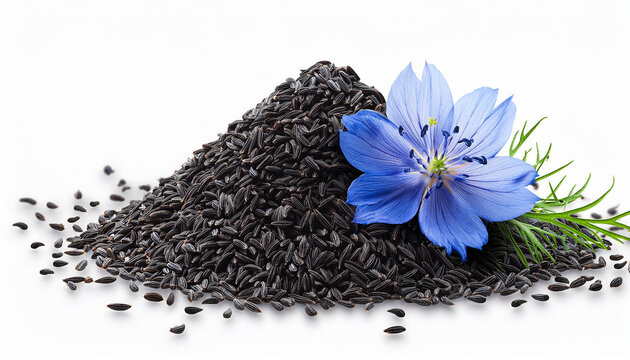
X. Realistic Outcomes: What Families Can Expect
Conclusion First — The Core Message
Black seed oil and gut-healing strategies can meaningfully improve quality of life—but the results vary widely. Some children experience noticeable behavioral ease and improved digestion; others see subtle changes; a few see no response at all. The goal is not a miracle transformation but a healthier, calmer physiology that gives the child more comfort, stability, and emotional bandwidth. Families who embrace realistic expectations stay empowered without falling into disappointment or false hope.
A. Best-Case Outcomes: When Everything Aligns Well
These results happen when gut inflammation, microbiome imbalance, and immune activation are major contributors to the child’s symptoms—and when black seed oil integrates smoothly into a broader healing plan.
1. Better Digestion
Expect improvements such as:
- smoother bowel movements
- reduced constipation or diarrhea
- fewer gas/bloating episodes
- improved appetite
- fewer signs of gut discomfort (curling, crying, belly pressure, post-meal restlessness)
Why:
Anti-inflammatory and antifungal effects reduce irritation, and microbiome shifts improve motility.
2. Calmer, More Regulated Behavior
Improvements may include:
- fewer meltdowns
- lower irritability
- improved frustration tolerance
- less sensory overwhelm
- more engaged communication
- smoother transitions and routines
Why:
When the gut calms, the nervous system calms—thanks to reduced cytokines, improved neurotransmitter signaling, and vagus nerve stabilization.
3. Clearer Sleep Cycles
Families often observe:
- earlier sleep onset
- fewer nighttime awakenings
- deeper sleep
- better morning mood and energy
Why:
Microbiome repair supports melatonin production and decreases nighttime inflammation.
4. Reduced Inflammation Across the System
Look for:
- fewer allergies
- less eczema or skin irritation
- reduced joint pain
- calmer immune responses
- fewer viral/bacterial flare-ups
Why:
Thymoquinone (in black seed oil) acts as a natural anti-inflammatory and antioxidant, reducing systemic stress.
In best-case scenarios, families report a child who is more comfortable in their body—and a household that feels more peaceful and manageable.
B. Moderate Outcomes: When Only Part of the Puzzle Improves
This is the most common scenario. Improvements are real but subtle.
1. Mild Digestive Relief
Possible changes:
- slight reduction in bloating
- modest improvements in stool consistency
- less intense digestive discomfort
Why:
The gut responds, but contributing factors (dietary triggers, chronic infections, motility issues) may require broader interventions.
2. More Stable Moods
Shifts may include:
- slightly longer patience
- fewer emotional spikes
- occasional calmer afternoons or evenings
Why:
Inflammation drops a little, but neurotransmitter pathways may still be influenced by other factors such as sleep, environment, or sensory load.
Moderate outcomes are still victories—they indicate positive physiological movement and a foundation to build upon with deeper gut-healing protocols.
C. No-Response Scenarios: When Changes Are Minimal or Absent
Some children show no noticeable improvement, and this is equally important to acknowledge with honesty and compassion.
When non-response typically occurs:
1. Structural Gut Issues
- congenital GI abnormalities
- severe motility disorders
- chronic constipation unresponsive to diet
- long-term anatomical or neurological GI dysfunction
These require specialized care and cannot be influenced by black seed oil.
2. Genetic or Metabolic Factors
If behavior is primarily driven by:
- mitochondrial disease
- rare genetic variants
- severe sensory-processing differences
- metabolic disorders
Gut modulation offers limited results.
3. When the Child’s Gut Issues Are Not the Main Driver
Some autistic children have excellent digestion and minimal inflammation.
In such cases, black seed oil will not produce changes because there is nothing to “correct.”
4. Incorrect Dosing or Poor Tolerance
A child may show:
- nausea
- stomach discomfort
- no benefit due to too low a dose
- intolerance due to sensitivity
- poor-quality product issues
In these cases, alternatives may be required.
Important Insight
A lack of response does not mean failure.
It simply means gut physiology is not the central piece—or not the only piece—of the child’s developmental profile.
Families can then redirect their efforts toward:
- sensory integration therapy
- occupational therapy
- sleep optimization
- structured routines
- emotional regulation support
- detoxification or environmental changes
Every child has a unique map. The goal is not to force improvement where none occurs—but to follow the path where the child’s body feels naturally supported.

XI. Action Plan for Parents and Practitioners
Families can create meaningful improvements in digestion, mood stability, immune balance, and daily functioning within 30 days—not by chasing magical cures, but by following a structured, compassionate, and science-aligned plan. What follows tells you how, why, and what to do next.
A. 30-Day Gut Reset Protocol
A phased and gentle plan integrating diet, microbiome support, and optional black seed oil. Designed for safety, affordability, and adaptability.
Week 1 — Stabilize & Remove Irritants
Why: Removing common inflammatory triggers reduces gut irritation quickly, allowing the microbiome to start rebalancing.
Actions:
- Remove:
- Gluten
- Dairy
- Processed sugar (especially HFCS, packaged sweets, coloured drinks)
- Add:
- Simple whole foods: rice, millets, lentils, vegetables, fruits
- Hydration routine: warm water + pinch of pink salt (morning)
- Gentle start to black seed oil (only if approved by practitioner):
- Start with ¼ teaspoon/day, mixed with honey or warm water
- Age >6 recommended
- Avoid in children with bleeding disorders or on sedatives
Week 2 — Add Gut-Healing Tools
Why: Targeted nutrients repair gut lining and support microbial balance.
Actions:
- Introduce one new item every 48 hours to prevent reactions:
- Bone broth or vegetarian mineral broth
- Aloe vera pulp (¼ cup/day)
- Omega-3 (fish oil or algal oil)
- Magnesium glycinate (evening)
- Increase black seed oil up to ½ teaspoon/day if tolerated
- Reduce food complexity—keep meals simple and homemade
Week 3 — Microbiome Rebuilding
Why: Once irritation decreases, beneficial bacteria can repopulate effectively.
Actions:
- Add:
- Prebiotics: banana, garlic, onions, asparagus, cooked & cooled rice
- Rotating probiotics (every 10 days)
- Psychobiotics: Lactobacillus rhamnosus GG, Bifidobacterium longum
- Introduce fermented foods (only if no histamine issues):
- Homemade curd alternatives: coconut yogurt, fermented rice water
Week 4 — Personalization & Black Seed Oil Optimization
Why: The body now reveals what helps and what doesn’t.
Actions:
- Decide your child’s unique responders:
- Improves on probiotics?
- Reacts to certain foods?
- For black seed oil:
- Max dose: 1 teaspoon/day, never exceed
- 5 days on, 2 days off
- Add calming-sensory routines linked to gut healing:
- Deep pressure therapy
- Slow swinging
- Breathing games
- Evening foot massage with sesame oil
B. Symptom Tracker Template
A simple daily log to identify patterns. Use emojis, colours, or checkboxes for children.
Track these categories daily:
- Digestion
- Stool type (1–7)
- Gas, bloating
- Appetite
- Behavior
- Meltdown frequency
- Impulsivity
- Hyperactivity
- Mood
- Calm, irritable, anxious, withdrawn
- Sleep
- Time to fall asleep
- Night waking
- Duration
- Skin & Immune
- Rashes, eczema
- Runny nose
- Mouth ulcers
- Energy Levels
- Lethargic → stable → energetic
Weekly Review:
- Which foods triggered issues?
- Did probiotics improve mornings?
- Any changes after starting black seed oil?
This record helps practitioners pinpoint deeply hidden patterns.
C. When to Consult Specialists
No protocol replaces medical care. Wisdom lies in knowing when to pivot.
Red Flags—Stop and Seek Supervision If:
- Regression in speech, social interaction, or motor skills
- Unexplained fever or persistent abdominal pain
- Blood in stools
- Severe rashes beginning after supplements
- New seizures or seizure-like episodes
- Extreme lethargy after starting black seed oil
- Sudden food refusal lasting >48 hours
When to bring in experts:
- Pediatric gastroenterologist: chronic constipation, diarrhea, reflux
- Immunologist: suspected autoimmune reactions
- Nutritionist: highly selective eaters or growth concerns
- Developmental pediatrician: behavioral changes
- Functional medicine practitioner: personalized nutrition & microbiome support
Collaborative Care Philosophy
Parents + Nutritionist + Pediatrician + Occupational Therapist + Counselor
→ This synergy creates sustainable change, not short-lived improvements.
A gentle reminder for families
You’re not fixing a child—you’re supporting their biology so their gifts can shine more clearly. Progress may be slow, uneven, or unpredictable, but every small step counts. And you don’t walk this journey alone.
Participate and Donate to MEDA Foundation
Your generosity fuels programs that uplift autistic individuals, create inclusive employment, and build ecosystems of dignity and self-reliance. Every contribution—time, funds, or expertise—creates ripples far beyond today.
XII. Conclusion
Participate and Donate to MEDA Foundation
Long-term progress for autistic individuals does not come from products or promises—it comes from strong communities, opportunities with dignity, and sustained support systems. MEDA Foundation stands precisely for this vision.
Why it matters: Families need more than fragmented advice—they need ecosystems that nurture independence, skill-building, and emotional security. Your support helps build inclusive employment pathways, parent education programs, and community models that empower individuals to thrive on their own terms.
Call to Action:
Your partnership—whether through donations, volunteering, or spreading awareness—strengthens our collective mission. When you support MEDA Foundation, you help families heal not just the gut, but the heart of the home. You help individuals gain autonomy, skills, and joy. You help society rediscover compassion as a form of action.
Final Summary
Autism, gut health, and black seed oil intersect at the level of inflammation, immune signaling, and the microbiome. Together, they create a roadmap—not for “curing” autism, but for improving the child’s internal environment so their natural abilities can shine unobstructed.
Why this triad matters:
- Autism often coexists with gut challenges, immune dysregulation, and inflammatory cycles.
- Gut health directly influences neurotransmitters, emotional regulation, sensory processing, sleep, and energy.
- Black seed oil, while not a miracle cure, offers meaningful anti-inflammatory, antimicrobial, and immune-modulating benefits that fit neatly into a wider gut-healing plan.
What families can realistically achieve:
- Better digestion and nutrient absorption
- Calmer moods and steadier behavior
- Stronger sleep cycles
- Reduced inflammatory load
- More predictable daily functioning
The real victory lies in consistency, personalization, and avoiding the trap of miracle claims. Healing is a long-distance walk—not a sprint.
Book References
- Brain Maker — David Perlmutter
Microbiome–brain connections, inflammation control, dietary interventions. - The Autism Revolution — Martha Herbert
How systemic biology, environment, and metabolism influence autistic behavior. - Gut and Psychology Syndrome (GAPS) — Natasha Campbell-McBride
Gut-healing protocols, elimination diets, and microbiome restoration. - The Autoimmune Solution — Amy Myers
Inflammation pathways, immune modulation, dietary repair strategies. - Healing the New Childhood Epidemics — Kenneth Bock
Biomed approaches to autism, ADHD, allergies, and gut dysregulation. - The Psychobiotic Revolution — Scott C. Anderson
How specific bacterial strains influence mood, behavior, and cognition.