

Home cooks juggling work, family, and limited energy will discover a calmer way to produce deeper, richer meals without extra effort. Anyone who wonders why restaurant food tastes fuller, why curries bloom overnight, or how meal prep can improve nutrition will gain practical clarity. The guidance suits beginners seeking reliability and experienced cooks wanting efficiency. By understanding how time, temperature, and structure interact, readers can season less, waste less, and plan better. The approach replaces guilt about leftovers with confidence in controlled maturation, helping households eat well on busy days while still honoring freshness, safety, and pleasure for themselves and the people they care about around them.
The Surprise in the Refrigerator
Almost every home cook has experienced it.
You prepare a curry, taste it, adjust the salt, and feel mildly satisfied. It is good. Respectable. Complete. The next day you reheat it, take another spoonful, and suddenly the dish feels deeper, rounder, more confident. Nothing new was added. Yet everything seems improved.
What changed?
Time happened.
We are trained to think of cooking as heat plus ingredients. Flame on. Flame off. Done. But the moment food leaves the stove, many slow processes continue quietly. Liquids migrate. Spices dissolve further. fats capture and carry aroma. Proteins loosen. Starches reorganize and pull surrounding flavour inward. Acidity softens sharp edges. Bitterness fades. Sweetness becomes more noticeable.
The refrigerator is not merely a storage box. It is a controlled environment where these changes unfold safely and predictably.
In fact, some dishes are not truly finished on the day they are cooked. They are in transition. The structure has formed, but the harmony is still developing. Given hours, sometimes a full day, the parts begin to taste like they belong together. Instead of rice, masala, and beans, you experience rajma. Instead of chicken floating in gravy, you taste one unified preparation.
Professional kitchens understand this deeply. Many soups, stews, braises, and sauces are intentionally made ahead because chefs know flavour matures. Fresh cooking gives immediacy and brightness. Resting gives cohesion and depth. Both are valuable, but they are not the same.
Thinking this way changes how we judge food. A dish that feels slightly aggressive, thin, or separate today may simply be young. Patience, not more seasoning, may be the real requirement.
Time behaves like an ingredient, except it does not appear on the shopping list. It costs nothing. It asks only for planning. Yet it can amplify flavour more effectively than extra oil or spice.
Once you begin to notice this, the refrigerator becomes something different. Not a graveyard of leftovers, but a chamber of transformation.
And the cook gains a powerful new tool: the ability to let food become what it was always meant to be, just a little later.
What Reverse Marination Means
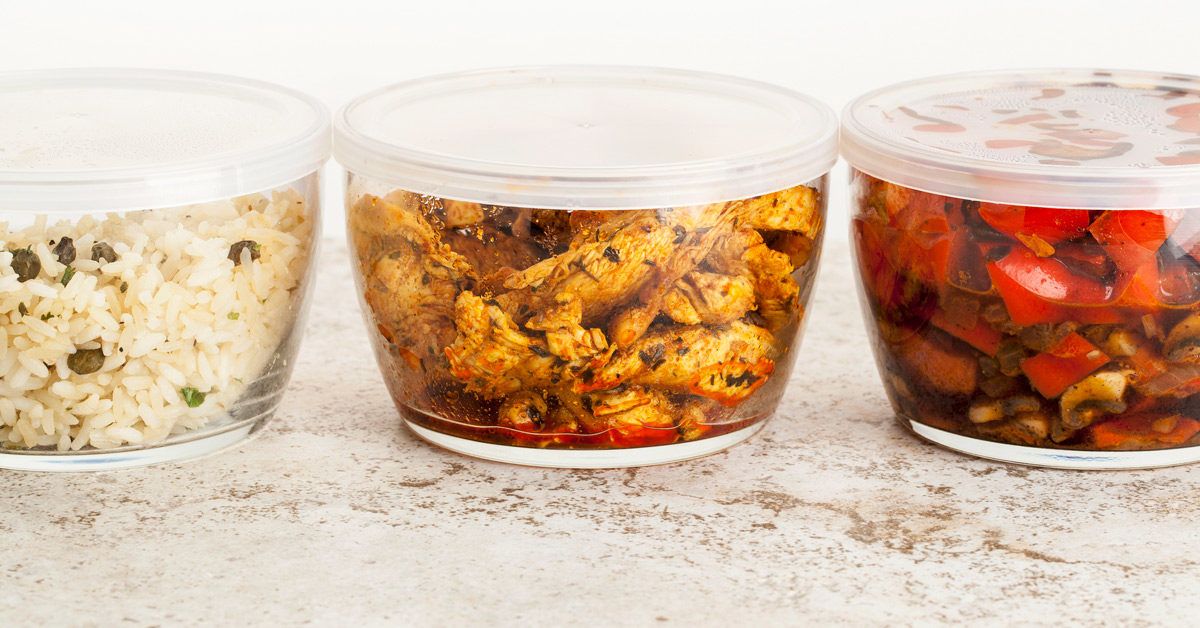
Reverse marination is the deliberate act of allowing a cooked dish to rest under controlled, refrigerated conditions so that flavour, texture, and structure can continue to develop after the heat is turned off.
It is intentional.
It is planned.
It is part of the recipe.
Instead of asking, “How fast can we eat this?” the cook asks, “When will this taste its best?”
During this resting period, the food is not idle. Internal movement continues. Salt and aromatics travel. Gravies penetrate solids. Fats firm up and hold fragrance. Starches hydrate. Sour notes round themselves. What felt separate begins to taste unified.
This is very different from the casual idea of leftovers.
Leftovers are accidental. They are what remain when more food was cooked than consumed. They may be stored well or poorly. They may be eaten thoughtfully or simply reheated without attention. Quality is uncertain.
Reverse marination, in contrast, starts before the food is even finished cooking. The cook anticipates improvement with time and prepares for it. Cooling is done properly. Containers are chosen with care. Reheating later is part of the plan. The goal is enhancement, not rescue.
Think of it the way we treat dough resting, pickle aging, or marinated meats. We accept that waiting improves them. Reverse marination applies the same wisdom to finished dishes.
Professional kitchens rely on this principle every day. Large batches of soups, meat gravies, bean preparations, and sauces are commonly prepared in advance precisely because chefs know flavour settles and deepens. Service becomes faster, yes, but more importantly the taste becomes fuller and more integrated.
In many cases, serving a dish immediately after cooking would actually mean serving it too early.
Understanding reverse marination shifts the identity of the refrigerator. It is no longer a place where food declines. It is where food completes itself.
And once a cook begins to treat resting as part of the craft, consistency improves, seasoning becomes easier, and meals gain a quiet maturity that is difficult to achieve in a hurry.

Reverse Marination vs. Stale Food
Here is the biggest mental hurdle most cooks face.
If food sits, isn’t it becoming old?
If it is old, isn’t it unsafe?
If it is unsafe, how can it be better?
These are reasonable concerns. They deserve clear, rational answers.
The key difference lies in control.
Reverse marination is planned flavour development under safe temperature and hygienic storage. Stale food is what happens when time passes without those controls. One is a technique. The other is neglect.
When a dish is cooled promptly, transferred to clean containers, sealed, and kept consistently refrigerated, the cook is guiding what continues to happen inside the food. Spices redistribute. liquids migrate. starches absorb. proteins relax. acidity mellows. These are culinary improvements.
Spoilage, on the other hand, is about unwanted microbial growth. That happens when food is left too long at warm temperatures, contaminated by poor handling, or stored inconsistently. Bacteria multiply. Toxins may form. Texture and aroma deteriorate.
Notice something important: time alone is not the villain.
Temperature abuse is.
Milk becomes curd under controlled fermentation and becomes waste when unmanaged. The same principle applies here.
Understanding this removes unnecessary fear and replaces it with responsibility.
A good cook uses both the clock and the fridge intelligently.
Simple Sensory Intelligence
Even with good planning, always check.
Your senses are powerful safety tools.
Smell → anything sour when it should not be, or generally unpleasant, is a warning.
Texture → sliminess, excessive separation, or unnatural stickiness signals trouble.
Surface activity → unexpected bubbles or foam can indicate fermentation.
Appearance → dull color, greying fats, or unusual patches are red flags.
If something feels wrong, do not debate. Discard it.
Confidence in reverse marination grows not from blind faith, but from observation and discipline.
The Healthy Middle Ground
Fresh food provides brightness and vitality.
Rested food provides depth and cohesion.
Neither is morally superior. They serve different purposes.
A skilled kitchen knows when to celebrate immediacy and when to allow maturity.
When handled properly, reverse marination is not about eating old food. It is about eating food that has had the chance to become complete.
What Actually Changes During Resting (Simple Science)
Resting can feel mysterious because the improvements appear without additional effort. But nothing magical is happening. The changes are physical and chemical, slow and predictable, and they follow the same laws that governed the food while it was on the stove.
Understanding a few of them gives enormous control.
Diffusion of Salt and Spices
When cooking ends, seasoning is rarely distributed perfectly. Some areas are concentrated. Others are mild. Given time, molecules move from high concentration to low concentration. This movement is called diffusion.
Salt penetrates deeper into beans and vegetables.
Spice extracts spread more evenly through gravy.
Heat from chilli becomes less sharp and more integrated.
Instead of tasting salt in patches, you taste seasoning everywhere.
Protein Relaxation
Heat tightens muscle fibres in meat, paneer, and even legumes. Moisture is pushed outward. This can make a dish feel slightly firm or separate when freshly cooked.
During rest, structures loosen. Some liquid is reabsorbed. The bite becomes tender and cohesive. Meat slices more cleanly. Paneer feels less rubbery. Lentils sit more comfortably in the sauce.
The dish feels settled.
Fat Trapping and Carrying Aroma
Many flavour compounds dissolve best in fat. When the dish cools, fats firm slightly and hold those aromatic molecules in place. Over time they migrate into surrounding ingredients.
This is why gravies seem richer the next day even without extra cream or ghee. Aroma has travelled.
Starch Retrogradation and Absorption
Cooked starches—rice, potatoes, wheat, lentils—do something fascinating as they cool. Their structure reorganizes. Moisture gets pulled inward along with dissolved flavours.
Grains taste seasoned from within rather than coated from outside. Sauces thicken naturally. The mouthfeel becomes fuller.
This is one reason why day-old biryani or rajma can feel more satisfying.
Acid Softening Harsh Notes
Tamarind, tomato, curd, vinegar—these acids continue interacting with proteins and plant fibres long after cooking. Sharp edges round out. Bitterness reduces. Sweetness becomes more noticeable.
The flavour becomes calmer and more mature.
The Final Result
Individually these shifts are subtle. Together they are dramatic.
What was once rice plus curry becomes one dish.
What tasted loud becomes balanced.
What felt thin becomes substantial.
Resting produces unity, thickness, and a rounded, confident flavour profile.
Time does not merely preserve food. It edits it.

The Golden Decision Rule
Here is a shortcut that simplifies everything.
If longer, slower cooking improves a dish, resting will likely improve it too.
This rule is not poetry. It is physics and chemistry applied to everyday cooking.
When a preparation benefits from extended simmering, braising, or dum-style cooking, it means the ingredients are capable of gradual internal change. Flavours can move. Fibres can soften. Liquids can penetrate. Aromatics can dissolve more completely. The structure of the food welcomes time.
Turning off the flame does not suddenly stop those tendencies. It only slows them down.
So the same qualities that make a curry better after an extra half hour on the stove will often make it better after a night in the refrigerator.
Why the Rule Works
A dish that improves with prolonged cooking usually has three characteristics.
1. It tolerates moisture movement.
Gravy can travel without ruining texture. Beans can absorb. Meat can relax. Rice can redistribute flavour.
2. It benefits from breakdown or softening.
Collagen melts. Spices hydrate. Vegetables lose rawness. Acidity integrates.
3. Its success is not dependent on immediacy.
It does not rely on crunch, puff, foam, or fragile aroma.
These properties mean time is an ally.
Examples Where the Rule Holds True
Think of mutton curry, rajma, sambar, dal makhani, biryani, baingan bharta. Almost no cook complains they simmered too long within reason. Improvement is expected.
So improvement during rest should not be surprising.
Where the Rule Warns You to Stop
Now flip it.
If extra cooking would destroy a dish, resting will likely harm it too.
Add time to a fried pakora and it softens.
Extend cooking for a stir fry and vegetables collapse.
Let fresh herbs sit and their aroma fades.
Here the magic lies in immediacy, not maturity.
What This Rule Gives the Cook
Confidence.
Instead of guessing, you evaluate the nature of the food. You ask, Does this dish like time? If yes, let the refrigerator help you. If not, serve it fresh and proud.
Simple thinking. Reliable results.
And with experience, your intuition becomes sharp enough to predict improvement before the lid even closes.

Foods That Commonly Improve
Once you understand how time continues to work inside food, certain categories stand out as natural beneficiaries. These are dishes built on absorption, breakdown, and blending. They welcome patience.
A. Meat & Poultry Curries
Collagen, marrow, fat integration
Freshly cooked meat gravies can taste slightly separate. The sauce is ready, but the interior of the meat may still be catching up. During rest, gelatin from bones and connective tissue disperses more evenly. Fat firms and carries aroma deeper. Spices penetrate.
The result is gravy that clings better and meat that tastes seasoned throughout, not just on the surface.
This is why goat, lamb, beef, and slow-cooked chicken preparations often peak a day or two later.
B. Beans, Lentils & Dals
They drink the gravy
Legumes are excellent absorbers. Even after they are fully cooked, their internal structure continues to pull in surrounding liquid.
Overnight, rajma, chole, whole dals, and even split lentils become more harmonious. The sauce thickens naturally. The spices feel embedded rather than floating around.
What tasted like curry plus beans becomes a single expression.
C. Rice & Grain Dishes
Redistribution of moisture and spice
Rice is rarely uniform at the moment of cooking. Some grains hold more masala. Others are plain. Resting allows moisture and dissolved seasoning to travel.
Biryani slices better. Pulao tastes more even. Tamarind or lemon rice develops personality. Khichdi becomes comforting and cohesive.
Cooling also changes starch structure, giving body and satisfaction.
D. Vegetable Gravies & Bhunas
Masala penetration
Vegetables are made of cells and fibres. They need time to absorb flavour beyond the exterior. As dishes sit, masala moves inward. Bitterness fades. Sweet notes emerge.
Baingan bharta, aloo gobi, mixed vegetable curry, mushroom masala—all tend to feel more confident after rest.
The vegetables stop tasting boiled in sauce and start tasting seasoned from within.
E. Dishes with Spice + Fat
Slow extraction continues
Hot oil begins the work of extracting aroma from spices. Resting allows it to finish.
Clove becomes warmer rather than sharp. Cinnamon sweetens. Chilli heat spreads more evenly. Turmeric earthiness integrates. The flavour profile becomes round instead of loud.
Any dish built on tadka or roasted masala usually benefits.
F. Sour-Based Foods
Acidity becomes rounder
Tamarind, tomato, curd, kokum, vinegar—these ingredients are assertive when fresh. With time, their edges soften. They weave themselves into the rest of the dish.
Rasam, kadhi, vindaloo-style gravies, tomato-rich curries often gain complexity overnight.
Sharp becomes balanced. Balanced becomes irresistible.
G. Multi-Layered Dishes
Components merge into one identity
When recipes contain multiple elements—rice, meat, garnish, fried onions, herbs—each part initially announces itself.
Time encourages conversation between them.
Soon the eater no longer tastes separate layers but a unified creation. This is the difference between assembly and integration.
Across all these categories, the pattern is clear. Foods that can absorb, soften, or redistribute almost always reward patience.
They are built not just to be cooked, but to mature.
Foods That Rarely Benefit
Reverse marination is powerful, but it is not universal. Some dishes are designed around immediacy. Their beauty lies in contrast, volatility, and texture that fades quickly. Give them time and you remove the very qualities that made them exciting.
In these cases, freshness is not just pleasant. It is essential.
Fried Foods
Pakora, puri, bhatura, fries, tempura—these rely on crisp exteriors and trapped steam. As they sit, moisture migrates outward. The crust softens. Oil becomes more noticeable. What was lively becomes heavy.
No amount of resting improves that experience.
Crisp Textures
Light crunch provides energy to a meal. Think roasted papad, toasted nuts added to a curry, crackling toppings, or crisp okra fries. Waiting dulls the contrast. Once softened, they rarely recover fully.
Serve them near the moment they are meant to be enjoyed.
Delicate Herbs
Fresh coriander, mint, dill, tender curry leaves—these contain volatile aromatic compounds. They are brightest immediately after cutting or tempering. With hours in the fridge, their perfume weakens and sometimes turns grassy.
Add them at the end, not the day before.
Quick Stir Fries
High-heat, fast cooking keeps vegetables vibrant, slightly firm, and expressive. Resting continues the softening. Colors fade. Texture collapses. The dish becomes something it was never meant to be.
Certain Seafood
Fish and shellfish can be unforgiving. Their proteins are delicate. Extended resting may lead to dryness, stronger odours, or loss of tenderness. Unless it is a robust stew designed for aging, most seafood prefers prompt eating.
Fresh Salads
Leafy greens wilt. Cut vegetables release water. Dressings dilute. Crunch disappears. The personality of a salad lives in its immediacy.
Prepare close to serving.
The Core Insight
Time amplifies depth, but it erodes brightness and crispness.
So the question becomes simple: what is the star of the dish?
If the answer is crunch, lift, or fragrance, serve it fresh and celebrate it. If the answer is integration and richness, let it mature.
Knowing the difference is a sign of a thoughtful cook.

The Maturity Ladder – When Is It Best?
Reverse marination is not just about if a dish improves. It is about when it reaches its sweet spot.
Think of flavour like a curve. It rises, stabilizes, and eventually declines. Understanding this arc allows you to serve food at its most expressive stage rather than at a random moment.
Short Rest (2–6 Hours) → Surface Movement
In the first few hours, the most dramatic activity is near the exterior. Gravies soak into rice. Oil from pickles travels into parathas. Spice extracts spread through the sauce.
You will notice:
less sharpness
slightly thicker texture
improved balance
This window is especially useful for tiffin meals and same-day planning.
Overnight (12–24 Hours) → Integration
This is where magic usually happens.
Salt penetrates more deeply. Proteins relax. Beans drink liquid. Aromas carried by fat distribute evenly. Sourness rounds itself. Individual ingredients begin to lose their separateness.
Many curries, dals, and braises hit peak harmony here.
If you want a reliable improvement, aim for overnight.
48 Hours → Depth and Body
At this stage, flavours can become profound. Gravies feel heavier. Spice warmth is fuller. Thickness increases as starches reorganize and moisture redistributes.
Robust dishes such as mutton curry, rajma, chole, or slow vegetable bhunas often shine here.
However, freshness elements may begin to fade. Herbs dull. cream notes may feel heavier. The dish becomes more intense and less bright.
Beyond This → Risk of Decline
Even in perfect refrigeration, quality eventually drops.
Aromas flatten. texture may grow muddy. Fat can taste tired. The dish may still be safe, but it is past its expressive peak.
A smart cook enjoys maturity without pushing into exhaustion.
What the Ladder Teaches
Not every improvement requires days.
Most benefits appear within the first 24 hours.
Longer time favors robustness over brightness.
Serve accordingly.
Maturity Calendar for Common Indian & Indo-Fusion Dishes
(Peak flavour typically marked in bold.)
Meat & Poultry
| Dish | Day 0 | Day 1 | Day 2 | Day 3 |
|---|---|---|---|---|
| Chicken curry | good | peak | excellent, thicker | slight decline |
| Mutton curry | good | better | peak | intense |
| Rogan josh | good | better | peak | strong |
| Butter chicken | very good | peak | stable | cream heavy |
| Keema | good | peak | deeper | drier |
Beans & Dals
| Dish | Day 0 | Day 1 | Day 2 | Day 3 |
|---|---|---|---|---|
| Rajma | good | better | peak | very thick |
| Chole | good | peak | deeper | heavy |
| Dal makhani | good | better | peak | luxurious |
| Sambar | good | peak | blended | tamarind forward |
| Kadhi | good | peak | sourer | thinning risk |
Rice & Grains
| Dish | Day 0 | Day 1 | Day 2 | Day 3 |
|---|---|---|---|---|
| Pulao | very good | peak | drier | fading |
| Biryani | excellent | peak | deeper | may dry |
| Khichdi | good | better | comforting | thick |
| Tamarind rice | good | better | peak | strong |
Vegetables & Paneer
| Dish | Day 0 | Day 1 | Day 2 | Day 3 |
|---|---|---|---|---|
| Aloo gobi | good | peak | softer | decline |
| Baingan bharta | good | peak | smoky | intense |
| Mixed veg | good | better | peak | mush risk |
| Paneer gravy | very good | peak | softer | texture fades |
Indo-Fusion
| Dish | Day 0 | Day 1 | Day 2 | Day 3 |
|---|---|---|---|---|
| Masala pasta | good | peak | integrated | heavy |
| Lasagna (Indian style) | good | better | peak | excellent slice |
| Curry wrap | good | peak after hours | soggy | no |
The ladder gives you timing.
The calendar gives you prediction.
Together, they let you decide not just how to cook—but when to serve.
Tiffin Box Reverse Marination (2–6 Hour Magic)
A full day is not required for transformation. Even the short journey from morning packing to lunchtime can dramatically change how a meal tastes.
Think of the tiffin as a miniature maturation chamber. The food rests. Temperatures fall gradually. Liquids migrate. Aromas settle. By the time the lid opens at noon, flavours have reorganized themselves.
Morning assembly becomes lunchtime bloom.
How Absorbent Foods Pull Flavour
Many common lunch items are natural sponges.
Rice draws in gravy.
Paratha absorbs pickle oil.
Idli drinks ghee and podi.
Bread soaks chutney or masala.
Dry sabzi releases moisture that seasons neighbouring items.
At 8 a.m., components may taste separate. By 1 p.m., they feel unified.
This is diffusion at work, just on a smaller clock.
Why This Matters for Daily Cooking
Understanding this allows smarter seasoning. Food packed for later often needs slightly less salt or chilli because intensity will spread during rest.
It also means you can rely on synergy. Instead of overloading each item, let them improve each other.
Smart Packing Methods
Small placement decisions create big differences.
Keep gravies near starches you want flavoured.
Allow breads or parathas to touch pickle or curry lightly if softening is welcome.
Separate items only when you want contrast preserved.
Put garnishes meant to stay fresh in small side containers.
You are designing the direction of flavour travel.
Steam Control to Prevent Sogginess
One common mistake is sealing food while it is still releasing heavy steam. Excess trapped moisture can make textures limp.
Simple fixes:
allow dishes to cool briefly before closing,
vent for a few minutes,
avoid stacking crisp items under hot gravies.
A little patience in the morning protects the meal.
The Payoff at Lunch
When opened, the tiffin often smells richer than it did at home. Edges have softened. Rice tastes seasoned inside. The meal feels comforting and complete.
No extra cooking happened.
Time did the finishing.
Once you recognize this daily miracle, packing lunch becomes less about storage and more about gentle, guided maturation.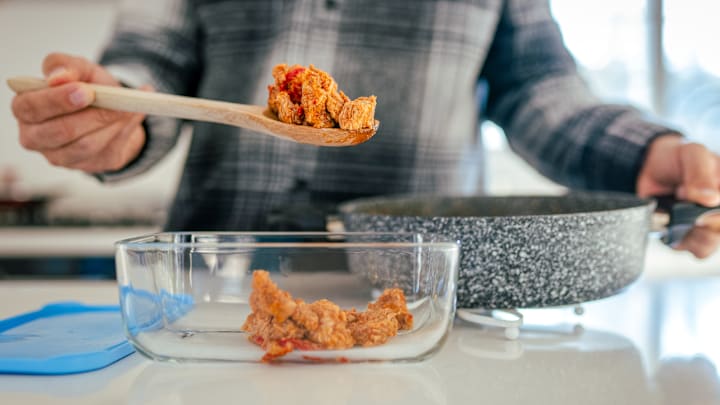
Everyday Kitchen Strategy – Living With the System
Reverse marination becomes truly powerful when it shifts from an occasional accident to an everyday system.
Instead of cooking, eating, and starting from zero again, you create a gentle flow through the week. The refrigerator becomes active inventory. Some dishes are arriving. Some are maturing. Some are at their prime.
You stop chasing meals. Meals start waiting for you.
The Rotating Flow
The rhythm is simple:
Cook today → peak tomorrow → finish or freeze next.
Day 0 gives you freshness and immediate satisfaction.
Day 1 usually delivers the most balanced, integrated flavour.
Day 2 is often the last call for enjoying depth before quality begins to taper. If you cannot finish it, freeze it while it is still strong.
This rotation means your household almost always has something in its best window.
Why This Reduces Stress
Daily cooking pressure drops dramatically.
You are no longer forced to produce a perfect meal every single evening. Some days you cook. Other days you reheat and refresh. Decision fatigue shrinks. Emergency takeout becomes less tempting.
Knowing that tomorrow’s lunch or dinner is already moving toward excellence is deeply calming.
Why Quality Improves
Instead of eating food at random points in its life, you learn to catch it at its peak.
Seasoning becomes easier because flavours have time to distribute. Textures settle. Gravies thicken naturally. You rely less on last-minute adjustments.
Consistency rises.
Why Waste Falls
A rotating system gives clarity. You see what must be eaten. You know what can be frozen. Forgotten containers become rare.
Food moves with purpose rather than drifting toward expiry.
A Subtle Psychological Shift
Perhaps the biggest benefit is mindset.
Leftovers stop feeling like compromise. They become planned maturity. You are not reheating old food. You are serving a dish at the moment it was meant to shine.
That confidence changes how a kitchen feels.
Live with this rhythm for a week and you will notice something surprising: you are cooking less often, worrying less, and eating better.
Time is finally working for you instead of against you.
Refrigerator Organization Method
Reverse marination only works when you can see and manage where each dish is in its life cycle. Without a simple system, food gets lost, timing becomes guesswork, and the advantage disappears.
Good organization turns the fridge into a flavour calendar.
Label Dates
This is the smallest habit with the biggest payoff.
The moment food goes into storage, mark the date. Tape, stickers, marker on the lid—anything clear and fast. Now you know whether something is young, peaking, or nearing the end of its prime.
No memory games. No guessing.
Dating also makes it easier to decide what to eat first, what to finish, and what to freeze.
Keep Items at Different Maturity Stages
A healthy refrigerator contains variety in time, not just variety in dishes.
Ideally you have:
something freshly cooked,
something approaching peak,
something ready to be eaten soon.
This staggered arrangement creates flexibility. If you are tired, reach for the peak item. If you want brightness, choose the fresh one. If schedules change, you know what must move next.
Placement Helps Visibility
Keep older items toward the front. Newer ones can move behind them. Transparent containers help you judge condition instantly.
If you cannot see it, you will forget it.
Always Have Something at Peak
This is the goal of the entire system.
When a household regularly maintains food in different stages, at least one dish will almost always be at maximum flavour. Dinner becomes easier. Lunch becomes reliable. Guests can be fed confidently.
Instead of racing the clock, you ride the wave.
What This Organization Creates
Less waste.
Better timing.
Higher quality meals.
Calmer decisions.
Most importantly, it builds trust between you and your kitchen. You begin to understand how long foods like to rest and when they are happiest.
And that is when reverse marination turns from theory into everyday mastery.
Freezer as a Flavor Locker
The freezer is often treated as a place where food goes to be forgotten. In a reverse marination system, it becomes something else entirely: a way to pause a dish at its best moment.
Instead of saving food that is declining, you preserve it when flavour has already matured.
Why Freezing After Day 1 Works Beautifully
By the time a curry or dal has rested overnight, most of the important internal movement has already happened. Salt has spread. Aromas have integrated. texture has settled.
Freezing at this stage locks in that harmony.
When reheated later, you are not waiting for development. You are reviving it. The dish returns close to its peak personality, often with remarkable reliability.
Freeze too early and you capture youth.
Freeze too late and you capture fatigue.
Day 1 is usually the sweet spot.
What Freezes Well
Robust, moist, structured dishes are champions here.
meat curries and stews
rajma, chole, whole dals
sambar and many lentil preparations
slow-cooked vegetable gravies
cooked beans
braised fillings for wraps or parathas
thick sauces and masalas
These foods tolerate cooling, reheating, and continued absorption. In some cases they may even taste slightly better after thawing because moisture redistributes once again.
What Does Not Freeze Well
Foods that rely on delicate structure or emulsions struggle.
cream-heavy gravies may split
fried items lose texture
potatoes can turn grainy
paneer may become crumbly if frozen in thin sauces
fresh herbs blacken and lose fragrance
watery vegetables may become limp
They are not ruined, but they rarely return to glory.
Smart Freezing Habits
Cool food before freezing.
Use portion sizes you will actually need.
Remove excess air.
Label clearly.
Quick thawing and gentle reheating protect quality.
The Advantage You Gain
On a busy day, you can serve something that already passed through maturity instead of rushing a new dish from scratch.
The freezer becomes your reserve of proven success.
Used wisely, it is not about storing food. It is about storing good timing.

Freshness is the counterweight to maturity.
Time builds bass notes.
Fresh elements bring the treble.
Without brightness, aged food can taste heavy, flat, or tired. With it, the same dish suddenly feels alive, intentional, restaurant-level.
Here’s why.
As food rests, spices dissolve into fats, starches re-hydrate, proteins relax, and harsh edges soften. Wonderful. But volatile aromas fade. Herbs darken. Acidity dulls. Textures lose snap.
You gain integration.
You lose sparkle.
Professionals never choose one over the other. They layer them.
A slow curry might be matured overnight for depth, then finished with raw coriander, a squeeze of lime, sliced onion, or fresh ginger at service.
A biryani rested for hours gets mint and lemon before it reaches the table.
A dal blooms after a day, then receives hot ghee and green chilli right before eating.
Old soul. Young face.
That contrast is what makes the brain pay attention.
There is also a sensory reason. Fresh garnishes release high, sharp aromatics that hit your nose immediately. Matured components deliver low, rounded flavors that stay longer on the palate. Together they create dimension instead of monotony.
Think of it like lighting a room.
Depth is the furniture.
Freshness is the window.
Miss the window and everything feels closed.
How to apply this at home is simple and powerful.
When reheating matured food, ask: what can I add that is raw, bright, or crisp?
Examples:
chopped herbs
citrus
raw onion or radish
grated carrot
fresh coconut
yogurt drizzle
toasted nuts
a final tempering
Even five seconds of effort can completely change the experience.
This habit prevents “leftover fatigue.” It makes planned maturity feel deliberate instead of old.
Another benefit: freshness helps digestion. Many raw herbs, acidic elements, and crunchy vegetables stimulate saliva and gastric juices, helping the heavier, aged components feel lighter in the body.
So maturity gives comfort.
Freshness gives lift.
Use both.
If food has rested, finish it with something alive.
Resistant starch formation
When cooked starch cools, part of it reorganizes into a structure that resists digestion in the small intestine. Instead of acting like fast glucose, it behaves more like fiber.
This means:
slower release of energy
lower blood sugar spikes
longer satiety
food for beneficial gut bacteria
When you reheat, some of that structure remains. Not all of it disappears. So yesterday’s rice can metabolically act differently from freshly cooked rice.
It is a small change, but repeated daily, small changes matter.
Easier digestion
Resting also allows moisture to redistribute and fibers to soften. Spices dissolve into fats instead of sitting as sharp particles. Proteins relax.
Your stomach receives something more uniform and less aggressive.
Many people notice:
less bloating,
less heaviness,
better tolerance to legumes and grains.
Traditional cuisines discovered this long before labs did. That is why so many dishes are “better the next day.”
Possibly reduced need for heavy seasoning
Here is a quiet advantage.
As flavors integrate, you often need less salt, oil, or spice to feel satisfied. Harshness drops. Roundness increases. Natural sweetness becomes more noticeable.
So the cook stops chasing intensity.
Over time this can lower total sodium and fat intake without feeling like restriction. The food simply tastes complete earlier.
The practical takeaway
Cooling and resting can gently shift food:
from quick fuel → sustained fuel
from sharp → balanced
from demanding → comfortable
It is not magic. But it is reliable.
If you already cook, letting time assist you is one of the simplest upgrades available.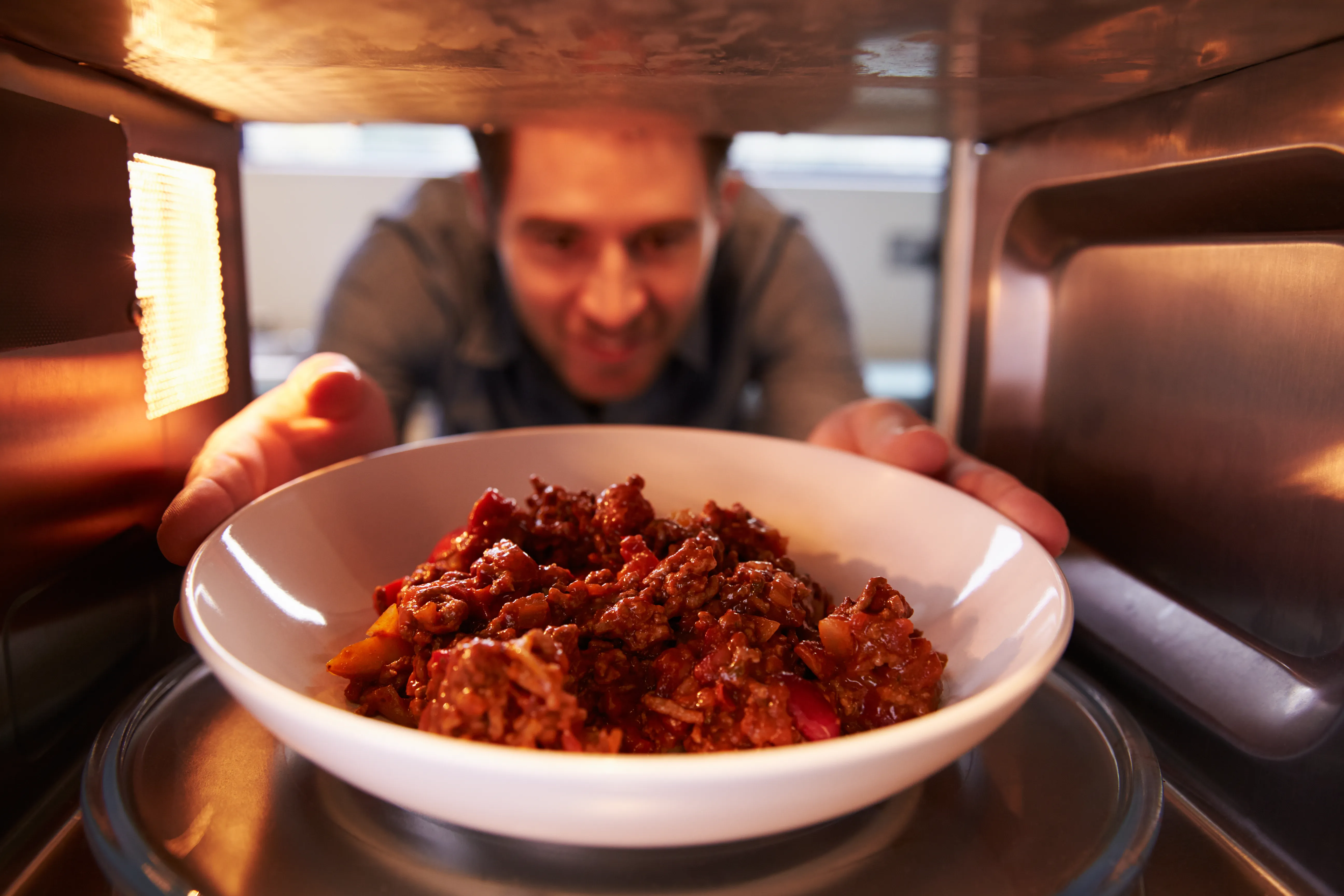
Closing Thought
Time can quietly damage food, or it can quietly elevate it.
The difference is intention.
When resting is planned, cooled correctly, and observed, flavour deepens. Texture stabilizes. Seasoning evens out. Your workload becomes lighter. Tomorrow’s meal starts cooking today.
Ignore time and food drifts toward spoilage.
Work with time and it becomes technique.
A refrigerator is not only storage. It is a continuation of the recipe.
Use it deliberately.
Support Meda Foundation
This work, like many similar educational efforts, is sustained by patrons who believe practical knowledge should remain accessible. If you found the ideas useful, consider contributing.
You are also invited to share your experiences, experiments, and improvements through the feedback form. Real kitchens create the best refinements.
Resources for Further Research
Harold McGee – On Food and Cooking
https://www.sciencedirect.com/topics/food-science/starch-retrogradation
https://www.ncbi.nlm.nih.gov (search: food cooling safety, flavor diffusion)
https://www.fsis.usda.gov/food-safety (cooling and storage guidelines)
Modernist Cuisine lectures (YouTube)
Alton Brown – Good Eats episodes on leftovers and reheating
https://pubmed.ncbi.nlm.nih.gov (search: resistant starch cooling)
