

Kindness is not weakness—it is moral courage in motion, a radical act of hope that transcends politeness and becomes a powerful force for healing, resilience, and transformation. Whether extended through a soft word during personal anguish or a courageous stand against injustice, kindness rewires the brain, anchors the soul, and builds bridges where division once stood. From everyday gestures to institutional change, choosing to be kind—especially when it’s hardest—is the quiet revolution that restores dignity, fosters belonging, and rekindles our shared humanity. Kindness isn’t just a virtue; it is a way of being that saves lives, communities, and perhaps, even the human spirit itself.
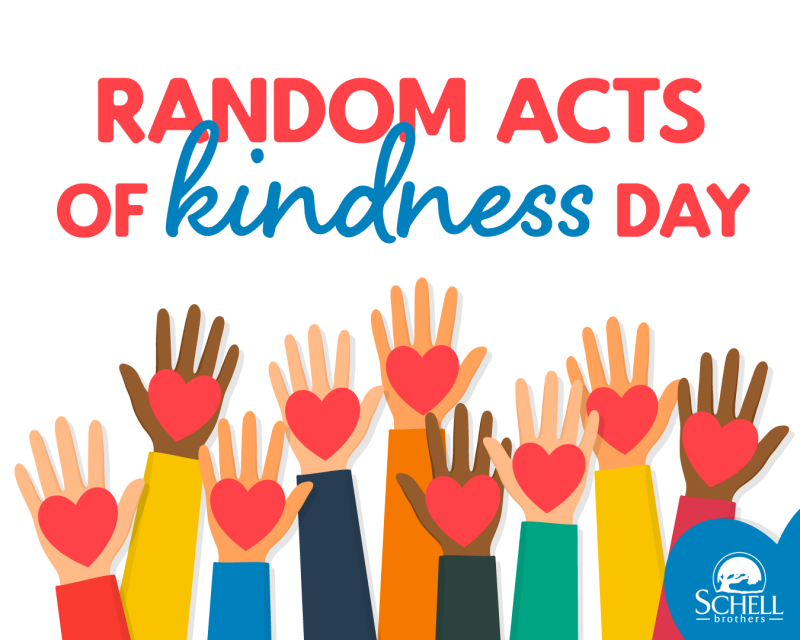
The Unwavering Power of Kindness: Be Kind No Matter What
The Quiet Revolution of Kindness
In a world increasingly shaped by speed, division, and digital noise, kindness often feels like an antiquated virtue—soft, sentimental, and secondary to strength, strategy, or success. But this perception is deeply mistaken. Kindness is not weakness. It is not a luxury to be practiced when conditions are ideal. It is not reserved for saints or idealists. Rather, kindness is a discipline, a form of courage, and a moral imperative that must be exercised especially when life is hardest—when we are grieving, exhausted, wronged, or even ignored.
To “be kind no matter what” is to adopt a radical stance in a cynical world. It is to say, I will not allow the cruelty or apathy of others to poison my inner integrity. It is to become, in the words of Maya Angelou, “a rainbow in someone else’s cloud,” even when your own skies are dark.
Kindness is not reactive—it is preemptive. It does not wait for circumstances to soften before extending itself. It doesn’t demand reciprocity, praise, or even recognition. And when practiced with intention, it has the power to disarm conflict, revive broken spirits, and unify communities fractured by fear or prejudice.
This article is a tribute to that deeper understanding of kindness. Not the performative version we sometimes see online or the conditional type we offer only when we’re well-rested and affirmed. But the kind that transcends moods, conditions, and ego—that emerges as a natural expression of a grounded, open, and resilient soul.
Why Kindness Is Needed Now—More Than Ever
We are living through a convergence of emotional, social, and environmental crises. Loneliness is at epidemic levels. Anger dominates public discourse. Compassion fatigue is real. And millions—especially the most vulnerable—feel unseen, unheard, and unloved.
In such a time, kindness is not a luxury—it is a lifesaving force. It is what keeps a mother going when she’s caring for an autistic child without support. It’s what gives a teacher the strength to uplift students in overcrowded classrooms. It’s the volunteer offering a meal in a flood-hit village, the doctor speaking gently to a dying patient, the neighbor who stops to listen, not just to speak.
Kindness is not passive. It is a form of resistance against numbness and injustice. It says: I see you. You matter. Even if the world overlooks you, I will not.
Beyond Sentiment: The Kindness Lifestyle
This article is not a romantic ode to niceness. It is a call to action. A call to reclaim kindness as:
- A moral anchor in a time of moral confusion.
- A psychological strategy for overcoming despair and disconnection.
- A spiritual discipline rooted in the idea that we are all profoundly interconnected.
We will explore how real people—through real pain—have chosen kindness and been transformed. We’ll unpack the psychological benefits for givers and receivers alike. We’ll look at how small, thoughtful actions can heal communities and how simple daily practices can create profound inner change.
Kindness is not an event—it is a way of being. It is not a band-aid—it is medicine for the soul and the social fabric. Practicing kindness every day can make us better leaders, parents, partners, citizens—and more fully human.
The Role of the MEDA Foundation
At the heart of this message is a belief long held by the MEDA Foundation: that helping people help themselves begins with empathy. We are dedicated to building ecosystems of healing, independence, and joy—especially for those on the autism spectrum and others pushed to the margins of society.
Through this article, we invite you not only to reflect but to participate: in your home, your neighborhood, your workplace, and with us.

I. Introduction: The Quiet Revolution of Kindness
Redefining Kindness in a Time of Crisis
We often think of kindness as the cherry on top of a good day—something pleasant, sweet, optional. In many cultures and conversations, it’s equated with politeness, manners, or social etiquette. But in today’s fractured world, this limited view is insufficient. We must urgently redefine kindness for what it truly is: a powerful, moral, and even revolutionary force.
There is a critical difference between reactive politeness and radical compassion. Politeness often responds to civility with civility. It is transactional, conditioned, and safe. But radical compassion is entirely different—it is inconvenient, unconditional, and costly. It steps forward even when the environment is hostile. It speaks up when injustice is loud. It listens when people are invisible.
Kindness, in this context, is not sentimental. It is not weak. It is a form of non-negotiable moral courage—an active and conscious choice to show up for others without expecting something in return. It requires strength to give when empty, patience to listen when exhausted, and wisdom to speak gently when angered.
In this redefined frame, kindness becomes an ethic of daily resistance—not resistance against people, but against apathy, ego, and indifference. It is not a luxury or soft skill. It is the foundation for emotional survival, social resilience, and systemic healing.
Why Kindness Is Revolutionary Now
We live in a time marked by unprecedented technological connection but growing emotional disconnection. The world scrolls, swipes, and tweets its way through crises, but suffers from a deep and dangerous empathy deficit.
- Fear is normalized.
- Burnout is glorified.
- Polarization is engineered.
- Kindness? Often dismissed as naive or unproductive.
Yet, precisely because of this, kindness is more than relevant—it is revolutionary.
In the face of rising loneliness, depression, suicide, trauma, and violence, kindness offers what no algorithm or productivity app can: presence, recognition, warmth, and humanity. The metrics that define modern success—followers, speed, scalability—cannot measure the soul-level transformation a single act of empathy can ignite.
This is a world in need of fewer hot takes and more healing places. We need fewer arguments and more bridges. Fewer echo chambers and more listening circles. Kindness is not merely about being nice. It is about restoring dignity in moments of despair, cultivating trust where fear has taken root, and offering hope without prerequisites.
In an era dominated by performance and presentation, to extend simple, sincere kindness is deeply countercultural. It challenges systems that reward narcissism and competition. It humbles the ego and unites the fragmented. It is a quiet but potent revolution.
The Core Thesis: Kindness as Spiritual Leadership
There is a particular kind of kindness that emerges not from surplus, but from scarcity.
It is the kindness of a mother caring for a special needs child despite being sleep-deprived and unseen.
It is the kindness of a teacher who believes in a student who has stopped believing in themselves.
It is the kindness of a stranger who offers help when there is no audience, no reward.
Choosing to be kind—especially when it hurts, when you’re tired, misunderstood, or unloved—is the greatest act of spiritual leadership in our time.
This is the beating heart of this article. This is the invitation.
To make kindness not an occasional event but a default posture.
To see it not as weakness but as the highest strength.
To practice it not when it’s easy but when it matters most.
This is the quiet revolution of kindness—one that doesn’t demand headlines but changes lives in whispers.
In the following sections, we will explore how individuals across different walks of life have used kindness to transform suffering into strength, and how communities can reclaim kindness as their common language.
Together, let us learn how to make kindness the language of our hearts, the ritual of our days, and the legacy of our time.
II. Kindness as a Fire That Burns Through Adversity
In its most profound expression, kindness is not a luxury afforded to the fortunate—it is often forged in the fires of pain. The most compelling acts of compassion do not arise from comfort or convenience, but from a conscious decision to respond to suffering—both our own and others’—with dignity, generosity, and love.
Kindness, in such moments, becomes more than a virtue. It becomes a survival instinct, a guiding light, and a transformative force that allows people not only to endure hardship but to transcend it.
A. Personal Testimonies of Kindness Against All Odds
These stories illuminate the power of kindness not as reaction, but as response—a deliberate choice to turn brokenness into blessing, vulnerability into victory, and personal healing into collective hope.
1. Kath Koschel and the Kindness Factory
Kath Koschel’s story reads like an epic of human resilience—an athlete struck down by a debilitating spinal injury, followed by the heartbreak of losing her partner to suicide, and later, enduring a second near-fatal accident. For most, this would be enough to crumble the spirit.
But Kath chose something extraordinary. She embarked on a journey across Australia, relying solely on the kindness of strangers—no money, no agenda, only trust. What began as an experiment became a movement: The Kindness Factory. Her story is not just about surviving; it’s about transforming trauma into a template for hope.
Her “trust fall into humanity” became an invitation to the world to participate in acts of kindness—small, large, anonymous, intentional—each one logged in a growing global database of compassion. In a world that often feeds off skepticism, Kath chose radical trust. And in doing so, she redefined courage as the willingness to believe in others again.
2. A Reader’s Path from Depression to Liberation
After a painful breakup and a year of emotional paralysis—unemployed, inactive, and hollowed out—one woman began practicing kindness without motive. She started with tiny gestures: saying thank you more often, helping neighbors, apologizing sincerely, and choosing words more carefully.
The result? A transformation both physical and spiritual. She began to lose weight, regain confidence, and feel joy again. She wrote:
“I started to think twice before doing or saying something that could hurt people. I feel better, lighter, joyful—happier. Kindness became addictive. And the return of good comes fast and rich.”
This is not poetic exaggeration—it is neurobiological truth. Kindness activates the brain’s reward systems, releasing serotonin, oxytocin, and dopamine—creating what researchers now call a “helper’s high.” But more than that, this story shows that even in deep emotional darkness, kindness becomes light for the giver as much as the receiver.
3. Kristy Howard and the Advocacy of Healing Out Loud
In the battle against human trafficking, Kristy Howard became a warrior armed not with anger, but with visible healing. Participating in Dressember—a global movement that uses fashion to raise awareness—Kristy used her platform to advocate while healing from personal wounds.
Her mantra:
“If I heal out loud, fewer women will continue to suffer in silence.”
Her work is not only advocacy; it’s testimony. It’s a loud declaration that vulnerability is strength, that healing can be shared, and that compassion is contagious. In standing for others, Kristy dismantles shame—one dress, one story, one act at a time.
4. Janice Munemitsu: Keeping Eyes Open When It Hurts
Janice Munemitsu lives with a rare eye disease that causes physical pain every time she opens her eyes. Yet her greater anguish came from the generational trauma of her Japanese American family’s internment during WWII—a story long buried, long ignored.
In choosing to “keep her eyes open,” despite the literal and figurative pain, Janice demonstrates a fierce commitment to notice, acknowledge, and respond to suffering—both her own and others’. She writes:
“Kindness is noticing pain even when your own eyes hurt to see.”
By speaking her family’s truth, Janice reclaims history, liberates memory, and shows us that the most sacred kindnesses are often the ones that cost us the most.
B. Kindness as a Pathway to Personal and Collective Resilience
These stories do more than inspire—they offer a roadmap. In times of tragedy and tension, kindness is not simply a virtue; it is a lifeline. It grounds us when grief unmoors us. It binds us when division tears us. It fuels us when despair threatens to consume us.
1. Choosing Kindness When It’s Most Difficult
The Newtown school shooting in the U.S. left a community shattered. And yet, in its wake, one grieving family began a ripple movement: 26 Acts of Kindness—one for each life lost.
From their sorrow rose a campaign that went global: people buying coffee for strangers, writing anonymous love notes, donating clothes, checking on neighbors. These weren’t just good deeds—they were acts of spiritual protest, saying: violence will not define our response; love will.
Kindness, when offered through heartbreak, is not a salve for the wound—it becomes the scar that tells a story of survival, grace, and refusal to hate.
2. The Symbolism of Stairs: Keep Climbing
In the blog Journey Towards Kindness, an image of stairs is used as a metaphor: “even if the stairs seem endless, if we take just one step at a time and persevere, we will climb higher and therefore closer to reaching our goals.”
This metaphor is beautifully apt. Life can feel steep. Some days, merely getting out of bed is a victory. But kindness is motion—upward, outward, always forward. It’s the decision to keep climbing:
- One smile at a time.
- One apology at a time.
- One act of service at a time.
It reminds us that every step of kindness is a spiritual ascent. No step is wasted. No act is too small.
To choose kindness—over apathy, over fear, over cynicism—is to climb.
And to climb, even wounded, is to live in hope.
III. The Science, Psychology, and Spirituality of Kindness
Kindness is not only ethical—it is evolutionary, medicinal, and spiritually illuminating. Far from being a soft virtue or an optional moral trait, it is a multi-dimensional force that nourishes both individuals and communities at biological, emotional, and metaphysical levels.
We often believe kindness to be something we “give” to others, but the truth is far more revolutionary: kindness heals the giver, affirms the receiver, and inoculates the society.
A. For the Giver: The Hidden Rewards
1. The Neurological High of Kindness
Modern neuroscience confirms what ancient wisdom has always intuited: kindness heals. Acts of generosity activate the brain’s pleasure centers. They release a cascade of dopamine, endorphins, and oxytocin, while simultaneously lowering cortisol, the stress hormone.
🧠 Scientific Fact: Engaging in kind acts regularly can reduce inflammation, lower blood pressure, and slow aging at the cellular level.
🌿 “A single act of kindness throws out roots in all directions.” – Amelia Earhart
It’s not magic. It’s medicine.
2. Purpose, Fulfillment, and Addictive Joy
In a fractured world, many people walk around with a fragmented sense of self—disconnected, numbed, drifting. But acts of kindness realign the psyche. They pull fragmented identities into coherence.
The giver becomes whole through selflessness.
Repeated acts of compassion have been shown to rewire brain patterns associated with depression and anxiety. As one recovering addict put it:
“Kindness became my new addiction. Instead of dopamine from alcohol, I got it from helping someone cross the street.”
When we align with our higher selves in service to others, purpose ceases to be a philosophical puzzle—it becomes a felt reality.
3. Mental Health Gains
Helping others breaks the loop of obsessive self-focus that fuels mental distress. It interrupts the inward spiral of anxiety, self-pity, and rumination. Kindness introduces relational context, shifting attention from What’s wrong with me? to How can I help?
✨ “I found myself again when I stopped trying to fix myself and started trying to serve others.”
Psychologists call this altruism-induced resilience—where serving others creates cognitive reappraisal and increased emotional regulation. In simpler terms:
Help someone. You’ll feel better. It’s not just poetic—it’s neurosomatic truth.
4. Spiritual Awakening and Moral Identity
“Kindness reveals a man to himself.” – Ralph Waldo Emerson
Kindness is a mirror. In being kind, we often see the best version of ourselves—the one we aspire to but sometimes forget. Acts of compassion aren’t merely social transactions; they are spiritual confirmations.
When we act from love, we often feel a deep resonance in our being—what many mystics describe as the “God-spark” within. This leads to the quiet but powerful affirmation:
“It is so good to be here.”
This is not happiness in the consumer sense—it is sacred contentment, the kind that renders life meaningful.
B. For the Receiver: Dignity, Belonging, and Hope
The person on the receiving end of kindness experiences more than gratitude—they undergo emotional repair. Kindness acts as a balm, often validating their existence in a world that has tried to erase or diminish them.
1. Small Gestures, Big Impact
It’s rarely the grand gestures that save lives—it’s the quiet, human moments:
- A smile in a waiting room.
- A seat offered without hesitation.
- A “thank you” said with sincerity.
👂 “That one word made me feel seen for the first time in months.”
These micro-acts prevent the descent into despair. They say: “You matter. I see you.”
And sometimes, that is all it takes to keep someone afloat.
2. Recognition of Shared Humanity
We live in a world increasingly governed by algorithms that divide. But kindness restores the primal truth: we are one species, one soul, one struggle.
When someone chooses empathy over judgment, listening over labeling, they offer the receiver a moment of profound rehumanization. Shame retreats. Hope re-enters.
💬 “You made me feel like I belonged here again.”
This is no small thing. It is salvation in everyday clothes.
C. For the Community: Social Immunity Through Empathy
Kindness is not just personal—it is collective medicine. Societies fraying under inequality, political polarization, or trauma need kindness not as decoration but as infrastructure.
1. The Ripple Effect
📊 Fact: People who receive an act of kindness are 30% more likely to “pay it forward.”
🌊 One kind gesture often results in four to five additional acts of kindness within 48 hours.
Kindness doesn’t stop at the edge of intention—it flows through families, offices, public transport, and into the souls of strangers. It builds empathy circuits into the culture.
This is social immunity—a community’s resistance to cruelty, fear, and despair through the practice of daily compassion.
2. Bridging Race, Gender, and Class Divides
Kindness is not weakness. In contexts of oppression, kindness is activism. It is:
- Choosing to listen rather than debate.
- Standing with the marginalized.
- Giving without assumption.
- Learning before speaking.
It may look small on the surface, but its impact is seismic. Kindness is often the only bridge between groups fragmented by systemic injustice. It is empathy turned outward, walking into hard conversations, choosing to stand beside the hurting.
3. Healing Places Over Hate Machines
In a world where polarization is profitable and outrage is algorithmic, cultivating kind spaces is an act of resistance.
Empathy ecosystems—schools that teach emotional literacy, workplaces that prioritize wellness, communities that host open conversations—become healing sanctuaries in a hostile world.
“Together we rise.”
It is not a slogan—it is a blueprint for collective healing. Kindness is not the absence of hate. It is the presence of courage, compassion, and daily commitment to choose love when it’s hard.
IV. Strategies for Practicing Kindness “No Matter What”
True kindness is not a mood—it is a commitment. It must transcend circumstance, temperament, and even deservingness. Let’s explore how to practice kindness when you’re angry, exhausted, or unheard. It maps out simple daily gestures that carry profound impact, and it offers a vision to institutionalize kindness into families, schools, workplaces, and communities.
In a world that tests your heart every day, here is how to keep showing up with love anyway.
A. Mindful Acts in Difficult Emotional States
When we feel hurt, angry, or depleted, kindness feels unnatural—sometimes even unjustified. But it is precisely in these moments that kindness becomes a radical act of self-mastery.
1. When You’re Hurting or Angry
💔 “Pain is unrefined love.” – Rumi
Anger and hurt are not signals to withdraw—they are invitations to transmute energy into compassion. When you’re hurting, try to channel the rawness into tenderness. This isn’t denial; it’s alchemy.
- Convert criticism into curiosity.
- Convert hurt into healing outreach.
- Convert anger into advocacy.
Pain shows us where love has been withheld—let your response be to give that love anyway.
2. Fake It with Integrity
🎭 “Don’t wait to feel kind to act kind.”
There’s no shame in imitation—often, right action precedes right feeling. When you’re not “feeling it,” practice kindness anyway. Neuroscience confirms: habits shape identity.
Smiling at someone, holding a door open, offering a compliment—even if they begin as performances, they end as transformation.
What starts as performance becomes personality.
3. Start with a “Thank You”
🙏 “Say thank you for everything—even your trials.”
Gratitude flips the emotional script. Begin every interaction with a “thank you”—even for difficult people, even for discomfort. As Viktor Frankl, a Holocaust survivor, taught: the one freedom no one can take is the power to choose your response.
Say:
- “Thank you for your honesty” (even when it stings).
- “Thank you for the challenge” (because it grew you).
- “Thank you for showing me where I stand.”
Gratitude disarms defensiveness and softens the emotional battlefield.
B. The Small Acts That Can Change the World
Never underestimate a small, anonymous, uncelebrated act of kindness. These are the stitches that hold the moral fabric of the world together.
1. The 26 Random Acts Movement
After the Sandy Hook tragedy, a mother issued a plea: “Do 26 random acts of kindness to honor the 26 lives lost.” What followed was a global kindness cascade.
🕊️ Tragedy was transformed into tenderness.
From free coffee at cafés to shelter donations, millions joined.
It proved that kindness can be contagious, even in sorrow.
2. Everyday Examples
Make kindness your muscle memory. These small acts matter:
- Compliment a stranger on their smile.
- Return a stray shopping cart.
- Check on an elderly neighbor.
- Cook an extra portion and gift it anonymously.
- Leave a sticky note that says: “You are enough.”
These cost little—but they purchase hope for someone.
3. Pay It Forward
Amplify your acts by attaching a simple note:
✉️ “This act of kindness was done to inspire you to do the same. Pay it forward.”
It turns your deed into a movement, creating invisible chains of goodwill that stretch across cities and hearts.
C. Integrate Kindness into Systems and Habits
To make kindness sustainable, we must ritualize it—at home, at work, in schools, and NGOs. When kindness becomes culture, it becomes unstoppable.
1. Home First, Then World
Start where you are. The hardest, holiest kindness is often unseen and unpaid.
- Listening patiently to your child.
- Apologizing first.
- Doing chores you weren’t assigned.
- Sitting with a grieving family member.
Kindness begins not in hashtags, but in hallways and kitchens.
2. Tools for Kindness Journaling
Track your journey of becoming a kinder human. Use:
- 📝 Kindness Diaries – Log one act of kindness each day.
- 🙏 Gratitude Journals – Rewire your brain for abundance and generosity.
- 💥 Impact Logs – Note how your kindness made a difference, even if small.
Reflection increases emotional permanence—you remember who you’re becoming.
3. Build Kindness into Workplaces, Schools, and NGOs
Culture eats intention for breakfast. That’s why kindness must be designed into systems:
- Kindness Corners: A dedicated space in schools or offices where people can leave affirmations, gratitude notes, or small gifts.
- Monthly Kindness Challenges: Organizations can reward acts of kindness instead of just performance.
- Compassion Training: Include emotional intelligence workshops as part of onboarding or teacher training.
NGOs can model “kind governance”—gentle policies, kind communication, restorative conflict resolution, and celebrating staff for how they work, not just what they deliver.
🌱 “An institution rooted in kindness becomes a sanctuary, not a machine.”
V. Conclusion: Kindness as the Soul’s Default Mode
We return to the heart of the matter: Kindness is not a mood, tactic, or soft virtue—it is the default setting of a soul that remembers its source. It is what remains when ego is stripped away, when fear is faced with presence, when pain is transfigured into purpose. This closing is not an end, but a recommitment—a call to live as lighthouses, to radiate even when the world does not applaud or agree.
A. The Lighthouse Analogy Revisited
💡 “Be the lighthouse—not because the sea is calm, but because someone is out there in the storm.”
A lighthouse does not chase ships. It does not demand gratitude. It simply shines, anchored in stillness, even when surrounded by waves and wreckage. That is the nature of authentic kindness.
- When you’re unseen, still shine.
- When it’s thankless, still give.
- When the storm rages, stay rooted and radiant.
Kindness is not reaction—it is reliability. It is a beacon, not a broadcast.
🌊 The kind heart does not respond—it radiates.
B. Recommitment to Kindness as an Inner Revolution
Every moment is an open gate: Will you harden or will you heal?
Kindness is no longer optional. In a time of escalating cynicism, cruelty disguised as cleverness, and algorithmically amplified outrage, kindness is a form of moral clarity—a compass in the fog.
- It is you choosing to put the cart back when no one is watching.
- It is you choosing to speak truth gently, not shout it violently.
- It is you tending to wounds that aren’t yours—because healing is a shared endeavor.
This is your invitation: Let kindness be your revolution. Not loud. Not flashy. Just real.
C. Join the Kindness Movement
🍲 Be the meal.
💊 Be the medicine.
🕊️ Be the message.
Do not wait for the world to change. You are the change. One kind act today may prevent someone from ending their life, abandoning hope, or forgetting their worth.
This is not sentimental fluff. This is life-saving reality.
🧭 “Be Kind” is not a platitude—it is a life mission.
💬 “Not free until we are all free. Not healed until we all heal.” – Dr. Martin Luther King Jr.
You are part of this interconnected web. The pain you ignore elsewhere will find you here. The love you offer here ripples everywhere.
So ask yourself each morning: “Who needs my light today?”
And then, go radiate.
🤝 Participate and Donate to MEDA Foundation
At the MEDA Foundation, we believe kindness must be systemic—not just personal. We work to build ecosystems of healing, empowerment, and self-reliance, especially for:
- Autistic individuals navigating a world not designed for them.
- Rural communities and underprivileged youth seeking dignity through work.
- Families seeking support, not sympathy.
🌍 Here’s how you can help:
- Donate what you can—no amount is too small.
- Volunteer your time, skill, or heart.
- Share our mission. Create ripple effects. Be the message.
🔗 www.MEDA.Foundation
🌱 Join hands with us. Help people help themselves. Be a lighthouse.
📚 Book References and Further Reading
For those who wish to deepen their journey into kindness, meaning, and moral clarity:
- The Book of Joy – Dalai Lama & Desmond Tutu
- Radical Kindness – Angela Santomero
- Man’s Search for Meaning – Viktor E. Frankl
- The Art of Happiness – Dalai Lama & Howard Cutler
- On Kindness – Adam Phillips and Barbara Taylor
- The Gifts of Imperfection – Brené Brown
- The Power of Kindness – Piero Ferrucci
- The Kindness Diaries – Leon Logothetis
🌟 Final Words
“When in doubt, be kind.”
“When in pain, be kind.”
“When the world forgets, remember: You were made to be kind.”
Let this article not sit as words on a page. Let it live in your gestures, your gaze, your choices.
The revolution begins where you are.
No matter what—be kind.
