

The complex interplay between autism, Lyme disease, and immune function reveals a landscape where biology, environment, and identity converge, demanding nuanced understanding rather than simplistic blame. Autism represents a spectrum of neurological expression shaped by genetics, immune activity, and environmental influences, while chronic infections and immune dysregulation can amplify stress and behavioral changes without causing neurodiversity. The gut–brain–immune axis, maternal health, and early-life programming further influence development, highlighting the importance of observation, pattern recognition, and individualized care. Effective support balances respect for neurodiverse identity with responsible medical inquiry, integrates families, educators, and health professionals, and prioritizes quality of life, dignity, and self-sufficiency. By embracing systems thinking, cross-disciplinary collaboration, and ethical stewardship, families and communities can reduce suffering, enhance capacity, and foster meaningful participation in life.
ಆಟಿಸಮ್, ಲೈಮ್ ರೋಗ ಮತ್ತು ಇಮ್ಯೂನ್ ಕಾರ್ಯಕ್ಷಮತೆಯ ನಡುವಿನ ಸಂಕೀರ್ಣ ಪರಸ್ಪರ ಕ್ರಿಯೆಯು ಜೀವಶಾಸ್ತ್ರ, ಪರಿಸರ ಮತ್ತು ವ್ಯಕ್ತಿತ್ವಗಳ ಸಂಯೋಜನೆಯೊಂದನ್ನು ತೋರಿಸುತ್ತದೆ, ಸರಳ ದೋಷಾರೋಪಣೆಯ ಬದಲು ಸೂಕ್ಷ್ಮವಾದ ತಿಳಿವಳಿಕೆಯನ್ನು ಅಗತ್ಯವಿರುತ್ತದೆ. ಆಟಿಸಮ್ ಅನೇಕ ಜೀವಕೋಶಗಳ ಪ್ರಭಾವ, ಇಮ್ಯೂನ್ ಚಟುವಟಿಕೆ ಮತ್ತು ಪರಿಸರ ಪ್ರಭಾವದಿಂದ ರೂಪುಗೊಂಡ ನ್ಯೂರೋಲಾಜಿಕಲ್ ಅಭಿವ್ಯಕ್ತಿಗಳ ವ್ಯಾಪ್ತಿಯಾಗಿದೆ, ಆದರೆ ಸೋಂಕುಗಳು ಮತ್ತು ಇಮ್ಯೂನ್ ಅಸಮತೋಲನವು ನ್ಯೂರೋಡೈವರ್ಸಿಟಿಯನ್ನು ಉಂಟುಮಾಡದೆ ಒತ್ತಡ ಮತ್ತು ವರ್ತನೆಯ ಬದಲಾವಣೆಗಳನ್ನು ತೀವ್ರಗೊಳಿಸಬಹುದು. ಗಟ್–ಬ್ರೆನ್–ಇಮ್ಯೂನ್ ಅಕ್ಷ, ತಾಯಿಯ ಆರೋಗ್ಯ ಮತ್ತು ಮೊದಲಿನ ಜೀವನದಲ್ಲಿ ಇಮ್ಯೂನ್ ಪ್ರೋಗ್ರಾಮಿಂಗ್ ಅಭಿವೃದ್ಧಿಯನ್ನು ಮತ್ತಷ್ಟು ಪ್ರಭಾವಿಸುತ್ತದೆ, ಮತ್ತು ಗಮನ, ಗುರುತಿಸುವಿಕೆ ಮತ್ತು ವೈಯಕ್ತಿಕ ಚಿಕಿತ್ಸೆಯ ಮಹತ್ವವನ್ನು ಹೈಲೈಟ್ ಮಾಡುತ್ತದೆ. ಪರಿಣಾಮಕಾರಿ ಬೆಂಬಲವು ನ್ಯೂರೋಡೈವರ್ಸ್ ಅಸ್ಥಿತ್ವವನ್ನು ಗೌರವಿಸುವುದರೊಂದಿಗೆ ಜವಾಬ್ದಾರಿಯುತ ವೈದ್ಯಕೀಯ ಪರಿಶೀಲನೆಯನ್ನು ಸಮತೋಲನಗೊಳಿಸುತ್ತದೆ, ಕುಟುಂಬಗಳು, ಶಿಕ್ಷಕರು ಮತ್ತು ಆರೋಗ್ಯ ವೃತ್ತಿಪರರನ್ನು ಏಕೀಕರಿಸುತ್ತದೆ ಮತ್ತು ಜೀವನದ ಗುಣಮಟ್ಟ, ಗೌರವ ಮತ್ತು ಸ್ವಾವಲಂಬನೆಗೆ ಪ್ರಾಥಮ್ಯ ನೀಡುತ್ತದೆ. ವ್ಯವಸ್ಥಾ ಚಿಂತನೆ, ಅಂಕುಶದೃಢ ಸಹಕಾರ ಮತ್ತು ನೈತಿಕ ನಿರ್ವಹಣೆಯನ್ನು ಸ್ವೀಕರಿಸುವ ಮೂಲಕ, ಕುಟುಂಬಗಳು ಮತ್ತು ಸಮುದಾಯಗಳು ದುಃಖವನ್ನು ಕಡಿಮೆ ಮಾಡಬಹುದು, ಸಾಮರ್ಥ್ಯವನ್ನು ವೃದ್ಧಿಸಬಹುದು ಮತ್ತು ಜೀವನದಲ್ಲಿ ಅರ್ಥಪೂರ್ಣ ಪಾಲ್ಗೊಳ್ಳುವಿಕೆಯನ್ನು ಉತ್ತೇಜಿಸಬಹುದು.
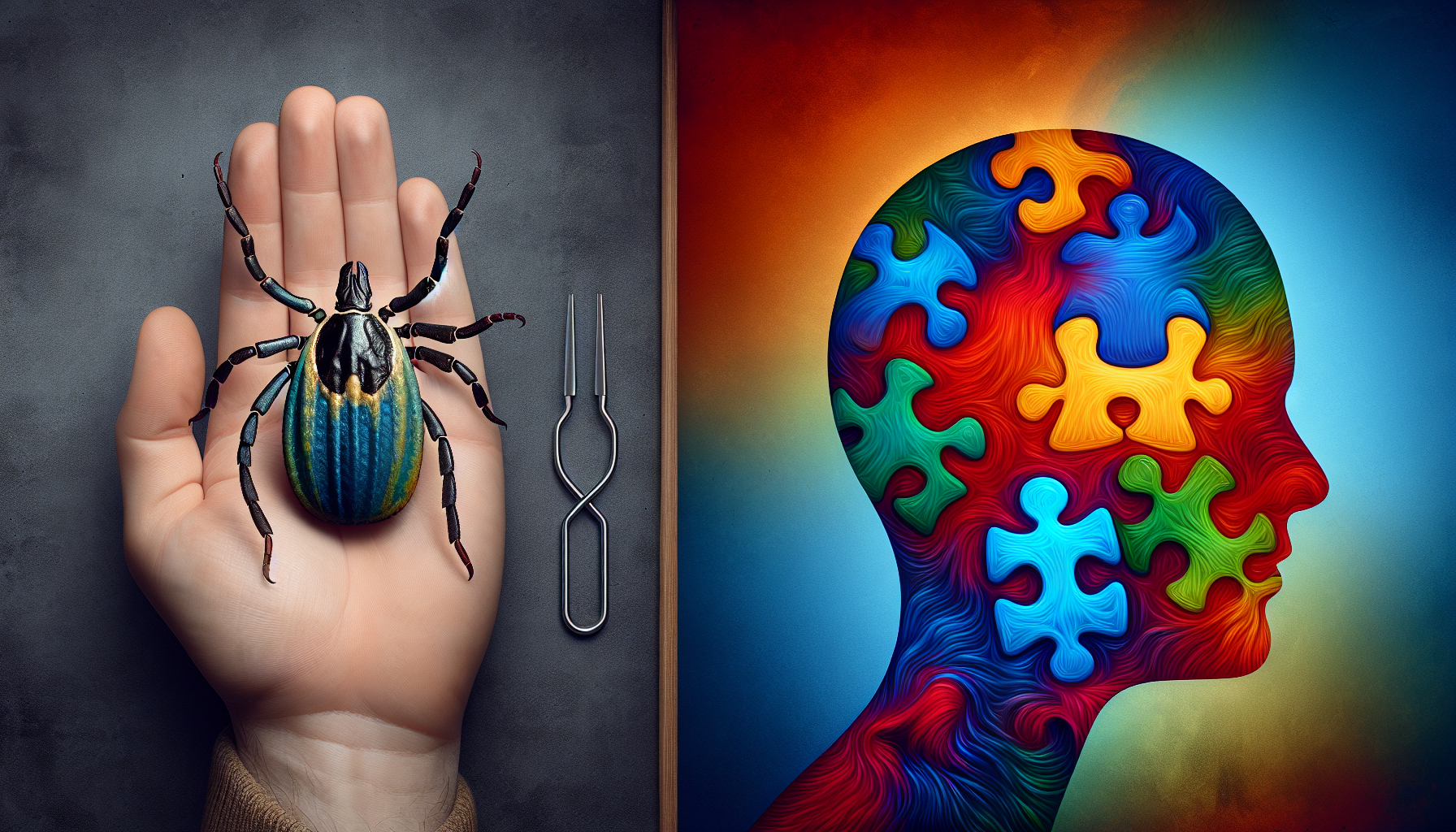
Lyme Disease & Autism: Untangling Infection, Immunity, and Neurodevelopment Without Losing Our Minds
Summary
This article takes a firm but compassionate stand: the conversation around Lyme disease and autism has suffered not from lack of data, but from poor framing. For too long, families have been forced into false choices—biology versus neurodiversity, infection versus genetics, hope versus realism. This piece rejects those binaries outright and replaces them with a systems-based, evidence-informed, and ethically grounded inquiry that reflects how human biology actually works.
At its core, this article recognizes three simultaneous truths:
- Autism is not a disease to be cured, but a neurodevelopmental spectrum shaped by genetics, early brain development, and lifelong neurological wiring.
- Lyme disease and related infections are real, biologically disruptive conditions capable of affecting the brain, immune system, and behavior—especially in children.
- Overlapping symptoms do not imply identical causes, yet they demand careful, respectful investigation rather than dismissal or dogma.
Rather than asking the simplistic and polarizing question—“Does Lyme cause autism?”—this article reframes the inquiry to something far more useful and honest:
How do infections, immune dysregulation, inflammation, gut health, and environmental stressors interact with neurodevelopmental vulnerability over time?
This reframing matters. It shifts the conversation:
- Away from blame (of parents, mothers, vaccines, doctors, or diagnoses)
- Away from absolutism (“It’s all genetic” vs. “It’s all biomedical”)
- Away from dangerous promises of reversal, cures, or miracle protocols
And toward:
- Biological humility — acknowledging what we know, what we suspect, and what remains uncertain
- Clinical curiosity — especially when children show sudden regression, atypical pain, or unexplained neurological changes
- Ethical responsibility — to support function, dignity, and quality of life rather than chase ideological victories
Drawing inspiration from The Autism Revolution, Brain Maker, Healing the New Childhood Epidemics, Chronic Lyme Disease, and The Autoimmune Solution, this article integrates insights from:
- Neuroscience, to understand how inflammation and immune signaling affect cognition and behavior
- Immunology, to examine why some bodies fail to clear infections or regulate immune responses
- Microbiome science, highlighting the gut–brain–immune axis as a missing link in many autism discussions
- Developmental psychology, to distinguish identity and capability from transient biological distress
- Lived experience, honoring families who observe real changes without turning anecdotes into universal truths
Importantly, this article does not offer false hope—and that is its strength. It does not promise:
- Autism “reversal”
- Universal biomedical fixes
- One-size-fits-all explanations
Instead, it offers something far more valuable:
- Clarity without cruelty
- Hope without hype
- Action without extremism
The intention is not to destabilize families, educators, or clinicians—but to equip them. Equipped to ask better questions. Equipped to notice patterns without panic. Equipped to pursue integrative care without abandoning neurodiversity, ethics, or scientific rigor.
In short, this article exists to say what needs to be said plainly:
Complex children require complex thinking.
Simple answers may feel comforting—but they often fail the very people they claim to help.
This is an open inquiry. A grounded one. And above all, a human one.
1. Introduction: When the Question Refuses to Go Away
Why families ask—and why science hesitates
This question refuses to disappear because it is not born out of ideology—it is born out of observation, confusion, and care. Families ask about a possible connection between Lyme disease and autism not because they are chasing conspiracies, but because they are witnessing patterns that do not fit neatly into existing boxes. Sudden regression. Unexplained pain. Cycles of inflammation, fatigue, anxiety, and behavioral shifts that fluctuate in ways textbooks rarely describe.
Science, on the other hand, hesitates—not out of malice, but out of caution. Modern medicine is structured around specialization and certainty, while conditions like autism and Lyme disease live in complexity and overlap. One belongs to neurodevelopment, the other to infectious disease. One is lifelong identity, the other is an illness to be treated. The discomfort arises precisely at this intersection, where categories blur and responsibility becomes shared.
The result is a painful gap:
Families feel unheard.
Clinicians feel constrained.
Children live in between.
This article begins here—not to widen that gap, but to build a bridge across it.
Intended Audience and Purpose of the Article
Audience
This article is written for:
- Parents and caregivers of autistic individuals, especially those navigating regression, medical ambiguity, or conflicting advice
- Educators and therapists, who see daily fluctuations in capacity that cannot be explained by behavior alone
- Integrative and conventional healthcare professionals, often working in parallel silos despite shared goals
- Social entrepreneurs and NGO leaders, designing systems of inclusion, employment, and dignity
- Policymakers, whose frameworks frequently lag behind biological and social realities
- Critical thinkers, who are unwilling to accept easy answers to hard questions
This is not a beginner’s article—and it is not an activist manifesto. It is for people willing to sit with nuance.
Purpose
The purpose of this article is fourfold and unapologetically grounded:
- To explore whether Lyme disease and autism intersect biologically or symptomatically
Not to prove causation, but to examine interaction—particularly through immune function, inflammation, and neurodevelopmental vulnerability. - To clarify what is known, what is hypothesized, and what is misunderstood
Clear boundaries matter. Evidence matters. So does intellectual honesty about uncertainty. - To reduce polarization between “biomedical” and “neurodiversity” camps
This false war has helped no child. It has only hardened positions and delayed integrative care. - To advocate for whole-person, dignity-centered care
Care that treats biology without erasing identity—and honors neurodiversity without ignoring suffering.
Opening Frame: Three Ground Rules for an Adult Conversation
Before going further, this article establishes three non-negotiable principles:
- Autism is not a disease
It is a neurodevelopmental spectrum—an identity, a wiring, a way of being. Treating autism as pathology alone is both scientifically outdated and ethically dangerous. - Lyme disease is not imaginary
It is a biologically real, often neurologically impactful infection that can evade detection, complicate diagnosis, and disrupt multiple systems—especially in children. - Overlapping symptoms do not equal identical causes
Similar behaviors can arise from different biological processes. Confusing resemblance with causation leads to misdiagnosis, mistreatment, and misplaced hope.
These principles are not compromises—they are foundations.
Core Inspiration: Autism as a Dynamic, Systemic Condition
This article draws heavily from the perspective articulated in The Autism Revolution: autism is not static, isolated, or purely genetic—it is dynamic, systemic, and deeply embodied.
This does not mean autism needs to be cured.
It means:
- The brain does not exist apart from the immune system
- Behavior does not exist apart from physiology
- Development does not exist apart from environment
Seeing autism through a systems lens allows us to ask better questions:
- Why do some autistic individuals fluctuate dramatically in function?
- Why do immune challenges affect cognition and behavior so visibly?
- Why do some children respond to medical support while others do not?
These are not threats to neurodiversity.
They are acts of responsibility.
This introduction sets the tone for what follows: no blame, no binaries, no magical thinking—only careful inquiry, ethical restraint, and respect for the complexity of human development.
Complex lives deserve complex understanding. Anything less is negligence.

2. Autism Reframed: A Dynamic Neurodevelopmental Spectrum
Beyond static labels and simplistic narratives
The greatest disservice done to autistic individuals is not misunderstanding—it is oversimplification. Autism is too often spoken about as though it were a single condition with a single cause, a single trajectory, and a single outcome. This framing is not just inaccurate; it actively limits care, research, and human potential.
A more honest view recognizes autism as a dynamic neurodevelopmental spectrum—a broad range of neurological expressions shaped by genetics, biology, environment, and time. The spectrum is not linear, and it is certainly not static. It shifts with context, health, stress, support, and opportunity.
This reframing does not weaken the concept of neurodiversity. It strengthens it.
Key Concepts
Autism as a Spectrum of Neurological Expression
Autism is not one thing—it is many neurological configurations grouped under a single diagnostic umbrella. These configurations differ in:
- Sensory processing
- Communication styles
- Emotional regulation
- Cognitive strengths and challenges
- Social engagement patterns
Two individuals may share a diagnosis and share almost nothing else. Treating autism as a singular entity leads to blunt interventions and missed nuances—especially when biological stressors enter the picture.
Genetics as Predisposition, Not Destiny
Genetics matter—but not in the way they are often portrayed.
Genes:
- Set vulnerability and capacity
- Influence neural wiring, immune sensitivity, and metabolic efficiency
- Do not operate in isolation
Modern biology is clear: genes express themselves within environments. Nutrition, toxins, infections, stress, inflammation, and microbiome composition all influence how genetic predispositions unfold over time.
This means autism is not “caused” by environment—but neither is it immune to it.
The Role of Environment, Immunity, and Metabolism
Autistic individuals frequently show differences in:
- Immune regulation
- Inflammatory response
- Mitochondrial and metabolic efficiency
- Gut-brain signaling
These differences do not define autism—but they modulate how autism is experienced. When systems are overwhelmed, neurological expression often intensifies. When systems are supported, capacity often improves.
This is not theory—it is observable biology.
Subsections
Early-Onset vs. Regressive Autism
Autism presents in more than one developmental pattern:
- Early-onset autism
Signs appear within the first year of life and remain relatively consistent. - Regressive autism
Development appears typical for months or years, followed by noticeable loss of skills—often language, social engagement, or regulation.
Regression raises important biological questions. It does not invalidate neurodiversity—but it does demand medical curiosity, not dismissal.
Variability Over Time and Context
One of the most misunderstood aspects of autism is fluctuation.
Function can change based on:
- Illness or infection
- Sleep quality
- Stress levels
- Sensory load
- Nutritional status
This variability is often misinterpreted as:
- Non-compliance
- Manipulation
- Behavioral choice
In reality, it reflects a nervous system responding to internal and external conditions.
Why “Unchanging for Life” Is Biologically Inaccurate
While autism is lifelong, function is not fixed.
Brains are plastic.
Immune systems adapt.
Metabolism shifts.
Development continues across the lifespan. Claiming autism is entirely unchangeable ignores decades of neuroscience and locks individuals into unnecessarily low expectations.
Growth does not mean erasure of identity. It means expanded capacity.
Critical Insight: Behavior Is Often Downstream of Physiology
Behavior is frequently treated as the problem to be managed. In truth, it is often the signal, not the source.
Pain, inflammation, immune activation, sensory overload, and metabolic stress can all manifest as:
- Meltdowns
- Withdrawal
- Aggression
- Anxiety
- Cognitive shutdown
When physiology improves, behavior often follows—not because autism disappears, but because the nervous system is no longer fighting upstream.
Inspired by a Whole-Body Model
This section is inspired by Dr. Martha Herbert’s whole-body framework, which views autism not as an isolated brain disorder but as a systemic condition involving brain–immune–metabolic interaction.
This perspective does not reduce autism to pathology.
It restores biological realism and ethical care.
Understanding autism as dynamic allows us to:
- Respect neurodiversity
- Investigate health stressors responsibly
- Support individuals across changing needs and life stages
And most importantly, it allows us to replace rigid labels with responsive understanding—the foundation of dignity, inclusion, and meaningful support.

3. Lyme Disease Explained: The Infection That Breaks the Rules
Why Borrelia confounds standard medicine
Lyme disease is often misunderstood not because it is rare, but because it refuses to behave like the infections medicine was trained to manage. It does not follow clean timelines, produce uniform symptoms, or respond predictably to short-term treatment. In children especially, it can masquerade as something else entirely—behavioral issues, psychiatric disorders, developmental delays—leaving families trapped in cycles of misdiagnosis and frustration.
To understand why Lyme disease enters conversations about autism at all, one must first understand how biologically unconventional this infection truly is.
Core Overview
What Lyme Disease Is—and Is Not
Lyme disease is a multisystem infectious illness most commonly caused by Borrelia burgdorferi, a spiral-shaped bacterium transmitted primarily through tick bites.
What it is:
- A stealth pathogen capable of evading immune detection
- A multisystem illness affecting the nervous system, immune system, joints, and metabolism
- A condition that can persist when inadequately treated or when host immunity is compromised
What it is not:
- A purely acute infection that always resolves quickly
- A condition defined only by joint pain or a bullseye rash
- A psychosomatic illness or parental imagination
Borrelia’s spiral shape allows it to:
- Penetrate tissues
- Cross the blood–brain barrier
- Hide within cells and biofilms
- Alter its surface proteins to evade immune attack
This biological flexibility is why Lyme does not play by conventional rules—and why simplistic diagnostic models often fail.
Common Co-Infections and Their Neurological Effects
Lyme rarely travels alone. Ticks often carry multiple pathogens, and co-infections can dramatically alter symptom presentation and severity.
Common co-infections include:
- Bartonella – linked to rage, anxiety, OCD-like behaviors, sensory hypersensitivity
- Babesia – associated with fatigue, air hunger, dizziness, cognitive fog
- Mycoplasma – connected to immune dysregulation and neuroinflammation
- Ehrlichia and Anaplasma – can intensify immune and neurological stress
In children, these co-infections may present not as classic illness, but as:
- Emotional instability
- Attention and memory difficulties
- Sleep disturbances
- Sudden changes in personality or learning ability
When communication is limited—as in many autistic children—these symptoms are often misread as “behavioral problems” rather than biological distress.
Why Testing and Diagnosis Remain Controversial
Lyme disease exposes a major fault line in modern medicine: tests designed for population-level surveillance are being used for individual diagnosis.
Key challenges include:
- Antibody tests that rely on immune response rather than pathogen presence
- False negatives in early infection or immune-compromised individuals
- Limited sensitivity for neurological or chronic presentations
- Failure to test for co-infections
As a result:
- Some patients test negative despite clear clinical signs
- Others are dismissed before investigation even begins
- Children with developmental differences are especially vulnerable to being overlooked
This diagnostic uncertainty fuels controversy—but uncertainty does not equal nonexistence. It simply means our tools are imperfect.
Neurological & Psychiatric Impact
Lyme disease is not merely an infectious illness—it is frequently a neuroinflammatory condition. When the nervous system is involved, symptoms can be profound and deeply disruptive.
Cognitive Dysfunction
Often described as “brain fog,” cognitive effects may include:
- Slowed processing speed
- Memory lapses
- Difficulty with attention and executive function
- Sudden learning challenges
In school-aged children, this can look like:
- Academic regression
- Loss of previously mastered skills
- Increased frustration or shutdown
Emotional Volatility
Inflammation and immune activation can directly affect neurotransmitter systems, leading to:
- Sudden mood swings
- Anxiety or panic
- Irritability or rage episodes
- Depression or emotional withdrawal
These changes are frequently misattributed to personality or discipline issues—especially in children who already carry a developmental label.
Sensory Disturbances
Neurological Lyme can heighten or distort sensory processing:
- Sound sensitivity
- Light intolerance
- Tactile defensiveness
- Pain amplification
For autistic individuals, whose sensory systems may already be finely tuned, this can result in overwhelming neurological overload.
Developmental Regression in Pediatric Cases
Perhaps the most alarming—and most relevant—presentation is regression.
Children may lose:
- Language skills
- Social engagement
- Emotional regulation
- Motor coordination
Regression is not proof of causation—but it is a biological red flag. It warrants investigation, not dismissal.
A Systems Perspective: Why Lyme Feels “Messy”
Lyme disease disrupts:
- Immune signaling
- Mitochondrial energy production
- Hormonal balance
- Detoxification pathways
- Neural communication
This systemic disruption explains why symptoms appear scattered and inconsistent—and why reductionist thinking fails.
Inspired by the MSIDS Framework
This section is informed by Dr. Richard Horowitz’s MSIDS (Multiple Systemic Infectious Disease Syndrome) model, which recognizes that chronic Lyme is not one problem, but many interacting ones.
The value of this framework lies not in certainty, but in clinical realism:
- One pathogen, many pathways
- One child, many systems
- One diagnosis, never the full story
Lyme disease enters the autism conversation not as a universal explanation, but as a biological stressor that can complicate, intensify, or mimic neurodevelopmental challenges. Understanding this distinction is essential—not to create fear, but to create responsible curiosity.
When medicine stops demanding neat answers and starts respecting biological complexity, children benefit.

4. The Overlap Zone: When Autism and Lyme Look Alike
Similarity without sameness
This is the most emotionally charged—and clinically dangerous—territory in the Lyme–autism conversation. It is where appearance masquerades as explanation, and where well-intentioned adults can make profoundly misguided decisions.
Autism and Lyme disease can look alike in certain expressions. That resemblance is real. But resemblance is not identity. Similarity without sameness must be held carefully, or we risk collapsing two fundamentally different realities into one misleading story.
This section exists to slow the conversation down—to replace alarm with discernment.
Observed Symptom Intersections
Certain symptoms are frequently cited by families and clinicians navigating both autism and Lyme-related illness. These overlaps are not imagined—but they are context-dependent.
Speech and Communication Changes
Children affected by neuroinflammation or immune stress may show:
- Delayed speech development
- Word-finding difficulties
- Loss of previously acquired language
- Reduced verbal engagement
In autistic children, similar changes may already exist—or may worsen temporarily under physiological strain. Without careful evaluation, this can be misinterpreted as developmental progression or regression rather than a response to biological stress.
Sensory Hypersensitivity
Both autism and neurological Lyme can involve:
- Heightened sensitivity to sound, light, or touch
- Pain amplification
- Sensory avoidance or shutdown
When infection or inflammation increases sensory load, the nervous system may simply exceed its coping threshold. The resulting behaviors are often labeled “sensory issues,” without asking what is pushing the system into overload.
Anxiety, OCD-Like Patterns, and Emotional Dysregulation
Neuroimmune activation can directly influence:
- Anxiety levels
- Intrusive thoughts or compulsive behaviors
- Emotional volatility
- Irritability or sudden rage
In autistic individuals, whose regulatory systems may already be finely balanced, these changes can appear dramatic and disruptive—sometimes emerging seemingly overnight.
Fatigue and Cognitive Overload
Persistent infections and immune dysregulation commonly produce:
- Profound fatigue
- Reduced stamina
- Mental fog
- Difficulty with attention and executive functioning
In educational and therapeutic settings, this fatigue is often misread as laziness, avoidance, or loss of motivation—when in fact the brain is operating under metabolic and inflammatory strain.
Diagnostic Challenges
Misattribution of Biological Distress to “Behavior”
Perhaps the most harmful error occurs when biology is moralized.
Behaviors such as:
- Meltdowns
- Withdrawal
- Aggression
- Non-compliance
are frequently treated as psychological or disciplinary issues, when they may be signals of pain, inflammation, or neurological overload. Once a child carries an autism diagnosis, new symptoms are often folded into that label without further inquiry.
This diagnostic overshadowing delays care and deepens suffering.
Why Children with Communication Differences Are at Higher Risk
Children who cannot clearly articulate:
- Pain
- Fatigue
- Dizziness
- Sensory distortion
are especially vulnerable. Their distress is communicated through behavior, not words. As a result:
- Symptoms go unreported
- Patterns go unnoticed
- Medical evaluation is postponed or dismissed
Autistic children are not “harder to diagnose”—they are harder to listen to, unless we expand our definition of communication.
The Hard Truth
Overlap explains confusion, not causation.
The presence of shared symptoms does not mean:
- Lyme disease causes autism
- Autism masks infection in all cases
- Treating infection will resolve developmental differences
It means only this:
Different biological processes can produce similar outward expressions.
Failing to recognize this leads to two equal and opposite errors:
- Medical neglect in the name of acceptance
- Identity erasure in the name of treatment
Both are unacceptable.
A More Responsible Question
Instead of asking:
- Is this autism or Lyme?
A better question is:
- What is this child’s nervous system responding to right now?
This shift does not dilute science—it refines it.
When overlap is approached with humility and systems thinking, it becomes a guide rather than a trap. It tells us where to look more closely, where to slow down, and where to resist easy conclusions.
Because the goal is not to win an argument.
The goal is to understand the child in front of us.
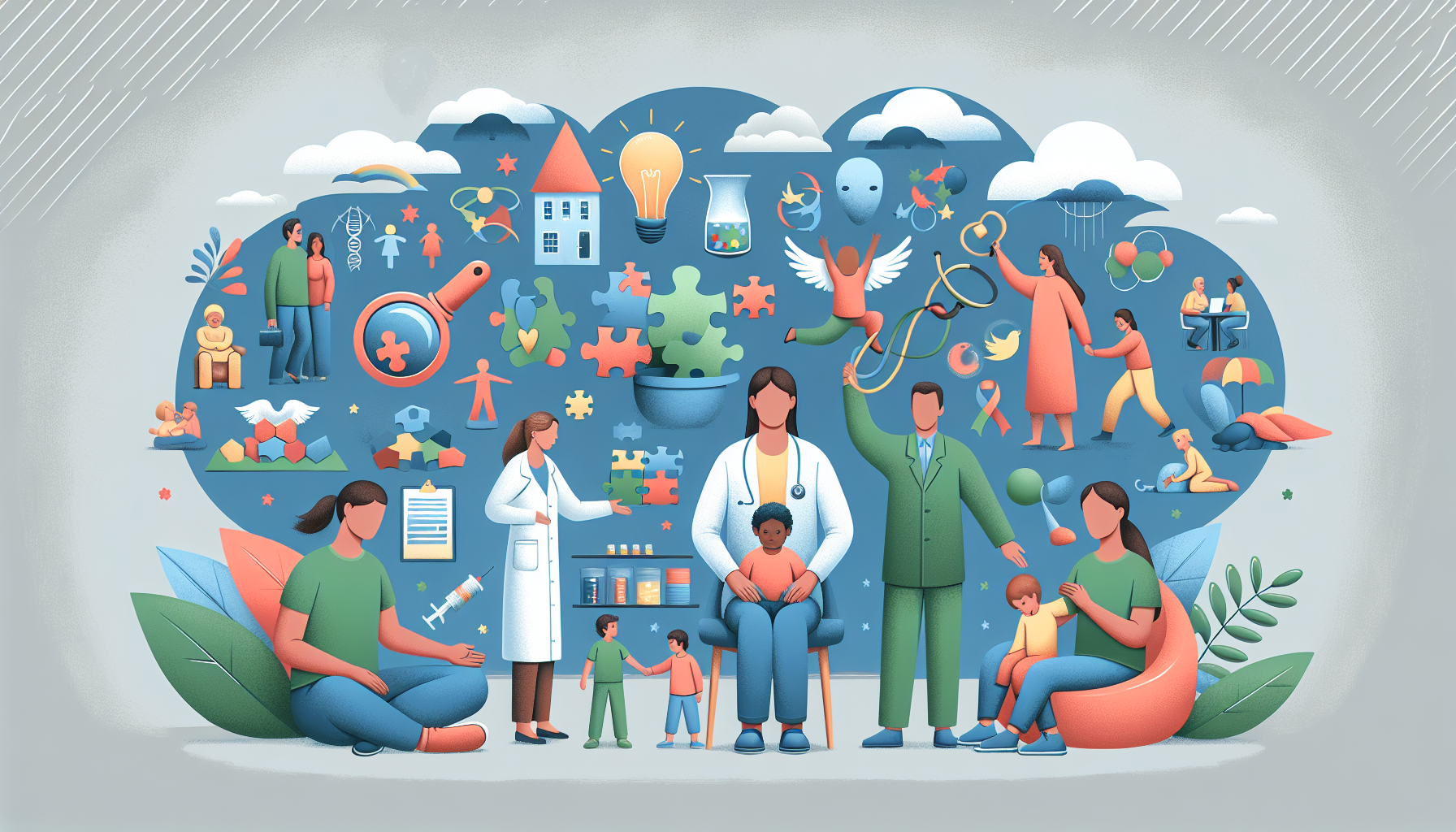
5. The Immune System: The Shared Terrain
Where infection, inflammation, and neurodevelopment intersect
If autism and Lyme disease share any meaningful common ground, it is not diagnosis, behavior, or outcome—it is the immune system. The immune system is the great mediator between genes and environment, between infection and inflammation, between resilience and overload. It protects, adapts, remembers—and when dysregulated, it can quietly reshape neurological function over time.
Understanding this shared terrain is essential, because the immune system does not respect diagnostic boundaries. It influences brain development, behavior, mood, energy, and cognition long before symptoms become clinically visible.
Key Themes
Immune Dysregulation in Many Autistic Individuals
A growing body of research and clinical observation shows that a significant subset of autistic individuals exhibit:
- Altered immune responses
- Chronic low-grade inflammation
- Heightened sensitivity to environmental stressors
- Atypical responses to infection
This does not mean autism is an immune disorder. It means the immune system is often involved in how autism is experienced, especially during periods of physiological stress.
Immune dysregulation may manifest as:
- Frequent illness
- Prolonged recovery times
- Exaggerated inflammatory responses
- Behavioral changes during immune activation
These patterns suggest vulnerability—not weakness.
Chronic Immune Activation in Persistent Infections
Infections like Lyme disease place a unique burden on the immune system. Rather than triggering a short, decisive response, these pathogens:
- Evade immune detection
- Persist at low levels
- Trigger repeated inflammatory signaling
The result is chronic immune activation, a state where the immune system is constantly “on,” but rarely effective enough to fully resolve the threat.
In children, chronic immune activation can:
- Divert energy away from growth and development
- Alter neurotransmitter balance
- Increase neurological sensitivity
This is especially impactful in developing brains, where immune signaling plays a role in synaptic pruning and neural organization.
Neuroinflammation and Microglial Overactivation
Microglia—the brain’s resident immune cells—are essential for healthy neurodevelopment. They shape neural circuits, eliminate unnecessary connections, and respond to injury or infection.
When microglia are chronically activated, however, they may:
- Disrupt synaptic signaling
- Increase sensory sensitivity
- Alter emotional regulation
- Impair cognitive processing
Neuroinflammation does not destroy identity—but it can distort expression. A child may appear more withdrawn, reactive, or overwhelmed not because autism has “worsened,” but because the brain is inflamed and under siege.
Subsections
Why Some Bodies Fail to Clear Infections
Not all immune systems respond equally to pathogens. Factors influencing clearance include:
- Genetic variation in immune signaling
- Nutritional status and metabolic health
- Gut microbiome diversity
- Previous immune insults
- Environmental toxin exposure
In some individuals, the immune system responds too weakly. In others, too aggressively. Both scenarios can result in prolonged inflammation and incomplete resolution of infection.
This variability explains why:
- Some people recover quickly
- Others develop persistent symptoms
- Standard protocols succeed for some and fail for others
It is not failure—it is biological diversity.
Autoimmunity and Molecular Mimicry
One of the most complex immune phenomena relevant here is molecular mimicry—when immune responses directed at pathogens mistakenly target the body’s own tissues.
In this process:
- Pathogen proteins resemble host proteins
- The immune system becomes confused
- Autoimmune reactions may emerge
Autoimmune responses can affect:
- Neural tissue
- Gut lining
- Mitochondria
- Connective tissue
This does not mean autoimmunity is inevitable—but it explains why some children develop long-term immune and neurological symptoms even after infection is addressed.
The Immune System as Both Protector and Disruptor
The immune system is not an enemy. It is a highly adaptive, exquisitely sensitive network designed to protect survival. But protection has a cost when activation becomes chronic.
In developing children:
- Excess inflammation can alter neural signaling
- Repeated immune stress can affect emotional regulation
- Energy is diverted from learning to defense
This does not cause autism.
But it can shape how autism is lived.
A Systems Insight
What matters most is not whether immune involvement exists—but how it is interpreted and addressed.
Reducing inflammation does not erase neurodiversity.
Supporting immune balance does not deny identity.
Ignoring immune distress, however, guarantees unnecessary suffering.
Inspired by an Autoimmune Lens
Drawing inspiration from The Autoimmune Solution, this section emphasizes a core principle: immune imbalance is rarely isolated. It reflects interactions between:
- Genetics
- Environment
- Infections
- Diet
- Stress
Approaching immunity with humility and systems thinking allows for care that is both scientifically grounded and ethically sound.
When the immune system is supported—not silenced, not overdriven—the nervous system often finds more room to breathe. And in that space, capacity, regulation, and well-being can quietly expand.
The immune system is not the cause of autism.
But it is often the terrain upon which challenges unfold.
Understanding that terrain is not optional—it is responsible care.

6. The Gut–Brain–Immune Axis: The Missing Link in Most Conversations
If the gut is ignored, the brain is misunderstood
Few topics generate as much confusion—and quiet resistance—as the role of the gut in neurological and behavioral health. Yet ignoring the gut–brain–immune axis is no longer a neutral omission; it is a scientific blind spot. When it comes to autism, chronic infections like Lyme, and fluctuating cognitive or emotional capacity, the gut is not peripheral—it is central.
The gut is not merely a digestive tube. It is:
- The largest immune organ in the body
- A primary regulator of inflammation
- A biochemical factory influencing neurotransmitters
- A communication hub linking immune signals to the brain
When the gut is distressed, the brain does not remain unaffected. It cannot.
Core Concepts
Gut Permeability in Autism and Chronic Infections
Gut permeability—commonly referred to as “leaky gut”—describes a state in which the intestinal barrier becomes compromised. This allows partially digested food particles, microbial fragments, and toxins to enter the bloodstream.
Both autism and chronic infections have been associated with:
- Altered gut barrier integrity
- Heightened immune reactivity to dietary proteins
- Systemic inflammation originating in the intestines
When the gut barrier is compromised:
- The immune system stays chronically activated
- Inflammatory signals circulate widely
- The brain receives constant “danger” messages
In developing or already sensitive nervous systems, this ongoing immune noise can manifest as irritability, anxiety, sensory overload, and cognitive fatigue.
Microbiome Imbalance and Neurotransmitter Production
The gut microbiome—trillions of bacteria, fungi, and other microorganisms—plays a direct role in producing and regulating:
- Serotonin
- Dopamine
- GABA
- Short-chain fatty acids essential for brain health
Disruptions to the microbiome can alter:
- Mood regulation
- Attention and focus
- Stress response
- Sleep quality
In both autistic individuals and those with chronic infections, microbiome imbalance is common due to:
- Repeated antibiotic exposure
- Restricted diets
- Immune dysfunction
- Environmental toxin exposure
This imbalance does not “cause” autism—but it can amplify neurological distress, making self-regulation far more difficult.
Diet, Antibiotics, Toxins, and Inflammatory Load
Modern life places an extraordinary burden on the gut:
- Highly processed foods
- Pesticides and food additives
- Heavy metals and environmental toxins
- Frequent antibiotic use
In children with immune sensitivity or neurodevelopmental vulnerability, this burden accumulates quickly.
Key considerations:
- Antibiotics may save lives, but they also disrupt microbial diversity
- Poor microbial diversity reduces resilience
- Reduced resilience increases inflammatory reactivity
The result is a feedback loop: gut inflammation fuels immune activation, which fuels neuroinflammation, which further disrupts gut function.
Why This Matters
Gut Health Influences Cognition, Mood, and Immunity
The gut–brain axis operates bidirectionally. Signals travel:
- From gut to brain via immune messengers and the vagus nerve
- From brain to gut via stress hormones and autonomic regulation
This means:
- Stress affects digestion
- Digestion affects mood
- Inflammation affects cognition
Supporting gut health often leads to improvements in:
- Emotional regulation
- Cognitive clarity
- Energy levels
- Immune balance
Not because autism is “fixed,” but because the nervous system is no longer under constant biochemical siege.
“Behavioral Issues” May Reflect Biochemical Distress
When gut-derived inflammation or microbial imbalance is present, children may express distress through:
- Meltdowns
- Withdrawal
- Aggression
- Sleep disturbances
- Reduced tolerance to sensory input
Labeling these expressions as purely behavioral is not only inaccurate—it is medically negligent.
Behavior is communication.
Biochemistry is often the language.
Ignoring gut health forces children to “cope” with physiology that is actively undermining them.
A Practical, Grounded Perspective
Addressing the gut–brain–immune axis does not require extreme diets or miracle supplements. It requires:
- Curiosity over ideology
- Observation over assumption
- Individualized approaches over protocols
Small, thoughtful changes—dietary adjustments, microbiome support, reduction of inflammatory load—can meaningfully reduce suffering in some individuals.
Not all.
Not always.
But often enough to matter.
Inspired by a Microbiome-Centered Lens
Drawing inspiration from Brain Maker, this section underscores a critical insight: the microbiome is a neurological partner, not a digestive footnote.
Ignoring it leads to:
- Misinterpretation of behavior
- Overreliance on behavioral control
- Underestimation of biological distress
Honoring it allows:
- Better regulation
- Clearer cognition
- Greater capacity for learning and connection
The gut does not explain autism.
But when the gut is inflamed, the brain struggles.
If we want clearer thinking, calmer regulation, and more humane care, we must stop treating the gut as optional. It is not.

7. Maternal Health, Epigenetics, and Early Immune Programming
Risk factors without blame
This is the most delicate part of the conversation—and the one most often mishandled. Discussions around maternal health, pregnancy, and early immune influences can quickly slide into guilt, fear, or moral judgment. That must not happen here.
The purpose of this section is not to assign fault.
It is to understand biology with compassion.
Human development does not begin at birth. It begins in an environment where immune signals, nutrients, stress hormones, and epigenetic instructions quietly shape the developing brain. Understanding these influences helps us reduce future risk—not rewrite the past.
Explored Mechanisms
Maternal Immune Activation During Pregnancy
During pregnancy, the maternal immune system plays a dual role:
- Protecting the mother
- Supporting fetal development
When the immune system is strongly activated—due to infection, inflammation, or significant stress—it releases cytokines and inflammatory mediators that can cross the placenta.
Research suggests that excessive or prolonged maternal immune activation may:
- Influence fetal brain development
- Alter neural connectivity patterns
- Affect microglial activity in the developing brain
This does not mean infection causes autism. It means immune signaling during critical windows matters.
Importantly:
- Most infections during pregnancy do not lead to neurodevelopmental differences
- Risk depends on timing, intensity, genetics, and overall maternal health
Context—not fear—is essential.
Infections as Epigenetic Triggers
Epigenetics refers to changes in gene expression without altering DNA sequences. These changes act like biological dimmer switches—turning genes up or down in response to environmental signals.
Infections can act as epigenetic triggers by:
- Activating inflammatory pathways
- Altering immune gene expression
- Modifying stress-response systems
These epigenetic shifts may influence:
- Immune sensitivity after birth
- Stress reactivity
- Neurological resilience
Epigenetics does not determine destiny. It sets tendencies, many of which can be modified later through environment, nutrition, and supportive care.
Early-Life Immune Stress Shaping Neurodevelopment
The immune system and the brain develop together. In early life, immune signals guide:
- Synaptic pruning
- Neural circuit formation
- Sensory integration
When early immune stress is significant—due to infections, inflammation, or environmental exposures—it can alter how these processes unfold.
In infants and young children, immune stress may present as:
- Feeding difficulties
- Sleep disturbances
- Heightened sensory sensitivity
- Delayed or altered developmental trajectories
These signs are not verdicts. They are signals calling for support.
Ethical Boundary: Understanding Risk ≠ Assigning Guilt
This boundary is non-negotiable.
Mothers do not cause autism.
Parents do not fail their children by being human.
Biology unfolds through interaction—not intention.
Risk factors exist across all areas of health:
- Heart disease
- Diabetes
- Autoimmune conditions
We study them not to shame, but to protect future generations.
Understanding maternal immune health allows us to:
- Improve prenatal care
- Reduce inflammatory burden
- Support maternal well-being
- Build healthier developmental environments
It does not rewrite individual outcomes, and it must never be weaponized against families.
A Compassionate Systems View
Development is shaped by:
- Genetics
- Immune signals
- Environmental exposures
- Timing
- Resilience factors
No single variable determines outcome. No single person carries responsibility.
Inspired by a Preventive, Whole-Child Lens
Drawing inspiration from Healing the New Childhood Epidemics, this section emphasizes prevention, early support, and systems thinking rather than blame or panic.
The takeaway is not fear.
The takeaway is foresight.
When we support maternal health, immune balance, and early-life environments, we do not “prevent autism.”
We reduce unnecessary biological stress—for all children.
That is not controversial.
That is responsible care.
Understanding early immune programming is not about pointing backward in blame.
It is about looking forward with wisdom.

8. Treatment Landscape: What Helps Some, Harms Others, and Misleads Many
Navigating hope, hype, and harm
Few areas generate as much confusion, desperation, and conflict as treatment. When families are watching a child struggle—sometimes regress—doing nothing feels unethical. Yet acting without discernment can be equally damaging. The treatment landscape surrounding autism, Lyme disease, and immune-mediated conditions is crowded with good intentions, partial truths, commercial incentives, and outright misinformation.
This section exists to restore adult realism to the conversation.
Hope is necessary.
Hype is dangerous.
Harm often hides behind certainty.
What May Support Select Individuals
The operative words here are “may” and “select.” Biology is individual, and ethical care respects that reality.
Treating Confirmed Infections
When a child has credible evidence of active infection—clinical signs supported by thoughtful evaluation—treatment is appropriate.
Key principles:
- Treat infections because they are infections, not because of a diagnosis label
- Monitor response carefully, especially neurological and emotional changes
- Reassess continually rather than committing blindly to long protocols
For some individuals, addressing infection can lead to:
- Reduced inflammation
- Improved energy and cognition
- Better emotional regulation
This does not “treat autism.”
It treats biological stress that may be worsening neurological expression.
Reducing Inflammatory Burden
Chronic inflammation acts like static in the nervous system. Reducing it can create space for clearer signaling.
Supportive strategies may include:
- Addressing gut inflammation
- Optimizing sleep and circadian rhythm
- Reducing environmental toxin exposure
- Managing immune triggers
When inflammation decreases, many families observe:
- Fewer meltdowns
- Improved tolerance to sensory input
- Better focus and stamina
Again, this is capacity optimization, not identity erasure.
Supporting Detoxification, Mitochondrial Health, and Nutrition
Cells—especially brain cells—require energy, nutrients, and waste removal to function effectively.
Support may involve:
- Nutrient repletion (when deficiencies exist)
- Supporting mitochondrial energy production
- Ensuring adequate hydration and elimination
This is not exotic medicine. It is basic physiology, often overlooked.
Children with neurodevelopmental differences frequently have:
- Higher metabolic demands
- Greater sensitivity to nutritional gaps
- Reduced tolerance for toxic load
Supporting these systems can reduce unnecessary physiological strain.
What Must Be Approached With Caution
Long-Term Aggressive Protocols
Extended, high-intensity interventions—especially without clear endpoints or monitoring—carry real risk.
Potential harms include:
- Microbiome collapse
- Organ stress
- Immune suppression or rebound
- Psychological distress
More treatment is not better treatment.
Persistence without reassessment is not bravery—it is rigidity.
“Autism Reversal” Claims
Any practitioner, program, or product promising to reverse autism should trigger immediate skepticism.
These claims:
- Misunderstand autism
- Exploit parental fear
- Reduce complex humans to problems to be fixed
Autism is not a toxin to be removed.
Improved function does not equal erased identity.
Ethical care seeks relief from suffering, not conformity.
One-Size-Fits-All Biomedical Regimens
Protocols copied wholesale from the internet or applied without individual assessment often fail—and sometimes harm.
Why?
- Different genetics
- Different immune profiles
- Different microbiomes
- Different life contexts
Biology does not respect templates.
Care must be responsive, iterative, and individualized.
Reality Check
Improvement is possible; guarantees are not.
Some individuals experience meaningful gains.
Some experience modest shifts.
Some experience little change.
None of these outcomes represent failure—unless false promises were made.
Responsible practitioners:
- Set realistic expectations
- Track function, not ideology
- Adjust course when evidence changes
Responsible families:
- Ask hard questions
- Avoid miracle narratives
- Prioritize safety, dignity, and quality of life
A Grounded Ethical Stance
The goal of treatment is not to normalize behavior at any cost.
It is to:
- Reduce pain
- Improve regulation
- Expand capacity
- Support participation in life
When treatment honors these goals, it aligns with both science and humanity.
When it chases absolutes—cure, reversal, certainty—it often collapses under its own weight.
The wisest path forward is not aggressive or passive.
It is attentive, adaptive, and humble.
That is not indecision.
That is mature care.

9. A Systems-Based Model: Moving Past False Dichotomies
Autism vs. illness is the wrong fight
The most damaging conflict in this space is not biological—it is ideological. When autism is framed as either an identity or an illness, children become collateral damage in an adult debate. This false dichotomy forces families to choose sides instead of building solutions.
Reality is more complex—and more humane.
A systems-based model does not dilute truth. It integrates it.
The Core Reframe
Autism and illness are not competing explanations.
They operate on different layers of the same human system.
- Autism describes neurological expression
- Illness describes physiological disruption
- Confusing one for the other leads to mistreatment in both directions
Integration allows us to:
- Respect identity
- Address suffering
- Avoid reductionism
This is not compromise. It is accuracy.
Proposed Integrative Framework
Neurodiversity as Identity
Autism reflects a natural variation in how human brains:
- Process information
- Experience sensory input
- Communicate and relate
This identity deserves:
- Respect
- Accommodation
- Inclusion
- Protection from pathologization
Support does not require denial of difference.
Care begins with recognition—not correction.
Infection as a Potential Stressor
Infections like Lyme disease are not explanations for autism—but they can be stress multipliers.
In susceptible individuals, infection may:
- Increase neuroinflammation
- Reduce cognitive stamina
- Exacerbate sensory sensitivity
- Trigger regression or loss of skills
Treating infections does not negate neurodiversity.
It removes unnecessary biological weight from an already sensitive system.
Immunity as the Mediator
The immune system sits at the crossroads:
- Between environment and brain
- Between genetics and expression
- Between resilience and vulnerability
Immune dysregulation can:
- Amplify neurological challenges
- Blur the line between “behavior” and “biology”
- Turn manageable differences into daily suffering
Understanding immunity shifts care from punishment to investigation.
Environment as Amplifier
Environment does not cause autism—but it can dramatically shape outcomes.
Environmental factors include:
- Diet and microbiome
- Toxins and pollutants
- Stress and trauma
- Sensory overload
- Social inclusion or exclusion
Supportive environments expand capacity.
Hostile environments magnify distress.
This is not about bubble-wrapping children.
It is about intelligent design of support systems.
Why Integration Wins
Children Suffer When Adults Argue Ideologically
While professionals debate labels and models:
- Children lose access to timely care
- Families are forced into polarized camps
- Suffering is mislabeled as “just behavior” or “just biology”
Neither extreme serves the child.
Children do not need adults to be right.
They need adults to be useful.
Collaboration Outperforms Camps
When clinicians, educators, therapists, and families collaborate:
- Redundancies decrease
- Blind spots shrink
- Care becomes adaptive rather than reactive
Integrative teams ask better questions:
- What is this child experiencing?
- What systems are under strain?
- What reduces load and increases resilience?
Ideology answers quickly.
Systems thinking listens longer—and responds better.
The Adult Responsibility
A systems-based model demands maturity:
- Comfort with uncertainty
- Willingness to revise beliefs
- Respect for lived experience alongside research
It asks adults to step out of identity battles and into stewardship.
The goal is not to “win” the autism–illness debate.
The goal is to build lives that work.
When identity is respected, stressors are addressed, immunity is supported, and environments are designed intelligently—children do not have to fight their bodies just to exist.
That is not theory.
That is ethical, integrated care.

10. Implications for Families and Caregivers
From fear-driven action to informed discernment
Families do not enter this terrain looking for theories. They enter it because something feels off, because a child is struggling, or because progress has stalled or reversed. In that moment, fear becomes loud—and fear is a terrible decision-maker.
This section is an invitation to replace urgency with clarity, and desperation with discernment.
You do not need to know everything.
You need to know what matters now.
Guiding Principles
Observe Patterns, Not Panic
Single events mislead. Patterns teach.
Instead of reacting to every fluctuation:
- Track sleep, digestion, energy, mood, and sensory tolerance over time
- Note what improves function and what increases distress
- Look for consistency rather than coincidence
Patterns reveal systems under strain. Panic obscures them.
Calm observation is not inaction.
It is intelligent preparation.
Investigate Sudden Regressions
While autism itself is not a disease, regression is always a signal.
Loss of skills—speech, social engagement, motor coordination, emotional regulation—deserves thoughtful investigation, especially when changes are:
- Rapid
- Significant
- Accompanied by physical symptoms
Possible contributors include:
- Infection
- Immune activation
- Sleep disruption
- Nutritional depletion
- Psychological stress
Asking “what changed?” is not denial of neurodiversity.
It is responsible caregiving.
Prioritize Quality of Life Over Perfect Answers
Families often get trapped chasing certainty:
- The perfect diagnosis
- The definitive protocol
- The final explanation
Meanwhile, daily life becomes harder.
A wiser metric is:
- Is the child more comfortable?
- Is regulation improving?
- Is participation in life expanding?
Answers can wait.
Suffering should not.
Empowerment Message
You Are Allowed to Question
Questioning is not betrayal—of science, professionals, or movements.
You are allowed to ask:
- Why this recommendation?
- What evidence supports it?
- What are the risks?
- How will we know if it’s helping?
Informed questioning protects children from ideology masquerading as care.
You Are Also Allowed to Accept Uncertainty
Certainty is seductive. It promises relief from ambiguity—but often at the cost of discernment.
You are allowed to say:
- “We don’t know yet.”
- “This helped some, not all.”
- “We are choosing what is least harmful and most supportive.”
Uncertainty does not mean failure.
It means reality is being respected.
A Closing Reframe for Caregivers
Your role is not to solve autism.
Your role is to steward a life.
That means:
- Reducing unnecessary suffering
- Expanding capacity where possible
- Protecting dignity always
You do not need to win arguments.
You need to build days that work.
When families move from fear-driven action to informed discernment, children gain something invaluable: adults who are calm, curious, and committed.
And that—more than any protocol—is a powerful intervention.

11. Implications for Educators and Therapists
Behavior is communication—sometimes biological
Educators and therapists occupy a uniquely powerful position. You are often the first to notice change, the first to interpret behavior, and sometimes the first to label struggle as “non-compliance” or “lack of effort.” When biological distress is misread as willful behavior, children pay the price.
This section calls for a professional upgrade—not more compassion alone, but better interpretation.
Behavior as Signal, Not Verdict
All behavior communicates something. In neurodivergent children, that “something” may be:
- Sensory overload
- Cognitive fatigue
- Immune activation
- Pain or discomfort
- Loss of regulatory capacity
Treating behavior as a moral issue—good vs. bad, compliant vs. resistant—misses the message entirely.
The question is not:
“How do we stop this behavior?”
The better question is:
“What system is under strain?”
Key Shifts Needed
Recognizing Fluctuating Capacity
Capacity is not fixed. It varies with:
- Sleep quality
- Inflammatory load
- Sensory input
- Emotional safety
- Physical health
A child who could regulate yesterday may not be able to today—not because of regression or manipulation, but because capacity has changed.
Effective educators:
- Adjust expectations dynamically
- Build flexibility into goals
- Recognize “off days” as data, not defiance
Consistency in support matters more than consistency in demand.
Avoiding Moral Judgment of Neurological Overload
Overload often looks like:
- Withdrawal
- Aggression
- Shutdown
- Refusal
- “Acting out”
These are not character flaws. They are protective responses.
Moral language—lazy, disruptive, oppositional—creates shame without solving anything. It also damages trust, making regulation harder next time.
Professional maturity means:
- De-escalation before discipline
- Curiosity before consequence
- Safety before compliance
Control may win moments.
Understanding builds trajectories.
Collaborating with Families and Health Professionals
No single discipline sees the whole child.
Educators and therapists strengthen outcomes when they:
- Share observations without diagnosing
- Listen to family patterns without dismissal
- Coordinate accommodations during health stressors
- Communicate capacity changes across settings
Collaboration is not scope creep.
It is systems intelligence.
When classrooms, therapy rooms, and homes align, children experience coherence instead of contradiction.
A Practical Reframe for Practice
Replace:
- “This behavior is unacceptable”
with - “This behavior tells us something is wrong.”
Replace:
- “The child needs to try harder”
with - “The system needs more support.”
This shift does not lower standards.
It raises accuracy.
The Ethical Responsibility of Professionals
Children cannot advocate when overwhelmed. Educators and therapists become their translators.
Your role is not just to teach skills—but to:
- Protect dignity
- Interpret signals
- Prevent unnecessary harm
When professionals understand that behavior is sometimes biological, classrooms and therapy spaces become safer, smarter, and more humane.
And when children feel understood, they don’t just behave better.
They function better.

12. Policy and Research Gaps
Why systems—not just symptoms—need fixing
Autism and chronic infections like Lyme disease expose the structural limits of healthcare, education, and research systems. When systems are siloed, funding is rigid, and diagnostic frameworks are narrow, children and families become casualties of bureaucracy rather than beneficiaries of science.
Fixing symptoms alone is not enough. To make meaningful progress, we must fix the systems that shape detection, treatment, and support.
Critical Needs
Better Integrative Research Funding
Current funding priorities often favor:
- Narrow, single-disease studies
- Pharmaceutical trials over systemic interventions
- Short-term outcomes over developmental trajectories
Children with overlapping biological and neurodevelopmental challenges are left out of research agendas. Funding must:
- Support longitudinal studies on neuroimmune interactions
- Include microbiome, mitochondrial, and environmental variables
- Encourage patient-centered, multidisciplinary inquiry
Without integrative research, answers remain incomplete, and families are forced to navigate uncertainty alone.
Updated Diagnostic Frameworks
Traditional diagnostic models are rigid:
- Autism is defined behaviorally
- Infections are defined biologically
- Overlaps are ignored
This creates diagnostic blind spots, delays intervention, and fuels conflict between “medical” and “neurodiversity” perspectives.
Frameworks need to:
- Incorporate immune, microbiome, and metabolic data
- Recognize fluctuating developmental capacity
- Accommodate neurodiverse expression alongside medical comorbidities
Modern children require modern, flexible diagnostic thinking.
Cross-Disciplinary Collaboration
Silos kill insight. Pediatricians, immunologists, neurologists, educators, therapists, and researchers rarely share meaningful data or frameworks.
Collaboration would:
- Accelerate understanding of complex interactions
- Reduce misdiagnosis and over-treatment
- Optimize educational and therapeutic support
- Foster translational research benefiting real-world outcomes
Children do not live in silos. Policy and research should reflect that reality.
Policy Blind Spot
Complex Conditions Don’t Fit Siloed Systems
Healthcare, education, and social support are designed for linear problems:
- One cause → one solution
- One discipline → one responsibility
Autism plus chronic biological stress breaks this model. Families must navigate:
- Multiple agencies
- Conflicting recommendations
- Inconsistent access to care
Policy must evolve from reactive, symptom-driven models to systems-informed, child-centered approaches.
The Urgent Takeaway
Without structural reform:
- Research will remain fragmented
- Diagnosis will lag
- Families will continue to struggle alone
Fixing the child without fixing the system is putting a bandage on a structural fracture.
Children deserve systems that see them fully, act flexibly, and integrate knowledge across domains.
This is not optional. It is an ethical imperative.

13. MEDA Foundation Perspective: From Understanding to Self-Sufficiency
Health, dignity, and livelihood are inseparable
At MEDA Foundation, we view health, neurodiversity, and social participation as inseparable dimensions of human flourishing. A child’s or adult’s developmental differences are not just clinical labels—they interact continuously with biological stressors, environmental conditions, and access to meaningful engagement. Addressing one dimension while ignoring the others creates gaps that undermine both well-being and potential.
MEDA’s Stand
Respect Neurodiversity
We affirm that neurological differences are valid expressions of humanity. Support is not about erasing identity—it is about removing obstacles to thriving.
Practical applications include:
- Designing educational and work environments that accommodate individual sensory and cognitive profiles
- Supporting communication and participation rather than enforcing conformity
- Recognizing capacity fluctuations as natural, not pathological
Respect forms the foundation for all interventions, ensuring dignity is preserved even in the face of biological or social challenges.
Address Biological Barriers Without Stigma
Many neurodivergent individuals face additional biological burdens, including chronic infection, immune dysregulation, or metabolic stress. These challenges should be:
- Assessed carefully
- Treated responsibly when possible
- Never moralized or blamed
MEDA encourages families, caregivers, and professionals to:
- Focus on reducing suffering
- Support systemic resilience
- Avoid conflating medical intervention with “normalization”
Biology is context, not character judgment.
Build Employment and Life Ecosystems, Not Dependency
True empowerment arises when support extends beyond health alone. MEDA’s mission emphasizes:
- Creating inclusive employment opportunities
- Developing sustainable life skills
- Building community and social networks
- Supporting independent decision-making
We do not aim for temporary relief or passive care.
We aim for self-sufficiency, dignity, and meaningful contribution.
Why This Article Matters to MEDA
Clarity Enables Empowerment
Families, educators, and communities equipped with nuanced understanding can:
- Make informed decisions
- Collaborate intelligently with professionals
- Advocate effectively for accommodations and support
Knowledge becomes the lever for agency and choice, not fear or speculation.
Health Stability Enables Livelihood
Addressing biological stressors responsibly—without erasing identity—creates conditions for:
- Improved learning and work capacity
- Greater participation in society
- Reduced dependence on fragile systems
Health is not just medical. It is a prerequisite for autonomy and contribution.
A Holistic Vision
MEDA Foundation envisions a world where:
- Neurodiverse individuals are understood, valued, and supported
- Biological challenges are addressed ethically and intelligently
- Families and communities are empowered to foster independence
Understanding and action converge.
Dignity and livelihood intersect.
Self-sufficiency becomes achievable, not aspirational.
This is the lens through which MEDA approaches autism, chronic biological stress, and social participation—a systems-based, ethically grounded, and practical pathway to human flourishing.

14. Conclusion: Holding Complexity Without Losing Compassion
The adult response to a complex problem
The final takeaway is deceptively simple: complexity does not justify panic, and uncertainty does not justify harm. Families, educators, therapists, and policymakers are faced with overlapping realities—neurological diversity, immune variation, environmental stressors, and chronic infections. Responding effectively requires clarity, humility, and ethical commitment.
Key points to hold firmly:
- Lyme does not “cause” autism. Symptom overlap does not equal causation. Misinterpreting similarity can mislead families and professionals alike.
- Autism does not exclude medical inquiry. Neurodiverse individuals can experience physiological stress, infections, or immune challenges that deserve attention and care.
- Biology is dynamic. Immune systems, microbiomes, and neurological expression fluctuate; interventions must be adaptive, not rigid.
- Human worth is non-negotiable. Every person deserves respect, dignity, and agency regardless of neurological or biological complexity.
Compassion is not passive. It is discerned action grounded in science, observation, and ethical responsibility.
Participate and Donate to MEDA Foundation
Your involvement empowers real change:
- Educate families with balance and courage: Equip caregivers with nuanced, evidence-informed guidance.
- Create inclusive employment pathways: Enable neurodiverse and differently abled individuals to contribute meaningfully.
- Build sustainable, dignity-driven ecosystems: Support structures that allow self-sufficiency, respect, and independence.
Participate. Donate. Help people help themselves.
Together, we can turn understanding into action, curiosity into support, and compassion into tangible change.
Book References
- The Autism Revolution — Dr. Martha Herbert
- Brain Maker — Dr. David Perlmutter
- Healing the New Childhood Epidemics — Dr. Kenneth Bock
- Chronic Lyme Disease — Dr. Richard Horowitz
- The Autoimmune Solution — Dr. Amy Myers
This reading forms the backbone of evidence-informed care, offering both insight and actionable strategies for families, clinicians, and advocates navigating the complex interplay of neurodiversity, infection, and immune health.
