

One-sided love, often mistaken for nobility or deep devotion, can quietly erode self-worth, emotional balance, and personal boundaries. When affection is poured endlessly without reciprocation, it leads not to deeper connection but to burnout, resentment, and quiet heartbreak. True love must be mutual, communicated clearly, and practiced within healthy emotional limits. Whether in romantic relationships or family ties, learning to set boundaries, speak needs aloud, and walk away from toxic dynamics is not selfish—it is self-respect. Real love begins with the courage to protect your peace, even from those you love the most.

One-Sided Love: Between Devotion and Delusion – How to Love with Boundaries
🎯 Intended Audience and Purpose of the Article
📌 Intended Audience:
- Individuals experiencing emotional one-sidedness in love or family dynamics:
Whether romantic or familial, you find yourself giving endlessly, hoping the other person will eventually notice, change, or return the affection. The imbalance hurts, and yet you continue—unsure where love ends and self-neglect begins. - Caregivers, empaths, and people-pleasers seeking emotional clarity:
You’ve been conditioned to serve, fix, and care. But somewhere along the way, you lost track of your own needs. This article is for those who feel everything deeply, but struggle to protect their emotional energy. - Young adults and professionals navigating complex relationships:
You’re learning to balance love, loyalty, and personal growth. Maybe you’re in your first adult relationship, or you’re figuring out boundaries with parents or colleagues. This article helps decode emotional dynamics and set healthy patterns early. - Family members struggling with toxic or unequal expectations:
Perhaps you’ve been told it’s your duty to tolerate pain in the name of family. You feel obligated, entangled, or manipulated by blood ties. This article offers clarity and tools to redefine family without guilt or shame.
🎯 Purpose:
- To demystify one-sided love and offer a clear psychological, emotional, and spiritual framework to understand it.
One-sided love is not simply unreturned affection—it’s a symptom of deeper patterns: fear of abandonment, a lack of self-worth, unresolved childhood wounds. This article brings those patterns into light, with honesty and compassion. - To offer practical tools for boundary-setting, self-respect, and emotional renewal.
Love can’t thrive without limits. Through boundary-setting techniques, emotional literacy exercises, and self-reflection practices, readers will learn how to love without losing themselves. - To show readers that love without limits is not noble—it’s dangerous.
Endless giving without feedback or respect erodes the soul. This article redefines love not as blind sacrifice, but as conscious connection—where both people grow, and no one burns out. - To explore how and where to draw the line when love turns into self-harm.
There is a moment where continued love becomes continued pain. The goal is to help readers identify that moment clearly, and take empowered action—before bitterness replaces affection. - To reinforce the idea that helping others should never cost your peace or identity.
The deepest love begins with the self. When we betray ourselves to serve another, we plant seeds of resentment. This article emphasizes that you can be kind, generous, and loving—without being a doormat.

One-Sided Love: Between Devotion and Delusion – How to Love with Boundaries
Introduction: The Dangerous Romance of One-Sided Love
🖋️ Emotional Opening: The Poet, The Caregiver, The Sibling
He was a poet—his pen soaked with longing, his verses worshipping a woman who barely remembered his name.
She was a caregiver—pouring every ounce of her strength into a husband who never asked how she was doing.
He was a brother—emptying his savings and time into a sibling lost in addiction, hoping that someday, love would be enough to save him.
These stories are not rare. They are echoed in countless lives. We rarely speak of them because they are clothed in noble suffering. We admire their endurance, even when it borders on self-erasure. We praise their loyalty, even as it consumes them.
But here’s the uncomfortable truth:
One-sided love is not always a higher form of devotion. Sometimes, it is a subtle act of self-abandonment.
🎭 Why Society Romanticizes Unreciprocated Love
From mythology to modern movies, the idea of loving someone who doesn’t love us back has been elevated as a spiritual ideal. Think of Meera singing to Krishna, or Romeo mourning Rosaline. We are taught that the one who suffers more, loves more. That love is proven not by joy, but by pain.
This belief system is deeply rooted in cultural narratives, especially in Eastern societies where sacrifice is spiritualized. The silent mother, the patient wife, the giving sibling—they are idealized even when their needs are unmet, their pain unspoken.
But let us pause and ask:
Is love truly love, if it leaves one person emotionally bankrupt?
💔 The Painful Truth: One-Sided Love Is Not Divine—It’s Often Destructive
While one-sided love may begin with hope and sincerity, it can quietly morph into something darker:
- Obsession masked as loyalty.
- Self-punishment disguised as patience.
- Silent suffering misunderstood as strength.
Over time, the one who gives becomes resentful, and the one who receives often becomes indifferent or entitled. The giver’s identity becomes tied to being needed. The receiver never learns to reciprocate or take responsibility.
And when the truth inevitably dawns—that love alone cannot change someone, save someone, or complete someone—the crash is devastating.
One-sided love, left unchecked, doesn’t just break hearts. It breaks spirits.
🧭 Core Message: Love Is Beautiful When It Flows Both Ways
Let us be clear:
True love is not blind. It sees clearly and chooses wisely.
It grows in mutual respect, not silent endurance. It breathes in reciprocity, not suffocation.
“Love is beautiful when it flows both ways. If not, it must be managed with wisdom.”
This article is an invitation—not to harden your heart—but to protect it wisely.
To stop romanticizing imbalance.
To start building relationships where love is a river, not a one-way drain.
To learn that walking away from a one-sided bond isn’t betrayal—it’s self-respect.
What Is One-Sided Love, Really?
🧩 Definition: Emotionally Imbalanced Love
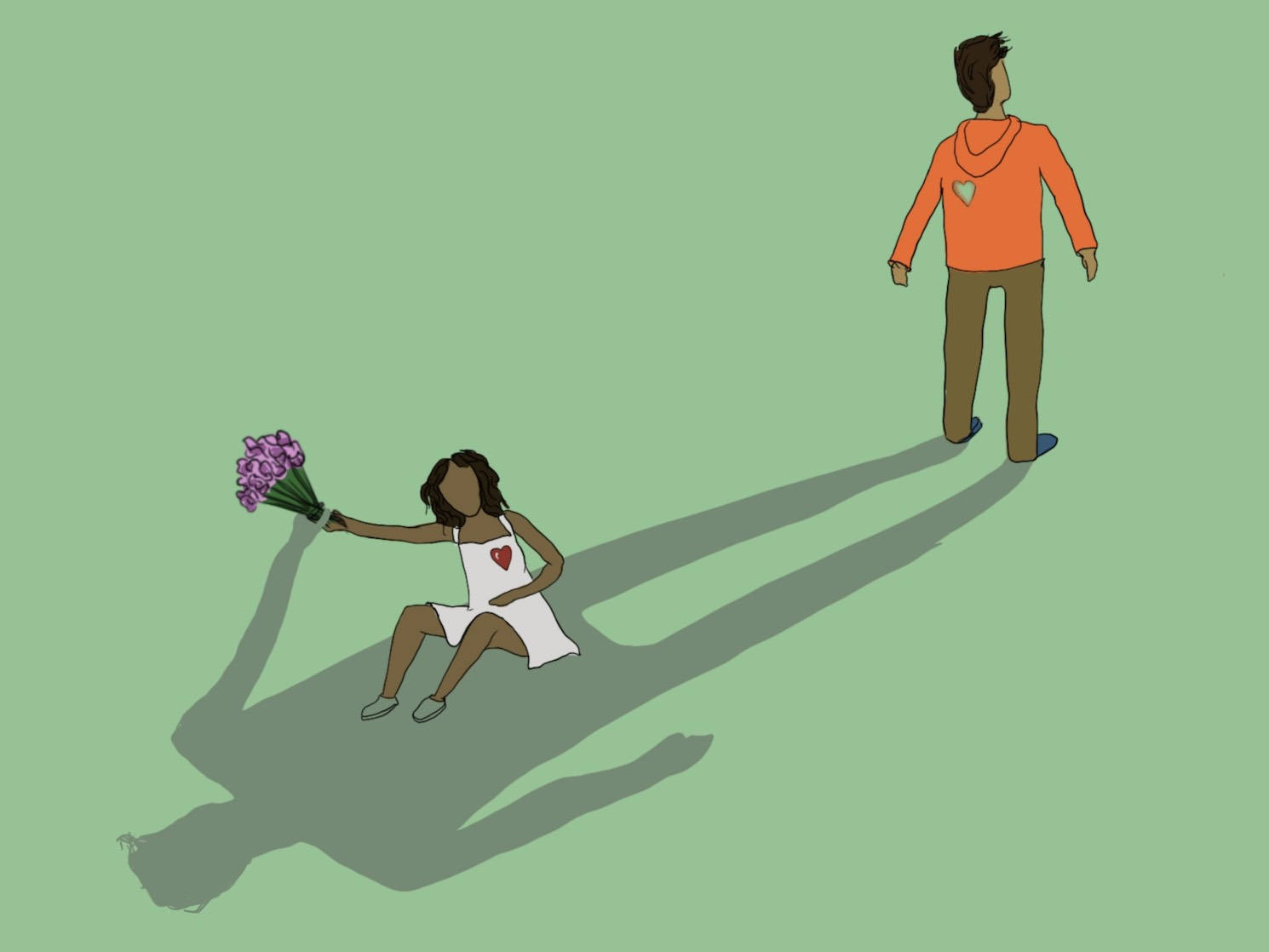
One-sided love is often misunderstood as pure, spiritual, or even selfless. But at its core, it is an emotionally imbalanced relationship where one person gives significantly more love, attention, care, or effort than the other—without equal response, acknowledgment, or intention to reciprocate.
It’s not always dramatic or obvious. Sometimes, it’s hidden in subtle patterns:
- You initiate every conversation.
- You adjust your entire life around their schedule.
- You keep giving, even when they remain distant, unavailable, or indifferent.
One-sided love isn’t just about romance.
It can manifest in friendships, families, caregiving roles, and even professional mentorships. Anywhere there is emotional investment without emotional return, the seeds of imbalance are sown.
💔 Unreciprocated Care with a Hidden Hope of Return
At the heart of one-sided love is often a quiet, aching hope:
“If I keep showing up… if I keep loving… they’ll eventually see me, value me, love me back.”
This hope, though understandable, becomes a trap. It turns love into a bargain wrapped in silence.
You keep giving—not because the love is unconditional, but because you believe it’s an investment that will pay off someday.
But love is not a transaction.
It cannot be willed or forced into being. And continuing to pour into an emotional vacuum only leads to depletion—yours.
🎭 Misconceptions That Sustain One-Sided Love
❌ “If I love harder, they’ll love me back.”
This belief is romantic, but flawed. Love is not a performance. Loving someone deeply doesn’t guarantee they will awaken, transform, or reciprocate. People love at their own pace—if at all. And no amount of effort can make someone emotionally available when they are not ready or willing.
❌ “Sacrifice is the highest form of love.”
While sacrifice can be meaningful in mutual relationships, sacrifice without reciprocity becomes self-harm. The idea that “the more I suffer, the more I love” is not noble—it’s a relic of cultural programming. Love should elevate both people, not reduce one for the comfort of the other.
⚠️ Why One-Sided Love Feels Noble—But Leads to Resentment
In the beginning, loving without return may feel spiritual, patient, or heroic. You tell yourself you’re being strong, unconditional, even saintly. And society often reinforces this with phrases like:
- “Real love expects nothing.”
- “True lovers wait forever.”
- “Family means never giving up.”
But time reveals the truth.
Unreciprocated love—when unacknowledged—turns bitter. The giver begins to:
- Feel invisible and taken for granted.
- Harbor unspoken expectations.
- Experience fatigue, emotional numbness, and even depression.
And the worst part?
The receiver may remain unaware, leaving the giver trapped in a loop of giving without gratitude—hurting in silence, smiling on the outside, resenting within.
“What begins as unconditional love can end in quiet rage—if it lacks boundaries.”
🌿 Toward Healing: Love Must Be Rooted in Reality
True love is not about endless giving.
It is about balance, clarity, respect, and mutual emotional safety.
This section invites readers to pause and reflect:
- Am I giving in the hope of being chosen?
- Am I loving with dignity—or desperation?
- Is this love growing both of us, or draining just one?

The Emotional Mechanics Behind One-Sided Love
One-sided love doesn’t happen randomly. It’s often the visible symptom of invisible emotional forces—old patterns, unmet needs, and unconscious behaviors that shape how we love and why we stay. To truly heal, we must understand the emotional software running silently in the background.
🔍 Attachment Theory—Explained Simply
At the heart of many relationship dynamics lies attachment theory—a psychological model that describes how we bond with others, especially in intimate relationships. Here’s a simplified breakdown:
- Anxious Attachment
- You crave closeness and fear abandonment.
- You overanalyze texts, tone, silence.
- You give more than you get, just to feel safe.
This is the most common attachment style behind one-sided love. Anxious individuals often believe they must earn love—by pleasing, fixing, or over-giving.
- Avoidant Attachment
- You pull away when things get too emotional or intimate.
- You value independence to the point of emotional distance.
- You may send mixed signals or keep people at arm’s length.
These individuals often end up on the receiving end of one-sided love, because they signal interest just enough to keep the anxious person hoping.
- Secure Attachment
- You seek closeness, but you’re also comfortable with space.
- You communicate needs openly and respond empathetically.
- You create mutual, stable, healthy emotional bonds.
The goal is to move toward secure attachment. Not by blaming your style—but by understanding it and consciously choosing healthier patterns.
🧠 Childhood Programming: Why We Chase Love That Hurts
One-sided love is rarely just about the present. Often, it’s a reenactment of something deeper from our early life:
- Seeking Validation
If love was conditional growing up (“Be good and we’ll love you”), you may now believe love must be earned. You tolerate emotional starvation, hoping your efforts will be rewarded.
- Rescuing Behavior
Some grow up as “fixers”—taking care of siblings, calming alcoholic parents, playing peacemaker. Love becomes linked to solving problems, even if it costs your well-being.
- The Martyr Complex
You may believe suffering is virtuous. That your pain is proof of your loyalty. This subconscious programming turns you into an emotional martyr—sacrificing yourself to keep relationships alive.
“We repeat what we don’t repair.”
Understanding these childhood patterns isn’t about blame—it’s about liberation.
🧾 Case Vignette: Mira’s Story – Love to the Point of Emptiness
Mira, 32, was a devoted sister. Her younger brother battled addiction, and for years, she was his lifeline. She paid off his debts, skipped promotions to care for him, covered for his lies to their parents—and still, he spiraled. Every time she tried to set a boundary, guilt crushed her. ‘He’s my brother,’ she’d say. ‘If I don’t help him, who will?’
But over time, Mira noticed something terrifying: she had nothing left. No savings. No energy. No joy. She was burned out, bitter, and quietly resentful. Her love had become a prison, and her compassion, a cage.
Mira’s story is not unique. It is the classic tale of emotional burnout caused by unreciprocated care—a pattern so many experience, but so few name.
🕳️ The “Investment Trap”: Why We Stay Even When It Hurts
Humans are wired to avoid loss—especially emotional loss. Psychologists call this the sunk cost fallacy. It means:
“I’ve invested so much time, energy, and love… I can’t walk away now.”
This trap keeps you hooked. You fear that leaving now would mean:
- It was all for nothing.
- You failed to “win” their love.
- You gave up too early.
But here’s the truth:
Staying in a painful dynamic just because you’ve already invested deeply doesn’t redeem the pain—it prolongs it.
You don’t owe your future to a mistake from your past. You owe it to your healing, growth, and peace.
🔑 Takeaway: You’re Not Broken—You’re Patterned
One-sided love often feels deeply personal. But it’s not a sign that you’re unlovable or too much—it’s a sign that you’re trapped in a pattern that needs awareness, compassion, and correction.
You cannot change the person who won’t love you back.
But you can change the part of you that keeps waiting for them to.
The Unseen Cost of Loving Too Much
Love, when mutual, is regenerative.
But when it flows only one way, it drains.
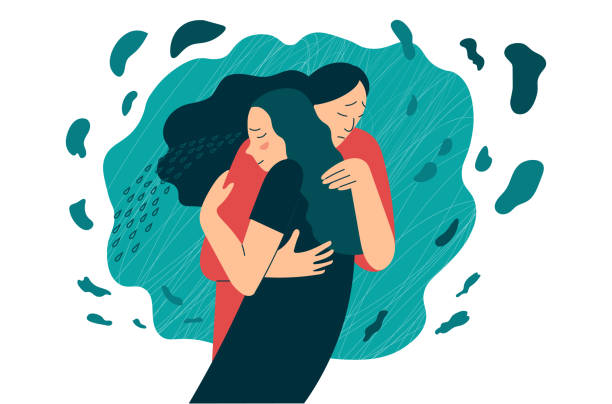
It starts as sacrifice, but slowly slips into self-erasure. What remains is not fulfillment—but fatigue.
We often don’t realize the damage until it’s deep: sleepless nights, quiet resentments, emotional burnout, and the slow fading of one’s own identity.
Here, we unmask the hidden tolls of over-loving in the absence of balance.
🪫 Emotional Depletion, Anxiety, and the Loss of Self
When you overextend in love—giving more than you’re receiving—you slowly abandon yourself.
You stop:
- Asking for what you need.
- Tending to your feelings.
- Honoring your energy limits.
Instead, you become hyper-focused on the other person’s needs, moods, reactions, silences. Over time, this creates a chronic state of emotional anxiety—always anticipating, always adjusting, always hoping.
And then, the quietest tragedy of all happens:
You no longer remember who you were before you started proving your love.
Your likes, desires, goals, and dreams shrink. You become a version of yourself that is “easy to love”—even if it means being invisible.
🌋 Resentment: The By-Product of Unvoiced Expectations
We often say, “I expect nothing in return.”
But that’s rarely the full truth.
Even in one-sided love, we carry silent expectations:
- That they will change.
- That they will notice.
- That they will, at some point, reciprocate.
When those expectations go unmet, and we don’t express them, they don’t disappear—they ferment. They turn into bitterness, emotional shutdown, passive-aggression, and eventually: resentment.
Resentment is what happens when you give too much and ask too little.
It is not the fault of the receiver alone. It is also the result of the giver’s silence, fear of rejection, and false belief that “real love never demands.”
But love without communication is not love—it’s martyrdom.
🕳️ Depression Masked as Loyalty
Many people who remain in one-sided or emotionally abusive dynamics convince themselves they are being loyal. That staying, helping, and enduring is an act of virtue.
But behind this so-called loyalty often lies:
- Deep sadness.
- Powerlessness.
- A slow collapse of self-worth.
You begin to feel stuck in a loop:
“I can’t leave… but I also can’t keep living like this.”
This is not loyalty—it’s emotional paralysis, often rooted in guilt, fear, or conditioned beliefs that walking away means betrayal.
True loyalty should never come at the cost of your mental health.
🚧 Personal Boundaries Eroded in the Name of Love
Healthy love respects space, choices, and individuality. But in one-sided love, boundaries often dissolve in the fog of devotion.
You find yourself:
- Saying yes when you mean no.
- Forgiving behaviors that cross your core values.
- Absorbing blame to keep the peace.
- Justifying their neglect as your failure.
And each time you override your intuition, a piece of your inner safety is compromised. Over time, you become emotionally porous—vulnerable to manipulation, guilt, and even abuse.
Boundaries are not walls to keep others out.
They are gates that protect your energy and integrity.
Without them, love becomes codependence. And codependence always ends in pain.
💡 Conclusion of the Section: Love Shouldn’t Cost You Yourself
Love, at its healthiest, amplifies your wholeness—not replaces or erodes it.
The unseen costs of loving too much are real: anxiety, emptiness, confusion, even illness. But they don’t show up overnight. They creep in quietly, disguised as devotion, until one day, you wake up and feel hollow.
“If love feels like slow suicide, it’s not love. It’s emotional entrapment.”
Healing begins by recognizing these signs. Naming the cost is not bitterness—it’s the beginning of reclaiming your life, your voice, and your heart.

The Fallacy of Silent Giving: Why You Must Communicate Your Needs
Love that goes unspoken is not romantic—it’s confusing.
Care that lacks clarity becomes a contract of pain.
And giving without expressing your needs doesn’t make you noble—it makes you vulnerable to being misunderstood, used, or forgotten.
One-sided love often survives on silence.
Silence about what you feel.
Silence about what you expect.
Silence about what’s hurting.
It’s time to break that silence.
🚫 Common Mistake: Pouring Love Without Clarity of Intent
Many people give their time, affection, attention, even money—without ever stating why.
They hope their actions will “speak for themselves.”
They expect the other person to notice, appreciate, and reciprocate.
But here’s the uncomfortable truth:
People often respond to clarity, not to quiet sacrifice.
Unspoken hopes create confusion. The other person may:
- Assume you’re just “nice.”
- Not realize you’re emotionally invested.
- Think the dynamic works for you.
And so, you suffer—not because they rejected you, but because you never really asked.
📜 The Power of Emotional Contracts (Spoken or Unspoken)
Every relationship has a contract—whether you create it intentionally or let it evolve accidentally.
Unspoken emotional contracts sound like:
- “If I’m always there for you, you’ll eventually choose me.”
- “If I give enough, you’ll never leave me.”
- “If I love you unconditionally, one day, you’ll wake up and love me back.”
These contracts are dangerous. Why? Because they are one-sided, unnegotiated, and invisible—often even to the giver.
Spoken emotional agreements create clarity.
Unspoken assumptions create resentment.
Every healthy relationship must at some point ask:
“What are we doing here?” and “Does this work for both of us?”
🗣️ Communication Scripts: Finding Your Voice
Many people stay silent out of fear:
“What if I scare them away?”
“What if I seem needy or demanding?”
But speaking your truth is not pressure—it’s honesty.
And if honesty scares them away, they were never really with you.
Here are some simple, respectful ways to express your needs:
Script 1:
“I care for you deeply, and I value our connection. But I need to understand—do you feel the same way?”
Why this works:
It opens space for clarity, while honoring your own emotional stake.
Script 2:
“Lately, I feel like I’m carrying this relationship alone. I’d love to talk about how we’re showing up for each other.”
Why this works:
It avoids blame, centers shared responsibility, and invites dialogue.
Script 3:
“It’s important for me to feel seen and valued in any close relationship. Can we talk about how we’re both feeling?”
Why this works:
It normalizes the need for emotional reciprocity and respect.
You’re not demanding love—you’re requesting honesty.
That’s not selfish. That’s self-respect.
🙌 Saying What You Want Is Not Selfish—It’s Self-Respect
In cultures and families that glorify quiet suffering, asking for what you need may feel wrong.
But know this:
- Needing love is not weakness.
- Asking for clarity is not drama.
- Wanting reciprocity is not greed.
These are basic human needs. And only when we honor them can we attract relationships that do the same.
“Silent giving is not kindness—it’s a gamble.”
If you truly want a relationship to thrive, let clarity be your love language.
💡 Final Thought for the Section: Choose Courage Over Comfort
It’s easier to stay silent.
It’s safer to keep giving and hope they understand.
But hope without communication is a setup for heartbreak.
Speak. Ask. Clarify.
Because your heart deserves a love that sees you, hears you, and chooses you back—loudly and clearly.

Boundaries: Your Sacred Duty to Yourself
“You teach people how to treat you—by what you allow, what you stop, and what you reinforce.”
— Tony Gaskins
Many confuse boundaries with barriers.
But boundaries don’t shut people out—they protect what’s sacred within.
When you love without boundaries, you are not being noble—you are, often unknowingly, inviting chaos.
You are handing your emotional keys to people who may not know how to drive carefully.
Let us be clear:
Loving someone does not mean giving them full access to you.
🔍 Definition: Boundaries Are Not Walls—They Are Filters
Walls block.
Filters refine.
Boundaries allow in what aligns with your values, energy, and capacity—while keeping out what is harmful, manipulative, or draining.
They say:
- “I’m willing to love you, but not at the cost of my peace.”
- “You’re welcome in my life, but not if you disrespect my time.”
- “I’ll help where I can, but I won’t destroy myself to do so.”
Boundaries are love in action—for yourself, and for the relationship.
They allow you to stay in connection without losing yourself.
🚫 Why Loving Without Boundaries Is Manipulation, Not Love
This may be hard to hear—but necessary:
Love without boundaries often becomes emotional blackmail.
When you give endlessly in hopes of being loved back, you’re not loving freely. You’re trading, often unconsciously:
- Time for approval.
- Care for loyalty.
- Sacrifice for attention.
This turns love into a form of emotional control—”I give everything, so you must stay.”
Unboundaried love is also exhausting for the receiver. It creates guilt, pressure, or dependency instead of genuine intimacy.
Healthy love says:
- “Here’s what I can give.”
- “Here’s what I need.”
- “And here’s where I draw the line.”
🧭 Types of Boundaries: The Full Spectrum
- Emotional Boundaries:
- Saying no to emotional dumping.
- Refusing to absorb others’ moods or guilt.
- Guarding your mental peace.
- Time Boundaries:
- Valuing your schedule and commitments.
- Protecting rest, creative time, and personal projects.
- Financial Boundaries:
- Not over-giving or rescuing with money.
- Being clear about loans, support, and expectations.
- Physical Boundaries:
- Respect for personal space, touch, and physical autonomy.
- Spiritual Boundaries:
- Protecting your belief systems, rituals, practices.
- Not compromising your core values to fit in.
Each type is a way of saying:
“I matter too.”
🛠️ Practical Tools to Build & Maintain Boundaries
✅ 1. Weekly “Love Audit”
Every week, pause and ask yourself:
- Where did I give energy this week?
- What gave me energy in return?
- Where did I feel drained, unseen, or disrespected?
Track your emotional bank balance.
If you’re always in deficit—something needs to change.
❗ 2. The “3-Strike Rule” for Unmet Needs
Boundaries don’t mean one strike and out—but they do need accountability.
Try this approach:
- First instance: Communicate clearly.
- Second time: Reiterate your needs and flag the pattern.
- Third time: Consider stepping back, setting a consequence, or disengaging.
Love can be patient, but it must also be principled.
🎨 3. Visualization Exercise: Drawing Your Emotional Territory
Take a blank sheet of paper.
Draw a circle—this represents you.
Inside it, write your non-negotiables: peace, rest, honesty, respect.
Now, draw the people in your life as dots—outside the circle.
Ask:
- Who gets access to what?
- Who steps in too much?
- Who energizes vs. drains?
This visual helps you reset boundaries not just in your mind—but on paper.
It gives form to your emotional world, and helps you reclaim it.
🛑 Final Thought for the Section: Boundaries Are a Form of Love—Not a Lack of It
You are not “bad,” “cold,” or “selfish” for having boundaries.
You are simply finally choosing self-respect over silent suffering.
“The only people who get upset about your boundaries are the ones who benefited from you having none.”
Boundaries are your sacred duty—to yourself, your inner peace, your dreams, your body, and your future.
When Family Becomes a Source of Pain
“Sometimes the most toxic people come disguised as family.”
— Unknown
Family is supposed to be our anchor, our sanctuary.
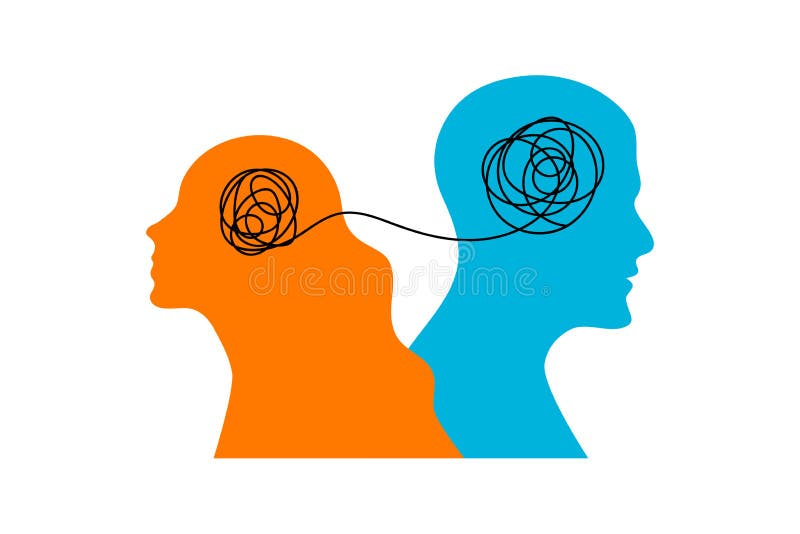
But what happens when the people who should protect us are the ones who drain us?
In many cultures, especially in collectivist societies like India, the concept of family is woven with pride, duty, and sacrifice. We are taught to equate love with lifelong service, and obedience with virtue.
But that cultural script can become a life sentence.
📜 Cultural Programming: “Blood Is Thicker Than Water”
This phrase, often misquoted, has led many to believe that family must always come first—no matter what.
The original expression is:
“The blood of the covenant is thicker than the water of the womb.”
Which actually means:
Chosen bonds can be stronger than familial ones.
Yet we grow up believing:
- You must never say no to family.
- Sacrifice is proof of love.
- Helping a sibling or parent is your moral duty—even at the cost of your own wellbeing.
This programming trains us to feel guilt when we draw boundaries—and pride when we suffer silently.
But suffering is not a virtue when it turns into emotional enslavement.
⚖️ Distinction Between Obligation and Emotional Enslavement
Loving and supporting your family is beautiful—when it’s voluntary and healthy.
But there’s a line.
And crossing it leads to:
- Chronic guilt
- Emotional burnout
- Financial ruin
- Loss of self-identity
Obligation says: “I choose to help because I can.”
Enslavement says: “I have no choice but to help, even if it destroys me.”
You were not born to be someone’s emotional hostage.
You can honor your roots without strangling your wings.
🚨 Signs of Toxic Family Dynamics
Let’s name the quiet dysfunctions that often go unchallenged in families:
🔄 1. Gaslighting
- “That never happened. You’re too sensitive.”
- “You’re imagining things. You always make it about yourself.”
Gaslighting makes you question your own reality, feelings, and memory—while the other person dodges responsibility.
😔 2. Guilt-Tripping
- “After everything I’ve done for you…”
- “You call yourself a daughter/son and refuse to help?”
This manipulates your empathy into obedience. It’s not love—it’s emotional debt collection.
💸 3. Financial/Emotional Manipulation
- Expecting endless loans with no repayment plan.
- Threatening to withhold love, inheritance, or approval if you say no.
- Making you the emotional caretaker for everyone’s mess—except your own.
If any of this feels familiar, you are not alone.
And you are not wrong for wanting space, fairness, or peace.
❤️🩹 Emotional Truth: You Owe No One Your Soul—Not Even Your Family
Helping someone is noble.
Being owned by them is not.
You owe your family:
- Respect (if earned)
- Honesty
- Basic compassion
But you do not owe them:
- Your life savings
- Your mental health
- Your freedom
- Your silence
Love that demands your self-destruction is not love.
It’s control.
📘 Case Study: Ravi and the Cost of Compulsory Kindness
Ravi, a 38-year-old professional, had been bailing his younger brother out of financial messes for over a decade.
“It started with small loans,” Ravi says. “Then his business failed. Then came the medical bills, and rent, and more. I kept telling myself—he’s my brother, what else can I do?”
By the time Ravi realized the pattern, he had dipped into his retirement savings. His wife was frustrated. His kids’ tuition payments were late. His health declined under stress.
Yet, when Ravi finally said no, his brother accused him of betrayal.
It was then that Ravi faced a painful truth:
“Helping someone endlessly while you drown isn’t noble—it’s foolish.”
He learned to say no, got therapy, and focused on rebuilding boundaries—and trust—within his own household.
🛡️ Final Thought for the Section: Love Without Limits Destroys from Within
Family should be a source of strength, not shame.
A place to return to, not a prison to escape from.
And if they do become a prison?
You have the right to walk away—or rebuild the relationship with clarity, honesty, and boundaries.
“Being born into a family is fate. Staying emotionally enslaved by them is a choice.”
Choose peace. Choose self-respect. Choose to help without destroying yourself.
How to Love Without Losing Yourself
“Let there be spaces in your togetherness.”
— Kahlil Gibran
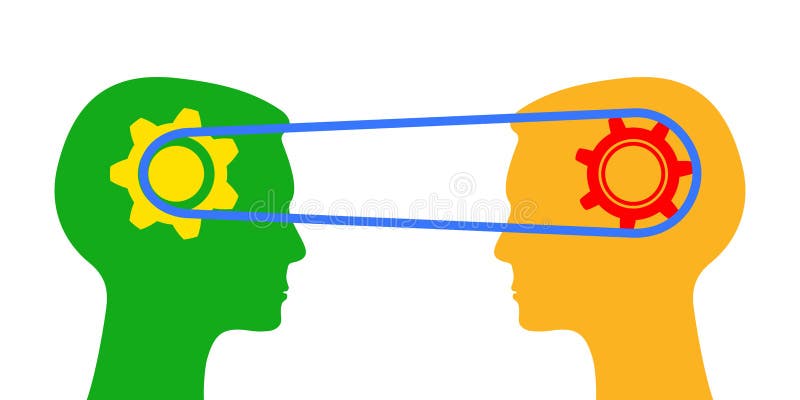
Love is often mistaken as merging — the collapsing of one soul into another.
But true love does not demand fusion. It respects edges. It breathes with space.
To love without losing yourself is not detachment from others—
It is attachment to truth, clarity, and inner peace.
When love becomes an identity trap, it’s time to step back and reframe.
🧘♀️ Practice “Loving Detachment”: Care Without Control
Loving detachment means:
- You deeply care for someone, but you are not responsible for fixing them.
- You support them, but don’t sacrifice your wellbeing in the process.
- You hold space for them, without collapsing your own.
It allows you to say:
“I’m here for you, but I’m here for me too.”
This is not coldness—it’s conscious compassion.
Example:
Instead of:
- “I’ll stay up all night solving their crisis,”
try: - “I’ll listen, offer help where I can, and rest when I need to.”
You’re not loving less—you’re loving wisely.
💔 Understanding Compassion vs. Codependency
Let’s separate these two often-confused states:
Compassion | Codependency |
Empowers others to grow | Disempowers self to please |
Offers help without losing self | Over-gives to avoid rejection |
Says “no” with grace | Says “yes” out of guilt |
Accepts reality | Tries to control outcomes |
Healthy empathy | Emotional entanglement |
Many empaths, helpers, and caregivers unconsciously slip into codependency, believing they’re being selfless. But what they’re actually doing is abandoning themselves to feel needed.
Compassion uplifts both.
Codependency empties one to fill the other.
🌱 Spiritual Maturity: Real Love Doesn’t Seek to Bind, Only to Bless
At its highest frequency, love is not ownership—it is blessing.
Spiritual maturity teaches us:
- Love is not “I need you.”
- It is “I see you, I wish you well, and I choose to walk with you — if you choose too.”
Anything else is possession, not partnership.
You do not have to overextend, manipulate, or martyr yourself to be worthy of love.
You already are.
The soul who loves wisely says:
“I offer love—but I do not offer myself as collateral.”
✍️ Practical Exercises
Let’s turn wisdom into daily practice.
💭 Exercise 1: “If I Let Go, Will They Fall—Or Will I Rise?”
Close your eyes. Think of someone you’re over-invested in.
Ask:
- What am I afraid will happen if I stop helping?
- Am I rescuing them—or avoiding my own growth?
- What will happen to me if I finally let go?
More often than not, you will rise.
And they may finally learn to stand on their own.
Letting go isn’t giving up. It’s giving room.
📓 Exercise 2: Daily Journaling Prompt: “What Did Loving Myself Look Like Today?”
Each evening, write down:
- One thing you did to honor your energy.
- One moment you said “no” to others, and “yes” to yourself.
- One place you gave love from overflow—not obligation.
Over time, you’ll rewire your inner compass to include you in your own love story.
🛑 Final Thought for the Section: You Are Not a Vessel to Be Emptied—You Are a Flame to Be Fed
Love is not measured by how much of yourself you give away.
It is measured by how true you remain to yourself while giving.
You don’t need to be less of you to be more for them.
Let love be a flow, not a sacrifice.

The Line Between Sacrifice and Self-Harm
“Love doesn’t require the loss of self. If it does, it’s not love—it’s submission.”
— Anonymous
We’ve all heard it:
“Love means sacrifice.”
And yes—real love often involves compromise, patience, and putting others first sometimes.
But when sacrifice becomes a pattern, a currency, or a way to earn affection—
It mutates into self-harm disguised as virtue.
This is not divine.
It’s damaging.
⚖️ Healthy Sacrifice vs. Emotional Martyrdom
Let’s distinguish two very different acts that often get lumped together.
Healthy Sacrifice | Emotional Martyrdom |
Voluntary and from a place of strength | Compulsive and from fear of abandonment |
Clear boundaries and recovery built in | No limits, leads to chronic depletion |
A one-time or temporary act for mutual good | A recurring pattern where only one gives |
Done with awareness and joy | Done with resentment and silent expectations |
You remain intact | You disappear in the process |
Sacrifice becomes martyrdom when you trade your identity for someone else’s comfort.
❓ Questions to Ask Before You Give More
Sometimes the most loving thing you can do—for both yourself and the other—is to pause and reflect before you give, bend, or break.
Here are three powerful filters:
🧠 1. “Is this sustainable?”
- Can I keep doing this without harming my health, finances, or energy?
- Will this drain me emotionally or financially in the long run?
⚖️ 2. “Would I expect the same in return?”
- If the roles were reversed, would they give as much?
- Or is this a one-way emotional highway?
(If the answer makes you uncomfortable, take that as information.)
❤️ 3. “Am I violating my own needs for their comfort?”
- Am I saying “yes” to them and “no” to my rest, peace, or priorities?
- Is my kindness coming at the cost of my self-respect?
These aren’t selfish questions.
They’re self-honoring ones.
🔔 Rule of Thumb: If Love Costs Your Dignity, It’s Not Love
Let’s make this clear:
- Love that demands silence about your pain is not love.
- Love that punishes your boundaries is not love.
- Love that makes you feel “less-than” is not love.
It is emotional colonization.
If you find yourself losing sleep, joy, money, energy, or mental peace for someone who would never do the same—pause.
You may not be in a relationship.
You may be in a contract of convenience you didn’t agree to.
🛡️ Empowering Reframe: Love Must Not Require Self-Erosion
Let’s stop applauding self-destruction as devotion.
Sacrifice is sacred only when it does not destroy the self.
You can:
- Love someone and still say no.
- Care for someone and still walk away.
- Be kind and be clear: “This is my limit.”
That’s not cruel. That’s courageous.
🧭 Final Thought for the Section: Love Is Not a Burning at the Stake—It’s a Shared Warmth
Love is a fire that should warm both people.
If you’re the only one freezing while keeping the fire alive,
something is wrong.
“Self-sacrifice without self-consent is emotional slavery.”
You were not born to be the fuel for someone else’s flame.
You were born to burn bright—not burn out.

Emotional Exit Plan: When to Walk Away
“There comes a day when you realize that staying is more painful than leaving. That is the day you begin to heal.”
Not all love stories are meant to last.
Some are meant to teach.
And when the lesson is done, it’s not weakness to walk away—
It’s wisdom.
Many of us stay in one-sided or toxic relationships not because we’re weak—
But because we never built an exit plan.
Let’s change that.
🚨 Signs It’s Time to Emotionally Disengage
Not all pain is a sign to fight harder.
Sometimes, pain is your soul begging for release.
Here are red flags that indicate you may need to emotionally disengage—even if you’re not ready to leave physically just yet.
- Constant Hurt, Manipulation, or Disrespect
- Do your needs get mocked, minimized, or ignored?
- Is there gaslighting, guilt-tripping, or emotional blackmail?
- Do you feel small or unsafe around them?
Pain should not be the price of love.
- You’re the Only One Making the Effort
- Are you initiating every conversation, every solution, every fix?
- Do they only respond when you threaten to leave?
Love is not a solo project.
If you’re the only one rowing, the boat is going nowhere.
- You Feel Lonelier With Them Than Without
This is the most damning evidence.
If their presence feels like absence—
If your joy, expression, or peace shrinks when they’re near—
Your soul already knows:
You’ve left emotionally. Now it’s time to leave energetically.
🌙 Graceful Withdrawal: The Art of Leaving with Dignity
Leaving doesn’t always mean slamming doors or burning bridges.
It can be soft, slow, and sacred.
Let’s plan it consciously.
📝 1. Drafting Your Goodbye Letter (Whether Sent or Unsent)
Write a letter—not to convince them, but to free yourself.
Structure:
- What you hoped for.
- What you tried.
- What you lost in the process.
- What you’re reclaiming now.
Whether you send it or keep it private, it’s your closure.
Your soul’s signature on a chapter well-learned.
Example:
“I wanted this to work. I wanted to feel seen. I kept showing up, even when it hurt. But I cannot keep bleeding in hopes you’ll notice. I release you with love, and I return to myself.”
🌱 2. Creating Space for New, Mutual Love
After withdrawal, comes the vacuum—the ache of emptiness.
Resist the urge to fill it immediately.
Let that space be sacred.
Use it to:
- Discover what you love again.
- Reconnect with old passions, places, and people who uplift you.
- Make room for a love that is mutual, mature, and nourishing.
You can’t attract a new reality from old pain.
🤝 3. Seeking Support: Therapy, Journaling, Community
No one should exit alone.
- Therapy offers clarity and a mirror.
- Journaling provides space for emotional digestion.
- Community reminds you that you’re not broken—you’re breaking free.
You don’t heal from a one-sided relationship by diving into another.
You heal by remembering you were always enough—even when they couldn’t see it.
🧭 Final Thought for the Section: Some Doors Must Close So You Can Return to Yourself
Walking away isn’t just about ending something.
It’s about returning to the center of your own life.
“Your peace is your responsibility. If someone’s presence costs it—they are too expensive.“
The exit is not abandonment.
It is an act of emotional self-rescue.
Practical Lessons and Action Points
“Healing isn’t something we wait for. It’s something we practice—one clear boundary, one brave ‘no,’ one loving pause at a time.”
Insight is the beginning.
Action is the transformation.
Here’s how to turn emotional wisdom into a lifestyle—where love is chosen with discernment, given with clarity, and received with dignity.
✅ Do This to Empower Your Emotional World
These are the non-negotiables of a healthy love life—whether with partners, friends, or family:
- Set emotional and energetic boundaries.
Love should never override your nervous system. Define what you can give—without breaking yourself.
- Ask for clarity, reciprocation, and honesty.
Let people know what you need. Make requests, not guesses.
“I love openly, but I also need clarity. Where do we stand?”
- Practice loving with freedom, not bondage.
Give without expectation of control. But never confuse freedom with foolishness.
Love with eyes open, not eyes closed.
- Track your emotional health weekly.
Use a simple tracker to assess your emotional state: peace, joy, depletion, resentment. Patterns don’t lie—even when people do.
❌ Don’t Fall Into These Emotional Traps
These common patterns romanticize suffering. Catch yourself before you fall too deep.
- Stay silent about your needs.
Unspoken needs don’t earn you loyalty—they earn you disappointment.
- Romanticize emotional suffering.
Pain is not a sign of deeper love. It’s often a sign of emotional imbalance or neglect.
- Let guilt force you into harmful dynamics.
Family or history are no excuse for toxicity. Guilt is not a compass—it’s a chain.
- Believe love must mean losing yourself.
The greatest love you’ll ever offer is the one that keeps you whole while giving.
🧰 Tools & Practices for Everyday Boundaries
Here’s how to apply the wisdom from this article into your daily life.
📊 Emotional Energy Tracker (Downloadable Tool)
Track these four areas weekly:
Metric | Scale (1–10) | Notes |
Emotional joy | ||
Emotional fatigue | ||
Reciprocation level | ||
Self-neglect signs |
Color-code your results and journal insights. Over time, you’ll spot toxic trends.
⏸️ “Loving Pause” Technique
Before you give, ask:
- “Am I offering from fullness or fear?”
- “Will I resent this later?”
A 10-second breath could save you 10 months of regret.
🧘♀️ Sample Affirmations
Say these in the mirror. Write them in your journal. Feel them into your bones:
“My love is a gift, not a currency.”
“I choose relationships that feed my soul.”
“I will not trade my peace for proximity.”
“I walk away not in anger, but in alignment.”
“It’s okay to be done—even if they’re not sorry.”
💡 Final Thought: Love Must Be a Place of Return, Not Ruin
Healthy love returns you to yourself.
It doesn’t demand a disappearing act.
You can be kind and still walk away.
You can love deeply and still choose peace.
You can let go without becoming cold—just clear.

❤️ Conclusion: Love Wisely, Love Bravely
“Love is not about how much you can endure—it’s about how much truth you can hold.”
Let this truth settle deep within you:
Real love is not blind. It sees.
It sees clearly—and still chooses to care.
But it does not choose to suffer endlessly.
One-sided love has been romanticized for centuries—in poetry, cinema, even spiritual teachings.
But let’s break that myth now, with compassion and clarity:
- Love that costs your dignity is not love.
- Sacrifice without reciprocation is not noble—it’s emotional depletion.
- Silent endurance is not strength—it’s a silent plea for validation.
We are not here to bleed for love.
We are here to build love that heals—starting with ourselves.
🌿 Make Peace with This Truth
“Not everyone you love is meant to stay.
And not everyone you help will thank you.”
And that’s okay.
Their inability to see your worth is not your failure.
Your self-respect is the altar where real love begins.
Sometimes, the bravest act of love is letting go.
Not in bitterness—but in truth.
Not in anger—but in alignment.
💎 The More Self-Respect You Carry, The More Sacred Your Love Becomes
When you love yourself well:
- You attract mature love—not emotional charity.
- You build boundaries—not walls.
- You help people—but not at the cost of your soul.
Let your love be conscious, not compulsive.
Let your giving be generous, not guilt-ridden.
Let your kindness be grounded, not self-erasing.
This is how we love wisely.
This is how we love bravely.
🙏 Participate and Donate to MEDA Foundation
If this article resonated with you, help us create more emotional clarity and empowerment for people across all walks of life.
At MEDA Foundation, we support:
- Emotional wellness
- Employment for neurodivergent and autistic individuals
- Self-sustaining communities for dignity and independence
🌱 How you can help:
- Donate to support our programs
- Share this article with someone who needs it
- Volunteer or collaborate with us to reach wider communities
Your compassion can change lives.
Your wisdom can shape futures.
📚 Book References and Further Reading
- Attached by Dr. Amir Levine and Rachel Heller — Understanding attachment styles.
- The Drama of the Gifted Child by Alice Miller — Healing emotional neglect.
- Set Boundaries, Find Peace by Nedra Glover Tawwab — Practical guide to boundaries.
- Codependent No More by Melody Beattie — Recovering from people-pleasing.
- The Courage to Be Disliked by Ichiro Kishimi & Fumitake Koga — Letting go of approval.
