

Speech delay in toddlers can be alarming, but it doesn’t always signal a lifelong impairment. With the right understanding, timely diagnosis, and supportive interventions, most late talkers can thrive. By distinguishing between typical late blooming, developmental disorders, and neurological concerns, caregivers and professionals can make informed choices rooted in compassion and science. Speech therapy, responsive parenting, inclusive schooling, and even nutritional support play pivotal roles in unlocking a child’s communication potential. Equally vital is embracing each child’s unique timeline while advocating for their rights, growth, and voice—because every child deserves to be heard.

When Words Are Late: A Comprehensive Guide to Understanding and Helping Late-Talking Children
🎯 Intended Audience and Purpose of the Article
Audience:
- Parents of toddlers and preschoolers navigating the early developmental years with concern, confusion, or curiosity about why their child is not speaking “on time.”
- Pediatricians, Speech-Language Pathologists (SLPs), and child psychologists looking to expand their communicative support to families and make better early diagnoses.
- Early educators and caregivers who often observe speech delays first and serve as front-line witnesses and intervention advocates.
- NGOs, therapists, and social workers involved in community-level developmental support and inclusion efforts for children with special needs.
- Autism and neurodiversity support communities, including parent-led advocacy groups, who often confront the gray area where speech delays and broader developmental differences overlap.
Purpose of the Article:
To break the silence—not of the child, but of the systems, stigmas, and misunderstandings surrounding late talking in young children.
Speech delay is one of the most common developmental concerns among toddlers, yet it remains widely misunderstood. For many families, a child’s delayed speech is met with denial, well-meaning dismissal (“Einstein didn’t talk until he was four!”), or a painful wait-and-see approach. Unfortunately, this passive posture can lead to missed opportunities for early intervention—windows that are biologically and neurologically sensitive to language growth.
Let’s demystify speech delays, decode early signs, and empower families and professionals with clarity, compassion, and scientific credibility. Drawing primarily from The Late Talker by Marilyn C. Agin, Lisa F. Geng, and Malcolm J. Nicholl—a seminal work that blends clinical expertise with lived parental experience—it goes further by incorporating contemporary evidence-based interventions, developmental neuroscience, speech therapy innovations, and holistic care considerations.
At its heart, this article serves three core functions:
- Inform – by explaining what late talking is and isn’t, what causes it, and how it differs from other disorders like autism or apraxia.
- Empower – by offering clear, actionable steps caregivers and educators can take today to support a child’s communication journey—at home, in clinics, and in classrooms.
- Inspire – by sharing real stories of progress, resilience, and breakthroughs that reinforce the central message: a late start does not mean a lost cause.

I. 🌟 Introduction: The Silence That Speaks
For most parents, a child’s first word is a cherished milestone. But what happens when the expected “Mama” or “Dada” doesn’t arrive? Days turn to months, and silence stretches into concern. The playground comparisons begin. The doctor says, “Let’s wait and see.” Friends say, “He’s just a quiet kid.” Grandparents recall that “boys speak late.” But deep down, the question grows louder:
“Why isn’t my child talking?”
This moment of quiet worry—sometimes whispered, often unspoken—marks the beginning of a complex, emotional, and confusing journey for many families. In a world that celebrates milestones and measures normalcy in months, the absence of speech can feel like a glaring red flag. But here is the essential truth this article wants to center:
Speech delay does not equal cognitive delay. Silence does not equal deficit. Late talking is not a life sentence.
🧭 Reframing the Issue: Late Talking ≠ Lifelong Impairment
A late-talking child may be developmentally sound in every other area—play, social engagement, emotional connection, physical coordination—and yet fall behind on spoken language. In fact, many late talkers grow into fully verbal, intellectually typical (and often gifted) children when given timely support.
The delay in speech is not necessarily a reflection of a child’s intelligence, personality, or future potential—it is often a developmental difference, not a disorder.
However, while some children simply take longer to talk and eventually “catch up,” others may have underlying neurological, sensory, or motor issues that require early intervention. The challenge lies in knowing when to wait and when to act—and more importantly, in what to do once you decide to act.
📘 Key Insight from The Late Talker: Early Help Matters—Panic Doesn’t
Dr. Marilyn C. Agin, a developmental pediatrician, teamed up with Lisa Geng, a mother of a late talker, and journalist Malcolm Nicholl to write The Late Talker—a powerful blend of science, advocacy, and lived experience. Their message is clear:
“You are not alone. There are answers. And there is hope.”
One of the book’s most empowering messages is the balance it strikes between urgency and calm. Yes, early intervention is critical. The human brain is most plastic—most adaptable—between birth and age five. This is the window when speech therapy, play-based interventions, and even nutritional strategies can have the greatest impact.
But panic? Panic helps no one. The goal is informed, intentional action, not fear-driven overreaction. The late talker does not need fixing. They need support, understanding, and a personalized path forward.
🧯 Common Myths Debunked
In this space, it’s vital to confront and dismantle the many myths surrounding speech delay:
- “Boys always talk late.”
While boys may develop language slightly later on average, this stereotype can delay necessary evaluations and therapies. - “They’ll talk when they’re ready.”
Some children do, but others may not—unless supported. Assuming readiness without support can waste crucial developmental time. - “He’s just shy.”
Shyness is not the same as language impairment. A quiet child who understands and chooses silence is very different from one who cannot express because of a developmental challenge. - “Einstein didn’t talk until he was four.”
Anecdotes don’t replace science. Even if true, Einstein is the exception—not the standard to rely upon.
These myths often lead families into years of waiting, false reassurance, or missed windows for help.
🧬 Why This Article Matters for Early Development and Lifelong Outcomes
Language is not just about words—it is the gateway to social connection, emotional regulation, self-expression, and learning. The earlier a child receives help, the better the chance of resolving issues before they ripple into behavior problems, academic struggles, or self-esteem wounds. This is why this article is not merely informative—it is life-shaping.
By grounding insights from The Late Talker in current research, and layering in speech therapy principles, sensory integration techniques, and practical parenting tools, this article aims to be a companion and a compass for anyone facing the uncertainty of a child who isn’t talking yet.
Because the silence of a child is not empty—it is filled with potential, waiting to be unlocked.
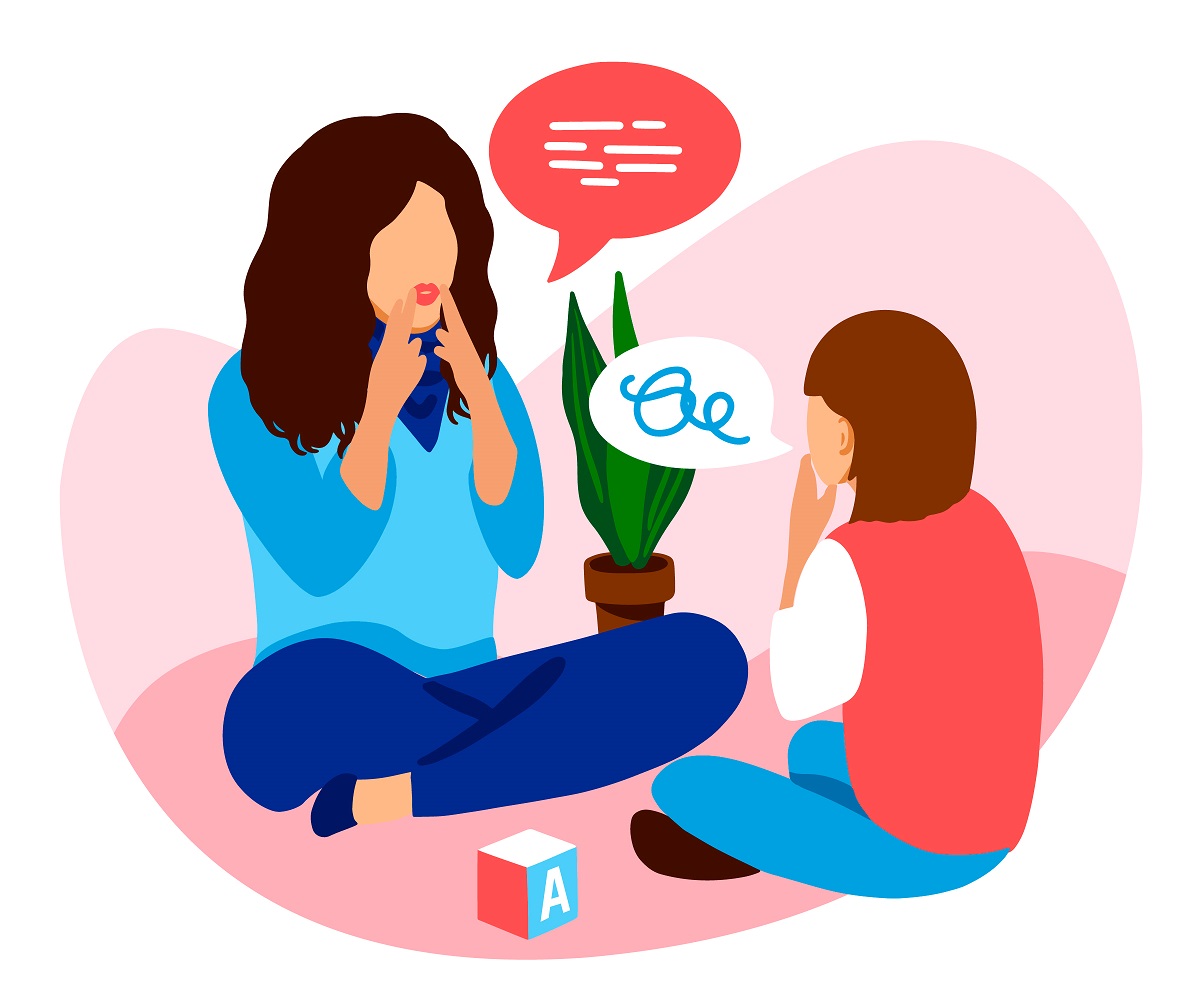
II. 🧠 Part 1: Understanding the Nature of Late Talking
Late talking is one of the most misunderstood early developmental challenges. It can be brushed off as “a phase” or mistaken for more severe neurological conditions. But in truth, it represents a spectrum of causes and outcomes—ranging from benign delays to diagnosable disorders requiring professional intervention.
To take meaningful action, caregivers and professionals must first understand what late talking truly is, when it matters, and how to discern between normal variation and real concern.
🅐 What Is a Late Talker?
A late talker is typically defined as a toddler between 18 and 30 months who has a limited expressive vocabulary (usually fewer than 50 words) and fails to produce simple word combinations by age 2, despite having:
- Normal hearing
- Age-appropriate cognitive development
- Typical motor skills
- Adequate social engagement
- No known neurological or sensory impairments
These children often understand more than they can say, follow instructions, and are socially connected—but remain frustratingly nonverbal or minimally verbal.
🧩 Distinguishing Between Key Terms:
Term | Description |
Late Bloomer | A child with delayed speech who eventually catches up without intervention. Roughly 50–70% of late talkers fall into this category. |
Language Disorder | A child whose speech delay stems from a diagnosable condition (e.g., expressive language disorder, apraxia, ASD) and requires sustained intervention. |
Global Developmental Delay (GDD) | A child with delays across multiple areas—speech, motor, cognition, socialization. Speech is one part of a broader delay pattern. |
Understanding where a child falls on this spectrum is crucial, and timely evaluation helps determine whether we’re dealing with a passing delay or an emerging developmental issue.
🅑 Milestones and Red Flags
Language development begins far before the first word. Parents and professionals should monitor both verbal and non-verbal communication milestones. While variations are expected, certain delays are considered red flags for concern.
🧭 Language Milestones from Birth to 3 Years:
Age | Expected Milestones |
0–6 months | Cooing, eye contact, smiles, attention to voices |
6–12 months | Babbling, gestures, responding to name, understanding “no” |
12–18 months | First words, pointing to request, recognizing familiar words |
18–24 months | Word explosion (~50+ words), two-word combinations |
24–36 months | Vocabulary growth, short sentences, answering simple questions |
🚨 Key Signs of Concern:
- No babbling (e.g., “ba-ba,” “da-da”) by 12 months
- No single words by 16 months
- No two-word phrases by 24 months
- Loss of previously acquired words or social engagement (a red flag for regression or ASD)
- Plateauing: No noticeable growth in vocabulary or usage for several months
💡 Social and Play Behaviors as Indicators:
Speech delay often accompanies or reveals challenges in social development. Watch for:
- Lack of joint attention (e.g., child doesn’t look at a toy you’re pointing at)
- Absence of pretend play by 18–24 months
- Limited gestures (waving, pointing, reaching)
- Preference for objects over people
- Trouble imitating sounds or actions
Social engagement is one of the clearest predictors of whether a child’s speech delay is isolated or part of a broader developmental issue like Autism Spectrum Disorder (ASD) or apraxia.
🅒 Causes and Differential Diagnosis
Late talking is a symptom, not a diagnosis. Its underlying causes range from benign to serious. Proper differential diagnosis is essential to avoid both false reassurance and overpathologizing a child.
⚖️ Common Causes of Late Talking:
- Speech Delay (Expressive Only)
- The most common and least severe cause
- Children understand well but struggle to express
- Often improve with minimal therapy or even catch up naturally
- Childhood Apraxia of Speech (CAS)
- A motor planning disorder: child knows what they want to say but cannot coordinate the movements
- Often presents with inconsistent speech errors, groping motions, and frustration
- Requires specialized, repetitive therapy
- Autism Spectrum Disorder (ASD)
- Often includes speech delay, but also presents with social, sensory, and behavioral signs
- May show regression (loss of words or eye contact), repetitive behavior, lack of joint attention
- Requires early multi-disciplinary intervention
- Hearing Loss or Auditory Processing Disorder
- Even mild or intermittent hearing issues (like fluid in the ears) can delay speech
- Children may appear inattentive, confused, or uninterested in verbal interaction
- Audiological screening is a non-negotiable first step in any speech delay evaluation
- Intellectual Disability or Global Developmental Delay (GDD)
- Speech delay is one part of broader cognitive and functional delays
- Often accompanied by motor delays, social immaturity, or learning difficulties
- Needs comprehensive developmental assessment
- Sensory Processing Disorder (SPD)
- Sensory over- or under-responsiveness can interfere with speech
- Child may avoid textures, sounds, eye contact, or show unusual motor patterns
- Often overlaps with ASD but can occur independently
- Environmental and Cultural Factors
- Bilingual homes can lead to temporary delays in dominant language use, though comprehension should still be age-appropriate
- Lack of verbal interaction, screen-heavy environments, or trauma can contribute
- Poverty and caregiver neglect also correlate with delays
Understanding the cause is not about labeling a child—it’s about unlocking the right strategy. A late talker with a mild expressive delay may benefit from rich language exposure at home, while a child with apraxia or ASD needs structured therapy. One size does not fit all, and early clarity leads to tailored intervention.

III. 🩺 Part 2: Diagnosing the Delay — From Guesswork to Clarity
When a child isn’t talking on time, caregivers often find themselves in a haze of conflicting advice—”Just give it time,” “Einstein talked late too,” or “It must be autism.” This confusion leads many families down a path of uncertainty, sometimes waiting too long or rushing into uncoordinated interventions. Diagnosis is the critical bridge between uncertainty and support.
Diagnosing a speech delay is not about labeling a child—it’s about discovering their unique needs so the right doors can open. And in early childhood, the right support at the right time can dramatically shift the trajectory of a child’s language, learning, and self-esteem.
🅐 The Importance of Early Evaluation
❌ Risks of the “Wait and See” Approach
The most dangerous four words a parent hears when worried about delayed speech are: “Let’s wait and see.” While well-meaning, this advice often delays critical interventions during the period of maximum neuroplasticity—when the brain is most capable of rewiring, adapting, and learning language.
A 24-month-old with no meaningful words may indeed “catch up,” but waiting until age 4 to intervene risks missing the sensitive developmental windows for language, social interaction, and emotional regulation. The Late Talker repeatedly emphasizes:
“It’s far better to overreact and be wrong than to underreact and lose valuable time.”
🧠 The Windows of Brain Plasticity
- Between birth and age 5, the brain undergoes rapid growth in neural connections related to language, social skills, and emotional control.
- By age 3, a child’s brain is twice as active as an adult’s—and language exposure and therapy during this phase yield exponential benefits.
- Early intervention is not only more effective—it is faster, cheaper, and more sustainable than later remediation.
Early evaluation empowers parents to act, not react—replacing helpless worry with informed decision-making.
🅑 Who to Consult
A meaningful diagnosis requires a team approach, beginning with the pediatrician and expanding to include specialists based on the child’s profile.
👩⚕️ 1. Pediatrician
- First point of contact
- Screens basic developmental milestones
- Refers to specialists when needed
- Can order hearing evaluations or developmental checklists
🧒 2. Developmental Pediatricians and Neurologists
- Experts in diagnosing developmental disorders, neurological conditions, and genetic syndromes
- Helpful for complex cases involving autism, global delay, or regression
🎧 3. Audiologists
- Rule out hearing loss (even temporary issues like ear infections can block language development)
- Evaluate auditory processing and middle ear function (e.g., tympanometry)
🗣️ 4. Speech-Language Pathologists (SLPs)
- Central figures in assessing and treating expressive/receptive language disorders
- Use structured play and standardized assessments to gauge verbal and pre-verbal skills
- Collaborate with occupational therapists if oral-motor issues or sensory needs are present
🧠 5. Psychologists and Special Educators
- Psychologists assess cognitive function, social behavior, and learning profiles
- Special educators evaluate developmental age, attention, play skills, and early academic readiness
🧭 Tip for Parents: A good evaluation doesn’t just tell you what’s wrong—it tells you what to do next and who can help.
🅒 Key Diagnostic Tools
No single test can explain a child’s delayed speech. Instead, a combination of tools paints a more complete picture.
🗂️ 1. Standardized Speech and Language Assessments
- Examples: Preschool Language Scale (PLS), CELF-P (Clinical Evaluation of Language Fundamentals)
- Evaluate expressive and receptive language, articulation, vocabulary, and pragmatic use
- Typically conducted by SLPs over multiple sessions
👂 2. Hearing and Auditory Processing Evaluations
- Pure tone audiometry (for hearing thresholds)
- Tympanometry (to assess middle ear fluid or pressure)
- Auditory Brainstem Response (ABR) for deeper hearing analysis in non-verbal children
🧩 3. Autism Screening Tools
- M-CHAT (Modified Checklist for Autism in Toddlers) – A quick parent questionnaire for red flags
- ADOS (Autism Diagnostic Observation Schedule) – Gold standard diagnostic tool using structured observation
- Also includes tools like the Vineland Adaptive Behavior Scales or Social Responsiveness Scale
🧬 4. Neurological and Genetic Evaluations
- Considered when speech delay is severe, regressive, or associated with other symptoms
- Can reveal issues like Fragile X, Rett Syndrome, epilepsy, or other rare conditions
- Includes EEG, MRI, or chromosomal microarray testing if indicated
While many children with speech delay have no underlying medical condition, these tools rule out serious or hidden issues and guide therapy planning.
🅓 Emotional and Financial Realities of Diagnosis
💔 1. Preparing for Evaluations
- Bring detailed notes: milestones, behaviors, family history, regression (if any), videos of interactions
- List all concerns—not just speech (e.g., sleeping, feeding, social engagement)
- Stay open-minded: evaluation is not about confirming your fears but exploring your child’s needs
😓 2. Managing Parental Anxiety and Guilt
- It’s normal to feel blame, shame, or denial—but you didn’t cause this
- Speech delay has many contributing factors, most of which are beyond parental control
- The most powerful parental act is intervention, not perfection
💰 3. Understanding Public and Private Support Options
- Public Sector (India & globally):
- Government hospitals, ICDS programs, early intervention centers
- Some NGOs offer free or subsidized therapy (e.g., MEDA Foundation’s speech outreach)
- Private Sector:
- Often faster access but costlier
- Check for multidisciplinary clinics with pediatric SLPs, OTs, and developmental specialists
- Insurance and Reimbursement:
- Some health insurance plans cover evaluations and therapy under neurodevelopmental or rehabilitation clauses
- Early intervention is often excluded, requiring out-of-pocket planning
Diagnosis is not a destination—it’s a map. And with the right map, you can stop guessing, stop fearing, and start walking with direction.

IV. 🗣️ Part 3: The Power of Speech Therapy
Once a child has been evaluated and a speech delay confirmed, therapy becomes the turning point—the space where progress begins, hope is restored, and connection deepens. For parents, speech therapy is not simply about teaching words; it’s about unlocking a child’s ability to express, connect, and participate in the world around them.
But not all speech delays are the same—and neither are all therapies. Choosing the right approach, understanding what to expect, and staying actively involved can make the difference between slow progress and a developmental breakthrough.
🅐 Choosing the Right Therapy Path
🎯 Types of Speech Disorders and Matched Therapies
Before starting therapy, it’s essential to understand what type of speech challenge your child faces:
Disorder Type | Description | Best-Fit Therapy |
Expressive Language Delay | Difficulty using words, but good understanding | Traditional speech-language therapy with emphasis on modeling and vocabulary building |
Receptive Language Disorder | Trouble understanding spoken language | Visual aids, simplified speech, focused comprehension-building |
Apraxia of Speech | Motor planning issue—child knows what to say but can’t coordinate movements | Repetitive, structured motor-based speech therapy (e.g., PROMPT, Kaufman) |
Articulation Disorder | Incorrect sound production (e.g., “wabbit” for “rabbit”) | Sound-specific practice and phonological awareness therapy |
Mixed Language Disorder | Problems in both expressive and receptive areas | Integrated therapy with language comprehension, expression, and cognition |
Social Communication Disorder (e.g., in ASD) | Challenges in using language socially (e.g., taking turns, eye contact) | Pragmatic language therapy, social skills groups, joint attention strategies |
Knowing the right diagnosis helps ensure therapy isn’t generic—it’s personalized and impactful.
🧑⚕️ What SLPs Do and How Therapy Looks for Toddlers
Speech-Language Pathologists (SLPs) are highly trained professionals who assess and treat communication disorders across all age groups. In toddlers, therapy is play-based, interactive, and heavily parent-inclusive.
A typical toddler speech therapy session includes:
- Floor play with toys to elicit sound or word production
- Modeling correct speech without pressure
- Use of visuals, books, puppets, and musical elements
- Repetition of sounds, words, and short phrases
- Rewarding small attempts to encourage confidence
- Coaching parents on how to carry over therapy techniques at home
🧩 Key takeaway: Therapy is not a drop-off service—it’s a relationship, and the family is part of the team.
⏱️ Frequency and Intensity: Why “More is More” Early On
Research and clinical experience alike support the idea that frequency and consistency drive faster outcomes, especially during the critical neuroplastic window of 0–5 years.
- 2–3 sessions per week is often ideal for toddlers with significant delays
- Daily practice at home (even just 10–15 minutes) can compound therapy gains
- For more complex conditions (e.g., apraxia, ASD), intensive therapy models (multiple hours per week) are often recommended
Therapy isn’t just about showing up—it’s about building neural circuits through repeated, meaningful interaction. Think of it as physical therapy for the brain’s language muscles.
🅑 Therapy Techniques That Work
Drawing from The Late Talker, modern speech science, and developmental psychology, here are some evidence-based, parent-empowered techniques used in therapy and at home:
🧠 1. Modeling and Imitation
- Speak slowly, clearly, and slightly above the child’s current level
- Repeat key words and phrases
- Use exaggerated intonation and gestures
- Encourage the child to mimic sounds, actions, or words—without pressuring
🔁 2. Prompting and Fading
- Prompt the child with cues (e.g., “Say ‘ball’”)
- Gradually reduce the help as the child gains confidence
- Fade prompts to encourage spontaneous language
🤟 3. Sign Language as a Bridge to Verbal Language
- Introducing basic signs (e.g., “more,” “eat,” “milk”) can reduce frustration
- Does not delay speech—often accelerates it by giving children a means to express before they can articulate sounds
🎨 4. Multisensory Methods: Visual, Tactile, Auditory Cues
- Use pictures, flashcards, gesture cues, songs, and rhythm
- Encourage hand-over-hand activities and object-based learning
- Reinforce language through more than just sound (especially useful for ASD or apraxia)
👄 5. Oral-Motor Work: When Needed, When Not
- Some children have low tone or coordination issues affecting articulation
- Oral-motor exercises (e.g., blowing bubbles, chewing tubes) should be used purposefully, not automatically
- The Late Talker cautions against overusing oral exercises unless there’s a clear oral-motor issue diagnosed by a qualified SLP
📱 6. Use of AAC (Augmentative and Alternative Communication)
- Tools like picture boards, PECS, or speech-generating devices help children with severe speech delays or apraxia
- Myth: “If we give them a device, they won’t speak.” → Reality: AAC often jumpstarts speech by reducing frustration
- Used as a bridge, not a substitute
These techniques, when implemented consistently, build the foundation of language—sound by sound, gesture by gesture, word by word.
🅒 Special Therapies
Some children need specialized approaches beyond general speech therapy—especially those with apraxia, severe motor planning issues, or sensory processing challenges.
🗣️ 1. PROMPT Therapy (Prompts for Restructuring Oral Muscular Phonetic Targets)
- Uses tactile-kinesthetic cues (touch on the face, jaw, lips) to guide articulation
- Highly effective for children with apraxia or dysarthria
- Requires specialized training—seek a PROMPT-certified SLP
🧩 2. Kaufman Speech Praxis Method
- Focuses on simplifying complex words into easier approximations
- Gradual shaping toward full articulation
- Repetitive, drill-based, motor planning exercises
- Especially useful for children with CAS (Childhood Apraxia of Speech)
🌈 3. Sensory Integration for Children with SPD
- Many late talkers, especially those with sensory processing issues, benefit from OT-SLP co-treatment
- Sensory input (e.g., swinging, brushing, deep pressure) can regulate the child’s nervous system
- A regulated child is a more responsive communicator
Speech therapy, especially when adapted to a child’s unique neurological and sensory profile, becomes far more than language building—it becomes a pathway to connection, self-expression, and identity.
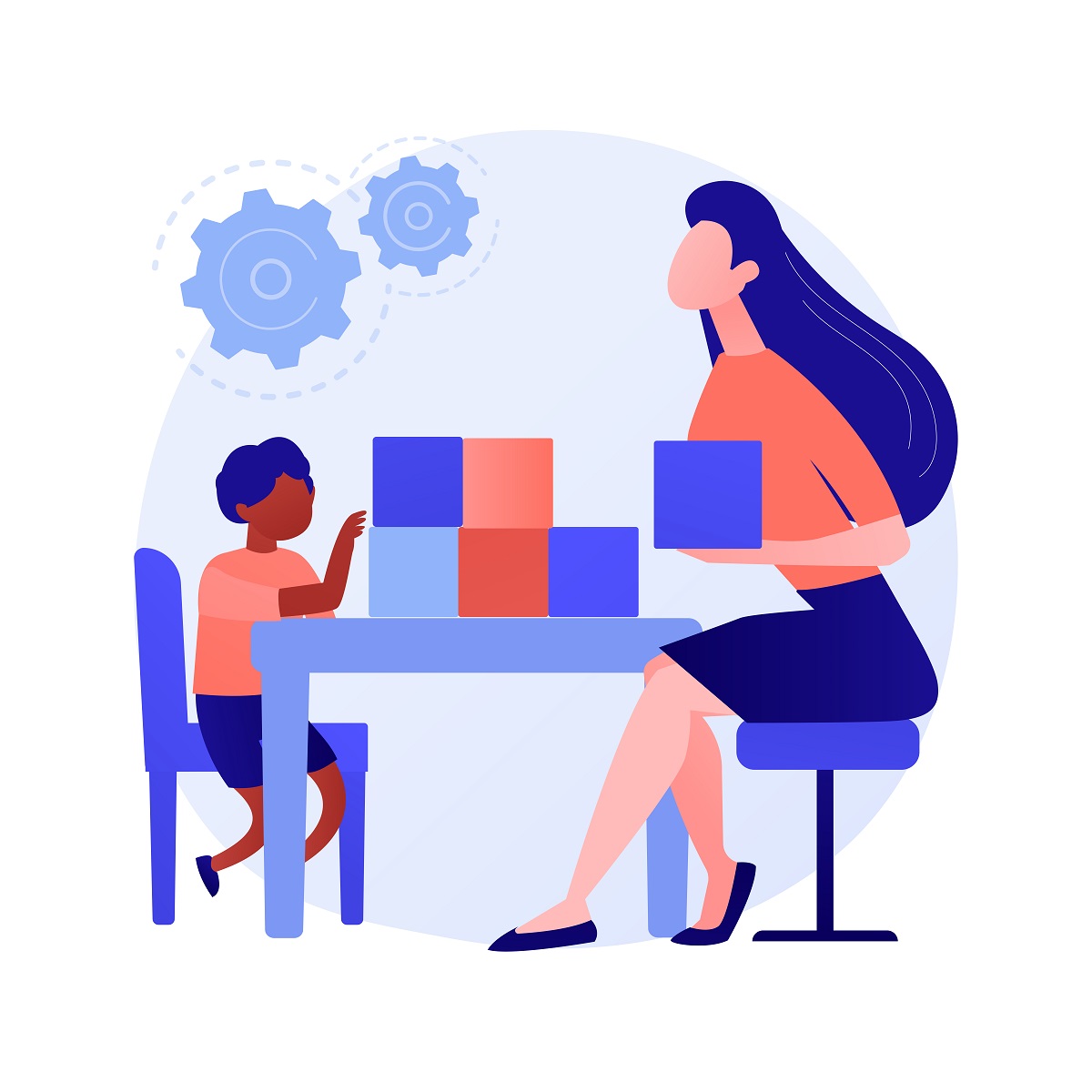
V. 🧒 Part 4: The Parent’s Toolbox – What You Can Do Every Day
Your child’s best therapist is you. Daily interaction in a warm, responsive, language-rich environment has the power to rewire the brain for speech, especially when done with intention and consistency. This section empowers caregivers to move from helplessness to active partners in their child’s communication journey—right from the living room floor.
🅐 Build a Language-Rich Home
A “language-rich” home doesn’t mean using big words or complex grammar—it means using more language, more meaningfully, throughout everyday life.
🗣️ Narration: Self-Talk and Parallel Talk
- Self-talk: Describe your own actions aloud (“Mommy is cutting the apple.”)
- Parallel talk: Describe your child’s actions (“You are building a tall tower!”)
- Builds vocabulary and strengthens the word–action association
- Helps even non-verbal children begin to understand structure and context
🧠 Expansion and Recasting
- Expansion: Take a child’s utterance and add more info
- Child: “Dog!” → You: “Yes, the dog is running!”
- Recasting: Correct errors gently by rephrasing
- Child: “Him go car.” → You: “Yes, he is going to the car.”
- These strategies help model grammar, length, and syntax without criticism
⏱️ Routines, Repetition, and Rhythm
- Use everyday routines (meals, dressing, bath time) as language labs
- Repetition reinforces learning—say it again and again
- Use rhythmic songs or rhymes—language sticks when it flows
📚 Reading and Music
- Read picture books daily—even to nonverbal children
- Emphasize names of objects, actions, and emotions
- Point, pause, and wait—give time to process
- Use songs with gestures (e.g., “Wheels on the Bus”)
- Combines auditory, visual, and motor input—a triple boost
🪴 Home isn’t the classroom—it’s the garden where language grows.
🅑 Technology and Screen Time
Technology is not inherently bad, but unregulated or misused screen time can significantly delay language development.
🚫 The Harm of Passive Screens
- Background TV, YouTube autoplay, or phone scrolling = one-way input
- Children under 2 should have no screen time, per WHO guidelines
- Language needs responsive interaction, not pixels
🧩 Therapeutic Uses of Apps (Only Under SLP Guidance)
- Some apps can be useful—but only as supplements, not substitutes
- Best apps are interactive, pause-friendly, and SLP-recommended (e.g., Speech Blubs, Articulation Station)
- Use with an adult guiding and reinforcing concepts
🤝 Digital vs Human Interaction: What Builds Real Language
- Screens talk at your child. Humans talk with
- Real language is messy: It involves mistakes, cues, turn-taking, emotion, tone—things no device can replicate
- For every hour of screen time, aim for 2+ hours of real-world play and conversation
⚖️ Tech is a tool, not a teacher. Use it wisely, use it rarely.
🅒 Play-Based Strategies
Play isn’t just fun—it’s how children learn everything, including speech. Language learned through play is sticky, emotional, and embodied—the kind that lasts.
🎲 Floor Time and Child-Led Interaction
- Sit on the floor at eye level—enter their world
- Follow their lead, don’t direct—respond to their interests
- Use language that maps onto what they’re focused on (“You like the red car!”)
🙆♂️ Imitation Games, Gestures, and Pretend Play
- Play copycat games (sounds, faces, actions) to build joint attention
- Use gestures: wave bye, clap, blow kisses—precursors to speech
- Pretend play with dolls, food sets, or stuffed animals builds symbolic thinking (e.g., banana = phone), which is foundational for language
🧠 Play as Therapy: Not Just for Fun
- Play strengthens executive function, emotional regulation, and social skills—all of which are tied to language development
- Embed speech goals into play:
- Animal sounds = early phonemes
- Toy food = naming and categorization
- Puzzles = problem-solving language (“Where does this go?”)
🧸 Every toy is a tool. Every game is a gateway.
❤️ Key Takeaway:
Your home, your time, and your love are not “extras”—they are central to your child’s speech journey. Therapists may guide the way, but it’s the daily micro-interactions that build a speaking child. Every story you read, every song you sing, every silly game you play—these are the bricks of language.

VI. 👪 Part 5: Navigating Emotions and Family Dynamics
Behind every late talker is a family navigating invisible waves—hope, fear, confusion, exhaustion, joy. This part of the journey is not medical or therapeutic—it is emotional, relational, and spiritual. The Late Talker reminds us that parents and caregivers must heal, grow, and transform alongside their child. This section offers tools and perspective for sustaining family strength, unity, and resilience.
🅐 The Emotional Journey of Parents
💔 Guilt, Denial, Fear—and How to Manage Them
- It’s common to wonder: “Did I miss something?” “Did I do something wrong?”
- These feelings are natural—but they are not helpful truths
- Strategies:
- Journaling or support groups to process fears
- Mindfulness or therapy to manage anxiety
- Replacing guilt with informed action builds confidence
- Denial is a coping strategy—but early acceptance leads to better outcomes
📉 The Burden of Comparisons with Peers
- Social media, birthday parties, playgrounds—constant comparison traps
- Important truth: Language development is not a race—it’s a spectrum
- Learn to celebrate uniqueness rather than chase milestones
- Replace “Why can’t he…” with “Look how far we’ve come…”
🌈 Finding a New “Normal”
- Redefine what success looks like in your family
- A non-verbal child who smiles, points, and hugs is communicating love
- Set realistic goals, focus on quality of connection over performance
- This journey may stretch your heart—but it will also expand your humanity
🅑 Managing Sibling and Extended Family Expectations
🧓 Explaining the Delay with Love and Clarity
- Family members may not understand or may judge—educate gently
- Use simple language: “She understands everything but needs more time to talk.”
- Share specific progress and therapist insights
- Avoid blame or over-explaining—focus on unity, not justification
🤝 Creating Inclusive Family Routines
- Use rituals where the late talker is fully involved:
- Meal prayers, goodnight songs, “I love you” signs
- Let siblings help with speech games and routines
- Keep expectations clear but flexible for everyone
🧒 Sibling Support Groups and Therapy
- Siblings may feel confused, jealous, or ignored
- Create one-on-one time with each child
- Let them ask questions and express emotions without guilt
- Use storytelling or child therapy for emotional validation
- Encourage empathy, not pressure: “You’re not responsible for fixing things—you’re just part of the team.”
🅒 Celebrating Small Wins
🎯 Speech May Come Late—But Growth Happens Daily
- Every gesture, new sound, or eye contact is a win
- Track incremental improvements:
- “She looked at the dog when I said ‘woof!’”
- “He asked for water with a sign today.”
- Keep a journal, photo diary, or “speech scrapbook” for visual reinforcement
🏅 Milestone Tracking and Motivation
- Use visual trackers to celebrate:
- First babble
- First word
- First sentence
- Celebrate with small rewards, hugs, joyful rituals
- Motivation matters for the child and the family—you need energy to keep going
🌟 Progress may be slow, but it is always sacred.
❤️ Final Thought for This Section:
When a child doesn’t speak, the silence echoes in every corner of family life. But that silence can become sacred—a space for deeper love, sharper listening, and stronger bonds. Families that grow through this journey often discover resilience they didn’t know they had. This isn’t just your child’s transformation—it’s yours too.

VII. 🏫 Part 6: Advocacy and School Readiness
Helping a late-talking child thrive isn’t just a private journey—it’s a public negotiation. Whether dealing with therapy providers, school administrators, or government systems, parents must evolve into advocates. This section empowers families and professionals with frameworks, questions, and resources to secure early intervention and create nurturing, inclusive school environments. It integrates The Late Talker’s core insights with both international and Indian educational realities.
🅐 Early Intervention Programs
🧩 Accessing Public Services: IDEA, IFSP, IEP (for U.S. context)
- IDEA (Individuals with Disabilities Education Act): Guarantees support in U.S. schools
- IFSP (Individualized Family Service Plan): Birth–3 years; focuses on family-centered early intervention
- IEP (Individualized Education Program): Ages 3+; outlines academic and speech goals
- Advocacy tips:
- Know your legal rights
- Ask for comprehensive speech evaluations and regular reviews
- Push for integrated services, not isolated therapy
🇮🇳 Navigating Indian Government and NGO-Based Therapy Programs
- Early Intervention Centers under the District Disability Rehabilitation Centres (DDRCs)
- National Trust and Sarva Shiksha Abhiyan programs
- Hospitals with Developmental Pediatric Units (e.g., NIMHANS, AIIMS)
- NGOs like MEDA Foundation: provide low-cost, inclusive services
- Strategies:
- Tap into RCI-certified therapists and special educators
- Document everything: assessments, reports, goals
- Build long-term relationships with your therapy team
- Empower yourself with knowledge—you are your child’s case manager
⚖️ Private vs Public Therapy: Pros and Limitations
- Private Therapy:
- Pros: Personalized, consistent, specialized methods (e.g., PROMPT, ABA, OT)
- Limitations: Expensive, inconsistent regulation, urban bias
- Public Therapy:
- Pros: Cost-effective, linked with schools or hospitals
- Limitations: Long waiting lists, limited speech hours, bureaucratic hurdles
- Hybrid approach often works best: public baseline + private enhancements + home strategies
🅑 Working with Schools
🏫 What to Ask in Preschool Interviews
- Teacher-to-child ratio – smaller is better for speech support
- Experience with special needs – especially speech/language delay
- Openness to collaboration – “Will you work with our therapist?”
- Daily routines – Are they rich in play, stories, group communication?
- Behavior policies – How do they handle non-verbal frustration?
- Suggested Questions:
- “How do you encourage communication for children with delays?”
- “Do you use visual supports or storyboards?”
- “How do you communicate with parents?”
🤝 Building a Home–School Therapy Partnership
- Share reports and therapy plans with teachers
- Help teachers use your child’s AAC, visual cues, or sign language
- Reinforce school vocabulary at home: e.g., “circle time,” “snack,” “sit”
- Use a communication notebook or app between parent and teacher
- Attend parent-teacher meetings with clarity, not apology
🔄 Transitioning from Home Therapy to School Inclusion
- Prepare child through social stories, visual schedules, school visits
- Gradual integration: start with short school days
- Maintain at-home speech practice during transition
- Monitor for signs of stress, regression, or progress—adjust accordingly
- Teach self-advocacy early (even simple signs or pictures)
- Remember: inclusion is not a favor—it’s a right
🌟 Final Word for This Section:
A child who doesn’t speak fluently yet still belongs in school, in playgroups, and in society. Inclusion is not about perfection—it’s about belonging and becoming. When parents advocate with informed confidence, they create systems that not only support their child but inspire change for many others.

VIII. 🧬 Part 7: Nutrition, Biomedical, and Holistic Approaches (Optional but Popular)
Speech delays are not just neurological—they can also be nutritional, metabolic, and sensory in nature. While not every child benefits from dietary or biomedical interventions, many parents report improvements in attention, energy, behavior, and even speech when whole-body health is optimized. This section provides evidence-aware, ethically grounded insights inspired by The Late Talker, integrated with broader research in functional pediatrics—without veering into pseudoscience.
🅐 Brain-Body Connection
🧠 Agin’s Medical Perspective
Dr. Marilyn Agin, a developmental pediatrician, emphasizes that speech development is not isolated from the body. Subtle neurological inefficiencies—often invisible on scans—can cause delays. Supporting overall brain function is often a parallel path to speech therapy.
🥦 Nutritional Deficiencies and Speech
- B-12 and Folate: Crucial for myelination and neural transmission
- Zinc: Supports immune function and attention; low levels may affect language
- Magnesium: Helps with relaxation, focus, and motor planning
- Iron: Deficiency (even without anemia) can impair cognitive and verbal skills
- Vitamin D: Emerging research links deficiency to developmental delays
🐟 Essential Fatty Acids
- Omega-3s (DHA/EPA) are key for neuronal membrane fluidity and signal transmission
- Several studies link fish oil supplementation to improved attention and verbal output in some children with speech or learning delays
- Source matters: purified fish oil vs. generic brands
Professional Tip: Always test before supplementing—never assume.
🅑 Gut-Brain Axis and Elimination Diets
🧠🌿 Gut-Brain Axis in Speech Development
- Children with expressive delays often have digestive issues: constipation, reflux, bloating
- The enteric nervous system (gut) influences neurotransmitter production (serotonin, dopamine)
- Inflammation in the gut may impair brain function through the vagus nerve pathway
🚫 GFCF Diet (Gluten-Free, Casein-Free)
- Common in the autism community; anecdotally reported to reduce fogginess, increase verbal attempts
- Not a cure, but may reduce systemic inflammation in sensitive children
- Not all late talkers need this diet; may lead to nutritional deficits if poorly planned
- Elimination trials (2–3 months) under medical supervision recommended
🌾 Food Sensitivities and Speech
- IgG or non-IgE food sensitivities can cause behavioral and cognitive effects
- Common culprits: dairy, soy, gluten, eggs, artificial additives
- A nutritionist-guided elimination/reintroduction protocol can clarify impact
🅒 What to Be Cautious About
⚠️ Pseudoscientific Therapies
- Avoid:
- Stem cell injections without regulatory approval
- Chelation therapy unless medically indicated
- Unverified “detoxes” or extreme diets
- Be wary of:
- Over-promising programs or “guaranteed” speech in 30 days
- Therapies that ask you to forgo proven interventions
🧪 Ethical Supplementation: Do No Harm
- Supplements can support—but also cause harm if misused
- Mega-dosing vitamins or minerals may backfire
- Always prioritize food-first, whole-food sources
🩺 Mandatory Professional Consultation
- Engage:
- Developmental pediatrician
- Registered dietitian or clinical nutritionist (preferably RCI-certified in India)
- Functional medicine doctors only if board-certified
- Track progress methodically: journal symptoms, behaviors, stool patterns, and speech output
🌱 Final Thought for This Section:
There is no magic pill for speech, but a well-nourished brain in a calm, regulated body provides the fertile ground for language to bloom. Let nutrition, movement, and mindfulness complement, not replace, your therapeutic efforts.
IX. 📈 Part 8: Hope, Recovery, and the Bigger Picture
Language delays are not life sentences—they are invitations to deeper connection, understanding, and growth. Many late talkers go on to thrive socially, academically, and creatively. But even more important than “catching up” is learning to see the whole child, advocate wisely, and build a future based on love, not labels. This section honors the possibility of progress, the grace of difference, and the power of unconditional parenting.
🅐 Success Stories: Blossoming Beyond the Delay
🌼 Profiles of Children Who Found Their Voice
- Children featured in The Late Talker include:
- A boy misdiagnosed with autism who began speaking fluently after targeted therapy
- A girl with verbal apraxia who used sign language and AAC to communicate, later becoming a confident speaker
- Across India, thousands of children from bilingual homes, sensory sensitivities, or nutritional gaps have shown dramatic gains with early intervention, personalized care, and consistent love.
💬 Real Voices, Real Families
- Parents report:
- “He didn’t talk until 3. Now he won’t stop asking questions!”
- “We used to fear he’d never speak. Now we celebrate every new word together.”
These aren’t miracles. They’re the fruits of steady, supportive work.
🅑 Every Child’s Timeline is Unique
⏳ Delayed Speech ≠ Delayed Intelligence
- Many late talkers show:
- Excellent comprehension
- Empathy and emotional depth
- Keen observational or mechanical skills
- Some are visual-spatial thinkers: future architects, artists, programmers
🧠 “Einstein Syndrome”
- Coined by economist Thomas Sowell: late-talking children with exceptional analytical abilities
- Key insight: Atypical development ≠ defective development
🪞 Let’s Redefine “Normal”
- Normal is a statistical average, not a moral imperative
- Speech delays may just reflect a different neurological wiring, not a deficit in capability
🅒 Neurodiversity and Acceptance
🌈 Reframing the Narrative
- The neurodiversity movement encourages us to see:
- Speech delay as difference, not deficiency
- Focus not just on what is “lacking,” but what is emerging
- All behavior as communication—even silence
❤️ Love Before Language
- Children need to feel seen, not just fixed
- Unconditional acceptance forms the emotional soil from which communication can bloom
- Therapy without affection is technique; therapy with love is transformation
🫂 Embrace the Child, Not Just the Diagnosis
- Celebrate what your child can do
- Let them be your teacher in patience, perspective, and perseverance
- Build family rhythms, rituals, and joy around connection, not correction
🔚 Closing Thoughts: Moving from Worry to Wisdom
Late talking may begin as a crisis. But with knowledge, support, and heart-centered advocacy, it can become a transformative journey—for both child and parent.
This is not just about speech. It’s about whole-child development, family resilience, and a society that honors every voice—spoken or unspoken.

🔚 Conclusion: The Words Will Come – With the Right Support
Language is not a race. It’s a journey—and every child takes their own path.
For families facing speech delays, the road may feel uncertain at first. But early concern is not cause for panic—it is a call to be proactive. The good news is this: with attentive parenting, expert support, and loving patience, most late talkers do find their voice.
What we now know:
- Parents are the first and best therapists
The daily environment, play, narration, and emotional attunement matter more than fancy tools. - Speech delay is not a life sentence—it’s a call to action
With proper intervention, many children make significant gains—even complete recoveries. - Advocacy + Therapy + Patience = Breakthroughs
Whether through traditional speech-language therapy, sensory integration, or child-led play, the synergy of consistent effort and encouragement unlocks remarkable progress. - 🕊️ Be kind to your child, your journey, and yourself
This is not about perfection. It’s about connection. Your love, not your technique, is the foundation for growth.
🌱 Participate and Donate to MEDA Foundation
At MEDA Foundation, we believe that every child deserves a voice. Your support enables us to:
- Provide affordable or free therapy for underserved communities
- Conduct parent and teacher training in early identification and home-based support
- Create inclusive, self-sustaining ecosystems for children with developmental delays across India
Help us build a world where speech delays don’t delay futures.
👉 To participate or donate, visit: www.MEDA.Foundation
Together, we speak up for those still learning how.
📚 Book References and Resources
- The Late Talker – Marilyn C. Agin, Lisa F. Geng, Malcolm J. Nicholl
- It Takes Two to Talk – Jan Pepper & Elaine Weitzman (Hanen Centre)
- Childhood Apraxia of Speech Resource Guide – David Hammer
- The Out-of-Sync Child – Carol Stock Kranowitz (on sensory processing and speech)
- The Autism Revolution – Martha Herbert, M.D. (brain-body connection in developmental delays)
- More Than Words – Fern Sussman (communication strategies for social language delays)
- Parenting a Child with Speech and Language Delay – Kate Freeman
