

Autism is a profound neurodevelopmental difference often misunderstood, minimized, or hidden behind dismissive phrases like “but everyone feels this way.” Autistic individuals navigate a world that prizes conformity, leading many to mask their authentic selves at great emotional cost, while their unique strengths and perspectives remain unrecognized. Understanding autism requires seeing beyond stereotypes, appreciating diverse emotional experiences, and acknowledging challenges in communication, sensory processing, and social interaction. True inclusion emerges when empathy is practiced thoughtfully, systems in education, employment, and community are redesigned to support difference, and society values neurodiversity as an asset rather than a deficit. Empowerment comes through recognition, self-acceptance, and opportunities to thrive authentically, allowing autistic individuals to contribute fully and meaningfully while living with dignity and purpose.
ಆಟಿಸಂ ಒಂದು ಗಂಭೀರ ನ್ಯೂರೋಡೆವೆಲಪ್ಮೆಂಟಲ್ ಭೇದವಾಗಿದೆ, ಇದು ಬಹಳವಿರುವಾಗಲೂ ಸರಿಯಾಗಿ ಅರ್ಥಮಾಡಿಕೊಳ್ಳಲಾಗುವುದಿಲ್ಲ, ಕಡಿಮೆಗೊಳಿಸಲಾಗುತ್ತದೆ ಅಥವಾ “ಎಲ್ಲರೂ ಇದೇ ಭಾವನೆ ಅನುಭವಿಸುತ್ತಾರೆ” ಎಂಬ ತಳ್ಳಿ ನಿಲ್ಲಿಸುವ ವಾಕ್ಯಗಳ ಹಿಂದೆ ಮುಚ್ಚಲ್ಪಡುತ್ತದೆ. ಆಟಿಸ್ಟಿಕ್ ವ್ಯಕ್ತಿಗಳು ಸಮಾನತೆಗೆ ಪ್ರಾಧಾನ್ಯ ನೀಡುವ ಜಗತ್ತಿನಲ್ಲಿ ಜೀವನ ನಡೆಸುತ್ತಾರೆ, ಇದರಿಂದ ಅವರು ತಮ್ಮ ನಿಜವಾದ ಸ್ವಭಾವವನ್ನು ಗುಪ್ತವಾಗಿ ತೋರಬೇಕಾಗುತ್ತದೆ, ಇದರಿಂದ ದೊಡ್ಡ ಮಾನಸಿಕ ಬೆಲೆ ಉಂಟಾಗುತ್ತದೆ, ಆದರೆ ಅವರ ವಿಶೇಷ ಶಕ್ತಿಗಳು ಮತ್ತು ದೃಷ್ಟಿಕೋಣಗಳು ಗುರುತಿಸಲಾಗುವುದಿಲ್ಲ. ಆಟಿಸ್ಮ್ ಅನ್ನು ಅರ್ಥಮಾಡಿಕೊಳ್ಳುವುದು ಸ್ಟೀರಿಯೋಟೈಪ್ಗಳನ್ನು ಮೀರಿ ನೋಡುವುದು, ವಿಭಿನ್ನ ಭಾವಾತ್ಮಕ ಅನುಭವಗಳನ್ನು ಮೆಚ್ಚಿಕೊಳ್ಳುವುದು, ಸಂವಹನ, ಸಂವೇದಿ ಪ್ರಕ್ರಿಯೆ ಮತ್ತು ಸಾಮಾಜಿಕ ಸಂವಹನದಲ್ಲಿ ಸಮಸ್ಯೆಗಳನ್ನು ಒಪ್ಪಿಕೊಳ್ಳುವುದು ಅಗತ್ಯ. ನಿಜವಾದ ಒಳಗೊಂಡಿಕೆಯನ್ನು ಅನುಭವಿಸುವಾಗ, ಸೌಮ್ಯವಾಗಿ ಹೃದಯಪೂರ್ವಕತೆಯನ್ನು ಅಭ್ಯಾಸ ಮಾಡುವುದು, ಶಿಕ್ಷಣ, ಉದ್ಯೋಗ ಮತ್ತು ಸಮುದಾಯದಲ್ಲಿ ವ್ಯವಸ್ಥೆಗಳನ್ನು ವಿಭಿನ್ನತೆಯನ್ನು ಬೆಂಬಲಿಸುವಂತೆ ಮರುರೂಪಿಸುವುದು, ಮತ್ತು ಸಮಾಜವು ನ್ಯೂರೋಡೈವರ್ಸಿಟಿಯನ್ನು ಕೊರತೆಯಾಗಿ ಅಲ್ಲದೆ ಆಸ್ತಿ ಎಂದು ಮೌಲ್ಯಮಾಪನ ಮಾಡುವುದಾಗಿದೆ. ಗುರುತಿಸುವಿಕೆ, ಸ್ವೀಕೃತಿ, ಮತ್ತು ಸತ್ಯವಾದ ಜೀವನ ನಡೆಸಲು ಅವಕಾಶಗಳ ಮೂಲಕ ಶಕ್ತಿಯನ್ನು ಪಡೆಯುವುದರಿಂದ ಆಟಿಸ್ಟಿಕ್ ವ್ಯಕ್ತಿಗಳು ಪೂರ್ಣವಾಗಿ ಮತ್ತು ಅರ್ಥಪೂರ್ಣವಾಗಿ ಕೊಡುಗೆ ನೀಡಲು, ಗೌರವ ಮತ್ತು ಉಲ್ಲಾಸದಿಂದ ಬದುಕಲು ಸಾಧ್ಯವಾಗುತ್ತದೆ.

But Everyone Feels This Way — The Hidden Reality of Autism Behind the Mask
I. Introduction: The Silent Epidemic of Misunderstanding
We live in a world that celebrates sameness while quietly fearing difference. Every day, countless individuals struggle to communicate their discomfort, their overwhelm, or their deep sense of “not fitting in,” only to be met with the disarming reassurance — “but everyone feels this way.”
This phrase, often uttered with good intentions, hides within it a cultural blindness. It is a statement that normalizes pain, invalidates difference, and silences voices that are trying to articulate an invisible reality: the experience of autism.
For decades, autism has been described through the lens of deficits — a list of what individuals lack compared to a neurotypical norm. Yet, beneath these diagnostic terms lies a more profound truth: autistic people do not feel less — they often feel more. Their senses absorb more stimuli; their minds process more data; their emotions run deeper and last longer. They experience the world not as a smooth narrative but as a complex symphony of sensations, details, and meanings that most others barely notice.
And yet, because this heightened way of being is misunderstood, it is often dismissed as over-sensitivity, anxiety, or emotional immaturity. When an autistic person struggles with noise, social interactions, or rapid change, the world’s response is rarely compassion — it is correction. “Try harder.” “Everyone struggles.” “Don’t make a fuss.” Over time, these phrases carve deep scars into self-esteem and identity. They teach the autistic mind that its natural state of being is somehow wrong.
A. Intended audience and purpose of the article
This article speaks to multiple hearts and minds:
- Parents, who sense something unique in their child but are unsure how to interpret it;
- Educators, who encounter quiet, withdrawn, or “daydreaming” students that don’t respond to conventional teaching;
- Employers, who see brilliance overshadowed by social difficulty or sensory overwhelm;
- Clinicians and policymakers, who shape the systems that determine diagnosis, care, and inclusion; and
- Individuals themselves — those navigating life on the spectrum, often without knowing it, constantly adjusting to a world that wasn’t designed for them.
Our purpose is simple yet transformative: to unveil how autism is too often misunderstood or hidden behind societal platitudes like “everyone feels this way.” We aim to bring visibility to the real emotional and cognitive experiences of autistic individuals — not through pity, but through truth. The world does not need to fix autism; it needs to understand it.
B. Core message and conclusion upfront
At its heart, this article carries three simple but radical truths:
- Autism is not a passing feeling, phase, or label — it is a different way of sensing, processing, and being.
Autism is not defined by what it lacks, but by how it uniquely experiences. It is a neurology that perceives depth where others see simplicity, patterns where others see chaos, and authenticity where others hide behind social masks. - The phrase “but everyone feels this way” silences autistic people, leading to delayed diagnosis, chronic masking, and emotional exhaustion.
When difference is invalidated, it does not disappear — it hides. Autistic individuals learn to perform normalcy, mimicking facial expressions, rehearsing small talk, and suppressing sensory distress. Over time, this “masking” drains energy and erodes identity. What society mistakes for adjustment is often quiet suffering. - True inclusion begins when we replace doubt with understanding, and sympathy with support.
Understanding means accepting that others’ inner realities may be vastly different from our own. Sympathy says, “I feel sorry for you.” Understanding says, “I believe you.”
Inclusion is not about making autistic people fit into existing systems — it’s about reshaping those systems so that difference is not punished, but welcomed.
The silent epidemic of misunderstanding has gone on for far too long. It hides in classrooms, boardrooms, clinics, and families — not as overt cruelty, but as casual dismissal. The time has come to move beyond awareness into genuine understanding; beyond tolerance into collaboration; beyond “everyone feels this way” into “tell me what it feels like for you.”
Because the greatest act of empathy is not assuming sameness — it is honouring difference.
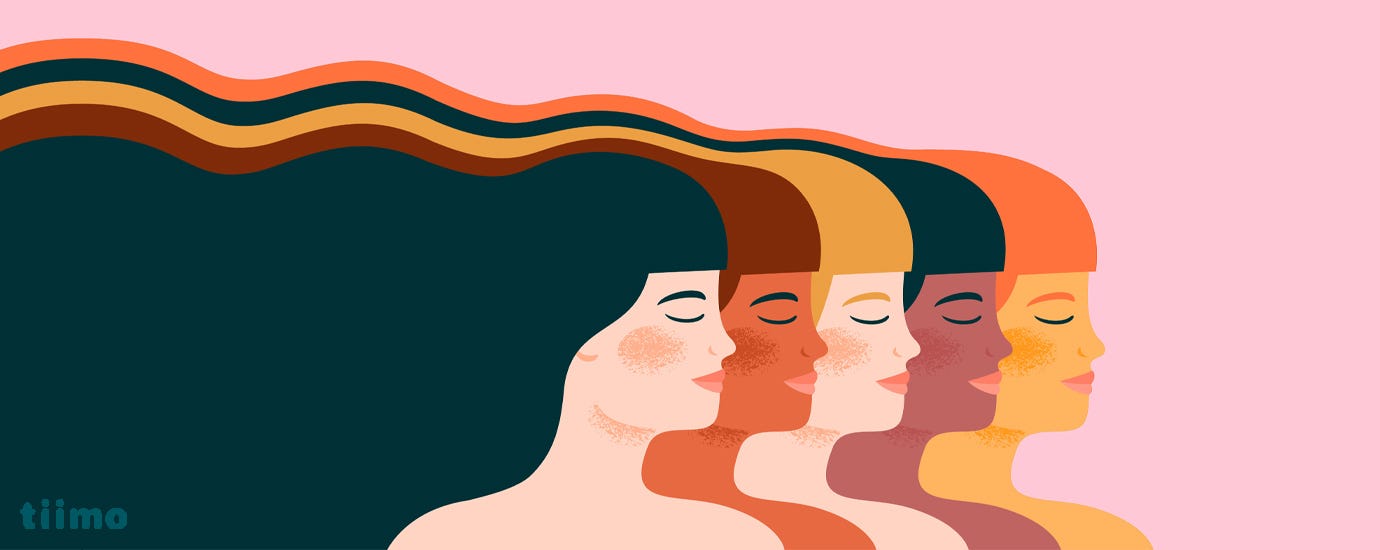
II. The Myth of Sameness: When the World Refuses to See Difference
A. The Cultural Illusion of “Normal”
We live in a world obsessed with sameness — a culture that prizes conformity over authenticity. From early childhood, children are taught to “fit in,” to “behave,” to “be like everyone else.” Society has elevated emotional uniformity to a moral virtue, rewarding those who can mimic the majority and subtly punishing those who cannot. In this rigid landscape, neurodiversity — the natural variation in human brain wiring and perception — is treated not as a source of richness but as a deviation from the norm.
The notion of “normal” becomes a silent dictator. It prescribes how one should feel, express empathy, maintain eye contact, or regulate emotion. Yet these prescriptions are built upon neurotypical experiences and perceptions. When autistic individuals deviate — by reacting differently to sensory input, interpreting language literally, or expressing emotions uniquely — the difference is often labeled as “wrong” or “deficient.” This misperception doesn’t just obscure individuality; it perpetuates an ableist worldview where sameness is the benchmark of sanity and belonging.
B. The Invalidating Phrase: “But Everyone Feels This Way”
Few phrases inflict as much quiet harm as this one. “But everyone feels this way” is often spoken casually — by well-meaning teachers, parents, friends, or even therapists — in response to an autistic person’s distress. It’s an attempt to normalize the pain, but in doing so, it erases it.
When an autistic person says, “I can’t handle noise in the cafeteria,” or “I feel exhausted after small talk,” and the response is “Oh, but everyone finds that hard,” the message received isn’t empathy — it’s invalidation. It denies the magnitude, persistence, and sensory reality of the autistic experience. What for one person might be mild discomfort can, for another, be an unbearable sensory overload or a neurological shutdown.
This linguistic minimization delays diagnosis, undermines self-awareness, and fosters a lifelong confusion — the haunting question: “If everyone feels this way, then why can’t I cope like them?” Such internalized doubt erodes confidence and isolates individuals further, creating a cycle of misunderstanding that extends from the classroom to the workplace.
C. Consequence: A Culture of Masking and Mimicry
Because difference is neither seen nor accepted, many autistic individuals learn to perform normalcy. Masking becomes both a social survival strategy and a psychological prison. From an early age, autistic children are subtly (and sometimes explicitly) trained to suppress natural behaviors — to make eye contact even when it burns, to sit still even when movement brings regulation, to smile even when confusion reigns within.
This act of mimicry demands immense cognitive energy. It’s like running a marathon while narrating your every step — exhausting, unsustainable, and invisible to observers. Over time, chronic masking leads to burnout, anxiety, and identity diffusion. Autistic adults often describe feeling like actors trapped in an endless performance, fearful that dropping the mask will invite rejection or ridicule.
Behind the façade of “high functioning” lies a painful paradox: the more successfully one masks, the less visible the need for understanding becomes. Society applauds the camouflage while ignoring the collapse behind it.

III. Understanding Autism Beyond the Stereotypes
A. Autism as a Spectrum, Not a Single Story
Autism is not a monolithic condition—it is a vast and dynamic spectrum that reflects the infinite diversity of human perception and processing. The word “spectrum” itself is often misunderstood; it does not mean a line from “mild” to “severe,” but rather a multidimensional mosaic of traits that vary in intensity, combination, and impact across individuals.
At its core, autism is a neurodevelopmental difference that influences how a person communicates, processes sensory input, interprets social cues, and experiences the world. For some, this may mean profound communication challenges and sensory overwhelm; for others, it manifests as deep intellectual curiosity, intense focus, or unique creative insights.
Contrary to stereotypes, autism is not defined by a lack of empathy or emotion—it is defined by a different calibration of sensory and emotional perception. This difference is often misinterpreted as detachment or rigidity, when in reality, it may stem from neurological overload or from an honest, literal processing of the world that clashes with social nuance.
To truly understand autism, we must abandon the idea of “high-functioning” or “low-functioning” and instead focus on support needs and contextual strengths. Every autistic person has a personal constellation of capabilities and challenges; their story cannot be compressed into a single category or label.
B. Core Characteristics Often Misread
Autism, when seen through the lens of stereotypes, is reduced to a caricature: the socially awkward genius, the emotionless tech savant, or the isolated child lost in their world. The truth is far more textured and human.
Many autistic individuals possess:
- Intense focus and deep interests that can lead to mastery or innovation in specific domains.
- Heightened sensory perception, which can make certain environments intolerable but also imbue experiences with extraordinary richness.
- A strong need for predictability and structure, not from control, but from the need to maintain cognitive and emotional equilibrium in an unpredictable world.
- Radical emotional honesty, which often clashes with social norms built on polite deception.
- Literal interpretation of language, leading to communication gaps but also to clarity and integrity in expression.
- Profound empathy, expressed through action and presence rather than performance — empathy so deep it can become overwhelming.
Yet these strengths are frequently overshadowed by the deficits-focused lens of diagnosis and education. Society measures worth through conformity, not contribution. The autistic child who questions authority is seen as defiant, not discerning. The adult who avoids small talk is seen as aloof, not authentic. In truth, the autistic mode of being challenges the shallow metrics of social success — it asks us to value substance over show.
C. Gender and Cultural Bias in Diagnosis
One of the most insidious barriers to understanding autism lies in the biases embedded within diagnostic frameworks themselves. Historically, autism research and diagnostic criteria were modeled on male presentations, particularly young boys who exhibited visible behavioral differences. This narrow lens has left countless women, girls, and nonbinary individuals unseen and unsupported.
Women and girls on the spectrum often become masters of disguise. They study social behavior like a second language, learning when to smile, when to nod, and how to script responses that help them blend in. This camouflaging earns them social acceptance at the cost of authenticity and mental health. Their anxiety, exhaustion, and sensory sensitivities are dismissed as “mood swings,” “shyness,” or “overthinking.”
In cultural contexts like India, the invisibility deepens. Girls are often raised to “adjust,” to tolerate discomfort, to prioritize family harmony over self-expression. Their differences are misinterpreted as personality quirks or signs of poor upbringing rather than neurological variance. As a result, thousands of autistic women navigate life without understanding why the world feels so loud, confusing, or painfully insincere.
Recognizing autism across gender and cultural lines requires dismantling diagnostic stereotypes and adopting a more holistic, context-sensitive approach — one that sees how people adapt, not just how they fail to fit in.
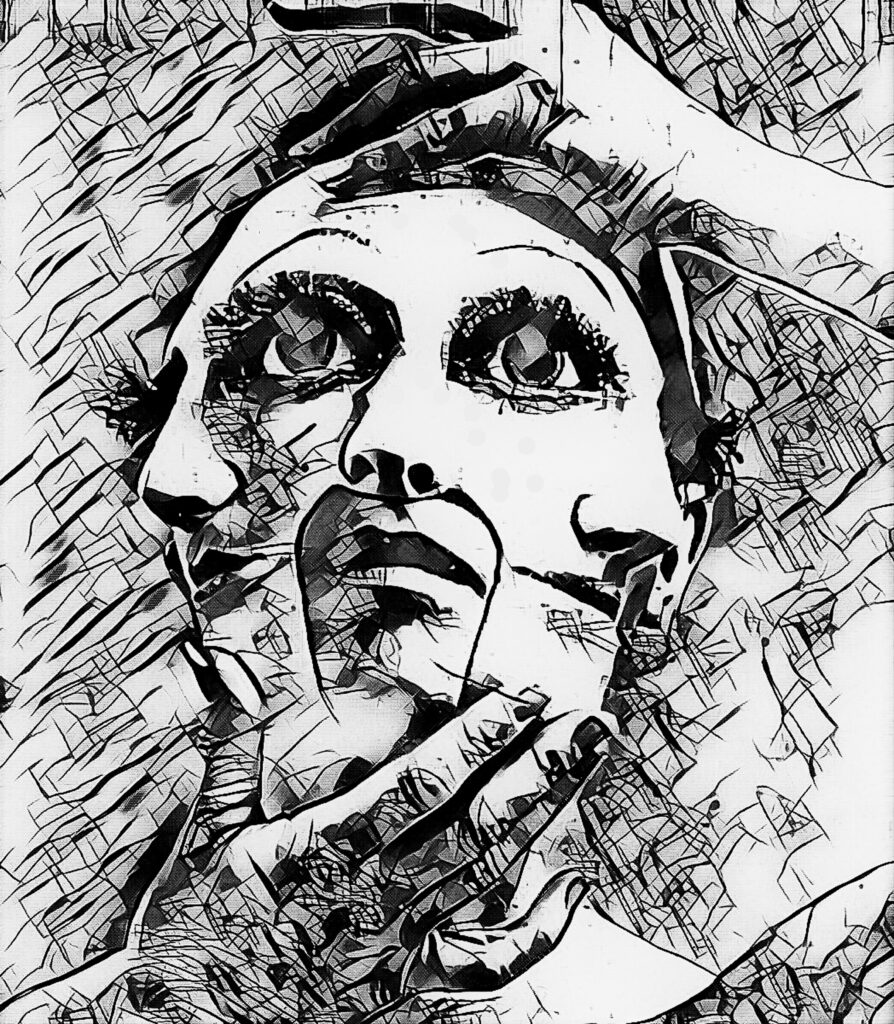
IV. The Masking Phenomenon: Survival at the Cost of Self
A. Definition and Psychology of Masking
Masking is the silent art of self-erasure. It is the learned behavior of concealing one’s autistic traits to appear “normal,” to blend in, to avoid rejection or misunderstanding. From the outside, it may look like adaptation or social skill, but internally, it is often an act of constant calculation — an exhausting, high-stakes performance.
Masking involves far more than “trying to fit in.” It can include copying facial expressions, mimicking tone and gestures, rehearsing responses, and suppressing natural regulatory behaviors like stimming or retreating from sensory overload. It is both a conscious and unconscious process — a psychological survival strategy developed in response to social cues that difference is unwelcome.
At its root, masking reflects a fundamental human drive: the need for belonging. But when belonging requires self-denial, it becomes a form of emotional self-harm. Many autistic individuals describe feeling like they live behind a glass wall — watching themselves from the outside, constantly editing their behavior to match what is expected. Over time, this detachment from authentic self-expression leads not to connection, but to alienation.
B. The Long-Term Consequences
The hidden cost of masking is devastating. What begins as a strategy to survive social spaces eventually corrodes one’s mental and physical health. The chronic effort of suppressing natural instincts and monitoring every interaction creates a near-constant state of hypervigilance — a neurological overdrive that mimics trauma.
Over months or years, this sustained tension manifests as anxiety, depression, chronic fatigue, and emotional burnout. Many autistic adults only realize they are on the spectrum after a period of complete collapse — when their ability to maintain the mask finally breaks down. Unfortunately, society often mistakes this collapse for a “mental health crisis,” treating the symptoms without understanding the underlying cause: years of unacknowledged difference and invisible labor.
Identity confusion is another consequence. After years of adjusting to please others, many autistic individuals lose touch with who they really are. They may struggle to answer simple questions like “What do you like?” or “How do you feel?” because they’ve spent a lifetime prioritizing how they should act over how they do feel. Healing from masking often requires a slow and painful unlearning — rediscovering the self beneath years of camouflage.
The tragedy is that masking, once necessary for survival, becomes a barrier to self-knowledge and self-acceptance. It is the very thing that keeps autistic individuals unseen, even by themselves.
C. Why Society Rewards the Mask
Society, in its obsession with conformity, does not just tolerate masking — it rewards it. The quiet child who doesn’t disrupt class, the diligent employee who “fits in,” the polite girl who never complains — these are often autistic individuals whose compliance is mistaken for contentment. The reward comes in the form of approval, social inclusion, or professional advancement. But beneath these accolades lies a cruel irony: the more successfully one masks, the less likely one is to be recognized as autistic or to receive appropriate support.
This social reinforcement creates a feedback loop of invisibility. Those who express discomfort or difference are labeled as “difficult,” “lazy,” or “overly sensitive,” while those who endure silently are held up as models of success. The cultural script thus punishes authenticity and glorifies endurance — a dynamic that perpetuates the myth that autism exists only at the extremes.
When society praises “high-functioning” individuals without acknowledging the cost of their masking, it reinforces the dangerous illusion that autism can be outgrown or hidden through effort. This misunderstanding invalidates the struggles of those who can’t or won’t mask, and it keeps the cycle of invisibility spinning.
True inclusion demands that we question the very system that rewards suppression over sincerity. It begins when we celebrate not how well autistic individuals fit in, but how courageously they show up as themselves.

V. The Emotional World of Autism: What Others Don’t See
A. Heightened Sensitivity, Not Emotional Coldness
One of the most damaging myths about autism is the idea that autistic individuals lack empathy or emotional depth. In truth, many autistic people experience emotions with such intensity that it can be overwhelming — a phenomenon closer to emotional hypersensitivity than detachment. Their empathy is often raw, unfiltered, and immediate. They can sense another person’s distress like an echo in their own nervous system, sometimes so strongly that it becomes unbearable.
This heightened emotional resonance often coexists with sensory hypersensitivity — lights that glare too brightly, sounds that cut like glass, textures that irritate the skin, and crowds that feel suffocating. When all senses and emotions operate at full volume, even ordinary environments can trigger physiological distress. What appears to others as aloofness or withdrawal is often an act of self-protection — the need to regulate in a world that refuses to turn down its volume.
In reality, autistic people often feel too much, not too little. They may cry at subtle injustices others overlook, bond deeply with animals or ideas, or experience profound awe in art, nature, or music. But because their emotional expression doesn’t always match neurotypical expectations — they might go silent when others would comfort, or avoid eye contact while feeling deep empathy — society wrongly concludes they are cold. The truth is the opposite: they are flooded.
B. The Unseen Struggle with Communication
For autistic individuals, the challenge is not the lack of desire to connect — it’s the mismatch in how connection is expressed and understood. Communication, in neurotypical society, is a social dance governed by tone, inference, and unspoken rules. Autistic communication, however, tends toward clarity, honesty, and directness. This difference, while pure in intention, often leads to misunderstanding.
Literal thinking — one of the hallmarks of autism — can create friction in a world steeped in metaphor and subtlety. Phrases like “we should get coffee sometime” or “you’re fine” may be taken at face value, leading to confusion when intentions don’t align with words. Meanwhile, the social expectation to read subtext or emotional nuance can feel like being asked to decode invisible ink in real time.
This misalignment is emotionally exhausting. It breeds a cycle of frustration: the autistic person strives for clarity, others perceive bluntness or indifference, and mutual misinterpretation widens the gap. The result is isolation, not from lack of care, but from persistent miscommunication. The autistic person’s greatest wish — to be understood as they are — remains unfulfilled, not because they are incapable of connection, but because they communicate in a language the world rarely takes time to learn.
C. Internalized Rejection and Loneliness
Repeated invalidation — the quiet violence of being told “everyone feels this way” — leaves deep emotional scars. Each dismissal teaches the autistic person that their reality is “wrong,” that their needs are “too much,” that their reactions are “overblown.” Over time, these small daily cuts accumulate into a profound sense of alienation.
The psychological impact is not immediate; it unfolds slowly, like erosion. The autistic child who eagerly shares their interests learns to stay silent. The teenager who seeks understanding stops asking for it. The adult who once masked for acceptance begins to disappear inwardly, convinced that the problem lies within themselves. This internalized rejection manifests as social anxiety, depression, or shutdowns, where emotional energy is depleted to the point of numbness.
What others see as “withdrawal” is often a form of emotional triage — a retreat into solitude to recover from the constant strain of being misunderstood. Yet this withdrawal deepens loneliness, reinforcing the tragic belief that connection is unattainable.
To truly support autistic individuals, we must stop demanding that they explain themselves to a world that won’t listen. Instead, we must listen differently — not to correct, but to comprehend; not to fix, but to witness.

VI. The Turning Point: Recognition and Diagnosis
A. The Power of Knowing
For many autistic individuals, receiving a diagnosis is not a restriction — it is liberation. It is the moment when years of confusion, shame, and self-blame finally coalesce into understanding. A diagnosis is not a label that confines; it is a language of self-recognition, a map that explains why the world has always felt too bright, too loud, too unpredictable.
Knowing one’s neurotype reframes the entire past. The struggles once seen as “failures” — the exhaustion after social events, the sensory meltdowns mistaken for drama, the literal interpretations mocked as naïveté — begin to make sense. Each misunderstood experience becomes a clue that points not to inadequacy, but to difference. This shift from “what’s wrong with me?” to “this is how I’m wired” can be profoundly healing.
Diagnosis also unlocks access to appropriate support — accommodations at school or work, therapeutic interventions tailored to sensory and emotional needs, and, most importantly, a community of people who share similar experiences. For parents, it provides a roadmap for empathy rather than correction. For educators and employers, it opens the door to inclusion built on understanding rather than tolerance.
Ultimately, diagnosis replaces judgment with knowledge, and confusion with coherence. It is not an end point — it is the beginning of self-acceptance.
B. Barriers to Diagnosis
Despite its life-changing potential, diagnosis remains a luxury or a taboo for many. In India — and indeed across much of the world — systemic, cultural, and financial barriers prevent timely identification and support.
Lack of awareness is one of the most pervasive obstacles. Teachers, doctors, and even mental health professionals often fail to recognize autism beyond the stereotypical male child who struggles with speech or social skills. Subtler manifestations — particularly in women, gifted individuals, or those with strong masking abilities — go unnoticed.
The cost of assessment further limits accessibility. Comprehensive diagnostic evaluations by qualified clinicians can be prohibitively expensive, especially in regions where health insurance does not cover neurodevelopmental assessments. This economic divide creates a silent class of undiagnosed individuals who fall through the cracks.
Then there is social stigma — the fear that a label will invite discrimination, shame, or diminished prospects. Many parents resist evaluation out of love and fear: love, because they wish to protect their child from judgment; fear, because they themselves have internalized society’s misunderstanding of difference. The result is tragic — the very clarity that could empower families is delayed or denied by the myths meant to protect them.
C. Late Discovery and Adult Autism
For countless adults, diagnosis arrives not in childhood but in midlife — after years, even decades, of silent struggle. Often it comes as a revelation after burnout, breakdown, or a child’s diagnosis that mirrors their own experiences. What follows is a period of profound re-evaluation: relationships, careers, and identities are all reinterpreted through a new lens of understanding.
The emotional journey of late discovery can be bittersweet. There is grief — for the years spent misunderstood, for the self blamed for simply being different. But there is also deep relief — the recognition that they were never “broken,” merely misread. Acceptance transforms the internal narrative from pathology to identity, from deficit to diversity.
For these adults, diagnosis offers not just closure but renewal. It allows them to reconnect with their authentic selves, to unmask without apology, and to rebuild life around what nourishes rather than depletes. It also challenges society to broaden its perception of autism — to understand that discovery is not bound by age, and that self-awareness, whenever it comes, is always worth celebrating.
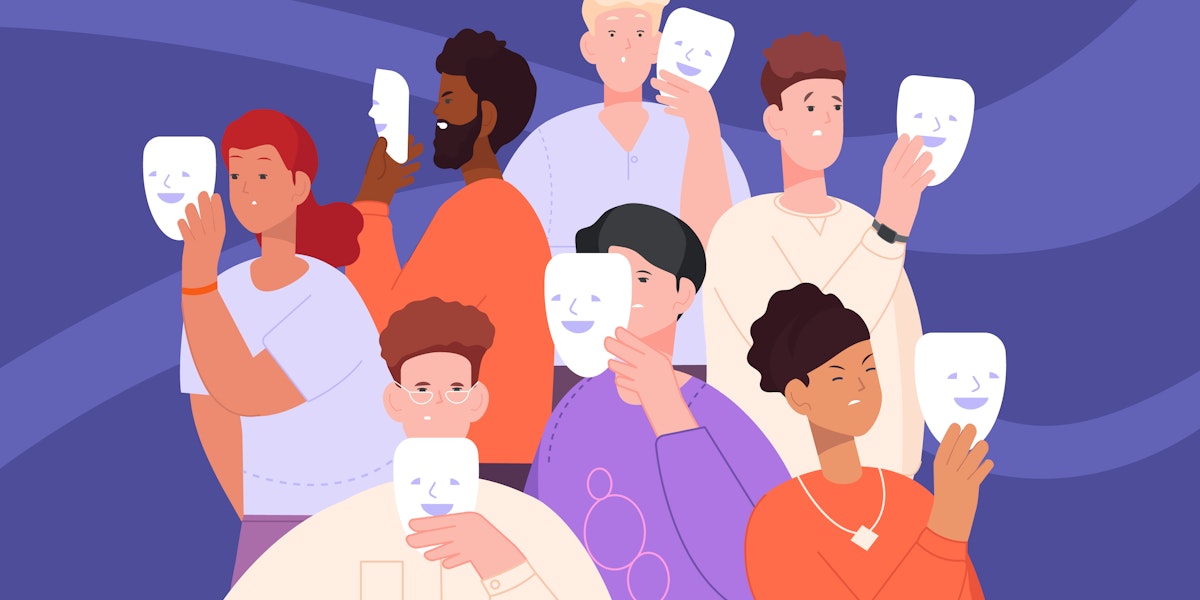
VII. Redefining Empathy and Inclusion
A. Empathy Is Not Saying “I Know How You Feel”
True empathy is not imitation — it is imagination. It is not the reflexive “I know how you feel,” but the humble acknowledgment, “I don’t fully know, but I believe you.” For autistic individuals, this distinction is vital. Too often, their experiences are met not with curiosity but with correction — with people insisting that their pain, sensitivity, or perspective is exaggerated because “everyone feels that way.”
Real empathy requires us to suspend the assumption that our own emotional lens is universal. It asks us to listen without translating, to allow the other’s experience to stand on its own terms. In this sense, empathy is not about merging experiences but honoring their difference.
Inclusion begins here — not with policy or publicity campaigns, but with the quiet act of believing someone’s inner world even when it does not mirror our own. When a child says fluorescent lights hurt, when a colleague avoids eye contact, when a friend withdraws from a loud party — empathy doesn’t question, it adapts. It says, “Thank you for telling me. What can make this easier for you?”
Such empathy transforms relationships from conditional tolerance to unconditional respect — the foundation upon which genuine inclusion is built.
B. Moving from Awareness to Acceptance to Appreciation
Over the last decade, the world has taken tentative steps toward autism awareness. Schools host awareness days, companies issue inclusion statements, and society at large has learned to use the word “autism” without shame. But awareness alone is insufficient. Knowing autism exists is not the same as understanding or valuing it.
Awareness is the first step — it recognizes that autism is real.
Acceptance goes further — it acknowledges that autism is a natural variation of the human mind, not a flaw to be corrected.
But the final and most transformative stage is Appreciation — seeing autism as a vital contributor to collective intelligence, creativity, and compassion.
When we move from acceptance to appreciation, we stop asking autistic people to emulate neurotypicals and instead start learning from their clarity, integrity, and pattern-based perception. We begin to realize that diversity of cognition is not a challenge to be managed but a gift to be integrated. A society that truly appreciates neurodiversity becomes not only more inclusive but also more intelligent, innovative, and humane.
C. Practical Empathy in Daily Life
Empathy is not merely an emotion — it is a practice. It manifests in choices, habits, and environments that communicate respect. Inclusion is not built in policies but in moments. Below are simple yet powerful actions that foster authentic belonging for autistic individuals:
- Use clear, concrete language. Avoid sarcasm, vague instructions, or emotional ambiguity. Clarity reduces anxiety and builds trust.
- Allow sensory breaks. Overstimulation is not rudeness — it is a neurological reality. Quiet rooms, noise-canceling headphones, or flexible schedules can make the difference between participation and withdrawal.
- Respect routines and predictability. Structure provides safety. Changes should be communicated early and explained clearly.
- Avoid forced eye contact. Connection is not measured by gaze but by attention and care. For many autistic individuals, eye contact is painful or distracting, not a sign of disinterest.
- Create psychologically safe spaces. Whether in classrooms, homes, or workplaces, make it clear that difference is not only accepted but celebrated. Encourage authenticity over conformity.
Inclusion thrives when we stop trying to “normalize” and start trying to understand. When society makes space for every neurotype to express its full humanity, empathy ceases to be a gesture — it becomes a shared way of life.

VIII. Building Systems That Support Authentic Living
Autism does not exist in isolation — it interacts with every layer of society. To create a world where autistic individuals can thrive, we must move beyond individual interventions and build systems that support authentic living. These systems must recognize difference not as a challenge to be managed but as a fundamental aspect of human diversity.
A. In Education
Education is the first arena where difference meets expectation, and it is often the most formative. Schools must evolve from rigid, one-size-fits-all environments into spaces that nurture neurodiverse learners:
- Train teachers to identify subtle autism indicators. Many children, especially girls or high-functioning students, show behaviors that are easily dismissed as shyness, inattentiveness, or defiance. Educators trained to recognize these signs can intervene early with empathy and support, preventing years of frustration and masking.
- Reduce sensory overload. Classrooms filled with fluorescent lights, constant noise, or tightly packed schedules can be overwhelming. Adjusting lighting, allowing quiet zones, or providing flexible seating arrangements creates environments where learning is possible rather than a source of stress.
- Introduce social-emotional learning and peer inclusion programs. Structured peer mentoring and social skills support can reduce isolation and teach neurotypical peers the value of diversity, fostering understanding and empathy from a young age.
Education that honors difference equips students not just with knowledge, but with the confidence and self-awareness to navigate a world designed for others.
B. In Employment
Workplaces, like schools, are rarely designed for neurodiverse minds. But inclusion in employment is critical for autonomy, dignity, and societal contribution:
- Redesign workplaces with sensory-friendly spaces and flexible expectations. Open offices, fluorescent lighting, constant meetings, and strict schedules can be barriers. Accommodations such as quiet areas, flexible hours, and task-based rather than strictly time-based evaluations allow autistic employees to excel.
- Focus on strengths-based hiring. Autistic individuals often bring exceptional skills: logical analysis, pattern recognition, focus, integrity, and creativity. Strengths-based recruitment prioritizes these abilities over superficial social conformity, transforming perceived “limitations” into organizational assets.
- Mentorship and peer support. Structured onboarding and clear communication channels ensure that employees are not penalized for missing subtle social cues but are empowered to contribute fully.
When employment systems value ability over assimilation, autistic individuals can thrive professionally, and society gains access to skills that were previously untapped or undervalued.
C. In Community and Policy
Inclusion cannot exist without a supportive ecosystem that extends beyond classrooms and offices into communities and policy frameworks:
- Increase early screening access. Early identification enables timely interventions that improve long-term outcomes. Public health campaigns, school-based screenings, and subsidized assessments can make this feasible for all socioeconomic strata.
- Encourage parent training and neurodiversity education. Families are the first advocates. Providing parents with tools, knowledge, and support networks fosters self-advocacy and resilience in autistic children.
- Raise public awareness. Media, community programs, and public campaigns should emphasize neurodiversity as a human variation, not a deficit. Misconceptions like “everyone feels this way” must be actively challenged.
- Foster cross-sector partnerships. NGOs, corporations, and government agencies can collaborate to create sustainable, lifelong support systems, from education to employment, healthcare, and social integration.
True inclusion is systemic, not optional. It requires a coordinated, multi-layered effort that validates difference, amplifies strengths, and removes barriers at every level of society.

IX. From Coping to Thriving: The New Narrative of Autism
A. Self-Acceptance as Revolution
For too long, autistic individuals have been taught to apologize for existing, to mask, to adapt, to conform. Self-acceptance is nothing less than revolutionary. It is the conscious decision to stop internalizing society’s misunderstanding and to reclaim agency over one’s identity.
Authenticity has profound consequences. When individuals stop performing to meet external expectations, they conserve energy, reduce chronic stress, and experience less emotional burnout. Moreover, self-acceptance fosters genuine connection: relationships built on truth rather than façade are deeper, more trusting, and mutually sustaining.
By embracing themselves fully, autistic individuals transform survival into thriving — not by becoming neurotypical, but by becoming wholly themselves.
B. The Gift of Neurodiversity
Autism is not a deficit to be corrected; it is a unique operating system with its own logic, creativity, and depth. Throughout history, society’s most profound innovations, artistic expressions, and empathetic breakthroughs have often come from those who perceive the world differently — those who “feel differently” and think in ways that challenge conventional frameworks.
Autistic individuals often bring unmatched focus, pattern recognition, inventive problem-solving, and unwavering honesty. Their presence enriches communities and workplaces, expanding perspectives and offering solutions that others may never see. Recognizing autism as a gift shifts the conversation: from limitation to contribution, from deficit to potential.
Neurodiversity reminds us that the spectrum of human experience is a resource, not a burden. It teaches society that difference is not just something to tolerate — it is something to celebrate and integrate.
C. The Future We Must Build
Inclusion is not optional, performative, or charitable — it is a human right. Creating a society that honors neurodiversity requires intentional design at every level: education, employment, healthcare, policy, and culture. It demands accessibility, respect for authentic expression, and proactive accommodation of difference.
Our collective humanity depends on how well we embrace those who see, feel, and think differently. When autistic individuals are allowed to thrive — fully themselves, fully supported — society benefits from a richer tapestry of ideas, empathy, and creativity.
The narrative of autism is shifting from survival to flourishing, from concealment to authenticity, and from misunderstanding to mutual appreciation. The question now is not whether autistic individuals can adapt to the world, but whether the world can adapt to them.

X. Conclusion: Listen Before You Label
A. Final Insight
The next time someone shares, “I can’t handle this” or “I feel different,” resist the reflex to dismiss it with, “but everyone feels this way.” Because they don’t. That difference is not a quirk to ignore; it could be the defining truth of their life, the lens through which they experience the world, and the source of unique insight and potential.
Listening — truly listening — requires patience, humility, and a willingness to witness experiences that may challenge your assumptions. It is in this space that validation replaces doubt, understanding replaces correction, and connection replaces isolation.
B. The Call to Collective Responsibility
Building a neurodiverse world is not the job of autistic individuals alone. It is a shared responsibility, requiring collective courage and compassion:
- Replace comparison with empathy. Stop measuring others against your own experience and start honoring theirs.
- Replace rigid notions of normality with systems and cultures that celebrate difference.
- Create spaces — in classrooms, workplaces, and communities — where authenticity is safe, welcomed, and celebrated.
A society that values neurodiversity does more than accommodate difference — it thrives because of it. It recognizes that masks are not the solution; understanding is.
C. Participate and Donate to MEDA Foundation
You can be part of this transformative journey. MEDA Foundation works to empower autistic individuals through inclusive education, employment opportunities, and community engagement. Your participation — whether through time, resources, or advocacy — helps build self-sustaining ecosystems where neurodiverse individuals live with dignity, joy, and purpose.
Every contribution strengthens the scaffolding of a society where difference is not just tolerated, but valued. Join us in creating a future where every person, regardless of neurotype, can thrive authentically.
D. Book References
- NeuroTribes — Steve Silberman
- Uniquely Human — Dr. Barry Prizant
- The Reason I Jump — Naoki Higashida
- Divergent Mind — Jenara Nerenberg
- Thinking in Pictures — Temple Grandin
