
When personal financial goals are met, life invites us to shift from accumulation to contribution. Continued earning, not for the self but for society, becomes a powerful expression of grace, dignity, and relevance. By staying professionally active, senior professionals and financially independent individuals can share their wisdom, mentor the next generation, support social enterprises, and create lasting systems of change. Purposeful work keeps the spirit agile and wealth in motion — uplifting communities, inspiring peers, and leaving behind a living legacy. The true measure of success lies not in what we keep, but in what we give forward.

Purposeful Earning After Enough: Staying Engaged, Creating Value, and Serving Society
Audience:
- Senior professionals and retirees
- Mid-career individuals reaching financial independence
- Social entrepreneurs and philanthropists
- Educators, advisors, and community leaders
- Young professionals looking for role models and mentors
Purpose:
To encourage individuals who have met their personal financial goals to continue engaging in productive work — not for accumulation, but for meaningful impact, knowledge transfer, and the greater good. The article aims to present a structured framework for how continued earning and engagement can fuel personal purpose, inspire others, and empower social transformation through guidance, mentorship, and philanthropy.
Introduction: When Earning Is No Longer About the Self
As we move through life’s various phases, our relationship with money evolves. In the early years, earning is a necessity — for food, shelter, family, and future. As we grow older and more established, earning becomes a tool for security, achievement, and comfort. But eventually, for some, a subtle yet profound question arises:
“Should I continue to earn, even if I no longer need the money for myself?”
It is a question that signals emotional maturity, self-awareness, and a readiness for transcendence.
The Core Dilemma
When personal financial needs are met — homes secured, children educated, emergencies planned for — the drive to earn often begins to fade. Retirement looms, routines change, and for many, a strange sense of loss takes root. What replaces the rhythm of productivity? Where does one find value without a paycheck or professional identity?
At this intersection stands a powerful dilemma:
Do we withdraw into comfort, or do we evolve into contribution?
Seva and Dana: Ancient Paths to Modern Purpose
Indian philosophy, in its quiet depth, offers a timeless answer. Through the principles of Seva (selfless service) and Dana (charitable giving), we are reminded that one’s role in society doesn’t end when material needs are met — it begins anew, in service of others.
- Seva teaches us that every act of work done without selfish desire becomes a sacred offering.
- Dana encourages giving not just of money, but of time, experience, insight, and wisdom — all of which increase with age.
In today’s language, these principles align closely with the emerging global narrative of transitioning “from success to significance.” After we have succeeded for ourselves, we are called to become enablers of others’ success. It’s a second, richer career — one of purposeful engagement and human legacy.
The Thesis of This Article
This article argues for continued professional activity and earning even after financial independence, but with a shift in intention and impact. It is not about hoarding wealth, but about harnessing earned income as a vehicle of value creation — for society, for future generations, and for the individual’s ongoing sense of meaning.
We will explore:
- Why age and experience are vital social capital, not a redundancy
- How surplus earnings can be structured for impact — from mentorship to donations
- What mindset shifts are needed to continue working with joy and purpose
- Practical ways to stay useful, involved, and energized — well beyond “retirement”
In a world facing widespread inequality, broken ecosystems, and rising mental health concerns, the active wisdom of elders and experienced professionals is more valuable than ever before.
This isn’t about working longer — it’s about working wiser.
In the sections that follow, we will lay out the frameworks, motivations, opportunities, and social rewards of earning not for self, but for society, for service, and for the soul.

The Evolution of Earning: From Survival to Significance
Earning money is a universal necessity, but how and why we earn changes dramatically across the course of a lifetime. For most, the financial journey follows a predictable arc: beginning with urgency, maturing into ambition, and — for the fortunate — ripening into purpose. Understanding this evolution helps clarify when and how we can repurpose earning from a means of survival to a method of societal contribution.
Let us examine this journey across three phases:
Phase 1: Earning for Survival (Youth and Early Career)
In the early stages of life, earning is driven by necessity.
Fresh out of education and often burdened with expectations or debt, young adults pursue employment to cover basic living costs — food, rent, transportation, family support. The focus is short-term and pragmatic. Aspirations are high, but the reality is grounded in securing a foothold in the world.
- Motivation: Meet needs, gain independence, build credibility
- Mindset: Hustle, learn, grow, survive
- Common emotions: Anxiety, excitement, insecurity, drive
- Output: Hard work, skill development, resume building
In this stage, money is more than currency — it represents freedom, security, and validation. It is the fuel for establishing a professional and personal identity.
Phase 2: Earning for Security and Status (Mid-Career)
As professionals gain experience, competence, and confidence, the focus shifts from surviving to stabilizing. In mid-career (typically 30s to 50s), the goal becomes long-term security and often, societal standing.
This phase is when:
- Families are raised
- Loans are repaid
- Properties are acquired
- Investments are made
- Career peaks are scaled
Earning becomes strategic. It’s not just about the next paycheck, but about building assets, safeguarding the future, and achieving milestones — promotions, recognitions, leadership roles.
- Motivation: Build wealth, ensure family welfare, gain influence
- Mindset: Performance, ambition, discipline
- Common emotions: Pressure, pride, comparison, responsibility
- Output: High productivity, networking, decision-making, capital accumulation
At this stage, earning is tightly linked with identity and image. It validates one’s role as a provider, achiever, and respected contributor in society.
Phase 3: Earning for Satisfaction and Significance (Post-Financial-Independence)
Then comes the inflection point: what happens after “enough”?
When personal obligations are met, and financial stability has been achieved, the external need to earn decreases — but an internal need for meaning often rises.
This is the beginning of a new curve — the curve of significance.
Here, earning is no longer for consumption but for contribution. Professionals begin to seek:
- Inner fulfillment
- A desire to give back
- The joy of staying relevant
- The need to mentor, guide, and uplift
- The pride of funding change or building legacy
- Motivation: Create meaning, help others, leave a mark
- Mindset: Reflective, purposeful, generous
- Common emotions: Contentment, clarity, curiosity, a quiet sense of urgency
- Output: Mentorship, philanthropy, advisory roles, teaching, social enterprise
The irony? When money no longer matters personally, it gains the power to matter societally.
This is the richest earning — not in bank balance, but in impact.
The Plateau of Financial Goals vs. the Continuum of Human Needs
Personal financial goals, if wisely planned, reach a plateau. But emotional, social, and intellectual needs continue to evolve:
Financial Need | Emotional & Social Need |
Shelter | Belonging |
Security | Purpose |
Lifestyle | Legacy |
Retirement fund | Relevance |
Inheritance | Influence on future generations |
Many individuals, upon reaching financial independence, experience a surprising emotional vacuum. Without a pressing need to earn, they struggle with identity loss, boredom, or a lack of direction. This is a dangerous myth of retirement — that life becomes passive once the money part is “done.”
But the truth is:
Our deepest human needs — to be useful, loved, remembered, and significant — don’t retire.
And this is where continued earning, with a new intention, becomes the bridge between personal fulfillment and societal upliftment.
Actionable Thought: Rethink Retirement
Instead of seeing retirement as a finish line, view it as a pivot point:
- From income to impact
- From accumulation to amplification
- From independence to interdependence
You may not need to earn for yourself anymore — but the world needs your wisdom, networks, and surplus income now more than ever.

The Role of Elders in a Society: Keep the Wheels Turning
A society that honors and integrates the wisdom of its elders thrives with depth, continuity, and compassion. Yet, in many parts of the modern world, experienced professionals are too often nudged toward the sidelines at the very peak of their wisdom. The result? A loss not only for individuals but for entire communities and generations.
Elders as Wisdom-Bearers, Stabilizers, Mentors, and Role Models
Traditionally, elders have played four powerful roles in the social ecosystem:
- Wisdom-Bearers:
They carry the memory of past successes and failures, helping avoid repeated mistakes and offering time-tested judgment in a rapidly changing world. - Stabilizers:
In volatile times, elder figures bring calm, perspective, and long-term thinking that younger generations may lack. Their presence in teams and communities adds emotional ballast. - Mentors and Guides:
Whether in the workplace, family, or civil society, elders who actively mentor become multipliers of talent. They are capable of shaping not just careers, but values. - Role Models for Purposeful Living:
When older individuals stay engaged with integrity and vitality, they show younger generations that life’s latter chapters can be just as meaningful and dynamic.
In essence, elders are cultural compasses — their lived experience becomes society’s best textbook.
Cultural Regression: The Danger of Early Sidelines
Unfortunately, in many fast-moving modern economies, particularly those that glorify youth and disruption, there’s a premature push toward retirement, irrelevance, and replacement.
- Experienced professionals are nudged into “quiet exits” after 50 or 60.
- Industries favor newness over nuance.
- Succession is misread as substitution, not supplementation.
This leads to what can be termed a “cultural regression” — a loss of long-view thinking, ethical grounding, and mature decision-making. When societies undervalue their elders, they become disconnected from their own roots, losing the thread of collective wisdom.
What we need instead is integration, not elimination. Elders must not be replaced — they must be repurposed.
The Rise of the Sagepreneur: A New Archetype
Enter the Sagepreneur — a senior professional who chooses to stay engaged in the economy and society not for necessity, but for nurture.
A Sagepreneur:
- Operates from wisdom, not ego
- Builds communities, not empires
- Mentors, consults, advises, and teaches
- Donates time, knowledge, and often earnings to the common good
- Acts as a role model for balance, ethics, and lifelong learning
Sagepreneurs aren’t working for titles or salaries. They work for significance. They keep contributing to:
- Startups as board members or advisors
- Non-profits as mentors or strategists
- Educational institutions as faculty or guides
- Governments or civil bodies as thought partners
These individuals redefine “retirement” as a phase of radical relevance, where value creation shifts from private accumulation to public transformation.
In a world of short-term hype, Sagepreneurs bring long-term hope.
Ikigai: The Japanese Model of Lifelong Purpose
The Japanese concept of Ikigai (生き甲斐) offers a simple yet profound framework for meaningful engagement at any age — especially post-retirement. It translates loosely to “a reason for being,” and arises at the intersection of:
- What you love
- What you are good at
- What the world needs
- What you can be paid for
For elder professionals, Ikigai often blossoms in the following ways:
- Sharing domain expertise through advisory work
- Teaching or coaching the next generation
- Leading or supporting mission-driven causes
- Writing, speaking, or documenting one’s learnings
- Supporting innovation with responsible stewardship
Unlike Western notions of retirement as leisure or withdrawal, Ikigai emphasizes purposeful continuity. It is the art of staying mentally, socially, and emotionally active — doing meaningful work, but without the burnout of ambition or the pressure of survival.
Ikigai is not about adding years to life, but about adding life to years.
Actionable Reflection: Reframe the Elder Role
Ask yourself — or help others ask:
- How can I stay useful, even if not employed full-time?
- What knowledge, experience, or insight can I pass on?
- Where can I be a stabilizer — in families, communities, industries?
- What cause or domain needs my wisdom — not my money?
If every elder asked and acted on these questions, we’d not just solve problems — we’d prevent many of them from emerging in the first place.
Continued Work as a Form of Inner Fulfillment
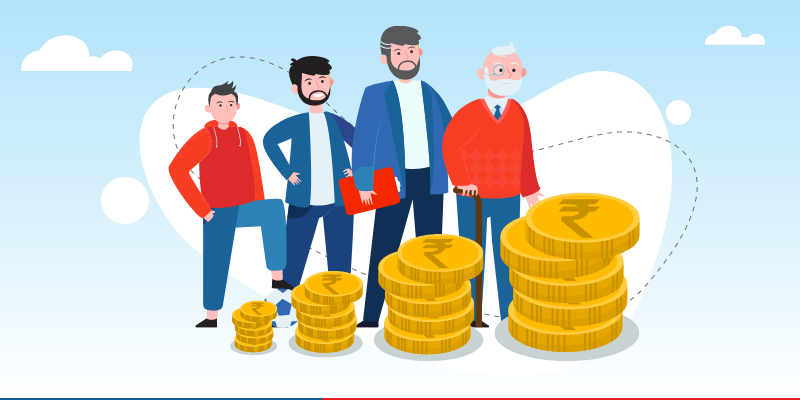
At the heart of our human design is the need to feel useful. When we are engaged in meaningful work — whether paid or voluntary — we experience a sense of direction, dignity, and identity. And contrary to conventional belief, this need does not diminish with age — in fact, it can deepen.
Staying Active Keeps the Mind Agile and Purpose Alive
There is now abundant scientific and anecdotal evidence that mental engagement and physical activity post-retirement dramatically improve health outcomes:
- Cognitive performance stays sharper longer.
- Incidences of depression and isolation decrease.
- Risk of dementia reduces with continued challenge and learning.
- Emotional regulation improves when one has a daily sense of purpose.
Beyond the biology, there is emotional resonance: waking up each day to contribute to something larger than oneself — be it a student’s learning, a startup’s direction, or a community’s growth — keeps the spirit young.
In contrast, premature withdrawal from active work can lead to a decline in:
- Self-worth
- Daily discipline
- Curiosity and relevance
- Social interaction
The mind, like the body, thrives on use. It is rest, not rust, that keeps the soul vibrant.
Earning Beyond Need = Redistributing Wealth and Opportunity
When the earnings you generate are no longer required for your own consumption, they become an instrument of redistribution — and this is where personal fulfillment merges with social transformation.
You can:
- Fund scholarships for underprivileged students
- Support small entrepreneurs through microloans
- Create jobs by hiring interns or apprentices
- Contribute to causes you deeply care about
- Invest in sustainable and ethical enterprises
And most importantly — you can give with intelligence, using your lived experience to ensure that the money not only reaches but uplifts.
Purposeful earning leads to purposeful giving, and giving with engagement — not just donation — creates true social return on investment.
Work as a Source of Dignity, Structure, and Connection
Beyond money, work offers three essential psychological benefits:
- Dignity:
To contribute is to remain relevant. To offer value — whether through expertise, creativity, or empathy — reinforces one’s sense of identity and respect. - Structure:
A structured day, however flexible, gives rhythm to life. It prevents stagnation, reduces aimlessness, and promotes productivity. - Connection:
Work naturally creates relationships — with mentees, partners, collaborators, or beneficiaries. In retirement, where social isolation is a real risk, continued professional engagement provides meaningful interactions.
In continuing to work, we stay connected not just to people, but to purpose.
Real-Life Stories: Impact Begins Where Ego Ends
Many of the most inspiring contributions to society have come after retirement age — when the ego subsides and impact takes center stage.
🧑🏽⚖️ Justice V. R. Krishna Iyer (India)
After retiring from the Supreme Court, Justice Iyer continued to champion human rights and legal reforms well into his 90s. His post-retirement years were arguably more impactful, as he became a voice for the voiceless without institutional constraints.
👩🏽🔬 Dr. Kiran Bedi
Though not traditionally “retired,” Dr. Bedi transitioned from police service to public service and reform work. Her involvement with prison reform, women’s empowerment, and education initiatives post her official career made her a mentor figure for thousands.
👨🏻🔬 Dr. E. Sreedharan – The “Metro Man”
Even after retirement, Dr. Sreedharan was called upon for major infrastructure projects. His continued service is a testament to how society benefits when it keeps its most experienced minds actively engaged.
👨🏼🎓 Professor John Goodenough (USA)
Awarded the Nobel Prize in Chemistry at the age of 97 for his work on lithium-ion batteries — his decades of continued academic and scientific work changed the face of global energy.
🧕🏽 Countless Quiet Heroes
Retired teachers who tutor street children, former CEOs mentoring startups, doctors volunteering in underserved areas, grandmothers teaching traditional crafts — these unsung sages are reshaping societies from the ground up.
Actionable Insight: Design Your Encore Career
Instead of “retirement planning,” start thinking about “encore career design” — a purposeful plan for the next phase of professional and personal growth.
Ask yourself:
- What did I love doing most during my career?
- Which part of my knowledge or skill can help others now?
- Who would benefit from my mentoring, coaching, or partnership?
- What cause have I always wanted to support?
- How can I structure my time to stay active and engaged?
Design your post-retirement life not around rest, but around relevance.

Earning for Others: The Social Dividend Model
When your personal financial goals are met, continuing to earn isn’t about accumulation — it’s about amplification. It’s about using your skills, time, and professional leverage to generate income that flows outward — toward causes, communities, and changemakers who need it most. This is not charity as an afterthought; this is a conscious reengineering of purpose-driven capitalism.
We call this the Social Dividend Model — a mindset where surplus income becomes strategic capital for social good.
The “Social Dividend Account”: Income with Intention
Imagine maintaining a dedicated “Social Dividend Account” — a virtual or real bank account into which any post-need earnings flow. This is not for personal consumption, but for public contribution. It formalizes your intent to convert excess into impact.
This can include:
- Consulting fees post-retirement
- Book royalties or IP licensing income
- Advisory or speaking engagement honoraria
- Passive income from investments
- Entrepreneurial profits from small initiatives
By earmarking this income for nonprofit or philanthropic purposes, you unlock your earning potential as a social flywheel — money in motion, doing good.
💡 Wisdom + Income = Impact. The “dividends” of your experience can yield returns not in wealth, but in wellbeing — for others.
Creating a “Second Curve” Career Where Income = Impact
Renowned management thinker Charles Handy introduced the idea of the “Second Curve” — a new career or pursuit that begins before the first one ends. For professionals who have achieved financial independence, this second curve becomes not a backup plan, but a calling.
Your Second Curve can be:
- Advisory or mentoring roles in education or entrepreneurship
- Starting or supporting a mission-driven NGO
- Writing, teaching, or consulting on your field of expertise
- Public service or local community building
- Thought leadership, policy advisement, or innovation support
When structured well, these engagements can also generate modest income — which is then routed to your Social Dividend Account — creating a cycle where your work funds your giving.
Models of Giving: From Direct Support to Systemic Change
There are numerous meaningful, scalable ways to deploy your social dividend earnings. Here are tested models that blend efficacy and impact:
🔹 1. Direct Donations to Causes
Support purpose-driven organizations like the MEDA Foundation — which champions autistic individuals, employment generation, and sustainable ecosystems. Contributions can fund:
- Livelihood programs
- Skill-building initiatives
- Community development projects
- Inclusive employment platforms
🪙 Actionable Tip: Set up a monthly auto-donation from your surplus income — even modest amounts compound into long-term impact.
🔹 2. Micro-Grants for Entrepreneurs
Help early-stage entrepreneurs or small self-help groups through micro-grants or seed funding. Focus areas:
- Rural enterprise
- Women-led businesses
- Disability-inclusive ventures
- Green or sustainable startups
🛠 Bonus Impact: Pair your funding with mentorship — help them avoid the mistakes you once made, and scale faster.
🔹 3. Scholarships and Vocational Training
Invest in individuals. Fund:
- Higher education for underprivileged youth
- Vocational programs for rural/skilled labor
- Tech or creative skill bootcamps for marginalized groups
📘 Model Example: “Adopt a Learner” — sponsor one student each year through a program and track their journey. Education has a 1000x return rate — it liberates and empowers.
🔹 4. Community Infrastructure and Digital Access
Sometimes, tools are the real unlockers of growth. You can:
- Fund laptops or devices for students
- Sponsor digital literacy camps in rural areas
- Help NGOs upgrade their tech stack or outreach tools
- Build community centers or safe spaces for learning
🌍 Why it matters: Inclusion begins with access. Digital tools today are life-changers for tomorrow’s leaders.
Wealth in Circulation vs. Wealth in Isolation
Wealth, like blood, must circulate to be useful. Hoarded wealth — even if well-invested — risks becoming isolated energy. But wealth in circulation is:
- Ethical energy
- Social encouragement
- Seed capital for dreams
A rupee spent with intention is worth more than a fortune stored with fear.
Let your earnings breathe in society. Let your surplus fund someone’s first chance. Let your work carry forward your values.
Actionable Framework: How to Get Started
- Define Your Impact Areas
Choose 2–3 focus areas you deeply care about (e.g., education, inclusion, rural innovation). - Create Your Social Dividend Account
Automate savings from all post-need income streams into this fund. - Choose Vehicles of Impact
Pick reliable NGOs (like MEDA Foundation), set up micro-grants, or join community platforms. - Engage Personally
Don’t just send money — send time, ideas, and support. Stay involved. - Review Quarterly
Track your impact — stories, results, feedback. This is your new KPI — Kindness Performance Indicator.

Advisement and Mentorship: Transferring the Torch
If experience is life’s greatest teacher, then elders are its most valuable curriculum.
As individuals progress beyond their financial and career peaks, they stand at a vantage point — able to see the patterns, pitfalls, and potentials that younger professionals may not. Yet, far too often, this wisdom goes unshared, untapped, and uncelebrated.
This is where mentorship and advisement come in — not as charity, but as legacy-building; not as instruction, but as intergenerational dialogue.
Senior Professionals as Catalysts for Change
Post-retirement or post-success, seasoned professionals can reposition themselves as guides, coaches, and conscience-keepers across a wide spectrum:
🔹 Advisors to Startups, NGOs, and Youth
Startups often chase speed. NGOs often chase sustainability. Youth often chase meaning. What they all need is strategic wisdom — the ability to navigate complexity with clarity.
Senior professionals can serve as:
- Strategic advisors to early-stage businesses
- Governance and planning advisors to nonprofits
- Mentors for student innovators or career explorers
- Fractional CXOs for social enterprises needing expertise
Your insight, questions, and red flags may save someone years — and sometimes, their entire mission.
🧭 A 15-minute conversation with someone who’s “been there” can reroute someone away from months of misdirection.
🔹 Faculty in Skill-Building Platforms and Knowledge Hubs
Skill-based learning is booming — from vocational tech to entrepreneurial bootcamps. But most lack contextual wisdom. You can:
- Become guest faculty or masterclass hosts
- Run real-world labs where youth shadow you in actual project delivery
- Develop short courses blending practice with principles
- Launch intergenerational co-learning spaces
Your ability to blend “theory with trenches” makes you priceless in the skilling ecosystem.
🔹 Coaches for Personal and Ethical Decision-Making
In an era where shortcuts and virality are glorified, ethics, patience, and balance are rare skills. You’ve learned them the hard way. Share that wisdom.
As a life coach, ethical sounding board, or personal mentor, you can help individuals:
- Make decisions aligned with long-term values
- Deal with failure, criticism, or success with grace
- Balance ambition with wellbeing
- Build character before chasing charisma
This mentorship doesn’t require titles — it just requires trust.
🧘🏽 Mentorship is not about having all the answers. It’s about asking the right questions, at the right time, in the right tone.
Benefits to the Mentee: Direction, Discipline, and Encouragement
Young people today are overwhelmed — by choice, change, and chaos. A mentor offers:
- Direction: Clarifies the path ahead, saving years of confusion
- Discipline: Helps them build systems for focus and resilience
- Encouragement: Believes in them when self-doubt strikes
For many, one mentor changes the trajectory of an entire life.
Benefits to the Mentor: Legacy, Impact, and Lifelong Learning
For the mentor, too, the rewards are deep and transformational:
- Legacy: Your knowledge lives on, not as memories, but as methods others use
- Impact: You influence outcomes far beyond your own direct effort
- Lifelong Learning: Youth bring energy, new ideas, and tech-savvy perspectives — the exchange keeps you relevant and recharged
Mentorship isn’t a handout — it’s a handshake across generations.
Platforms for Engagement: Find Your Circle, Share Your Spark
Here’s how to start sharing your wisdom, without waiting for a formal invitation:
🖥️ Digital Forums
- Participate in expert Q&A platforms (e.g., Quora, Reddit, Medium)
- Host webinars or podcasts
- Join LinkedIn groups that need guidance in your domain
🏢 Incubation Centers and Skill Platforms
- Volunteer with incubators (e.g., T-Hub, Villgro, NSRCEL)
- Mentor with skilling organizations like NSDC, UpGrad, or Coursera partners
- Engage with academic entrepreneurship cells (E-Cells) in colleges
🧓🏽 Elder-Led Knowledge Circles
- Create small community meetups (offline or online) for experience sharing
- Launch or join “Greycell Circles” — peer-to-peer knowledge forums for elders mentoring the next wave
- Collaborate with NGOs (like MEDA Foundation) to mentor youth, train caregivers, or build inclusive employment systems
Actionable Steps: Start Mentoring Now
- Inventory your wisdom
What have you mastered — not just technically, but ethically, emotionally, and experientially? - Pick your mentee profile
Are you better suited to guide entrepreneurs? Students? Teachers? Mid-career professionals? - Choose your method
One-on-one sessions? Webinars? Small group cohorts? Writing? - Commit to one engagement a month
One meaningful conversation can prevent ten costly mistakes for someone. - Partner with purpose-driven platforms
NGOs like MEDA Foundation can connect you with mentees in underserved communities where your input is priceless.

Building a Practice of Purposeful Earning
Having the intent to do good is noble. But building a repeatable practice around it — one that is both energizing and impactful — is where true transformation begins.
Purposeful earning is not an abstract ideal. It is a structured lifestyle choice — a discipline rooted in self-awareness, community service, and legacy thinking.
This section gives you a practical blueprint to operationalize your surplus years with clarity and joy.
Step 1: Audit Your Assets — More Than Just Money
You are more resourceful than you realize. Beyond wealth, you hold assets that are in high demand in today’s world:
- Time: Flexibility and availability to go deep and long with initiatives
- Skills: Hard-won capabilities across sectors and roles
- Wisdom: Pattern recognition, emotional intelligence, judgment
- Networks: Trust-based professional and social relationships
- Credibility: A reputation that opens doors for others
📊 Self-Inventory Tool: Make a simple table listing your top 5 strengths in each of these areas. This is your “Purpose Portfolio.”
Step 2: Choose Your Channels — Where Your Energy Meets the Ecosystem
The next step is identifying how you wish to engage with the world. Choose a mix of these formats depending on your time and inclination:
🔹 Consulting
Use your domain knowledge to help organizations grow — especially startups, NGOs, and social enterprises. You can structure this:
- As paid consulting, with earnings directed to a Social Dividend Account
- Or as low bono or equity-based support in purpose-driven ventures
🔹 Teaching & Mentoring
Create and share knowledge via:
- Guest lectures or workshops
- Web-based masterclasses or YouTube series
- Mentorship programs through educational or skilling bodies
🔹 Content Creation
Document your learnings:
- Write blogs, newsletters, or LinkedIn articles
- Record your experiences as podcast episodes
- Create toolkits, templates, or “how-to” guides for future professionals
🔹 Volunteering and Civic Engagement
Offer time to:
- NGOs (like MEDA Foundation)
- Local governance or citizen forums
- Community libraries, art centers, or skills clubs
🌱 Start small — one initiative, one hour per week. Consistency creates compounding impact.
Step 3: Decide Your Contribution Model — Giving With Structure
Purposeful earning requires clarity on how you structure your value and flow of funds. There’s no one-size-fits-all model — choose what aligns with your energy, ethics, and goals.
✅ Fee-Based with Donated Earnings
- Charge a fair consulting or speaking fee
- Route surplus income directly to causes or your Social Dividend Account
- Pros: Sustainable, professional, repeatable
- Example: A retired CFO charges ₹10,000 per workshop and donates it all to fund inclusive employment programs
✅ Pro Bono with Sponsored Operational Cost
- Offer your services free of cost to underserved communities or orgs
- Let a foundation or donor cover your travel, logistics, or tech support
- Pros: Inclusive reach, low friction
- Example: Mentor 5 rural entrepreneurs via Zoom, with a local NGO providing connectivity and scheduling
✅ Hybrid Models
- Mix fee-based work with free advising for select groups
- Create impact-linked incentives (e.g., a bonus only if a startup succeeds ethically)
- Pros: Motivational, fair-value alignment
⚖️ The model must match your intent, energy level, and desired impact. What matters is consistency, not the currency.
Step 4: Design Your Week — Rhythm Over Hustle
Your time post-financial-independence should be joyful and spacious — not frenzied. Purposeful engagement doesn’t mean full-time stress. It means building a meaningful cadence.
🗓️ Suggested Weekly Flow:
Day | Focus |
Monday | Personal projects / learning |
Tuesday | Mentorship / consulting |
Wednesday | Rest or community activity |
Thursday | Teaching / content creation |
Friday | Open slots for calls / reviews |
Saturday | Family, reflection, planning |
Sunday | Complete rest or nature-based activity |
Of course, this is just a template. Customize it to your:
- Health and energy levels
- Family and caregiving responsibilities
- Travel or spiritual routines
But make it intentional. Design your week like a portfolio of meaning — balanced, flexible, and values-aligned.
Actionable Checklist: Your Practice Starter Kit
✅ Identify 3 key assets you’re ready to offer (e.g., storytelling, financial acumen, conflict resolution)
✅ Choose 2 preferred engagement channels (e.g., consulting + teaching)
✅ Define your contribution model (Fee-based? Pro bono? Hybrid?)
✅ Draft your weekly rhythm — include purpose, rest, learning, and relationships
✅ Choose 1 cause or organization to begin contributing to — we invite you to explore MEDA Foundation as a trusted, values-aligned platform

Common Myths and Mental Barriers
Even when the heart is willing and the body is capable, the mind often raises objections — disguised as humility, disinterest, or self-protection. These internal narratives can quietly derail our potential for post-success contribution.
Let us confront and reframe some of the most common myths that prevent seasoned professionals from stepping back into purposeful engagement.
Myth #1: “I’ve done my part. Let the young take over.”
This mindset is noble on the surface — it sounds like humility and space-giving. But left unchecked, it turns into premature abdication of social responsibility.
Yes, the youth must lead. But their leadership becomes exponentially more powerful when anchored by the guidance of elders.
🟢 Reframe:
“I’ve done my part — and now I can multiply my impact by helping others do theirs.”
Experienced professionals don’t need to compete. They need to coach, course-correct, and co-create.
Myth #2: “I don’t want to work for money anymore.”
This often masks a healthy shift in values. After all, when the basic needs are met, money may lose its urgency. But it is important to reframe money not as ego — but as energy.
When earned with ethics and purpose, money becomes:
- A fuel for social projects
- A tool to support underfunded causes
- A signal that your skills are still valuable
🟢 Reframe:
“I no longer need money for myself — but I can earn for those who still need it.”
This turns your income into a social dividend — where wealth is kept in motion, not in isolation.
Myth #3: “I’m too old to be relevant.”
Ageism is real — but it’s also internalized. Many seniors underestimate their continued relevance simply because they’re no longer in the daily grind.
But wisdom does not expire. What matters is contextual application:
- Your past crises help others navigate today’s chaos.
- Your negotiation skills are still priceless in messy startups.
- Your emotional intelligence is often the missing piece in tech-first teams.
🟢 Reframe:
“My relevance is not in my tools — but in my timeless judgment.”
If you update your lens, your legacy becomes living — not archived.
Myth #4: “I don’t know where to start.”
This is perhaps the most honest of all hesitations. Starting again feels overwhelming. But the answer is surprisingly simple:
🟢 Start with what excites you.
What type of problem would you read about for free?
🟢 Start with who needs you.
Whose life could be better because of what you already know?
🟢 Start small.
One project, one mentee, one micro-engagement. Progress builds momentum.
🚀 Most powerful legacies start with humble beginnings — a phone call, a walk with a student, a volunteered weekend.
Quick Tools to Overcome Barriers
Barrier | Tool/Action |
“I don’t feel relevant” | Mentor a startup team for 2 weeks |
“I don’t know where to go” | Reach out to NGOs like MEDA Foundation for structured engagements |
“I don’t use modern tools” | Pair with a young mentee — reverse mentorship works |
“I’m uncomfortable promoting myself” | Let your impact speak — show, don’t sell |
From Self-Doubt to Social Impact
These myths may feel like walls, but they are actually doors waiting to be opened with a mindset shift. The world doesn’t need perfect role models — it needs present, engaged elders willing to show up with humility and hope.
💡 “If not to keep growing, why were we given extra years?”

Partnering with Purpose: Institutions Need You
The journey from personal success to social significance isn’t a solo trek. It requires partnerships with purpose-driven institutions that can convert your time, wisdom, and wealth into scalable, sustainable change.
Even the most committed individuals can only do so much alone. But when they align with credible organizations — such as NGOs, social enterprises, foundations, and community platforms — their impact becomes structured, multiplied, and enduring.
Why Institutions Need You
Many mission-driven organizations face an irony: they are rich in purpose but poor in resources — especially senior leadership, funding, and advisory experience. Your presence can unlock:
- Strategic clarity: Your seasoned perspective helps prioritize what matters
- Financial stewardship: Your guidance brings stability to how funds are used
- Credibility and trust: Your name lends weight to advocacy and fundraising
- Inter-generational learning: Your mentorship accelerates young changemakers
⚠️ The nonprofit sector needs not just donors — but doers, thinkers, guides, and ambassadors.
How to Identify and Engage with Credible Platforms
Not every organization may be aligned with your values or operating with integrity. Choosing the right partner is as important as choosing to contribute. Here’s how to vet and approach collaborations:
✅ Alignment of Mission and Mindset
- Does the cause excite you emotionally?
- Is the organization focused on long-term change or short-term optics?
✅ Transparent Operations
- Ask for clear reporting practices and fund utilization data
- Look for published impact assessments or community feedback
✅ Leadership Integrity
- Meet with the founders or management
- Understand their intent, not just their pitch
✅ Entry Points for Engagement
- Do they offer structured roles for advisors, mentors, or consultants?
- Are there ways to contribute remotely or on specific projects?
💡 Start by volunteering for a small project — and expand based on mutual comfort and value.
🌱 We invite you to explore MEDA Foundation — a not-for-profit based in Bangalore, India, dedicated to empowering autistic individuals, promoting self-sustaining employment, and creating ecosystems of inclusive growth. MEDA actively welcomes advisors, mentors, collaborators, and donors who are ready to earn, guide, and give with purpose.
Creating an Impact Legacy Plan: A Structured Way to Give Back
Instead of random acts of goodwill, consider crafting an Impact Legacy Plan — a clear, intentional strategy for how you wish to serve society through time, money, and wisdom.
📌 Step 1: Define Your Cause
- Education? Livelihoods? Mental health? Technology for social good?
- Choose something you care about deeply — not what’s trending
📌 Step 2: Allocate Time and Funds
- Commit a portion of your week (e.g., 6 hours/week)
- Set aside a percentage of your surplus income for philanthropic deployment
📌 Step 3: Set Milestones and Review Periodically
- Yearly impact reports (personal or through your partner organization)
- Assess where your contribution is most useful and make course corrections
📌 Step 4: Institutionalize Your Legacy
- Endow a scholarship, fund a skill-building center, or mentor future leaders
- Create a named initiative through an NGO — e.g., “The [Your Name] Fellowship for Inclusive Employment”
🧭 The goal is not just impact, but continuity. A well-structured plan ensures your values live on even when you step back.
Spreading the Culture of “Earn to Give” in Your Circles
Influence is exponential. When one senior professional shares their purposeful journey, many others awaken to their untapped potential.
- Speak at alumni meets or corporate forums
- Share your journey on LinkedIn or community WhatsApp groups
- Create a peer group of “Sagepreneurs” — wise earners who give forward
- Offer a challenge: “Match my monthly donation or mentorship hours”
🔄 Money multiplies. Wisdom compounds. But culture transforms.
You don’t just contribute. You inspire contribution.

Conclusion: Beyond Enough Lies Your Real Purpose
There comes a quiet moment in many lives — after the deadlines, the designations, and the dividends — when we ask ourselves a harder, more beautiful question:
“What now, if not just for me?”
This is where real life begins.
This is where significance starts where success ends.
You’ve Earned Enough — Now Earn Meaning
When you no longer earn to survive or prove yourself, every rupee you earn can heal, build, and uplift.
Every hour you spend can shape lives and futures.
Every piece of wisdom you share can bridge decades in a single conversation.
🟢 Continued earning — not for self but for society — is not an act of greed.
It is grace in action.
🟢 Continued working — not for promotions but for people — is not old-fashioned.
It is timeless relevance.
You Are a Bridge — Between Eras, Economies, and Energies
- You have walked paths many still dream of.
- You carry the maps for those who feel lost.
- Your wealth of experience can become someone else’s breakthrough.
The question is:
How much of your wisdom and wealth will you let the world benefit from?
🌱 Why MEDA?
- We work to empower Autistic individuals with dignity, skill, and independence.
- We help create sustainable livelihoods — not just jobs, but full ecosystems of growth.
- We believe in helping people help themselves — the most empowering model of change.
Your experience, mentorship, donations, or corporate connections can directly uplift lives and launch livelihoods.
🛠️ How You Can Help
Action | Impact |
Volunteer as a mentor or advisor | Guide young professionals, shape careers, and support NGO operations |
Donate part of your surplus income | Fund vocational training, digital skilling, or inclusive employment models |
Offer your network | Connect us to those who can fund, hire, or amplify our mission |
Help build sustainable models | Co-design programs that are revenue-generating and impact-driven |
Spread the message | Share this article, talk about the cause, invite others to contribute |
🔗 Visit www.meda.foundation to get started today.
Final Words: Make Your Legacy a Living One
You don’t need to wait for the end to leave a legacy.
You can live it.
You can grow it.
You can share it — while you’re still here to witness its joy.
💬 Reflect:
If you have everything you need — how many others can now have what they deserve, because of you?
The world needs your success — not as a trophy, but as a torch.
Book References & Resources
- “From Age-ing to Sage-ing” by Zalman Schachter-Shalomi – Guide to conscious elderhood
- “Give and Take” by Adam Grant – Psychology of givers, takers, and matchers in success
- “Die With Zero” by Bill Perkins – Maximizing life experiences, not just wealth accumulation