
Tag: #WorkSmarterNotHarder

  • Effortless Action: The Kutsu Principles That Eliminate Procrastination

    Effortless Action: The Kutsu Principles That Eliminate Procrastination

    Kutsu, an ancient samurai practice, offers a powerful, timeless approach to overcoming procrastination and eliminating laziness without relying on willpower or discipline. It teaches us that what we perceive as laziness is actually a signal of internal resistance, which can be decoded into valuable information. By understanding resistance, strategically positioning ourselves, and creating the right environment, we can make action inevitable. This mindset shift transforms our approach to productivity—moving away from forceful effort and towards alignment with our natural energy. The Kutsu method promises effortless action, increased self-awareness, and long-term success without burnout.

    Premium Vector | Samurai In Position To Cut His Enemy, Hand Drawn  Illustration Vector

    The Ancient Samurai Method to Eliminate Laziness: Understanding and Applying Kutsu

    Introduction: What Is Kutsu and Why Does It Matter?

    Kutsu is a 400-year-old samurai practice designed to eliminate laziness—not through sheer willpower or discipline, but through understanding and alignment. Unlike modern productivity hacks that often push for forced action, Kutsu reveals a deeper truth: laziness is not the enemy. It is a signal.

    Why Kutsu Matters in Today’s World

    In today’s fast-paced world, we are constantly bombarded with advice on how to be more productive. We’re told to “just do it,” to use countdowns, timers, rewards, and punishments to push through resistance. Yet, for many, these methods lead to temporary bursts of productivity followed by burnout, frustration, and self-doubt.

    Laziness is often viewed as a personal failure, a sign of weakness, or a lack of motivation. This perspective is flawed. Kutsu offers an alternative: instead of battling resistance, we decode it. Instead of forcing action, we position ourselves so that action happens naturally.

    The Core Insight of Kutsu: Laziness Is a Signal, Not a Problem

    When you feel resistance toward a task—whether it’s studying, exercising, or starting a project—it’s easy to assume you’re simply not trying hard enough. But Kutsu teaches us that resistance is a form of intelligence. It’s your mind’s way of telling you something:

    • Perhaps your approach to the task is flawed.
    • Maybe your timing is wrong.
    • Or the task itself isn’t aligned with what truly matters to you.

    Understanding resistance, rather than suppressing it, is the key to effortless productivity.

    The Three Key Principles of Kutsu

    Rather than forcing discipline, Kutsu operates on three powerful principles:

    1. Seeing Through the Illusion of Laziness – Understanding what resistance truly means and why it’s not about energy or willpower.
    2. Interpreting Resistance as Useful Information – Learning to decode the signals behind procrastination instead of fighting them.
    3. Strategic Positioning – Setting up your environment and mental state so that action becomes the default, not a struggle.

    These principles transform productivity from a battle into a natural flow. They shift the focus from pushing through resistance to removing the need for resistance in the first place.

    The Promise of This Article

    By the end of this article, you will have a practical, mindset-shifting system for overcoming procrastination—not by working harder, but by working smarter. You’ll learn how to listen to resistance, adjust your approach, and create conditions where productivity happens effortlessly.

    Kutsu is not about doing more—it’s about doing better, with less struggle.

    Premium Vector | Samurai In Action, Hand Drawn Illustration

    Principle 1: Seeing Through the Illusion of Laziness

    The first and most important lesson of Kutsu is that laziness is an illusion. What we often label as laziness is, in reality, internal resistance—a signal from our mind that something about the task or situation needs to be addressed. Instead of viewing resistance as an obstacle, Kutsu teaches us to see it as useful information.

    1. Redefining Laziness

    Modern society frames laziness as a personal failing—a lack of motivation, energy, or discipline. But if this were true, then how do people who “lack motivation” manage to binge-watch an entire season of a show in one sitting? Or spend hours scrolling social media without hesitation? Clearly, the issue isn’t energy or effort.

    The real problem is internal resistance. When we delay an important task, it’s not because we’re lazy—it’s because there’s something about the task that’s triggering hesitation, uncertainty, or discomfort.

    • You don’t lack motivation; you lack clarity.
    • You’re not out of energy; you’re experiencing friction.
    • You’re not undisciplined; your brain is resisting for a reason.
    1. Understanding Resistance: A Samurai’s Perspective

    To the samurai, hesitation before battle wasn’t a sign of weakness—it was a strategic pause to assess the situation. Instead of blindly charging forward, warriors used this moment to analyze threats, consider their positioning, and make adjustments.

    In the same way, when we experience resistance before starting a task, it’s not necessarily a sign of laziness. It’s an opportunity to identify what’s wrong and reposition ourselves for success.

    However, modern productivity advice often misdiagnoses resistance. It treats it as something to be crushed, ignored, or fought against, rather than understood.

    • Feeling overwhelmed by a project? That’s not laziness—it’s a sign the project needs to be broken down into smaller, clearer steps.
    • Struggling to start writing? That’s not laziness—it might mean you’re missing key information or uncertain about the next step.
    • Procrastinating a difficult conversation? That’s not laziness—it’s a natural reaction to potential emotional discomfort.

    Rather than labeling these situations as laziness, Kutsu asks us to pause and listen to what the resistance is trying to tell us.

    1. Why Willpower & Discipline Fail

    Most productivity strategies rely on willpower and discipline, but these are unreliable solutions.

    • Willpower is like a battery—it drains quickly. If you rely on it for every task, you’ll burn out.
    • Discipline treats laziness as a moral failing, which leads to guilt and self-criticism, making resistance even stronger.

    Kutsu offers a more effective alternative: Instead of battling resistance, decode what it’s trying to tell you.

    • If you feel resistance toward working out, ask: “Am I making this unnecessarily difficult? Can I make it more enjoyable?”
    • If you’re putting off writing a report, ask: “Do I actually understand what I need to do, or am I avoiding confusion?”
    • If you’re procrastinating on studying, ask: “Am I resisting the material because it’s boring, or because I don’t see its relevance?”

    This shift in approach removes self-blame and replaces it with self-awareness.

    1. Practical Example: The Writer’s Block Case Study

    James, an aspiring writer, was struggling to start his book. Every time he sat down to write, he felt an invisible force pushing him away. He told himself he was lazy, unmotivated, and lacked discipline.

    But when he applied Kutsu, he asked himself: “What is my resistance actually trying to tell me?”

    After some reflection, he realized his resistance wasn’t due to laziness—it was because he was unclear on the book’s structure. His brain wasn’t resisting work; it was resisting confusion.

    Once he created a clear outline, the resistance disappeared. Writing became easier—not because he forced himself, but because he removed the underlying obstacle.

    1. Key Takeaway: Resistance Is a Symptom, Not the Cause

    Kutsu teaches us that laziness is not the real problem—it’s just a symptom of a deeper issue. Instead of pushing through resistance blindly, the key is to pause and ask what the resistance is trying to tell us.

    The next time you procrastinate, don’t say:
    ❌ “I need more willpower.”
    ❌ “I’m just lazy.”
    ❌ “I have no discipline.”

    Instead, ask yourself:
    ✅ “What exactly is causing this resistance?”
    ✅ “Is it confusion, boredom, fear, or something else?”
    ✅ “How can I make this task easier to start?”

    By shifting your perspective from fighting resistance to understanding it, you unlock a more effortless and sustainable way to take action.

    Premium Vector | Samurai Fight

    Principle 2: Interpreting Resistance as Useful Information

    Laziness is not the enemy—misunderstood resistance is. In the previous section, we saw how laziness is an illusion and that resistance is actually valuable information. Now, we take the next step: learning how to interpret resistance correctly and use it to our advantage.

    1. Resistance as a Compass, Not an Obstacle

    In battle, a skilled samurai doesn’t fight resistance head-on—they redirect its energy. Rather than clashing with an opponent’s attack, they step aside, use their momentum, and strike from a better angle.

    The same applies to productivity. Instead of fighting against resistance, Kutsu teaches us to use it as a guide. When we experience resistance toward a task, it’s not a sign to push harder—it’s a sign to ask, “What is this resistance trying to tell me?”

    • If a task feels impossible, it might mean your approach is wrong.
    • If you’re struggling to focus, it might mean your timing is off.
    • If you constantly procrastinate on something, it might mean the task itself is misaligned with your values.

    Understanding this prevents unnecessary struggle and allows you to adjust your strategy rather than blame yourself.

    1. The Three Types of Resistance

    Not all resistance is the same. Kutsu identifies three primary types:

    1. Method Resistance – Your Approach to the Task Is Wrong

    Sometimes, resistance arises because you’re tackling the task in the wrong way.

    Example:

    • You sit down to write but feel overwhelmed.
    • You assume you’re lazy, but the real issue is lack of structure.
    • Once you create an outline, writing becomes effortless.

    🛠 Solution: Change your method—find an approach that removes the friction.

    1. Timing Resistance – The Timing Isn’t Ideal for Peak Performance

    Your energy levels fluctuate throughout the day. Resistance often means you’re working against your natural rhythm.

    Example:

    • You force yourself to wake up at 5 AM to work out.
    • You struggle every morning and feel exhausted.
    • The problem isn’t willpower—it’s that you’re naturally a night owl.

    🛠 Solution: Work with your energy, not against it. Shift workouts to a time that aligns with your natural rhythm.

    1. Purpose Resistance – The Task Isn’t Aligned with Your Values

    Sometimes, resistance signals that the task itself is wrong for you.

    Example:

    • A college student keeps procrastinating on a finance course.
    • He thinks he’s lazy, but deep down, he doesn’t care about finance—he wants to study art.
    • The resistance isn’t about motivation; it’s about misalignment.

    🛠 Solution: If possible, realign your work with what truly matters to you. If the task is unavoidable, find ways to connect it to a bigger purpose.

    1. Why Forcing Yourself Backfires

    Ignoring resistance and forcing yourself through tasks without understanding the cause leads to burnout and frustration.

    Consider Michael, a software engineer who thought he hated coding. He struggled every day, feeling drained and unmotivated. He assumed he was just lazy.

    But after analyzing his resistance, he realized something surprising:

    • He didn’t hate coding—he hated coding alone.
    • When he switched to a collaborative team environment, the resistance vanished.
    • The problem wasn’t the work—it was the conditions.

    If Michael had simply tried to “power through,” he would have burnt out and quit. Instead, by listening to his resistance, he found a sustainable solution.

    1. The Key Question to Ask

    When you feel resistance, most people ask:
    “How do I push through this?”

    But Kutsu teaches a better question:
    “What kind of resistance is this?”

    • Method resistance? Change the approach.
    • Timing resistance? Adjust the schedule.
    • Purpose resistance? Reevaluate the task.

    Once you understand the root of resistance, it loses its power over you.

    Samurai Pictures and Ukiyo-e

    Principle 3: Strategic Positioning – Making Action Inevitable

    Effort is overrated. The most successful people don’t succeed by constantly pushing themselves—they succeed because they remove obstacles before they even start.

    The samurai knew this well. They didn’t win battles by fighting harder; they won by positioning themselves strategically before the fight even began. This is the core principle of Kutsu: Don’t rely on willpower—shape your environment so that action becomes inevitable.

    1. How Samurai Won Battles Before Fighting

    Miyamoto Musashi, Japan’s greatest samurai, once said:
    🗡 “Victory belongs to the one who prepares the ground.”

    The best samurai didn’t just master swordplay—they manipulated conditions to ensure the battle was won before the first strike. They:

    • Chose the battlefield to favor them.
    • Exploited enemy weaknesses before combat.
    • Used deception and strategy to force a win with minimal effort.

    Modern productivity works the same way. The battle isn’t won by trying harder—it’s won by setting up conditions where success is the natural outcome.

    1. The Three Pillars of Strategic Positioning

    Instead of forcing yourself to act, Kutsu teaches you to position yourself so action becomes effortless. This is done through three key pillars:

    1. Physical Positioning: Your Environment Dictates Your Behavior

    The easiest way to change your actions? Change your surroundings.

    💡 Example:

    • If your phone is on your desk, you’ll check it.
    • If your phone is in another room, you won’t.

    It’s not about self-control—it’s about environmental design.

    🛠 Fix: Make Focus the Default

    • Remove distractions (phone in another room, browser blockers).
    • Prepare your workspace before starting (clean desk, all tools ready).
    • Use “action triggers” (gym clothes next to your bed = workout first thing in the morning).

    🧠 Samurai Insight: A warrior doesn’t enter battle with a dull sword. Likewise, you shouldn’t start work in a cluttered, distracting environment.

    1. Mental Positioning: Clarity Removes Resistance

    Most resistance comes from confusion, not laziness. The brain resists vague, overwhelming tasks.

    💡 Example:

    • “Write a book” is terrifying.
    • “Write one paragraph about today’s weather” is easy.

    When the next step is crystal clear, resistance disappears.

    🛠 Fix: Break Down Complexity

    • Define the smallest possible first step.
    • Use checklists to eliminate decision fatigue.
    • Reframe tasks to feel effortless. (e.g., instead of “Workout for an hour,” start with “Put on gym shoes.”)

    🧠 Samurai Insight: A sword fight isn’t won in one grand strike—it’s won through a series of small, precise movements. Your work should be approached the same way.

    1. Social Positioning: Who You Surround Yourself With Changes Everything

    Willpower is weak, but social influence is strong. The people around you dictate your habits.

    💡 Example:

    • If all your friends go to the gym, you’ll go too—without thinking about it.
    • If everyone around you procrastinates, you will too.

    Humans are wired for group behavior. Instead of fighting it, use it to your advantage.

    🛠 Fix: Build a Success-Oriented Support System

    • Join groups that reflect the behavior you want. (e.g., coworking spaces, writing clubs, fitness communities.)
    • Find an accountability partner (someone who expects you to follow through).
    • Publicly commit to your goals. (Social pressure can work in your favor.)

    🧠 Samurai Insight: A lone samurai is vulnerable. A warrior surrounded by allies becomes unstoppable.

    1. Case Study: Gohan’s Productivity Hack

    Gohan, a game developer, struggled with chronic distraction and lack of motivation. He tried everything—pomodoro timers, to-do lists, even caffeine—but nothing worked.

    Then, he applied Kutsu’s principles:

    Physical Positioning:

    • Cleared his desk.
    • Used a standing desk.
    • Faced a blank wall to eliminate distractions.

    Mental Positioning:

    • Set micro-goals (one function at a time, instead of “finish the game”).
    • Used 30-minute work sprints.

    Social Positioning:

    • Announced public deadlines on Twitter.
    • Joined a Discord group of indie developers.

    🔥 Result? His productivity skyrocketed—without using willpower.

    1. Key Takeaway: Masters Succeed Through Positioning, Not Effort

    The biggest myth in productivity? That success requires constant self-discipline.

    In reality, success comes from strategic positioning. Instead of:
    Forcing yourself to act → ✅ Making action inevitable

    Willpower is unreliable. But if you set yourself up correctly, work happens effortlessly.

    💡 Final Question: Instead of asking, “How do I force myself to work?” ask:
    “How can I change my environment, mindset, or social circle so that work happens naturally?”

    Taikoki Eiyuden - Samurai Japanese Woodblock Prints by Utagawa Kuniyoshi  eBook : Art, Achilles, Utagawa Kuniyoshi: Amazon.co.uk: Kindle Store

    Activating Kutsu: A Step-by-Step System

    Kutsu isn’t about forcing yourself to act—it’s about making action inevitable. The key is to listen to resistance, understand what it’s telling you, and then adjust your approach accordingly.

    This five-step system will help you effortlessly break through procrastination and start making progress immediately.

    1. Pause & Observe: Notice Resistance Without Judgment

    Most people react to resistance with frustration. They assume:
    “I’m just lazy.”
    “I need to be more disciplined.”
    “Why can’t I just do it?”

    This mindset creates guilt and stress, making the problem worse.

    🛠 Kutsu Approach: Instead of fighting resistance, observe it without judgment.

    💡 How?

    • When you feel stuck, pause.
    • Notice where the resistance is coming from.
    • Treat it as information, not a personal failure.

    🧠 Samurai Insight: A skilled warrior doesn’t panic when faced with resistance. They pause, assess, and reposition.

    1. Decode Resistance: Ask, “What is this telling me?”

    Resistance isn’t random—it’s your mind’s way of sending you a message.

    Instead of ignoring it, decode it:

    💡 Ask Yourself:

    • Am I unclear on the next step?(Mental Resistance)
    • Am I forcing the wrong method?(Method Resistance)
    • Is the timing wrong?(Timing Resistance)
    • Does this task actually matter to me?(Purpose Resistance)

    🛠 Fix: Identify which type of resistance you’re facing, so you know what to adjust.

    🧠 Samurai Insight: Resistance is not the enemy—it’s a guide. If you listen, it will point you in the right direction.

    1. Adjust Your Strategy: Change the Method, Timing, or Purpose

    Once you’ve identified the resistance, adjust your approach:

    Type of Resistance

    Solution

    Method Resistance (Approach is wrong)

    Change how you’re doing it. (Example: If writing feels hard, try outlining first.)

    Timing Resistance (Bad timing)

    Align work with natural energy peaks. (Example: Don’t force a morning workout if you’re a night owl.)

    Purpose Resistance (Task doesn’t feel meaningful)

    Reconnect with why it matters—or delegate it. (Example: If a project feels pointless, ask, “How does this serve my goals?”)

    💡 Example:

    • Struggling to exercise? Try a different workout (dancing instead of running).
    • Can’t focus in the morning? Shift deep work to the afternoon.
    • Dreading a task? Remind yourself of the bigger purpose.

    🧠 Samurai Insight: If a sword strike isn’t working, a master doesn’t keep swinging harder—they adjust their angle.

    1. Create the Right Conditions: Make Action Effortless

    Instead of relying on willpower, shape your environment so that action happens automatically.

    🛠 Kutsu Fixes:
    Physical Positioning – Remove distractions, prepare your space. (Example: Keep your gym bag in the car.)
    Mental Positioning – Break down complexity. (Example: Instead of “Write a report,” start with “Write the title.”)
    Social Positioning – Use peer influence. (Example: Work in a co-working space for accountability.)

    💡 Example: Want to write every day? Leave your notebook open on your desk.

    🧠 Samurai Insight: Victory is won before battle begins. Set up conditions so success is the default.

    1. Start Tiny: Reduce the Action to Its Smallest Possible Step

    The bigger the task, the more resistance. The trick? Shrink it down until it feels effortless.

    💡 Example:

    • Instead of: “Write a blog post.”
    • Start with: “Write one sentence.”
    • Instead of: “Exercise for an hour.”
    • Start with: “Do one push-up.”
    • Instead of: “Meditate for 20 minutes.”
    • Start with: “Close my eyes and take one deep breath.”

    🛠 Fix: If you’re resisting a task, make it ridiculously small. The moment you start, momentum will take over.

    🧠 Samurai Insight: A battle begins with a single step. Once you take it, the rest follows naturally.

    Final Takeaway: Kutsu Turns Resistance Into Effortless Action

    Kutsu isn’t about forcing yourself to work harder—it’s about removing resistance so action becomes easy.

    5-Step Kutsu System:

    Pause & Observe – Notice resistance without judgment.
    Decode Resistance – Identify what’s really stopping you.
    Adjust Your Strategy – Change the method, timing, or purpose.
    Create the Right Conditions – Make action effortless.
    Start Tiny – Shrink the task until resistance disappears.

    💡 Next time you feel stuck, ask:
    🤔 “How can I reposition myself so action happens naturally?”

    The answer is the path forward.

    Bushido Zone | Self Improvement on Instagram: "Success is carved by  resilience and unyielding strength. #bushido #samurai #zen #buddhism #stoic  #stoicism #sto… | Samurai artwork, Samurai drawing, Japanese art samurai

    The Kutsu Mindset: Letting Go of the Laziness Myth

    At the heart of Kutsu lies a radical but liberating idea:

    Laziness isn’t real.

    What we call “laziness” is simply resistance in disguise—a signal that something about our task, method, timing, or purpose isn’t aligned.

    The modern world has conditioned us to see resistance as a personal failure. But the moment you stop fighting yourself, everything changes.

    1. Why “Laziness” Is a Lie

    The traditional view:

    • If you’re not taking action, you must be lazy.
    • You need more motivation, discipline, or willpower.
    • If you just “try harder,” you’ll succeed.

    The Kutsu reality:

    • People who seem lazy often work extremely hard—just not on the thing they’re avoiding.
    • The issue isn’t effort; it’s misalignment.
    • Resistance is an opportunity for better strategy, not self-blame.

    💡 Example:

    • You have no problem binge-watching TV but struggle to start a report.
    • You can play video games for hours but can’t focus on work.

    Clearly, you’re not lacking energy—so something deeper is happening.

    1. The Moment You Stop Fighting Yourself, Everything Changes

    The more you label yourself as lazy, the worse the cycle gets:

    • You feel guilty.
    • You try to force yourself to work.
    • The resistance gets stronger.
    • You give up, reinforcing the belief that you’re lazy.

    🛠 Kutsu Fix: Instead of battling yourself, ask:

    “What is my resistance trying to tell me?”

    • Is my approach wrong? → Change the method.
    • Am I working at the wrong time? → Change the timing.
    • Does this task even matter to me? → Reconnect with the purpose.

    When you align action with energy, resistance disappears—effort becomes effortless.

    🧠 Samurai Insight: The greatest warriors don’t overpower opponents—they use their momentum against them. Kutsu turns resistance into a tool for effortless action.

    Final Takeaway: Kutsu Ends the War With Yourself

    🚫 You don’t need more willpower.
    🚫 You’re not lazy.
    🚫 You’re not the problem.

    💡 You just need a new approach.

    By shifting from self-judgment to self-awareness, Kutsu frees you from the laziness myth forever.

    Next time you feel stuck, don’t fight it—decode it.
    The moment you stop resisting resistance, everything becomes easy.

    Unleashing Productivity: Applying Samurai Wisdom to Defeat Procrastination.  | by Fardad Shokouhi Razi | Medium

    The Three Phases of Mastering Kutsu

    Kutsu isn’t a one-time fix—it’s a skill. Like a samurai mastering the way of the sword, you’ll move through three distinct phases before action becomes effortless.

    1. Awkward Awareness – The First Realization

    At first, noticing resistance feels strange because you’re used to blaming yourself.

    💡 Signs you’re in this phase:

    • You still call yourself lazy, but now you catch yourself doing it.
    • You notice resistance but don’t yet know what to do with it.
    • You start questioning old habits, like forcing yourself to push through.

    🔑 What to focus on:

    • Don’t judge—just observe.
    • Keep asking: What is this resistance telling me?
    • Treat every moment of hesitation as data, not failure.

    🛠 Example:

    • You procrastinate on a project and catch yourself feeling guilty.
    • Instead of pushing harder, you ask: Is my approach wrong? Do I need more clarity?
    • This simple shift breaks the cycle of self-blame.
    1. Strategic Experimentation – Testing New Approaches

    Once you stop seeing resistance as a personal flaw, you begin treating it as a puzzle to solve.

    💡 Signs you’re in this phase:

    • You experiment with changing the method, timing, or purpose.
    • You notice that some strategies remove resistance instantly.
    • Work starts to feel easier, but not yet automatic.

    🔑 What to focus on:

    • View resistance as feedback—keep adjusting until action feels easy.
    • Try different positioning techniques (physical, mental, social).
    • Don’t force—redirect.

    🛠 Example:

    • You keep putting off studying.
    • Instead of blaming yourself, you change the environment (study in a café instead of your room).
    • Suddenly, the resistance disappears.

    🎯 Lesson: Small strategic changes make a huge difference.

    1. Effortless Flow – When Resistance Fades

    At this stage, you no longer fight yourself. Action feels natural because you’ve mastered positioning instead of willpower.

    💡 Signs you’re in this phase:

    • Work happens without internal struggle.
    • Resistance still appears, but you immediately recognize and adjust.
    • Procrastination is rare—not because of discipline, but because action is the easiest option.

    🔑 What to focus on:

    • Keep refining your strategic positioning.
    • Make your success conditions automatic.
    • Trust the process.

    🛠 Example:

    • You no longer have to “motivate” yourself to work out—you’ve built an environment and routine where it happens naturally.
    • Work sessions are energizing instead of exhausting.

    🎯 Lesson: When you master Kutsu, effort becomes effortless.

    Final Takeaway: Kutsu Is a Skill, Not a Trait

    Laziness isn’t a fixed personality trait.
    Overcoming resistance is a learnable skill.

    Wherever you are in the process, keep going.

    • Noticing resistance? → You’re ahead of most people.
    • Experimenting with new approaches? → You’re already improving.
    • Finding flow? → You’ve mastered Kutsu.

    The samurai didn’t become legendary overnight. Neither will you.
    But by following the path, effortless action will soon become your new normal.

    Samurai Practice Stock Illustrations – 526 Samurai Practice Stock  Illustrations, Vectors & Clipart - Dreamstime

    Long-Term Benefits of Kutsu

    Mastering Kutsu isn’t just about overcoming procrastination—it’s about transforming the way you approach work and life. By shifting from willpower-driven effort to strategic positioning, you unlock a path to effortless productivity, deep self-awareness, and sustainable success.

    1. Eliminates Guilt and Self-Judgment

    🔹 Why It Matters:
    Most people believe laziness is a flaw, leading to self-criticism and guilt. But once you recognize resistance as a useful signal, self-judgment disappears.

    ✅ Instead of saying, “I’m lazy,” you say, “What is this resistance telling me?”
    ✅ Instead of blaming yourself, you adjust your strategy.

    🎯 Long-term effect: You stop feeling ashamed of procrastination and start seeing it as an opportunity to work smarter.

    1. Increases Effortless Productivity

    🔹 Why It Matters:
    Most productivity systems rely on forcing action, which leads to burnout. Kutsu teaches you to position yourself so that action feels easy.

    ✅ Work becomes smoother because resistance is removed at the source.
    ✅ Instead of pushing through tasks, you flow through them.

    🛠 Example:

    • Instead of struggling to focus, you create an optimized work environment.
    • Instead of fighting distractions, you remove them before they become a problem.

    🎯 Long-term effect: You get more done without stress or exhaustion.

    1. Creates Alignment Between Work and Natural Energy

    🔹 Why It Matters:
    Many people force themselves to work against their natural rhythm (e.g., waking up early when they work better at night). Kutsu helps you align tasks with your energy levels.

    ✅ You work when you’re naturally productive, not when you’re forcing yourself.
    ✅ You adapt your workflow to suit your strengths, rather than fighting them.

    🛠 Example:

    • A night owl stops feeling guilty for not being a morning person.
    • Instead of trying to write in the morning, they shift writing to the evening and double their output.

    🎯 Long-term effect: Work becomes sustainable and enjoyable.

    1. Develops Deeper Self-Awareness

    🔹 Why It Matters:
    Kutsu forces you to understand yourself better—your habits, resistance triggers, and natural tendencies. Instead of trying to fit into generic productivity molds, you build a system tailored to you.

    ✅ You identify what kind of resistance you experience and learn how to fix it.
    ✅ You stop comparing yourself to others and trust your own process.

    🛠 Example:

    • Instead of thinking, “I’m bad at focus,” you realize, “I focus best in 30-minute sprints.”
    • Instead of thinking, “I lack motivation,” you realize, “I need a clearer goal.”

    🎯 Long-term effect: You become more confident and in control of your work.

    1. Leads to Sustainable Success Without Burnout

    🔹 Why It Matters:
    Most success comes at a cost—stress, exhaustion, or burnout. Kutsu creates a sustainable system where productivity happens without sacrificing well-being.

    ✅ You work efficiently, not excessively.
    ✅ You create habits that last for life, not just for short bursts.

    🛠 Example:

    • Instead of hustling for months and crashing, you set up a rhythm that keeps you productive year after year.

    🎯 Long-term effect: You stay consistent, motivated, and fulfilled—without burnout.

    Final Takeaway: Kutsu Is a Lifetime Advantage

    Most productivity hacks work in the short term but fail in the long run because they rely on force. Kutsu is different.

    🚀 Instead of forcing work, you make action effortless.
    🚀 Instead of fighting resistance, you use it as a guide.
    🚀 Instead of relying on willpower, you design an environment for success.

    When you embrace Kutsu, procrastination fades, stress disappears, and success becomes second nature.
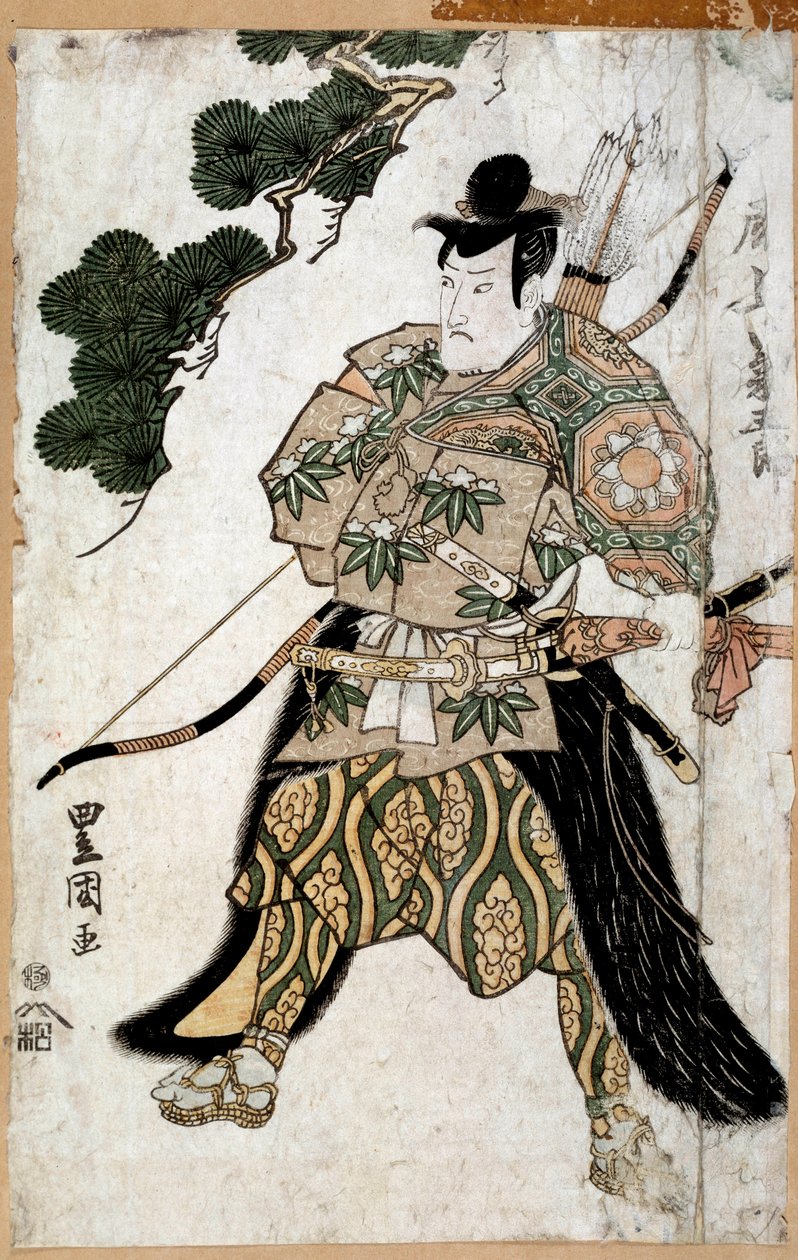
    Portrait of a Samurai by Utagawa Toyokuni: Fine art print

    Conclusion: The Power of Kutsu in Daily Life

    The Three Core Principles of Kutsu

    1️⃣ Laziness is an illusion—resistance is a signal.

    • What we call laziness is often a form of internal resistance, not a lack of willpower.
    • Instead of blaming yourself, recognize that resistance is trying to tell you something.

    2️⃣ Resistance carries valuable information—learn to interpret it.

    • Is your method wrong? Is the timing off? Does the task lack purpose?
    • Identifying the source of resistance makes it easier to resolve.

    3️⃣ Strategic positioning makes action inevitable—success is about preparation, not willpower.

    • Samurai warriors didn’t win through brute force; they set up conditions for an easy victory.
    • Similarly, productivity isn’t about forcing yourself—it’s about making the path frictionless.

    Final Thought: The Most Powerful Way to Eliminate Laziness Is to Stop Believing in It

    🚀 Kutsu is not about discipline—it’s about wisdom.
    🚀 It teaches us to work with ourselves, not against ourselves.
    🚀 When you stop seeing yourself as lazy, resistance loses its power over you.

    Kutsu offers an ancient, timeless system for achieving effortless action. The modern world may have changed, but the nature of human resistance has not. When we align with our natural energy, create the right conditions, and remove internal conflict, action flows naturally.

    Support MEDA Foundation

    At MEDA Foundation, we believe in empowering individuals to overcome obstacles and build self-sustaining lives. Our work focuses on helping autistic individuals, creating employment opportunities, and fostering self-sufficiency.

    🔹 If this article resonated with you, consider supporting our mission.
    🔹 Join us in creating a world where everyone has the tools to thrive.
    🔹 Donate to MEDA Foundation or participate in our programs!

    Book References

    📚 “The War of Art” by Steven Pressfield – A deep dive into resistance and how to overcome it.
    📚 “Atomic Habits” by James Clear – A practical guide on how small changes create lasting habits.
    📚 “Essentialism” by Greg McKeown – A book about focusing on what truly matters and eliminating unnecessary effort.

    Master Kutsu, and success will follow effortlessly.

  • Reclaim Your Time: 7 Principles for Balancing Productivity and Fulfillment

    Reclaim Your Time: 7 Principles for Balancing Productivity and Fulfillment

    Achieving true productivity requires more than just ticking off tasks—it’s about managing your time, energy, and attention effectively. By adopting seven transformative principles, individuals can prioritize what truly matters, eliminate distractions, and work with intention. From focusing on one key goal to leveraging peak energy hours and overcoming perfectionism, these strategies help create a balanced, fulfilling life. Embracing this holistic approach enables people to reclaim control over their productivity, sustain motivation, and maintain harmony between personal well-being and professional success.
    4 ways to reclaim your time: Essential tips for small business owners -  GoDaddy Blog
    A Holistic Approach to Productivity: Reclaiming Your Time, Energy, and Attention

    Introduction

    Do you ever feel like there’s too much to do and not enough hours in the day? You’re not alone. Studies show that nearly 60% of working professionals feel overwhelmed by their to-do lists, and the constant juggling of responsibilities leaves them stressed and drained. Whether it’s hitting deadlines at work, managing family commitments, or trying to squeeze in a moment of self-care, modern life often feels like an endless race.

    But here’s the good news: it doesn’t have to be this way.

    What if you could reclaim control over your time, energy, and attention? Imagine a life where you’re not just crossing items off a list but actually making meaningful progress toward your goals, all while feeling fulfilled and balanced.

    This article is here to help you do exactly that. Drawing on expert insights, research-backed strategies, and personal experiences, we’ll explore a holistic framework for productivity that focuses not just on doing more but on doing what truly matters.

    At the heart of this approach lies a simple but powerful concept: the TEA framework—Time, Energy, and Attention. By learning how to master these three elements, you’ll unlock the secret to staying focused, efficient, and fulfilled in every area of your life.

    To bring this vision to life, we’ll walk through seven transformative principles that will help you:

    • Identify and focus on your most important goals.
    • Let go of perfectionism and start finishing tasks efficiently.
    • Align your schedule with your natural energy patterns.
    • Overcome procrastination with smart, positive strategies.
    • Make better decisions and manage life’s inevitable chaos.
    • Build a self-sustaining cycle of motivation and progress.
    • Balance work and life by prioritizing what truly matters.

    Time Management Tools Compared: Reclaim, Clockwise & Clockify - Geeky  Gadgets

    The Foundation: Time, Energy, and Attention (TEA)

    Ever feel like you’re running on empty, even after spending the whole day “getting things done”? That’s because productivity isn’t just about managing time—it’s about mastering the interplay between time, energy, and attention. These three elements form the foundation of effective productivity, and understanding how they work together is the key to achieving your goals without burning out.

    Understanding TEA

    Let’s break it down:

    1. Time is the finite resource we all have—24 hours in a day, no more, no less. How you choose to spend those hours defines your productivity.
    2. Energy is your capacity to act. It fluctuates throughout the day, influenced by factors like sleep, diet, exercise, and stress levels.
    3. Attention is your ability to focus. Even with ample time and energy, if your mind is scattered, you won’t get much done.

    When these three elements are in harmony, you operate at your best. But when one is out of sync, even the most meticulously planned day can crumble.

    Common Pitfalls

    Here are a few common mistakes that happen when one part of the TEA framework is neglected:

    • Over-scheduling Time: Packing your day with tasks but ignoring your energy levels leads to exhaustion and low-quality work.
    • Neglecting Energy: Pushing through tasks when you’re tired results in more mistakes, requiring additional time to fix them.
    • Scattered Attention: Multitasking or frequent distractions make even simple tasks take longer than they should.

    For example, imagine planning to tackle a big work project after lunch, only to find yourself in a post-meal slump. You have the time, but not the energy. Or maybe you’re trying to study for an exam but keep checking your phone—your attention is elsewhere.

    A Practical Example of TEA in Action

    Meet Sarah, a mid-level manager who felt perpetually behind on her goals. She decided to test the TEA framework. Here’s how she used it to transform her workday:

    1. Time: Sarah blocked out her mornings for deep work—her most important tasks—because she had fewer meetings then.
    2. Energy: She noticed her energy dipped after lunch, so she scheduled light administrative tasks and took a short walk to recharge.
    3. Attention: During her deep work sessions, Sarah silenced notifications and used a timer to stay focused for 45 minutes at a time, followed by 5-minute breaks.

    By aligning her time, energy, and attention, Sarah not only completed her project ahead of schedule but also felt more in control and less stressed.

    Mastering the TEA framework is like finding your rhythm—it takes a bit of experimentation, but the results are worth it. With TEA as your foundation, you’ll be ready to dive into the seven principles that build on this powerful trio to create a truly productive and balanced life.

    3 Productivity Hacks to Reclaim Your Time - BAM

    III. Principle 1: Think Big, Limit Opportunities

    In a world overflowing with choices and distractions, the ability to focus on a single, meaningful goal can feel revolutionary. The first principle of our productivity framework invites you to think big but act with precision—by narrowing your focus to what truly matters.

    The Power of Focus

    Imagine trying to chase two rabbits at once; chances are, you’ll catch neither. Similarly, attempting to juggle too many goals often leads to burnout and mediocrity. Instead, pick one big, overarching goal to pursue for the year.

    This doesn’t mean abandoning all other responsibilities; it means identifying the one objective that, if achieved, will make the biggest positive impact on your life or career. By devoting your best time, energy, and attention to this goal, you’ll maximize your chances of success.

    Tip: Write down your big goal and keep it visible—a sticky note on your monitor, a poster on your wall, or even as your phone’s wallpaper.

    Eliminating Distractions

    Focusing on your big goal requires ruthless prioritization. Distractions, both external and internal, are productivity’s worst enemies. Here are actionable ways to cut them out:

    1. Declutter Your To-Do List: Use the Eisenhower Matrix to identify tasks that are urgent and important versus those that can be delegated or eliminated.
    2. Say “No” Strategically: Politely decline opportunities or commitments that don’t align with your big goal.
    3. Create a Distraction-Free Environment: Use tools like website blockers, noise-canceling headphones, or a dedicated workspace to reduce interruptions.

    Breaking Down Goals

    A big goal can feel overwhelming—until you break it into smaller, actionable steps. Use the following tools to make your big goal manageable:

    • SMART Goals: Ensure each step is Specific, Measurable, Achievable, Relevant, and Time-bound.
    • Gantt Charts: Visualize your project timeline, tracking progress and deadlines.
    • Daily Milestones: Write down one key task each day that moves you closer to your goal.

    For example, if your big goal is to get into a top business school, your steps might include: researching programs, preparing for entrance exams, writing application essays, and scheduling interviews.

    Case Study: Applying to One Business School

    Consider Alex, who wanted to pursue an MBA. Instead of spreading his efforts thin by applying to ten schools, he researched and chose the one program that best aligned with his career goals. Alex focused solely on crafting an exceptional application for that school—dedicating time to personalized essays, building relationships with alumni, and excelling in the interview process.

    By concentrating all his resources on one goal, Alex not only reduced stress but also maximized his chances of success. His focus paid off: he was accepted into his dream program.

    Supporting Insights: Steve Jobs’ Philosophy on Focus

    Steve Jobs famously said, “Focus is about saying no.” During his tenure at Apple, Jobs cut down on numerous product lines to concentrate on a few revolutionary products, such as the iPhone and MacBook. The result? A company that redefined industries and changed the world.

    Thinking big doesn’t mean doing more—it means doing what matters most. By focusing on a single goal, cutting out distractions, and breaking down tasks into achievable steps, you’ll not only make progress but also feel a sense of clarity and purpose. What’s your one big goal for the year? Write it down, commit to it, and let this principle guide your journey.

    How To Make 'Work & Life' Work as Working Parents.

    Principle 2: Done is Better Than Perfect

    Have you ever spent hours tweaking a report, an email, or a project, only to realize you’ve over-invested time on details no one else will notice? While striving for excellence is admirable, perfectionism can often paralyze progress. The second principle in our productivity framework emphasizes that getting things done is far more valuable than aiming for perfection.

    Combatting Perfectionism

    Perfectionism may stem from a fear of failure or the belief that flawless work is necessary to succeed. But the truth is, perfect is often the enemy of done. This mindset not only delays progress but also drains your energy and attention, leaving you with little bandwidth for other priorities.

    To overcome perfectionism:

    1. Aim for Excellence, Not Perfection: Deliver work that is high-quality and meaningful, but don’t let the pursuit of minor improvements derail your timeline.
    2. Focus on Impact: Concentrate on the aspects of your work that will have the greatest influence, and let go of unnecessary details.

    Setting Deadlines

    Deadlines are powerful tools for overcoming the trap of endless refinement. They create urgency and force you to prioritize progress over perfection.

    Here are two strategies to use deadlines effectively:

    1. The 80/20 Rule (Pareto Principle): Recognize that 80% of results often come from 20% of the effort. Focus on completing the core work that drives the most impact, and let go of less critical details.
    2. Timeboxing: Set a fixed amount of time for a task, then move on once the time is up. For instance, allocate two hours to draft an email and resist the urge to revisit it endlessly.

    Personal Anecdote: Procrastination vs. Progress

    When I was in college, I once spent an entire week perfecting the design of a presentation rather than focusing on its content. The night before the deadline, I panicked and rushed to complete the slides. While the design looked great, the substance was underwhelming, and I felt frustrated with myself.

    Later, I adopted a new approach: setting shorter, self-imposed deadlines to tackle work incrementally. For my next project, I gave myself two days to complete the content and one day to refine the design. The result? A solid, impactful presentation completed on time with far less stress.

    Evidence and Examples

    Research supports the idea that perfectionism hinders productivity. Studies show that excessive time spent on a single task can lead to diminishing returns, as fatigue and stress reduce the quality of output.

    In contrast, professionals who prioritize completion often outperform perfectionists. For example, writers who adhere to tight deadlines tend to produce more work over time, gaining valuable feedback and refining their craft faster than those who endlessly revise.

    Done is better than perfect because it moves you forward. By combatting perfectionism, setting realistic deadlines, and focusing on meaningful progress, you can reclaim your time and energy while delivering impactful results. Ask yourself: What’s one task you can finish today instead of perfecting tomorrow? Then take action—progress is always a step in the right direction.

    Time is Elastic: how to reclaim control of the clock | TAG Heuer Official  Magazine

    Principle 3: Take Advantage of Unequal Hours

    Have you noticed that some hours in your day feel supercharged with focus and energy, while others feel like a battle to stay awake? That’s because not all hours are created equal. The third principle of our productivity framework focuses on leveraging these unequal hours—capitalizing on your peak energy times for your most important tasks.

    Understanding Energy Levels

    At the heart of this principle is the concept of circadian rhythms, your body’s natural biological clock that governs energy levels throughout the day.

    • Morning Larks: Some people are most alert and productive early in the day.
    • Night Owls: Others hit their stride in the evening or late at night.
    • Fluctuating Schedules: Many experience a mid-afternoon slump, often referred to as the “post-lunch dip.”

    Understanding these patterns helps you work with your body, not against it.

    Scheduling for Peaks

    To harness your peak productivity hours:

    1. Track Your Energy: Keep a daily log of when you feel most focused, energetic, and creative. Do this for a week to spot trends.
    2. Prioritize Your Tasks: Schedule deep, demanding work (like strategic planning or creative writing) during peak hours and reserve low-energy periods for routine tasks (like email or admin work).
    3. Respect Your Rhythm: Avoid forcing yourself to perform high-level tasks during natural energy dips—this often leads to frustration and inefficiency.

    Example: If you’re a morning lark, use the first two hours of your day for deep work, when your mind is clearest. Night owls might dedicate post-dinner hours to creative projects.

    Tools and Strategies

    Technology can help you maximize your energy management:

    • Time Tracking Apps: Tools like Toggl or RescueTime help you monitor how and when you work best.
    • Energy Log Apps: Apps like Rise or Fitbit track your sleep and energy cycles, offering personalized insights into your circadian rhythm.
    • Pomodoro Technique: Work in focused intervals of 25-45 minutes, followed by 5-10 minute breaks, to maintain consistent energy.

    Examples of Unequal Hours in Action

    Let’s explore how different schedules can shape productivity:

    1. Morning Larks: Olivia, a teacher, does lesson planning and grading from 6:30–8:30 a.m. before heading to school, reserving her afternoons for meetings and errands.
    2. Night Owls: Raj, a software developer, codes from 9:00–11:00 p.m. when he feels most inspired, leaving administrative tasks for the morning.
    3. Fluctuating Schedules: Mia, a freelancer, uses her mid-afternoon slump for light editing or responding to emails, saving her high-energy morning hours for brainstorming sessions.

    By taking advantage of unequal hours, you can align your tasks with your natural energy flow. This isn’t about working harder; it’s about working smarter—achieving more in less time by using your best hours for your most critical work.

    So, when are your peak hours? Start paying attention to your energy levels and schedule your day around them. You’ll be amazed at how much more you can accomplish with less effort.

    End Time Wastage: Strategies to Reclaim and Maximize Valuable Hours

    Principle 4: Pay Yourself to Procrastinate

    Procrastination often gets a bad rap, but what if you could turn it into a powerful tool for productivity? The fourth principle of our framework encourages you to pay yourself to procrastinate—using positive associations and rewards to transform dreaded tasks into achievable goals.

    Positive Associations

    At its core, procrastination is often an emotional response to tasks that feel overwhelming, boring, or unpleasant. The key is to reframe these tasks by linking them to something enjoyable or rewarding.

    For example:

    • Pair a challenging work session with a relaxing activity afterward, like watching your favorite show.
    • Tackle a dreaded email while sipping your favorite coffee in a cozy café.

    By creating positive associations, you make the task feel less daunting and more approachable.

    Incentives and Rewards

    Motivation is easier to sustain when there’s a clear reward at the end. Here are some ways to incentivize yourself:

    1. Work in Pleasant Environments: Take your laptop to a scenic park, a bustling coffee shop, or any space that feels inspiring.
    2. Treat Yourself: Reward milestones with small pleasures, such as a piece of chocolate, a new book, or a guilt-free break.
    3. Gamify Your Tasks: Use apps like Habitica or Forest that turn productivity into a game, where completing tasks earns points or virtual rewards.

    Creating a Feedback Loop

    Building momentum through rewards creates a positive feedback loop:

    1. Start Small: Begin with a simple, low-effort task to build confidence and gain momentum.
    2. Reward Progress: Celebrate incremental achievements to keep motivation high.
    3. Associate Success with Satisfaction: Over time, your brain will start linking productivity with positive feelings, making it easier to approach future tasks.

    Example in Action

    Imagine you’re dreading cleaning your apartment. Instead of forcing yourself, you decide to:

    • Play your favorite playlist while cleaning.
    • Promise yourself a relaxing bubble bath once the task is done.
    • Break the work into 15-minute chunks, rewarding each with a brief scroll through social media.

    What once felt like a chore becomes an activity infused with enjoyment and tangible rewards.

    By paying yourself to procrastinate, you shift your mindset from avoidance to action. Instead of battling negative emotions, you channel them into positive reinforcement, turning obstacles into opportunities.

    What reward will you promise yourself today? Choose something meaningful, and let it propel you toward completing that task you’ve been putting off. You might find that productivity never felt so rewarding!

    3,600+ Time Waste Stock Illustrations, Royalty-Free Vector Graphics & Clip  Art - iStock | Time wasting, Clock, Time warner

    Principle 5: The 10-10-10 Rule for Chaos

    Life often demands that we make tough decisions, leaving us caught between immediate needs and long-term aspirations. The 10-10-10 Rule offers a simple yet powerful framework for navigating this chaos. By evaluating the impact of your choices over 10 minutes, 10 weeks, and 10 years, you can cut through the noise and focus on what truly matters.

    Decision-Making Made Simple

    The 10-10-10 Rule, popularized by journalist Suzy Welch, is a tool to help you see beyond the present moment. When faced with a decision, ask yourself:

    1. How will I feel about this in 10 minutes? This addresses the immediate emotional impact.
    2. How will I feel about this in 10 weeks? This highlights medium-term consequences.
    3. How will I feel about this in 10 years? This forces you to think about long-term implications and whether the decision aligns with your values and goals.

    This approach encourages clarity and perspective, preventing rash decisions driven by short-term emotions.

    Balancing Priorities

    Life’s priorities often compete, and it’s easy to get caught up in short-term disruptions. However, focusing on long-term goals sometimes requires embracing temporary chaos.

    For instance:

    • Skipping a social gathering to finish a personal project might lead to FOMO in the short term but could pay dividends in personal growth.
    • Investing time in building a new skill might mean sacrificing some leisure time now but could lead to career advancement down the line.

    By acknowledging and accepting the short-term discomfort, you empower yourself to make choices that serve your bigger vision.

    Example: Prioritizing a Creative Project

    Let’s say you’ve always wanted to start a YouTube channel, but your weekends are usually filled with social events or extra work commitments. Using the 10-10-10 Rule:

    • In 10 minutes: You might feel guilty for declining an invitation or stressed about unfinished work.
    • In 10 weeks: You could feel proud of the consistent progress you’ve made on your channel, realizing the initial sacrifices were worth it.
    • In 10 years: You’ll likely see the fruits of your labor—maybe a thriving channel or a new career path—and feel validated for choosing to prioritize your passion.

    This perspective makes it easier to commit to decisions that align with your long-term vision.

    The Key Takeaway

    The 10-10-10 Rule doesn’t eliminate chaos, but it helps you navigate it with purpose. By consciously weighing short-term discomfort against long-term fulfillment, you take control of your decisions and priorities.

    Next time you’re facing a tough choice, pause and ask yourself: How will this decision impact me in 10 minutes, 10 weeks, and 10 years? The clarity you gain might just transform your path.

    Technology News | TechHQ | Latest Technology News & Analysis

    Principle 6: The Motivation Cycle

    Maintaining consistent motivation over time can be one of the most challenging aspects of productivity. It’s easy to get excited about a big goal, but sustaining that drive over the long haul is where many people struggle. The Motivation Cycle offers a practical and sustainable framework for staying motivated by breaking your long-term vision into smaller, achievable goals and tracking your progress.

    Building Momentum

    The key to sustaining motivation is starting small and building momentum. When a big goal feels overwhelming, break it down into monthly, weekly, and daily goals. These smaller steps create a sense of progress, which fuels motivation to keep going.

    Here’s how to do it:

    1. Start with the Big Vision: Identify the overarching goal you want to achieve. This could be anything from writing a book to launching a business.
    2. Break It Down into Monthly Milestones: Ask yourself, “What can I realistically achieve this month that will move me closer to my goal?”
    3. Translate It into Weekly Goals: From your monthly milestone, define what actions need to be taken week by week.
    4. Set Daily Tasks: Identify specific actions you can complete each day that add up to your weekly goals.

    By taking it one step at a time, you avoid feeling overwhelmed by the bigger picture and create a clear path forward.

    Tracking Progress

    To stay motivated, it’s essential to track your progress—not just by results, but by the actions you’re taking. There are two types of progress you should monitor:

    1. Leading Indicators (Actions): These are the steps you take toward your goal. They may not always produce immediate results, but they are the foundation of progress. For example, if your goal is to write a book, your leading indicators might be writing 500 words a day or researching for an hour.
    2. Lagging Indicators (Results): These are the outcomes of your efforts, like the completed manuscript or the sales from your finished product. These indicators show you the results of your actions but often come later in the process.

    Tip: Celebrate the leading indicators, not just the lagging ones. If you consistently track your actions (e.g., how many words you write each day or how many pages you read), you’ll feel a sense of accomplishment that keeps the momentum going, even before results appear.

    Sustaining Motivation

    There will always be setbacks along the way, but they don’t have to derail your motivation. Here are some tips for keeping that spark alive:

    1. Celebrate Small Victories: Acknowledge each step you take. Whether it’s completing a chapter or sticking to your daily writing habit, recognizing small wins fuels your motivation.
    2. Visual Progress Tracking: Tools like habit trackers, progress bars, or vision boards are powerful visual reminders of how far you’ve come.
    3. Adjust When Needed: If you fall behind or encounter a setback, reassess your plan. Adapt your goals and timelines if necessary, but never lose sight of the bigger picture.
    4. Accountability: Share your goals with someone who can help keep you accountable. This can provide both encouragement and gentle pressure to stay on track.

    Practical Example: Tracking Efforts Leads to Compounding Motivation

    Imagine you’re working toward a fitness goal of running a marathon. At first, the long road ahead feels daunting. But by breaking the goal down:

    • Monthly Goal: Run 50 miles.
    • Weekly Goal: Run 12 miles spread across 3-4 days.
    • Daily Task: Run 3 miles each day.

    Tracking your daily runs provides immediate feedback on progress. As you complete each run, you experience a mini-win that motivates you to keep going. By the end of the month, you’ve hit your milestone and gained a boost of confidence to continue toward the marathon. Over time, these small daily victories compound, building a deeper sense of achievement and momentum.

    The Key Takeaway

    The Motivation Cycle is a powerful tool for ensuring that your motivation is not just a fleeting burst of energy but a sustained force that propels you toward your big goals. By tracking both your actions and your results, celebrating progress, and adjusting when necessary, you create a positive feedback loop that keeps you moving forward.

    Next time you feel your motivation waning, remember to track your efforts, celebrate the small wins, and trust that every step you take brings you closer to your goal. You’ve got this!

    Reclaim your time: The best apps to end the doomscrolling habit - Marketing  Tech News

    Principle 7: 4 Glass Balls and 1 Rubber Ball

    In a world where we’re constantly juggling responsibilities, it’s easy to prioritize work and professional goals at the expense of personal life. But what if we could think of our life’s priorities in terms of glass balls and rubber balls? This metaphor offers a refreshing perspective on how to balance life’s demands and protect the things that matter most.

    Prioritizing Fragile Areas

    Think of family, health, friends, and integrity as the glass balls in your life. These are the areas that are fragile and cannot be easily replaced or repaired once dropped.

    • Family: The relationships and connections that sustain us through thick and thin.
    • Health: Our physical and mental well-being that supports everything we do.
    • Friends: The friendships that offer companionship, support, and joy.
    • Integrity: The foundation of our character and values that guide our decisions.

    These aspects of life require care, attention, and protection. If you neglect them for too long, they may break, and repairing them can be much harder than maintaining them in the first place.

    Resilience of Work

    Now, think of work as the rubber ball. While it’s important, work is more resilient than the fragile glass balls. If you drop the rubber ball—by missing a deadline or letting a project slip—it can bounce back. Work will be there when you’re ready to return to it, and you can usually catch up or make adjustments to recover from setbacks.

    In contrast, dropping the glass balls could have lasting effects, whether it’s a health issue, a relationship strain, or a breach of integrity. These things are harder to repair and can affect all areas of your life, including work.

    Balancing Life’s Demands

    The challenge is to maintain equilibrium between these fragile areas and the more resilient ones. Here’s how to do it:

    1. Set Boundaries: Establish clear boundaries for your work and personal life. For example, avoid checking emails during family dinners or scheduling important meetings during your workout.
    2. Delegate When Possible: At work, delegate tasks that don’t require your direct involvement. At home, share responsibilities with family members to avoid overwhelming yourself.
    3. Prioritize Self-Care: Regularly check in with your health. Make time for exercise, sleep, and mental breaks, even if it means saying no to a work commitment.
    4. Invest in Relationships: Spend quality time with family and friends. A simple check-in, a shared meal, or an afternoon out can strengthen these relationships.

    By constantly evaluating where your energy and time are going, you can avoid letting the rubber ball drop too far while still nurturing the glass balls.

    Illustrative Metaphor: The Importance of Nurturing “Glass Balls”

    Imagine this:
    You’re juggling multiple tasks at work, managing your family life, maintaining friendships, and trying to stay healthy. Every day feels like a race, and it’s easy to drop things along the way.

    One day, you focus so much on meeting a deadline for a big project that you skip a family dinner. That evening, you miss out on a moment of connection with your loved ones. You skip your workout, too, because you feel like you don’t have time. By the end of the week, you feel drained, disconnected, and mentally exhausted.

    But then, you realize: Work can bounce back, but family time and health can’t be so easily replaced. The glass balls are fragile, and when neglected, they leave you feeling unbalanced.

    The next week, you make a conscious decision to protect those glass balls. You schedule family dinners and workouts as non-negotiable. You set work hours and don’t let your professional tasks spill over into personal time. As a result, you feel more grounded, present, and fulfilled—because you’re nurturing the things that matter most.

    The Key Takeaway

    The 4 Glass Balls and 1 Rubber Ball metaphor serves as a powerful reminder that what we prioritize shapes our long-term happiness. By making intentional decisions to care for the fragile areas of your life—your health, relationships, and integrity—you ensure a balanced, fulfilling existence. Work may be resilient, but the people and values that matter most require your constant attention and care.

    So, the next time you’re juggling life’s demands, ask yourself: Which glass balls am I holding, and how can I protect them today? Nurturing those will bring you a sense of fulfillment that no project or deadline can provide.

    In defense of boredom - Hindustan Times

    Conclusion

    As we’ve explored, productivity is not just about doing more; it’s about doing the right things in the right way. The seven principles we’ve discussed provide a comprehensive framework to reclaim control of your time, energy, and attention—a holistic approach that empowers you to live a productive life without sacrificing your well-being or values. Whether it’s embracing the power of focus, setting manageable goals, or protecting your most fragile commitments, these principles offer practical, actionable ways to thrive in both your personal and professional life.

    Reflect and Reclaim

    To sum it up, the seven principles—Time, Energy, and Attention (TEA), focusing on big goals, overcoming perfectionism, leveraging your peak energy hours, rewarding procrastination, using the 10-10-10 Rule, building the Motivation Cycle, and protecting the glass balls—are designed to help you focus on what truly matters. They guide you toward working smarter, not harder, so that you can balance your goals, maintain your well-being, and enjoy the journey.

    Now, the power lies in your hands. Start by choosing one principle that resonates with you most today, and put it into action. Whether it’s breaking down a large goal into smaller tasks or taking time to focus on relationships, start small, and let your progress build momentum. Every step you take brings you closer to reclaiming your time, energy, and attention.

    Call to Action

    Start today. Which principle will you try first? Will you focus on your energy levels, set clearer boundaries at work, or take that first step toward a bigger goal? Share your journey, connect with others, and embrace this holistic approach to productivity. The small changes you make today will lead to powerful results tomorrow.

    Inspirational Close

    Remember, as Steve Jobs once said, “Your work is going to fill a large part of your life, and the only way to be truly satisfied is to do what you believe is great work. And the only way to do great work is to love what you do.”

    Take control of your productivity, live with purpose, and reclaim your time, energy, and attention. You are capable of achieving greatness—balanced, purposeful, and fulfilling greatness.

    Support and Donate to MEDA Foundation

    As we work to create a balanced and productive world, remember that true change comes when we support others in need. Consider supporting the MEDA Foundation, an organization dedicated to empowering individuals with the resources they need to achieve their potential. Every donation helps in building a more inclusive and supportive community for all.

    [Link to MEDA Foundation Donation Page]

    Book References

    For further reading on achieving holistic productivity and personal growth, here are some excellent books to consider:

    Start your journey today, and remember—small steps toward balance lead to great strides in productivity and fulfillment.