Tag: #TransformEducation

  • The Future of Education Isn’t Artificial—It’s Ethical, Inclusive, and Awake

    The Future of Education Isn’t Artificial—It’s Ethical, Inclusive, and Awake

    As artificial intelligence reshapes every facet of society, education stands at a pivotal crossroads—facing both unprecedented promise and profound ethical dilemmas. AI offers the potential to personalize learning, reduce administrative burdens, empower teachers, and democratize access to knowledge. Yet, without clear ethical frameworks, inclusive design, and systemic reforms, it risks amplifying existing inequalities and dehumanizing the learning experience. The future of education demands a radical rethinking of roles, curricula, infrastructure, and values—one where teachers become compassionate guides, students grow into critical thinkers, and AI serves as a tool for awakening, not replacement. Only by aligning technological advancement with human purpose can we create a just, inclusive, and enlightened learning ecosystem for all.

    The Importance of AI in Education for Teachers and Students - HelloParent

    The Digital Age, AI, and the Race Between Technology and Education: A Call for Humane Intelligence

    Intended Audience and Purpose of the Article

    Audience

    This article is written for a wide spectrum of individuals and institutions who share a stake in the future of education:

    • Educators and Academic Leaders: Teachers, professors, school administrators, and instructional designers seeking to understand how AI can support or disrupt their pedagogical roles.
    • Policy Makers and Government Bodies: Decision-makers who shape national and state education policies and need guidance on regulatory frameworks and investments in AI infrastructure.
    • Ed-Tech Developers and Technologists: Innovators designing tools and platforms that integrate AI into learning environments, responsible for balancing utility with ethical foresight.
    • Non-Profit Organizations and NGOs: Especially those focused on inclusive education, digital equity, neurodiverse populations, and access to quality learning in underserved communities.
    • Parents and Guardians: Concerned about how AI-driven learning environments will affect their children’s development, values, creativity, and well-being.
    • Students and Lifelong Learners: From school-age children to university scholars to adult upskillers—those who must now coexist and coevolve with AI systems.
    • Futurists, Think Tanks, and Ethicists: Those thinking beyond short-term tech fixes to long-term socio-educational implications, cultural shifts, and human meaning in a hyper-digital world.
    • Corporate and Civic Stakeholders: Especially employers, CSR heads, and community organizers interested in shaping the future workforce and education pipelines.

    Purpose

    This article is an urgent invitation to reflection, reimagination, and reformation.

    It seeks to critically explore how Artificial Intelligence is not just reforming education, but reshaping its very foundations—from how content is created and consumed, to how intelligence is defined and measured, to who gets included or excluded in the learning process.

    At its core, this is not a technology article, but a human article. One that probes:

    • Will AI in education liberate or mechanize learning?
    • Will it broaden inclusion or deepen divides?
    • Will it help us rediscover the essence of teaching and learning, or distract us with efficiency and automation?

    By mapping emerging challenges and opportunities, this article lays out strategic priorities for the next decade. It also issues a call to collective responsibility—urging educators, institutions, and citizens alike to shape a future where AI is not just smart, but wise; not just efficient, but compassionate.

    This is a call to not merely adopt AI, but to adapt our values—so that education in the AI era can be the birthplace of a more equitable, creative, and deeply human society.

    The AI Revolution in Education: Challenges and Opportunities - Academic  Approach

    I. Introduction: AI’s Wild Acceleration vs. Education’s Slow Revolution

    A. The Asymmetry of Progress

    We are living in a paradoxical moment: technology is advancing exponentially, while education systems remain largely stagnant. Artificial Intelligence systems are evolving at an unprecedented pace—surpassing human performance in tasks ranging from language and image recognition to code generation and even creative writing. These systems learn iteratively, adapt rapidly, and are deeply integrated into industries, services, and personal devices.

    And yet, most schools around the world—especially in low- and middle-income countries—are still bound by century-old structures:

    • Curricula remain fixed and test-centric.
    • Classrooms continue to promote rote memorization over critical thinking.
    • Assessments measure recall, not reasoning.
    • Pedagogy is often divorced from real-world relevance or technological awareness.

    This asymmetry of progress creates an ever-widening cognitive, cultural, and economic gap. The next generation is entering a world governed by intelligent systems but is being prepared by institutions still modeled on the industrial age.

    B. The Real Stakes

    To call AI just a “tool” in this context is a dangerous understatement. AI is not merely a new calculator or a digital chalkboard—it is a civilization-altering force. It challenges our definitions of:

    • Knowledge: What does it mean to “know” something when AI can generate information instantly?
    • Expertise: How do we value human mastery when machines outperform us in pattern recognition?
    • Work and Purpose: What happens to identity and meaning in a world of automation?

    Thus, education is no longer just about preparing students for “jobs of the future.” It is about shaping how we, as a species, co-evolve with machines. The role of education now transcends employability—it must foster the moral imagination, emotional resilience, and ethical clarity needed to navigate a world where intelligence is both human and artificial.

    We stand at an inflection point where our choices today will determine:

    • Whether AI becomes a partner in human flourishing, or a tool of exclusion and control.
    • Whether education nurtures autonomous, empathetic thinkers, or mass-produces algorithm-dependent workers.

    C. Framing the Core Question

    Too often, the question being asked in boardrooms and ministries is:

    “How do we integrate AI into classrooms?”

    This question, while practical, is far too narrow.

    The real question—the one that must guide every curriculum reform, every ed-tech deployment, every policy draft—is:

    “What kind of humans do we want to cultivate in an AI-saturated world?”

    This reframing moves us:

    • From technological integration to philosophical intention.
    • From efficiency metrics to ethical foundations.
    • From content delivery to character development.

    In a world where machines can teach, assess, and even “empathize,” we must ask what remains uniquely human—and how education can preserve, refine, and amplify those qualities.

    This article explores that question in depth and argues that unless we reimagine education from first principles, we risk raising generations who are technically literate but morally unmoored, cognitively accelerated but emotionally hollow, and globally connected but spiritually disconnected.

    Future of Education: Focus, Technology & AI

    II. The Promise of AI in Education: Potential with Purpose

    A. Personalized Learning at Scale

    One of AI’s most revolutionary promises lies in its capacity to individualize education. For the first time in history, we have tools that can dynamically adapt learning pace, content, and pedagogy to fit the needs of every student—not just the average one.

    • Adaptive learning platforms like Squirrel AI, Khanmigo, or DreamBox can detect gaps in understanding and customize the next steps based on real-time data.
    • Students who are neurodiverse, dyslexic, non-verbal, multilingual, or simply non-linear thinkers can finally learn in ways that respect their brain’s unique architecture.
    • This moves us from a one-size-fits-all model to a one-size-fits-one paradigm—turning learning into a deeply personal and humanizing

    Yet, personalizing learning is not about pampering—it’s about empowering. It helps struggling learners catch up and advanced learners move ahead without being held back.

    B. Scalable Tutoring and Real-Time Feedback

    AI can serve as a 24/7 personal tutor, available on any device, across subjects, and in multiple languages. Imagine every child having access to:

    • Instant help with a math problem.
    • Clarification of historical events in their native tongue.
    • Feedback on essays without waiting days.

    This scalability is critical in overburdened school systems where teacher-to-student ratios are often unmanageable. In India, for instance, many government schools operate with 1 teacher per 60+ students. In such contexts, AI tutoring bridges the feedback gap.

    Furthermore, this helps prevent teacher burnout by offloading repetitive support functions, allowing educators to focus on relationship building, emotional mentoring, and higher-order thinking.

    C. Automation of Administrative Load

    Teaching has unfortunately become more about paperwork than pedagogy. AI can change that:

    • Auto-grading assignments and quizzes.
    • Tracking student attendance through facial recognition or biometric systems.
    • Generating learning analytics to flag students who need attention.

    By automating such back-office tasks, AI gives teachers back their time and energy—not to do more, but to do what matters: inspire, mentor, challenge, and care.

    This shift transforms teaching from a clerical grind into a more human-centric profession.

    D. Democratization of Knowledge

    AI has the power to level the educational playing field, breaking barriers of:

    • Geography: Students in remote or rural areas can access world-class resources.
    • Language: Real-time translation tools allow learning in local dialects or mother tongues.
    • Cost: Open-source AI tools reduce the need for expensive textbooks or private tutoring.

    For nations like India, Africa, and Latin America, where access remains a fundamental bottleneck, AI can act as an equalizerif we address the accompanying challenges of internet connectivity, device access, and teacher training.

    Left unaddressed, these same tools could deepen the digital divide. The promise is real—but must be pursued with purpose and equity.

    E. Teacher Empowerment

    Contrary to fears of teacher replacement, AI can become a powerful co-pilot, assisting with:

    • Lesson planning based on curriculum objectives and student learning data.
    • Assessment generation tailored to varying levels of understanding.
    • Differentiation strategies to ensure inclusive education.

    In this new paradigm, teachers evolve from instructors to curators:

    • They become facilitators of inquiry, not dispensers of facts.
    • They focus on cultivating critical thinking, empathy, collaboration, and moral reasoning—the very skills that AI cannot replicate.

    AI augments the teacher’s role, allowing them to do less of the mechanical and more of the meaningful. It elevates the profession.

    Flawed by Design: The Crucial Role of Error-Making AI in Teaching

    III. The Perils, Pitfalls, and Ethical Minefields of AI in Education

    A. Academic Integrity and the Death of Original Thought

    While generative AI can support knowledge acquisition, its misuse in academic settings risks eroding the foundation of meaningful learning.

    • Copy-Paste Intelligence: Tools like ChatGPT or AI writing assistants are often used by students to generate entire assignments, bypassing the critical thinking and creativity that learning demands.
    • Symptoms of Deeper Issues: The core issue is not AI usage itself but the outdated assessment systems that reward rote answers over reflective inquiry.
    • Redefining Success: Education systems must pivot from grading answers to nurturing the art of questioning, curiosity, and synthesis. When learners use AI to augment their inquiry rather than shortcut it, AI becomes an ally—not a crutch.
    • Actionable Strategies:
      • Redesign assessments to evaluate process, perspective, and collaboration.
      • Incorporate AI literacy modules that emphasize ethical use and critical engagement.
      • Create “AI-transparency” guidelines where students declare AI assistance and reflect on its impact.

    B. Bias Amplification and Data Discrimination

    AI systems trained on biased data can deepen societal inequities under the guise of objectivity.

    • Algorithmic Prejudice: From misrecognizing dialects in speech recognition to favoring Western examples in learning content, AI can reinforce stereotypes in subtle but harmful ways.
    • Invisible Discrimination: AI may mislabel neurodiverse behavior as incorrect or unintelligent. Students from non-dominant language backgrounds may be misjudged by accent or phrasing.
    • Ethical Imperative: Developers and educators must ensure that diversity in human cognition, culture, and communication is not flattened into “AI-compatible norms.”
    • Actionable Strategies:
      • Mandate inclusivity testing for all ed-tech solutions.
      • Require ethics-by-design frameworks from AI developers.
      • Promote representation in dataset creation: Include voices from rural India, neurodiverse learners, and indigenous knowledge systems.

    C. Psychological Dependence and Emotional Isolation

    AI may efficiently deliver content, but it cannot replicate the human experience of mentorship, friendship, or personal discovery.

    • Declining Grit and Growth: If students always have an AI to solve problems, they may struggle to develop resilience, patience, or intrinsic motivation.
    • Erosion of Social Bonds: AI chatbots may replace peer discussions, stunting the development of empathy, dialogue, and emotional literacy.
    • Cognitive Offloading: Constant delegation of thinking to AI can atrophy creativity and reduce deep, reflective thought.
    • Actionable Strategies:
      • Embed SEL (Social Emotional Learning) practices in all AI-enhanced classrooms.
      • Limit AI usage in early years to preserve play-based, human interaction-centric learning.
      • Design classroom rituals and projects that prioritize collaboration, emotional expression, and human messiness.

    D. Unequal Access and the Digital Abyss

    AI promises transformation, but only if access is equitable—something far from current reality.

    • Infrastructure Gaps: Schools in rural or tribal areas often lack reliable electricity, internet, or trained teachers—let alone AI readiness.
    • AI as a Multiplier of Inequity: Without intervention, AI may deepen existing divides, creating elite learners who accelerate ahead and marginalizing others into digital irrelevance.
    • Need for Grassroots Innovation: Tailored, localized solutions must bridge the gap between AI potential and on-ground capacity.
    • Actionable Strategies:
      • Launch public-private partnerships to bring edge-AI tools to low-resource settings.
      • Train community teachers and NGOs in AI basics to serve as local enablers.
      • Encourage frugal innovation—low-bandwidth, mobile-first, voice-assisted learning platforms in regional languages.

    E. Governance, Data Privacy, and Ethical Oversight

    AI in education runs on data—but whose data, who governs it, and to what end?

    • Opaque Algorithms: Many AI learning systems use proprietary algorithms, making it hard to evaluate how student data is used or how learning paths are determined.
    • Predictive Harm: Systems that forecast student success or suggest careers based on limited data can restrict potential and embed bias.
    • No Global Norms: Most countries lack clear policies on educational data sovereignty, consent, or algorithmic explainability.
    • Actionable Strategies:
      • Establish clear ethical codes for AI use in schools—led by educators, not just technologists.
      • Require opt-in consent for student data use, with parental and student awareness programs.
      • Push for open-source, auditable AI models in public education.

    The danger is not AI itself—but our blind, uncritical acceptance of it. Education must not become a testing ground for unregulated tech experiments. Instead, it must lead by setting humane, inclusive, and visionary standards. Without conscious design, the promise of AI in education can easily become its peril.
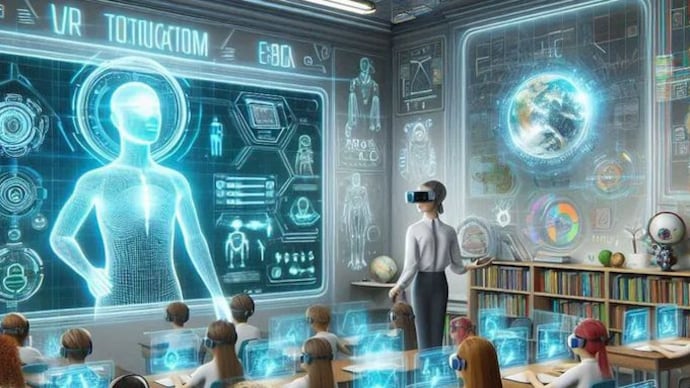
    AI-powered classrooms: How personalised learning is transforming education  - India Today

    V. Call to Action: Strategic Priorities for the Next Decade

    To ensure that Artificial Intelligence becomes a force for educational liberation—not stratification or dehumanization—we must not merely adapt reactively, but lead proactively. The next decade will define whether education remains a slow, reactive bureaucracy or becomes a moral and strategic force for shaping a conscious civilization. We must act with urgency, wisdom, and empathy.

    1. Establish Clear Ethical Frameworks

    Why:
    As AI becomes embedded in pedagogy, governance, assessment, and learner modeling, there is a profound risk of unregulated influence and unintended consequences—ranging from manipulation of learning paths to invasions of student privacy. Without a global, enforceable ethical compass, we risk enabling digital colonization and algorithmic injustice in education.

    What to Do:

    • Develop universal principles for AI integration in education that center on:
      • Transparency: Students and teachers should know when they’re interacting with AI, and how decisions are being made.
      • Fairness: No student should be penalized or stereotyped due to biased datasets.
      • Accountability: Institutions must define who is responsible when AI harms learners.
      • Data Sovereignty: Learners should own and control their personal learning data.
    • Mandate ethical audits of AI ed-tech platforms by independent bodies.
    • Introduce AI ethics education as a compulsory part of teacher training and high school curricula.

    2. Invest in Equitable Infrastructure

    Why:
    Access remains the great divider. AI’s benefits are meaningless if they are unavailable to vast swaths of students due to lack of devices, connectivity, electricity, or skilled teachers. Digital equity is the new literacy, and without it, the future will be decided by a privileged few.

    What to Do:

    • Provide devices, internet connectivity, and energy access as fundamental educational rights—not privileges.
    • Localize AI content in regional languages, dialects, and cultural contexts to prevent cognitive colonization.
    • Equip rural and underserved schools with:
      • Training programs for teachers on AI tools and ethical usage.
      • Offline-compatible AI tools that function in low-bandwidth zones.
    • Build public AI learning infrastructure (like community-based AI labs or learning hubs) in partnership with NGOs and private stakeholders.

    3. Promote Research, Diversity, and Inclusion

    Why:
    Without sustained, interdisciplinary research, we are building AI-in-education solutions blindly. And without deliberate inclusion, AI may accelerate the marginalization of already vulnerable learners.

    What to Do:

    • Fund long-term, independent research on:
      • AI’s effects on learning, memory, creativity, and motivation.
      • Psychological impacts of prolonged AI interaction on children.
      • Socio-emotional development in AI-augmented classrooms.
    • Study differential impacts across:
      • Gender identities.
      • Neurodiverse learners (e.g., autism, ADHD).
      • Marginalized communities (caste, class, tribal, linguistic minorities).
    • Establish equity standards for AI design and deployment to prevent bias and promote cultural pluralism.
    • Promote diverse voices in AI policymaking—from grassroots educators to student representatives.

    4. Foster a Culture of Reflection, Responsibility, and Renewal

    Why:
    We risk producing a generation adept at manipulating algorithms but incapable of empathy, curiosity, or ethical thought. The deeper crisis is not technological, but moral and philosophical. We must re-invite soul into schooling.

    What to Do:

    • Reframe educational objectives around meaningful human development, not just job preparation.
    • Embed reflective practices into school and teacher development:
      • Journaling, Socratic dialogue, philosophical inquiry.
      • Meta-cognition practices (thinking about thinking).
    • Ask deeper guiding questions regularly:
      • “Are we using AI to deepen learning or just optimize metrics?”
      • “Are we replacing hard learning with shortcuts—or making hard learning more meaningful?”
      • “Is AI supporting wisdom—or just delivering information?”
    • Encourage slow learning zones: safe spaces for non-digital, immersive learning—arts, nature, interpersonal storytelling.

    Final Thoughts: Towards a Human-Centered Future of Learning

    AI has cracked open a portal to unprecedented cognitive augmentation—but also to widespread manipulation, displacement, and cultural erosion. In this moment of tension between profit and purpose, acceleration and attention, efficiency and empathy, we must choose what kind of humanity we are educating for.

    The future of education is not about who adopts the most AI—but who cultivates the most awake, wise, and ethical humans in the age of AI.
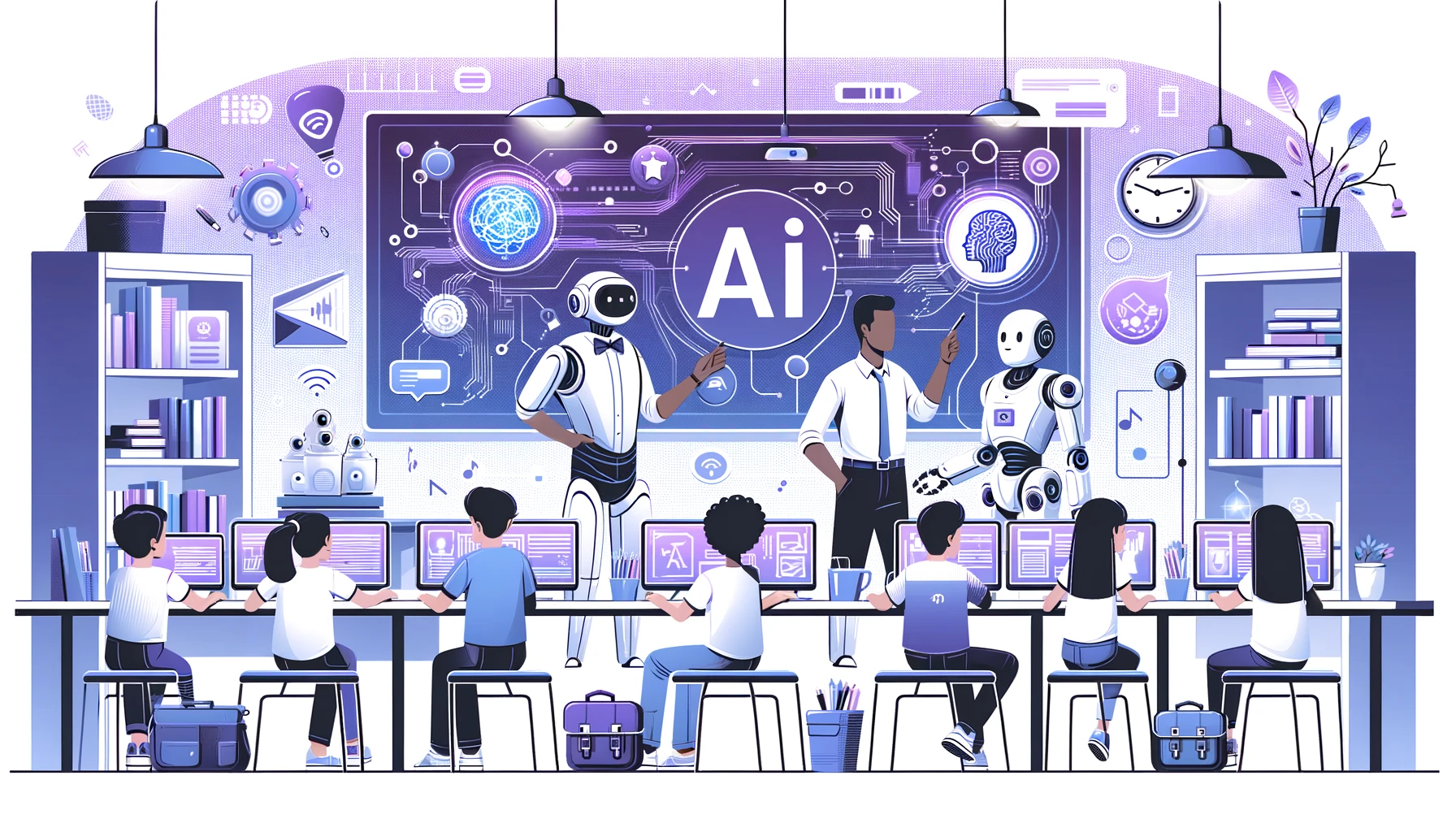
    AI in Education: Use Cases, Challenges & Tools (2025)

    V. Call to Action: Strategic Priorities for the Next Decade

    We are not passive recipients of AI’s impact on education—we are its stewards. The choices we make today will echo through generations of learners. The next decade is not about catching up with AI; it is about leading with wisdom. This means prioritizing ethics, inclusion, infrastructure, and human values over speed, scale, or spectacle.

    1. Establish Clear Ethical Frameworks

    “The ethical question is not whether AI can help, but whether it should—how, when, and for whom.”

    • Global Guidelines with Local Relevance:
      Create universally accepted ethical principles—such as transparency, fairness, privacy, and student agency—that are adaptable across cultures and geographies.
    • Mandatory AI Literacy and Ethical Training:
      All stakeholders (educators, policymakers, developers) must undergo structured training in AI ethics, bias mitigation, and responsible deployment.
    • Child-Centered AI Design:
      Prioritize safety, emotional well-being, and psychological development in ed-tech design. Include child psychologists, educators, and ethicists in development loops.
    • Auditability and Redressal:
      Require open auditing of AI systems in education, with mechanisms for addressing algorithmic discrimination and misuse.

    2. Invest in Equitable Infrastructure

    “Access to AI-powered education is a civilizational opportunity—but only if it’s universal.”

    • Devices and Digital Access for All:
      Equip underserved communities with affordable devices, reliable connectivity, and decentralized energy solutions (e.g., solar for off-grid schools).
    • Teacher Capacity Building:
      Invest in large-scale, ongoing teacher training in AI tools, digital pedagogy, and ethical AI use—especially in non-urban areas.
    • Localized and Inclusive Content:
      Promote the development of AI systems that understand regional languages, dialects, and cultural references. Support open-source initiatives.
    • Public-Private Partnerships (PPPs):
      Mobilize government, corporates, and civil society to co-fund inclusive AI education infrastructure.

    3. Promote Research, Diversity, and Inclusion

    “If we don’t measure what matters, we’ll end up optimizing for what doesn’t.”

    • Fund Longitudinal Research on AI’s Impact:
      Go beyond short-term efficacy studies. Investigate long-term effects on creativity, attention span, emotional intelligence, and values.
    • Representation in AI Development:
      Ensure that ed-tech and AI tools are developed by diverse teams across gender, caste, neurotype, and linguistic groups.
    • Neurodiversity and Special Needs Inclusion:
      Create AI learning pathways for students with dyslexia, ADHD, autism, and other learning differences—moving from accommodation to empowerment.
    • Policy Incubators and Innovation Labs:
      Fund experimentation centers where NGOs, educators, and researchers co-create ethical, inclusive AI tools and pilot them across different learner populations.

    4. Foster a Culture of Reflection and Responsibility

    “Speed is seductive; depth is deliberate.”

    • Rethink Metrics of Success:
      Move away from measuring educational progress solely by grades, rankings, or completion rates. Include metrics such as joy of learning, empathy, collaborative problem-solving, and civic responsibility.
    • Encourage Human-AI Co-Creation:
      Teach students to use AI not to cheat, but to collaborate—blending machine intelligence with human empathy and judgment.
    • Establish Ethics Circles in Schools:
      Institutionalize weekly forums where students, teachers, and parents reflect on ethical dilemmas in tech and education.
    • Global Youth Dialogues on AI & Education:
      Create platforms for students to shape the discourse. What kind of future do they want with AI?

    Final Thought

    AI is not destiny—it is design. It is time to reclaim education not just as content delivery, but as character cultivation. As we stand at the crossroads of intelligence—artificial and human—our highest duty is not just to prepare students for the future but to preserve their humanity in it.
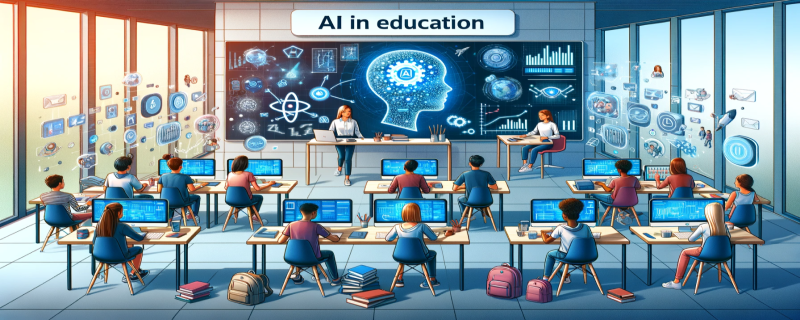
    AI in Education

    VI. Conclusion: Toward a Humane Intelligence

    The true goal of education has never been efficiency, speed, or standardization—it has always been awakening: the awakening of minds, hearts, and souls. As Artificial Intelligence increasingly permeates classrooms, we face a defining choice: to allow AI to replace human agency, or to let it elevate human potential.

    AI can calculate, translate, optimize—but it cannot feel, care, or love. It cannot replace the warmth of a teacher’s encouragement, the spark of a classroom debate, or the thrill of an “aha” moment that changes a child’s trajectory forever. These are sacred, human experiences.

    The classrooms of the future must not become temples to algorithms. Instead, they must be living ecosystems of meaning-making. In these spaces:

    • Teachers will be wise guides—curating, not controlling.
    • Students will be seekers—asking better questions, not just seeking faster answers.
    • AI will be a humble servant—enhancing insight, not replacing intuition.

    This is not a call to fear technology. It is a call to humanize it.

    The future of education lies not in machine-led conformity, but in compassionate complexity. We must not merely train students for jobs—but prepare them for life: to think, to doubt, to wonder, and to act with ethical courage in a rapidly changing world.

    Participate and Donate to MEDA Foundation

    At MEDA Foundation, we are committed to building an educational future where technology serves humanity—not the other way around.

    With your support, we are working to:

    • Bridge the digital divide by bringing AI tools, devices, and training to underserved schools and rural classrooms.
    • Empower neurodiverse learners, especially those with Autism, through personalized, tech-enabled learning interventions.
    • Train teachers and parents in ethical, inclusive, and empowering uses of AI in education.
    • Create sustainable educational ecosystems grounded in equity, local realities, and global insight.

    Your participation—whether through donations, partnerships, or volunteer efforts—can make a lasting difference.

    👉 Visit www.MEDA.Foundation to contribute or get involved.

    Let us collectively ensure that the AI revolution becomes a Human Awakening—not a human replacement.

    Book References and Further Reading

    • The Alignment Problem – Brian Christian
    • Teaching in the Machine Age – Armand Doucet et al.
    • Weapons of Math Destruction – Cathy O’Neil
    • The Human Side of Education – Alfie Kohn
    • The Age of AI – Henry Kissinger, Eric Schmidt, Daniel Huttenlocher
    • AI and Education: Guidance for Policy Makers – UNESCO
    • Rewiring Education – John D. Couch
    • Digital Minimalism – Cal Newport
    • 21 Lessons for the 21st Century – Yuval Noah Harari
    • Future of Learning 2023–2030 – OECD Reports
  • Beyond the Classroom: Creating Global Citizens through Holistic Education

    Beyond the Classroom: Creating Global Citizens through Holistic Education

    Education today faces a critical juncture, struggling to prepare learners for the complexities of the 21st century. Conventional systems, rooted in standardized testing and rote learning, fail to address the intellectual, emotional, and ethical needs of students. By integrating ancient wisdom—such as the interconnected philosophies of the Vedas, Ayurveda’s holistic health principles, and mindfulness practices—with modern pedagogy, including active recall, experiential learning, and social-emotional frameworks, we can foster well-rounded individuals. This holistic approach equips learners with critical thinking, creativity, empathy, and resilience, empowering them to become ethical and adaptable global citizens. The transformative potential of such an education model can redefine the future, creating a just, compassionate, and sustainable world. Together, we can champion this vision through participation and support for innovative initiatives like the MEDA Foundation.
    Education: Global citizenship for human flourishing
    The Future of Education: Integrating Ancient Wisdom and Modern Pedagogy for Holistic Learning

    Introduction

    1. Hook

    In a world where innovation is accelerating at an unprecedented pace, the cracks in traditional education systems are becoming glaringly evident. Students diligently memorize facts, ace exams, and earn degrees, only to find themselves ill-equipped for real-world challenges. A recent global survey by the World Economic Forum revealed that 75% of students feel unprepared for life beyond the classroom, even though they excel academically. At the same time, a growing body of research shows that employers now prioritize soft skills like creativity, emotional intelligence, and adaptability over rote knowledge. This dissonance between educational outcomes and societal needs raises an urgent question: Is our education system truly preparing individuals for the future, or merely perpetuating outdated paradigms?

    Consider the story of Riya, a bright high school graduate with a perfect academic record. Despite her achievements, she struggled to navigate the complexities of her first job, overwhelmed by teamwork dynamics, problem-solving requirements, and the fast-paced nature of a digital workplace. Riya’s experience is far from unique—it is emblematic of the pressing need for an educational transformation that nurtures not just intellectual capabilities but the whole human being.

    1. Thesis Statement

    This article explores a transformative solution: holistic learning—a dynamic approach that fuses the timeless insights of ancient wisdom with the evidence-based strategies of modern pedagogy. By embracing this integration, we can empower learners to thrive not only as professionals but as compassionate, resilient, and self-aware individuals. Holistic learning acknowledges that education is not merely about preparing for a career; it is about preparing for life.

    Through this approach, education shifts from being a linear process of knowledge transfer to a multidimensional journey of growth. Holistic learning equips individuals to embrace intellectual rigor, emotional resilience, social collaboration, ethical decision-making, and physical well-being, ensuring they can meet the challenges of an increasingly interconnected and unpredictable world.

    1. Overview of Themes
    1. Ancient Wisdom:
      Rooted in philosophies like the Vedas, Upanishads, and Ayurveda, ancient wisdom offers profound insights into the nature of learning, self-awareness, and interconnectedness. Practices like meditation, mindfulness, and yoga demonstrate the enduring relevance of these traditions, emphasizing balance and harmony in mind, body, and spirit.
    2. Modern Pedagogy:
      The science of learning has evolved to include innovative strategies such as active recall, spaced repetition, and feedback loops that enhance knowledge retention and application. Approaches like experiential learning and project-based education foster hands-on problem-solving skills, preparing students for real-world scenarios.
    3. Holistic Learning:
      At the heart of this integration lies the concept of holistic learning, which transcends the boundaries of intellectual development to include emotional, ethical, social, and physical dimensions. Holistic education cultivates empathy, critical thinking, and adaptability, fostering a deeper connection between individuals and the world around them.

    This fusion of ancient and modern paradigms is not just a theoretical ideal—it is a practical blueprint for reshaping education into a force for individual and societal transformation. By exploring these themes, this article aims to inspire a vision of education that nurtures every aspect of human potential, creating a foundation for a more just, compassionate, and sustainable future.

    What's a Global Citizen?. Are you an activist or want to become… | by  Claudia M. Zedda | Medium

    The Limitations of Conventional Education

    1. Historical Context

    The origins of modern education can be traced back to the Industrial Revolution, a period when societal and economic priorities were driven by mechanization and mass production. Schools were modeled as factories, designed to produce workers who could adhere to standardized processes and routines. This approach emphasized uniformity, compliance, and efficiency, with rigid hierarchies that mirrored the industrial workplace.

    Education during this era prioritized rote memorization and the compartmentalization of knowledge into distinct subjects, a structure that persists to this day. While this system served the needs of industrial economies, it often ignored the nuances of individual learning styles, creativity, and emotional development. The “one-size-fits-all” approach became entrenched, turning schools into conveyor belts rather than platforms for holistic growth.

    1. 21st Century Challenges

    The rapid advancements of the 21st century have rendered traditional educational systems increasingly obsolete. Technological Disruptions have transformed industries and job markets, with automation and artificial intelligence replacing routine tasks. Yet, schools continue to emphasize outdated skills, failing to prepare students for roles that demand critical thinking, adaptability, and innovation.

    Simultaneously, the mental health crisis among students is escalating. Academic pressure, competitive environments, and the lack of emotional support systems contribute to rising rates of anxiety, depression, and burnout. Students are often seen as mere outputs of an educational assembly line, leaving their emotional and social well-being neglected.

    Moreover, modern challenges such as globalization, climate change, and ethical dilemmas require a generation equipped with skills like collaboration, resilience, and ethical reasoning. Yet, conventional education seldom addresses these areas, leaving students ill-prepared to navigate complexities beyond standardized tests and textbook knowledge.

    1. The Need for a Paradigm Shift

    The inadequacies of the current system underscore the urgent need for a paradigm shift toward holistic learning. This approach recognizes that education should cultivate the full spectrum of human potential—intellectual, emotional, social, and ethical.

    1. Critical Thinking:
      Holistic education fosters analytical skills by encouraging students to question assumptions, evaluate evidence, and solve complex problems. It nurtures curiosity and intellectual flexibility, equipping learners to thrive in unpredictable environments.
    2. Adaptability:
      In an era of constant change, the ability to adapt is paramount. By incorporating experiential learning and real-world problem-solving, holistic education prepares students to navigate uncertainty with confidence and creativity.
    3. Emotional Intelligence:
      Emotional regulation, empathy, and interpersonal skills are critical for personal and professional success. A holistic approach integrates practices like mindfulness and collaborative activities, helping students develop the self-awareness needed to build meaningful relationships.

    This shift requires reimagining education as a lifelong journey of growth rather than a finite process of knowledge accumulation. By blending ancient wisdom’s emphasis on self-realization with modern pedagogy’s evidence-based techniques, we can create an education system that empowers individuals to thrive in every aspect of life.

    Holistic learning is not just an ideal—it is an imperative for creating a future-ready society. It promises to bridge the gaps left by conventional education, fostering individuals who are not only skilled professionals but also compassionate global citizens.

    How 21K Promotes Global Citizenship Education? - 21K School Pakistan

    Insights from Ancient Wisdom Traditions

    1. Philosophical Foundations

    The Vedas and Upanishads, cornerstones of ancient Indian wisdom, offer profound philosophical insights that remain deeply relevant today. These texts emphasize the interconnectedness of all things, urging humanity to perceive the world not as fragmented but as a unified whole. This vision fosters a sense of collective responsibility and empathy, values that are indispensable in an increasingly interconnected and globalized society.

    Central to the Upanishads is the concept of self-realization, the idea that true education lies in understanding one’s inner self (Atman) and its connection to the universal consciousness (Brahman). This perspective positions knowledge not as an end but as a means to liberation—both from ignorance and the limitations of worldly attachments. Education rooted in such principles encourages students to explore their purpose, cultivate self-awareness, and seek fulfillment beyond material success.

    For example, the mantra “Tat Tvam Asi” (“Thou art that”) from the Chandogya Upanishad underscores the unity of individual and universal existence. In a modern context, this teaching can inspire students to see themselves as active participants in shaping a harmonious and sustainable world.

    1. Mind-Body Connection through Ayurveda

    Ayurveda, an ancient system of holistic medicine, offers invaluable insights into the interplay between physical, mental, and emotional health. It posits that true well-being arises from balance, not just within the body but also in one’s interactions with the environment. This principle aligns seamlessly with the goals of holistic education, which seeks to nurture well-rounded individuals.

    Ayurveda emphasizes the three doshas—Vata, Pitta, and Kapha—which govern different aspects of the body and mind. By understanding these doshas, educators and learners can create personalized strategies to optimize health and learning. For instance, Ayurveda advocates for daily routines (Dinacharya) and balanced diets tailored to individual needs, which can improve focus, energy levels, and overall mental clarity.

    Moreover, Ayurveda stresses the importance of mental calmness and emotional stability, recognizing that a healthy mind is integral to effective learning. By incorporating Ayurvedic principles into educational settings—such as encouraging balanced lifestyles, promoting physical activity, and teaching relaxation techniques—we can create environments that support students’ holistic development.

    1. Meditation and Mindfulness

    Meditation and mindfulness, practices deeply rooted in ancient wisdom, have garnered substantial scientific validation for their transformative effects on the mind and body. These practices were traditionally used to cultivate inner peace, self-awareness, and resilience—qualities that are just as critical in today’s high-pressure world.

    Modern neuroscience supports the benefits of meditation:

    • Enhanced Focus: Studies have shown that regular meditation strengthens the brain’s prefrontal cortex, improving attention span and cognitive flexibility.
    • Stress Reduction: Mindfulness-based practices lower cortisol levels, the body’s primary stress hormone, fostering emotional regulation and resilience.
    • Emotional Regulation: Meditation activates the brain’s areas responsible for empathy and compassion, fostering better interpersonal relationships and decision-making.

    For example, ancient practices like Pranayama (breath control) not only calm the mind but also enhance oxygen flow to the brain, improving clarity and learning capacity. Similarly, techniques like Vipassana meditation encourage self-reflection and emotional balance, enabling students to handle challenges with equanimity.

    By integrating meditation and mindfulness into educational curricula, we can bridge the gap between ancient practices and modern neuroscience, creating a learning experience that nurtures not only intellect but also emotional and social well-being.

    These timeless teachings, when blended with contemporary pedagogy, provide a roadmap for reimagining education as a journey of self-discovery, balance, and interconnected growth. Let me know if you’d like to proceed to the next section!

    Global Citizenship Education:A New Educational, Pedagogical and Political  Narrative in the World System?

    Integrating Ancient Wisdom with Modern Pedagogy

    1. Memory Techniques

    Ancient wisdom traditions extensively utilized memory-enhancing strategies like visualization, association, and storytelling to pass down knowledge across generations. These methods resonate with modern evidence-based practices like active recall and retrieval practice, which are scientifically proven to improve learning outcomes.

    • Visualization and Active Recall: In ancient India, learners often visualized complex ideas as vivid mental images or metaphors, such as the cosmic dance of Shiva symbolizing creation and destruction. Similarly, modern educators encourage students to visualize concepts and actively recall them to strengthen neural pathways.
      Example: A history teacher could use storytelling to narrate the rise and fall of empires, helping students form vivid associations for easier recall.
    • Storytelling and Retrieval Practice: Ancient epics like the Mahabharata and Iliad were designed as captivating stories to teach values, history, and philosophy. Similarly, modern classrooms can integrate retrieval practice through interactive quizzes, group storytelling, or gamified learning to enhance engagement and retention.
    1. Cyclical Learning Patterns

    Ancient wisdom emphasized the cyclicality of nature, reflected in concepts like the seasons, lunar phases, and life stages. This understanding aligns with modern practices like spaced repetition, where periodic reinforcement of knowledge ensures long-term retention.

    • Periodic Reinforcement: The idea of revisiting and reinforcing concepts at regular intervals mirrors the cycles in Ayurveda (daily routines) and yoga (repetition of asanas).
      Example: Language learning platforms use spaced repetition to strengthen vocabulary recall by presenting words at increasing intervals.
    • Application in Education: Teachers can design lessons that periodically revisit key themes, enabling students to build on foundational knowledge. For instance, a science curriculum could reintroduce the concept of ecosystems in progressively advanced forms across grades.
    1. Feedback and Mentorship

    In ancient wisdom traditions, the guru-disciple relationship was central to learning. The guru provided personalized guidance, constructive feedback, and moral mentorship, fostering deep bonds and holistic growth. This concept has parallels in modern education’s emphasis on feedback loops and mentorship.

    • Constructive Feedback: Just as a guru tailored lessons to a student’s unique abilities, modern educators can use formative assessments to offer targeted feedback, helping students identify strengths and areas for improvement.
      Example: A writing mentor could provide feedback not only on grammar but also on creative expression and emotional resonance in a student’s work.
    • Mentor-Student Bonds: Beyond academics, traditional gurus guided students on ethical and spiritual growth. Similarly, modern educators can mentor students in emotional intelligence, resilience, and leadership, creating meaningful and lasting relationships.
    1. Project-Based and Experiential Learning

    Ancient education systems prioritized hands-on learning through apprenticeships and real-world problem-solving. Artisans, farmers, and sages taught their crafts by immersing students in practical experiences, an approach echoed by modern project-based learning (PBL) methodologies.

    • Apprenticeship and PBL: In ancient times, students learned carpentry, metallurgy, or medicine through direct involvement in their craft. In modern education, PBL encourages students to work on projects that address real-world challenges, such as designing sustainable cities or developing community health initiatives.
    • Encouraging Problem-Solving: Both ancient and modern methods emphasize the application of knowledge. For example, a STEM teacher could create a project where students design a water filtration system, blending scientific principles with hands-on application.

    By integrating these ancient practices with modern pedagogy, education can evolve into a dynamic, student-centered process. This fusion not only enhances cognitive abilities but also nurtures creativity, adaptability, and emotional intelligence—qualities essential for thriving in the complexities of the modern world.

    Cultivating Global Citizens for Tomorrow at JIRS

    Cultivating Essential Skills for the 21st Century

    1. Critical Thinking and Problem-Solving

    Critical thinking and problem-solving are essential skills in an era defined by complexity and rapid change. Ancient philosophical traditions, such as the Socratic method or the dialogical approach of the Upanishads, provide timeless frameworks for nurturing these skills.

    • Philosophical Inquiry Meets Case-Based Learning: Ancient wisdom traditions used inquiry-driven dialogue to unravel complex questions about existence, morality, and human purpose. For example, the Upanishads’ question-answer format between guru and disciple teaches students to approach problems with curiosity and depth. Modern educators can adapt this by integrating case-based learning, where students analyze real-world scenarios, fostering analytical and practical thinking.
      Example: A philosophy course could use ancient texts to debate ethical dilemmas and pair them with modern case studies, such as exploring ethical AI development.
    • Building Logical Frameworks: Both ancient inquiry and modern methods encourage students to construct, deconstruct, and reconstruct ideas critically. This cultivates a systematic approach to understanding complex issues and proposing solutions.
    1. Creativity and Innovation

    Creativity flourished in ancient societies through storytelling, art, and architecture, leaving us with timeless masterpieces that continue to inspire. Modern education can draw from these traditions, particularly when incorporating STEAM (Science, Technology, Engineering, Arts, and Math) disciplines.

    • Storytelling as a Catalyst for Creativity: Ancient epics like the Ramayana, Mahabharata, and Iliad conveyed profound lessons through engaging narratives. Today, storytelling can be integrated into design thinking and innovation, where students imagine and prototype solutions based on scenarios or narratives.
      Example: A design class could challenge students to create solutions inspired by mythological tales, such as devising transportation systems modeled on ancient flying chariots.
    • Artistic Exploration in STEAM: Ancient art forms, such as mandalas and frescoes, exemplify the interplay of mathematics and creativity. These principles can inspire modern approaches to design, technology, and engineering, encouraging innovative problem-solving.
      Example: Students could study the geometric precision of ancient architecture and apply it to sustainable design challenges.
    1. Social and Emotional Learning (SEL)

    Social and emotional learning is increasingly recognized as vital for success in personal and professional spheres. Ancient wisdom traditions provide rich resources for fostering empathy, collaboration, and ethical relationships.

    • Modern SEL Theories Enhanced by Ancient Teachings: Practices like mindfulness meditation, grounded in Buddhist traditions, teach emotional regulation and self-awareness, aligning perfectly with modern SEL frameworks. Similarly, the ethical principles from the Bhagavad Gita emphasize collaboration and service, offering timeless lessons in teamwork and leadership.
      Example: A classroom activity could pair mindfulness exercises with group projects requiring cooperative problem-solving, teaching students to balance self-awareness with collaborative goals.
    • Empathy and Ethical Leadership: Ancient texts often highlight the importance of understanding others’ perspectives. For instance, Confucian teachings on harmonious relationships and dharmic principles from Indian philosophy emphasize service and responsibility, forming the foundation for ethical decision-making.
    1. Resilience and Adaptability

    The ancient understanding of impermanence and acceptance equips learners with the tools to navigate uncertainty and change—an indispensable skill in the 21st century.

    • Drawing Strength from Ancient Principles: Concepts like Anitya (impermanence) from Buddhism and stoicism from Greco-Roman philosophy teach individuals to embrace change as a natural part of life. This mindset fosters resilience and adaptability in the face of challenges.
      Example: Students can engage in reflective journaling, analyzing how ancient ideas about change relate to modern challenges like shifting career landscapes or technological disruptions.
    • Practical Applications for Modern Life: Lessons on resilience can be integrated into experiential learning. For instance, a project that simulates managing a crisis (such as a natural disaster or a business failure) could be paired with discussions on ancient philosophies of perseverance and adaptability.

    By cultivating these essential skills, education can prepare learners to thrive in a complex, interconnected world. The fusion of ancient wisdom with modern pedagogy ensures that students not only excel academically but also develop the creativity, emotional intelligence, and resilience needed to lead meaningful and impactful lives.

    Global Citizenship: Embracing Unity in Diversity | AI Art Generator |  Easy-Peasy.AI

    Creating a Holistic Learning Environment

    A holistic learning environment seeks to nurture all aspects of a learner—intellectual, emotional, social, ethical, and physical—fostering growth and balance. By rethinking traditional educational structures, integrating modern technology thoughtfully, and emphasizing well-being, we can create environments that truly support lifelong learning and human flourishing.

    1. Teacher as Facilitator

    In the traditional education model, teachers often serve as the sole source of knowledge, delivering information in a one-size-fits-all manner. However, in a holistic learning environment, teachers take on the role of facilitators, guiding students to discover, explore, and internalize knowledge themselves.

    • Guidance Over Dictation: A facilitator encourages inquiry, dialogue, and collaboration. Drawing inspiration from the guru-disciple model in ancient traditions, teachers help students develop independent thinking and problem-solving skills by fostering meaningful discussions and asking thought-provoking questions.
      Example: Instead of lecturing on environmental conservation, a teacher might organize a group discussion or project where students propose solutions to local environmental challenges.
    • Individualized Learning Paths: Facilitators help students identify their unique strengths and interests, providing tailored resources and mentorship. This personalized approach respects diverse learning styles and needs, empowering students to take ownership of their education.
    1. Balanced Use of Technology

    Technology is a powerful tool in modern education, but its use must align with the goals of holistic learning. A mindful integration of EdTech ensures that technology enhances rather than overshadows the human and relational aspects of education.

    • Enhancing Engagement: Digital tools like interactive learning platforms and virtual simulations can make learning more engaging and accessible. For example, a virtual reality app might allow students to explore ancient civilizations or conduct scientific experiments in simulated environments.
    • Promoting Digital Well-Being: Over-reliance on technology can lead to distractions and burnout. Schools can incorporate digital literacy programs that teach students and educators to use technology responsibly, prioritize face-to-face interactions, and set boundaries for screen time.
    • Blending Analog and Digital: Combining digital tools with hands-on learning activities fosters a more balanced and immersive educational experience.
      Example: After using an online tool to study plant biology, students could participate in a physical gardening project to apply their knowledge.
    1. Community and Real-World Engagement

    Education must extend beyond the classroom to connect students with their communities and the world at large. Service-learning programs and real-world engagement opportunities instill a sense of responsibility, purpose, and belonging.

    • Learning Through Contribution: Projects that address local challenges—such as organizing community cleanups, volunteering at shelters, or assisting in literacy programs—allow students to apply their learning in meaningful ways while developing empathy and civic responsibility.
    • Collaborative Partnerships: Schools can partner with local organizations, businesses, and experts to provide students with hands-on experiences in diverse fields, from environmental conservation to entrepreneurship.
      Example: A collaboration with local artisans could teach students about sustainable craftsmanship while preserving cultural heritage.
    • Global Citizenship: Encouraging students to engage with global issues, such as climate change or social justice, helps them develop a broader perspective and a commitment to creating positive change.
    1. Physical and Emotional Well-Being

    A holistic learning environment prioritizes the physical and emotional health of students, recognizing their fundamental role in effective learning.

    • Integrating Mindfulness and Yoga: Practices like yoga and mindfulness cultivate focus, reduce stress, and enhance emotional regulation. Many ancient traditions, such as Pranayama (breath control) in yoga, offer practical techniques for achieving mental clarity and balance.
      Example: Begin each school day with a five-minute mindfulness exercise to center students and prepare them for learning.
    • Emotional Literacy Training: Teaching students to recognize, understand, and manage their emotions fosters emotional intelligence and resilience. Programs could include activities like journaling, role-playing, or guided discussions on empathy and conflict resolution.
    • Encouraging Physical Activity: Incorporating regular physical activity into the school day, such as sports, dance, or outdoor games, supports physical health while improving concentration and mood.

    By transforming teachers into facilitators, using technology thoughtfully, fostering community engagement, and prioritizing well-being, a holistic learning environment prepares students not just for academic success but for life as empowered, responsible, and compassionate individuals.

    Essay on the Role of Education in Fostering Global Citizenship | 1,828 Words

    Conclusion

    1. Recap of Key Points

    Education is the cornerstone of a thriving society, yet conventional models fall short of addressing the complexities of the modern world. By integrating ancient wisdom traditions, which emphasize interconnectedness, balance, and self-awareness, with modern pedagogy, which leverages evidence-based practices like active recall and experiential learning, we can nurture holistic learners. These learners will possess the intellectual, emotional, social, and ethical skills needed to excel in life and contribute meaningfully to the world.

    1. Call to Action

    The path to holistic education requires a collective effort. Educators must embrace new methodologies that blend timeless principles with cutting-edge strategies. Policymakers must champion policies that prioritize whole-child development over rote learning. Parents must advocate for and support learning environments that nurture the full spectrum of their children’s potential.

    Take the first step by introducing mindfulness practices, project-based learning, or community engagement initiatives in your schools or homes. Every small change contributes to the transformation of education into a holistic, empowering journey.

    1. Vision for the Future

    Imagine a future where education creates self-aware, ethical, and adaptable global citizens. These students won’t just excel in exams; they will thrive as innovators, problem-solvers, and empathetic leaders, equipped to tackle the challenges of climate change, technological disruption, and social inequities. Holistic education offers the blueprint for a more just, sustainable, and compassionate world.

    1. Participation and Support

    Organizations like the MEDA Foundation are committed to transforming education into an inclusive, empowering experience for all. Through your participation and donations, MEDA Foundation can expand its reach, foster innovative teaching practices, and create opportunities for learners from diverse backgrounds, including those with special needs.

    1. Book References
    • The Bhagavad Gita – A guide to self-awareness and ethical living from ancient Indian wisdom.
    • How People Learn: Bridging Research and Practice by the National Research Council – A modern exploration of effective learning practices.
    • Educating for Global Competence: Preparing Our Youth to Engage the World by Veronica Boix Mansilla – A framework for integrating global awareness into education.
    • Emotional Intelligence by Daniel Goleman – Insights into the role of emotional intelligence in personal and professional success.
    • Mindfulness for Beginners by Jon Kabat-Zinn – Practical guidance for integrating mindfulness into everyday life and learning.