Tag: #TraditionalMethods

  • Reclaiming Quality: Simple Ways to Thrive Beyond Convenience Culture

    Reclaiming Quality: Simple Ways to Thrive Beyond Convenience Culture

    This article is for young individuals navigating a world that increasingly values convenience over quality. In a culture that prioritizes speed, ease, and instant gratification, many are unaware of the deeper satisfaction that comes from engaging with life at a slower, more intentional pace. This article will help readers understand how convenience culture shapes their choices and how embracing quality—whether in relationships, work, or everyday tasks—can lead to a richer, more fulfilling life. It encourages a shift in mindset, offering practical tips for integrating quality into a busy lifestyle, while also addressing the challenges of standing out in a society that often prizes shortcuts. Whether you’re looking to enhance your well-being, rediscover the value of craftsmanship, or simply make more thoughtful decisions, this article will empower you to make conscious choices that improve both your life and your environment.

    Introduction: Understanding Convenience Culture

    Origins of Convenience Culture
    Convenience culture has its roots in the rapid technological advancements and industrial growth of the 20th century, which revolutionized how we approach daily life. With inventions like home appliances, fast food, and on-demand services, the focus shifted to reducing effort and saving time. Over time, this mindset expanded to all areas of life, with consumerism playing a pivotal role. Advertisers and corporations marketed products not just for their functionality but for their ability to make life faster and easier, linking convenience to modernity and success. The rise of digital technology and the internet further accelerated this shift, with social media platforms showcasing lifestyles of instant gratification and ease, reinforcing the idea that convenience equates to progress.
    Modern work and life pressures also contribute. Longer working hours, urban sprawl, and the demand for productivity have left little room for traditional, time-consuming processes, making convenience a necessity rather than a choice.

    Impact on Young Generations
    For younger generations, especially those growing up in urban and semi-urban areas, convenience culture has become the norm. They are surrounded by fast food, same-day deliveries, instant communication, and quick fixes for almost every problem. This environment often leaves them disconnected from the effort, patience, and craftsmanship that define quality. Even in rural areas, the influence of urban lifestyles has seeped in, as people aspire to emulate what is perceived as modern or “forward-thinking.”
    This shift has shaped mindsets in significant ways. Many young individuals are accustomed to solutions that require minimal skill or time, often unaware of the joy and depth that traditional methods or high-quality alternatives can offer. This article seeks to shed light on these changes, encouraging a reevaluation of priorities to appreciate and embrace the value of quality in a convenience-driven world.

    The Core of Convenience Culture

    Examples of Convenience
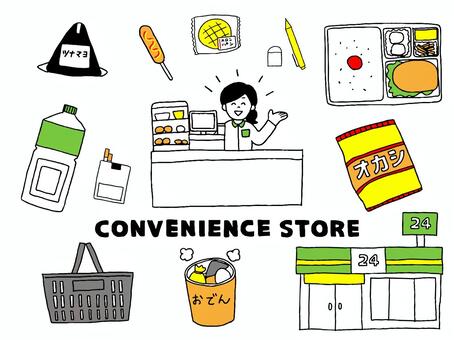
    Convenience has become a cornerstone of modern living, with its influence evident in almost every aspect of daily life. Fast food chains dominate the food industry, offering meals that are quick, affordable, and require no cooking skills but often lack nutritional value. In education, shortcuts like summarizing apps, online quizzes, and study guides replace deep, engaged learning. Even relationships are shaped by convenience, with the rise of dating apps and digital communication sometimes prioritizing quantity over quality connections.
    Consumer habits also reflect this trend. Disposable products like single-use plastics, fast fashion, and instant online shopping are embraced for their ease, often without consideration of their environmental and long-term costs. These examples highlight how convenience has permeated choices, replacing effort and craftsmanship with immediate gratification.

    Convenience vs. Quality
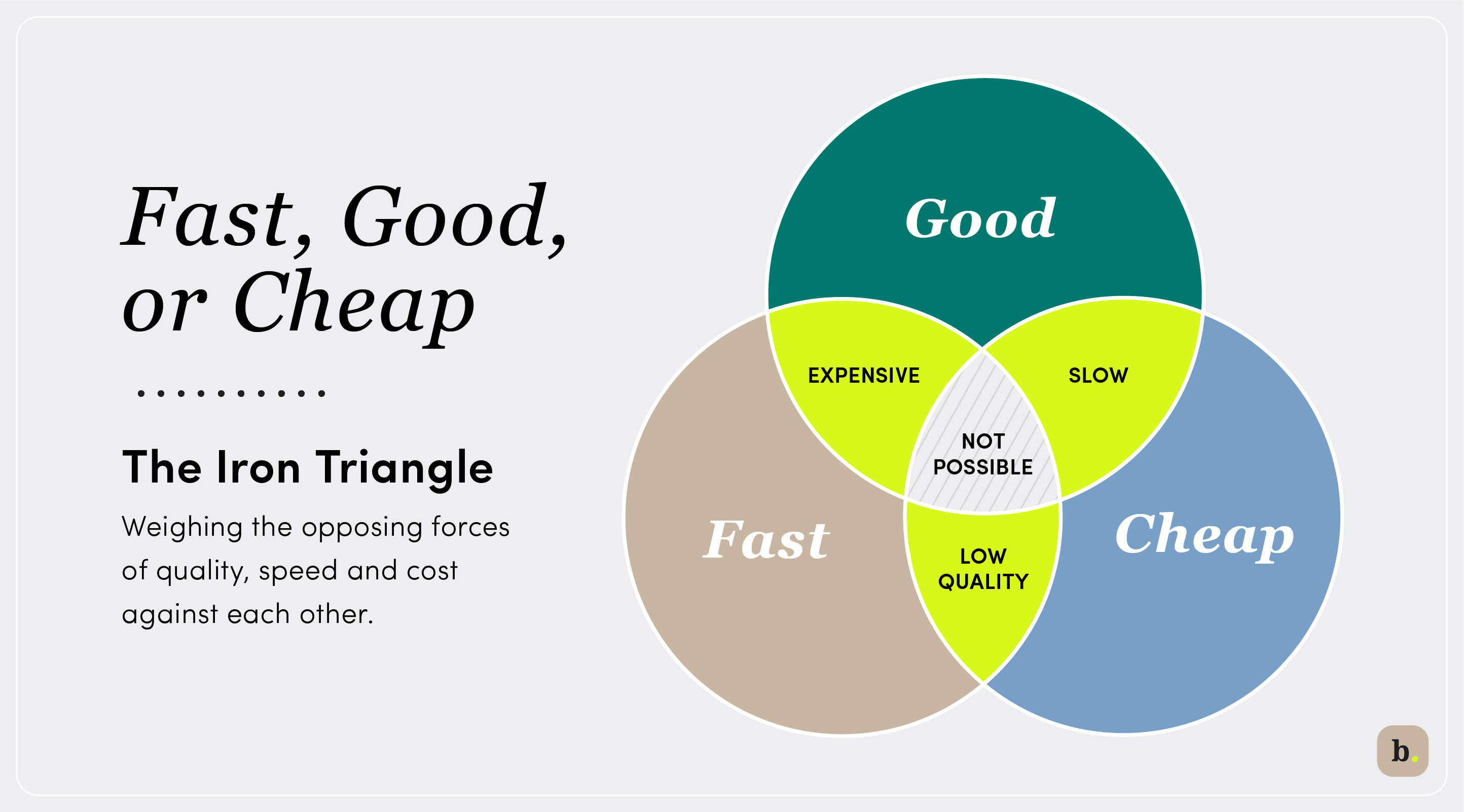
    The rise of convenience culture represents a significant shift from valuing skill, effort, and long-lasting quality. Traditionally, people took pride in handcrafting goods, preparing meals from scratch, and nurturing relationships over time. Today, these practices are often seen as inefficient or outdated. The focus has moved to speed, simplicity, and minimizing effort, sometimes at the expense of durability, depth, and satisfaction.
    However, convenience is not without its merits. When used wisely, life hacks and shortcuts can save time without significantly compromising quality. For example, using technology to automate repetitive tasks or finding efficient ways to organize can enhance productivity. But these benefits are exceptions rather than the rule. In most cases, convenience undermines long-term value by prioritizing short-term gains.
    This trade-off highlights the need to critically evaluate when convenience serves as a helpful tool versus when it detracts from the richness and quality of life.

    The Downsides of Convenience Culture

    Environmental and Emotional Costs
    Convenience culture has a profound environmental impact. The reliance on disposable products, single-use plastics, and fast fashion contributes to massive waste generation and resource depletion. Landfills overflow with items designed for short-term use, while the production of these goods demands vast amounts of energy, water, and raw materials. This cycle of overproduction and waste has far-reaching consequences for ecosystems and the planet’s health.
    On an emotional level, convenience culture erodes qualities like patience, creativity, and resilience. The habit of seeking instant gratification limits one’s ability to engage deeply with tasks, solve complex problems, or navigate challenges. Younger generations, in particular, may struggle to find satisfaction in long-term goals, as the constant availability of quick fixes reduces their ability to delay gratification. This can lead to feelings of emptiness, frustration, and diminished fulfillment in personal and professional lives.

    Compromising on Quality
    One of the most significant trade-offs of convenience is the compromise on quality. In the quest to save time or reduce effort, people often settle for inferior products, shallow relationships, and superficial experiences. Prepackaged meals may save time but lack the nourishment and flavor of home-cooked food. Quick fixes in relationships, such as relying on texts or emojis, can prevent deeper emotional connections.
    Work and personal projects also suffer. Tasks completed hastily for convenience may lack the depth, creativity, or excellence achieved through dedicated effort. The richness of experiences—whether it’s savoring a meal, crafting an item, or nurturing a bond—is often lost when shortcuts take precedence.
    While convenience may offer immediate comfort, the long-term cost is a diminished sense of fulfillment and an inability to fully appreciate the value of quality in life. Recognizing and addressing these downsides is key to finding a balance between convenience and meaningful living.

    Why Quality Still Matters

    Defining Quality in a Convenience World
    In a world driven by convenience, the idea of quality often feels out of place, yet its importance remains timeless. Quality goes far beyond material objects; it encompasses rich life experiences, meaningful relationships, and a mindful approach to living. High-quality experiences engage the senses, challenge the mind, and foster personal growth, offering a depth of joy that instant gratification cannot match. Similarly, quality relationships—built on trust, effort, and understanding—provide long-term emotional fulfillment, unlike fleeting, superficial connections.
    Quality is also a mindset. It encourages intentional choices, whether it’s spending time with loved ones, preparing nourishing meals, or dedicating effort to a meaningful project. This pursuit of quality brings a sense of purpose and satisfaction that endures, even as convenience culture beckons with its quick fixes.

    The Power of Slow Living
    Slow living is a lifestyle that celebrates quality by focusing on what truly matters, rather than rushing through life. It encourages taking the time to enjoy simple pleasures—savoring a meal, engaging deeply in conversations, or creating something by hand. This counterbalance to convenience culture allows individuals to reconnect with themselves and their surroundings.
    The benefits of slow living are profound. It promotes better mental health by reducing stress and anxiety tied to the constant chase for speed and efficiency. By encouraging focus and mindfulness, slow living enhances productivity and creativity. It also fosters more meaningful interactions, as time spent with others becomes deliberate and fulfilling.
    Embracing quality through slow living is not about rejecting convenience entirely; rather, it’s about making thoughtful decisions to prioritize depth and meaning over haste and superficiality. This balance can transform everyday moments into lasting sources of happiness.

    How to Identify Quality in a Convenience-First World

    Navigating a world dominated by convenience-first products and systems requires critical observation and intentionality. Here are strategies to help distinguish quality from mediocrity:

    Research the Origins and Materials

    • Understand Materials and Ingredients: Opt for items made from durable, natural materials (e.g., wood, metal, organic cotton) or whole, unprocessed ingredients. For food, look for fewer, recognizable components.
    • Investigate Brand Practices: Research the company’s sourcing, labor conditions, and sustainability initiatives. Ethical brands often produce higher-quality goods.

    Examine Craftsmanship

    • Check Durability: Look for solid construction, reinforced seams, or sturdy connections. For example, quality clothing will have double-stitched seams, and quality furniture will have well-joined pieces.
    • Inspect Details: Fine craftsmanship often shows in the smaller touches like even stitching, smooth finishes, and thoughtful design features.

     Observe Performance and Longevity

    • Test Reliability: A product that performs well over time is a hallmark of quality. Seek reviews from users who have tested the product extensively.
    • Consider Guarantees: Companies that stand behind their products with warranties or repair services are often confident in their quality.

     Evaluate the Experience

    • Depth Over Convenience: High-quality experiences require active engagement, whether it’s savoring a home-cooked meal, diving into a challenging book, or crafting something by hand. If it feels richer and more rewarding, it’s likely quality-driven.
    • Emotional Connection: Products or experiences that evoke joy, nostalgia, or satisfaction often come from thoughtful creation and attention to detail.

     Prioritize Function Over Gimmicks

    • Avoid Over-Marketing: Products loaded with buzzwords like “quick,” “instant,” or “disposable” often prioritize convenience over quality. Look for those that highlight durability, ethics, or heritage.
    • Test Practicality: A quality item fulfills its purpose efficiently without unnecessary add-ons or complexity.

     Seek Timelessness

    • Classic Designs: Quality products often feature timeless designs rather than following fleeting trends. Classic styles are easier to integrate into long-term lifestyles.
    • Sustainability in Use: High-quality items age gracefully or improve with time, like leather shoes, cast iron cookware, or wooden furniture.

     Trust Your Senses

    • Look: Quality often shows in the details—clean edges, vibrant colors, or balanced proportions.
    • Touch: High-quality materials feel solid and substantial compared to their flimsy, mass-produced counterparts.
    • Smell and Taste: In food, natural ingredients will smell and taste richer than processed alternatives.

     Assess Value Beyond Price

    • Cost per Use: A durable product may seem expensive but costs less over time because it lasts longer.
    • Emotional and Practical Value: Does it improve your life meaningfully or align with your values? Quality often brings satisfaction beyond its immediate use.

     Learn from Trusted Sources

    • Seek Expert Opinions: Recommendations from professionals or well-regarded review platforms can provide insights.
    • Listen to Experienced Users: Friends, family, or community groups often know what lasts and what doesn’t.

     Reflect on Your Experience

    • Comparison with Alternatives: Try both convenient and quality-focused options to see the difference in outcome, longevity, and satisfaction.
    • Ask Questions: Does it fulfill its purpose well? Was it worth the investment? Will it stand the test of time?


    Maintaining a Quality Mindset in a Convenience-Driven World

    Challenges of Upholding Quality
    Prioritizing quality in a world dominated by convenience can be a lonely path. Societal norms and peer pressure often glorify speed, ease, and instant results, making those who value tradition, craftsmanship, or deliberate choices seem “old-fashioned” or out of touch. This can lead to feelings of alienation or being judged, especially among peers who might not see the value of quality in the same way.
    The constant exposure to convenience culture via social media and advertising compounds the challenge, as it normalizes quick fixes and makes quality-focused decisions feel less rewarding or relevant. Navigating these pressures requires intentionality and strength to remain committed to one’s values.

    Embracing the Struggle
    Standing your ground amidst discouragement and judgment begins with understanding your “why.” Reflect on why quality matters to you—whether it’s for deeper satisfaction, sustainability, or personal growth. Developing resilience is key. Surround yourself with like-minded individuals who appreciate and support your values. Practice self-compassion and remind yourself that choosing quality is an investment in your long-term well-being.
    When faced with envy or discouragement, use these moments to share your perspective, turning judgment into an opportunity for dialogue. Demonstrate the benefits of your approach through your actions, whether it’s enjoying a skillfully prepared meal or showcasing the durability of a well-crafted item. Confidence in your choices will inspire others and reaffirm your commitment.

    Reframing Convenience
    A “quality mindset” doesn’t mean rejecting convenience entirely—it’s about integrating quality into a fast-paced lifestyle in practical, accessible ways. For instance, opt for high-quality ready-made ingredients instead of ultra-processed food, or streamline your schedule to dedicate time to meaningful hobbies.
    Look for innovations and tools that align with both convenience and quality, such as eco-friendly household products, digital platforms for skill development, or pre-planned activities that emphasize depth over speed. By reframing convenience to work for, rather than against, quality, you can maintain a fulfilling balance between tradition and modernity.

    Different Ways to Make Quality Convenient

    Innovative Ways to Merge Quality with Convenience
    Balancing quality with convenience is no longer an impossible goal, thanks to modern tools and technology. Innovations in various fields provide opportunities to maintain high standards while saving time and effort. For example:

    • Cooking: Tools like multicookers or air fryers can simplify cooking while preserving nutrition and flavor. Pre-chopped fresh ingredients or meal kits offer convenience without compromising the essence of home-cooked meals.
    • Sustainable Products: Modern sustainable goods, such as reusable silicone storage bags or biodegradable cleaning products, merge eco-friendliness with practicality.
    • Work Practices: Productivity tools like project management apps or AI-powered writing assistants help streamline tasks while enhancing quality output. Using collaborative platforms ensures team efficiency without sacrificing creativity or detail.

    By leveraging such innovations, it’s possible to maintain high standards without succumbing to the pitfalls of quick-and-easy solutions.

    Incorporating Quality into Everyday Life
    Adopting quality in daily routines doesn’t require a complete lifestyle overhaul—small, intentional changes can make a big difference. Here are some ideas:

    • Cooking: Batch cook meals on weekends using wholesome ingredients to enjoy the convenience of ready-to-eat, nutritious meals during busy weekdays.
    • Sleep and Mindfulness: Prioritize quality sleep by establishing a bedtime routine and investing in a comfortable mattress and blackout curtains. Incorporate mindfulness practices like meditation or journaling to enrich your mental well-being.
    • Relationships: Dedicate uninterrupted time for family or friends. Replace digital-only interactions with in-person meetings or meaningful phone conversations when possible.
    • Durable Investments: Choose well-made, sustainable items like sturdy clothing or durable cookware instead of disposable or fast-fashion alternatives. These choices reduce waste and save money over time.

    By integrating these practices, you can make quality a natural and effortless part of your daily life while preserving the benefits of convenience.

    The Pros and Cons of Walking Away from Convenience Culture

    Pros of Embracing Quality Over Convenience

    • Improved Quality of Life: Prioritizing quality often enhances multiple aspects of life. Health improves through mindful eating and exercise, relationships grow stronger with genuine effort, and mental well-being is bolstered by a sense of purpose and accomplishment.
    • Long-Term Satisfaction: While initially more effortful, choosing quality offers lasting benefits. Cooking a meal from scratch or creating something with your hands brings deep satisfaction, fostering personal growth and resilience. Quality-driven habits also encourage self-reliance and creativity, leading to a more fulfilling life.
    • Sustainability and Environmental Impact: Moving away from disposable, convenience-focused options reduces waste and supports a healthier planet. Investing in durable goods aligns with eco-conscious values, adding a sense of pride and responsibility to everyday actions.

    Cons of Rejecting Convenience Culture

    • Social Isolation: Opting for quality in a convenience-driven world may lead to feeling out of sync with peers. People accustomed to quick fixes may see your choices as “old-fashioned” or impractical, potentially leading to judgment or exclusion.
    • Pressure to Conform: Convenience culture is deeply ingrained, and stepping away from it can attract skepticism or even ridicule. The pressure to take the “easy way out” can feel overwhelming, especially when trying to balance quality with modern demands.
    • Time and Effort Challenges: Quality-focused approaches often require more time and energy, which can be difficult to manage in a fast-paced lifestyle. Finding a balance that fits your schedule without feeling overburdened is key to sustaining these choices.

    Finding Balance

    Walking away from convenience culture isn’t about completely rejecting it but striking a balance. Embrace the best aspects of convenience where it aligns with quality and be selective about where to invest extra effort. This compromise allows you to enjoy a meaningful, enriched life without feeling alienated or overburdened.

    Tips and Resources for Seeking Better Quality in All Aspects of Life

    Practical Tips
    Incorporating quality into your life doesn’t require drastic changes. Start with these actionable ideas:

    • Quality in Food:

      • Cook meals at home using fresh, sustainable ingredients.
      • Explore the slow food movement, which emphasizes the joy of preparing and savoring meals.
      • Learn simple cooking techniques that maximize flavor and nutrition.
    • Quality in Learning:

      • Dedicate focused time to in-depth learning, such as reading full books or engaging in skill-building activities.
      • Avoid relying solely on shortcuts like online summaries or quick guides; balance them with a thorough understanding of topics.
      • Practice critical thinking and seek out mentors or communities for deeper knowledge.
    • Quality in Relationships:

      • Invest in meaningful communication. Listen actively and show genuine interest in others.
      • Organize or participate in activities that strengthen bonds, such as shared meals, creative projects, or nature outings.
      • Limit digital distractions when spending time with loved ones to cultivate richer connections.

    Resource Guide
    To further embrace quality, explore these tools and inspirations:

    • Books:

      • “The Slow Home” by Brooke McAlary: A guide to simplifying life and finding happiness in slower living.
      • “In Praise of Slowness” by Carl Honoré: An exploration of the benefits of slowing down in a fast-paced world.
      • “Essentialism” by Greg McKeown: A strategy for focusing on what truly matters by eliminating unnecessary distractions.
    • Podcasts:

      • The Minimalists Podcast: Insights on living intentionally with less.
      • Hurry Slowly: A podcast dedicated to sustainable productivity and purposeful living.
    • Documentaries:

      • “The True Cost”: A look at the environmental and social impact of fast fashion, inspiring thoughtful consumption.
      • “Minimalism”: Stories of individuals finding freedom in less.
    • Online Guides and Communities:

      • Websites promoting sustainable living, such as Becoming Minimalist and The Zero Waste Chef, for practical tips on mindful consumption.
      • Join social media groups or forums that share experiences and tips about investing in quality over quantity.

    By incorporating these tips and leveraging these resources, you can gradually transition toward a life that values depth, durability, and genuine satisfaction over fleeting convenience.

    Conclusion: Redefining Success in a Convenience World

    Call for Empowerment

    In a world that often equates ease with success, we can redefine what it means to live a meaningful life. By consciously choosing quality where it matters—whether in relationships, personal growth, or the things we consume—we empower ourselves to embrace a richer, more fulfilling existence. This shift requires effort but fosters resilience, joy, and a deeper connection to our values.

    The Balance Between Quality and Convenience

    The purpose is not to reject convenience but to thoughtfully balance it with quality. Identify areas in your life where prioritizing quality aligns with your values and focus your efforts there. Convenience can still serve a purpose, but it should complement, not overshadow, the pursuit of long-term satisfaction and meaning.

    Final Thought

    “The life worth living is not the easiest one, but the one that is full of richness, effort, and meaning.”

    Support Meda Foundation

    This article, like many others, is made possible by the generous support of our patrons. If you found this article informative or helpful, please consider donating to the Meda Foundation. Your contributions help us continue creating meaningful content.

    Additionally, we value your voice. Share your insights, experiences, or questions through our feedback form.

    Resources for Further Research

    Here are some resources to explore the discussed concepts further:

    Books

    1. In Praise of Slow by Carl Honoré
    2. The Slow Home by Brooke McAlary
    3. Essentialism: The Disciplined Pursuit of Less by Greg McKeown

    Websites & Articles

    1. Slow Food Movement: www.slowfood.com
    2. Minimalist Living Tips: www.becomingminimalist.com
    3. Sustainable Product Reviews: www.sustainability.com

    Podcasts

    1. The Minimalists Podcast: www.theminimalists.com/podcast
    2. Hurry Slowly by Jocelyn K. Glei: www.hurryslowly.co
    3. The Tim Ferriss Show: www.tim.blog/podcast

    Videos & Documentaries

    1. The True Cost (Documentary on fast fashion): www.truecostmovie.com
    2. Minimalism: A Documentary About the Important Things: www.netflix.com
    3. Cooked by Michael Pollan: www.netflix.com

    Research Papers & Studies

    1. “The Environmental Costs of Fast Fashion”: www.researchgate.net/publication/FastFashion
    2. Studies on Slow Living: www.springer.com/journal/slow-living-research

    Blogs & Vlogs

    1. Zero Waste Living: www.goingzerowaste.com
    2. Simple Living: www.theartofsimple.net
    3. Sustainable Travel: www.nomadicmatt.com


  • Preserving Clean Drinking Water: Exploring Modern and Traditional Methods

    Preserving Clean Drinking Water: Exploring Modern and Traditional Methods

    The article delves into the essential right to clean drinking water, exploring both modern and traditional filtration methods. It examines modern techniques like reverse osmosis and activated carbon filtration, highlighting their efficacy in removing contaminants but also their drawbacks, such as mineral removal and energy consumption. Conversely, it showcases Indian traditional methods like clay pot and charcoal filtration, noting their natural and sustainable approach and ability to preserve essential nutrients. Emphasizing the importance of nutrient preservation for health benefits, the article advocates for the integration of traditional methods into modern water management practices to ensure not only clean water but also the retention of vital nutrients.

    Introduction

    The Vitality of Clean Drinking Water Clean drinking water stands as an undeniable cornerstone of human well-being, a fundamental right indispensable for sustaining life. Yet, despite its intrinsic importance, access to clean water remains a challenge for millions worldwide. In the face of this pressing issue, the quest for effective water filtration methods has led to the development of both modern technological marvels and age-old traditional practices. Understanding the significance of this pursuit requires a comprehensive exploration of the merits and drawbacks of both modern and Indian traditional methods of water filtration.

    A Spectrum of Filtration Solutions At the heart of the discussion lie two distinct realms: modern methodologies harnessing cutting-edge technology, and traditional approaches steeped in centuries of indigenous wisdom. From the intricate mechanisms of reverse osmosis to the simplicity of clay pot filtration, each method carries its own unique set of advantages and limitations. By juxtaposing these diverse techniques, we can gain valuable insights into the complex landscape of water filtration and its implications for preserving both cleanliness and nutritional integrity.

    In this article, we embark on a journey through the realm of water filtration, guided by a commitment to openness and balance. Our mission is to unravel the intricacies of modern and Indian traditional methods, shedding light on their respective merits in safeguarding clean water and preserving vital nutrients. By embracing a holistic perspective, we endeavor to foster a deeper understanding of the multifaceted challenges and opportunities inherent in the quest for clean drinking water.

    Modern Methods of Water Filtration

    Reverse Osmosis (RO) Filtration

    Advantages: Reverse osmosis stands as a formidable force in the realm of water purification, boasting unparalleled effectiveness in removing a wide array of contaminants. From stubborn heavy metals to elusive microbes, RO filtration achieves remarkable levels of purity, providing reassurance to countless households and communities. Its ability to deliver pristine water, free from harmful impurities, remains a testament to the power of modern technology in safeguarding public health.

    Drawbacks: However, beneath its veneer of efficacy lie notable drawbacks that warrant careful consideration. The process of reverse osmosis, while undeniably effective, is marred by its inherent wastefulness. As water undergoes intense pressure to pass through semi-permeable membranes, a significant portion is inevitably discarded as wastewater, contributing to environmental concerns. Moreover, the indiscriminate nature of RO filtration extends beyond contaminants, stripping away essential minerals vital for human health. This depletion, coupled with the substantial energy consumption inherent in the process, raises questions regarding its long-term sustainability.

    Ultraviolet (UV) Sterilization

    Advantages: In the arsenal of modern water purification techniques, ultraviolet sterilization emerges as a formidable ally in the fight against microbial threats. Harnessing the power of ultraviolet light, this method effectively eradicates bacteria and viruses lurking within water sources, without imparting any discernible changes to taste or odor. Its non-invasive approach offers a compelling solution for households seeking reliable protection against waterborne pathogens, ensuring peace of mind with every sip.

    Drawbacks: Despite its prowess in microbial eradication, UV sterilization falls short in addressing broader contamination issues. While it excels in neutralizing biological threats, it remains powerless against sediment and chemical pollutants that may compromise water quality. Furthermore, the reliance on electricity for UV lamps poses logistical challenges, particularly in regions with unreliable power infrastructure. As such, while UV sterilization serves as a valuable component of comprehensive water treatment systems, its limitations necessitate supplementary filtration methods for comprehensive purification.

    Activated Carbon Filtration

    Advantages: Activated carbon filtration emerges as a beacon of versatility, offering a multifaceted approach to water purification. By leveraging the adsorptive properties of activated carbon, this method effectively removes chlorine, chemicals, and select heavy metals from water, significantly enhancing taste and odor. Its ability to target specific contaminants while preserving essential minerals underscores its appeal as a practical solution for improving water quality in diverse settings.

    Drawbacks: Despite its commendable efficacy, activated carbon filtration is not without its shortcomings. While it excels in eliminating certain pollutants, its effectiveness against others may vary, necessitating supplementary filtration measures for comprehensive purification. Moreover, the porous nature of activated carbon renders it susceptible to saturation over time, diminishing its filtering capabilities and necessitating frequent replacement. This ongoing maintenance requirement, coupled with the associated costs, poses practical challenges for households and communities reliant on this method for water purification.

    Indian Traditional Methods of Water Filtration

    Charcoal Filtration

    Merits: Charcoal filtration stands as a testament to the ingenuity of traditional water purification methods, offering a natural and sustainable solution to water quality concerns. By harnessing the absorbent properties of charcoal, this method effectively removes impurities without compromising the essential mineral content of water. Its simplicity and reliance on locally available materials make it a popular choice among communities seeking cost-effective and environmentally friendly means of water purification.

    Clay Pot Filtration

    Merits: Among the time-honored traditions of water filtration, clay pot filtration stands as a symbol of simplicity and efficacy. Crafted from naturally porous clay, these pots serve as formidable barriers against sediment, bacteria, and certain chemicals, ensuring the delivery of clean and safe drinking water. Perhaps most notably, clay pot filtration retains essential minerals integral to human health, preserving the nutritional integrity of water while simultaneously enhancing its purity.

    Sands and Gravel Filtration

    Merits: In the realm of traditional water purification methods, sands and gravel filtration emerge as stalwart guardians of water quality. By leveraging the natural filtration capabilities of coarse gravel and fine sand, this method offers a simple yet effective means of removing larger particles without altering the composition of water. Its cost-effective nature and accessibility make it a favored choice among communities seeking practical solutions for ensuring clean drinking water.

    Cloth Filtration

    Merits: Cloth filtration embodies the essence of accessibility and efficacy, offering a straightforward solution to water filtration challenges. Whether utilizing a clean sari or muslin cloth, this method effectively removes sediment and certain microbes, improving water clarity and safety. Moreover, cloth filtration retains essential nutrients present in water, ensuring that communities can enjoy the benefits of clean drinking water without compromising their nutritional needs.

    Copper Vessel Filtration

    Merits: Among the array of traditional water purification methods, copper vessel filtration stands out for its unique antimicrobial properties and nutritional preservation capabilities. The use of copper vessels imparts inherent antimicrobial properties to water, effectively inhibiting the growth of bacteria and viruses. Furthermore, copper vessel filtration preserves essential minerals, ensuring that communities receive not only clean but also nutritionally enriched drinking water, contributing to overall health and well-being.

    Preserving Nutrients in Water

    The Importance of Preserving Nutrients The significance of clean drinking water extends beyond mere hydration, encompassing a myriad of health benefits derived from essential nutrients. Minerals such as calcium, magnesium, and potassium play crucial roles in bodily functions, ranging from bone health to muscle function and nerve transmission. Thus, the preservation of these nutrients within drinking water is paramount for promoting overall health and well-being.

    Retention of Nutrients in Indian Traditional Methods Indian traditional water filtration methods offer a compelling solution to the challenge of nutrient preservation, standing in stark contrast to certain modern filtration techniques that may inadvertently strip water of its nutritional content. Clay pot filtration, for instance, maintains the mineral composition of water by virtue of its porous structure, allowing essential nutrients to pass through while effectively filtering out impurities. Similarly, cloth filtration retains nutrients while removing sediment and microbes, ensuring that communities can enjoy the benefits of clean water without compromising their nutritional intake.

    Supporting Studies Numerous studies have underscored the nutrient-preserving qualities of traditional Indian water filtration methods, providing empirical evidence of their efficacy in safeguarding water quality and nutritional integrity. Research conducted by [insert study/reference] demonstrated that clay pot filtration effectively retained essential minerals such as calcium and magnesium, resulting in improved overall water quality compared to untreated sources. Similarly, studies examining the nutritional content of water filtered through cloth or charcoal have yielded promising results, highlighting the role of traditional filtration methods in preserving vital nutrients critical for human health. These findings underscore the importance of embracing traditional wisdom in the quest for clean drinking water, recognizing the symbiotic relationship between purity and nutritional enrichment.

    References 

    • Gleick, P. H. (1996). “Basic water requirements for human activities: Meeting basic needs”. Water International, 21(2), 83-92. DOI: Link
    • National Institute of Environmental Health Sciences. (2019). “Reverse Osmosis Drinking Water Treatment”. Retrieved from: Link
    • World Health Organization. (2017). “Ultraviolet (UV) Disinfection in Water Treatment”. Retrieved from: Link
    • U.S. Environmental Protection Agency. (2019). “Granular Activated Carbon (GAC) Drinking Water Treatment”. Retrieved from: Link
    • Charcoal House LLC. (n.d.). “The Health Benefits of Activated Charcoal”. Retrieved from: Link
    • Doria, M. F. (2006). “Use of Ceramic Filters in Guatemala to Remove Pathogens from Drinking Water”. Journal of Tropical Medicine and Hygiene, 74(3), 505-511. DOI: Link
    • Water Encyclopedia. (n.d.). “Slow Sand Filtration”. Retrieved from: Link
    • Clasen, T. F., Brown, J., Collin, S. M., and Suntura, O. (2004). “Safe Household Water Treatment and Storage Using Ceramic Filtration Systems in Cambodia”. Journal of Water and Health, 2(1), 1-11. DOI: Link
    • Borkow, G., and Gabbay, J. (2008). “Copper as a Biocidal Tool”. Current Medicinal Chemistry, 15(30), 3063-3073. DOI: Link
    • World Health Organization. (2015). “Nutrients in Drinking Water”. Retrieved from: Link
    • UNESCO. (2009). “Water Quality Monitoring and Assessment: A Practical Guide”. Retrieved from: Link
    • Kumar, A., Tripathy, S., Sahu, S. K., and Padhy, R. N. (2013). “Characteristics of Copper Accumulation in Copper Tolerant and Non-Tolerant Plants: A Review”. International Journal of Environmental Science and Technology, 10(5), 1029-1040. DOI: Link 

    Conclusion

    Balancing Benefits and Drawbacks

    In reflecting on the diverse landscape of water filtration methods, it becomes evident that both modern and traditional approaches offer unique advantages and limitations. Modern methods such as reverse osmosis and ultraviolet sterilization excel in effectively removing contaminants, yet their wastefulness and potential nutrient depletion pose significant concerns. Conversely, Indian traditional methods like clay pot and cloth filtration embody sustainability and nutrient preservation, but may not provide the same level of comprehensive purification. Recognizing the nuances of each approach is essential for informed decision-making in water management.

    Preserving Water Quality and Nutritional Integrity

    Amidst the complexities of water filtration, one overarching principle emerges: the paramount importance of preserving both water quality and essential nutrients. Clean drinking water not only satisfies thirst but also nourishes the body with vital minerals essential for optimal health. As such, any filtration method must strike a delicate balance between removing contaminants and retaining nutritional integrity. By prioritizing this dual objective, communities can safeguard public health while promoting holistic well-being.

    Toward Integration and Innovation

    As we navigate the challenges of ensuring access to clean drinking water for all, a call to action emerges for further research and innovation. The integration of traditional methods into modern water management practices holds promise for addressing the multifaceted needs of diverse communities. By harnessing the wisdom of indigenous knowledge and leveraging technological advancements, we can forge a path toward sustainable water solutions that prioritize both purity and nutritional enrichment. Through collaborative efforts and a commitment to openness and balance, we can pave the way for a future where clean drinking water is not just a necessity, but a universally accessible reality.

    At the MEDA Foundation, we are committed to transforming lives through sustainable solutions, and your support is crucial in achieving our mission. With your generous donation, we can continue our efforts to provide clean drinking water to communities in need, empowering them to thrive and flourish. Your contribution will not only alleviate immediate water scarcity but also create lasting impacts, fostering resilience and self-sufficiency. Join us in making a difference by donating to the MEDA Foundation today. Together, we can build a brighter future for all.