Tag: #ThinkDeeply

  • The Power of Two Minds: How Seeing Both Sides

    The Power of Two Minds: How Seeing Both Sides

    Balanced thinking becomes a superpower when we learn to see the world through opposing lenses, challenge our own assumptions, and hold contradictory truths without collapsing into bias. By integrating scout-like curiosity, steel-manning, dialectical inquiry, cognitive debiasing, structured decision frameworks, and the emotional maturity to listen without defending, anyone can cultivate a mind that is both sharper and more compassionate. Leaders, creators, parents, and everyday thinkers gain an extraordinary advantage when they can feel the full force of the strongest counterargument, update their beliefs with humility, and choose clarity over ego. The result is a life guided by reason, grounded in truth, and capable of building bridges across perspectives—an inner discipline that strengthens relationships, improves decisions, and elevates the impact we create in the world.

    ವಿರುದ್ಧ ದೃಷ್ಟಿಕೋನಗಳ ಮೂಲಕ ಪ್ರಪಂಚವನ್ನು ನೋಡುವುದು, ನಮ್ಮ ಊಹೆಗಳನ್ನೇ ಪ್ರಶ್ನಿಸುವುದು, ಮತ್ತು ಪರಸ್ಪರ ವಿರುದ್ಧವಾದ ಸತ್ಯಗಳನ್ನು ಪಕ್ಷಪಾತಕ್ಕೆ ಬೀಳದೆ ಹಿಡಿದುಕೊಳ್ಳುವುದು—ಇವೆಲ್ಲವೂ ಸೇರಿ ಸಮತೋಲನ ಚಿಂತನೆಯು ಒಂದು ನಿಜವಾದ ಶಕ್ತಿಯಾಗಿ ಬೆಳೆಯುತ್ತದೆ. ಗೂಢಚರನಂತೆ ಕುತೂಹಲ ಬೆಳೆಸುವುದು, ಸ್ಟೀಲ್–ಮ್ಯಾನಿಂಗ್, ಸಂವಾದಾತ್ಮಕ ವಿಚಾರ, ಜ್ಞಾನಾತ್ಮಕ ತಪ್ಪುಧಾರಣೆಗಳನ್ನು ಗುರುತಿಸಿ ಸರಿಪಡಿಸುವುದು, ರಚಿತ ನಿರ್ಧಾರ ಚೌಕಟ್ಟುಗಳನ್ನು ಬಳಸುವುದು, ಮತ್ತು ರಕ್ಷಣಾತ್ಮಕವಾಗಿ ಪ್ರತಿಕ್ರಿಯಿಸದೆ ಆಲಿಸುವ ಭಾವನಾತ್ಮಕ ಪರಿಪಕ್ವತೆ—ಇವೆಲ್ಲವೂ ಸೇರಿ ತೀಕ್ಷ್ಣವೂ ಸಹಾನುಭೂತಿಯೂ ಆದ ಮನಸ್ಸನ್ನು ರೂಪಿಸುತ್ತವೆ. ಬಲವಾದ ಪ್ರತಿದ್ವಂದ್ವ ವಾದದ ಬಲವನ್ನು ಸಂಪೂರ್ಣವಾಗಿ ಅನುಭವಿಸಿ, ವಿನಯದಿಂದ ನಂಬಿಕೆಗಳನ್ನು ನವೀಕರಿಸಿ, ಅಹಂಕಾರಕ್ಕಿಂತ ಸ್ಪಷ್ಟತೆಯನ್ನು ಆಯ್ಕೆಮಾಡುವವರು ಉತ್ತಮ ನಾಯಕರು, ಉತ್ತಮ ರಚಯಿತರು ಮತ್ತು ಉತ್ತಮ ಮಾನವರಾಗುತ್ತಾರೆ. ಪರಿಣಾಮವಾಗಿ—ಸಂಬಂಧಗಳನ್ನು ಬಲಪಡಿಸುವ, ನಿರ್ಧಾರಗಳನ್ನು ಸುಧಾರಿಸುವ, ಮತ್ತು ಜಗತ್ತಿನ ಮೇಲೆ ಹೆಚ್ಚು ಅರ್ಥಪೂರ್ಣ ಪರಿಣಾಮವನ್ನು ಉಂಟುಮಾಡುವ, ಸತ್ಯದಿಂದ ನಡೆಸಲ್ಪಡುವ ಮತ್ತು ಸೇತುವೆಗಳನ್ನು ನಿರ್ಮಿಸುವ ಜೀವನದ ದಿಕ್ಕು ದೊರೆಯುತ್ತದೆ.

    Critical Thinking Vs. Design Thinking

    The Essential Skill of Thinking Both Sides: Arguments, Counterarguments, and the Pursuit of Truth

    A synthesis enriched by modern behavioral science and wisdom from leading thinkers.

    I. Introduction: Why Thinking Both Sides is the Master-Skill of the 21st Century

    A. Intended Audience

    This article is written for leaders, educators, analysts, students, entrepreneurs, policymakers, and every individual who seeks to reclaim clarity in an age overwhelmed by noise. Whether you are making strategic decisions, building relationships, crafting policies, or simply trying to understand the world more honestly, the ability to evaluate arguments and counterarguments has become a non-negotiable life skill.

    We now operate in a world where attention is fragmented, opinions are polarized, and information is abundant but unevenly understood. Those who can think beyond tribal loyalty, emotional reactivity, and intellectual rigidity will not only make better decisions—they will shape the future.

    This article is for them, and for everyone who wants to join their ranks.

    B. Purpose of the Article

    The central purpose of this article is to help the reader build the rare and powerful discipline of dual-sided thinking—the ability to evaluate both an argument and its counterargument with precision, fairness, and depth.

    Using tools from modern psychology, cognitive science, moral philosophy, and decision theory, this article seeks to equip you with:

    • techniques to separate logic from emotion,
    • methods to examine your own assumptions,
    • frameworks for understanding opposing views,
    • strategies for making more rational and humane choices, and
    • practices to reduce bias in personal, professional, and societal decisions.

    In essence, the goal is simple: to help you see reality more clearly, because clarity—not certainty—is the true competitive advantage.

    C. Why Dual-Sided Thinking is Difficult

    People do not struggle with dual-sided thinking because they are unintelligent. They struggle because they are human.

    1. Kahneman’s Insight: The Brain Craves Ease, Not Accuracy
      In Thinking, Fast and Slow, Daniel Kahneman shows that we operate primarily through System 1 thinking—fast, reactive, and instinctive.
      System 1 loves clear villains and heroes, simple stories, easy answers.
      Dual-sided thinking forces us into System 2, the slow, effortful, analytical mode, which the brain naturally avoids because it consumes more energy.

    In short: nuance is metabolically expensive.

    1. Dobelli’s Insight: We’re Wired for Cognitive Shortcuts
      Rolf Dobelli, in The Art of Thinking Clearly, catalogues dozens of cognitive errors that pull us away from rationality:
    • Confirmation bias makes us seek evidence that flatters our existing beliefs.
    • Halo effect makes us shape entire judgments around one trait.
    • Availability bias makes us confuse vividness with truth.

    These biases mean we don’t just fail to consider the other side—we often don’t even see it.

    1. Haidt’s Insight: Humans Don’t Seek Truth—We Seek Tribe
      In The Righteous Mind, Jonathan Haidt explains that our moral intuitions are tribal first and rational second. We defend ideas because they symbolize group belonging, not because they are correct.

    This is why political debates become moral battles, workplace disagreements become personal, and social media becomes a battlefield of identities rather than ideas.

    Dual-sided thinking demands that we rise above tribal emotion—a task that requires maturity, humility, and courage.

    D. The Goal: Embracing the “Gray Zone”

    The greatest thinkers in history—from Socrates to Seneca, Mill to Mandela—shared a common trait: the refusal to accept easy answers.

    Truth rarely lives at the extremes.
    It hides in the tension between perspectives, in the uncomfortable middle where opposing ideas collide.

    Dual-sided thinking does not ask you to pick a side and defend it at all costs.
    It asks you to:

    • absorb both,
    • examine both,
    • challenge both, and
    • then synthesize something wiser, stronger, and more honest.

    In an era where algorithms amplify outrage and silence nuance, the ability to embrace the “gray zone” is no longer merely intellectual—it is ethical.
    It is the path toward wiser leadership, more meaningful relationships, and decisions that hold up under the weight of reality rather than the comfort of ideology.

    Design Thinking Declared Critical Skill for the Future of Work

    II. Why Counterarguments Make You Smarter, Kinder, and More Credible

    A. Strengthening Critical Thought

    Engaging sincerely with counterarguments—and especially steel-manning them—forces your mind to confront reality instead of flattering your assumptions. This single discipline dramatically elevates the quality of your thinking.

    Why it matters:
    Julia Galef, in The Scout Mindset, explains that most people operate in motivated reasoning, a subtle psychological trick where we defend what we want to believe, not what is true. When you intentionally build the strongest possible version of the opposing argument (steel-manning), you deactivate your brain’s instinct to engage in mental combat and instead activate its capacity for exploration.

    This shift from “protecting your belief” to “discovering the truth” weakens emotional bias and strengthens clarity.

    What this achieves:

    • It forces System 2 thinking—critical, slow, analytical.
    • It reduces the illusions of cognitive ease (Kahneman).
    • It exposes blind spots that your mind normally hides from you.
    • It trains intellectual humility, the foundation for wise decision-making.

    In short: nothing sharpens intelligence like the friction of the strongest opposing idea.

    B. Intellectual Integrity as a Currency of Trust

    In a world saturated with half-truths, selective outrage, and dogmatic narratives, the rare individual who openly acknowledges nuance becomes instantly more trustworthy and persuasive.

    Why this works:
    Humans are deeply sensitive to fairness—even in arguments. When someone says, “Here’s what the other side gets right,” or “This is a valid criticism,” we instinctively relax our defenses. This transparency signals maturity, respect, and credibility.

    Robert Cialdini, in Influence, notes that two-sided messaging is far more persuasive than one-sided advocacy because it demonstrates honesty and reduces perceived manipulation.

    What this means practically:

    • Employees trust leaders who admit complexity.
    • Clients trust consultants who acknowledge risks.
    • Readers trust authors who show both sides.
    • Teams trust managers who admit uncertainty.

    In an era of polarized thinking, intellectual integrity is not merely a virtue—it is a leadership asset.

    C. Understanding Morally Opposing Views

    When you understand the moral foundations behind opposing views, disagreements become insights—not battles.

    Why this matters:
    Jonathan Haidt’s The Righteous Mind demonstrates that humans have multiple moral foundations—care, fairness, loyalty, authority, liberty, and sanctity. Disputes arise not because people are immoral, but because they prioritize different moral values.

    A person who argues for strict regulation may be motivated by care and fairness.
    A person who opposes it may be motivated by liberty and authority.
    Both are moral. Both have logic. Both are human.

    Understanding this dissolves the illusion that disagreement equals malice.

    What this allows you to do:

    • Argue with compassion rather than contempt.
    • Recognize where the “other side” is coming from.
    • Identify shared values, which is the basis of collaboration.
    • Move discussions from conflict → understanding → solutions.

    When you see the moral logic in the other person’s belief, you stop reacting like an opponent and start thinking like a problem-solver.

    D. Personal and Professional Growth

    You cannot grow if you cannot be challenged. Counterarguments are the gym equipment of the mind—they provide the resistance needed for intellectual strength.

    Why this works:
    Every time you examine a counterargument, you stretch your mental flexibility. You break habitual thinking patterns. You become less rigid, less defensive, more adaptive.

    This is the same principle behind Superforecasting by Tetlock and Gardner. The world’s best forecasters—people who predict geopolitical events with astonishing accuracy—share one striking trait:

    They constantly revise their beliefs when new evidence appears.

    They do not cling to prior convictions. They treat ideas like hypotheses, not identities. Their success comes not from certainty, but from continuous adjustment.

    In everyday life, this means:

    • Better decisions because you’ve explored all angles.
    • Better leadership because you can anticipate objections early.
    • Better communication because you address concerns before they escalate.
    • Better relationships because you listen without defending.

    Counterarguments make you not only smarter—but also kinder and more adaptable.
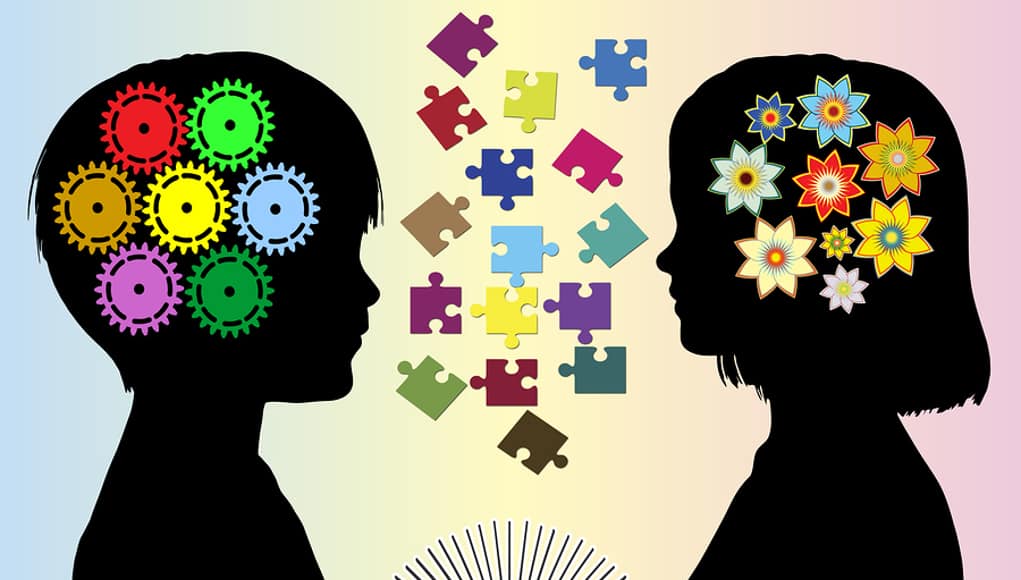
    The Intersection of Critical Thinking and Student Agency | Getting Smart

    III. The Science and Art of Engaging Opposing Views

    Conclusion First:
    To master opposing views is to master yourself. When you can accurately represent, strengthen, and synthesize the views you disagree with, you become wiser, harder to manipulate, more empathetic, and infinitely more credible. This is not just a cognitive skill—it is a leadership superpower. Now let’s explore why and how this works.

    A. The Classical Counterargument Structure

    At the heart of rational discourse lies a timeless method:

    1. State the opposing view accurately – without sarcasm, distortion, or selective omission.
    2. Present the strongest evidence for that view – even when it feels uncomfortable.
    3. Use logic, data, and moral reasoning to respond – either by refuting or integrating

    This is not a debate tactic—it is a truth-seeking algorithm.

    Book Integration:

    • The Scout Mindset (Galef): Your mission is not to defeat the argument but to see reality clearly. The scout sketches the full map—not just the parts that flatter their tribe.
    • Influence (Cialdini): When you truly understand another party’s persuasion strategies and motivations, manipulative rhetoric loses its power. You become immune to cheap persuasion because you can trace the argument’s structure.

    Why This Matters:
    Most people perform “drive-by listening”—they hear just enough of the opposing view to attack it. Classical counterargument demands intellectual humility—the rarest currency in today’s world.

    B. Steel Manning (The Best Version of the Opposing Argument)

    If classical counterargument is the foundation, steel-manning is the cathedral.

    How to Steel-Man Effectively:

    1. Listen without preparing your reply. Harder than it sounds. Try doing it once, and you will feel your ego twitch.
    2. Extract the core logic – the part that would still stand even if the speaker had explained it poorly.
    3. Rebuild the argument stronger than they originally presented it.
    4. Check with the person: “Is this an accurate and fair representation of what you meant?”
    5. Only then offer your response.

    This transforms conflict into collaboration.

    Book Integration:

    • Superforecasting (Tetlock): The best forecasters in the world consistently reconstruct opposing hypotheses before making predictions. They treat disagreement as raw data—not an insult.
    • Haidt (The Righteous Mind): You cannot steel-man a moral argument unless you understand the different moral foundations—care, loyalty, authority, fairness, liberty, sanctity. Once you do, you stop seeing opponents as irrational and start seeing them as operating from different value systems.

    Forward-Thinking Insight:
    In an AI-saturated future, steel-manning becomes a competitive advantage. Algorithms can win debates; humans win trust.

    C. Dialectical Inquiry (Thesis → Antithesis → Synthesis)

    This approach transforms debate into evolution.

    How It Works:

    • Thesis: A strong argument or proposal.
    • Antithesis: Its direct, logical opposite.
    • Synthesis: A superior solution that integrates insights from both.

    It is a method that respects complexity. Real leadership is not about being right—it’s about upgrading the collective map of reality.

    Why It’s Powerful:

    • Prevents groupthink, a problem Dobelli warns about repeatedly.
    • Forces leaders to actively seek out dissent.
    • Makes decisions “antifragile”—able to withstand real-world pressures.

    Humor Note:
    If only family WhatsApp groups used dialectical inquiry, India’s GDP might double.

    D. Inoculation Theory: How Two-Sided Messages Protect You

    This is cognitive vaccination.

    How It Works:

    1. Expose your mind to weak versions of opposing arguments.
    2. Practice refuting them.
    3. Strengthen your resistance to misinformation and manipulative rhetoric.

    Book Integration:

    • Influence: Two-sided persuasion builds trust and inoculates against propaganda because it reduces the feeling of being “sold to.”
    • Thinking Fast and Slow: When you encounter mild counterarguments, it triggers System 2 vigilance—a cognitive alert mode that makes you reason more carefully.

    Actionable Use:
    Educators, leaders, and parents can use this to build resilient thinkers rather than easily swayed followers.

    E. The Scout Mindset vs. Soldier Mindset

    This is perhaps the most elegant lens for understanding intellectual honesty.

    Soldier Mindset:

    • Seeks to defend existing beliefs.
    • Treats new information as threat.
    • Focuses on victory, not truth.
    • Common symptom: talking louder instead of thinking deeper.

    Scout Mindset:

    • Seeks to map reality, even when it’s uncomfortable.
    • Welcomes new information as a resource.
    • Aims to understand before judging.
    • Ultimately leads to better decisions, relationships, and predictions.

    Synthesis:
    Counterargument-based thinking is the fastest route from Soldier to Scout. Every opposing view is a terrain feature on the map you haven’t charted yet.
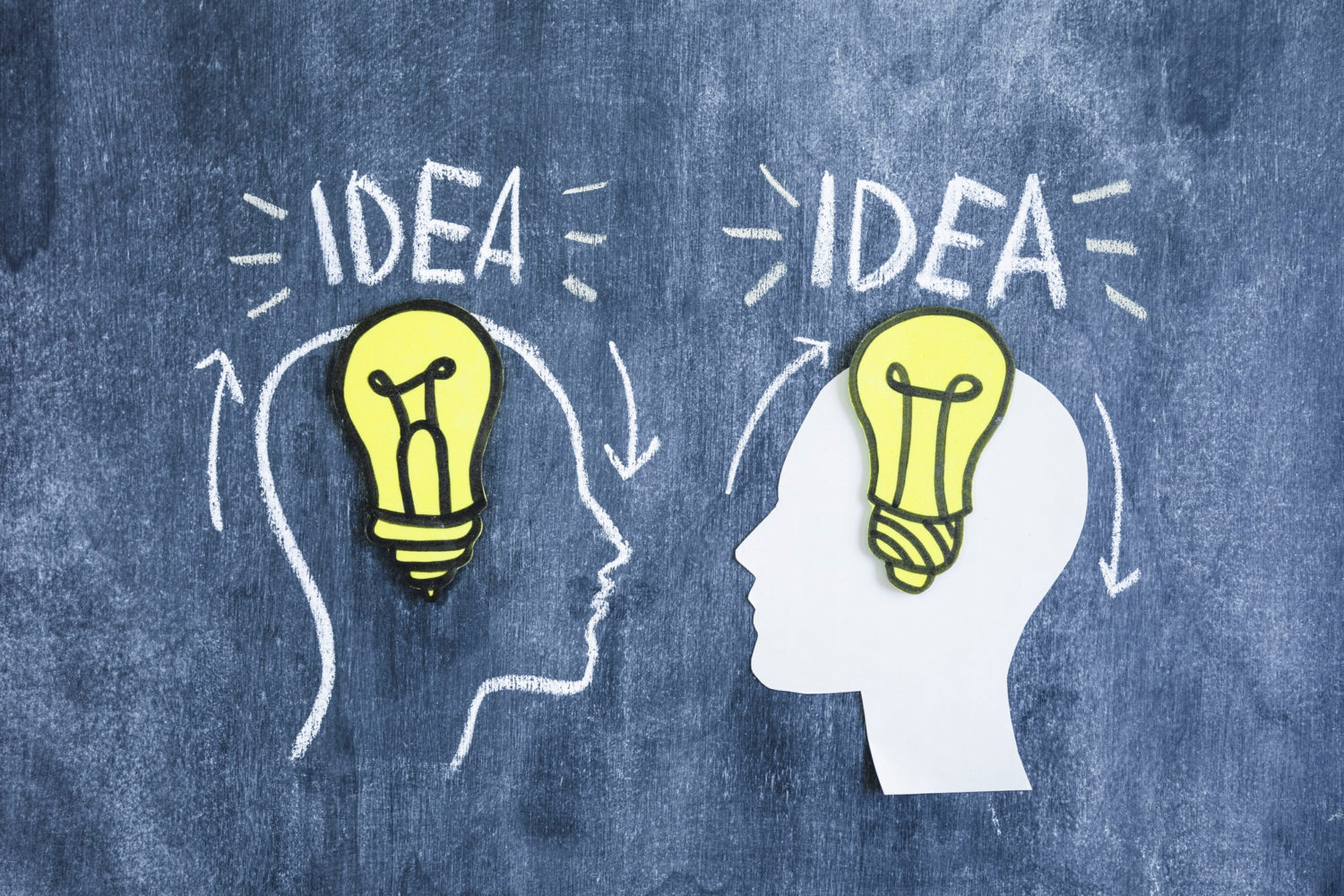
    The Role of Design Thinking in Modern Business Education

    IV. Tools for Real-World Decision-Making Using Dual-Sided Thinking

    Conclusion First:
    You make better decisions when you stop relying on instinct alone and start using structured reasoning tools. Dual-sided thinking becomes practical only when you operationalize it—through matrices, stress tests, counterargument rituals, red-teaming, and continuous revisions. These tools transform clarity from an accident into a habit.

    Below is the “why and what” behind each tool, followed by actionable methods to implement them in real life.

    A. Weighted Pros–Cons Matrix

    Most people make decisions based on mood, not metrics. That is why they regret them.

    A weighted pros–cons matrix forces you to quantify importance rather than rely on vague intuition.

    Why It Works:

    • Reduces emotional distortion
    • Forces you to explicitly rank priorities
    • Engages System 2 thinking (Kahneman’s antidote to cognitive laziness)
    • Mirrors the structured approach of superforecasters, who rely on numerical estimation—not gut feelings

    How to Apply:

    1. List major pros and cons.
    2. Assign each a weight (1–10) based on importance.
    3. Assign a likelihood score (1–10).
    4. Multiply importance × likelihood for each item.
    5. Add up both sides.
    6. Evaluate the delta with skepticism—not certainty.

    Humor Note:
    If only people applied weighted matrices before buying fitness equipment, OLX would go out of business.

    B. Pre-Mortem and Red-Teaming

    1. Kahneman’s Pre-Mortem

    Instead of asking, “What might go wrong?”, you assume, “It already failed—now tell me why.”

    Why It Works:

    • Breaks the illusion of optimism bias
    • Forces teams to confront uncomfortable truths
    • Gives psychological permission to voice dissent

    How to Apply:

    • Gather the team.
    • Announce: “It is one year later. Our plan has failed catastrophically.”
    • Everyone writes down possible causes.
    • Cluster the insights into themes.
    • Mitigate each failure point proactively.

    2. Red-Teaming

    Assign a person—or entire group—to argue against your strategy with the goal of strengthening it.

    Why It Works:

    • Destroys groupthink
    • Forces exploration of ignored assumptions
    • Mirrors military and cybersecurity best practices

    Actionable Tip:
    Rotate the red-team role. The person who hates the role the most should do it twice.

    C. Scenario Stress-Testing

    This is where dual-sided thinking becomes a weapon instead of a hobby.

    Ask three power questions:

    1. “What if the opposite is true?”
    2. “What would a rational critic say?”
    3. “How would this fail in five different ways?”

    Why It Works:

    • Forces multiple mental models
    • Reduces blind optimism
    • Builds antifragility—your decision becomes stronger by encountering challenge
    • Reflects the constant hypothesis-testing behavior of superforecasters

    How to Apply Professionally:

    • For business: Stress-test assumptions around cost, market shifts, competition, regulation, talent.
    • For relationships: Stress-test perceptions (“What if my interpretation is wrong?”).
    • For personal decisions: Stress-test for value alignment, long-term consequences, and opportunity cost.

    D. Building Better Relationships Through Counterargument Empathy

    Dual-sided thinking is not only for IQ—it’s for EQ.

    Why It Works:

    • When you understand someone’s moral foundations (Haidt), conflict becomes a search for meaning rather than a clash of tribes.
    • People feel deeply respected when you articulate their argument better than they can.
    • Steel-manning reduces emotional defensiveness more effectively than apology—because it proves listening, not guilt.

    How to Apply:

    • Use moral language aligned with the other person’s values (care, authority, fairness, liberty, loyalty, sanctity).
    • Before offering your view, summarize theirs and ask: “Did I capture that correctly?”
    • Once validated, offer your perspective gently with shared goals at the center.

    Forward-Thinking Insight:
    In an age of polarization, relationship-savvy will outperform raw intelligence. Leaders who can handle disagreement will build the most resilient teams.

    E. Strategic Thinking for Leadership

    Great leaders excel not by avoiding contradictions but by holding contradictory truths together long enough to find a better synthesis.

    Why It Works:

    • The world is non-linear; strategies must reflect complexity.
    • Bias collapses thinking into single narratives. Leaders resist collapse.
    • Continuous revision—core to superforecasting—keeps strategies adaptive and relevant.

    How to Apply:

    1. Hold Assertions Lightly: Say “This is my current best hypothesis,” not “This is the truth.”
    2. Update Frequently: When new data comes, revise without ego.
    3. Act Decisively with Reversibility: Make reversible decisions fast; irreversible decisions slow.
    4. Invite Contradiction: Teams grow when leaders reward dissent instead of punishing it.

    Quick Humor Check:
    A leader who cannot revise their opinions is like a GPS that refuses to recalculate—confident, loud, and permanently wrong.

    303,100+ Design Thinking Stock Illustrations, Royalty-Free Vector Graphics  & Clip Art - iStock | Design thinking process, Design thinking workshop,  Innovation

    V. Cognitive Biases and Fallacies That Block Balanced Thinking

    Balanced thinking is not natural—it is engineered. Your brain is wired to protect identity, conserve effort, and defend your tribe. Unless you learn to spot your own biases and fallacies, your decisions, predictions, arguments, and relationships will all drift toward distortion. Dual-sided thinking is not an intellectual luxury—it is a psychological correction mechanism.

    Below is the “why and what” behind the major blockers of balanced reasoning, grounded in the work of Kahneman, Haidt, Galef, Dobelli, Cialdini, and Tetlock, along with actionable strategies for escape.

    A. Cognitive Biases (Direct Integration From the Books)

    1. Confirmation Bias

    The brain’s favorite addiction: seeking agreement rather than truth.

    Book Link:

    • Julia Galef (The Scout Mindset) warns that confirmation bias is the core force behind motivated reasoning.
    • Dobelli explains how we unconsciously filter the world to protect our worldview.

    Why It Blocks Dual-Sided Thinking:

    • Makes counterarguments feel threatening rather than informative.
    • Turns discussions into battles instead of explorations.

    Actionable Antidote:
    Ask: “What evidence would make me change my mind?”
    If your brain answers “nothing,” that’s not a belief—that’s an identity trap.

    2. Halo Effect

    One shiny trait can blind us to everything else.

    Book Link:

    • Kahneman describes how System 1 uses this shortcut to create false consistency.

    Why It Blocks Clarity:

    • We assume someone good at one thing is good at everything.
    • We accept arguments from “liked” people without scrutiny.
    • We dismiss arguments from “disliked” people even when valid.

    Actionable Antidote:
    Separate the person from the argument:
    “If someone else said the same thing, would I judge it differently?”

    3. Availability Bias

    What comes to mind easily feels true—even when false.

    Book Link:

    • Dobelli and Kahneman both describe how ease of recall distorts risk perception and decision clarity.

    Why It Blocks Reasoning:

    • Recent news, vivid stories, or viral content feel more important than actual data.
    • We confuse “frequent in memory” with “frequent in reality.”

    Actionable Antidote:
    Replace anecdotes with baselines.
    Ask: “What do the numbers say—not my memory?”

    4. Overconfidence Bias

    The silent killer of forecasting and planning.

    Book Link:

    • Tetlock’s research on superforecasters shows that experts are often more confidently wrong than laypeople.
    • The most accurate forecasters hold humble, probabilistic

    Why It Blocks Balanced Thinking:

    • Makes us treat beliefs as facts.
    • Prevents consideration of alternatives.
    • Makes counterarguments feel unnecessary instead of essential.

    Actionable Antidote:
    Use probability language:

    • “I’m 60% confident…”
    • “My estimate might be off by ±20%.”
    • “Here are three conditions that would change my view.”

    Humility sharpens accuracy.

    5. Identity-Protective Cognition

    We defend our tribe’s beliefs even when they contradict evidence.

    Book Link:

    • Haidt (The Righteous Mind) shows we are intuitive moral creatures first, rational thinkers second.

    Why It Blocks Duality:

    • People protect identity over truth.
    • We choose belonging over accuracy.
    • We feel threatened by opposing moral foundations (care, fairness, loyalty, liberty, authority, sanctity).

    Actionable Antidote:
    Shift from “Which side is right?” to “What value is each side protecting?”

    This reframes debate from tribal warfare to moral translation.

    B. Logical Fallacies That Derail Clear Reasoning

    Logical fallacies are cognitive escape hatches your brain uses when it doesn’t want to think hard. Recognize them, and you will instantly elevate the quality of your arguments, decisions, and leadership.

    Core Fallacies to Recognize and Avoid:

    • Straw Man: Misrepresenting the opponent’s argument to defeat a weaker version.
    • False Dilemma: Pretending only two options exist when reality is multi-dimensional.
    • Ad Hominem: Attacking the person instead of the argument.
    • Appeal to Emotion: Using fear, guilt, or excitement in place of evidence.
    • Bandwagon Fallacy: Assuming something is true because many people believe it.
    • Tu Quoque (“You too”): Responding to criticism with counter-accusation instead of argument.

    Actionable Antidote:
    For every claim you hear—or make—ask:

    1. “Is this the strongest version of the argument?”
    2. “Am I attacking the idea or the person?”
    3. “Have I oversimplified the options?”

    Use these as internal checkpoints to maintain intellectual integrity.

    C. Why Extremes Are So Seductive

    Extremes are attractive because they are cognitively cheap.

    1. Kahneman: System 1 Loves Certainty

    Duality demands slow thinking, nuance, ambiguity.
    System 1 hates that work.
    Certainty feels good—even if wrong.

    2. Cialdini: Simplicity, Authority, Social Proof

    Extremists thrive because they:

    • Speak in clear absolutes
    • Present themselves as confident authorities
    • Show “everyone is on our side”
    • Use emotional triggers instead of reason

    Humans are persuasion-sensitive creatures. Authority signals, crowd behavior, and simple narratives bypass our thinking entirely.

    Actionable Antidote:
    Whenever you hear a simple, absolute claim:
    Pause. Ask: “What’s the best argument on the other side?”
    Even a 10-second pause breaks the emotional hijack.

    Design Thinking Solutions: Over 233,939 Royalty-Free Licensable Stock  Illustrations & Drawings | Shutterstock

    VI. Building a Life of Dual-Sided Thinking

    Becoming a dual-sided thinker is not an academic exercise—it is a lifestyle shift. It requires emotional maturity, structured curiosity, and daily rituals that reshape how your mind processes disagreement. This section shows how to practice these habits deliberately so that clarity, balance, and wisdom become automatic over time.

    A. Emotional Maturity and Intellectual Humility

    Dual-sided thinking begins not with intelligence, but with character.

    1. Accepting the Possibility of Being Wrong

    Julia Galef’s central lesson:
    The people with the clearest minds are not the smartest—they are the ones most willing to update their beliefs.

    Why It Matters:

    • Uncertainty keeps you honest.
    • Belief revision becomes a strength instead of a threat.
    • Humility opens doors that confidence alone cannot.

    Actionable Practice:
    Once a week, ask:
    “Where might I be wrong, and what would I lose by admitting it?”

    You will gain more than you lose.

    2. Decoupling Identity From Beliefs

    Most people defend ideas not because they are true, but because they feel personal.

    Why It Matters:

    • When identity fuses with ideology, curiosity dies.
    • When beliefs become “who you are,” evidence feels like an attack.

    Actionable Practice:
    Phrase beliefs as hypotheses:

    • “My current view is…”
    • “Based on what I know right now…”
    • “I might revise this later…”

    This subtle linguistic shift keeps your mind flexible.

    B. Curiosity Practices

    Curiosity is the antidote to dogmatism.

    1. Ask the Transformational Question:

    “What evidence would change my mind?”

    If the answer is “nothing,” you have stumbled into intellectual captivity.

    2. Seek Disconfirming Information Weekly

    Look for data that challenges your assumptions.
    It may hurt your ego—but it strengthens your accuracy.

    Why It Matters:

    • Prevents drift into ideological bubbles.
    • Resembles a scientist’s approach to hypothesis testing.
    • Mirrors practices of the world’s best decision-makers.

    3. Follow the Superforecaster Habit Loop

    Tetlock found top performers constantly:

    • Update beliefs
    • Revise confidence levels
    • Recalibrate with new data

    This rhythm builds mental agility that compounds over time.

    C. Listening Without Defending

    The hardest skill in dual-sided thinking is listening to understand—not listening to reply.

    1. Use Haidt’s Moral Foundations Framework

    People’s arguments arise from deeply rooted moral intuitions:

    • Care
    • Fairness
    • Liberty
    • Loyalty
    • Authority
    • Sanctity

    Why It Matters:
    When you decode their underlying moral value, disagreement becomes empathy instead of frustration.

    2. Practice Reflective Listening

    Before responding, summarize what you heard:
    “This is what I understood—did I get that right?”

    This diffuses defensiveness instantly.
    People relax when they feel seen—even if you disagree.

    D. Daily Dual-Sided Thinking Rituals

    Mastery comes from repetition.
    Below are rituals that build mental elasticity every single day.

    1. Argue the Opposite of Your Opinion Once Weekly

    Pick a belief and defend the opposite side for 10 minutes.
    This forces your brain to stretch beyond its comfort zone.

    Benefits:

    • Reduces ideological rigidity
    • Expands cognitive perspective
    • Strengthens original beliefs by testing them

    2. Read a Publication You Disagree With

    Don’t hate-read—hunt for what is reasonable in it.

    Why It Matters:

    • Expands understanding of other tribes
    • Builds moral empathy
    • Sharpens your steel-manning skill

    3. Conduct a 3-Minute Counterargument Drill

    Whenever facing a major decision, ask:

    • “Why might this fail?”
    • “What would a critic say?”
    • “What is the best argument against my choice?”

    Three minutes is enough to prevent emotional decisions disguised as rational ones.

    4. Maintain a Belief-Updating Journal

    Track:

    • What you believed
    • What changed
    • Why you changed it
    • What evidence triggered the update

    Why It Matters:

    • Turns growth into a visible, reinforcing habit
    • Reduces emotional attachment to outdated ideas
    • Builds intellectual integrity and forecasting skill
    What is design thinking and why is it important?

    VII. Conclusion: Seeing the World Clearly by Seeing Both Sides

    A. True Wisdom Comes from Holding Opposites

    Conclusion first: Mastering dual-sided thinking transforms you into a sharper decision-maker, a more grounded leader, and a more compassionate human being.
    Why & what: As Kahneman highlighted in Thinking, Fast and Slow, the mind defaults to easy shortcuts. Holding two opposing truths forces you into deliberate, System-2 clarity—an antidote to bias, tribalism, and overconfidence. It is not hesitation; it is the disciplined courage to stay with complexity until the real answer emerges.

    B. “Feeling the Full Force of the Difficulty”

    Conclusion first: You do not know your argument until you can articulate—and endure—the best version of the counterargument.
    Why & what: Tetlock’s Superforecasting and Julia Galef’s The Scout Mindset converge on one point: superior thinkers actively seek disconfirming evidence. Jonathan Haidt’s The Righteous Mind adds that moral intuitions warp our perception unless we challenge ourselves to see what the “other side” sees. Feeling the full force of the difficulty is painful—but it is also what separates clarity from self-deception.

    C. A Lifelong Practice

    Conclusion first: Thinking from both sides is not a technique; it is a lifelong mental fitness routine.
    Why & what: Rolf Dobelli’s The Art of Thinking Clearly catalogues countless cognitive traps, each trying to lure us away from objectivity. Alan Jacobs in How to Think reminds us that clear thinking requires humility, patience, and persistent self-correction. This discipline is like daily meditation for the intellect—small choices that compound into deep wisdom over decades.

    D. Participate and Donate to MEDA Foundation

    Conclusion first: If we want a world that thinks clearly, feels deeply, and acts wisely, we must build it together.
    Why & what: At MEDA Foundation, we create ecosystems where autistic individuals can thrive, where employment is inclusive, and where human dignity is non-negotiable. Your participation—through time, skills, resources, or donations—helps us build sustainable, love-driven structures that uplift families, communities, and futures.

    E. Book References (Integrated Throughout the Article)

    • Thinking, Fast and Slow – Daniel Kahneman
    • Superforecasting – Philip Tetlock & Dan Gardner
    • The Righteous Mind – Jonathan Haidt
    • The Scout Mindset – Julia Galef
    • Influence – Robert Cialdini
    • How to Think – Alan Jacobs
    • The Art of Thinking Clearly – Rolf Dobelli
  • Mind Clear, Heart Right, Soul Free: How Clarity, Character, and Consciousness Can Rebuild the World

    Mind Clear, Heart Right, Soul Free: How Clarity, Character, and Consciousness Can Rebuild the World

    In a fragmented world driven by noise, ego, and disconnection, the integration of rationality, virtue, and liberation offers a path to wholeness—aligning the mind with truth, the will with conscience, and the spirit with freedom. Rationality sharpens discernment and frees us from illusion; virtue grounds our choices in integrity and compassion; liberation dissolves inner prisons and awakens us to presence beyond identity. Alone, each can mislead—together, they forge the fully alive human. This inner alignment becomes the foundation for reimagining education, leadership, and community, transforming personal evolution into collective regeneration.

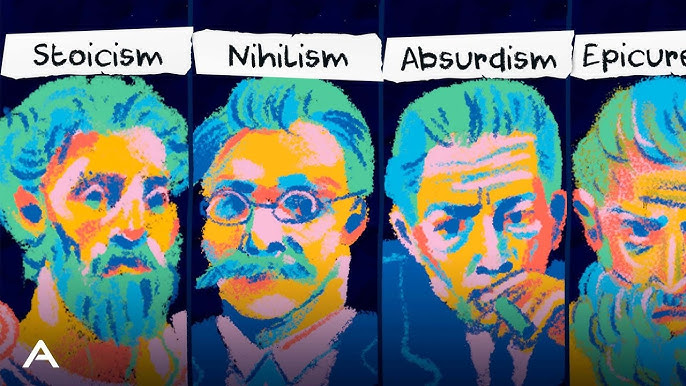
    Every Philosophical Theory Explained in 30 Minutes - YouTube

    Rationality, Virtue, and Liberation: The Inner Triad of Human Flourishing

    Intended Audience and Purpose of the Article

    Audience:
    This article is crafted for thinkers, educators, spiritual seekers, young reformers, public leaders, psychologically curious individuals, and personal development readers—in short, those who are discontent with surface-level living and are called to excavate deeper layers of reality. It speaks to anyone questioning the status quo of modern existence, yearning for moral clarity in an age of moral confusion, and seeking to harmonize the intellect, the conscience, and the soul.

    Whether you are a policy-maker trying to balance logic and justice, a teacher nurturing the minds of the next generation, a spiritual seeker navigating the tension between enlightenment and engagement, or an ordinary citizen wondering how to live well in a disoriented world—this essay seeks to offer a framework both ancient and urgently contemporary. You are invited not merely to read, but to reflect, challenge, act, and transform.

    Purpose:
    In a world marked by accelerated progress and spiritual stagnation, the separation between thinking, being, and doing has become increasingly dangerous. Rationality is often reduced to clever manipulation or tribal justification. Virtue has been diluted into hollow signaling or moral rigidity. And liberation—once the noblest aim of human life—is often mistaken for indulgence, rebellion, or withdrawal.

    This article proposes that to thrive—as individuals and as a civilization—we must reunite these three ancient yet enduring pillars:

    • Rationality, to clear the fog of bias, dogma, and delusion;
    • Virtue, to anchor us in truth, justice, and right action;
    • Liberation, to break free from the invisible prisons of ego, fear, and compulsion.

    Together, these three forces form an integrated path toward inner mastery and societal regeneration. They are not luxuries for the elite or abstractions for philosophers. They are urgent, actionable necessities—blueprints for meaningful living, responsible leadership, and communal healing.

    By weaving together insights from philosophy, neuroscience, ethics, and spirituality, this article aims to:

    • Illuminate how these three dimensions interact and strengthen one another
    • Offer practical tools and mental frameworks for applying them in everyday life
    • Challenge prevailing myths about freedom, intelligence, and morality
    • Inspire readers to engage in rigorous self-inquiry and ethical growth
    • Propose a grounded, balanced vision of personal liberation that is neither escapist nor narcissistic

    This is not a call for perfection, but for integration. Not a prescription for sainthood, but a roadmap to wholeness—where reason serves truth, character holds power accountable, and freedom is not the absence of restraint, but the presence of conscious, courageous choice.

    Let us now begin the journey. Not toward escape, but toward emergence. Not toward becoming someone else, but toward becoming fully and beautifully ourselves.

    Pablo Picasso and Apostate Cubism

    I. Introduction: Why We Must Reunite Reason, Ethics, and Freedom

    We live in an era of profound contradiction—technologically empowered, yet spiritually impoverished; hyper-connected, yet emotionally fragmented; intellectually stimulated, yet morally adrift. The human self, once seen as a sacred whole, is now pulled apart by competing roles, fractured attention, shallow identities, and synthetic desires. This fragmentation of the self is not merely a psychological condition—it is a civilizational crisis.

    We are taught to think critically but not to act ethically. We are encouraged to seek liberation, but not to ask: freedom from what, for whom, and toward what purpose? As a result, our world is littered with examples of brilliant minds devoid of moral compass, moral crusaders without intellectual rigor, and spiritual seekers who flee reality instead of transforming it.

    Rationality Without Morality: Cold Systems, Hollow Progress

    When rationality is severed from ethics, it becomes a sharp instrument wielded without wisdom. Our technological advances—fueled by logic, data, and efficiency—have undeniably improved material comfort. Yet, this same rational machinery also powers surveillance capitalism, algorithmic discrimination, ecological destruction, and weaponized propaganda. Without virtue to temper reason, intelligence easily devolves into manipulation, domination, or apathy. Cold logic, when unmoored from conscience, can justify atrocities in the name of optimization.

    Consider bureaucracies that “follow procedure” while crushing human dignity. Or markets that reward exploitation under the guise of “innovation.” In such landscapes, rationality becomes rationalization, and human beings are reduced to units of utility. Intelligence is not enough. Without a moral anchor, it leads not to freedom—but to control.

    Morality Without Reason: The Descent into Dogma

    Conversely, morality divorced from reason risks becoming a tool of fanaticism, rigidity, and exclusion. Throughout history, we have witnessed well-meaning people turn into instruments of tyranny because they lacked the clarity to question the moral frameworks handed down to them. Whether in the form of religious extremism, ideological purity tests, or cultural orthodoxy, ethics that are not continually interrogated become cages rather than compasses.

    Dogma thrives in the absence of doubt. Self-righteousness replaces humility. And blind allegiance to “what is right” blinds us to who defines it, who benefits, and at what cost. Without reason, morality ossifies—it becomes brittle, self-serving, and incapable of compassion for complexity.

    Liberation Without Foundation: Escapism Masquerading as Enlightenment

    The modern pursuit of liberation has often been hijacked by the cult of individualism or the allure of premature transcendence. Popular culture equates freedom with doing what you want, when you want, with no obligation to anyone. Spiritual movements sometimes promise liberation through detachment, bypassing pain, or “manifesting” abundance—without examining systemic suffering, personal shadow, or ethical responsibility.

    This kind of liberation is not freedom, but refined self-deception. It ignores the truth that real freedom demands self-mastery, discipline, and an awakened relationship with reality. When liberation is sought without the scaffolding of reason and virtue, it tends to become escapism, narcissism, or delusion—freedom from the world, rather than in it.

    The Triad Reunited: Toward Integration and Wholeness

    To heal this fragmentation, we must return to a timeless but neglected triad:

    • Rationality: the clarity of mind to distinguish truth from illusion, signal from noise
    • Virtue: the purity of character to act with courage, compassion, and justice
    • Liberation: the freedom of soul to live beyond fear, attachment, and false identity

    Each of these alone is insufficient. Together, they form the foundation of a full human life. Rationality sharpens our discernment, but virtue directs it toward the good. Virtue shapes our behavior, but liberation prevents it from becoming rigid or performative. Liberation offers transcendence, but without reason and ethics, it risks becoming an escape hatch rather than a sacred path.

    This triad is not a theoretical ideal; it is a practical framework for personal integration and social renewal. In the sections that follow, we will explore each dimension in detail—not as abstract virtues, but as daily practices, mental disciplines, and transformative commitments that can help us navigate the turbulence of modern life with clarity, integrity, and freedom.

    Let us now begin with the first pillar: Rationality—the discipline of the awakened mind.

    Stoic Freedom. Determined by the Radical Freedom of… | by Sergio Montes  Navarro | Medium

    II. Rationality: Cultivating the Light of Discernment

    In a world where misinformation travels faster than light, and emotion is weaponized before reason has a chance to speak, rationality is no longer a luxury—it is a necessity. Yet, rationality has been tragically misunderstood. It is too often reduced to being cold, robotic, or elitist—an abstract skill for debates and data analysis. In truth, rationality is not the opposite of emotion or intuition—it is their wise integrator. It is not the denial of humanity, but the disciplined expression of our higher nature.

    To live rationally is to see clearly, think freely, and act coherently in alignment with reality. It is to shine a light in the dark caves of assumption, impulse, and inherited belief. It is to resist being manipulated, to question what is popular, and to choose truth over comfort.

    Let us first redefine what it means to be rational.

    A. Redefining Rationality: More Than Logic

    Rationality as Coherence, Not Just Calculation

    True rationality is not just the ability to process numbers or apply formal logic. It is the ability to create coherence between one’s thoughts, beliefs, emotions, and actions. A person who argues brilliantly but lives chaotically is not rational—they are merely clever. Rationality means being internally integrated: what we believe aligns with what we value, and both guide what we do.

    Rationality thus becomes an ethical commitment, not just a cognitive tool. It is the refusal to lie to oneself.

    Distinguishing Reactive Thinking vs. Reflective Thinking

    Most of what we call “thinking” today is actually reactivity. A headline provokes us, and we react. A social media post offends us, and we comment. Someone disagrees with us, and we defend. But this is not reason—it is reflex masquerading as insight.

    Reflective thinking, in contrast, requires pause, perspective, and precision. It is not slow in speed, but slow in ego. It asks: What am I reacting to? Why? Is it valid? Is my belief inherited or earned? Reflective thinking is how rationality breathes.

    The Role of Reason in Self-Regulation and Ethical Clarity

    Rationality is the guardian of emotional regulation. A rational mind can still feel deeply, but it is not enslaved by mood or moment. It questions impulses before acting on them. It turns anger into inquiry, fear into preparation, and confusion into curiosity.

    Moreover, rationality sharpens ethical clarity. When we reason clearly, we see unintended consequences, conflicting values, and the deeper moral layers beneath surface choices. Without rational thought, even the best intentions can lead to harm.

    B. Obstacles to True Rationality

    Emotional Hijacking and Cognitive Dissonance

    The brain is built for survival, not truth. When threatened—physically or socially—our prefrontal cortex shuts down, and the amygdala hijacks our behavior. We become defensive, tribal, impulsive. This is why we double down on bad ideas when challenged. Rationality begins by recognizing this built-in vulnerability and training the mind to pause, reflect, and reframe.

    Cognitive dissonance—the psychological discomfort of holding conflicting beliefs—is another enemy of rationality. Instead of resolving the dissonance through honest reflection, we often escape it by denial, rationalization, or projection. A rational person confronts this discomfort and uses it as a gateway to truth.

    Cultural Dogmas Masquerading as “Truths”

    Many of our beliefs are not born of personal reasoning but are absorbed from culture—packaged as common sense, tradition, or identity. Whether it is nationalism, consumerism, religious exclusivity, or productivity fetishism, these beliefs become unconscious operating systems. They limit thought, blind us to alternatives, and punish dissent.

    To be rational is to become conscious of these scripts and examine them—not with contempt, but with curiosity and courage. As Krishnamurti said, “It is no measure of health to be well adjusted to a profoundly sick society.”

    The Rise of Persuasive Irrationality in Media and Politics

    Modern media does not reward clarity—it rewards outrage. Algorithms feed us content that confirms bias, inflames fear, and fosters division. Political discourse has become theater, where emotion is weaponized and complexity is ridiculed. In such a landscape, being rational is an act of rebellion.

    We must therefore train ourselves to recognize emotional manipulation, learn to differentiate opinion from evidence, and resist the urge to be swept away by ideological tides. Rationality demands vigilance in a world designed to distract.

    C. Practices to Strengthen Rational Thought

    Daily Self-Inquiry: “Is this true? Is this useful?”

    Build a habit of internal questioning. When you encounter a belief, a claim, or a reaction, pause and ask:

    • Is this factually accurate?
    • Is this emotionally honest?
    • Does this belief serve clarity, compassion, or ego?

    These questions help pierce the armor of assumption and anchor thought in reality.

    Socratic Questioning, Journaling, Critical Thinking Habits

    • Engage in Socratic dialogue with yourself or others: challenge assumptions, ask “Why?”, and consider counter-examples.
    • Use journaling not as emotional dumping, but as a mirror for examining beliefs and behaviors.
    • Practice reading critically: highlight claims, evaluate sources, identify fallacies, and ask what is missing.

    Make reasoning an art, not an accident.

    Humility in Knowledge: Embracing Uncertainty Without Fear

    Rationality is not about being right—it is about being willing to be wrong. The most rational minds hold their beliefs lightly, invite challenge, and do not confuse confidence with certainty. Intellectual humility is not weakness—it is wisdom. It keeps the mind open, adaptive, and continually growing.

    Building the Inner Scientist and Philosopher

    Treat your life as an experiment. Question your habits, test your ideas, observe your patterns. And like a philosopher, step outside the noise to ask: What is real? What matters? What is good?

    This integration of the empirical (scientist) and the existential (philosopher) cultivates a holistic rationality—rooted in both fact and meaning.

    Rationality is not about suppressing feelings or glorifying intellect—it is about aligning thought with truth and training the mind to serve wisdom rather than ego. In a noisy, polarized, and manipulative world, cultivating rationality is not just a cognitive skill—it is a moral responsibility.

    Yet rationality alone cannot guide us toward a meaningful life. For thought must be directed by principle. And so, we now turn to the second pillar of transformation: Virtue—the architecture of character and conscience.

    Heraclitus and the Stoics: How Change and Reason Forge Wisdom - Estoicismo

    III. Virtue: Building the Foundation of Character

    If rationality illuminates the truth, virtue determines what we do with it. It is the moral architecture that holds our thoughts, emotions, and actions together under the weight of life’s complexities. Virtue is not about being “good” in a superficial sense, nor is it about blind conformity to rules. It is about consistently embodying moral clarity in the face of difficulty, temptation, and uncertainty.

    In a world obsessed with personality, performance, and productivity, the deeper question often gets ignored: Who are you becoming when no one is watching? Virtue invites us to answer that—not through declaration, but through quiet, repetitive, courageous choices. Let us now explore what virtue truly means, how it is cultivated, and why it is indispensable to a flourishing life.

    A. What is Virtue? A Universal Moral Compass

    Virtue as Lived Alignment with Higher Principles

    Virtue is not an inherited trait—it is the deliberate alignment of one’s actions with transcendent principles like justice, truth, compassion, and courage. It is not only about what we do, but why and how we do it. Virtue is what we become when our character has been shaped by these principles over time.

    To be virtuous is to act in harmony with both reason and conscience. It is to have an internal compass that does not spin with the winds of public opinion, peer pressure, or passing desire. A virtuous person is not flawless, but reliable, and in today’s world, that reliability is revolutionary.

    Core Virtues Across Cultures: Truthfulness, Courage, Patience, Humility, Compassion

    Though the world is diverse, the essence of virtue is strikingly universal. Across time and culture, wise traditions have upheld:

    • Truthfulness: not merely honesty in speech, but alignment with reality.
    • Courage: not absence of fear, but action despite fear.
    • Patience: strength in stillness; the ability to endure without bitterness.
    • Humility: knowing one’s place in the vast scheme of things.
    • Compassion: the ability to suffer with and act for others.

    These virtues are not ornamental—they are tools of survival, healing, and transformation.

    Not Repression, But Moral Strength in Action

    Virtue is often misunderstood as denial or repression. On the contrary, it is the channeling of our full human energy into noble direction. It doesn’t reject desire, anger, or ambition—it disciplines them into service of a greater good. Repression hides, virtue transforms. It is not weakness, but power guided by wisdom.

    B. Virtue as a Muscle, Not a Trait

    Why Virtue Must Be Trained, Not Assumed

    No one is born virtuous, just as no one is born a master musician. We are born with potential—and the rest is training, repetition, and conscious choice. Virtue must be practiced until it becomes second nature, not assumed to be present because we hold good intentions or inherited values.

    Character is forged, not inherited. This is both humbling and empowering.

    The Anatomy of Temptation and Failure: What Makes Us Fall

    Temptation is not a flaw in the system—it is the training ground of virtue. Each time we choose truth over convenience, patience over reaction, compassion over indifference, we strengthen the muscle of character. Yet most people fall not in grand betrayals, but in tiny, daily compromises: cutting corners, justifying silence, surrendering to laziness or pride.

    Failure is part of the process. But virtue grows when we examine failure honestly, without shame, and return stronger.

    The Daily Battlefield: Where Vice Seduces and Virtue Must Be Chosen

    Modern life is a constant psychological and ethical battlefield. Social media trains vanity. Consumerism feeds greed. The gig economy exploits hustle while eroding integrity. In such an environment, virtue is not passive goodness—it is active resistance. Each moment is a choice point: to react or respond, to lie or speak truth, to judge or understand.

    Virtue, therefore, is revolutionary. It is a spiritual rebellion against the normalizing of vice.

    C. Tools to Embody Virtue

    Building Small Habits of Integrity Under Pressure

    Begin with micro-practices. Speak kindly when irritated. Be honest when it’s easier not to be. Stay true to your word even in minor matters. These acts may seem small, but they build the inner scaffolding that can bear the weight of larger ethical choices.

    Virtue is not heroic acts in public—but small acts of alignment done consistently in private.

    Ethical Imagination: “What Would the Highest Version of Me Do?”

    Before speaking, deciding, or acting—pause and imagine:
    What would the version of me I most respect choose here?
    This question cultivates ethical foresight and helps us transcend the impulsive self in favor of the aspirational self. Over time, this inner voice becomes our internal mentor.

    Creating Sacred Routines of Moral Reflection and Accountability

    Dedicate time to reflect on your moral life—not to judge yourself harshly, but to learn. Daily or weekly journaling around key questions—Where did I act out of fear? Where did I live from truth?—can cultivate tremendous moral awareness.

    Further, accountability partners or ethical communities (like support groups, spiritual sanghas, or mentors) provide the space to confess struggles, receive guidance, and stay on the path.

    Role of Elders, Mentors, and Ethical Communities

    In many cultures, elders were moral anchors—not by preaching, but by embodying wisdom. In today’s age of individualism, we must revive mentorship and intergenerational learning. Seek those who live with integrity, not perfection. Let their presence, not just their words, teach you.

    Virtue thrives in community. It atrophies in isolation.

    Virtue is the bridge between knowledge and freedom. It translates what we know into who we become. It is not a destination, but a daily direction. Rationality may tell us what is true, but virtue gives us the courage to live by it.

    In a disoriented world, character is not quaint—it is critical. In a noisy age, integrity is not outdated—it is urgent. The future will not be rebuilt by brilliant minds alone, but by wise hearts and steady souls.

    We now move to the final and transcendent pillar: Liberation—not as escape from life, but as freedom within it.

    Exploring the Interplay of Stoicism and Existentialism | by Stoicminds  Channel | Medium

    IV. Liberation: The Highest End of Human Life

    What does it mean to be truly free?

    Is it the power to do what we want, when we want, without restriction? Or is it something subtler, deeper, and far more difficult to attain? In a time when personal autonomy is celebrated but inner chaos abounds, the concept of liberation deserves urgent re-examination. It is not a word to be reserved for mystics, monks, or revolutionaries—it is a universal human calling. True liberation is not the absence of limits, but the presence of inner sovereignty—the unshakeable clarity, peace, and power that arise when we are no longer ruled by fear, compulsion, or illusion.

    In the trinity of Rationality, Virtue, and Liberation, this final pillar represents the fruit of integration. When the mind is clear and the character aligned, the soul awakens. Liberation is not a goal beyond life—it is the deepest expression of life lived wisely.

    A. Defining Liberation in a Modern Context

    Liberation from Internal Prisons: Ego, Compulsion, Self-Deception

    We often speak of freedom in political or economic terms, yet the most stubborn chains are invisible and internal. They include:

    • The ego’s relentless need for validation, superiority, or control;
    • Compulsions that drive us to consume, react, compare, and conform;
    • The subtle lies we tell ourselves to avoid truth or responsibility.

    These inner prisons distort our perception, steal our peace, and reduce us to reactive automatons. To be liberated is to no longer be dominated by the inner tyrant—to observe thought without being hijacked by it, to feel emotion without being ruled by it, and to hold identity lightly, like a tool rather than a cage.

    Liberation from External Coercion: Systems, Norms, Roles, Identity Labels

    While inner freedom is essential, external forces also limit our autonomy. Cultural norms dictate what success looks like. Rigid roles define what it means to be a man, woman, leader, parent, or citizen. Institutional systems reward compliance and punish questioning. Labels—based on caste, class, religion, gender, or profession—narrow our being into categories that can be managed, exploited, or dismissed.

    Liberation here means not total detachment from society, but the ability to participate freely, without being psychologically owned by these systems. It is choosing consciously, not complying unconsciously.

    Freedom as Inner Sovereignty, Not External Permission

    Modern society often sells us a counterfeit version of freedom—disguised as consumer choice, personal branding, or lifestyle options. But true freedom is not something granted to us by laws, leaders, or followers. It is claimed from within, through self-mastery and inner alignment.

    Inner sovereignty means we are no longer enslaved by public opinion, past wounds, or imagined futures. We move from dependence to self-authorship—from reacting to creating.

    B. False Freedoms vs. True Liberation

    Hedonism, Individualism, and Escapism as False Freedoms

    Much of what masquerades as freedom today is, in truth, refined enslavement.

    • Hedonism tells us that doing what feels good is freedom—but often results in addiction, emptiness, and numbness.
    • Radical individualism celebrates self-expression but often isolates us and disconnects us from purpose.
    • Escapism sells us spiritual bypassing or digital distraction—but leaves us unequipped to face life’s real demands.

    These are not liberations, but loops. They temporarily soothe the ego while reinforcing its grip.

    The Paradox of Desire: How Chasing Freedom Often Enslaves Us

    Desire is complex. The more we chase freedom as a feeling, the more we tie ourselves to outcomes, others, or achievements. Wanting to “be free” becomes another attachment—a desire that grows stronger the more we feed it.

    Liberation begins not by satisfying desire, but by examining it. What do I really want? Is this desire mine, or inherited? Is it liberating or limiting me?

    Freedom often arises not when we gain more—but when we let go of what owns us.

    Liberation as Conscious Detachment and Full Participation

    Paradoxically, the most liberated individuals are not those who escape life—but those who engage fully, without clinging. Detachment does not mean apathy. It means presence without possession, action without ego, service without identity.

    The liberated person may still work, love, create, and struggle—but does so from a centered stillness, not from compulsion. They are free not because they do less, but because they are not defined by what they do.

    C. The Journey to Liberation

    Liberation as the Flowering of Disciplined Thought and Moral Living

    Liberation is not sudden enlightenment. It is the fruit of sustained effort—clarifying thought (rationality), aligning action (virtue), and dissolving illusion (inner work). Like a tree, it grows quietly and steadily, rooted in soil and nourished by light.

    The mind must be trained to see clearly, the heart must be trained to act justly, and the self must be trained to let go.

    Stillness and Silence: The Womb of Transformation

    The modern world is allergic to stillness. Yet silence is not empty—it is pregnant with truth. In silence, the ego loses its stage, and something deeper can emerge. Stillness is where we meet our pain without distraction, our longing without denial, and our essence without distortion.

    Liberation grows in the soil of solitude—not as a withdrawal, but as a sacred witnessing.

    The Ego Death: Surrendering the False Self

    All lasting freedom requires the death of illusion—and the ego is the grandest illusion of all. It tells us we are our name, our achievements, our traumas, our tribe. But this false self is constantly defending, comparing, fearing, and clinging.

    To be free is not to destroy the ego violently—but to disidentify from it. To see it as a mask, not the face. This death is painful—but also peaceful. It opens the door to presence.

    Beyond “Becoming” to “Being”: The State of Awakened Presence

    Modern life is addicted to becoming—always striving, improving, building. But liberation lies in being: in this breath, this moment, this simple awareness. Presence is not passive. It is power without force, clarity without effort.

    When we stop becoming, we start belonging—to life, to self, to truth. That is freedom.

    Liberation is not a distant ideal—it is the most urgent need of the modern soul. It is not given, but grown. It is not achieved through rebellion, indulgence, or avoidance—but through courageous self-mastery.

    It is the culmination of rational clarity and moral integrity—a freedom not from life, but in life.

    In a world that trains us to perform, compare, and chase, the liberated human stands out—not as a rebel, but as a reminder. That we can be whole. That we can be real. That we can be free.

    From Adversity to Advantage: Stoic best practices for business success

    V. The Interdependence of the Triad

    In the architecture of human flourishing, rationality, virtue, and liberation are not optional upgrades or isolated achievements. They are mutually reinforcing pillars. When one is missing or overemphasized at the expense of the others, imbalance—and often harm—follows. Together, they form the moral, cognitive, and spiritual scaffolding of a fully realized life.

    We often celebrate thinkers for their intellect, saints for their virtue, and mystics for their transcendence. But in truth, these distinctions are artificial. A wise life is not built by specializing in one pillar while neglecting the others. Integration is liberation. Let us now explore how these forces work together—and what happens when they are fractured.

    A. Why Rationality Without Virtue Can Corrupt

    Intelligence as a Weapon in the Absence of Ethics

    Rationality, in itself, is a neutral tool. It sharpens thought, but does not dictate how that sharpness is used. In the absence of virtue, intelligence can become manipulative, cold, and even cruel. It enables one to rationalize injustice, justify exploitation, and engineer control—while remaining blind to the moral cost.

    We see this today in technological surveillance systems, in financial manipulations that hollow out economies, in biopolitical regimes that sacrifice humanity for metrics. The mind, left to its own devices, may become brilliant—but brilliance alone does not create wisdom. Without virtue, rationality turns from light to laser, and becomes a scalpel that wounds rather than heals.

    Historical Examples: Brilliant Minds Serving Dark Agendas

    History is replete with geniuses who served tyranny:

    • Scientists who engineered weapons of mass destruction.
    • Lawyers who justified apartheid or genocide.
    • Propagandists who used psychology to shape mass delusion.

    These were not fools. They were thinkers. But their thought was untethered from conscience. This is the danger of celebrating intelligence while ignoring character. When the mind is not bound by virtue, it can easily become the servant of vice.

    B. Why Virtue Without Rationality Can Oppress

    The Danger of Blind Morality: Witch Hunts, Puritanism, Ideological Rigidity

    On the other hand, virtue without critical thinking often devolves into dogma. Moral certainty, when not subjected to reason, leads to rigid ideology, persecution, and suppression. The human history of “righteous cruelty” is long and bloody—conducted in the name of purity, piety, or justice, but devoid of nuanced thought.

    The Inquisition burned people “for their salvation.” The Khmer Rouge slaughtered intellectuals in the name of equality. Social media witch hunts ruin lives based on accusation rather than evidence. In each case, virtue was claimed, but rationality was absent—and so virtue became a mask for violence.

    Need for Ethical Frameworks Rooted in Critical Thinking

    True ethics is not obedience—it is the result of ongoing reflection, context-sensitivity, and humility. A rational mind questions simplistic moral binaries, considers long-term consequences, and weighs competing values. Without this depth, morality becomes a performance—rigid, brittle, and easily manipulated.

    We do not need more virtue-signaling. We need virtue guided by reason—ethical intelligence.

    C. Why Liberation Without Rationality or Virtue is Illusion

    Spiritual Escapism, Delusions of Grandeur, Guru-Worship

    Liberation, when pursued in isolation from clarity and conscience, becomes spiritual fantasy. Without rational discernment, seekers become vulnerable to:

    • Guru-worship, surrendering their agency to charismatic figures.
    • Delusions of grandeur, mistaking emotional highs for enlightenment.
    • Avoidance-based spirituality, using “love and light” to deny real-world injustice, trauma, or responsibility.

    In such cases, what is called “freedom” is actually psychological regression—a craving to dissolve identity without confronting its structure.

    True Liberation as the Result of Earned Inner Maturity

    True liberation is not a momentary experience—it is the culmination of rational examination and ethical living. It cannot be fast-tracked by rituals, substances, or declarations. It must be earned through integration: the disciplined mind, the stable heart, the surrendered self.

    Liberation is not opposed to life. It is a full immersion into life without entanglement—a capacity that can only arise when clarity and virtue have laid the foundation.

    D. Synergy in Practice

    The triad is not just a framework for thinking—it is a practice for living. When woven together, each pillar strengthens the others:

    Rationality Gives Direction

    It tells us what is true, what is coherent, and what aligns with reality. It exposes illusions, clarifies priorities, and guides action with precision. But without virtue, it can become cunning. Without liberation, it can become rigid.

    Virtue Gives Stability

    It grounds us in integrity. It keeps reason from arrogance and liberation from narcissism. Virtue gives us the strength to choose what is right—not what is easy or expedient. But without rationality, virtue can become blind. Without liberation, it can become self-righteous.

    Liberation Gives Transcendence

    It frees us from compulsive thought, from egoic virtue, from suffering disguised as duty. It allows us to act without attachment and to live without fear. But without rationality, it risks delusion. Without virtue, it risks indifference.

    Together, these three form a human being who is clear in mind, steady in heart, and free in soul. They enable us not just to think better or behave better—but to become better.

    Rationality without virtue is dangerous.
    Virtue without rationality is oppressive.
    Liberation without either is hollow.

    The awakened life is not found in mastering one pillar—it is forged in the integration of all three. This is the work of a lifetime, and the reward is profound: to live as a full, free, and luminous human being.

    We now move to the practical dimension: how to bring this triad into our daily choices, rhythms, and relationships.

    The Power of Ownership: Stoic Secrets to Taking Control of Your Life | by  Michael Lawrence | The Stoic Cornerstone | Medium

    VI. Practicing the Triad in Daily Life

    Ideas do not transform us—rituals do. The power of the triad—Rationality, Virtue, and Liberation—lies not in its philosophical brilliance, but in its embodiment through simple, consistent, sacred action. In a distracted, high-velocity world, wisdom is often sidelined because it is not woven into habit. This section offers a set of grounding practices that help internalize the triad—not as theory, but as a living rhythm.

    Think of these practices not as rules, but as invitations. Modify them to suit your life. The goal is not perfection, but alignment over time. By structuring the day around clarity, conscience, and freedom, we gradually become who we aspire to be—not through force, but through repetition and presence.

    A. Morning Practices for Rational Clarity

    Mornings are a fertile time to cultivate mental hygiene—to prepare the mind for the day ahead, before external noise and internal clutter invade.

    1. Journaling Thoughts, Identifying Distortions

    Begin each day by writing down your thoughts—unfiltered. Then scan them for cognitive distortions:

    • Are you catastrophizing?
    • Jumping to conclusions?
    • Thinking in all-or-nothing terms?

    By labeling distortions, you expose the hidden architecture of your mind and open the door to correction. This clears space for rationality to operate.

    2. Reading with Questioning, Not Absorption

    Spend 10–15 minutes reading something thought-provoking—but engage actively. Ask:

    • What is the author’s agenda?
    • What assumptions are being made?
    • Where do I agree or disagree, and why?

    This trains discernment over consumption, cultivating intellectual autonomy in a passive-media world.

    3. Mental Fasting: Reducing Info-Noise

    Before checking news, messages, or social media, commit to an hour of input fasting. Let your own thoughts breathe before absorbing others’. Use this silence to shape intention for the day.

    This practice reinforces the idea that your mind is not a dumpster—it’s a temple. Curate what enters.

    B. Midday Check-Ins for Virtue

    As the day unfolds, we encounter temptations, frustrations, and decisions that shape our character. Midday is a powerful moment to pause, reflect, and realign.

    1. Ethical Journaling: “Was I Kind, Honest, Just Today?”

    Take 5–10 minutes during lunch or break to ask:

    • Did I speak truthfully today?
    • Was I patient when provoked?
    • Did I treat others with dignity—even in small interactions?

    This check-in builds moral sensitivity and reminds you that virtue is made in moments, not milestones.

    2. Reframing Failures: From Shame to Learning

    If you failed to act with virtue, don’t hide or wallow. Use the failure as a teacher:

    • What triggered me?
    • What belief or fear drove the reaction?
    • What would I do differently next time?

    This transforms guilt into growth, and keeps the heart open rather than defensive.

    3. Accountability Rituals with Mentors or Peer Circles

    Schedule regular calls or messages with trusted peers to discuss moral goals, setbacks, and questions. These conversations deepen ethical resolve and guard against isolation, pride, or complacency.

    A virtuous life is not a solo pursuit. It is reinforced by community.

    C. Evening Practices for Liberation

    Evening is the time to unwind the ego, empty the mental residue, and touch something beyond striving. It is where freedom whispers.

    1. Breath and Body Awareness to Dissolve the Egoic Self

    Lie down or sit comfortably. Close your eyes. Shift your attention to your breath. Scan your body slowly. As tension dissolves, so does identity.

    This simple act helps dislodge you from the tightly held narrative of “me”, and returns you to the spaciousness beneath.

    2. Letting Go of Identities and Stories

    Before bed, mentally release the roles you played today:

    • “I let go of being the achiever, the parent, the warrior, the victim…”
    • “I let go of needing to be seen, understood, praised…”

    This unhooks the ego from its daily armor and prepares you to sleep as consciousness, not just a character in a story.

    3. Silent Sitting: Making Space for Freedom

    End the day with 5–10 minutes of silence. No agenda. No effort. Simply rest in awareness.

    If thoughts arise, let them pass like clouds. Don’t chase insight. Don’t resist boredom. Just be.

    This is liberation in practice—not escaping the world, but resting deeply within it, without clinging.

    Practicing the triad is not about adding more to your to-do list—it is about infusing daily life with intelligence, integrity, and inner space. These practices act like gentle chisels, shaping a life of clarity, character, and quiet power. Over time, they rewire perception, deepen presence, and transform ordinary days into sacred ground.

    This is how philosophy becomes psychology, spirituality becomes strategy, and ideals become identity.

    Amor Fati Meaning: Embracing Resilience and the Philosophy of Stoicism | by  Stoicminds Channel | Medium

    VII. Obstacles and Warnings on the Path

    The journey of integrating rationality, virtue, and liberation is profound—but it is not without danger. In fact, the more one grows in awareness, the more subtle and seductive the pitfalls become. Many seekers, thinkers, and reformers lose their way not by falling into obvious vice, but by being co-opted by shadow forms of their own growth.

    This path demands discernment not only of external influences, but also of internal distortions. Ego, pain, pride, and illusion do not disappear—they evolve. They begin to wear spiritual, intellectual, or moral masks. What follows is a guide to these traps—not to instill fear, but to cultivate humility, vigilance, and compassion for oneself and others walking this demanding road.

    1. The Rational Ego Trap: Worshipping Thought Instead of Truth

    As rationality sharpens, there is a tendency to become infatuated with one’s own mind. The person becomes skilled at argument, fast with analysis, and addicted to being “right.” They begin to mistake cleverness for clarity, logic for wisdom, and complexity for depth.

    Eventually, they may worship thought itself—treating it as the ultimate authority. In doing so, they disconnect from humility, silence, and the heart. The rational ego becomes a fortress: fortified, but isolated.

    The warning: Rationality must be tethered to reality and softened by humility. When it becomes self-serving, it turns into arrogance cloaked in intelligence. The antidote is to constantly ask: “Am I serving truth—or my identity as a smart person?”

    2. The Martyr Complex: Turning Virtue into Suffering

    Those committed to virtue often fall into the trap of equating suffering with righteousness. They carry the weight of the world on their shoulders, denying themselves joy, rest, or vulnerability. They begin to see life as a test of endurance, where moral worth is proven by pain.

    This martyr complex may arise from unresolved guilt, spiritual perfectionism, or a deep need for moral approval. It leads to burnout, bitterness, and quiet resentment of those who live more freely.

    The warning: Virtue is not validated by misery. It is strengthened by joy, balance, and love. A virtuous life is not one of constant sacrifice, but one of sacred service that nourishes both self and others.

    The remedy is to ask: “Am I being good, or am I trying to be seen as good? Am I denying life, or embodying it with integrity?”

    3. The Premature Claim to Liberation: How the Ego Mimics Transcendence

    Perhaps the most dangerous trap is spiritual ego—the false belief that one is “free,” “awake,” or “beyond duality” when one has merely rebranded the ego. This premature claim to enlightenment bypasses unresolved trauma, dismisses morality as “lower,” and confuses detachment with disconnection.

    It often manifests in:

    • Cold aloofness mistaken for equanimity
    • Indifference to injustice, masked as transcendence
    • Inflated self-importance cloaked in spiritual language

    This “liberated” self cannot be questioned—because it has convinced itself it has transcended questioning.

    The warning: True liberation is marked by humility, presence, compassion, and depth—not superiority, certainty, or withdrawal. The path must pass through the shadow of ego, not leap over it.

    A useful test: Can I still cry? Can I admit ignorance? Can I serve anonymously without loss of identity?

    4. Cultural Backlash: Society Often Resists Those Who Change Too Deeply

    Transformation is threatening—to systems, norms, and relationships built on unconscious contracts. As you grow in clarity, virtue, and freedom, you may face resistance, even from those who love you. You may:

    • Be called arrogant for thinking independently
    • Be judged as rigid for living by principles
    • Be mocked or feared for stepping out of roles
    • Be rejected for refusing to conform

    This is not persecution—it is the natural cost of deep authenticity. Most people are not afraid of your darkness—they’re afraid of your light, because it reflects their own disowned potential.

    The warning: Do not expect applause for inner growth. Do not seek comfort from a world built on illusion. But also, do not turn against the world. Continue to serve it with compassion, knowing that your transformation ripples quietly in ways you may never see.

    Practice solitude, not isolation. Speak truth without arrogance. Love fiercely, even when misunderstood.

    The path of integration is not safe. But it is sacred.
    It will ask everything of you—your ideas, your pride, your masks, your safety. It will also give everything in return: clarity of mind, strength of heart, and the liberation of your deepest being.

    These obstacles are not signs of failure—they are the guardians of depth. To meet them is to grow. To fall into them is to learn. To rise from them is to embody the very truth this path promises.

    And so, walk on—not as a saint, a sage, or a hero—but as a sincere human being, willing to become whole.

    Philosophical Insights on Breaking the Status Quo and Maximizing Personal  Growth

    VIII. Application to Society and Systems

    A society is nothing more than a magnified soul—a collective projection of the internal states of its people. When minds are confused, institutions are chaotic. When hearts are hardened, communities become brittle. When people are unfree inside, systems become oppressive outside. This is why inner work is not private indulgence—it is foundational social reform.

    The triad of Rationality, Virtue, and Liberation is not just a blueprint for individual evolution—it is a framework for reimagining our collective life. It urges us to build institutions not merely for control, efficiency, or profit, but for wisdom, moral development, and freedom.

    Let us now explore how this triad could be applied—radically, practically—to three crucial domains of public life: education, leadership, and community building.

    A. Reimagining Education: Cultivating Thinkers, Not Test-Takers

    Teach Reason, Ethics, and Presence Together

    Education today often functions like a conveyor belt of compliance: producing test-takers, credential-chasers, and obedient workers—rather than liberated thinkers. It emphasizes facts over frameworks, memorization over inquiry, and results over reflection.

    What if schools and universities became temples of critical thought, moral development, and inner awakening? What if students were trained not just to solve problems, but to question premises, align actions with conscience, and dwell in deep presence?

    An integrated education would teach:

    • Reasoning: logic, self-reflection, media literacy, scientific and philosophical inquiry
    • Virtue: empathy, honesty, courage, civic responsibility, and ethical dilemmas
    • Presence: mindfulness, body awareness, emotional regulation, and spiritual curiosity

    This would not just create better professionals—it would cultivate wiser human beings.

    From Curriculum to Character

    The true curriculum of life is not algebra or history—it is how to live well. Yet formal education often ignores character altogether, or reduces it to moral slogans. A triadic education would make character development as structured and serious as math or science—using stories, peer discussions, real-world projects, and introspective practices.

    Such education would produce citizens who not only know what the world is, but have the inner capacity to shape it wisely.

    B. Leadership Rooted in the Triad

    Leaders Who Think Clearly, Act Virtuously, and Serve Selflessly

    Our current crises—ecological, political, economic, and cultural—are not merely failures of strategy. They are failures of character and consciousness. Most leadership today is reactive, self-serving, and polarizing. It is driven by ambition, not wisdom.

    The world desperately needs triadic leadership:

    • Leaders who think critically and holistically, beyond soundbites and slogans.
    • Leaders who act with moral courage, not just PR polish.
    • Leaders who are inwardly free from ego, greed, and fear—and thus can serve from depth, not dominance.

    Such leaders may not always rise through the current systems—but they are needed to transform those very systems.

    Examples of Transformational Public Figures Across Time

    Across history, we find rare individuals who embodied this triad:

    • Abraham Lincoln: rational clarity, moral fortitude, and spiritual depth in the face of civil war.
    • Nelson Mandela: intellectual rigor, forgiveness, and moral transcendence after decades of oppression.
    • Vivekananda: a philosopher-saint who united reason, virtue, and spiritual awakening to elevate a nation’s consciousness.

    These were not saints without flaw—but leaders shaped by deep inner work.

    C. Healing Communities Through Inner Work

    Personal Alignment as Social Activism

    In a hyper-reactive world, activism often becomes loud, fragmented, and short-sighted. But the most powerful social change begins with self-alignment. A person who sees clearly, loves deeply, and lives freely becomes a radiant force in their ecosystem.

    Imagine if:

    • Entrepreneurs designed businesses rooted in ethical transparency and human dignity.
    • Therapists helped clients reconnect with inner wisdom, not just manage symptoms.
    • Citizens led with empathy and inquiry, not just outrage.

    Social change does not begin in policy rooms—it begins in kitchen tables, quiet reflections, and daily choices.

    Designing Organizations That Honor Reason, Integrity, and Human Dignity

    Most organizations—nonprofit, corporate, or governmental—are built on fear, hierarchy, and optimization. But what if we restructured them using the triad?

    A triadic organization would:

    • Encourage open questioning, data transparency, and shared thinking (Rationality)
    • Build a culture of integrity, accountability, and service (Virtue)
    • Empower autonomy, well-being, and purpose in every role (Liberation)

    Such organizations would not only succeed—they would elevate the human spirit in daily work.

    We often wait for better leaders, better systems, or better circumstances. But what we truly need is better integration—within and without. The triad of Rationality, Virtue, and Liberation offers not just a map for personal growth, but a compass for rehumanizing our institutions.

    A reimagined world is not a fantasy—it is a responsibility. And it begins with a new kind of human being:
    One who sees clearly.
    One who lives rightly.
    One who is inwardly free.

    The Concept of Truth in Western Philosophy – Online Business School

    IX. Conclusion: Becoming the Fully Alive Human

    To be fully alive is to be whole, and to be whole is to be integrated—mind, heart, and spirit moving in harmony. In a fractured world, fragmentation is the default. But integration is the revolution.

    This article has invited you into a lifelong synthesis of Rationality, Virtue, and Liberation—not as distant ideals, but as living forces you can embody daily.

    • Rationality aligns the mind by disciplining thought, cultivating clarity, and freeing us from illusion. It helps us think with reality, not just about it.
    • Virtue aligns the will by forging character, inviting conscience, and making us trustworthy to ourselves and others. It reminds us that how we live matters deeply.
    • Liberation aligns the spirit by breaking false attachments, softening the ego, and awakening us to presence. It is the taste of life beyond fear, beyond identity.

    Together, these three do not merely produce better individuals—they birth the awakened human being:
    Someone who sees clearly, acts rightly, and lives freely.
    Someone who does not merely react to the world, but rebuilds it from within.

    We are not here to optimize existence. We are here to inhabit it deeply. To become luminous from the inside out. To live with rigor and tenderness, fire and stillness, truth and love.

    This is the invitation. Not to follow a system, but to become a system of light—where reason is rooted, morality is embodied, and freedom is lived.

    Let the inner revolution begin.

    Participate and Donate to MEDA Foundation

    🌱 Support Transformation at the Ground Level

    At MEDA Foundation, we believe that every individual—regardless of ability or background—deserves the opportunity to live with clarity, dignity, and freedom. Our work empowers neurodiverse individuals, underserved communities, and ethical changemakers through education, employment, and inner growth programs.

    If this article moved you, we invite you to act with us:

    • Donate to help us reach more lives with tools for self-sufficiency and liberation.
    • Volunteer your time or skills in mentoring, education, or vocational training.
    • Share our mission with those who value rational clarity, ethical life, and inner peace.

    Your participation is not charity—it is shared evolution.
    🌐 Visit us at www.meda.foundation

    Book References (for Further Contemplation)

    For those who wish to deepen their journey, here are timeless texts that echo the triadic path:

    • Nicomachean EthicsAristotle
      (The classical foundation for virtue ethics and the rational good life)
    • The Bhagavad GitaTranslations by Eknath Easwaran or Swami Chinmayananda
      (The dance of duty, discernment, detachment, and divine alignment)
    • MeditationsMarcus Aurelius
      (Stoic strength, reasoned living, and moral resilience from a Roman emperor)
    • Freedom from the Known Krishnamurti
      (Radical inquiry into liberation beyond conditioning and ideology)
    • The RepublicPlato
      (Society, justice, and the philosopher’s role in the world)
    • The Courage to BePaul Tillich
      (A theological and psychological exploration of freedom and meaning)
    • EthicsBaruch Spinoza
      (A rational and spiritual blueprint for joyful, liberated existence)
    • The Denial of DeathErnest Becker
      (How mortality drives human behavior—and how transcendence liberates us)
    • The Tao Te ChingLao Tzu
      (Wisdom of effortless action, virtue beyond striving, and true freedom)