
Tag: #SuccessStrategies

  • Small Sacrifices, Big Rewards: The Value of Delayed Gratification

    Small Sacrifices, Big Rewards: The Value of Delayed Gratification

    Anyone who feels trapped in the cycle of instant gratification, impulse decisions, or living only for the present moment will find guidance here. It is especially helpful for those who want to build healthier habits, grow their finances, achieve career goals, or simply gain more control over their daily choices. Readers seeking to shift from a fear-based “now or never” mindset to a calmer, more abundant long-term perspective will benefit. The insights and strategies offered aim to empower individuals to invest in their future self by choosing patience over fleeting pleasures.

    I. Introduction

    At its core, delayed gratification is the ability to resist a smaller, more immediate reward in exchange for a larger or more lasting one in the future. It is the conscious choice to carry a small burden today—whether that means studying instead of watching TV, saving instead of spending, or exercising instead of sleeping in—because you trust the promise of greater rewards ahead. This practice is not about denying yourself joy but about aligning your actions with what your future self will value more.

    In today’s culture, however, the opposite tendency dominates. The YOLO (“you only live once”) mindset encourages us to live for the moment, even at the expense of tomorrow. Scarcity-driven thinking—“I must take this now or I’ll miss out forever”—adds fuel to impulsive decisions. And in a world of one-click shopping, instant entertainment, fast food, and constant notifications, our environment is built to cater to immediate desires. While these instant gratifications may feel rewarding in the moment, they often erode long-term stability, health, and peace of mind.

    The ability to delay gratification is therefore more than just a habit—it is a timeless superpower. It is what separates those who thrive in health, finances, relationships, and careers from those who struggle with cycles of stress and dissatisfaction. By mastering the art of waiting, you do not lose the present—you create a richer, freer, and more fulfilling future. Delayed gratification is not punishment; it is a choice to invest in yourself and to play the long game where the rewards multiply far beyond what immediate pleasures could offer.

    II. Why Delayed Gratification Matters

    Delayed gratification is not just a personal virtue—it is a life strategy that shapes the very foundation of long-term success and fulfillment. Choosing patience over immediacy creates a ripple effect that touches every area of life.

    Health: Each meal, workout, or night of proper sleep is a small investment in long-term vitality. Choosing whole foods over fast food, exercise over comfort, and rest over late-night distractions may feel like sacrifices in the moment, but they accumulate into stronger immunity, better energy, and a healthier body that serves you well into the future. The discipline to prioritize health today prevents the heavier burden of illness later.

    Finances: Impulse spending offers instant pleasure but leaves little security. Delaying gratification in money matters—saving a portion of your income, resisting unnecessary purchases, and investing consistently—unlocks the power of compounding wealth. What feels like restraint today translates into financial freedom, opportunities, and peace of mind tomorrow.

    Career and Success: Building expertise or pursuing ambitious projects requires years of consistent effort. The temptation to take shortcuts or abandon challenging goals for quick wins is high, but those who stay the course become the ones recognized for mastery, innovation, and resilience. Success, in almost every field, is a marathon, not a sprint—and delayed gratification is the runner’s discipline.

    Relationships: Bonds of trust, love, and respect are cultivated through patience, consistency, and commitment. Choosing to listen rather than react, to nurture rather than demand, and to stay through difficulties rather than walk away builds relationships that deepen over time. The most meaningful connections flourish when immediate self-interest is set aside for long-term mutual growth.

    Happiness: Quick pleasures deliver dopamine spikes that fade as fast as they arrive, often leaving dissatisfaction in their wake. In contrast, the rewards of delayed gratification—completing a long-term goal, achieving financial stability, raising a family, or mastering a craft—bring a deeper, more lasting sense of fulfillment. Real happiness is not found in momentary highs but in the satisfaction of building a life aligned with your values and vision.

    In each of these areas, delayed gratification acts like an anchor, grounding us against the constant pull of instant desires and positioning us to

    III. The Psychology and Statistics of Instant vs. Delayed Gratification

    At the heart of delayed gratification lies a tug-of-war inside the brain. The limbic system—our emotional and reward-driven center—pushes us toward immediate pleasures through dopamine spikes. This is why sugary foods, impulse shopping, or endless scrolling feel rewarding in the moment. On the other hand, the prefrontal cortex, responsible for planning, reasoning, and foresight, is designed to prioritize long-term gains over short-term thrills. The stronger this part of the brain is trained, the easier it becomes to make choices that serve tomorrow rather than just today.

    Interestingly, research shows that those who practice delayed gratification tend to experience steadier levels of serotonin, the neurotransmitter linked to mood stability and long-term well-being. Unlike dopamine, which delivers short bursts of pleasure, serotonin fosters a sustained sense of contentment. People who delay gratification often report feeling calmer, more in control, and more satisfied with their overall direction in life.

    One of the most famous illustrations of this principle is the Stanford Marshmallow Test, conducted in the late 1960s. Children were offered a marshmallow with the option to eat it immediately or wait 15 minutes to receive two. Follow-up studies decades later revealed that the children who waited had better academic results, stronger social skills, healthier bodies, and even greater financial success. The test highlighted how the ability to manage impulses at an early age predicts long-term achievement.

    In today’s world, however, resisting instant gratification is harder than ever. Social media offers endless validation with likes and shares. One-click shopping provides instant ownership without the wait. Streaming platforms encourage binge-watching instead of mindful viewing. Food delivery apps eliminate the anticipation of cooking. These conveniences, while comfortable, can weaken our tolerance for waiting and make the idea of investing in the future feel less appealing.

    Reframing patience as an investment rather than a sacrifice is key. Waiting is not about depriving yourself of joy—it is about trading a fleeting high for a greater, longer-lasting reward. For example, choosing to save money today is not punishment; it is an investment in financial independence. Choosing to exercise now is not suffering; it is an investment in future strength and vitality.

    Statistics consistently back this up. Studies across multiple countries show a strong correlation between the ability to delay gratification and higher life standards. Individuals with greater self-control report higher levels of income, stronger health markers, more stable relationships, and greater life satisfaction overall. The World Values Survey and longitudinal studies on impulse control confirm that societies that foster patience, planning, and restraint tend to have higher educational outcomes, better economic stability, and lower crime rates.

    In short, the science and statistics are clear: delayed gratification is not just a personal choice but a proven predictor of success and well-being across cultures and generations. It is the mental lever that shifts people from short-term survival to long-term thriving.

    IV. Ancient & Cultural Wisdom

    While the modern world often glorifies speed, convenience, and immediacy, ancient traditions across the globe recognized patience and restraint as pillars of wisdom. The ability to forgo short-term pleasure for long-term prosperity has been celebrated for centuries, woven into cultural teachings, philosophies, and stories that continue to hold relevance today.

    Indian Tradition: In Indian philosophy, the concept of tapas (self-discipline and austerity) emphasizes enduring short-term hardships for spiritual growth and future rewards. Yogic practices, fasting rituals, and mindful living were designed to strengthen inner control and reduce attachment to fleeting pleasures. The Bhagavad Gita underscores this idea through the teaching that those who master their senses and remain steady amid temptations find true peace and success. Patience is not framed as deprivation, but as a path toward lasting fulfillment and liberation.

    Greek Philosophy: The Stoics of ancient Greece, including thinkers like Epictetus and Seneca, advocated for self-control as the key to freedom. They taught that chasing pleasures leads to slavery, while practicing restraint leads to mastery over life. Socrates himself argued that the unexamined pursuit of pleasure weakens the soul. By learning to accept discomfort and delay gratification, one could achieve eudaimonia—a flourishing, purposeful life aligned with reason and virtue.

    Chinese Thought: In Confucianism, patience and foresight are central virtues. Confucius often spoke of the “gentleman” who acts with restraint, cultivating character over time rather than chasing immediate recognition. Taoist philosophy similarly highlights the wisdom of flowing with time, understanding that natural growth cannot be rushed. The parable of the farmer pulling at his seedlings to make them grow faster illustrates the folly of impatience—true progress requires patience and nurturing.

    Historical Figures and Stories: History is filled with examples of individuals who exemplified delayed gratification. Mahatma Gandhi practiced extreme restraint in his personal life, fasting and living simply, to channel his energy into India’s independence movement. In the West, Abraham Lincoln spent years studying law by candlelight before becoming one of the most respected leaders in history. Scientific figures like Isaac Newton and Marie Curie dedicated decades of disciplined effort before their breakthroughs changed the world. Each of these lives shows that restraint is not weakness, but the foundation of extraordinary achievement.

    Across cultures and centuries, the message remains the same: those who cultivate patience and discipline secure rewards that are deeper, richer, and longer-lasting than any instant gratification could ever provide. Far from being a new idea, delayed gratification is an ancient truth rediscovered in every generation.

    V. Shifting Mindsets

    Developing delayed gratification is not only about changing actions—it is about shifting the way we think. Much of our struggle with patience comes from the mindset we hold when faced with choice. By reframing our perspective, waiting becomes less of a burden and more of an empowering decision.

    From Scarcity to Abundance: A scarcity mindset whispers, “If I don’t take this now, I’ll lose my chance.” This fuels impulsivity and fear-driven choices. An abundance mindset, however, recognizes that waiting not only brings bigger or multiple rewards later but also enhances how our brain values those rewards. Research shows that when we wait for something, the anticipation and eventual achievement feel more meaningful, activating a deeper appreciation. In essence, patience enriches not just the reward itself but also our capacity to savor it.

    From Sacrifice to Empowerment: Many view delayed gratification as self-denial, but it is more accurate to see it as freedom—the freedom to not be enslaved by impulses. When you choose to wait, you reclaim power over your desires rather than letting them dictate your actions. This path gradually reduces attachment to fleeting pleasures and teaches adaptability in the face of discomfort. Instead of seeing patience as punishment, reframing it as a tool for self-mastery helps transform it into a source of pride and resilience.

    Visualization and Gratitude: A powerful technique for strengthening delayed gratification is visualizing conversations with your future self. Imagine your future self thanking you for the choices you make today—the healthier body, the financial security, the skills mastered, the relationships nurtured. This mental exercise shifts your focus from the short-term pull of temptation to the long-term joy of achievement. Coupled with this, gratitude for the stability you already enjoy builds a strong foundation. When you acknowledge the resources, opportunities, and comforts present in your life, the urgency to seek instant rewards lessens, and waiting becomes more natural.

    By adopting these mindset shifts, delayed gratification stops feeling like deprivation and begins to feel like abundance, empowerment, and foresight. The struggle against impulsiveness transforms into a conscious, rewarding act of building a life that future-you will be grateful to live.

    VI. Situations in Which Instant Gratification is Better than Delayed Gratification

    While delayed gratification is a powerful life skill, balance is essential. Not every situation calls for patience; sometimes, embracing instant gratification is the wiser, more life-affirming choice.

    One such scenario is when the opportunity itself is fleeting and cannot be replicated in the future. Experiences like traveling to a rare destination, attending a once-in-a-lifetime event, or saying yes to an unexpected adventure fall into this category. These are short-term novelties that add richness to life but do not create harmful dependency if indulged occasionally. For example, trying a local delicacy while traveling or seizing the chance to hear a favorite artist in concert may not offer long-term returns but create memories that sustain joy for years.

    Instant gratification can also be beneficial when it brings spontaneity and play into an otherwise disciplined life. A surprise ice cream run with your child, an impromptu day off to recharge, or an evening spent dancing instead of working late can provide emotional nourishment. These moments, when occasional and intentional, do not derail long-term goals but instead refresh the mind and spirit, making future patience easier to sustain.

    The key lies in discernment: indulging in instant gratification is helpful when it is rare, non-addictive, and not tied to essential needs like food, money, or validation. When approached mindfully, these bursts of pleasure complement the discipline of delayed gratification, ensuring life is not just about building the future but also about savoring the present.

    VII. Everyday Practices of Delayed Gratification

    Practicing delayed gratification becomes tangible when we integrate it into everyday life. Small, consistent choices accumulate over time, yielding benefits far beyond the immediate moment.

    Food & Eating: Waiting even a few minutes before taking a second serving allows the body to signal true hunger. Preparing meals in advance encourages healthier eating, while prioritizing whole, nourishing foods over fast options ensures energy and vitality for the long term.

    Indulgences & Pleasure: Postponing non-essential treats—like snacks, entertainment, or shopping—can increase appreciation and reduce impulse-driven regret. Scheduling small rewards after completing meaningful tasks reinforces a balance between discipline and enjoyment.

    Clothing & Shopping: The “30-day rule”—waiting a month before buying non-essential items—prevents impulse purchases. Prioritizing durable, high-quality clothing over trendy, disposable fashion ensures lasting utility and value.

    Studying & Skill-Building: Daily micro-steps toward mastery, such as studying for 30 minutes or practicing a skill, pay dividends over time. Viewing learning as planting seeds encourages patience, understanding that growth and expertise develop gradually.

    Preparing for Tomorrow: Small habits like laying out clothes, prepping meals, or charging devices the night before streamline mornings and reduce stress. These minor efforts compound into smoother daily routines.

    Home & Environment: Tidying up for ten minutes each day prevents clutter from accumulating and reduces mental fatigue. Cleaning as you go maintains order without overwhelming effort.

    Fitness & Health: Prioritizing consistency over aesthetics ensures sustainable physical well-being. Regular exercise, gradual progression, and mindful habits strengthen discipline while minimizing risk of burnout.

    Money Habits: Creating an emergency fund, automating savings, and resisting lifestyle inflation allow financial security to grow steadily. Small, deliberate sacrifices in spending today lead to independence and freedom in the future.

    Technology Use: Limiting notifications, setting screen-free hours, and practicing mindful engagement with devices prevents overstimulation and impulse-driven behaviors. The ability to wait or delay tech use strengthens self-control in all areas.

    Relationships: Investing time, effort, and patience in people fosters trust and deeper bonds. Choosing long-term care and understanding over immediate validation strengthens connections and promotes meaningful interaction.

    By embedding these practices into daily routines, delayed gratification transforms from an abstract concept into actionable habits that consistently build a stronger, healthier, and more successful life. Each choice, no matter how small, compounds over time, creating a future of abundant rewards.

    VIII. Training the Patience Muscle

    Like any skill, delayed gratification can be strengthened through deliberate practice. Building patience is akin to training a muscle: start small, remain consistent, and gradually increase the challenge over time.

    Start Small, Scale Up: Begin with simple choices, such as waiting five minutes before eating a snack or postponing a minor purchase. As you succeed in small areas, progressively tackle larger decisions, gradually increasing your tolerance for waiting.

    Habit Trackers, Apps, and Gamification: Use tools to monitor progress, reward consistency, and make patience measurable. Gamifying delayed gratification—for example, tracking savings, streaks of exercise, or study hours—creates motivation and makes restraint feel like a challenge to conquer rather than a chore.

    Temptation Bundling: Pair a task you might resist with something enjoyable. For instance, only allow yourself to listen to a favorite podcast while exercising or reading. This strategy transforms potentially tedious tasks into rewarding experiences, increasing adherence.

    Mindful Breathing and Awareness: When confronted with immediate impulses, pause and take a few mindful breaths. Observing cravings without acting on them strengthens the prefrontal cortex and reinforces self-control over time.

    Accountability Partners or Communities: Sharing goals with friends, family, or supportive groups increases motivation and decreases the likelihood of giving in to short-term temptations. Mutual encouragement, check-ins, or friendly competitions help sustain long-term commitment.

    Celebrate Milestones with Healthy Rewards: Acknowledge successes along the way, whether it’s completing a week of delayed gratification practices or reaching a savings goal. Rewarding yourself thoughtfully reinforces positive behavior and makes patience feel satisfying rather than restrictive.

    By consciously applying these strategies, patience evolves from a theoretical concept into a tangible strength. Each intentional act of restraint builds resilience, self-confidence, and the ability to make decisions that consistently favor long-term well-being.

    IX. The Compounding Effect

    Delayed gratification produces rewards that grow exponentially over time, much like compound interest in finance. Small, consistent actions—though seemingly insignificant in the moment—accumulate into major benefits when practiced consistently over weeks, months, and years.

    Health: Choosing to exercise for 20 minutes a day or consistently eating nutritious meals may feel minor, but over months, these choices dramatically improve stamina, immunity, and overall well-being. The body adapts gradually, multiplying the benefits of every healthy decision.

    Savings and Finances: Saving a modest amount regularly and reinvesting it allows interest and growth to compound. For example, depositing even a small sum monthly can grow into significant wealth over time, illustrating that small, patient sacrifices today build financial freedom tomorrow.

    Skills and Learning: Daily micro-steps toward mastery—like reading 20 pages, practicing a skill, or learning a new concept—compound knowledge and expertise. Over years, the accumulated learning translates into opportunities, recognition, and success that cannot be achieved through bursts of effort alone.

    Relationships: Investing small amounts of time, attention, and patience into family, friends, or colleagues strengthens bonds. Regular acts of kindness, listening, and consistency multiply trust and connection, resulting in deep, enduring relationships.

    In essence, delayed gratification serves as the foundation for exponential growth. Each small, disciplined decision sets the stage for larger rewards, transforming ordinary habits into extraordinary outcomes. Mastery of this principle enables individuals to harness the power of compounding in all areas of life, turning patience into a catalyst for long-term success and fulfillment.

    X. Common Struggles & How to Overcome Them

    Even with the best intentions, practicing delayed gratification is not always easy. Awareness of common challenges and implementing strategies to address them is essential for sustaining long-term discipline.

    Boredom: Waiting or forgoing immediate pleasures can feel tedious. One way to counteract this is to replace idle moments with meaningful distractions—reading, journaling, meditative exercises, or short bursts of productive tasks. Engaging the mind redirects focus from immediate impulses to purposeful action.

    Peer Pressure: Social influence can make restraint feel isolating or unpopular. Anchoring decisions to your long-term values provides clarity and strength. By reminding yourself why a choice aligns with your goals or principles, external pressures lose their power to derail you.

    FOMO (Fear of Missing Out): Constant exposure to others’ successes or pleasures can trigger anxiety and impatience. Shifting focus to JOMO—the Joy of Missing Out—helps you embrace your own path. Recognizing that small sacrifices today cultivate bigger rewards tomorrow reduces the need to chase every fleeting experience.

    Impatience: Immediate results often dominate our perception of progress. Reframing waiting as a form of progress itself—acknowledging that each act of restraint strengthens your self-control and moves you closer to your goals—transforms frustration into motivation. Visualizing the benefits that will materialize from patience reinforces persistence.

    By identifying these struggles and actively applying practical strategies, delayed gratification becomes a sustainable habit rather than a temporary effort. The challenges themselves can serve as opportunities to strengthen self-discipline, resilience, and foresight.
    XI. Role Models & Case Studies

    Real-world examples of delayed gratification demonstrate the transformative power of patience, discipline, and long-term focus. Observing how others apply this principle can inspire and provide practical lessons for personal growth.

    Athletes: Consider elite athletes who dedicate years to training before tasting victory. Olympic swimmers, marathon runners, and gymnasts spend countless hours perfecting technique, enduring rigorous routines, and resisting short-term temptations like skipped workouts or unhealthy diets. Their successes are the product of accumulated effort, illustrating how sustained discipline beats immediate gratification.

    Entrepreneurs: Many successful business leaders spend decades building their ventures before reaching financial or professional milestones. They often delay personal luxuries, reinvest profits, and focus on long-term strategies rather than chasing immediate recognition or quick wins. Figures like Warren Buffett exemplify patience in wealth-building, proving that consistent, disciplined choices compound into substantial achievements.

    Artists and Scientists: Creative and intellectual pursuits often demand lifelong dedication. Inventors, composers, writers, and researchers frequently spend years—or even decades—perfecting their craft before receiving recognition. Marie Curie’s meticulous experiments, Leonardo da Vinci’s painstaking studies, and J.K. Rowling’s persistent writing before publication highlight how long-term commitment transforms raw effort into lasting impact.

    Everyday Examples: Delayed gratification is not exclusive to extraordinary figures. Families who save diligently for their children’s education, individuals who invest in health through consistent exercise and nutrition, or people recovering from illnesses by adhering to disciplined treatment plans exemplify the same principle in daily life. These examples show that patience and foresight produce tangible rewards in ordinary circumstances, reinforcing that delayed gratification is accessible to everyone.

    Through these diverse stories, the lesson is clear: sustained effort, self-control, and a long-term perspective consistently yield results far exceeding what immediate gratification can offer. Whether in sports, business, art, or everyday life, the rewards of patience compound, creating success that endures.

    XII. Practical Challenge for Readers

    Putting theory into practice is the most effective way to strengthen delayed gratification. A structured challenge can help turn the concept into habit, demonstrating how small, consistent actions yield meaningful results over time.

    7-Day or 30-Day Challenge: Start with a short-term challenge, such as 7 days, and progress to a 30-day challenge to test your discipline. Consistency matters more than perfection; even small successes compound into stronger self-control.

    Suggested Daily Practices:

    • Wait Before Snacking: Delay immediate eating by 5–10 minutes to assess true hunger.

    • Save Daily: Put aside a small amount of money each day to build a habit of financial foresight.

    • Delay Purchases: Apply the 30-day rule for non-essential purchases to reduce impulsive spending.

    • Daily Tidying: Commit 10 minutes each day to cleaning or organizing, reinforcing small, consistent effort.

    • Micro-Skill Practice: Dedicate 15–30 minutes daily to learning or improving a skill.

    • Mindful Tech Use: Schedule screen-free periods to resist the lure of instant digital gratification.

    Tracking Progress: Use a habit tracker, journal, or app to monitor daily adherence and reflect on feelings, challenges, and wins. Celebrate milestones thoughtfully to reinforce the benefits of patience.

    By engaging in this challenge, readers experience firsthand how small, deliberate acts of self-control accumulate into meaningful, tangible rewards. These exercises cultivate the mental muscle for delayed gratification, turning a concept into an actionable lifestyle habit that strengthens health, finances, productivity, and personal fulfillment.

    XIII. Conclusion

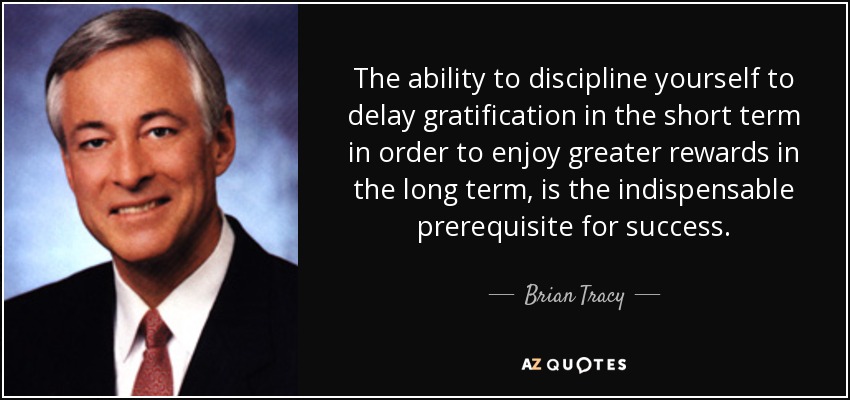
    Delayed gratification is not about deprivation; it is a form of empowerment. Choosing to wait, to invest effort now for greater future rewards, strengthens self-control, nurtures resilience, and positions you for lasting success. Small sacrifices made consistently—whether in health, finances, learning, or relationships—translate into freedom, abundance, and long-term fulfillment.

    The most important step is to start today. Pick one area of your life—perhaps saving money, exercising, studying, or tidying your home—and practice patience. Your future self will benefit, appreciate, and thank you for the choices you make now.

    Support Meda Foundation:
    This article, like all others, has been made possible through the generous support of patrons. If you found it informative or useful, please consider donating to help sustain such work. Additionally, share your knowledge and experiences through the feedback form.


    Resources for Further Research:

    1. Mark Manson – How to Delay Gratification
      An insightful article discussing the importance of delayed gratification in personal development and societal progress.
      https://markmanson.net/delayed-gratification

    2. PMC Article – The Gist of Delay of Gratification
      A comprehensive review of the concept of delayed gratification and its implications in various aspects of life.
      https://pmc.ncbi.nlm.nih.gov/articles/PMC5553984/

    3. Antrepreneur – The Importance of Delayed Gratification for True Success in 2023
      An article exploring how delayed gratification contributes to long-term success in entrepreneurship.
      https://antrepreneur.uci.edu/2023/03/09/the-importance-of-delayed-gratification-for-true-success-in-2023/

    4. UC Davis – How Children React to Waiting in Different Cultures
      A study comparing how children from different cultures handle delayed gratification.
      https://www.ucdavis.edu/blog/curiosity/how-children-react-waiting-different-cultures

    5. Frontiers in Psychology – The Motivational Aspect of Children’s Delayed Gratification
      Research on the motivations behind children’s ability to delay gratification.
      https://www.frontiersin.org/journals/psychology/articles/10.3389/fpsyg.2019.01649/full

    6. ScienceDirect – Processes in Delay of Gratification
      An academic paper discussing the psychological processes involved in delaying gratification.
      https://www.sciencedirect.com/science/article/pii/S0065260108600398

    7. Science Advances – The Neural Basis of Delayed Gratification
      A study exploring the brain mechanisms involved in delaying gratification.
      https://www.science.org/doi/10.1126/sciadv.abg6611

    8. The Healthy Compulsive – Delaying Gratification: The Good, The Bad, and the Downright Dangerous
      An article examining the potential downsides of excessive delayed gratification.
      https://thehealthycompulsive.com/archetypal-jung/gratification/

    9. ACP-MN – Why Delaying Gratification is Beneficial
      A blog post discussing the benefits of delayed gratification for mental health and well-being.
      https://acp-mn.com/about-acp/blog/why-delaying-gratification-is-beneficial/

    10. Apple Podcasts – Delayed Gratification: Your Superpower to Success
      A podcast episode discussing strategies to master delayed gratification for personal success.
      https://podcasts.apple.com/ag/podcast/delayed-gratification-your-superpower-to-success/id1033048640?i=1000670755223


  • Confidence: The Invisible Edge That Defines Success

    Confidence: The Invisible Edge That Defines Success

    Confidence is the cornerstone of success, influencing every aspect of life from achieving personal goals to fostering meaningful relationships. It’s not an inherent trait but a skill cultivated through self-mastery, overcoming limiting beliefs, practicing discipline, and effective communication. Grounded in strategies like visualization, gratitude, and tailored interpersonal interactions, true confidence empowers individuals to lead with authority, resilience, and authenticity. By understanding the psychology behind confidence and applying practical tools, anyone can unlock their potential, inspire others, and create lasting impact. Confidence isn’t just personal growth—it’s a catalyst for collective transformation.
    540+ Confidence Is The Key To Success Stock Photos, Pictures & Royalty-Free Images - iStock
    Confidence: The Gateway to Success

    Introduction

    The Power of Confidence in Action

    Imagine the story of Sarah, a struggling entrepreneur whose fledgling business was on the verge of collapse. Despite her innovative ideas, she lacked the confidence to present them persuasively to investors or lead her team with conviction. Her timid demeanor often led to misunderstandings, missed opportunities, and dwindling morale within her company.

    One pivotal moment changed everything. Sarah attended a leadership workshop where she learned to harness her innate potential by building her confidence. She started small: rehearsing her pitches, practicing assertive communication, and visualizing successful outcomes. Over time, her transformation was evident. She spoke with clarity, exuded authority, and cultivated trust among her stakeholders.

    Today, Sarah’s company is thriving, her employees are motivated, and her story has become a beacon for those doubting their abilities. Her journey highlights a powerful truth: confidence is not an accessory to success; it is the engine that drives it.

    1. Broader Context: The Growing Importance of Confidence

    In today’s interconnected world, confidence is more than a personal trait—it’s a currency. Whether it’s in job interviews, relationships, or social interactions, confident individuals are often perceived as more capable, trustworthy, and likable. This perception stems from the human tendency to equate self-assuredness with competence.

    However, the concept of confidence is frequently misunderstood. Social media, with its curated images and polished personas, often confuses confidence with arrogance or superficial posturing. People mistake loudness for leadership and selfies for self-assurance, missing the essence of true confidence—authenticity and self-belief.

    Society also tends to associate confidence with extroversion, overlooking the quiet yet powerful confidence of introverts who demonstrate it through thoughtful actions and resilience. This broader perspective on confidence opens doors for everyone to explore its transformative potential.

    1. Thesis Statement

    Confidence is not just a byproduct of success; it is a driving force that enables individuals to achieve their goals, build meaningful relationships, and unlock their potential. It is a skill, not an inherent trait, that can be cultivated and mastered by anyone willing to invest in personal growth.

    1. Preview: The Journey Ahead

    Throughout this article, we will explore the concept of confidence from multiple dimensions. Drawing on the insights of Chase Hughes, a renowned expert in human behavior, we will delve into practical strategies for building confidence. From overcoming limiting beliefs to mastering communication, each section will provide actionable tools to help you unlock the confidence needed to thrive in every aspect of life.

    Whether you’re looking to lead with authority, communicate effectively, or simply feel more assured in your daily interactions, this guide will empower you to take that first step towards a more confident you.

    Self confidence and self esteem motivation to success positive thinking to boost confident and be | Premium AI-generated vector

    Understanding Confidence

    1. Definition

    Chase Hughes’ Perspective:
    Chase Hughes, a renowned expert in human behavior, defines confidence not as an inherent trait but as a controllable state. According to Hughes, confidence is built on three core pillars:

    • Self-Mastery: The ability to regulate one’s emotions, thoughts, and actions effectively. It involves cultivating a sense of control over oneself, fostering a stable inner foundation.
    • Observation: The skill of accurately reading social cues, understanding dynamics, and adapting to situations. Confidence stems from knowing what’s happening around you and responding appropriately.
    • Communication: The ability to articulate thoughts clearly and influence others positively. Confident communication bridges the gap between intention and impact.

    This framework highlights that confidence is not a static quality but a dynamic skill that can be developed through practice and intentionality.

    Comparative Perspectives:

    • Carol Dweck’s Growth Mindset: Confidence, in this context, is rooted in the belief that abilities can be developed through effort and learning. Those with a growth mindset are more resilient, viewing challenges as opportunities rather than threats.
    • Albert Bandura’s Self-Efficacy: Bandura emphasizes belief in one’s ability to achieve specific goals as the cornerstone of confidence. Unlike Hughes’ broad framework, self-efficacy focuses on task-specific confidence rather than a holistic state.

    Together, these perspectives converge on the idea that confidence is not a fixed trait but a skill influenced by mindset, environment, and behavior.

    1. Misconceptions

    True Confidence vs. Illusion of Confidence:
    Confidence is often conflated with behaviors that mimic it superficially:

    • Arrogance: Overestimating one’s abilities and dismissing others. True confidence, by contrast, is grounded in self-awareness and humility.
    • Bravado: Exaggerated displays of boldness to mask insecurities. Authentic confidence is calm, measured, and unforced.

    Cultural and Gender-Based Nuances:
    Cultural factors heavily influence how confidence is perceived and expressed:

    • In individualistic cultures, confidence is often equated with assertiveness and self-promotion.
    • In collectivist cultures, confidence may manifest as quiet competence and respect for group harmony.

    Gender norms also shape confidence expression. Men are often encouraged to display overt confidence, while women may face societal pressure to balance confidence with perceived warmth. Recognizing these nuances is critical for understanding and fostering authentic confidence across diverse contexts.

    1. True Confidence Checklist

    To distinguish true confidence from its illusion, consider the following traits:

    • Grounded Self-Assurance: Confidence that is rooted in a realistic understanding of one’s strengths and weaknesses.
    • Openness to Feedback: Willingness to accept constructive criticism and use it for growth, reflecting a secure sense of self.
    • Resilience Under Pressure: The ability to stay composed and effective in challenging situations, demonstrating inner stability.
    • Adaptability: Flexibility to adjust one’s approach based on changing circumstances without compromising self-belief.
    • Empathy: Recognizing and valuing others’ perspectives, which fosters genuine connections and mutual respect.

    This checklist serves as a guide to evaluate and cultivate true confidence, helping individuals navigate their personal and professional lives with authenticity and strength.

    Achievement Confidence Stock Illustrations – 22,727 Achievement Confidence Stock Illustrations, Vectors & Clipart - Dreamstime - Page 14

    The Confidence-Success Correlation

    1. Authority and Confidence

    Hughes’ Authority Inventory:
    Chase Hughes introduces the Authority Inventory, a framework comprising five key elements:

    • Confidence: The foundation of authority, reflecting self-assuredness and competence.
    • Discipline: The ability to maintain focus and follow through on commitments, signaling reliability.
    • Leadership: Inspiring and guiding others with clarity and purpose.
    • Gratitude: Cultivating humility and appreciation, which fosters trust and positive relationships.
    • Enjoyment: Demonstrating enthusiasm and passion, which makes others gravitate toward your energy.

    These elements collectively create a perception of authority. When people perceive authority, they are more likely to trust, follow, and support the individual, which reinforces confidence in a self-sustaining cycle.

    The Milgram Experiment:
    The famous Milgram Experiment demonstrated how perceived authority could compel individuals to act in ways they might otherwise avoid, even against their moral compass. While this underscores the power of authority, it also serves as a cautionary tale.

    For sustainable success, confidence must align with ethical behavior. True authority is built on respect and integrity, ensuring that the influence one wields fosters trust rather than fear.

    1. Comfort and Confidence

    The ACSS Model:
    Hughes’ ACSS Model (Authority, Comfort, Social Skills, Skills) underscores the interdependence of these factors in building and projecting confidence:

    • Authority: Cultivating leadership qualities and self-assurance.
    • Comfort: The state of being physically and mentally at ease, which reduces stress and enhances composure.
    • Social Skills: The ability to connect and communicate effectively with others.
    • Skills: Competence in a chosen domain, reinforcing confidence through mastery.

    Among these, comfort is often overlooked but is crucial. When individuals are comfortable in their own skin, they project calm confidence that resonates with others.

    Practical Tip:
    To develop comfort, practice moving slower in social or professional settings. Deliberate, unhurried movements convey composure and help regulate internal tension. Combine this with deep breathing and maintaining steady eye contact to enhance your overall presence.

    1. Confidence in Action

    Diverse Real-World Examples:

    • The CEO Transformation: Chase Hughes recounts the story of a CEO who initially struggled to inspire confidence among his team and investors. By focusing on building self-mastery and refining his communication skills, he transformed his leadership style. The result? Increased team cohesion, investor trust, and exponential business growth.
    • Athletes: Consider an athlete who thrives under pressure, using confidence to overcome setbacks and deliver peak performance. Their self-belief not only enhances their physical abilities but also inspires teammates and fans.
    • Artists and Creatives: Confidence fuels bold choices, whether it’s taking creative risks or standing by one’s vision in the face of criticism.
    • Small-Business Owners: Entrepreneurs who confidently pitch their ideas to clients and investors often succeed because they exude passion and conviction, making others believe in their vision.

    Analysis of Influence:
    Confidence impacts decision-making, leadership, and relationships by:

    • Enabling decisive actions based on clear self-belief.
    • Inspiring others to trust and support the individual.
    • Enhancing resilience, allowing individuals to learn from failures and adapt effectively.

    By embodying confidence, these individuals transformed challenges into opportunities, underscoring its pivotal role in achieving success.

    Successful Man Stock Illustrations – 122,380 Successful Man Stock Illustrations, Vectors & Clipart - Dreamstime

    Building Confidence: Practical Strategies

    1. Addressing Limiting Beliefs

    Identifying Limiting Beliefs:
    Limiting beliefs, such as “I’m not good enough” or “I always fail,” often stem from early experiences, societal expectations, or negative reinforcement. These internal narratives can significantly hinder confidence by creating mental barriers to growth and success.

    Techniques to Overcome Limiting Beliefs:

    • Reframing Negative Thoughts as Fiction:
      • Treat self-critical thoughts as stories rather than facts. For example, replace “I’ll never succeed” with “This is a temporary setback, not a defining truth.” This mental shift diminishes the power of negative beliefs.
    • Challenging Beliefs Through Exposure:
      • Use humor or absurdity to weaken limiting beliefs. For instance, display a ridiculous version of a negative affirmation on your desktop wallpaper, such as “I will definitely trip over my own feet today.” This technique makes the belief seem absurd and less intimidating.
    • Journaling or CBT Practices:
      • Regularly journal to identify patterns in negative thinking and their triggers.
      • Apply cognitive behavioral techniques (CBT) to recognize and replace irrational beliefs with constructive ones. For example, challenge “I’ll never learn this skill” by listing evidence of previous successes in learning.
    1. Cultivating Discipline and Gratitude

    Link Between Discipline and Confidence:
    Discipline builds confidence by fostering a sense of control and momentum. Hughes defines discipline as “prioritizing your future self over your present self.” This forward-thinking approach encourages actions today that align with long-term goals, strengthening self-trust and capability.

    Practical Tips:

    • Engage in Small Disciplined Acts:
      • Start with manageable habits, like preparing your workspace or laying out your clothes the night before. These small wins create a ripple effect, reinforcing self-belief and motivation.
    • Gratitude as a Confidence Booster:
      • Maintain a daily gratitude journal. List three things you’re grateful for each day to shift focus from what’s lacking to what’s abundant. Gratitude reinforces positive behaviors and creates a mindset of empowerment.
    1. Visualizing Success

    The Neuroscience of Visualization:
    Visualization activates the brain’s neural pathways, mimicking the effects of actual experience. This primes the mind for success by creating a mental rehearsal that increases familiarity and confidence in executing tasks.

    Techniques to Enhance Visualization:

    • Create a Vision Board:
      • Design a vision board that aligns with SMART goals (Specific, Measurable, Achievable, Relevant, Time-bound). Include images, affirmations, and symbols that represent your aspirations.
    • Integrate Visualization into Daily Routines:
      • Spend a few minutes daily visualizing your goals as already achieved. Imagine the sensory details, emotions, and scenarios tied to success.
      • For example, visualize acing a presentation by picturing yourself confidently addressing the audience, seeing their engaged expressions, and hearing their applause.

    Through these strategies, individuals can proactively dismantle barriers, build empowering habits, and cultivate a mindset that naturally fosters confidence and resilience.

    Peak Success Images - Free Download on Freepik

    Confidence in Communication

    1. Communication as Confidence Manifestation

    The Role of Communication in Confidence:
    Confident communication is more than words—it’s a blend of body language, tone, and content that conveys self-assurance. When delivered with clarity and composure, it fosters influence, strengthens relationships, and instills trust.

    Effective communication also signals credibility. Whether negotiating a deal, giving a presentation, or simply engaging socially, confidence in communication enhances your ability to connect and persuade.

    1. The SL Power Framework

    Chase Hughes’ SL Power Framework identifies six core social needs that drive human behavior:

    1. Significance: The need to feel important or valued.
    2. Love: The desire for affection and emotional connection.
    3. Acceptance: The need to belong and be part of a group.
    4. Approval: Seeking validation and positive feedback.
    5. Intelligence: The need to be perceived as knowledgeable or capable.
    6. Pity: Seeking empathy or understanding for one’s struggles.

    Tailoring Communication to Social Needs:
    Understanding and addressing these needs in conversation builds rapport and trust. For instance:

    • Significance: “Your contributions to this project have been critical; I’d love your input on this next step.”
    • Love: “I truly appreciate your support—it means so much to me.”
    • Acceptance: “Your perspective really adds value to our team discussions.”
    • Approval: “That idea you shared was brilliant—it’s sparked some great momentum.”
    • Intelligence: “I know you’re experienced in this area; could you share your insights?”
    • Pity: “I understand how challenging this must be. Let me know how I can help.”

    Adapting your communication to align with someone’s dominant social need enhances connection, making your interactions more impactful.

    1. Practical Tips for Effective Communication

    Starting Conversations:
    Begin interactions with confidence and openness. Use these templates:

    • Professional Setting: “Hi [Name], I admire the work you’ve done on [specific project]. I’d love to hear more about your approach.”
    • Social Setting: “This is a great event. What inspired you to attend?”

    Active Listening:
    Confident communication isn’t just about speaking—it’s about listening attentively.

    • Maintain eye contact and nod to show engagement.
    • Paraphrase key points to confirm understanding: “So what you’re saying is…”
    • Avoid interrupting, and give space for others to express themselves fully.
    1. Overcoming Communication Barriers

    Handling Rejection and Miscommunication:

    • Rejection: View rejection as a stepping stone rather than a reflection of self-worth. Respond with grace: “Thank you for your honesty. I’ll consider your feedback.”
    • Miscommunication: Clarify misunderstandings calmly: “I sense there’s been some confusion. Let’s revisit the key points to ensure alignment.”

    Dealing with Difficult Interactions:

    • Remain composed, even in challenging conversations. Use phrases like:
      • “I hear your concerns, and I’d like to find a solution that works for both of us.”
      • “Let’s take a moment to regroup and approach this with fresh perspectives.”

    By mastering these techniques, you can confidently navigate complex interpersonal dynamics, solidify relationships, and position yourself as a trusted communicator.

    Explore 1,433+ Free Confidence Illustrations: Download Now - Pixabay

    Conclusion

    1. Thesis

    Confidence serves as the cornerstone of personal and professional success. It empowers individuals to overcome challenges, achieve their goals, and foster meaningful relationships. As we’ve explored, confidence is not merely a trait we are born with—it is a skill that can be cultivated through deliberate actions and mindset shifts.

    1. Summarize Key Takeaways

    To build lasting confidence:

    • Address Limiting Beliefs: Challenge self-doubt and reframe negative thoughts to unlock your full potential.
    • Cultivate Discipline and Gratitude: Build habits that prioritize your future self and foster a positive mindset.
    • Visualize Success: Use vision boards and mental rehearsal to create a clear path toward your aspirations.
    • Communicate Effectively: Understand and address the social needs of others, tailoring your communication to build trust and influence.
    1. Call to Action

    Take Immediate Steps:
    Start small but act now. Implement one confidence-building strategy today, whether it’s journaling your thoughts, creating a vision board, or practicing a communication technique. Track your progress with a confidence journal to identify patterns, celebrate growth, and remain accountable.

    Embrace the Ripple Effect:
    Confidence isn’t just transformative for the individual—it creates a positive impact on those around you. By nurturing your confidence, you inspire others to do the same, creating a ripple effect of growth and empowerment.

    Support and Participate:
    Extend this mission by supporting initiatives like the MEDA Foundation. Join us in creating self-sustaining ecosystems that empower individuals, including those on the autism spectrum, to thrive in society. Donate or volunteer today to make a lasting difference.

    1. Books and Articles
    • The Behavior Ops Manual by Chase Hughes
    • Mindset: The New Psychology of Success by Carol Dweck
    • The Confidence Code: The Science and Art of Self-Assurance—What Women Should Know by Katty Kay and Claire Shipman
    • Emotional Intelligence by Daniel Goleman
    • Articles on positive psychology and neuroscience, available on platforms like Psychology Today and Medium
  • Success Formula: Think 85%, Ink 15%

    Success Formula: Think 85%, Ink 15%

    The article explores the principle of “Think 85 percent, ink 15 percent,” emphasizing the importance of dedicating most of your effort to thoughtful previsualization before taking action. It highlights how thorough planning enhances productivity, reduces errors, and fosters more intentional work across various fields, including creative industries, business management, and personal productivity. By incorporating mental rehearsal techniques, mind mapping, and continuous reflection, individuals and organizations can improve their effectiveness and achieve their goals with greater clarity. The article also addresses potential challenges like overthinking and provides practical strategies for balancing planning with execution, ultimately encouraging readers to apply these insights in their own lives for more meaningful and impactful outcomes.
    37,593,957 Finding Stock Illustrations | Depositphotos

    Think 85 Percent, Ink 15 Percent: The Power of Previsualization for Productivity

    Introduction

    “Success is where preparation and opportunity meet.”
    — Bobby Unser

    This powerful quote encapsulates a fundamental truth: the foundation of success is built long before any action is taken. Whether you are an artist, an entrepreneur, or a leader, the ability to prepare mentally, to anticipate challenges, and to visualize success before taking action can dramatically influence your outcomes. In a world that often emphasizes speed and execution, it is easy to overlook the profound impact of thorough mental preparation.

    The Concept: “Think 85 Percent, Ink 15 Percent”

    Imagine you are about to embark on a significant project—perhaps a new business venture, a complex creative piece, or a strategic initiative at work. The traditional approach might encourage you to dive in, to start producing and creating immediately. However, the principle of “Think 85 percent, ink 15 percent” suggests a different approach. It advocates that you should dedicate the majority of your time and effort—around 85 percent—to thinking, planning, and visualizing your path before you actually start executing the task, which occupies the remaining 15 percent.

    This idea is not just about preparation; it is about previsualization. It is the art of seeing the entire journey in your mind’s eye before taking the first step. It involves anticipating obstacles, identifying opportunities, and mapping out strategies. By the time you put pen to paper, or fingers to keyboard, you have already walked the path in your mind. This method is highly relevant across various fields—from creative industries like film and design, where storyboarding and planning are crucial, to business management, where strategic foresight can make the difference between success and failure.

    The main objective of this article is to explore how the principle of “Think 85 percent, ink 15 percent” can lead to greater productivity, fewer errors, and more intentional work. We will delve into the benefits of mental previsualization, offer practical steps to implement this mindset, and examine real-life examples of its application across different industries.

    Intended Audience and Purpose

    This article is intended for professionals, creatives, entrepreneurs, and leaders who are looking to enhance their productivity and the quality of their work. It is also for anyone who feels overwhelmed by the demands of their tasks and is searching for a more thoughtful and effective approach to their work. The purpose of this article is not only to introduce a valuable productivity technique but also to inspire a shift in mindset—one that prioritizes intentionality and foresight over hasty execution. Whether you are leading a team, managing a project, or working on personal goals, this article aims to equip you with the tools and insights needed to think deeply, plan thoroughly, and act effectively.

    10 ways to boost your productivity at work

    Section 1: Understanding the Concept
    What Does It Mean?

    “Think 85 percent, ink 15 percent” is a principle that emphasizes the importance of mental preparation and strategic planning before taking any action. At its core, this concept suggests that approximately 85 percent of your time and effort should be spent on thinking, planning, and visualizing your course of action, while only 15 percent should be reserved for execution.

    This approach is not about procrastination or avoiding work; rather, it is about being deliberate and intentional. By dedicating most of your effort to thoughtful planning, you reduce the likelihood of mistakes, minimize the need for rework, and ensure that when you do take action, it is focused, efficient, and aligned with your goals. This method encourages you to map out your entire journey mentally, considering potential challenges, opportunities, and the best strategies to achieve your objectives. By the time you move to the execution phase, you have a clear, well-considered plan, making your actions more effective and purposeful.

    For example, a writer might spend significant time outlining a story, developing characters, and visualizing scenes before writing the first draft. A business leader might thoroughly research the market, anticipate customer needs, and strategize the company’s positioning before launching a new product. In both cases, the time spent thinking upfront saves time and effort in the long run, leading to better results with fewer revisions.

    Origins and Similar Philosophies

    The concept of “Think 85 percent, ink 15 percent” has roots in various historical and cultural practices that emphasize the importance of preparation before action. One of the most well-known examples comes from military history. Strategic planning has always been a critical aspect of warfare, where generals and commanders would spend extensive time analyzing the battlefield, anticipating the enemy’s moves, and devising strategies before engaging in combat. The success of many military campaigns often depended more on the quality of the planning than the actual battle itself. This principle is evident in Sun Tzu’s The Art of War, where the ancient Chinese military strategist emphasizes that “every battle is won before it is fought.”

    Another related proverb from craftsmanship is “measure twice, cut once.” This saying, popular among carpenters and builders, underscores the importance of careful measurement and planning before making a cut in wood or other materials. The idea is that by double-checking measurements, you can avoid costly mistakes that would require additional time and resources to correct.

    Comparison to Other Productivity Philosophies

    The “Think 85 percent, ink 15 percent” principle shares similarities with other productivity philosophies, particularly the 80/20 rule, also known as the Pareto Principle. The 80/20 rule states that roughly 80 percent of outcomes result from 20 percent of efforts. While the Pareto Principle focuses on identifying and maximizing the most effective actions, “Think 85 percent, ink 15 percent” emphasizes the importance of preparation and thought before any action is taken.

    Both principles advocate for a more mindful and strategic approach to work, but they apply to different stages of the process. The Pareto Principle is often used to refine and prioritize actions, ensuring that you focus on the most impactful tasks. In contrast, “Think 85 percent, ink 15 percent” is about the preparatory stage, ensuring that when you do take action, it is well thought out and directed toward the desired outcome.

    Another related concept is “slow thinking,” popularized by psychologist Daniel Kahneman in his book Thinking, Fast and Slow. Kahneman distinguishes between fast thinking (automatic, instinctive decisions) and slow thinking (deliberate, logical analysis). The “Think 85 percent, ink 15 percent” philosophy aligns with the idea of slow thinking, encouraging individuals to take the time to think deeply and strategically before acting.

    In summary, “Think 85 percent, ink 15 percent” is a modern interpretation of age-old wisdom that values preparation and strategic thinking. By dedicating most of your effort to mental planning, you set the stage for more effective and efficient execution, reducing errors and achieving better outcomes with less effort.

    Key insights about harnessing data and AI from leaders at the frontier

    Section 2: The Benefits of Previsualization

    1. Enhanced Productivity
    Clarity and Focus

    One of the most significant benefits of previsualization is the clarity and focus it brings to your work. By thoroughly thinking through your actions and visualizing the entire process before you begin, you establish a clear roadmap. This foresight reduces distractions and helps you concentrate on the task at hand, knowing precisely what needs to be done and in what order. As a result, the execution phase becomes quicker, more efficient, and less prone to interruptions.

    When your mind is cluttered with uncertainty or ambiguity, it’s easy to become overwhelmed or distracted. Previsualization clears away this mental fog by providing a well-defined plan of action. It allows you to work with purpose and direction, which naturally enhances productivity.

    Example:

    In creative fields such as writing, design, or engineering, detailed planning and previsualization are essential. A writer might spend weeks or even months outlining a novel, developing characters, and crafting the plot before writing the first chapter. This upfront investment in planning enables them to write more fluidly and consistently, reducing the need for significant revisions later on.

    Similarly, designers and engineers often use storyboarding or detailed sketches to visualize their projects before they begin. In architecture, for example, a detailed blueprint is created before any construction starts. This blueprint serves as a guide for the entire project, ensuring that every aspect has been carefully considered and accounted for. By the time the construction begins, the team has a clear and detailed plan, which allows them to work more efficiently and with fewer interruptions.

    2. Reduced Trial and Error
    Minimizing Mistakes

    Previsualization is a powerful tool for minimizing mistakes and reducing the need for trial and error. When you mentally walk through the entire process before taking action, you can identify potential pitfalls and challenges in advance. This foresight enables you to address issues before they arise, saving time, resources, and frustration.

    Trial and error can be costly, both in terms of time and materials. While some level of experimentation is inevitable in any creative or complex process, previsualization allows you to minimize the guesswork. By anticipating challenges and planning for them, you can avoid many common mistakes, leading to a smoother and more efficient workflow.

    Example:

    In software development, previsualization often takes the form of wireframes and prototypes. Before any coding begins, developers create wireframes to map out the structure and flow of the software. These wireframes act as a visual guide, showing how different elements will interact and how users will navigate the system. By creating a prototype, developers can test the user interface and functionality before committing to the final design.

    This process allows developers to identify and resolve potential issues early, such as usability problems or design flaws. By catching these issues in the planning stage, developers can avoid costly errors that would require significant rework during the coding phase. As a result, the final product is more polished, functional, and user-friendly.

    3. Intentionality and Mindfulness
    Mindful Decision-Making

    Previsualization promotes intentionality and mindfulness in decision-making. By thinking things through before acting, you are more likely to make deliberate and thoughtful decisions rather than impulsive or reactive ones. This mindful approach reduces the risk of mistakes and leads to better, more considered outcomes.

    Mindfulness in decision-making is about being fully present and aware of the implications of your choices. It involves taking the time to reflect on your goals, values, and the potential impact of your actions. When you practice mindful decision-making, you are less likely to be swayed by external pressures or distractions, and more likely to stay true to your purpose and objectives.

    Example:

    In leadership, mindfulness practices have been shown to lead to better decision-making and stronger team outcomes. Leaders who practice mindfulness are more attuned to their own thoughts and emotions, as well as the needs and perspectives of their team members. This heightened awareness allows them to make more informed and compassionate decisions, which in turn fosters a positive and supportive work environment.

    For instance, a mindful leader might take the time to consider all possible outcomes before making a strategic decision, weighing the pros and cons, and considering how each option aligns with the organization’s long-term goals. By engaging in this level of thoughtful analysis, the leader is more likely to choose the best course of action, leading to better results for the team and the organization as a whole.

    Why Everyone's Wrong About Visualization - Thrive Global

    Section 3: Practical Steps to Implement Previsualization

    1. Mental Rehearsal Techniques
    Visualization

    One of the most effective ways to implement previsualization is through mental rehearsal. Visualization is a powerful technique that involves imagining the successful completion of a task or goal before actually engaging in the activity. This process helps you mentally prepare for the task, anticipate challenges, and rehearse the steps you need to take, which can significantly improve your performance.

    To practice visualization, find a quiet space where you can focus without distractions. Close your eyes and vividly imagine yourself going through the task step by step. Picture every detail: the environment, the actions you will take, the obstacles you might face, and how you will overcome them. Imagine the emotions you will feel as you accomplish each part of the task, and visualize the end result with clarity and confidence.

    By mentally rehearsing in this way, you create a mental blueprint that guides your actions when you start the actual task. This mental preparation can reduce anxiety, increase confidence, and enhance your ability to perform under pressure.

    Example:

    Athletes are well-known for using visualization techniques to enhance their performance. Before a game or competition, many athletes will spend time visualizing their performance, seeing themselves executing their moves flawlessly, overcoming challenges, and achieving their goals. This mental rehearsal helps them build confidence, reduce anxiety, and improve their focus, leading to better performance on the field or court.

    For instance, a basketball player might visualize making free throws with perfect form, hearing the swish of the net, and feeling the satisfaction of scoring points. This mental practice reinforces the physical skills and muscle memory needed to perform under pressure, leading to greater success during the actual game.

    2. Mind Mapping and Planning
    Creating Roadmaps

    Mind mapping is another practical tool for implementing previsualization, especially when dealing with complex tasks or projects. A mind map is a visual representation of ideas and concepts, allowing you to break down a central goal into smaller, manageable steps. This technique helps you organize your thoughts, identify relationships between different elements, and create a clear roadmap for achieving your objectives.

    To create a mind map, start by writing your central goal in the middle of a blank page. From there, draw branches that represent the main tasks or steps needed to achieve that goal. Each branch can then be broken down further into sub-tasks or details, creating a comprehensive visual plan. The process of mind mapping forces you to think through each aspect of the task, identify potential challenges, and plan how to address them.

    Tool Tips:

    There are several tools available to help you create mind maps, ranging from digital platforms to traditional pen and paper. Some popular digital tools include:

    • MindMeister: A user-friendly online mind mapping tool that allows you to create and share mind maps easily. It offers a variety of templates and collaboration features, making it ideal for both individual and team projects.
    • XMind: A robust mind mapping software that offers a range of advanced features, including Gantt charts and brainstorming modes. XMind is great for more complex projects that require detailed planning and tracking.
    • Pen and Paper: For those who prefer a more tactile approach, simply using pen and paper can be just as effective. Drawing a mind map by hand allows you to engage more deeply with the process, often leading to more creative and insightful planning.

    By using mind mapping as a previsualization tool, you create a detailed and organized plan that serves as a roadmap for your actions. This clarity can significantly enhance your productivity and help you stay on track as you work toward your goals.

    3. Reflection and Refinement
    Continuous Improvement

    Previsualization doesn’t end once you’ve created your plan or visualized your task. To truly maximize its benefits, it’s essential to build in time for reflection and refinement. This ongoing process of reviewing your plans, reflecting on your progress, and making necessary adjustments ensures that your actions remain aligned with your goals and that you continuously improve your approach.

    After completing a task or at the end of each day or week, take some time to reflect on what worked well and what didn’t. Consider whether your initial plan was effective or if there were unexpected challenges that could have been anticipated. Use these reflections to refine your approach for future tasks, making adjustments to your previsualization techniques as needed.

    Example:

    Daily or weekly reviews are a practical way to incorporate reflection and refinement into your routine. For example, at the end of each day, you might take 10-15 minutes to review your accomplishments, assess any challenges you faced, and consider how you can improve tomorrow. Similarly, a weekly review allows you to reflect on your broader goals, evaluate your progress, and adjust your strategies for the coming week.

    This regular practice of reflection not only enhances productivity but also fosters a growth mindset. By continuously learning from your experiences and refining your approach, you become more effective and intentional in your actions.

    concept of meditation during working hours, rest, health benefits of body,  mind and emotions, thought process, set mind and mental to work, flat  vector illustration. 24115948 Vector Art at Vecteezy

    Section 4: Real-Life Applications and Case Studies

    1. Creative Industries
    Storyboarding in Film Production

    In the world of film production, storyboarding is a quintessential example of the “Think 85 percent, ink 15 percent” philosophy in action. Before the cameras start rolling, directors and their teams meticulously plan each scene through detailed storyboards. These visual representations map out every shot, camera angle, and scene transition, allowing the director to previsualize the entire film before it’s captured on camera.

    Storyboarding serves several critical functions. First, it helps the director and crew visualize how the film will unfold, providing a clear and cohesive narrative structure. Second, it allows the team to anticipate potential challenges—whether they are technical, logistical, or creative—before they arise on set. By the time production begins, the team has a comprehensive plan, reducing the need for reshoots and ensuring that the filming process is as efficient as possible.

    Case Study:

    One notable example of storyboarding in action is the production of Alfred Hitchcock’s Psycho (1960). Hitchcock was known for his meticulous planning, and he famously storyboarded the entire film before shooting began. This was particularly evident in the iconic shower scene, which was planned out shot by shot, ensuring that every angle and cut contributed to the suspense and horror. The detailed previsualization allowed Hitchcock to execute the scene with precision, resulting in one of the most memorable moments in cinematic history.

    2. Business Management
    Strategic Planning in Corporations

    In the corporate world, strategic planning is a crucial practice that aligns closely with the previsualization concept. Companies invest significant time and resources into strategic planning sessions where they outline long-term goals, assess market trends, and anticipate potential challenges. This process involves careful analysis of the company’s strengths, weaknesses, opportunities, and threats (SWOT analysis), and results in a clear roadmap for achieving business objectives.

    Strategic planning allows businesses to previsualize their future, making informed decisions that guide their actions over the coming months or years. By thinking through various scenarios and outcomes, companies can prepare for uncertainties, allocate resources effectively, and stay ahead of competitors. The result is a more focused and resilient organization, better equipped to navigate the complexities of the business environment.

    Case Study:

    Apple Inc. is a prime example of how strategic planning can lead to sustained success. Under the leadership of Steve Jobs, Apple engaged in thorough strategic planning sessions that focused on innovation, user experience, and market positioning. The company’s previsualization of the tech landscape allowed it to anticipate trends and stay ahead of competitors, leading to the development of groundbreaking products like the iPhone and iPad. These products didn’t just succeed by chance; they were the result of careful planning and a clear vision of the future.

    3. Personal Productivity
    Daily Planning for Individuals

    Previsualization isn’t just for businesses and creative professionals; it’s also a powerful tool for personal productivity. By applying the “Think 85 percent, ink 15 percent” principle to daily life, individuals can manage their time more effectively, set and achieve goals, and reduce stress.

    Daily planning involves taking the time to visualize your day before it begins. This might include creating a to-do list, setting priorities, and mentally walking through each task. By thinking through your day in advance, you can anticipate challenges, allocate time efficiently, and ensure that your actions align with your long-term goals. This practice not only enhances productivity but also promotes a sense of control and purpose, helping you navigate your day with confidence and focus.

    Case Study:

    Consider the example of Benjamin Franklin, one of the Founding Fathers of the United States, who was known for his disciplined approach to personal productivity. Franklin practiced daily planning by asking himself two key questions each day: “What good shall I do this day?” in the morning, and “What good have I done today?” in the evening. This simple yet effective routine allowed him to previsualize his day, set clear intentions, and reflect on his progress. Franklin’s method of daily planning contributed to his success as a statesman, inventor, and writer, demonstrating the power of intentional previsualization in personal life.

    These real-life applications and case studies demonstrate the versatility and effectiveness of the “Think 85 percent, ink 15 percent” principle across various fields. Whether in creative industries, business management, or personal productivity, the practice of previsualization can lead to more intentional, efficient, and successful outcomes. By thinking deeply and planning thoroughly before taking action, individuals and organizations alike can achieve their goals with greater clarity, focus, and confidence.

    How EI through Workplace Spirituality increases Employee Engagement?

    Section 5: Addressing Potential Challenges

    1. Overthinking and Analysis Paralysis
    Recognizing the Pitfalls

    While previsualization and thorough planning are valuable practices, they can sometimes lead to overthinking and analysis paralysis. Overthinking occurs when an individual becomes excessively absorbed in the details of planning, to the point where it hampers their ability to take action. This can result in analysis paralysis, where the fear of making mistakes or the desire for perfect planning prevents any progress from being made.

    This issue often arises from a desire to anticipate every possible outcome and mitigate every risk. While thorough preparation is beneficial, there is a point where the process of thinking and planning becomes counterproductive. Overthinking can lead to procrastination, increased stress, and missed opportunities.

    Solutions

    To avoid the pitfalls of overthinking, consider implementing the following strategies:

    • Set Time Limits for Planning: Allocate a specific amount of time for planning and stick to it. For example, you might decide to spend no more than one hour planning a task or project. Once the time is up, transition to the execution phase. This helps prevent excessive rumination and encourages timely action.
    • Encourage a Bias Toward Action: Cultivate a mindset that values action over perfection. Accept that while planning is important, it should not come at the expense of progress. Aim to make decisions and take steps based on the best available information, rather than waiting for complete certainty.
    • Embrace “Good Enough”: Recognize that no plan can account for every possible variable. Aim for a plan that is “good enough” to get started, and be prepared to adapt and refine as you go. This approach allows you to take action while still being mindful of potential adjustments.
    2. Balancing Thinking with Doing
    Finding the Right Balance

    Achieving the right balance between planning and action is crucial for effective previsualization. While it’s important to dedicate time to thoughtful planning, it’s equally important to know when to shift focus from planning to execution. Striking this balance ensures that you make informed decisions without falling into the trap of endless deliberation.

    To find this balance, consider the following tips:

    • Establish Clear Milestones: Break your planning process into phases with clear milestones. For example, you might have a milestone for completing the initial plan, another for refining details, and a final one for beginning implementation. This approach helps you track progress and know when it’s time to move from planning to doing.
    • Use Action Triggers: Identify specific triggers or criteria that signal it’s time to start executing. These might include completing a detailed outline, reaching a certain level of confidence, or obtaining necessary resources. Once these criteria are met, transition to action with confidence.
    • Adopt an Iterative Approach: Embrace an iterative approach where you start with a plan, take action, and then review and refine. Instead of waiting for the perfect plan, use each phase of execution as an opportunity to learn and make improvements. This iterative process balances planning with doing, allowing for continuous progress and adaptation.
    Example:

    A practical example of balancing thinking with doing can be seen in the process of launching a new product. A product development team might spend time researching the market, designing the product, and planning the launch strategy. However, there comes a point where the team must move from planning to execution—designing prototypes, running pilot tests, and preparing for the official launch.

    One effective approach is to use a “minimum viable product” (MVP) strategy, where the team releases a basic version of the product to the market to gather feedback and make improvements. This allows the team to take action based on real-world insights while continuing to refine the product. The MVP approach exemplifies how to balance thorough planning with practical execution, leading to better outcomes and more effective use of resources.

    Addressing the challenges of overthinking and finding the right balance between planning and action is essential for maximizing the benefits of previsualization. By recognizing the pitfalls of excessive analysis and implementing strategies to transition from planning to doing, you can enhance your productivity and effectiveness. Embrace a mindset that values both thoughtful preparation and decisive action, and use these techniques to navigate the complexities of your projects with confidence and clarity.

    Workplace spirituality: Definition, benefits, and top examples to improve  wellness in 2024

    Conclusion
    Recap Key Points

    The concept of “Think 85 percent, ink 15 percent” underscores the immense value of thorough mental preparation and planning in achieving success. By dedicating the majority of our effort to thinking and strategizing, we set ourselves up for enhanced productivity, fewer errors, and more intentional work. This approach allows us to visualize the end goal, anticipate challenges, and refine our plans, leading to more efficient and effective execution.

    To recap, the benefits of previsualization include:

    • Enhanced Productivity: A well-thought-out plan helps streamline tasks and focus efforts, making the execution phase more efficient.
    • Reduced Errors: Anticipating potential pitfalls and preparing for them in advance minimizes the likelihood of costly mistakes.
    • More Intentional Work: Mindful planning leads to deliberate actions and better decision-making, fostering a more purposeful and impactful approach to work.
    Call to Action

    I encourage you to experiment with the “Think 85 percent, ink 15 percent” approach in your daily life. Start by dedicating time to visualize and plan your tasks before diving into execution. Whether you’re working on a project, setting personal goals, or managing your time, applying this principle can lead to more successful and fulfilling outcomes. Share your experiences and insights with others, and observe how this approach transforms your productivity and decision-making.

    Additionally, consider how this mindful approach aligns with broader goals. The principles of previsualization resonate with the mission of the MEDA Foundation, which focuses on creating self-sustaining ecosystems and helping individuals become self-sufficient. By incorporating thoughtful planning and intentional action into our efforts, we can contribute to these noble objectives and support others in their journey towards empowerment and independence.

    Final Thought

    As we close, remember that the power of previsualization lies in our ability to think deeply and act with intention. By embracing this approach, we not only enhance our own productivity and effectiveness but also create opportunities for more meaningful and impactful work. Let us approach each task and goal with a clear vision and a purposeful mindset, knowing that our thoughtful preparation can lead to extraordinary results.

    Book Reading References
    • “Atomic Habits: An Easy & Proven Way to Build Good Habits & Break Bad Ones” by James Clear – Offers insights into building effective habits and improving productivity through thoughtful planning.
    • “Deep Work: Rules for Focused Success in a Distracted World” by Cal Newport – Explores the importance of deep thinking and focused work in achieving meaningful outcomes.
    • “The 7 Habits of Highly Effective People: Powerful Lessons in Personal Change” by Stephen R. Covey – Provides strategies for effective personal and professional development, emphasizing the role of proactive planning.
    • “Mindfulness for Beginners: Reclaiming the Present Moment—and Your Life” by Jon Kabat-Zinn – Introduces mindfulness practices that can enhance previsualization and intentional decision-making.