

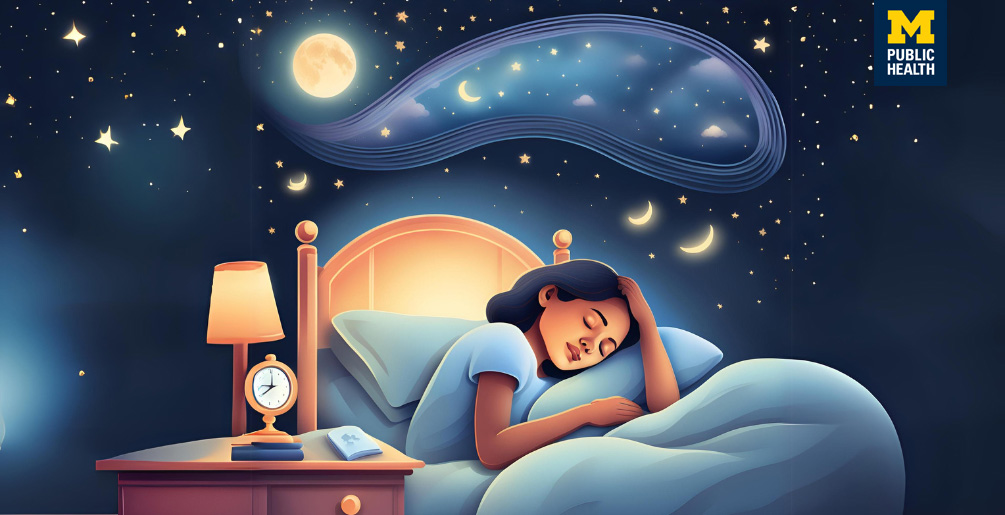
The Science of Sleep: Why It Matters More Than Ever
Introduction
Captivating Hook
Imagine a world where a simple lifestyle change could significantly reduce your risk of heart disease, improve your memory, boost your creativity, and extend your lifespan. Yet, despite the incredible power of this tool, nearly one-third of adults routinely forgo it. That tool is sleep. Alarmingly, the Centers for Disease Control and Prevention (CDC) describes insufficient sleep as a public health epidemic, with far-reaching consequences for individuals and society alike.
Many of us have experienced the occasional restless night, tossing and turning, only to wake up feeling groggy and out of sync. But what if sleeplessness wasn’t just an anomaly, but part of a larger pattern, slowly eroding our health, productivity, and happiness?
Purpose of the Article
This article is dedicated to exploring the often-overlooked world of sleep, revealing why it is not merely a passive state of rest but a fundamental biological process with profound implications for every aspect of our health.
Through this journey, we will:
- Dive into the fascinating science behind sleep, uncovering its critical role in physical, mental, and emotional well-being.
- Examine the modern challenges that disrupt our sleep patterns, from societal pressures to technology.
- Provide evidence-based, actionable strategies for improving sleep quality in today’s fast-paced world.
In an era where hustle culture glorifies sleepless nights and multitasking, it’s time to challenge the misconception that sleep is a luxury or a sign of weakness. Instead, let’s embrace sleep as the ultimate tool for enhancing productivity, fostering creativity, and ensuring long-term health and happiness.

Understanding Sleep: The Cornerstone of Health
Sleep as a Biological Necessity
Sleep is not a luxury—it is a biological imperative, as essential to survival as food and water. While we may consider waking hours as the “active” part of life, it is during sleep that the body and brain engage in a symphony of restoration and preparation. Denying the body adequate sleep is akin to depriving it of oxygen or nourishment; the consequences are not only immediate but also cumulative, impacting every facet of health and well-being.
Research reveals that chronic sleep deprivation impairs nearly every system in the body, from the brain to the immune system. This is because sleep is the body’s ultimate repair mechanism, offering a nightly reset for the physical, cognitive, and emotional domains.
Key Functions of Sleep
- Cellular Repair and Renewal
During deep sleep, the body releases growth hormones that repair tissues, strengthen bones, and support muscle regeneration. This is why athletes and those recovering from injuries prioritize sleep as a crucial part of their routines. - Strengthening Immunity and Hormonal Balance
Sleep acts as a booster for the immune system, allowing it to generate and deploy infection-fighting cells. Chronic sleep loss, on the other hand, weakens immunity, leaving the body vulnerable to infections.
Furthermore, sleep regulates critical hormones:
- Testosterone and Estrogen: Vital for reproductive health and vitality.
- Insulin: Helps regulate blood sugar levels and prevents metabolic disorders like diabetes.
- Leptin and Ghrelin: Control hunger and satiety, directly influencing weight management.
- Cognitive Benefits: Memory, Learning, and Creativity
The brain uses sleep to consolidate memories and process information from the day. Non-REM sleep strengthens factual memory and problem-solving skills, while REM sleep fosters creativity and emotional insights. Without sufficient sleep, learning becomes less efficient, and cognitive performance declines. - Emotional Resilience and Stress Regulation
Sleep is a natural stress reliever. It helps the brain regulate emotions, reducing irritability, anxiety, and depressive symptoms. Individuals who are sleep-deprived often find themselves more reactive to stress and prone to emotional instability. - Toxin Removal and Alzheimer’s Prevention
One of the most critical functions of sleep is the brain’s “clean-up” process. During deep sleep, cerebrospinal fluid flushes out metabolic waste, including amyloid-beta proteins, which are implicated in Alzheimer’s disease. Chronic sleep deprivation disrupts this detoxification process, potentially increasing the risk of neurodegenerative diseases.
The Sleep Cycle: REM and Non-REM Sleep
The human sleep cycle consists of two primary phases: non-REM sleep and REM sleep. These phases alternate in roughly 90-minute cycles throughout the night, each contributing uniquely to health and well-being.
- Non-REM Sleep:
- Comprises three stages, with the deepest stage (slow-wave sleep) being the most restorative.
- This is when the body repairs tissues, strengthens immunity, and consolidates factual memories.
- REM Sleep:
- Known as the “dreaming stage,” REM sleep is critical for emotional regulation, creativity, and forming complex memories.
- It is also when the brain processes and integrates emotional experiences, offering a form of overnight therapy.
Both REM and non-REM sleep are essential. Disruptions to the sleep cycle—whether from waking frequently, sleeping too little, or poor sleep quality—can compromise these vital processes, leading to long-term health consequences.
Understanding sleep’s critical role in health underscores why it must be treated with the same importance as diet and exercise. It is the cornerstone upon which physical vitality, cognitive clarity, and emotional balance are built. Prioritizing sleep is not just a personal investment—it’s a necessary act of self-care that pays dividends for a lifetime.
:max_bytes(150000):strip_icc()/what-are-the-symptoms-of-sleep-deprivation-3015161_final1-edit-82c5f573f5234f66be1021f887933169.jpg)
The Modern Sleep Crisis: A Wake-Up Call
Global Sleep Loss Epidemic
The world is facing a silent but pervasive public health crisis: a global epidemic of sleep deprivation. According to the World Health Organization, billions of people across the globe routinely fail to meet the recommended 7–9 hours of sleep per night. The repercussions are staggering, ranging from increased risks of chronic diseases to economic strain on individuals and societies.
Sleep loss is not just a personal issue; it is a systemic problem fueled by modern lifestyles, cultural attitudes, and technological advancements. Sleep has become undervalued in the pursuit of productivity, entertainment, and social engagement, leaving many of us running on empty.
Contributors to the Crisis
- Over-Prioritization of Work and Societal Expectations
In today’s hypercompetitive world, sleep is often sacrificed on the altar of work and ambition. Societal norms glorify “hustle culture” and view sleeplessness as a badge of honor, equating it with dedication and success. This mindset pressures individuals to prioritize long hours at work over their own well-being, perpetuating a cycle of exhaustion. - Technology: Blue Light Exposure and Screen Addiction
The omnipresence of technology, particularly smartphones, has profoundly disrupted our sleep patterns. Blue light emitted by screens suppresses the production of melatonin, the hormone responsible for regulating sleep. Addictive apps and endless scrolling further delay bedtime, turning screens into one of the most insidious culprits of modern sleep deprivation. - Lifestyle Choices: Caffeine, Alcohol, and Irregular Routines
- Caffeine: While a morning cup of coffee is harmless for most, excessive caffeine consumption or late-afternoon doses can interfere with sleep by blocking adenosine, the chemical that promotes sleepiness.
- Alcohol: Despite its reputation as a sedative, alcohol disrupts the sleep cycle by fragmenting REM sleep and reducing sleep quality.
- Irregular Routines: Erratic sleep schedules—often driven by work demands, social commitments, or procrastination—confuse the body’s internal clock, making it harder to fall asleep and wake up consistently.
- Chronotype Mismatches and the Rise of “Sleep Divorce”
Not everyone has the same natural sleep-wake rhythm, or chronotype. “Night owls” and “morning larks” often struggle to align their schedules, especially in relationships. This mismatch can lead to disrupted sleep, prompting some couples to embrace “sleep divorce” by sleeping in separate beds or rooms to preserve individual sleep quality.
Economic and Social Costs
- Reduced Productivity and Increased Healthcare Expenditures
The economic toll of sleep deprivation is immense. Insufficient sleep is linked to decreased productivity, poor decision-making, and reduced focus, costing businesses billions annually in lost efficiency. Additionally, chronic sleep deprivation drives up healthcare costs by increasing the prevalence of illnesses such as diabetes, heart disease, and depression. - Workplace Accidents and Absenteeism
Sleep-deprived individuals are more likely to make errors and suffer from reduced alertness, leading to workplace accidents. Industries requiring high levels of concentration—such as transportation, healthcare, and manufacturing—are particularly vulnerable. Absenteeism and “presenteeism” (being physically present but mentally disengaged) further amplify economic losses.
The modern sleep crisis is not an isolated phenomenon but a reflection of broader societal and cultural issues. Addressing this crisis requires a shift in priorities, a reevaluation of modern lifestyles, and a commitment to protecting and promoting the sanctity of sleep. Only then can we reclaim the countless benefits of restful nights and energized days.
The Dire Consequences of Sleep Deprivation
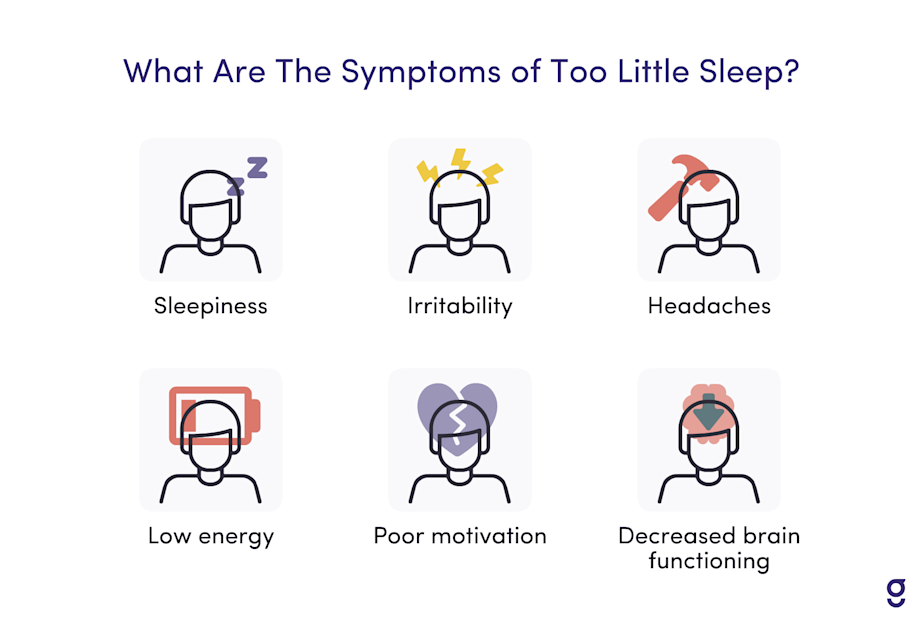
Sleep deprivation may start with subtle signs—difficulty concentrating or feeling irritable—but its effects can cascade into severe, life-altering consequences. These consequences span the spectrum of immediate risks to long-term health deterioration, making it a critical issue for individuals and society alike.
Short-Term Effects of Sleep Deprivation
- Fatigue-Related Errors and Drowsy Driving
One of the most immediate dangers of sleep deprivation is its impact on alertness and motor skills. Studies show that drowsy driving is as dangerous as drunk driving, impairing reaction times, decision-making, and coordination. The National Highway Traffic Safety Administration estimates that fatigue-related crashes result in thousands of deaths annually.
Similarly, workplace accidents often stem from sleep-related errors, particularly in professions requiring high attention to detail, such as healthcare, aviation, and construction.
- Reduced Mental Clarity, Decision-Making, and Emotional Stability
Even a single night of poor sleep can significantly impair cognitive function. Key areas affected include:
- Mental Clarity: Reduced ability to focus, process information, and complete tasks.
- Decision-Making: Impaired judgment and increased risk-taking behaviors due to a miscalibrated sense of consequences.
- Emotional Stability: Heightened irritability, mood swings, and difficulty managing stress, which can strain relationships and hinder productivity.
Long-Term Health Risks of Sleep Deprivation
- Chronic Illnesses
Prolonged sleep deprivation contributes to a host of serious medical conditions:
- Obesity: Disrupted hormones like ghrelin (hunger hormone) and leptin (satiety hormone) lead to overeating and weight gain.
- Diabetes: Poor sleep affects insulin sensitivity, increasing the risk of type 2 diabetes.
- Heart Disease: Chronic sleep loss raises blood pressure and inflammation, both of which are major risk factors for cardiovascular disease.
- Certain Cancers: Emerging research suggests links between sleep disruption and increased risks of cancers, such as breast and colorectal cancers, possibly due to impaired immune surveillance.
- Mental Health Challenges
Sleep deprivation is both a cause and consequence of mental health issues:
- Anxiety and Depression: Chronic insomnia doubles the risk of developing these conditions, creating a vicious cycle of poor sleep and deteriorating mental health.
- Suicidal Ideation: Sleep-deprived individuals are at greater risk of suicidal thoughts, particularly when co-occurring with untreated mental health disorders.
- Cognitive Decline, Accelerated Aging, and Alzheimer’s Risk
The brain’s ability to detoxify itself during deep sleep is crucial for maintaining long-term cognitive health. Sleep deprivation hampers this process, leading to:
- Cognitive Decline: Reduced memory retention, problem-solving skills, and learning capacity.
- Accelerated Aging: Increased oxidative stress and inflammation contribute to premature aging of both body and brain.
- Heightened Alzheimer’s Risk: Sleep deprivation impairs the clearance of amyloid-beta proteins, which are associated with Alzheimer’s disease.
- Hormonal Disruptions Impacting Fertility and Reproductive Health
Sleep plays a pivotal role in hormonal balance, including those regulating reproductive health:
- Fertility Issues: Disrupted sleep can lead to irregular menstrual cycles and reduced sperm quality.
- Pregnancy Complications: Sleep disorders during pregnancy are linked to higher risks of gestational diabetes and preeclampsia.
The consequences of sleep deprivation are far-reaching, impacting nearly every system in the body. While the short-term effects are disruptive and dangerous, the long-term risks underscore the necessity of treating sleep as a non-negotiable pillar of health. Prioritizing sleep is not just about avoiding these dire outcomes but about fostering resilience, vitality, and a higher quality of life.
Building Better Sleep: Actionable Strategies
Improving sleep quality doesn’t require drastic changes but instead a commitment to consistent habits and informed choices. By focusing on foundational sleep hygiene, addressing common difficulties, and dispelling misconceptions, anyone can make meaningful strides toward better rest and overall health.
Sleep Hygiene Essentials
- Regular Sleep Schedules and Bedtime Routines
- Consistency is Key: Going to bed and waking up at the same time every day—even on weekends—reinforces your body’s natural circadian rhythm.
- Evening Wind-Down: Establish a calming pre-sleep routine, such as reading, taking a warm bath, or practicing gentle stretches, to signal your body that it’s time to rest.
- Optimize the Sleep Environment
- Darkness: Use blackout curtains or an eye mask to block out light, which can disrupt melatonin production.
- Cool Temperature: Keep your bedroom slightly cool (around 65°F or 18°C) to promote deeper sleep.
- Silence or White Noise: Minimize noise with earplugs or use a white noise machine to mask disturbances.
- Comfort: Invest in a supportive mattress and comfortable pillows tailored to your needs.
- Manage Screen Exposure, Caffeine, and Alcohol Intake
- Screen Time: Avoid screens at least an hour before bedtime. If necessary, use blue light filters or glasses to reduce the impact on melatonin.
- Caffeine: Limit consumption to mornings or early afternoons to prevent its stimulating effects from interfering with sleep.
- Alcohol: Avoid alcohol close to bedtime; while it may help you fall asleep faster, it disrupts deep and REM sleep stages.
- Incorporate Physical Activity and a Balanced Diet
- Exercise: Regular physical activity can improve sleep quality, but avoid intense workouts within three hours of bedtime.
- Nutrition: A balanced diet supports overall health, and certain foods, like those rich in magnesium and tryptophan, may promote relaxation.
Addressing Sleep Difficulties
- Follow the 30-Minute Rule
If you can’t fall asleep within 30 minutes, get out of bed and engage in a relaxing activity (like reading or meditating) until you feel sleepy. This prevents your brain from associating your bed with frustration. - Practice Mindfulness, Meditation, and Relaxation Techniques
- Mindfulness Exercises: Techniques such as deep breathing, body scans, or progressive muscle relaxation can help calm a racing mind.
- Sleep Stories and Music: Listening to calming stories or ambient music can create a peaceful transition into sleep.
- Explore Cognitive Behavioral Therapy for Insomnia (CBT-I)
CBT-I is a structured, evidence-based approach to treating insomnia by addressing negative thoughts and behaviors around sleep. It is often more effective than medication for long-term relief. - Use Naps Sparingly and Strategically
Short naps (15–20 minutes) early in the day can provide a quick energy boost without interfering with nighttime sleep. Avoid long or late-afternoon naps, as they can disrupt your sleep cycle.
Myth-Busting
- Weekend “Catch-Up” Sleep Doesn’t Erase the Deficit
While sleeping in on weekends may provide temporary relief, it doesn’t reverse the cognitive or physical toll of chronic sleep deprivation. Consistency throughout the week is far more effective. - Natural Supplements Often Lack Robust Scientific Backing
Over-the-counter remedies like melatonin or herbal supplements may help some individuals, but they are not universal solutions. Always consult a healthcare professional before using supplements.
When to Seek Help
Certain sleep difficulties require professional intervention. Consult a sleep specialist if you experience:
- Chronic insomnia lasting more than a few weeks.
- Frequent snoring, gasping, or choking during sleep, which may indicate sleep apnea.
- Persistent fatigue despite sufficient sleep duration.
- Unusual sleep behaviors, such as sleepwalking or night terrors.
Building better sleep habits is a journey of small, consistent steps. By prioritizing sleep and addressing underlying challenges, individuals can unlock its transformative benefits, from improved health to enhanced productivity and emotional resilience. Sleep is not just a necessity—it’s an investment in a healthier, happier life.

Conclusion
Reinforce Key Message
Sleep is not a luxury or an optional part of life—it is the cornerstone of physical health, mental clarity, emotional balance, and overall well-being. Just as we prioritize nutrition and exercise, we must elevate sleep to its rightful place as a fundamental pillar of health.
Summarize Key Takeaways
- Prioritizing Sleep is Non-Negotiable
Sleep affects every aspect of our lives—from our immune system and cognitive abilities to our emotional resilience and long-term health. - Actionable Strategies for Better Sleep
- Maintain a consistent sleep schedule and optimize your environment for restful sleep.
- Manage screen time, caffeine, and alcohol consumption.
- Incorporate mindfulness, relaxation techniques, and healthy lifestyle habits.
- Seek professional help if persistent sleep issues arise.
Empowering Closing Note
Improving sleep is within everyone’s reach. By taking small but consistent steps, you can transform your relationship with sleep and unlock its profound benefits for your body and mind. Your well-being, productivity, and happiness will flourish when you prioritize this essential aspect of life.
Call to Action
- Integrate Sleep Strategies into Daily Life
Start today—pick one or two strategies and implement them consistently. Over time, small changes will lead to significant improvements. - Advocate for a Cultural Shift
Spread awareness about the importance of sleep. Encourage workplaces, communities, and educational systems to embrace policies and practices that promote healthy sleep habits. - Support the MEDA Foundation
The MEDA Foundation is dedicated to fostering well-being and self-sustaining ecosystems for all, including individuals with unique needs. By supporting our initiatives, you contribute to creating healthier, happier communities. Donate today and join us in advocating for holistic health, including the essential role of sleep.
Book Reference
- Why We Sleep: Unlocking the Power of Sleep and Dreams by Matthew Walker.
- The Sleep Solution: Why Your Sleep Is Broken and How to Fix It by W. Chris Winter.
- Sleep Smarter: 21 Essential Strategies to Sleep Your Way to a Better Body, Better Health, and Bigger Success by Shawn Stevenson.
- The Promise of Sleep: A Pioneer in Sleep Medicine Explores the Vital Connection Between Health, Happiness, and a Good Night’s Sleep by William C. Dement.


 This article focuses on the mind and body aspects of how to get the best sleep, tips, and tricks to recognize symptoms, and a list of possible remedies. Additionally, it contains sugessions for sleep practices and sleep aids to make the process simpler!
 The importance of sleep extends far beyond its role in rejuvenation and rest. Sleep is the cornerstone of our physical health, influencing everything from immune function to metabolism. Without adequate sleep, our bodies become more susceptible to illness and chronic conditions. Moreover, sleep is crucial for cognitive function and mental clarity. Research has shown that sleep deprivation impairs decision-making, attention, and creativity, hindering our ability to thrive in our daily lives.The benefits of good sleep extend far beyond feeling refreshed in the morning. Here are some key advantages:
 Ayurveda, the ancient Indian system of medicine, regarded sleep as vital for maintaining balance among body, mind, and spirit. The Charaka Samhita and Sushruta Samhita, foundational Ayurvedic texts, emphasized sleep as one of the three pillars of health, alongside diet and lifestyle.
 Diving Deep into Sleep: Stages of Sleep
 Age: Sleep requirements evolve with age. Infants necessitate the most sleep, with newborns requiring 14-17 hours, aiding in crucial brain development and growth. Children and adolescents require ample sleep to support cognitive function, learning, and physical development, typically needing 9-11 hours. Adults generally thrive on 7-9 hours of sleep, crucial for memory consolidation, immune function, and emotional regulation.
 Nature of Work: Those engaged in physically demanding or manual labor often require additional sleep for adequate rest and recovery. Sedentary occupations may also necessitate ample sleep to combat the effects of prolonged sitting and mental fatigue. Constant traveling disrupts circadian rhythms, requiring individuals to prioritize sufficient sleep to mitigate jet lag and fatigue. High-stress occupations can impair sleep quality, emphasizing the need for restorative sleep to manage stress levels and maintain overall health. Nightshift workers face challenges in aligning sleep schedules with societal norms, necessitating strategies to optimize sleep during unconventional hours.
 High-Quality Sleep:
 Creative Visualization with Music: Engage in creative visualization before bed by imagining yourself in a serene and peaceful environment, such as a tranquil beach or lush forest. Pair this visualization with calming music or nature sounds to enhance relaxation and promote deep sleep. Visualizing positive imagery can help reduce stress and anxiety, creating an ideal mental environment for restorative sleep.
 Sensory Stimulation: Incorporate sensory stimulation techniques to enhance relaxation and promote sleep. Experiment with aromatherapy by diffusing soothing essential oils like lavender or chamomile, known for their calming properties. Additionally, consider using weighted blankets or gentle pressure therapy, cuddling, and intimacy to provide a comforting sensation, promoting relaxation and reducing restlessness.
 Sleep Posture: Your sleep posture can significantly impact the quality of your sleep and overall comfort throughout the night. For optimal spinal alignment and reduced strain on your neck and back, consider sleeping on your back without using a pillow. This position allows your spine to maintain its natural curvature and can help alleviate pressure points. If you prefer sleeping on your side, place a pillow in the crook of your neck to support your head and neck in alignment with your spine. Additionally, place a pillow between your knees to keep your hips aligned and prevent undue strain on your lower back. For those prone to snoring, sleeping on your side can help keep your airways open and reduce the likelihood of snoring. Elevating the head of your bed slightly can also help alleviate snoring by preventing the tongue and soft tissues in the throat from collapsing backward and obstructing the airway. By paying attention to your sleep posture and making adjustments as needed, you can promote better alignment, reduce discomfort, and enjoy more restful sleep.
 Bedding: Selecting the right bedding is crucial for ensuring comfort and support during sleep. The choice of bedding depends on individual preferences, age, and health needs. Commonly used bedding options include mattresses, pillows, and bedding materials such as cotton, linen, or bamboo. Each material offers unique benefits, with cotton being breathable and ideal for hot sleepers, while bamboo provides natural moisture-wicking properties for those prone to sweating. Keep in mind the Thread count and Quality of Fabric. Understanding sleep psychology associated with bedding choices can also influence sleep quality. For example, softer bedding materials like silk or satin may evoke feelings of luxury and comfort, promoting relaxation and deeper sleep. Additionally, choosing the right mattress firmness based on personal preference and sleep position can alleviate pressure points and ensure proper spinal alignment for a restful night’s sleep. Lastly bedding must be maintained well, cleaned, deoderized and steamed periodically. Sheets may be washed every 3 to 7 days and broomed daily before sleep to prevent particles of dust or dead skin from affecting sleep quality
 Food: The timing and composition of meals can significantly influence sleep quality and overall well-being. Aim to finish eating at least two to three hours before bedtime to allow for proper digestion and prevent discomfort during sleep. Choose sleep-promoting foods that contain tryptophan, magnesium, and melatonin, such as bananas, nuts, seeds, and leafy greens. Incorporating complex carbohydrates, such as whole grains or sweet potatoes, into evening meals can also support serotonin production, promoting relaxation and sleepiness. Additionally, avoid heavy, spicy, or acidic foods close to bedtime, as they can cause indigestion and disrupt sleep. Opting for light, easily digestible snacks, such as yogurt or herbal tea, can help satisfy hunger without interfering with sleep quality. By making mindful choices about food intake and timing, you can optimize your sleep environment and promote restful, rejuvenating sleep.
 Recovering from Mental Exhaustion: To recover from mental exhaustion, prioritize sleep hygiene practices that promote restful sleep and mental rejuvenation. Establish a consistent sleep schedule by going to bed and waking up at the same time every day, even on weekends. Create a relaxing bedtime routine to signal to your body that it’s time to wind down, such as reading a book, practicing relaxation exercises, or listening to calming music. Limit exposure to screens and stimulating activities before bedtime, as they can interfere with your ability to unwind and fall asleep. Practice stress-reduction techniques throughout the day, such as deep breathing exercises, mindfulness meditation, or yoga, to alleviate mental tension and promote relaxation. Additionally, consider seeking support from a therapist or counselor if you’re experiencing prolonged mental exhaustion or stress.
 Sleep disturbances: Individuals with sleep apnea may experience symptoms like loud snoring, gasping for air during sleep, and daytime sleepiness. Treatment options include lifestyle changes like weight loss and positional therapy, as well as continuous positive airway pressure (CPAP) therapy or oral appliances to keep the airway open during sleep.Insomnia, characterized by difficulty falling or staying asleep, can lead to fatigue, irritability, and impaired daytime functioning. Remedies may include cognitive behavioral therapy for insomnia (CBT-I), relaxation techniques, and sleep hygiene practices. Additionally, identifying and addressing underlying factors such as stress, anxiety, or medical conditions is essential for effective management.
 Segmented Sleep (Sleeping in Shifts):
 Set Daily Goals: Start each day with a clear set of goals, whether they involve work tasks, personal projects, or acts of kindness. Having a sense of purpose and direction can fuel motivation and productivity.
 Engage in Meaningful Activities: Find activities that bring fulfillment and joy, whether it’s pursuing creative passions, learning something new, or spending quality time with loved ones. Engaging in activities that align with our values and interests can enhance overall well-being and contribute to a sense of accomplishment.
 Set Intentions Before Bed: Before drifting off to sleep, take a moment to set intentions for your dreams. Visualize the challenges or questions you seek solutions to, affirming your subconscious mind’s ability to provide guidance and clarity.
 Water Right After Waking: Hydrating the body immediately upon waking is crucial for jumpstarting metabolism, replenishing lost fluids, and kickstarting the digestive system. Consider drinking water from a copper vessel, which is believed to have health benefits such as boosting immunity and aiding digestion. Infusing water with ginger, cumin, lemon, or honey adds flavor and additional health benefits. Sipping water slowly while sitting down allows for mindful consumption, aiding in the absorption of nutrients and promoting alkalinity in the body. Swirling water in the mouth before swallowing mixes it with saliva, which contains alkaline properties beneficial for overall health. By making hydration a priority upon waking, we set the stage for improved energy levels and overall well-being throughout the day.
 Cultivate Positivity: Starting the day with a positive mindset sets the tone for a fulfilling and productive day ahead. Cultivate positivity through activities that nourish the body, mind, and soul. Engage in physical exercise or yoga to release endorphins and boost mood, setting a positive tone for the day. Alternatively, listening to uplifting music or devotional songs can uplift the spirit and inspire a sense of gratitude and contentment. Take time for quiet reflection or reading inspirational literature to cultivate a sense of purpose and motivation. By incorporating these positivity-boosting practices into our morning routine, we cultivate resilience, optimism, and inner strength, equipping us to face challenges with grace and determination.
 Pillow Speakers for Learners: Incorporating pillow speakers into your sleep routine can be a unique way to enhance learning and retention. While you sleep, your subconscious mind remains active, making it an ideal time for absorbing information. By playing educational audio such as language lessons, audiobooks, or calming music through pillow speakers, you can immerse yourself in learning while you rest. The gentle background noise can help facilitate the encoding of new information, making it more accessible for recall and retention upon waking.
 Weighted Blankets and Electric Blankets: Weighted blankets provide gentle, evenly distributed pressure across the body, mimicking the sensation of being hugged or held. This deep pressure stimulation can promote feelings of relaxation and security, making it easier to drift off to sleep. Similarly, electric blankets offer customizable warmth, creating a cozy and comforting environment, particularly beneficial for those living in colder climates or experiencing feelings of loneliness. The gentle warmth from an electric blanket can soothe tense muscles and induce a sense of calmness, helping to alleviate anxiety and promote restful sleep.
 Aromatherapy Diffusers: Utilizing aromatherapy diffusers in the bedroom can provide additional support for relaxation and sleep. Essential oils such as lavender, chamomile, and bergamot are known for their calming and stress-relieving properties. By diffusing these oils into the air before bedtime, you can create a tranquil atmosphere conducive to sleep. The gentle aroma can help soothe the mind and promote a sense of relaxation, making it easier to unwind and prepare for restorative sleep.
 Acupressure Mats: Acupressure mats are designed with small, evenly spaced spikes that apply pressure to various points on the body when lying down. This pressure stimulates the release of endorphins, promoting feelings of relaxation and pain relief. Using an acupressure mat before bed can help alleviate tension and stress accumulated throughout the day, allowing for deeper relaxation and more restful sleep. Additionally, acupressure mats may improve circulation and reduce muscle soreness, further enhancing sleep quality.
 Smart Watches and Digital Sleep Tracker Jewelry: Innovative sleep aids that utilize wearable technology to monitor sleep patterns and provide insights for optimizing sleep quality and duration. These devices track various parameters such as movement, heart rate, and sleep stages throughout the night. By analyzing this data, users can gain valuable insights into their sleep habits and identify areas for improvement. For example, they can learn about the duration and quality of different sleep stages, including deep sleep and REM sleep, as well as instances of restlessness or awakenings. With this information, individuals can make informed decisions to enhance their sleep environment, adjust their bedtime routine, or seek professional guidance if necessary. Smart Watches and Digital Sleep Tracker Jewelry empower users to take control of their sleep health and work towards achieving more restful and rejuvenating sleep each night.
 Ambient Sound Machines:They produce a steady, consistent sound that masks background noises and promotes a more peaceful sleep environment. The sound of brain, forest, ocean, binaural beats etc. can help drown out disruptive sounds such as traffic or noisy neighbors, allowing you to fall asleep faster and stay asleep longer. Additionally, such machines can be particularly beneficial for individuals who struggle with tinnitus or have difficulty tuning out environmental distractions. By creating a consistent and soothing auditory backdrop they enhance overall sleep quality and promote deeper, more restorative rest.
 Body Pillows: Body pillows provide support and alignment for various sleeping positions, promoting comfort and reducing strain on the body. Whether used between the knees to alleviate hip or lower back pain, or hugged for extra support and comfort, body pillows can enhance sleep quality by promoting proper spinal alignment and reducing pressure points. Additionally, body pillows can provide a sense of security and coziness, making them particularly beneficial for individuals who prefer sleeping on their side or who experience discomfort during pregnancy. By investing in a supportive body pillow, you can improve your sleep posture and enhance overall comfort for a more restful night’s sleep.
 Conclusion