Tag: #RelationshipGoals

  • Want Love? Be Lovable. Want Respect? Be Respectable.

    Want Love? Be Lovable. Want Respect? Be Respectable.

    1. Introduction – The Unspoken Exchange

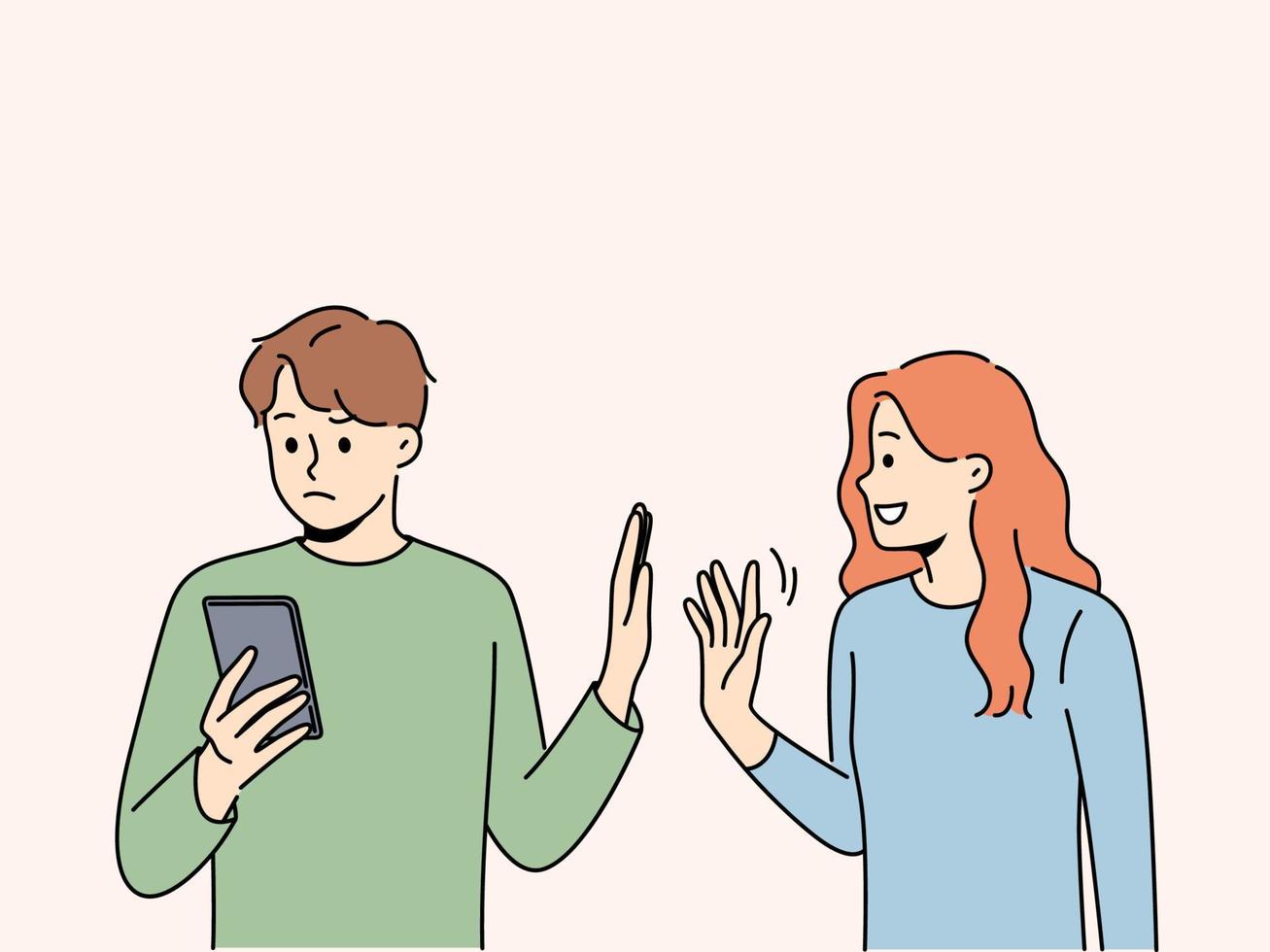
    Imagine a couple sitting across from each other at the dinner table. She has prepared his favorite meal and spent the afternoon planning a thoughtful surprise, yet he seems distant, absorbed in his phone. She asks why he isn’t engaging, and he responds curtly, “I just need some space.” Later, he reflects on how her constant questions and reminders feel overbearing. Despite both trying their best, they leave the evening feeling misunderstood, frustrated, and disconnected.

    What often happens in relationships is that both partners give according to their own emotional blueprint rather than the blueprint of the person they care about. Women may show love in ways that inadvertently feel controlling or dismissive to men. Men may demonstrate respect without offering the warmth or attention women need to feel loved. These mismatches create a subtle but persistent emotional friction that undermines connection.

    At the heart of this dynamic is a simple principle: relationships thrive when love and respect are inspired by the character and behavior of each partner, not when they are demanded or assumed. You cannot force respect or extract love—it flows naturally from the way you show up as a person.

    There is also a universal pattern to consider: while every individual desires both love and respect, women often prioritize feeling emotionally cherished and validated, whereas men often prioritize feeling respected and trusted in their capabilities. Recognizing and honoring these tendencies is not about reinforcing stereotypes but about understanding innate emotional wiring and the practical reality of interpersonal dynamics. When partners learn to embody lovability and respectability in ways that align with each other’s needs, the relationship shifts from friction to synergy, from misunderstanding to connection.


    2. Why Love and Respect Often Miss Each Other

    Even in relationships filled with genuine care and good intentions, love and respect can become misaligned. This often happens because partners naturally operate from their own emotional lens rather than understanding the needs of the other. To address this, it helps to consider three main dimensions: biological wiring, cultural conditioning, and behavioral patterns.

    2.1 Biological Wiring

    Human brains are wired differently when it comes to emotional needs and validation. Women, on average, are more attuned to bonding and emotional connection. The hormone oxytocin plays a key role in fostering trust, attachment, and empathy, making emotional affirmation and closeness a central priority. Men, on the other hand, are often more sensitive to respect as a form of validation, influenced in part by testosterone and the evolutionary emphasis on social status and capability. This does not mean men are unemotional or women are incapable of seeking respect—it simply highlights tendencies that often shape the way each partner interprets love and respect.

    2.2 Cultural Conditioning

    Societal norms and upbringing reinforce these tendencies. Many women are socialized to express care, nurturing, and attentiveness, while men are often encouraged to demonstrate competence, responsibility, and leadership. These patterns can unintentionally create friction: when a woman expresses care in ways a man perceives as controlling, or when a man demonstrates competence without warmth, both partners may feel unfulfilled. Cultural narratives about “how men and women should behave” often exacerbate misunderstandings, leading to a gap between intention and perception.

    2.3 Behavioral Patterns

    Behavioral mismatches are the most visible source of friction. A woman may ask frequent questions, give unsolicited advice, or offer reminders, believing this is loving. A man may respond by withdrawing or focusing on tasks, believing he is showing respect or competence. Conversely, a man may maintain a calm, measured, and reliable demeanor—respectable behaviors—but fail to express affection, leaving a woman feeling unloved. These repeated patterns create a subtle, cumulative effect: love and respect exist in the relationship, but they are not experienced by the partner in the way they need.

    The key insight here is that love and respect are not interchangeable currencies. They must be understood, expressed, and received according to the partner’s emotional framework, not your own. Recognizing the biological, cultural, and behavioral roots of misalignment sets the stage for intentional action: cultivating lovability and respectability in ways that truly resonate with the person you care about.

    3. How Misalignment Builds Frustration

    Even small mismatches in the way love and respect are expressed can accumulate into significant tension. Over time, these daily misalignments create a feedback loop that leaves both partners feeling disconnected, misunderstood, and emotionally unfulfilled. Understanding this dynamic is key to breaking the cycle and fostering harmony.

    3.1 The Negative Feedback Loop

    • For men: When a man perceives that his partner is overstepping boundaries, questioning his decisions, or inadvertently devaluing his words, he may feel disrespected. The natural response can be withdrawal—becoming emotionally distant, less communicative, or less engaged. This, in turn, leaves the woman feeling unloved, ignored, or frustrated.

    • For women: When a woman perceives that her partner is distant, emotionally unavailable, or transactional in his interactions, she may feel unloved or underappreciated. Her attempts to elicit warmth—through questions, reminders, or guidance—can unintentionally be perceived as controlling or critical, prompting further withdrawal.

    3.2 Real-Life Examples

    • Scenario 1: A woman sends thoughtful texts or reminders about shared responsibilities. The man, focused on work, interprets these as nagging. He responds tersely, which hurts her feelings. Both leave the interaction frustrated, even though both intended goodwill.

    • Scenario 2: A man provides for the household, makes decisions carefully, and follows through consistently. The woman craves verbal affection and emotional engagement. Feeling unseen, she becomes increasingly critical, prompting him to further distance himself.

    • Scenario 3: Repetitive micro-incidents—like forgetting a minor preference or misreading tone—compound over weeks, eroding intimacy despite the presence of genuine care and respect.

    3.3 The Emotional Cost

    Unchecked misalignment leads to:

    • Emotional fatigue and resentment.

    • A growing perception that the partner “doesn’t care” or “isn’t enough.”

    • Misinterpretation of intentions, creating further friction.

    3.4 Why Awareness Matters

    Recognizing this cycle is the first step toward intentional change. Once couples understand that:

    1. Misalignment is natural and not a reflection of lack of love or respect.

    2. Love and respect are experienced differently by each partner.

    …it becomes possible to consciously align behaviors with the partner’s emotional needs, preventing small frictions from escalating and fostering consistent feelings of love and respect.

    4. When Love Feels Missing

    Even in committed relationships, love and respect can be present in some form yet still feel absent. Often, this occurs when one partner focuses on expressing what they themselves value most, rather than what their partner needs. Recognizing these gaps is critical to restoring connection and intimacy.

    4.1 Women Loving but Not Respecting Men

    Women frequently pour immense care and affection into their relationships. Yet, certain behaviors—though motivated by love—can unintentionally feel disrespectful to men:

    • Overstepping boundaries or smothering: Constant checking, hovering, or managing his decisions.

    • Mothering behavior: Offering unsolicited advice or guidance that implies he cannot handle responsibilities.

    • Patronizing or infantilizing: Using language or tone that diminishes his sense of competence.

    • Challenging or questioning unnecessarily: Frequently debating his choices or undermining authority.

    • Dismissing ideas or devaluing words: Minimizing his opinions, contributions, or achievements.

    Impact: Men may feel emasculated, alienated, or underappreciated. Even when the intent is love, these actions can trigger withdrawal or defensiveness, reducing emotional closeness.

    4.2 Men Respecting but Not Loving Women

    Men often show respect through reliability, decision-making, and practical support. However, respect alone without affection can feel cold or neglectful:

    • Emotional distance: Limited verbal or physical expressions of love.

    • Transactional interactions: Prioritizing tasks or problem-solving over emotional connection.

    • Lack of warmth or affirmation: Failing to acknowledge accomplishments or feelings.

    • Avoidance of vulnerability: Refraining from sharing emotions or personal experiences.

    Impact: Women may feel unseen, unloved, or disconnected despite being treated “respectfully.” Over time, the absence of emotional affirmation can reduce intimacy and trust.

    4.3 The Core Insight

    Love and respect are not interchangeable. A woman may be deeply loving yet inadvertently undermine the man’s sense of respect. A man may be profoundly respectable yet fail to provide the warmth and connection a woman needs. Both gaps, if left unaddressed, create a silent erosion of satisfaction and closeness.

    By identifying these patterns, couples can consciously adjust behaviors, ensuring that expressions of love and respect are received as intended—building a foundation where both partners feel truly cherished and valued.

    5. The Natural Attraction of Lovability and Respectability

    Relationships flourish when partners embody qualities that naturally inspire the emotions they seek. Love flows more easily toward a lovable partner, and respect arises naturally for a respectable partner. Understanding these qualities clarifies why some people seem effortlessly cherished and admired, while others struggle despite good intentions.

    5.1 The Lovable Woman

    A woman who is naturally lovable tends to display qualities that make it easy for her partner to give love:

    • Positive and approachable: Maintains a cheerful, non-problematic disposition that invites connection.

    • Kind and caring: Shows genuine interest in the well-being of her partner without overstepping boundaries.

    • Affectionate and warm: Offers attention, verbal appreciation, and gestures of love consistently.

    • Secure in herself: Confident without being demanding, and easy to please without sacrificing self-respect.

    Impact: Men instinctively feel drawn to such a partner, finding it effortless to reciprocate love without feeling burdened or controlled.

    5.2 The Respectable Man

    A man who embodies respectability naturally inspires admiration and trust:

    • Responsible and accountable: Takes ownership of actions and fulfills commitments reliably.

    • Integrity-driven: Makes decisions aligned with values, earning trust and admiration.

    • Protector and provider mindset: Demonstrates foresight and care for his partner’s safety, stability, and growth.

    • Visionary and competent: Shows leadership, long-term thinking, and wise decision-making without being authoritarian.

    Impact: Women instinctively feel secure and valued, perceiving him as someone worthy of respect and admiration.

    5.3 The Core Principle

    Being lovable or respectable is less about perfection and more about embodying traits that make others feel safe, appreciated, and inspired. The more a partner cultivates these qualities, the more naturally love and respect flow in the relationship. This shift transforms effortful interactions into effortless connection, creating a positive feedback loop where each partner’s qualities amplify the other’s emotional response.


    6. The Boss/Little Girl Analogy

    One of the most intuitive ways to align love and respect in a relationship is through a simple analogy: imagine how you would behave toward someone you deeply care about in a role that naturally inspires respect or affection.

    6.1 For Women: Treating a Partner Like a Boss or Leader

    When a woman treats her partner with the respect and consideration she would show a trusted boss or mentor:

    • Boundaries are honored: She trusts his decisions and refrains from overstepping.

    • Communication is polished and constructive: Feedback or questions are framed respectfully, focusing on collaboration rather than criticism.

    • Value is acknowledged: She appreciates his efforts, expertise, and leadership without undermining his role.

    Impact: Men feel trusted, valued, and respected—emotions that naturally amplify their willingness to reciprocate love. Thinking of her partner as a “leader” she wants to impress helps a woman naturally combine affection with respect.

    6.2 For Men: Treating a Partner Like a Beloved Daughter

    When a man treats his partner with the care he would show a beloved, angelic daughter:

    • Protection and nurturing are balanced: He guides without controlling, supports without smothering.

    • Affection is intentional and consistent: Words, gestures, and presence communicate love and appreciation.

    • Encouragement to flourish: He celebrates growth, supports ambitions, and honors her individuality.

    Impact: Women feel loved, safe, and cherished. This approach inspires trust, connection, and a sense of being valued for who she truly is.

    6.3 Why the Analogy Works

    • Simplifies complex relational dynamics into intuitive behavioral models.

    • Encourages conscious alignment of actions with the partner’s emotional needs.

    • Helps both partners embody qualities—respect and care—that naturally elicit love and admiration, rather than relying on coercion or assumption.

    Key Insight: By thinking in terms of the “boss/little girl” analogy, couples can transform daily interactions into opportunities to inspire love and respect naturally, creating a stronger, more resilient bond.


    7. Actionable Steps to Embody Love and Respect

    Understanding the principles of love and respect is only the beginning. True transformation happens when these principles become daily habits. Here’s a practical, step-by-step guide for both partners to naturally express what their partner values most.


    7.1 For Women: Ways to Embody Respect

    Men feel respected when they sense trust, appreciation, and belief in their abilities. Here’s how to make that a part of your daily interactions:

    Mindset Shifts

    • See effort, not just results: Notice the hard work behind his actions—even if the outcome isn’t perfect.

    • Trust his judgment: Let go of the need to micromanage. Assume good intent unless proven otherwise.

    • Celebrate his role as a provider or protector: Whether big or small, his contributions matter.

    Daily Micro-Habits

    • Tone check: Speak with calmness, not sharpness—even when expressing frustration.

    • Acknowledge publicly: Appreciate him in front of others; it magnifies the value he feels.

    • Respect his space: Allow him time to recharge without interpreting it as rejection.

    Quick Respect Boosters

    • A warm “thank you” for everyday things.

    • Ask for his opinion on decisions—big or small.

    • Celebrate his strengths with specific compliments (“I admire how you handled that situation with calm confidence.”).


    7.2 For Men: Ways to Embody Love

    Women feel loved when they feel seen, heard, and prioritized. Here’s how to nurture that sense every day:

    Mindset Shifts

    • Love is shown in presence, not just provision: Time and attention matter as much as financial or physical support.

    • Emotions are valid, not dramatic: Treat her feelings seriously, even if you don’t fully understand them.

    • Little gestures create big security: Consistency builds trust far more than grand occasional acts.

    Daily Micro-Habits

    • Eye contact during conversations: It signals genuine attention.

    • Daily check-ins: A short call, text, or question like “How was your day?” shows thoughtfulness.

    • Non-transactional affection: Hugs, gentle touches, or sweet words—without expectation.

    Quick Love Boosters

    • Surprise her with small acts of thoughtfulness—a note, her favorite snack, or taking a task off her plate.

    • Listen without interrupting when she vents; she often wants understanding, not solutions.

    • Remind her of her value with affirmations like “I’m lucky to have you,” or “You make my life brighter.”


    7.3 Joint Practices for Both Partners

    Some habits strengthen both love and respect simultaneously:

    • Shared Gratitude Ritual: Spend a minute each night appreciating one thing about each other.

    • Conflict Pause Rule: In heated moments, pause for five deep breaths before responding.

    • Weekly Connection Time: A walk, coffee date, or quiet evening—no screens, no distractions.

    • Celebrating Wins Together: From small victories to big milestones, rejoice in each other’s achievements.


    7.4 Mental Shortcuts for Daily Reminders

    • For Women: Before reacting, ask, “Will this make him feel respected?”

    • For Men: Before responding, ask, “Will this make her feel loved?”

    • For Both: Remember—your partner’s need for love or respect isn’t a demand; it’s their natural wiring.


    8. Common Pitfalls and How to Avoid Them

    Even with the best intentions, couples often fall into predictable patterns that undermine love or respect. Awareness of these pitfalls allows partners to course-correct before frustration or resentment builds.


    8.1 Pitfalls Women Often Encounter

    • Over-asking or micromanaging: Constantly questioning decisions or offering unsolicited advice can feel controlling.

    • Mothering instead of partnering: Taking responsibility for his choices or outcomes diminishes his sense of autonomy.

    • Criticism disguised as concern: Phrases like “You should…” or “Why didn’t you…” can be perceived as disrespect.
      How to Avoid: Pause before speaking, focus on collaborative language, and trust his judgment unless boundaries are crossed.


    8.2 Pitfalls Men Often Encounter

    • Emotional distance or unavailability: Focusing solely on tasks or provision without warmth signals neglect.

    • Transactional thinking: Treating the relationship like a checklist rather than a partnership undermines emotional intimacy.

    • Avoiding vulnerability: Refusing to share emotions or fears prevents true connection.
      How to Avoid: Practice daily emotional check-ins, verbalize appreciation and affection, and allow safe vulnerability.


    8.3 Pitfalls Both Partners Share

    • Assuming the other “should just know”: Expectations without communication create misunderstandings.

    • Defensiveness during conflicts: Protecting ego rather than resolving issues escalates tension.

    • Neglecting small gestures: Over time, missing consistent daily attention erodes emotional closeness.
      How to Avoid: Adopt simple daily rituals—gratitude, praise, affection, and structured check-ins.


    8.4 The Core Takeaway

    The most common mistakes arise not from malice but from misaligned intentions. Love and respect can be present in a relationship yet fail to be experienced by the partner. By recognizing these pitfalls and consciously adjusting behavior, couples create a safe, nourishing environment where love and respect flow naturally.

    9. Shared Practices for Building a Lasting Love-Respect Loop

    Love and respect are most sustainable when nurtured through intentional, shared practices. These create predictable, positive patterns that reinforce connection and minimize misalignment.


    9.1 Daily Rituals

    • Gratitude Minute: Each partner shares one thing they appreciate about the other every day, focusing on behaviors rather than general qualities.

    • Intentional Check-In: Spend 5–10 minutes daily discussing feelings, challenges, or successes. This fosters mutual understanding and reduces assumptions.

    • Small Acts of Thoughtfulness: Simple gestures—like leaving a note, preparing a favorite snack, or a gentle touch—communicate love and acknowledgment consistently.


    9.2 Mindset Frameworks

    • Golden Rule Upgrade: Treat your partner the way they want to be treated, not the way you wish to be treated.

    • Curiosity Instead of Judgment: Approach disagreements with questions and exploration, not blame or criticism.

    • Ownership of Influence: Recognize that your behavior sets the emotional tone; small positive actions amplify love and respect.


    9.3 Reflective Exercises

    • Weekly Relationship Review: Reflect together on what actions strengthened love and respect and where alignment slipped.

    • Journaling Prompts:

      • “Which of my behaviors today made my partner feel loved/respected?”

      • “What small change tomorrow could enhance our connection?”

    • Partner Appreciation Notes: Weekly written acknowledgment of strengths, efforts, or acts of care reinforces value.


    9.4 Creating a Positive Feedback Loop

    Consistent practice of rituals, reflective exercises, and mindset frameworks generates a self-reinforcing loop:

    1. Partner A embodies lovability or respectability.

    2. Partner B naturally responds with love or respect.

    3. Positive behavior and feelings feed back into the relationship, strengthening trust, intimacy, and satisfaction.

    Key Insight: When partners actively shape their own behavior and communication, they no longer rely on luck or hope for connection—the relationship becomes a predictable, thriving system where love and respect flow naturally.

    10. Repairing Breaks in Love or Respect

    Even in healthy relationships, misunderstandings or misalignments can occasionally cause emotional rifts. How couples respond to these moments often determines whether love and respect rebound or erode further.


    10.1 Quick Apology Framework

    • Acknowledge without deflection: Admit the specific behavior or words that caused hurt.

      • Example: “I realize my tone earlier felt dismissive, and I’m sorry.”

    • Express empathy: Demonstrate understanding of your partner’s feelings.

      • Example: “I understand that made you feel undervalued.”

    • Offer corrective action: Suggest a step to prevent recurrence.

      • Example: “Next time, I’ll pause and ask before reacting.”


    10.2 Reset Rituals

    • Short breaks to cool down: A walk, a cup of tea together, or a quiet pause can prevent escalation.

    • Intentional reconnection: After calm reflection, share feelings honestly without blame.

    • Physical or verbal gestures: A hug, holding hands, or words of affirmation can signal renewed closeness.


    10.3 Constructive Communication Techniques

    • Use “I feel” statements instead of “You” statements: This shifts focus from blame to personal experience.

    • Active listening: Repeat or summarize what the partner expresses to ensure understanding.

    • Seek clarity, not victory: Aim to resolve emotional disconnection, not win an argument.


    10.4 Preventive Strategies

    • Anticipate triggers: Recognize recurring situations that create friction and agree on preemptive approaches.

    • Daily micro-repair: A small check-in or acknowledgment of tension can prevent minor issues from escalating.

    • Mutual accountability: Both partners commit to repairing misalignments quickly rather than letting resentment accumulate.

    Key Insight: Repairing breaks in love or respect is not about perfection—it’s about responsiveness, humility, and deliberate action. By making repair a habitual practice, couples transform conflicts into opportunities to strengthen connection, trust, and emotional safety.


    11. Common Myths That Sabotage Love and Respect

    Even well-intentioned individuals often hold beliefs about relationships that unintentionally undermine love and respect. Identifying and challenging these myths is critical for building healthy, fulfilling partnerships.


    11.1 Myth 1: “Respect Means Control”

    • The Misconception: Some believe that earning respect requires asserting authority or dominance.

    • The Reality: True respect emerges from integrity, reliability, and consideration. It grows naturally when one demonstrates competence, accountability, and empathy.

    • Actionable Tip: Focus on behaviors that inspire trust and admiration rather than seeking obedience or submission.


    11.2 Myth 2: “Love Means Never Saying No”

    • The Misconception: People assume that love requires total agreement or unconditional compliance.

    • The Reality: Boundaries are essential for maintaining self-respect and emotional health. Saying no thoughtfully can actually deepen love by fostering mutual understanding and safety.

    • Actionable Tip: Communicate boundaries with care and clarity, framing them as ways to maintain respect for both partners.


    11.3 Myth 3: “If They Loved Me, They’d Just Know”

    • The Misconception: Love is assumed to be obvious without verbal or behavioral confirmation.

    • The Reality: People experience love differently. What feels loving to one partner may be invisible to the other.

    • Actionable Tip: Express love and respect explicitly through words, gestures, and consistent actions.


    11.4 Myth 4: “Respect and Love Are Interchangeable”

    • The Misconception: Many assume that showing love automatically generates respect, and vice versa.

    • The Reality: Each partner needs both love and respect expressed in ways that resonate with them. Neglecting one can create imbalance, frustration, or withdrawal.

    • Actionable Tip: Pay attention to what your partner truly values—sometimes affection, sometimes acknowledgment—and respond accordingly.


    11.5 Core Takeaway

    Beliefs about love and respect shape behaviors more than we realize. Challenging these myths allows partners to interact consciously rather than reactively, creating a foundation where both love and respect are consistently felt and reciprocated.

    12. Adopting Lasting Value Systems

    Relationships are sustained not only by daily actions but by the deeper values that guide them. Cultivating core value systems ensures that love and respect are expressed consistently, naturally, and meaningfully.


    12.1 Values for Love

    To inspire authentic love, partners should embody qualities that make emotional connection effortless:

    • Kindness: Act with empathy, compassion, and patience in both words and deeds.

    • Gratitude: Regularly acknowledge and appreciate small and large contributions from your partner.

    • Playful Energy: Maintain lightness, humor, and spontaneity to keep the relationship vibrant.

    • Emotional Openness: Share feelings, vulnerabilities, and joys to foster intimacy and trust.

    Impact: These values create an inviting atmosphere where partners feel safe, cherished, and inspired to reciprocate love naturally.


    12.2 Values for Respect

    To elicit respect, partners must cultivate traits that demonstrate reliability, competence, and integrity:

    • Integrity: Act consistently with principles and values; let words and actions align.

    • Accountability: Own actions, decisions, and mistakes without deflecting blame.

    • Resilience: Navigate challenges with strength, patience, and steady composure.

    • Vision: Demonstrate foresight and responsibility, balancing short-term needs with long-term goals.

    Impact: These traits reinforce trust, admiration, and confidence, making it natural for a partner to respond with respect.


    12.3 Shared Values for Mutual Growth

    Some values enhance both love and respect simultaneously:

    • Mutual Growth: Encourage each other’s personal, emotional, and professional development.

    • Adaptability Across Life’s Seasons: Embrace change together, adjusting behaviors and expectations as circumstances evolve.

    • Shared Accountability: Take responsibility for the health of the relationship, rather than blaming external factors.

    Key Insight: By embedding these values into daily life, couples create a resilient foundation. Love and respect become self-reinforcing habits rather than fragile emotions, allowing the relationship to thrive through challenges, successes, and life transitions.

    13. Conclusion – Be What You Seek

    At the heart of every thriving relationship is a simple yet powerful truth: you do not demand love or respect—you inspire it by who you are and how you show up. Relationships are mirrors; they reflect the qualities you embody back to you. By consciously cultivating lovability and respectability, partners create an environment where affection, trust, and admiration flow naturally.

    Key Takeaways

    • Align actions with your partner’s needs: Love and respect are most powerful when expressed in ways your partner truly values.

    • Embody positive traits consistently: Kindness, gratitude, integrity, and accountability are daily practices, not occasional gestures.

    • Repair and reflect: Misunderstandings are inevitable, but prompt repair and conscious reflection prevent minor conflicts from eroding connection.

    • Adopt enduring values: Shared growth, adaptability, and mutual care create a foundation resilient to life’s changes.

    Final Insight: Relationships stop being a battlefield when love and respect are earned through character and action. By being the partner you wish to have, you naturally attract the love and respect you desire—transforming connection from effortful negotiation into effortless harmony.

    Call to Action: Begin with one small change today—pause, express appreciation, set a boundary, or share a moment of warmth. Each deliberate step moves you closer to the balanced, fulfilling partnership you envision.


    Support Meda Foundation

    This article, like all others published by Meda Foundation, has been made possible through the generous support of our patrons. If you have found the insights shared here to be informative, useful, or inspiring, please consider contributing to help sustain this work.

    Additionally, we invite you to share your own knowledge and experiences through our feedback form. Your input helps us refine future content and ensures it resonates with the needs of readers like you.


    Resources for Further Research

    For readers interested in exploring these concepts in greater depth or discovering related ideas, consider the following types of resources:

    • Websites & Blogs: Articles on relationship psychology, communication strategies, and emotional intelligence.

    • Podcasts & Vlogs: Discussions on love, respect, intimacy, and personal growth.

    • Videos & Documentaries: Visual insights into human behavior, interpersonal dynamics, and relationship science.

    • Research Papers & Journals: Academic studies on attachment styles, gender differences in emotional needs, and relationship outcomes.

    • News Articles & Media Reports: Real-world examples and analysis of relationship patterns and social behaviors.

    Providing direct URLs in plain text ensures easy access and reference for readers seeking more in-depth study.


  • Unlocking Success: How Cues Shape Your Confidence, Relationships, and Career

    Unlocking Success: How Cues Shape Your Confidence, Relationships, and Career

    Mastering the language of cues unlocks unparalleled potential in relationships, careers, and personal growth by harnessing the power of nonverbal communication. From body language and vocal tone to verbal phrasing and visual presentation, cues shape perceptions and build trust, confidence, and connection. By projecting warmth and competence, intentionally aligning gestures with purpose, and embracing imperfections, anyone can create impactful interactions. Whether it’s excelling in a job interview, building friendships, or navigating online communication, understanding and controlling cues empowers individuals to communicate effectively, foster meaningful connections, and achieve success in all areas of life.
    8 Body Language Cues That Lead to Better Business Connections | Entrepreneur
    Unlocking Success with the Language of Cues

    Introduction

    Imagine walking into a job interview. You’ve practiced your answers, researched the company, and polished your resume to perfection. Yet, it’s not the words you speak that stick. Instead, it’s your posture, a steady gaze, and a firm handshake that leaves a lasting impression. Research reveals that our brains are 12.5 times more likely to trust a gesture over words. This unspoken language, often unnoticed, can determine whether you succeed or fail.

    Introduction to Cues

    What are cues? They are the subtle, often unconscious signals we send and receive every day. Cues form a secret language that shapes perceptions, influences decisions, and builds or breaks connections. This language can be broken down into four main components:

    • Body language: Includes gestures, facial expressions, and posture. For instance, a slouched posture can signal disinterest, while a warm smile conveys openness.
    • Vocal tone: Encompasses inflection, cadence, and volume. A steady, modulated voice exudes confidence, whereas a rushed or high-pitched tone might suggest nervousness.
    • Verbal cues: Refers to specific word choices and phrasing. Thoughtful, clear language conveys professionalism and intention, while vague or overly complex wording can create confusion.
    • Visual elements: Your appearance—clothing, accessories, and grooming—serves as a visual shorthand for your personality, values, and confidence level. A tailored suit signals professionalism, while mismatched attire might detract from credibility.

    Mastering this language equips you to project the best version of yourself, creating a foundation for meaningful connections and success.

    Why Cues Matter

    Cues are the glue that binds communication. Words alone account for only a fraction of what others perceive during an interaction. A powerful speech can lose its impact if delivered with a monotone voice or an indifferent posture. Conversely, a simple statement, reinforced by confident body language, can leave a profound impression.

    Understanding and controlling cues is transformative. Consider these scenarios:

    • First dates: Nonverbal cues like sustained eye contact and a genuine smile can establish instant rapport.
    • Job interviews: A confident handshake and steady voice can tip the scales in your favor.
    • Public speaking: Purposeful gestures and vocal inflection keep audiences engaged and underline your key points.

    In every interaction, cues provide a deeper layer of communication that words alone cannot achieve.

    Thesis Statement

    Mastering the language of cues is not just about learning to communicate better; it’s about transforming the way we build relationships and achieve success in all aspects of life. By understanding how to leverage body language, vocal tone, verbal cues, and visual elements, anyone can enhance their confidence, improve their interactions, and unlock opportunities they never thought possible.

    Examples of Body Language: Recognize Nonverbal Cues

    The Foundation of Success: Cues Decoded

    Warmth and Competence: The Core of Charisma

    At the heart of effective communication lies a balance between two essential qualities: warmth and competence. Together, they form the foundation of charisma, a magnetic quality that draws people in and fosters trust.

    • Warmth: This conveys trustworthiness and friendliness. It signals that you are approachable and empathetic, creating an environment where others feel comfortable.
      • Example: A genuine smile, a slight head tilt during conversations, or maintaining appropriate eye contact can instantly communicate warmth.
    • Competence: This reflects power, reliability, and capability. It assures others that you have the skills and knowledge to deliver results.
      • Example: A firm handshake, upright posture, and speaking with confidence (using a downward vocal inflection) signal competence.

    Projecting both warmth and competence creates a charismatic impression. For instance, Oprah Winfrey’s ability to connect emotionally with her audience while maintaining authority exemplifies this balance. Similarly, Barack Obama’s blend of empathy and commanding presence has made him a standout communicator on the world stage.

    Charisma is not reserved for the famous; it’s a skill anyone can cultivate by mastering the right cues.

    Why Cues Drive Success

    Understanding and using cues effectively isn’t just about making a good impression; it’s about driving success across every aspect of life.

    Research Findings on the Power of Cues

    • Performance Boost: Studies show that proximity to high performers can improve an individual’s performance by 15%. This demonstrates the contagious nature of positive cues in fostering growth and excellence.
    • Communication and Success: Strong communication skills—rooted in effective cues—are critical for career advancement, fostering healthy relationships, and enhancing personal well-being.

    Consequences of Poor Cues

    Failing to project the right cues can lead to:

    • Being overlooked in professional settings.
    • Misunderstandings that damage relationships.
    • Missed opportunities due to unclear or negative impressions.
    • Career roadblocks stemming from an inability to connect with peers or leaders.

    Recognizing the impact of both positive and negative cues provides a roadmap for intentional growth.

    The Four Channels of Communication

    Every interaction is built on four key channels of communication. Understanding and optimizing each channel allows for more effective and meaningful exchanges.

    1. Body Language

    Your body speaks volumes before you utter a single word. Facial expressions, gestures, and posture reveal emotions, intentions, and confidence.

    • Examples:
      • Open hand gestures convey honesty and transparency.
      • Slouched posture can signal disinterest, while an upright stance exudes confidence.
    1. Vocal Tone

    How you say something often matters more than what you say. Inflection, pace, and volume determine how your message is received.

    • Examples:
      • A calm, steady pace can project authority, while speaking too quickly might suggest nervousness.
      • Using a downward inflection at the end of sentences conveys decisiveness.
    1. Verbal Cues

    Your word choice and phrasing shape perceptions.

    • Examples:
      • Avoid filler words like “um” or “you know,” which can undermine confidence.
      • Use clear, concise language to ensure your message resonates.
    1. Visual Elements (Ornaments)

    Your appearance—clothing, accessories, and overall presentation—sets the stage for how others perceive you.

    • Examples:
      • A well-tailored outfit signals professionalism and attention to detail.
      • Accessories like watches or jewelry can add a layer of personality but should align with the context of the interaction.

    By mastering these four channels, you can control the narrative of every interaction, ensuring that you’re not just heard but remembered.

    The foundation of success lies in understanding and decoding the cues we project and perceive. With warmth and competence as guiding principles, and by mastering the four channels of communication, you can unlock unparalleled opportunities for growth and connection.

    1,907,900+ Gesturing Stock Illustrations, Royalty-Free Vector Graphics &  Clip Art - iStock | Man gesturing, Woman gesturing, Gesturing no

    Mastering the Language of Cues: A Practical Guide

    Mastering cues requires intentionality, authenticity, and practice. This guide offers actionable steps to implement and refine cues for professional success, trust-building, and personal growth.

    Power Cues for Professional Success

    Power cues convey authority, confidence, and focus. These subtle but impactful gestures and behaviors can elevate your professional presence.

    1. The Steeple
      • What It Is: Resting fingertips together in a steeple shape (like a prayer pose without palms touching).
      • Why It Works: Demonstrates authority and control, often used by leaders during negotiations or presentations.
      • How to Use It: Incorporate the steeple during meetings or when addressing a group to emphasize your confidence and competence.
    2. Eye Contact
      • Optimal Duration: 3-5 seconds of direct eye contact at a time.
      • Why It Matters: Establishes trust and signals engagement.
      • Pro Tip: Shift your gaze periodically to avoid appearing overly intense or intimidating.
    3. Downward Inflection
      • What It Is: Lowering the pitch at the end of sentences.
      • Why It Works: Conveys decisiveness and authority, eliminating any sense of uncertainty.
      • How to Practice: Record yourself speaking and notice any upward inflections (which might suggest doubt). Work on ending statements with a firm tone.
    4. The Lower Lid Flex
      • What It Is: A subtle narrowing of the lower eyelids to signal focus and attention.
      • Why It Works: Indicates deep understanding and engagement in the conversation.
      • How to Use It: Practice this in professional discussions, particularly when listening to key points.

    Warmth Cues for Building Trust and Likability

    Warmth cues foster a sense of trust, openness, and approachability, making them essential for meaningful connections.

    1. The Triple Nod
      • What It Is: Nodding three times during a conversation.
      • Why It Works: Encourages the speaker to share more, showing genuine interest in what they are saying.
      • How to Use It: Use during one-on-one conversations to signal active listening and understanding.
    2. The Head Tilt
      • What It Is: Tilting your head slightly to the side while engaging with others.
      • Why It Works: Demonstrates empathy, especially when someone is sharing something personal or emotional.
      • When to Use It: In delicate conversations or when offering support.
    3. Authentic Smiles
      • What It Is: Genuine smiles involve the eyes (crow’s feet appear) and feel unforced.
      • Why It Works: Signals friendliness and builds rapport.
      • Pro Tip: Practice smiling in the mirror to recognize the difference between authentic and forced smiles.
    4. Leaning In
      • What It Is: Slightly leaning toward the person you are speaking with.
      • Why It Works: Signals interest and engagement, fostering a connection.
      • How to Use It: Incorporate when listening to someone’s ideas or during networking events.

    Hand Gestures: The Unspoken Language of Confidence

    Hand gestures are powerful tools for enhancing communication. They emphasize key points, clarify meaning, and project confidence.

    • Research Findings: TED Talks with purposeful gestures are rated as more engaging and compelling.
    • Examples of Effective Gestures:
      1. Using open palm gestures to convey honesty and transparency.
      2. Counting gestures (e.g., holding up fingers to list points) for clarity.
      3. Drawing shapes in the air to illustrate abstract ideas.
    • Pro Tip: Avoid repetitive or fidgety movements, as they can distract your audience.

    Balancing Intentionality and Authenticity

    While intentional use of cues can achieve specific outcomes, authenticity ensures your actions resonate with others.

    • Purposeful Use: Identify the message you want to convey and choose cues that align with it.
      • Example: A firm handshake during introductions signals confidence.
    • Practicing Authenticity: Start small, incorporating one or two new cues into daily interactions. Avoid over-rehearsing, as forced behaviors can come across as insincere.

    Embracing Imperfection: The Power of Vulnerability

    Authenticity often involves embracing imperfections. The “Pratfall Effect” reveals that showing vulnerability can increase likability and trust.

    • What It Is: People find those who admit to mistakes more relatable and human.
    • Real-Life Example: A public figure demonstrating this effect is Steve Jobs, who acknowledged missteps during Apple’s early years, earning greater respect from fans and employees.
    • How to Apply It: Share personal stories or minor errors during conversations to make yourself more approachable.

    Conquering Awkwardness and Gaining Confidence

    Confidence in using cues comes with practice and a willingness to embrace discomfort.

    • Small Changes:
      1. Practice maintaining eye contact in low-pressure settings.
      2. Experiment with new conversation starters at social gatherings.
    • Breaking Negative Patterns: Replace habits like crossing your arms (which may appear defensive) with open body language.
    • Emphasize Growth Through Experimentation: Each interaction is an opportunity to refine your cues and build confidence.

    By mastering these practical techniques, you can harness the power of cues to achieve professional success, build trust, and exude confidence. Whether it’s through a commanding gesture, an empathetic tilt of the head, or a well-placed smile, cues are your silent but potent ally in navigating life’s challenges and opportunities.

    Social Cues Stock Illustrations – 121 Social Cues Stock Illustrations,  Vectors & Clipart - Dreamstime

    Cues in Action: Practical Applications

    Cues are not just theoretical; they are actionable tools that can dramatically improve your interactions across all areas of life. Here’s how to apply them effectively in relationships, career, friendships, and online communication.

    Dating and Relationships

    Cues play a pivotal role in creating attraction, building trust, and establishing connection in romantic relationships.

    • Projecting Availability and Openness:
      • Maintain open body language by avoiding crossed arms or slouching.
      • Subtle cues, such as a warm smile or a slight lean toward your partner, indicate interest and approachability.
    • Improving First Impressions:
      • In Person: Use eye contact (3-5 seconds) paired with a genuine smile to create an immediate connection.
      • Online: Choose profile pictures with confident yet approachable poses. Compliment this with text that uses positive, engaging language.
    • Practical Tip: Mirror the other person’s tone and body language subtly to establish rapport, but avoid overdoing it to maintain authenticity.

    Career and Leadership

    In professional settings, mastering cues can position you as a strong leader, effective communicator, and valuable team player.

    • Surrounding Yourself with Positive Cues:
      • Decorate your workspace with motivational visuals or calming colors to set a positive tone.
      • Use power cues, such as a firm handshake and purposeful posture, to command respect in meetings.
    • For Leaders and Speakers:
      • Purposeful Movement: Avoid pacing aimlessly; instead, use deliberate steps to emphasize key points.
      • Stage Presence: Stand tall with open gestures to project confidence and inclusivity.
      • Vocal Tone: Use downward inflections for authority and modulate volume to maintain engagement.
    • Pro Tip: Practice your speech or presentation in front of a mirror or record it to evaluate and refine your cues.

    Building Friendships

    Friendship-building cues mirror those in dating but emphasize approachability and shared interest.

    • Treating Friendships Like Dating:
      • Signal interest in deeper connection by asking open-ended questions and actively listening.
      • Use warmth cues like nodding, smiling, and leaning in to encourage trust.
    • Tips for Starting and Maintaining Conversations:
      • Starting Conversations: Lead with relatable or situational topics to ease into discussions. Example: “This event has such great energy! What’s been your favorite part so far?”
      • Maintaining Conversations: Mirror enthusiasm by matching vocal tone and using gestures that indicate engagement (e.g., open palms).
    • Practical Tip: Follow up on shared topics in future interactions to build continuity and strengthen bonds.

    Online Communication

    While physical cues are absent in digital communication, strategic use of written and visual cues can convey tone and intention effectively.

    • Crafting Emails and Messages:
      • Use clear subject lines to set expectations. Example: “Follow-Up on Monday’s Meeting – Action Items.”
      • Structure content into digestible sections, with bolded key points or numbered lists to improve readability.
    • Incorporating Digital Cues:
      • Use emojis sparingly to add warmth or humor. Example: “Looking forward to collaborating! 😊”
      • Select appropriate tone by considering your audience. Use formal language for professional contexts and casual, friendly language for personal connections.
    • Pro Tip: Reread messages before sending to ensure clarity and eliminate potential misinterpretation.

    By applying these actionable cue strategies across various domains, you’ll not only enhance communication but also build stronger connections, establish trust, and navigate relationships—both personal and professional—with confidence. Cues are your toolkit for creating meaningful interactions, whether in person or online.

    Evolution of Body Language in Time | by Yusuf Sheikh | Storm of Unsaid  Words | Oct, 2024 | Medium

    Conclusion

    Cues are the subtle yet powerful tools that shape our interactions and define how we are perceived. Mastering their use can unlock doors to personal, professional, and relational success.

    Key Takeaways

    • Cues Drive Impact: Body language, vocal tone, verbal phrasing, and visual elements collectively influence how others perceive and respond to us.
    • Success Through Intentionality: Small adjustments in cues can transform how we build trust, project confidence, and foster deeper connections.
    • Universal Applicability: Whether in dating, career, friendships, or online communication, cues serve as bridges to meaningful interactions and achievements.

    Call to Action

    • Practice Makes Perfect: Take the first step by incorporating one new cue into your next interaction. For example:
      • Try maintaining steady eye contact during a conversation.
      • Use a warm, genuine smile to make others feel at ease.
    • Self-Reflection: Ask yourself, “What nonverbal cues am I unconsciously projecting, and how can I align them with my intentions?”

    Final Inspiration

    “Embrace the language of cues as your key to unlocking confidence, fostering trust, and achieving success. With intentionality and authenticity, the possibilities for growth and connection are limitless.”

    Support MEDA Foundation

    The MEDA Foundation works to create self-sustaining ecosystems, foster inclusivity, and support individuals in need. By donating or volunteering, you contribute to life-changing programs that empower individuals to unlock their potential.
    Get involved today to be a part of meaningful change. Visit www.meda.foundation for more details.

    Book References

    • The Silent Language of Leaders by Carol Kinsey Goman.
    • What Every BODY is Saying by Joe Navarro.
    • Presence: Bringing Your Boldest Self to Your Biggest Challenges by Amy Cuddy.

    Let the language of cues be your guide to greater success and fulfillment in every aspect of life!

  • Navigating Marriage with Autism: Understanding, Challenges, and Strategies

    Navigating Marriage with Autism: Understanding, Challenges, and Strategies

    Navigating marriage with autism requires understanding, empathy, and commitment from both partners. By embracing neurodiversity and appreciating each other’s unique perspectives and strengths, couples can build strong and fulfilling relationships. While challenges may arise, open communication, mutual respect, and support systems can help couples overcome obstacles and strengthen their bond. Ultimately, marriage with autism offers an opportunity for growth, acceptance, and the celebration of differences, enriching the lives of both partners and fostering a deeper connection built on love and understanding.

    I. Introduction

    A.  Overview Marriage is often regarded as a union built on love, understanding, and mutual respect. However, for couples navigating the complexities of autism spectrum disorder (ASD), the journey may present unique challenges and opportunities for growth.

    B. Understanding Autism in the Context of Marriage Understanding autism spectrum disorder (ASD) is crucial in the context of marriage as it influences communication styles, social interactions, and sensory sensitivities. By gaining insights into the neurodiversity of individuals on the spectrum, partners can better navigate their relationship dynamics and foster greater empathy and acceptance.

    C. Purpose of the Article The purpose of this article is to delve into the intricacies of marriage involving individuals with autism spectrum disorder (ASD). By providing valuable insights, strategies, and perspectives, the aim is to equip readers with the knowledge and understanding necessary to build strong, supportive, and fulfilling partnerships in the context of neurodiversity.

    II. Understanding Autism in the Context of Marriage

    A. Definition of Autism Spectrum Disorder (ASD) Autism spectrum disorder (ASD) is a complex neurodevelopmental condition characterized by challenges in social interaction, communication, and behavior. It encompasses a wide range of symptoms and severity levels, leading to variations in how it affects individuals. From difficulties in understanding social cues to repetitive behaviors and intense interests, ASD presents a diverse array of experiences that shape the way individuals interact with the world around them.

    B. Common Misconceptions and Stereotypes about Autism Despite growing awareness, misconceptions and stereotypes about autism persist in society. These misconceptions often stem from limited understanding and outdated beliefs, leading to stigma and discrimination. Common myths include the notion that all individuals with autism are nonverbal or intellectually disabled, or that they lack empathy or social skills. In reality, autism is a spectrum, and each person’s experience is unique, challenging stereotypes and promoting acceptance are essential steps in fostering inclusive relationships.

    C. Understanding Neurodiversity in Relationships Neurodiversity refers to the diversity of human brains and minds, including variations in neurological functioning such as autism, ADHD, dyslexia, and others. In the context of marriage, understanding neurodiversity is essential for cultivating empathy, acceptance, and effective communication. By recognizing and respecting each other’s differences, couples can build stronger, more resilient relationships. Embracing neurodiversity promotes a culture of inclusivity and appreciation for the unique strengths and perspectives that each individual brings to the partnership.

    III. Factors to Consider Before Marriage

    A. Individual Preferences and Abilities of the Autistic Partner Before entering into marriage, it’s essential for both partners to consider the individual preferences and abilities of the autistic partner. This includes understanding their sensory sensitivities, communication preferences, and any specific needs or accommodations they may require. Taking the time to discuss these aspects openly and honestly can help ensure that both partners feel understood and supported in the relationship.

    B. Dynamics of the Relationship Every relationship has its own unique dynamics, shaped by the personalities, values, and experiences of both partners. Before getting married, couples should reflect on their relationship dynamics and consider how autism may impact these dynamics. This may involve discussing how each partner approaches conflict resolution, expresses affection, and navigates social situations. By understanding these dynamics, couples can proactively address potential challenges and build a stronger foundation for their marriage.

    C. Communication Styles and Compatibility Effective communication is key to any successful marriage, but it may require extra consideration when one partner is autistic. Before tying the knot, couples should assess their communication styles and compatibility, taking into account any differences in how they process information or express themselves. This may involve finding common ground and developing strategies for clear and respectful communication, such as using visual aids, written communication, or structured conversations.

    D. Support Systems and Resources Available Marriage can be both rewarding and challenging, and having a strong support system in place is essential. Before getting married, couples should identify the support systems and resources available to them, both individually and as a couple. This may include family and friends who can offer emotional support, as well as professional resources such as therapists, support groups, or marriage counseling services. By knowing where to turn for help and guidance, couples can navigate the ups and downs of marriage with confidence and resilience.

    IV. Characteristics of a Good Partner for an Autistic Individual

    A. Understanding and Acceptance of Autism A good partner for an autistic individual is someone who demonstrates genuine understanding and acceptance of autism. This involves recognizing the unique strengths and challenges associated with autism spectrum disorder (ASD) and embracing neurodiversity within the relationship. By fostering an environment of acceptance, the partner can create a safe space where the autistic individual feels valued and respected for who they are.

    B. Effective Communication Skills Effective communication is essential in any relationship, and it is particularly important when one partner is autistic. A good partner for an autistic individual possesses strong communication skills and is willing to adapt their communication style to meet the needs of their partner. This may involve using clear and direct language, providing visual cues or written instructions, and actively listening to understand the autistic individual’s perspective.

    C. Empathy and Support Empathy and support are crucial qualities in a partner for an autistic individual. A good partner demonstrates empathy by being sensitive to their partner’s emotions and experiences, and by offering support and encouragement when needed. This may involve validating their partner’s feelings, providing reassurance during times of stress or anxiety, and actively advocating for their needs within the relationship and in broader social contexts.

    D. Respect for Boundaries and Sensory Sensitivities Respecting boundaries and sensory sensitivities is essential for creating a supportive and comfortable environment for an autistic individual. A good partner understands and respects their partner’s need for personal space, quiet time, and sensory-friendly environments. They are mindful of their partner’s sensory sensitivities and take steps to minimize triggers and provide accommodations when necessary.

    E. Shared Interests and Values Shared interests and values help strengthen the bond between partners and create opportunities for connection and growth. A good partner for an autistic individual shares common interests and values, allowing them to engage in meaningful activities and discussions together. This shared connection fosters a sense of belonging and mutual understanding within the relationship.

    F. Flexibility and Adaptability Flexibility and adaptability are essential qualities in a partner for an autistic individual, as they may face unexpected challenges or changes in routine. A good partner demonstrates flexibility by being open to trying new things, adjusting plans as needed, and finding creative solutions to problems that arise. They approach the relationship with a willingness to adapt to their partner’s needs and preferences, fostering a sense of security and stability within the partnership.

    V. What Autistic Individuals Bring to a Marriage

    A. Unique Perspectives and Strengths Autistic individuals bring a wealth of unique perspectives and strengths to a marriage. Their distinctive way of thinking and processing information can offer fresh insights and alternative solutions to challenges. By embracing neurodiversity within the relationship, partners can benefit from the diverse perspectives that autistic individuals bring, enriching the marriage with creativity, innovation, and a deeper understanding of the world.

    B. Honesty and Authenticity Honesty and authenticity are hallmarks of many autistic individuals, contributing to open and transparent communication within the marriage. Autistic individuals often value honesty and integrity, leading them to express their thoughts and feelings openly and truthfully. This honesty fosters trust and intimacy within the relationship, creating a strong foundation for mutual respect and understanding.

    C. Loyalty and Dedication Autistic individuals are known for their loyalty and dedication to the people and causes they care about. In marriage, this loyalty translates into a steadfast commitment to their partner and the relationship. Autistic individuals often invest deeply in their relationships, prioritizing the well-being and happiness of their partner above all else. This unwavering dedication strengthens the bond between partners, creating a sense of security and stability within the marriage.

    D. Creativity and Problem-Solving Skills Autistic individuals possess a unique ability to think outside the box and approach problems from unconventional angles. Their creativity and problem-solving skills can be invaluable assets within a marriage, especially when faced with challenges or conflicts. Autistic individuals may offer innovative solutions and fresh perspectives that help navigate difficult situations and foster growth and resilience within the relationship. By embracing their creative talents, partners can collaborate effectively to overcome obstacles and build a stronger, more dynamic partnership.

    VI. Challenges in Marriage with Autism

    A. Communication Difficulties and Misunderstandings One of the most significant challenges in marriage with autism is navigating communication difficulties and potential misunderstandings. Autistic individuals may struggle with nonverbal communication cues, understanding social nuances, or expressing their thoughts and emotions effectively. This can lead to frustration and misinterpretation within the relationship, requiring patience, empathy, and clear communication strategies to overcome.

    B. Sensory Sensitivities and Coping Mechanisms Sensory sensitivities are common among autistic individuals and can significantly impact their daily lives, including their experiences within marriage. Certain sounds, textures, or environments may be overwhelming or distressing for autistic individuals, leading to stress or meltdowns. Understanding and accommodating these sensory sensitivities is essential for creating a supportive and comfortable environment within the marriage, requiring flexibility and empathy from both partners.

    C. Social Interactions and Relationship Dynamics Navigating social interactions and relationship dynamics can be challenging for autistic individuals, particularly in the context of marriage. Understanding social cues, maintaining eye contact, and navigating social expectations may require extra effort and energy, leading to feelings of anxiety or exhaustion. Partners can support each other by creating clear communication channels, setting realistic expectations, and providing emotional support during social interactions.

    D. Managing Stress and Anxiety Autistic individuals may experience heightened levels of stress and anxiety, which can impact their well-being and the dynamics of their marriage. Factors such as changes in routine, sensory overload, or social pressures may contribute to feelings of overwhelm or distress. Partners can help by providing emotional support, creating calming environments, and helping to identify and implement effective coping mechanisms. By working together to manage stress and anxiety, couples can strengthen their bond and build resilience within the marriage.

    VII. Strategies for Navigating Marriage with Autism

    A. Open and Honest Communication Effective communication is crucial in navigating marriage with autism. Both partners should strive for open and honest communication, expressing their thoughts, feelings, and needs openly and respectfully. Creating a safe space for dialogue allows for understanding and collaboration, fostering a stronger connection between partners.

    B. Establishing Routines and Rituals Establishing routines and rituals can provide structure and predictability, which can be comforting for autistic individuals. Partners can work together to establish routines for daily activities, household chores, and leisure time. Consistency and predictability help reduce anxiety and stress, creating a sense of stability within the marriage.

    C. Setting and Respecting Boundaries Setting and respecting boundaries is essential for maintaining a healthy and respectful relationship. Autistic individuals may have specific boundaries related to sensory sensitivities, personal space, and social interactions. Partners should communicate openly about their boundaries and respect each other’s needs and preferences, fostering mutual understanding and respect within the marriage.

    D. Seeking Support from Therapists or Support Groups Seeking support from therapists or support groups can provide valuable guidance and assistance in navigating marriage with autism. Couples therapy can offer a safe space for addressing challenges, improving communication, and strengthening the relationship. Additionally, joining support groups for autistic individuals and their partners can provide a sense of community and validation, offering opportunities for shared experiences and advice.

    E. Practicing Self-Care and Stress Management Techniques Practicing self-care and stress management techniques is essential for both partners in maintaining their well-being within the marriage. Autistic individuals may benefit from activities that help regulate sensory input and reduce stress, such as mindfulness exercises, sensory breaks, or engaging in hobbies. Partners can support each other in prioritizing self-care and implementing stress management techniques, fostering resilience and balance within the marriage.

    VIII. Expectations and Responsibilities of Both Partners

    A. Mutual Respect and Understanding Both partners should approach the marriage with mutual respect and understanding, valuing each other’s perspectives, experiences, and autonomy. Respecting each other’s differences and viewpoints fosters a supportive and inclusive environment within the relationship.

    B. Patience and Empathy Patience and empathy are essential qualities for both partners in navigating the challenges of marriage with autism. Understanding that each person may have different communication styles, coping mechanisms, and sensory sensitivities requires patience and empathy to navigate with sensitivity and compassion.

    C. Advocating for Each Other’s Needs Partners should advocate for each other’s needs within the marriage, ensuring that both individuals feel heard, valued, and supported. This may involve communicating openly about individual preferences, boundaries, and challenges, and working together to find solutions that meet both partners’ needs.

    D. Celebrating Differences and Strengths Celebrating differences and strengths is essential for fostering a culture of acceptance and appreciation within the marriage. Both partners should recognize and celebrate the unique qualities, talents, and perspectives that each person brings to the relationship, enriching the partnership with diversity and mutual growth.

    E. Commitment to the Relationship’s Growth and Well-being Both partners should be committed to the growth and well-being of the relationship, investing time, effort, and energy into nurturing a strong and resilient partnership. This may involve ongoing communication, conflict resolution, and mutual support, as well as seeking resources and assistance when needed to overcome challenges and promote positive growth within the marriage.

    IX. Real-Life Examples and Success Stories

    1. Personal Anecdote: Emily and James have been married for ten years, with James being diagnosed with autism spectrum disorder (ASD) early in their relationship. Their journey has been filled with both joys and challenges. One significant challenge they faced was communication difficulties, as James often struggled to express his emotions verbally. To overcome this, they implemented a communication board where James could write down his thoughts and feelings. This simple strategy helped them strengthen their communication and deepen their emotional connection.

    2. Case Study: Sarah and David sought couples therapy after realizing that their marriage was strained by the stressors of David’s autism diagnosis. Through therapy, they learned to navigate the challenges they faced, including David’s sensory sensitivities and difficulty with social interactions. They implemented a structured routine that allowed David to thrive, and they also attended support groups together, where they found comfort and guidance from other couples facing similar struggles.

    3. Challenges Faced and Strategies Employed:

      • Communication: Many couples face challenges related to communication, with autistic partners struggling to express themselves verbally. To address this, some couples use alternative communication methods such as writing, drawing, or using visual aids.
      • Sensory Sensitivities: Sensory sensitivities can be overwhelming for autistic individuals, leading to meltdowns or shutdowns. Couples may employ strategies such as creating sensory-friendly environments, providing sensory breaks, or using noise-canceling headphones to minimize sensory overload.
      • Social Interactions: Autistic individuals may find social interactions challenging, leading to feelings of isolation or anxiety. Couples can support each other by attending social events together, setting realistic expectations, and communicating openly about their needs and boundaries.
    4. Lessons Learned and Advice for Other Couples:

      • Patience and Understanding: Patience and understanding are crucial for navigating marriage with autism. Couples should approach challenges with empathy and a willingness to learn from each other’s experiences.
      • Seeking Support: Don’t hesitate to seek support from therapists, support groups, or online communities. Connecting with others who understand your experiences can provide valuable guidance and validation.
      • Celebrating Successes: Celebrate the successes, no matter how small. Recognize and appreciate each other’s strengths, and take pride in the progress you make together.

    X. Conclusion

    In reflecting on the complexities of marriage with autism, it becomes evident that understanding, empathy, and acceptance are paramount. Throughout this exploration, we’ve discussed key factors to consider before entering into such a union, including the importance of effective communication, respect for boundaries, and mutual support. We’ve highlighted the unique perspectives and strengths that autistic individuals bring to a marriage, emphasizing the value of celebrating differences and fostering a culture of inclusivity.

    As couples navigate the challenges of marriage with autism, it’s essential to approach the journey with patience, compassion, and a willingness to learn and grow together. By advocating for each other’s needs and embracing neurodiversity within the relationship, couples can build stronger, more resilient partnerships rooted in understanding and empathy.

    We encourage couples to seek support from organizations such as the MEDA Foundation, which provides resources and assistance for individuals and families affected by autism spectrum disorder. By participating in programs and accessing support services, couples can gain valuable insights and guidance for navigating the complexities of marriage with autism.

    References: 

    1. “The Autism Discussion Page on the Core Challenges of Autism: A Toolbox for Helping Children with Autism Feel Safe, Accepted, and Competent” by Bill Nason
    2. “The Journal of Autism and Developmental Disorders” – A scholarly journal providing research articles and insights into various aspects of autism.
    3. “Neurotribes: The Legacy of Autism and the Future of Neurodiversity” by Steve Silberman
    4. “Uniquely Human: A Different Way of Seeing Autism” by Barry M. Prizant
    5. “The Loving Push: How Parents and Professionals Can Help Spectrum Kids Become Successful Adults” by Temple Grandin and Debra Moore
    6. “Marriage and Lasting Relationships with Asperger’s Syndrome (Autism Spectrum Disorder): Successful Strategies for Couples or Counselors” by Eva A. Mendes
    7. “Living Well on the Spectrum: How to Use Your Strengths to Meet the Challenges of Asperger Syndrome/High-Functioning Autism” by Valerie L. Gaus

    In closing, let us embrace the journey of marriage with autism with optimism and hope, recognizing the potential for growth, connection, and love that exists within every relationship. Together, we can build stronger, more inclusive relationships that honor the diversity and richness of the human experience.