Tag: #RelationshipDynamics

  • Want Love? Be Lovable. Want Respect? Be Respectable.

    Want Love? Be Lovable. Want Respect? Be Respectable.

    1. Introduction – The Unspoken Exchange

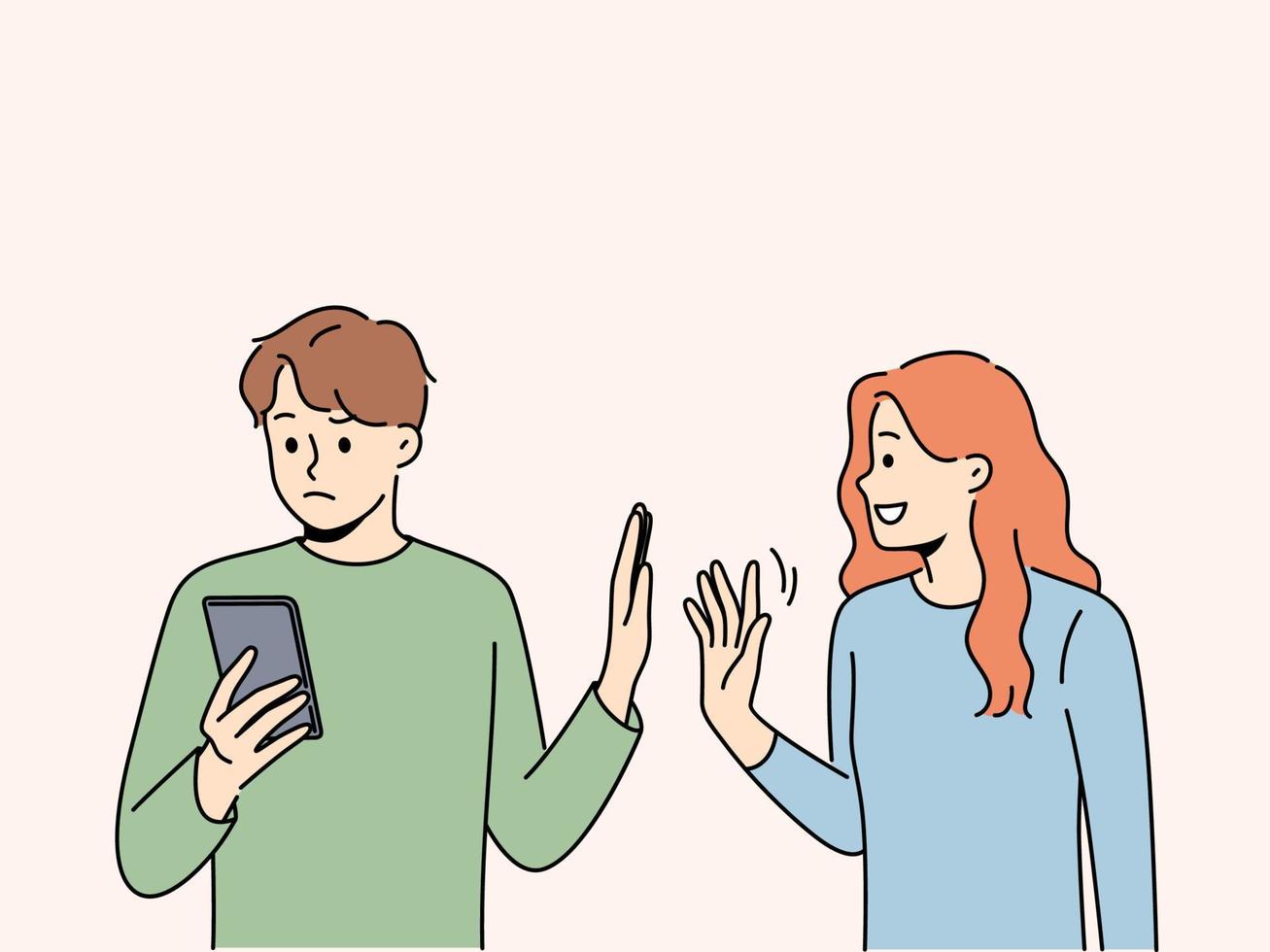
    Imagine a couple sitting across from each other at the dinner table. She has prepared his favorite meal and spent the afternoon planning a thoughtful surprise, yet he seems distant, absorbed in his phone. She asks why he isn’t engaging, and he responds curtly, “I just need some space.” Later, he reflects on how her constant questions and reminders feel overbearing. Despite both trying their best, they leave the evening feeling misunderstood, frustrated, and disconnected.

    What often happens in relationships is that both partners give according to their own emotional blueprint rather than the blueprint of the person they care about. Women may show love in ways that inadvertently feel controlling or dismissive to men. Men may demonstrate respect without offering the warmth or attention women need to feel loved. These mismatches create a subtle but persistent emotional friction that undermines connection.

    At the heart of this dynamic is a simple principle: relationships thrive when love and respect are inspired by the character and behavior of each partner, not when they are demanded or assumed. You cannot force respect or extract love—it flows naturally from the way you show up as a person.

    There is also a universal pattern to consider: while every individual desires both love and respect, women often prioritize feeling emotionally cherished and validated, whereas men often prioritize feeling respected and trusted in their capabilities. Recognizing and honoring these tendencies is not about reinforcing stereotypes but about understanding innate emotional wiring and the practical reality of interpersonal dynamics. When partners learn to embody lovability and respectability in ways that align with each other’s needs, the relationship shifts from friction to synergy, from misunderstanding to connection.


    2. Why Love and Respect Often Miss Each Other

    Even in relationships filled with genuine care and good intentions, love and respect can become misaligned. This often happens because partners naturally operate from their own emotional lens rather than understanding the needs of the other. To address this, it helps to consider three main dimensions: biological wiring, cultural conditioning, and behavioral patterns.

    2.1 Biological Wiring

    Human brains are wired differently when it comes to emotional needs and validation. Women, on average, are more attuned to bonding and emotional connection. The hormone oxytocin plays a key role in fostering trust, attachment, and empathy, making emotional affirmation and closeness a central priority. Men, on the other hand, are often more sensitive to respect as a form of validation, influenced in part by testosterone and the evolutionary emphasis on social status and capability. This does not mean men are unemotional or women are incapable of seeking respect—it simply highlights tendencies that often shape the way each partner interprets love and respect.

    2.2 Cultural Conditioning

    Societal norms and upbringing reinforce these tendencies. Many women are socialized to express care, nurturing, and attentiveness, while men are often encouraged to demonstrate competence, responsibility, and leadership. These patterns can unintentionally create friction: when a woman expresses care in ways a man perceives as controlling, or when a man demonstrates competence without warmth, both partners may feel unfulfilled. Cultural narratives about “how men and women should behave” often exacerbate misunderstandings, leading to a gap between intention and perception.

    2.3 Behavioral Patterns

    Behavioral mismatches are the most visible source of friction. A woman may ask frequent questions, give unsolicited advice, or offer reminders, believing this is loving. A man may respond by withdrawing or focusing on tasks, believing he is showing respect or competence. Conversely, a man may maintain a calm, measured, and reliable demeanor—respectable behaviors—but fail to express affection, leaving a woman feeling unloved. These repeated patterns create a subtle, cumulative effect: love and respect exist in the relationship, but they are not experienced by the partner in the way they need.

    The key insight here is that love and respect are not interchangeable currencies. They must be understood, expressed, and received according to the partner’s emotional framework, not your own. Recognizing the biological, cultural, and behavioral roots of misalignment sets the stage for intentional action: cultivating lovability and respectability in ways that truly resonate with the person you care about.

    3. How Misalignment Builds Frustration

    Even small mismatches in the way love and respect are expressed can accumulate into significant tension. Over time, these daily misalignments create a feedback loop that leaves both partners feeling disconnected, misunderstood, and emotionally unfulfilled. Understanding this dynamic is key to breaking the cycle and fostering harmony.

    3.1 The Negative Feedback Loop

    • For men: When a man perceives that his partner is overstepping boundaries, questioning his decisions, or inadvertently devaluing his words, he may feel disrespected. The natural response can be withdrawal—becoming emotionally distant, less communicative, or less engaged. This, in turn, leaves the woman feeling unloved, ignored, or frustrated.

    • For women: When a woman perceives that her partner is distant, emotionally unavailable, or transactional in his interactions, she may feel unloved or underappreciated. Her attempts to elicit warmth—through questions, reminders, or guidance—can unintentionally be perceived as controlling or critical, prompting further withdrawal.

    3.2 Real-Life Examples

    • Scenario 1: A woman sends thoughtful texts or reminders about shared responsibilities. The man, focused on work, interprets these as nagging. He responds tersely, which hurts her feelings. Both leave the interaction frustrated, even though both intended goodwill.

    • Scenario 2: A man provides for the household, makes decisions carefully, and follows through consistently. The woman craves verbal affection and emotional engagement. Feeling unseen, she becomes increasingly critical, prompting him to further distance himself.

    • Scenario 3: Repetitive micro-incidents—like forgetting a minor preference or misreading tone—compound over weeks, eroding intimacy despite the presence of genuine care and respect.

    3.3 The Emotional Cost

    Unchecked misalignment leads to:

    • Emotional fatigue and resentment.

    • A growing perception that the partner “doesn’t care” or “isn’t enough.”

    • Misinterpretation of intentions, creating further friction.

    3.4 Why Awareness Matters

    Recognizing this cycle is the first step toward intentional change. Once couples understand that:

    1. Misalignment is natural and not a reflection of lack of love or respect.

    2. Love and respect are experienced differently by each partner.

    …it becomes possible to consciously align behaviors with the partner’s emotional needs, preventing small frictions from escalating and fostering consistent feelings of love and respect.

    4. When Love Feels Missing

    Even in committed relationships, love and respect can be present in some form yet still feel absent. Often, this occurs when one partner focuses on expressing what they themselves value most, rather than what their partner needs. Recognizing these gaps is critical to restoring connection and intimacy.

    4.1 Women Loving but Not Respecting Men

    Women frequently pour immense care and affection into their relationships. Yet, certain behaviors—though motivated by love—can unintentionally feel disrespectful to men:

    • Overstepping boundaries or smothering: Constant checking, hovering, or managing his decisions.

    • Mothering behavior: Offering unsolicited advice or guidance that implies he cannot handle responsibilities.

    • Patronizing or infantilizing: Using language or tone that diminishes his sense of competence.

    • Challenging or questioning unnecessarily: Frequently debating his choices or undermining authority.

    • Dismissing ideas or devaluing words: Minimizing his opinions, contributions, or achievements.

    Impact: Men may feel emasculated, alienated, or underappreciated. Even when the intent is love, these actions can trigger withdrawal or defensiveness, reducing emotional closeness.

    4.2 Men Respecting but Not Loving Women

    Men often show respect through reliability, decision-making, and practical support. However, respect alone without affection can feel cold or neglectful:

    • Emotional distance: Limited verbal or physical expressions of love.

    • Transactional interactions: Prioritizing tasks or problem-solving over emotional connection.

    • Lack of warmth or affirmation: Failing to acknowledge accomplishments or feelings.

    • Avoidance of vulnerability: Refraining from sharing emotions or personal experiences.

    Impact: Women may feel unseen, unloved, or disconnected despite being treated “respectfully.” Over time, the absence of emotional affirmation can reduce intimacy and trust.

    4.3 The Core Insight

    Love and respect are not interchangeable. A woman may be deeply loving yet inadvertently undermine the man’s sense of respect. A man may be profoundly respectable yet fail to provide the warmth and connection a woman needs. Both gaps, if left unaddressed, create a silent erosion of satisfaction and closeness.

    By identifying these patterns, couples can consciously adjust behaviors, ensuring that expressions of love and respect are received as intended—building a foundation where both partners feel truly cherished and valued.


    5. The Natural Attraction of Lovability and Respectability

    Relationships flourish when partners embody qualities that naturally inspire the emotions they seek. Love flows more easily toward a lovable partner, and respect arises naturally for a respectable partner. Understanding these qualities clarifies why some people seem effortlessly cherished and admired, while others struggle despite good intentions.

    5.1 The Lovable Woman

    A woman who is naturally lovable tends to display qualities that make it easy for her partner to give love:

    • Positive and approachable: Maintains a cheerful, non-problematic disposition that invites connection.

    • Kind and caring: Shows genuine interest in the well-being of her partner without overstepping boundaries.

    • Affectionate and warm: Offers attention, verbal appreciation, and gestures of love consistently.

    • Secure in herself: Confident without being demanding, and easy to please without sacrificing self-respect.

    Impact: Men instinctively feel drawn to such a partner, finding it effortless to reciprocate love without feeling burdened or controlled.

    5.2 The Respectable Man

    A man who embodies respectability naturally inspires admiration and trust:

    • Responsible and accountable: Takes ownership of actions and fulfills commitments reliably.

    • Integrity-driven: Makes decisions aligned with values, earning trust and admiration.

    • Protector and provider mindset: Demonstrates foresight and care for his partner’s safety, stability, and growth.

    • Visionary and competent: Shows leadership, long-term thinking, and wise decision-making without being authoritarian.

    Impact: Women instinctively feel secure and valued, perceiving him as someone worthy of respect and admiration.

    5.3 The Core Principle

    Being lovable or respectable is less about perfection and more about embodying traits that make others feel safe, appreciated, and inspired. The more a partner cultivates these qualities, the more naturally love and respect flow in the relationship. This shift transforms effortful interactions into effortless connection, creating a positive feedback loop where each partner’s qualities amplify the other’s emotional response.


    6. The Boss/Little Girl Analogy

    One of the most intuitive ways to align love and respect in a relationship is through a simple analogy: imagine how you would behave toward someone you deeply care about in a role that naturally inspires respect or affection.

    6.1 For Women: Treating a Partner Like a Boss or Leader

    When a woman treats her partner with the respect and consideration she would show a trusted boss or mentor:

    • Boundaries are honored: She trusts his decisions and refrains from overstepping.

    • Communication is polished and constructive: Feedback or questions are framed respectfully, focusing on collaboration rather than criticism.

    • Value is acknowledged: She appreciates his efforts, expertise, and leadership without undermining his role.

    Impact: Men feel trusted, valued, and respected—emotions that naturally amplify their willingness to reciprocate love. Thinking of her partner as a “leader” she wants to impress helps a woman naturally combine affection with respect.

    6.2 For Men: Treating a Partner Like a Beloved Daughter

    When a man treats his partner with the care he would show a beloved, angelic daughter:

    • Protection and nurturing are balanced: He guides without controlling, supports without smothering.

    • Affection is intentional and consistent: Words, gestures, and presence communicate love and appreciation.

    • Encouragement to flourish: He celebrates growth, supports ambitions, and honors her individuality.

    Impact: Women feel loved, safe, and cherished. This approach inspires trust, connection, and a sense of being valued for who she truly is.

    6.3 Why the Analogy Works

    • Simplifies complex relational dynamics into intuitive behavioral models.

    • Encourages conscious alignment of actions with the partner’s emotional needs.

    • Helps both partners embody qualities—respect and care—that naturally elicit love and admiration, rather than relying on coercion or assumption.

    Key Insight: By thinking in terms of the “boss/little girl” analogy, couples can transform daily interactions into opportunities to inspire love and respect naturally, creating a stronger, more resilient bond.


    7. Actionable Steps to Embody Love and Respect

    Understanding the principles of love and respect is only the beginning. True transformation happens when these principles become daily habits. Here’s a practical, step-by-step guide for both partners to naturally express what their partner values most.


    7.1 For Women: Ways to Embody Respect

    Men feel respected when they sense trust, appreciation, and belief in their abilities. Here’s how to make that a part of your daily interactions:

    Mindset Shifts

    • See effort, not just results: Notice the hard work behind his actions—even if the outcome isn’t perfect.

    • Trust his judgment: Let go of the need to micromanage. Assume good intent unless proven otherwise.

    • Celebrate his role as a provider or protector: Whether big or small, his contributions matter.

    Daily Micro-Habits

    • Tone check: Speak with calmness, not sharpness—even when expressing frustration.

    • Acknowledge publicly: Appreciate him in front of others; it magnifies the value he feels.

    • Respect his space: Allow him time to recharge without interpreting it as rejection.

    Quick Respect Boosters

    • A warm “thank you” for everyday things.

    • Ask for his opinion on decisions—big or small.

    • Celebrate his strengths with specific compliments (“I admire how you handled that situation with calm confidence.”).


    7.2 For Men: Ways to Embody Love

    Women feel loved when they feel seen, heard, and prioritized. Here’s how to nurture that sense every day:

    Mindset Shifts

    • Love is shown in presence, not just provision: Time and attention matter as much as financial or physical support.

    • Emotions are valid, not dramatic: Treat her feelings seriously, even if you don’t fully understand them.

    • Little gestures create big security: Consistency builds trust far more than grand occasional acts.

    Daily Micro-Habits

    • Eye contact during conversations: It signals genuine attention.

    • Daily check-ins: A short call, text, or question like “How was your day?” shows thoughtfulness.

    • Non-transactional affection: Hugs, gentle touches, or sweet words—without expectation.

    Quick Love Boosters

    • Surprise her with small acts of thoughtfulness—a note, her favorite snack, or taking a task off her plate.

    • Listen without interrupting when she vents; she often wants understanding, not solutions.

    • Remind her of her value with affirmations like “I’m lucky to have you,” or “You make my life brighter.”


    7.3 Joint Practices for Both Partners

    Some habits strengthen both love and respect simultaneously:

    • Shared Gratitude Ritual: Spend a minute each night appreciating one thing about each other.

    • Conflict Pause Rule: In heated moments, pause for five deep breaths before responding.

    • Weekly Connection Time: A walk, coffee date, or quiet evening—no screens, no distractions.

    • Celebrating Wins Together: From small victories to big milestones, rejoice in each other’s achievements.


    7.4 Mental Shortcuts for Daily Reminders

    • For Women: Before reacting, ask, “Will this make him feel respected?”

    • For Men: Before responding, ask, “Will this make her feel loved?”

    • For Both: Remember—your partner’s need for love or respect isn’t a demand; it’s their natural wiring.


    8. Common Pitfalls and How to Avoid Them

    Even with the best intentions, couples often fall into predictable patterns that undermine love or respect. Awareness of these pitfalls allows partners to course-correct before frustration or resentment builds.


    8.1 Pitfalls Women Often Encounter

    • Over-asking or micromanaging: Constantly questioning decisions or offering unsolicited advice can feel controlling.

    • Mothering instead of partnering: Taking responsibility for his choices or outcomes diminishes his sense of autonomy.

    • Criticism disguised as concern: Phrases like “You should…” or “Why didn’t you…” can be perceived as disrespect.
      How to Avoid: Pause before speaking, focus on collaborative language, and trust his judgment unless boundaries are crossed.


    8.2 Pitfalls Men Often Encounter

    • Emotional distance or unavailability: Focusing solely on tasks or provision without warmth signals neglect.

    • Transactional thinking: Treating the relationship like a checklist rather than a partnership undermines emotional intimacy.

    • Avoiding vulnerability: Refusing to share emotions or fears prevents true connection.
      How to Avoid: Practice daily emotional check-ins, verbalize appreciation and affection, and allow safe vulnerability.


    8.3 Pitfalls Both Partners Share

    • Assuming the other “should just know”: Expectations without communication create misunderstandings.

    • Defensiveness during conflicts: Protecting ego rather than resolving issues escalates tension.

    • Neglecting small gestures: Over time, missing consistent daily attention erodes emotional closeness.
      How to Avoid: Adopt simple daily rituals—gratitude, praise, affection, and structured check-ins.


    8.4 The Core Takeaway

    The most common mistakes arise not from malice but from misaligned intentions. Love and respect can be present in a relationship yet fail to be experienced by the partner. By recognizing these pitfalls and consciously adjusting behavior, couples create a safe, nourishing environment where love and respect flow naturally.

    9. Shared Practices for Building a Lasting Love-Respect Loop

    Love and respect are most sustainable when nurtured through intentional, shared practices. These create predictable, positive patterns that reinforce connection and minimize misalignment.


    9.1 Daily Rituals

    • Gratitude Minute: Each partner shares one thing they appreciate about the other every day, focusing on behaviors rather than general qualities.

    • Intentional Check-In: Spend 5–10 minutes daily discussing feelings, challenges, or successes. This fosters mutual understanding and reduces assumptions.

    • Small Acts of Thoughtfulness: Simple gestures—like leaving a note, preparing a favorite snack, or a gentle touch—communicate love and acknowledgment consistently.


    9.2 Mindset Frameworks

    • Golden Rule Upgrade: Treat your partner the way they want to be treated, not the way you wish to be treated.

    • Curiosity Instead of Judgment: Approach disagreements with questions and exploration, not blame or criticism.

    • Ownership of Influence: Recognize that your behavior sets the emotional tone; small positive actions amplify love and respect.


    9.3 Reflective Exercises

    • Weekly Relationship Review: Reflect together on what actions strengthened love and respect and where alignment slipped.

    • Journaling Prompts:

      • “Which of my behaviors today made my partner feel loved/respected?”

      • “What small change tomorrow could enhance our connection?”

    • Partner Appreciation Notes: Weekly written acknowledgment of strengths, efforts, or acts of care reinforces value.


    9.4 Creating a Positive Feedback Loop

    Consistent practice of rituals, reflective exercises, and mindset frameworks generates a self-reinforcing loop:

    1. Partner A embodies lovability or respectability.

    2. Partner B naturally responds with love or respect.

    3. Positive behavior and feelings feed back into the relationship, strengthening trust, intimacy, and satisfaction.

    Key Insight: When partners actively shape their own behavior and communication, they no longer rely on luck or hope for connection—the relationship becomes a predictable, thriving system where love and respect flow naturally.

    10. Repairing Breaks in Love or Respect

    Even in healthy relationships, misunderstandings or misalignments can occasionally cause emotional rifts. How couples respond to these moments often determines whether love and respect rebound or erode further.


    10.1 Quick Apology Framework

    • Acknowledge without deflection: Admit the specific behavior or words that caused hurt.

      • Example: “I realize my tone earlier felt dismissive, and I’m sorry.”

    • Express empathy: Demonstrate understanding of your partner’s feelings.

      • Example: “I understand that made you feel undervalued.”

    • Offer corrective action: Suggest a step to prevent recurrence.

      • Example: “Next time, I’ll pause and ask before reacting.”


    10.2 Reset Rituals

    • Short breaks to cool down: A walk, a cup of tea together, or a quiet pause can prevent escalation.

    • Intentional reconnection: After calm reflection, share feelings honestly without blame.

    • Physical or verbal gestures: A hug, holding hands, or words of affirmation can signal renewed closeness.


    10.3 Constructive Communication Techniques

    • Use “I feel” statements instead of “You” statements: This shifts focus from blame to personal experience.

    • Active listening: Repeat or summarize what the partner expresses to ensure understanding.

    • Seek clarity, not victory: Aim to resolve emotional disconnection, not win an argument.


    10.4 Preventive Strategies

    • Anticipate triggers: Recognize recurring situations that create friction and agree on preemptive approaches.

    • Daily micro-repair: A small check-in or acknowledgment of tension can prevent minor issues from escalating.

    • Mutual accountability: Both partners commit to repairing misalignments quickly rather than letting resentment accumulate.

    Key Insight: Repairing breaks in love or respect is not about perfection—it’s about responsiveness, humility, and deliberate action. By making repair a habitual practice, couples transform conflicts into opportunities to strengthen connection, trust, and emotional safety.


    11. Common Myths That Sabotage Love and Respect

    Even well-intentioned individuals often hold beliefs about relationships that unintentionally undermine love and respect. Identifying and challenging these myths is critical for building healthy, fulfilling partnerships.


    11.1 Myth 1: “Respect Means Control”

    • The Misconception: Some believe that earning respect requires asserting authority or dominance.

    • The Reality: True respect emerges from integrity, reliability, and consideration. It grows naturally when one demonstrates competence, accountability, and empathy.

    • Actionable Tip: Focus on behaviors that inspire trust and admiration rather than seeking obedience or submission.


    11.2 Myth 2: “Love Means Never Saying No”

    • The Misconception: People assume that love requires total agreement or unconditional compliance.

    • The Reality: Boundaries are essential for maintaining self-respect and emotional health. Saying no thoughtfully can actually deepen love by fostering mutual understanding and safety.

    • Actionable Tip: Communicate boundaries with care and clarity, framing them as ways to maintain respect for both partners.


    11.3 Myth 3: “If They Loved Me, They’d Just Know”

    • The Misconception: Love is assumed to be obvious without verbal or behavioral confirmation.

    • The Reality: People experience love differently. What feels loving to one partner may be invisible to the other.

    • Actionable Tip: Express love and respect explicitly through words, gestures, and consistent actions.


    11.4 Myth 4: “Respect and Love Are Interchangeable”

    • The Misconception: Many assume that showing love automatically generates respect, and vice versa.

    • The Reality: Each partner needs both love and respect expressed in ways that resonate with them. Neglecting one can create imbalance, frustration, or withdrawal.

    • Actionable Tip: Pay attention to what your partner truly values—sometimes affection, sometimes acknowledgment—and respond accordingly.


    11.5 Core Takeaway

    Beliefs about love and respect shape behaviors more than we realize. Challenging these myths allows partners to interact consciously rather than reactively, creating a foundation where both love and respect are consistently felt and reciprocated.

    12. Adopting Lasting Value Systems

    Relationships are sustained not only by daily actions but by the deeper values that guide them. Cultivating core value systems ensures that love and respect are expressed consistently, naturally, and meaningfully.


    12.1 Values for Love

    To inspire authentic love, partners should embody qualities that make emotional connection effortless:

    • Kindness: Act with empathy, compassion, and patience in both words and deeds.

    • Gratitude: Regularly acknowledge and appreciate small and large contributions from your partner.

    • Playful Energy: Maintain lightness, humor, and spontaneity to keep the relationship vibrant.

    • Emotional Openness: Share feelings, vulnerabilities, and joys to foster intimacy and trust.

    Impact: These values create an inviting atmosphere where partners feel safe, cherished, and inspired to reciprocate love naturally.


    12.2 Values for Respect

    To elicit respect, partners must cultivate traits that demonstrate reliability, competence, and integrity:

    • Integrity: Act consistently with principles and values; let words and actions align.

    • Accountability: Own actions, decisions, and mistakes without deflecting blame.

    • Resilience: Navigate challenges with strength, patience, and steady composure.

    • Vision: Demonstrate foresight and responsibility, balancing short-term needs with long-term goals.

    Impact: These traits reinforce trust, admiration, and confidence, making it natural for a partner to respond with respect.


    12.3 Shared Values for Mutual Growth

    Some values enhance both love and respect simultaneously:

    • Mutual Growth: Encourage each other’s personal, emotional, and professional development.

    • Adaptability Across Life’s Seasons: Embrace change together, adjusting behaviors and expectations as circumstances evolve.

    • Shared Accountability: Take responsibility for the health of the relationship, rather than blaming external factors.

    Key Insight: By embedding these values into daily life, couples create a resilient foundation. Love and respect become self-reinforcing habits rather than fragile emotions, allowing the relationship to thrive through challenges, successes, and life transitions.


    13. Conclusion – Be What You Seek

    At the heart of every thriving relationship is a simple yet powerful truth: you do not demand love or respect—you inspire it by who you are and how you show up. Relationships are mirrors; they reflect the qualities you embody back to you. By consciously cultivating lovability and respectability, partners create an environment where affection, trust, and admiration flow naturally.

    Key Takeaways

    • Align actions with your partner’s needs: Love and respect are most powerful when expressed in ways your partner truly values.

    • Embody positive traits consistently: Kindness, gratitude, integrity, and accountability are daily practices, not occasional gestures.

    • Repair and reflect: Misunderstandings are inevitable, but prompt repair and conscious reflection prevent minor conflicts from eroding connection.

    • Adopt enduring values: Shared growth, adaptability, and mutual care create a foundation resilient to life’s changes.

    Final Insight: Relationships stop being a battlefield when love and respect are earned through character and action. By being the partner you wish to have, you naturally attract the love and respect you desire—transforming connection from effortful negotiation into effortless harmony.

    Call to Action: Begin with one small change today—pause, express appreciation, set a boundary, or share a moment of warmth. Each deliberate step moves you closer to the balanced, fulfilling partnership you envision.


    Support Meda Foundation

    This article, like all others published by Meda Foundation, has been made possible through the generous support of our patrons. If you have found the insights shared here to be informative, useful, or inspiring, please consider contributing to help sustain this work.

    Additionally, we invite you to share your own knowledge and experiences through our feedback form. Your input helps us refine future content and ensures it resonates with the needs of readers like you.


    Resources for Further Research

    For readers interested in exploring these concepts in greater depth or discovering related ideas, consider the following types of resources:

    • Websites & Blogs: Articles on relationship psychology, communication strategies, and emotional intelligence.

    • Podcasts & Vlogs: Discussions on love, respect, intimacy, and personal growth.

    • Videos & Documentaries: Visual insights into human behavior, interpersonal dynamics, and relationship science.

    • Research Papers & Journals: Academic studies on attachment styles, gender differences in emotional needs, and relationship outcomes.

    • News Articles & Media Reports: Real-world examples and analysis of relationship patterns and social behaviors.

    Providing direct URLs in plain text ensures easy access and reference for readers seeking more in-depth study.


  • Why Rebuilding Your Respect for Him Will Make you Happier!

    Why Rebuilding Your Respect for Him Will Make you Happier!

    For women who’ve chosen to stay in a relationship but silently battle with growing disrespect or resentment toward their partner, this is a compassionate guide to reclaiming inner peace and restoring partnership harmony. If you’re tired of feeling emotionally burdened, constantly comparing, or acting out of frustration, you’ll find thoughtful steps here to reconnect with grace. This isn’t about fixing him—it’s about freeing you from negativity, superiority, or silent suffering, and remembering your own power to create emotional safety, dignity, and joy for yourself first.


    I. Introduction: The Truth Most Women Overlook

    Many women find themselves in long-term relationships or marriages where love, commitment, or shared history keeps them tied to a man they no longer respect. Often, this erosion of respect is not sudden but subtle—emerging through unmet expectations, emotional disconnection, repeated disappointments, or simply the passage of time without visible growth or change in the man they once admired.

    In these situations, women may not be openly hostile or outwardly resentful. Instead, the shift reveals itself through sarcasm, criticism, emotional withdrawal, or a silent comparison loop playing in the background—measuring their man against their own achievements, the men in their families, or even strangers who seem more competent, driven, or capable.

    Here’s the unspoken truth: many of these women do want the relationship to survive. Whether it’s for the sake of family, shared dreams, or deep emotional attachment, they’ve decided—consciously or unconsciously—to stay.

    But here’s what often gets missed: choosing to stay without doing the inner work is choosing to suffer. Staying while letting disrespect fester is like agreeing to live in a house with a leaking roof and then blaming the rain for the water damage. You don’t just endure the problem—you deepen it.

    This article is not an appeal to ignore red flags or stay in unhealthy, abusive, or unsafe relationships. Instead, it speaks to a very specific scenario:
    You have a partner who may not be perfect—he may not even meet your current standards—but he’s not malicious, unfaithful, or abusive. You’ve made the conscious choice to remain committed to him and the relationship.
    Now, the question is: how do you make that choice work for you, not just him?

    The core idea here is simple but powerful:

    “If you’ve chosen to stay, then do it with full presence. Anything worth doing is worth doing well.”

    That includes your relationship. That includes how you see and speak to the man you’re with. And most importantly, that includes how you manage your own emotional experience—because the primary beneficiary of this inner work is not your man. It’s you.

    When a woman shifts from contempt to curiosity, from criticism to care, from passive resentment to active choice—she reclaims peace, power, and emotional clarity. She stops wasting energy on judgment and starts building a space where love and respect can coexist.

    And if he grows with you, wonderful.
    But even if he doesn’t change dramatically, you’ve changed the part that matters most: yourself—the emotional and psychological filter through which you experience your relationship and life.


    II. Respect: Why It Matters More Than You Think

    In the emotional architecture of a relationship, respect is the oxygen men need to feel secure, valued, and empowered. Just as many women need to feel emotionally cherished and loved to thrive, men need to feel respected to stay emotionally engaged and present.

    This isn’t a cliché rooted in outdated gender roles—it’s a psychological truth supported by both modern research and centuries of lived experience. Love without respect, to most men, feels hollow. You can be affectionate, loyal, or even nurturing, but if your words, tone, or body language communicate that you don’t believe in him, his sense of purpose and identity will quietly begin to erode.

    And here’s where it gets more complex:
    Without giving respect, you—the woman—will also begin to suffer.

    You may begin to feel:

    • Emotionally distant and guarded

    • Irritated by the smallest things he does

    • Burdened by a silent superiority complex (“Why am I doing everything?”)

    • Robbed of the softness, warmth, and lightness you once brought into the relationship

    Over time, withholding respect poisons the very atmosphere you live in. And often, it leads to a confusing inner contradiction:
    You want to love your man, but can’t bring yourself to admire or trust him.
    You stay for good reasons, but resent yourself for staying.
    You wish he’d change, but every part of your energy says, “You’re not enough as you are.”

    This is not about blame—this is about power. Your power.

    Respect Is Not the Same as Agreement

    You don’t have to agree with every choice he makes to respect him.
    You don’t have to hand over the steering wheel of your life.
    What you do need to do is acknowledge that no man can thrive—or even function fully—when he’s routinely disrespected in his own home.

    Rebuilding Respect: A Matter of Depth, Not Display

    This doesn’t mean plastering on fake praise or handing out compliments that feel forced. Real respect comes from deepening your ability to see, not just react.

    You might begin by asking yourself:

    • What does he consistently show up for, even in small ways?

    • Has he grown in any subtle areas that I haven’t acknowledged?

    • What were the traits that drew me to him in the first place? Are they gone—or just overshadowed?

    Start where he is now, not where you hoped he’d be by now. Respect doesn’t require that your man be extraordinary—it requires that you become curious enough to recognize the ordinary things he does with care, competence, or courage.

    It could be how he shows up for your children.
    How he solves problems quietly without praise.
    How he keeps trying, even if he’s fumbling.
    How he doesn’t give up on you, even when you’ve pulled away.

    These moments may not be grand, but they are human—and they are a foundation.
    You can build on them.


    III. Why Women Lose Respect: Real, Valid, But Overcome-able

    Respect doesn’t vanish overnight—it’s worn down, chipped away bit by bit by experiences that leave you disillusioned or emotionally burdened. If you’re feeling a loss of respect for your partner, know that you’re not shallow, ungrateful, or inherently negative. You’re human. And your reasons may feel valid because, in many ways, they are.

    Let’s take a closer, honest look at why respect fades—and how it can be reclaimed.

    1. He Doesn’t Meet the Expectations You Had When You Committed

    Most relationships begin with hope. You saw potential in him—perhaps even more than he saw in himself. You may have believed that over time, he’d grow in stature, ambition, or emotional depth. And maybe… he didn’t.

    Unmet expectations are painful because they challenge our own judgment. You may secretly wonder, “Did I misread him?” or worse, “Did I settle?” These questions create quiet distance—and sometimes loud disappointment.

    But ask yourself this: Were your expectations ever clearly communicated—or were they assumed? Are they still realistic, given his personality and life circumstances? And more importantly, are they still yours, or did you inherit them from society, your parents, or your peer circle?

    Sometimes, we lose respect for our partners not because they failed us—but because they didn’t fulfill an invisible contract we never actually agreed on together.


    2. You’ve Become the Provider, Leader, or Stronger Personality

    When roles shift and you begin earning more, deciding more, or doing more—it’s easy to start seeing yourself as the “adult” in the relationship. He may still contribute in his own way, but the imbalance in decision-making or finances can quietly breed condescension.

    This isn’t just about money—it’s about energy and identity. You may start to see him as someone you carry, not someone who carries you. And once that mental shift happens, it’s hard to unsee.

    But remember: being the provider doesn’t strip you of your feminine energy or relational softness—unless you let it. Respect can still exist in relationships where roles are non-traditional. It just requires intentional mental boundaries and mutual recognition of value.


    3. You (or Others) Seem More Capable, Ambitious, or Evolved

    When your own growth outpaces his—intellectually, emotionally, socially—it’s tempting to see him as falling behind. If you’re surrounded by high-achieving people, and your partner doesn’t measure up by those external standards, it can deepen your sense of disconnect.

    You may feel embarrassed by him in certain circles, or irritated that you can’t “take pride” in his presence.

    This is a tough truth. But it calls for a deeper reflection:

    • Are you judging him based on your gifts or his own?

    • Is there a quiet superiority that’s clouding your ability to see his contributions?

    • Can you measure him by his character, not just his career?

    Growth doesn’t have to be the same for both partners. Respect can come from recognizing differences as complementary rather than competitive.


    4. He Hasn’t Achieved Anything That ‘Earns’ Your Respect

    You may feel that he hasn’t “proven himself”—no bold risks, no standout wins, no visible impact. And so, the respect meter stays on empty.

    But respect is not just earned through public achievements—it can also be revealed through private integrity.

    • Has he been faithful?

    • Does he support your dreams, even if he’s uncertain about his own?

    • Does he handle conflict with maturity or kindness?

    If you’re only looking for outward accomplishments, you may miss the quiet, grounded strengths that truly sustain relationships.


    5. You’ve Become the Critic, Coach, or Caretaker Instead of Equal

    Over time, many women unconsciously slide into a role where they “manage” their partner. You may find yourself correcting him, coaching him, parenting him, or even apologizing for him.

    This dynamic is exhausting—and deeply unattractive. It slowly dismantles any perception of him as an equal. You begin to carry the emotional and psychological weight of the relationship, which breeds resentment and reinforces the idea that he’s not “worthy” of your respect.

    But here’s the hopeful shift:
    You don’t have to play that role.
    You can step back. You can let silence do the work. You can return to curiosity instead of control.

    He may surprise you. Or he may not. But at the very least, you’ll reclaim your own balance, energy, and self-respect, which are the foundation for feeling good in any relationship.


    IV. Comparison Is the Thief of Joy

    One of the fastest ways to kill respect in a relationship is through comparison.

    You may not even realize you’re doing it—yet it’s there, in the subtle eye-roll when he speaks, the inner voice that says, “My father would’ve handled this better,” or the quiet disappointment when you measure him against the confidence, ambition, or competence of a male friend, coworker, or even your past partner.

    And perhaps the most damaging comparison of all:
    Me vs. Him.
    When you start keeping emotional score—who earns more, who plans more, who understands more—you step into a mindset of quiet rivalry. And from there, respect becomes nearly impossible.

    Here’s the hard truth:

    You’re not dating an ideal. You’re not mentoring a version of yourself. You’re in partnership with a real, flawed, unique human being.

    Comparison dehumanizes. It turns your partner into a project or a placeholder rather than a person.

    Why Comparison Is So Damaging

    • It shifts your focus from appreciation to evaluation

    • It builds resentment toward his limitations

    • It reinforces your emotional superiority or disappointment

    • It blocks intimacy, playfulness, and trust

    • It often says more about your own insecurities than his

    Tips to Stop Comparing—and Start Connecting

    1. Journal Your Comparisons to Make Them Conscious

    Write down every time you notice yourself thinking, “He should be more like…”
    Whose image comes up? What values do they represent?
    Then ask: Is this comparison even fair? What part of me feels threatened or let down?

    Bringing comparisons into the light of awareness allows you to separate fact from fantasy and shift from projection to presence.

    2. Focus on Complementary Strengths, Not Hierarchical Ones

    Rather than asking, “Who’s better at this?” try, “How do our strengths complement each other?”

    Maybe you’re emotionally articulate and he’s steady in a crisis.
    Maybe you’re the visionary and he’s the one who grounds ideas into practical steps.
    Maybe you grow through dialogue and he grows through quiet action.

    Respect is easier when you stop competing with your partner and start recognizing him as a teammate with different assets.

    3. Remember: He Doesn’t Need to Be the Best—Just Respected by You

    Your man doesn’t need to be your father, your therapist, your ex, or your guru.
    He just needs to feel that you see something good in him.
    That you trust his intentions, even if he falls short sometimes.
    That you believe in who he is becoming, not just what he currently achieves.

    When a woman stops comparing and starts connecting, she frees herself from the emotional tension of always looking outside the relationship for what’s lacking inside.
    And often, she discovers—he’s more than enough in the ways that matter most.


    V. You Hold the Power—And the Responsibility

    When a woman consciously chooses to stay in a relationship that challenges her respect for her partner, she steps into a profound position of power. This power is not about control or dominance—it is about shaping the emotional climate that either nurtures or erodes connection.

    Your words, tone, body language, and attitude ripple through the relationship more than you may realize. They influence not just how he feels about himself, but also how he behaves toward you and others.

    Remember the wisdom:

    “With great power comes great responsibility.”

    This means that the decision to stay is only the first step. What follows is an ongoing commitment to wield your influence mindfully.

    Reflect on Your Impact

    Ask yourself:

    • Do I speak to him in ways that uplift or tear down?

    • When he tries to improve, do I encourage or dismiss his efforts?

    • Am I patient and kind in moments of frustration—or do I let resentment seep into my words?

    • Do I express my needs clearly without blaming or belittling?

    • How often do I recognize and appreciate the small things he does well?

    The emotional environment you create affects his self-image—his confidence, his motivation, his sense of safety. When you use your power to inspire, you invite growth and respect to flourish naturally.

    Conversely, when your influence wounds or withdraws, it creates emotional distance and discouragement, fueling the very disconnect you wish to heal.

    Taking Responsibility Is Self-Empowering

    Owning your role in the relationship dynamic is not about blame or martyrdom. It’s about reclaiming your agency.
    You are not powerless—you are a force for change.

    And here’s the empowering truth:
    When you improve the emotional tone you bring, you don’t just help him—you first help yourself. You experience more peace, dignity, and happiness.


    VI. Respect and Restraint: Discipline That Liberates You

    One of the most powerful, yet often overlooked, tools for rebuilding respect in a relationship is restraint—the conscious choice to manage your words and actions, especially when emotions run high.

    Consider this guiding principle, your relationship’s golden rule:

    “Don’t say or do anything to him that you wouldn’t say or do to a valued client, boss, or superior at work.”

    Why compare your partner to professional relationships? Because in both settings, your future depends on maintaining respect, trust, and positive collaboration. If you want to keep your job, you wouldn’t sabotage your reputation with careless words or disrespectful behavior. The same principle applies when you’re invested in a future with your partner.

    Restraint Is Not Suppression—It’s Self-Leadership

    Choosing restraint does not mean burying your feelings or pretending everything is fine. It means:

    • Pausing before reacting: Creating space to respond rather than react impulsively

    • Speaking with intention: Using language that is constructive, not destructive

    • Honoring your values: Aligning your actions with the kind of person you want to be and the relationship you want to build

    This discipline is a form of self-leadership—you lead your own emotional life rather than letting it lead you.

    The Freedom Found in Restraint

    When you control your impulses, you maintain your integrity. This integrity is a source of inner peace and emotional stability. Instead of the chaos of regret or guilt after hurtful words, you experience calm confidence.

    Your first and biggest beneficiary of this inner work is you—your emotional health, your dignity, your happiness. The positive effects naturally ripple out to your partner and family, improving the overall relationship climate.


    VII. If You Can Help It, Don’t Make It Worse

    When your man is making efforts to grow, change, or improve—even if those steps seem small, awkward, or imperfect—it’s crucial to support rather than sabotage his progress.

    Negative responses like taunting, mocking, or bringing up past mistakes can crush motivation and deepen emotional distance. Sarcasm or dismissive comments undermine his initiative and reinforce feelings of inadequacy.

    What Not to Do

    • Don’t taunt or mock his attempts: Even if clumsy, these efforts show vulnerability and desire to improve.

    • Don’t dredge up past failures: This creates emotional setbacks rather than forward movement.

    • Don’t use sarcasm to belittle: Sarcasm often masks frustration but damages trust.

    What To Do Instead

    • Notice and name his efforts: A simple “I see you trying” or “I appreciate that you’re working on this” validates his intention.

    • Offer soft encouragement: Gentle words or smiles can boost confidence more than criticism.

    • Step back quietly when appropriate: Sometimes allowing space for him to try and possibly fail without judgment helps build resilience and self-trust.

    This approach fosters an emotional environment where respect and motivation can grow naturally. It signals that you believe in his capacity to improve—and that you’re willing to be patient with the process.


    VIII. What If He’s Not Leading or Worthy—Yet?

    Leadership in a relationship isn’t about dominance, grand achievements, or always making the “right” decisions. Often, it means something quieter but no less vital: calm presence, steady consistency, loyalty, and intention.

    If your man isn’t meeting the ideal standard you hoped for, it’s natural to feel frustrated or disconnected. Yet, respect can still be found—and more importantly, cultivated—even when he’s not yet the leader or partner you envisioned.

    Questions to Reflect On

    • Can you respect his intent?
      Is he trying, in his way, to do right by you and the family, even if the results fall short?

    • Can you find evidence of internal growth?
      Has he shown moments of learning, humility, or willingness to improve?

    • Can you be curious instead of judgmental?
      Instead of writing him off, can you explore his perspective and motivations with openness?

    Cultivating Respect

    Respect isn’t always an instant feeling; it can be grown from seeds of trust, patience, and empathy.
    It’s a choice to acknowledge the potential beneath imperfections and to support the unfolding of his character over time.

    When you approach the relationship with curiosity and kindness, you create fertile ground for respect—and for the relationship to flourish.


    IX. Being the Provider: How to Keep Respect Alive

    When you find yourself carrying most—or even all—of the responsibilities in your relationship, it’s natural to feel overwhelmed, underappreciated, and sometimes disconnected from your partner. This dynamic can make it hard to sustain respect.

    However, being the primary provider does not negate your man’s value or contributions. Respect can—and should—be grounded in recognizing the non-material roles he plays, which are equally important for a thriving partnership.

    Look Beyond Financial or Visible Achievements

    Consider his role in:

    • Emotional grounding: Does he create a calm or safe space when tensions rise?

    • Parenting presence: Is he engaged with children in meaningful, if quiet, ways?

    • Quiet support: Does he hold space for you, offer help without fanfare, or provide companionship?

    These are subtle yet profound contributions that often go unnoticed but build the foundation of family and relationship stability.

    Apply Workplace Wisdom to Your Relationship

    Imagine treating your relationship as you would your career—because in many ways, it is one of your most important investments.

    • Communicate professionally and respectfully: Speak to your partner with the same care and clarity you would offer a valued colleague or superior.

    • Value long-term growth: Just as you would support a team member’s development, find ways to encourage your partner’s growth.

    • Manage conflict constructively: Use problem-solving skills instead of blame or withdrawal.

    By shifting perspective, you create an environment where respect flourishes, even when roles feel unbalanced.


    X. Creating Respect from Scratch: Practical, Doable Exercises

    Rebuilding respect is a journey that begins with small, intentional steps. Here are practical exercises designed to help you discover and appreciate your partner’s qualities—even if respect feels distant right now.

    1. Role Reversal

    Choose an activity or task your partner does well—whether it’s fixing something around the house, managing a hobby, or handling a particular responsibility—and try doing it yourself.
    This experience often cultivates humility and deepens appreciation as you realize the effort and skill involved.

    2. Micro-Acknowledgment

    For seven consecutive days, consciously identify one thing your partner does with care or competence. It could be as simple as how he handles the kids, maintains the car, or listens during conversations.
    Make a point to speak your appreciation aloud—and importantly, without qualifiers or comparisons. Acknowledge the act simply and genuinely.

    3. Past Memory Digging

    Take time to journal moments from your shared past when you genuinely admired or respected him.
    Reflect on what qualities shone through at those times and what circumstances helped those traits emerge.

    4. Perspective Reset

    Sometimes we get stuck in our own viewpoint. Ask a trusted friend, family member, or counselor what they appreciate about your partner.
    Seeing him through fresh eyes can reveal hidden strengths and qualities you may have overlooked.

    5. “What If” Reframe

    Challenge fixed narratives by asking yourself:

    • What if he’s not broken—just unfinished?

    • What if your faith and respect are the catalysts he needs to grow?

    • What if your belief in him today shapes the man he becomes tomorrow?

    This mindset opens space for hope, patience, and active participation in his growth journey.


    XI. Why This Makes You Happier First

    Choosing to rebuild respect for your man is ultimately an investment in your own happiness, peace, and emotional well-being—not just his growth or the relationship’s survival.

    When You Respect Your Man:

    • You feel safer and more supported. Respect fosters emotional security, reducing anxiety and tension in daily life.

    • You carry less emotional burden. Letting go of superiority, judgment, or resentment lightens your mental and emotional load.

    • You reclaim your feminine softness and emotional peace. Respect opens the heart to vulnerability, compassion, and connection.

    • You model emotional maturity. If you have children, you show them what healthy relationships look like—built on respect, patience, and kindness.

    This process isn’t about waiting for him to “become better” before you feel better.
    It’s about choosing to feel better now, by aligning your inner world with the qualities you want to experience.

    “Let your inner world set the tone for your outer one.”

    Your happiness, dignity, and emotional strength are the foundation for a flourishing relationship—and they begin with you.


    XII. Closing: Reclaiming Joy, One Choice at a Time

    If you’ve chosen to stay, choose to build—not to break.
    Choose to see effort over perfection.
    Choose to speak life into your relationship, not death by criticism.

    Respect is not submission; it is emotional elegance—a graceful strength that honors both you and your partner.

    And most importantly, it pays you back first—in peace, presence, and power.


    Support Meda Foundation:
    This article, like all others, has been possible thanks to the support of generous patrons. If you have found it informative or useful, please consider donating.
    Additionally, share your knowledge and experiences via the feedback form to help us improve and create more valuable content.


    Resources for Further Research

    For deeper exploration of these ideas and related topics, consider visiting these resources:

  • Piggyback Status: The Hidden Motivator Behind  ‘Advice’ Others Give Us

    Piggyback Status: The Hidden Motivator Behind ‘Advice’ Others Give Us

    Navigating major life decisions can be challenging, especially when advice from loved ones seems well-meaning but carries undertones of personal interest. If you’ve ever felt torn between following your instincts and meeting others’ expectations, this is for you. It sheds light on the concept of “piggyback status”—how your achievements, choices, or circumstances influence others’ social standing or self-image. Whether you’re a student deciding on a career path, a professional contemplating a big move, or someone challenging societal norms, understanding these hidden motivations can empower you. By identifying subtle patterns in advice, you’ll gain clarity on whether suggestions align with your best interests or serve others’ agendas. You’ll also learn to construct narratives that balance personal fulfillment with managing relationships. If you wish to make authentic choices while navigating societal pressures and relational dynamics, this perspective will help you approach decisions with confidence, empathy, and awareness.

    Introduction

    Definition of Piggyback Status
    Piggyback status refers to the social or material benefits that individuals derive from associating with someone else’s achievements, qualities, or decisions. It often manifests in subtle ways—such as pride in a family member’s academic success or social validation from a partner’s career choices. While it can be harmless or even mutually beneficial, it frequently influences the advice given during significant life decisions. Understanding this dynamic is crucial for making authentic choices.

    Highlighting Its Role in Shaping Advice
    When someone advises you on major decisions—like career paths, relationships, or lifestyle changes—their perspective may be colored by how your choice affects their status. For example, a parent might encourage a child to pursue a prestigious career because it enhances their social standing, even if it conflicts with the child’s personal aspirations. Recognizing these motivations helps untangle well-intentioned guidance from advice driven by personal gain.

    Purpose of the Article
    This discussion seeks to equip readers with the tools to discern when advice stems from genuine concern versus piggyback status. By understanding these dynamics, you can navigate such situations thoughtfully, balance relationships, and still make choices that align with your true self.

    Disclaimer
    It’s essential to acknowledge that not everyone operates solely on piggyback status. Genuine well-wishers—those who prioritize your happiness without expecting anything in return—do exist, though they are rare. Many individuals operate in shades of grey, combining self-interest with care. This article is not about fostering cynicism but about cultivating awareness, enabling readers to make informed decisions while maintaining empathy and balance in their relationships.

    The Nature of Piggyback Status

    Tangible (Practical) Piggyback Status
    Tangible piggyback status refers to direct, material benefits gained from associating with someone else. These benefits are measurable and practical, often influencing day-to-day life.

    Examples:

    • Financial Support: Parents covering a child’s expenses while expecting them to choose a high-paying career that enhances the family’s economic stability.
    • Career Boosts: Leveraging a partner’s professional network or reputation to secure job opportunities or promotions.
    • Shared Privileges: Accessing housing, transportation, or other resources provided by a family member or spouse.

    Tangible piggyback status often comes with implicit or explicit expectations. For example, financial support might come with strings attached, subtly directing decisions like career choices or lifestyle changes.

    Intangible (Perceived) Piggyback Status
    Intangible piggyback status revolves around non-material benefits, such as the social pride or esteem someone gains through their association with another person. This type of status is harder to quantify but often exerts a stronger emotional and psychological influence.

    Examples:

    • Social Pride: Parents boasting about a child’s Ivy League education or prestigious job title, even if the child feels constrained by those expectations.
    • Prestige: A spouse feeling validated by their partner’s accomplishments, such as owning a successful business or earning an advanced degree.
    • Reputation Tied to Relationships: Friends or relatives deriving social clout from being connected to someone with a desirable lifestyle, such as living abroad or owning luxury goods.

    Unlike tangible status, intangible benefits are often deeply rooted in societal or cultural perceptions. They reflect how an individual’s association with someone else enhances their image or fulfills collective standards of success.

    The Interplay Between Tangible and Intangible Status
    While tangible and intangible piggyback statuses are distinct, they frequently overlap. A parent funding a child’s education, for instance, may gain both the practical benefit of future financial security and the social prestige of having a “successful” offspring. Understanding these layers helps in recognizing the motivations behind advice and expectations.

    Quotes in Context

    “You say – it’s my life… but they say – your choices affect how others perceive me, so actually… it’s MY life too.”

    This statement captures the core of piggyback status: the interconnectedness between an individual’s decisions and the collective identity of those around them. In many cultures, families, and close-knit communities, one person’s actions can shape how others are perceived.

    Impact on Collective Identity
    When you make a significant life choice—be it related to education, career, marriage, or personal values—those closest to you may feel its ripple effects. A decision that aligns with societal norms, like pursuing a high-status career, may enhance the collective reputation of your family or social circle. Conversely, choices that deviate from these norms, like opting for an unconventional career or ending a marriage, may create a perceived “blemish” on their identity.

    This dynamic often leads to tension between individual autonomy and external expectations. For instance, a young professional may face resistance when turning down a lucrative job abroad, not because their family doubts their happiness but because the decision denies them the associated social prestige.

    Balancing Autonomy and Expectations
    Understanding this tension helps navigate the emotional complexity of life decisions. Acknowledging how your choices might affect others can foster empathy, but recognizing where their concerns stem from piggyback status rather than genuine care allows you to assert your independence with clarity.


    “Most people advise you not towards what’s best for you, but towards what’s best for them.”

    This quote highlights how self-interest, whether conscious or unconscious, often influences the advice we receive. While advice may seem outwardly supportive, it’s essential to examine the underlying motivations.

    How Self-Interest Colors Advice
    People close to you—parents, partners, or friends—may unconsciously guide you toward choices that benefit them. For example:

    • A parent might encourage a child to study medicine not just for the child’s financial stability, but for the social prestige of saying, “My child is a doctor.”
    • A partner might resist your career change if it disrupts their sense of stability or shared lifestyle.

    Even when well-intentioned, advice often reflects the advisor’s fears, aspirations, and desires, making it crucial to discern whether their suggestions align with your own goals and values.

    Recognizing Genuine Intentions
    This isn’t to say that all advice is self-serving. Genuine well-wishers do exist, offering insights that prioritize your happiness without any hidden agenda. The challenge lies in distinguishing these voices from those driven by piggyback status. By critically evaluating advice, you can separate constructive guidance from advice colored by self-interest, ensuring your decisions reflect your authentic self.

    The Opposite: Piggyback Defame

    Definition
    Piggyback defame occurs when the choices or circumstances of close associates—such as family members, partners, or friends—negatively impact your perceived social, emotional, or even professional status. Unlike piggyback status, which enhances someone’s standing, piggyback defame creates a reputational burden or stigma, often due to societal or cultural biases.

    Examples

    1. Divorce in Traditional Settings
      In conservative or traditional communities, a divorce may not only challenge the individual but also be seen as a failure of the family unit. Parents or siblings might feel their social standing diminished, especially if they value the perception of a “perfect family.”

    2. Socially Frowned-Upon Behavior
      If a close associate engages in behavior deemed inappropriate—such as illegal activities, unethical actions, or controversial lifestyle choices—the stigma can extend to others in their immediate circle. For instance, a sibling involved in a public scandal may cause reputational challenges for the entire family.

    3. Career or Educational Deviations
      Choosing a career path or lifestyle that deviates from societal norms, such as declining a traditional high-status job or forgoing higher education, might lead others to feel embarrassed or judged by association.


    Strategies to Mitigate Defame

    1. Reframe Narratives Positively
    • Control the Story: Instead of allowing others to define the narrative, frame it in a way that highlights strength, authenticity, or growth. For example, in the case of divorce, emphasize the mutual decision to prioritize happiness and well-being.
    • Showcase Values: Reiterate the underlying principles behind the decision, such as integrity, courage, or a commitment to personal growth.
    1. Build Resilience to External Judgment
    • Prioritize Inner Strength: Accept that external opinions often reflect societal norms rather than personal realities. Cultivate self-confidence and surround yourself with supportive people who value you beyond societal expectations.
    • Focus on Achievements: Shift attention to accomplishments or positive traits that define your individual or family identity, reducing the weight of a single event or decision.
    1. Engage in Open Communication
    • Explain Context: Help close associates understand the reasoning behind certain decisions, alleviating their fears and misconceptions.
    • Set Boundaries: Be firm about not letting others’ judgments dictate your choices. Establish that your autonomy is a priority, even when societal pressures challenge it.
    1. Normalize Change:
    • Emphasize that societal norms are dynamic and subjective. Acknowledge that what is perceived as negative today may be viewed differently over time, encouraging those affected by piggyback defame to adopt a long-term perspective.

    By employing these strategies, individuals can mitigate the impact of piggyback defame and maintain control over their personal narrative, fostering a sense of empowerment even in challenging social contexts.

    Collective Standards and Piggyback Status

    Role of Societal Norms
    Societal norms play a pivotal role in determining what is considered valuable or prestigious. These norms vary widely between groups, shaping the nature of piggyback status and the behaviors or achievements that enhance or diminish it.

    1. Group-Specific Standards

      • Youth vs. Elders: Flashy cars or extravagant lifestyles may symbolize success and independence among younger individuals but might be perceived as frivolous or irresponsible by older generations.
      • Professional Circles vs. Personal Circles: In professional settings, a high-ranking job title may carry significant weight, while in personal circles, qualities like kindness or family commitment might matter more.
    2. Dynamic Nature of Norms

      • Norms are not static; they evolve over time. What was once admired—such as large families in certain cultures—might now be viewed as financially impractical or environmentally unsustainable.
      • Globalization and social media have also blurred cultural boundaries, introducing new standards while challenging traditional ones.

    Cultural Variability
    Piggyback status is deeply embedded in cultural contexts, which dictate the values, achievements, and associations that enhance or detract from one’s perceived standing.

    1. Understanding Cultural Contexts

      • Examples of Variability:
        • In some societies, pursuing higher education abroad is a significant status symbol, while in others, staying close to family might be more esteemed.
        • Public displays of wealth, like designer clothing or luxury vacations, may be celebrated in one culture but considered ostentatious in another.
      • Cultural Specificity: Individuals must recognize the unique expectations of their cultural or social group to understand how piggyback status operates within that framework.
    2. The Challenge of Mixed Norms

      • Navigating Contrasting Standards: People who belong to multiple cultural or social groups often face conflicting expectations. For instance, someone from a traditional family may feel pressure to adhere to conservative values while also striving to meet the progressive norms of their workplace.
      • Balancing Acts: Identifying which standards align with personal values can help mitigate the stress of meeting contradictory expectations.

    Key Takeaways
    Understanding the collective standards of the groups you belong to is essential in navigating the dynamics of piggyback status. Recognizing that what enhances status in one context might detract from it in another allows for strategic decision-making and helps mitigate unnecessary tension or judgment. Additionally, embracing the variability of norms can foster a more adaptable and resilient approach to societal pressures.

    Harnessing Piggyback Status Positively

    Establishing a Balanced Exchange
    Piggyback status, when recognized and approached strategically, can serve as a foundation for mutually beneficial relationships. A balanced exchange ensures that both parties gain value while aligning their goals and expectations.

    1. Identifying Mutual Benefits

      • Example 1: A child choosing a prestigious career may boost the family’s social reputation. In return, the family provides financial or emotional support for their education or initial career phase.
      • Example 2: A spouse pursuing a professional certification enhances the family’s collective status while relying on their partner for household or financial management during the process.
    2. Avoiding Exploitation

      • Balance is key. If one party derives significant benefits while the other feels unacknowledged or overburdened, resentment can build. Recognizing and appreciating contributions fosters healthy relationships.

    Negotiation and Bargaining
    Reframing decisions as collaborative, win-win opportunities can reduce friction and create pathways to individual and collective success.

    1. Presenting a Positive Narrative

      • Emphasize how your decision aligns with shared values or enhances the group’s image.
      • Example: “Starting a local business reflects our family’s entrepreneurial spirit and contributes to the community.”
    2. Seeking Reciprocity

      • Set clear expectations for support in exchange for the benefits provided by your actions.
      • Example: “If I pursue this higher education opportunity abroad, I’ll contribute to the family’s reputation, but I’ll need help managing costs.”

    Building on Piggyback Status
    Once a balanced exchange is established, consider how the dynamics can strengthen relationships and long-term goals.

    1. Collaborative Planning: Work together to identify shared aspirations and ways to achieve them.

      • Example: A family supporting a member’s athletic career may organize events to showcase their success, benefiting both the individual and the family’s image.
    2. Acknowledging Contributions: Recognize and celebrate the roles each party plays in achieving collective success.


    Key Takeaways
    Harnessing piggyback status positively requires a clear understanding of the value exchange involved. By aligning personal goals with the collective benefits and framing decisions as mutually advantageous, individuals can navigate these dynamics constructively. This approach not only minimizes conflict but also strengthens relationships, creating a foundation for sustained collaboration and mutual growth.

    Case Studies and Solution Patterns

    Example 1: Divorce in a Traditional Family Setting
    Conflict: Parents oppose the divorce, fearing it will tarnish their reputation in a socially conservative community. They may frame their resistance as concern for the individual’s well-being, but it often stems from the anticipated loss of their social standing.

    Solutions:

    1. Frame the Decision Around Personal Growth:

      • Explain the divorce as a step toward emotional well-being, independence, or self-empowerment.
      • Highlight how healthier personal circumstances can eventually contribute positively to family dynamics.
      • Example: “This decision is about building a stronger, healthier version of myself, which will allow me to contribute better to the family in the long run.”
    2. Emphasize Long-Term Benefits for All Parties:

      • Discuss how the change might shield the family from future conflicts or challenges.
      • Example: “Staying in an unhealthy marriage would lead to deeper issues that might reflect poorly on all of us in the future.”
    3. Reframe the Narrative:

      • Shift the story from failure to resilience.
      • Example: “Our family’s strength lies in supporting each other through difficult decisions and coming out stronger.”

    Example 2: Pressure to Study Abroad
    Conflict: Parents strongly encourage a child to pursue higher education abroad for the prestige it brings, despite the child’s preference to remain in their hometown and avoid significant financial burdens.

    Solutions:

    1. Showcase Local Opportunities as Equally Valuable:

      • Provide examples of successful individuals who thrived through local education.
      • Highlight the cost-effectiveness and practical advantages of staying closer to home.
      • Example: “This local program is highly ranked and will allow me to gain work experience alongside my studies, preparing me for a stronger career path.”
    2. Negotiate a Middle Ground:

      • Propose alternatives like attending a prestigious but affordable local institution or considering short-term international programs for exposure.
      • Example: “How about a semester abroad program? It gives us the international experience you value without the full expense.”
    3. Focus on Long-Term Goals:

      • Shift the discussion to the broader vision for personal and professional development, making it clear that international education isn’t the only path to success.
      • Example: “My goal is to build a career that aligns with my passion and values. This plan helps me do that while keeping finances manageable.”

    General Solution Patterns for Navigating Piggyback Conflicts

    1. Acknowledge Concerns: Show empathy for the other party’s fears or expectations.

      • Example: “I understand that my decision impacts how others may see you, and I value your perspective.”
    2. Find Shared Values: Identify goals that align individual choices with collective aspirations.

      • Example: “Our family values resilience and integrity, and this decision is consistent with those principles.”
    3. Present a Win-Win Scenario: Frame decisions in a way that mitigates perceived losses while highlighting potential benefits.

      • Example: “While this may seem unconventional, it opens new doors for our family to be seen as progressive and supportive.”
    4. Maintain Open Communication: Be transparent about your decisions and the reasoning behind them.

      • Example: “Let’s discuss how this decision aligns with my long-term vision and how it reflects positively on our family.”

    By addressing conflicts with empathy, logic, and creative negotiation, individuals can navigate these situations while preserving relationships and remaining true to their personal goals.

    Preparing for Relationship Changes

    Impact of Decisions on Relationships
    Life choices, especially significant ones, often ripple through your social circles, affecting how others perceive and interact with you. These shifts occur primarily when your decisions influence their piggyback status, either positively or negatively.

    1. Strengthened Relationships:

      • Decisions that enhance others’ piggyback status often lead to stronger bonds.
      • Example: A promotion that raises your family’s prestige may earn you admiration and closer support.
    2. Weakened Relationships:

      • Choices that challenge societal norms or diverge from shared goals may strain relationships.
      • Example: Opting for a career in the arts instead of a traditional field might lead to criticism from those valuing conventional achievements.
    3. Transformed Relationships:

      • Some relationships evolve, adapting to new dynamics, while others may become distant or fade altogether.
      • Example: Close friendships may adjust to the new roles you adopt, or relatives may redefine their interactions with you.

    Mental Preparation for Change

    1. Accept Potential Changes:

      • Recognize that change is inevitable when your life choices diverge from others’ expectations.
      • Practice emotional resilience by focusing on your personal growth and long-term vision.
      • Mantra: “Not all relationships will survive every chapter of my journey, and that’s okay.”
    2. Communicate Clearly and Respectfully:

      • Share your intentions with honesty and empathy to minimize misunderstandings.
      • Example: “I’ve decided to pursue this path because it aligns with my values and goals. I hope you can support me, even if it’s different from what you envisioned.”
    3. Anticipate Pushback Without Personalizing It:

      • Understand that resistance often stems from others’ fears about how your decisions affect their standing.
      • Stay calm, and redirect conversations toward shared values or mutual benefits.

    Building a Support System

    1. Surround Yourself With Like-Minded Individuals:

      • Cultivate relationships with people who share or respect your goals and values.
      • Example: Join communities, professional networks, or interest groups aligned with your pursuits.
    2. Seek Mentorship and Guidance:

      • Find mentors who have navigated similar challenges and can provide actionable advice.
      • Example: Someone who balanced personal autonomy with family expectations can offer perspective and reassurance.
    3. Strengthen Internal Resilience:

      • Build emotional independence to ensure external relationships don’t overly dictate your decisions.
      • Practices like journaling, meditation, or therapy can help foster this inner strength.

    By preparing mentally and strategically for relationship changes, you can navigate life decisions with confidence, preserving meaningful connections while staying true to your aspirations. Relationships that adapt and thrive in alignment with your journey will ultimately be more fulfilling and enduring.

    Is Piggyback Status Foundational or Fading?

    Historical Role: A Cornerstone of Collectivist Societies
    In traditional, collectivist societies, the concept of piggyback status was deeply entrenched. Individual achievements, behaviors, and choices were inextricably tied to the family or community’s collective identity. Successes brought prestige to the entire group, while missteps or failures could cast a shadow.

    • Cultural Expectations: In extended families, marriage alliances, career choices, and even personal habits were often dictated by how they would reflect on the family.
    • Examples:
      • A scholar in the family elevated the family’s social standing.
      • A child’s misconduct could tarnish the family’s reputation within the community.

    Modern Relevance: Shifting Yet Significant
    While modern societies have shifted toward individualism, piggyback status persists, albeit in new forms and contexts.

    1. Nuclear Families and Individualism:

      • With smaller family units and greater emphasis on personal autonomy, the impact of piggyback status has diminished in some areas.
      • However, its echoes remain, especially in closely-knit relationships like parents and children or spouses.
    2. Societal Judgment:

      • Even in an era of independence, people remain acutely aware of societal perceptions.
      • Social constructs, like the pressure to conform to cultural ideals, ensure that individual decisions still resonate beyond the self.
    3. Social Media Amplification:

      • Platforms like Instagram and LinkedIn have intensified the dynamics of piggyback status by publicly showcasing achievements and relationships.
      • A child’s graduation, a partner’s promotion, or a sibling’s entrepreneurial success becomes a source of perceived prestige.

    The Balancing Act:
    Although piggyback status is less foundational in some modern contexts, it continues to influence decisions through subtle pressures, especially in environments where external validation or cultural norms dominate. The challenge lies in recognizing its presence, understanding its relevance, and navigating it thoughtfully.

    Key Takeaway:
    Piggyback status is neither entirely foundational nor completely fading. It adapts to societal changes, finding new forms in nuclear families, professional networks, and digital spaces. Recognizing its evolving nature equips individuals to balance external expectations with personal goals effectively.

    Practical Tools for Readers

    1. Identify Motivations Behind Advice
    When receiving advice, consider whether the underlying intent serves your best interests or primarily enhances someone else’s piggyback status.

    • Ask Questions:
      • How does this advice benefit me directly?
      • Does it align with my values, goals, and aspirations?
      • Who else stands to gain from this decision?
    • Spot Red Flags:
      • Excessive focus on societal expectations.
      • Statements like “What will people say?” or “This will make us proud.”

    2. Assess Existing Piggyback Status
    Understanding how your current lifestyle contributes to others’ standing helps clarify their reactions to your decisions.

    • Reflection Exercise:
      • List ways your achievements, relationships, or choices enhance others’ perceived status.
      • Consider tangible (financial or career support) and intangible (social prestige, reputation) benefits you provide.
    • Impact Analysis:
      • Evaluate how your potential decisions will affect their piggyback status:
        • Positively: Will it increase their pride or standing?
        • Neutrally: Will it have little to no impact?
        • Negatively: Could it challenge or reduce their status?

    3. Construct Positive Narratives
    Reframing your decisions can help manage others’ perceptions while staying true to your goals.

    • Minimize Harm to Their Status:
      • Highlight aspects of your decision that demonstrate growth, resilience, or responsibility.
      • Example: Instead of framing a career switch as “quitting,” present it as “pursuing a passion with greater long-term potential.”
    • Bridge the Gap:
      • Explain how your choices can indirectly benefit them.
      • Example: “By staying close to home for my studies, I can be more supportive of the family.”

    4. Engage in Thoughtful Communication
    Clear, empathetic communication is key to navigating piggyback status dynamics.

    • Acknowledge Concerns:
      • “I understand this decision might feel different from what you hoped.”
    • Express Your Perspective:
      • “Here’s why this choice is important to me.”
    • Invite Collaboration:
      • “How can we ensure this works well for everyone?”

    Key Takeaway:
    By identifying motivations, analyzing status impacts, and reframing narratives, you can make empowered decisions that respect your autonomy while managing relationships thoughtfully.

    Common Patterns in Piggyback Status

    1. Parent-Child Dynamics
    The parent-child relationship often serves as a foundation for piggyback status, with both parties deriving emotional and social benefits from each other’s achievements.

    • Parents’ Perspective:
      • Parents may take pride in a child’s academic success, career milestones, or social recognition.
      • Their sense of identity or societal standing may hinge on how well their children are perceived.
      • Example: A parent proudly introducing their child as a doctor or entrepreneur.
    • Children’s Perspective:
      • Children may seek validation or social ease through their parents’ reputation, financial status, or achievements.
      • Example: A child feeling more confident in social settings due to their parent’s prestigious career.

    2. Sibling Rivalry
    Siblings often compete, consciously or unconsciously, for social or familial recognition, which can lead to complex piggyback dynamics.

    • Competitive Advantage:
      • A sibling may feel their achievements are overshadowed by another sibling’s accomplishments.
      • Example: One sibling being celebrated for excelling academically while another is overlooked for artistic pursuits.
    • Shared Pride:
      • Conversely, siblings can take pride in each other’s success, enhancing collective status within a family or social group.
      • Example: Celebrating a sibling’s sporting achievements at family gatherings.

    3. Spousal Interdependence
    Marriage often creates a dynamic of mutual status enhancement, where partners benefit from each other’s qualities, choices, or achievements.

    • Mutual Elevation:
      • A successful spouse can elevate the other’s perceived status within social circles.
      • Example: One partner’s career success being viewed as a testament to the other’s support and teamwork.
    • Tension Over Disparities:
      • Significant differences in achievements or lifestyle preferences can create friction.
      • Example: A high-achieving spouse feeling burdened by the expectation to maintain the couple’s social standing.

    Key Insights:

    • These patterns highlight the intricate web of social and emotional interdependence that piggyback status creates in close relationships.
    • Recognizing these dynamics can help individuals navigate them with greater empathy and self-awareness.

    Conclusion

    Understanding the motivations behind piggyback status is a crucial step in making informed decisions, particularly when navigating the advice and expectations of those closest to us. Recognizing the often subtle influence of piggyback status allows individuals to better assess whether the advice they receive is genuinely in their best interest or is primarily geared towards enhancing someone else’s social or material standing.

    While personal goals and aspirations should always remain at the forefront, balancing them with an awareness of the social dynamics at play is essential for making wise, thoughtful decisions. The key to managing these dynamics lies in self-awareness, clear communication, and the ability to reframe or navigate social narratives without compromising personal well-being or integrity.

    Ultimately, the choice is yours: stay true to yourself while gracefully managing the expectations and aspirations of others. This delicate balance will allow you to thrive while maintaining the respect and trust of those you care about.


    Support Meda Foundation

    This article, like all others, has been made possible by the generous support of our patrons. If you found the article insightful or helpful, please consider donating to support our continued work.

    Additionally, we encourage you to share your knowledge and experiences with us through our feedback form. Your insights help us grow and better serve our community.


    Resources for Further Research


  • Understanding Social Contracts : Three kinds of Relationships

    Understanding Social Contracts : Three kinds of Relationships

    This article is for anyone seeking to enhance the quality of their relationships, whether personal or professional. It’s ideal for individuals looking to deepen their understanding of how relationships function beyond surface-level interactions, focusing on the hidden agreements that shape our connections. If you’ve ever felt confused or frustrated by shifting dynamics or miscommunications, this guide will help you recognize the unwritten rules that govern interactions. It offers practical insights into how to navigate relationships of pleasure, utility, and virtue, and how to balance giving and setting healthy boundaries. Whether you’re struggling with family, friends, colleagues, or acquaintances, this article provides tools to foster more fulfilling, respectful, and harmonious relationships. By learning to recognize and honor these unspoken contracts, you’ll build stronger, more authentic connections that contribute to personal growth and well-being.

    Introduction: Unlocking the Hidden Rules of Relationships

    A Relatable Start: A Common Relational Misunderstanding

    Picture this: You’ve been friends with someone for years. You’ve laughed together, shared deep conversations, and supported each other through personal challenges. But lately, things feel off. There’s a sense of distance, a subtle unease when you’re together. You start to feel like you’re putting in more effort to maintain the relationship, and your friend seems distant or disengaged. You wonder, Has something changed?

    Now, imagine you’re in a professional relationship. You’ve been collaborating with a colleague on a project, each of you contributing your expertise. But somewhere along the way, you start to feel like they are taking more than they’re giving. Tasks that were once shared seem to be shifting in their favor, and you’re unsure if you’re both still aligned on expectations.

    In both situations, the issue isn’t necessarily a lack of communication. It’s more likely that the unspoken expectations governing your interactions have shifted, leaving both parties confused about the relationship’s balance. These moments of discomfort arise when the unwritten social contracts—the implicit, unspoken agreements that shape our interactions—are misunderstood or no longer clear.

    Core Premise: Relationships Thrive on Unwritten Social Contracts

    Every relationship, whether personal or professional, operates on a foundation of these unwritten social contracts. Unlike formal agreements, which are explicitly outlined and signed, social contracts are fluid, evolving understandings of what’s expected, accepted, and valued in an interaction. These contracts define how we show up for each other, what we offer, and how much we’re willing to invest emotionally, socially, or professionally.

    At the heart of these contracts is a shared set of expectations. In close relationships, such as those between friends or romantic partners, these expectations may involve emotional support, trust, and mutual respect. In professional settings, social contracts often involve task completion, professionalism, and a sense of fairness in workloads and recognition. The challenge is that these contracts are rarely discussed openly—yet they are powerfully influential in how relationships evolve.

    When these social contracts are well understood and respected, relationships tend to thrive. However, when one party feels that the implicit terms have changed or been violated, misunderstandings and tension can arise. These moments often lead to dissatisfaction, frustration, and, in some cases, the dissolution of relationships.

    Key Framework: Understanding the Three Types of Relationships—Pleasure, Utility, and Virtue

    To navigate these unwritten social contracts more effectively, it’s crucial to understand the three fundamental types of relationships: pleasure, utility, and virtue. Each of these relationship types has its own set of expectations, behaviors, and social contracts, and understanding these distinctions can dramatically improve the quality of your interactions.

    1. Pleasure-Based Relationships
      Pleasure relationships are built around shared enjoyment. Think of friendships based on mutual hobbies, casual interactions, or simply the joy of spending time together. The unwritten contract here often revolves around maintaining a sense of fun, lightheartedness, and emotional positivity. When these relationships begin to shift towards deeper obligations (or if the fun element wanes), one or both parties may feel disappointed or disconnected.

    2. Utility-Based Relationships
      Utility relationships are rooted in mutual benefit. These relationships, often seen in work or business contexts, are built around a clear exchange of value—whether it’s professional assistance, resources, or support in achieving mutual goals. The unspoken social contract in these relationships is that each party will contribute to the desired outcome. When one person feels the exchange is unequal or becomes one-sided, tension can build, often leading to misalignment.

    3. Virtue-Based Relationships
      Virtue relationships are grounded in shared values, personal growth, and the desire to help each other become better individuals. These are the most profound types of relationships, often characterized by deep emotional support, trust, and mutual respect. The unwritten contract here is often a long-term commitment to personal development, moral growth, and shared goals. When this mutual investment is unbalanced, it can create feelings of neglect or unappreciation.

    By understanding these three relationship types, you can better navigate the unwritten social contracts that govern them. Recognizing the shifts that occur over time—whether in friendships, romantic relationships, professional connections, or casual acquaintances—can help you identify when expectations need to be realigned and how to proactively address miscommunications.

    Understanding the Three Types of Relationships Through the Lens of Social Contracts

    Relationships are complex, and each one functions within an unspoken framework of expectations and mutual understandings. By exploring the three primary types of relationships—pleasure, utility, and virtue—we can uncover the hidden rules that govern them. Recognizing these relationships and the unwritten contracts that underpin them helps us navigate them with more clarity and intention.

    Relationships of Pleasure

    • Unwritten Contract:
      The primary foundation of pleasure-based relationships is mutual enjoyment, without heavy obligations or expectations. The unspoken agreement is simple: both parties engage in the relationship for fun, shared interests, and positive emotions. These relationships can be with friends, casual acquaintances, or anyone with whom you share a lighthearted bond.

    • Markers:

      • Laughter and ease define the interactions, making them enjoyable and relaxed.
      • There is often an exchange of fun experiences—be it through hobbies, entertainment, or shared passions.
      • There is little to no pressure for deep emotional or long-term commitments, as the goal is simply to enjoy the moment together.
    • Potential Pitfalls:

      • Overreliance on Fun: When these relationships are based solely on enjoyment, they can lack depth. Over time, this can leave both parties feeling disconnected if the relationship does not evolve to meet deeper emotional needs.
      • Avoidance of Difficult Conversations: In a pleasure-based relationship, there might be a tendency to avoid confrontation or difficult topics to preserve the light-hearted nature. This avoidance can prevent growth or lead to unresolved issues that affect the quality of the relationship.

      Resolution Strategy:

      • Be mindful of not letting the relationship stagnate into only shared fun. Occasionally, check in with each other to ensure that both of your emotional needs are being met. Don’t shy away from meaningful conversations that deepen the connection and give space for personal growth.

    Relationships of Utility

    • Unwritten Contract:
      Utility-based relationships are built on mutual benefit, often grounded in clear, transactional exchanges. The unwritten social contract here is based on respecting each other’s contributions and ensuring that both parties gain something of value. These relationships are common in work settings, business partnerships, and situations where specific outcomes are expected in exchange for effort or resources.

    • Markers:

      • There is a clear goal or exchange of value—for example, work collaborations, resource sharing, or mutual assistance for achieving personal or professional objectives.
      • Collaboration and boundary-setting are key, ensuring that both parties understand their respective roles, contributions, and responsibilities.
      • There is often a pragmatic tone to these relationships, where efficiency and results are prioritized over emotional connection.
    • Potential Pitfalls:

      • Exploitation: If one party takes more than they give or if there’s a significant imbalance in effort or rewards, the relationship can feel exploitative. This often occurs when one person benefits disproportionately from the relationship, leaving the other feeling drained or undervalued.
      • Impersonal Interactions: When the relationship becomes too transactional, it can lack the warmth and empathy that fosters long-term connection. It may feel cold or purely business-like, potentially stifling any emotional connection.

      Resolution Strategy:

      • Ensure that there is a fair exchange of value in the relationship. If you feel that you are giving more than receiving, it’s important to set boundaries and communicate your needs. Check in regularly to ensure that both parties feel their contributions are recognized and appreciated. Balancing transactional aspects with occasional moments of human connection can prevent the relationship from feeling too impersonal.

    Relationships of Virtue

    • Unwritten Contract:
      Virtue-based relationships are grounded in shared values, personal growth, and the desire to help each other become better individuals. The unwritten contract here is the long-term commitment to mutual respect, moral development, and emotional support. These relationships typically involve friends, mentors, family members, or romantic partners who prioritize deep emotional connections and shared ethical principles.

    • Markers:

      • Trust and emotional depth characterize these relationships, with both parties investing in each other’s well-being and growth.
      • Support through challenges is a hallmark of virtue relationships. These are the relationships where people are there for you during tough times, offering not only practical help but also emotional reassurance.
      • These relationships are grounded in mutual respect, often fostering open communication, where both parties express their desires, needs, and aspirations for personal growth.
    • Potential Pitfalls:

      • Imbalance in Investment: One of the most common issues in virtue-based relationships is the imbalance of emotional investment. If one person is continuously giving without receiving the same level of support or commitment, it can lead to burnout or resentment.
      • Misaligned Expectations: The deeper the relationship, the more likely it is that individual expectations may diverge. If one person expects constant support or growth, and the other doesn’t feel ready to invest similarly, misunderstandings can arise.

      Resolution Strategy:

      • Prioritize mutual support and check in on each other’s emotional needs. In these relationships, it’s crucial to regularly communicate about what both parties need for personal development and growth. Ensure that the expectations on both sides are clear and aligned, and recognize when one person may need space to grow independently.


    Recognizing Relationship Types in Life’s Diverse Contexts

    Every relationship exists within a unique context, and understanding how different types of relationships play out in various areas of life can help us navigate them more skillfully. By recognizing how pleasure, utility, and virtue manifest in family dynamics, friendships, the workplace, acquaintanceships, and even digital interactions, we can create a harmonious balance and avoid potential pitfalls. Here’s a closer look at how these relationships show up in different contexts:

    Family Dynamics

    • Pleasure in Shared Moments:
      Family relationships often begin with moments of shared joy, whether through meals, celebrations, or casual get-togethers. In these moments, the relationship thrives on mutual enjoyment. Families engage in activities that foster love and connection, free from the pressure of heavy expectations. However, as family dynamics evolve, these enjoyable moments must be intentionally created to ensure the relationship stays fulfilling. Parents might need to find ways to engage with children in meaningful, fun activities as they grow older, while siblings may need to invest in creating bonding opportunities despite their busy lives.

    • Utility in Shared Responsibilities:
      Family also brings utility-based relationships—particularly in shared responsibilities. For example, when a parent and child work together on household chores, or when adult children help care for aging parents, these interactions are often transactional. The unwritten social contract here is based on cooperation, expectation, and mutual benefit: “I’ll help with this if you help me with that.” Balancing responsibilities and clearly communicating expectations is crucial to prevent resentment.

    • Virtue in Long-Term Bonds:
      The most enduring family relationships are grounded in virtue—the deep, unspoken commitment to one another’s well-being and personal growth. These are the relationships where, over time, family members evolve from shared duty to mutual respect, empathy, and a desire to support each other through life’s challenges. Parents who provide ongoing emotional support for their adult children or siblings who weather life’s storms together are demonstrating a relationship rooted in virtue.

      Navigating the family dynamic: Recognizing the balance between pleasure, utility, and virtue is key. Create space for both fun and responsibility in family relationships, while also nurturing the deep bonds that emerge from unconditional support.

    Friendships

    • Shifting Between Pleasure, Utility, and Virtue:
      Friendships are often fluid, shifting between all three types of relationships. In the early stages of a friendship, the relationship may be more centered around pleasure: shared hobbies, laughter, and fun experiences. Over time, as friends navigate life’s challenges together, the relationship may evolve into one based on utility: helping one another in times of need, supporting personal goals, or collaborating on projects. Finally, deep friendships can reach a level of virtue, where emotional support, personal growth, and a shared commitment to one another’s well-being become the central pillars of the bond.

      Navigating friendship transitions: Recognizing when a friendship transitions from one type to another is vital to maintaining harmony. Pay attention to how your connection evolves—what began as a fun, casual relationship may evolve into something deeper, requiring more emotional investment and understanding. Be open to these changes, and communicate openly about the expectations that come with deeper connections.

    Workplace Relationships

    • Utility-Based Collaborations:
      At work, utility-based relationships are the foundation of most professional interactions. These are relationships where both parties engage in clear exchanges of value—whether it’s a manager and employee working together to achieve company goals, or colleagues collaborating on a project. The focus is on productivity, efficiency, and meeting targets. Setting boundaries in these relationships is essential to ensure that both parties feel respected and valued for their contributions.

    • Building Camaraderie:
      Workplace relationships can evolve into camaraderie over time, especially when colleagues spend significant time together. In these situations, shared experiences, teamwork, and mutual support can transform the relationship from purely transactional to something deeper, grounded in respect and shared goals. Team-building exercises, company events, and collaborative projects can foster a sense of unity and friendship among coworkers.

    • Mentoring with Virtue:
      When mentorship enters the picture, virtue becomes the dominant framework. A mentor-mentee relationship is based on the commitment to each other’s growth and development. Mentors invest in guiding their mentees, not just for immediate utility but for long-term personal and professional development. These relationships are built on trust, emotional support, and a genuine desire to see the other succeed.

      Navigating the workplace dynamic: Ensure clear boundaries in utility-based relationships, but also recognize the importance of camaraderie and mentorship. Strive for a workplace culture that supports both individual growth and collective success.

    Acquaintances and Strangers

    • Utility or Brief Pleasure-Oriented Interactions:
      In interactions with acquaintances and strangers, the unwritten contract is typically rooted in brief exchanges—either utilitarian or pleasure-based. A quick, transactional relationship might occur with someone at a coffee shop, where there is an exchange of money for goods or services. Alternatively, a shared, enjoyable experience in a public setting (like a concert or event) may create a fleeting, pleasure-based connection.

      Respecting Social Contracts: These types of relationships are often short-lived and situational, but it’s important to still honor them. For utility-based interactions, maintain politeness and professionalism. For pleasurable interactions, remain open and engaging, but don’t overstep boundaries—especially when you may never see the individual again.

    Digital Connections

    • Applying the Framework to Online Friendships, Collaborations, and Communities:
      In the digital world, the framework of pleasure, utility, and virtue can be applied to friendships and professional relationships formed online. Social media often fosters pleasure-based relationships—where people connect based on shared interests, memes, or mutual enjoyment. However, digital spaces can also create utility-based connections, such as professional collaborations on LinkedIn or partnerships within online business communities.

    • Deepening Virtue in Online Relationships:
      While online friendships and collaborations may start with shared interests or professional goals, they can evolve into relationships based on virtue, especially when individuals engage in meaningful conversations, provide emotional support, or collaborate on long-term projects with mutual respect and growth.

      Navigating Digital Connections: Just as with in-person relationships, understanding the type of relationship you’re engaging in is essential for navigating digital spaces. Recognize the fluid nature of these relationships and adjust your approach accordingly—be clear in your intentions and respectful of others’ boundaries.


    Unwritten Social Contracts: The Hidden Glue of Relationships

    Relationships, whether personal or professional, thrive on more than just explicit agreements. There exists an invisible framework—a set of unwritten social contracts—that dictates the way we interact, the expectations we hold, and the boundaries we respect. These contracts are the implicit agreements that govern how individuals behave in different types of relationships. While these rules are not formally stated, they shape every interaction we have, from casual exchanges to deep, long-term bonds.

    Defining Unwritten Contracts: Implicit Agreements About Expectations, Behaviors, and Boundaries

    At the heart of every relationship is an unwritten contract. Unlike formal contracts, which are clear and legally binding, unwritten contracts are based on shared understandings and mutual expectations. These agreements are formed through repeated interactions and are shaped by social norms, personal experiences, and cultural influences. They outline the behaviors we expect from others and the behaviors they expect from us.

    For example, in a friendship, the unwritten contract may involve an understanding that both parties are there for each other in times of need. In a workplace setting, the unwritten contract could be based on clear professional boundaries and mutual respect in completing tasks. The key here is that these contracts are not directly communicated—they are felt, understood, and adjusted over time based on the dynamics of the relationship.

    How They Operate Across the Three Relationship Types

    The unwritten social contracts can take different forms depending on the type of relationship—pleasure, utility, or virtue. Each type of relationship has its own set of expectations, behaviors, and boundaries that inform how these contracts function.

    • Pleasure:
      In relationships based on pleasure, the unwritten contract revolves around mutual enjoyment, emotional safety, and the understanding that both parties are seeking positive, fun experiences. These contracts often don’t require deep emotional investment. For example, when two people meet at a party, the expectation is mutual enjoyment—perhaps sharing laughter and good conversation—without the expectation of long-term commitment. The boundaries in such relationships are usually fluid, focused on fun and shared experiences, and don’t typically require any emotional labor.

      Key Point: The unwritten contract is about creating a space for enjoyment, and there is an implicit understanding that both parties are free to disengage without any hard feelings.

    • Utility:
      In utility-based relationships, the unwritten contract is more transactional. The expectation here is mutual benefit, typically revolving around specific tasks, roles, or goals. For example, a client-consultant relationship is often grounded in utility—there’s a clear understanding of what services are provided, what deliverables are expected, and how both parties will benefit. Here, the unwritten contract includes respecting boundaries and fulfilling obligations in exchange for something of value.

      Key Point: Clear roles and expectations are central to the unwritten contract in utility-based relationships. Communication is often more direct, and there’s a focus on reciprocity.

    • Virtue:
      In virtue-based relationships, the unwritten contract is deeper and rooted in mutual growth, emotional support, and a long-term commitment to each other’s well-being. These contracts are often shaped by shared values, empathy, and a genuine desire to see the other person succeed. A mentor-mentee relationship, for example, is founded on the understanding that both parties will invest in the growth and development of the mentee, often without expecting anything in return.

      Key Point: The unwritten contract is centered around trust, personal development, and shared goals for the long term. The boundaries in these relationships are more flexible, as the emphasis is on deepening the emotional bond.

    Cultural and Generational Influences: How These Affect the Interpretation of Social Contracts

    While unwritten social contracts exist universally, the way they are understood and practiced can vary significantly across different cultures and generations. Cultural norms, social expectations, and generational experiences shape how individuals interpret and uphold these contracts.

    • Cultural Influences:
      Different cultures have different social expectations, which can affect how unwritten contracts are perceived and maintained. For example, in some cultures, family relationships may carry strong obligations of caregiving and emotional support, while in others, personal autonomy and independence are emphasized. Similarly, in business settings, what is considered an acceptable form of communication or collaboration can vary widely from culture to culture.

      Example: In collectivist cultures, relationships may be based more on virtue, where family and community bonds are deeply valued and long-term commitments are expected. In contrast, in individualist cultures, relationships may lean more toward utility, with a focus on personal achievement and independence.

    • Generational Influences:
      Different generations interpret unwritten social contracts in various ways due to changes in societal norms, values, and technology. For example, older generations may place a higher value on formality and respect in professional relationships, while younger generations may prioritize openness, collaboration, and flexibility. The rise of social media has also changed how we navigate relationships, particularly in terms of what is considered appropriate behavior online.

      Example: Older generations may have a more formal and distant relationship with colleagues or acquaintances, while younger generations may prioritize a more casual and familiar approach. This shift can lead to misunderstandings if the unwritten contract of one person clashes with the expectations of another.


    Practical Guidelines for Strengthening Each Relationship Type

    To ensure that relationships—whether of pleasure, utility, or virtue—remain fulfilling and beneficial, it’s important to understand the dynamics at play and adopt practices that promote balance and mutual respect. Below are practical guidelines for strengthening each type of relationship by identifying the key rules, how to give in these relationships, and strategies for setting healthy boundaries.

    Pleasure Relationships:

    These relationships are often built around shared experiences and positive energy. The foundation of pleasure-based connections is mutual enjoyment, where both parties find joy in the interaction without the expectation of deep commitment.

    • Key Rules: Keep the atmosphere light; avoid over-dependence. Pleasure relationships thrive when both individuals feel free to enjoy each other’s company without any heavy emotional baggage. The key is to maintain a sense of fun and spontaneity, which may involve casual outings, shared hobbies, or simply enjoying each other’s company without the weight of obligations.

    • How to Give: Share positive energy and be present. In these relationships, giving means being genuinely engaged in the moment. Offer positive energy, humor, and light-heartedness. Being present—physically and emotionally—will enhance the enjoyment and create a harmonious atmosphere.

    • Setting Boundaries: Recognize when a relationship lacks depth or becomes draining. A common challenge in pleasure-based relationships is the potential for emotional exhaustion or superficiality. It’s important to recognize when a relationship has become purely about fun but lacks substance or when it starts feeling draining. Setting boundaries means knowing when to disengage to preserve your energy and prevent the relationship from becoming an obligation rather than a joy.

    Utility Relationships:

    Utility-based relationships are often transactional, based on a clear exchange of value, whether in the form of skills, support, or resources. These relationships are essential for achieving mutual goals and often involve a shared purpose.

    • Key Rules: Be fair, transparent, and respectful. Transparency is crucial in utility relationships. Whether you’re collaborating on a work project, helping a colleague, or participating in a community effort, fairness in the exchange of value ensures that no one feels exploited. Honesty about roles, expectations, and contributions fosters trust and mutual respect.

    • How to Give: Provide value without overextending yourself. In utility relationships, your primary form of contribution is the value you offer. However, it’s important to avoid overextending yourself. Contribute what you can, ensuring that your effort is aligned with the agreement or expectation of the relationship. Don’t sacrifice your well-being or commitments in order to please others.

    • Setting Boundaries: Clarify expectations and ensure balance. One of the risks in utility relationships is the potential for imbalanced effort or unmet expectations. To prevent this, it’s essential to set clear expectations from the beginning. Whether it’s a professional collaboration, client relationship, or any other utility-based exchange, establish boundaries around what is expected from both sides. This ensures that both parties are aligned and feel equally respected.

    Virtue Relationships:

    Virtue relationships go beyond utility or pleasure and are grounded in deeper values of trust, mutual growth, and emotional support. These relationships require ongoing effort and are characterized by a genuine commitment to each other’s well-being and development.

    • Key Rules: Foster open communication and mutual trust. Communication and trust are the cornerstones of virtue-based relationships. To maintain a deep, fulfilling connection, it’s vital to engage in open, honest conversations. Both individuals should feel safe in expressing vulnerabilities, needs, and concerns without fear of judgment. Trust must be continually nurtured through actions that reinforce reliability and support.

    • How to Give: Invest time, empathy, and effort into growth. Giving in virtue relationships means investing not only your time but also your emotional energy. These relationships require empathy, understanding, and a willingness to be present during difficult moments. Support each other’s growth, both individually and together, by actively engaging in the process of mutual development—whether it’s through shared learning, overcoming challenges, or simply being there for each other.

    • Setting Boundaries: Avoid taking each other for granted; ensure shared commitment. In deep, emotionally invested relationships, there’s a risk of complacency, where one or both individuals begin to take the other for granted. To avoid this, ensure that both parties maintain a sense of shared commitment. This can be achieved by regularly checking in with each other about expectations, desires, and needs. Setting boundaries in virtue relationships doesn’t mean pulling away emotionally, but rather creating a space where both individuals respect and nurture each other’s personal growth and contributions.


    Navigating Relationships for Lasting Fulfillment

    By recognizing and respecting the unwritten social contracts in pleasure, utility, and virtue-based relationships, you can enhance the quality and depth of your interactions. Knowing how to give in each type, establishing clear boundaries, and fostering mutual respect and trust ensures that each relationship remains fulfilling, beneficial, and aligned with your personal values.

    Whether navigating the light-hearted dynamics of pleasure-based friendships, the practical exchanges in utility relationships, or the emotional depth of virtue relationships, following these guidelines will help you build stronger, more meaningful connections. By mastering the hidden social contracts in your relationships, you can foster an environment of growth, support, and mutual respect in all areas of your life.

    Navigating Misinterpretations Between Relationship Types

    In any relationship, there is always the possibility of misinterpreting the type of connection you share with another person. These misunderstandings can arise when one person’s expectations don’t align with the nature of the relationship, potentially leading to confusion, frustration, and disappointment. Understanding how to navigate these misinterpretations can help restore balance and ensure that all parties are clear about what they are offering and receiving in the relationship. Below are common scenarios where misinterpretations might happen, along with actionable resolution roadmaps.

    Common Scenarios:

    1. Mistaking a Utility Relationship for Virtue: It’s not uncommon for people to think that a relationship based on mutual benefit and collaboration (utility) is a deeper, more emotionally connected relationship (virtue). For instance, a work colleague might offer support on a project, and one might interpret this as a sign of emotional closeness or personal investment. When this expectation is unmet, it can lead to hurt feelings.

    2. Mistaking a Pleasure Relationship for Utility: Sometimes, relationships centered around fun and light-hearted moments (pleasure) can be mistaken for relationships where both parties are expected to contribute towards a goal or deliverables (utility). For example, you might engage in a fun, casual friendship, but if you begin to expect consistent support or effort in a specific area, it may cause strain, as the relationship was never intended to function on those terms.

    Resolution Roadmaps:

    1. Identify Misalignment: Reflect on Behaviors and Expectations: The first step to resolving misinterpretations is recognizing that there has been a misalignment of expectations. If you find yourself feeling disappointed or frustrated with a relationship, take a step back and reflect on whether the behaviors and actions of the other person align with your expectations. For instance, if you expect emotional depth but only receive casual support, ask yourself if the relationship was ever meant to provide that level of engagement. This self-reflection helps you identify where the disconnect lies.

    2. Reframe Expectations: Adjust Your Approach to Fit the Actual Dynamic: Once you’ve identified the misalignment, the next step is reframing your expectations. If you mistakenly expected deep emotional support from a utility-based connection, adjust your mindset and approach to the more transactional nature of the relationship. Understanding that a colleague is providing help because it’s part of their role or a mutual benefit, rather than from personal emotional investment, will help you recalibrate your approach and avoid frustration.

    3. Communicate Openly: Share Concerns and Seek Mutual Clarity: Clear communication is key in resolving misunderstandings. If you suspect there has been a misinterpretation of the relationship’s nature, it’s important to have an open conversation with the other person. For example, if you feel your friendship has become unbalanced and is shifting more into a utility-based or emotionally demanding space, speak to your friend. Express your feelings respectfully, share your observations, and ask them how they perceive the relationship. This dialogue fosters understanding and allows both parties to align expectations moving forward.

    Preventing Misinterpretations:

    1. Assess Intentions Early On and Observe Patterns Over Time: The best way to prevent future misinterpretations is by being proactive early on. When entering any new relationship, assess the initial intentions and observe the dynamic over time. Is the person showing consistent behaviors aligned with a pleasure-based connection? Are they offering clear value in exchange for your contributions in a utility-based relationship? Or do they demonstrate trust, vulnerability, and mutual growth, as in a virtue-based connection? By paying attention to these initial behaviors and letting the relationship evolve naturally, you can avoid projecting incorrect expectations onto someone and ensure clarity in your interactions.

    2. Look for Consistency: Watch for consistency in how both you and the other person engage with each other. Relationships evolve, and it’s natural for them to shift over time, but consistency in actions and communication gives a clear signal about the type of relationship you share. For example, if a colleague consistently offers help on work-related tasks but rarely engages on a personal level, it’s likely a utility-based relationship, not a virtue-based one.

    3. Ask for Feedback and Clarification: Even if things seem clear, relationships evolve and can sometimes blur the lines between types. To avoid confusion, don’t hesitate to ask for feedback or seek clarification about the expectations both of you have. This helps ensure that both individuals are on the same page about the dynamic and helps address any potential misunderstandings before they escalate.


    Preventing and Resolving Misinterpretations

    By being mindful of the dynamics at play in any relationship—whether it’s one of pleasure, utility, or virtue—you can avoid the common misinterpretations that often cause confusion and strain. The key is to remain reflective, clear in communication, and proactive in setting and reassessing expectations. Misunderstandings are natural, but when addressed thoughtfully, they can be resolved in a way that strengthens relationships rather than undermines them.

    Applying the Framework to Real-Life Situations

    Understanding the three types of relationships—pleasure, utility, and virtue—can be incredibly beneficial when navigating real-life situations. By applying this framework to different areas of life, you can improve your connections, align expectations, and create healthier dynamics. Let’s explore how this framework can work across various relationships.


    1. Family: Understanding Evolving Contracts Between Parents, Siblings, and Extended Family

    Family dynamics are some of the most complex relationships we navigate, as they tend to shift over time. Understanding how the types of relationships play out within a family can help ease tensions and promote healthier connections.

    • Pleasure: This is most prominent during family gatherings, holidays, or casual get-togethers. Parents and siblings may find joy in shared activities, stories, and family traditions. Here, the unwritten social contract often involves maintaining a lighthearted, positive atmosphere, where the goal is mutual enjoyment.

    • Utility: As family members, there are often practical roles that need to be played. Parents may expect children to take on certain responsibilities as they age, such as helping with household chores, or in the case of adult children, managing caregiving duties for aging parents. These exchanges, while transactional, should still maintain respect and understanding of each person’s capacity and needs.

    • Virtue: Virtue-based relationships within a family develop through deep emotional support and mutual growth, such as between parents and children or among siblings who act as emotional anchors for one another. These relationships require a long-term investment of time and energy, with the understanding that both parties are committed to each other’s well-being over the long term.

    How to Apply the Framework:
    Recognizing when a family relationship is shifting from pleasure to utility or virtue is key to maintaining healthy dynamics. For example, as parents age, children may need to redefine their roles from mutual enjoyment to caregiving and support (utility). Simultaneously, it’s important to maintain the emotional connection that constitutes the virtue-based element of the relationship, even while assuming practical roles.


    2. Friends: Identifying the Dominant Type and Maintaining Balance as Needs Change

    Friendships naturally evolve, and what may have started as a casual pleasure-based relationship can deepen into one that involves more mutual support and growth (virtue), or even become a utility-based relationship, depending on the circumstances.

    • Pleasure: Friendships based on enjoyment and shared activities, like going to movies, dining out, or pursuing hobbies, are some of the easiest to maintain. They don’t require much emotional investment or effort, but they provide a source of fun and laughter.

    • Utility: Sometimes, friendships can also be utility-based, where you share resources, skills, or information. A colleague you also consider a friend may primarily serve as someone who can help you in your career, or you may bond with someone over a shared interest or project that has clear goals and deliverables.

    • Virtue: True, deep friendships are often rooted in virtue. These relationships involve trust, vulnerability, and emotional support. They aren’t driven by external goals but by the shared growth and well-being of both people involved.

    How to Apply the Framework:
    Friendships may move between the types based on life stages or circumstances. For example, when life is stressful, a friendship that once revolved around shared fun may shift into a utility-based one, where friends offer support or advice. Recognizing the type your friendship has become and adjusting expectations accordingly helps maintain balance. Communication is key—let your friends know how you feel about the dynamic and see if it’s time to move from a pleasure-based to a virtue-based relationship.


    3. Colleagues and Clients: Aligning Utility Expectations with Professionalism

    Work relationships, whether with colleagues or clients, often revolve around utility. However, it’s important to manage expectations and maintain professionalism even when these relationships grow in complexity.

    • Pleasure: At work, pleasure-based interactions are usually limited to casual chats or social activities that occur outside of professional duties. These moments help humanize the workplace and allow individuals to bond on a personal level.

    • Utility: Most professional relationships are built on utility—offering value in exchange for services, skills, or products. This dynamic is most common with clients, customers, and colleagues who work together towards a shared goal or project.

    • Virtue: While less common, some work relationships can develop into virtue-based ones, especially in mentorships or long-term collaborations where mutual respect, trust, and emotional investment become prominent.

    How to Apply the Framework:
    When dealing with colleagues or clients, it’s important to keep utility as the foundation of the relationship. Ensure that professional boundaries are respected, and that both parties understand the expectations clearly. If your relationship begins to develop into something more—such as a mentor-mentee bond—be mindful of the time and emotional energy you’re committing and clarify roles to prevent burnout or imbalance.


    4. Mentorship (Seniors and Juniors): Building Virtue-Oriented Relationships While Respecting Roles

    Mentorship relationships are inherently virtue-based, as they involve a commitment to the growth of the mentee. However, it’s crucial to respect the roles each party plays in this dynamic.

    • Pleasure: Some aspects of mentorship may involve moments of shared enjoyment—such as celebrations of milestones or informal bonding during mentoring sessions.

    • Utility: Mentorship also carries utility-based elements, such as when the mentor provides career guidance, practical skills, or knowledge in exchange for the mentee’s attention and growth.

    • Virtue: The cornerstone of a mentorship relationship is virtue. Mentors are not just there for career advice but for offering emotional support, wisdom, and personal growth opportunities. The mentee, in turn, should show respect and a genuine desire to learn.

    How to Apply the Framework:
    To maintain a healthy mentorship, ensure that both the mentor and the mentee are clear about expectations. The mentor should provide guidance and support, but also set boundaries about time and emotional investment. The mentee should reciprocate by showing respect, gratitude, and willingness to grow, making sure not to overburden the mentor.


    5. Romantic Relationships: Blending the Three Types for a Well-Rounded Connection

    Romantic relationships are the most complex when it comes to blending pleasure, utility, and virtue. A balanced romantic partnership thrives on all three elements.

    • Pleasure: Enjoying shared experiences and intimacy is a vital part of romantic relationships. These moments help maintain connection and fun, making the relationship enjoyable and fulfilling.

    • Utility: Couples often rely on one another for practical support, whether it’s financial, household responsibilities, or career assistance. These contributions must be reciprocal to avoid resentment.

    • Virtue: At the heart of a successful romantic relationship is mutual growth, trust, and a deep emotional connection. This relationship is committed to the well-being of both individuals, and emotional support during tough times is essential.

    How to Apply the Framework:
    In romantic relationships, understanding when each element (pleasure, utility, virtue) is dominant can help prevent misunderstandings. For instance, if you’re feeling overwhelmed by the practical tasks in the relationship (utility), taking time to reconnect emotionally (virtue) can help restore balance. Similarly, don’t forget to make time for fun and light-hearted moments (pleasure), as they are key to long-term happiness.

    Understanding and applying the framework of pleasure, utility, and virtue to different types of relationships helps us foster deeper connections, manage expectations, and create balance across all areas of our lives. Whether in family dynamics, friendships, work, mentorship, or romantic relationships, recognizing the role of unwritten social contracts and the evolving nature of each relationship allows for healthier, more fulfilling interactions. By staying mindful of these dynamics and adjusting as needed, we can navigate our relationships with greater clarity and emotional intelligence.

    Quick Tips for Common Challenges

    Understanding social contracts and relationship types can help you navigate the complexities of human interactions, but challenges inevitably arise. Here are some practical solutions to common issues that may come up in your relationships.


    FAQs:


    1. How to Recognize a Toxic Social Contract

    A toxic social contract is one where the unwritten expectations lead to unhealthy dynamics, imbalance, or exploitation. Here’s how you can recognize a toxic relationship:

    • Imbalance of Effort: One person is constantly giving while the other takes without contributing equally. This could be in the form of emotional labor, financial contributions, or time.

    • Unclear Boundaries: When expectations are not communicated, or when personal boundaries are frequently ignored or violated, this is a sign of a toxic contract.

    • Manipulation or Control: One party uses guilt, threats, or coercion to get their way. This is often seen in relationships where one person relies on the other for emotional or practical support but doesn’t reciprocate.

    • Lack of Respect or Appreciation: If there’s a constant feeling of being undervalued or unappreciated, this can indicate a toxic social contract.

    How to Address It:

    • Set Clear Boundaries: Clearly define your personal limits and stick to them.
    • Communicate Openly: Have an honest conversation about expectations and your feelings.
    • Evaluate the Relationship: Ask yourself whether the relationship is aligned with your core values and whether it is worth continuing.

    2. Transitioning Relationships from One Type to Another (e.g., Utility to Virtue)

    Relationships naturally evolve, and it’s important to recognize when they shift from one type to another. For example, you may start with a utility-based relationship (e.g., coworker collaboration) and want to deepen it into a virtue-based connection (e.g., lifelong friendship).

    How to Make the Transition:

    • Recognize the Shift: Acknowledge that the relationship is changing and be open to it. If you feel emotionally supported and respected beyond the transactional or pleasure-based aspects, it’s likely evolving.
    • Invest More Time and Energy: Shift the focus from practical exchanges (utility) or shared fun (pleasure) to emotional investment and support. Start having deeper conversations, offering guidance, or showing more vulnerability.
    • Express Intentions: If you want to transition a relationship into something more meaningful, express your intentions clearly. For instance, in a professional setting, you could say something like, “I really enjoy working with you and would love to get to know you better outside of work.”
    • Set New Expectations: Both parties should understand and agree on the new dynamics. Ensure that there is a shared understanding of what the relationship now requires.

    3. Letting Go of Relationships That No Longer Serve You

    Sometimes, relationships evolve in ways that no longer align with your needs or values. Letting go can be difficult, but it’s important to prioritize your well-being.

    Signs It’s Time to Let Go:

    • Imbalance or Exploitation: If you feel that a relationship is no longer mutually beneficial, and it has become one-sided (e.g., constant giving with no return), it may be time to reevaluate.
    • Toxicity or Manipulation: Any relationship that consistently leaves you feeling drained, hurt, or disrespected should be reassessed.
    • Stagnation or Neglect: If you’ve tried to transition a relationship to a deeper connection and it hasn’t worked, or if the relationship has simply plateaued without growth, it may no longer serve you.

    How to Let Go:

    • Evaluate the Relationship: Reflect on the reasons the relationship is no longer serving you. Clarify your feelings before taking action.
    • Communicate Honestly: If appropriate, have a direct and compassionate conversation explaining that the relationship no longer aligns with your needs.
    • Set Boundaries or Gradually Disengage: In some cases, reducing the frequency of interaction or setting clear boundaries can help you slowly detach without causing a conflict.
    • Focus on Self-Care: Letting go of a relationship can be emotionally taxing. Practice self-compassion and focus on your own needs during this transition.

    Understanding and managing social contracts within relationships is a vital skill for fostering healthier, more balanced connections. By recognizing toxic relationships, navigating transitions, and letting go when necessary, you can maintain relationships that nurture and support you, while minimizing those that drain you. Use these tips to ensure that your relationships remain aligned with your values and needs as they evolve.

    Conclusion: The Art of Meaningful Connections

    Understanding the hidden dynamics that shape our relationships can transform the way we engage with the world. By recognizing the interplay between unwritten social contracts and the three relationship types—pleasure, utility, and virtue—we gain a deeper awareness of how to nurture more fulfilling connections. Whether with family, friends, colleagues, or acquaintances, these frameworks help us understand the expectations at play and guide us toward healthier, more authentic interactions.

    When we respect and align our relationships with these principles, we create environments where both parties can thrive, be it through laughter and fun, collaboration and exchange, or personal and mutual growth. Our relationships not only become more meaningful but also allow us to experience the true richness of human connection. By applying these insights to our daily lives, we foster a deeper appreciation for the bonds we form and the impact we have on one another.


    Support Meda Foundation

    This article, like all others produced, has been made possible due to the support of our patrons. If you found the insights in this article to be helpful or valuable, please consider donating to help sustain our work and continue providing informative and enriching content. Your contributions directly support the creation of more resources like this.

    Additionally, we encourage you to share your thoughts, experiences, and feedback through our feedback form. By engaging with us, you help improve the work we do and the impact it has on the community.


    Resources for Further Research

    To deepen your understanding of the ideas discussed in this article, here are some excellent resources for further exploration. These will offer more in-depth perspectives on unwritten social contracts, relationship dynamics, and related topics.

    These resources will further your understanding of relationships, social dynamics, and how to build meaningful connections with those around you.


  • The Narcissist’s Trap: A Guide for Empaths to Recognize, Resist, and Reclaim Their Life

    The Narcissist’s Trap: A Guide for Empaths to Recognize, Resist, and Reclaim Their Life

    Empaths often find themselves drawn into toxic relationships with narcissists, where their natural compassion and selflessness are exploited, leading to emotional depletion and self-doubt. Narcissists, characterized by traits like grandiosity, lack of empathy, and manipulation, use tactics such as gaslighting, love bombing, and emotional control to dominate their partners. For empaths, the relationship becomes an exhausting cycle of giving, while their own needs are disregarded. By recognizing these patterns, setting strong boundaries, and practicing self-care, empaths can protect their energy and rebuild their sense of self. Reclaiming independence, using empathy as a strength, and healing emotionally are key steps in restoring confidence and breaking free from the control of narcissistic partners.
    Narcissistic Woman Abstract Art | Exaggerated Self-Love | AI Art Generator  | Easy-Peasy.AI
    How an Empathic Man Can Navigate a Relationship with a Narcissistic Woman

    Introduction

    Have you ever felt emotionally drained and doubting your worth in a relationship, yet unable to pinpoint why?
    Relationships often challenge us, requiring patience, understanding, and compromise. But sometimes, a partnership can leave one partner feeling persistently exhausted, unappreciated, and questioning their identity. If this sounds familiar, you may be navigating the complex and often toxic dynamic between an empathic man and a narcissistic woman.

    Purpose and Audience

    This article is specifically designed for empathetic men who find themselves in relationships with narcissistic women. The goal is to shed light on this often-overlooked dynamic, provide strategies to manage the challenges, and offer actionable steps to protect emotional well-being while exploring paths to potential healing.

    Brief Overview

    The relationship between an empath and a narcissist is a paradoxical one, where opposites attract in a way that feels magnetic yet ultimately destructive. Empaths are deeply attuned to others’ emotions, offering compassion, care, and selflessness. Narcissists, on the other hand, prioritize their own needs, often seeking admiration and control at the expense of their partner’s well-being. Together, they create a complementary but imbalanced bond—one partner gives endlessly while the other takes without reciprocation.

    At the heart of this dynamic lies the empath’s desire to heal and help, countered by the narcissist’s need to dominate and extract emotional energy. Over time, this imbalance fosters a toxic cycle that leaves the empath emotionally drained and the narcissist perpetually dissatisfied, demanding more.

    Importance

    Understanding this dynamic is essential for several reasons. First, it allows empathetic men to recognize patterns of manipulation and emotional exploitation in their relationships. Second, it highlights the importance of self-awareness as a tool for breaking free from these cycles. Third, it emphasizes the critical role of boundaries—both emotional and physical—in maintaining a sense of self and preserving mental health.

    Finally, by fostering emotional resilience, empathetic men can learn to navigate their relationships with greater clarity and balance, empowering them to make decisions that honor their well-being. Whether the goal is to heal within the relationship or move forward without it, cultivating these skills ensures a path toward a healthier, more fulfilling future.

    Divorcing A Narcissist, Part I

    Section 1: Understanding Narcissism

    Definition

    Narcissism, in psychological terms, refers to a personality style characterized by an inflated sense of self-importance, a deep need for admiration, and a lack of empathy for others. In more severe cases, these traits align with Narcissistic Personality Disorder (NPD), a diagnosable condition recognized in the DSM-5 (Diagnostic and Statistical Manual of Mental Disorders). Key traits of NPD include:

    1. Grandiosity: An exaggerated sense of superiority and entitlement. Narcissists often believe they deserve special treatment and expect their needs to come first.
    2. Lack of Empathy: A diminished or absent ability to understand or care about the feelings and experiences of others.
    3. Manipulation: Using deceit, guilt, or charm to control others and achieve their desires.
    4. Entitlement: An expectation of unearned privileges, admiration, or obedience from others.

    While some degree of narcissism can manifest in healthy self-confidence, pathological narcissism disrupts relationships and leaves emotional damage in its wake.

    Causes of Narcissism

    Narcissism often originates in early life experiences that shape an individual’s coping mechanisms and sense of self. Although the causes are complex and multifaceted, the following factors are commonly associated with the development of narcissistic traits or NPD:

    1. Childhood Trauma:
      • Experiences of neglect, abuse, or abandonment can cause a child to build a false sense of superiority to mask feelings of vulnerability.
    2. Unmet Emotional Needs:
      • Overindulgence or excessive criticism by caregivers may lead to an inflated or fragile self-image. A child praised excessively for achievements but ignored emotionally might grow to associate self-worth with external validation.
    3. Overcompensation for Insecurities:
      • Deep-seated feelings of inadequacy or shame can drive individuals to develop grandiose personas as a defense mechanism.

    These early life patterns often carry into adulthood, shaping the narcissist’s need for control, validation, and emotional dominance in relationships.

    Types of Narcissists

    Narcissism is not one-size-fits-all; individuals with narcissistic traits or NPD often present differently. Understanding these variations is crucial for identifying and managing their behavior:

    1. Grandiose Narcissists:
      • Exhibit overt confidence, charisma, and ambition. They seek admiration and thrive on being the center of attention.
      • Example: A partner who constantly boasts about their achievements and expects unwavering praise.
    2. Vulnerable Narcissists:
      • Mask insecurity and self-doubt with defensiveness and passive-aggressive behavior. They crave validation but often feel slighted or misunderstood.
      • Example: A partner who sulks when they feel ignored, manipulating the empath into constant reassurance.
    3. Overt Narcissists:
      • Outwardly expressive and obvious in their self-centered behavior. Their entitlement and arrogance are easy to spot.
      • Example: A partner who openly dismisses your opinions and insists they’re always right.
    4. Covert Narcissists:
      • More subtle and insidious, covert narcissists use passive tactics like guilt-tripping or playing the victim to manipulate.
      • Example: A partner who subtly undermines your confidence by “joking” about your flaws.

    Why Narcissists Are Attracted to Empaths

    The relationship between a narcissist and an empath is a paradox: one seeks to take, and the other seeks to give. This dynamic often draws them together in a destructive but compelling cycle.

    1. Narcissist’s Need for Validation:
      • Narcissists thrive on external validation, which empaths provide abundantly. The empath’s deep emotional attunement and care make them an ideal source of constant attention.
    2. Empath’s Tendency to Overgive:
      • Empaths are naturally inclined to prioritize others’ needs over their own. This selflessness feeds into the narcissist’s desire for control and admiration.
    3. Illusion of Balance:
      • At first, the relationship might seem symbiotic: the empath feels purposeful in “fixing” the narcissist, while the narcissist enjoys the empath’s unwavering attention. Over time, however, the imbalance becomes clear, as the empath grows depleted while the narcissist remains insatiable.
    4. Narcissist’s Manipulative Charm:
      • Narcissists are often adept at creating an alluring facade, convincing empaths that they are misunderstood or need saving, which plays directly into the empath’s desire to help.

    Understanding these dynamics is the first step in breaking free from the toxic patterns they create. By recognizing the traits, tactics, and motivations of narcissists, empathetic men can begin to protect their energy and reclaim their emotional well-being.

    What is Narcissistic Abuse?

    Section 2: Recognizing Narcissistic Tactics in Relationships

    Understanding the strategies narcissists use in relationships is crucial for empaths to recognize manipulation and protect themselves from emotional harm. These tactics are often subtle, insidious, and aimed at maintaining control over the empath while eroding their confidence and independence.

    Tactics Narcissists Use

    1. Emotional Manipulation:
      • Narcissists are skilled manipulators who play on emotions to control their partners. Two common techniques include:
        • Gaslighting: Making the partner question their reality, memory, or perceptions. This tactic creates confusion and makes the empath overly reliant on the narcissist for validation.
          • Example: “I never said that. You’re imagining things again.”
        • Love Bombing: Overwhelming the partner with excessive attention, affection, and gifts early in the relationship to create dependency. This intense phase is often followed by emotional withdrawal.
    2. Control Through Guilt, Shame, or Criticism:
      • Narcissists use guilt and shame to keep their partners in line, making them feel responsible for the narcissist’s emotional state.
      • They may criticize the empath’s appearance, decisions, or efforts, undermining their confidence and creating a sense of inadequacy.
        • Example: “If you really loved me, you’d know what I need without me having to ask.”
    3. Triangulation:
      • Involves introducing a third party—whether real or imagined—into the relationship to create jealousy, competition, or insecurity.
        • Example: “My ex always understood me better than you do.”
      • This tactic fosters dependency by making the empath feel they must compete for the narcissist’s approval.
    4. Projection:
      • Narcissists deflect their own flaws or misdeeds onto their partners, avoiding accountability while creating confusion.
        • Example: Accusing the empath of being selfish or manipulative when it is the narcissist exhibiting these behaviors.

    Real-Life Examples

    1. Scenario 1: Gaslighting
      • The empath confronts the narcissist about broken promises or unkind words, only to hear:
        • “You’re too sensitive. That’s not what I meant.”
      • Over time, the empath begins to doubt their feelings and questions their ability to judge situations accurately.
    2. Scenario 2: Triangulation
      • During a disagreement, the narcissist brings up an idealized version of a previous partner or friend:
        • “At least they didn’t nag me like you do.”
      • This comment creates insecurity, making the empath feel they need to work harder to gain approval.
    3. Scenario 3: Criticism Disguised as Concern
      • The narcissist comments:
        • “I just want you to look your best, but you’ve been gaining weight lately.”
      • Framed as concern, this criticism chips away at the empath’s self-esteem.

    Impact on Empaths

    The cumulative effect of these tactics is profound, especially for empaths who are naturally attuned to others’ emotions and prone to internalizing criticism:

    1. Emotional Drain:
      • Constantly trying to please and appease the narcissist leaves the empath emotionally exhausted. The lack of reciprocity intensifies the drain.
    2. Mental Confusion:
      • Gaslighting and projection distort reality, leading the empath to doubt their perceptions and judgment.
    3. Fostering Self-Doubt:
      • Repeated criticism and triangulation undermine the empath’s confidence, making them feel inadequate and unworthy of love.
    4. Isolation:
      • Narcissists often isolate their partners from friends or family, either overtly or by creating conflict, leaving the empath without external support.

    Recognizing these tactics is the first step toward breaking the cycle. Armed with awareness, empaths can begin to set boundaries, reclaim their sense of self, and protect their emotional and mental energy. The following sections will explore actionable strategies for managing and potentially healing from such toxic dynamics.

    Dealing With Narcissistic Women - The Female Psychopath

    Section 3: Why Narcissists Are Energy Vampires

    Narcissists are often described as “energy vampires” because of their ability to drain the emotional and mental resources of those around them, especially empaths. This draining dynamic is rooted in their need for attention, validation, and control, which comes at the expense of their partner’s well-being. Understanding this energy imbalance is critical for empaths to recognize and address the harm it causes.

    The Energy Dynamic

    At the core of a narcissistic relationship lies an unbalanced energy exchange. Narcissists thrive on the emotional responses and attention of others, drawing their sense of worth and control from these interactions.

    1. Emotional Validation as Fuel:
      • Narcissists rely on constant affirmation and admiration to prop up their fragile egos.
      • Positive emotions (admiration, praise) and negative emotions (frustration, guilt) both serve to satisfy their need for attention, as long as the focus remains on them.
    2. Attention-Seeking Behaviors:
      • Whether through charm, drama, or conflict, narcissists ensure they remain the center of attention, using others as their emotional “supply.”

    Empathic Vulnerabilities

    Empaths, with their natural tendency to prioritize others’ needs and feelings, become particularly susceptible to this energy drain.

    1. Overgiving Nature:
      • Empaths are driven by a desire to help and heal, often sacrificing their own well-being to meet the needs of others. This overgiving creates an endless source of emotional energy for the narcissist to exploit.
    2. Difficulty Setting Boundaries:
      • Empaths may struggle to say “no” or assert their needs, allowing narcissists to take advantage without repercussions.
    3. Internalization of Criticism:
      • When narcissists criticize or manipulate, empaths often internalize the blame, feeling responsible for the relationship’s challenges. This self-blame further depletes their emotional reserves.

    Conflict as a Control Mechanism

    Narcissists create and thrive on conflict as a way to maintain dominance and control within the relationship.

    1. Emotional Provocation:
      • By instigating arguments or creating drama, narcissists elicit emotional responses from their partners. These responses—whether frustration, tears, or anger—provide the narcissist with a sense of power and importance.
    2. Perpetual Drama:
      • Narcissists often ensure that there’s always something to “fix” or argue about, keeping the empath preoccupied with their needs.
    3. Control Through Chaos:
      • Conflict serves to destabilize the empath, making them more reliant on the narcissist for resolution or validation. This cycle reinforces the narcissist’s position of power.

    Cycle of Depletion

    The empath-narcissist relationship is marked by a relentless cycle of give-and-take, where the empath gives endlessly while the narcissist takes without reciprocation.

    1. Initial Allure:
      • The relationship often begins with the narcissist’s charm and the empath’s desire to help, creating an illusion of mutual fulfillment.
    2. Gradual Imbalance:
      • Over time, the empath becomes increasingly drained as the narcissist’s demands escalate, both emotionally and mentally.
    3. Emotional Exhaustion:
      • The empath reaches a point of burnout, feeling depleted, unworthy, and trapped in a cycle they cannot easily escape.
    4. Narcissist’s Insatiable Nature:
      • No matter how much energy the empath provides, it’s never enough for the narcissist, perpetuating the cycle of depletion.

    Understanding why narcissists act as energy vampires and recognizing the vulnerabilities that empaths bring into these relationships are key steps in breaking the cycle. In the following sections, we’ll explore strategies for empaths to protect their energy, set boundaries, and reclaim their emotional independence.

    The narcissistic family's scapegoat: Survival and Recovery

    Section 4: Strategies for Empaths to Manage a Narcissistic Relationship

    Managing a relationship with a narcissistic partner can feel overwhelming, but empaths are not powerless. By adopting practical strategies, empaths can protect their emotional well-being, regain their autonomy, and make informed decisions about the relationship’s future.

    Recognizing the Patterns

    Awareness is the first step toward change. Empaths must learn to identify narcissistic behaviors and understand their root causes to navigate the relationship effectively.

    • Identifying Narcissistic Behaviors:
      • Look for recurring patterns of manipulation, such as gaslighting, love bombing, or emotional withdrawal.
      • Recognize how these tactics aim to control or destabilize you.
    • Understanding Root Causes:
      • Acknowledge that narcissistic behaviors often stem from deep-seated insecurities and unresolved trauma. While this may foster empathy, it should not excuse abusive behavior.

    Establishing Boundaries

    Setting and maintaining boundaries is essential to protect your energy and maintain self-respect in a narcissistic relationship.

    • What Boundaries Look Like:
      • Emotional boundaries: Refusing to take responsibility for the narcissist’s emotions.
      • Physical boundaries: Limiting access to your personal space or time.
    • Boundary-Setting Statements:
      • “I will not tolerate being spoken to in that way.”
      • “I need time for myself right now, and I will not engage in this conversation.”
      • “Your feelings are valid, but I am not responsible for fixing them.”
    • Consistency Is Key:
      • Narcissists will often test boundaries repeatedly. Be firm and consistent in enforcing them.

    Avoiding Reactivity

    Narcissists thrive on emotional responses. Reducing reactivity can help empaths maintain their composure and regain control over interactions.

    • Emotional Detachment:
      • Practice not taking the narcissist’s actions or words personally. Understand that their behavior reflects their inner struggles, not your worth.
    • Staying Calm During Manipulation:
      • Use grounding techniques like deep breathing or visualization to remain calm.
      • Respond with measured statements like “I need some time to think about this” rather than engaging in the heat of the moment.

    Seeking External Support

    Navigating a narcissistic relationship alone can be isolating and challenging. External support provides clarity, validation, and guidance.

    • Therapy:
      • A licensed therapist can help you process your emotions, recognize unhealthy patterns, and build resilience.
      • Look for a therapist experienced in trauma or narcissistic abuse recovery.
    • Support Groups:
      • Joining a community of individuals who have faced similar challenges can provide encouragement, understanding, and practical advice.
    • Trusted Confidants:
      • Share your experiences with friends or family members you trust, ensuring you have a safe space to express your feelings.

    Practicing Self-Care

    Rebuilding your emotional and mental reserves is vital to counteracting the energy drain caused by a narcissistic partner.

    • Prioritize Your Well-Being:
      • Engage in hobbies or activities that bring you joy and relaxation.
      • Practice mindfulness or meditation to reduce stress and stay present.
      • Commit to physical health through regular exercise and a balanced diet.
    • Use Self-Affirmation:
      • Replace negative self-talk with positive affirmations like:
        • “I am deserving of love and respect.”
        • “I have the strength to set and maintain healthy boundaries.”

    Evaluating the Relationship

    Empaths must eventually assess whether the relationship is worth continuing or if separation is the healthiest option.

    • Questions to Ask Yourself:
      • Am I consistently feeling supported, respected, and valued in this relationship?
      • Are my boundaries being acknowledged, or are they being dismissed?
      • Is my emotional well-being improving, or do I feel increasingly drained and unhappy?
    • When Separation Is Necessary:
      • If the narcissist refuses to acknowledge or change harmful behaviors, or if the relationship compromises your mental health and safety, leaving may be the best course of action. Seek professional advice to plan a safe and confident exit.

    By implementing these strategies, empaths can regain their sense of self, reduce emotional harm, and make informed choices about their relationships. Whether they choose to stay or leave, the focus must remain on fostering their own growth, resilience, and happiness.

    how to spot cheating patterns and leave a female covert narcissist

    Section 5: Reclaiming Power and Identity

    Breaking free from the hold of a narcissistic relationship—or even managing one without losing yourself—requires deliberate effort to reclaim your sense of self. For empaths, this means channeling their innate strengths, such as compassion and resilience, into rebuilding their confidence, independence, and emotional well-being.

    Rebuilding Self-Esteem

    A narcissistic relationship often leaves empaths doubting their worth. Rebuilding self-esteem is a critical step in reclaiming power and regaining a positive self-image.

    • Daily Affirmations:
      • Start each day with empowering statements like:
        • “I am worthy of love and respect.”
        • “I am strong and capable.”
      • Write these affirmations in a journal or place them where they’re visible as reminders.
    • Practice Self-Validation:
      • Replace the need for external approval with internal validation. Celebrate your achievements, no matter how small.
        • Example: “I handled that challenging situation with grace, and I’m proud of myself.”
    • Focus on Strengths:
      • Make a list of your unique qualities and accomplishments. This exercise shifts focus from perceived flaws to your inherent value.

    Rediscovering Independence

    Narcissistic relationships often blur the lines between partners’ identities, leaving empaths feeling lost. Re-establishing a sense of independence is key to regaining personal freedom.

    • Engage in Personal Growth:
      • Take up a new hobby, enroll in a class, or pursue a skill that excites you. These activities reinforce your individuality and foster a sense of accomplishment.
    • Reconnect with Support Systems:
      • Rebuild relationships with friends and family that may have been neglected during the narcissistic relationship. A supportive community provides encouragement and validation.
    • Define Your Identity:
      • Reflect on what makes you unique outside the relationship. What are your values, passions, and goals? Build a life that aligns with these aspects of your personality.

    Empathy as a Strength

    Empathy, while a vulnerability in the wrong hands, is also an incredible strength. Learning to use empathy wisely can help you connect with others while protecting your boundaries.

    • Controlled Compassion:
      • Understand that helping others should not come at the expense of your well-being. Set limits on how much emotional energy you give.
        • Example: “I’m happy to listen, but I also need time to recharge.”
    • Empathy with Boundaries:
      • Practice saying “no” without guilt. Empathy isn’t about self-sacrifice; it’s about balanced care for others and yourself.
    • Empathy as Insight:
      • Use your ability to understand emotions to assess the intentions of others. This insight can help you avoid manipulative dynamics in future relationships.

    Post-Relationship Healing

    If the relationship ends, the process of healing involves letting go of the pain and rebuilding a life of joy and fulfillment.

    • Grieve and Release:
      • Allow yourself to feel and process the loss. Journaling, therapy, or speaking with trusted friends can help you move through these emotions.
    • Break Trauma Bonds:
      • Narcissistic relationships often create unhealthy emotional attachments. Therapy or guided meditations can help untangle these bonds and foster emotional independence.
    • Embrace a Fresh Start:
      • Focus on creating a new chapter for yourself. Set goals that excite you and align with your values, whether it’s traveling, advancing your career, or pursuing a long-held dream.
    • Surround Yourself with Positivity:
      • Seek out relationships and environments that nurture your growth and happiness. Prioritize connections with people who respect and uplift you.

    Reclaiming power and identity after navigating a narcissistic relationship is a journey of rediscovery. By rebuilding self-esteem, nurturing independence, and leveraging empathy as a strength, empaths can heal and emerge stronger, more resilient, and more attuned to their worth. Whether moving forward within the relationship or starting anew, the focus should always be on fostering a fulfilling, empowered life.

    Escaping Narcissistic Relationships – WebShrink

    Conclusion

    Recap of Key Insights

    Throughout this article, we’ve explored the dynamic between empaths and narcissists, emphasizing the importance of understanding narcissism and recognizing the manipulation tactics used in these relationships. By identifying narcissistic behaviors—such as gaslighting, love bombing, and emotional control—empaths can begin to take steps to protect their emotional well-being. The key takeaway is that establishing and maintaining clear boundaries is crucial in managing or even exiting such relationships without losing one’s sense of self.

    Empowering Message

    Empaths possess an incredible ability to feel and connect with others on a deep emotional level, but this gift should never come at the expense of personal well-being. Reclaiming your energy and rediscovering your identity is not just possible—it is essential. By recognizing the signs of narcissistic manipulation, practicing emotional detachment, and leveraging your empathy as a source of strength, you can rebuild confidence, independence, and a fulfilling life. Remember, your empathy is a gift, but it is vital to use it wisely, with clear boundaries and self-respect.

    Call to Action

    If you are navigating a relationship with a narcissist, remember that you are not alone. Seek professional guidance to help process emotions and implement effective coping strategies. Engage with supportive communities and share your experiences to gain insights and validation from others who understand. Your journey toward healing and empowerment can begin today with small, purposeful steps.

    Participate and Donate to MEDA Foundation

    We encourage you to participate in and donate to the MEDA Foundation. Our mission is to create self-sustaining ecosystems that empower individuals—especially those navigating emotional challenges like narcissistic relationships. Your contributions will help provide the tools, support, and resources necessary to foster independence and resilience in individuals facing difficulties in their personal lives. By supporting the MEDA Foundation, you play an essential role in empowering people to live fulfilling, self-sufficient lives.

    Book References

    • The Narcissist’s Playbook by Dana Morningstar
    • Disarming the Narcissist by Wendy T. Behary
    • The Empath’s Survival Guide by Judith Orloff
    • Rethinking Narcissism by Craig Malkin
    • The Gifts of Imperfection by Brené Brown
  • How to Pick Your Battles: A Guide to Making Smart Choices

    How to Pick Your Battles: A Guide to Making Smart Choices

    This article is for anyone who struggles with knowing when to engage in conflict and when to step back, especially those who often find themselves emotionally drained or overwhelmed by constant battles. Whether you face workplace tensions, family disagreements, or personal dilemmas, this guide will provide clear strategies for making smart decisions that align with your values and priorities. Individuals who value their peace of mind but are unsure how to maintain it in the face of external pressures will find this especially useful. By blending psychological insights with practical tools, the article helps readers discern which conflicts are worth pursuing and which ones will only sap their energy. If you’re someone who wants to navigate challenges with clarity, protect your emotional well-being, and grow from difficult situations without losing your core identity, this guide offers the support and advice to do just that. You’ll learn to choose your battles wisely and reclaim your power.

    A Common Dilemma

    Imagine this: You’re at work, and a colleague consistently takes credit for your ideas during meetings. At first, you let it slide, thinking it’s a minor issue that doesn’t merit confrontation. However, as the pattern continues, resentment builds. You start questioning whether to call them out publicly, bring it up with your manager, or silently endure to keep the peace. Meanwhile, the stress begins to seep into your personal life, and you feel drained by the thought of navigating office politics. You wonder, Is this worth the battle?

    Or perhaps you’re at home, facing a different situation. A family member regularly criticizes your life choices, questioning your career decisions or the way you handle your personal relationships. You’ve grown used to deflecting their remarks, but each comment feels like a fresh wound. Do you confront them and risk a strained relationship, or should you simply let it go, preserving family harmony?

    We’ve all been there—caught between our desire to stand up for ourselves and the fear of escalating conflict. These moments leave us wondering: When should I fight for what I believe in, and when should I let things go?

    Purpose of the Article

    The ability to “pick your battles” is a life skill that can transform how you handle personal and professional relationships, protect your mental health, and preserve your energy for the conflicts that truly matter. This article aims to help you navigate the complex decision of whether to engage in a battle or step back. While some conflicts are worth the risk and investment, others are better left alone—knowing the difference is key to maintaining balance in your life.

    This guide will provide insights into why we feel compelled to fight certain battles, how to assess the stakes, and when to walk away. You’ll learn to protect your peace of mind while still holding your ground when it counts.

    Thesis Statement

    Picking your battles requires more than just intuition; it involves strategic thinking, self-awareness, and a clear understanding of your values and priorities. Some battles can help you grow and define your path, while others will drain your energy and create unnecessary stress. This article offers psychological insights, practical tools, and real-world examples to help you evaluate whether engaging in conflict is worth the emotional, physical, or mental toll—or if walking away is the wisest choice. By learning how to make these decisions effectively, you can better manage your life, relationships, and overall well-being.

    Section 1: The Psychology Behind Picking Your Battles

    1. Emotional Triggers & Responses

    At the heart of every conflict is an emotional trigger. Whether it’s frustration from a perceived injustice or anger from being disrespected, these triggers often spark the instinctual “fight or flight” response. When we feel attacked, embarrassed, or wronged, our brains are hardwired to react swiftly. This can lead to impulsive decisions where we either confront the issue head-on (fight) or avoid it entirely (flight).

    Understanding your emotional triggers is key to picking your battles wisely. For example, if you’re quick to react to criticism or feel the need to defend yourself in the face of conflict, it’s essential to pause and ask: Is this an emotional reaction, or is there a deeper issue at play? Recognizing the difference between reacting from a place of heightened emotion versus making a calculated decision can save you from engaging in unnecessary and draining conflicts.

    2. Values vs. Emotional Triggers

    Not every conflict requires a response. It’s important to differentiate between battles that arise from emotional triggers and those that are tied to your core values. The heat of the moment can cloud judgment, leading us to fight for things that, in retrospect, may not align with our deeper principles.

    When considering whether to engage, ask yourself: Does this situation violate my personal values, or is it simply triggering an emotional reaction? For instance, standing up against workplace discrimination may reflect a deep commitment to fairness, while lashing out at a co-worker for a minor slight might stem from hurt pride. By clarifying the distinction between emotional reactivity and value-driven action, you can avoid getting trapped in conflicts that do not serve your long-term goals.

    3. The Role of Ego and Identity

    Our egos often complicate conflict. The desire to be right, to win, or to be validated can pull us into unnecessary battles. Ego-driven decisions typically stem from the need to preserve or enhance our self-image. In many cases, this need for external validation can lead us to fight battles that aren’t truly worth the time or energy.

    A practical step to counteracting this is self-reflection. Before engaging in any conflict, consider: Am I fighting to protect my ego, or is this conflict meaningful to my personal growth or well-being? By learning to recognize when ego is taking the lead, you can step back and choose a more grounded response. This allows you to focus on conflicts that matter, rather than getting bogged down in trivial disputes.

    4. Social Conditioning and Cultural Expectations

    Cultural and social pressures can heavily influence whether we choose to engage in conflict or not. In some cultures or communities, standing up for oneself is viewed as a sign of strength, while in others, deference and avoiding conflict are more highly valued. For example, in family settings, cultural expectations may dictate that younger members should not challenge elders, even when there are clear disagreements.

    Social conditioning also plays a role in shaping gender dynamics in conflict. For instance, women may feel discouraged from engaging in direct confrontation, whereas men might feel pressured to assert dominance in conflicts. Recognizing these societal influences is essential for making decisions based on your own values and mental well-being, rather than simply following inherited patterns of behavior.

    When navigating such pressures, ask: Am I engaging in this conflict because it’s important to me, or because I feel obligated by social expectations? Understanding where your motivations lie can help you assert yourself without being swayed by external pressures.

    5. Cognitive Load & Decision Fatigue

    One of the most overlooked aspects of picking battles is the toll that constant conflict can take on your mental energy. Every time you engage in a battle, whether small or large, it requires cognitive effort—planning, strategizing, and executing your response. Over time, engaging in too many conflicts can lead to decision fatigue, where you’re left feeling mentally exhausted and unable to make sound choices.

    Decision fatigue happens when the brain is overloaded with constant decision-making, reducing its ability to function optimally. This can lead to poor judgment, impulsive actions, or avoidance of important decisions. To prevent this, it’s essential to manage your cognitive load by consciously choosing which battles to engage in and which to let go.

    Before engaging in a conflict, consider your mental reserves. Ask yourself: Do I have the emotional and mental capacity to engage in this right now? If the answer is no, it’s often best to step back and focus on preserving your energy for more significant challenges ahead. Learning to prioritize battles based on cognitive load helps you conserve energy for the issues that truly require your attention.

    Section 2: Evaluating Whether a Battle is Worth the Fight

    1. Defining the Stakes

    Before diving into any conflict, it’s crucial to define exactly what’s at stake. The stakes can be emotional, financial, physical, or even spiritual, depending on the situation. Ask yourself questions like: What am I potentially gaining or losing here? If the stakes involve protecting your self-respect, maintaining your integrity, or safeguarding a key relationship, they might justify a battle. But if the stakes are relatively minor, like momentary frustration or a bruised ego, it may be worth reconsidering.

    To better assess the stakes, consider this: Will this issue affect my long-term happiness, career, or personal values? Understanding the gravity of the situation sets the foundation for making a more informed decision about whether the conflict is worth engaging in or letting go.

    2. Cost-Benefit Analysis

    Once you’ve identified what’s at stake, the next step is to conduct a cost-benefit analysis. This involves carefully weighing the emotional, mental, financial, or even physical costs of engaging in the conflict versus the potential benefits.

    Start by listing the potential costs:

    • Emotional Costs: Will engaging drain your mental energy, cause stress, or stir negative emotions like anger or frustration?
    • Financial Costs: Could the conflict lead to lost opportunities, expenses, or economic strain?
    • Reputation Costs: How will this affect your standing among peers, family, or within your community?
    • Time Costs: How much time will this battle consume, and is that time well spent?

    Now, consider the possible benefits:

    • Resolution: Can engaging lead to a positive, tangible outcome that supports your values or goals?
    • Self-Respect: Will standing up for yourself foster a sense of personal integrity and inner strength?
    • Learning: Could this battle offer you a growth opportunity, either professionally or personally?

    Once you’ve mapped out the costs and benefits, compare the two. If the costs seem overwhelming or outweigh the potential benefits, it’s likely a battle better left alone. Conversely, if the benefits support your growth, protect your values, or contribute positively to your future, it may be worth taking a stand.

    3. Long-Term Vision: Will It Matter in the Future?

    A critical question in evaluating any battle is: Will this matter in the long run? A momentary frustration or disagreement may seem urgent in the heat of the moment, but it’s essential to step back and think about whether this issue aligns with your long-term goals and values.

    Ask yourself: In a year, will I even remember this situation? If the answer is no, it may not warrant your time and energy. On the other hand, if the conflict threatens something central to your identity or aspirations—such as a project that impacts your career, a boundary that preserves your mental health, or a relationship crucial to your happiness—then it may indeed be worth engaging in.

    Keeping the long-term perspective helps you prioritize issues that truly matter and avoid getting caught up in the fleeting emotions of the present.

    4. Impact on Well-being

    The potential impact on your well-being should always be a top consideration when evaluating a battle. While some conflicts can lead to resolution and inner peace, others can cause deep emotional or psychological strain. Engaging in a conflict with a heavy toll on your mental health may not be worth the price, especially if it leads to anxiety, depression, or loss of emotional stability.

    Take a step back and ask: Will this conflict add unnecessary stress to my life? Am I sacrificing my emotional or spiritual peace for the sake of “winning”?

    In some cases, walking away is the healthiest choice, allowing you to protect your mental and spiritual well-being. A clear mind and emotional balance are invaluable assets, and it’s worth choosing peace over pride when the battle risks destabilizing your inner harmony.

    5. Relationship Dynamics

    Relationships are often delicate, especially when conflict arises. One of the most important factors in deciding whether to engage in a battle is how it will impact the relationship in question. Consider how much the relationship means to you: Is it worth risking long-term tension or even a breakdown of the relationship?

    In some instances, preserving a relationship may be more important than winning the argument. For example, engaging in a heated debate with a close friend or family member might harm the bond irreparably. Alternatively, standing your ground in a professional conflict could undermine future collaboration or work dynamics.

    If the relationship is important, you might choose to seek compromise or avoid the battle altogether. On the other hand, if the relationship is toxic or harmful, engaging in the conflict could serve as a necessary step toward setting boundaries or even disengaging from the relationship entirely.

    6. Understanding the Other Party’s Perspective

    Lastly, when evaluating a battle, it’s essential to step into the shoes of the other party involved. Could they be acting out of pain, fear, or misunderstanding? Often, conflicts are fueled by emotions that are not entirely clear on the surface. By empathizing with the other person’s viewpoint, you may uncover deeper reasons for their behavior and adjust your response accordingly.

    Understanding the other party’s perspective can shift your approach from a confrontational stance to a more collaborative or compassionate one. Instead of reacting defensively, you might find a way to resolve the issue through conversation or negotiation, minimizing the need for a battle altogether.

    Ask yourself: What is the other person trying to achieve or protect? Understanding their motivations can help you determine whether engaging is necessary or whether a softer, more understanding approach will yield better results.

    Section 3: Real-World Conflict Resolution Strategies

    1. Learn to Play the Game Without Becoming Your Opponent

    In many conflicts, especially in professional or competitive environments, it can feel tempting to “play dirty” or resort to underhanded tactics to get ahead. However, it’s possible to navigate difficult situations with strategy while staying true to your values. The key is learning to recognize the game being played and understanding how to maneuver without sacrificing your integrity.

    • Tactical Patience: Give yourself time before reacting to conflicts. Deliberate, observe, and respond with calculated moves rather than emotional reactions.
    • Set Clear Boundaries: Know what lines you will not cross, regardless of how others behave. This protects you from becoming someone you don’t respect in the heat of battle.
    • Diplomacy and Negotiation: Use diplomacy as your strongest tool. Instead of meeting aggression with aggression, focus on assertiveness. Use your understanding of the other person’s motivations to negotiate effectively while maintaining a high moral ground.

    By doing this, you outmaneuver opponents without adopting their negative behaviors, preserving your core values and self-respect.

    2. De-Escalation Techniques

    Before you fully engage in a battle, you may find it useful to de-escalate the situation. Often, conflicts arise due to misunderstandings or heightened emotions, and you can prevent them from escalating by using some de-escalation techniques.

    • Active Listening: Sometimes people simply want to feel heard. By allowing the other person to express their grievances without interruption, you can defuse much of their frustration.
    • Humor: Light humor, when appropriate, can break tension and prevent a heated argument from spiraling. It can create a more relaxed environment where both sides can discuss issues more calmly.
    • Empathy and Validation: Acknowledging the other party’s emotions, even if you disagree with their point of view, can significantly reduce hostility. Phrases like “I understand why you feel that way” or “I see where you’re coming from” can validate their feelings while giving you the space to express your perspective calmly.

    De-escalating the conflict doesn’t mean backing down—it can simply mean slowing the momentum of the argument to make more thoughtful, productive decisions about how to proceed.

    3. Know When to Walk Away to Protect Your Peace

    There are times when the healthiest, most courageous choice is to walk away. Not every battle is yours to fight, and your peace of mind is a valuable asset that shouldn’t be compromised for the sake of pride, ego, or the need to prove a point.

    • Recognizing a No-Win Situation: If a conflict is unlikely to resolve in a way that benefits you or if engaging will only worsen your emotional state, it’s time to step back.
    • Exit Gracefully: You can withdraw from a conflict without leaving a wake of unresolved bitterness. Politely acknowledge the other party’s perspective and state that you are choosing to disengage to prioritize your peace. This demonstrates emotional maturity and strength.
    • Understanding the Strength in Walking Away: Remember, walking away isn’t a sign of weakness. It’s often a profound act of self-preservation and wisdom, allowing you to redirect your energy toward battles that are truly worth your effort.

    4. Creating Personal Coping Strategies

    When you decide not to engage in a battle, it’s essential to have personal coping strategies to process your emotions and regain a sense of control. Developing healthy outlets can help you move on from conflicts without internalizing stress or frustration.

    • Journaling: Writing out your thoughts and feelings can help you process the situation without needing external validation. It’s a private, safe space to reflect and work through unresolved emotions.
    • Meditation and Mindfulness: Practices that help you center yourself, such as meditation, deep breathing, or yoga, can reduce stress and allow you to regain clarity and balance.
    • Physical Activity: Engaging in physical exercise—whether it’s a walk, a run, or a workout—helps to release pent-up energy and promote mental well-being.
    • Artistic Outlets: Drawing, painting, music, or any form of creative expression can serve as a cathartic way to release emotions and reflect on your experiences in a productive manner.

    These coping mechanisms help you channel your feelings productively and give you the resilience to choose not to fight every battle that comes your way.

    5. When to Seek Mediation or a Third Party

    Sometimes, direct confrontation isn’t the most effective route. Bringing in a neutral third party, such as a mediator, therapist, or trusted mutual contact, can help resolve the conflict in a way that neither party feels undermined or attacked.

    • Mediation in Professional Settings: Workplace conflicts, for instance, can be navigated more smoothly when an HR representative or a professional mediator is involved. This ensures that both parties’ perspectives are heard and solutions are discussed without personal bias.
    • Therapy for Personal Disputes: In family or intimate relationships, conflicts may need more structured interventions, such as counseling or therapy, where a trained professional can facilitate communication and healing.
    • Neutral Peers in Social Conflicts: For disputes within friendships or social circles, having a mutual, neutral party present to mediate can help clarify miscommunications and offer an outside perspective that may shift the dynamic toward resolution.

    Seeking mediation isn’t about avoiding conflict, but rather about finding the most effective path to resolution without unnecessary confrontation.

    Section 4: Practical Framework for Decision Making

    1. The Pros and Cons Matrix

    One of the most effective ways to evaluate whether or not to engage in a conflict is by using a Pros and Cons Matrix. This method allows you to visualize the potential gains and drawbacks of a confrontation, making it easier to make an informed decision. Here’s how to create one:

    • Step 1: List the Conflict – Write down the conflict or issue in a clear, concise manner.
    • Step 2: Identify the Pros and Cons – Make two columns: one for pros (reasons to engage) and one for cons (reasons to avoid the conflict).
      • Pros: These could include standing up for your values, potential resolutions, personal growth, or career advancement.
      • Cons: These might include emotional toll, damage to relationships, wasted time, or potential retaliation.
    • Step 3: Assign Weight – Not all pros and cons are equal. Assign a numerical value (e.g., 1 to 5) to each factor based on its importance. This will help you prioritize significant concerns over minor inconveniences.
    • Step 4: Analyze – Sum up the total of each column. If the pros significantly outweigh the cons, the battle may be worth pursuing. If not, it might be best to disengage.

    The matrix is a powerful tool to bring objectivity into emotionally charged decisions.

    2. Decision-Making Flowchart or Checklist

    A decision-making flowchart can serve as a quick reference tool to help you determine whether to engage or let go of a conflict. Below are key questions and a simplified framework to guide you:

    1. Is this conflict tied to my core values or principles?

      • Yes: Move to the next question.
      • No: Consider walking away or finding a compromise.
    2. Will this conflict matter in six months or a year?

      • Yes: Proceed cautiously; this may require deeper engagement.
      • No: Likely not worth the effort; consider disengagement.
    3. What are the potential outcomes?

      • Positive: Consider moving forward with strategic actions.
      • Negative or Uncertain: Tread carefully; weigh if the risk is too great.
    4. Is there an opportunity for resolution or compromise?

      • Yes: Consider mediation or negotiation.
      • No: Reassess your position; disengage if no productive outcome is likely.

    This flowchart can be converted into a checklist for everyday use, providing a clear, repeatable process to streamline your decision-making.

    3. The 80/20 Rule (Pareto Principle)

    The Pareto Principle, also known as the 80/20 rule, is a vital tool when picking your battles. This principle suggests that 20% of conflicts will produce 80% of meaningful outcomes. The key is to focus your energy on the battles that will yield the most significant and impactful results, rather than dispersing your efforts across many minor disputes.

    • How to Apply It:
      • Identify the Top 20% – Which conflicts are most aligned with your long-term goals, values, or well-being? Focus your time and energy on these.
      • Avoid the Bottom 80% – These are the trivial conflicts that drain your energy without adding value. Let them go, knowing that they won’t significantly impact your life in the long run.

    By focusing on fewer, high-impact battles, you conserve your energy and resources for the issues that truly matter.

    4. Priority-Based Decision Making

    When deciding whether or not to engage in a conflict, aligning your decision with your core priorities is critical. Conflicts should not only be evaluated based on their immediate impact but also based on how they fit into your larger life goals and value system.

    • Step 1: Define Your Priorities – Reflect on your personal, professional, and spiritual priorities. Ask yourself: “What do I stand for, and what are my non-negotiables?”
    • Step 2: Assess Alignment – Ask whether engaging in a conflict will support or undermine these priorities. If a battle goes against your key values, it may not be worth the effort, even if it offers short-term benefits.
    • Step 3: Understand Where Compromises Can Be Made – Recognize that not all conflicts demand rigidity. Compromises can be healthy, especially when they don’t infringe on your non-negotiable values. For example, a work-related disagreement about methodology might allow room for compromise, whereas a conflict about ethical behavior may not.

    In summary, decisions about which battles to engage in should be driven by your priorities, ensuring that you remain true to yourself while navigating conflicts effectively.

    Section 5: Compromises – When They Are Useful and When They Aren’t

    1. Healthy Compromise

    Compromise is often necessary for harmonious relationships, professional success, and personal growth, but it needs to be strategic. Healthy compromise is about finding middle ground that benefits all parties without losing your core values or integrity. It allows you to resolve conflicts while maintaining respect for both your needs and those of others.

    • Key Considerations for Healthy Compromise:
      • Shared Goals: Is the compromise moving both parties toward a mutually beneficial outcome? For example, in a team project at work, compromising on certain aspects can foster collaboration without derailing the overall vision.
      • Non-Essential Conflicts: Sometimes, smaller conflicts can be resolved by giving ground, especially when the issue isn’t a dealbreaker for your values or long-term goals.
      • Tactical Advantage: A short-term compromise can buy you time or goodwill, helping you build a stronger position for more significant discussions later.

    Healthy compromise should feel like a give-and-take process, where both parties are walking away with something valuable. It should not feel like a loss or lead to regret.

    2. Non-Negotiables

    Before you can compromise effectively, it’s crucial to define your non-negotiables — the principles, values, or boundaries that you should never concede, even for temporary peace. Non-negotiables help guide you through difficult decisions and protect your sense of self.

    • How to Identify Non-Negotiables:
      • Personal Values: Reflect on what truly matters to you. These might include honesty, loyalty, or maintaining healthy boundaries. For example, if integrity is a core value, engaging in a work-related compromise that feels ethically wrong shouldn’t be an option.
      • Boundaries: Personal, emotional, or physical boundaries should remain firm, even when external pressure to compromise is high. In relationships, if trust is a non-negotiable, compromising on it may lead to irreparable damage.
      • Long-Term Goals: Non-negotiables should also reflect your long-term vision for your life. If a particular compromise threatens your life goals, it might not be worth making.

    Knowing your non-negotiables allows you to compromise without giving up parts of yourself that matter most.

    3. Short-Term vs. Long-Term Vision in Compromise

    Compromise can often feel like a trade-off between short-term relief and long-term success. Striking the right balance is key.

    • When Short-Term Compromise Works:

      • Temporary Gains: A short-term compromise may help diffuse tension in the moment and buy you time to reassess or regroup. For example, agreeing to a lesser role in a project can open doors for more significant opportunities later.
      • Bridge to Long-Term Goals: Sometimes, short-term compromises act as stepping stones to achieving larger goals. For instance, making concessions in a negotiation now may build trust for more substantial future collaborations.
    • When It Undermines Long-Term Vision:

      • Compromising Core Values: Any compromise that undercuts your long-term vision, values, or priorities should be reconsidered. Sacrificing too much now could derail your future progress.
      • Repeated Compromise: Continuously making compromises without seeing a path toward long-term goals can lead to frustration, resentment, and burnout. For example, constantly putting off personal growth or passions for the sake of work may leave you feeling unfulfilled in the long run.

    4. Compromise vs. Self-Sacrifice

    It’s important to understand the difference between healthy compromise and self-sacrifice. Compromise should leave you feeling empowered and respected, whereas self-sacrifice often leaves you feeling drained, unappreciated, or undervalued.

    • Signs of Unhealthy Self-Sacrifice:

      • Emotional Depletion: If the act of compromising consistently leaves you feeling emotionally depleted or undervalued, it may have crossed into self-sacrifice. For example, repeatedly giving up your needs to satisfy others can take a toll on your self-worth.
      • Loss of Identity: Sacrificing too much for others, especially in relationships or work, can cause you to lose sight of who you are and what you stand for. In these cases, reevaluating your boundaries and priorities is essential.
    • When to Walk Away: If you find that a compromise consistently leads to feelings of depletion rather than growth, it’s a sign that walking away might be the better option. True compromise should feel balanced, not like you’re losing a part of yourself.

    In conclusion, healthy compromises maintain respect for your boundaries, values, and long-term goals, while self-sacrifice erodes them. Knowing the difference helps you navigate relationships and conflicts more effectively.

    Section 6: Real-Life Examples and Case Studies

    1. Workplace Conflict Example: Navigating Office Politics

    Scenario: Sarah works in a fast-paced corporate environment where competition among colleagues is fierce. Recently, she found herself at odds with a colleague, Mark, who consistently undermines her contributions during team meetings. Sarah is torn between confronting Mark directly or focusing on her career advancement.

    Midway Path: Rather than confronting Mark aggressively or entirely disengaging, Sarah decides to adopt a hybrid approach. She first takes a step back to assess the situation, reflecting on her long-term career goals. Sarah recognizes that maintaining a good relationship with Mark may be beneficial for future collaborations, but she cannot tolerate his behavior undermining her work.

    Actions Taken:

    • Direct Yet Tactful Communication: Sarah schedules a private coffee meeting with Mark. She expresses her feelings about his comments and asks for his perspective. Instead of accusing him, she uses “I” statements, such as “I feel frustrated when my contributions are dismissed in meetings.”
    • Documentation: After their conversation, Sarah begins documenting her contributions in meetings more thoroughly, presenting data and facts to support her ideas. This helps her maintain visibility while creating a paper trail to validate her input.

    Reason for Decision: By choosing to communicate openly, Sarah aims to clarify misunderstandings and foster a healthier working relationship with Mark while ensuring her professional contributions are recognized.

    Final Results: Mark responds positively, acknowledging that he hadn’t realized how his behavior was impacting Sarah. They begin to work better together, and Sarah feels empowered to contribute her ideas more confidently. As a result, Sarah’s visibility and credibility within the team increase, leading to a promotion opportunity.

    2. Family Relationship Example: Dealing with Family Dynamics

    Scenario: Tom has been dealing with a long-standing issue with his older brother, Joe, who often criticizes Tom’s life choices, causing tension in family gatherings. Tom faces the dilemma of whether to confront Joe, risking further conflict, or to maintain the peace by avoiding confrontation altogether.

    Midway Path: Tom opts for a balanced approach. He acknowledges the importance of family harmony but recognizes that the ongoing criticism is damaging his self-esteem. Instead of an explosive confrontation, he seeks to express his feelings in a structured way.

    Actions Taken:

    • Family Meeting: Tom proposes a family dinner where he can address his concerns in a calm environment. He prepares by listing specific examples of Joe’s criticisms and how they affect him emotionally.
    • Shared Experiences: Tom shares personal stories of how he’s felt belittled and how those comments have impacted their relationship. He invites Joe to share his perspective, creating an open dialogue.

    Reason for Decision: Tom believes that addressing the issue openly is essential for his mental well-being and the health of their sibling relationship. He wants to strike a balance between expressing his feelings and maintaining family ties.

    Final Results: Joe initially reacts defensively but eventually softens, realizing the impact of his words. The conversation leads to an understanding, and Joe agrees to be more supportive. The family dynamics improve significantly, making future gatherings more enjoyable for everyone.

    3. Ethical Dilemma Example: Social Activism or Protecting Energy

    Scenario: Maria is passionate about climate activism but feels overwhelmed by the constant barrage of negative news and demands for action. She faces a dilemma: Should she dive headfirst into activism, risking her mental health, or take a step back to protect her energy?

    Midway Path: Maria decides to adopt a more sustainable approach to activism. Instead of participating in every protest and signing every petition, she looks for ways to engage meaningfully without depleting her mental and emotional resources.

    Actions Taken:

    • Selectivity in Involvement: Maria chooses to focus on local initiatives that align closely with her values, such as community gardens and educational programs about sustainability, rather than global issues that feel overwhelming.
    • Mindfulness Practices: She incorporates mindfulness practices like meditation and nature walks to recharge her mental health. Maria also joins a local group focused on sustainable living, creating a supportive community.

    Reason for Decision: By being selective about her activism, Maria seeks to maintain her passion for the cause without becoming burnt out. She recognizes that she can contribute positively without sacrificing her mental well-being.

    Final Results: Maria feels more energized and connected to her community. Her involvement leads to tangible changes in her local area, inspiring others to adopt sustainable practices. She balances her passion for activism with self-care, demonstrating that one can engage without being overwhelmed.

    4. Personal Growth through Conflict: Learning Valuable Life Lessons

    Scenario: Alex is a college student struggling with group projects. He often finds himself in conflict with team members who don’t share his work ethic. After a particularly frustrating experience, Alex considers withdrawing from group work altogether.

    Midway Path: Instead of retreating, Alex reflects on the situation and decides to use it as an opportunity for personal growth. He realizes that navigating these conflicts can help him develop crucial life skills, such as communication and conflict resolution.

    Actions Taken:

    • Seeking Feedback: Alex approaches his group members after a project meeting, asking for constructive feedback on his collaboration style. He openly discusses his frustrations but also expresses a willingness to understand their perspectives.
    • Role Change: He volunteers to take on a facilitator role in the next group project, where he encourages open dialogue among team members and establishes ground rules for collaboration.

    Reason for Decision: Alex sees the value in facing these conflicts head-on as opportunities to learn and develop skills that will benefit him in future professional environments.

    Final Results: The new approach fosters a more collaborative atmosphere in future projects, leading to better outcomes and stronger relationships with his peers. Alex gains confidence in his leadership abilities and learns the importance of clear communication in managing conflicts.

    Section 7: How to Recover from a Battle, Win or Lose

    1. Dealing with Post-Conflict Emotions

    Engaging in a conflict, regardless of the outcome, often leaves emotional residue that can linger and affect one’s mental well-being. Whether you feel victorious, defeated, or simply drained, it’s essential to take steps toward emotional recovery. Here are some strategies to help you process and heal:

    A. Acknowledge Your Emotions
    The first step in recovering from any conflict is to acknowledge how you feel. Whether you’re experiencing relief, anger, sadness, or even guilt, allow yourself to sit with these emotions without judgment. Journaling can be a powerful tool for this—writing down your feelings helps clarify your thoughts and offers a safe space to express what you’re experiencing.

    B. Practice Self-Compassion
    It’s easy to be hard on yourself after a conflict. Recognize that everyone makes mistakes and that conflict is a natural part of human interactions. Treat yourself with the same kindness you would offer a friend who just went through a tough situation. Engage in self-care practices, whether that means taking a relaxing bath, going for a walk, or indulging in a favorite hobby.

    C. Seek Support
    Sometimes, talking about your experience can facilitate healing. Reach out to trusted friends, family members, or even a mental health professional to discuss your feelings. They can offer perspective, validation, or even strategies that have worked for them in similar situations.

    D. Reflect and Release
    Take some time to reflect on what occurred and how you handled it. What could you have done differently? What did you learn about yourself? Once you’ve identified key takeaways, practice letting go of the emotional burden by visualizing it leaving your body or writing a letter to yourself that you won’t send.

    2. Learning from Conflict

    Every conflict holds the potential for growth and learning, regardless of the outcome. Reflecting on these experiences can sharpen your decision-making skills for future encounters. Here are steps to effectively extract lessons from conflicts:

    A. Conduct a Post-Mortem
    After the dust settles, conduct a thorough analysis of the conflict. Consider the following questions:

    • What was the core issue at the heart of the conflict?
    • How did each party contribute to the escalation?
    • What communication strategies worked, and which ones didn’t?

    By examining the dynamics involved, you can identify patterns and behaviors that either facilitated resolution or exacerbated tension.

    B. Identify Key Takeaways
    What insights have you gained about your values, triggers, and negotiation tactics? Write down specific lessons learned. For example, you may realize that certain phrases or approaches lead to better outcomes, or that some issues are simply not worth the energy to engage.

    C. Set Future Intentions
    Based on your reflections, establish intentions for future conflicts. Consider what behaviors you want to adopt or avoid, and how you wish to communicate your needs and boundaries. Having clear intentions can guide your actions in future situations and reduce the likelihood of being drawn into unproductive battles.

    D. Share Your Learnings
    If appropriate, share your insights with others involved in the conflict. This can open up new avenues for understanding and collaboration, and it reinforces your commitment to growth and improvement.

    E. Integrate Lessons into Daily Life
    Finally, look for ways to apply your learnings in everyday interactions, not just in high-stakes conflicts. The skills you develop—like active listening, empathy, and assertiveness—will serve you well in a variety of scenarios, helping you navigate life with greater ease.

    Here are some valuable resources for further research on the concepts discussed in the article about picking your battles:

    1. Psychology Today – Emotional Intelligence
      https://www.psychologytoday.com/us/basics/emotional-intelligence

    2. Harvard Business Review – How to Manage Your Emotions in Conflict
      https://hbr.org/2019/02/how-to-manage-your-emotions-in-conflict

    3. The American Psychological Association – Understanding the Role of Values in Conflict
      https://www.apa.org/news/press/releases/stress/2020/09/values-conflict

    4. TED Talks – The Power of Vulnerability by Brené Brown
      https://www.ted.com/talks/brene_brown_the_power_of_vulnerability

    5. MindTools – Conflict Resolution Skills
      https://www.mindtools.com/pages/article/newTMC_82.htm

    6. The Atlantic – When to Fight and When to Walk Away
      https://www.theatlantic.com/family/archive/2021/07/when-fight-when-walk-away/619701/

    7. Psychology Today – How to Handle Conflict in a Relationship
      https://www.psychologytoday.com/us/blog/the-moment-youth/201601/how-handle-conflict-in-relationship

    8. Brené Brown – Unlocking Us Podcast
      https://brenebrown.com/podcast-show/unlocking-us/

    9. ResearchGate – Emotional Triggers and Conflict Resolution
      https://www.researchgate.net/publication/329189622_Emotional_Triggers_and_Conflict_Resolution

    10. YouTube – How to Resolve Conflicts and Improve Relationships
      https://www.youtube.com/watch?v=IjYdB1cxuf0

    11. Verywell Mind – The Psychology of Compromise
      https://www.verywellmind.com/the-psychology-of-compromise-2796143

    12. The Greater Good Science Center – What Makes Compromise Work?
      https://greatergood.berkeley.edu/article/item/what_makes_compromise_work

    13. The New York Times – The Art of Compromise
      https://www.nytimes.com/2021/06/11/opinion/sunday/the-art-of-compromise.html

    14. Podcasts – The Conflict Resolution Podcast
      https://www.theconflictresolutionpodcast.com/

    15. Harvard Negotiation Project – Getting to Yes: Negotiating Agreement Without Giving In
      https://www.pon.harvard.edu/shop/getting-to-yes-negotiating-agreement-without-giving-in/

    16. National Institute of Health – The Role of Emotions in Conflict Resolution
      https://www.ncbi.nlm.nih.gov/pmc/articles/PMC5850532/

    17. The Conversation – Why We Fight: The Psychology of Conflict
      https://theconversation.com/why-we-fight-the-psychology-of-conflict-68459

    18. Coursera – Conflict Resolution Skills Course
      https://www.coursera.org/learn/conflict-resolution-skills

    19. YouTube – Conflict Resolution Strategies
      https://www.youtube.com/watch?v=JAvRQ6fT3mI

    Support Meda Foundation

    This article, like many others, has been made possible thanks to the generous support of our patrons. If you have found this article to be informative or useful, we kindly ask you to consider making a donation to the Meda Foundation. Your contributions help us continue to create valuable content and support initiatives that empower individuals in navigating life’s challenges.

    Additionally, we encourage you to share your knowledge and experiences through our feedback form. Your insights are invaluable to us and can help shape future articles and resources. Together, we can create a community of learning and support. Thank you for your generosity and for being a part of our mission!

    Conclusion

    Final Thoughts on Picking Your Battles

    Navigating the complexities of conflict is an integral part of life that requires a delicate balance of self-awareness, strategic thinking, and emotional resilience. As we’ve explored throughout this article, the decision to engage or disengage in a battle can significantly impact not only your immediate circumstances but also your overall well-being and relationships. Understanding the psychological factors that drive our responses, evaluating the stakes of any conflict, and implementing effective resolution strategies empower you to approach situations with clarity and purpose. Remember, it’s not just about winning the battle; it’s about preserving your integrity, peace of mind, and long-term happiness.

    Call to Action

    I encourage you to regularly reflect on your decision-making process when faced with conflict. Take the time to evaluate your emotions, clarify your values, and assess the potential consequences of your choices. Use the insights and strategies provided in this guide to enhance your ability to pick your battles wisely. By doing so, you can foster healthier relationships, protect your mental and emotional well-being, and ultimately lead a more fulfilling life. Choose your battles with intention, and allow yourself to thrive in the spaces where your light shines brightest.