Tag: #OpportunityCost

  • Cost vs. Worth : Understanding Value for Money

    Cost vs. Worth : Understanding Value for Money

    Understanding value for money is essential for anyone looking to make smarter financial decisions and maximize the benefits of their spending. Whether you’re a young professional managing expenses, a business owner optimizing investments, or someone striving for financial independence, this insight helps you align purchases with actual value rather than hype or impulse. Many people spend on opportunities—like courses, luxury items, or convenience services—without fully utilizing their potential, leading to wasted money. By recognizing different forms of value, such as time, utility, security, and personal growth, you can make more intentional choices. This perspective also helps differentiate between costly but worthwhile investments and overpriced purchases that don’t deliver real benefits. With practical takeaways on assessing spending decisions, avoiding psychological pricing traps, and prioritizing long-term value, this knowledge empowers you to make mindful financial choices that enhance your quality of life.

    Introduction: Why Understanding Value Matters

    Most people think about money in terms of numbers—how much something costs, how much they earn, or how much they save. But true financial wisdom goes beyond numbers. It’s not just about how much you spend, but about what you gain in return. Every purchase has the potential to add value to your life, but not all spending decisions lead to meaningful benefits.

    Consider two people who spend the same amount on a gym membership. One person commits to regular workouts, improves their health, and maximizes the value of their investment. The other signs up with enthusiasm but rarely goes, wasting money while gaining nothing in return. The difference isn’t in how much they spent but in how they utilized what they paid for. This simple example illustrates a crucial financial principle: money only creates value when it is paired with thoughtful use and intention.

    Why Do We Struggle with Value-Based Spending?

    Many people struggle to extract full value from their spending due to:

    • Impulse buying: Purchasing based on emotions rather than rational thought.
    • Miscalculating long-term benefits: Choosing instant gratification over lasting impact.
    • Falling for marketing tactics: Believing something is valuable because it is branded as premium or exclusive.
    • Lack of awareness: Not recognizing the difference between what is costly, what is overpriced, and what is truly valuable.

    The Key to Smart Financial Decisions

    A conscious approach to spending is essential for maximizing value. This involves:

    • Understanding Different Forms of Value: Money can buy more than just products—it can provide convenience, time, knowledge, security, and experiences.
    • Recognizing When Something is Worth the Cost: Some things are expensive because they require expertise and quality. Others are simply overpriced due to branding or hype.
    • Utilizing What You Pay For: Buying an opportunity doesn’t guarantee you’ll use it. Extracting value often requires time, effort, and the right mindset.

    In the sections that follow, we’ll break down the different forms of value, how to evaluate purchases critically, and how to distinguish between meaningful investments and financial traps. By the end of this guide, you’ll have the tools to make every dollar count.

    What Money Can Buy: Different Forms of Value

    Money isn’t just a tool for buying material goods—it grants access to a variety of benefits that enhance life in different ways. However, the real value of any purchase depends on how well it is utilized. Recognizing the different forms of value money can buy helps in making informed, strategic financial decisions.

    A. Functional Value (Improves Efficiency and Daily Life)

    This type of value enhances day-to-day living by saving time, effort, and improving comfort.

    • Utility – A product or service’s usefulness. A high-quality, ergonomic backpack serves a functional purpose, whereas a purely decorative one may lack practicality.
    • Labour – Paying for skills and expertise. Whether it’s hiring a lawyer, a plumber, or a personal trainer, skilled professionals provide valuable services that often justify their cost.
    • Convenience – Reducing effort and simplifying tasks. Services like food delivery, automation tools, and concierge services allow people to free up energy for other priorities.
    • Time – Buying efficiency to increase productivity. Express shipping, business-class flights, or premium software features help save time and improve workflow.
    • Space – Paying for comfort and accessibility. A larger home, a private office, or premium seating at events all enhance the quality of life through better use of space.
    • Energy – Reducing physical or mental strain. Ergonomic furniture, smart home automation, and hiring house help all contribute to lowering stress and effort.
    • Safety & Security – Investing in protection and reliability. This includes home security systems, insurance policies, and reliable safety gear that prevent potential risks and losses.

    B. Psychological & Emotional Value (Enhances Well-Being and Happiness)

    Beyond physical convenience, money can also be used to enhance emotional and mental well-being.

    • Peace of Mind – Paying for reliability and assurance. Warranties, trusted brands, and professional services reduce stress by ensuring dependability.
    • Sense of Adventure – Investing in experiences and exploration. Travel, adventure sports, and unique life experiences create memories and personal growth opportunities.
    • Status & Clout – Enhancing social standing and influence. Luxury brands, exclusive memberships, and designer goods often serve as symbols of prestige.
    • Connections & Networking – Paying for access to valuable relationships. Mastermind groups, industry events, and mentorship programs provide connections that open doors to new opportunities.

    C. Growth & Knowledge-Based Value (Self-Development & Entertainment)

    Some expenses contribute to intellectual, emotional, and personal development, shaping future potential.

    • Information & Learning – Investing in knowledge. Books, online courses, degrees, and coaching programs provide long-term growth and career advantages.
    • Entertainment & Relaxation – Spending on leisure. Concerts, spas, vacations, and recreational activities contribute to life satisfaction and stress relief.

    D. Long-Term & Retained Value (Creating Stability and Wealth Growth)

    Some purchases create long-term value and financial security, making them smart investments.

    • Resale & Retained Value – Buying assets that appreciate or retain worth. Real estate, high-quality watches, and gold often increase in value over time.
    • Flexibility & Freedom – Investing in financial security and independence. Passive income streams, diversified investments, and savings offer long-term stability and choice.


    The Hidden Cost: Why Spending Money Doesn’t Guarantee Value

    Many people assume that once they spend money on something, they automatically gain its full value. However, owning something does not guarantee its utilization. Countless opportunities—whether an expensive course, a premium gym membership, or high-end software—are purchased but underutilized. The gap between spending and extracting value is where many financial inefficiencies arise.

    Factors That Determine Whether You Truly Gain Value from a Purchase

    Several factors influence whether a purchase becomes a valuable investment or a wasted expense:

    • Time – Do you have enough time to properly use what you bought? A luxury car or a vacation home might sound appealing, but if rarely used, their true value diminishes.
    • State of Mind – Are you mentally prepared to extract value? Buying an online course on personal development won’t be beneficial if you’re not in the right mindset to apply its lessons.
    • Knowledge & Skills – Do you know how to use it effectively? A high-end camera in the hands of a novice may not provide more value than a budget-friendly option used skillfully.

    Diminishing Returns: More Spending Doesn’t Always Mean Better Results

    Just because something is more expensive doesn’t always mean it provides significantly greater value.

    • A $1,500 smartphone may have marginally better features than a $500 smartphone, but for most users, the core functionality remains the same.
    • A luxury gym membership with exclusive amenities may not offer significantly better health benefits than a well-equipped standard gym.
    • A fancy kitchen gadget might seem like an upgrade, but if it doesn’t drastically improve efficiency, it may not justify the added expense.

    Emotional vs. Rational Spending: The Power of Perception

    Many purchases are driven by emotional impulses rather than genuine needs.

    • Marketing tactics create artificial urgency, status appeal, and the illusion of exclusivity, leading people to overpay for perceived value.
    • Social influence (e.g., keeping up with trends, influencer recommendations) often distorts the real worth of an item.
    • Psychological biases like sunk cost fallacy make people hold onto purchases they don’t use, believing they need to justify the cost.

    Utilization Rate: Measuring Real Value Extraction

    One way to assess if something is truly worth its cost is by evaluating its utilization rate—how much of what you paid for is actually used.

    • A streaming subscription where only 5% of the available content is watched means 95% of its potential value is wasted.
    • A co-working space membership used only twice a month instead of daily dramatically reduces its cost-effectiveness.
    • A wardrobe full of expensive clothes that rarely get worn adds little value beyond occasional satisfaction.


    Costly vs. Overpriced vs. Low-Value Purchases: Understanding the Difference

    Not all expensive items are a waste of money, and not all cheap purchases are a bargain. Understanding the difference between costly, overpriced, and low-value purchases helps in making smarter financial decisions.

    Three Categories of Spending

    CategoryDefinitionExamples
    CostlyExpensive but justified due to superior quality, expertise, or rarity. These purchases often offer long-term benefits.Custom-made furniture, organic food, skilled medical procedures, high-quality work tools.
    OverpricedPriced higher than its actual worth, often due to branding, hype, or artificial scarcity. These purchases don’t necessarily provide better quality.Designer T-shirts, luxury handbags, scalped event tickets, premium bottled water.
    Affordable but Low ValueInexpensive but wasteful due to poor quality, low usability, or frequent replacements needed.Disposable gadgets, fast fashion that wears out quickly, cheap appliances that break easily.

    The Role of Branding & Pricing Psychology

    Companies influence perceived value through branding, marketing, and pricing tactics. Some strategies include:

    • Artificial Scarcity – Limited-edition releases and exclusivity make products seem more valuable than they actually are.
    • Luxury Branding – Certain brands position themselves as premium, inflating prices without a proportional increase in quality.
    • Decoy Pricing – Offering a slightly higher-priced option to make another product seem like a better deal.

    Psychological Traps That Lead to Overpaying

    Consumers often fall for marketing tricks that push them toward unnecessary or overpriced purchases:

    • Scarcity Marketing – “Only 3 left in stock!” messages create urgency, pressuring people to buy impulsively.
    • Fear of Missing Out (FOMO) – Flash sales and exclusive deals make people buy items they don’t need just because they seem like a good deal.
    • Sunk Cost Fallacy – Continuing to use (or justify) a purchase just because money was already spent, even if it no longer serves a purpose.


    How to Make Smarter Spending Decisions 

    Spending wisely isn’t just about avoiding waste—it’s about making sure that every dollar spent aligns with your values, goals, and needs. By analyzing the impact of your purchases and understanding the psychology behind spending, you can make better decisions that lead to financial stability and personal satisfaction.

    1. Ask Key Questions Before Spending

    A thoughtful approach to spending helps avoid regret and ensures that purchases enhance your quality of life. Before buying anything, ask:

    A. Is This the Best Way to Use My Money?

    Many purchases seem good in the moment but don’t always align with what we truly need.
    âś… Example: Instead of upgrading to the latest phone model, could the same money go towards an investment or skill that benefits you long-term?

    B. Will This Purchase Provide Long-Term Value?

    Some items are worth paying more for because they last longer or improve daily life.
    âś… Example: A well-made leather bag might cost twice as much as a synthetic one, but it lasts years instead of months.

    C. Are There Better Alternatives That Offer Similar Benefits?

    Just because something is expensive or well-marketed doesn’t mean it’s the best option.
    âś… Example: Streaming multiple entertainment services might not be necessary if you only watch one or two shows regularly.

    2. The “3X Rule” – A Simple Check for Big Purchases

    If an item costs more than three times what you usually spend on similar items, it’s time to stop and evaluate.

    How to Apply It:

    • Step 1: Ask if it’s a necessity or just a desire.
    • Step 2: Compare it with alternatives that offer similar benefits.
    • Step 3: Consider if this is the best use of your money at this time.

    âś… Example: If you normally spend $50 on shoes but are considering a $200 pair, ask yourself if the higher price is justified by durability, comfort, or ethical production.

    This simple pause before purchasing prevents impulse spending and ensures you allocate money wisely.

    3. Consider the Lifecycle of a Purchase

    Not all purchases provide value in the same way. Categorizing them helps in deciding whether something is truly worth it.

    A. Immediate Value (Short-Term Enjoyment, Quick Gratification)

    • These purchases give instant benefits but fade quickly.
    • Examples: Fancy cocktails, luxury hotel stays, impulse purchases during a sale.

    ✔️ When it’s worth it: If it contributes to a once-in-a-lifetime experience or temporary joy that’s meaningful to you.
    ❌ When to avoid: If it’s driven by FOMO (fear of missing out) or impulse.

    B. Long-Term Value (Sustained Use and Benefits Over Time)

    • These are purchases that continue to provide benefits long after buying.
    • Examples: A high-quality mattress, professional courses, durable kitchen appliances.

    ✔️ When it’s worth it: If it enhances daily life or saves money in the long run.
    ❌ When to avoid: If it’s bought on a whim without proper evaluation.

    C. Recurring Value (Ongoing Use and Renewal Costs)

    • These purchases provide consistent benefits but require regular payments.
    • Examples: Subscription services, gym memberships, software licenses.

    ✔️ When it’s worth it: If used frequently and provides continuous value.
    ❌ When to avoid: If you’re paying for something you barely use (e.g., a forgotten gym membership).

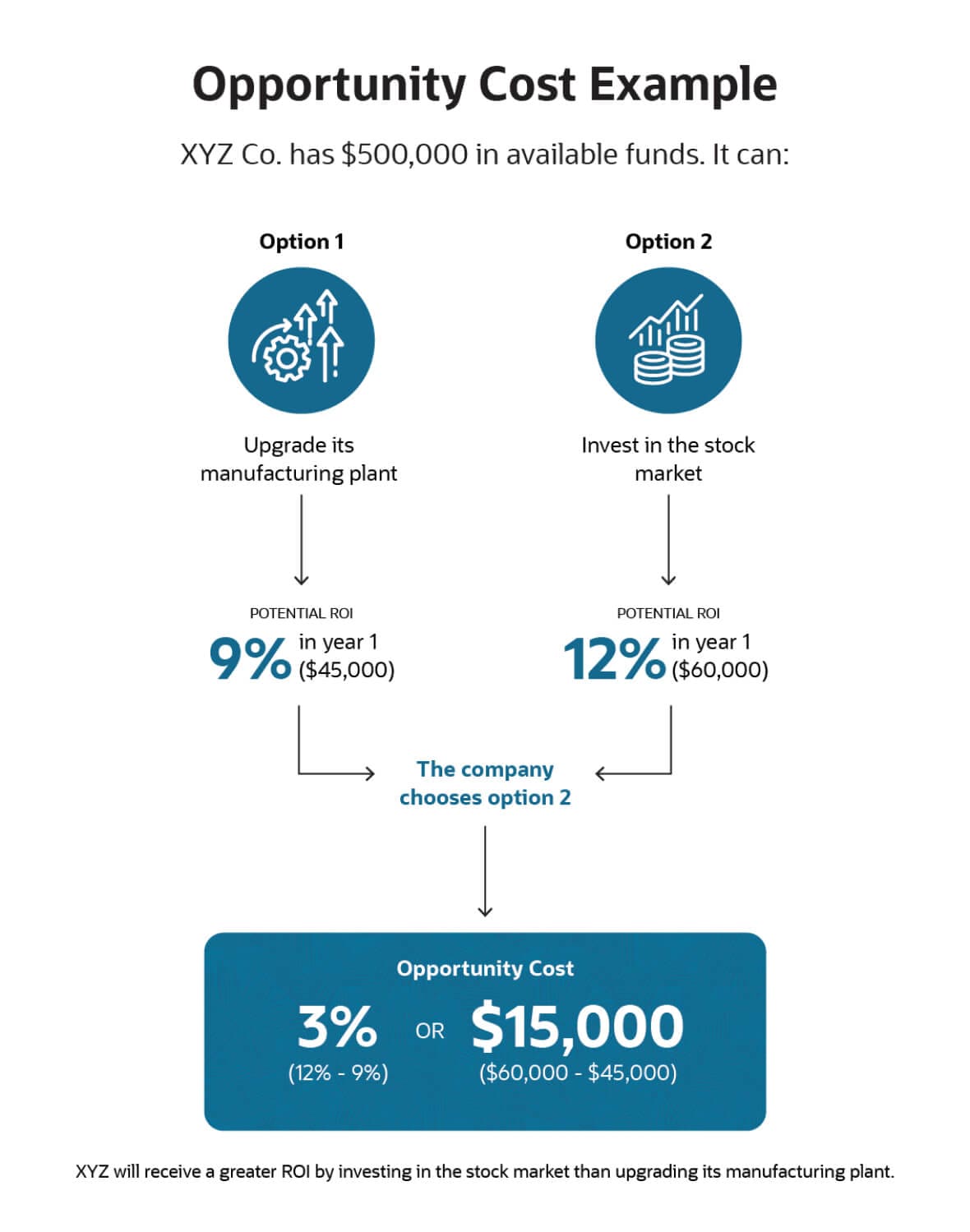
    4. Opportunity Cost Awareness: What Are You Giving Up?

    Every purchase means sacrificing another potential use for that money. Thinking in terms of opportunity cost prevents unnecessary expenses.

    Key Considerations:

    🛑 Does this purchase align with my bigger goals?
    🛑 What else could I do with this money that brings greater value?
    🛑 Am I trading long-term benefits for short-term pleasure?

    ✅ Example: Buying a high-end gaming setup might be fun, but if your true goal is to travel more, that money might be better spent on flight tickets or an experience you’ll remember forever.

    5. Mindset Shift: From Spending to Investing in Value

    Instead of just thinking about purchases in terms of price, shift your mindset to investment in value.

    🚀 Investment Mentality – View every expense as an investment in your lifestyle, productivity, or future security.
    ⚖️ Balanced Spending – Find a middle ground between affordability and quality.
    📊 Data-Driven Decisions – Compare cost vs. benefits to make rational spending choices.

    âś… Example: A $1,500 laptop with high performance may be a better investment than a $700 one that slows down in a year, requiring replacement.

    Final Thought:

    Smart spending isn’t about being frugal—it’s about making intentional choices that align with your values and priorities. By analyzing cost vs. value, pausing before expensive purchases, and considering opportunity costs, you can make financial decisions that truly benefit your life.

    Conclusion: True Wealth Is About Extracting Value, Not Just Spending

    The ultimate goal of managing your money isn’t merely about acquiring things—it’s about understanding how to maximize their value in your life. Money should be used as a tool to unlock opportunities, improve your well-being, and enrich your experiences.

    Spending wisely means making informed decisions that align with your personal goals and values. Whether it’s investing in quality goods, experiences, or knowledge, the key is understanding what each purchase brings to your life in terms of both tangible and intangible benefits.

    A conscious approach to spending helps you avoid financial pitfalls, keep your spending aligned with your true priorities, and create lasting value that extends far beyond the immediate gratification of a purchase. This strategy not only supports long-term financial stability but also enriches your overall quality of life, making each dollar spent an investment in something meaningful.

    Final Thought: “True wealth isn’t measured by what you own, but by how much value you extract from what you own.”

    By embracing this mindset, you can create a richer, more fulfilling life, no matter your income level.

    Support Meda Foundation

    This article, like all the others, has been made possible due to the support of our patrons. If you have found this article to be informative or useful, please consider donating to help us continue creating valuable content. Additionally, we encourage you to share your knowledge and experiences with us via our feedback form. Your support and input help us grow and serve our community better.

    Resources for Further Research

    For those interested in exploring more about the concepts discussed in this article and related ideas, here are some valuable resources:

  • Opportunity Cost: The Price of Inaction

    Opportunity Cost: The Price of Inaction

    “Opportunity Cost: The Price of Inaction” explores the significant repercussions of not seizing opportunities in various aspects of life. Delving into the concept of opportunity cost, the article elucidates how the choice to remain inactive carries tangible and intangible costs. It dissects the psychological barriers such as fear and procrastination that often hinder individuals from taking action, alongside societal norms that discourage risk-taking. Through real-life examples and insightful analysis, it underscores the importance of evaluating the potential value of missed opportunities and provides practical strategies for overcoming inaction. Ultimately, the article urges readers to recognize the price of inaction, emphasizing the transformative power of seizing opportunities to unlock personal and professional growth.

    I. Introduction

    A. Explanation of opportunity cost and its significance

    Opportunity cost is a fundamental concept in economics, but its implications extend far beyond the realm of finance. Essentially, it refers to the value of the next best alternative that is foregone when a decision is made. In other words, every choice we make comes with an opportunity cost – the potential benefits or opportunities that we miss out on by choosing one option over another. Understanding opportunity cost is crucial because it forces us to consider the trade-offs involved in decision-making and helps us make more informed choices about how we allocate our resources, whether they be time, money, or effort.

    B. Introduction of the concept of the price of inaction in relation to missed opportunities

    While opportunity cost is often discussed in terms of the trade-offs between different actions, there’s another side to the coin: the price of inaction. This concept highlights the costs associated with not taking action or seizing opportunities when they arise. Just as choosing one option over another has opportunity costs, so too does choosing to do nothing. The price of inaction encompasses the potential benefits and opportunities that we miss out on, as well as the negative consequences that can result from failing to take action. In this article, we’ll explore the various costs of inaction and discuss strategies for overcoming barriers to action.

    C. Preview of the article’s exploration of the various costs associated with not seizing opportunities

    Throughout this article, we’ll delve into the different ways in which inaction can exact a toll on our lives – professionally, personally, and emotionally. We’ll examine the psychological barriers that often hold us back from taking action, such as fear, procrastination, and self-doubt, and discuss practical strategies for overcoming these obstacles. By shedding light on the true costs of inaction and empowering readers to take proactive steps towards seizing opportunities, we aim to inspire a mindset shift towards a more active and opportunistic approach to life. So let’s dive in and uncover the price of inaction – and how to avoid paying it.

    D. Why do we miss out on opportunities 

    There are several reasons why individuals may miss out on opportunities:

    1. Fear of Failure: Fear of failure can be a significant barrier to seizing opportunities. Individuals may worry about the potential consequences of taking risks, such as embarrassment, rejection, or financial loss, leading them to avoid opportunities altogether.

    2. Lack of Confidence: Low self-esteem or a lack of confidence in one’s abilities can prevent individuals from pursuing opportunities. They may underestimate their skills or doubt their capacity to succeed, leading them to hesitate or hold back from taking action.

    3. Procrastination: Procrastination, or putting off important tasks or decisions, can result in missed opportunities. Individuals may delay taking action due to laziness, indecision, or a tendency to prioritize short-term gratification over long-term goals.

    4. Uncertainty: Uncertainty about the outcome of a decision or opportunity can lead to hesitation and indecision. Individuals may feel paralyzed by the unknown, unable to predict the consequences of their actions and therefore reluctant to take risks.

    5. Comfort Zone: Some individuals may prefer to stay within their comfort zone, avoiding opportunities that require them to step outside of familiar territory. They may fear the unknown or feel content with their current situation, making it difficult for them to embrace change or pursue new opportunities.

    6. Overcommitment: Being overcommitted to existing obligations or responsibilities can leave individuals with limited time, energy, or resources to pursue new opportunities. They may feel stretched thin or overwhelmed, making it challenging for them to take on additional commitments.

    7. External Factors: External factors, such as economic downturns, personal circumstances, or systemic barriers, can also impact an individual’s ability to seize opportunities. Limited access to resources, discrimination, or societal expectations may hinder opportunities for certain individuals or groups.

    8. Perfectionism: Perfectionism, or the desire to achieve flawless results, can prevent individuals from taking action on opportunities. They may wait for the perfect moment or conditions before acting, leading to missed chances as they strive for an unattainable standard of perfection.

    Overall, a combination of internal and external factors can contribute to individuals missing out on opportunities. Overcoming these barriers often requires self-awareness, resilience, and a willingness to step out of one’s comfort zone to seize opportunities and pursue personal and professional growth.

    E. How do start tapping into opportunities 

    To avoid missing out on opportunities, consider the following strategies:

    1. Stay Open-Minded: Keep an open mind and be receptive to new ideas, experiences, and opportunities that come your way. Avoid limiting yourself by preconceived notions or rigid beliefs, and be willing to explore different paths and possibilities.

    2. Be Proactive: Take initiative and actively seek out opportunities that align with your goals and interests. Don’t wait for opportunities to come to you; instead, be proactive in identifying and pursuing them.

    3. Step Out of Your Comfort Zone: Growth often occurs outside of your comfort zone. Challenge yourself to take calculated risks and embrace new challenges, even if they feel intimidating at first. Stepping out of your comfort zone can lead to personal and professional growth opportunities.

    4. Set Goals: Establish clear and specific goals for yourself, both short-term and long-term. Having goals provides direction and motivation, and helps you prioritize opportunities that will move you closer to your objectives.

    5. Network and Build Relationships: Cultivate a strong network of contacts and build meaningful relationships with others in your field or industry. Networking can lead to valuable opportunities, such as job offers, collaborations, and mentorship.

    6. Stay Informed: Stay up-to-date with industry trends, developments, and opportunities. Subscribe to relevant newsletters, attend conferences and events, and follow key influencers in your field to remain informed and aware of potential opportunities.

    7. Be Flexible and Adaptive: Be flexible and adaptive in your approach to opportunities. Recognize that plans may change, and be willing to adjust your strategies and goals accordingly. Being flexible allows you to capitalize on unexpected opportunities that may arise.

    8. Take Action: Don’t hesitate to take action when opportunities present themselves. Trust your instincts, make informed decisions, and take decisive steps towards seizing opportunities that align with your values and objectives.

    9. Learn from Setbacks: Embrace setbacks and failures as learning opportunities. Use them as opportunities to reflect, grow, and refine your approach to seizing opportunities in the future.

    10. Practice Self-Reflection: Regularly reflect on your goals, values, strengths, and areas for improvement. Self-reflection can help you gain clarity on what opportunities are most meaningful to you and how to best pursue them.

    By incorporating these strategies into your approach to opportunities, you can increase your chances of recognizing and seizing valuable opportunities that align with your goals and aspirations.

    II. Understanding Opportunity Cost

    A. Definition of opportunity cost and its economic and personal implications

    Opportunity cost, at its core, represents the value of the next best alternative that is forgone when a decision is made. While this concept is often discussed in economic terms, its implications extend into various aspects of our lives. Economically, opportunity cost helps us weigh the benefits of different choices and make rational decisions about resource allocation. However, on a personal level, understanding opportunity cost can lead to more intentional and mindful decision-making. By recognizing that every decision involves trade-offs, we become more aware of the potential consequences of our choices and can prioritize accordingly. Whether it’s choosing between spending time with family or working on a project, or deciding between pursuing higher education or entering the workforce, opportunity cost influences the choices we make and the paths we take in life.

    B. Explanation of how opportunity cost relates to decision-making and resource allocation

    Opportunity cost plays a crucial role in decision-making and resource allocation. When faced with multiple options, we must consider not only the benefits of each choice but also what we will be giving up by choosing one option over another. This involves weighing the potential gains and losses associated with each alternative and determining which option will provide the greatest overall benefit. Whether we’re allocating financial resources, time, or energy, opportunity cost forces us to prioritize and make trade-offs based on our goals, preferences, and constraints. By understanding opportunity cost, we can make more informed and efficient decisions about how we allocate our resources, ultimately maximizing our utility and achieving our objectives more effectively.

    C. Illustrative examples of opportunity cost in different contexts

    Opportunity cost manifests in various contexts, from everyday decisions to significant life choices. For instance, consider the opportunity cost of attending college versus entering the workforce immediately after high school. While pursuing higher education may lead to increased earning potential and career opportunities in the long run, it also entails significant financial costs and the foregone income from not working during those years. Similarly, in business, companies must consider the opportunity cost of investing in one project or venture over another, weighing the potential returns and risks associated with each option. In our personal lives, opportunity cost influences decisions about how we spend our time, whether it’s choosing between leisure activities or pursuing personal development opportunities. By examining these examples, we gain insight into how opportunity cost shapes our decision-making processes and impacts our lives on both a micro and macro level.

    III. The Cost of Inaction

    A. Discussion of the consequences of not taking action on opportunities

    Failing to take action on opportunities can have significant consequences that reverberate across various aspects of our lives. Whether it’s hesitating to pursue a career change, delaying important decisions, or neglecting personal goals, the repercussions of inaction can be far-reaching. Procrastination and indecision can lead to missed chances for growth, advancement, and fulfillment, ultimately hindering our progress and limiting our potential. Moreover, the longer we delay taking action, the greater the opportunity cost becomes, as the potential benefits of seizing the opportunity diminish over time. By examining the consequences of inaction, we gain insight into the importance of being proactive and seizing opportunities when they arise.

    B. Exploration of the financial, professional, and personal costs of inaction

    The costs of inaction extend beyond missed opportunities to encompass tangible and intangible losses in various domains of our lives. Financially, failing to take action can result in lost income, foregone investments, and missed chances for financial stability and security. Professionally, inaction can impede career advancement, limit professional growth opportunities, and hinder our ability to achieve our career goals. On a personal level, the costs of inaction may include missed chances for personal development, strained relationships, and feelings of regret and dissatisfaction. Moreover, the cumulative effects of inaction can compound over time, leading to a sense of stagnation and unfulfilled potential. By exploring the multifaceted costs of inaction, we gain a deeper understanding of the importance of being proactive and taking decisive action in our lives.

    C. Real-life case studies or anecdotes highlighting the negative impacts of missed opportunities

    Real-life examples serve as powerful illustrations of the negative impacts of missed opportunities and the costs of inaction. Whether it’s stories of individuals who hesitated to pursue their dreams and later regretted it or anecdotes of businesses that failed to adapt to changing market trends, these examples provide tangible evidence of the consequences of inaction. By examining these case studies, we can glean valuable insights into the pitfalls of indecision and the importance of seizing opportunities when they arise. Moreover, these stories serve as cautionary tales, inspiring us to overcome our fears and doubts and take decisive action in pursuit of our goals and aspirations. Through the lens of real-life experiences, we come to appreciate the true cost of inaction and the transformative power of seizing opportunities in our lives.

    IV. Factors Influencing Inaction

    A. Identification of common reasons why individuals fail to seize opportunities

    Despite recognizing the importance of seizing opportunities, many individuals still struggle to take decisive action. Common reasons for inaction include fear of failure, uncertainty about the outcome, lack of confidence, and a tendency to procrastinate. Additionally, individuals may feel overwhelmed by the perceived risks or challenges associated with pursuing opportunities, leading them to hesitate or avoid taking action altogether. By identifying these common barriers to action, we can better understand why individuals may fail to seize opportunities and develop strategies to overcome these obstacles.

    B. Examination of psychological barriers such as fear, uncertainty, and procrastination

    Psychological barriers such as fear, uncertainty, and procrastination often play a significant role in preventing individuals from seizing opportunities. Fear of failure or rejection can paralyze individuals, causing them to avoid taking risks or pursuing their goals. Uncertainty about the outcome can lead to indecision and hesitation, as individuals grapple with the unknown consequences of their actions. Procrastination, fueled by a desire to avoid discomfort or uncertainty, can result in missed chances for growth and achievement. By examining these psychological barriers, we can gain insight into the underlying reasons for inaction and develop strategies to overcome them.

    C. Discussion of external factors and societal norms that discourage risk-taking and action

    External factors and societal norms can also discourage individuals from taking risks and pursuing opportunities. Cultural attitudes towards failure, for example, may stigmatize risk-taking and innovation, leading individuals to prioritize safety and stability over growth and exploration. Additionally, systemic barriers such as limited access to resources or opportunities may disproportionately affect certain groups, further hindering their ability to take action. By discussing these external factors and societal norms, we can shed light on the broader context in which inaction occurs and advocate for changes that promote a culture of risk-taking and action. Ultimately, by addressing both internal and external barriers to action, we can empower individuals to overcome inaction and seize opportunities for growth and success.

    V. Calculating Opportunity Cost

    A. Methods for assessing the potential value of missed opportunities

    Assessing the potential value of missed opportunities involves considering both quantitative and qualitative factors. Quantitatively, individuals can calculate the financial implications of inaction by estimating the potential returns or benefits associated with seizing the opportunity. This may involve conducting cost-benefit analyses, projecting future earnings or savings, or comparing the expected outcomes of different courses of action. Qualitatively, individuals can evaluate the non-monetary benefits or opportunities for growth and development that may result from seizing the opportunity. This may include considering the potential for career advancement, personal fulfillment, or enhanced well-being. By combining both quantitative and qualitative assessments, individuals can gain a comprehensive understanding of the potential value of missed opportunities.

    B. Tools and frameworks for evaluating the cost of inaction in decision-making

    Various tools and frameworks are available to help individuals evaluate the cost of inaction in decision-making. Cost-benefit analysis, for example, allows individuals to compare the expected costs and benefits of taking action versus doing nothing. Decision trees and scenario analysis can help individuals assess the potential outcomes and risks associated with different courses of action. Additionally, frameworks such as the SMART criteria (Specific, Measurable, Achievable, Relevant, Time-bound) can help individuals set clear goals and objectives, facilitating more effective decision-making. By utilizing these tools and frameworks, individuals can make more informed and strategic decisions about whether to seize opportunities or remain inactive.

    C. Consideration of long-term consequences and cumulative effects of missed opportunities

    When evaluating the cost of inaction, it’s essential to consider the long-term consequences and cumulative effects of missed opportunities. While the immediate impact of inaction may seem minor, the long-term consequences can be significant, as missed opportunities accumulate over time. For example, failing to invest in one’s education or professional development may result in limited career opportunities and lower earning potential in the future. Similarly, neglecting personal goals or relationships can lead to feelings of regret and dissatisfaction over time. By considering the long-term consequences of inaction, individuals can better understand the true cost of missed opportunities and make decisions that align with their long-term goals and aspirations.

    VI. Overcoming Inaction

    A. Strategies for overcoming barriers to action and seizing opportunities

    Overcoming inaction requires identifying and addressing the barriers that prevent individuals from seizing opportunities. One effective strategy is to break down large goals or opportunities into smaller, more manageable tasks, making them less overwhelming and more achievable. Setting specific, measurable, and achievable goals can provide clarity and direction, facilitating progress towards seizing opportunities. Additionally, seeking support from friends, family, or mentors can provide encouragement and accountability, helping individuals overcome obstacles and stay motivated. Embracing a growth mindset, characterized by a belief in one’s ability to learn and grow, can also foster resilience and perseverance in the face of challenges. By implementing these strategies, individuals can overcome barriers to action and seize opportunities with confidence.

    B. Practical tips for building confidence, overcoming fear, and taking calculated risks

    Building confidence and overcoming fear are essential components of overcoming inaction and seizing opportunities. One practical tip for building confidence is to focus on past successes and accomplishments, using them as evidence of one’s abilities and strengths. Additionally, practicing self-compassion and positive self-talk can help individuals overcome self-doubt and cultivate a more resilient mindset. Gradually exposing oneself to challenging situations and taking small, calculated risks can also help build confidence and resilience over time. By reframing failure as an opportunity for growth and learning, individuals can approach challenges with greater courage and resilience, ultimately increasing their willingness to seize opportunities.

    C. Examples of successful approaches to overcoming inaction and maximizing opportunities

    Real-life examples of individuals who have successfully overcome inaction can serve as inspiration and guidance for others seeking to seize opportunities. Whether it’s stories of entrepreneurs who took bold risks to launch successful businesses, or individuals who pursued their passions despite facing obstacles and setbacks, these examples demonstrate the transformative power of action and resilience. By studying these success stories, individuals can gain valuable insights into effective approaches for overcoming inaction and maximizing opportunities in their own lives. Moreover, these examples serve as proof that with determination, perseverance, and a willingness to take risks, individuals can overcome barriers to action and achieve their goals and aspirations.

    VII. Conclusion

    A. Recap of the concept of opportunity cost and the price of inaction

    In conclusion, the concept of opportunity cost highlights the value of the next best alternative that is foregone when a decision is made. The price of inaction, on the other hand, represents the costs associated with failing to seize opportunities when they arise. By understanding these concepts, individuals can appreciate the importance of weighing the potential benefits and costs of different options and making informed decisions about how to allocate their resources.

    B. Emphasis on the importance of recognizing and addressing inaction to avoid missed opportunities

    Recognizing and addressing inaction is crucial for avoiding missed opportunities and maximizing potential. Whether it’s fear of failure, uncertainty, or procrastination, overcoming barriers to action requires self-awareness, resilience, and a willingness to step out of one’s comfort zone. By acknowledging the costs of inaction and the potential benefits of seizing opportunities, individuals can motivate themselves to take proactive steps towards achieving their goals and aspirations.

    C. Encouragement for readers to assess their own decision-making processes and take proactive steps to seize opportunities and maximize their potential

    As readers reflect on the concepts discussed in this article, I encourage them to assess their own decision-making processes and identify areas where inaction may be holding them back. By cultivating a growth mindset, building confidence, and embracing calculated risks, individuals can overcome barriers to action and seize opportunities with courage and conviction. Remember, every decision we make comes with an opportunity cost – the potential benefits we stand to gain by taking action. So let’s embrace a proactive mindset, seize opportunities, and unlock our full potential to live a fulfilling and successful life.

    The MEDA Foundation is committed to leveraging its management expertise for the benefit of the community. Through collaborative initiatives and strategic partnerships, the foundation seeks to share its wealth of knowledge and resources to support organizations and individuals in achieving their goals. By offering management consulting services, training programs, and mentorship opportunities, the MEDA Foundation aims to empower communities to thrive and succeed. Through these efforts, the foundation is working to foster sustainable growth, innovation, and social impact, ensuring that management expertise becomes a common resource for the greater good.