
.jpg?resize=1200,600&ssl=1 "Unbroken: Surviving, Leaving, and Healing After Narcissistic Abuse")
Navigating a narcissistic relationship can be a deeply painful and confusing journey, marked by manipulation, emotional erosion, and a constant battle for self-worth. However, recognizing the narcissist’s tactics—such as love bombing, devaluation, and gaslighting—can be the first step toward liberation. By understanding the psychological underpinnings of narcissism and acknowledging the emotional toll it takes, one can reclaim their power and begin healing. Establishing firm boundaries, detaching from the narcissist, and embarking on a path of self-discovery are crucial steps toward rebuilding identity, restoring self-worth, and transforming pain into personal strength. Ultimately, stepping into freedom involves letting go of the past, trusting in one’s own value, and rising from the experience stronger and more resilient than ever.
:max_bytes(150000):strip_icc()/Narcissistic-abuse-recovery-challenges-and-treatment-5210945_final_rev_02-e8637393b06a48d0a35e3e87ee0bbcf3.jpg)
Breaking the Cycle: Understanding and Navigating Narcissistic Relationships
I. Introduction: The Entanglement
Intended Audience and Purpose of the Article
This article is crafted for those who have found themselves enmeshed in relationships marked by emotional manipulation, subtle control, and a loss of self — often at the hands of a narcissistic partner, parent, friend, or authority figure.
It speaks directly to empaths, caregivers, therapists, educators, spouses, and conscientious professionals — people who give deeply, feel deeply, and often carry the silent weight of dysfunctional relational dynamics. It is for those who have long questioned their own reality, doubted their instincts, and been conditioned to believe that love must be earned through sacrifice and silence.
The aim is to unravel the intricate mechanics of narcissistic abuse: how it unfolds, why it ensnares, and most importantly, how one can emerge stronger, clearer, and more deeply rooted in truth.
We approach this from a secular, psychological, and experiential lens — steering clear of religious framing, and instead leaning into neuroscience, trauma studies, and emotional intelligence. This is an invitation to clarity, not confusion; to self-trust, not self-blame.
The Beginning: Not a Storm, but a Slow Drizzle
Narcissistic relationships rarely arrive like a tsunami. Instead, they seep in — a gentle drizzle that eventually erodes the ground beneath your feet.
It starts innocently: a smile that feels like sunshine, words of affirmation that seem too perfect to be real (because they often are), and a magnetic pull that creates an illusion of instant connection. Narcissists are often masters of reading others, mirroring desires, and constructing a fantasy bond that feels fated. They don’t take control — they make you offer it.
In those early stages, what you experience may feel like being “seen” for the first time. You are admired. Praised. Idealized. But slowly, subtly, the script flips. Praise turns to passive-aggression. Your boundaries begin to feel like inconveniences. Your voice, once celebrated, is now met with silence or disdain. What was once intimacy becomes inspection. Love becomes performance.
This is the start of emotional erosion — a quiet, almost invisible draining of your vitality, your confidence, and your sense of direction. It doesn’t happen overnight. It happens in the constant second-guessing of your words. In walking on eggshells. In justifying behavior that would horrify you if it happened to someone else.
The Isolation Within
Unlike physical abuse, which may leave visible scars, narcissistic abuse often goes unseen — even by the person enduring it. The manipulations are subtle and often cloaked in charm, intellect, or concern. You might be told you’re “too sensitive” or “imagining things.” You start to feel crazy for reacting to what you know is wrong.
You lose touch with your emotional compass. You question your memory. You shrink in small, imperceptible ways — avoiding certain topics, filtering your thoughts, toning down your joy.
And slowly, isolation sets in — not necessarily from people, but from yourself. You stop trusting your instincts. You wonder if you’re the problem. You tell yourself, “It’s not that bad.” Until it is.
The Hidden Gift: A Crucible for Transformation
While this experience can be profoundly painful and destabilizing, it also holds the potential for awakening.
What if this relationship — as soul-bruising as it was — is also a mirror? A mirror reflecting not just the other’s dysfunction, but also your own unmet needs, unhealed wounds, and lifelong patterns of overgiving, overfunctioning, and over-enduring?
What if this wasn’t your downfall, but your initiation? Not into bitterness — but into discernment. Not into victimhood — but into sovereignty.
Narcissistic abuse is not merely something to escape — it’s something to understand, to integrate, and to alchemize. In doing so, we not only reclaim our lives but also rise into a higher order of emotional clarity — one that transforms how we relate, love, and lead.
So let us begin with the guiding question:
“What if this relationship was not your downfall, but your mirror and your awakening?”
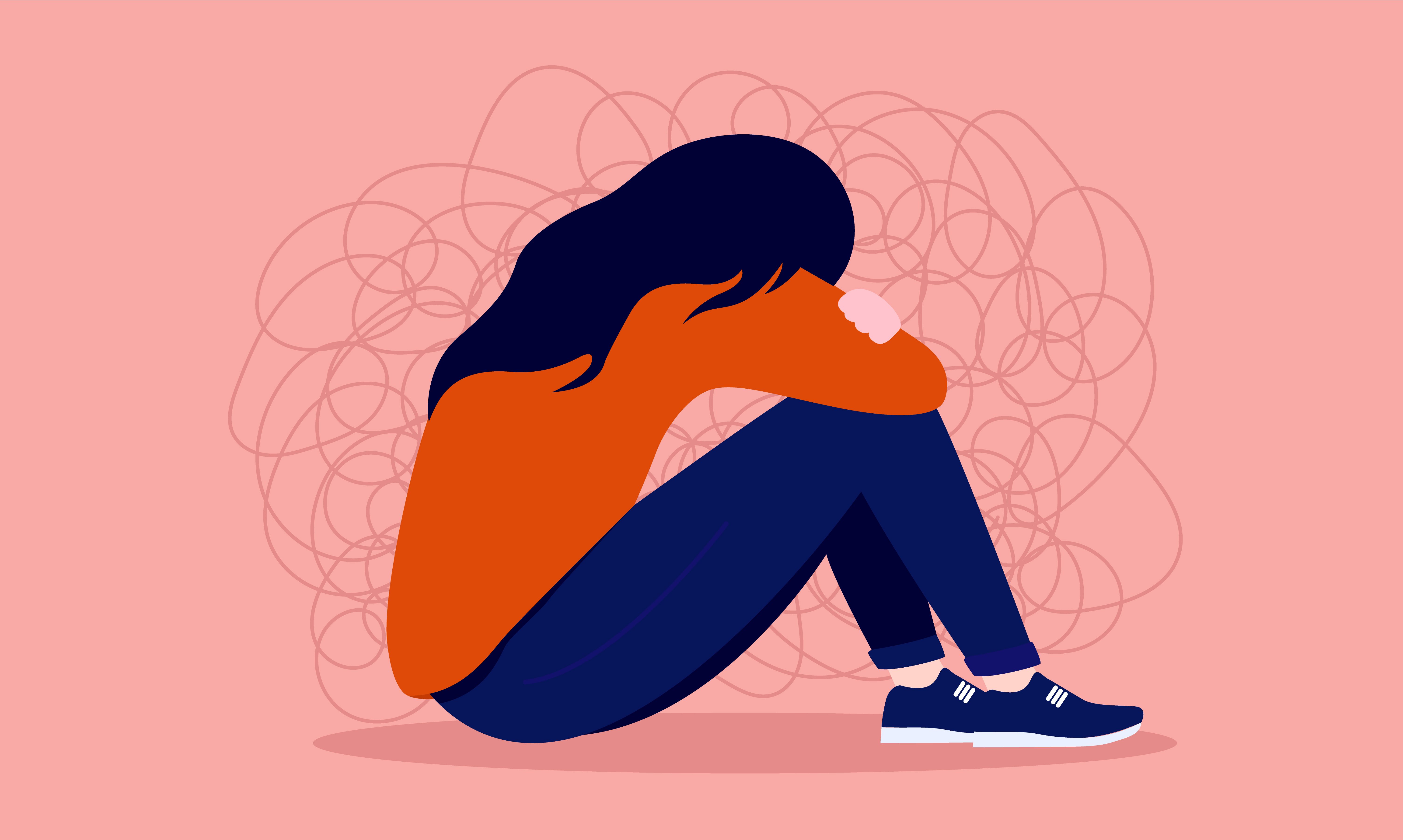
II. Understanding Narcissism and the Narcissistic Relationship Cycle
To truly break free from the grip of a narcissistic entanglement, one must begin by understanding the mechanics behind it. What drives a narcissist? Why are their relationships so intense, yet so damaging? And why do survivors so often feel paralyzed, even when they know something is deeply wrong?
This section takes a closer look at the psychological framework of narcissism and the repetitive, cyclical blueprint that characterizes these relationships.
A. The Psychology Behind Narcissism
1. Defining Narcissistic Personality Traits
At its core, narcissism is not just excessive self-love — it’s a fragile ego dressed up in bravado. The key traits often include:
- Grandiosity: A deep belief in one’s superiority, often accompanied by fantasies of success, brilliance, or power.
- Lack of Empathy: Inability or unwillingness to connect with the emotional experiences of others. They may mimic empathy when it serves their goals, but it lacks authenticity.
- Entitlement: A belief that they deserve special treatment or that rules do not apply to them.
- Need for Control: A chronic tendency to manipulate, dominate, or emotionally coerce others to maintain superiority and emotional security.
These traits aren’t always displayed flamboyantly — many narcissists appear helpful, generous, or even spiritual on the surface.
2. The Inner World of a Narcissist
Beneath the external charm or arrogance lies a core of deep, unhealed wounds — often stemming from early childhood neglect, trauma, or enmeshment. These wounds lead to:
- Chronic insecurity masked by overcompensation.
- Fear of abandonment, which drives their compulsive need for control.
- Emotional immaturity and an underdeveloped sense of self.
Contrary to popular belief, narcissists do feel emotions — but often only in relation to themselves. Their emotional responses tend to be self-referential: “How does this affect me?” rather than, “How does the other person feel?”
3. Defense Mechanisms: How They Protect Their Ego
To maintain their fragile self-image, narcissists deploy powerful defense strategies:
- Projection: Attributing their own negative traits or feelings to others. (“You’re the selfish one!”)
- Gaslighting: Systematically distorting another person’s reality to make them doubt their perceptions.
- Denial: Refusing to acknowledge facts, feelings, or behavior that threaten their self-image.
- Deflection: Changing the subject, blaming others, or creating confusion to avoid accountability.
These mechanisms make it difficult for victims to “win” arguments or resolve conflicts — because truth and empathy are not the goals. Control and superiority are.
4. Covert vs. Overt Narcissism
Not all narcissists are loud, showy, or obvious. In fact, covert narcissism is often more dangerous because it flies under the radar.
- Overt Narcissists are brash, boastful, and entitled — the classic “look at me” personality.
- Covert Narcissists are quiet, self-effacing, often appearing victimized or helpless. They use guilt, martyrdom, or passive-aggression to control others.
Because covert narcissists can appear kind, wounded, or spiritual, victims often stay entangled much longer, blaming themselves for the dysfunction.
B. The Relationship Blueprint
Narcissistic relationships follow a near-universal pattern. Recognizing this cycle is key to breaking free and preventing future entanglements.
1. Idealization
Also known as love bombing, this stage is intoxicating. The narcissist showers the target with affection, admiration, gifts, and deep attention.
- They mirror your values, interests, and wounds — creating a false sense of compatibility.
- They push for rapid intimacy, making you feel like this is a soulmate or fated connection.
- You feel “seen,” validated, and swept off your feet — but in truth, you’re being studied and groomed.
2. Devaluation
Once the narcissist feels secure in your emotional investment, the mask begins to slip.
- Subtle criticism starts to creep in, often disguised as “jokes” or “helpful suggestions.”
- Affection is withdrawn, used as a tool to control or punish.
- You are compared to others, made to feel not enough, or asked to “do better” to “get back” what you had.
This phase is confusing. You chase the early idealization, believing the loss is your fault — when in reality, the change is by design.
3. Discard
When you stop serving their emotional needs, challenge their authority, or begin asserting boundaries, the narcissist may abruptly pull the plug.
- This can be through ghosting, cheating, betrayal, or calculated abandonment.
- You are left confused, grieving, and doubting your self-worth.
- It often occurs during times of personal crisis — ensuring maximum emotional damage.
The discard phase reinforces your dependence and often triggers trauma bonds: the harder you try to make sense of it, the deeper you fall.
4. Hoovering
Like the vacuum cleaner it’s named after, hoovering is an attempt to suck you back into the cycle.
- This may come after weeks, months, or even years of silence.
- The narcissist may send nostalgic messages, act apologetic, or suddenly “see the light.”
- If direct contact fails, they may use mutual friends, crises, or social media to reappear.
Hoovering isn’t about reconciliation — it’s about reasserting control. Once re-engaged, the cycle begins anew.
Why This Cycle Works on Good People
This pattern thrives on empathy, hope, and a desire to see the good in others. Narcissists are drawn to givers, fixers, and emotionally attuned individuals — not because they want connection, but because they crave reflection: someone to validate the grandiose self they’ve created.
If you’ve been caught in this cycle, it doesn’t mean you’re weak — it means you were conditioned to confuse intensity with intimacy, control with care, and inconsistency with excitement.

III. The Impact on the Empath or Partner
The psychological, emotional, and even physical consequences of being in a narcissistic relationship are devastating yet invisible — much like the abuse itself. Empaths, caregivers, and sensitive partners often experience a slow erasure of self, as their inner compass becomes distorted by the constant manipulation. This stage is often the darkest — but it is also where healing begins, by naming and witnessing what really happened.
A. Psychological and Emotional Fallout
1. Chronic Self-Doubt, Anxiety, and Hypervigilance
Survivors of narcissistic relationships often become chronically anxious, always anticipating the next emotional ambush. This leads to:
- Walking on eggshells.
- Overanalyzing words and tone.
- Constantly second-guessing decisions, feelings, and intentions.
The mind becomes a war zone, filled with internal landmines planted by years of criticism, manipulation, and emotional unpredictability.
2. Gaslighting: Losing Trust in Your Own Perception
One of the most damaging tools in the narcissist’s arsenal is gaslighting — the act of denying your reality until you begin to doubt it yourself.
- You start asking, “Am I too sensitive?” “Did I imagine that?”
- You become dependent on the narcissist for validation of reality.
- Over time, your intuition is silenced, and you may no longer trust your own thoughts, feelings, or instincts.
This distortion leaves you vulnerable not only to continued abuse, but to profound self-alienation.
3. Identity Erosion
You begin to lose yourself.
- Your passions, opinions, and beliefs are slowly dismissed or devalued.
- You shrink to avoid conflict or criticism.
- Your identity becomes fused with your role in the relationship — the pleaser, the fixer, the caregiver.
This erosion is subtle but cumulative — you wake up one day and realize you no longer recognize the person in the mirror.
4. Shame and Self-Blame
Narcissists are masters at projecting blame, and empaths are masters at internalizing it.
- You may believe the abuse was your fault: “If I had just loved them better… been more patient… stayed quieter…”
- You begin to feel ashamed for staying, ashamed for leaving, ashamed for being fooled.
- This shame is often reinforced by well-meaning outsiders who don’t understand covert abuse.
This creates a closed loop of guilt, isolation, and emotional paralysis.
5. Cognitive Dissonance
Cognitive dissonance is the mental discomfort that arises when two conflicting beliefs exist simultaneously:
- “They love me.”
- “They hurt me.”
Your mind desperately tries to reconcile the two by rationalizing or rewriting history. You remember the good times and dismiss the bad — not because you’re naïve, but because your nervous system is trying to survive the contradiction.
This is why leaving a narcissistic relationship can feel harder than leaving a visibly abusive one — the inconsistency creates addiction-like patterns in the brain.
B. Physical and Energetic Toll
Narcissistic abuse doesn’t just live in the mind — it settles into the body. Prolonged exposure to emotional chaos activates your stress response system permanently, leading to complex physical symptoms.
1. Fatigue, Insomnia, Chronic Stress, Psychosomatic Illnesses
- You feel perpetually tired, even after rest.
- You may develop autoimmune symptoms, migraines, digestion issues, or hormonal imbalances.
- Sleep becomes disturbed by anxiety, nightmares, or replaying conversations.
- The body learns to expect harm — and stays in fight-or-flight mode 24/7.
This is not “just in your head.” These are real, measurable changes in brain chemistry and hormonal function — often misdiagnosed or dismissed in conventional medicine.
2. Withdrawal from Others
The narcissist may isolate you from friends and family — or you may begin to withdraw out of shame, confusion, or depression.
- Social invitations become exhausting or terrifying.
- You feel like no one will understand — or worse, that you are the toxic one.
- There’s a loss of joy, spontaneity, and connection — replaced by numbness or dread.
This isolation is both the tool and the outcome of narcissistic control.
3. Feeling Like a Shell of Your Former Self
You may have once been joyful, expressive, intuitive, or creative. Now:
- You feel blank or emotionally numb.
- You question whether your former self was ever real.
- You miss yourself — but don’t know how to return.
This is the soul wound of narcissistic abuse: the disconnection from your own essence.
4. Over-Dependence on the Narcissist’s Approval
Because the narcissist alternates between affection and rejection, your nervous system becomes addicted to their approval.
- A single kind word feels euphoric.
- Disapproval feels like annihilation.
- Your sense of safety becomes entirely external — tethered to someone else’s moods.
This creates a trauma bond, a powerful emotional addiction that mimics love but is actually survival-driven attachment.
The Truth?
You did not imagine it. You are not broken.
You have been in a psychological war zone, and you survived.
This awareness — this naming of what has been done to you — is the beginning of liberation. Healing will not come from fixing the narcissist. It will come from returning to yourself.

IV. The Turning Point: Recognition and Awakening
True healing begins at the moment of recognition. Not when the narcissist changes (they rarely do), but when you stop denying your pain and begin seeing the patterns for what they are. Awakening is not a single lightning strike; it is a series of quiet realizations that build into a roar — the roar of your reclaimed selfhood. This section is about that moment — the inner uprising that says: “No more.”
A. Recognizing Red Flags and Patterns
The narcissistic relationship is not chaotic by accident — it follows a predictable script, repeated with disturbing precision. Survivors who begin to name these red flags often feel like they’re “waking up from a spell.” Let’s illuminate the patterns:
1. Patterns of Manipulation, Triangulation, and Emotional Withholding
- Manipulation: Pushing emotional buttons to get a desired reaction — guilt, fear, obligation.
- Triangulation: Bringing in third parties (exes, siblings, friends) to create jealousy, confusion, or competition.
- Emotional Withholding: Using silence, detachment, or refusal to engage as a form of control.
You’re always chasing connection — and they always keep it just out of reach.
2. When Charm Becomes a Weapon
Charm is a tool — not an indicator of character. Narcissists often weaponize charm to:
- Disarm you early in the relationship (“love bombing”).
- Deflect accountability (“I didn’t mean it, I was just joking!”).
- Win others to their side while painting you as unstable or “too sensitive.”
The contrast between their public charm and private cruelty creates cognitive dissonance that keeps you stuck.
3. The Blame-Shifting Game
- Everything is your fault: their mood, their behavior, your reaction to their behavior.
- They rewrite history and twist your words.
- When you express hurt, they make you feel guilty for having feelings.
This leads to emotional exhaustion. You start apologizing just to end the argument, not because you’ve done anything wrong.
4. When Empathy Becomes Entrapment
This is perhaps the cruelest irony: your best qualities — empathy, compassion, loyalty — are used against you.
- You try harder, love more, become more patient.
- You stay because you see their “potential” or their pain.
- You believe you can help them heal.
But the truth is: you are being drained to fuel their control. You’re not healing them — you’re slowly disappearing yourself.
B. The Mirror Effect
Once you begin recognizing the patterns, the second half of awakening begins: turning the gaze inward, not to blame yourself, but to reclaim your power.
1. You Are Not Weak — You Are Deeply Caring
Your staying was not foolish. It was human.
- You saw the good. You hoped. You believed.
- You were loyal to a fault — because that’s who you are.
This is not weakness. But when empathy lacks boundaries, it becomes self-abandonment.
The moment you realize this, compassion must turn inward.
2. The Narcissist as a Mirror
It may feel strange — or even triggering — to hear this, but narcissists often reflect our unhealed wounds back to us:
- Childhood conditioning (e.g., “love is earned” or “you’re only worthy when you please others”).
- Fear of rejection or abandonment.
- Patterns of over-functioning, rescuing, or silencing your needs to keep peace.
This doesn’t mean the abuse is your fault. It means the experience may hold a coded message:
“This is what needs healing.”
If you’ve felt invisible, it’s time to see yourself.
If you’ve felt unheard, it’s time to speak for yourself.
If you’ve over-given, it’s time to reclaim your right to receive.
3. The Fear of Being Alone
A hard truth: we often stay not because the relationship is full of love, but because we fear the void it would leave behind.
- “What if no one else ever loves me?”
- “What if I never find someone again?”
- “What if they’re right about me?”
These fears are not irrational — they are wounds from earlier in life, often from abandonment, neglect, or unmet emotional needs.
But staying in an abusive relationship to avoid loneliness only deepens the pain.
Freedom is not the absence of fear. It is walking through fear toward truth. And the truth is: being alone is painful, but being unseen while together is soul-killing.
Where This Leads You
This stage — recognition and awakening — is often painful. You may feel grief, rage, shame, relief, and liberation all at once.
But this is the beginning of transformation. You are now awake to the pattern, and what once controlled you from the shadows can no longer survive in the light.
And most importantly: you are not alone in this journey.

V. The Path to Liberation: Boundaries and Exit
Freedom from narcissistic abuse is not achieved through confrontation or hoping the other will change. It begins with boundaries and culminates in exit — physical, emotional, and energetic. This stage is not easy, but it is deeply empowering. It’s not just about leaving someone — it’s about returning to yourself.
A. Establishing Boundaries
1. What Boundaries Actually Are
Boundaries are limits you set to protect your emotional, psychological, and physical well-being. They are not punishments or ultimatums. They are:
- A way of saying: “This is what I need to feel safe, respected, and whole.”
- Expressions of self-respect, not selfishness.
- Healthy even if they inconvenience others.
Boundaries are how you teach people to treat you. But more importantly, they’re how you teach yourself what you deserve.
2. Types of Boundaries
Let’s break this down into real-world, actionable examples:
- Emotional Boundaries:
“I will not accept yelling or name-calling during conflict.”
“I will not feel guilty for needing space or time alone.” - Psychological Boundaries:
“I trust my own perception and will no longer tolerate gaslighting.”
“I do not owe you justification for how I feel.” - Physical Boundaries:
“You may not enter my room without permission.”
“You cannot touch me when I say no.”
Each time you enforce a boundary, you reclaim lost territory within yourself.
3. Expect Resistance — And Retaliation
To a narcissist, your boundaries are an affront to their control. When you start setting limits, expect:
- Guilt-tripping: “I thought you loved me.”
- Gaslighting: “You’re overreacting.”
- Rage or silent treatment.
- Triangulation: “Even your friends think you’re acting crazy.”
This is the price of freedom — but it’s a cost worth paying. Their resistance is not a sign you’re doing it wrong; it’s a sign you’re finally doing it right.
4. The Power of “No”
Learn to say:
- “No, that doesn’t work for me.”
- “No, I’m not discussing this again.”
- “No, I don’t have to explain myself.”
You don’t need to convince them. You don’t need a jury. You only need you.
B. Detachment and Walking Away
Setting boundaries internally prepares you — but detachment and exit require courage, planning, and persistence. It is both a logistical and emotional process.
1. Planning the Exit
Leaving a narcissistic relationship (romantic, familial, or professional) requires strategy, not impulse.
- Emotional Preparation:
Acknowledge your fears: loneliness, retaliation, guilt.
Affirm your right to peace over chaos. - Safety:
Especially in abusive relationships, ensure physical safety first. This may include:- Staying with trusted friends.
- Having legal advice or police support ready.
- Disabling location tracking on devices.
- Financial Independence:
Start saving discreetly.
Understand your rights, especially in shared asset scenarios.
Prepare job skills or income avenues if needed. - Support System:
Isolation was part of the abuse. Now, connection is part of the healing.
Confide in a therapist, coach, mentor, or support group.
Let your trusted circle know — you don’t have to do this alone.
2. Cutting Contact or Going “Low Contact”
- No Contact:
Ideal when you’re no longer legally or professionally bound.
Block their number. Remove them from social media.
Protect your energy like your life depends on it — because in many ways, it does. - Low Contact (e.g., Co-Parenting, Workplace):
- Stick to business-like communication: factual, brief, emotionless.
- Use boundaries like: “I will only respond to messages about the children.”
- Keep documentation. Narcissists often rewrite history — protect your version.
Detachment isn’t cruelty. It’s clarity. It’s choosing peace over prolonged pain.
3. Understanding the Grief
Leaving may feel like a death — and in many ways, it is. You’re mourning:
- The fantasy you hoped was real.
- The parts of yourself you lost in the process.
- The time, energy, and love you gave.
Expect withdrawal symptoms — emotional tremors, doubt, sadness, rage.
This is detox from a toxic bond. It will pass.
Give yourself grace. Let the tears come. Let the numbness come. Let the laughter return.
4. Prepare for Hoovering
The narcissist may resurface — this is called hoovering:
- “I miss you.”
- “I’ve changed.”
- “No one will ever love you like I do.”
It’s not about love. It’s about control. Stay grounded. Remind yourself:
If they wanted to change, they would have changed when you were begging, not after you left.
You don’t need to prove your growth by letting them back.
You prove your growth by protecting your peace.

VI. Healing and Transformation
Healing from narcissistic abuse is not a return to who you were — it’s an evolution into who you were meant to become. This phase is not about fixing what’s broken; it’s about reawakening what was buried — your power, your voice, your inner peace. Healing doesn’t mean the wound never existed. It means the wound no longer controls your story.
A. Post-Trauma Recovery
1. Emotional Validation: Naming the Pain
The first step to healing is to speak the unspeakable — to name what happened.
- “Yes, I was manipulated.”
- “Yes, I was gaslit, shamed, controlled.”
- “Yes, I lost parts of myself — but not forever.”
Validation is the antidote to internalized shame. You are not exaggerating. You are not crazy. You are waking up.
2. Therapy, Journaling, and Support
- Journaling helps unravel cognitive dissonance and reclaim your truth. Write without censoring. Let your pain speak.
- Trauma-Informed Therapy is critical. EMDR (Eye Movement Desensitization and Reprocessing), Internal Family Systems (IFS), or somatic work can re-pattern trauma held in the body.
- Support groups create community — you learn you’re not alone, and your story echoes in others.
💡 Healing in isolation can deepen shame. Healing in connection fosters strength.
3. Inner Child Work
Most survivors realize their pain didn’t start with the narcissist — it echoes earlier wounds.
- Abandonment, neglect, emotional invalidation from childhood.
- Inner child work helps you reparent yourself: “I am here. I see you. I will protect you.”
You become the parent you needed, the safe space you longed for.
4. Recognizing CPTSD
Complex PTSD (CPTSD) includes:
- Emotional flashbacks without clear triggers.
- Shame spirals, hypervigilance, inability to trust.
- People-pleasing and fawning (as survival responses).
Compassion, not correction, is the way through. Recovery is not linear — it loops, wavers, and deepens. Be patient with yourself.
B. Rebuilding Identity and Self-Worth
1. Reclaiming Voice, Intuition, Creativity
Narcissistic relationships make you second-guess yourself. Healing invites you to reclaim your:
- Voice — Say what you mean, without apology.
- Intuition — Trust the inner whisper that says, “Something’s off.”
- Creativity — Dance, write, build, paint. Expression is healing.
You begin to live not in reaction, but in creation.
2. Learning to Trust Yourself Again
You may ask: “How could I have let this happen?”
That question carries shame. Replace it with:
💬 “What can I now learn about my patterns, my wounds, and my worth?”
Your ability to love deeply is not a flaw — it’s a superpower, once paired with discernment.
3. Self-Compassion and Internal Boundaries
- Stop self-shaming: Speak to yourself with the gentleness you offer others.
- Create boundaries with yourself: “I won’t abandon myself to keep others comfortable.”
- Practice saying: “I am enough. Even when I rest. Even when I’m healing.”
Healing is not selfish. It’s how you stop cycles from repeating.
4. Discovering Real Love
- Real love is not drama, highs and lows, or proving your worth.
- Real love is calm, consistent, and safe.
- Begin by offering that love to yourself — daily acts of respect, rest, and self-honesty.
C. Growth Through Adversity
1. Emotional Intelligence and Discernment
After trauma, many survivors develop a sixth sense for manipulation.
- You begin to spot red flags early.
- You no longer excuse behavior that violates your peace.
- You start asking: “Is this aligned with my values?” not just “Do they like me?”
You become wiser — not hardened, but sharpened.
2. Spiritual and Emotional Maturity
This experience may bring:
- Greater empathy for others’ pain.
- Deeper connection to your spiritual core (whatever that means to you).
- Stronger boundaries, without losing softness.
You evolve from survival mode to sovereignty.
3. From Victim → Survivor → Creator
This is your arc:
- Victim: “Why did this happen to me?”
- Survivor: “I made it out.”
- Creator: “Now I shape my life, not from fear, but from freedom.”
You become the author of your story — not a character in theirs.
4. Becoming a Beacon
When you’re ready, you may feel a calling to help others:
- Through art, writing, coaching, mentoring, advocacy.
- Not to “fix” them, but to walk beside them.
- Your story becomes someone else’s survival guide — not from revenge, but from wisdom.

VII. Conclusion: Stepping into Freedom and Light
Breaking free from narcissistic control is not merely an escape — it is an initiation. A reawakening. A profound turning point where survival transforms into sovereignty.
You are not broken.
You were simply buried — beneath years of emotional erosion and invisible wounds.
And now, you rise.
Reclaiming the Narrative
There comes a moment — quiet yet undeniable — when you no longer fear your truth. When you stop shrinking, stop justifying, and start honoring the quiet wisdom within you.
This is not about the narcissist anymore.
It’s about you:
- Your clarity.
- Your courage.
- Your commitment to no longer betray yourself for the comfort of others.
The path was never about changing them. It was about returning to you.
Healing is Inevitable When You Choose Self-Truth
Healing is not wishful thinking — it’s a conscious act of rebellion against everything that taught you to stay small.
- Every time you say “no” without apology.
- Every time you validate your feelings.
- Every time you rest, write, cry, or dance back into your body…
You are healing.
Your nervous system will calm.
Your voice will strengthen.
And your life — finally — will begin to feel like yours.
No More Shrinking. No More Performing.
You do not need to earn love by suffering.
You do not need to perform for peace.
You do not need to dim your light for someone else’s comfort.
You were never “too sensitive” — you were tuned in.
You were never “too much” — you were surrounded by those who were not enough for your truth.
This Was Never a Curse — It Was a Doorway
Yes, it hurt.
Yes, it nearly broke you.
But what if it broke open the part of you that was ready to emerge?
Not despite the pain — but because of it — you now stand at the threshold of a life marked not by fear or control, but by self-trust, peace, and aligned love.
You are not the same person who walked into that relationship.
You are wiser, softer, stronger, freer.
Step forward — not with vengeance, but with vision.
You are unbreakable.
You are home.
🧡 Participate and Donate to MEDA Foundation
At MEDA Foundation, we stand for emotional clarity, human dignity, and holistic healing. We believe that every person deserves not just survival, but thriving — through awareness, empowerment, and support.
💠 Here’s how you can help:
- 🔸 Donate: Your contribution fuels safe spaces, employment ecosystems, emotional education, and healing resources for survivors and seekers.
- 🔸 Volunteer: Join us in outreach, emotional support training, or tech-enabled advocacy.
- 🔸 Share: If this article resonated, please spread the word. Someone you know might be silently suffering.
🌐 Visit: www.meda.foundation
✨ Help us help others. Together, we build lives of dignity and resilience.
📚 Book References and Suggested Reading
- “The Narcissist’s Playbook” – Dana Morningstar
A practical guide to identifying manipulation tactics and learning how to disarm them. - “Psychopath Free” – Jackson MacKenzie
A deeply validating and healing book for those recovering from toxic relationships. - “Will I Ever Be Free of You?” – Karyl McBride
Insightful help for those divorcing or co-parenting with a narcissist. - “The Body Keeps the Score” – Bessel van der Kolk
A foundational book on trauma and how it’s held in the body. - “Dodging Energy Vampires” – Dr. Christiane Northrup
Understand how toxic relationships affect health and how to restore energetic balance. - “Adult Children of Emotionally Immature Parents” – Lindsay C. Gibson
Illuminates childhood roots of toxic relationship patterns. - “Attached” – Amir Levine and Rachel Heller
A valuable guide to understanding attachment styles and building secure relationships.




.jpg?v=1722503299)