
A one-person business is the most resilient economic model of the new age—built on skill sovereignty, leverage, and intentional design rather than headcount, hierarchy, or false job security. It replaces employment dependence with personal responsibility, transforms underutilized expertise into scalable value, and enables individuals—including neurodiverse adults, caregivers, seniors, and displaced professionals—to create dignified, antifragile livelihoods aligned with their values. When executed with discipline, systems thinking, and ethical clarity, a one-person business can outperform traditional jobs, evolve into a generational enterprise through IP and processes, and contribute to social resilience by decentralizing opportunity. This model, deeply aligned with the MEDA Foundation’s mission, proves that meaningful work, economic independence, and social impact are not competing goals—but reinforcing ones when life is designed before business and value creation precedes extraction.
ಒಂದು ವ್ಯಕ್ತಿ ನಡೆಸುವ ವ್ಯವಹಾರವು ಹೊಸ ಯುಗದ ಅತ್ಯಂತ ದೃಢವಾದ ಆರ್ಥಿಕ ಮಾದರಿಯಾಗಿದೆ—ಇದು ಕೌಶಲ್ಯದ ಸ್ವಾಯತ್ತತೆ, ಲೀವರೆಜ್, ಮತ್ತು ಉದ್ದೇಶಪೂರ್ವಕ ವಿನ್ಯಾಸದ ಮೇಲೆ ನಿರ್ಮಿತವಾಗಿದೆ, ಸಿಬ್ಬಂದಿ ಸಂಖ್ಯೆ, ಹೈರಾರ್ಕಿ ಅಥವಾ ನಕಲಿ ಉದ್ಯೋಗ ಭದ್ರತೆಯ ಮೇಲೆ ಅಲ್ಲ. ಇದು ಉದ್ಯೋಗದ ಅವಲಂಬನೆಯನ್ನು ವೈಯಕ್ತಿಕ ಜವಾಬ್ದಾರಿತ್ವದಿಂದ ಬದಲಿಸುತ್ತದೆ, ಕಡಿಮೆ ಬಳಸಲ್ಪಟ್ಟ ಪರಿಣತಿಯನ್ನು ತೇಜಸ್ಸುಮಟ್ಟದ ಮೌಲ್ಯವಾಗಿ ಪರಿವರ್ತಿಸುತ್ತದೆ ಮತ್ತು ನ್ಯೂರೊಡೈವರ್ಸ್, ಕೇರ್ಗಿವರ್ಗಳು, ಹಿರಿಯರು ಮತ್ತು ಉದ್ಯೋಗದಿಂದ ಬದಲಾಗಿರುವ ವೃತ್ತಿಪರರನ್ನು ತಮ್ಮ ಮೌಲ್ಯಗಳಿಗೆ ಹೊಂದಿಕೊಳ್ಳುವ ಗೌರವಯುತ, ಅ್ಯಾಂಟಿಫ್ರ್ಯಾಜೈಲ್ ಜೀವನೋಪಾಯವನ್ನು ರಚಿಸಲು ಸಾಧ್ಯವಾಗಿಸುತ್ತದೆ. ಶಿಸ್ತಿನಿಂದ, ವ್ಯವಸ್ಥಾಪನ ಚಿಂತನೆ ಮತ್ತು ನೈತಿಕ ಸ್ಪಷ್ಟತೆಯೊಂದಿಗೆ ನೇರವಾಗಿ ನಿರ್ವಹಿಸಿದರೆ, ಒಂದು ವ್ಯಕ್ತಿ ನಡೆಸುವ ವ್ಯವಹಾರವು ಸಾಂಪ್ರದಾಯಿಕ ಉದ್ಯೋಗವನ್ನು ಮೀರಬಹುದು, ಬುದ್ಧಿವಂತಿಕೆ ಮತ್ತು ಪ್ರಕ್ರಿಯೆಗಳ ಮೂಲಕ ತಲೆಮಾರಿಗೆ ತಲುಪುವ ಉದ್ಯಮವಾಗಿ ಪರಿವರ್ತಿತವಾಗಬಹುದು ಮತ್ತು ಅವಕಾಶವನ್ನು ವಿತರಣೆಯ ಮೂಲಕ ಸಾಮಾಜಿಕ ದೃಢತೆಗಾಗಿ ಕೊಡುಗೆ ನೀಡಬಹುದು. ಈ ಮಾದರಿ, MEDA ಫೌಂಡೇಶನ್ನ ಧ್ಯೇಯದೊಂದಿಗೆ ಗಾಢವಾಗಿ ಹೊಂದಿಕೊಂಡಿದ್ದು, ಅರ್ಥಪೂರ್ಣ ಕೆಲಸ, ಆರ್ಥಿಕ ಸ್ವಾಯತ್ತತೆ ಮತ್ತು ಸಾಮಾಜಿಕ ಪರಿಣಾಮವು ಸ್ಪರ್ಧಾತ್ಮಕ ಗುರಿಗಳಲ್ಲ, ಆದರೆ ಜೀವನವನ್ನು ವ್ಯವಹಾರಕ್ಕೂ ಮುಂಚೆ ವಿನ್ಯಾಸಗೊಳಿಸಿದಾಗ ಮತ್ತು ಮೌಲ್ಯ ನಿರ್ಮಾಣವು ವಾಪಸಾತಿ ಮೀರಿಸುವ ಮುಂಚೆ ನಡೆಯುವಾಗ ಪರಸ್ಪರ ಬಲವರ್ಧಕವಾಗಿರುತ್ತವೆ ಎಂದು ತೋರಿಸುತ್ತದೆ.
One-Person Business in the New Age
Introduction: The Rise of the Sovereign Individual
The one-person business is the most resilient economic unit of the new age.
It is lean by design, antifragile by behavior, purpose-driven by necessity, and scalable by intelligence—not headcount. When executed correctly, it can replace traditional employment, restore dignity to work, empower neurodiverse and marginalized individuals, and even evolve into a generational enterprise through systems, intellectual property, and values rather than physical expansion.
This is not a romantic return to cottage industries, nor a tech-bro fantasy of passive income. It is a sober response to a world where job security has quietly evaporated, organizations prioritize efficiency over loyalty, and individuals are increasingly expected to absorb systemic risk without commensurate control. In such a landscape, the one-person business emerges not as rebellion, but as adaptation.
At its core, this model directly aligns with the MEDA Foundation ethos: help people help themselves, create employment without dependency, and build self-sustaining ecosystems rooted in skill, contribution, and human dignity. When individuals own their skills, distribution, and decision-making, they stop waiting to be “included” and start becoming economically relevant on their own terms.
Why This Moment Is Different
Historically, one-person enterprises were constrained by geography, capital, and reach. A skilled craftsperson could earn a living, but scale demanded employees, infrastructure, and risk. Today, the constraints have shifted dramatically.
A single educator in Bangalore can teach students globally through recorded courses.
A neurodiverse analyst can build a niche data consultancy serving three international clients without stepping into an office.
A retired professional can package decades of experience into advisory retainers, templates, or frameworks that outlive active working years.
These are not edge cases. They are signals.
The convergence of digital platforms, AI-assisted execution, low-cost experimentation, and global payment systems has created an environment where judgment, creativity, and trust matter more than organizational size. In such an environment, individuals with clarity and discipline outperform bloated teams with misaligned incentives.
This is what Nassim Taleb would describe as antifragility in action: small, adaptive units that learn fast, fail cheaply, and compound insight over time.
The Shift from Employment to Skill Sovereignty
For much of the last century, employment was a proxy for survival. Skills were subordinate to roles, and roles were owned by institutions. That compact is broken.
Naval Ravikant captures the modern pivot succinctly: true security comes not from a job title, but from owning rare and valuable skills combined with leverage. The one-person business is the structural expression of that idea. It treats the individual as a micro-enterprise—responsible for value creation, delivery, and evolution.
Consider the software developer who stops chasing promotions and instead builds a narrowly focused SaaS tool for a neglected niche. Or the therapist who shifts from hourly sessions alone to digital programs, workshops, and community memberships that multiply impact without burnout. In both cases, the individual transitions from being a replaceable employee to a sovereign economic unit.
This sovereignty is not isolation. It is voluntary interdependence—choosing collaborators, platforms, and clients rather than being assigned to them.
From Growth-at-All-Costs to Intentional Sufficiency
The startup world glorified scale for decades. More users, more funding, more headcount—often at the expense of sanity, ethics, and sustainability. Paul Jarvis, in Company of One, dismantles this obsession by asking a heretical question: What if the goal is not to grow bigger, but to grow better?
The one-person business answers that question pragmatically. It optimizes for:
- Sufficient income, not infinite valuation
- Control over time, not vanity metrics
- Resilience over speed
A solo consultant earning ₹40–60 lakhs annually with low overhead, deep expertise, and autonomy is often more stable—and happier—than a founder managing payroll anxiety and investor pressure. Intentional sufficiency is not laziness; it is strategic restraint.
This mindset is particularly powerful for caregivers, older professionals, and neurodiverse individuals who may not thrive in high-noise, high-politics environments but excel in focused, outcome-driven work.
From Hustle Noise to Leverage and Focus
Modern work culture confuses motion with progress. Endless meetings, performative busyness, and social-media hustle create the illusion of productivity while eroding depth. Cal Newport’s Deep Work offers a corrective: meaningful value is created through sustained, focused effort on cognitively demanding tasks.
The one-person business structurally enforces this discipline. There is nowhere to hide. No team to absorb inefficiency. No hierarchy to mask shallow work. What survives is what creates value.
Real-world examples abound:
- A writer who publishes fewer pieces but builds a paid subscriber base that compounds trust
- A designer who specializes narrowly and charges premiums instead of racing platforms to the bottom
- An autistic technologist who structures work around energy rhythms rather than office norms, producing exceptional outcomes with minimal friction
Focus becomes leverage. Systems replace stress. And reputation becomes a long-term asset rather than a byproduct.
Intended Audience and Purpose of the Article
Audience
This article is written for:
- Professionals questioning job security and long-term relevance
- Entrepreneurs burned by scale but still hungry for impact
- Freelancers seeking structure, predictability, and dignity
- Neurodiverse individuals underserved by traditional employment
- Retirees and caregivers seeking meaningful, flexible work
- Purpose-driven youth unwilling to trade their lives for fragile promises
Purpose
The purpose is not to sell a fantasy, but to demystify a model:
- To clarify what a one-person business truly is—and what it is not
- To identify who should pursue it, and who should not (yet)
- To define the mindset, skills, and discipline required
- To present a realistic path from solo operator to sustainable—and possibly generational—enterprise
This article will move deliberately from philosophy to practicality, from inner game to external systems, and from individual sovereignty to collective impact—setting the foundation for a new, quieter, and more humane way of working.
Section 1: What Is a One-Person Business—Really?
Before exploring strategies, tools, or success stories, it is essential to strip away the myths. A one-person business is often misunderstood—romanticized as freedom or dismissed as glorified freelancing. Both views are incomplete and, frankly, misleading.
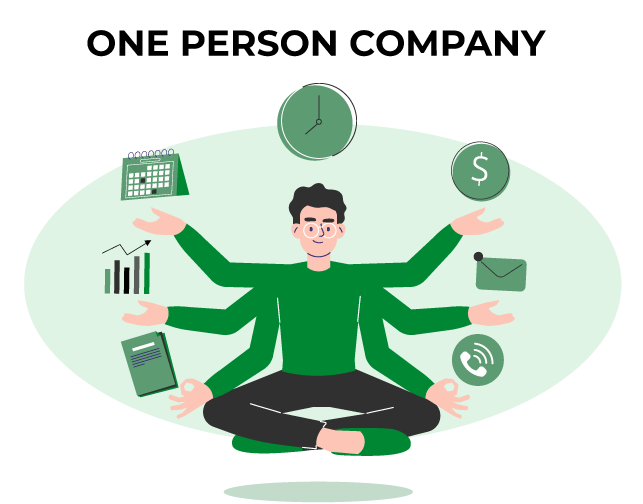
A one-person business is not defined by how many people are on payroll, but by how value is created, controlled, and compounded.
1.1 Core Definition: The One-Person Business as a Value Engine
A one-person business is best understood as a value engine—a deliberately designed system where one individual orchestrates value creation while minimizing dependency on labor-heavy structures.
At its core, three principles define this model:
1. The Founder Owns the Skill, Distribution, and Decision-Making
Ownership here is not legal—it is strategic.
- Skill ownership means the founder possesses rare, valuable, and continuously improving capabilities. This could be technical expertise, domain insight, pattern recognition, teaching ability, design sensibility, or strategic judgment. These skills are not easily replaceable or commoditized.
- Distribution ownership means the founder controls access to the market. This may be an email list, a niche community, a personal brand built on trust, a YouTube channel, a newsletter, a referral network, or platform reputation. Without distribution, skill remains invisible and underpaid.
- Decision-making ownership means there is no committee paralysis, no political negotiation, and no misalignment between effort and reward. The individual decides what to build, whom to serve, when to pivot, and when to stop.
Real-world example:
A solo educator who owns a niche newsletter, teaches from lived experience, and sells courses directly to subscribers is fundamentally more powerful than a subject expert dependent on institutions for visibility and approval.
This triad—skill, distribution, decision-making—is what turns a person into an enterprise.
2. Execution Is Supported by Tools, Automation, and Partnerships
A one-person business does not mean one-person execution.
The founder’s role is not to do everything, but to architect the system. Modern tools now perform tasks that once required departments:
- AI for drafting, analysis, design, and customer support
- No-code platforms for websites, payments, and workflows
- Automation for onboarding, billing, scheduling, and delivery
Where human input is needed, partnerships replace employment:
- Contract specialists instead of permanent staff
- Platforms instead of infrastructure
- Collaborators instead of hierarchies
For example, a solo consultant may design frameworks, close clients, and shape outcomes—while accounting, design, and technical tasks are outsourced on demand. The individual remains the brain, not the hands.
This design keeps the business lean, adaptable, and low-risk, a hallmark of antifragility.
3. Revenue Is Decoupled from Hours Worked Over Time
This is the most misunderstood—and most critical—element.
In early stages, time-for-money tradeoffs are unavoidable. However, a true one-person business is engineered so that effort compounds instead of resets daily.
Mechanisms for decoupling time from income include:
- Productized services
- Digital products and intellectual property
- Retainers and subscriptions
- Licensing, templates, and frameworks
- Reputation-driven inbound demand
A therapist who creates a structured program alongside private sessions.
A professional who turns repeated advice into a paid playbook.
A trainer who records once and teaches thousands.
These are not shortcuts. They are systems that remember your work even when you step away.
1.2 What a One-Person Business Is Not
Clarity also comes from firm boundaries. Many people fail at this model not because it does not work—but because they misunderstand it.
It Is Not Trading Time Endlessly for Money
If income stops the moment work stops, you do not own a business—you own a fragile job without benefits.
Freelancing without leverage leads to burnout, price pressure, and insecurity. A one-person business must intentionally move beyond hourly dependency, even if that transition is gradual.
It Is Not Doing Everything Manually
Martyrdom is not a business strategy.
If the founder insists on controlling every task—email replies, invoicing, formatting, scheduling—the business becomes bottlenecked by ego or fear. Manual effort should be reserved only for activities that require judgment, creativity, or trust.
Everything else must be systemized, automated, or delegated.
It Is Not Staying Small Out of Fear
Staying small by design is intelligent. Staying small out of fear is stagnation.
A one-person business is not anti-growth; it is anti-wasteful growth. The goal is not headcount, but impact per unit of effort. Growth may show up as higher-quality clients, deeper influence, intellectual property, or generational assets—not necessarily more people.
Avoiding growth because of complexity anxiety ensures irrelevance. Designing growth thoughtfully ensures longevity.
In essence, a one-person business is a conscious rejection of economic dependency without rejecting collaboration, ambition, or impact. It replaces blind scale with intelligent leverage, replaces permission with ownership, and replaces insecurity with responsibility.

Section 2: Why the One-Person Model Is Exploding Now
The rise of the one-person business is not a cultural trend or a generational preference. It is a structural response to irreversible economic shifts. People are not choosing this model because it is fashionable; they are choosing it because the old guarantees have quietly collapsed.
What once required organizations now requires judgment. What once demanded capital now demands clarity. And what once took teams can now be executed by a focused individual with the right tools.
2.1 Structural Enablers: Why This Was Not Possible Before
AI as a Force Multiplier, Not a Replacement
The dominant fear narrative claims AI will replace humans. The more accurate reality is subtler—and more empowering: AI replaces execution, not accountability.
AI drafts faster, analyzes deeper, and scales outputs at marginal cost. But it does not:
- Choose what matters
- Understand context deeply
- Carry ethical responsibility
- Build trust over time
For a one-person business owner, this is transformative. Tasks that once consumed teams—research, documentation, first drafts, customer responses, data analysis—are now compressed into hours.
Real-world example:
A solo market researcher uses AI to analyze thousands of survey responses in days instead of months, while focusing personal effort on interpretation and strategy. The value lies not in processing, but in judgment.
This creates a new class of augmented individuals—people whose impact is multiplied, not replaced.
Platforms as Global Storefronts
Distribution was once the biggest barrier. Today, it is the biggest advantage.
Platforms—whether marketplaces, social networks, learning portals, or content channels—have become ready-made infrastructure:
- Payments, trust, and discovery are built in
- Geography is irrelevant
- Niche audiences are economically viable
A yoga instructor with a hyper-specific audience.
A Kannada-speaking educator teaching globally.
A niche compliance consultant serving three continents.
The one-person business thrives precisely because it does not need mass appeal. It needs depth, trust, and relevance—all of which platforms amplify efficiently.
Importantly, smart solo founders treat platforms as distribution partners, not owners of their destiny. Email lists, communities, and reputation remain the real assets.
Low-Cost Experimentation and Rapid Feedback
In the past, testing an idea required capital, approvals, and time. Today, experimentation is cheap—and ignorance is expensive.
- Launch a landing page in hours
- Validate demand before building
- Iterate publicly and learn fast
This feedback-rich environment favors small actors. Large organizations move slowly, protect reputations, and avoid uncertainty. Individuals, by contrast, can pivot without embarrassment.
Example:
A solo coach tests three offerings in 60 days, discards two, and doubles down on one—without meetings, memos, or permission.
Speed is not recklessness; it is learning velocity.
2.2 Economic Reality Check: Why Resistance Is Riskier Than Adoption
Jobs Are Fragile; Skills Are Antifragile
Jobs create the illusion of stability. Skills create real stability.
Roles are eliminated when:
- Technology changes
- Budgets tighten
- Leadership shifts
Skills, however, compound through use. The more they are applied across contexts, the more valuable they become.
A person who owns transferable skills—problem-solving, communication, systems thinking, domain expertise—can reconfigure economic relevance repeatedly. That is antifragility in action.
Organizations Shed People Faster Than They Build Loyalty
The psychological contract between employer and employee is broken, even if no one says it out loud.
Layoffs are now:
- Pre-emptive
- Data-driven
- Reputation-managed
Loyalty is praised rhetorically and discarded operationally.
This does not make organizations evil; it makes them rational within shareholder-driven systems. But it does mean individuals must stop outsourcing their survival to structures that cannot guarantee it.
The one-person business is not anti-organization. It is post-illusion.
Individuals Must Now Be Their Own “Economic Portfolio”
In the old world, diversification happened inside companies. In the new world, it happens inside individuals.
A resilient one-person business often combines:
- One core skill
- Multiple income streams
- Several distribution channels
- Optional upside through IP or equity
Think like an investor:
- Reduce single-point failure
- Increase optionality
- Build assets that appreciate
Example:
A single professional may combine consulting retainers, digital products, speaking, and advisory equity—none of which alone is secure, but together create stability.
This portfolio mindset is not greed. It is risk management.
In summary, the one-person model is exploding because the environment now favors:
- Small over large
- Fast over bureaucratic
- Skilled over credentialed
- Responsible individuals over fragile systems
The question is no longer “Is this model viable?”
The real question is “How long can one afford to ignore it?”

Section 3: Who Should Seriously Consider a One-Person Business
The one-person business is often marketed as universal freedom. That narrative is both irresponsible and incomplete. This model is not a mass prescription; it is a selective pathway that rewards certain temperaments, life stages, and cognitive strengths while punishing others.
Choosing it without self-awareness can lead to isolation, financial stress, and quiet burnout. Choosing it with clarity can lead to autonomy, relevance, and deep satisfaction.
3.1 Ideal Profiles: Who This Model Serves Exceptionally Well
Professionals with Deep but Underutilized Expertise
These are individuals who are competent, experienced, and trusted—but constrained.
They often hear phrases like:
- “You’re overqualified.”
- “That’s not your role.”
- “We don’t have budget for that right now.”
In organizations, their insight is diluted by hierarchy and politics. In a one-person business, their expertise becomes the product.
Example:
A compliance professional who advises startups directly instead of waiting for internal approvals.
A senior engineer who consults on architecture rather than writing endless tickets.
For such professionals, the one-person business is not reinvention—it is liberation of latent value.
Neurodiverse Individuals Who Thrive in Autonomy
Traditional workplaces often punish neurodivergence:
- Sensory overload
- Forced social performance
- Rigid schedules
- Ambiguous expectations
Yet many neurodiverse individuals excel in:
- Deep focus
- Pattern recognition
- Honesty and precision
- Systems thinking
The one-person business allows work to be structured around energy, clarity, and strengths, not office norms.
Real-world reality:
An autistic data analyst who delivers exceptional insights remotely, communicates asynchronously, and avoids burnout by controlling environment and workflow.
This is not accommodation. It is optimization.
Mid-Career Workers Displaced by Technology
Automation often targets execution, not understanding. Unfortunately, organizations frequently discard both.
Mid-career professionals face a cruel paradox: too experienced to be cheap, too specialized to be generic. The one-person business allows them to reframe experience as leverage rather than liability.
Example:
A project manager who turns hard-earned lessons into frameworks, training, and advisory services instead of chasing downgraded roles.
What looks like displacement can become strategic repositioning.
Creators, Educators, Analysts, Coaches, and Builders
These roles share a common trait: they create intellectual or creative assets.
- Writers build ideas
- Educators build understanding
- Analysts build clarity
- Coaches build capability
- Builders build tools
When paired with distribution and systems, these roles scale elegantly without headcount.
A single educator can reach more learners than an institution.
A single analyst can influence decisions across industries.
The one-person business rewards those who think in assets, not outputs.
Caregivers and Seniors Needing Flexible, Dignity-Based Work
Caregivers and older professionals are often sidelined by rigid employment models that confuse availability with competence.
A one-person business offers:
- Flexible hours
- Respect for experience
- Outcome-based contribution
Example:
A retired HR professional offering mentoring and policy audits.
A caregiver running a niche online support community.
This is not charity work. It is value exchange with dignity.
3.2 Who Should Not (Yet) Pursue a One-Person Business
Equally important is honesty about who should pause or prepare before choosing this path.
Those Needing Constant Supervision
A one-person business offers no manager, no reminders, no safety net.
If progress depends on:
- External pressure
- Deadlines imposed by others
- Continuous reassurance
This model will feel overwhelming, not freeing.
Discipline must be internal. Structure must be self-built.
Those Addicted to External Validation
In organizations, titles and praise arrive regularly. In a one-person business, silence is common—even during progress.
If self-worth is tightly tied to:
- Status symbols
- Applause
- Rapid recognition
The early stages of this model will feel emotionally barren.
This path requires quiet confidence, not constant applause.
Those Unwilling to Learn Business Fundamentals
Skill alone is not enough.
Every one-person business owner must eventually understand:
- Value creation
- Pricing
- Basic marketing
- Simple finance
- Systems thinking
Refusing to learn these is equivalent to refusing literacy in a reading-based world.
This does not require an MBA. It requires responsibility.
In summary, the one-person business is not about independence for its own sake. It is about alignment between temperament, capability, and economic reality.
For the right person, at the right moment, it is not merely viable—it is transformative.
![Best One Person Business Ideas for 2021 [Most Profitable]](data:image/svg+xml;base64,PHN2ZyB4bWxucz0iaHR0cDovL3d3dy53My5vcmcvMjAwMC9zdmciIHdpZHRoPSIyOTAiIGhlaWdodD0iMTc0IiB2aWV3Qm94PSIwIDAgMjkwIDE3NCI+PHJlY3Qgd2lkdGg9IjEwMCUiIGhlaWdodD0iMTAwJSIgc3R5bGU9ImZpbGw6I2NmZDRkYjtmaWxsLW9wYWNpdHk6IDAuMTsiLz48L3N2Zz4=)
Section 4: Qualities Required to Own a One-Person Business
Tools can be learned. Skills can be acquired. Markets can be studied.
What cannot be outsourced in a one-person business is character.
This model exposes the individual completely. There is no hierarchy to hide behind, no team to absorb mistakes, and no manager to redirect blame. As a result, success is determined less by talent and more by inner architecture—psychological, strategic, and ethical.
4.1 Psychological Traits: The Inner Operating System
Self-Regulation Over Motivation
(Deep Work principle applied to entrepreneurship)
Motivation is unreliable. It spikes, fades, and disappears precisely when needed most. A one-person business survives not on enthusiasm, but on self-regulation—the ability to work steadily regardless of mood.
Self-regulation shows up as:
- Scheduled deep work, not reactive busyness
- Clear boundaries between creation and consumption
- The discipline to do uncomfortable work consistently
Real-world example:
A solo researcher blocks uninterrupted mornings for thinking and writing, ignoring social media and inbox noise. Output compounds quietly while others chase urgency.
In this model, discipline is not rigidity. It is self-respect in action.
Long-Term Thinking
(Naval Ravikant’s compounding lens)
Short-term wins can sustain income, but only long-term thinking builds wealth and resilience.
Long-term thinkers:
- Invest in reputation over quick profits
- Build assets instead of chasing gigs
- Choose relationships over transactions
They understand that leverage—media, code, IP, trust—compounds non-linearly.
Example:
A consultant declines a high-paying but misaligned project to protect focus and brand clarity, knowing the long-term cost of distraction exceeds short-term revenue.
This patience separates business owners from economic gamblers.
Comfort with Solitude and Responsibility
A one-person business is often quiet. Progress happens without applause. Doubt visits frequently.
Comfort with solitude means:
- Making decisions without consensus
- Holding uncertainty without panic
- Owning outcomes without excuses
This does not mean isolation from people; it means emotional independence.
Those who cannot sit alone with responsibility will seek escape in chaos, overwork, or constant reinvention.
4.2 Strategic Traits: How the Mind Designs the Business
Ability to Say “No” Aggressively
In early stages, opportunity feels scarce. Saying yes feels safe. It is also dangerous.
Every “yes” consumes:
- Time
- Energy
- Cognitive bandwidth
Aggressive selectivity is essential:
- No to misaligned clients
- No to low-leverage work
- No to distractions disguised as opportunities
Example:
A solo designer rejects generic marketplace gigs to focus on a narrow, high-trust niche—even when income feels uncertain.
Focus is not stubbornness. It is strategic survival.
System-Building Mindset
A one-person business fails when the founder becomes the bottleneck.
System thinkers ask:
- Can this be automated?
- Can this be documented?
- Can this run without me for a week?
Systems turn effort into memory.
Example:
A coach documents onboarding, session structure, and follow-ups so delivery remains consistent even as volume grows.
The goal is not to remove the human—it is to protect the human from exhaustion.
Willingness to Productize Knowledge
Repeated advice is a signal. If the same insight is delivered again and again, it belongs in a product.
Productizing knowledge:
- Increases reach
- Stabilizes income
- Preserves energy
Examples include:
- Playbooks
- Courses
- Templates
- Frameworks
- Memberships
This shift marks the transition from worker to owner.
4.3 Ethical Traits: The Invisible Compounding Engine
Value Creation Before Value Extraction
In a one-person business, reputation travels faster than marketing.
Ethical founders:
- Solve real problems
- Price honestly
- Underpromise and overdeliver
Short-term extraction—overpricing, overselling, exaggeration—destroys trust irreversibly.
Long-term value creation builds:
- Referrals
- Repeat clients
- Pricing power
Trust, once earned, becomes leverage.
Reputation as Compounding Capital
Reputation is the most powerful asset a solo founder owns—and the easiest to squander.
Every interaction is a deposit or withdrawal.
Over time, strong reputation leads to:
- Inbound opportunities
- Lower customer acquisition cost
- Strategic partnerships
- Optionality
Example:
A solo advisor becomes the “go-to” name in a narrow domain, receiving opportunities without outreach.
Reputation compounds quietly, but relentlessly.
In essence, the one-person business is a mirror. It reflects discipline, clarity, ethics, and responsibility back to the founder.
Those who cultivate these qualities do not merely build businesses. They build economic sovereignty with integrity.

Section 5: Can a One-Person Business Replace a Regular Job?
This is the most emotionally charged question in the entire conversation—and for good reason. Jobs pay predictably, structure time, and outsource many decisions. Walking away from that framework feels irresponsible, especially for those with families, obligations, or hard-earned stability.
The honest answer is not a motivational “yes” or a fearful “no.”
A one-person business can replace a regular job—but only when approached as a system, not a leap of faith.
5.1 Job vs One-Person Business: A Clear-Eyed Comparison
The Job: Capped Upside, Perceived Safety
A job offers:
- Predictable monthly income
- Clear role definition
- Shared risk within an organization
However, the safety is largely perceived, not guaranteed.
- Income is capped by salary bands
- Time is exchanged linearly for money
- Strategic decisions are made elsewhere
- Career risk is externalized but uncontrolled
When layoffs happen, individuals discover a harsh truth: stability was rented, not owned.
Jobs are not inherently bad. They are simply finite instruments—useful, but limited.
The One-Person Business: Uncapped Upside, Real Responsibility
A one-person business offers:
- Control over direction and pacing
- Direct correlation between value created and income
- Optionality through products, IP, and partnerships
But it also demands:
- Emotional resilience
- Financial discipline
- Continuous learning
There is no HR department, no guaranteed paycheck, and no illusion of security. What replaces it is real responsibility—and with it, real agency.
Upside is uncapped not because of luck, but because value creation is not artificially constrained.
5.2 Transition Models: How Sensible People Make the Shift
Successful solo founders rarely quit dramatically. They transition deliberately.
Side-Business to Main Income
This is the most conservative and recommended path.
- Job funds experimentation
- Business grows without desperation
- Skills and confidence develop in parallel
Example:
An engineer builds a niche consulting practice on weekends, secures two long-term clients, and exits employment only when baseline income is predictable.
The goal is not speed—it is risk-managed independence.
Portfolio Income: Services + Products + Equity
Relying on a single income stream recreates job fragility.
A resilient one-person business often blends:
- Services for immediate cash flow
- Products for scalability and leverage
- Equity or royalties for long-term upside
Example:
A consultant offers retainers, sells templates, and advises a startup for equity. None alone is sufficient; together, they form stability.
This mirrors how investors think—diversification within control.
Retainer-Based Stability
Retainers are the bridge between employment and entrepreneurship.
They provide:
- Predictable monthly income
- Clear scope
- Ongoing relationships
Example:
A solo HR advisor works with three companies on monthly retainers, replacing a full-time salary with less stress and more autonomy.
Retainers turn trust into recurring revenue.
The Uncomfortable Truth
A one-person business does not eliminate risk—it relocates it.
- From employer to individual
- From structure to judgment
- From policy to character
Those unwilling to accept this responsibility will always prefer the illusion of safety. Those who accept it gain something rarer: control over their economic destiny.
In summary, a one-person business can replace a regular job—but only when:
- Transitioned intentionally
- Designed for leverage
- Grounded in skills, systems, and trust

Section 6: Designing Offers That Actually Work
Most one-person businesses fail for a simple, uncomfortable reason: they sell effort instead of outcomes. Skill alone does not create income. Offers do.
An offer is not a service description. It is a promise of transformation, wrapped in clarity, credibility, and reduced risk. Alex Hormozi’s $100M Offers articulates this bluntly: people do not buy products or hours; they buy relief from pain and movement toward desired outcomes.
For a one-person business, offer design is the highest-leverage activity available.
6.1 Value Stacking: Why Some Offers Convert and Others Don’t
Solve Painful Problems (Not Interesting Ones)
The market does not reward curiosity. It rewards urgency.
Painful problems share three characteristics:
- They are expensive to ignore
- They cause ongoing frustration or loss
- The buyer is already seeking solutions
Example:
A cybersecurity consultant selling “peace of mind and compliance readiness” to regulated firms will outperform one selling “security awareness workshops.”
The difference is not skill. It is problem selection.
Reduce Effort, Time, and Uncertainty
Every purchase decision contains friction:
- How hard will this be?
- How long will it take?
- Will this actually work for me?
High-converting offers actively reduce all three.
Ways to reduce friction:
- Done-for-you or done-with-you structures
- Clear timelines and milestones
- Proof, case studies, and guarantees
Example:
A resume consultant offering “interview-ready resumes in 7 days or your money back” removes uncertainty and compresses time—two powerful levers.
The less effort required from the buyer, the more valuable the offer.
Price Based on Outcomes, Not Hours
Hourly pricing punishes expertise and rewards inefficiency.
Outcome-based pricing reframes the conversation:
- What is this result worth to the client?
- What cost does it replace or prevent?
Example:
A consultant charging a percentage of cost savings or revenue impact aligns incentives and unlocks higher fees without more work.
This is not exploitation. It is fair exchange based on value delivered.
6.2 Leverage Types: How One Person Scales Without People
Leverage allows effort to compound. Naval Ravikant identifies modern leverage as the difference between struggling solo work and exponential impact.
Code
Code works while you sleep.
- Software tools
- Automations
- No-code workflows
Even basic scripts and integrations can replace hours of manual effort. You do not need to be a developer—you need to think computationally.
Media
Media builds trust at scale.
- Writing
- Video
- Audio
- Teaching
A single piece of thoughtful content can attract clients for years. Media turns insight into inbound demand.
Example:
A solo advisor whose articles become reference points in their niche rarely “sells”—they are sought out.
Intellectual Property (IP)
IP converts experience into assets.
- Frameworks
- Methods
- Playbooks
- Courses
Once created, IP can be reused endlessly with marginal cost near zero.
Systems
Systems prevent burnout.
- Onboarding
- Delivery
- Follow-up
- Feedback loops
Systems turn chaos into repeatability. They make quality predictable and growth manageable.
Reputation
Reputation is the highest form of leverage.
It lowers:
- Customer acquisition cost
- Sales resistance
- Negotiation friction
Example:
A trusted solo professional charges more, works less, and chooses clients selectively—not because of arrogance, but because of earned trust.
In essence, offer design is where intelligence replaces hustle. The one-person business thrives not by doing more, but by designing better promises, delivered through leverage.

Section 7: Advantages of a One-Person Business
The advantages of a one-person business are often oversold in shallow terms—“freedom,” “flexibility,” “work-life balance.” These slogans obscure the deeper, structural benefits that make this model not just attractive, but strategically superior for certain individuals in certain eras.
What follows is not hype. It is a sober examination of why, when designed well, a one-person business can outperform traditional employment and even larger enterprises on resilience, meaning, and long-term relevance.
Radical Autonomy
Autonomy is not the absence of responsibility; it is the presence of choice.
In a one-person business:
- You choose whom to serve
- You choose what to build
- You choose when to grow, pause, or pivot
This autonomy extends beyond scheduling into moral and strategic territory. There is no pressure to sell what you do not believe in, no mandate to prioritize optics over substance, and no incentive to play political games for survival.
Real-world example:
A solo educator refuses to dilute content quality for virality, choosing depth over reach. Income grows slower—but trust grows faster and lasts longer.
Autonomy is not indulgence. It is alignment between conscience and commerce.
Low Fixed Costs
Large organizations bleed cash just to exist—offices, layers of management, compliance overhead, idle capacity.
A one-person business operates on a radically different cost structure:
- Minimal infrastructure
- Pay-as-you-grow tools
- On-demand partnerships
This low burn rate creates strategic patience. The founder can:
- Wait for the right clients
- Say no to bad deals
- Experiment without existential fear
Example:
A solo consultant with minimal monthly expenses survives downturns that crush larger firms with payroll obligations.
Low fixed costs are not about frugality. They are about freedom from desperation.
High Adaptability (Antifragile by Design)
Nassim Taleb’s concept of antifragility describes systems that benefit from volatility rather than collapse under it.
One-person businesses embody this principle:
- Small size allows rapid pivots
- Failure is inexpensive and instructive
- Learning loops are short and direct
When markets shift, individuals can re-skill, reposition, and re-offer faster than institutions burdened by sunk costs and internal politics.
Example:
During industry disruption, a solo professional shifts from delivery to advisory, from execution to training—while larger firms struggle to restructure.
Adaptability is not agility theater. It is structural advantage.
Deep Alignment with Personal Values
In employment, values are often aspirational posters. In a one-person business, values are operational decisions.
- Who you work with
- How you price
- What you refuse to do
These choices shape not just income, but identity.
Example:
A healthcare consultant declines ethically questionable clients despite financial pressure, preserving long-term credibility and self-respect.
This alignment reduces internal conflict—the silent tax many professionals pay in misaligned roles.
Inclusion of Those Excluded from Corporate Norms
Perhaps the most underappreciated advantage is inclusion by design.
Traditional workplaces often exclude:
- Neurodiverse individuals
- Caregivers
- Older professionals
- Those with health or mobility constraints
The one-person business reframes work around outcomes, not appearances.
- Asynchronous communication replaces meetings
- Results replace presenteeism
- Competence replaces conformity
This model enables economic participation without forcing individuals to mask, perform, or contort themselves to fit outdated norms.
From a MEDA Foundation perspective, this is transformative. It allows individuals—especially autistic adults and marginalized groups—to build dignity-based livelihoods rooted in strengths rather than deficits.
In summary, the advantages of a one-person business are not superficial perks. They are structural strengths:
- Autonomy replaces dependency
- Low costs replace fragility
- Adaptability replaces rigidity
- Values replace compromise
- Inclusion replaces exclusion
These advantages explain why this model continues to grow quietly, even as traditional structures struggle.

Section 8: Disadvantages and Brutal Truths
A one-person business is not a lifestyle upgrade. It is a trade. You exchange external structure for internal discipline, shared responsibility for personal accountability, and perceived safety for real risk. Anyone selling this path as effortless freedom is either inexperienced or dishonest.
This section exists to remove illusions. Not to discourage—but to prepare.
Loneliness and Decision Fatigue
There is no team to absorb uncertainty. No manager to validate direction. No colleague to casually confirm, “Yes, this makes sense.”
Every decision—pricing, positioning, timing, priorities—lands on one mind.
- Decision fatigue accumulates quietly
- Doubt compounds in silence
- Progress often lacks witnesses
Real-world reality:
A solo founder may spend days thinking deeply, questioning direction, and making calls that would otherwise be shared across departments.
This loneliness is not social; it is cognitive.
Those who survive build counterweights:
- Mentors
- Peer circles
- Scheduled reflection
- Clear decision frameworks
Without these, isolation becomes erosion.
No Hiding Behind Titles or Teams
In organizations, titles confer borrowed credibility. Teams diffuse responsibility.
In a one-person business:
- Your name is the brand
- Your thinking is the product
- Your mistakes are visible
There is nowhere to hide incompetence, confusion, or mediocrity.
This exposure is uncomfortable—but clarifying.
Example:
A consultant cannot blame “process” or “leadership” when outcomes fall short. Accountability is total.
For some, this is terrifying. For others, it is liberating.
Income Volatility—Especially Early On
Predictable monthly income is replaced by earned predictability over time.
Early stages often involve:
- Uneven cash flow
- Slow initial traction
- Emotional swings tied to revenue
This volatility is not a sign of failure. It is the cost of building leverage.
Those unprepared for variability must:
- Maintain financial buffers
- Start while employed
- Avoid lifestyle inflation
A one-person business punishes impatience severely.
Requires Continuous Learning
There is no steady-state.
Markets evolve. Tools change. Client expectations rise.
A solo founder must continuously learn:
- Business fundamentals
- New technologies
- Better communication
- Market shifts
Refusing to learn is not stability—it is decay.
This is mentally demanding. But it is also anti-aging for relevance.
The Core Truth
A one-person business amplifies who you already are.
- Discipline becomes freedom—or chaos
- Integrity becomes leverage—or liability
- Curiosity becomes growth—or stagnation
This path is not kinder than employment. It is more honest.
In summary, the disadvantages are real:
- Loneliness
- Exposure
- Volatility
- Continuous adaptation
But so is the reward: clarity, sovereignty, and meaning earned rather than assigned.

Section 9: Can a One-Person Business Become a Generational Business?
The phrase one-person business often triggers a reasonable objection: What happens when the person is no longer there?
If everything depends on one individual, how can such a business survive—let alone serve future generations?
The answer is nuanced but clear: a one-person business can become generational, but only if it outgrows person-dependence and evolves into system-dependence. This is not automatic. It requires intentional design and a shift in identity—from performer to architect.
9.1 The Evolution Path: From Person to Platform
Person → Process → Product → Platform
Every generational one-person business follows a predictable evolution, whether consciously or by accident.
Stage 1: Person
At inception, the business is inseparable from the founder.
- Knowledge lives in the head
- Delivery depends on presence
- Revenue is tied to effort
This stage is necessary—but dangerous if prolonged.
Stage 2: Process
Here, the founder begins documenting and standardizing.
- How clients are onboarded
- How work is delivered
- How quality is maintained
Processes transform intuition into transferable intelligence.
Example:
A consultant documents diagnostic methods and decision frameworks instead of improvising every engagement.
This is where fragility begins to decrease.
Stage 3: Product
Next, insight is converted into assets.
- Courses
- Playbooks
- Templates
- Toolkits
Products preserve knowledge beyond the founder’s active involvement. They create consistency, scalability, and durability.
A product remembers what a person might forget.
Stage 4: Platform
At maturity, the business becomes an ecosystem.
- Communities
- Certified practitioners
- Licensing models
- Partnerships
The founder now curates standards rather than delivers work.
At this stage, the business no longer requires daily presence. It has crossed the threshold from personal livelihood to institutional relevance.
Founder as Architect, Not Operator
The critical shift is psychological.
Generational businesses are built when founders:
- Design systems instead of performing tasks
- Teach others instead of doing everything
- Protect culture instead of chasing volume
This is not abdication. It is elevation.
The architect mindset asks: How does this work without me—and still reflect my standards?
9.2 What Actually Gets Passed Down
Contrary to popular belief, people do not inherit businesses. They inherit structures of meaning and value.
Intellectual Property (IP)
IP is condensed experience.
- Frameworks
- Methodologies
- Content libraries
- Proprietary tools
IP is portable, licensable, and teachable—making it ideal for generational transfer.
Systems
Systems encode behavior.
- How decisions are made
- How quality is enforced
- How conflicts are resolved
Systems ensure continuity without personality dependence.
Brand Trust
Trust compounds across time when:
- Promises are kept
- Standards are maintained
- Ethics are non-negotiable
Brand trust becomes an invisible inheritance—often more valuable than financial assets.
Values and Mission
The most enduring legacy is why the business exists.
- Whom it serves
- What it refuses to do
- What success means beyond money
Values act as a compass when future stewards face unfamiliar terrain.
In summary, a one-person business becomes generational not by adding people, but by subtracting dependency on one person.
When knowledge is externalized, systems are embedded, and values are explicit, what began as a solo endeavor can mature into a lasting institution.

Section 10: One-Person Businesses and Social Impact
The one-person business is often framed as a personal escape—from bosses, offices, or bureaucracy. That framing is incomplete and, in some ways, selfish. When examined more deeply, this model carries profound social consequences. Properly designed, it does not weaken communities; it strengthens them.
At scale—not through size, but through replication—the one-person business becomes a tool for economic dignity, inclusion, and resilience.
Micro-Entrepreneurship as Dignity Restoration
Dignity is not delivered by welfare. It is earned through meaningful contribution.
One-person businesses restore dignity because they:
- Center work around competence, not charity
- Reward effort with direct outcomes
- Replace dependency with agency
For individuals sidelined by the formal economy—whether due to age, geography, disability, or systemic bias—micro-entrepreneurship offers something rare: self-respect without permission.
Example:
A skilled artisan, teacher, or technician who earns directly from their knowledge experiences a shift that no subsidy can replicate—the knowledge that their survival is tied to contribution, not compliance.
This is not romantic idealism. It is psychological reality.
Autism-Friendly Economic Models
Traditional employment is optimized for social conformity, not cognitive excellence. As a result, many autistic individuals are excluded despite possessing extraordinary strengths.
One-person businesses are inherently autism-friendly because they:
- Reduce sensory overload
- Allow asynchronous communication
- Prioritize outcomes over social performance
- Enable deep specialization
Instead of forcing individuals to adapt to broken systems, the system adapts to human variance.
From a MEDA Foundation perspective, this is critical. Autistic adults do not need endless accommodation—they need economic models that respect how they think, focus, and contribute.
Local Resilience Through Decentralized Skills
Centralized economies are fragile. When a few institutions fail, entire regions suffer.
One-person businesses distribute economic capacity across individuals:
- Skills remain local
- Income streams diversify
- Communities become shock-resistant
Example:
A town with dozens of independent professionals—educators, technicians, consultants—is far more resilient than one dependent on a single employer.
Decentralization is not fragmentation. It is distributed strength.
Employment Creation Without Dependency
One-person businesses challenge the assumption that employment must mean hierarchy.
As these businesses mature, they create:
- Contract opportunities
- Apprenticeships
- Collaborations
- Knowledge transfer
This creates work without trapping people in dependency or bureaucracy.
Example:
A solo founder collaborates with freelancers, mentors juniors, and licenses IP—creating livelihoods without owning lives.
This is employment with dignity and autonomy intact.
In closing, one-person businesses are not merely personal economic tools. They are building blocks of humane economies—ones that value contribution over compliance, capability over conformity, and dignity over dependency.
This is precisely why MEDA Foundation advocates for them: not as isolated success stories, but as replicable pathways to self-sustaining ecosystems where individuals help themselves—and, in doing so, help society become more resilient, inclusive, and just.
Final Section: A Call to Action
Conclusion First — What This Ultimately Demands of You
A one-person business is not a clever escape hatch from employment. It is a deliberate commitment to meaningful work, personal responsibility, and long-term value creation. It asks you to design your life first—your energy, values, constraints, and obligations—and only then design a business that serves that life, not consumes it.
This path is not for the lazy. It is for the serious.
Why Life Design Must Precede Business Design
Most people design businesses backward:
- They chase income before meaning
- Growth before stability
- Visibility before competence
A one-person business exposes this mistake quickly and brutally.
Because there is no corporate buffer, your:
- Psychological discipline
- Ethical compass
- Capacity for solitude
- Willingness to learn
…become the real balance sheet.
When life is not designed intentionally, the business becomes another cage—just one with nicer branding.
When life is designed intentionally, the business becomes an extension of:
- Your strengths
- Your limitations
- Your contribution to the world
This is why one-person businesses, when done right, are not smaller dreams—but cleaner ones.
What This Means for Society (Not Just You)
When individuals stand on their own economic feet:
- Communities become resilient
- Dependency reduces
- Dignity increases
This matters deeply in a world where:
- Jobs are fragile
- Institutions move slowly
- Entire populations—autistic adults, caregivers, seniors—are structurally excluded
One-person and micro-enterprises are not fringe experiments. They are practical answers to systemic failure.
Participate and Donate to MEDA Foundation
MEDA Foundation exists to turn this philosophy into real-world ecosystems.
By participating or donating, you help:
- Train individuals to productize their skills
- Mentor first-time micro-entrepreneurs
- Build autism-friendly economic pathways
- Create dignified, flexible, self-sustaining livelihoods
Your support does not fund dependency.
It funds capability, confidence, and independence.
This is especially critical for:
- Autistic adults seeking meaningful work without sensory and social overload
- Caregivers needing flexible, dignity-based income
- Individuals excluded from mainstream employment but rich in potential
If you believe work should restore dignity—not strip it—this is where action meets principle.
Participate. Donate. Build ecosystems that help people help themselves.
Learn more at www.MEDA.Foundation.
Book References (Integrated Throughout the Article)
- Company of One — Paul Jarvis
(On intentional scale, independence, and resisting unnecessary growth) - The Almanack of Naval Ravikant — Eric Jorgenson
(On leverage, long-term thinking, and wealth without self-destruction) - Deep Work — Cal Newport
(On focus, skill mastery, and meaningful effort in a distracted age) - $100M Offers — Alex Hormozi
(On value creation, outcome-based pricing, and irresistible offers) - The Personal MBA — Josh Kaufman
(On business fundamentals without institutional overhead) - Antifragile — Nassim Nicholas Taleb
(On building systems—and lives—that gain from disorder)
Final truth, stated plainly:
A one-person business will not save you from work.
It will demand better work—from you, for others, and for the world you choose to contribute to.
And that is precisely why it is worth doing.