Tag: #LifeTransitions

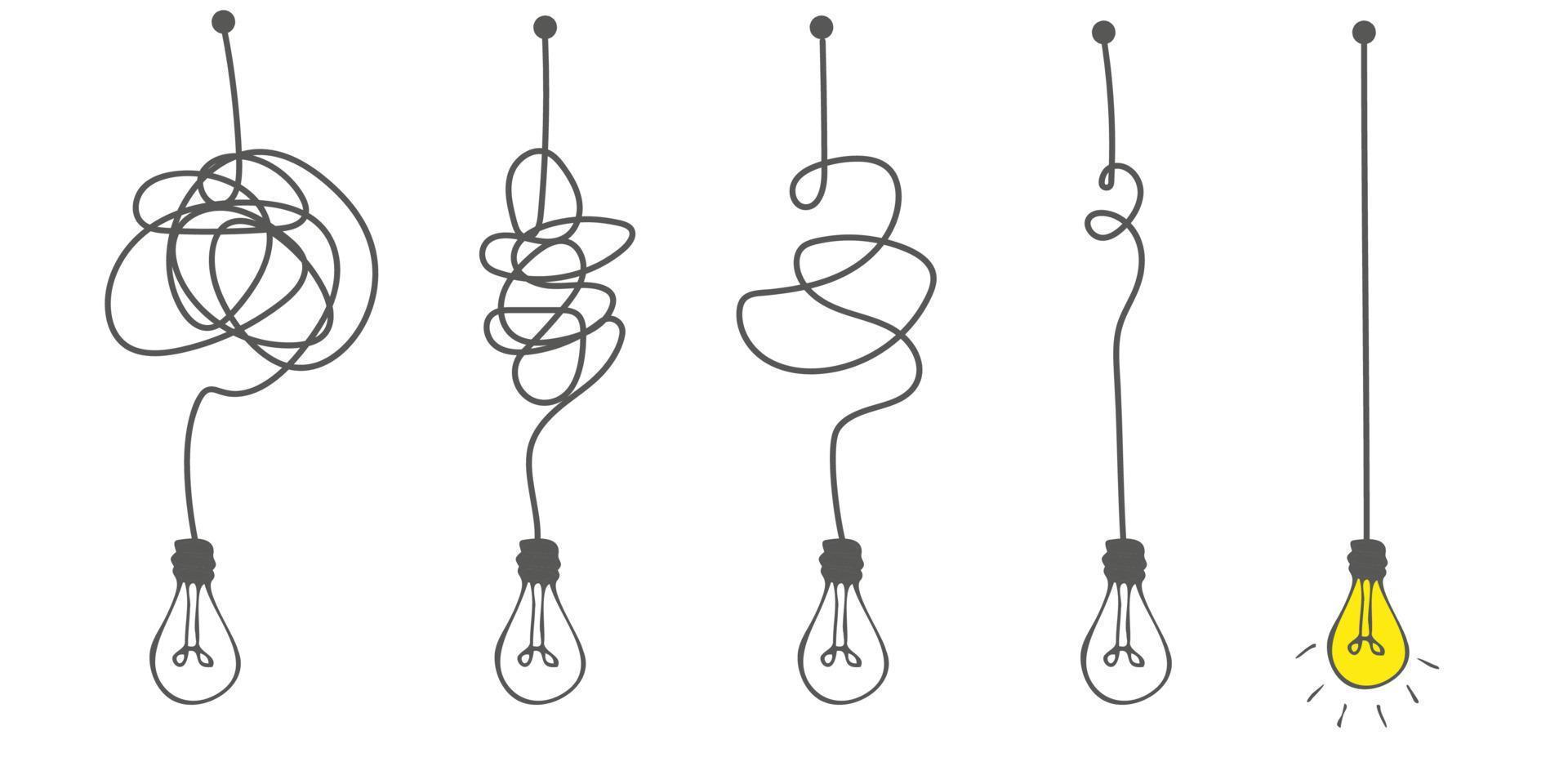
  • Understanding Cosmic ‘Knots’ in our lifecycles and how to overcome them for true development

    Understanding Cosmic ‘Knots’ in our lifecycles and how to overcome them for true development

    For anyone feeling caught in cycles of confusion, loss, or sudden change, understanding the concept of cosmic knots offers a new lens for growth. Rooted in Vedic astrology’s Gandanta and the Granthi of Kundalini yoga, these turning points reveal why certain life phases feel heavy, complex, or demanding. They mark moments when the universe asks us to integrate lessons before moving forward. Whether you’re navigating personal transitions, redefining your purpose, or seeking emotional clarity, this exploration helps you see struggles as invitations for deeper self-mastery, guiding you to untie what binds you so your soul’s energy can flow freely again.


    Prologue: Why Life Feels Knotted Sometimes

    Every few years—or sometimes every few decades—life nudges us into a phase that feels heavier than usual. Plans stall. Relationships shift. Jobs end. Comforts evaporate. The turmoil can arrive fast, or it can build slowly until it feels like a knot in the chest. These are not random breakdowns. They are, instead, concentrated pressure points that call for change.

    Ancient Vedic astrology names such places Gandanta—the “cosmic knots” that sit at the edges where one elemental mode ends and another begins. Symbolically, they mark the border between water (emotion, memory, attachment) and fire (action, will, re-forming). When a life phase reaches that border, old patterns get stirred and sometimes torn. That stirring is disorienting. It can feel like loss. It can also feel like a clearing.

    Seen another way, these moments are life’s final exams. They test how well we have learned the lessons of the earlier phase. They ask: have you truly integrated what you were taught? If the answer is yes, the knot opens and you move forward with more clarity. If the answer is no, the lesson repeats—often with greater intensity—until integration happens.

    Understanding the knot reframes the experience. Confusion becomes a signal rather than a sentence. Resistance becomes information rather than a dead end. This shift in view is practical. It changes how you breathe, plan, and act. It helps you choose responses that untie rather than tighten the knot.

    Physically and mentally, knots show up in consistent ways: sleep disturbances, anxiety, repetitive thinking, a sudden surge of restlessness, or a compulsion to distract. Emotionally, they feel like grief, shame, or vague dissatisfaction that won’t resolve. Behaviorally, they may produce clinging, control strategies, or impulsive escapes. Recognizing these patterns is the first practical step toward untying the knot.

    You do not need to solve everything immediately. The work of a Gandanta phase is rarely about quick fixes. It calls for steady, honest attention. Small practices matter more than dramatic change. Grounding breath, brief daily reflection, reaching for one supportive conversation, and naming one small boundary are all valid moves. Over time, these small moves accumulate into real shifts.

    This article treats these knots as meaningful stages of growth. It maps three major Gandanta moments onto recognizable life phases. It also offers clear, practical steps to navigate each one — tools you can use the moment the knot tightens. Read on with patience. Expect clarity to arrive gradually. The knot is not a punishment. It is an invitation to grow into the next, more capacious version of your life.

  • Why You Dont Feel Like Celebrating Special Occations and What to do About it

    Why You Dont Feel Like Celebrating Special Occations and What to do About it

    If you’ve found yourself quietly skipping birthdays, festivals, or anniversaries—not out of sadness, but simply because they no longer feel meaningful—you’re not alone. You may be someone who has outgrown the need for grand gestures and is content with everyday abundance. Whether you’re an introvert, navigating a life transition, or simply seeking authenticity in place of outdated rituals, this reflection is for you. It offers clarity, validation, and intentional alternatives so you can honor special days in ways that actually feel special—to you.


    I. Introduction: You’re Not Alone in This Feeling

    Not too long ago, you may have counted down the days to your birthday or waited months in anticipation of Diwali, Christmas, or your anniversary. You might recall that tingling excitement while shopping for new clothes, planning the menu, or imagining what surprise might be in store. These events once stood like milestones in the year—days that promised something better, brighter, more indulgent than the rest.

    But now? They arrive quietly. Sometimes you forget until someone else brings it up. You may even “celebrate” with a simple dinner at home, a phone call or two, or—more often than not—by doing nothing at all. And strangely, you’re okay with it.

    If that sounds familiar, you’re not alone. And more importantly, you’re not doing anything wrong.

    In a society where cheerfulness is often expected on command and every occasion is an opportunity for a curated post, not feeling excited about a celebration can feel like a personal shortcoming. You may have wondered, “Have I become too serious? Burnt out? Disconnected?” Friends or family might nudge with concern—or judgment—wondering why you didn’t host, post, or party.

    But here’s the truth: if special occasions no longer feel special, it doesn’t necessarily point to sadness or dysfunction. It often signals something deeper and far more meaningful—a shift in your internal relationship with celebration. One that reflects emotional maturity, self-awareness, and evolving values.

    In fact, many individuals today—especially those in the new upper-middle class or those who have experienced significant personal growth—are quietly redefining what joy, connection, and meaning look like. No longer bound by scarcity, ritual obligation, or the need to prove anything, they are questioning: Do I need a party to feel joy? Do I need a festival to feel spiritual? Do I need to perform celebration, or can I simply feel contentment?

    This piece explores the underlying factors behind this shift. We’ll examine how increased access, emotional evolution, and modern fatigue play a role. But more importantly, we’ll offer concrete, respectful, and creative ways to reclaim meaning—on your terms. Whether you want to bring back the spark, create a new ritual, or simply rest without guilt, this article will serve as a mirror and a map.

    Because honoring special days doesn’t have to mean doing more—it means doing what matters.


    II. Why Special Occasions Have Lost Their Spark

    In the past, festivals and personal milestones marked rare moments of indulgence and deviation from the ordinary. They brought the promise of novelty—new clothes, exotic dishes, social gatherings, or a brief escape from daily struggles. These celebrations were eagerly awaited, not just for what they brought materially, but for the excitement they sparked emotionally. Today, that emotional charge feels dimmed. And for good reason.

    Let’s unpack why.


    A. You Can Access Joyful Experiences Anytime

    One of the most defining characteristics of modern upper-middle-class life is accessibility. With higher disposable income, improved logistics, and round-the-clock digital services, most people no longer need to wait for a special occasion to experience something pleasurable.

    Need a new outfit? You can get one delivered within hours.
    Craving a rich festive meal? Just order from a cloud kitchen or high-end restaurant.
    Feel like escaping the city? A spontaneous weekend trip is just a click away.

    What once required planning, saving, and waiting now requires little more than desire and internet access.

    Earlier, purchasing jewelry during Diwali or eating cake on your birthday meant something—it was rare. The rarity made it memorable. But when luxuries are always within reach, they lose their symbolic value. The emotional crescendo that built up through longing, delay, and effort has been replaced by the steady, low hum of convenience. As a result, what once felt magical now feels mundane.


    B. The Over-Saturation of Luxury

    Another subtle but powerful factor is the over-saturation of pleasure. The modern individual, especially one with economic stability, has easy access to rich food, plush experiences, and aesthetic goods. But here’s the paradox: the more we consume luxury, the less luxurious it feels.

    A surprise candlelight dinner at a rooftop restaurant used to be a big deal. Now it’s just another Friday night plan. Wearing silk used to be reserved for weddings; now it’s available on every influencer’s daily reel. In this backdrop, festivals struggle to offer something “extra” that hasn’t already been experienced.

    This saturation dulls emotional resonance. There’s no build-up, no longing, and therefore no catharsis. The brain, accustomed to frequent dopamine hits, finds little reward in repetitive indulgence. The more we celebrate, the less we feel the celebration.


    C. Convenience Has Replaced Occasion

    Traditionally, special days required intentional preparation. Families would clean the house days in advance, prepare festive foods from scratch, shop in crowded bazaars, and gather under one roof despite logistical challenges. The effort itself built anticipation and significance. Celebration was something earned through preparation.

    Now, most of that effort has been outsourced—or eliminated entirely.

    • A few clicks bring decorations, gifts, or outfits home.

    • Event managers take over planning.

    • Groceries, sweets, and meals arrive pre-packaged.

    • Social media “memories” tell you what to post, wear, or caption.

    In this world of extreme convenience, there’s little friction—and therefore, little reward. The emotional investment has dropped, and so has the personal meaning behind these events. What remains is often a performative script: do the thing, click the pic, move on.

    When celebration becomes a task, not a transformation, it’s only natural to feel disengaged.


    In summary, the loss of spark isn’t a lack of spirit—it’s a mismatch between past templates and present realities. What once brought joy through novelty and effort is now available on-demand, stripping occasions of their previous emotional charge. Understanding this shift is the first step toward creating new forms of celebration that feel meaningful, not mechanical.


    III. The Rise of Emotional Disconnection from Rituals

    Even when the material elements of a celebration are in place—the food, the clothes, the gifts—many people report feeling emotionally disconnected. It’s not just about not wanting to celebrate. It’s about not feeling anything when the celebration actually happens. You go through the motions, attend the event, exchange pleasantries—and yet, feel strangely detached. Why does this happen?

    Let’s explore how emotional fatigue, outdated rituals, and toxic social environments contribute to this growing sense of disconnection.


    A. Traditions Feel Mechanical or Performed

    Many of the festivals and rituals we follow today were created in an era when life was simpler, slower, and more communally structured. These rituals served as collective reminders of seasonal change, spiritual alignment, family bonding, and social status. But with modern lifestyles, the contexts that gave them meaning have shifted dramatically.

    For example:

    • Fasting rituals that once built discipline now feel burdensome in a fast-paced, nutrient-conscious world.

    • Elaborate dress codes that signified reverence now feel like costumes—staged more for the camera than for the spirit.

    • Group prayers or community gatherings that once fostered belonging can now feel like obligations, devoid of personal relevance.

    In the age of social media, celebration has also become performance. Posts, stories, reels, and hashtags have subtly transformed many people into spectators of their own lives. The focus shifts from experiencing the moment to curating it for others.

    This outsourcing of meaning—from inner resonance to outer validation—leaves a hollow feeling. You may be doing everything “right,” but if your heart isn’t in it, the ritual becomes a routine.


    B. Physical and Emotional Exhaustion

    Celebrations, while joyful in theory, can be deeply draining in practice—especially for those who are introverted, navigating life transitions, or mentally stretched thin.

    Consider what it typically takes:

    • Days (sometimes weeks) of cleaning and preparation.

    • Emotional effort to be social, cheerful, and presentable.

    • Managing expectations—your own and others’.

    For someone who is recently unemployed, recovering from illness, single in a marriage-focused circle, or grieving a loss, the idea of celebration feels not just irrelevant—but emotionally invasive. Having to explain your situation repeatedly, mask your real feelings, or answer personal questions can trigger anxiety and discomfort. It’s a silent labor few acknowledge, yet many endure.

    Even without a major life event, the sheer pace of modern life means many people are already tired before the celebration even begins. When there’s no room to breathe, celebrate, and recover—you stop looking forward to special days altogether.


    C. Toxic Dynamics During Gatherings

    One of the biggest hidden reasons many dread social occasions—especially festivals or family functions—is the emotional minefield they come with.

    What should be spaces of joy and inclusion can often become arenas of:

    • Subtle (or overt) comparison: “Who’s earning more?”, “Whose kids are doing better?”

    • Passive-aggressive jabs: “You still haven’t settled down?”, “Looks like you’ve put on some weight.”

    • Unwanted advice or interrogation: “Why aren’t you trying harder?”, “What’s your next plan?”, “You’re too picky.”

    These comments, often dismissed as “harmless” or “just concern,” can create an atmosphere of tension and dread. The emotional labor required to stay polite, smile through discomfort, and avoid conflict is immense. For introverts, empaths, or anyone with strained family relationships, it can take days to emotionally recover from such gatherings.

    When a space meant for celebration becomes a source of stress, it’s natural to question whether participating is worth it at all.


    In essence, the disconnection isn’t a flaw in you—it’s a signal.
    A sign that you are no longer willing to dilute your energy for rituals that lack resonance. That you’re craving depth over decor, connection over conformity, and meaning over motion.

    Understanding this helps you move from guilt to grace—from “Why can’t I enjoy this?” to “What would bring me true joy instead?”


    IV. The Silent Growth Behind the Disinterest

    It’s easy to mistake your disinterest in conventional celebration as apathy, laziness, or emotional numbness. But more often than not, it’s none of these. It is growth—quiet, profound, and deeply personal. When special occasions stop feeling special, it may not be a sign of detachment but of evolution.

    Let’s explore the quiet, dignified transformation happening beneath the surface.


    A. You No Longer Need More, Bigger, or Grander

    There comes a phase in emotional maturity when you stop chasing experiences just because they’re shiny, loud, or trending. It’s not about becoming boring—it’s about becoming clear.

    You start recognizing the emptiness of things done solely for optics:

    • The “spontaneous” trip taken not out of wanderlust, but to escape discomfort or impress Instagram followers.

    • The fast-fashion outfit that looks good in a photo but makes you fidget through the night.

    • The heavy meal that’s more about tradition than taste or well-being.

    You’re no longer interested in suffering for the sake of celebration.

    That’s not regression. That’s self-respect.

    Your choices now stem from alignment, not approval. From self-knowledge, not social pressure. You don’t need a grand reason to do something joyful, and you certainly don’t need to force joy just because the date on the calendar says so.


    B. You’re Already Living a Life Worth Celebrating

    Once upon a time, festivals and birthdays were the only windows of color in a grey year. Today, many individuals—especially those who’ve worked hard to create balanced lives—find joy woven into their daily routines.

    You may now have:

    • The freedom to eat what you like, when you like.

    • A circle of chosen relationships, not obligatory ones.

    • A home that feels like peace, not pressure.

    • Time to rest, reflect, or explore—even on weekdays.

    And because of this, there’s no longer a sense of lack that festivals used to fill.

    You already have:

    • The comfort you once associated with new clothes.

    • The calm you once waited for in getaways.

    • The affirmation you once expected from cake and candles.

    This doesn’t make you dull. It makes you deeply fulfilled in ways society still struggles to measure.


    C. And Yet… Others May Misunderstand You

    Not everyone sees this internal transformation for what it is.

    To family members or acquaintances still operating within traditional social scripts, your calm detachment from rituals may look like:

    • Being antisocial or cold.

    • Being obsessed with work or success.

    • Lacking “family values” or “spirit.”

    They might worry that you’re isolating yourself, that you’ve become cynical, or that something is wrong.

    This gap in perception can create tension—even shame—if you’re not anchored in your self-awareness. It helps to remember that misinterpretation is part of the transition. And your inner clarity doesn’t need outer permission to be valid.

    The truth is: you’ve outgrown the idea that celebration must look a certain way.

    And now, it’s time to redefine what celebration can look like—for you.
    The next section will show you how to do exactly that, based on your current desires, energy levels, and goals.


    V. What You Can Do: Redefining Special Occasions Based on Your Intentions

    When the traditional format of celebrations stops resonating, it doesn’t mean you need to abandon them altogether. It means it’s time to tailor them—thoughtfully, intentionally—to suit your current reality, needs, and values. Instead of asking “What should I be doing on this day?” ask “What would make this day truly meaningful for me now?”

    Below are nine personalized pathways to redefining special occasions—each anchored in different emotional needs. Choose what aligns with your energy, phase of life, and desired outcome.


    🔸 Goal 1: Bring Back Nostalgic Excitement

    If you miss the thrill and anticipation you felt as a child, the solution may lie in re-creating scarcity—not of resources, but of intentionality.

    • Practice Delayed Gratification: Hold off on indulgences for 1–2 weeks before the occasion—no new purchases, no fancy meals. Let the special day feel like a long-awaited reward.

    • Create a Build-Up: Plan and prepare like the elders once did—set aside new clothes, stash away special food items, make your own decorations.

    • Pre-emptively Tie Loose Ends: Finish work early so you can actually switch off. This gives you guilt-free presence and allows your inner child to come out.

    This approach reintroduces novelty and anticipation, which are central to the psychology of joy.


    🔸 Goal 2: Enjoy Meaningful Social Chaos

    If you do want to gather—but dread the stress—structure can make chaos feel cozy rather than chaotic.

    • Host Small, Curated Groups: Instead of mass invitations, spend time with people who genuinely uplift you.

    • Gamify the Experience:

      • Appoint a ‘Tech Master’ to hold everyone’s phones—emergency use only.

      • Assign roles: a photographer, a playlist DJ, a food game manager.

    • Encourage Co-Creation: Cook together, have dress themes, or play intergenerational games that bring real laughter, not awkward small talk.

    This reclaims the joy of togetherness while minimizing emotional fatigue.


    🔸 Goal 3: Use the Day to Rest and Recharge

    For many, festivals are less a time for stimulation and more an opportunity to withdraw and recalibrate.

    • Opt Out with Intention: Politely decline invitations without guilt.

    • Prep in Advance: Send out your greetings or gifts ahead of time.

    • Make It a Wellness Retreat:

      • Sleep in, eat light, wear loose clothing.

      • Avoid excessive screen time.

      • Take a solo walk, soak in nature, or journal.

    You don’t have to participate in public joy to be joyful.


    🔸 Goal 4: Get Important Stuff Done

    Sometimes, special days offer the best uninterrupted time to focus inward and forward.

    • Take Advantage of the Quiet:

      • Clean, declutter, reorganize while others are out.

      • Use the mental space to think deeply about personal or professional goals.

    • Build Momentum:

      • Tackle long-postponed projects.

      • Revisit hobbies without distraction.

    Use the collective pause to accelerate personal progress.


    🔸 Goal 5: Make an Impression (If Needed)

    If you’re meeting new people, joining a community, or hosting professional guests, some celebrations are strategic touchpoints.

    • Curate Experience, Not Expense:

      • Personalized greeting cards or takeaways with symbolic meaning.

      • Fusion foods that blend tradition with a personal story.

    • Design Thoughtfully:

      • Memorable rituals, storytelling, or small performances like music or poetry.

      • Dress in ways that reflect both cultural identity and personal flair.

    When done with heart, making an impression can be a beautiful form of offering.


    🔸 Goal 6: Share Your Abundance

    If you’re grateful for your privileges and want to spread joy, let your celebration serve someone else.

    • Extend Your Festivity:

      • Share sweets with street vendors, school children, or sanitation workers.

      • Gift essentials to orphanages, shelters, or rural schools.

    • Sponsor Opportunities:

      • Fund education, health needs, or vocational training in someone’s name.

    Celebrating by uplifting others turns the occasion into a legacy.


    🔸 Goal 7: Pursue Inner Growth

    If your soul seeks depth rather than decoration, let the day become a gateway to spiritual insight.

    • Revisit the Essence:

      • Understand the symbolic roots of the occasion.

      • Reflect through journaling, prayer, or guided meditation.

    • Choose Conscious Rituals:

      • Practice fasting, silence, or service with full awareness.

      • Let go of what no longer serves; take on vows or commitments that anchor you.

    Sometimes the most powerful celebration is a quiet moment of awakening.


    🔸 Goal 8: Audit Your Traditions

    Not all rituals are sacred—some are just inherited habits.

    • Ask “Why?” and “Who Is This For?”:

      • Is the practice creating joy or obligation?

      • Does it resonate with your values and context?

    • Modify or Release Without Guilt:

      • Simplify cooking or opt out of rituals that feel hollow.

      • Replace empty traditions with purpose-driven alternatives (e.g., food donation instead of excessive feasting).

    Evolution of culture begins at home.


    🔸 Goal 9: Use the Occasion to Get Healthier

    If you’re on a wellness journey, don’t let festivals derail you—let them empower you.

    • Set Physical Intentions:

      • Use mornings for movement: decorating, cooking, prepping.

      • Avoid all-day nibbling; instead, savor meals mindfully.

    • Smart Indulgence:

      • Fast or eat fruits until the main meal.

      • Use natural sweeteners or reduce portion sizes.

      • Stay hydrated and go for a calming walk after eating.

    Celebration doesn’t need to clash with self-care—it can complement it.

    VI. Closing Reflection: A New Way to Celebrate

    You’re not becoming dull, detached, or ungrateful. You’re becoming more intentional.

    The rituals you once waited for now lie at your fingertips. And that’s not a loss—it’s a profound shift in how you relate to abundance, joy, and meaning. When peace is available daily, celebration stops being about noise, crowds, or calories. It becomes about connection—connection to your values, your people, your present moment.

    You’re not rejecting celebration. You’re refining it.

    Let that be your power. Let that be your legacy.

    Special doesn’t have to be louder. It just has to be true.


    VII. Quick Self-Reflection Prompts

    Before your next festival, birthday, or “special” occasion, take a quiet moment with these questions:

    • ✦ What kind of celebration would genuinely make me feel joy?

    • ✦ Which traditions uplift me—and which ones exhaust me?

    • ✦ If I could design my own festival, what would it look like, feel like, smell like, sound like?

    Let your answers guide how you approach these moments. The goal is not to abandon celebration, but to align it with your truth.


    ✧ Support Meda Foundation:

    Like all our thoughtful work, this article has been made possible due to the generous support of patrons.
    If you’ve found it informative, comforting, or helpful in any way—please consider supporting us through a donation.
    Your contribution helps us continue to offer resources that speak to quiet transformations in modern lives.

    Additionally, we invite you to share your own thoughts, traditions, and experiences.
    Your insights could help someone else redefine celebration with authenticity.


    ✧ Resources for Further Research

    Explore deeper perspectives and parallel ideas through these trusted sources:


  • Modern Vaanaprasta: Embracing a New Path to Inner Peace in Urban Life

    Modern Vaanaprasta: Embracing a New Path to Inner Peace in Urban Life

    The Vaanaprasta phase, traditionally a time for introspection and spiritual growth, can be meaningfully adapted to modern urban life. As people move beyond career and family responsibilities, they are increasingly drawn to a simplified, purpose-driven existence that emphasizes personal growth, contribution to society, and inner peace. By creating personal sanctuaries within city spaces, establishing mindful daily practices, and participating in community initiatives, individuals can cultivate the essence of Vaanaprasta in a contemporary setting. Financial preparation, intentional relationships, and lifelong learning are key steps for transitioning smoothly into this stage. Embracing Vaanaprasta in an urban context allows for a renewed focus on wisdom, compassion, and legacy, transforming both self and society.
    The Art of Inner Peace With Ramana Maharshi Meditation Techniques
    Modern Urban Vaanaprasta: Embracing a New Chapter in Life

    Introduction

    Overview of the Ashrama System

    The concept of the ashrama system is a fundamental aspect of traditional Indian culture, offering a blueprint for a well-rounded and purposeful life. Rooted in ancient Hindu philosophy, the ashrama system divides an individual’s life into four sequential stages: Balya (Childhood), Yavanna (Adolescence), Gruhasta (Householder), and Vaanaprasta (Retired/Forest Dweller). Each ashrama aligns with a phase of life marked by specific goals, responsibilities, and spiritual pursuits, allowing individuals to progress through stages of growth, contribution, and ultimately, renunciation.

    1. Balya (Childhood) – The stage of learning, curiosity, and socialization, where values and foundational life skills are instilled.
    2. Yavanna (Adolescence) – A period marked by exploration, identity formation, and preparation for adult roles, focusing on gaining independence and responsibility.
    3. Gruhasta (Householder) – This stage emphasizes family life, career, and societal contributions, where individuals engage in active service, build families, and fulfill societal roles.
    4. Vaanaprasta (Retired/Forest Dweller) – Traditionally, this stage marks the beginning of a transition from worldly responsibilities to inner reflection and spiritual growth. Individuals retreat from active involvement in societal roles to focus on self-realization and a life of minimalism, service, and contemplation.

    Historically, the Vaanaprasta stage involved literally retreating to the forest, creating physical and mental distance from societal affairs. The purpose was to cultivate a deeper connection with nature and spirituality, symbolizing a preparation for the final life stage of Sannyasa, or renunciation. This structure allowed individuals to experience each life phase fully, progressively releasing attachments to prepare for a peaceful, purposeful departure from worldly life.

    However, in today’s context, especially in urban settings, the traditional Vaanaprasta concept has evolved. Instead of retreating physically to the forest, modern urban Vaanaprasta emphasizes creating a personal sanctuary within the city, embracing simplicity, focusing on mental peace, and cultivating a more introspective life. This reinterpretation provides urban dwellers with a means to honor the ancient practice without the need to disconnect from society entirely.

    Intended Audience

    This article is directed at urban professionals, middle-aged individuals, and anyone seeking a balanced life aligned with traditional values while navigating modern complexities. It appeals to those looking for guidance on structuring a peaceful, reflective life as they transition into a new life chapter. Whether motivated by spiritual aspirations or a desire for mental clarity, readers can find value in understanding how Vaanaprasta can enrich their lives.

    The article also resonates with individuals interested in spiritual practices who may feel constrained by the pace of city life and yearn for a way to integrate spirituality and self-reflection without physically retreating. This audience includes both those familiar with Indian culture and those exploring it, as Vaanaprasta offers universal lessons in purpose, peace, and self-acceptance.

    Purpose of the Article

    The purpose of this article is to explore the modern, urban interpretation of the Vaanaprasta ashrama and to provide actionable insights on how individuals can prepare for and embrace this stage in a meaningful way. The article acknowledges the challenges and demands of urban life, seeking to bridge traditional values with contemporary realities. By adapting the principles of Vaanaprasta, readers can cultivate a mindful, simplified approach to living that values reflection, contentment, and gradual detachment from societal pressures.

    In examining this concept, the article will:

    1. Offer a guide on how to transition to an urban Vaanaprasta phase, including practical steps for financial, emotional, and spiritual preparation.
    2. Redefine the concept of “retreat” in an urban context, helping readers understand how they can cultivate peace, purpose, and community without withdrawing entirely from urban society.
    3. Provide insights on the rewards of reaching Vaanaprasta in a modern setting, including personal growth, a sense of contribution to society, and a deeper spiritual connection.

    Ultimately, this article seeks to empower readers to approach their later life stages with intention, balance, and a renewed sense of purpose, using the principles of Vaanaprasta as a guide for a fulfilling, introspective, and connected life. This journey not only leads to personal enrichment but also contributes positively to family, community, and society, leaving a legacy of wisdom, humility, and compassion.

    Episode 1: Exploring the spiritual dimension to build inner peace and  purpose

    Understanding the Four Ashramas: Stages of Growth and Fulfillment

    In the traditional Indian framework, the four ashramas represent phases of life that guide an individual through a journey of growth, responsibility, introspection, and ultimate detachment. Each stage aligns with age, but more importantly, with an evolving mindset and purpose, allowing individuals to fulfill personal, societal, and spiritual roles. By understanding these stages, we gain insight into how the modern interpretation of Vaanaprasta, the third ashrama, can be meaningfully adapted to contemporary life.

    Balya (Childhood)

    Significance in Personal and Social Development

    The Balya stage, or childhood, is a period marked by growth, learning, and socialization. Traditionally, this phase is focused on nurturing curiosity, instilling values, and laying the foundation for a balanced life. During this time, children are encouraged to develop a love for learning, creativity, and empathy.

    • Personal Development: Children are naturally curious, and this stage emphasizes building foundational skills in self-awareness and emotional intelligence. Balya focuses on nurturing a child’s unique abilities and encouraging a sense of wonder and open-mindedness.
    • Social Development: Social interactions during childhood build essential skills in cooperation, empathy, and respect. Learning from teachers, elders, and peers, children in this stage are socialized into understanding the broader community and the values of family and society.

    In modern terms, this stage also emphasizes holistic education and the need for supportive environments that foster mental, physical, and social growth. Embracing Balya as adults can remind us of the importance of a lifelong curiosity and openness to new experiences, values that are beneficial throughout all stages of life.

    Yavanna (Adolescence)

    Exploration of Identity and Independence

    The Yavanna stage is characterized by adolescence and young adulthood, a time for exploration, self-discovery, and the gradual building of independence. In this stage, individuals start to question, explore their identities, and establish goals for their future lives.

    • Identity Formation: Yavanna is a time when individuals begin to define themselves beyond the family and take on independent roles. This phase is marked by a desire to understand one’s purpose, values, and personal strengths.
    • Gaining Independence: Adolescents are encouraged to pursue education, develop vocational skills, and explore interests that will guide them into adulthood. Building autonomy prepares individuals for taking on responsibilities in the following Gruhasta stage.

    Modern interpretations of this stage might highlight the value of skill development, personal branding, and finding one’s place in society. Yavanna lays the groundwork for young people to embrace responsibility, independence, and a balanced perspective as they move forward.

    Gruhasta (Householder)

    Focus on Family, Career, and Societal Contributions

    The Gruhasta ashrama, the householder stage, represents the period of life where individuals immerse themselves in active societal roles, taking responsibility for family, work, and community. In this stage, one is expected to actively contribute to society and manage relationships, finances, and career.

    • Family and Relationships: Gruhasta places a strong emphasis on family, marriage, and community. It is a time to cultivate meaningful relationships, raise children, and participate in collective growth.
    • Career and Financial Stability: This stage focuses on establishing a career, building financial independence, and contributing to societal needs. Work is not only for personal growth but for the welfare of family and community.
    • Societal Contributions: Gruhasta encourages individuals to give back, whether through community service, mentorship, or charitable activities. This stage is often considered the most challenging yet rewarding, as it balances personal and external demands.

    In today’s context, Gruhasta might also emphasize balancing career and family life, achieving work-life balance, and developing a sense of purpose. Modern householder roles can integrate technology, dual-income households, and shifting definitions of community, all while maintaining the ashrama’s foundational values of responsibility and service.

    Vaanaprasta (Retired/Forest Dweller)

    Traditional Meaning and Its Historical Context

    The Vaanaprasta ashrama, traditionally viewed as the “retired” or “forest dweller” stage, signifies a transition from active engagement in societal affairs to a period of contemplation, simplicity, and spiritual focus. Historically, this stage involved a literal retreat to the forest, symbolizing a physical and mental departure from the roles and responsibilities of Gruhasta. The Vaanaprasta phase served as a time to seek self-realization, to turn inward, and to prepare for the final renunciatory stage of Sannyasa.

    • Symbolism of Forest Dwelling: The forest retreat was symbolic of detachment from material desires and an embrace of minimalism. Living close to nature allowed for greater self-reflection and alignment with the natural world.
    • Focus on Spiritual Growth: The core purpose of Vaanaprasta was to shift from worldly pursuits to inner peace and spiritual connection, to focus on practices like meditation, charity, and wisdom-sharing. Individuals would share their life lessons and support others while gradually reducing personal attachments.

    Transitioning from Active Engagement to Introspection and Spiritual Growth

    In a modern urban context, the concept of Vaanaprasta has evolved from the literal “forest” retreat to a more personal, introspective retreat within one’s immediate environment. Many find it unnecessary or impractical to physically withdraw, instead creating mental and physical space for a reflective lifestyle within the city.

    • Urban Vaanaprasta: In cities, individuals can embrace Vaanaprasta by simplifying their lives, scaling back career involvement, and dedicating time to spirituality, self-care, and community service. Urban Vaanaprasta means creating a personal sanctuary within the urban environment—a quiet space at home or a routine that promotes introspection.
    • Inner Reflection and Legacy-Building: Modern Vaanaprasta emphasizes leaving a legacy of wisdom, compassion, and social impact. Mentorship, volunteerism, and community engagement allow individuals to pass on knowledge and support others while preparing for a life focused on peace and minimalism.

    The shift to Vaanaprasta invites people to re-evaluate their values and pursue meaning beyond material success. This stage calls for an inward journey that helps one embrace life’s impermanence with grace and fulfillment, preparing for a phase of renunciation while still contributing to society in a positive, reflective way.

    In understanding each of these ashramas, we gain insight into how they build on each other, guiding individuals through a purposeful, balanced life. The transition into Vaanaprasta represents not just a personal choice, but a fulfillment of a lifelong journey, one that can deeply enrich modern urban lives when applied thoughtfully and with intention.

    434 Ashram Stock Vectors and Vector Art | Shutterstock

    Modern Urban Interpretation of Vaanaprasta

    In contemporary society, the concept of Vaanaprasta—the phase traditionally marked by a retreat from active societal roles to a simpler, spiritually-focused life—has taken on new relevance. Urban life presents unique challenges, making a literal “forest dwelling” impractical for many. However, the essence of Vaanaprasta can be embraced by redefining this stage to suit modern, urban lifestyles. By cultivating personal sanctuaries, adopting minimalism, and mindfully engaging with technology, individuals can find spiritual peace and purpose in the heart of the city.

    Redefining Vaanaprasta in Contemporary Society

    Shift from Literal Forest Dwelling to Creating Personal Sanctuaries in Urban Settings

    The traditional Vaanaprasta ashrama was characterized by a literal retreat into nature—a step back from societal obligations to find peace in the solitude of the forest. This environment provided a natural space for introspection, meditation, and a focus on life’s higher purpose. Today, while few urban dwellers may consider such a physical retreat, the inner journey and spiritual realignment central to Vaanaprasta remain accessible.

    Creating Urban Sanctuaries: Modern Vaanaprasta encourages individuals to build personal sanctuaries within their urban surroundings. This could mean dedicating a room, a corner, or even a regular outdoor spot where one feels a sense of calm and introspection. Such sanctuaries allow urban dwellers to cultivate the same detachment and clarity that forest dwellers once sought. These spaces can be enhanced with elements that promote relaxation, such as soothing colors, plants, meditation accessories, or objects that carry personal significance.

    Adopting a Vaanaprasta Mindset: In an urban context, Vaanaprasta is as much about cultivating a mindset of simplicity and detachment as it is about creating a physical space. This may involve intentionally scaling back on consumerism, reassessing life priorities, and letting go of clutter—both physical and mental. The goal is to shift from a life driven by material pursuits to one enriched by purpose, introspection, and contribution to the well-being of others.

    Urban Retreats and Minimalism

    The Rise of Urban Retreats and Spiritual Communities

    As the desire for reflection and self-realization grows among urban populations, urban retreats and spiritual communities have become valuable resources. These retreats provide temporary but immersive experiences of a simpler, meditative life, allowing individuals to step back from the daily grind and reconnect with their inner selves.

    Participating in Urban Retreats: Urban retreats often offer workshops on meditation, yoga, and mindfulness, guided by experienced practitioners. These spaces—sometimes located within city limits or just outside—help people experience the peace of Vaanaprasta without needing to leave their urban lives entirely. Many retreats incorporate nature, such as rooftop gardens or meditation areas, to simulate the grounding effects of a natural environment.

    Minimalism as a Daily Practice: Minimalism is another powerful way to integrate Vaanaprasta into city living. It involves focusing on what truly matters and discarding unnecessary possessions, commitments, and distractions. Minimalism encourages a lifestyle that values quality over quantity, purpose over possession, and clarity over complexity. In the spirit of Vaanaprasta, minimalism can extend beyond material objects to include relationships, thoughts, and digital habits—simplifying life to create room for peace, reflection, and spiritual growth.

    Joining Spiritual Communities: For those who wish to deepen their connection with others on a similar journey, spiritual communities provide support, accountability, and collective wisdom. Whether it’s a meditation group, a study circle, or a community center focused on spiritual values, these spaces allow individuals to learn, share, and grow together. By joining such communities, urban dwellers can experience the sense of kinship that often accompanies Vaanaprasta, promoting inner growth while building meaningful connections.

    Incorporating Technology Mindfully

    Leveraging Technology for Personal Growth While Avoiding Digital Distractions

    Technology is an unavoidable part of modern life, yet it often clashes with the values of simplicity and focus associated with Vaanaprasta. To adopt this stage fully, individuals must learn to engage with technology mindfully, using it as a tool for personal growth rather than a source of distraction.

    Using Technology with Purpose: Technology can be a valuable tool for those seeking spiritual growth and self-awareness. From meditation apps and online classes to guided mindfulness practices and digital books, technology offers resources that allow people to explore Vaanaprasta’s principles without the need for physical retreat. Engaging with such resources mindfully enables individuals to benefit from technology while staying grounded.

    Setting Boundaries to Prevent Digital Overload: Practicing Vaanaprasta in an urban setting involves setting clear boundaries with technology. This may mean limiting screen time, scheduling regular “digital detoxes,” or creating specific times of the day dedicated to self-reflection, free from the distraction of digital devices. By creating intentional pauses, individuals allow themselves time for true introspection and presence, cultivating the peace that Vaanaprasta encourages.

    Fostering Digital Minimalism: In line with minimalism, digital minimalism is a practice of curating one’s digital life to reduce clutter and overwhelm. This might involve decluttering digital spaces—unsubscribing from unnecessary emails, organizing files, or limiting social media. By intentionally controlling the flow of digital information, individuals free up mental space to focus on the aspects of life that matter most. Digital minimalism aligns with Vaanaprasta’s call for simplicity and depth, allowing for a clear, centered approach to life amidst urban busyness.

    Embracing Vaanaprasta in a modern urban context requires intentional adaptations, but the core purpose of this stage remains unchanged. By creating sanctuaries, participating in retreats, adopting minimalism, and mindfully using technology, individuals can experience the peace, purpose, and spiritual enrichment that Vaanaprasta offers. This urban interpretation of Vaanaprasta allows modern individuals to pursue a fulfilling life aligned with ancient wisdom, balancing the demands of the city with the timeless values of simplicity and inner peace.

    MEDHOS ASHRAM -GARH JUNGLE- Durgapur-India - YouTube

    Preparing for the Vaanaprasta Phase During Earning Years

    Preparing for the Vaanaprasta phase requires intentional planning, both practically and emotionally, to make a smooth transition from a career-focused, material-driven life to one of simplicity, introspection, and spiritual growth. For urban dwellers especially, proactive planning during their prime earning years can make this shift both fulfilling and sustainable. The following aspects—financial independence, nurturing relationships, personal growth, and thoughtful transition planning—serve as foundational pillars for entering Vaanaprasta with clarity and purpose.

    Financial and Emotional Preparation

    Importance of Financial Independence and Savings

    One of the key practical steps in preparing for Vaanaprasta is building financial independence. This phase traditionally marks a reduction in career and income-driven activities, so having a secure financial base allows individuals the freedom to focus on their spiritual and personal pursuits without the pressure of ongoing financial demands.

    • Setting Financial Goals: Establish clear savings goals early on, keeping in mind future living expenses, healthcare, and any long-term personal projects. Financial planning tools or advice from a trusted advisor can help set up a savings plan tailored for a simplified lifestyle.
    • Debt Management: Ensure that major financial obligations, such as home loans, are well managed or paid off. Financial freedom in Vaanaprasta comes from having minimized financial liabilities.
    • Investing in Health: Alongside savings, investing in health is equally crucial, as wellness directly impacts one’s ability to lead a peaceful and introspective life. Prioritizing preventive health, a balanced lifestyle, and self-care routines in the earning years reduces future expenses and fosters long-term well-being.

    Emotional Preparation for Transition

    Entering Vaanaprasta also requires emotional readiness. This phase often means letting go of certain attachments, roles, and even identities tied to one’s career and family responsibilities. Building emotional resilience early on enables a smoother, more fulfilling transition.

    • Practicing Detachment: Begin practicing non-attachment to material possessions and societal roles. Simple acts, such as decluttering or reducing impulse purchases, can cultivate a mindset focused on value rather than volume.
    • Mindful Acceptance of Change: Embrace the impermanence of life stages, understanding that transitioning into Vaanaprasta is a natural part of personal growth. Regular reflection can help one embrace the idea of letting go, setting the stage for greater inner peace and contentment.

    Cultivating Relationships and Community

    Building a Supportive Network of Like-Minded Individuals

    As urban Vaanaprasta often involves a degree of solitude, it is essential to nurture relationships and foster a community that supports this journey. Creating a network of like-minded people, who understand and respect one’s transition to a simpler lifestyle, can offer emotional support, practical advice, and shared values.

    • Connecting with Community Groups: Seek out local or virtual spiritual communities, meditation groups, or volunteering organizations. These circles provide companionship and mutual encouragement, especially as one reduces time in traditional social or professional circles.
    • Strengthening Family Bonds: Vaanaprasta also emphasizes leaving behind a positive legacy for family and community. Spend time fostering meaningful relationships with family members, sharing wisdom, and nurturing bonds that will continue to bring peace and joy throughout this phase.
    • Mentorship and Giving Back: Consider taking on mentorship roles or engaging in activities that pass on knowledge and skills to younger generations. Offering guidance to others serves as a way to stay engaged meaningfully while gradually transitioning to introspection.

    Lifelong Learning and Personal Development

    Engaging in Continuous Learning and Spiritual Practices

    Personal growth and spirituality are core elements of the Vaanaprasta ashrama. Preparing for this phase includes adopting a mindset of continuous learning and investing in spiritual practices that encourage inner reflection, peace, and growth.

    • Developing Meditation and Mindfulness Practices: Meditation, yoga, and mindfulness can be incorporated into daily routines well before the transition. These practices enhance self-awareness, reduce stress, and offer grounding, allowing individuals to cultivate inner peace even in the midst of urban life.
    • Exploring Spiritual and Philosophical Knowledge: Embrace lifelong learning through reading, studying philosophical texts, or attending lectures and discussions on topics related to personal growth and spirituality. Building this knowledge base can serve as a strong foundation for deeper spiritual practices in Vaanaprasta.
    • Learning Skills That Support Minimalism and Independence: Acquire practical skills that align with a minimalist lifestyle, such as gardening, cooking, or art. These skills not only support self-sufficiency but also create opportunities for mindfulness and connection with nature, even in urban environments.

    Planning for Transition

    Creating a Personal Roadmap for the Transition to Vaanaprasta

    A well-thought-out roadmap for the transition into Vaanaprasta ensures that this life stage is purposeful and fulfilling. Planning the journey helps create clarity around goals and actions that will allow one to embrace Vaanaprasta without uncertainty or hesitation.

    • Setting Milestones and Objectives: Outline what the Vaanaprasta phase means personally. Define goals, such as simplifying lifestyle, focusing on spiritual practices, or contributing to social causes. By setting achievable milestones, individuals can make gradual changes rather than abrupt, overwhelming shifts.
    • Envisioning the Ideal Environment: Decide where and how the Vaanaprasta stage will unfold. For some, this may mean relocating to a quieter area, while for others, it may involve transforming an existing urban space into a sanctuary for peace and introspection.
    • Evaluating and Adjusting Regularly: Make regular assessments of progress toward Vaanaprasta goals. Personal circumstances and priorities may shift, and a flexible approach allows for adjustments as one’s understanding of Vaanaprasta deepens.

    Preparing for Vaanaprasta is a gradual, holistic process that extends beyond practical steps, involving emotional, social, and spiritual readiness. By creating a stable financial base, cultivating meaningful relationships, pursuing lifelong learning, and planning with intention, individuals can step into this stage with confidence and clarity. This approach allows urban dwellers to embrace Vaanaprasta as a phase of growth, purpose, and deep inner peace, even amidst the busyness of contemporary life.

    Peace Mind Vectors & Illustrations for Free Download | Freepik

    Achievements Upon Reaching the Vaanaprasta State

    The Vaanaprasta stage represents the culmination of years of effort, learning, and introspection. As individuals enter this life phase with preparation and intentionality, they stand to gain profound personal growth, meaningful societal impact, and a deepened spiritual connection. While traditional Vaanaprasta involved physical detachment from society, the modern interpretation emphasizes an enriched, self-aware presence in the world, allowing one to achieve fulfillment in a way that resonates with contemporary values.

    Personal Growth and Self-Realization

    Reaching Vaanaprasta is fundamentally about personal evolution and inner fulfillment. By this stage, individuals have often navigated life’s highs and lows, accrued diverse experiences, and gained perspective on their journey. This phase offers an opportunity to reflect on these learnings, leading to a state of self-realization where one’s sense of identity, purpose, and peace align.

    • Clarity and Self-Acceptance: With fewer external pressures, individuals in Vaanaprasta can fully accept themselves, both strengths and limitations. This clarity fosters inner peace, a profound sense of satisfaction, and a deeper understanding of one’s place in the world.
    • Mastery of Detachment: Achieving detachment from ego, status, and material needs allows individuals to engage with the world from a place of empathy and humility. This inner detachment brings resilience, enabling one to navigate life’s uncertainties with calm and wisdom.
    • Lifelong Learning: Self-realization is furthered by the pursuit of knowledge and introspection. By engaging in continued learning—whether through reading, meditation, or community involvement—individuals remain intellectually and spiritually invigorated.

    Contribution to Society

    The modern Vaanaprasta phase also encompasses a renewed commitment to societal welfare. While detachment from conventional career roles may be a hallmark of this stage, individuals often channel their energy and wisdom into causes and activities that benefit others, leading to impactful contributions to their communities and beyond.

    • Mentorship and Knowledge Sharing: Drawing from decades of experience, individuals in Vaanaprasta often become mentors, offering valuable guidance to younger generations. This mentorship can occur within family, professional networks, or community organizations, fostering a legacy of knowledge that transcends personal achievements.
    • Philanthropy and Volunteering: Vaanaprasta provides the time and perspective to engage in service, whether through direct volunteerism, support for charitable causes, or involvement in nonprofit organizations. Contributing to social causes allows one to continue making a difference, enhancing the lives of others in impactful ways.
    • Advocating for Causes: With a clear sense of purpose and detachment from career or status-related concerns, individuals in Vaanaprasta may feel empowered to advocate for causes close to their heart. Whether it’s environmental preservation, social justice, or education, such advocacy fosters societal awareness and positive change.

    Enhanced Spiritual Connection

    The essence of Vaanaprasta lies in its spiritual focus. By embracing simplicity and detachment, individuals open themselves to an enriched, more profound relationship with their inner selves and, for many, a higher power. Spiritual growth in Vaanaprasta is about fostering a sense of oneness, compassion, and harmony with the universe.

    • Deepening Meditation and Contemplation: In the quiet of Vaanaprasta, individuals often find clarity through practices like meditation, prayer, and contemplation. This ongoing journey of self-inquiry fosters a profound sense of inner peace and alignment with one’s beliefs and values.
    • Experiencing Gratitude and Compassion: As individuals strip away the excesses of a career-driven life, they often cultivate gratitude for the simple aspects of life—relationships, nature, and the wisdom gained over time. This gratitude nurtures compassion, a quality that radiates outward and enriches interactions with others.
    • Connection to Universal Values: Spiritual growth in Vaanaprasta is marked by alignment with universal values of kindness, humility, and respect for all living beings. Embracing these values encourages a peaceful, centered life, free from the burdens of ego and attachment.

    Upon reaching Vaanaprasta, individuals can achieve a state of profound personal satisfaction, meaningful societal contribution, and a deepened spiritual connection. The achievements of this phase represent the rewards of years of self-discipline, reflection, and growth, allowing one to live with a sense of fulfillment, purpose, and serenity. Embracing Vaanaprasta empowers individuals to experience life’s truest richness, where joy is found not in external accomplishments but in inner peace and a lasting legacy.

    Mind Peace Stock Illustrations – 26,162 Mind Peace Stock Illustrations,  Vectors & Clipart - Dreamstime

    Motivations for Transitioning to Vaanaprasta

    The transition to Vaanaprasta is a deeply personal decision often driven by key life experiences, introspective desires, and the search for lasting fulfillment. In modern society, motivations to embrace this phase stem from a variety of triggers, including life transitions, the pursuit of inner peace, and, at times, the impact of personal crises. By understanding these motivations, individuals can better recognize when it’s time to shift from the material and societal demands of earlier life stages to a more inwardly focused, balanced existence.

    Life Transitions and Milestones

    Major life milestones often prompt introspection and reassessment of personal goals. Whether it’s the achievement of career goals, children reaching adulthood, or reaching retirement age, these transitions provide an opportunity to pause and reconsider priorities.

    • Career Accomplishments and Satisfaction: As individuals reach the peak of their careers or achieve long-sought goals, they may feel the pull toward something more spiritually fulfilling. Rather than remaining focused on external success, they may seek a purpose that aligns more closely with their inner values.
    • Changes in Family Dynamics: Life events such as children becoming independent or moving away create space and time that can naturally open the door to Vaanaprasta. Shifting family dynamics often lead individuals to reassess their roles and explore ways to contribute beyond the family unit.
    • Milestones in Age and Health: Age itself can be a motivation for transitioning to Vaanaprasta, bringing the desire to focus on health, self-care, and well-being. Recognizing the value of preserving physical and mental health often guides individuals toward a lifestyle that emphasizes mindfulness, simplicity, and balance.

    The Pursuit of Fulfillment

    For many, the transition to Vaanaprasta is inspired by a desire to find true fulfillment beyond the achievements and possessions accumulated in the earlier stages of life. This stage is seen as a chance to experience a different type of contentment, one rooted in inner peace, self-awareness, and spiritual growth.

    • Seeking Inner Peace: The Vaanaprasta phase offers a departure from the fast-paced demands of career and societal expectations, allowing for a focus on peace and self-fulfillment. Those who seek a quieter, more purposeful life often find themselves drawn to the simplicity and introspection of Vaanaprasta.
    • Cultivating a Legacy: Many individuals are motivated by the desire to leave a positive impact on society, whether through mentorship, volunteerism, or knowledge-sharing. This drive to create a meaningful legacy encourages the adoption of Vaanaprasta, where one’s impact is measured by contributions to the greater good rather than personal success.
    • Spiritual Curiosity and Growth: As individuals mature, the call to explore spiritual beliefs and practices often grows stronger. Vaanaprasta provides an ideal setting for this exploration, allowing individuals to focus on self-discovery, meditation, and connecting with universal values.

    The Role of Personal Crises

    At times, significant personal crises serve as catalysts for entering the Vaanaprasta phase. While challenges such as health issues, loss, or major life setbacks are difficult, they can also bring about powerful transformations and deepen one’s appreciation for a simpler, more mindful existence.

    • Health Challenges and Recovery: Health-related challenges can prompt individuals to rethink their priorities and values, encouraging them to adopt a more balanced lifestyle. Vaanaprasta offers a chance to shift focus from the demands of a busy life to one that promotes healing, well-being, and peace.
    • Loss and Grief: The loss of loved ones or significant changes in personal relationships can deeply affect an individual’s perspective on life. Such experiences often foster a desire for inner peace and spiritual growth, and the transition to Vaanaprasta provides a space to process grief and find purpose through introspection and community service.
    • Professional Burnout: In an era of high stress and demanding work environments, professional burnout is a common phenomenon. For individuals who feel exhausted by the relentless pursuit of career success, Vaanaprasta offers a sanctuary where they can step back, reset priorities, and reconnect with a more balanced way of living.

    The motivations for transitioning to Vaanaprasta reflect both external life changes and a deep internal shift toward self-fulfillment and peace. Whether prompted by major life milestones, a quest for meaning, or the lessons learned through personal challenges, this phase represents an opportunity to realign with values, pursue spiritual growth, and embrace a simplified, purposeful existence. Recognizing these motivations enables individuals to embrace Vaanaprasta as a pathway to both personal transformation and lasting peace.

    Peace Wellness Stock Illustrations – 33,175 Peace Wellness Stock  Illustrations, Vectors & Clipart - Dreamstime - Page 25

    Practical Steps Towards Embracing Vaanaprasta

    Embracing the Vaanaprasta phase, particularly within an urban setting, requires practical steps that make this ancient concept accessible and meaningful. By creating a personal sanctuary, establishing routines that foster inner peace, and contributing to the community, individuals can transition smoothly into Vaanaprasta and cultivate a balanced, fulfilling life. The following steps provide actionable ways to begin this transformative journey.

    Creating Your Urban Sanctuary

    In traditional Vaanaprasta, individuals physically withdrew from society to live in the forest. However, for urban dwellers, the concept of an “urban sanctuary” can replace this physical shift with intentional spaces that promote tranquility and reflection. Creating a sanctuary within one’s home allows for a quiet space to cultivate mindfulness without disconnecting from society entirely.

    • Dedicated Meditation or Reflection Space: Designate a small area within your home solely for meditation, reflection, or spiritual practices. This space, free from distractions, can serve as a daily reminder of your journey toward simplicity and peace.
    • Decluttering and Simplifying: Embrace minimalism by decluttering your surroundings. Reducing possessions and distractions can foster a sense of calm and focus. Adopt a minimalist approach to your home décor, favoring neutral colors, natural materials, and items with personal significance.
    • Bringing Nature Indoors: Incorporate plants, natural lighting, and calming elements such as small water features or aromatherapy diffusers. These subtle touches help create a serene environment that brings the restorative power of nature into your urban living space.

    Establishing a Daily Practice

    To embody the spirit of Vaanaprasta, establish daily routines that support spiritual growth, mental clarity, and emotional well-being. Consistent practices allow individuals to anchor themselves in peace and mindfulness, fostering a lasting sense of purpose and balance.

    • Morning Meditation and Reflection: Begin each day with meditation, mindful breathing, or silent reflection. This practice sets a tranquil tone for the day and strengthens one’s focus on inner growth.
    • Journaling and Self-Inquiry: Maintain a journal where you record thoughts, insights, and reflections on your journey. Self-inquiry through writing can provide clarity, foster self-acceptance, and help track your progress in embracing the values of Vaanaprasta.
    • Physical and Mental Wellness: Incorporate physical activities such as yoga, tai chi, or simple stretching exercises that support both body and mind. Engage in reading, creative pursuits, or other mentally stimulating activities that encourage continuous learning and intellectual enrichment.

    Engaging in Community Initiatives

    A modern Vaanaprasta also involves contributions to the community, as spiritual growth is often enhanced through service and connection. Engaging with like-minded individuals or supporting local causes can deepen one’s sense of purpose and foster meaningful relationships, reinforcing the essence of Vaanaprasta.

    • Volunteering or Mentorship: Consider offering your time, skills, or knowledge to community organizations, nonprofits, or educational institutions. Mentoring younger generations or volunteering in meaningful projects allows for knowledge-sharing and creates a positive impact.
    • Joining Spiritual or Mindfulness Groups: Participate in spiritual gatherings, meditation groups, or mindfulness workshops. Connecting with others on a similar path can provide encouragement, insights, and a sense of shared purpose.
    • Support for Social or Environmental Causes: Engage in causes that align with your values, such as environmental preservation, mental health awareness, or community welfare. These contributions can bring a sense of fulfillment, helping you experience the rewards of selfless service.

    Each of these practical steps supports the journey toward Vaanaprasta, offering a modern approach to this ancient tradition. By creating an urban sanctuary, establishing meaningful daily practices, and contributing to the community, individuals can experience the essence of Vaanaprasta within a contemporary context, fostering inner growth, balance, and purpose. These steps allow urban dwellers to experience the transformative power of this life stage without needing to retreat from the world, making Vaanaprasta accessible, enriching, and relevant to modern life.

    Budha in Peace/buddha Painting/buddhism Indian Art/asian Decor/yoga Art/  Painting on Canvas/gautam Buddha Wall Art/yoga Gifts - Etsy Singapore

    Conclusion

    The journey to embracing Vaanaprasta in a modern, urban context is one of profound transformation, inner peace, and societal contribution. By adopting intentional practices and a simplified lifestyle, individuals can connect more deeply with themselves and their communities, honoring the essence of this ancient life stage while adapting it to contemporary life.

    Reflecting on the Journey

    The path of Vaanaprasta is a journey of self-realization and fulfillment that transcends material achievements. It is a stage where we can pause, reflect, and redirect our energies toward inner growth and mindful contribution. Whether through creating personal sanctuaries, fostering mindful routines, or engaging in community work, the Vaanaprasta phase offers opportunities to live with intentionality and cultivate lasting peace.

    This journey also emphasizes the importance of self-compassion and patience. Embracing change and detachment is a gradual process, where consistent small steps lead to profound shifts. As you reflect on your own life, consider how the principles of Vaanaprasta can inspire you to find joy in simplicity, meaning in connection, and fulfillment in selfless service.

    Call to Action

    As you contemplate transitioning toward Vaanaprasta, ask yourself what specific actions resonate most with your values and aspirations. Consider setting aside time each week for reflection, establishing your own urban sanctuary, or exploring opportunities to give back to your community. Begin taking small, intentional steps toward this enriching life stage, and allow yourself to evolve naturally.

    The journey is unique for everyone, but the destination remains the same: a life of peace, wisdom, and purpose. Embrace this journey as a way to cultivate inner resilience, find joy in service, and explore a sense of unity with the world around you.

    Participate and Donate to MEDA Foundation

    As you seek to create meaning and impact in your life, we invite you to participate in and support MEDA Foundation. Our mission aligns with the principles of Vaanaprasta: fostering community, empowering individuals, and creating sustainable support systems for those in need. Your contribution, whether through time, expertise, or donations, will make a lasting difference, helping us build a self-sustaining, inclusive world where everyone can thrive.

    By contributing to MEDA Foundation, you become a part of a community that values selflessness, compassion, and growth. Together, we can transform lives, one step at a time. Please consider donating to MEDA Foundation or exploring ways to get involved in our initiatives. Every contribution matters, and every effort counts.

    Book References

    • “The Upanishads” – Ancient texts that explore profound philosophical and spiritual insights on life, self, and the universe.
    • “The Four Ashramas: A Quest for Life’s Meaning in Indian Spirituality” by David Frawley – An accessible guide to understanding the four stages of life in Indian philosophy and how they apply to modern life.
    • “Living the Good Life: A Practical Guide to a Life of Meaning and Purpose” by Mark Matousek – While not focused on Vaanaprasta specifically, this book offers perspectives on finding purpose and inner peace, which align with the values of this stage.

    The Vaanaprasta stage, whether embraced in traditional or modern form, offers a pathway to self-discovery, fulfillment, and lasting impact. It is an invitation to experience life’s essence with clarity, balance, and purpose, creating a legacy of wisdom and compassion for generations to come.

  • Understanding Autism: Navigating Triggers and Transitions

    Understanding Autism: Navigating Triggers and Transitions

    Understanding and navigating triggers in individuals with autism spectrum disorder (ASD) is crucial for fostering their well-being and promoting inclusivity in our society. By recognizing the dynamic nature of triggers and the varied responses they elicit, we can develop personalized strategies to support individuals with ASD in managing their environments effectively. Moreover, by communicating about triggers openly and raising awareness among peers, family, and the broader community, we can create a more empathetic and accommodating environment for individuals with ASD to thrive. Through continued advocacy, education, and acceptance, we can work towards a future where individuals with autism are embraced for their unique perspectives and contributions, ensuring a more inclusive and understanding society for all.

    Autism Spectrum Disorder (ASD) is a neurodevelopmental condition characterized by challenges in social interaction, communication, and behavior. While each individual with autism is unique, many share a common experience of sensitivity to certain triggers in their environment. Understanding and navigating these triggers is essential for promoting the well-being and success of individuals with autism.

    Importance of Understanding Triggers in Autistic Individuals: Triggers refer to stimuli or situations that can cause distress, anxiety, or sensory overload in individuals with autism. These triggers can vary widely from person to person and may include sensory inputs such as loud noises, bright lights, or certain textures, as well as social situations or changes in routine. Recognizing and understanding these triggers is crucial for helping individuals with autism manage their environments and regulate their emotions effectively.

    Overview of How Triggers Can Change Over Time: It’s important to recognize that triggers in autistic individuals can evolve and change over time. What may have been a manageable trigger in childhood may become more challenging to cope with in adolescence or adulthood, or vice versa. Changes in life circumstances, sensory sensitivities, or social dynamics can all influence the types and intensity of triggers experienced by individuals with autism. By staying attuned to these changes, caregivers and support networks can provide the necessary support and accommodations to help individuals navigate new challenges effectively.

    Importance of Communication and Awareness Among Peers and Caregivers: Effective communication and awareness among peers, family members, educators, and caregivers are essential for creating a supportive environment for individuals with autism. By openly discussing triggers and sharing strategies for managing them, we can foster understanding and empathy among those who interact with individuals on the autism spectrum. This communication also helps to break down misconceptions and reduce stigma surrounding autism, promoting a more inclusive and accepting society.

    Caregivers play a crucial role in advocating for the needs of individuals with autism and ensuring that appropriate accommodations are in place to support them in various settings. By raising awareness about autism and educating others about the importance of understanding triggers, caregivers can empower individuals with autism to navigate their environments with confidence and thrive in their communities.

    Understanding triggers in autistic individuals, recognizing their potential to change over time, and fostering communication and awareness among peers and caregivers are essential steps towards creating a more inclusive and supportive society for individuals with autism. By working together to navigate triggers effectively, we can empower individuals with autism to reach their full potential and lead fulfilling lives.

    Triggers for individuals with autism can vary widely and may encompass sensory, social, and environmental factors. Here are some common types of triggers:

    • Sensory Triggers:

      • Loud noises: Sudden or loud sounds like alarms, sirens, or fireworks can be overwhelming for individuals with sensory sensitivities.
      • Bright lights: Intense or flickering lights, especially fluorescent or strobe lights, can cause discomfort or sensory overload.
      • Strong odors: Certain smells, such as perfumes, cleaning products, or cooking aromas, can be overpowering and trigger sensory issues.
      • Textures: Some individuals may have aversions to specific textures of clothing, food, or objects, leading to discomfort or distress.
    • Social Triggers:

      • Social interactions: Crowded or noisy environments, unfamiliar faces, or situations requiring complex social cues can be challenging for individuals with autism.
      • Changes in routine: Disruptions to familiar routines or unexpected changes in plans can cause anxiety and stress, as individuals with autism often rely on predictability and structure.
      • Social expectations: Pressure to conform to social norms or participate in group activities may be overwhelming for individuals who struggle with social communication and interaction.
    • Environmental Triggers:

      • Overstimulating environments: Busy public spaces, such as malls, airports, or classrooms, can be overwhelming due to their sensory intensity and lack of predictability.
      • Transition periods: Moving between different environments or activities, such as transitioning from home to school or from one task to another, can be challenging for individuals with autism.
      • Sensory overload: Excessive stimuli from multiple sources, such as sights, sounds, and smells, can lead to sensory overload and meltdowns.
    • Emotional Triggers:

      • Emotional stressors: Events or situations that cause emotional distress, such as conflicts with peers or family members, academic pressures, or unexpected changes, can trigger emotional responses in individuals with autism.
      • Anxiety and uncertainty: Unclear expectations, ambiguous instructions, or unfamiliar situations can heighten anxiety and trigger stress responses.
      • Past traumas: Previous negative experiences or traumas may contribute to specific triggers and impact how individuals with autism respond to similar situations in the future.

    Understanding the diverse range of triggers that can affect individuals with autism is essential for providing appropriate support and accommodations to help them navigate their environments effectively. By identifying and addressing triggers proactively, caregivers, educators, and support networks can create a more inclusive and supportive environment for individuals with autism to thrive.

    The impact of triggers on individuals with autism can vary significantly depending on factors such as the nature of the trigger, the individual’s sensory sensitivities, coping mechanisms, and overall support network. Here are some common ways triggers can affect individuals with autism, as well as the spectrum of responses they may exhibit:

    • Emotional Distress:

      • Anxiety: Triggers can provoke feelings of anxiety and overwhelm in individuals with autism, leading to heightened stress levels and difficulty coping with the situation.
      • Fear: Some triggers may elicit fear or panic responses, especially if they involve situations perceived as threatening or unfamiliar.
      • Frustration: Difficulty processing sensory inputs or navigating social interactions can result in feelings of frustration or irritability in response to triggers.
    • Sensory Overload:

      • Shutdown: In response to overwhelming sensory stimuli, individuals with autism may experience a shutdown, where they withdraw or become unresponsive as a way of self-regulating and reducing sensory input.
      • Meltdown: Sensory overload can also trigger meltdowns, characterized by intense emotional outbursts, crying, screaming, or physical agitation as the individual becomes overwhelmed by sensory stimuli.
    • Behavioral Changes:

      • Repetitive Behaviors: Some individuals with autism may engage in repetitive behaviors or stimming (self-stimulatory behaviors) as a coping mechanism in response to triggers, such as rocking, hand-flapping, or vocalizing.
      • Aggression: In some cases, triggers may provoke aggressive behaviors, such as hitting, biting, or self-injurious behaviors, as individuals struggle to regulate their emotions and sensory experiences.
    • Communication Challenges:

      • Difficulty Expressing Needs: When triggered, individuals with autism may have difficulty communicating their needs or expressing their emotions effectively, leading to frustration and increased stress.
      • Communication Shutdown: In response to overwhelming triggers, individuals may experience a temporary shutdown in communication, withdrawing or becoming nonverbal as a way of coping with sensory overload or emotional distress.
    • Coping Strategies:

      • Seeking Solitude: Some individuals with autism may seek solitude or retreat to a quiet, calm environment when triggered, as a way of reducing sensory input and regaining control.
      • Use of Comfort Objects: Comfort objects or sensory tools, such as weighted blankets, fidget toys, or noise-canceling headphones, may be used as coping strategies to help individuals regulate their sensory experiences and emotions in response to triggers.

    Understanding the spectrum of responses to triggers in individuals with autism is essential for providing effective support and accommodations tailored to their unique needs. By recognizing the signs of distress or overload and implementing strategies to mitigate triggers, caregivers, educators, and support networks can help individuals with autism navigate their environments more successfully and improve their overall quality of life.

    Identifying triggers in individuals with autism requires a comprehensive approach that incorporates observation, communication, individualized strategies, and support from caregivers and networks. Here’s how each aspect plays a crucial role in identifying triggers:

    • Observation and Communication:

      • Observation: Caregivers, educators, and support professionals must observe the individual’s behavior and reactions in various environments and situations to identify potential triggers. This includes paying attention to changes in mood, body language, and sensory responses.
      • Communication: For individuals who can communicate verbally, open and supportive communication is essential for understanding their experiences and identifying triggers. Caregivers should encourage individuals to express their feelings, preferences, and discomforts, providing a valuable insight into potential triggers.
    • Individualized Approaches to Trigger Identification:

      • Every individual with autism is unique, with specific sensitivities and triggers. Therefore, it’s crucial to adopt individualized approaches to trigger identification. This involves considering the person’s sensory profile, communication abilities, past experiences, and personal preferences.
      • Collaborative Approach: Involving the individual with autism in the process of identifying triggers empowers them to participate in their own care and provides valuable insights into their unique needs and preferences.
    • Tools and Strategies for Identifying Triggers:

      • Behavior Tracking: Keeping detailed records of the individual’s behavior and responses to different stimuli can help identify patterns and potential triggers over time. This may involve using behavior charts, journals, or digital tracking tools.
      • Environmental Assessments: Conducting environmental assessments to identify potential sensory triggers, such as loud noises, bright lights, or uncomfortable textures, can help caregivers make informed decisions about modifying the individual’s surroundings to minimize triggers.
      • Functional Behavior Assessment (FBA): A structured assessment process conducted by professionals to analyze the function of challenging behaviors and identify underlying triggers and motivators.
    • The Role of Caregivers and Support Networks:

      • Caregivers and support networks play a critical role in identifying triggers and providing ongoing support to individuals with autism.
      • Collaboration: Collaborating with educators, therapists, and other professionals involved in the individual’s care can provide a holistic understanding of triggers and facilitate the development of effective strategies.
      • Education and Training: Caregivers and support networks should receive education and training on autism, sensory processing, and behavior management techniques to enhance their ability to identify triggers and implement appropriate interventions.
      • Advocacy: Caregivers and support networks advocate for the individual’s needs in various settings, ensuring that accommodations are in place to minimize triggers and promote a supportive environment.

    By combining observation, communication, individualized approaches, and support from caregivers and networks, identifying triggers in individuals with autism becomes a collaborative and proactive process aimed at enhancing their well-being and quality of life.

    Navigating trigger management for individuals with autism involves creating a safe and supportive environment, developing coping strategies, establishing routines and accommodations, and collaborating with professionals and therapists. Here’s how each aspect contributes to effective trigger management:

    • Creating a Safe and Supportive Environment:

      • Minimize Sensory Overload: Modify the environment to reduce sensory stimuli that may trigger individuals with autism. This includes controlling noise levels, providing dim lighting, and offering comfortable seating or sensory-friendly spaces.
      • Visual Supports: Use visual supports such as schedules, visual timers, and picture-based communication systems to enhance predictability and reduce anxiety.
      • Safe Spaces: Designate safe spaces where individuals can retreat to when overwhelmed, providing sensory soothing tools and a calm atmosphere to help them regulate their emotions.
    • Developing Coping Strategies for Individuals with Autism:

      • Self-Regulation Techniques: Teach individuals with autism self-regulation techniques such as deep breathing, progressive muscle relaxation, or mindfulness exercises to help them manage stress and anxiety.
      • Sensory Tools: Provide individuals with sensory tools and strategies, such as fidget toys, weighted blankets, or noise-canceling headphones, to help regulate sensory input and cope with triggers.
      • Social Stories: Use social stories or visual narratives to help individuals understand and prepare for potentially triggering situations, providing them with coping strategies and alternative responses.
    • Establishing Routines and Accommodations:

      • Consistent Routine: Establishing predictable routines and schedules can provide individuals with autism a sense of security and stability, reducing anxiety and preventing potential triggers.
      • Individualized Accommodations: Tailor accommodations to the specific needs and preferences of the individual, considering their sensory sensitivities, communication abilities, and comfort levels.
      • Flexibility: While routines are important, it’s essential to maintain flexibility and accommodate individual variations in preferences and needs.
    • Collaborating with Professionals and Therapists:

      • Behavior Support Plans: Work with behavior specialists or therapists to develop individualized behavior support plans that address triggers and challenging behaviors effectively. These plans may include strategies for preventing triggers, de-escalating situations, and teaching alternative coping skills.
      • Therapy Services: Access therapy services such as occupational therapy, speech therapy, or cognitive-behavioral therapy to address specific challenges related to sensory processing, communication, and emotional regulation.
      • Ongoing Monitoring and Adjustment: Collaborate with professionals and therapists to monitor the effectiveness of trigger management strategies and make adjustments as needed based on the individual’s progress and changing needs.

    By implementing these strategies and collaborating with professionals and therapists, caregivers and support networks can effectively navigate trigger management for individuals with autism, promoting their well-being and enhancing their ability to participate fully in daily activities and social interactions.

    Emphasizing the significance of understanding and managing triggers in individuals with autism is paramount for promoting their overall well-being and fostering a supportive environment. By recognizing and addressing triggers effectively, we can help individuals with autism navigate their daily lives with greater ease and comfort, reducing stress and anxiety while enhancing their quality of life.

    Continued learning and support are essential components in this journey. As caregivers, educators, and community members, we must commit ourselves to ongoing education and awareness about autism spectrum disorder and the diverse needs of individuals within the autism community. By staying informed about the latest research, strategies, and best practices for trigger management, we can better support individuals with autism and their families, empowering them to thrive.

    Moreover, fostering a more inclusive and understanding society is a collective endeavor that requires collaboration and advocacy. By promoting acceptance, empathy, and inclusion in our communities, we can create environments where individuals with autism feel valued, respected, and supported. This includes advocating for accessible accommodations, inclusive policies, and supportive services that address the unique needs of individuals with autism.

    In this spirit of support and advocacy, we invite you to consider contributing to the MEDA Foundation. The MEDA Foundation is dedicated to empowering individuals with autism and other developmental disabilities by providing vital resources, services, and support to enhance their quality of life. Your donations, support, and volunteering efforts can make a meaningful difference in the lives of individuals with autism and their families, helping to create a more inclusive and supportive society for all.

    Together, let us continue to learn, support, and advocate for individuals with autism, ensuring that they have the opportunity to reach their full potential and thrive in a world that embraces diversity and inclusion.