Tag: #IntuitiveLiving

  • Lemuria: The Inner Revolution of Heart, Mind, and Soul

    Lemuria: The Inner Revolution of Heart, Mind, and Soul

    Lemuria represents more than just a lost civilization; it embodies an ancient soul frequency, a blueprint for unity, harmony, and divine presence that resides within each of us. It is not a place to rediscover but a consciousness to awaken—a remembrance that transcends intellect and connects us to a higher vibration. Rooted in feminine wisdom, Lemurian consciousness calls for living in sacred alignment with the Earth, cultivating inner balance, and embracing the power of vibration to heal and transform. As we reconnect with these ancient teachings—through intuitive living, vibrational technologies, and embodying presence in our daily lives—we begin to activate the Lemurian codes within, becoming the new Lemuria in a modern world in need of healing. The return of Lemuria is not external; it is a profound internal revolution, where each individual rises as a temple of change and a beacon of resonance for collective transformation.

    Lemurian Artefact Cosmic Poster | Art Print | Meditation | Spiritual |

    Lemuria as Self-Realization: Awakening the Forgotten Frequency Within

    🌀 I. Introduction: Remembering Lemuria as a Soul Frequency

    What if the stories of Lemuria were not about a sunken land, but a sunken memory—within you?

    Humanity has always carried whispers of worlds long lost—Atlantis, Mu, Hyperborea, Shambhala. Among these, the name Lemuria emerges like a forgotten melody: haunting, beautiful, and strangely familiar. But what if Lemuria was never about a physical continent submerged by cataclysm? What if its real submersion happened within the human soul—buried beneath millennia of noise, trauma, logic, and linearity?

    Let us shift the lens.

    This is not a story of tectonic shifts, but of temporal forgetting. Lemuria, in this light, is not a piece of earth lost to the sea—it is a frequency, an archetype, an encoded memory of who we were when we lived in undistorted harmony with ourselves, with nature, and with the cosmos. It is not to be located on a map, but to be reawakened in our inner terrain.

    This article proposes a radical reframe: Lemuria is not a myth to believe in, but a vibration to remember and become.

    Beneath the noise of modern life, many of us feel it. A longing not rooted in nostalgia but in soul-recognition—an ache for softness, for stillness, for communion. We remember not with our minds, but with our resonance. Some feel it in the forest. Others in silence. A few in their tears. It is a frequency of peace, and it calls to the part of us that remembers being whole.

    Lemuria as Consciousness, Not Geography

    In this reframing, Lemuria becomes an ancient blueprint of soul-integrated living. It represents a field of consciousness where:

    • The heart led before the head rationalized.
    • The Earth was a temple, not a resource.
    • Every action was prayerful.
    • Separation was a foreign concept.
    • The divine feminine held equal space with the divine masculine, creating balance, not hierarchy.

    To “remember” Lemuria, then, is to recover this inner balance. It is not about traveling back in time, but about stepping outside of time—into sacred presence.

    Lemuria becomes the metaphor of a vibrational way of being, available not through belief, but through embodiment.

    The Soul’s Ancient Blueprint

    Modern spiritual seekers often describe feeling “not of this world,” deeply empathetic, intuitively connected to nature, and exhausted by societal dissonance. They are not broken—they are remembering. These soul-stirrings aren’t signs of mental confusion; they are signs of resonant alignment with something deeper, older, and more whole.

    Lemuria, as a soul blueprint, offers clues for living in a disenchanted age:

    • Resonance over reason
    • Presence over performance
    • Embodiment over escape
    • Co-creation over control

    This is not escapism. It is sacred realism—the recognition that a different way of being has always been possible, and that it is not only remembered but reactivatable, cell by cell, breath by breath.

    Themes That Will Guide Us

    This article will explore the Lemurian path as a journey of self-realization and vibrational rebirth. We will trace the soul echoes of this frequency through topics such as:

    • Resonance and remembrance: How intuitive memory transcends linear time
    • The feminine frequency: Why Lemuria’s rise mirrors the return of sacred feminine energy
    • Soul technologies: Tuning into inner guidance systems, crystals, sound, and nature codes
    • Living sacredly: Practices for turning ordinary life into ceremony
    • Bridging Atlantis and Lemuria: Uniting mind and heart, masculine and feminine, logic and love

    You may not remember Lemuria the way history books demand. But your body might soften at its mention. Your tears may rise unbidden. Your skin may tingle.

    That is enough.

    This is not a belief system. It is a soul frequency.

    The temple has no walls.
    The teaching has no text.
    The memory has no timeline.

    And yet, it lives—in you.

    The Temple of the Violet Flame Poster | Art Print | Psychedelic| | Spi

    🔍 II. Forbidden Frequencies: Why the Lemurian Memory Was Buried

    Why were we taught to forget something so sacred?

    There are silences more deliberate than ignorance. What if the forgetting of Lemuria was not a lapse in memory, but a suppression? A chosen amnesia designed to keep humanity from remembering not just a lost land, but a lost self—powerful, sovereign, harmonious, and whole.

    The Systematic Dismissal of the Feminine and the Mystical

    In the chronicles of modern civilization, history has been written not just by the victors, but by those who valued conquest over connection, structure over spirit, proof over presence. Within this framework, anything that could not be quantified was marginalized—intuition, energy, emotion, memory beyond words. Feminine wisdom, with its cyclical rhythms, nonlinear knowing, and body-centric truth, was the first casualty.

    Lemuria—representing a culture of sacred balance, divine feminine presence, and vibrational living—became an unacceptable paradigm. It directly contradicted the mechanistic worldview that the rising Western model depended on. So instead of being examined, it was exiled. Instead of being questioned, it was quietly erased.

    By the late 19th and early 20th century, as Darwinism, industrialization, and positivist science dominated intellectual thought, Lemuria was reduced to a fringe fantasy. Once proposed as a geological theory (to explain the distribution of flora and fauna across India, Madagascar, and Australia), it was swiftly discarded by mainstream science when plate tectonics became the dominant model. But in truth, Lemuria was never a geological problem—it was an energetic threat. It carried with it the dangerous whisper of a human past that could not be controlled, catalogued, or capitalized.

    The Weaponization of “Pseudoscience”

    In the modern age, there is no faster way to discredit an idea than to label it pseudoscience. Yet, this very term often serves not as a shield for truth, but as a cage for mystery.

    Lemuria was lumped in with Atlantis, UFOs, and other “conveniently unbelievable” subjects—regardless of the cultural myths, oral histories, or spiritual traditions that held its essence. Why? Because it wasn’t meant to be understood with microscopes or satellites—it was meant to be remembered with the soul.

    This is not an argument against science, but for a deeper science—one that acknowledges consciousness as primary, not a byproduct of chemistry. Lemuria challenges the materialist orthodoxy because it speaks of frequencies, telepathy, crystalline technologies, energetic healing, and soul memory—none of which can be monetized, patented, or easily reproduced in double-blind studies.

    And so, it was labeled myth. Fantasy. Hallucination. Dangerous, even.

    But what is more dangerous: a civilization that vibrated in harmony with nature—or a civilization that sees Earth as an inert resource to be extracted, owned, and sold?

    Collective Amnesia: The Rise of the Mind Over the Heart

    The forgetting of Lemuria mirrors something deeper than historical denial. It reflects a cosmic fracture within the human psyche.

    As humanity’s focus moved upward—from heart to head, from Earth to sky—we built towers of knowledge, but forgot how to feel. We learned to think, but lost how to listen. The sacred was institutionalized. The mystical was marginalized. The internal compass was outsourced to external authorities.

    This created a split:

    • Between logic and intuition
    • Between spirit and science
    • Between masculine control and feminine flow
    • Between the individual ego and the collective soul

    This psychic wound lives in us now, as stress, confusion, numbness, over-intellectualization, burnout, disconnection, and a culture addicted to proof and performance.

    The suppression of Lemuria is not just historical—it is neurological and spiritual. We were conditioned to forget the sacred within ourselves. To dismiss the soul as sentimental. To distrust our own knowing. And yet… the ache remains.

    The Inner Echo: Your Soul Never Forgot

    What mainstream education dismissed, your body still remembers.
    What history erased, your dreams sometimes restore.
    What science laughed at, your tears may confirm.

    This is not about romanticizing a lost world—it’s about recognizing that the sacred blueprint never left, it only went underground. Into the bones. Into the bloodlines. Into the intuition of sensitive souls scattered across the planet, each carrying a piece of the code.

    The return of Lemuria is not about digging up ruins. It is about reuniting mind and heart, restoring the feminine frequency, and reclaiming the forbidden frequencies of remembrance.

    We were not taught to forget Lemuria because it was untrue.
    We were taught to forget because it was too true—too empowering, too embodied, too free.

    And now, as the world reaches another breaking point, the frequencies are rising again.

    The remembering has begun.
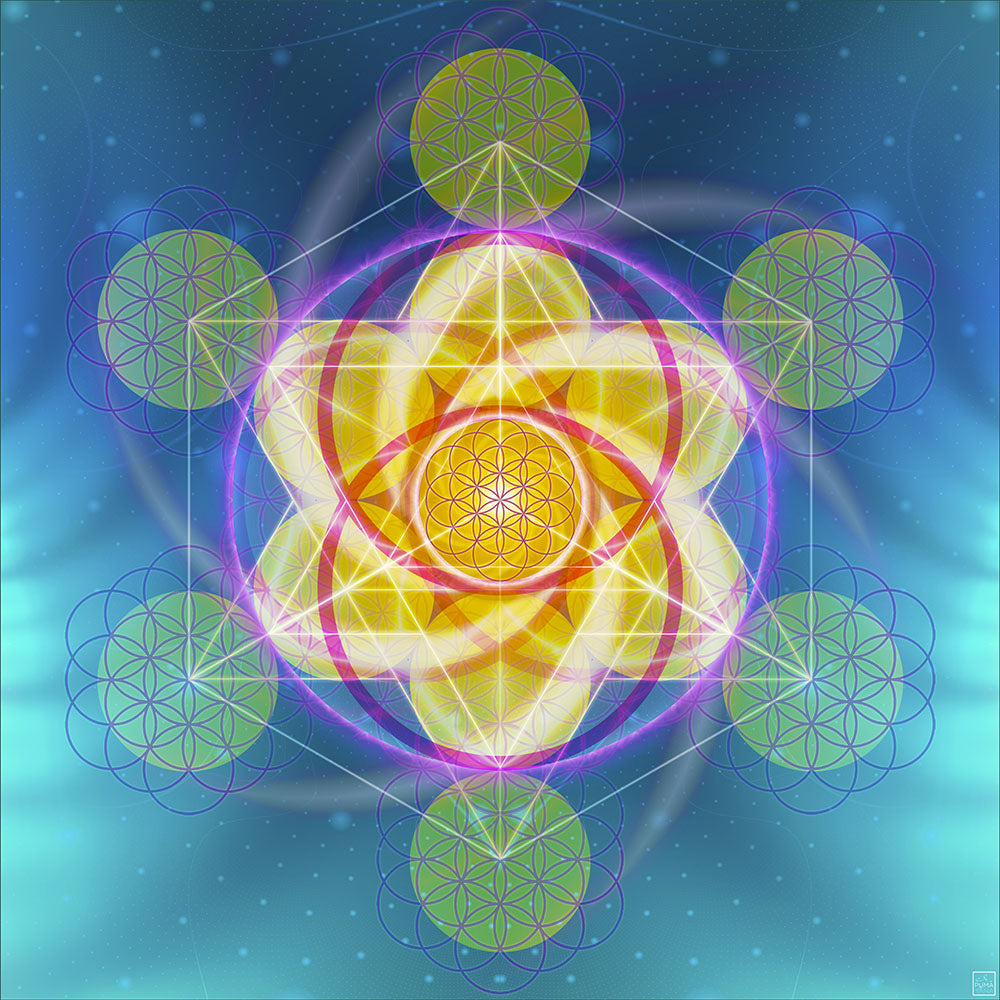
    Light Activation Healing Mandala Poster| Art Print | Healing Art

    🧬 III. The Inner Lemurian: How Soul Memory Speaks

    How does one remember a place they’ve never visited?

    You haven’t read about it in textbooks. You haven’t seen it on a map. And yet—when you hear the word “Lemuria,” something soft stirs. A tear forms. A familiar ache rises. It’s not nostalgia. It’s not fiction. It’s resonance.

    This is the sacred paradox of Lemurian memory: it doesn’t arise from fact. It awakens through feeling.

    📡 Remembrance as Resonance, Not Recall

    True memory is not always about the past—it is about recognition. In Lemurian consciousness, remembering is not a cognitive act, but a frequency match.

    You don’t “recall” Lemuria like a childhood vacation.
    You feel it—in the body, in the gut, in moments of quiet awe.

    Common signs of soul memory include:

    • A sudden wave of emotion when hearing certain music or mantras
    • Déjà vu moments that defy logic
    • Dreams of crystalline temples, underwater cities, or light-beings
    • Intense bodily sensations (goosebumps, heart flutters, warm tears) when reading or hearing about Lemuria
    • A lifelong affinity for dolphins, whales, crystals, sacred geometry, water, or ancient Polynesian or Tamil cultures
    • A longing you can’t explain—a homesickness for a home that was never physical

    This isn’t imagination. It’s remembrance without proof. A soul-level knowing that bypasses the mind.

    🧬 DNA Memory and Epigenetic Echoes

    Modern science is catching up to ancient mysticism.

    • Epigenetics shows us that traumas, emotions, and experiences can be passed down through generations—not just psychologically, but biologically.
    • Cellular memory posits that our bodies carry wisdom beyond the brain, encoded in the fascia, the gut, the electromagnetic field.
    • Some quantum biologists suggest DNA may act not only as a chemical instruction set, but as an antenna for frequencies—including those from our ancestral and soul lineages.

    From this lens, your affinity for Lemuria may be more than poetic. It may be a genetic tuning, an inner frequency being activated as the Earth shifts and consciousness rises.

    Just as trees remember seasons and birds follow ancestral migratory paths, you too may be following an inner compass—toward something your mind forgot but your soul never did.

    🔮 The Soul’s Call: The Ancient Ache for Wholeness

    If you have ever whispered, “I don’t belong here,”
    If you have ever wept at beauty without knowing why,
    If you have ever felt older than your years,
    Or sensed you were here for something more

    That is not escapism.
    It is your inner Lemurian speaking.

    This ache is not a desire to go back. It is a call to go inward—into the layers of your being where sacredness still sings. This ancient longing is not for a lost island, but for a lost integrity of being—a way of living in harmony, reverence, and unity with all things.

    Lemuria is not asking to be believed.
    It is asking to be remembered—in how you love, walk, speak, breathe.

    🌿 Practices to Awaken Lemurian Memory

    To tune into this sacred memory, you must slow down. You must listen—not with your ears, but with your essence. Here are a few gentle gateways:

    1. Soul Journaling

    Reflective prompt:

    “If there was a version of me who remembered Lemuria, what would she/he/they say?”

    Write freely. Let the words come from your heart, not your head. You may be surprised what emerges.

    2. Crystal Meditation

    Lemurian quartz crystals often hold striated lines—called “record keepers.” Sit in silence with one in your hand. Breathe deeply. Ask:

    “What do you wish me to remember?”

    Let images, feelings, or inner whispers arise. Trust them.

    3. Breathwork & Ocean Sounds

    Lemurian memory is water-based—fluid, emotional, intuitive. Try rhythmic breathing with the sound of waves or whalesong in the background. Let the breath carry you inward.

    4. Mirror Gazing Ritual

    Look into your own eyes with soft focus in a dim-lit room. Whisper:

    “Show me the one within who remembers.”

    You may feel a shift—a shimmer. Stay with it.

    5. Dreamwork with the Blue Flame

    Before bed, visualize a soft blue-white flame at your heart—symbol of Lemurian wisdom. Ask to receive soul memories or guidance in your dreams. Keep a dream journal.

    🧭 What You Are Seeking Is Also Seeking You

    Your remembrance of Lemuria isn’t about believing in an ancient continent.
    It’s about awakening the part of you that still lives in frequency, in grace, in union.

    The more you align with that vibration, the more the ancient ache becomes a present power. Lemuria doesn’t return with historical proof.
    It returns when you do—fully, vibrationally, sacredly.

    And now, perhaps, it’s time.
    Logos | Lemurian Folk Songs

    🌿 IV. Lemurian Consciousness: Living in Harmony with All That Is

    What would life look like if we moved in rhythm with the Earth and each other?

    Imagine waking each day not into a schedule, but into a sacred rhythm.
    Imagine looking at the trees not as scenery, but as sentient kin.
    Imagine seeing your home as an altar, your words as spells, your breath as communion.
    This was not fantasy for the Lemurians. It was a way of being. A consciousness rooted in presence, participation, and reverence.
    A remembering we are being asked to embody again—now.

    🌊 Core Values of Lemurian Consciousness

    Lemurian life was not based on survival. It was based on synchronicity.
    Not on accumulation, but on attunement.
    At the heart of their culture were four vibrational pillars:

    1. Unity Consciousness

    Lemurians didn’t just believe in oneness—they lived it.
    Every stone, plant, animal, and being was perceived as part of a greater whole, interconnected through light and intention.
    There was no hierarchy—only harmonic roles. Each soul expressed its essence in joyful service to the whole.

    “I am another you” was not a greeting—it was a law of being.

    2. Sacred Reciprocity (Ayni)

    Offerings were made not out of superstition, but out of love and balance.
    Harvesting meant giving back. Speaking meant listening. Healing oneself meant healing the land.

    Nothing was owned—everything was shared in sacred trust.

    3. Embodied Presence

    There was no rush. Lemurians moved in accordance with lunar tides, star cycles, and inner guidance.
    They knew that being—fully, soulfully, joyfully—is the highest act of service.

    Time was felt, not managed. Seasons were sensed, not scheduled.

    4. Flow over Force

    The Lemurian way was fluid, not fixed. Decisions were made through intuition and resonance, not logic or control.
    If something felt heavy, it was a sign to pause, not push. Life was navigated like water: softly, wisely, adaptively.

    🌍 Earth as Mother, Not Resource

    In Lemurian consciousness, Earth was not “the environment.”
    She was Mother. Mirror. Mystery.

    To walk on her was to walk upon divinity.
    To take from her without offering was unthinkable.
    Water was not “H₂O”—it was a living spirit.
    Mountains were not “landforms”—they were elders.
    The stars were not “galaxies”—they were guides.

    This wasn’t romanticism—it was relational intelligence.

    To a Lemurian soul, every element was an embodiment of consciousness.
    Thus, every interaction was a conversation, a ritual, a renewal of sacred trust.

    🏭 Contrast: The Modern Illusion of Ownership

    Today, we pave, poison, extract, and name it progress.
    We monetize stillness, outsource joy, and speak of “owning” land as if it were ours to possess.

    The modern mindset is rooted in separation:

    • Mind vs. body
    • Human vs. nature
    • Productivity vs. presence
    • Ownership vs. relationship

    But deep within, we feel the fracture.
    We feel the emptiness of conquering.
    The exhaustion of striving without meaning.
    The cost of forgetting our place in the web of life.

    Lemurian consciousness invites us to remember—not by changing the world, but by shifting how we move within it.

    🕯️ Everyday Rituals of Sacred Living

    You don’t have to live on a mountaintop to live Lemurian.
    You can reclaim this consciousness through simple sacred acts—not to escape the world, but to reharmonize with it.

    Home as Temple

    Clean not to impress—but to create energetic clarity.
    Light incense or a candle with intention.
    Place stones or plants with reverence. Let your space radiate soul.

    What would change if your home was an altar to life, not a storage unit of things?

    Food as Offering

    Before meals, pause. Thank the plants, the farmers, the elements.
    Eat slowly. Chew with gratitude. Let nourishment be a dialogue with the Earth.

    What if eating was not consumption—but communion?

    Breath as Prayer

    Your breath is the most ancient language.
    Breathe in Earth. Breathe out love.
    Let each breath be a blessing—for yourself, for all beings.

    Practice: 3 conscious breaths before each transition (waking, working, eating, resting)

    Relationships as Mirrors

    See others not as obstacles or assets—but as reflections of the Whole.
    Speak with heart. Listen with your soul.
    Let relationships be sacred practice.

    💎 From Separation to Sacred Symbiosis

    The Lemurian way is not a fantasy—it is a frequency reawakened through choice.
    In every moment, you can choose:

    • Connection over control
    • Ritual over routine
    • Attunement over ambition
    • Wonder over worry
    • Earth as kin—not commodity

    To live Lemurian is not to time-travel.
    It is to vibrate now in harmony with All That Is.

    You were never meant to dominate the Earth.
    You were born to dance with her.

    Lemurian Folk Songs – Maro – Vinyl (LP, Album + 2 more), 2022 [r23844950] |  Discogs

    🔮 V. Inner Technology: The Lemurian Way of Power

    What if your greatest technology was already inside you?

    We marvel at smartphones and satellites.
    We bow to AI, algorithms, and augmented realities.
    But long before wires and code, there existed a different kind of technology—one that required no devices, only presence.
    The Lemurians called it living light, soul frequency, and resonant consciousness.
    It wasn’t invented—it was remembered.
    It wasn’t downloaded—it was awakened.

    Lemurian “technology” didn’t dominate matter. It harmonized with energy.
    It was based on the premise that the human soul, when fully present, is the most advanced system in the universe.

    🌟 The Foundation: Power as Presence, Not Control

    In modern times, technology is seen as the ability to manipulate reality.
    In Lemurian understanding, true power was the ability to attune to reality—energetically, emotionally, and spiritually.

    Their tools were subtle, but profound:

    • Intentional thought
    • Emotionally coherent communication
    • Resonant frequency alignment
    • Sacred geometry and vibrational design
    • Crystalline networks and harmonic fields

    In essence: what you feel, you emit. What you emit, you shape.

    📡 Telepathon: The Heart’s Wi-Fi

    Lemurians practiced what can be likened to “telepathon”—a blend of telepathy and empathic resonance.
    This wasn’t science fiction. It was soul communication through coherent heart fields.

    When two beings aligned their emotional fields in love, trust, and clarity, they could transmit entire feeling-states without words.
    Messages were not spoken—they were felt. Truth had a texture. Falsehood, a dissonance.

    Modern research into HeartMath and brain-heart coherence is beginning to rediscover this.

    Try this practice:
    Before speaking to someone, place your hand on your heart. Breathe in slowly. Ask, “What is the most loving frequency I can bring into this space?” Then speak.

    🎵 Sound and Frequency Healing

    Everything vibrates.
    To the Lemurians, this wasn’t metaphor. It was medicine.

    They used sound not for entertainment—but for energetic alignment.

    • Vocal toning healed organs by resonance.
    • Specific frequencies (like 432Hz, 528Hz) were used to recalibrate dissonant fields.
    • Water was sung into to become structured, living water.
    • Mantras weren’t chants—they were activation codes.

    Modern parallels: Cymatics, Solfeggio tones, and sound baths.

    Try this:
    Chant or hum a low note with your eyes closed. Feel where in your body the vibration travels. That’s a clue to where healing is needed.

    🧠 The Modern Mirror: Technology as External Soul Projection

    Our obsession with tech today is not random.
    It is a subconscious attempt to recreate what was once innate.

    Ancient Lemurian Tech

    Modern Equivalent

    Telepathic empathy

    Instant messaging, social media

    Crystalline memory grids

    Cloud computing, blockchain

    Sound and frequency healing

    Binaural beats, neurofeedback

    Energetic blueprints

    DNA mapping, biometric scans

    Color therapy and light codes

    LED therapy, UI design cues

    But the outer tools often distract from the inner mastery.
    We have louder microphones, but quieter hearts.
    Sharper cameras, but duller sight.
    Faster processors, but fragmented souls.

    The Lemurian way reminds us:
    You are the system. You are the server. You are the sacred source code.

    🔁 Reclaiming Your Inner Tools

    Let’s not abandon technology. Let’s balance it. Let’s re-sacralize it.
    Let each click become conscious. Let every device remind us of what we’ve internalized but forgotten.

    Simple daily practices:

    • Digital Detox + Crystal Work: Leave your phone and meditate with a crystal instead.
    • Use Sound Before Code: Tone or chant before writing or coding—shift frequency first.
    • Tech Rituals: Bless your devices. Program them with intentional wallpapers, affirmations, or energy-cleansing apps.

    What external technology do you overuse—and what inner gift might it be replacing?

    🌌 Lemurian Technology Is Already Within You

    • Your intention is more powerful than any algorithm.
    • Your presence is more healing than any device.
    • Your vibration shapes reality—moment by sacred moment.

    You do not need to invent something to be powerful.
    You need to remember what you already are:
    A living instrument of light.
    A bridge between the unseen and seen.
    A transmitter of truth through your very presence.
    Lemurian Folk Songs: albums, songs, concerts | Deezer

    🧘 VI. Self as Sacred: Lemuria as Embodiment Practice

    How do you become the temple, the code, the field?

    The Lemurian path was not about worshiping gods on high, but about embodying divinity in the everyday.
    It wasn’t a belief system. It was a being system.
    A lived remembrance that the soul, the body, the earth, and the cosmos are not separate entities—but concentric spirals of the same divine breath.

    To the Lemurians, you were the altar, your actions were offerings, and your life was the ongoing ritual.
    Sacredness wasn’t practiced on special days—it was woven into every breath.
    Their daily life was not structured around time, but around vibration. Not around performance, but presence.

    This section invites you to remember that your life is the sacred ceremony you’ve been seeking.

    🕯️ Living as Devotion, Not Obligation

    In Lemuria, ritual was not a religious mandate.
    It was a rhythm. A way of staying in tune with the unseen currents of life.

    You didn’t “do spirituality.” You lived it.

    • Cooking was alchemy—infused with intention and gratitude.
    • Walking was a prayer—an attunement to the heartbeat of the earth.
    • Touch was healing, because it carried presence.
    • Speech was spellwork—every word carefully felt before spoken.

    This wasn’t performance spirituality.
    It was vibrational hygiene.

    Reflective Prompt:
    What if everything you did today—eating, bathing, greeting someone—was a sacred act? What would change?

    🌬️ Breath as Temple Bell

    The breath was central to Lemurian embodiment.
    Not just as a physical function, but as a carrier wave of consciousness.
    Every inhale was a receiving of source energy. Every exhale, a clearing of distortion.

    They practiced:

    • Fourfold breath (inhale–pause–exhale–pause) to sync with cosmic rhythms.
    • Sonic breathwork—adding tone or sound to breath to shape energy in the body.
    • Breath + intention—as a way to infuse the auric field with a desired frequency.

    Modern parallels: Pranayama, Wim Hof, Holotropic Breathwork.

    Practice:
    Try this: Inhale for 4 counts, hold for 4, exhale for 4, hold for 4.
    As you do, say internally:
    Inhale – “I receive light”
    Hold – “I become light”
    Exhale – “I send light”
    Hold – “I am light”

    Repeat 4 times, and observe how your field shifts.

    💃 Intuitive Movement: Listening to the Body’s Code

    In Lemuria, movement wasn’t exercise. It was energetic sculpting.
    Each gesture, sway, and stretch was a way of moving emotion, clearing stagnation, and realigning chakras.

    • Dance was not for an audience—it was dialogue with spirit.
    • Stretches weren’t poses—they were prayers in motion.
    • Posture reflected frequency; the body became a transmission tower.

    This echoes in modern ecstatic dance, Qi Gong, and somatic therapy.

    Practice:
    Stand in stillness. Ask your body: “How do you want to move?”
    Then, let it guide you. No mirrors. No music required. Just presence.
    This is vibrational tuning in action.

    🛁 Sacred Bathing and Elemental Communion

    Water was more than cleansing—it was reprogramming.
    The Lemurians infused baths with:

    • Herbs and flowers for frequency shifts.
    • Crystals to imprint intention.
    • Spoken mantras to code the water’s memory.

    They viewed water as an emotional mirror—able to hold, reflect, and transform frequency.

    Try This Ritual:
    Draw a bath (or even a bucket bath). Add a handful of salt and a drop of essential oil.
    Before stepping in, whisper:
    “I return to my original frequency. I bathe in the memory of who I truly am.”

    Let the water not just clean—but clear.

    🔊 Voice, Chanting, and Sonic Signature

    The human voice was considered a frequency key.
    Every sound you make carries identity, emotion, and intention.

    • Chanting recalibrated chakras.
    • Toning vowels activated DNA memory.
    • Whispers of gratitude into the wind spread coherence.

    To the Lemurians, the throat chakra was not just for speaking—it was the gatekeeper of manifestation.

    Modern tools: Vocal toning, mantra meditation, overtone singing.

    Practice:
    Chant the sound “AH” (heart frequency) with an open throat.
    Feel it vibrate through your chest. Let it ripple through your field like a tuning fork.

    🪶 Nature Attunement: Earth as Mirror, Not Resource

    Every flower, every wind gust, every sunrise was seen as a living oracle.
    Lemurians attuned to the elements not for data, but for guidance.

    • Trees were seen as memory keepers.
    • Mountains as ancient souls.
    • Animals as messengers and pattern-breakers.

    Being in nature wasn’t recreation. It was reconnection.
    They didn’t visit nature. They remembered they were nature.

    Practice:
    Find one tree. Sit with it for 10 minutes. No phone. No agenda.
    Place your palm on its bark. Ask silently, “What do you remember that I’ve forgotten?”
    Wait. Listen.

    📡 The Body as Transmitter

    Your body is not an obstacle to spiritual life—it is the instrument of it.
    Every:

    • Thought = signal
    • Emotion = color field
    • Gesture = invocation
    • Clothing = frequency armor or invitation

    You become what you vibrate.
    Thus, Lemurians lived with intentionality in everything—what they wore, how they touched the earth, what words they released into the world.

    Daily Embodiment Check-In:

    • What am I broadcasting today—through tone, breath, thought, posture?
    • Does it reflect my soul, or my conditioning?
    • Am I living as a seeker, or as the sought?

    🔑 You Are the Temple, the Code, the Field

    You are not separate from what you seek.
    You are the altar, the offering, and the light.
    In the Lemurian remembrance, you don’t find truth—you embody it.

    The more you align your daily rituals with reverence, the more you tune back into your original blueprint.
    You become a living portal—not just channeling higher frequencies, but stabilizing them on Earth.

    Remember:

    • Your life is a spell.
    • Your presence is prayer.
    • Your body is a beacon.
    Golden Lemurian Seed Tantric Twin Record Keeper Crystal Point (RARE) -  Doorways to Power

    ⚖️ VII. Lemuria and Atlantis: Heart vs. Mind, Feminine vs. Masculine

    What happens when brilliance loses its compass?

    We often romanticize lost civilizations. But what if Lemuria and Atlantis were never about landmasses—but about states of being?

    Lemuria and Atlantis are not just lost continents in forgotten oceans. They are living archetypes that still move within us.
    One sings through the heart, the other through the mind.
    One flows, the other builds.
    One feels, the other calculates.
    One embodies the Divine Feminine, the other the Divine Masculine.

    Both were once in harmony.
    Until they weren’t.

    🌊 Lemuria: The Heart of the Earth

    Lemuria, in its essence, was a civilization of feeling, presence, and flow.
    It moved like the ocean it is said to have vanished into—gentle, rhythmic, embracing.

    Core Energies of Lemuria:

    • Heart-based consciousness
    • Telepathic empathy and community resonance
    • Living in harmony with the Earth
    • Feminine archetypes: receptivity, nurturing, intuition, creativity
    • Energy: Yin, circular, soft power

    It was less about architecture, more about aura.
    Less about control, more about coherence.
    The Lemurian people didn’t build towering temples—they were the temples.

    They understood that wisdom lived not in books or laws, but in dreams, songs, breath, and the subtle hums of nature.

    🔱 Atlantis: The Rise of the Mind

    Atlantis emerged like a lightning bolt—brilliant, organized, structured.
    Where Lemuria whispered, Atlantis declared.

    Core Energies of Atlantis:

    • Logic and mental mastery
    • Technological advancement and innovation
    • Hierarchical systems and societal control
    • Masculine archetypes: action, assertion, measurement, analysis
    • Energy: Yang, linear, directive power

    They brought order where Lemuria danced with mystery.
    They built machines where Lemuria harmonized frequencies.
    Their science was brilliant. Their cities, magnificent.
    But slowly, subtly… the mind forgot the soul.

    The Atlanteans began to pursue power without purpose, innovation without intuition.
    They knew how to harness the forces of nature—but lost the reverence for it.

    ⚔️ The “Fall”: A Story of Inner Imbalance

    The mythic “destruction” of Lemuria and Atlantis isn’t just geology.
    It’s psychology.

    It’s the split we all feel:

    • Head vs. heart
    • Reason vs. intuition
    • Achievement vs. alignment
    • Domination vs. devotion

    The fall didn’t come from evil—it came from imbalance.
    From favoring mind over heart, doing over being, knowing over feeling.
    It’s the same imbalance that fuels today’s world of excess, exploitation, and disconnection.

    We see it in:

    • Education systems that prioritize memorization over inner wisdom.
    • Economies that reward extraction over reciprocity.
    • Governance that values control over collaboration.
    • Science that dismisses what it cannot measure.

    It is Atlantean brilliance… but without Lemurian compass.

    🕊️ The Call to Bridge: Reuniting the Twin Forces

    This is not a call to return to Lemuria or Atlantis.
    It is a call to marry their energies within you.

    You are the crossroad. The hybrid. The alchemist.
    Your task is not to abandon the mind, but to seat it in the heart.
    To let intuition inform intelligence.
    To let structure serve the soul.

    Reflection Prompt:

    • Where in your life is your inner Atlantean running the show without heart?
    • Where is your inner Lemurian avoiding form and discipline?
    • What would it look like to hold both—gracefully?

    Embodiment Practice:
    Create a small ritual space. On one side, place a crystal or object that represents feeling and flow. On the other, place a symbol of clarity and logic.
    Sit between them.
    Breathe into both sides. Invite them to speak.
    What emerges when they listen to each other?

    💠 Your Inner Union Creates Outer Evolution

    The world doesn’t need more extremes. It needs embodied synthesis.
    Those who can:

    • Feel deeply and act wisely
    • Honor mystery and create systems
    • Flow and focus
    • Receive and lead

    These are the new Lemurian-Atlantean humans.
    The bridgers. The integrators. The ones who hold the middle.

    Because real evolution isn’t about choosing one pole over the other.
    It’s about reweaving the sacred marriage—mind and heart, sun and moon, structure and soul.

    And it starts within you.
    Stream ALKEMY - Journey by Lemurian by ALKEMY MUSIC | Listen online for  free on SoundCloud

    🌎 VIII. Scattered Seeds: Lemurian Wisdom Around the World

    Could the sacred still be humming under our feet?

    When Lemuria “fell,” not all was lost.
    Its land may have dissolved beneath rising oceans, but its essence—its frequency—was planted like sacred seeds across the Earth.
    Whispers of Lemurian wisdom remain encoded in rocks, rivers, mountains, and myths.

    Not as ruins.
    As reminders.

    This isn’t about proving that Lemuria existed on a map.
    It’s about recognizing that Lemuria continues to exist in the field—beneath us, around us, and within us.

    🌀 Post-Fall Dispersion: The Echoes of Lemuria

    As the Lemurian epoch came to a close, many awakened souls carried its energy into distant lands—guided not by fear, but by purpose.

    They became Seed Carriers—embedding Lemurian consciousness into:

    • Geographies
    • Ceremonies
    • Crystalline grids
    • Sacred sound and light codes
    • Ancient languages and symbols

    These seeds weren’t planted in soil alone, but in culture, myth, and spirit memory.

    🗺️ Earth’s Lemurian Touchpoints

    1. Hawaii (Mu’s Heart Memory)
    • Often seen as the last physical remnants of Lemuria.
    • Ancient chants (oli), hula dance, and aloha spirit preserve the vibrational essence of heart-centered living.
    • The Hawaiian language carries vowel-rich frequencies that echo soul resonance.
    1. Mount Shasta (California, USA)
    • Believed to house Telos, a subterranean Lemurian city.
    • Pilgrims report synchronicities, downloads, and powerful vortex energy.
    • The mountain is said to act as a dimensional gateway between worlds.
    1. Peru & Bolivia (Andean Portal)
    • Machu Picchu and Lake Titicaca are believed to hold ancient star and Lemurian connections.
    • The Q’ero people preserve wisdom of Earth-honoring reciprocity (Ayni), mirroring Lemurian values.
    • Stonework in Puma Punku and Tiwanaku reflects frequency-built architecture.
    1. India & Tibet (Eastern Memory Keepers)
    • The Himalayas, Mount Kailash, and Tibetan monasteries retain teachings of inner alchemy and subtle body mastery.
    • Lemurian soul threads are preserved through mantra, mudra, and meditation.
    • Lemurian codes are often hidden in tantric practices and Vedic sound science.
    1. Egypt (Atlantean-Lemurian Synthesis)
    • Egypt inherited both Atlantean structure and Lemurian mysticism.
    • The temples along the Nile act as initiation chambers for vibrational activation.
    • The original purpose of pyramids: not tombs, but energy conduits.

    🕳️ Inner Earth Realms: Telos, Shambhala, Agartha

    We dismiss underground cities as science fiction.
    But what if they’re mythic metaphors for our deepest consciousness layers?

    Telos (under Mt. Shasta)

    • Said to be a thriving Lemurian society preserving the pure codes of harmony and healing.
    • Described in clairvoyant visions, dreams, and energy transmissions by sensitives around the globe.

    Shambhala & Agartha (Inner Earth Temples)

    • Sacred realms in Tibetan and Vedic lore, accessible through deep meditation and heart resonance.
    • Represent inner sanctuaries of peace, wisdom, and remembrance.
    • Not geographic but vibrational destinations.

    These “places” challenge us to go beyond GPS… and into Gnosis.

    🧭 From Tourism to Pilgrimage

    In today’s world, we visit places.
    But ancient Lemurians would say: Let the place visit you.

    They viewed sacred sites as alive—portals with personalities, frequencies, and teachings.

    To visit such lands is not to take photos—but to:

    • Receive transmission
    • Activate dormant soul codes
    • Reconnect with Earth as a sentient ally

    Practices for Sacred Travel:

    • Walk barefoot. Let the land “read” your feet.
    • Chant or tone with the landscape—stones echo back messages.
    • Sit in silence. Journal what arises—not from the mind, but the subtle field.
    • Leave an offering. Not payment. A partnership.
    • Ask: What part of me is being reawakened here?

    🌍 Earth as Living Oracle

    The Lemurian seeds are still singing.

    You can hear them:

    • In the lull of ocean tides
    • In the echo of temple halls
    • In the hum beneath sacred mountains
    • In the tears you don’t know why you shed when visiting these places

    These are not fantasies.
    They are frequencies that your soul remembers.

    The world is not a collection of countries.
    It’s a grid of living temples—each one humming with echoes of a consciousness that never truly left.

    You are not just a traveler.
    You are a Seed Activator.
    Lemurian White Phantom Quartz Crystal Record Keeper {Ancient Mysteries -  Doorways to Power

    🌺 IX. You Are the Return: Becoming the New Lemuria

    What if Lemuria isn’t coming back—because it’s waiting for you to rise?

    Lemuria is not a place to rediscover—it is a frequency to become.
    The return of Lemuria isn’t a cataclysm, prophecy, or cosmic event.
    It is an awakening within.
    It is the moment you choose to live soul-first.

    You are not here to witness the return of a mythical continent.
    You are here to embody its memory.

    ⚡ The Inward Revolution: Lemuria as Inner Resurrection

    The old stories said Lemuria was destroyed.
    But what if Lemuria was never meant to stay in form?

    What if its “fall” was a seeding—a conscious dispersion of high-frequency codes into time, space, and you?

    Rebuilding Lemuria is not about:

    • Raising land from oceans
    • Chasing channelings or lost maps
    • Waiting for disclosure or aliens

    It’s about:

    • Raising your vibration
    • Healing inner division
    • Being the field others remember themselves through

    You are the continent now.
    You are the grid.

    🔑 Lemurian Living = Soul-First Choices

    To “live Lemurian” is to move as a coherent field of light.
    It is less about rituals and more about resonance.

    You live Lemuria when:

    • You walk into a room and soften it
    • You choose compassion over control
    • You speak only what blesses
    • You pause instead of reacting
    • You offer your presence as sanctuary

    It’s not performance—it’s purity.
    You do not preach Lemuria, you radiate it.

    🎵 Practices for Daily Tuning

    1. Emotional Honesty
      • Be radically present with your inner landscape
      • No spiritual bypassing—feel to alchemize
    2. Sacred Speech
      • Use language that blesses, harmonizes, affirms
      • Every word either builds a temple or dismantles one
    3. Crystal Grids
      • Place crystals in your home or altar in sacred geometries
      • Infuse them with intentions: harmony, remembrance, peace
    4. Heart-Led Service
      • Offer help not for validation, but from resonance
      • Be the “frequency upgrade” in your family, circles, community

    🌌 Guided Visualization: Activating Your Lemurian Codes

    Find a quiet space. Close your eyes. Breathe in deeply three times.

    Imagine standing at the edge of a shimmering shoreline.
    This isn’t any beach. It is the coast of Lemuria—within you.

    The water is made of light. The sand hums with sacred memory.

    As you step into the water, feel it washing over your body, not as liquid, but as sound.

    You begin to glow. Not with color, but with frequency.

    Say silently:
    “I remember. I am the return. I walk as Lemuria.”

    Let this phrase vibrate through your cells, DNA, and breath.

    When ready, open your eyes gently.
    Write what you felt. What rose. What softened.

    📖 Journal Prompts for Inner Activation

    • What parts of my life feel out of resonance with my soul’s truth?
    • Where am I still waiting for permission to rise?
    • How can I create spaces of Lemurian remembrance—in my home, work, relationships?
    • What does Lemurian leadership look like in my daily life?

    🧲 Embodying Lemuria Is Contagious

    When you become the frequency:

    • Others rise in your field
    • Environments soften
    • Timelines shift
    • Systems reorganize around your coherence

    You don’t need to “wake people up.”
    Just be the wake.

    You are not a seeker.
    You are the Seed Bearer.
    The Grid Holder.
    The Return.

    You are not here to remember Lemuria.
    You are here to walk it into existence.

    Lemurian Lightcodes light language artwork

    🌈 X. Conclusion: The Temple is You

    Will you live like you remember?

    You are not reading about Lemuria—you are reawakening to it.
    Not as history, not as fantasy, but as a vibrational truth encoded in your very being.

    Lemuria was never just a land. It was a soul-state—a consciousness built on harmony, divine presence, and the sacred flow between all things.

    And now, as the world searches for meaning amid chaos, that frequency rises again—not from the ocean floor, but from the human heart.

    🪷 Reaffirming the Path: You Are the Myth Made Real

    You do not need permission to return.
    You only need to remember—and choose.

    To awaken the Lemurian within is to:

    • Honor intuition and flow
      Let your inner compass lead, even when logic can’t understand.
    • Practice sacred presence
      Slow down. Let your presence be the offering. Every action a ritual.
    • Harmonize inner masculine and feminine
      Not as gender, but as energy. Action with gentleness. Strength with softness.
    • Become a tuning fork for others
      Let your coherence inspire, heal, and ripple. You don’t have to convince—just be.

    Lemuria returns through you.

    In every breath filled with compassion.
    In every room softened by your frequency.
    In every choice made from wholeness.

    You are not waiting for the New Lemuria.
    You are the New Lemuria.

    And you, dear reader, are the living temple.

    ❤️ Participate and Donate to MEDA Foundation

    Lemurian remembrance must manifest in action.
    We invite you to ground these frequencies in real-world transformation.

    The MEDA Foundation is a soul-led initiative dedicated to creating self-sustaining ecosystems—particularly for Autistic individuals and underrepresented communities in India and beyond.

    Our mission aligns deeply with Lemurian values:

    • Unity over hierarchy
    • Empowerment over charity
    • Healing through vibrational alignment, community, and sacred service

    How You Can Participate:

    🌱 Donate: Your contributions support employment, education, and healing spaces rooted in inclusivity and soul sovereignty.
    🧘‍♀️ Volunteer: Offer your time, skills, or heart. Every soul matters.
    📢 Share: Be a tuning fork—share our message, awaken others, help frequency spread.

    🌐 Visit us at: www.MEDA.Foundation
    Every donation plants a new possibility.
    Every participant is a frequency holder of the New Earth.

    📚 Book References and Resources

    To deepen your journey and remembrance:

    • The Ancient Secret of the Flower of Life by Drunvalo Melchizedek
    • Lemuria and Atlantis by Shirley Andrews
    • Telos: Revelations of the New Lemuria by Aurelia Louise Jones
    • The Law of One: The Ra Material by Don Elkins & Carla Rueckert
    • Return of the Divine Sophia by Tricia McCannon
    • Womb Awakening by Azra and Seren Bertrand
    • The Kybalion (Hermetic Teachings, anonymous)

    Final whisper:
    Lemuria was never lost.
    It was simply waiting—
    For you.
    To rise.
    To remember.
    To become.

  • Trust Your Gut: Unlocking the Power of Intuition

    Trust Your Gut: Unlocking the Power of Intuition

    This article explores the profound role of intuition—often referred to as gut feeling—in guiding decision-making across all life stages, from childhood to older adulthood. It begins by defining intuition and distinguishing it from fear-based reactions, emphasizing its importance in fostering emotional well-being and self-reliance. Each section delves into the unique challenges and opportunities related to intuition at various ages, providing practical exercises tailored to children, adolescents, adults, and older adults to help them trust and enhance their intuitive abilities. The article also addresses common doubts, cultural barriers, and gender expectations that may inhibit intuitive thinking, offering actionable strategies to build confidence in one’s gut feelings. Ultimately, it encourages readers to embrace intuition as a lifelong practice, underscoring the significance of trusting one’s inner guidance for a more fulfilling and empowered life. Through participation and support of the MEDA Foundation, readers can contribute to fostering self-reliance and confidence in themselves and others, reinforcing the transformative power of intuition.
    How to Listen to Your Intuition. and trust your gut instinct | by Tom  Barrett | Medium

    Introduction

    Trust Your Gut: A Lifelong Guide to Understanding and Strengthening Intuition for All Ages

    Intended Audience and Purpose:

    This article is crafted for individuals of all age groups—children, adolescents, adults, and older adults—as well as those in caregiving or mentorship roles, such as parents, teachers, employers, and community leaders. Intuition, often referred to as “gut feeling,” is a human ability that transcends age and experience, yet its value is often underestimated or misunderstood. Regardless of whether you are nurturing the curiosity of a child, guiding a teenager through life’s challenges, making pivotal career decisions as an adult, or embracing the wisdom of your later years, intuition can serve as a critical tool in fostering emotional well-being and self-reliance.

    The aim of this article is to offer readers practical insights and tools to help them understand and trust their gut feelings, especially when faced with difficult decisions or moments of uncertainty. While intuition may seem elusive or abstract, it is an inherent part of our decision-making processes, one that can be nurtured, refined, and trusted over time. Strengthening one’s ability to listen to and act upon intuitive signals not only fosters personal growth and self-confidence, but also enhances one’s ability to navigate complex social and professional situations with greater clarity and ease.

    Through this guide, we will explore how intuition can be understood, cultivated, and leveraged across various stages of life. Whether you are guiding a child to trust their instincts, encouraging a teenager to reflect on their inner voice, or seeking ways to integrate intuition into professional decision-making, this article will provide actionable advice for building a deeper connection with this often-overlooked aspect of human intelligence.

    The Science Behind Intuition:

    Intuition is far from a mystical concept. In fact, science has shown that it is deeply rooted in our brain’s natural processing abilities. At its core, intuition is the brain’s ability to quickly and subconsciously recognize patterns and cues, allowing us to make rapid judgments based on past experiences, subconscious observations, and emotional responses. This capacity for swift decision-making is not always the result of conscious thought but rather a complex interplay between different parts of the brain—particularly the limbic system, which governs emotion and instinct, and the neocortex, responsible for rational thinking.

    Research shows that intuitive decisions are often formed from the brain’s ability to process information at a subconscious level. Our brain is constantly scanning and storing vast amounts of information, much of which we are not actively aware of. This information is then recalled and synthesized in moments of decision-making, resulting in what feels like an instinctual response. For example, experienced professionals, such as surgeons or athletes, often rely on their intuition to make split-second decisions under pressure. This is not due to blind guesswork, but rather their brain’s ability to draw from a well of experience, recognize patterns, and respond effectively in real time.

    From an evolutionary perspective, intuition has been crucial for human survival. In ancient times, our ancestors relied on gut feelings to sense danger, choose safe paths, and make life-or-death decisions without the luxury of time to deliberate. The ability to act quickly, based on instinct, often meant the difference between life and death. Although our modern-day environment may not require us to make such survival-based decisions on a regular basis, the human brain retains this capacity for intuitive insight, and it can still be harnessed for everyday decision-making.

    However, it is important to understand that intuition is not foolproof. While it can be a powerful guide, it is shaped by our past experiences, biases, and emotional states. This means that, while our gut feelings may be highly accurate in some situations, they can also be clouded by fear, stress, or preconceived notions. Therefore, learning to refine and strengthen intuition, while balancing it with rational thought, is key to making well-informed decisions.

    Should You Trust Logic and Data or Gut Feelings to Make Decisions?

    Section 1: What is Gut Feeling and Why it Matters?

    Defining Intuition:

    Intuition, often referred to as a “gut feeling,” is that subtle inner sense that nudges us toward a decision or course of action, even when we can’t fully articulate why. It is not the result of careful analysis or deliberate thought; rather, it is the brain’s rapid processing of information below our conscious awareness. These intuitive insights can come to us in moments of clarity, where a decision feels “right” even if it defies logic or goes against external advice.

    While logic is linear and requires conscious effort, intuition operates like a quiet voice that gathers cues from our environment, past experiences, and emotions, synthesizing them quickly and efficiently. This makes intuition particularly powerful in situations that require fast, instinctual reactions or when we face uncertainty. Think of it as your internal compass, guiding you through complex and ambiguous terrain, especially when there isn’t enough time or information to make a fully rational decision.

    For example, many people have experienced a gut feeling about a person they’ve just met—either a positive or negative vibe—without being able to pinpoint the exact reason for that reaction. This sense could stem from subtle nonverbal cues, body language, or past experiences that your subconscious mind is processing, leading to an instant judgment. In such cases, intuition taps into our brain’s vast storage of information and instincts, offering a quick and often reliable response.

    Despite its seeming mystery, intuition is not magic or guesswork. It is a form of subconscious intelligence, one that bypasses the slow and methodical analysis of the conscious mind. While it might not always offer a clear rationale, it provides a valuable and often accurate insight into what feels aligned or misaligned with our values, desires, or best interests.

    Distinguishing Between Fear and Intuition:

    One of the most significant challenges in trusting your gut is learning to differentiate between intuition and fear. While both can feel like strong internal signals, they come from different places. Fear-based reactions are often rooted in anxiety, past trauma, or worry about future consequences. Intuition, on the other hand, tends to be a calmer, clearer feeling that emerges without the charged emotions that typically accompany fear.

    Fear can cloud your judgment, making it difficult to hear your intuition clearly. For instance, if you’ve experienced failure or rejection in the past, your fear might trigger a sense of doubt or hesitation when a similar situation arises, leading you to avoid taking risks, even when your intuition might be pushing you forward. Conversely, intuition is more neutral. It often arrives as a quiet but firm nudge, free from emotional overwhelm. It doesn’t shout with urgency but instead whispers, guiding you steadily toward what feels right.

    A practical way to distinguish between fear and intuition is to observe the emotional energy behind the feeling. Fear tends to come with a sense of panic, racing thoughts, or dread. It’s reactive and often pushes us toward avoidance or over-caution. Intuition, however, is more grounded and subtle. It often feels like a deep knowing that brings a sense of clarity or calm, even in moments of uncertainty. For example, when deciding whether to take a new job, fear might scream, “What if you fail?” whereas intuition might quietly suggest, “This feels aligned with your long-term goals.”

    To sharpen your ability to differentiate between these two feelings, it can be helpful to pause, breathe, and check in with yourself before making decisions. Ask yourself: Is this feeling coming from a place of anxiety and fear, or does it feel more like an inner knowing? Over time, with reflection and practice, it becomes easier to tell whether you’re being led by genuine intuition or held back by fear.

    Intuition in Decision-Making Across All Ages:

    Intuition is not limited to a particular stage of life—it is an innate human ability that manifests across all ages and evolves with experience. Whether it’s a child deciding whom to trust, an adolescent navigating peer pressure, an adult choosing a career path, or an older adult making decisions about health and lifestyle, gut feelings play a crucial role in daily life decisions. Recognizing and trusting these feelings can help individuals at any age make choices that align with their authentic selves.

    For children, intuition often presents itself through instinctual reactions. A child may naturally feel wary of a stranger or may be drawn toward certain people or activities that make them feel safe and happy. For parents and caregivers, nurturing a child’s intuitive sense by encouraging them to trust their feelings can set a foundation for emotional intelligence and self-trust later in life.

    In adolescence, intuition becomes a more complex tool as teenagers grapple with the influences of peers, social norms, and media. Trusting one’s gut feelings during this period can help teens navigate friendships, relationships, and academic or extracurricular choices with a stronger sense of self-awareness and confidence. Intuition becomes an anchor amid the external pressures and internal uncertainty that characterize the teenage years.

    For adults, intuition often plays a pivotal role in major life decisions—whether it’s choosing a life partner, switching careers, or making investments. Adults tend to have more life experience to draw from, which allows for more finely tuned intuition. However, many adults may still struggle to trust their gut feelings in professional settings where logic and data are prioritized. Learning to integrate intuition with rational analysis can lead to more balanced, effective decision-making, especially in high-pressure environments.

    For older adults, intuition is often linked to life wisdom. Having gone through numerous life experiences, seniors may find their intuition is sharper and more accurate, even though they may question whether it’s “too late” to act on certain gut feelings. Trusting one’s instincts can be particularly useful in managing health decisions, lifestyle changes, or mentoring younger generations.

    In all stages of life, learning to trust and refine one’s intuition contributes to a sense of self-assurance and emotional well-being. It helps individuals align their decisions with their core values and authentic selves, ultimately leading to a more fulfilling and balanced life. While intuition alone isn’t the sole tool for decision-making, it can serve as an invaluable guide when paired with reason and reflection, especially in moments where logic falls short or when external advice feels misaligned with one’s inner sense of truth.

    3 Conditions Necessary To Trust Your Intuition | Game-Changer

    Section 2: Trusting Gut Feelings in Childhood (Ages 3-12)

    How Intuition Manifests in Children:

    Children between the ages of 3 and 12 exhibit strong intuitive abilities, often in ways that may surprise adults. They tend to be highly attuned to their immediate surroundings and naturally follow their instincts in how they interact with the world. Intuition in children shows up in their spontaneous reactions—whether it’s their ability to sense when a situation feels unsafe, their natural gravitation toward certain friends, or the way they explore new ideas through play.

    Children’s gut feelings often guide them in matters of safety, helping them distinguish who they feel comfortable with and who they might feel uneasy around. For example, a child may shy away from an adult who gives off negative vibes without understanding why. In play, children frequently rely on their instincts to create and adapt scenarios, making quick decisions based on their feelings rather than logic. These actions are guided by their subconscious processing of non-verbal cues, emotions, and past experiences, though they may not have the language to explain why they make certain choices.

    Understanding that children are naturally more in tune with their gut feelings than adults is key to helping them maintain this connection. As they grow older, they may face increasing pressures from society, school, and peers, which can cloud or suppress their intuitive abilities if not nurtured.

    Nurturing Intuition in Children:

    Parents, caregivers, and educators play a crucial role in helping children stay connected to their intuition. One of the most important ways to nurture this skill is by actively listening to a child’s gut feelings, even when they seem irrational or unfounded. Rather than dismissing their instincts as childish or unimportant, adults can reinforce the value of trusting their inner voice by acknowledging it and asking questions like, “What makes you feel that way?” or “What does your tummy tell you?”

    For instance, if a child feels uncomfortable in a certain environment or around a particular person, it’s essential for caregivers to take their concerns seriously. Dismissing these feelings as irrelevant can weaken the child’s trust in their intuition over time. On the other hand, validating their emotions, even if there isn’t an immediate logical explanation, reinforces the message that their gut instincts matter and are worthy of attention.

    In addition to active listening, adults can create opportunities for children to practice using their intuition. By offering choices and encouraging children to reflect on how they feel about those choices, caregivers can help kids learn to check in with themselves. Whether it’s deciding between activities, expressing their feelings, or making small everyday decisions, these moments strengthen their ability to trust their gut feelings.

    Cultural and Environmental Influences on Intuition:

    Children’s intuition is not shaped solely by internal factors; cultural and environmental influences play a significant role in how intuitive abilities develop and are expressed. In some cultures, intuition is highly valued, and children are encouraged to listen to their inner voice from a young age. In other cultures, however, logical reasoning and external guidance are prioritized, and intuitive feelings may be disregarded or suppressed in favor of following established norms.

    For example, some cultures place a strong emphasis on children being obedient and following instructions from elders without question. While this can help foster respect, it may also inadvertently dampen a child’s ability to trust their instincts, especially when those instincts conflict with the expectations of authority figures. In contrast, cultures that encourage autonomy and self-reflection may be more likely to nurture intuitive decision-making in children.

    The environment in which a child grows up also impacts the development of their intuition. Children raised in supportive environments where their feelings are validated and their instincts are listened to tend to have stronger connections to their gut feelings. On the other hand, environments that are overly critical, stressful, or where emotions are dismissed can make children doubt themselves, leading them to ignore or question their intuition.

    Thus, it is crucial for caregivers, teachers, and communities to foster environments where children feel safe to express their feelings, take risks, and learn from both their intuitive successes and mistakes. This allows children to build a strong, resilient sense of intuition that will serve them well into adulthood.

    Tools for Caregivers and Educators:

    Caregivers and educators can play an active role in helping children strengthen their connection to their gut feelings by integrating intuitive practices into daily life. Here are some actionable tools and activities to nurture children’s intuition:

    1. Intuitive Games: Simple games like “Which Hand?” (where a child guesses which hand is holding an object) or making intuitive guesses about everyday scenarios can help children tap into their instincts in a playful, pressure-free way. These activities allow children to make quick decisions based on feelings rather than overthinking.
    2. Emotional Check-Ins: Regularly asking children to reflect on how they feel in certain situations helps them develop self-awareness. For example, after an event or interaction, caregivers can ask, “How did that make you feel?” or “What did your heart tell you about that?” These questions encourage children to pause and reflect on their inner emotional landscape, making it easier for them to recognize and trust their gut feelings over time.
    3. Storytelling: Sharing stories—either real or fictional—about times when trusting intuition led to positive outcomes can reinforce the importance of listening to one’s inner voice. Stories that involve characters who trust their gut feelings (and how it helped them) can make the concept more relatable and understandable for children.
    4. Choice-Based Scenarios: Offering children choices in daily activities, such as what to wear, what book to read, or what game to play, helps them practice making decisions based on how they feel rather than always following adult directives. This empowers them to listen to their gut, even in small, manageable ways.
    5. Mindfulness and Meditation: Introducing mindfulness practices or simple meditation techniques can help children become more attuned to their internal signals. These practices can teach them to quiet their minds and focus on the present moment, making it easier to hear their intuition without the noise of external distractions.

    By integrating these tools into everyday interactions, caregivers and educators can create a strong foundation for children to grow into self-aware individuals who trust their gut feelings and approach life with confidence and inner clarity.

    Life Coaching Services - Boost Your Motivation and Achieve Your Goals

    Section 3: Trusting Gut Feelings in Adolescents (Ages 13-19)

    Challenges to Intuition During Adolescence:

    The teenage years are a period of intense emotional, physical, and psychological change. Adolescents are navigating the complexities of identity, relationships, and societal expectations, all while striving for independence. This makes it a particularly challenging time to trust one’s intuition. Unlike childhood, when gut feelings might seem more natural and instinctive, adolescents face the pressures of fitting in, making sense of social norms, and meeting expectations from peers, parents, and society.

    As teens seek to establish their identity, their ability to tune into their inner voice can often become clouded by external influences. They may second-guess their instincts, torn between what their gut tells them and what they believe they “should” do to be accepted or to achieve success. This struggle can lead to a disconnect from their intuition, making it harder for them to navigate life’s challenges with confidence.

    For many adolescents, fear of missing out (FOMO), uncertainty about the future, and a desire for validation can further complicate their relationship with their gut feelings. However, understanding and trusting intuition during these formative years can provide teens with the tools they need to navigate life with a greater sense of purpose and emotional resilience.

    Peer Influence and Media Saturation:

    In today’s digital age, social media and peer validation play enormous roles in shaping adolescents’ thoughts, behaviors, and decisions. Teens are constantly exposed to curated images, lifestyles, and opinions that often set unrealistic standards. The pressure to conform to these standards can make it difficult for teens to trust their own instincts, as they might prioritize external validation over their internal sense of what feels right.

    Peer pressure, both in person and online, can overwhelm a teen’s intuitive sense. Adolescents may find themselves making decisions based on what they think will make them popular or accepted rather than what aligns with their authentic selves. This could lead to choices that don’t reflect their true desires, such as participating in risky behaviors, adopting certain styles, or engaging in activities just to “fit in.”

    Media saturation, in particular, presents a unique challenge. Constant exposure to social media influencers, celebrities, and advertisements telling teens what they should want, buy, or be can create a noisy mental environment. This external noise makes it difficult for teens to hear their inner guidance, especially when they are bombarded by messages suggesting that their worth is dependent on appearances or achievements. These influences can lead to self-doubt and disconnection from their intuition, fostering an unhealthy cycle of seeking external approval.

    To help shield their intuition from the overwhelming effects of social media and peer pressure, adolescents need to develop the skill of discernment—learning when to listen to their inner voice and when to tune out the noise around them. This process takes time, but it can be fostered by creating boundaries around media consumption, encouraging digital detoxes, and cultivating self-awareness.

    Helping Teens Tune Into Their Intuition:

    Parents and educators play a pivotal role in helping adolescents reconnect with their intuition. One of the most effective ways to nurture a teen’s gut feeling is by providing opportunities for self-reflection. Encouraging teens to take time to step back from the noise of daily life—whether through mindfulness, journaling, or quiet contemplation—can help them clear their minds and tune into their inner voice.

    Here are some practical strategies for helping teens reconnect with their intuition:

    1. Mindfulness Practices: Introducing teens to mindfulness techniques, such as meditation or breathwork, helps them become more aware of their thoughts and emotions. By cultivating presence and awareness, mindfulness allows teens to identify when their gut feelings are speaking to them and when their reactions are being driven by stress or external pressures.
    2. Journaling for Self-Reflection: Encouraging teens to journal regularly provides them with a private space to explore their thoughts, emotions, and experiences. Writing down their feelings can help them process what’s going on internally and identify patterns in their intuitive responses. Over time, this practice builds self-awareness and helps them differentiate between fleeting emotions and genuine gut instincts.
    3. Creating Safe Spaces for Decision-Making: Adolescents benefit from environments where they feel safe to express their thoughts and feelings without fear of judgment. Whether at home or in school, providing spaces where teens can openly discuss their ideas, dilemmas, or desires fosters trust in their own decision-making abilities. Parents and educators can guide teens through the process of weighing their options and reflecting on how each choice feels on an intuitive level.
    4. Personal Boundaries with Social Media: Supporting teens in setting boundaries around social media use can help reduce external noise and give them the mental space to reconnect with their inner voice. Encouraging breaks from screens, fostering hobbies that promote mindfulness (like art, music, or nature walks), and discussing the impact of media on their self-esteem can empower teens to take charge of their mental well-being.

    Self-Reflection and Goal Setting:

    Self-reflection is a key tool for teens to hone their intuition. By engaging in regular self-reflection, adolescents can learn to tune out distractions and listen to what their gut is telling them about their values, goals, and desires. Encouraging goal-setting activities aligned with their intuitive aspirations can help them gain confidence in trusting their instincts while also giving them a sense of purpose.

    Some practical tools for self-reflection and goal setting include:

    1. Vision Boarding: A creative, visual way for teens to map out their goals and dreams based on what resonates with them on a deeper level. Teens can cut out images and words from magazines or printouts that represent their ideal future, values, or dreams, helping them clarify their intuition and make intentional choices that align with their authentic desires.
    2. Mindfulness Exercises: Simple mindfulness exercises, such as focusing on the breath, body scans, or grounding practices, can help teens tap into their intuition. These exercises train them to pay attention to the physical and emotional signals their body sends when faced with decisions, ultimately helping them discern their gut feelings more clearly.
    3. Setting Intuitive Goals: Encourage teens to set goals that reflect what they feel is right for them, rather than what others expect. For instance, instead of setting goals based solely on external success (such as getting top grades or winning competitions), help them consider goals that align with their passions, values, and intuitive sense of fulfillment—such as pursuing a creative interest, building stronger relationships, or cultivating personal well-being.
    4. Daily Check-Ins: Suggest that teens take a few minutes each day to check in with themselves, asking reflective questions like, “How did I feel today?” or “Did I follow what felt right, or did I go along with what others wanted?” This daily habit can help them identify when they’re acting from a place of authenticity versus external influence, helping them strengthen their connection to their intuition over time.

    By providing teens with these tools, parents and educators can guide them toward trusting their gut feelings and making decisions that reflect their true selves, ultimately helping them build self-confidence and emotional resilience as they transition into adulthood.

    Gut Feelings

    Section 4: Trusting Gut Feelings in Adulthood (Ages 20-60)

    The Modern Disconnect from Intuition:

    As adults enter the workforce and take on more responsibilities, they are often conditioned to rely heavily on logic, data, and external opinions to make decisions. The modern professional world prizes analytical thinking, evidence-based decision-making, and strategic planning, all of which can overshadow an individual’s gut instincts. While there is immense value in logical reasoning, this data-driven culture can create a disconnect from intuition, especially when adults face complex decisions that do not have clear answers.

    Career pressures, social expectations, and the sheer volume of information available today often lead adults to overthink their choices, second-guess their initial instincts, or defer to external experts. As a result, adults may feel less confident in trusting their gut feelings, leading to indecision or prolonged stress over choices that would otherwise benefit from intuitive clarity. In personal life, too, adults may struggle to hear their inner voice over the noise of daily routines, societal expectations, and familial responsibilities.

    Many adults find that, over time, they become less attuned to their intuitive abilities and more focused on achieving success by conventional means—following logical steps, seeking approval from others, or relying on what “makes sense” rather than what “feels right.” This disconnection from intuition can lead to feelings of burnout, dissatisfaction, or confusion, especially when decisions require more than just factual analysis, but emotional or instinctual alignment as well.

    Balancing Instinct and Analysis:

    While adults may feel distanced from their intuition, it is important to remember that gut feelings can be powerful allies in decision-making, especially when balanced with logic. Adults don’t have to choose between data and intuition—there is a middle ground where both can complement each other. Gut feelings can serve as an internal compass, guiding individuals when there are too many variables to account for logically or when outcomes are unpredictable.

    One way adults can strike this balance is by using intuition as an initial filter. When faced with a decision, paying attention to the immediate emotional or physical response—such as a sense of excitement, apprehension, or discomfort—can give early clues about whether the decision aligns with their core values or desires. After noting the intuitive response, they can then analyze the data and facts to weigh the pros and cons, allowing both instinct and analysis to inform the final choice.

    For instance, in business settings, leaders often face complex decisions that require a combination of logic and instinct. While data can provide valuable insights, the ability to “read” a situation, sense timing, and anticipate outcomes often comes from an intuitive sense honed through experience. Learning to trust these instincts in conjunction with factual evidence allows for well-rounded decision-making.

    Adults can also practice this balance in personal decisions. Whether it’s choosing a new career path, making a financial investment, or navigating relationships, tuning into their gut feelings while considering the practical aspects can lead to more confident and satisfying outcomes. The key is to neither ignore intuition nor rely on it exclusively, but to recognize it as a critical piece of the decision-making puzzle.

    The Workplace and Intuition:

    In professional environments, intuition can play a surprisingly valuable role, particularly in leadership, problem-solving, and creativity. While the corporate world often emphasizes metrics and performance indicators, many successful leaders attribute their achievements to their ability to trust their gut. Whether it’s sensing the right time to launch a product, recognizing a promising candidate during an interview, or knowing when to pivot strategy, intuitive decision-making has tangible benefits.

    Leaders, in particular, often face high-stakes decisions that involve multiple unknowns and unpredictable outcomes. In these scenarios, intuition can provide insights that are not immediately obvious from data alone. A leader’s gut instinct might warn of potential pitfalls in a business venture or highlight an untapped opportunity. Trusting these feelings can result in innovative problem-solving and long-term success.

    Creativity, too, is deeply tied to intuition. In fields like marketing, design, and entrepreneurship, professionals often rely on their gut feelings to tap into original ideas and solutions. Many breakthrough innovations are born from moments of inspiration that transcend logical analysis. When professionals allow themselves to listen to their inner voice, they can unlock creative potential that might otherwise be stifled by rigid adherence to data-driven processes.

    Moreover, intuition can play a crucial role in achieving work-life balance. Adults often struggle with burnout when their lives become too regimented and disconnected from their emotional needs. By tuning into their gut, they can make choices that prioritize well-being—such as when to take a break, shift career paths, or negotiate work flexibility—that lead to healthier and more fulfilling professional and personal lives.

    Reconnecting with Your Gut in Daily Life:

    In the midst of a busy adult life, it can be difficult to find time to reconnect with intuition. However, there are simple, effective practices that adults can incorporate into their routines to help them strengthen their inner voice and make more intuitive decisions.

    1. Mindful Meditation: One of the most powerful tools for reconnecting with intuition is mindfulness meditation. By quieting the mind and focusing on the present moment, meditation allows adults to tune into their inner thoughts and feelings without distraction. Regular meditation helps clear mental clutter, making it easier to recognize the subtle cues of gut feelings. Over time, it can enhance one’s ability to trust these instincts in daily life.
    2. Quiet Reflection: Taking time for quiet reflection—whether through journaling, long walks, or simply sitting in a calm environment—helps adults slow down and listen to their inner guidance. Setting aside a few minutes each day to reflect on important decisions, how they feel about certain situations, or where they sense their life is headed can reveal intuitive insights that might be missed in the rush of daily responsibilities.
    3. Intuition Journaling: A specific journaling practice focused on intuition can help adults track their gut feelings and the decisions that follow. By writing down moments when they trusted their instincts—whether in personal relationships, work, or health decisions—and the outcomes of those choices, adults can build confidence in their intuitive abilities. Over time, this practice reinforces the connection between gut feelings and successful decision-making.
    4. Body Awareness: Paying attention to physical sensations can also strengthen the connection to intuition. Often, gut feelings manifest physically as tension, unease, or excitement in the body. By becoming more aware of these bodily signals and what they signify, adults can tap into their intuition more effectively. Practices like yoga, tai chi, or simply focusing on body sensations during decision-making can enhance this awareness.
    5. Periodic Digital Detox: Given the constant barrage of information from social media, news, and digital devices, setting aside regular periods for digital detox can give the mind a break from external noise. Disconnecting from screens for a few hours, or even a full day, helps adults clear mental space and reconnect with their inner thoughts and feelings. This quiet time away from distractions often allows intuitive insights to surface more easily.

    By integrating these practices into their lives, adults can reclaim their connection to their gut feelings, making more confident and aligned decisions both professionally and personally. Intuition, when nurtured alongside logical analysis, becomes a reliable guide, helping individuals navigate the complexities of adulthood with greater clarity and self-assurance.

    Intuition – It's More Than a Feeling – Association for Psychological  Science – APS

    Section 5: Trusting Gut Feelings in Older Adults (Ages 60 and Beyond)

    The Wisdom of Age and Intuition:

    As individuals grow older, their life experiences provide them with a wealth of knowledge and insight, contributing to a deeply refined sense of intuition. Older adults have navigated various personal and professional challenges, faced countless decisions, and witnessed the outcomes of their choices over time. This cumulative experience allows them to have a well-honed gut instinct that younger generations may not yet possess.

    Despite this advantage, many older adults may find themselves doubting their intuition, especially when confronted with societal expectations that suggest they are “too old” to make significant life changes or pursue new opportunities. In some cases, they might believe it’s too late to act on their gut feelings, particularly when it comes to major decisions in retirement, health, or personal development.

    It is essential for older adults to recognize that their intuition is a source of strength and wisdom, not something to be dismissed. Far from being irrelevant, their intuitive guidance can offer clarity and confidence in areas where logic alone might falter, especially when dealing with uncertain or complex situations. Trusting their gut can lead to a sense of empowerment, helping them make decisions that align with their desires, needs, and long-term well-being.

    Intuition in Health Decisions:

    One of the most important areas where older adults can benefit from trusting their gut is in making health-related decisions. As people age, they often encounter more frequent medical challenges, whether it be managing chronic conditions, choosing between treatment options, or making lifestyle adjustments to support their overall health. Navigating the healthcare system can be overwhelming, especially when faced with conflicting medical opinions, an abundance of treatment choices, or the pressure to make quick decisions.

    For many seniors, their intuition can serve as a valuable tool when choosing healthcare options. While it’s crucial to consider medical advice and weigh the pros and cons of different treatments, older adults should also pay attention to how they feel about these choices. Often, gut feelings can indicate whether a particular course of action feels right or wrong, even when all the medical data seems to point in one direction. This internal sense can provide clarity when faced with uncertainty.

    For instance, an older adult might intuitively sense that a recommended surgery might not be the best option for them, even if it is statistically the most effective treatment. Their intuition could be guiding them toward a different path—perhaps a less invasive treatment or a change in lifestyle habits—that feels more aligned with their overall well-being. Listening to these instincts, alongside medical advice, can lead to a more balanced and personalized approach to health.

    In addition to individual health decisions, intuition can also help older adults make important choices about lifestyle adjustments, such as diet, exercise, or mental wellness practices. Many seniors find that by tuning into their inner voice, they can better determine which changes will truly benefit them and contribute to a higher quality of life as they age.

    Mentoring Through Intuition:

    One of the greatest gifts older adults can offer younger generations is their intuitive wisdom. After decades of life experience, they often possess insights that can help guide others, especially when it comes to decision-making, relationships, and personal growth. By mentoring younger people—whether it’s their children, grandchildren, or mentees in the community—older adults can share the lessons they’ve learned about trusting their gut feelings.

    This process not only benefits younger individuals but also strengthens the older adult’s connection to their own intuition. When they reflect on the intuitive decisions they’ve made throughout life, they reinforce their belief in the value of gut feelings, while also gaining confidence in passing on this wisdom. In turn, the act of mentoring fosters intergenerational learning and supports the development of intuitive decision-making skills in younger individuals, who might still be learning to trust their own instincts.

    Older adults can encourage younger generations to embrace self-reflection, mindfulness, and quiet contemplation as tools for developing intuition. By sharing personal stories of when they trusted their gut and the impact it had on their lives, they offer relatable examples of intuition in action. These narratives not only inspire confidence but also provide younger individuals with a roadmap for navigating their own complex decisions with greater clarity.

    Moreover, mentoring through intuition helps older adults remain engaged, valued, and active in their communities. It reinforces their sense of purpose, while also creating a legacy of wisdom that continues to benefit others long after they’ve passed on their knowledge.

    For older adults, intuition is a lifelong companion that grows stronger with experience. Whether navigating health decisions, making personal choices in later life, or mentoring others, trusting their gut feelings provides clarity, confidence, and empowerment. By reconnecting with their inner voice, older adults can make decisions that align with their deeper wisdom, ensuring their later years are filled with purpose, fulfillment, and well-being.

    Older adults should embrace their intuition as a vital tool that not only enhances their own lives but also serves as a valuable gift to younger generations. Through the practice of trusting gut feelings, they can continue to lead with wisdom, create meaningful connections, and live with authenticity at every stage of life.

    Go With Your Gut: The Science of Instinct | SUCCESS

    Section 6: Overcoming Doubts and Barriers to Intuition

    Common Doubts and Fears:

    Despite the innate nature of intuition, many people across all age groups struggle with trusting their gut feelings due to a variety of doubts and fears. One of the most common concerns is the fear of being wrong. People often second-guess themselves, wondering if their intuitive sense is simply a fleeting emotional reaction or a misinterpretation of the situation. This fear of making mistakes can lead individuals to ignore their gut feelings, instead relying solely on external advice or overanalyzing every detail.

    Another major barrier is external pressure. From a young age, individuals are taught to value logic, reason, and measurable outcomes, often at the expense of their inner guidance. Whether it’s parental expectations, professional standards, or societal norms, many people feel pressured to justify their decisions based on facts rather than feelings. This can stifle their ability to trust their instincts, even when those instincts align with their personal values or long-term happiness.

    Additionally, people may doubt their intuition when it conflicts with what seems to be the “safest” or most conventional choice. In high-stakes decisions—such as career changes, relationship dynamics, or financial investments—people tend to prioritize what they perceive as the least risky option, even if their gut is pulling them in a different direction. The result is a hesitation to take intuitive leaps that might ultimately lead to more fulfilling outcomes.

    Cultural and Gender Barriers:

    Cultural and gender norms also play a significant role in shaping whether or not individuals feel comfortable trusting their intuition. In some cultures, intuitive thinking is viewed as irrational or impractical, leading people to suppress their instincts in favor of socially accepted behaviors. For instance, cultures that place a high value on formal education, scientific evidence, or hierarchical decision-making may undermine the importance of intuition, even in personal matters.

    Gender expectations can further complicate this dynamic. In many traditional settings, men are often expected to exhibit strong, logical decision-making skills, while being discouraged from following their emotions or instincts. This societal pressure can cause men to disconnect from their intuition, particularly in professional environments where decisiveness and logic are prized over emotional intelligence. Conversely, women—though sometimes perceived as more intuitive—may feel compelled to “prove” their rationality, especially in male-dominated industries or leadership roles. This balancing act between being intuitive and appearing rational can lead women to question their gut feelings, despite having strong instincts.

    These cultural and gender barriers create additional layers of doubt, making it harder for individuals to recognize and act on their intuition without feeling self-conscious or unsupported.

    Building Confidence in Your Intuition:

    To overcome these doubts and barriers, it’s important to take practical steps that help build confidence in your intuitive abilities. One effective strategy is to start small by trusting your gut in minor, everyday decisions. For example, choosing what to eat for dinner, deciding on a new hobby, or following an impulse to call an old friend can all be opportunities to exercise your intuitive muscle. By practicing on small, low-risk decisions, you’ll begin to strengthen your ability to recognize what your gut is telling you and see positive results from following that guidance.

    It’s also helpful to reflect on past decisions where your intuition played a role, whether you followed it or ignored it. If you followed your gut and things turned out well, celebrate those moments and consider what sensations or thoughts you experienced when making that choice. If you ignored your instincts and later regretted it, use those experiences as learning opportunities to trust yourself more in the future.

    Another approach is to incorporate mindfulness practices such as meditation, journaling, or quiet reflection. These activities help you tune out external noise, reconnect with your inner voice, and become more attuned to subtle emotional cues. The more you cultivate stillness and reflection, the more easily you’ll be able to discern genuine intuitive insights from fleeting thoughts or fears.

    Lastly, seek out positive reinforcement by expanding your circle to include people who encourage intuitive thinking. Whether through personal relationships, mentorship, or professional networks, surrounding yourself with supportive individuals can help reinforce the value of trusting your instincts.

    Case Studies and Success Stories:

    Real-life examples can offer powerful validation for the strength of intuition. Here are a few illustrative case studies and stories that highlight the transformative power of gut feelings:

    1. Career Pivot Success: A mid-career professional, struggling with burnout in the corporate world, trusted her gut instinct to leave a high-paying job to start her own creative business. Despite the risks and external skepticism, she followed her intuition and found immense satisfaction in her new venture, which soon became both personally and financially successful.
    2. Health and Wellness Decision: An older adult faced with a difficult health decision—whether to pursue a risky surgery or seek alternative treatments—chose to follow his intuition. Despite medical recommendations, he pursued a less invasive treatment option that aligned with his values and felt right to him. His intuition not only guided him toward better health outcomes but also gave him peace of mind in his decision-making.
    3. Personal Relationships: A young woman in a long-term relationship began to feel subtle intuitive signals that something was not right, despite no apparent issues. By trusting her gut and investigating further, she discovered significant red flags that ultimately led her to end the relationship. Her decision, guided by intuition, spared her future heartbreak and allowed her to find a healthier, more fulfilling partnership later on.

    These stories showcase the real-world benefits of listening to intuition. They reinforce the idea that, despite the doubts and fears people may face, gut feelings can provide profound guidance in pivotal moments.

    Conclusion: Overcoming the barriers to intuition, whether internal or external, requires deliberate effort and practice. By recognizing and addressing the doubts, fears, cultural influences, and societal pressures that make intuitive decision-making difficult, individuals can begin to cultivate a deeper trust in their inner voice. Starting small, reflecting on intuitive successes, and drawing inspiration from real-world examples all contribute to building confidence in this invaluable life skill.

    Trusting intuition is not a mysterious or illogical act; it is a natural, deeply ingrained part of human experience that can lead to greater clarity, fulfillment, and well-being across all stages of life.

    5 Gut Instincts You Shouldn't Ignore

    Conclusion: Embracing Intuition for a Fulfilling Life

    Tuning into Intuition as a Lifelong Practice:

    As we journey through life, intuition is not merely a fleeting moment of insight; it is a profound skill that can be nurtured and refined over time. Just as we cultivate physical strength through exercise, we can also strengthen our intuitive abilities through conscious practice. It is essential to encourage readers to regularly tune into their gut feelings, actively listening to that inner voice that has the potential to guide them toward more fulfilling choices.

    Embracing intuition involves creating space for self-reflection and personal growth. By prioritizing moments of stillness in our busy lives—whether through meditation, quiet walks in nature, or simply pausing to breathe deeply—we allow ourselves to connect with our instincts. This conscious practice helps transform intuition from a vague sensation into a trusted companion in decision-making.

    Readers are invited to view intuition not as a mystical phenomenon, but as a natural part of their cognitive process. By integrating intuitive practices into daily routines, individuals can learn to distinguish between genuine gut feelings and external pressures or fears, leading to a more empowered and authentic way of living.

    Exercises for All Ages:

    To support this journey, here are some simple intuitive exercises tailored for different age groups, ensuring everyone has the tools to begin fostering their inner guidance:

    1. Children (Ages 3-12):
      • Intuitive Games: Play simple games like “Simon Says,” where children must listen to their instincts about what action to take. Encourage them to express their feelings during the game, reinforcing their ability to trust their gut.
      • Storytelling: Use storytelling to create scenarios where characters must decide based on their gut feelings. Ask children what they think the characters should do and why, fostering discussions about intuition.
    1. Adolescents (Ages 13-19):
      • Mindfulness Journaling: Encourage teens to keep a journal dedicated to their feelings and instincts. They can write about decisions they made based on their intuition and reflect on the outcomes, helping them recognize patterns in their decision-making.
      • Vision Boards: Have adolescents create vision boards representing their dreams and aspirations. This exercise encourages them to visualize their future while tuning into their gut feelings about what they truly want.
    1. Adults (Ages 20-60):
      • Meditation and Visualization: Incorporate a daily meditation practice where adults visualize their gut feelings guiding them in decision-making. This exercise can help calm the mind and open the channel to intuitive insights.
      • Decision Journaling: Encourage adults to maintain a decision journal, where they record choices made, the feelings that guided them, and the outcomes. This practice helps to reinforce trust in their intuitive process over time.
    1. Older Adults (Ages 60 and Beyond):
      • Reflective Storytelling: Encourage older adults to share personal stories about times they followed their intuition. This exercise not only strengthens their connection to their own wisdom but also fosters a sense of community through shared experiences.
      • Quiet Reflection: Suggest setting aside time each day for quiet reflection. Whether sitting in nature or enjoying a cup of tea, older adults can focus on tuning into their inner voice and exploring their gut feelings regarding life decisions.

    These exercises serve as tangible takeaways for readers, encouraging them to embark on their own journeys of intuitive exploration. By practicing these techniques regularly, individuals can build a more profound connection to their intuition, enhancing their decision-making and overall well-being.

    Participate and Donate to MEDA Foundation:

    As we conclude this exploration of intuition, we invite readers to consider the mission of the MEDA Foundation, which promotes self-reliance, confidence, and trust in one’s abilities—values that align seamlessly with nurturing intuition.

    By participating in and supporting the MEDA Foundation, individuals can help empower those seeking to become more self-sufficient and in tune with their inner guidance. Your donations will directly support programs designed to foster emotional well-being, self-advocacy, and personal growth. Together, we can create a community that values intuition and encourages individuals to trust themselves fully.

    Book References:

    1. Goleman, Daniel. Emotional Intelligence: Why It Can Matter More Than IQ. Bantam Books, 1995.
    2. Gladwell, Malcolm. Blink: The Power of Thinking Without Thinking. Little, Brown and Company, 2005.
    3. Brown, Brené. Dare to Lead: Brave Work. Tough Conversations. Whole Hearts. Random House, 2018.
    4. Schwartz, Barry. The Paradox of Choice: Why More Is Less. HarperCollins, 2004.
    5. Brene Brown, Daring Greatly: How the Courage to Be Vulnerable Transforms the Way We Live, Love, Parent, and Lead. Gotham Books, 2012.