

Understanding whether you’re a high or low volume eater can transform the way you relate to food. If you’ve ever wondered why you feel satisfied only after big, hearty meals—or why even small portions make you full—this guide is for you. It’s especially helpful for anyone trying to manage weight, improve digestion, balance nutrition, or simply make peace with their unique appetite. You’ll learn how to identify your natural eating style, optimize meal planning, prevent deficiencies or overeating, and adapt smart grocery, cooking, and social strategies that fit your body and lifestyle—so eating feels nourishing, intuitive, and stress-free.
Introduction: One Appetite Doesn’t Fit All
Ever wondered why one friend finishes three servings while you’re done halfway through yours?
Appetite is personal. No single pattern fits everyone. Some people thrive on large, hearty meals. Others do best with small, frequent bites. Both are normal. Neither is a moral failing.
These tendencies come from many sources. Genetics and metabolism shape baseline appetite. Hormones like ghrelin and leptin influence hunger and fullness. The gut—its size, motility, and microbiome—affects how quickly you feel satisfied. Psychology matters too. Emotions, stress, habits from childhood, and food memories all steer how much and how often you eat.
Recognizing your natural eating style is useful. It helps you plan food that actually works for your body and life. It lowers second-guessing. It reduces guilt. It makes food feel practical and enjoyable again.
Here are clear benefits to knowing your style:
• Stay satisfied longer. When your meals match your appetite pattern, you’re less likely to snack out of frustration or overeat out of hunger.
• Avoid guilt, fatigue, and overeating. Fit-for-you meals cut the cycle of “I should eat less” or “I should eat more.” That reduces stress.
• Make smarter meal, cooking, and grocery decisions. You’ll buy and prepare what you actually use. Less waste. Less impulse spending.
This guide helps you find where you sit on the spectrum: high-volume eater (bulk eater) or low-volume eater (minimal eater). It will show practical moves for either side. It will also help couples, families, and roommates who eat differently.
Quick reflection prompts to start:
After a typical meal, how long until you feel hungry again — one hour, three hours, or five-plus?
Do you prefer a single large dinner or several snack-style meals across the day?
Which feels worse: leaving food on your plate, or feeling stuffed after finishing it?
Answering these will not label you forever. Appetite can change with age, activity, stress, and health. Think of this as a starting map. From here, you can choose strategies that respect your body and fit your goals.

Finding Out: Are You a High or Low Volume Eater?
Understanding how you eat—not just what you eat—is the first step toward eating in sync with your body. Every person has a distinct internal rhythm of hunger, satisfaction, and energy release. The trick is to observe it closely instead of fighting it.
Some of us naturally reach for generous servings, while others feel content with just a few bites. Neither approach is “right” or “wrong”; both reflect how your body and mind are wired to manage energy and comfort.
Reflection Prompts
Take a moment to think about your daily eating patterns and sensations.
Do you love big portions or get full quickly?
Large-portion lovers often enjoy the feeling of fullness—it brings comfort, closure, and satisfaction. Quick-satiation eaters may feel uncomfortable when stuffed and prefer smaller, balanced bites.Do you prefer a few large meals or multiple snacks?
High-volume eaters tend to like long, hearty meals that feel complete. Low-volume eaters thrive on spreading food throughout the day—small meals that keep them steady without heaviness.How long do you stay full after eating?
If you stay satisfied for several hours after a meal, you likely process larger portions well. If you get hungry again within a couple of hours, your body may prefer lighter, more frequent refueling.What kind of meals make you feel light, sluggish, or energized?
Pay attention to energy patterns. Some people feel sluggish after overeating, while others feel weak or dizzy if they don’t eat enough volume. The sweet spot is that post-meal feeling of calm alertness—no crash, no craving.
Physiological and Emotional Cues
Appetite isn’t only about habit—it’s a reflection of your biology and inner state. Several factors determine your eating volume preference:
Metabolism: Faster metabolism or higher muscle mass usually calls for higher food volume.
Gut structure and microbiome: A diverse gut microbiome and slower gastric emptying can keep you full longer, favoring fewer, bigger meals.
Hormonal balance: Sensitivity to hunger and satiety hormones like ghrelin and leptin influences how quickly you feel hungry or full.
Emotional comfort: Food is also emotional language. Some people associate fullness with warmth and security, while others find lightness soothing and grounding.
High-volume eaters often crave the sensory pleasure of fullness and variety—the chew, the crunch, the satisfaction of a complete plate. Low-volume eaters, by contrast, value efficiency and simplicity; they eat to feel clear and comfortable, not heavy or sedated.
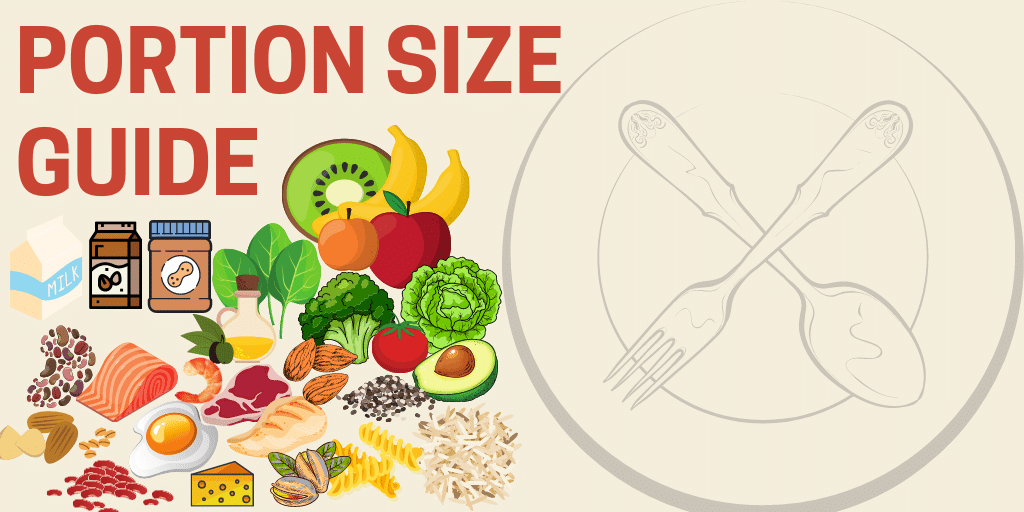
Strengths and Challenges of Each Eating Style
Both high and low volume eaters have unique advantages and struggles. Understanding these patterns can help you fine-tune your eating approach rather than fight against it. Awareness allows you to play to your strengths and manage potential blind spots with intention and balance.
| Aspect | High Volume Eaters | Low Volume Eaters |
|---|---|---|
| Strengths | Feel deeply satisfied from meals; enjoy diverse food textures and variety; easier to meet fiber and hydration goals through fruits, vegetables, and soups. | Naturally moderate intake; lower risk of overeating; simpler, time-efficient meal routines; comfortable with minimal cooking or planning. |
| Challenges | May unconsciously overconsume calories; struggle with portion control; risk of emotional eating or eating out of boredom; larger portions may strain digestion when stressed. | May miss key nutrients due to smaller intake; risk of low fiber or protein; can experience quick fatigue, low energy, or weak digestion if portions are too light or unbalanced. |
| Mindset Traits | See food as comfort, celebration, and creative expression; associate fullness with satisfaction and emotional ease. | See food as function, efficiency, and fuel; prioritize lightness, mental clarity, and freedom from food preoccupation. |
| Core Goal | Learn to achieve volume without calorie overload—by prioritizing low-calorie, high-fiber foods, hydration, and mindful pacing. | Focus on nutrition density in small space—by choosing foods rich in protein, healthy fats, and micronutrients to maximize nourishment in fewer bites. |
Balanced Perspective
Both eating styles can thrive with mindfulness.
High volume eaters flourish when they embrace nutrient-dense bulk—think salads, soups, fruits, and grains that offer fullness without excess calories.
Low volume eaters perform best when they make every bite count—nut butters, seeds, eggs, legumes, and smoothies can pack nourishment efficiently.
Ultimately, the healthiest approach isn’t about eating less or more—it’s about eating in a way that supports your unique physiology, energy patterns, and emotional rhythm.
Strategies for High Volume Eaters (“Bulk Eaters”)
Guiding Principle: Fill without overfilling.
For high volume eaters, satisfaction comes from feeling pleasantly full — not just nutritionally satisfied. The key is to build bulk with balance: maximizing food volume, texture, and flavor while minimizing unnecessary calories and digestive strain.
1. Add Water-Based Volume
Water-rich foods stretch meals without stretching calories. Soups, stews, broths, and juicy fruits (like watermelon, oranges, or cucumbers) can create fullness that lasts longer.
Begin meals with a light vegetable or lentil soup.
Use broth-based gravies instead of cream-based sauces.
Choose hydrating sides like salads or stewed veggies alongside main courses.
2. Cut Carbs with Leaves
You don’t need to give up comfort carbs — just balance them creatively.
Mix rice or noodles with sautéed spinach, sprouts, or grated vegetables.
Use cauliflower rice or shredded cabbage to bulk up stir-fries.
Layer leafy greens between carb-heavy bites to slow eating pace and improve digestion.
3. Cut Meats with Veggies or Sauces
Extend your protein portions without adding excess calories or cost.
Create one-pot dishes—like stews or curries—where meats mingle with fiber-rich vegetables.
Add tomato, yogurt, or coconut-based sauces to stretch portions and improve flavor balance.
Prioritize mixed platters or thalis instead of isolated large portions.
4. Soups Before Meals
Having a bowl of clear or semi-thick soup before the main course curbs overeating.
It hydrates, warms the stomach, and signals satiety earlier.
Try vegetable clear soups, rasam, or miso broth before lunch or dinner.
5. Slow-Eating Rituals
The slower you eat, the more time your body has to register fullness.
Use smaller bowls and utensils to moderate pace.
Practice mindful chewing—notice textures, flavors, and aromas.
Include crunchy vegetables or lightly toasted grains to enhance tactile satisfaction.
6. Meal Prepping & Grocery Tips
Consistency supports mindful eating. Stock your kitchen for success:
Keep frozen or pre-cut vegetables for quick meal expansion.
Build “big bowls”—base of grains, middle of protein, top with colorful vegetables and sauces.
Choose air-popped popcorn, roasted chickpeas, or baked veggies for snack cravings.
Hydrate through herbal teas, infused waters, and light broths throughout the day.
Takeaway Thought
High volume eaters thrive when they feed their senses as much as their stomachs. With thoughtful preparation and balance, you can enjoy your love for generous plates—without compromising your energy, digestion, or calorie goals.
Strategies for Low Volume Eaters (“Minimal Eaters”)
Guiding Principle: Concentrate your nutrition.
For minimal eaters, satisfaction comes from quality, not quantity. Since you naturally feel full sooner or prefer smaller, lighter meals, your priority should be to pack maximum nourishment into limited bites. Focus on density—each spoonful or sip should deliver protein, fiber, vitamins, and healthy fats that sustain you through the day.
1. Choose Compact, High-Nutrient Foods
Select foods that deliver power without volume.
Protein-rich options: eggs, paneer, tofu, Greek yogurt, lentil spreads.
Healthy fats: nut butters, avocado, seeds, or olive oil dressings.
Snack-friendly items: roasted makhana, trail mix, cheese cubes, or hummus with veggie sticks.
These foods provide steady energy, preserve muscle, and prevent nutrient gaps from small portions.
2. Opt for Dehydrated or Condensed Forms
Dehydrated or compact foods provide more nutrients per bite.
Dried fruits, granola clusters, and nut bars are great portable options.
Protein powders or nutrient mixes can enrich oatmeal, milk, or smoothies.
Nut flours (like almond or flaxseed meal) add nutrition without adding bulk.
3. Focus on Micro-Dense Beverages
Liquids are your allies when solid food feels too heavy.
Make smoothies with milk, fruits, flaxseed, and oats for balanced calories.
Prepare soups, dals, or lassi enriched with healthy fats like ghee or coconut.
Drink nut milk blends or vegetable juices as meal companions, not replacements.
4. Fortify Small Meals
Turn light meals into powerhouses by layering nutrients:
Add ghee, nutritional yeast, or ground seeds to regular dishes.
Mix chopped nuts or flaxseed powder into yogurt, porridge, or rotis.
Sprinkle herbs, spices, and lemon juice for added micronutrients and better absorption.
5. Try the “3-Part Plate Formula”
Keep meals structured, even when small:
Protein: egg, lentils, tofu, or dairy.
Colorful produce: small servings of cooked vegetables or fruit.
Energy-dense add-on: ghee, avocado, or nut butter drizzle.
This ensures every meal—no matter how modest—remains balanced and sustaining.
6. Meal Prepping & Grocery Tips
Make your limited appetite work in your favor through smart planning:
Buy smaller quantities to avoid spoilage, or choose frozen produce for longevity.
Pre-portion snacks into compact boxes or jars to avoid skipping meals.
Rotate ingredients weekly—for example, change your grain, lentil, or fruit base—to maintain micronutrient diversity.
Keep compact nutrition boosters on hand: chia seeds, multigrain flour, moringa or greens powder, and nutritional yeast.
Takeaway Thought
Low volume eaters thrive when every bite counts. You don’t need to eat more—just eat smarter. By focusing on nutrient density, creative fortification, and efficient meal design, you can feel energized, nourished, and strong while staying true to your naturally light eating rhythm.
Choosing the Right Meal Pattern
Not all bodies thrive on the same eating schedule. The way you space your meals can make or break your energy, digestion, and satisfaction levels. Your ideal pattern should complement your natural appetite rhythm—how your hunger builds, how long you stay full, and how your body responds to meal sizes.
| Approach | Best For | Why It Works |
|---|---|---|
| OMAD (One Meal A Day) or 2 Larger Meals | High Volume Eaters | Aligns with their natural desire for fullness and long digestion cycles. Allows them to enjoy generous, complete meals without constant snacking or grazing. Works best when meals are balanced with fiber, protein, and hydration. |
| 3–4 Snack-Style Meals | Low Volume Eaters | Prevents bloating and supports steady energy. Small, frequent meals help manage appetite, stabilize blood sugar, and make it easier to meet nutrient goals without feeling overstuffed. |
| Hybrid or Transitional Approach | Unsure or Changing Eaters | A gentle middle ground: start with 2 moderate meals and 1 nourishing snack, then adjust based on energy levels, hunger cues, and digestion comfort. Useful during lifestyle transitions, travel, or hormonal changes. |
Circadian Tip: Timing Matters
High Volume Eaters: Tend to benefit from heavier meals earlier in the day—breakfast or lunch as the main event—to allow sufficient digestion time and avoid nighttime heaviness.
Low Volume Eaters: Often do better with lighter mornings and gradually larger portions toward midday or early evening, aligning with their gentler digestive rhythm.
Reflection Check-In
Ask yourself:
Do I feel sluggish or sharp after eating large meals?
Does snacking sustain me or distract me?
When in the day am I naturally hungriest or most focused?
By syncing your meal pattern with your body’s appetite rhythm, you transform eating from a routine act into a rhythm of self-understanding—fueling your body when it’s most ready to receive nourishment.

Real-World Challenges and Solutions
Even the most mindful eater faces practical hurdles—budget limits, emotional habits, or time constraints. The goal isn’t perfection but adaptability: learning how to make your natural eating style work in real life, not just in theory. Below are some common struggles and solutions tailored for both high and low volume eaters.
For High Volume Eaters (“Bulk Eaters”)
1. Craving Junk or Calorie-Dense Foods
You may be drawn to fried, creamy, or starchy foods because they feel filling.
Solution: Replace half your portion with vegetables, soup bases, or water-rich sides. For example, turn a plate of noodles into a balanced stir-fry or swap creamy gravies for tomato or broth-based sauces.
2. Food Insecurity or the “Clean-Plate Habit”
A history of scarcity can make it hard to leave food behind.
Solution: Portion meals intentionally and store leftovers before you begin eating. Remind yourself: saving for later is also a form of respect for food.
3. Love for Simple Carbs
Rice, pasta, and bread lovers often find comfort in carbs.
Solution: Combine them with protein and fiber—e.g., rice + dal + veggies or pasta + beans + greens—to stabilize blood sugar and reduce cravings.
4. Eating Well on a Budget
Large portions can be expensive to maintain.
Solution: Buy versatile, inexpensive staples in bulk—oats, lentils, chickpeas, seasonal produce, and frozen vegetables. Flavor creatively with herbs and spices instead of expensive condiments.
5. Social or Family Meals
Group meals can lead to overeating due to social pressure.
Solution: Serve yourself first and fill half your plate with low-calorie, high-fiber foods (soups, salads, steamed veggies). Eat slowly so your body catches up to your appetite.
For Low Volume Eaters (“Minimal Eaters”)
1. Produce Spoiling Before Use
You buy fruits or vegetables that go bad quickly due to small intake.
Solution: Buy smaller packs, choose long-lasting items (carrots, apples, gourds), or rely on frozen and dried versions to reduce waste and expense.
2. Low Stool Bulk or Irregular Digestion
Minimal eaters may lack fiber and water.
Solution: Add chia seeds, flaxseed powder, or fiber-rich soups daily. Hydrate consistently, even when not hungry.
3. Persistent Low Energy or Weakness
Skipping meals or tiny portions may undercut energy.
Solution: Prioritize calorie-dense smoothies, nut mixes, or fortified porridges. Blend milk, oats, and nut butter for a quick, nutrient-rich boost.
4. Feeling Overstuffed After Eating
Pushing volume can cause bloating or indigestion.
Solution: Eat smaller, more frequent meals instead of forcing fullness. Try mini thalis or sampler plates to increase variety without discomfort.
5. Lack of Variety
Eating too little can limit nutrient exposure.
Solution: Use sampler-style eating—small portions of diverse items like chutneys, lentils, or colorful sides—to keep meals interesting and nutritionally broad.
Takeaway Insight
Both types of eaters can fall into traps—bulk eaters often overfill, while minimal eaters often underfuel. Awareness, not willpower, is the solution. By making simple, realistic swaps and planning for your tendencies, you turn everyday eating into a sustainable, empowering practice that truly supports your body’s needs.

Emotional and Stress Responses
Stress doesn’t just affect your mind — it changes how your body seeks comfort and processes food. Understanding your emotional response to stress can prevent cycles of overeating or undernourishment. By learning to differentiate emotional hunger from physical hunger, you can respond to your body’s needs with compassion rather than guilt.
Under Stress: Two Distinct Patterns
1. High Volume Eaters → “Soothing Through Fullness”
When tension rises, bulk eaters often seek comfort in food quantity, not necessarily taste. The sensation of a full stomach offers temporary calm or control.
Supportive Strategies:
Choose soups, herbal teas, or warm broths to satisfy the need for comfort without calorie overload.
Practice journaling or deep breathing before reaching for second servings—sometimes the craving is emotional, not physical.
Keep light but satisfying snacks (like fruit with yogurt or puffed grains) ready for emotional moments.
2. Low Volume Eaters → “Losing Appetite Under Pressure”
Stress can suppress appetite, leading to skipped meals and nutrient depletion. Over time, this weakens the body’s resilience and mental clarity.
Supportive Strategies:
Use reminders or meal alarms to avoid long gaps without food.
Keep easy-to-digest options like smoothies, soups, or protein shakes on hand.
Start small — even a few bites of something nourishing (nuts, dates, yogurt) can reset your system.
Awareness Practice: Emotional vs. Physical Hunger
Ask yourself before eating (or skipping a meal):
Am I truly hungry, or just seeking comfort, distraction, or relief?
Will this food energize me, or is it a temporary escape?
How do I feel after eating — grounded, bloated, or still restless?
When you can answer these questions with honesty, you begin to eat from a place of clarity rather than compulsion — a quiet act of emotional intelligence that supports both nourishment and peace.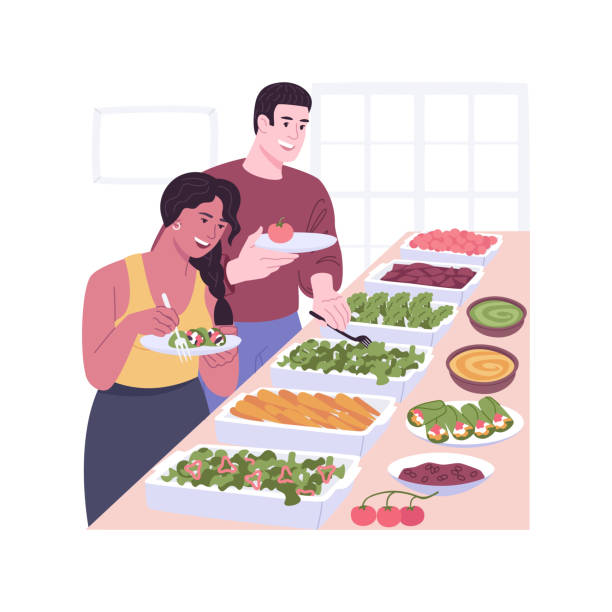
Family & Social Eating Dynamics
Eating is rarely a solo experience. When high and low volume eaters share a home, family, or social table, differences in appetite can create friction, waste, or stress. The goal is harmony: honoring everyone’s natural rhythms while keeping meals enjoyable and balanced.
Strategies for Households with Mixed Appetites
1. Cook Versatile Bases
Prepare neutral or adaptable dishes that can be customized:
Plain rice, milder curries, or simple sauces serve as flexible foundations.
Each person can adjust their plate by adding more or fewer vegetables, protein, or grains according to appetite.
2. Batch-Freezing Portions
Pre-portion and freeze components to simplify mealtime:
Soups, sauces, and cooked grains can be stored in individual or family-sized containers.
Allows high volume eaters to take bigger servings and minimal eaters to take smaller portions without creating extra work.
3. Respect Fullness Cues
Avoid policing how much others eat:
Let everyone serve themselves and listen to their body’s signals.
Reinforce that plate size or leftover food is not a moral judgment.
4. Shared Table Strategy
Serve the same main dish but allow adjustable portion sizes.
Include optional sides like salads, soups, or fruit bowls to balance intake for different appetites.
Encourage sampling rather than forcing uniformity.
5. Modeling Mindful Eating for Children
Kids notice eating patterns more than rules.
Demonstrate attentive chewing, noticing flavors, and stopping when satisfied, instead of matching adult portions.
Teach flexibility: some days bigger portions, some days smaller.
Fun Real-Life Anecdote
Imagine this: The big-bowl partner who finishes everyone’s fries vs. the snack-sipper who lives on bites. Both are normal. The solution isn’t arguing over plate sizes; it’s designing meals that accommodate both appetites. With respect, flexibility, and creative meal planning, differences in eating style can become a source of variety and shared enjoyment rather than conflict.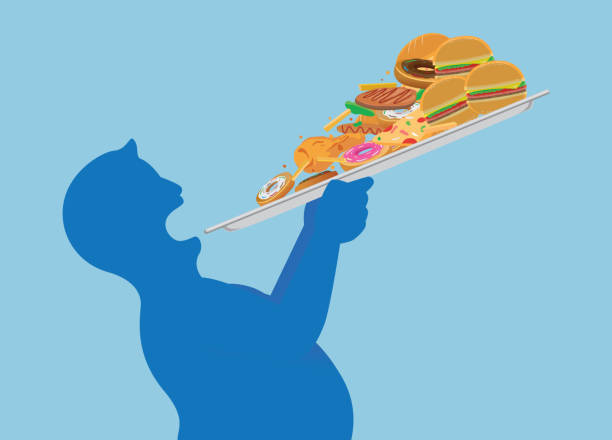
Weight Management & Overall Health
Eating style influences not just satisfaction but also overall health, energy balance, and body composition. Both high and low volume eaters can achieve wellness when they align their habits with their natural appetite patterns and lifestyle needs.
High Volume Eaters: Optimize Without Overdoing
Focus on low-calorie density foods: Vegetables, broth-based soups, and salads help create volume without excess calories.
Prioritize fiber and hydration: Fiber-rich foods and water-dense meals improve digestion and prolong satiety.
Incorporate steady movement: Walking, stretching, or light cardio supports metabolism, prevents post-meal lethargy, and aids digestion.
Tip: Enjoy large plates mindfully—fill half with low-calorie, high-fiber items, and savor slowly.
Low Volume Eaters: Maximize Nutrient Efficiency
Micronutrient sufficiency: Use nutrient-dense foods (nuts, seeds, legumes, colorful vegetables) to ensure vitamins and minerals are met in smaller portions.
Muscle maintenance: Include adequate protein daily—eggs, dairy, tofu, or legumes.
Stable energy: Space small meals or snacks across the day to prevent fatigue, dizziness, or mental fog.
Tip: Smoothies, fortified shakes, or mini thalis can deliver concentrated nutrition without requiring large portions.
Shared Strategies for Both
Movement harmonizes appetite: Gentle activity before or after meals improves digestion, appetite regulation, and overall metabolic function.
Mindful tracking: Instead of focusing solely on calories or plate size, notice how meals make you feel—energized, satisfied, or sluggish. Adjust portions, timing, and composition accordingly.
By pairing eating style with awareness, hydration, movement, and nutrient balance, both high and low volume eaters can maintain healthy weight, energy, and well-being without forcing themselves into unnatural patterns.

Conclusion: Making Peace with Your Eating Personality
Your eating style is not a flaw—it’s a reflection of your body, mind, and life rhythm. There is no “better” eater; there is only better self-awareness. Recognizing whether you are naturally a high or low volume eater allows you to make choices that feel intuitive, satisfying, and health-promoting.
Core Principles
Align meals with your natural rhythm: Honor the portions, textures, and timing your body prefers.
Focus on nourishment, not control: Shift attention from restriction or overcompensation to balanced, enjoyable intake.
Celebrate individuality: Your style is part of your uniqueness, not a limitation.
Empowerment Mantra
“Whether you love big bowls or tiny bites, food should make you feel alive, not restricted.”
Use this as a guiding thought during meals, grocery shopping, and social eating. When you accept your appetite style, eating becomes an act of self-care rather than a source of stress. It’s about harmony, energy, and enjoyment—no guilt required.
Support Meda Foundation: This article, like all others, has been made possible thanks to the support of our patrons. If you found this article informative or useful, please consider donating. Additionally, you can share your knowledge and experiences via the feedback form.
Resources for Further Research:
Nutrition and Eating Patterns:
High vs. Low Volume Eating:
Mindful Eating:
Nutrient-Dense Foods and Meal Planning:
Meal Timing and Circadian Nutrition:
Emotional Eating and Stress Management:
Family and Social Eating Dynamics:
High Volume vs. Low Volume Food Strategies:
Weight Management and Physical Activity:
Blogs, Podcasts, and Vlogs:
The Nutrition Diva Podcast: https://www.quickanddirtytips.com/nutrition-diva
Mindful Eating with Susan Albers: https://www.susanalbers.com/
YouTube: Pick Up Limes (Nutrition & Meal Prep Tips) – https://www.youtube.com/c/PickUpLimes



.jpg)

 However, as our society has evolved, so too have our lifestyles. The rigid adherence to set meal times may no longer align with the diverse needs and schedules of modern life. We find ourselves trapped in a cycle of eating based on the clock rather than listening to our body’s natural hunger cues. This disconnect has led to a myriad of issues, from mindless snacking to overeating and digestive discomfort.
 In our fast-paced world, hunger doesn’t always align with our schedules. Whether it’s a busy workday or a late-night study session, finding yourself hungry at inconvenient times is a common challenge. Picture a hectic day at the office where you barely have time for a proper lunch break. In such situations, it’s tempting to reach for quick, unhealthy snacks to satisfy your cravings.
 One common concern with intuitive eating is whether it provides adequate nutrition. Without strict meal plans or calorie counting, some worry that they may not be meeting their body’s nutritional needs. For example, someone transitioning to intuitive eating may wonder if they’re getting enough vitamins and minerals without meticulously tracking their intake.
 A common apprehension with intuitive eating is the fear of overeating or feeling unsatisfied. Without rigid portion guidelines, individuals may worry about losing control or not feeling full. However, intuitive eating encourages tuning into your body’s cues, including those related to portion sizes and satisfaction. Experimenting with portion sizes and adjusting based on your body’s feedback can help alleviate these concerns. For instance, you might start with a smaller portion size and pay attention to how your body responds, adjusting as needed based on feelings of hunger and satisfaction. It’s essential to remember that satisfaction extends beyond physical fullness; it encompasses pleasure and enjoyment in eating. By focusing on mindful eating and savoring each bite, you enhance your overall satisfaction with meals, regardless of quantity.
 Incorporating simpler, whole foods into your diet can enhance the intuitive eating experience. By minimizing processed foods and artificial additives, you allow your palate to appreciate the natural flavors of whole ingredients. Experimenting with herbs, spices, and natural seasonings can elevate the taste of your meals without relying on added sugars or excessive salt. Imagine enhancing the flavor of a simple roasted vegetable dish with a sprinkle of fresh herbs from your garden. Embracing a diet rich in whole foods not only nourishes your body but also strengthens your connection to food. By prioritizing nutrient-dense options and reducing reliance on flavor enhancers, you foster a deeper appreciation for the intrinsic flavors of real, unprocessed foods.
 Part of intuitive eating involves accepting the quantity of food your body needs at any given time. It’s about acknowledging that sometimes, only a few spoonfuls may be sufficient to satisfy your hunger. Trusting your body’s signals and avoiding the pressure to finish everything on your plate is crucial. For instance, you might find yourself reaching satiety after just a few bites of a rich, flavorful dish. Learning to honor your body’s cues for both hunger and fullness fosters a healthier relationship with food and promotes overall well-being.