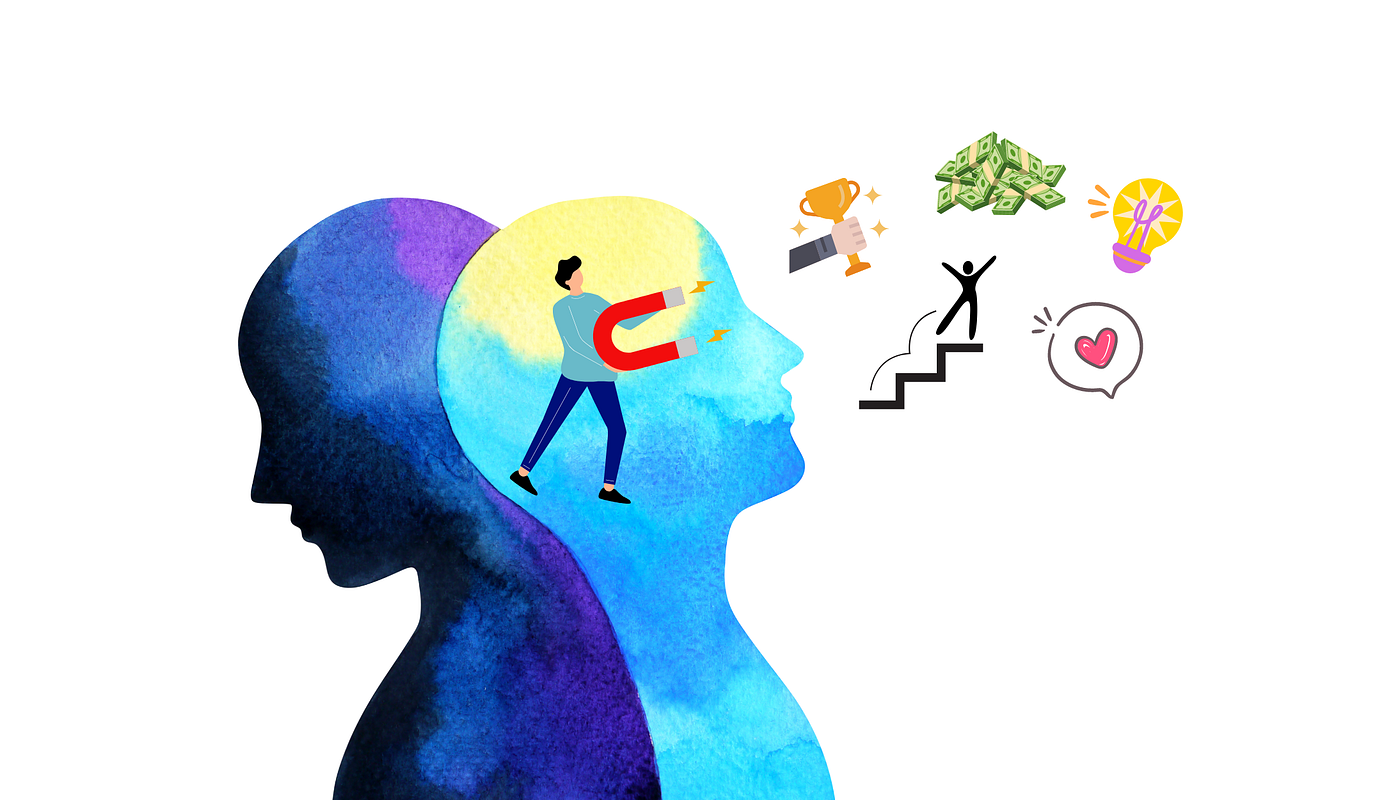

For the women who followed every rule and still feel hollow, and the young women just beginning to sense the disconnect between what they’re told and what they feel—this is for you. If you’ve ever felt soreness in your womb with no clear cause, or a silent ache that speaks in emotions, you’re not alone. You may be sensing something deeply true that the world has forgotten: your womb is trying to guide you. This reflection helps you listen, soften, and remember the wisdom already living inside you.

I. Introduction: The Unspoken Voice Within
Somewhere deep within the body, beneath layers of expectation, achievement, and identity, there lives a quiet voice—a pulse, a presence, a feeling. It is not always loud, but it is steady. Many women know it intuitively, though few have words for it. This is the “womb feeling.” Like gut instinct, it offers insight beyond logic. But unlike the gut, the womb speaks not in survival or urgency—it speaks in cycles, in emotional resonance, in a kind of feminine truth that is easily overlooked in a world built on linear thinking.
The womb, often reduced to a reproductive role or pathologized when things go wrong, is in fact a compass—an intelligent, living center of wellbeing, receptivity, and creative power. It holds more than potential for physical birth; it carries our capacity to feel, to intuit, to create, and to respond to life from a place of deep rootedness. It is sensitive not just to hormones, but to relationships, choices, environments, and internal alignment.
This message is especially important for two groups of women.
First, it is for those who seem to have it all: the degrees, the job, the relationship, the polished life. And yet, despite doing everything “right,” they feel an inexplicable emptiness. A sense of being misaligned, like the ladder was climbed only to find it leaning against the wrong wall. These women may notice a vague ache in their lower belly, or a tension they brush off as stress. They may find themselves asking, “Why doesn’t this feel fulfilling?” even though it’s everything they were taught to want.
Second, it is for the young and idealistic women—those just stepping into womanhood, absorbing ideas from media, peers, school, and family about what success and liberation mean. They may feel proud of the freedoms offered to them, yet strangely burdened by them too. There’s a growing sense of unease when they act out the scripts handed to them. A quiet feeling that something about all of this is off. This isn’t about rejecting progress or empowerment. It’s about learning to include the body’s truth—especially the truth spoken from the womb.
Many of these women—both seasoned and just beginning—are also dealing with unexplained pelvic pain, fatigue, or strain in their womb space. They’re told to get checkups, which sometimes yield nothing conclusive. Or they’re told to toughen up, work harder, “push through it.” What if, instead, the body is not malfunctioning, but messaging?
In the modern world, it’s easy to disconnect from the womb. We override its whispers with calendars, pills, productivity, and constant comparison. We mistake numbness for strength. But the womb does not forget. It stores what we refuse to feel. And it waits—patiently, silently—for us to remember.
This reflection is not here to diagnose or fix. It is here to remind you:
You are not broken. You are wise for noticing.
And the voice you hear—however faint or unfamiliar—is worth listening to.
II. Disclaimer: Lived Experience as Wisdom
Before we go deeper, it’s important to pause and clarify the ground we’re standing on.
The insights shared in this reflection are drawn from a rich mix of sources: personal stories, ancestral practices, oral traditions, and embodied experiences passed down through generations of women. These are not universal truths or medically endorsed prescriptions, but subjective knowings—those soft, persistent understandings that arise not from textbooks, but from lived lives and quiet moments of clarity.
In recent years, science has begun to explore what women across cultures have long intuited: that the body holds memory, that the nervous system speaks through sensation, and that our hormonal, emotional, and energetic landscapes are deeply interconnected. The emerging study of the gut-brain axis, neuroendocrinology, and even psychosomatic medicine affirms some of what our grandmothers knew instinctively.
Yet the “womb feeling”—the idea that the womb can serve as a site of emotional, intuitive, or energetic intelligence—is not widely recognized in mainstream science. It remains, at best, partially understood and, at worst, dismissed entirely. This is not because it is without value, but because it lies outside the dominant frameworks of knowledge. Western medicine excels at diagnosing disease, but struggles to validate experiential wisdom or emotional nuance. And so, we must turn inward.
This article does not offer a diagnostic path. It does not promise medical solutions or clinical certainty. Instead, it offers a felt exploration—an invitation to become curious about your inner world, to sit with questions rather than demand quick answers, and to honor what arises in your body as real, even if it is not yet fully understood by science.
You are the ultimate authority on your experience.
Your body is not a puzzle to be solved, but a language to be relearned.
What feels true for one woman may not for another—and that’s not a flaw, but a feature of feminine intelligence.
So as you read, take what resonates and leave what doesn’t. Reflect with your mind, but listen with your body. Let your womb—not just your intellect—be part of the conversation.

III. The Womb as a Compass, Not Just an Organ
In most medical literature and social discourse, the womb is understood narrowly—as a reproductive organ, defined by its capacity to menstruate, conceive, gestate, or be removed when troublesome. But to reduce the womb to mere biology is to overlook its emotional, intuitive, and energetic dimensions. For many women across cultures, the womb has always been more than flesh and function—it has been a compass.
The womb is not just a vessel for creating life; it is also a sensitive receiver—picking up on the environments we inhabit, the relationships we keep, the work we engage in, and the decisions we make. It responds not only to hormones and cycles but also to truth and resonance. When something is deeply aligned or misaligned in our lives, we often feel it first in the body—particularly in the womb space.
You might not notice it right away. It may whisper rather than shout. But over time, patterns form. When the womb is happy, when it feels safe and considered, it tends to communicate with warmth, a sense of softness or peace in the lower belly, a quiet hum of fullness, or a natural desire for closeness and creativity. You might feel more centered, more loving, more open—not because your life is perfect, but because your inner environment feels coherent.
But when the womb is disturbed—when something is off emotionally, energetically, or psychologically—it often speaks through discomfort. Women may experience:
A dull ache or soreness with no medical explanation
A sense of heaviness or emptiness in the pelvis
Subtle tightness, numbness, or emotional dissociation from the lower body
Irregular or painful cycles, lowered libido, or feelings of disconnection from femininity
Many brush these signs off as stress or routine physical strain. Others are told it’s “all in their head.” But what if it’s all in their womb—and the womb is simply trying to be heard?
The womb has a language that is not made of words.
It expresses itself through sensation, emotion, rhythm, and resistance.
It may not always be rational—but it is rarely wrong.
To recognize the womb as a compass is to begin relating to it with respect and curiosity. Rather than asking, “What’s wrong with me?” when discomfort arises, the more transformative question might be:
“What is my womb trying to tell me?”
In doing so, you begin a new kind of relationship—not one of control or expectation, but one of listening.

IV. Understanding the Womb-Mammary Axis and the Gut-Brain Axis
Over the past two decades, science has begun to catch up with what many have intuitively known: the body is not a collection of isolated systems—it is a web of intelligent interconnection. The gut-brain axis is now widely accepted in mainstream medicine as a communication highway between the digestive system and the central nervous system. The gut is often referred to as the “second brain,” with its own neural network and a significant influence over mood, emotion, and cognition.
This discovery has validated the legitimacy of gut feelings—those instinctive hunches or bodily reactions that seem to bypass rational thought. But if the gut can think and feel, it’s worth asking: what about the womb? And further—what about the relationship between the womb and the breasts, two of the most symbolically and hormonally significant centers of a woman’s body?
Enter the emerging theory of the womb-mammary axis—a feminine-specific, cyclical, and emotional counterpart to the gut-brain axis. While not yet widely recognized in biomedical terms, this concept is supported by a growing body of observations from somatic therapy, traditional medicine systems, and embodied women’s wisdom.
The womb and the breasts are intimately linked through the endocrine and nervous systems:
Both are directly influenced by hormonal rhythms (estrogen, progesterone, oxytocin, prolactin).
Both respond to emotional safety or threat (via the hypothalamic-pituitary-gonadal axis).
Both serve as nurturing organs—not only for others, through gestation and feeding, but for the woman herself, through the processing of emotions, the creation of internal rhythm, and the release of loving, bonding hormones.
These two centers—pelvic and chest—often mirror each other. When the womb contracts due to emotional tension, the breasts may feel sore or heavy. When the womb softens in love or intimacy, the chest opens, breath deepens, and warmth spreads across the heart. This is not merely poetic—it is biological and energetic.
Together, the womb and breasts form a feedback loop of emotional intelligence. They speak through the language of:
Hormonal changes
Sensory feedback
Physical sensations (tenderness, tightness, pleasure, flow)
Emotional cues (longing, grief, openness, fatigue)
When we ignore this axis, we often experience symptoms without clear medical origin: breast tenderness unrelated to cycle, womb pain without pathology, emotional burnout with physical depletion. When we listen, however, a different kind of intelligence emerges—one that is not linear, but cyclical; not logical, but wise.
The womb-mammary axis suggests that a woman’s feelings are not irrational—they are deeply embodied. Her body may be telling her something about the pace of her life, the nature of her relationships, or the emotional cost of her daily roles.
To explore this axis is to recognize that the body is a guide—and that the feminine design includes mechanisms for emotional regulation, intuition, and self-nourishment that are often dismissed in productivity-driven cultures.
This isn’t about rejecting science—it’s about expanding it.
It’s about asking not just, “What is the body doing?” but “What is the body saying?”

V. How the Womb Responds: Feedback, Signals, and Soft No’s
The womb does not speak in sentences. It speaks in sensations, rhythms, tightness, warmth, and stillness. It communicates through feelings that may not always make sense to the mind, but make perfect sense to the body. If we learn to recognize these cues, we begin to see that the womb offers real-time feedback—not just about physical health, but about emotional alignment, energetic boundaries, and the deeper truth behind our choices.
Some of these signals are subtle, like a quiet sense of discontent, a flutter of anxiety low in the belly, or a vague feeling of being out of sync. Others are loud, unmistakable: chronic pelvic pain, a cycle that grows erratic under emotional stress, or a sharp tug of resistance when a decision is made that goes against one’s inner values.
Common ways the womb communicates include:
Soreness or ache during or after a choice that doesn’t feel right
You may smile on the outside, nodding along with what’s expected—but your lower belly aches by nightfall.
Contraction or tightness in response to emotional suppression
In a heated argument, when you choose silence over expression, your womb may clench protectively.
Numbness or disconnection from the pelvic space after extended periods of overextension, stress, or ignoring emotional needs
You may feel “cut off” from your sensuality, from desire, from inner knowing—not because it’s gone, but because the connection has gone quiet.
In each of these scenarios, the body is not attacking you. It is not malfunctioning. It is signaling. It is sending information to help you realign.
And yet, most of us are taught to override these messages. We push through discomfort, medicate emotional symptoms, or dismiss womb sensations as irrelevant unless they involve reproduction or illness. We don’t pause to ask if the womb might be offering a soft no—a nudge, a boundary, a quiet redirection.
This is where the “Womb Check-In” comes in—a simple, powerful practice to rebuild communication:
✨ The Womb Check-In
Find a quiet moment. Sit or lie down in stillness.
Place one or both hands gently over your womb space—just below the navel.
Close your eyes. Breathe deeply. Let your breath drop down into your pelvis.
Ask silently: “Womb, what are you telling me?” or “What do you need today?”
Listen—not for a voice in your head, but for a feeling, image, emotion, or sensation.
Thank your body, regardless of what comes.
At first, it might feel awkward or empty. That’s okay. The womb, like any relationship, may need time to trust that you’re really listening.
What matters is the intention to include her. To make space for her wisdom. To honor the soft signals that modern life has taught us to ignore.
Because the womb rarely screams.
She whispers.
And those whispers often hold the truth we’ve been searching for elsewhere.
VI. What the Womb Needs: Simple, Not Easy
The womb is not high maintenance—but she is high sensitivity. She doesn’t require elaborate rituals, perfection, or constant attention. What she does require is consistency, presence, and respect. Her needs are simple, but not always easy to meet in a world that demands speed, performance, and self-neglect as a badge of strength.
To truly nourish the womb, we must reorient ourselves toward values that the modern world often overlooks—slowness, softness, safety, and cyclical living. Let’s explore the five core needs of a healthy, happy womb.
1. Safety and Comfort: Emotional, Physical, Energetic
The womb blooms when she feels safe—not just physically, but emotionally and energetically. She needs environments where:
You are not chronically on edge or in survival mode
Boundaries are honored, and emotional needs are not suppressed
You’re not exposed to hostility, chaos, or chronic overstimulation
This might mean making conscious choices about your relationships, the pace of your day, your home environment, or even the types of conversations you allow near your nervous system.
Ask yourself: Do I feel safe in my body? In my choices? In my home?
Comfort also includes the physical space you offer your womb—soft clothing, warmth (like hot water bottles or cozy blankets), and time to rest during menstrual phases or emotional exhaustion.
2. Consideration: The Opposite of Neglect
A deeply overlooked need of the womb is to be considered. That doesn’t mean obsessing over her—it means not forgetting her.
Do you make decisions that take her wellbeing into account?
Do you check in with her before committing to plans that feel draining?
Do you include her in how you schedule your cycle, your rest, your nourishment?
Neglect often looks like:
Skipping meals
Overriding tiredness
Ignoring sexual discomfort
Staying in emotionally dissonant situations
Reversing neglect starts with acknowledging her presence again. Even just placing a hand over your belly and whispering, “I see you,” is a powerful start.
3. Rhythm: Not Too Much, Not Too Little
The womb is cyclical by design. She thrives in rhythm—not in the endless linear push of modern life. She doesn’t respond well to:
Overexertion or relentless stimulation (work, exercise, emotional labor)
Under-stimulation or stagnancy (numbness, isolation, inactivity)
She asks for balance. Days of expression, and days of rest. Movement followed by stillness. Stimulation followed by integration.
This includes:
Sleeping enough
Eating in tune with hunger and hormonal shifts
Honoring the phases of your menstrual cycle with adapted pace and expectations
When we ignore this rhythm, the womb often tells us through irregular periods, fatigue, anxiety, or low libido.
Try this: Track your cycle and notice when you feel most energetic, most reflective, most sensitive, and most social. Let your life flex with those phases, where possible.
4. Love: Freely Given and Received
The womb opens in love. Not necessarily romantic love—but love in all its forms:
Connection with friends
Creative expression
Being in nature
Acts of service that don’t deplete you
Receiving care without guilt
She blooms when you give from your overflow—not from your emptiness. And she softens when you receive care without self-punishment.
Love is a womb tonic. Bitterness, shame, resentment, and isolation are womb toxins.
5. Gentle Stimulation: Touch, Movement, Intimacy (Not Performance-Driven)
The womb doesn’t respond to force or performance. She responds to genuine pleasure, gentle touch, and respectful intimacy.
This can include:
Self-massage of the lower belly
Sensual movement like pelvic dancing or slow yoga
Womb steams or warm compresses
Intimacy that honors your pace, preference, and presence
Importantly, stimulation should feel nourishing, not demanding. There’s a vast difference between seeking connection and performing to meet expectations.
In short, the womb doesn’t ask for perfection. She asks to be felt, heard, and honored.
You don’t have to change your entire life to meet her needs—but you do need to listen, and begin where you are. Because when the womb feels loved, the woman feels whole.

VII. Traditional Practices Misunderstood by Modern Lenses
In today’s cultural discourse, many traditional practices surrounding womanhood are often viewed through the lens of oppression, gender inequality, or patriarchal control—and rightly so in many historical contexts. But in our rush to liberate ourselves from past limitations, we may have thrown out certain practices that were not anti-woman, but deeply pro-womb.
Across the world, ancestral systems developed ways of protecting, nourishing, and honoring the womb, even if they weren’t articulated in scientific or feminist terms. These customs were rooted not just in social structure, but in a lived understanding of how deeply the womb affects a woman’s physical vitality, emotional balance, and inner clarity.
Let’s look at some of these with fresh eyes—not to glorify the past, but to explore what might be worth reinterpreting, adapting, or reviving in a modern way.
1. Staying at or Around the Home: A Buffer Against Overexposure
In many traditional societies, women spent much of their time at or near the home—not as a form of confinement, but as a protective measure. The home provided a controlled sensory environment—free from the hyperstimulation of traffic, unpredictable social encounters, harsh climates, or long work hours that disturb the womb’s sense of safety.
Today, this could translate not into isolation, but into the practice of:
Creating a safe home sanctuary
Honoring slower mornings or menstrual rest days
Choosing remote or flexible work that aligns with inner cycles
Setting boundaries on energy-draining interactions
This isn’t about abandoning ambition—it’s about supporting it with rhythmic restoration.
2. Creative Domestic Work: Nourishment Through Expression
Traditional feminine roles often included cooking, singing, storytelling, embroidery, healing, caregiving, and other creative acts. While these have been criticized as limiting or monotonous, they were also deeply therapeutic, womb-supportive activities.
These forms of expression:
Engage the hands in rhythmic movement
Encourage presence and creativity
Provide emotional release without mental overload
Promote a feeling of contribution and continuity
Modern versions of this might include:
Journaling, poetry, painting, gardening
Cooking as a sensual, calming act
Voluntary caregiving that feels soulful, not obligatory
These are not gendered by nature—they’re feminine in rhythm, not in limitation.
3. Specialized Home Education: Learning with the Body in Mind
Historically, girls were often taught at home or in women-centered spaces—not because they were seen as inferior, but because their needs, learning styles, and future responsibilities were different, and required unique forms of preparation.
This included:
Knowledge of herbs, birth care, and cycle awareness
Practical and artistic skills (textiles, food, rhythm, ritual)
Emotional intelligence and spiritual introspection
Understanding of relationships, energetic boundaries, and household rhythms
In today’s terms, this could inspire:
Reclaiming cycle-based education for girls
Teaching body literacy and intuitive decision-making
Encouraging feminine leadership that is emotionally intelligent, not just assertive
4. Slow and Supported Recovery Rituals
Many traditional cultures had clear protocols for postpartum care, menstruation rest, and emotional healing. These were not indulgences—they were recognized as necessary for long-term vitality.
Examples include:
40-day postpartum seclusion with specific food, massage, and warmth
Menstrual huts or rest zones that allowed time away from responsibility
Herbal baths, oils, and teas to ground and replenish energy
Female-only circles for storytelling, singing, and processing emotions
Modern women often skip recovery in the name of productivity, returning to work or social obligations before their wombs have fully reset. This can create chronic depletion.
What can be revived:
Menstrual rest days (even just one day of low expectation)
Warm meals and body oiling during menstruation or postpartum
Asking for help and receiving it without guilt
Ceremonies that mark transitions and affirm a woman’s worth
The Danger of Dismissal
When we view all traditional practices as oppression, we risk erasing wisdom designed for our protection. Not everything old is outdated. And not everything modern is liberating.
Many traditions were:
Rooted in somatic understanding
Informed by generational observation
Calibrated to the needs of the womb and heart, not just the brain
Of course, some practices were shaped by rigid gender roles and inequality. But others were functional, tender, and deeply intuitive. They deserve to be reexamined—not as mandates, but as invitations.
What Can We Reclaim or Reimagine Today?
Ask yourself:
What traditional practices did my ancestors use to care for women?
Which ones feel relevant, soothing, or adaptable to my life today?
What might I be missing by only listening to external authority and not to my inner rhythm?
Reclamation doesn’t mean regression. It means reclaiming choice, rhythm, and connection—on your terms.
Because tradition is not the enemy. Disembodiment is.

VIII. The Tension Between Womb Wisdom and Ambition
Many modern women find themselves standing at a quiet, painful crossroads—a place where what their womb desires and what the world demands seem to be in direct conflict. On paper, they’re doing everything right: building a career, staying fit, managing relationships, chasing goals. But beneath the surface, a question keeps echoing:
“Why does this feel so misaligned?”
“Why am I tired even when I’m winning?”
“What if what my womb wants isn’t what I’ve been told I should want?”
This internal conflict isn’t a flaw. It’s a sign of a deepening awareness—an invitation to examine the tension between cultural expectations and embodied truth. This is the place where womb wisdom meets ambition, and both deserve a seat at the table.
Let’s explore this tension through two feminine archetypes—not as rigid categories, but as reference points to help you locate your natural orientation and tendencies.
1. The Majority Woman
She is nourished by love, home, slowness, and emotional depth.
This woman thrives in environments where:
She feels emotionally connected and energetically safe
Her days are gently paced, with time for rest and creativity
Relationships, caregiving, and beauty matter deeply to her sense of self
She creates meaning through being, not only through doing
Her womb responds well to:
Rhythmic routines and steady commitments
A strong connection to her cycle and inner world
Creative domesticity and expressive nurturing
In the modern world, she may feel out of place, undervalued, or as though her priorities are too “soft” or “simple.” But her way is not less valid—it is deeply life-affirming and womb-honoring.
2. The Minority Woman
She is nourished by challenge, exploration, independence, and creative fire.
This woman feels most alive when:
She’s breaking boundaries or forging new paths
Her identity is shaped through expression, risk, or achievement
She creates meaning through action, growth, and exploration
She learns by doing, often outside traditional roles or expectations
Her womb responds to:
Purpose-driven momentum and creative projects
Emotional autonomy and expansive thinking
Alignment with higher visions, even if the path is unconventional
She may feel boxed in by traditional feminine ideals, and needs permission to express a different kind of femininity—one that’s wild, focused, visionary, and not necessarily maternal.
Most Women Live Between These Two Poles
You may not fully identify with either. That’s okay. Most of us carry aspects of both, and we shift throughout life depending on:
Age and hormonal cycles
Life transitions (like motherhood, illness, or career changes)
Past or ongoing trauma healing
Spiritual development and inner exploration
Rather than choosing one identity, the goal is to notice your natural rhythm right now and act accordingly.
Ask Yourself: “What Nourishes Me—and What Depletes Me?”
Instead of striving to be everything to everyone, take time to reflect:
Do I feel most alive when I’m still, or when I’m moving?
Does competition energize me—or exhaust me?
Do I crave quiet connection or powerful impact?
Am I energized after a day of tasks, or after a day of reflection?
Am I honoring my needs—or performing someone else’s idea of success?
You don’t need to abandon ambition to honor your womb—but you may need to redefine success in more personal, embodied terms.
Womb wisdom asks not, “What should I do?” but “What supports my full aliveness?”
That question might lead you to build a home. Or launch a business. Or pause and do absolutely nothing for a while. And all of it is valid—if it’s aligned with who you truly are.

IX. When We Ignore the Womb Too Long
There’s a quiet cost to chronic disconnection. When a woman spends years ignoring the voice of her womb—when she consistently prioritizes productivity, external validation, or mental logic over emotional truth—her body eventually responds. And while the signs may vary, they often fall into two broad and telling patterns: withdrawal and protest.
1. Withdrawal: The Quiet Disappearance of Self
In some women, the womb doesn’t fight—she fades.
The signs may appear slowly:
Emotional flatness or emotional disconnection
A growing apathy toward life, work, or intimacy
Loss of creative spark or sensual desire
Irregular, painful, or absent menstrual cycles
A feeling of being numb or muted in the pelvic space
Lack of motivation despite “doing everything right”
This kind of withdrawal is not laziness or depression in the clinical sense. It’s a deep disembodiment—a womb that no longer trusts she’ll be listened to. So she dims the signal. The body continues to function, but the vibrancy of the feminine fades.
2. Protest: The Womb Fights Back
In other women, the womb doesn’t go quiet—she roars.
This can look like:
Pelvic tension that won’t release
Chronic womb or lower back pain
Intense premenstrual rage or grief
Sudden emotional outbursts or overwhelming fatigue
A sense of identity confusion—feeling lost or deeply disoriented
Feeling like the body is in conflict with ambition, relationships, or roles
These aren’t signs of dysfunction. They are expressions of protest—your body trying to shake you awake from a lifestyle that violates its deeper needs. When ignored, the womb may store trauma, unprocessed emotions, or relational wounds, building internal pressure that eventually demands to be released.
The Modern World Favors the Mind Over the Body
We live in a culture that encourages mental override:
“Push through.”
“Be logical.”
“Don’t let feelings get in the way.”
“Tired? You’re just not disciplined enough.”
“Sad? Keep smiling.”
But when you consistently choose the mind over the body, you may win short-term rewards—promotions, applause, validation—but at the cost of inner ground. The body, especially the womb, stops feeling like home. You begin to live from the neck up, disconnected, overthinking, and under-feeling.
The Cost of Putting Other Parts of Yourself First
There’s a powerful and painful truth many women realize too late:
“When I put my ambition, appearance, or approval ahead of my womb’s truth, I didn’t just lose balance—I lost my center.”
The womb is not a competitor to the brain or the heart. She is the ground beneath both. She holds the instincts, the inner compass, the sense of “this is right for me” that no external source can provide. And when we neglect her for too long, we become ungrounded—no matter how successful or composed we appear.
But here’s the grace: The womb remembers.
And she can be called back.
Even after years of override, she will meet you when you return.
X. Ways to Reconnect and Rebuild Womb Trust
When you’ve spent years ignoring your womb—overriding her signals, pushing through her protests, or treating her as irrelevant—it’s natural for her to grow quiet, guarded, or even numb. But just like a trusted friend who’s been hurt, your womb can learn to trust you again. And that trust is rebuilt not with grand gestures, but with gentle, regular attention and small acts of embodied care.
The simplest rule of reconnection is this:
When anxious—give attention. When tired—give rest.
That alone can change everything.
Here are accessible and intuitive practices you can begin today to soften the disconnection, and open the channel between your mind and your womb.
1. Warmth Rituals: Create an Inner Sense of Safety
The womb loves warmth—it helps her soften, release, and feel safe. It signals to the body that it’s time to rest, repair, and reconnect.
Try:
Hot water bottles or castor oil packs on the lower abdomen
Herbal teas (like ginger, cinnamon, tulsi, or red raspberry leaf)
Warm baths with Epsom salts or rose petals
Layering up in soft, insulating clothing, especially during your cycle
Warmth is more than comfort—it’s energetic invitation. It tells your womb, “You are not forgotten.”
2. Soft Movement: Stirring the Still Waters
Movement awakens the body’s intelligence. Gentle, flowing motion helps increase circulation, release tension, and bring presence back to the womb space—without overwhelming it.
Try:
Pelvic circles (seated or standing) to bring awareness to your hips and belly
Freeform dance with music that makes you feel alive and feminine
Walking barefoot on natural earth to ground your energy and reconnect with your body
Hip-opening yoga or womb-centered somatic movement
This is not exercise. This is communion. Move for your womb—not for performance, not for appearance.
3. Cycle Syncing: Aligning with Your Hormonal Rhythms
Your womb doesn’t operate in a straight line—she works in seasons, and your energy shifts accordingly. Aligning your lifestyle with these phases helps you build womb trust by honoring her changing needs.
Basic rhythm (for menstruating women):
Menstrual phase (inner winter): rest, retreat, reflect
Follicular phase (inner spring): plan, start fresh, initiate
Ovulation (inner summer): socialize, express, engage
Luteal phase (inner autumn): complete, discern, slow down
Cycle syncing means adjusting your work, social life, exercise, and even diet based on where you are in your hormonal landscape. This isn’t indulgent—it’s intelligent alignment.
4. Intimate Visualization and Touch: Reclaiming Inner Presence
The womb responds to intentional attention. When you bring your focus to her with love—not criticism, fear, or pressure—you reopen the lines of communication.
Try:
Place your hands on your lower belly and breathe deeply
Close your eyes and visualize your womb—a glowing cave, a lotus, a chalice—whatever image resonates
Ask gently: “How are you feeling today?” or “What do you need from me?”
If it feels safe, massage the lower belly in circular motions with warm oil (like sesame or castor oil)
Include your womb in self-pleasure or intimacy, not just for orgasm, but for presence and feeling
This is not about perfection. You may feel silly, blocked, or numb at first. That’s okay. Your womb doesn’t need you to be enlightened—she just needs you to show up.
Consistency > Intensity
You don’t need to dedicate hours to these practices. Even 5 minutes of sincere attention each day can begin to rebuild trust.
Your womb will feel the shift.
The first sign of reconnection is often emotion—tears, warmth, or a deep exhale you didn’t know you were holding. Let that happen. That is her saying thank you.

XI. Special Considerations for Women with Complex Womb Stories
Not every woman’s journey with her womb is straightforward. For many, the relationship is layered with pain, grief, medical intervention, loss, or trauma. Some have never had the privilege of knowing their womb as a source of joy. Others have had to reimagine what womanhood means outside of the physical organ itself.
To you—the woman with a complex womb story—this section is written with reverence, care, and the deep acknowledgment that your story is sacred, even if it hasn’t fit neatly into the narratives you were given.
You Are Still Whole. You Still Have a Womb Space.
Whether you’ve experienced:
PCOS, fibroids, prolapse, or cysts
Chronic pelvic pain that medicine can’t fully explain
Miscarriage, abortion, or infertility
Surgical removal of the uterus or ovaries
Menopause, early or natural
Hormonal birth control that alters your cycle
Celibacy or disconnection from sexual energy due to trauma, choice, or confusion
Know this:
Your womb is not gone.
Even if the organ has been removed or silenced, the womb space lives on energetically. It resides in your root, your breath, your imagination, your ancestral memory, and your creative life force.
Womb connection is not just about menstruation, childbirth, or intercourse. It is about being in a relationship with your deepest feminine center—a center that can hold, feel, create, and know, no matter your physical history.
Alternative Approaches to Womb Reconnection
If physical practices feel inaccessible or triggering, there are gentle, symbolic, and spiritual pathways to reawaken womb connection on your terms:
🕯️ Symbolic Womb Rituals
You can hold ritual space to honor your womb story—whatever it has been. Light a candle, place your hands over your lower belly (or where your womb once was), and speak or write to her.
Affirm:
“You are remembered.”
“You are sacred, even in pain.”
“You are not forgotten.”
You can create altars with flowers, fabrics, stones, or images that represent the feminine to you.
🌺 Call on the Archetypes: Feminine Mother Figures
Many divine feminine figures across cultures hold the energy of the universal womb, not limited by biology:
Parvati, who birthed life without birthing children in the human sense, yet is called Mother of the Cosmos
Kuan Yin, goddess of compassion, who pours mercy like water from a sacred vessel
Mother Mary, who symbolizes unconditional love and inner strength
Gaia, the Earth itself, who continues to create and nurture all beings
You may visualize yourself held in the arms of these archetypes, receiving care, warmth, and unconditional acceptance.
🧒 Inner Child Healing
The womb space is also the place where the inner child lives—not just the physical memory of being born, but the emotional essence of what it means to feel safe, loved, and free to be.
You can:
Visualize cradling your younger self in your belly
Speak to her kindly, especially when shame or pain arises
Offer her the care she didn’t receive, and let her lead you back into softness
🌙 Creative Wombing
Even without children, your womb-space creates. You might express this through:
Art, writing, singing, or dancing
Mentoring or nurturing others
Spiritual practice, dreamwork, or sacred solitude
Building spaces or ideas that bring beauty and healing into the world
All of these are womb expressions. They do not require anatomy—they require intimacy with your creative self.
Gentleness is the Bridge
No matter your history, know this: There is no “wrong” relationship with your womb.
There is only the one you are in right now—and the invitation to gently evolve it.
You do not have to force healing.
You do not have to reclaim anything you’re not ready to.
But if even a small part of you is curious to reconnect, to listen again—you are welcome. The womb waits without judgment.
Not every woman’s relationship with her womb follows the same arc. For some, it’s layered with grief, uncertainty, medical complexity, or profound choice. This section is written gently, respectfully—for the women who carry quiet stories in their bodies. The ones who may have felt invisible in womb-centered conversations, or worse, excluded.
Whether you experience physical conditions, surgical absence, emotional distance, or simply live outside conventional narratives, you are still whole. You are still deeply connected to the womb-space, even if that space has been altered, silenced, or surgically removed.
Let’s speak to some of these nuanced realities.
If You Live with PCOS, Prolapse, Cysts, or Chronic Pelvic Pain
Your womb may not feel like a soft, mystical center. She may feel heavy, inflamed, unpredictable, or even hostile. These conditions can create cycles of shame, frustration, and disconnection.
But your body is not broken. These are signs of imbalance, not failure. It’s okay to feel anger, grief, or confusion. You can still reconnect—not by forcing healing, but by listening without judgment.
Gentle approaches:
Speak to your womb like a partner in pain
Practice warmth without pressure—warm compresses, slow breath, soft hands
Release the need to “fix” her; instead, ask: “What are you holding for me?”
If You Use Hormonal Birth Control
Whether by choice or necessity, hormonal birth control can alter your natural rhythms. Some women feel disoriented; others feel relief. Neither is wrong.
You can still maintain a relationship with your womb through:
Daily check-ins with your lower belly—even without a natural cycle
Creative rituals around the moon, if you miss having menstrual markers
Cultivating body trust through movement, breath, and warmth
Your womb is still listening, even when her cycle is quieted. Speak anyway.
If You’ve Experienced Miscarriage, Abortion, or Infertility
These experiences often carry layers of grief, guilt, trauma, and silence. Some women feel their wombs have betrayed them. Others feel like they’ve betrayed their wombs.
Please know:
Your worth is not defined by your fertility
Your womb is not angry with you—she may be mourning with you
You deserve spaces of ritual, remembrance, and self-compassion
Gentle ways to reconnect:
Create a symbolic altar to honor loss or longing
Write a letter to your womb—or from her
Invite the archetype of the Mother (not necessarily tied to children) to walk beside you
If You Are Childfree by Choice or Circumstance
You are not less feminine. You are not unfulfilled. You may still mother through:
Art
Mentorship
Healing work
Love given freely
Protecting the Earth
Guiding younger generations
As the goddess Parvati, who is revered in Indian traditions, reminds us: creation is not limited to physical birth. Parvati gave form to many divine children, some from her body, others from her power, will, and imagination.
Your womb’s truest role may not be reproductive—it may be creative, protective, and visionary.
If You Are Postmenopausal or Have Had a Hysterectomy
Even without a cycling womb, you carry the womb field—a subtle, energetic imprint of the creative center. Elders, especially, hold deep wisdom of integration and inner sovereignty.
Menopause isn’t a decline. It’s a deepening.
You can still:
Offer guidance to younger women from your lived experience
Maintain womb connection through visualization, warmth, and spiritual practices
Sit with your belly and breathe into your energetic center—the space is still alive
Create, lead, guide, and dream from a place of embodied feminine power
Your womb has become your whole body.
If You Are Celibate—by Choice, Circumstance, or Trauma
Celibacy does not mean disconnection—though it can feel that way. For some, it is a path of clarity and focus. For others, it may feel like an unwanted silence or protective barrier.
What matters is how you hold your experience, not how others define it.
You can reconnect through:
Inner child healing: returning to the innocence of your body
Visualization of feminine archetypes: loving, guiding mother-figures such as Durga, Kuan Yin, Mother Mary, or even your own ancestors
Touch without agenda: hands on belly, hips, heart—simply to say “I am here. I choose to be with you.”
You Are Still a Creator by Nature
Whether or not your womb births children, she births meaning, beauty, emotion, and wisdom. She helps you discern what is truly yours to hold and what is not. Your womb doesn’t need you to bear children.
She needs you to bear truth.
And the truth is:
You are whole
You are wise
You are sacred
Your womb-space—however it exists—deserves reverence
Reconnection starts with acceptance, deepens with listening, and blooms with embodiment.
XIII. Conclusion: Your Womb is Waiting
Your womb doesn’t rush you.
She doesn’t demand perfection, productivity, or a master plan.
She waits—not passively, but patiently, for your return.
To listen to your womb is not to regress or reject progress. It is to return to your most elemental intelligence—the kind that pulses with rhythm, intuition, boundaries, and belonging. The kind of wisdom that doesn’t always speak in words, but in warmth, stillness, and the quiet “yes” of alignment.
In a world that often tells women to look outward—toward experts, systems, opinions, and outcomes—this is an invitation to turn inward.
To soften.
To sense.
To trust.
You do not need to know everything about your body or your path right now. You don’t need to have all the answers to be worthy of listening.
You only need to be present enough to ask:
“Womb, what are you telling me today?”
And then allow silence.
And then allow response.
Not all messages will come clearly. But each moment of attention rebuilds trust, and that trust will begin to shape the way you live, choose, relate, and create.
You are not broken.
You are not too late.
You are not alone.
You are in relationship with a sacred intelligence that lives inside you. One that is waiting—not for a version of you that’s healed or polished or perfect, but for the you who is willing to listen.
Affirmation
“I don’t need to know everything right now. I only need to listen. And that is enough.”
❤️ Support Meda Foundation
This article—like all others—has been made possible through the encouragement and support of our readers and patrons.
If you found this piece nourishing, insightful, or useful, please consider donating to help us continue curating content rooted in deep care and embodied wisdom.
🌱 Share your reflections or lived experience with us via the feedback form. Your voice helps expand this collective conversation.
📚 Resources for Further Research & Exploration
Podcasts & Interviews
Her Sacred Womb – https://www.hersacredwomb.com/podcast
Womb Centered Healing Temple – https://wombcenteredhealing.com/podcast
The Goop Podcast: Periods, Hormones & the Female Body – https://goop.com/the-goop-podcast
Books & Articles
Wild Power by Alexandra Pope & Sjanie Hugo Wurlitzer
The Fifth Vital Sign by Lisa Hendrickson-Jack
The Red Tent by Anita Diamant
Women Who Run With the Wolves by Clarissa Pinkola Estés
Research & Reports
Gut-Brain Axis: https://www.ncbi.nlm.nih.gov/pmc/articles/PMC5641835/
The Enteric Nervous System and Emotional Processing: https://www.ncbi.nlm.nih.gov/pmc/articles/PMC4948073/
Womb Healing & Somatic Therapy (Emerging Field): https://www.frontiersin.org/articles/10.3389/fpsyg.2021.628650/full
Practitioners & Programs
Red School (Menstruality education): https://www.redschool.net
The Womb Space (Somatic & spiritual womb work): https://www.thewombspace.com
School of Shakti (Feminine embodiment & ancient yogic traditions): https://schoolofshakti.org
Videos & Documentaries
Period. End of Sentence (Netflix)
The Moon Inside You – https://www.youtube.com/watch?v=InDbpWB9qPk
TEDx Talk: The Power of Menstrual Wisdom – https://www.youtube.com/watch?v=4rVJ1wFZrAo
Blogs & Vlogs
The Womb Whisperer: https://wombwhisperer.com/blog
Holistic Habits (YouTube): https://www.youtube.com/user/holistichabits
Flow with the Moon: https://flowwiththemoon.com