Tag: #EducationReimagined

  • H. Narasimhaiah: The Man Who Made Doubt Respectable

    H. Narasimhaiah: The Man Who Made Doubt Respectable

    H. Narasimhaiah’s life and pedagogy stand as a powerful reminder that true education is not about producing obedient achievers but courageous thinkers capable of questioning authority, tradition, and even their own assumptions. By teaching disciplined skepticism—doubting textbooks, experts, and inherited beliefs without descending into cynicism—he transformed classrooms into spaces of intellectual emancipation and students into rational citizens. His legacy reveals that confidence in uncertainty, comfort with being wrong, and the ability to revise beliefs are the invisible skills that shape ethical leaders, resilient professionals, and responsible democracies. In an age of artificial intelligence, misinformation, and credential worship, his approach is no longer radical but essential, positioning critical thinking as cognitive self-defense and questioning as a civic duty rather than an act of rebellion.

    ಎಚ್. ನರಸಿಂಹಯ್ಯ ಅವರ ಜೀವನ ಮತ್ತು ಶಿಕ್ಷಣ ತತ್ವಗಳು ನಿಜವಾದ ಶಿಕ್ಷಣವು ವಿಧೇಯ ಸಾಧಕರನ್ನು ರೂಪಿಸುವುದಲ್ಲ, ಬದಲಾಗಿ ಅಧಿಕಾರ, ಸಂಪ್ರದಾಯಗಳು ಮತ್ತು ತಮ್ಮದೇ ಊಹೆಗಳನ್ನು ಸಹ ಪ್ರಶ್ನಿಸುವ ಧೈರ್ಯವಿರುವ ಚಿಂತಕರನ್ನು ಬೆಳೆಸುವುದೆಂಬುದನ್ನು ಶಕ್ತಿಯಾಗಿ ನೆನಪಿಸುತ್ತವೆ. ಪಠ್ಯಪುಸ್ತಕಗಳು, ತಜ್ಞರು ಮತ್ತು ಪರಂಪರೆಯಿಂದ ಬಂದ ನಂಬಿಕೆಗಳನ್ನು ಅಂಧವಾಗಿ ತಿರಸ್ಕರಿಸದೆ, ಆದರೆ ಕ್ರಮಬದ್ಧ ಸಂಶಯದ ಮೂಲಕ ಪರಿಶೀಲಿಸುವುದನ್ನು ಅವರು ಕಲಿಸಿದರು; ಇದರಿಂದ ತರಗತಿಗಳು ಬೌದ್ಧಿಕ ಮುಕ್ತಿಯ ಕೇಂದ್ರಗಳಾಗಿ ಮತ್ತು ವಿದ್ಯಾರ್ಥಿಗಳು ಯುಕ್ತಿಪೂರ್ಣ ನಾಗರಿಕರಾಗಿ ರೂಪುಗೊಂಡರು. ಅನಿಶ್ಚಿತತೆಯಲ್ಲಿಯೂ ಆತ್ಮವಿಶ್ವಾಸ, ತಪ್ಪಾಗಿರುವುದನ್ನು ಒಪ್ಪಿಕೊಳ್ಳುವ ಸಿದ್ಧತೆ ಮತ್ತು ನಂಬಿಕೆಗಳನ್ನು ಪುನರ್‌ಪರಿಶೀಲಿಸುವ ಸಾಮರ್ಥ್ಯವೇ ನೈತಿಕ ನಾಯಕರು, ಸ್ಥೈರ್ಯವಂತ ವೃತ್ತಿಪರರು ಮತ್ತು ಜವಾಬ್ದಾರಿಯುತ ಪ್ರಜಾಪ್ರಭುತ್ವವನ್ನು ರೂಪಿಸುವ ಅಡಗಿದ ಕೌಶಲ್ಯಗಳೆಂಬುದನ್ನು ಅವರ ಪರಂಪರೆ ತೋರಿಸುತ್ತದೆ. ಕೃತಕ ಬುದ್ಧಿಮತ್ತೆ, ತಪ್ಪುಮಾಹಿತಿ ಮತ್ತು ಪ್ರಮಾಣಪತ್ರಗಳ ಆರಾಧನೆಯ ಯುಗದಲ್ಲಿ, ಅವರ ದೃಷ್ಠಿಕೋನ ಕ್ರಾಂತಿಕಾರಿಯಲ್ಲ, ಅನಿವಾರ್ಯವಾದದ್ದು; ಇಲ್ಲಿ ವಿಮರ್ಶಾತ್ಮಕ ಚಿಂತನೆ ಬೌದ್ಧಿಕ ಸ್ವರಕ್ಷಣೆಯಾಗುತ್ತದೆ ಮತ್ತು ಪ್ರಶ್ನಿಸುವುದು ಬಂಡಾಯವಲ್ಲ, ನಾಗರಿಕ ಕರ್ತವ್ಯವಾಗುತ್ತದೆ.

    Why H. Narasimhaiah Still Matters Today

    Introduction: The Man Who Made Doubt Respectable

    1. Narasimhaiah matters because he trained minds to stand upright in the presence of authority, not bow before it. In an age of algorithmic thinking, blind credentialism, and outsourced reasoning, his legacy reminds us that education is not information transfer—it is courage training. If societies fail today, it is not due to lack of data, but due to a tragic shortage of disciplined doubt. Reviving his spirit is no longer optional; it is civilizationally urgent.

    Narasimhaiah did something profoundly counter-cultural: he restored dignity to doubt. At a time when questioning elders, textbooks, institutions, or traditions was often mistaken for arrogance or rebellion, he reframed skepticism as a moral and intellectual duty. Doubt, in his worldview, was not disrespect—it was responsibility. It was the price one paid for honesty in thought and integrity in action.

    He understood what many education systems still refuse to admit: authority is useful, but unquestioned authority is dangerous. When students are trained only to comply, memorize, and reproduce, they may pass examinations—but they fail life. They become efficient operators inside broken systems, not thoughtful reformers capable of repairing them. Narasimhaiah’s classrooms were not factories of conformity; they were laboratories of inquiry.

    Today, as artificial intelligence answers questions faster than humans can ask them, his relevance deepens rather than fades. Algorithms reward certainty, speed, and pattern-matching. But societies survive on something far subtler: the human capacity to pause, doubt, reflect, and re-evaluate. Narasimhaiah anticipated this crisis decades ago. He knew that when thinking is outsourced, judgment atrophies—and with it, democracy, science, and ethics.

    Why This Article Exists

    Because obedience still masquerades as education.
    Because silence is rewarded more than curiosity.
    Because questioning is often punished more harshly than ignorance.

    Across classrooms, boardrooms, and even social institutions, we see the same pathology: people trained to follow procedures without understanding principles; to quote authorities without examining assumptions; to respect tradition without interrogating relevance. This is not education—it is intellectual domestication.

    India—and the world—does not suffer from a shortage of degrees. It suffers from a shortage of epistemic rebels: individuals who can challenge ideas without attacking people, who can disagree without dehumanizing, and who can dismantle falsehoods without destroying social cohesion. Narasimhaiah stood firmly in this tradition. He did not teach students what to think; he taught them how to think without fear.

    This article, therefore, does not treat H. Narasimhaiah as a relic of the past or a nostalgic academic hero. It treats him as a living methodology—a blueprint for rebuilding education, leadership, and citizenship in an era drowning in information but starving for wisdom.

    Intended Audience

    This reflection is written for:

    • Educators, professors, teachers, and academic administrators who sense that something is deeply broken in how learning is structured and assessed
    • Parents disillusioned with rote-based schooling who want their children to become capable adults, not obedient performers
    • Students hungry for intellectual freedom, tired of being rewarded for repetition rather than reasoning
    • Social reformers, NGO leaders, and policy thinkers seeking sustainable, cognition-centered change
    • Anyone exhausted by being told what to think instead of how to think

    If you have ever felt that education should awaken something deeper than compliance—this conversation is for you.

    Purpose of the Article

    The purpose here is precise and uncompromising:
    to demonstrate how radical skepticism—when disciplined, ethical, and evidence-based—becomes the highest form of patriotism, science, and education.

    Using H. Narasimhaiah as both case study and catalyst, this article argues that questioning is not a threat to society; it is society’s immune system. When doubt is suppressed, superstition thrives. When inquiry is discouraged, power consolidates. When thinking is standardized, injustice becomes efficient.

    Narasimhaiah showed us another path—one where courage replaces conformity, inquiry replaces indoctrination, and education becomes an act of liberation rather than control.

    What follows is not admiration. It is application.

    Dr.H.Narasimhaiah National High school Hossur: Photos of Dr.H. Narasimhaiah

    The Rebel Educator Who Dared to Question

    1.1 Who Was H. Narasimhaiah?

    1. Narasimhaiah was not merely a scientist, an educator, or the Vice-Chancellor of Bangalore University. Those titles describe his résumé, not his significance. His true identity lay elsewhere: he was a system disruptor in an ecosystem addicted to obedience.

    Trained in science and steeped in rational inquiry, Narasimhaiah stood firmly against superstition, dogma, and what may be the most dangerous enemy of progress—intellectual laziness. He did not wage war against religion or tradition per se; he waged war against unexamined belief. To him, any idea—scientific, cultural, religious, or political—that could not withstand scrutiny had no rightful claim over the human mind.

    This made him deeply unsettling to dogmatists. Institutions that thrive on reverence without reasoning found him inconvenient, even threatening. Predictably, he was criticized, resisted, and occasionally vilified. Yet, among thinkers—students, scientists, reformers—he was revered. Not because he gave answers, but because he returned ownership of thinking to the individual.

    In a society where hierarchy often substitutes for evidence, Narasimhaiah represented an anomaly: a man in authority who actively undermined the authority of his own position.

    1.2 His Foundational Belief

    “If students do not question me, I have failed as a teacher.”

    This was not rhetoric. It was his operating system.

    Narasimhaiah rejected the idea of education as social conditioning—the quiet training of young minds to fit into pre-existing molds. Instead, he viewed education as intellectual emancipation: the deliberate freeing of the mind from fear, dependency, and borrowed certainty.

    In his framework:

    • Knowledge was provisional, not sacred. Every concept was a best-available explanation, not an eternal truth.
    • Textbooks were tools, not scriptures.
    • Teachers were facilitators of inquiry, not custodians of unquestionable wisdom.

    Most radically, authority itself was something to be tested, not trusted blindly. He taught students that respect does not require submission, and disagreement does not equal disrespect. One could honor a teacher while dismantling their argument. In fact, doing so was the highest form of respect.

    This belief strikes at the root of many educational failures. When students are discouraged from questioning teachers, they do not become humble—they become dependent. Narasimhaiah understood that a mind trained to question its teacher will one day be capable of questioning unjust laws, flawed policies, corrupt leaders, and even its own biases.

    That is not dangerous education. That is responsible citizenship training.

    1.3 Why He Was Dangerous (and Necessary)

    Narasimhaiah was dangerous precisely because he worked where control is most effective: the classroom.

    He disrupted hierarchical learning structures where the teacher speaks, students listen, and silence is mistaken for understanding. In his classrooms, hierarchy was replaced with dialogue, and certainty was replaced with inquiry. This unsettled both students conditioned to obedience and institutions dependent on predictability.

    He openly undermined blind reverence for textbooks. Not because books lack value, but because books age faster than curiosity. He insisted that students examine assumptions, question conclusions, and trace ideas back to evidence and logic. For systems built on rote memorization and standardized testing, this was heresy.

    Most dangerously of all, he replaced obedience with inquiry.

    An obedient student is easy to manage.
    A questioning student is hard to control—but impossible to enslave.

    Such individuals do not accept slogans as substitutes for truth. They do not confuse tradition with correctness. They are resistant to propaganda, allergic to superstition, and uncomfortable with convenient lies. From the perspective of rigid systems, that is a threat. From the perspective of a healthy society, it is non-negotiable.

    1. Narasimhaiah was necessary because every civilization periodically forgets that progress is born not from compliance, but from courageous questioning. He reminded us—quietly, persistently, and unapologetically—that education’s highest duty is not to produce workers, believers, or followers, but thinking human beings.

    And that, inevitably, makes one dangerous to the wrong kind of order.

    Dr.H.Narasimhaiah National High school Hossur: Photos of Dr.H. Narasimhaiah

    The Great Skepticism Challenge

    2.1 The Radical Instruction

    Doubt me. Doubt your books. Doubt Newton. Doubt Einstein.

    In one stroke, H. Narasimhaiah dismantled centuries of misplaced reverence. This instruction was not an act of provocation for its own sake, nor was it an invitation to intellectual anarchy. It was something far more disciplined and far more dangerous to complacency: methodological skepticism.

    Narasimhaiah was not teaching students to reject knowledge; he was teaching them to interrogate it. Doubt, in his classrooms, was not cynicism. It was a structured process—question the assumptions, examine the evidence, test the logic, and only then arrive at provisional conclusions. He understood that when students treat great scientists as infallible prophets rather than rigorous thinkers, they betray the very spirit of science those figures embodied.

    By asking students to doubt even Newton and Einstein, he was making a subtle but powerful point: science advances because its giants expect to be questioned. To accept their ideas blindly is not respect—it is intellectual laziness wearing the costume of reverence.

    This radical instruction forced students to confront an uncomfortable truth: certainty is seductive, but curiosity is productive.

    2.2 What Students Were Asked to Question

    Narasimhaiah’s skepticism was not abstract philosophy; it was applied daily, often uncomfortably.

    First, students were taught to see scientific “laws” for what they truly are: models of reality, not reality itself. Laws work within defined conditions. They explain, predict, and approximate—but they are always incomplete. When students grasped this, they stopped treating science as a belief system and started treating it as a living, evolving inquiry.

    Second, he challenged the sanctity of examination systems. Marks, ranks, and degrees, he argued, are indicators of performance under constrained conditions—not measures of intelligence, creativity, or wisdom. By questioning exams, he freed students from confusing external validation with internal capability. Learning became intrinsic again, not transactional.

    Third—and most controversially—he encouraged scrutiny of religious and cultural beliefs that lacked empirical grounding. This was not an attack on faith or tradition, but a defense of mental autonomy. Beliefs inherited without examination, he warned, often outlive their usefulness and quietly shape behavior, prejudice, and fear. If an idea influences how you live, it deserves the dignity of examination.

    In every domain, the message was consistent: no idea is above inquiry if it claims authority over the human mind.

    2.3 Pedagogical Impact

    The impact of this approach was transformative.

    Students no longer learned merely what was known; they learned how knowledge is constructed—through observation, hypothesis, experimentation, debate, revision, and sometimes, failure. They began to see knowledge as a process rather than a product.

    This marked a decisive shift from passive consumption to active interrogation. Classrooms became arenas of dialogue rather than sites of delivery. Students learned to ask better questions, trace assumptions, and identify gaps in reasoning. They stopped waiting for “correct answers” and started building defensible positions.

    Most importantly, this pedagogy cultivated intellectual courage. Questioning a textbook is one thing; questioning a teacher, a tradition, or a deeply held belief is another. Narasimhaiah trained students to tolerate discomfort, ambiguity, and uncertainty—conditions without which original thinking is impossible.

    Such courage does not remain confined to academics. It spills into careers, relationships, civic life, and ethical decision-making. A mind that has learned to question ideas can eventually learn to question itself—and that is the highest form of intelligence.

    2.4 The Unspoken Lesson

    Beneath all his instruction lay a quiet, uncompromising truth:

    True science progresses not by belief, but by organized disbelief.

    Every major scientific breakthrough began as a refusal to accept existing explanations as final. Every paradigm shift was born when someone asked an inconvenient question and persisted despite resistance. Narasimhaiah ensured his students internalized this lesson not as a slogan, but as a habit of mind.

    In doing so, he inoculated them against dogma—scientific, religious, political, or cultural. He reminded them that belief seeks comfort, but inquiry seeks truth. And societies that choose comfort over truth may survive for a while, but they do not evolve.

    The Great Skepticism Challenge was not about tearing knowledge down.
    It was about keeping knowledge honest.

    HN - Hosur Narasimhaiah (@h.narasimhaiah) • Facebook

    Beyond the Classroom: Real-World Inquiry

    3.1 Education as Social Responsibility

    For H. Narasimhaiah, education did not end with examinations, degrees, or classrooms. Knowledge that remains confined to academic discourse, he believed, is ethically incomplete. True education carries a social responsibility: it must equip individuals to engage with the world critically, courageously, and compassionately.

    The critical thinking he cultivated was deliberately portable. Students were encouraged to apply the same rigor they used in physics or science to everyday life—especially to domains where questioning was traditionally discouraged.

    They learned to confront superstition, not with mockery, but with inquiry. Why is this belief held? What evidence supports it? Who benefits from its continuation? In doing so, they discovered that many fears survive not because they are true, but because they are unexamined.

    They were trained to recognize pseudoscience—claims wrapped in scientific language but devoid of scientific method. In a society where jargon often substitutes for evidence, this skill proved invaluable. It allowed students to differentiate between genuine innovation and intellectual fraud, between healing and exploitation.

    Narasimhaiah also pushed students to decode political propaganda. Slogans, symbols, emotional appeals, and selective data were examined with the same skepticism applied to scientific hypotheses. He wanted students to see how narratives are engineered, how fear and pride are manipulated, and how unquestioned loyalty can become a tool of control.

    Even cultural taboos were not exempt. Practices justified solely by “this is how it has always been done” were subjected to rational evaluation. The question was never “Is this old?” but “Is this just, humane, and relevant today?”

    In this way, education became an act of social hygiene—cleaning the collective mind of ideas that no longer served human dignity.

    3.2 Students as Rational Citizens

    The outcome of this approach was not rebellion, but rational citizenship.

    Students learned to challenge rituals that lacked evidence or ethical grounding. They understood that rituals are meant to serve people, not enslave them. When rituals demand obedience without understanding, questioning becomes an act of self-respect.

    They were taught to question authority without arrogance. Narasimhaiah emphasized tone as much as thought. Inquiry did not require hostility. One could ask difficult questions calmly, firmly, and respectfully. This distinction mattered deeply to him, because arrogance hardens opposition, while clarity invites dialogue.

    Perhaps his most enduring lesson was the separation of respect from submission. Respect acknowledges experience and intent. Submission surrenders judgment. Narasimhaiah made it clear that a healthy society requires the former and must guard against the latter.

    Students trained in this manner did not become contrarians for sport. They became individuals capable of saying, “I may be wrong, but let us examine this together.” That posture—open yet firm—is the foundation of democratic discourse and scientific progress alike.

    3.3 Why This Was Revolutionary in India

    To appreciate the depth of Narasimhaiah’s impact, one must understand the context in which he worked.

    Indian society has long been conditioned to obey elders, often equating age with wisdom and authority with correctness. Tradition is frequently revered not because it is examined and chosen, but because it is inherited. Confrontation—especially intellectual confrontation—is commonly avoided in the name of harmony.

    Within such a framework, questioning can appear disrespectful, even immoral. Narasimhaiah quietly but decisively challenged this conditioning. He demonstrated that unquestioned tradition stagnates, while examined tradition evolves. He showed that harmony achieved through silence is fragile, and that genuine respect can coexist with disagreement.

    What he taught was not rebellion for rebellion’s sake. It was respectful dissent—the ability to stand one’s ground without burning bridges, to question without contempt, and to disagree without dehumanizing.

    This was revolutionary because it redefined citizenship itself. Instead of passive conformity, he envisioned a society of thinking participants. Instead of inherited beliefs, consciously chosen values. Instead of fear-driven obedience, reasoned engagement.

    In extending inquiry beyond the classroom, H. Narasimhaiah transformed education into a civic act. He reminded us that a nation’s strength does not lie in how well its people obey, but in how well they think, question, and care.
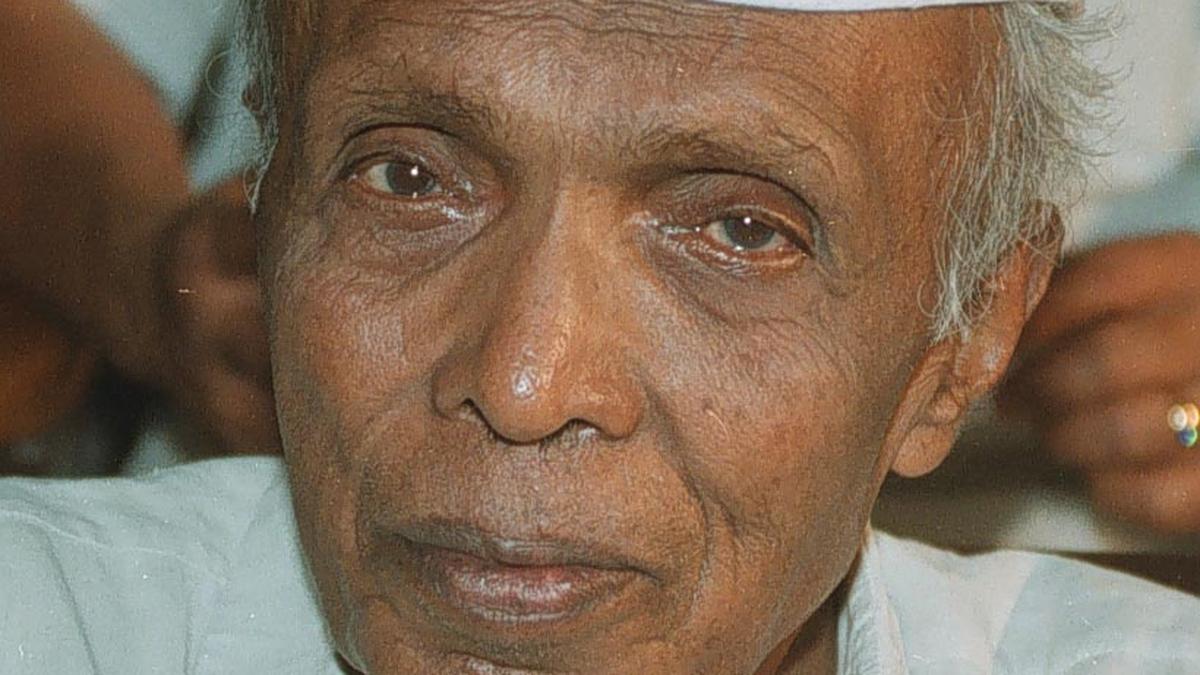
    Year-long celebration to belatedly mark HN's birth centenary and that of  his school - The Hindu

    The Lasting Legacy of Questioning Minds

    4.1 Career and Life Outcomes

    The true measure of H. Narasimhaiah’s legacy is not found in syllabi or institutional reforms, but in the lives his students went on to build. His alumni did not emerge as replicas of a single ideology or profession. They became scientists, engineers, policy thinkers, administrators, educators, and ethical leaders across domains. What united them was not their career choice, but their mode of thinking.

    As scientists and engineers, they were not mere implementers of known formulas. They were problem-framers—individuals who could identify flawed assumptions, challenge inherited models, and innovate under uncertainty. In policy and governance, they demonstrated an unusual resistance to populism and simplistic narratives. They understood that complex problems demand nuanced thinking, not slogans.

    As leaders, many displayed a rare ethical backbone. Accustomed to questioning authority early in life, they were less likely to misuse it later. Having learned to defend ideas rather than positions, they could admit error without collapse and course-correct without losing credibility. In environments that reward compliance, they stood out—sometimes inconveniently—as voices of reason.

    Narasimhaiah did not train students for specific jobs. He trained them for lifelong adaptability. In a world where professions change faster than curricula, this proved to be his most future-proof contribution.

    4.2 The Invisible Curriculum

    Beyond formal education, Narasimhaiah imparted what might be called an invisible curriculum—skills and dispositions rarely graded, yet essential for mature adulthood.

    First was confidence in uncertainty. His students learned that not knowing is not a weakness, but the starting point of honest inquiry. They became comfortable saying, “I don’t know yet,” without anxiety or pretense. This alone set them apart in cultures obsessed with appearing certain.

    Second was comfort with being wrong. Narasimhaiah normalized error as an inevitable companion of learning. Students who fear being wrong stop thinking. Students who can acknowledge error keep evolving. This capacity—to revise without humiliation—became a lifelong asset in both personal and professional domains.

    Third was the ability to revise beliefs. Many people accumulate ideas the way others accumulate possessions—rarely discarding, even when obsolete. Narasimhaiah trained minds to travel light. When new evidence emerged, beliefs were adjusted, not defended. Identity was not tied to opinions, which made growth possible without existential threat.

    These qualities rarely appear on transcripts, yet they define intellectual maturity. They are the difference between rigid expertise and living intelligence.

    4.3 Relevance in the AI & Misinformation Age

    In the age of artificial intelligence and ubiquitous misinformation, Narasimhaiah’s legacy becomes not just relevant, but urgent.

    When machines can generate answers instantly—often confidently and persuasively—the human advantage shifts decisively. The critical skill is no longer recall, but question formulation. Knowing what to ask, how to probe assumptions, and when to doubt outputs becomes a survival skill.

    Algorithms optimize for probability, not truth. They reflect patterns, not wisdom. Without trained skepticism, societies risk mistaking fluency for accuracy and confidence for correctness. Narasimhaiah anticipated this danger long before it had a technological face. He understood that tools grow powerful faster than judgment—and that untrained minds are easily overpowered by sophisticated outputs.

    In such a world, critical thinking is no longer an academic luxury reserved for elite institutions. It is cognitive self-defense. The ability to detect bias, identify manipulation, and pause before believing becomes as essential as literacy once was.

    1. Narasimhaiah’s enduring gift is this: he taught people how to remain human in the presence of overwhelming information. His questioning minds are not relics of a pre-digital past; they are prototypes for a viable future.

    A future where answers are abundant—but wisdom must be earned.

    Festival to honor Dr. H. Narasimhaiah in Bengaluru - The Hindu

    Your Turn to Question Everything

    5.1 Adopt the Narasimhaiah Mindset

    The most powerful tribute to H. Narasimhaiah is not admiration—it is imitation. His mindset was not reserved for scientists or academics; it was designed for everyday living. Adopting it begins with a subtle but transformative shift in how questions are framed.

    Replace “Is this correct?” with “How do we know this?”
    The first seeks approval. The second seeks understanding. One ends conversations; the other opens investigations.

    Replace “Who said it?” with “What is the evidence?”
    Authority can introduce an idea, but only evidence can sustain it. This shift dismantles the reflex to outsource judgment to experts, influencers, elders, or institutions—without descending into arrogance or denialism.

    This mindset trains you to respect expertise without surrendering agency. It keeps curiosity alive even in the presence of credentials. Most importantly, it turns learning into a lifelong discipline rather than a phase that ends with formal education.

    To think like Narasimhaiah is to accept one uncomfortable truth: clarity often begins where certainty ends.

    5.2 Actionable Practices

    Questioning is not an attitude; it is a practice. Like any discipline, it strengthens with use.

    Begin by questioning one belief per week. Choose something you take for granted—about success, gender roles, health, money, education, religion, or happiness. Ask: Where did this belief come from? What evidence supports it? What contradicts it? What happens if it is partially wrong?

    Make it a habit to read opposing viewpoints intentionally. Not to win arguments, but to understand frameworks different from your own. Growth does not come from agreement; it comes from friction handled with humility.

    If you are a parent or educator, teach children how to think, not what to repeat. Reward good questions as much as correct answers. Normalize “I don’t know—let’s find out.” Children trained this way grow into adults who are curious, resilient, and difficult to mislead.

    Critically, encourage neurodiverse questioning styles—a core focus of MEDA Foundation. Many autistic and neurodivergent individuals question patterns, inconsistencies, and assumptions others overlook. These are not disruptions; they are cognitive assets. Inclusive ecosystems that honor diverse ways of questioning are more innovative, humane, and future-ready.

    Questioning, when practiced consistently, becomes a quiet form of empowerment. It sharpens judgment, reduces manipulation, and restores dignity to independent thought.

    5.3 The Final Provocation

    If you were wrong about something important… would you want to know?

    This is not a rhetorical flourish. It is a diagnostic question.

    Those who answer “yes” are students of life—open, evolving, and capable of growth.
    Those who answer “no,” often unconsciously, may be well-informed but are no longer learning.

    That single question marks the boundary between a student and a thinker, between intellectual safety and intellectual courage.

    1. Narasimhaiah showed us that questioning is not a threat to truth—it is the only path to it. The responsibility now rests with us. Not to repeat his words, but to embody his discipline. Not to rebel noisily, but to think honestly.

    The future does not belong to those with the loudest answers.
    It belongs to those brave enough to ask the right questions—and stay with them long enough to learn.

    Closing Reflection H. Narasimhaiah did not produce rebels. He produced adults—intellectually, morally, and civically. The real tragedy is not that he was controversial. The tragedy is that his methods are still considered radical. ________________________________________ Participate. Question. Build Thinkers. MEDA Foundation works at the grassroots to cultivate exactly what Narasimhaiah stood for—independent thinking, neurodiverse inclusion, employability through cognition, and self-sustaining ecosystems. Your participation, mentorship, volunteering, and donations help build thinkers—not dependents. 👉 Support MEDA Foundation to help people help themselves. Book References: • The Demon-Haunted World – Carl Sagan • Pedagogy of the Oppressed – Paulo Freire • Surely You’re Joking, Mr. Feynman! – Richard Feynman • The Structure of Scientific Revolutions – Thomas Kuhn • Thinking, Fast and Slow – Daniel Kahneman

    Closing Reflection

    1. Narasimhaiah did not produce rebels.
      He produced adults—intellectually, morally, and civically.

    Adults who could hold complexity without panic.
    Adults who could disagree without dehumanizing.
    Adults who could respect tradition without becoming imprisoned by it.

    That distinction matters. Rebels react. Adults reason.

    The real tragedy is not that Narasimhaiah was controversial. Every meaningful educator eventually is. The deeper tragedy is that his methods are still considered radical—in a world collapsing under misinformation, credential worship, and intellectual passivity. What should be foundational is treated as subversive. What should be normal is labeled dangerous.

    A society that fears questioning does not remain stable; it merely postpones collapse. Narasimhaiah understood that civilizations are not undone by doubt—they are undone by unexamined certainty. His life stands as a quiet indictment of education systems that prioritize compliance over comprehension, harmony over honesty, and answers over understanding.

    The question before us is not whether we admire him.
    It is whether we are willing to continue his work.

    Participate. Question. Build Thinkers.

    MEDA Foundation works at the grassroots to cultivate exactly what H. Narasimhaiah stood for:

    • Independent thinking over inherited obedience
    • Neurodiverse inclusion, recognizing questioning as a strength, not a disruption
    • Employability through cognition, not rote credentialism
    • Self-sustaining ecosystems where people are empowered to think, adapt, and lead

    Your participation matters.
    Your mentorship matters.
    Your volunteering matters.
    Your donations matter.

    Because what MEDA builds are not dependents—but capable, questioning, self-reliant human beings.

    👉 Support MEDA Foundation to help people help themselves.
    Not by giving answers—but by nurturing minds strong enough to ask better questions.

    Book References

    • The Demon-Haunted World — Carl Sagan
    • Pedagogy of the Oppressed — Paulo Freire
    • Surely You’re Joking, Mr. Feynman! — Richard Feynman
    • The Structure of Scientific Revolutions — Thomas Kuhn
    • Thinking, Fast and Slow — Daniel Kahneman

    Final thought:
    Education that does not teach people to question power eventually teaches them to obey it.
    H. Narasimhaiah chose a harder path—and showed us why it is the only one worth walking.

  • Habit to Meaning, Live a Purposeful Life

    Habit to Meaning, Live a Purposeful Life

    Human beings are not constrained by fixed brains but shaped by repeated choices that train neural pathways toward either drift or purpose. When decision-making shifts from impulse to intention—through pausing, effortful alignment, and small, consistent actions—the brain reorganizes itself to support meaning, resilience, and calm confidence. Purpose emerges not from motivation or insight, but from coherence between values, actions, and identity, reinforced through environment design, reflection, and contribution beyond the self. Education, leadership, and social systems either amplify fragmentation or cultivate agency depending on how they structure attention, effort, and reward. In understanding the neuroscience of choice, responsibility replaces excuse, and disciplined practice becomes the most reliable path to a life of sustained meaning and dignity.

    ಮಾನವರು ಸ್ಥಿರವಾದ ಮೆದುಳಿನಿಂದ ನಿರ್ಬಂಧಿತರಾಗಿರುವುದಿಲ್ಲ; ಬದಲಾಗಿ ಅವರು ತಮ್ಮ ಪುನರಾವರ್ತಿತ ಆಯ್ಕೆಗಳ ಮೂಲಕ ನ್ಯೂರಲ್ ಮಾರ್ಗಗಳನ್ನು ತರಬೇತುಗೊಳಿಸಿ ದಿಕ್ಕಿಲ್ಲದ ಬದುಕಿನತ್ತ ಅಥವಾ ಉದ್ದೇಶಪೂರ್ಣ ಜೀವನದತ್ತ ರೂಪುಗೊಳ್ಳುತ್ತಾರೆ. ನಿರ್ಧಾರಮಾಡುವಿಕೆ ಆವೇಶದಿಂದ ಉದ್ದೇಶದತ್ತ ತಿರುಗಿದಾಗ—ವಿರಾಮ, ಮೌಲ್ಯಾಧಾರಿತ ಶ್ರಮ ಮತ್ತು ಸಣ್ಣ ಆದರೆ ನಿರಂತರ ಕ್ರಮಗಳ ಮೂಲಕ—ಮೆದುಳು ಅರ್ಥ, ಸ್ಥೈರ್ಯ ಮತ್ತು ಶಾಂತ ಆತ್ಮವಿಶ್ವಾಸವನ್ನು ಬೆಂಬಲಿಸುವಂತೆ ಪುನರ್‌ಸಂಘಟಿತವಾಗುತ್ತದೆ. ಪ್ರೇರಣೆ ಅಥವಾ ತಕ್ಷಣದ ಅರಿವಿನಿಂದಲ್ಲ, ಮೌಲ್ಯಗಳು, ಕ್ರಿಯೆಗಳು ಮತ್ತು ಗುರುತಿನ ನಡುವೆ ಉಂಟಾಗುವ ಸಮ್ಮಿಲನದಿಂದಲೇ ಉದ್ದೇಶ ಬೆಳೆದು ನಿಲ್ಲುತ್ತದೆ; ಇದಕ್ಕೆ ಸೂಕ್ತ ಪರಿಸರ ವಿನ್ಯಾಸ, ಆತ್ಮಪರಿಶೀಲನೆ ಮತ್ತು ಸ್ವಾರ್ಥಕ್ಕಿಂತ ಮೀರಿ ಸಮಾಜಕ್ಕೆ ಕೊಡುಗೆ ಅಗತ್ಯ. ಶಿಕ್ಷಣ, ನಾಯಕತ್ವ ಮತ್ತು ಸಾಮಾಜಿಕ ವ್ಯವಸ್ಥೆಗಳು ಗಮನ, ಶ್ರಮ ಮತ್ತು ಪ್ರತಿಫಲಗಳನ್ನು ಹೇಗೆ ರೂಪಿಸುತ್ತವೆ ಎಂಬುದರ ಮೇಲೆ ಅವು ಮಾನವ ಸಾಮರ್ಥ್ಯವನ್ನು ಚೂರುಚೂರಾಗಿಸುತ್ತವೆಯೋ ಅಥವಾ ಸ್ವಯಂಸಾಮರ್ಥ್ಯವನ್ನು ಬೆಳೆಸುತ್ತವೆಯೋ ನಿರ್ಧರಿಸಲಾಗುತ್ತದೆ. ಆಯ್ಕೆಯ ನ್ಯೂರೋಸೈನ್ಸ್‌ನ್ನು ಅರ್ಥಮಾಡಿಕೊಂಡಾಗ ನೆಪಗಳಿಗೆ ಜವಾಬ್ದಾರಿ ಬದಲಿ ಬರುತ್ತದೆ, ಮತ್ತು ಶಿಸ್ತುಬದ್ಧ ಅಭ್ಯಾಸವೇ ಅರ್ಥಪೂರ್ಣ ಹಾಗೂ ಗೌರವಯುತ ಜೀವನದ ಅತ್ಯಂತ ವಿಶ್ವಾಸಾರ್ಹ ಮಾರ್ಗವಾಗುತ್ತದೆ.

    The Uncomfortable Truth—and the Real Hope

    The Neuroscience of Choice: Rewiring Your Brain for Purpose

    You are not broken, lazy, or lacking willpower. You are neurologically consistent. And consistency—once understood—can be deliberately redesigned.

    You are not trapped by your brain. You are trained by it.
    And anything that is trained can be retrained.

    This distinction matters more than most people realize. Feeling “stuck” is not a moral failure, nor is it a mysterious personality flaw. It is the predictable outcome of a brain optimized for efficiency, repetition, and survival rather than meaning, wisdom, or long-term fulfillment. The modern tragedy is not that people lack purpose—but that they mistake neural habit for destiny.

    Purpose is not discovered in a single moment of clarity, a retreat, or a burst of motivation. It is constructed—slowly, often unglamorously—through repeated, value-aligned choices that physically reshape neural circuits. Calm confidence is not something you are born with or fake until you make; it is a neurological consequence of internal coherence, when what you believe, what you choose, and what you do stop fighting each other.

    Neuroscience has quietly overturned one of the most damaging myths of modern culture: that the adult brain is largely fixed. Research on neuroplasticity now shows, beyond reasonable doubt, that the brain remains malleable throughout life—structurally, chemically, and functionally. But this plasticity is not whimsical. The brain does not change because you want it to. It changes because you train it. Repeated attention, repeated decisions, repeated behaviors—especially under mild stress or effort—are what tell the brain what matters.

    This is where responsibility becomes uncomfortable.

    If your brain is shaped by what you repeatedly choose, then distraction is not harmless, avoidance is not neutral, and values that never translate into action are not values at all. Every conscious choice you make—what you tolerate, what you delay, what you pursue, what you numb—casts a vote for the brain you are reinforcing and the life that will follow from it. There is no pause button. The training is always happening.

    This article exists because too many conversations about purpose remain abstract, sentimental, or motivational—while real change is biological, behavioral, and disciplined. Equally, too many discussions of neuroscience strip human agency out of the picture, reducing people to chemistry and conditioning. Both extremes are incomplete. Biology matters. Choice matters. And the real leverage point lies in understanding how they interact.

    This article does not promise ease. Ease is what trained most people into dissatisfaction in the first place. What it promises is agency: a clear-eyed, science-grounded understanding of how intentional decision-making can rewire neural pathways toward meaning, sustained action, and a quiet, durable confidence that does not depend on constant validation.

    Intended Audience

    This article is written for thinkers, professionals, educators, caregivers, leaders, social entrepreneurs, and reflective individuals who sense that they are capable of more—but find themselves repeating patterns that contradict their values. It is for those tired of blaming circumstances or waiting for motivation, and ready to understand the deeper mechanics of change.

    Purpose of the Article

    The purpose is threefold:

    1. To dismantle the myth of a “fixed brain” without slipping into naïve optimism.
    2. To explain the real neuroscience of choice—how decisions are shaped, reinforced, and resisted at the neural level.
    3. To offer a grounded, actionable framework for rewiring the brain toward purpose, sustained effort, and calm confidence—without hype, mysticism, or motivational fluff.

    What follows is not self-help in disguise. It is an invitation to take your brain seriously—and to accept the quiet power and responsibility that comes with that knowledge.

    Purposeful Life Stock Illustrations – 264 Purposeful Life Stock  Illustrations, Vectors & Clipart - Dreamstime

    I. The Illusion of Fixed Pathways: Why Feeling Stuck Feels So Real

    Feeling stuck is not evidence that change is impossible. It is evidence that your brain is doing exactly what it evolved to do: conserve energy, repeat what is familiar, and protect you from uncertainty—even when familiarity quietly erodes meaning. The illusion of fixed pathways persists not because it is scientifically accurate, but because it is psychologically convenient.

    1. The Myth We Inherited

    For decades, we have absorbed a subtle but powerful narrative: “This is just how I am.”
    It appears harmless. In reality, it is one of the most paralyzing beliefs a human being can hold.

    This myth was inherited from several sources, each partially true—and collectively misleading.

    First, genetics. Popular discourse often treats genes as destiny, ignoring a foundational principle of modern biology: genes express themselves in response to environment, behavior, and repeated experience. You may inherit predispositions, not pre-written conclusions. Yet phrases like “it’s in my DNA” are routinely used to justify procrastination, emotional reactivity, poor boundaries, or lack of follow-through.

    Second, personality tests. While useful for self-reflection, many assessments have been culturally weaponized into identity cages. Labels like “introvert,” “Type A,” “creative,” or “not disciplined” subtly shift from descriptions of tendencies to excuses for stagnation. When a model meant to inform becomes a verdict, growth quietly stops.

    Third, early conditioning. Childhood experiences undeniably shape neural development—but too often, this truth is flattened into fatalism. The idea that “my past made me this way” becomes an unexamined endpoint instead of a starting point for conscious rewiring.

    Compounding all of this is the casual misuse of the word “hardwired” in pop psychology. The brain is not a fixed circuit board. It is a living, adaptive network. Yet deterministic language—repeated often enough—normalizes passivity. If people believe change is biologically unrealistic, effort begins to feel foolish. Responsibility feels unfair. And stagnation gains moral cover.

    This is the quiet danger of deterministic narratives: they don’t imprison you forcefully; they persuade you not to try.

    Key Insight:
    Your brain prefers efficiency, not truth, growth, or purpose. If a belief reduces cognitive effort—even if it limits your future—the brain is inclined to keep it.

    2. Neuroplasticity: What Science Actually Shows

    Modern neuroscience tells a far more demanding—and empowering—story.

    Neuroplasticity refers to the brain’s ability to reorganize itself by forming new neural connections throughout life. This includes:

    • Synaptogenesis: the creation of new synaptic connections
    • Myelination: strengthening of frequently used neural pathways for faster transmission
    • Pruning: weakening and elimination of unused circuits

    These processes do not stop after childhood. They continue as long as the brain is alive. What does change with age is the cost of rewiring.

    Research synthesized and popularized by Norman Doidge (The Brain That Changes Itself) shows that adult brains can recover lost functions after stroke, rewire sensory maps, acquire complex skills, and heal aspects of trauma. Musicians, athletes, meditators, and language learners all demonstrate measurable structural brain changes well into adulthood.

    However, plasticity in adults is experience-dependent and effort-dependent. The brain does not remodel itself for casual intentions or occasional enthusiasm. It responds to:

    • Repetition
    • Attention
    • Emotional salience
    • Mild, sustained challenge

    This is why adult plasticity is slower—but more durable. Changes earned through effort tend to stabilize identity rather than disrupt it. In children, the brain is plastic by default. In adults, plasticity must be invited—often through discomfort.

    This is where many people misunderstand neuroscience. They hear “the brain can change” and assume “change should be easy.” When it isn’t, they conclude the science was exaggerated. In reality, difficulty is not evidence of impossibility; it is evidence of plasticity in action.

    3. Habits as Silent Sculptors

    If beliefs create the illusion of being stuck, habits are what make it feel permanent.

    At the core of habit formation is a simple neurological principle known as Hebb’s Law:
    “Neurons that fire together wire together.”

    Every repeated thought, emotional response, and behavior strengthens the neural circuits associated with it. Over time, these circuits become faster, more efficient, and more automatic. This is how skills form—and how self-sabotage becomes effortless.

    The critical—and often ignored—truth is this:
    Your identity is being shaped daily by repetitions you did not consciously choose.

    Unconscious habits quietly train the brain:

    • Avoidance trains threat sensitivity
    • Distraction trains restlessness
    • Complaining trains helplessness
    • Numbing trains emotional disconnection

    None of this requires intention. The brain only cares about frequency.

    This is the hidden cost of default living. When choices are outsourced to impulse, environment, or mood, the brain still learns—but it learns randomness, short-term relief, and reactive patterns. Over time, these patterns feel like “who I am,” when in fact they are simply what has been practiced the most.

    The tragedy is not that people fail to transform themselves. It is that they underestimate how effectively they are already transforming themselves—just not in the direction they would consciously choose.

    Feeling stuck, then, is not a mystery.
    It is the sensation of living inside a brain that has been trained without supervision.

    The next question is not whether the brain can change—but whether you are willing to interrupt efficiency in service of purpose.

    Sprout Isolated Stock Illustrations – 78,728 Sprout Isolated Stock  Illustrations, Vectors & Clipart - Dreamstime

    II. The Architecture of Choice: Where Decisions Are Really Made

    Most decisions are not made where we think they are. They are not born in logic, values, or long-term vision—but in neural systems competing for energy, speed, and reward. Purposeful choice is not about becoming more virtuous; it is about understanding which parts of the brain are in control, and under what conditions they quietly abdicate power.

    1. The Prefrontal Cortex: The CEO of Meaning

    The prefrontal cortex (PFC) is the brain’s executive center—the region most associated with what we call being human. It governs planning, impulse inhibition, abstraction, moral reasoning, and the ability to hold long-term consequences in mind while acting in the present. When people speak about “acting with intention” or “choosing purpose over impulse,” they are describing a brain state in which the prefrontal cortex is online and resourced.

    However, the PFC is metabolically expensive. It consumes significant energy and is exquisitely sensitive to internal and external conditions. Stress, fatigue, hunger, emotional overload, and constant distraction all reduce its effectiveness. Under pressure, the brain defaults to older, faster systems designed for survival, not meaning.

    This explains a painful contradiction many people experience: knowing what matters, yet repeatedly choosing against it. The issue is rarely ignorance. It is neurological depletion. When the PFC is compromised, decision-making collapses into short-term coping rather than long-term coherence.

    The neurological price of constant reactivity is steep. Each time the brain responds reflexively—checking notifications, snapping in conversation, numbing discomfort—it reinforces circuits that bypass the PFC. Over time, reactivity becomes not just a habit, but a structural bias. Purpose requires pause, and pause requires a functioning executive system. A brain trained on urgency will struggle to choose meaning, no matter how noble the intention.

    2. The Dopamine Trap

    One of the most misunderstood chemicals in the brain is dopamine. Contrary to popular belief, dopamine is not the molecule of pleasure—it is the molecule of anticipation. As Daniel Z. Lieberman explains in The Molecule of More, dopamine drives wanting, seeking, and chasing. It pulls the brain toward what might reward us next, not what will satisfy us now.

    This system evolved to help humans explore, innovate, and survive in uncertain environments. In the modern world, it has been relentlessly exploited.

    Short-term rewards—likes, sugar, novelty, outrage, validation—create rapid dopamine spikes that train the brain to crave immediacy. Long-term purpose, by contrast, often offers delayed, subtle rewards: progress without applause, meaning without excitement, growth without spectacle. Dopamine-driven brains find such rewards underwhelming.

    This is how short-term incentives hijack long-term purpose. Each time the brain chooses quick relief over enduring alignment, it strengthens the expectation that discomfort should be avoided and gratification should be immediate. Over time, patience erodes, depth feels dull, and sustained effort feels unnatural.

    Social media, processed food, endless content, and performative outrage are not moral failures; they are dopamine delivery systems. The problem is not indulgence—it is saturation.

    Hard Truth:
    Most people do not lack discipline. They are overdosing on dopamine.

    A brain overstimulated by anticipation becomes restless, fragmented, and incapable of sustained focus. Purpose requires delayed gratification. Dopamine addiction trains the opposite reflex.

    3. Neural Pathways and “Choice Gravity”

    Every repeated choice strengthens a neural pathway. Over time, these pathways create what can be described as choice gravity—the invisible pull toward certain behaviors, thoughts, and emotional responses.

    The brain always seeks the path of least resistance. This is not laziness; it is energy conservation. Neural circuits that are well-myelinated fire faster and with less effort. New choices, by contrast, require more energy, more attention, and more uncertainty. As a result, the familiar—even when painful—often feels safer than the unknown.

    This explains a paradox many people find difficult to admit: familiar misery can feel more comfortable than unfamiliar meaning. Not because suffering is desirable, but because it is neurologically predictable. The brain knows what to expect, how to respond, and how much energy it will cost.

    Daniel Kahneman’s distinction between System 1 (fast, automatic, emotional) and System 2 (slow, deliberate, effortful) maps cleanly onto this dynamic. System 1 choices are cheap. System 2 choices are expensive. In a brain already taxed by stress and stimulation, expensive choices are the first to be abandoned.

    Purposeful living, then, is not about making heroic decisions once in a while. It is about gradually altering choice gravity—making value-aligned actions easier and misaligned actions harder. When the neural cost of purpose decreases through repetition, meaning stops feeling like a constant battle.

    Until then, the brain will continue to choose efficiency over depth, familiarity over growth, and immediacy over significance—unless deliberately trained otherwise.

    Life Purpose Stock Illustrations – 12,475 Life Purpose Stock Illustrations,  Vectors & Clipart - Dreamstime

    III. Intentional Decision-Making: How New Neural Paths Are Forged

    Lasting change does not begin with motivation or insight. It begins with interruption. New neural paths are forged not by dramatic declarations, but by repeated moments where automatic behavior is paused and a harder, more aligned choice is made. Purpose is trained into the brain the same way any skill is trained—through deliberate, often uncomfortable practice.

    1. The Pause That Changes the Brain

    Every automatic behavior—snapping in anger, scrolling mindlessly, avoiding a difficult task—unfolds along a well-worn neural route. To change the route, the brain must first be interrupted. This interruption is not philosophical; it is neurological.

    The moment you pause between stimulus and response, the prefrontal cortex re-enters the conversation. That pause creates what neuroscientists call top-down regulation—the ability of higher cortical regions to modulate impulsive, emotional, or habitual responses generated by older brain systems.

    Mindfulness, stripped of spiritual language, is simply neural braking. It slows down signal transmission long enough for choice to occur. Without this pause, intention is irrelevant. The brain cannot choose what it never has time to evaluate.

    Viktor Frankl’s famous observation—“Between stimulus and response there is a space”—is not metaphorical. That space is measurable in milliseconds and visible in neural activation patterns. It is the difference between being run by conditioned circuitry and engaging executive control.

    Importantly, this pause feels uncomfortable. Automaticity is efficient. Interruption costs energy. Many people misinterpret this discomfort as failure, when in fact it is evidence that a new circuit is attempting to come online. The pause is not the goal. It is the doorway.

    2. Choosing the Harder Right Over the Easier Wrong

    Neuroplasticity is effort-sensitive. The brain does not rewire itself for behaviors that require no attention or challenge. Effort is a biological signal that something new and important is happening.

    When you choose the harder right over the easier wrong—speaking truth instead of avoiding conflict, focusing instead of multitasking, resting intentionally instead of numbing—the brain experiences controlled stress. This stress triggers the production of growth-related neurochemicals that support synaptic change.

    Research on skill acquisition, synthesized by Anders Ericsson, shows that deliberate practice—practice that is focused, feedback-rich, and uncomfortable—is what drives myelin growth. Myelin insulates neural pathways, increasing speed and reliability. What you repeatedly struggle through with attention eventually becomes easier, not because of willpower, but because of biology.

    This reveals the neurological difference between wishful thinking and training. Wishing involves imagining a different outcome without altering behavior. Training involves repeated exposure to difficulty with intention. The brain only responds to the latter.

    Purpose, then, is not reinforced by inspiration but by chosen friction. Each time you tolerate short-term discomfort in service of long-term alignment, you cast a structural vote for the person you are becoming.

    3. Micro-Choices: The Atomic Unit of Purpose

    Most people attempt change at the wrong scale. They declare massive resolutions—new identities, radical transformations—while leaving daily neural systems untouched. The result is predictable: enthusiasm collapses, and old patterns reassert themselves.

    The brain does not change in leaps. It changes in increments.

    Micro-choices are the atomic units of purpose. Small enough to be repeatable, specific enough to be measurable, and meaningful enough to matter. When compounded, they quietly rearchitect neural pathways.

    Examples include:

    • Choosing one honest conversation instead of prolonged resentment
    • Committing to one focused hour without distraction rather than an unrealistic day of productivity
    • Saying one value-aligned “no” that protects time, energy, or integrity

    These choices may appear insignificant. Neurologically, they are not. Each repetition strengthens circuits associated with agency, coherence, and self-trust. Over time, the brain begins to expect alignment rather than conflict.

    James Clear captures this succinctly:
    You do not rise to the level of your goals; you fall to the level of your systems.

    From a neuroscience perspective, systems are simply trained neural pathways. Change the system, and behavior follows. Ignore the system, and goals remain fantasies.

    Intentional decision-making is not about becoming someone new overnight. It is about training the brain, one deliberate interruption at a time, to make purpose the default rather than the exception.

    illustration of Life Purpose 66195061 Vector Art at Vecteezy

    IV. From Repetition to Identity: When Purpose Becomes Automatic

    Identity is not declared; it is installed. What begins as effortful, conscious choice gradually becomes automatic behavior as the brain rewires itself around what is repeatedly practiced. Purpose stops feeling like a struggle not because life gets easier, but because the brain becomes structurally aligned with what matters.

    1. Strengthening New Circuits

    Every time a value-aligned action is repeated, the neural circuits responsible for that behavior undergo long-term potentiation—a process by which synaptic connections become stronger and more efficient. This is the same mechanism through which memories consolidate and skills become fluent.

    In the early stages of change, purposeful action feels forced. This is not hypocrisy or lack of authenticity; it is biology catching up to intention. Old circuits are fast and well-myelinated. New circuits are fragile, slow, and metabolically expensive. Without repetition, they dissolve.

    Behavioral reinforcement accelerates this process. When a choice leads to internal coherence—less regret, more self-respect, clearer direction—the brain begins to associate meaning with reward. Not the sharp spike of dopamine, but the steadier signal of satisfaction and stability.

    Over time, something subtle but profound occurs: the question shifts from “Should I do this?” to “Why wouldn’t I?” Purposeful action stops feeling like self-control and starts feeling like self-expression.

    This is the biological basis of identity shift. Identity is not a narrative you tell yourself; it is a pattern the brain recognizes as who you are. When enough neural evidence accumulates, the brain updates its model of the self. At that point, acting against your values feels unnatural—not because of guilt, but because it violates internal coherence.

    2. Motivation Without Drama

    One of the most misunderstood aspects of purpose-driven living is motivation. Many assume that meaning should feel exhilarating. In reality, sustainable purpose often feels calm, grounded, and quietly persistent.

    This shift is neurological.

    As choices align with values, the brain’s dopamine system begins to rebalance. Instead of being hijacked by novelty and anticipation, dopamine becomes linked to progress, contribution, and mastery. The reward is no longer the chase, but the continuity.

    Alex Korb’s work on depression and upward spirals shows that small, consistent actions—exercise, reflection, meaningful effort—gradually recalibrate mood-regulating systems. Rick Hanson’s research further demonstrates that when positive, value-aligned experiences are intentionally noticed and repeated, the brain learns to stabilize them.

    This is why purpose-driven brains resist burnout better. Burnout is not caused by effort alone; it is caused by effort without meaning. When work aligns with values, stress is interpreted as investment rather than threat. The nervous system recovers faster. Resilience increases—not through toughness, but through relevance.

    Motivation without drama does not mean absence of challenge. It means absence of inner warfare. Energy once spent on self-negotiation becomes available for execution.

    3. Calm Confidence Explained Neurologically

    Calm confidence is often mistaken for arrogance or emotional detachment. Neurologically, it is neither. It is the result of reduced conflict between the brain’s emotional and executive systems.

    When values, actions, and self-concept are misaligned, the limbic system and prefrontal cortex compete for control. This competition generates anxiety, self-doubt, and overcompensation. The brain is busy managing contradiction.

    As alignment increases, this conflict diminishes. The prefrontal cortex no longer needs to suppress impulses constantly because impulses themselves are reshaped. Emotional responses become proportionate. Decisions feel cleaner.

    This coherence produces calm confidence. Not bravado. Not superiority. But a steady sense of direction that does not require constant validation.

    Aligned brains experience less anxiety because fewer internal alarms are triggered. There is less second-guessing, less rumination, less need to perform. Confidence becomes a byproduct of trust—trust that actions reflect values, and values are being lived.

    Importantly, this confidence does not make people rigid. It makes them adaptable. When identity is grounded in principles rather than outcomes, failure becomes feedback instead of threat.

    At this stage, purpose is no longer something you pursue. It is something you operate from. The brain has learned the pattern—and once learned, it prefers coherence over chaos.

    How to Find Your Sense of Purpose Again

    V. Your Brain, Your Blueprint: A Practical Framework

    Purpose does not survive on insight alone. It survives through design. When values are clarified, choices are architected, reflection is practiced, and contribution extends beyond the self, the brain is no longer left to drift. It is given a blueprint—and blueprints turn intention into structure.

    1. Step One: Values Clarification (Non-Negotiable)

    If purpose feels vague, it is because values are vague. The brain cannot organize itself around abstractions. Words like success, balance, happiness, or freedom are neurologically useless unless translated into operational meaning.

    Vague values produce vague brains because the prefrontal cortex requires specificity to guide inhibition, planning, and prioritization. When values are unclear, the brain defaults to convenience, emotion, and social imitation.

    Values clarification is not philosophical indulgence; it is neural instruction.

    Effective techniques include:

    • Value ranking: Forcing trade-offs between values reveals what truly governs behavior. When everything matters, nothing directs.
    • Regret minimization: Asking which choices you would regret not making over a decade activates long-term neural forecasting.
    • The obituary exercise: Imagining what you want to be remembered for bypasses short-term dopamine and engages meaning-based cognition.

    Clarity here is uncomfortable because it removes excuses. Once values are defined, inconsistency becomes visible—and the brain resists exposure. That resistance is the cost of honesty.

    2. Step Two: Choice Architecture

    Willpower is a poor long-term strategy. The brain performs best when the environment does the heavy lifting.

    Choice architecture involves deliberately designing physical, digital, and social environments that support your future self rather than sabotage it. This includes:

    • Placing friction in front of misaligned behaviors (uninstalling apps, reducing access, increasing effort)
    • Reducing friction for aligned behaviors (pre-commitments, reminders, default options)

    The brain follows gradients. What is easier gets repeated. Purposeful living requires reversing these gradients so that the meaningful choice is also the most accessible one.

    This is not manipulation. It is self-respect expressed structurally.

    3. Step Three: Reflective Reinforcement

    Reflection is how the brain learns what to keep.

    Journaling consolidates experience by activating memory, emotion, and narrative simultaneously. It strengthens learning by revisiting neural activity after the fact, reinforcing what mattered.

    Weekly reviews are particularly powerful. Asking, “What did I train my brain to become this week?” reframes life as an ongoing experiment rather than a performance. It replaces judgment with data.

    Without reflection, growth remains accidental. With it, the brain becomes a conscious collaborator.

    4. Step Four: Community and Contribution

    Brains are social organs. Identity stabilizes through mirroring, feedback, and shared meaning.

    Isolation weakens purpose because it removes context. Community provides reference points, accountability, and belonging. Contribution extends purpose beyond self-optimization, which is neurologically fragile.

    When effort serves others, meaning deepens. Purpose becomes resilient because it is no longer dependent on mood or outcome. It is anchored in service.

    This is where individual rewiring becomes societal impact—and where intentional living matures into leadership.

    At this stage, the brain is no longer reacting to life. It is shaping it. The final section will confront the implications of this knowledge—what it demands of individuals, institutions, and cultures unwilling to abandon convenience in favor of coherence.

    Purposeful Life Stock Illustrations – 264 Purposeful Life Stock  Illustrations, Vectors & Clipart - Dreamstime

    VI. Implications for Education, Leadership, and Social Change

    If brains are shaped by repeated choices, then institutions—schools, workplaces, governments, and nonprofits—are not neutral. They are neural training environments. When systems reward speed over depth, compliance over meaning, and stimulation over mastery, they manufacture fragmentation at scale. Purpose-driven societies require purpose-aware design.

    1. Why Motivation Programs Fail

    Most motivation programs fail for a simple reason: information does not rewire brains—practice does.

    Schools and organizations often assume that awareness leads to change. Teach the concept, show the data, inspire the audience, and behavior will follow. Neuroscience contradicts this assumption. Without repeated, embodied practice, insight evaporates.

    What is missing is not intelligence or intention, but neural rehearsal. Classrooms emphasize knowledge acquisition while neglecting attention training, emotional regulation, and value-based decision-making. Workplaces reward output without shaping the cognitive and behavioral systems that make sustained excellence possible.

    Motivation spikes briefly because novelty triggers dopamine. Then it fades. The underlying neural architecture remains untouched.

    The result is predictable: disengagement, burnout, and a revolving door of initiatives that never reach behavioral depth. Until education and work environments deliberately train executive function, reflective pause, and effortful focus, motivation will remain performative rather than transformative.

    2. Neurodiversity and Purpose

    Neurodiversity exposes the flaws in one-size-fits-all systems.

    Autistic individuals, in particular, often thrive when values are explicit and environments are structured. Ambiguity, social guesswork, and inconsistent expectations drain cognitive resources. Clarity, predictability, and purpose restore them.

    This is not a deficit—it is a diagnostic insight.

    Structured choice is often misunderstood as limitation. Neurologically, it is empowerment. Clear options reduce cognitive overload, allowing the prefrontal cortex to engage meaningfully rather than defensively. When values are clear, autistic individuals can channel focus, integrity, and persistence with remarkable effectiveness.

    This aligns directly with MEDA Foundation’s ecosystem approach—creating environments where individuals are not forced to adapt endlessly to broken systems, but are supported through structure, dignity, and opportunity. Purpose stabilizes when systems respect neurological reality rather than impose neurotypical expectations as default.

    Neurodiversity is not a special case. It is a mirror showing what all brains need to function well.

    3. Building Purpose-Driven Institutions

    Institutions currently excel at shaping habits—often unintentionally. Metrics, incentives, schedules, and cultural norms train behavior daily.

    The question is not whether systems shape brains, but what they are shaping them toward.

    Purpose-driven institutions move beyond habit formation toward meaning formation. They:

    • Reward depth over speed
    • Encourage reflection over reaction
    • Align incentives with values rather than optics

    Leadership, in this context, becomes large-scale neural design. Leaders are not just decision-makers; they are architects of attention, effort, and identity. Every policy, meeting structure, and evaluation criterion sends a neurological signal about what matters.

    When institutions embody coherence, individuals follow. When they don’t, even the most motivated people fracture.

    Social change, therefore, is not driven by slogans. It is driven by environments that train better brains—capable of sustained attention, ethical reasoning, and purposeful action.

    This is where neuroscience meets responsibility. And where participation matters.

    If these ideas resonate, translate understanding into impact.
    Participate and Donate to MEDA Foundation.
    Help build ecosystems where purpose is not preached, but practiced—especially for those whose neurological differences demand better-designed systems, not louder motivation.

    The brain is adaptable. Society must be too.

    Final Word: No More Waiting for Clarity

    Waiting for clarity is a neurological delay tactic. Clarity is not a prerequisite for action; it is the consequence of it. Those who act in alignment before they feel ready train their brains for coherence. Those who wait for certainty train their brains for hesitation.

    Clarity follows commitment.
    Confidence follows coherence.
    Purpose follows practiced choice.

    This is not motivational rhetoric. It is a biological sequence.

    The brain does not listen to intentions, affirmations, or internal promises. It listens to repetitions. What you repeatedly choose—especially under mild discomfort—teaches the brain what matters. Over time, the brain reorganizes itself to support those choices with less friction, less noise, and less internal resistance.

    This is why people who live with purpose often appear calm rather than intense. Their brains are no longer negotiating basic alignment. Their energy is not spent on self-contradiction. They are not braver or smarter; they are neurologically trained.

    The uncomfortable truth is this: every day you delay a value-aligned action, you are still training your brain—just in the opposite direction. Indecision is not neutral. Drift is not harmless. The absence of conscious choice is itself a choice, and the brain records it faithfully.

    The hopeful truth is equally stark: no moment is too small to begin retraining. One pause. One honest decision. One repeated act of integrity. Biology responds faster than belief.

    If this article has done its job, it has not inspired you—it has removed your excuses. The science is clear. The responsibility is yours. The opportunity is ongoing.

    Participate and Donate to MEDA Foundation

    If these ideas resonate, convert insight into impact.

    MEDA Foundation works at the intersection of neuroscience, dignity, and social design—supporting neurodiversity inclusion, creating employment pathways, and building self-sustaining ecosystems where individuals, especially those on the autism spectrum, can live purposeful lives grounded in capability, not charity.

    Purpose stabilizes when it serves beyond the self.
    Your participation—through time, skill, advocacy, or donation—helps translate these principles into lived reality.

    Participate. Donate. Help build environments that train better brains and better futures.

    Book References (selected, integrated throughout the article)

    • The Brain That Changes Itself — Norman Doidge
    • Atomic Habits — James Clear
    • Behave — Robert Sapolsky
    • The Molecule of More — Daniel Z. Lieberman & Michael E. Long
    • Man’s Search for Meaning — Viktor Frankl
    • Thinking, Fast and Slow — Daniel Kahneman
    • Peak — Anders Ericsson & Robert Pool
    • The Upward Spiral — Alex Korb
    • Hardwiring Happiness — Rick Hanson

    The work is not to become someone new.
    The work is to train the brain you already have—on purpose.

  • The Forgotten Gurukula Lesson for 2026

    The Forgotten Gurukula Lesson for 2026

    Education in 2026 stands at a breaking point where cognitive overload, emotional fragility, and ethical drift have replaced clarity, resilience, and character. True learning is revealed not through accumulation of information but through liberation of the mind, body, and values—an insight long understood by the Gurukula system and now validated by neuroscience. Practices such as Chankraman—learning through disciplined walking—restore attention, memory, and emotional regulation by aligning learning with human biology, while time discipline, yoga, and trilateral development integrate worldly skills, self-knowledge, and embodied intelligence. When education is rooted in relationships, ethical economics, and human-scale communities, it produces calm minds under pressure, self-directed learners, and service-oriented citizens rather than anxious job seekers. The ultimate measure of education is simple and uncompromising: the ability to think clearly in motion, act ethically under stress, and contribute responsibly to the well-being of society.

    2026ರ ಶಿಕ್ಷಣ ವ್ಯವಸ್ಥೆ ಗಂಭೀರ ಸಂಕಟದ ಹಂತದಲ್ಲಿದೆ; ಇಲ್ಲಿ ಜ್ಞಾನಾಭಿವೃದ್ಧಿಯ ಬದಲು ಅತಿಯಾದ ಮಾಹಿತಿ ಭಾರ, ಭಾವನಾತ್ಮಕ ಅಸ್ಥಿರತೆ ಮತ್ತು ನೈತಿಕ ದಿಕ್ಕು ತಪ್ಪುವುದು ಹೆಚ್ಚಾಗಿದೆ. ನಿಜವಾದ ಕಲಿಕೆ ಎಂದರೆ ಮಾಹಿತಿಯ ಸಂಗ್ರಹವಲ್ಲ, ಮನಸ್ಸು–ದೇಹ–ಮೌಲ್ಯಗಳ ಮುಕ್ತತೆ ಎಂಬುದನ್ನು ಗುರುಕುಲ ಪದ್ಧತಿ ಹಿಂದೆಯೇ ಅರಿತಿದ್ದು, ಇಂದಿನ ನರವಿಜ್ಞಾನವೂ ಇದನ್ನು ದೃಢಪಡಿಸುತ್ತದೆ. ಚಂಕ್ರಮಣ ಎಂಬಂತೆ ನಡೆಯುತ್ತಾ ಕಲಿಯುವ ಅಭ್ಯಾಸಗಳು ಕಲಿಕೆಯನ್ನು ಮಾನವ ಜೈವಿಕತೆಯೊಂದಿಗೆ ಹೊಂದಾಣಿಕೆ ಮಾಡಿ ಗಮನಶಕ್ತಿ, ಸ್ಮರಣೆ ಮತ್ತು ಭಾವನ ನಿಯಂತ್ರಣವನ್ನು ಪುನಃ ಸ್ಥಾಪಿಸುತ್ತವೆ; ಅದೇ ಸಮಯದಲ್ಲಿ ಕಾಲಶಿಸ್ತು, ಯೋಗ ಮತ್ತು ತ್ರೈಮುಖ ಅಭಿವೃದ್ಧಿ ಲೋಕಜ್ಞಾನ, ಆತ್ಮಜ್ಞಾನ ಮತ್ತು ದೇಹಜ ಬುದ್ಧಿಮತ್ತೆಯನ್ನು ಏಕೀಕರಿಸುತ್ತವೆ. ಶಿಕ್ಷಣವು ಸಂಬಂಧಗಳು, ನೈತಿಕ ಆರ್ಥಿಕತೆ ಮತ್ತು ಮಾನವೀಯ ಪ್ರಮಾಣದ ಸಮುದಾಯಗಳಲ್ಲಿ ನೆಲೆಯೂರಿದಾಗ, ಅದು ಆತಂಕಪಡುವ ಉದ್ಯೋಗಾರ್ಥಿಗಳ ಬದಲು ಒತ್ತಡದ ನಡುವೆಯೂ ಶಾಂತ ಮನಸ್ಸುಳ್ಳ, ಸ್ವಯಂಪ್ರೇರಿತ ಕಲಿಯುವ ಮತ್ತು ಸಮಾಜಸೇವೆಗೆ ಬದ್ಧ ನಾಗರಿಕರನ್ನು ರೂಪಿಸುತ್ತದೆ. ಶಿಕ್ಷಣದ ಅಂತಿಮ ಮಾನದಂಡ ಸರಳವೂ ಕಟ್ಟುನಿಟ್ಟಾದದ್ದೂ ಆಗಿದೆ: ಚಲನೆಯಲ್ಲಿಯೇ ಸ್ಪಷ್ಟವಾಗಿ ಯೋಚಿಸುವುದು, ಒತ್ತಡದಲ್ಲಿಯೇ ನೈತಿಕವಾಗಿ ಕಾರ್ಯನಿರ್ವಹಿಸುವುದು ಮತ್ತು ಸಮಾಜದ ಕಲ್ಯಾಣಕ್ಕೆ ಹೊಣೆಗಾರಿಕೆಯಿಂದ ಕೊಡುಗೆ ನೀಡುವುದು.

    The ONLY Gurukula Lesson You Need in 2026: Why Movement, Meaning, and Mentorship Will Decide the Future of Education

    I. Introduction: Intended Audience, Purpose, and the 2026 Crisis

    Why This One Lesson Changes Everything

    Education in 2026 will not collapse due to lack of information. It will collapse under the weight of exhausted minds, dysregulated emotions, and ethically unanchored ambition.
    Syllabi are expanding, AI tutors are improving, and access to content is unprecedented—yet students are more anxious, distracted, and mentally fatigued than any generation before them. This is not a content problem. It is a human capacity problem.

    The forgotten Gurukula lesson of Chankraman—learning through disciplined walking—appears almost trivial at first glance. Walk and learn? In an age of AI copilots and adaptive testing? Yet this single practice quietly corrects multiple failures of modern education at once. It restores attention in a distracted age, embodiment in a sedentary system, memory in an anxious mind, ethics in a competitive culture, and humility in a performance-obsessed world.

    If modern education continues to treat students as disembodied brains strapped to chairs, force-feeding them information while ignoring posture, breath, rhythm, and meaning, no reform will succeed. Not NEP 2020. Not AI-powered classrooms. Not revised assessment rubrics. You cannot upgrade software on a system whose hardware is overheating and misaligned.

    The future belongs to embodied learners, mentored humans, and values-driven citizens—not exam-performing machines.
    And the Gurukula understood this long before neuroscience caught up.

    Intended Audience

    This article speaks to those who are already sensing that something is deeply wrong—but may not yet have the language or framework to articulate it clearly:

    • CBSE & ICSE students (Classes 8–12) who feel mentally heavy, restless, anxious, and unable to concentrate despite “studying all the time.”
    • Parents overwhelmed by exam anxiety, torn between supporting their children and pushing them harder out of fear.
    • Teachers, school leaders, and education reformers who know that pedagogy has become mechanical, transactional, and emotionally bankrupt.
    • Policy thinkers aligned with NEP 2020 and the Indian Knowledge System (IKS) seeking practical, implementable bridges between ancient wisdom and modern constraints.
    • Social entrepreneurs and NGOs in education who want scalable, low-cost, human-centered interventions that actually work on the ground.

    This is not an abstract philosophy piece. It is for people who must act inside broken systems without breaking the child.

    Purpose of the Article

    The purpose of this article is precise and unapologetic:

    To demonstrate that one neglected Gurukula practice—learning by walking—addresses the modern education crisis more effectively than most policy reforms, and to offer a practical, science-backed, culturally rooted blueprint that can be applied immediately in 2026 classrooms, homes, hostels, and self-study routines.

    This is not nostalgia.
    This is not spiritual romanticism.
    This is not anti-technology rhetoric.

    It is a systems correction—using the body to stabilize the mind so that learning can once again become humane, effective, and liberating.

    The 2026 Education Crisis: What We Are Refusing to Name

    Modern education is producing measurable outcomes—but unmeasurable damage.

    • Cognitive overload without comprehension
      Students consume vast quantities of information but retain little wisdom. Memory is shallow, fragmented, and panic-prone.
    • Digital addiction masquerading as “smart learning”
      Screens promise efficiency but deliver overstimulation, dopamine dysregulation, and reduced attention spans.
    • Rising anxiety, ADHD-like symptoms, and burnout
      What is often diagnosed as pathology is frequently a predictable response to unnatural learning environments.
    • Education reduced to credential manufacturing
      Degrees have replaced discernment. Marks have replaced meaning. Speed has replaced depth.

    The system is not broken—it is working exactly as designed, and that is the problem.

    The Ancient Remedy We Abandoned Too Quickly

    The Gurukula system never separated learning, living, and becoming.
    Education was not preparation for life—it was life.

    Its goal was not literacy alone, but liberation (vimukti):

    • Liberation from confusion
    • Liberation from fear
    • Liberation from dependency
    • Liberation from unexamined ambition

    Movement, discipline, rhythm, service, silence, and mentorship were not “extras.” They were the infrastructure of learning.

    Chankraman sits at the heart of this worldview—not as exercise, but as a cognitive, ethical, and spiritual alignment practice.

    Gurukula in the Age of AI: Why Rooted Education Matters More Than Ever

    II. Sá Vidyá Yá Vimuktaye: Redefining Education Itself

    From Accumulation to Liberation

    At its deepest level, Indian thought makes a radical claim that modern education has quietly abandoned:
    education is not meant to make you knowledgeable—it is meant to make you free.

    The phrase Sá Vidyá Yá Vimuktaye does not describe education as accumulation, certification, or employability. It defines education as liberation from confusion, fear, and dependency. A truly educated person is not the one who knows the most, but the one who needs the least external validation to think, decide, and act wisely.

    Modern schooling, by contrast, has slid into what can only be described as information obesity. Students are force-fed content far beyond their capacity to digest it. Notes pile up. Tabs remain open. Videos autoplay. Yet clarity decreases. Confidence erodes. Independent thinking weakens.

    We have confused knowing more with being better equipped to live.
    The result is a generation that is academically busy, emotionally brittle, and existentially unsure.

    Liberative education asks a harder question:

    Can the student stand steady under pressure, think clearly in uncertainty, and act ethically without supervision?

    If the answer is no, the education has failed—regardless of marks.

    Relevant Textual Roots: How the Gurukula Structured Knowing

    The Gurukula system did not rush learning. It layered it deliberately through a three-stage cognitive and experiential process:

    1. Shravana – Receiving Knowledge

    This was not passive listening. It was attentive reception in a calm, regulated state—often accompanied by rhythmic recitation and movement. The nervous system was settled before the intellect was engaged.

    2. Manana – Reflecting and Questioning

    Students were encouraged to walk, discuss, repeat, and test ideas internally. Understanding was not assumed just because something was heard. Confusion was treated as a legitimate phase, not a weakness.

    3. Nididhyasana – Internalization and Living the Knowledge

    True learning occurred only when knowledge shaped behavior, values, and identity. If it did not change how one lived, it was considered incomplete.

    This mirrors what modern cognitive science now confirms: learning that does not move through reflection and embodiment remains fragile and easily collapses under stress.

    The Bhagavad Gita reinforces this orientation with surgical clarity:
    Yogah Karmasu Kaushalam—Yoga is skill in action.

    Education, therefore, is not about withdrawal from life into theory. It is about acting with clarity, steadiness, and ethical intelligence in the middle of complexity. Knowledge that cannot survive action is ornamental. Knowledge that guides action is liberating.

    The Modern Parallel: Science Catches Up with Shastra

    What ancient systems articulated intuitively, neuroscience now documents empirically.

    • Stressed minds cannot integrate knowledge.
      Chronic anxiety, fear of failure, and time pressure activate survival circuits in the brain, impairing memory consolidation and higher-order thinking.
    • Learning requires safety, rhythm, and embodiment.
      When the body is regulated—through movement, breath, and predictable rhythms—the brain becomes receptive. Memory deepens. Insight emerges.

    In other words, education fails not because students are incapable, but because learning environments are biologically hostile.

    The Gurukula did not “motivate” students with rewards and punishments. It designed conditions where learning could naturally take root—through movement, mentorship, repetition, and meaning.

    India's Gurukul Education System: A Forgotten Legacy with Modern Relevance

    III. The Core Practice: Chankraman (Learning by Walking)

    What It Is: A Practice So Simple We Dismissed It

    Chankraman is the disciplined practice of memorization, recitation, and reflection while walking slowly and rhythmically. Not pacing in agitation. Not multitasking. But deliberate, conscious movement aligned with thought.

    This method was not an anomaly—it was standard operating procedure across multiple wisdom traditions:

    • Vedic education, where students memorized thousands of verses through walking recitation
    • Buddhist monasteries, where kinhin (walking meditation) balanced seated practice
    • Gurukulas, where pathways, courtyards, and forest trails were learning spaces, not recreational afterthoughts

    Learning happened in motion, in rhythm, and in relationship with breath. The body was not treated as a transport vehicle for the brain—it was an active partner in cognition.

    Contrast this with the modern classroom: rigid chairs, bent spines, compressed diaphragms, frozen limbs—and we wonder why attention collapses after 20 minutes.

    Why It Works: Where Science Finally Meets Shastra

    What ancient educators designed through observation and lived experience is now supported by contemporary neuroscience and psychology.

    1. Increased Cerebral Blood Flow

    Walking increases oxygen and nutrient delivery to the brain. This improves alertness without overstimulation—clarity without anxiety. John Ratey’s work demonstrates that even mild movement significantly enhances learning readiness.

    2. Bilateral Brain Activation

    Walking is a cross-lateral activity. Each step subtly engages both hemispheres of the brain, creating neural coherence. This improves recall, pattern recognition, and integration—critical for subjects involving sequences, concepts, and relationships.

    3. Reduced Amygdala Hijack

    Movement regulates the nervous system. As Bessel van der Kolk documents, the body must feel safe before the mind can think clearly. Walking reduces threat signals, lowering panic and performance anxiety—especially vital during revision and exam preparation.

    4. Stronger Hippocampal Encoding

    The hippocampus—central to memory and learning—responds positively to movement. Information learned while walking is encoded more robustly, making recall under pressure far more reliable.

    This is the essence of embodied cognition:

    We do not learn with the brain alone. We learn with the whole organism.

    The Gurukula understood this. Neuroscience merely translated it into modern language.

    Why Sitting Is the New Smoking (For Students)

    The comparison is not rhetorical. Prolonged sitting is now recognized as biologically disruptive—and for students, cognitively destructive.

    • Postural fatigue leads to mental fog
      Collapsed posture restricts breathing, reduces oxygenation, and dulls alertness. The mind interprets physical stagnation as fatigue.
    • Static learning creates false confidence
      Silent reading while seated often produces an illusion of understanding. Recognition is mistaken for recall. Until the student stands, moves, and retrieves the information actively, learning remains untested and fragile.
    • Panic during exams is the price of unintegrated memory
      Knowledge learned in a stressed, motionless state often fails under pressure. The mind goes blank not because the student did not study—but because the learning was never embodied.

    Chankraman exposes weak learning early and strengthens it naturally. When a student can walk, speak, recall, and think simultaneously, the knowledge is no longer theoretical—it is owned.

    A Hard Truth for 2026

    If a student cannot recall a concept while walking calmly, they do not truly know it.

    And if an education system cannot allow students to stand, move, and breathe while learning, it is not preparing them for life—it is training them for compliance.

    Chankraman is not a nostalgic ritual.
    It is cognitive engineering through movement.

    Ancient Gurukul Influence on Modern Education

    IV. Gurukul 2.0: Time Discipline in a Distracted Age

    Why Time, Not Intelligence, Is the Real Constraint

    Modern students are not failing due to lack of ability. They are failing due to temporal chaos. Their days are fragmented, overstimulated, and biologically incoherent. Notifications interrupt thought, late-night scrolling destroys sleep, and “flexible schedules” quietly erode rhythm.

    The Gurukula solved this problem long before productivity books existed—not by cramming more hours into the day, but by aligning learning with human biology.

    Time in the Gurukula was not managed.
    It was respected.

    The Three Kalas Revisited: A Biological Architecture for Learning

    The Gurukula divided the day into qualitative phases, not merely clock hours. These Kalas were aligned with energy, attention, and nervous system states.

    Kala

    Traditional Meaning

    2026 Application

    Satvik

    Clarity, receptivity, inwardness

    Walking revision, reflection, journaling, concept integration

    Rajasic

    Effort, action, outward engagement

    Academics, projects, problem-solving, exams

    Tamasic

    Rest, dissolution, recovery

    Sleep, silence, stillness, digital detox

    This is not spiritual poetry. It is chronobiology with cultural intelligence.

    Attempting heavy conceptual learning during Tamasic phases leads to fatigue. Forcing stillness during Rajasic peaks leads to restlessness. Ignoring Satvik windows results in shallow learning that never integrates.

    Chankraman belongs squarely in Satvik time—when the mind is quiet enough to absorb and the body alert enough to sustain attention.

    Books and Science That Quietly Agree with the Gurukula

    What modern thinkers have rediscovered in isolation, the Gurukula integrated holistically.

    • Cal Newport’s Deep Work argues that meaningful learning requires uninterrupted focus blocks. The Gurukula created these blocks through rhythm, not willpower.
    • Circadian rhythm research confirms that attention, memory, and emotional regulation fluctuate predictably across the day. Ignoring this is educational malpractice.
    • IKS concepts of Dinacharya recognized that when we eat, sleep, study, and rest matters as much as what we do.

    In short, discipline is not restriction—it is cognitive compassion.

    Gurukul 2.0: Using AI Without Being Used by It

    Technology is not the enemy. Unregulated stimulation is.

    A Gurukul 2.0 approach uses AI as a silent assistant, never as a dopamine dealer or authority figure.

    Practical, ethical applications:

    • AI timers to structure walking revision sessions (20–30 minutes)
    • Voice-note recitation checks to verify recall accuracy during Chankraman
    • Progress tracking without gamification—no streaks, no badges, no addiction loops

    What is deliberately excluded:

    • Infinite scroll
    • Algorithmic “motivation”
    • Notifications that fracture attention

    AI should serve rhythm, not destroy it. The moment a tool hijacks attention, it ceases to be educational.

    A Discipline That Frees, Not Constrains

    Students often resist discipline because modern systems weaponize it—using fear, comparison, and punishment. The Gurukula used discipline as protection.

    When time is structured around natural energy cycles:

    • Focus becomes easier
    • Learning becomes deeper
    • Anxiety reduces without therapy
    • Memory stabilizes under pressure

    This is not about waking up at 4 AM or following rituals blindly.
    It is about aligning learning with how humans actually function.

    Education Was Supposed to Give Us a Spine, But Are We Even Using It? In  ancient India, the Gurukul system was designed to shape human beings, not  just students. It taught us

    V. Beyond Textbooks: Trilateral Human Development

    Why Single-Dimensional Education Always Breaks Humans

    Modern education makes a dangerous assumption:
    if the mind is trained, the human being will automatically be prepared for life.

    History, psychology, and lived experience all disagree.

    A person can be technically skilled yet emotionally unstable.
    Highly literate yet ethically hollow.
    Digitally fluent yet physically dysregulated.

    The Gurukula never made this mistake. It recognized that a human being is not a brain with accessories, but a three-layered system requiring balanced development. This gave rise to a trilateral model of education—one that modern systems are only now rediscovering in fragments.

    1. Apara Vidya: Worldly Skills (Necessary but Insufficient)

    Apara Vidya refers to all forms of instrumental knowledge—skills that help us function, earn, and participate in society.

    This includes:

    • Literacy and numeracy
    • Scientific and technological competence
    • Professional and career-oriented skills

    Modern education overwhelmingly prioritizes this domain—and then wonders why students feel empty, anxious, or morally confused.

    Apara Vidya answers the question:

    How do I survive and succeed in the world?

    But it cannot answer:

    • Why should I succeed?
    • At what cost?
    • Who am I becoming in the process?

    When education stops here, it produces efficient operators, not wise humans.

    2. Para Vidya: Self-Knowledge (The Missing Core)

    Para Vidya is knowledge of the self—not as personality labels or motivational slogans, but as inner governance.

    It develops:

    • Emotional regulation rather than emotional repression
    • Ethical clarity rather than rule-following
    • Identity stability rather than external validation dependence

    Practices such as silence, reflection, journaling, contemplation, and guided inquiry were not optional extras in the Gurukula. They were essential technologies for inner literacy.

    This layer answers the question:

    Who is the one who knows, chooses, and acts?

    Without Para Vidya, intelligence becomes dangerous. Ambition becomes ruthless. Success becomes hollow.

    This is why modern systems produce high performers who quietly burn out—or implode ethically when pressure peaks.

    3. Kayika Vidya: Embodied Intelligence (The Forgotten Foundation)

    Kayika Vidya is education of the body—not for aesthetics or athletics, but for stability, dignity, and regulation.

    It includes:

    • Gardening, cleaning, crafts, and manual work
    • Yoga, breathwork, and conscious walking (Chankraman)

    These practices teach:

    • Patience without preaching
    • Responsibility without lectures
    • Humility without humiliation

    The body learns before the intellect consents. When hands work, the ego softens. When breath steadies, emotions follow. When movement becomes rhythmic, thought becomes coherent.

    Modern education outsourced this domain to “PT periods” and extracurriculars—stripping it of dignity and continuity.

    The Gurukula placed it at the center.

    Why This Model Works (And Why It Is Returning)

    This trilateral approach is no longer “alternative.” It is quietly endorsed across disciplines:

    • NEP 2020 mandates experiential, vocational, and holistic learning—not as add-ons, but as structural reforms.
    • Montessori and Waldorf systems echo the same insight: cognition matures through movement, rhythm, and purposeful activity.
    • Modern somatic psychology confirms that emotional regulation and learning capacity are body-dependent, not mind-only phenomena.

    What the Gurukula knew intuitively, modern science now proves experimentally.

    The Hard Line Education Must Cross in 2026

    If education develops skills without character, it produces threats.
    If it develops ambition without embodiment, it produces collapse.
    If it develops knowledge without self-knowledge, it produces confusion.

    Trilateral development is not idealistic—it is preventative.

    And at the center of this triangle sits Chankraman:
    the quiet practice that synchronizes mind, body, and values—one step at a time.

    Gurukul : ancient education system of India

    VI. Yoga as Cognitive and Moral Infrastructure

    Not Fitness—Governance of the Mind

    Modern education has domesticated yoga into a lifestyle accessory—stretching routines, flexibility goals, and Instagram aesthetics. In doing so, it has stripped yoga of its original and most powerful purpose: the governance of the human mind.

    In the Gurukula, yoga was not an “activity.” It was infrastructure—as essential as language or arithmetic. Its role was simple and uncompromising:

    If the mind is unstable, no learning is reliable.

    Yoga addressed this instability systematically, through three interlocking domains.

    Asana: Nervous System Regulation

    Asana was never about physical prowess. It was about creating a body that can sit, stand, walk, and act without internal noise.

    Regular asana practice:

    • Regulates the autonomic nervous system
    • Reduces chronic fight-or-flight activation
    • Improves posture, breathing capacity, and circulation

    A regulated body produces a receptive brain. Without this foundation, attention fractures easily and stress accumulates invisibly.

    In practical terms, asana prepares the student for:

    • Sustained concentration
    • Calm recall under pressure
    • Reduced restlessness during study and exams

    Pranayama: Impulse Control and Emotional Stability

    Breath is the fastest interface between body and mind. The Gurukula treated breath not as a relaxation tool, but as a training lever for impulse control.

    Pranayama practices:

    • Slow down reactive emotional loops
    • Increase tolerance for discomfort and uncertainty
    • Restore cognitive clarity during stress

    This is not philosophy. Modern research confirms that controlled breathing directly influences emotional regulation and executive function.

    A student who can regulate breath can:

    • Pause before reacting
    • Recover quickly from mistakes
    • Maintain clarity in high-pressure environments

    This is the difference between panic-driven performance and composed competence.

    Yama–Niyama: The Ethical Spine

    Cognition without ethics produces clever harm.
    Discipline without values produces burnout.

    The Yamas and Niyamas were the moral operating system of Gurukula education. They shaped:

    • Integrity under competition
    • Respect without surveillance
    • Self-restraint without repression

    Truthfulness, non-violence, moderation, cleanliness, and contentment were not taught as moral theory. They were lived constraints that stabilized identity and reduced internal conflict.

    When values are embodied, comparison decreases. Aggression softens. Focus deepens.

    High-Stress Use Cases: Where Yoga Proves Its Worth

    In modern education, stress is not an exception—it is the default. Yoga becomes most valuable not in calm environments, but when pressure peaks.

    Pre-Exam Anxiety

    Asana and pranayama lower physiological arousal, preventing memory collapse and blank-outs.

    Emotional Resilience

    Students trained in self-regulation recover faster from failure and criticism.

    Reducing Aggression and Comparison

    Ethical grounding combined with bodily awareness reduces the compulsive need to outperform peers at the cost of self-worth.

    Yoga does not make students passive.
    It makes them unshakeable.

    The Uncomfortable Truth for Educators

    You cannot teach clarity to a dysregulated nervous system.
    You cannot demand ethics from an unregulated ego.
    You cannot expect resilience from a body trained only to sit still.

    Yoga, in its original form, is not optional enrichment.
    It is cognitive and moral infrastructure.

    And when integrated with Chankraman, it creates students who can think clearly, act ethically, and endure pressure without breaking.

    Facebook

    VII. The Relationship Framework: Education Is Human Before It Is Institutional

    The Truth Modern Systems Avoid

    No education system—ancient or modern—has ever succeeded at scale without first succeeding at relationships.

    Curricula do not teach.
    Platforms do not mentor.
    Institutions do not care.

    Humans do.

    The Gurukula understood a principle that modern schooling has tried to engineer away:

    Learning is a relational act before it is an intellectual one.

    When relationship collapses, education becomes coercive. When trust exists, learning accelerates almost effortlessly.

    Guru–Shishya: Education as Secure Attachment

    The Guru in the Gurukula was not primarily an instructor or evaluator. The Guru was a witness—to effort, struggle, growth, and character.

    • Teacher as witness, not examiner
      Evaluation existed, but it was embedded in daily observation, correction, and encouragement—not episodic judgment.
    • Learning accelerates under trust
      When a student feels seen rather than surveilled, curiosity replaces fear. Questions deepen. Risk-taking becomes safe.

    Modern psychology now confirms what the Gurukula practiced intuitively: secure attachment enhances cognitive exploration. A student learns faster when the nervous system is not braced against humiliation or rejection.

    Freire warned that education without relationship becomes oppression. The Gurukula ensured that education remained dialogical, humane, and reciprocal.

    Why 300 Is the Upper Limit: The Mathematics of Belonging

    Scale is the silent killer of education quality.

    Anthropologist Robin Dunbar identified a cognitive limit—approximately 150–300 stable relationships that humans can meaningfully maintain. Beyond this, connection thins, accountability fades, and anonymity takes over.

    The Gurukula respected this limit instinctively.

    • Accountability emerges naturally in small, stable communities
    • Belonging becomes identity, not branding
    • Discipline becomes internal, not enforced

    Modern mega-schools and universities often exceed this limit by orders of magnitude—and then spend enormous resources on surveillance, discipline, and motivational theater to compensate.

    The cost of ignoring human scale is always paid in alienation and disengagement.

    Economics with Ethics: Knowledge Is Daan, Not Commodity

    Perhaps the most radical aspect of the Gurukula was its economic model.

    Knowledge was not sold.
    It was offered.

    • Education as daan cultivated gratitude, humility, and responsibility in the learner
    • Community-supported education ensured sustainability without commodification
    • Teachers were supported, not pressured to perform for metrics

    This model did not eliminate economics—it embedded economics within ethics.

    In a modern context, this translates to:

    • CSR-supported learning ecosystems
    • Alumni contributions rooted in gratitude, not obligation
    • Parents as partners, not customers

    Once education becomes a product, students become consumers—and meaning evaporates.

    A Hard Question for 2026

    If a student does not feel known, they will not grow.
    If a teacher is reduced to a service provider, they will disengage.
    If a school treats families as customers, it will lose its soul.

    Education is human before it is institutional.

    The Gurukula was not perfect—but it was profoundly aligned with human psychology, social scale, and ethical economics.

    Final Provocation

    If a child cannot walk and think clearly for twenty uninterrupted minutes,
    no syllabus revision, no AI tutor, no exam strategy will rescue them.

    This is not an exaggeration. It is a diagnostic test.

    A mind that collapses without a chair, a screen, or constant stimulation is not educated—it is conditioned. A nervous system that panics the moment pressure rises is not weak—it is untrained. An education that produces toppers who cannot regulate breath, posture, or impulse is not successful—it is unfinished.

    The Gurukula offered a ruthless but compassionate standard:

    Can you carry knowledge in your body, not just in your notebook?

    Walking while learning is not symbolic. It is proof of integration.
    When thought remains coherent in motion, when memory survives mild exertion, when breath stays steady under recall—learning has crossed from theory into capability.

    So the instruction is embarrassingly simple, and that is why it is ignored:

    Stand up. Walk. Learn. Become.

    No app required.
    No subscription needed.
    No permission necessary.

    Participate and Donate to MEDA Foundation

    If you believe education must build whole humans—not burnt-out achievers, then this philosophy must move beyond articles into lived ecosystems.

    MEDA Foundation is actively working to create self-sustaining, inclusive learning models—especially for neurodiverse individuals, unemployed youth, and underserved communities. These are environments where dignity precedes degrees, where embodiment precedes examination, and where people are taught to help themselves—and then help others.

    Your participation, mentorship, and donations are not charity.
    They are investments in human stability.

    • You help create employment, not dependency
    • You support autism-inclusive education grounded in dignity
    • You enable learning systems that align body, mind, and purpose

    If we want fewer broken adults, we must fund better childhoods and saner education.

    Book References (Indicative)

    • Taittiriya Upanishad — Holistic education and character formation
    • Chandogya UpanishadSá Vidyá Yá Vimuktaye
    • The Body Keeps the Score — Bessel van der Kolk
    • Spark: The Revolutionary New Science of Exercise and the Brain — John Ratey
    • Make It Stick — Brown, Roediger, McDaniel
    • Deep Work — Cal Newport
    • Range — David Epstein
    • Pedagogy of the Oppressed — Paulo Freire
    • NCERT & Indian Knowledge Systems (IKS) Framework Documents
    • NEP 2020 Policy Papers

    Education does not need more screens.
    It needs more humans who can stand upright—physically, mentally, and morally.

    Everything else is decoration.