I. Introduction
The Interconnectedness of Spirituality and Nature in Native American Belief Systems and Sanatana Dharma
“In every walk with nature, one receives far more than he seeks.” — John Muir
This profound quote captures the essence of the relationship between spirituality and nature, a connection deeply embedded in both Native American belief systems and Sanatana Dharma. For many Indigenous peoples, the land is not merely a resource to be exploited but a living entity that nourishes the spirit and sustains life. Similarly, in Sanatana Dharma, nature is revered as a manifestation of the divine, intricately woven into the fabric of spiritual practice and understanding.
The wisdom of these traditions teaches us that to truly connect with our surroundings is to engage in a sacred dialogue that transcends the material and reaches into the heart of existence itself. As we delve into the shared themes of spirituality, nature, and interconnectedness, we can uncover pathways to a more profound respect for life and a more compassionate way of living.
Intended Audience
This article is intended for individuals interested in spirituality, cultural studies, and comparative religion. Whether you are a scholar seeking to understand the intricacies of Indigenous belief systems, a spiritual seeker looking for inspiration, or simply someone curious about the world’s diverse spiritual landscapes, this exploration offers valuable insights into the interconnectedness of nature and spirituality in these two rich traditions.
Purpose of the Article
The purpose of this article is to explore the shared themes of spirituality, nature, and interconnectedness in Native American belief systems and Sanatana Dharma. By examining these connections, we aim to promote a deeper understanding of both traditions and encourage a holistic approach to life that honors the sacredness of the natural world. In an era marked by environmental degradation and disconnection from nature, these teachings offer profound guidance on how to live harmoniously with the Earth and cultivate a sense of unity with all beings.

II. Holistic Worldview
A. Definition and Importance
A holistic worldview is a perspective that emphasizes the interconnectedness of all things, viewing the universe as an integrated whole rather than a collection of separate parts. In both Native American belief systems and Sanatana Dharma, this understanding fosters a deep appreciation for the natural world and a recognition of humanity’s place within it.
In Native American cultures, the holistic perspective is reflected in the belief that everything in nature—plants, animals, rocks, water—has a spirit and is interrelated. This belief is embodied in the idea of the “Circle of Life,” where each being plays a vital role in the ecosystem and contributes to the balance of life. Spirituality is not confined to rituals or sacred places; it permeates everyday life, fostering a deep respect for all living beings and the environment.
Similarly, in Sanatana Dharma, the holistic worldview is encapsulated in the concept of Dharma, which refers to the moral order of the universe and the duties and responsibilities of individuals within it. Followers believe that every action impacts the larger cosmic order, highlighting the interconnectedness of life. The idea of Samsara, or the cycle of birth and rebirth, further emphasizes this perspective, as it teaches that our actions affect not only our own lives but also the lives of others across generations.
The importance of this holistic worldview cannot be overstated, especially in our modern context, where the tendency to compartmentalize life often leads to disconnection from nature and each other. By embracing a holistic perspective, individuals can cultivate a sense of belonging, responsibility, and purpose that nurtures both personal growth and communal harmony.
B. Parallels
The parallels between Native American belief systems and Sanatana Dharma reveal a profound understanding of unity in nature. In Native American traditions, the concept of the “Great Spirit” or “Creator” signifies a universal force that connects all living things. This spiritual connection fosters a sense of stewardship, compelling individuals to honor and protect the Earth, recognizing it as sacred and deserving of respect.
In Sanatana Dharma, the concept of Brahman serves a similar purpose. Brahman is the ultimate reality, the source of all existence, and the essence of everything in the universe. Followers believe that all forms of life, including humans, are manifestations of Brahman, thus reinforcing the idea that all beings are interconnected. This understanding encourages individuals to live in harmony with nature and to practice compassion towards all forms of life.
Both traditions advocate for a deep relationship with the natural world, suggesting that our well-being is intricately linked to the health of the environment. The teachings emphasize that neglecting this connection can lead to spiritual disarray and ecological harm. By understanding these parallels, we can gain insight into the shared wisdom of humanity and the importance of nurturing our connection to the Earth.
C. Personal Reflection
As we explore these holistic worldviews, we invite readers to reflect on their understanding of interconnectedness and its influence on their lives. Take a moment to consider the following questions:
- How do you perceive your relationship with nature? Do you view it as something separate from yourself, or do you feel a sense of connection to the environment and its inhabitants?
- In what ways do your actions impact the world around you? Are you aware of the ripple effects of your choices, both positive and negative?
- How can embracing a more holistic perspective enhance your spiritual journey and improve your relationship with others and the environment?
Reflecting on these questions can help cultivate a deeper awareness of the interconnectedness of life, encouraging personal growth and a greater sense of responsibility towards the Earth and its inhabitants. In a world that often prioritizes individualism and materialism, embracing a holistic worldview can inspire us to seek harmony and balance, not only within ourselves but also in our communities and the natural world.

III. Spiritual Connection to Nature
A. Reverence for Natural Elements
In both Native American belief systems and Sanatana Dharma, nature is regarded as a sacred entity that deserves reverence and respect. This spiritual connection manifests through various rituals and practices that honor the elements of nature.
- Native American Traditions:
Many Native American tribes celebrate the natural world through ceremonies that acknowledge the spirits of the earth, sky, water, and animals. For instance, the Sun Dance, practiced by several Plains tribes, is a ceremonial event that honors the sun as a source of life and vitality. Participants engage in fasting, dancing, and prayer to seek guidance, healing, and strength from the spirit of the sun.
Another example is the Harvest Ceremony, where tribes express gratitude for the land’s bounty. This ritual involves offerings to the earth and spirits, acknowledging the interdependence of life. Through songs, dances, and prayers, community members come together to celebrate the cyclical nature of life, reinforcing the belief that humans are caretakers of the land.
- Sanatana Dharma Practices:
Similarly, in Sanatana Dharma, reverence for nature is deeply embedded in rituals and daily practices. The concept of Prakriti, or nature, is viewed as the divine manifestation of Shakti, the creative energy of the universe. Followers often perform puja (worship) for natural elements such as rivers, trees, and mountains, recognizing them as embodiments of the divine.
One significant example is the worship of the Ganges River, which is considered sacred in Hinduism. Pilgrimages to the Ganges, coupled with rituals such as bathing and offering prayers, symbolize purification and connection to the divine. Another practice is the celebration of Van Mahotsav (Tree Planting Day), where devotees plant trees and offer prayers for their growth, symbolizing a commitment to environmental stewardship and the sanctity of life.
B. Environmental Stewardship
The call for environmental stewardship is a fundamental tenet in both Native American belief systems and Sanatana Dharma. This sense of responsibility to protect and preserve the natural world is deeply ingrained in the teachings of both traditions.
- Native American Perspective:
Native American cultures emphasize the principle of interconnectedness, which fosters a deep sense of responsibility toward the environment. The concept of the “Seventh Generation” is particularly significant, reminding individuals to consider the impact of their actions on future generations. This perspective encourages sustainable practices, ensuring that resources are conserved for those who will come after us.
Many tribes engage in community-based efforts to protect sacred sites and restore ecosystems. For example, the Oneida Nation has taken steps to revitalize their lands by promoting sustainable agriculture and traditional ecological knowledge. By practicing their cultural traditions in harmony with nature, they exemplify the importance of stewardship and respect for the Earth.
- Sanatana Dharma Approach:
In Sanatana Dharma, the belief in Dharma encompasses duties toward the environment, reinforcing the idea that one’s actions should promote harmony and sustainability. The principle of Ahimsa (non-violence) extends beyond human interactions to include all forms of life, encouraging adherents to live in a way that minimizes harm to the environment.
Contemporary initiatives in India, such as the Chipko Movement, illustrate this commitment to environmental stewardship. Activists embrace the philosophy of protecting trees by physically hugging them to prevent deforestation. This movement reflects the teachings of Sanatana Dharma, which advocate for compassion and respect for all living beings.
C. Modern Challenges
In the face of contemporary environmental issues, both Native American belief systems and Sanatana Dharma offer insights and solutions rooted in their teachings.
- Climate Change and Ecological Crisis:
The effects of climate change pose significant challenges globally, disproportionately affecting Indigenous communities. Native American tribes are experiencing rising sea levels, droughts, and loss of biodiversity, which threaten their way of life. Many tribes advocate for policies that respect their traditional ecological knowledge and integrate it into environmental decision-making. The involvement of Indigenous voices in climate discussions emphasizes the necessity of recognizing traditional wisdom in addressing ecological crises.
- Sanatana Dharma’s Response:
In Sanatana Dharma, the urgent need for environmental action has prompted spiritual leaders and activists to speak out against pollution and ecological degradation. The emphasis on Samsara encourages individuals to recognize the impact of their actions on the cycle of life, motivating them to engage in sustainable practices. Initiatives such as the Swachh Bharat Abhiyan (Clean India Mission) aim to promote cleanliness and environmental awareness, encouraging communities to take active roles in preserving the environment.
By fostering a deep connection with nature and advocating for sustainable practices, both traditions offer profound wisdom and guidance in navigating the modern challenges we face. The teachings of interconnectedness, reverence for nature, and community responsibility empower individuals to act as stewards of the Earth, fostering a more harmonious relationship with the natural world.

IV. Role of Storytelling and Oral Traditions
A. Significance of Storytelling
In Native American cultures, storytelling is more than just a form of entertainment; it is a vital means of imparting wisdom, preserving history, and teaching moral values. Stories are woven into the fabric of everyday life and serve as conduits for passing down knowledge from one generation to the next. Elders, revered as custodians of tradition, play a crucial role in this oral tradition, sharing tales that explain natural phenomena, convey moral lessons, and instill a sense of cultural identity.
Each story often carries deeper meanings and insights about the relationship between humans and the natural world. For instance, the Coyote tales are common across various tribes, portraying Coyote as a trickster who teaches valuable lessons about life, humility, and respect for nature. These narratives emphasize that actions have consequences and encourage listeners to reflect on their relationship with their environment.
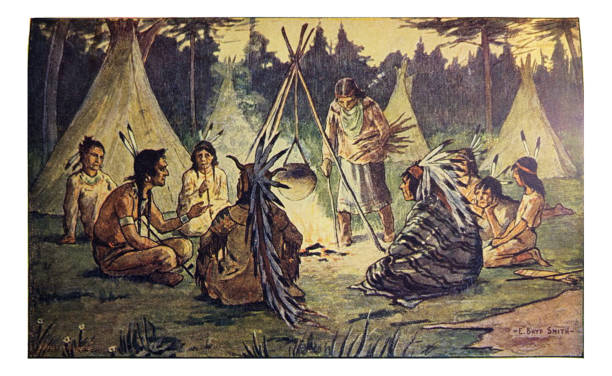
Moreover, storytelling serves as a unifying force within communities. It fosters bonds between individuals, creating shared experiences and reinforcing communal values. Gatherings around the fire for storytelling not only strengthen family ties but also create a sense of belonging, ensuring that cultural heritage remains alive and vibrant.
B. Sacred Texts in Sanatana Dharma
In Sanatana Dharma, storytelling is similarly integral but often takes the form of sacred texts that convey spiritual teachings and ethical guidelines. The Vedas, Upanishads, and Puranas are revered scriptures that encompass a vast array of narratives, philosophies, and rituals. These texts serve as guides to understanding the nature of existence, the universe, and the divine.
For instance, the Bhagavad Gita, part of the Mahabharata, presents a dialogue between Prince Arjuna and Lord Krishna, exploring profound questions of duty, righteousness, and the nature of reality. This sacred text offers moral and spiritual lessons that resonate with the individual’s quest for purpose and understanding of their place in the cosmos. The stories within these texts not only convey philosophical insights but also provide a framework for ethical living, encouraging followers to align their actions with their spiritual beliefs.
Additionally, oral traditions in Sanatana Dharma also play a significant role, as many teachings are passed down through generations by word of mouth. The practice of Katha (storytelling) is common, where spiritual leaders narrate tales from scriptures, often infused with personal insights and interpretations. This dynamic engagement with stories keeps the teachings alive, making them accessible and relevant to contemporary audiences.
C. Impact on Cultural Identity
Both Native American cultures and Sanatana Dharma utilize storytelling as a powerful means of shaping cultural identity and strengthening community bonds.
- Preservation of Cultural Heritage:
In Native American communities, storytelling is essential for preserving unique cultural identities and histories. As tribes face challenges from modernization and cultural assimilation, these oral traditions serve as vital links to their ancestors and heritage. Through stories, the values, beliefs, and practices of the past are kept alive, ensuring that future generations understand their roots and the importance of their cultural legacy.
- Strengthening Community Bonds:
Similarly, in Sanatana Dharma, the stories and teachings embedded in sacred texts help maintain a sense of belonging and shared identity among followers. Festivals, rituals, and communal gatherings often involve storytelling, fostering a collective experience that reinforces social cohesion. Celebrations such as Diwali and Navaratri are infused with narratives that highlight the triumph of good over evil, encouraging unity and reinforcing shared values among participants.
- Reflection of Shared Values:
In both traditions, storytelling encapsulates shared values and ethical principles. These narratives serve as blueprints for moral behavior, guiding individuals in making choices that align with their cultural teachings. They encourage listeners to reflect on their actions, fostering a sense of accountability to both their community and the natural world.
By embracing storytelling as a cornerstone of cultural expression, both Native American belief systems and Sanatana Dharma emphasize the significance of narrative in understanding identity, moral values, and the interconnection of life. These stories serve not only as lessons but also as reminders of the deep bonds that exist among individuals, communities, and the natural world.
V. Rituals and Ceremonies
A. Importance of Rituals in Native American Cultures
Rituals play a fundamental role in Native American cultures, serving as vital expressions of spirituality, community bonding, and connection to the natural world. Each ceremony is imbued with deep meaning and reflects the beliefs and values of the community, reinforcing their cultural identity and communal ties.
- Spiritual Significance of Ceremonies:
Ceremonies often mark significant life events, seasonal changes, and communal gatherings. For example, the Vision Quest is a rite of passage for many Indigenous young people, involving a period of fasting and solitude in nature. This ritual is believed to facilitate a profound connection with the spiritual realm, allowing individuals to seek guidance, purpose, and personal insight. It exemplifies the belief that through introspection and communion with nature, one can gain clarity about their role within the greater web of life.
Another significant ceremony is the Powwow, a vibrant gathering that celebrates cultural heritage through dance, music, and storytelling. Powwows serve as communal events that honor traditions while fostering unity among diverse tribes. They reinforce shared values and provide opportunities for intertribal exchange, ensuring that cultural practices are preserved and celebrated.
- Healing and Renewal:
Many Native American rituals are designed for healing and renewal, recognizing the interconnectedness of mind, body, and spirit. The Sweat Lodge Ceremony, for instance, involves purification through steam and prayer, allowing participants to cleanse themselves physically and spiritually. This ritual is often used for healing purposes, fostering a sense of community support and individual reflection.
B. Sanatana Dharma Practices
In Sanatana Dharma, rituals are similarly integral to spiritual practice, serving as bridges that connect individuals to the divine and the broader community. These rituals encompass a wide range of activities, from daily prayers to elaborate festivals, each designed to foster a deeper connection to the sacred.
- Daily Rituals:
Daily rituals, such as puja (worship), are common practices for devotees. These rituals often involve offerings of flowers, food, and incense to deities, accompanied by prayers and chants. This act of devotion helps individuals cultivate a personal relationship with the divine, grounding them in their spiritual beliefs while fostering a sense of mindfulness and gratitude.
- Festivals and Celebrations:
Festivals such as Holi, Diwali, and Navaratri encapsulate the richness of Sanatana Dharma’s ritualistic practices. These celebrations not only honor deities and seasonal changes but also bring communities together in joyous celebration. During Diwali, for example, families clean their homes, light lamps, and share sweets, symbolizing the victory of light over darkness and good over evil. These rituals reinforce community bonds and a shared sense of purpose, reminding individuals of their interconnectedness within the larger fabric of society.
- Life Cycle Rituals:
Rituals marking significant life events, such as samskaras (sacraments), play a crucial role in Sanatana Dharma. From birth to marriage and death, these ceremonies honor the journey of life and the transitions between different stages. They create a sense of continuity and connection to tradition, reinforcing cultural identity and community ties.
C. Interfaith Ceremonies
The blending of elements from Native American cultures and Sanatana Dharma can be observed in various interfaith ceremonies, reflecting the shared values of spirituality and reverence for nature present in both traditions.
- Cross-Cultural Celebrations:
Instances of cross-cultural rituals often emerge during collaborative community events, where individuals from different spiritual backgrounds come together to celebrate shared values. For example, some interfaith gatherings may include rituals that honor both the Great Spirit of Native American beliefs and the divine manifestations of Sanatana Dharma, creating a space for mutual respect and understanding.
- Environmental Rituals:
With growing awareness of environmental issues, many communities are engaging in rituals that blend Native American practices of honoring the Earth with the ecological principles found in Sanatana Dharma. Ceremonies centered on tree planting, honoring water sources, and celebrating the changing seasons often incorporate elements from both traditions, emphasizing a collective commitment to stewardship and ecological balance.
- Dialogue Through Ritual:
Interfaith dialogues may also incorporate storytelling and rituals from both traditions, fostering a deeper understanding of their respective teachings. By sharing stories and engaging in rituals that celebrate interconnectedness, participants can explore commonalities, promoting empathy and cooperation in addressing shared challenges.
Through the lens of rituals and ceremonies, both Native American cultures and Sanatana Dharma provide profound insights into the human experience, connecting individuals to the divine, the community, and the natural world. These practices remind us of our shared heritage and the importance of nurturing the sacred bonds that unite us all.

VI. Role of Elders and Knowledge Keepers
A. Importance of Elders in Native American Cultures
Elders hold a revered position within Native American cultures, serving as the guardians of tradition, spiritual wisdom, and cultural identity. Their role is multifaceted, encompassing guidance, mentorship, and the preservation of knowledge that has been passed down through generations.
- Cultural Stewards:
Elders are viewed as the custodians of history and tradition, carrying the stories, rituals, and practices that define their communities. They play a crucial role in oral storytelling, ensuring that the teachings of the past are shared with younger generations. This transmission of knowledge is vital for cultural continuity and resilience, enabling communities to maintain their identity in the face of external pressures.
- Guides and Mentors:
Beyond preserving cultural knowledge, elders serve as guides and mentors, offering wisdom in navigating life’s challenges. Their insights are rooted in lived experiences, providing valuable perspectives on relationships, spirituality, and community. Elders often hold ceremonies and gatherings, where they impart teachings on respect for nature, the importance of community, and the interconnectedness of all life.
- Role in Decision-Making:
In many tribes, elders are integral to decision-making processes, reflecting the belief that their wisdom can lead to more thoughtful and respectful choices. Their involvement fosters a sense of collective responsibility and reinforces the importance of considering the implications of actions on the community and the environment.
B. Gurus in Sanatana Dharma
In Sanatana Dharma, gurus occupy a similar role as revered spiritual teachers and guides, offering wisdom, insight, and guidance to their disciples. The guru-disciple relationship is central to spiritual growth and understanding.
- Transmission of Knowledge:
Gurus are seen as embodiments of spiritual knowledge, helping individuals navigate their spiritual journeys through teachings, practices, and personal guidance. They provide interpretations of sacred texts, helping disciples grasp complex philosophical concepts and apply them to their lives. The Guru Granth Sahib in Sikhism, for example, serves as both a scripture and a spiritual guide, with teachings imparted by the Sikh Gurus.
- Mentorship and Support:
Like elders in Native American cultures, gurus offer mentorship and support, fostering personal development and spiritual insight. Their teachings often emphasize the importance of self-realization, ethical living, and connection to the divine. Through practices such as satsang (gathering for spiritual discourse) and kirtan (devotional singing), gurus create opportunities for disciples to deepen their understanding and connection to their spiritual path.
- Community Leaders:
Gurus often serve as community leaders, guiding individuals in collective rituals and celebrations. Their presence in communal gatherings reinforces the bonds of community and emphasizes shared values and beliefs, similar to the role of elders in Native American tribes.
C. Intergenerational Wisdom
The relationship between elders and youth is critical in both Native American cultures and Sanatana Dharma, emphasizing the importance of intergenerational wisdom and the transfer of knowledge.
- Dialogue and Knowledge Transfer:
In both traditions, dialogues between elders and youth create opportunities for the transfer of knowledge and wisdom. Elders share stories that highlight the values, ethics, and teachings central to their cultures, helping younger generations understand their roots and responsibilities. This exchange fosters respect for tradition while encouraging youth to engage with their cultural heritage actively.
- Encouraging Critical Reflection:
The interactions between elders and youth also encourage critical reflection, where younger individuals are invited to ask questions and express their perspectives. This dynamic creates a space for dialogue that enriches both parties, allowing elders to learn from the fresh insights of youth while imparting their wisdom. Such exchanges promote a sense of belonging and community, reinforcing the interconnectedness of generations.
- Addressing Contemporary Challenges:
As both Native American communities and followers of Sanatana Dharma navigate modern challenges, the intergenerational transfer of wisdom becomes increasingly important. Elders provide guidance rooted in tradition, while youth bring contemporary insights and innovative approaches to address pressing issues. Together, they can forge a path that respects the past while embracing the future.
In exploring the intricate connections between Native American belief systems and Sanatana Dharma, we uncover a rich tapestry of shared themes centered around spirituality, nature, storytelling, rituals, and the vital role of elders. Both traditions emphasize the importance of interconnectedness—between individuals, communities, and the natural world.
The wisdom of elders and knowledge keepers serves as a guiding light, illuminating the path for future generations. Their teachings encourage us to reflect on our place within the greater web of life and inspire us to foster harmony with our environment.
As we move forward, let us embrace these shared values, recognizing the significance of honoring tradition while nurturing our spiritual journeys. By participating in community rituals, engaging in storytelling, and fostering intergenerational dialogues, we can strengthen our connections and contribute to a more compassionate and sustainable world.

VII. Respect for All Life
A. Ethical Principles in Native American Belief Systems
At the heart of Native American belief systems lies a profound respect for all forms of life, encapsulated in teachings that emphasize interconnectedness and responsibility toward nature. This worldview sees all beings—humans, animals, plants, and the earth itself—as part of a unified whole, deserving of honor and care.
- Spiritual Connection to Nature:
Native American teachings often highlight the spiritual connection between humans and nature, recognizing that all life is interconnected. This perspective fosters a sense of stewardship, where individuals feel a deep responsibility to protect and nurture the environment. For instance, many tribes hold the belief that the land is sacred and should be treated with reverence, as it sustains life and serves as a source of spiritual energy.
- Ethical Teachings:
Ethical principles such as the Seventh Generation philosophy emphasize making decisions based on their impact on future generations. This principle encourages individuals to consider the long-term consequences of their actions on the environment and society, fostering a commitment to sustainability and ecological balance. By instilling values of respect and responsibility, Native American teachings inspire communities to engage in practices that honor and protect all forms of life.
- Rituals and Ceremonies:
Rituals and ceremonies often reflect this respect for life, as many involve offerings and prayers for animals and plants. For example, the Buffalo Ceremony honors the buffalo, acknowledging its role in sustaining the tribe and ensuring that the spirit of the animal is respected and thanked. Such practices reinforce the belief that all life is sacred and interconnected, fostering a culture of gratitude and mindfulness.
B. Ahimsa in Sanatana Dharma
In Sanatana Dharma, the principle of ahimsa, or non-violence, is central to ethical living and harmonious relationships. This teaching extends beyond mere abstention from physical harm; it encompasses a broader commitment to compassion and respect for all living beings.
- Ethical Implications of Ahimsa:
Ahimsa underpins many ethical and moral teachings within Sanatana Dharma, encouraging individuals to act with kindness and compassion toward all creatures. This principle is woven into daily life, influencing dietary choices, interactions with others, and attitudes toward the environment. For example, vegetarianism is often embraced by adherents as a manifestation of ahimsa, reflecting a commitment to minimizing harm to animals and promoting a more compassionate lifestyle.
- Spiritual Growth through Non-Violence:
Practicing ahimsa is seen as a pathway to spiritual growth and liberation (moksha). It encourages individuals to transcend their ego and desires, fostering a sense of unity with all life. The teachings of Gandhi, who drew heavily on the principle of ahimsa, emphasize that true strength lies in non-violent resistance and compassion, advocating for social justice and equality.
- Community and Environmental Stewardship:
Ahimsa also extends to environmental stewardship, promoting a respectful relationship with nature. Followers are encouraged to engage in sustainable practices, recognizing that harming the environment ultimately harms humanity. The interconnectedness emphasized in Sanatana Dharma aligns with contemporary ecological discussions, advocating for actions that protect the earth and all its inhabitants.
C. Global Perspective
The principles of respect for all life found in Native American belief systems and the concept of ahimsa in Sanatana Dharma resonate profoundly in contemporary discussions on ethics, ecology, and sustainability.
- Ethical Frameworks:
These teachings provide ethical frameworks that inform debates on climate change, animal rights, and environmental justice. By advocating for a respectful and compassionate approach to all forms of life, they challenge individuals and societies to reconsider their practices and policies that contribute to harm and exploitation.
- Interconnectedness and Sustainability:
The shared understanding of interconnectedness emphasizes the need for collective action to address global challenges. As humanity grapples with issues such as biodiversity loss and environmental degradation, the teachings from both traditions call for a holistic approach that honors the intricate web of life and fosters sustainable practices.
- Global Movements:
Many contemporary movements, such as the Earth Day initiatives and the Interfaith Climate Coalition, draw inspiration from these principles. They advocate for a more ethical and sustainable future, promoting interfaith dialogues that bridge cultural divides and foster cooperation among diverse communities. By integrating the teachings of respect for all life into global conversations, these movements work toward creating a more harmonious and sustainable world.
The deep respect for all life found in Native American belief systems and the principle of ahimsa in Sanatana Dharma emphasize the interconnectedness of existence. By honoring these teachings, individuals can cultivate a more compassionate and ethical relationship with the world around them.
VIII. Healing Practices and Spiritual Well-Being
A. Holistic Healing in Native American Cultures
Traditional healing practices in Native American cultures emphasize a holistic approach, integrating the mind, body, and spirit to promote overall well-being. These practices are rooted in the belief that health is a balance of physical, emotional, and spiritual aspects of life.
- The Role of Shamans and Healers:
Shamans and traditional healers play a pivotal role in Native American healing practices. They are often viewed as mediators between the physical and spiritual realms, employing various techniques to restore balance and harmony. Their methods may include herbal remedies, rituals, and ceremonies that invoke the assistance of spiritual forces or ancestors.
- Traditional Healing Practices:
Various traditional practices, such as sweat lodges, smudging, and vision quests, are integral to the healing process.
- Sweat Lodges: These ceremonies involve gathering in a small, dome-like structure where participants undergo a ritual of purification through steam and prayer. The experience is intended to cleanse the body and spirit, promoting healing and renewal.
- Smudging: This practice involves burning sacred herbs, such as sage or sweetgrass, to cleanse a space or person of negative energies. The smoke is believed to carry prayers and intentions, fostering a sense of peace and spiritual clarity.
- Vision Quests: Often undertaken during significant life transitions, vision quests provide individuals with opportunities for introspection and spiritual connection. Through fasting and solitude in nature, participants seek guidance and insight from the spiritual realm.
- Community and Spirituality:
Healing is often a communal effort, emphasizing the importance of community support and shared rituals. Gathering for ceremonies fosters a sense of belonging and interconnectedness, reinforcing the idea that individual healing contributes to collective well-being.
B. Ayurveda and Spiritual Healing in Sanatana Dharma
Ayurveda, the ancient system of medicine rooted in Sanatana Dharma, shares a holistic approach to health, addressing the interconnectedness of the mind, body, and spirit. It emphasizes balance, prevention, and natural remedies tailored to individual needs.
- Core Principles of Ayurveda:
Ayurveda is built upon the understanding that health is maintained through balance among the three doshas—Vata, Pitta, and Kapha—which represent different combinations of the five elements.
- Individualized Treatments: Practitioners assess an individual’s unique constitution and lifestyle to recommend personalized treatments, including dietary changes, herbal remedies, and lifestyle practices. This tailored approach aligns with the belief that each person is unique and requires specific care.
- Mind-Body Connection:
The emphasis on the mind-body connection in Ayurveda acknowledges the influence of mental and emotional states on physical health. Techniques such as meditation, yoga, and pranayama (breath control) are incorporated into Ayurvedic practices to promote mental clarity and emotional stability, fostering overall well-being.
- Spiritual Dimension:
Ayurveda recognizes the spiritual dimension of healing, promoting practices that enhance spiritual awareness and connection. Engaging in rituals, chanting, and connecting with nature are integral components of Ayurvedic healing, emphasizing that spiritual health is essential for overall wellness.
C. Modern Adaptations
Both Native American and Ayurvedic healing practices have adapted to contemporary contexts, merging traditional wisdom with modern understandings of health and wellness.
- Integration into Conventional Medicine:
There is a growing recognition of the value of holistic healing approaches within mainstream healthcare. Many practitioners incorporate elements of traditional healing, such as herbal remedies and mindfulness practices, into conventional treatments. This integrative approach recognizes the importance of addressing physical, emotional, and spiritual health in achieving overall well-being.
- Wellness Movements:
The resurgence of interest in holistic health has led to the emergence of wellness movements that draw from both Native American and Ayurvedic traditions. Practices such as yoga, meditation, and nature therapy are increasingly popular as individuals seek to reconnect with themselves and the natural world.
- Community-Based Initiatives:
Modern adaptations also include community-based initiatives that promote traditional healing practices. Workshops, retreats, and wellness programs aim to educate individuals about the benefits of holistic healing, encouraging the preservation of cultural practices while fostering personal growth and community well-being.
- Digital Platforms and Resources:
With the rise of digital platforms, individuals have greater access to resources on traditional healing practices. Online courses, podcasts, and social media communities allow for the sharing of knowledge, facilitating connections among those interested in holistic healing and spiritual well-being.
The exploration of healing practices in Native American cultures and Sanatana Dharma reveals a shared commitment to holistic well-being that integrates mind, body, and spirit. By honoring traditional wisdom while adapting to contemporary contexts, individuals can cultivate a deeper understanding of health and spirituality.
As we embrace these rich traditions, we are reminded of the importance of nurturing our well-being and fostering connections with ourselves, others, and the natural world.

IX. Contemporary Relevance and Revitalization of Beliefs
A. Preservation of Native American Spirituality
In the face of historical challenges and contemporary pressures, efforts to revitalize and preserve Native American spirituality have become increasingly vital. These initiatives aim to honor traditional beliefs, practices, and ways of life while adapting to the modern context.
- Cultural Revitalization Movements:
Numerous movements across Native American communities seek to revive traditional practices, languages, and ceremonies. These efforts often involve teaching younger generations about their cultural heritage, ensuring the transmission of knowledge and values. Programs aimed at language preservation, such as immersion schools, are essential for maintaining cultural identity and fostering pride among Native youth.
- Incorporation of Traditional Healing:
The integration of traditional healing practices into modern healthcare systems highlights a growing recognition of their value. Many Native American communities are working to incorporate traditional medicine alongside conventional healthcare, emphasizing a holistic approach to well-being. This collaboration not only revitalizes spiritual beliefs but also fosters community resilience.
- Advocacy and Legal Efforts:
Legal efforts to protect sacred sites, traditional practices, and cultural rights have gained momentum. Native American tribes are advocating for policies that honor their spiritual beliefs and land rights, recognizing the significance of these elements in maintaining cultural identity. This advocacy plays a crucial role in the preservation of spirituality and the revitalization of cultural practices.
B. Relevance of Sanatana Dharma Today
Sanatana Dharma continues to adapt while maintaining its core teachings, demonstrating resilience and relevance in the contemporary world.
- Integration with Modern Values:
Many practitioners are finding ways to integrate traditional teachings with modern values, such as environmental stewardship, social justice, and mental health awareness. The principles of compassion, respect for all life, and interconnectedness resonate deeply with contemporary issues, providing ethical frameworks for navigating today’s challenges.
- Emphasis on Personal Spirituality:
Sanatana Dharma encourages individual exploration of spirituality, allowing practitioners to draw from diverse sources while remaining grounded in core teachings. The focus on personal experience, meditation, and self-inquiry empowers individuals to find meaning and purpose in their lives, fostering a sense of agency and connection to the divine.
- Global Influence and Interfaith Initiatives:
As interest in spirituality and mindfulness grows worldwide, Sanatana Dharma has influenced various global movements. Practices such as yoga and meditation, rooted in these teachings, are embraced across cultures, promoting wellness and spiritual growth. Interfaith initiatives aim to foster dialogue and understanding between diverse traditions, highlighting the shared values of compassion and interconnectedness.
C. Intercultural Dialogue
The importance of intercultural dialogue in fostering understanding and cooperation between diverse traditions cannot be overstated.
- Building Bridges of Understanding:
Intercultural dialogue creates opportunities for individuals from different backgrounds to share their beliefs, practices, and experiences. By engaging in respectful conversations, participants can challenge stereotypes, dismantle prejudices, and cultivate mutual respect. This dialogue promotes a deeper understanding of the rich tapestry of human spirituality.
- Collaborative Initiatives:
Collaborative initiatives, such as interfaith dialogues and cultural exchange programs, encourage the sharing of knowledge and practices among diverse communities. These efforts highlight common values and goals, fostering cooperation on pressing issues such as environmental protection, social justice, and community well-being.
- Enhancing Global Awareness:
In an increasingly interconnected world, intercultural dialogue fosters awareness of global challenges and encourages collective action. By embracing diverse perspectives, individuals and communities can work together to address issues such as climate change, inequality, and cultural preservation. This collaborative approach enriches understanding and cultivates a shared commitment to creating a more compassionate and just world.
The contemporary relevance and revitalization of Native American spirituality and Sanatana Dharma underscore the enduring power of these traditions. Efforts to preserve and adapt these beliefs highlight their importance in navigating modern challenges and fostering holistic well-being.
By embracing intercultural dialogue, we can build bridges of understanding and cooperation between diverse traditions, enriching our collective wisdom and promoting a harmonious future.
X. Conclusion
A. Summary of Key Themes
Throughout this exploration of Native American spirituality and Sanatana Dharma, we have uncovered profound interconnectedness among spirituality, nature, and community. Both traditions emphasize the importance of holistic well-being, recognizing that the mind, body, and spirit are intertwined and that individual health is linked to the health of the community and the environment.
- Spiritual Connection to Nature:
- Both traditions highlight the sacredness of the natural world, illustrating how spiritual practices foster a deep respect for all life forms and the environment.
- Role of Storytelling and Rituals:
- The use of storytelling and rituals in both cultures serves as a means to transmit wisdom, values, and cultural identity, creating bonds within communities.
- Healing Practices:
- Holistic healing practices, whether through traditional Native American methods or Ayurvedic principles, emphasize the significance of addressing physical, emotional, and spiritual health.
- Revitalization and Contemporary Relevance:
- The ongoing efforts to preserve and adapt these belief systems highlight their relevance in today’s world, providing ethical frameworks for addressing contemporary challenges.
B. Call to Action
In a world that often emphasizes division and disparity, it is crucial to explore and respect the rich teachings of both Native American spirituality and Sanatana Dharma. Engaging with these belief systems can foster interfaith understanding, encouraging individuals to appreciate the beauty and wisdom found in diverse spiritual traditions.
- Encouraging Personal Exploration:
- Individuals are invited to learn more about these traditions, attending workshops, reading literature, or participating in cultural events to gain a deeper understanding of their philosophies and practices.
- Building Bridges of Understanding:
- Encourage dialogue and collaboration among communities, facilitating discussions that promote respect, empathy, and shared values across cultures.
C. Participation and Donation
Support initiatives dedicated to preserving Indigenous and spiritual communities, and consider contributing to organizations that focus on cultural preservation, holistic health, and environmental stewardship. Your engagement can make a significant impact, helping to ensure that these valuable teachings and practices endure for future generations.
- Get Involved:
- Participate in community events, workshops, or cultural exchanges that celebrate and honor these traditions.
- Contribute to Cultural Preservation:
- Donations can be directed toward organizations that work to protect sacred sites, promote traditional healing practices, and foster interfaith dialogue.
D. Closing Thought
As we reflect on our personal spiritual journeys, let us consider the role that nature and community play in shaping our beliefs and practices. How can we incorporate the teachings of interconnectedness, respect, and compassion into our daily lives? In contemplating these questions, we open ourselves to deeper connections with the world around us, fostering a more harmonious existence.
Book References
- Hart, E. Richard. The Soul of a Native American: Teaching Elements of Native American Belief Systems. This book explores the intricate spiritual beliefs of Native Americans and the interconnectedness of their practices with nature and community.
- Kumar, Raj. Ayurveda: The Science of Self-Healing. This text provides insights into the holistic healing practices of Ayurveda, emphasizing the balance of mind, body, and spirit in achieving well-being.
- Cajete, Gregory. Look to the Mountain: An Ecology of Indigenous Education. This book discusses the relationship between Indigenous education, spirituality, and the natural world, emphasizing the importance of connection and stewardship.
- Eliade, Mircea. The Sacred and the Profane: The Nature of Religion. Eliade’s work explores the significance of sacred spaces, rituals, and the interconnectedness of all spiritual traditions.
- Fowler, Jeannine. Sacred Traditions: A Guide to Native American Spirituality. This guide delves into the rich spiritual practices of Native American cultures, highlighting their relevance in contemporary society.