
Modern psychology, education, technology, and global development are built on the narrow assumptions of WEIRD societies—Western, Educated, Industrialized, Rich, and Democratic—which represent only a small fraction of humanity but dominate the models used to define what it means to think, learn, cooperate, and lead. This article critically exposes how these frameworks erase cognitive diversity, marginalize indigenous wisdom, and often fail when exported across cultures. It calls for a radical shift toward cognitive pluralism: recognizing that human minds are shaped by kinship, spirituality, oral traditions, ecological knowledge, and relational ethics. To create resilient, just, and meaningful systems for the future, we must dismantle the illusion of universality, design institutions with cultural humility, and embrace the full spectrum of human ways of knowing, feeling, and flourishing.

The WEIRD Mind: How a Cultural Niche Became the Norm for Humanity — And Why That’s a Problem
Intended Audience and Purpose of the Article
This article is aimed at educators, psychologists, policy-makers, economists, anthropologists, technologists, and globally aware citizens seeking a deeper, more nuanced understanding of how cultural evolution shapes human cognition, institutions, and social behavior. It invites the reader to step back from the assumptions baked into modern education, psychology, governance, and economics—and to re-examine what we often take for granted as “human nature.”
In particular, the article challenges the widespread belief that Western-derived models of mind and society are universally valid. The psychological traits that define modern industrial societies—such as individualism, analytical reasoning, guilt-based morality, and impersonal trust—are not representative of the full range of human behavior across cultures or history. Rather, they reflect the evolutionary outcomes of specific historical, religious, and institutional developments—particularly in the Western European lineage.
Why does this matter?
Because much of global development policy, education reform, legal design, and economic forecasting relies on models built on WEIRD populations—that is, those who are Western, Educated, Industrialized, Rich, and Democratic. These populations, while influential, represent a cognitive minority in the broader scope of humanity. When their values, behaviors, and modes of reasoning are assumed to be the norm, the result is often cognitive imperialism—where diverse cultures and local logics are undervalued, misunderstood, or overwritten by outside models.
For educators, this article offers insights into how current systems may unintentionally disadvantage students from non-WEIRD backgrounds by privileging abstract reasoning over relational intelligence, or standardized assessments over contextual competence.
For psychologists and behavioral scientists, it highlights the need to expand research samples, redefine mental health norms, and appreciate the cultural specificity of moral emotions like guilt, shame, or honor.
For policy-makers and economists, it points to the risks of implementing policies built on assumptions about individualism, self-interest, or fairness that do not map onto the local social fabric.
For technologists and AI designers, it raises concerns about embedding WEIRD biases into global systems—especially as algorithms, machine learning models, and digital platforms increasingly influence decision-making in diverse societies.
Finally, for global citizens and thought leaders, it offers a compelling call to action: To move from a monoculture of mind to a pluralist psychology—one that respects the legitimacy of different ways of thinking, feeling, organizing, and being.
Ultimately, this article is not an attack on Western values but an invitation to recognize the limits of cultural perspective, foster cognitive empathy, and build systems that are inclusive of the full spectrum of human psychology.

I. Introduction: The Danger of Mistaking the Local for the Universal
Modern systems of science, law, education, governance, and development are largely founded on cognitive and behavioral assumptions drawn from a narrow cultural lineage—one that is not representative of humanity at large. These models, while highly functional within their native contexts, often fail when indiscriminately exported across diverse societies. Recognizing this cultural specificity is not only intellectually honest—it is critical for designing institutions that are truly inclusive, humane, and globally relevant.
The Myth of the “Universal Human” and the Crisis of Cultural Blindness
At the heart of modern progress lies a powerful assumption: that human beings everywhere are, in essence, psychologically similar. This belief—encouraged by Enlightenment philosophy, liberal humanism, and scientific universalism—posits that once basic needs are met, people across the globe will reason, decide, and behave similarly. It implies that shared biology guarantees shared psychology.
This assumption has been deeply embedded into the architecture of global development. From international aid programs to educational curricula, from mental health diagnostics to models of economic behavior, the idea of a “universal human nature” underpins countless interventions. But what if this human prototype is, in fact, a cultural outlier?
Ignoring this possibility doesn’t just create blind spots—it fosters cultural blindness: a systematic failure to see and understand how local beliefs, kinship systems, moral frameworks, and cognitive preferences shape people’s lives. Policies based on such blindness often misfire—not because the people are irrational, but because the models are incomplete.
Why Western Psychological Profiles Dominate Global Institutions
The dominance of Western psychological profiles in global discourse is not an accident—it is a legacy of historical power, colonial expansion, economic dominance, and intellectual hegemony. Western societies, particularly those of Northwestern Europe and their colonial offshoots, developed institutions that emphasize individualism, analytic reasoning, and abstract moral principles. These traits became central to the modern university, the legal system, the nation-state, and the global marketplace.
As these institutions spread—often through colonization, missionary education, or globalization—they carried with them embedded assumptions about the mind, behavior, and morality. Over time, these assumptions hardened into “objective” norms:
- That fairness is best achieved through equality of rules, not relationships.
- That reason must triumph over emotion.
- That success is measured by individual achievement, not communal contribution.
- That truth can be discovered through controlled experimentation, detached from context.
Such norms have shaped entire fields—from behavioral economics to international law—without fully interrogating their cultural origins. And as researchers, technocrats, and global institutions trained in these frameworks design interventions worldwide, they often fail to ask the most basic question: Whose psychology are we using as the default?
An Overview of WEIRD Societies: Western, Educated, Industrialized, Rich, Democratic
The acronym WEIRD stands for Western, Educated, Industrialized, Rich, and Democratic—a useful shorthand for describing societies that dominate scientific research, international governance, and global education systems. While WEIRD nations account for only a small percentage of the global population, they contribute the overwhelming majority of research participants in psychology and social sciences, especially in experimental studies.
Key characteristics of WEIRD societies include:
- Western: Cultural emphasis on autonomy, personal rights, and independence.
- Educated: Formal schooling with heavy emphasis on abstract reasoning, literacy, and numeracy.
- Industrialized: Socioeconomic systems based on wage labor, specialization, and time discipline.
- Rich: Access to material abundance, allowing for self-expression and delayed gratification.
- Democratic: Political systems emphasizing individual voice, procedural fairness, and rule of law.
These societies have developed cognitive tendencies and behavioral norms that are statistically rare across the wider human population. They promote and reinforce particular mental models—favoring detachment over embeddedness, abstraction over context, and choice over obligation.
To be clear, this does not mean WEIRDness is wrong—it means it is particular, not universal. And mistaking it for the human baseline leads to systemic distortions in everything from child development models to conflict resolution frameworks.
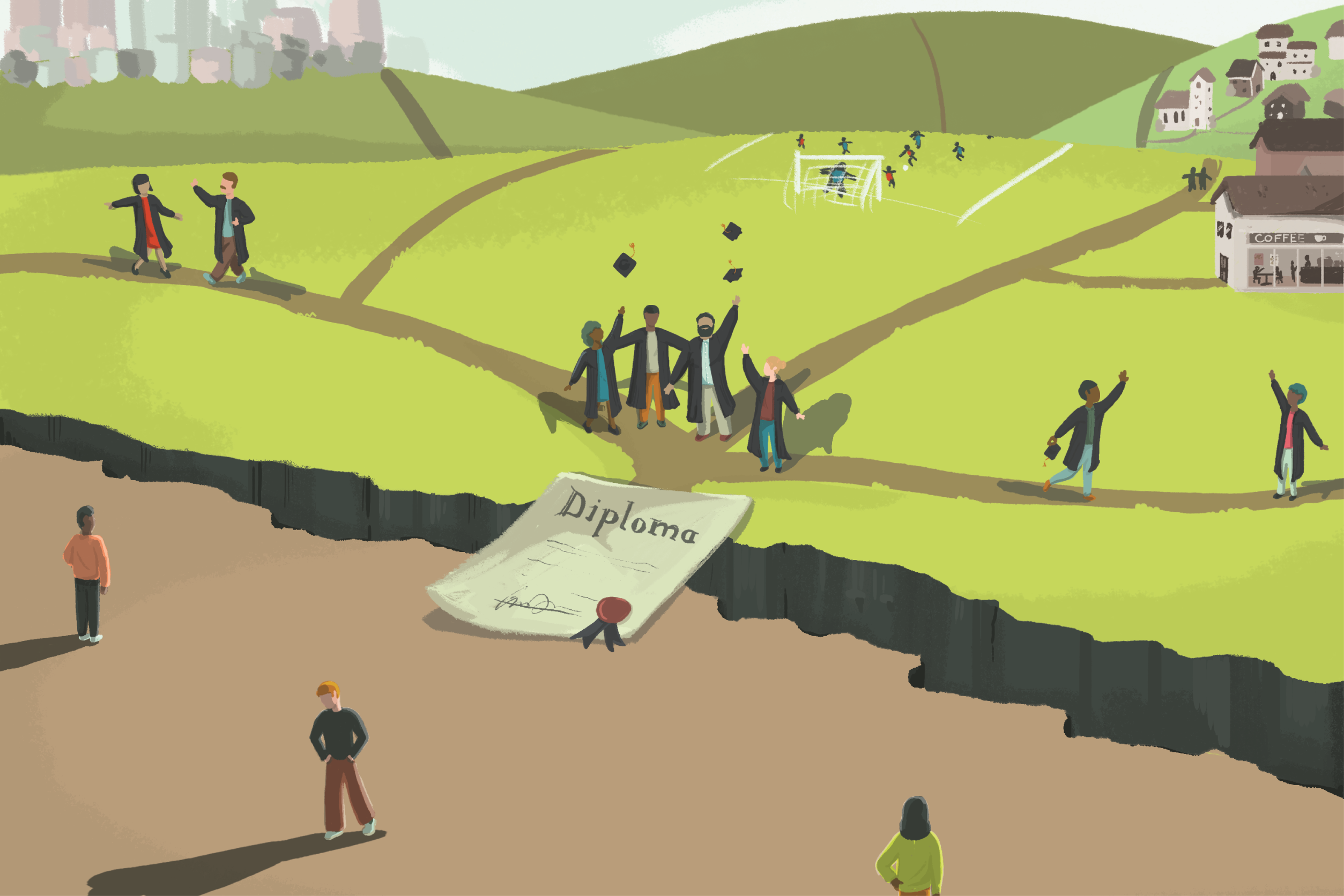
II. The WEIRD Profile: Psychological Traits That Are Anomalous, Not Normal
The psychological tendencies most celebrated—and assumed to be universal—in modern societies are, in fact, historically recent and globally rare. They reflect the adaptive logic of specific institutional and cultural environments rather than hardwired human universals. Treating these traits as normative leads to misjudging the values, intelligence, and decision-making of people in non-WEIRD societies, and undermines effective global policy and cross-cultural understanding.
Human cognition is not a monolith. It is shaped by the environments in which we grow up—the languages we speak, the family structures we navigate, the institutions we interact with, and the moral codes we internalize. In WEIRD societies, these shaping forces have produced a set of psychological patterns that are statistically exceptional, even within the human species. Let us unpack the core features of this cognitive profile.
1. High Individualism: Prioritizing Personal Goals over Group Harmony
WEIRD cultures place the autonomous individual at the center of identity, decision-making, and morality. From early childhood, individuals are encouraged to pursue personal dreams, assert opinions, make independent choices, and define their own values.
This contrasts sharply with most non-WEIRD cultures, where identity is relational and embedded in family, clan, or community structures. In such environments, personal goals are balanced—if not subordinated—to collective well-being and group reputation. Decisions are made through consultation, and harmony is often valued over self-expression.
The WEIRD model tends to interpret such deference as lack of confidence or agency, when in fact it often reflects deep social intelligence and a contextually grounded ethical framework.
2. Analytical and Abstract Reasoning: Focusing on Categories and Rules
A hallmark of WEIRD cognition is a preference for abstract, decontextualized reasoning. Individuals are trained—through schooling and cultural conditioning—to classify objects and ideas into categories, apply general rules to specific cases, and prioritize logic over narrative or emotion.
This cognitive style is powerful in scientific reasoning, legal analysis, and mathematics. However, it stands in contrast to the holistic, context-sensitive reasoning common in many other societies, where relationships, context, and practical implications carry more weight than rules or categories.
For instance, a non-WEIRD person might judge fairness in terms of relationships (“He helped me before, so I owe him”), whereas a WEIRD mind might insist on equal treatment based on abstract principles, even if it fractures relationships. Both are forms of rationality—rooted in different social realities.
3. Guilt-Based Morality vs. Shame- or Honor-Based Systems
In WEIRD societies, morality is largely internalized. Right and wrong are determined by whether one’s actions violate internal principles or values. This gives rise to a guilt-based moral system, where wrongdoing results in self-reproach, regardless of whether others know about the transgression.
By contrast, many cultures operate on shame (concern for how one is seen by the group) or honor (defense of reputation within social hierarchies). In these systems, morality is deeply relational and public, reinforcing social cohesion, loyalty, and group boundaries.
While Western frameworks often see shame as a primitive or toxic emotion, in many societies it is a constructive social regulator, anchoring behavior in mutual accountability and interdependence.
4. Impersonal Fairness: Preference for Contracts, Equality, and Universal Principles
WEIRD societies favor impersonal, rule-based systems of fairness—such as contracts, procedural justice, and formal institutions. This allows for wide-scale cooperation among strangers and the efficient functioning of markets and legal systems.
In relational cultures, however, fairness is often determined by context, history, and relationships. Obligations arise from reciprocity, family ties, and mutual aid, not from formal agreements. A strict application of universal rules may be seen as cold, disrespectful, or unjust, especially if it ignores existing bonds or community needs.
Insisting on impersonal rules in these environments can undermine social trust rather than reinforce it—revealing the culturally embedded nature of what we call “justice.”
5. Elevated Trust in Strangers and Institutions
One of the most distinctive WEIRD traits is the willingness to trust strangers and delegate authority to abstract institutions—courts, police, banks, corporations. This is enabled by a history of impersonal markets, legal enforcement, and cultural messaging about honesty and fairness.
In contrast, most human societies develop trust through face-to-face interaction, shared history, and kinship. Institutions are often distrusted or regarded as distant, extractive, or corrupt.
While high stranger trust enables anonymous commerce and bureaucratic governance, it also allows for hyper-individualism and social fragmentation. In high-context societies, where trust is built slowly and retained through loyalty, human bonds are more durable, though perhaps less scalable.
6. Time-Discipline, Planning Orientation, and Delayed Gratification
WEIRD societies emphasize linear time, punctuality, scheduling, and delayed gratification—a psychological orientation that aligns with industrial labor, capitalism, and bureaucratic life.
This orientation begins early, with children socialized to value planning, future goals, and time as a finite resource. It also manifests in economic behaviors—saving for retirement, investing in education, or postponing rewards for greater future gain.
In many other cultures, time is experienced cyclically, relationally, or event-based. Flexibility, spontaneity, and responsiveness to real-world contingencies may take precedence over strict schedules. These are not signs of laziness or short-term thinking, but adaptations to different environmental and social conditions.
In Summary
The WEIRD profile represents a powerful but partial configuration of the human mind—well-suited to certain institutional environments, but not a universal blueprint for human flourishing. Treating these traits as normative has real-world consequences:
- Misinterpreting non-WEIRD behaviors as irrational, underdeveloped, or deviant.
- Designing educational, economic, or governance systems that clash with local values.
- Undermining alternative ways of reasoning, relating, and living.
In the sections that follow, we will explore how these WEIRD traits emerged, why they dominate global systems, and how to develop more inclusive and context-sensitive approaches to building a just and diverse world.
III. Kinship and the Mind: How Family Structures Shape Cognitive Frameworks
The structure of the family is not merely a social arrangement—it is a foundational cognitive environment. Shifts from extended kinship systems to nuclear families, especially when reinforced by institutional interventions, have radically altered how people think, relate, and cooperate. This transformation—from group-embeddedness to individual autonomy—has shaped modern psychology in ways often mistaken for universal human nature.
For most of human history, people lived in tightly interwoven kinship networks. These family systems governed nearly every aspect of life: who one married, how property was passed down, who was responsible for children and elders, and even how one conceived of identity and morality. The shift away from these extended familial structures—especially in parts of Europe—was not incidental. It was a profound psychological reengineering that reoriented the mind toward individualism, abstract rule-following, and impersonal trust.
1. Extended Kin Networks: The Original Social Operating System
In societies organized around extended families or clans, a person’s social world is dense with relatives. Obligations, loyalties, and moral duties are largely determined by one’s place within the family network. Trust is local and inherited; economic cooperation is relational and reciprocal.
This system has several key cognitive and social implications:
- Social behavior is governed by role and obligation rather than preference or abstract principle.
- Moral reasoning is context-bound—what is right depends on who is involved and the history of the relationship.
- Economic life is distributive and embedded, with wealth shared among kin and status used to negotiate mutual benefits.
In these systems, personal autonomy is often secondary to maintaining relational harmony and family reputation. Intelligence is expressed less through abstract problem-solving and more through navigating complex social ties, managing obligations, and reading social cues.
2. The Decline of Cousin Marriage and the Rise of the Nuclear Family
One of the quiet revolutions in human history was the discouragement and eventual banning of cousin marriage—especially in medieval Europe. In cultures where cousin marriage is permitted or preferred, kin groups remain tight, and property stays within extended families. By contrast, banning cousin marriage weakens extended family bonds, leading to:
- Smaller, nuclear family units that are less embedded in wider kin networks.
- Greater mobility, as family loyalty no longer binds individuals to specific places or communities.
- Weaker obligations to kin, opening space for individual pursuits and institutional affiliations.
This shift profoundly restructured cooperation. In the absence of strong kinship ties, people began to seek connection, trust, and identity through voluntary associations—such as guilds, religious institutions, legal contracts, and, eventually, the state.
This breakdown of traditional family systems did not merely reflect changes in belief; it reprogrammed cognition, changing how people saw themselves and others. With kinship bonds weakened, the mind learned to:
- View social relations as optional and negotiable.
- Trust people based on rules, credentials, and contracts, not lineage.
- Define success and morality in individual terms.
3. The Role of Kin-Neutral Institutions in Reshaping Social Trust
As kinship declined in influence, new institutions emerged to fill the social void—churches, schools, courts, markets, and eventually states. These kin-neutral institutions—meaning they did not privilege family ties—created the conditions for widespread impersonal trust.
They demanded and rewarded a different kind of thinking:
- Rule-based reasoning over context-sensitive discretion.
- Universal principles instead of relational obligations.
- Abstract identity categories (e.g., “citizen,” “student,” “employee”) over relational roles (e.g., “son,” “uncle,” “clan member”).
This led to greater cognitive compartmentalization: family life, work, religion, and education became separate domains with their own expectations and moral codes.
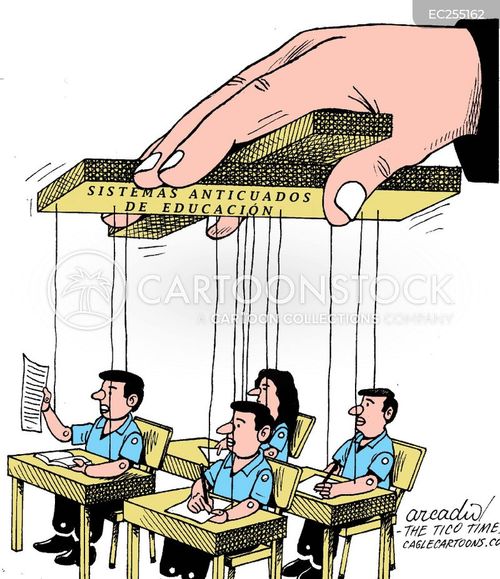
Importantly, these institutions didn’t merely emerge—they socialized individuals from childhood to adopt a mindset aligned with impersonal cooperation. Schooling, for example, taught children to obey abstract rules, respect time schedules, and prioritize individual performance—habits that were functionally incompatible with kin-centric social structures.
4. From Relational Identity to Individual Identity
The cumulative effect of weakening kin bonds and rising institutional influence was a transformation in identity formation.
In extended-family systems:
- Identity is ascribed: you are your father’s son, your clan’s member, your ancestor’s descendant.
- Your worth and choices are judged in relational terms—how well you fulfill your role.
In nuclear-family systems:
- Identity is increasingly achieved: you become who you are through choices, education, achievements.
- People speak of being “true to themselves,” crafting a personal brand, or following their passion.
This shift is not superficial—it reorganizes how people think about rights, freedom, responsibility, and success. It encourages a sense of moral independence, where one is accountable to one’s conscience rather than community, and fosters the idea of personal growth as a lifelong journey of self-discovery.
However, this also leads to social fragmentation, loneliness, and a loss of inherited wisdom. Where extended kin networks once offered support, meaning, and identity, individuals are now expected to build those from scratch—often with mixed success.
Implications
Understanding the cognitive impact of family structures is essential for anyone working in development, education, mental health, or organizational design:
- Interventions that assume high individual agency may backfire in kin-centric cultures.
- Educational models built around personal competition may alienate those raised in communal value systems.
- Legal and institutional frameworks that ignore family obligations may be perceived as unjust or illegitimate.
In short, the mind is not only shaped by neurons and genes—it is sculpted by the social frameworks we inherit. And one of the most powerful of those is family.

IV. Religion, Rules, and Reading: The Deep Reprogramming of Human Minds
The evolution of certain religious, legal, and literacy-based institutions fundamentally rewired human cognition. These cultural developments encouraged abstract thinking, internalized self-regulation, and impersonal moral reasoning. Over time, they displaced relational and context-sensitive modes of thought with rule-based, introspective, and decontextualized cognitive habits—hallmarks of the WEIRD psychological profile.
Culture is not just a system of customs—it is a cognitive operating system. Among the most powerful cultural forces that reshaped human psychology in WEIRD societies were religion, literacy, and law. These systems, especially as they evolved in tandem in certain historical contexts, did not simply tell people what to believe or do—they taught people how to think, interpret the world, regulate their behavior, and relate to others in profoundly different ways.
1. The Rise of Monotheism and Internal Moral Monitoring
One of the most influential shifts in the moral landscape of humanity was the emergence of monotheistic religions, particularly those that emphasized a watchful, moralizing deity. In many pre-modern belief systems, gods were local, powerful, and sometimes indifferent to moral conduct. They had personalities, domains, and appetites—but rarely demanded ethical introspection.
By contrast, the rise of monotheism introduced the idea of an omniscient, morally concerned deity who sees into the hearts of individuals and rewards or punishes based on internal motives, not just outward behaviors. This “divine surveillance” promoted:
- Self-monitoring: Individuals began to internalize external moral standards.
- Conscience-based morality: Ethical behavior became a matter of integrity, not just public conformity.
- Delayed moral accounting: Actions were judged not immediately, but in the afterlife—encouraging long-term thinking and self-restraint.
Psychologically, this laid the groundwork for invisible regulation—where people became their own enforcers of right and wrong, long before modern legal systems or surveillance technologies emerged.
2. Moralizing Religions and the Internalization of Ethics
Beyond being “watched,” moralizing religions structured normative frameworks that were abstract, universal, and impersonal. They emphasized:
- Codes of conduct that applied equally to all believers.
- The importance of intentions over social consequences.
- The value of altruism, fairness, and purity, not just loyalty or reciprocity.
This internalization of ethical norms shifted moral reasoning from external negotiation (“what will others think?”) to internal coherence (“does this align with what is right?”). It reduced reliance on relational and situational context, encouraging a deontological mode of reasoning—where rules were followed regardless of outcome or circumstance.
These moralizing religions helped break down clan-based morality and tribal codes, enabling broader affiliations, prosocial behavior with strangers, and the expansion of impersonal cooperation—all of which became key foundations for the later rise of liberal democracy and contractual governance.
3. Literacy and Abstract Symbolic Thinking: Transforming Cognition Through Script
While religion shaped the moral mind, literacy transformed the cognitive landscape in ways that are both profound and underappreciated.
In oral cultures, knowledge is contextual, embodied, and relational. Wisdom is passed through story, ritual, repetition, and imitation. Memory is communal. Time is cyclical or event-based. In such settings, intelligence is demonstrated through practical navigation of social and ecological systems.
The introduction of alphabetic writing and widespread literacy—especially through religious texts—disrupted this model:
- People learned to think linearly, organizing ideas into structured arguments.
- Reading trained the mind to process abstract symbols disconnected from immediate experience.
- Literacy favored introspection, as silent reading and private interpretation became possible.
This shift was not merely technological—it altered brain structure and neural pathways, fostering skills in analysis, self-reflection, and meta-cognition. Literate individuals began to conceive of truth, morality, and identity in increasingly individualized and abstract terms.
The result? A mind capable of systematic reasoning, contractual thinking, and detached reflection—ideal for life in bureaucratic, capitalist, and legally complex societies.
4. Legal Systems and Theological Logic: From Relationship to Rule
As monotheism and literacy spread, they seeded the development of codified legal systems modeled not on tribal mediation but on divine commandments and abstract principles. These legal frameworks:
- Emphasized equality before the law, irrespective of social status or kinship.
- Relied on written statutes, procedural consistency, and formal contracts.
- Encouraged disputes to be resolved through third-party adjudication, rather than communal negotiation.
This marked a decisive turn from relational justice—where who you are and whom you know mattered—to institutional justice, where ideally only the facts and the law mattered.
In tandem with religious reasoning, legal logic trained individuals to think in:
- If–then conditions (e.g., “If one breaks the law, then they must pay a fine”).
- Precedent and consistency over compromise and restoration.
- Rights and duties rather than social obligations.
This model of justice—while highly scalable—often struggles in cultures where restorative, communal, or honor-based justice prevails, revealing once again how deeply the roots of cognition run through local soil.
In Summary
Religion, literacy, and law are not merely ideological or administrative structures—they are mind-shaping forces. In WEIRD societies, these forces worked together to produce a psychological profile marked by:
- Internal self-regulation over external enforcement.
- Abstract reasoning over contextual judgment.
- Rule-following over relationship-nurturing.
These cognitive habits have supported the rise of impersonal institutions, modern science, and global capitalism. But they also create blind spots—devaluing emotional intelligence, communal decision-making, and contextual ethics.
Understanding the origins of these traits helps us appreciate their power without mistaking them for universal truths. In the next section, we will examine how the economic systems of industrialized societies—particularly markets, money, and labor discipline—further reinforced these cognitive transformations.

V. Markets, Money, and Merit: How Economic Institutions Shaped Behavior
Economic systems are not neutral—they shape how people think, relate, and make decisions. The transition from reciprocal, relationship-based economies to impersonal, monetized market systems has significantly altered human cognition. Market institutions reward abstract reasoning, time discipline, individual productivity, and trust in systems rather than in people. These economic forces have reinforced the cognitive and behavioral traits commonly seen in WEIRD societies.
When we think of economic change, we often focus on material improvements—rising incomes, expanded choices, and efficient resource allocation. But embedded within these transformations is a subtler, more powerful shift: the reshaping of the human mind. Economic life is a crucible in which cognition is trained, social behavior is conditioned, and values are internalized. The mental models we use to evaluate fairness, assess time, plan for the future, or relate to others are, in part, products of our economic environment.
1. Market Exchange vs. Reciprocal Gifting Cultures
In most traditional societies, economic transactions are embedded in social relationships. Goods and services are exchanged through reciprocal gifting, obligation, or communal sharing, often without a precise valuation or expectation of immediate return. The purpose is not only to meet material needs but to strengthen social bonds.
In contrast, market economies separate economic exchange from relational context. Transactions are governed by prices, contracts, and competition, allowing people to trade with strangers on the basis of mutual interest rather than mutual history. This shift radically alters:
- Trust dynamics: From kin-based to impersonal.
- Value assessment: From relational and qualitative to numerical and quantitative.
- Motivations: From communal benefit to personal utility.
Psychologically, this fosters a mindset that prioritizes self-interest, efficiency, and equivalence—all crucial for functioning in anonymous, rule-based market systems, but often at odds with traditional values of obligation, honor, or shared stewardship.
2. Market Logic and the Shift to Rule-Based Trust
In reciprocal economies, trust is earned over time and anchored in personal relationships. You trade with those you know, or those whose reputations are vouched for. Breaches of trust are managed through social sanctions—gossip, exclusion, or ritual.
In contrast, modern markets require people to transact with strangers. This necessitates a different kind of trust—one that is not personal, but institutional. Trust is placed in the rule of law, in enforcement mechanisms, in consumer reviews, or in the shared logic of the marketplace.
This creates a feedback loop:
- People who rely on institutions to mediate trust become more willing to act independently.
- Independent actors reinforce the growth of systems that are impersonal and scalable.
- Social bonds become increasingly optional, negotiated, and transactional.
This “system trust” facilitates rapid economic expansion, but also erodes the fabric of embedded social responsibility. It trains people to prioritize contract over relationship, a mindset that, while effective in commerce, can hinder cooperation in communal or familial contexts.
3. Numerical Literacy and Time Discipline: Mental Adaptations to Capitalism
The mental demands of market economies go beyond choice and competition—they reshape how people perceive time, plan their lives, and measure value.
In traditional economies, time is often experienced cyclically (e.g., seasons, rituals, festivals) or event-based (e.g., “when the rains come,” or “after the harvest”). Planning is adaptive and responsive, rather than fixed and segmented.
In capitalist economies, time becomes linear, measurable, and scarce:
- Punctuality is moralized.
- Schedules replace rhythms.
- Efficiency becomes a virtue.
People begin to live by the clock, which trains the mind to divide attention, prioritize tasks, and delay gratification. Likewise, exposure to money and measurement systems encourages numerical literacy, cost-benefit analysis, and abstraction.
Over time, individuals internalize the logic of the market:
- That time is money.
- That success is quantifiable.
- That productivity is tied to self-worth.
These cognitive shifts are not merely tools—they become deeply internalized values, reinforced by institutions (schools, workplaces, media) and often celebrated as signs of intelligence, discipline, and modernity.
4. Labor Specialization, Economic Individualism, and Productivity as Cognitive Reshapers
Modern economies are built on the principles of labor specialization and meritocratic reward systems. Individuals are encouraged to find and hone their “unique contribution” to the workforce, to climb professional ladders based on personal performance, and to seek fulfillment through work.
This model promotes:
- Economic individualism: The belief that one’s success or failure is largely self-determined.
- Continuous self-improvement: Framing life as a personal project of growth and optimization.
- Competition and benchmarking: Encouraging people to compare themselves to peers in measurable ways.
Cognitively, this fosters a mindset that is:
- Future-oriented, always planning and striving.
- Self-reliant, downplaying structural or communal factors.
- Rule-following and efficiency-driven, as rewards are tied to consistent, standardized performance.
While this creates tremendous economic dynamism, it also risks alienation, burnout, and status anxiety, particularly when productivity becomes the sole measure of worth.
Moreover, when exported to societies with strong communal traditions, this model can disrupt social cohesion, weaken intergenerational bonds, and foster a culture of individual competition over collective upliftment.
In Summary
Markets are not just mechanisms of exchange—they are engines of psychological transformation. They teach people how to think, what to value, and whom to trust. The cognitive traits encouraged by capitalist institutions—abstraction, individualism, time discipline, and system trust—are not universal defaults but adaptive responses to specific economic environments.
Understanding this can help us:
- Avoid misjudging non-market societies as irrational or inefficient.
- Design economic interventions that respect relational and communal norms.
- Build economies that balance personal aspiration with collective wellbeing.
In the next section, we will turn our attention to what happens when these market-driven, WEIRD cognitive models are assumed to be globally normative—and how they fail to account for the rich, diverse moral and cognitive systems of non-WEIRD cultures.

VI. Education as Mind Engineering: How Schools Shape WEIRD Thinking
Modern education systems, particularly those influenced by WEIRD societies, do far more than transmit knowledge—they actively reshape cognition, behavior, and identity. These systems valorize abstract reasoning, standardized performance, and individual achievement, reinforcing psychological traits aligned with industrial, bureaucratic societies. When exported uncritically, they risk marginalizing local knowledge, stifling creativity, and misaligning with the cognitive and moral ecology of non-WEIRD cultures.
Education is often idealized as a neutral pathway to enlightenment and progress. But a closer look reveals that schooling is one of the most powerful tools of cultural engineering ever devised. It systematically shapes how individuals think, what they value, how they interpret the world, and how they relate to others—not through coercion, but through immersion in institutionally structured environments.
In WEIRD societies, schooling has evolved not just to impart facts but to cultivate a particular kind of mind—one that mirrors the logic of bureaucratic, capitalist, and impersonal systems. This transformation is neither accidental nor universal.
1. Education as Cultural Programming, Not Just Knowledge Transmission
School is more than a site of learning; it is a mechanism for producing conformity to dominant cognitive and social norms. From a young age, students are trained to:
- Sit still and follow rules.
- Engage in tasks disconnected from immediate context.
- Value individual performance over collective outcomes.
- View knowledge as segmented, testable, and hierarchical.
The structure of modern education reflects the demands of industrial economies and bureaucratic governance: punctuality, obedience, standardization, and abstract reasoning. These traits—while highly functional in certain systems—are not universally adaptive and can conflict with values in kin-based, oral, or context-rich cultures.
2. The Role of Standardized Testing, Abstract Reasoning, and Decontextualized Knowledge
Modern schooling systems rely heavily on:
- Standardized testing: Measuring success through fixed, decontextualized assessments.
- Abstract reasoning: Prioritizing logic puzzles, symbolic manipulation, and hypothetical thinking.
- Curricular segmentation: Treating knowledge as compartmentalized into math, science, language, etc., rather than integrated or experiential.
This approach rewards a specific cognitive profile:
- Comfort with symbols and formal logic.
- Ability to operate independently of real-world context.
- Confidence in written communication over oral storytelling or apprenticeship.
But it systematically undervalues other forms of intelligence:
- Embodied, relational, and tacit knowledge.
- Holistic, ecological thinking.
- Moral reasoning rooted in community dynamics.
Children from non-WEIRD backgrounds—whose cognition may be attuned to social navigation, narrative thinking, or hands-on problem-solving—often find themselves misclassified as “slow,” “unmotivated,” or “deficient” by WEIRD educational metrics.
3. Consequences for Creativity, Empathy, and Indigenous Knowledge Systems
WEIRD-style education, with its emphasis on right answers, performance pressure, and institutional conformity, can unintentionally:
- Suppress creativity by prioritizing replication over exploration.
- Erode empathy by decontextualizing human stories into case studies or data points.
- Marginalize indigenous knowledge systems, which are typically experiential, oral, spiritually integrated, and highly contextual.
For example, ecological knowledge passed down through generations in indigenous communities may be ignored in favor of textbook environmental science that lacks local relevance. Likewise, traditional moral frameworks rooted in reciprocity and kinship may be deemed “unscientific” or “irrational” in ethics curricula.
The result is not just the loss of cultural diversity, but the erosion of adaptive wisdom that evolved for specific environments and social ecologies.
4. The Risk of Using WEIRD Educational Standards in Non-WEIRD Societies
Exporting WEIRD education systems to non-WEIRD societies without adaptation can have several harmful effects:
- Alienation: Students may feel detached from the content and from their cultural identity.
- Misalignment: Education may fail to equip learners with the skills and values most needed in their communities.
- Stratification: Only those who can adapt to WEIRD modes of cognition succeed, creating new forms of inequality and stigma.
Moreover, global organizations that assess education (e.g., PISA rankings) reinforce a narrow view of what counts as “success,” further pressuring countries to adopt systems that displace local pedagogies.
To be clear, this is not an argument against literacy, critical thinking, or formal schooling—but a call for cognitive pluralism. Education should enhance, not erase, the mental tools shaped by different cultural worlds.
In Summary
Education, when viewed through a cultural lens, is not a passive transmission of facts—it is a powerful tool of cognitive shaping and social ordering. The dominant model of schooling in WEIRD societies rewards psychological traits that match industrialized, individualist, and abstract modes of life. While effective in specific contexts, this model can be profoundly misaligned with the needs, values, and intelligences of non-WEIRD communities.
The task ahead is to design educational ecosystems that are culturally responsive, locally relevant, and psychologically inclusive. Systems that:
- Recognize multiple intelligences.
- Honor indigenous ways of knowing.
- Balance abstract learning with lived experience.
- Cultivate both autonomy and interdependence, logic and empathy, achievement and meaning.

VII. Moral and Cognitive Diversity: What Non-WEIRD Cultures Reveal
Non-WEIRD societies embody rich moral and cognitive systems that are often misunderstood, undervalued, or dismissed as “primitive” by global institutions. In truth, these systems represent alternative optimizations—ways of thinking, relating, and organizing society that are deeply adapted to particular ecological, historical, and social contexts. Recognizing and respecting this diversity is essential for fostering global equity, intercultural competence, and intellectual humility.
WEIRD societies tend to regard their own moral and cognitive frameworks as universal—anchored in reason, fairness, and objectivity. But when viewed from a global or anthropological perspective, these frameworks appear as one cultural instantiation among many, not the culmination of human progress. Around the world, non-WEIRD cultures have evolved sophisticated systems of ethics, reasoning, and cooperation—not despite their differences from Western norms, but because of them.
These systems are not defective or underdeveloped; they are functionally adaptive, shaped by generations of lived experience and collective survival. Understanding them doesn’t just broaden our moral imagination—it reveals the limits of our own assumptions.
1. Collectivist, Honor-Based, and Relational Moral Frameworks
In many non-WEIRD societies, morality is inherently relational. What is right or wrong is not abstracted from context but embedded in the network of obligations, roles, and communal responsibilities.
Key features include:
- Collectivism: The self is defined through family, clan, or community. Individual desires are balanced with group harmony.
- Honor-based systems: Moral worth is tied to reputation, respect, and adherence to social codes. Violations are judged by communal impact, not internal guilt.
- Shame as regulator: Rather than internal guilt, shame maintains moral behavior through collective accountability.
Such frameworks are highly effective at maintaining social cohesion, ensuring care for elders, and reinforcing trust in low-institution environments. Western models that treat honor or shame as regressive often miss their sophisticated logic and social function.
2. Oral Traditions, Contextual Reasoning, and Situational Ethics
While literate societies privilege abstract logic and universal rules, oral cultures tend to prioritize:
- Narrative thinking: Knowledge is encoded in stories, metaphors, and oral histories.
- Contextual reasoning: Decisions are made by weighing the social, historical, and emotional dimensions of a situation.
- Flexible ethics: Right action depends on circumstance, relationships, and consequences—not fixed rules.
This does not imply moral relativism. Rather, it reflects a holistic, situated ethics in which the goal is restoration, harmony, or reciprocity—not rigid justice.
Importantly, oral cultures often retain ecological and social wisdom that cannot be easily codified or transferred through written language. Their resistance to decontextualized thinking is not a flaw—it is a protective mechanism for sustaining community memory, adaptive resilience, and deep social learning.
3. Shared Labor, Interdependence, and Distributed Authority
WEIRD societies celebrate independence and personal autonomy. But in many traditional societies, interdependence is the norm—and strength is measured not by what one achieves alone, but by how well one contributes to the group.
Features of these systems include:
- Shared labor: Tasks such as farming, child-rearing, and building are communal. There is no sharp division between work and social life.
- Distributed authority: Leadership is often informal, elder-based, or consensus-driven. Power flows through kinship or spiritual lineage rather than formal hierarchy.
- Non-market economies: Value is generated and distributed through networks of reciprocity and mutual obligation, not contracts and wages.
Such societies tend to have low individual wealth but high communal security, less loneliness, and strong identity cohesion. Their moral code incentivizes care, loyalty, and group resilience.
Crucially, these patterns make rational sense in environments where institutions are weak, natural resources are collectively held, and survival depends on cooperation—not competition.
4. Why These Systems Are Not “Primitive” but Optimized for Their Contexts
There is a long-standing bias—especially in academia and development policy—to treat non-WEIRD cultures as earlier versions of Western society: moral infants, future liberals, or irrational actors in need of enlightenment.
This framing is not only incorrect—it is dangerous. It blinds policymakers, educators, and scientists to the wisdom encoded in alternative ways of life. It encourages the imposition of misaligned institutions, undermines social capital, and contributes to psychological displacement.
In truth, these systems are:
- Cognitively rich, fostering situational awareness, emotional intelligence, and systems thinking.
- Morally robust, emphasizing obligation, care, and responsibility.
- Ecologically embedded, tuned to local environmental, economic, and spiritual conditions.
Their resistance to WEIRD norms is not a failure to modernize—it is often a rational refusal to abandon what works.
In Summary
Moral and cognitive diversity is not a problem to be solved—it is a reality to be respected and a resource to be understood. Non-WEIRD cultures reveal:
- That rationality is plural.
- That morality can be collectivist, context-sensitive, and dynamic.
- That the human mind is more adaptive and varied than WEIRD psychology allows.
Acknowledging this diversity does not mean rejecting modern science or universal rights—it means approaching them with humility, curiosity, and cultural awareness.

VIII. The False Science of Universality: Flawed Assumptions in Psychology and Social Science
Modern behavioral science is built on a narrow empirical base—disproportionately derived from WEIRD populations—yet its conclusions are frequently applied globally as if they were human universals. This false universality leads to misdiagnosis, inappropriate policy design, and ineffective interventions across global contexts. To move forward, we need a culturally grounded science of human behavior that reflects the full spectrum of human cognitive and moral diversity.
Across psychology, economics, education, and public health, research findings from university labs in North America and Europe are routinely generalized to all people. But these studies overwhelmingly draw on a small, unrepresentative slice of humanity—typically Western undergraduate students. The implicit assumption: what is true for them is true for everyone.
This is not only a methodological oversight. It is a systemic distortion that affects how societies are measured, how interventions are designed, and how entire populations are understood or misunderstood. Without cultural calibration, science ceases to be neutral and becomes a mechanism of epistemic colonization.
1. Over-representation of WEIRD Subjects in Behavioral Research (~80% of Samples)
A staggering proportion of research in behavioral science—by some estimates over 80%—relies on samples from Western, Educated, Industrialized, Rich, and Democratic (WEIRD) societies. This includes:
- Cognitive psychology experiments.
- Moral and economic games.
- Developmental studies.
- Neuroscientific assessments.
These samples often come from a narrow demographic: college students from elite institutions, frequently from psychology courses, incentivized by class credit or token payment. Yet these individuals:
- Have unique cultural upbringings, shaped by formal education, nuclear families, and market economies.
- Show distinct cognitive styles, such as analytical reasoning and individualistic moral judgment.
- Are historically and globally atypical in many psychological domains.
The fact that these individuals serve as proxies for humanity in scientific models is both statistically indefensible and epistemologically arrogant.
2. Cultural Bias in Experimental Design, Diagnosis, and Intervention
Even beyond sample bias, much of the design logic of behavioral science is embedded in WEIRD assumptions:
- Experiments often isolate variables in decontextualized settings, ignoring relational and environmental cues vital in many cultures.
- Diagnostic tools in psychology pathologize behaviors that are normative elsewhere—such as communal dependency, spiritual experiences, or indirect communication styles.
- Developmental benchmarks assume Western timelines for speech, autonomy, or literacy, often labeling other trajectories as delayed or deficient.
Similarly, policy interventions based on these findings often fail or backfire when implemented across diverse cultures:
- Parenting advice that emphasizes early independence may undermine community cohesion in interdependent cultures.
- Cognitive training programs that focus on abstract reasoning may overlook practical intelligence in ecological or social domains.
- Global education initiatives that prioritize test-based assessment may sideline indigenous pedagogies and moral formation.
These biases are not harmless—they shape institutions, funding decisions, and global narratives about what it means to be intelligent, moral, or healthy.
3. Consequences for Policy in Global Health, Education, Law, and Development
When flawed assumptions are baked into global systems, the consequences become structural:
- Global health campaigns may ignore local beliefs, kinship dynamics, or healing traditions, reducing compliance and effectiveness.
- Education reforms often import Western curricula that fail to resonate with local values, producing alienation or dropout.
- Legal frameworks modeled on liberal individualism may undermine traditional dispute resolution systems rooted in collective responsibility.
- Development programs designed around notions of entrepreneurship or market rationality may overlook relational economies or communal survival strategies.
Rather than empowering communities, these interventions often displace existing systems, creating dependency, confusion, and cultural erosion.
And yet, when these programs fail, the blame is often placed on the communities themselves—framed as “unwilling,” “irrational,” or “backward”—rather than on the epistemological mismatch at the heart of their design.
4. The Need for a Culturally Grounded Science of Human Behavior
The solution is not to abandon science—but to decolonize it. A culturally grounded behavioral science must:
- Include diverse samples from across linguistic, economic, and social systems.
- Develop experimental paradigms that are context-sensitive and relationally anchored.
- Treat non-WEIRD practices not as deviations, but as legitimate expressions of human adaptation.
- Be interdisciplinary, drawing on anthropology, sociology, philosophy, and indigenous epistemologies.
Such a science would not just be fairer—it would be more accurate. It would uncover broader principles, richer moral systems, and a fuller range of human potential.
Moreover, it would pave the way for policies that actually work—not because they are imposed from above, but because they emerge from deep engagement with the communities they aim to serve.
In Summary
Behavioral science must confront its own cultural myopia. The current over-reliance on WEIRD data, assumptions, and interpretations has led to a distorted portrait of humanity—one that privileges abstraction over context, independence over interdependence, and formal logic over lived wisdom.
To correct this, we need a science that:
- Sees culture as constitutive, not as noise to be averaged out.
- Values epistemic humility, not just methodological rigor.
- Builds collaborative research frameworks that co-create knowledge across cultures.
Only then can psychology and the social sciences fulfill their promise: to illuminate the true diversity of the human experience, and to support systems that foster dignity, well-being, and flourishing for all.

IX. Institutional Export and Cognitive Colonialism: Why Global Models Often Fail
Global institutions frequently export models of governance, economics, education, and development that are deeply rooted in WEIRD cultural assumptions. When these frameworks are imposed on societies with different moral, cognitive, and relational structures, they often fail—not due to ignorance or resistance on the ground, but because they misalign with local realities. This pattern represents a form of cognitive colonialism, where one way of thinking is assumed to be superior, leading to the erasure of traditional knowledge and the perpetuation of structural inequality.
Across the world, billions of people live in cultures that are not WEIRD. Yet the dominant institutions that shape their lives—development agencies, NGOs, education systems, courts, even democratic governments—are designed based on psychological models that prioritize individualism, abstraction, legalism, and market logic.
These systems are often promoted as universal best practices, part of a modernizing trajectory. But behind this is a subtle yet profound form of epistemic violence: the assumption that one way of reasoning, organizing, and governing is objectively right—and others are inferior or obsolete.
This is not just theoretical. It plays out in broken institutions, unmet goals, and disempowered communities around the world.
1. Exporting Governance, Economic, and Educational Systems Rooted in WEIRD Assumptions
Whether through colonization, aid, trade agreements, or global consultancy firms, institutional models developed in WEIRD contexts have been transplanted into vastly different cultural ecosystems. This includes:
- Democratic governance based on adversarial debate, individual voting rights, and legal equality.
- Free-market economic reforms emphasizing competition, entrepreneurship, and privatization.
- Mass education systems modeled on standardized testing, individual achievement, and abstract reasoning.
Each of these systems carries embedded assumptions about:
- Human motivation (rational self-interest vs. communal duty).
- Trust (in institutions vs. kin networks).
- Authority (legal-rational vs. elder, spiritual, or familial).
- Knowledge (formal and credentialed vs. experiential and intergenerational).
When these assumptions clash with local worldviews, institutions often fail to take root. They may become hollow, performative, or corrupt—not because the people are incapable, but because the institution’s design does not fit the cultural logic of the society.
2. Development Failures and Resistance in Africa, Asia, and Latin America
Examples of such misalignments are widespread:
- In sub-Saharan Africa, the imposition of centralized bureaucratic states often ignored the region’s consensus-based, clan-oriented systems, leading to fragile institutions and clientelism.
- In India, educational models that emphasize rote performance and credentialism often stifle localized problem-solving, storytelling traditions, and moral reasoning rooted in dharma.
- In Latin America, economic reforms that introduced rapid privatization and deregulation without addressing deep social inequalities and communal economies led to instability and mistrust.
Resistance to these systems is not always open defiance—it often shows up as:
- Noncompliance (ignoring rules that don’t make sense in local context).
- Parallel systems (informal economies, village justice, religious schooling).
- Cognitive dissonance (internalizing failure in systems designed to exclude).
Development agencies often misread this as laziness, corruption, or backwardness, when in fact it is a rational defense of cultural coherence and dignity.
3. Erasure of Local Wisdom and Traditional Knowledge Systems
The most insidious aspect of institutional export is not failure—it is cognitive erasure. In the name of modernization, traditional systems of knowledge, governance, medicine, and education are often:
- Delegitimized as unscientific, irrational, or anecdotal.
- Excluded from formal recognition and resource allocation.
- Co-opted or diluted into superficial versions that meet donor expectations.
Examples include:
- Replacing herbal medicine and community healing with pharmaceutical models that ignore environmental wisdom.
- Undermining oral histories and elder authority by privileging textbooks and external experts.
- Devaluing apprenticeship and craft learning in favor of certification and standardized curricula.
Over time, this creates cognitive dependency: communities come to believe that they need foreign experts to tell them how to think, govern, and live—eroding their own epistemic confidence.
4. The Moral Hazard of Thinking One Form of Rationality is “Best”
At the heart of this pattern lies a dangerous moral hazard: the belief that WEIRD logic—rule-based, analytic, individualistic—is not just one way of thinking, but the pinnacle of human development.
This mindset leads to:
- Intellectual arrogance: assuming that different is inferior.
- Blind technocracy: applying cookie-cutter solutions to complex, living systems.
- Moral blindness: failing to see the ethical integrity of non-WEIRD worldviews.
In fact, many non-WEIRD systems are better suited for:
- Ecological sustainability, through relational land use and stewardship.
- Social harmony, through restorative justice and consensus-building.
- Resilience, through interdependence, redundancy, and spiritual integration.
The goal is not to reject science or reform—but to open space for multiple rationalities. Systems should be co-designed with cultural fluency, blending local knowledge with global learning in ways that honor dignity and context.
In Summary
When institutions are exported without cultural adaptation, they often fail to function and erase existing wisdom. This is not merely a technical error—it is a form of cognitive colonialism, where one society’s way of knowing becomes the template for all others.
To build institutions that work, we must:
- Listen deeply to cultural logic and lived experience.
- Validate plural ways of knowing—including indigenous, oral, and spiritual epistemologies.
- Shift from universal imposition to relational co-creation.
Only by doing so can we break the illusion of WEIRD universality and begin to build equitable, adaptive, and truly global systems—systems that work with, not against, the minds and morals of the communities they aim to serve.

X. Technology, AI, and the Future of the Human Mind: A WEIRD Bias Amplifier?
Technology—especially artificial intelligence and algorithmic systems—is rapidly becoming the dominant force shaping how humans think, learn, decide, and interact. But these tools are overwhelmingly designed by and for WEIRD contexts. As they scale globally, they risk embedding, automating, and amplifying WEIRD cognitive and moral assumptions—often invisibly. The result could be the collapse of cognitive diversity, the erosion of local meaning systems, and the construction of a global monoculture that undermines psychological and cultural pluralism.
In every era, dominant institutions shape dominant minds. Today, those institutions are no longer only governments, schools, or churches—they are digital platforms, recommender systems, data analytics, and generative AI. These technologies are not neutral—they come with assumptions, affordances, and architectures that shape how humans relate to knowledge, to each other, and to themselves.
Increasingly, WEIRD cognitive patterns—analytic thinking, rule-based logic, abstraction, individualism, metric-based performance, and impersonal trust—are not just being taught. They are being coded, scaled, and exported across every domain of life. Without deliberate intervention, this risks flattening the world’s intellectual and moral landscapes, creating efficiency without empathy, personalization without pluralism, and automation without understanding.
1. How Tech Platforms Are Embedding and Exporting WEIRD Thinking at Scale
Digital platforms—particularly those built in North America and Europe—reflect the values, habits, and heuristics of their creators. Core design assumptions often include:
- Individual agency and choice as default (e.g., personalization, recommendation engines).
- Quantifiable engagement and outcomes as success metrics (likes, shares, scores).
- Decontextualized information treated as universally interpretable.
As these platforms become the default learning, socializing, and governing environments across the globe, they subtly but powerfully teach users to:
- Value efficiency, speed, and optimization over reflection and depth.
- Engage with knowledge individually, not communally.
- Trust systems over relationships, and screens over elders.
What’s being exported is not just access to the internet or tools—it’s a cognitive script for how to process the world.
2. Risks of Algorithmic Morality and Fairness Without Cultural Nuance
AI systems increasingly make decisions that affect life opportunities, justice, access, and identity. Yet the moral frameworks that guide these systems are coded by small, homogeneous teams, often with little awareness of cultural pluralism.
Examples of ethical misalignment include:
- AI fairness metrics that prioritize equality of opportunity over communal obligation or restorative justice.
- Content moderation systems that penalize indigenous language, religious expression, or culturally specific humor.
- Bias detection algorithms that only recognize discrimination according to Western liberal frameworks, missing structural inequalities that look different elsewhere.
Even well-intentioned algorithms can reproduce cultural ignorance at scale. When AI systems become mediators of truth, arbiters of fairness, or instruments of governance, we risk replacing human diversity with machine standardization—codifying the blind spots of WEIRD psychology into global infrastructure.
3. The Monoculture of Design in AI, Education Platforms, and Behavioral Nudges
Tech innovation is increasingly concentrated in Silicon Valley–style epistemologies—rationalist, metric-driven, efficiency-obsessed, and emotionally detached. This creates a design monoculture that assumes:
- Learning should be gamified, decontextualized, and measured.
- Behavior should be nudged by incentives and defaults, not moral reasoning or communal responsibility.
- Intelligence means pattern recognition and logic, not wisdom, humility, or relational sensitivity.
Platforms used for education, development, health, and governance—especially in the Global South—often replicate this template. The result:
- Cognitive colonialism wrapped in UX and data.
- Homogenization of knowledge as local stories, oral histories, and embodied traditions are bypassed or erased.
- Dependency on imported epistemologies, with little space for cultural adaptation.
Without pluralism in design, we risk building a world that only works well for one way of being human.
4. Possible Collapse of Diverse Cognitive Ecosystems
Just as monocultures in agriculture make ecosystems brittle, monocultures of mind make societies less resilient. If every child learns through the same app, reasons through the same logic, and measures success by the same metrics, we lose:
- Cognitive biodiversity: Multiple ways of solving problems, perceiving morality, or approaching the unknown.
- Moral pluralism: Varied ethical systems shaped by land, story, and history.
- Epistemic sovereignty: The right of cultures to define what counts as truth, growth, and flourishing.
This isn’t just a cultural loss—it’s an existential risk. Humanity’s ability to adapt to complex, future crises (climate, migration, governance) depends on a diversity of minds, not the automation of one dominant model.
In Summary
Technology is no longer a tool—it is a teacher, a governor, and a culture-shaper. And in its current form, it teaches a narrow curriculum of cognition and morality rooted in WEIRD assumptions. As AI and digital systems become global defaults, they risk engineering a world that is frictionless, optimized, and lifelessly uniform.
To avoid this, we must:
- Build intercultural design ethics that foreground plural worldviews.
- Empower local communities to co-create technology, not merely consume it.
- Promote epistemic diversity in AI training, content curation, and platform logic.
Technology must serve human complexity, not erase it.

XI. Toward a Pluralist and Empathic Future: Embracing Cognitive Diversity
The future of global well-being depends not on enforcing a single model of rationality or governance, but on cultivating cognitive pluralism—a deep respect for the many ways humans think, feel, relate, and organize their lives. To get there, we must reframe psychology as a cultural science, build institutions that include diverse minds by design, and support education and governance systems rooted in local epistemologies and ethical traditions. Cognitive diversity is not a threat to progress—it is the very condition of resilient, just, and meaningful futures.
The story of the WEIRD mind is not merely about cultural peculiarity—it is about power, influence, and the unintended global consequences of epistemological dominance. As we’ve seen, systems of thought forged in a specific historical context—post-Reformation Europe, industrial capitalism, Enlightenment rationalism—have been mistaken for human nature itself.
The cost of that mistake is high: misaligned policies, failed interventions, moral misunderstandings, and the slow erosion of cultural richness. But it’s not too late. Around the world, people are reclaiming knowledge systems, reimagining institutions, and resisting the flattening force of monoculture.
The next step is not to universalize another model—but to design for plurality, humility, and mutual recognition.
1. Reframing Psychological Science as a Cultural Science
Psychology must shift from studying “the mind” in the abstract to studying minds-in-culture. This means:
- Treating cognition, morality, perception, and behavior as products of specific cultural, ecological, and institutional environments.
- Moving beyond WEIRD samples and assumptions to embrace methodological pluralism.
- Designing cross-cultural research that is collaborative, emic (insider-focused), and context-sensitive.
In practice, this means:
- Funding and publishing work from non-Western researchers and indigenous communities.
- Questioning psychological “norms” and opening space for alternative developmental, emotional, and cognitive pathways.
- Recognizing cognitive ecology—the interaction between mind, material environment, language, and social structure.
This shift would mark a move from a science of “what’s true about all people” to a science of “how different humans thrive, suffer, and adapt in different ways.”
2. Building Institutions with Cognitive Inclusion in Mind
Institutions—legal, economic, educational, and technological—must be reimagined to welcome and work with diverse cognitive profiles, not homogenize them.
This involves:
- Designing participatory governance systems that blend formal law with customary and relational justice.
- Reforming education to include multiple ways of knowing—logical, intuitive, narrative, embodied.
- Ensuring AI and tech platforms are co-created with culturally diverse communities, embedding local logic and moral nuance.
Cognitive inclusion should be treated like accessibility—it is a design principle, not a charitable afterthought.
Examples:
- Legal systems incorporating restorative circles alongside courts.
- Schools integrating oral storytelling and ecological apprenticeships.
- Decision-making bodies that prioritize consensus, kinship roles, and elder councils where relevant.
Institutions must reflect and reinforce the cultural and moral fabric of the people they serve—not replace it.
3. Supporting Locally Grounded Education and Governance Systems
Rather than exporting blueprints, global development must resource local innovation. This includes:
- Funding education systems that draw on indigenous pedagogy, oral traditions, and place-based knowledge.
- Supporting governance models that balance community consensus with modern accountability.
- Valuing interdependence and duty-based ethics, not only rights-based liberalism.
Local knowledge systems are not just quaint heritage—they are functional technologies of survival, meaning-making, and social coherence.
Educators, policymakers, and funders must stop asking: “How do we make them more like us?” and start asking:
“How can we learn from them and work together to co-design futures that honor us all?”
4. Valuing Oral Traditions, Relational Ethics, and Non-Linear Logic
We must shed the deeply embedded bias that sees:
- Textual knowledge as superior to oral knowledge.
- Linear logic as superior to cyclical or relational reasoning.
- Autonomy as more advanced than interdependence.
In truth, oral cultures often possess mnemonic complexity, moral depth, and ecological attunement that rival or exceed their literate counterparts.
Relational ethics—those grounded in kinship, reciprocity, and communal harmony—offer rich moral frameworks more suited to collective crises like climate change, migration, and inequality than individualistic moral theories.
And non-linear logic—mythic, symbolic, cyclical—can reveal patterns and truths that escape reductionist models. In a fragmented, uncertain world, we need every available cognitive tool, not just those sanctified by Enlightenment rationality.
In Summary
To embrace cognitive diversity is to:
- Respect human variation, not pathologize it.
- Design with cultural humility, not imperial ambition.
- Preserve and empower epistemic ecosystems, not replace them.
The goal is not to reverse modernity—but to pluralize it. Not to reject science—but to decenter it from its cultural blind spots. Not to halt development—but to ensure it enriches rather than erases.
A pluralist and empathic future will not emerge from better algorithms or more powerful theories—it will emerge from deep listening, cross-cultural solidarity, and shared imagination.
It is time to build a world that holds space for many minds, many meanings, and many ways to be wise.

XII. Practical Implications: What We Must Rethink Now
Transforming our global systems to respect cognitive diversity is not an abstract ideal—it requires concrete, sector-specific actions now. From classrooms to courtrooms, policy desks to parenting, and boardrooms to development projects, every domain must confront its hidden WEIRD assumptions and commit to more culturally adaptive, inclusive, and pluralistic approaches to knowledge, development, and human well-being.
The insights explored in this article demand not just intellectual acknowledgment, but institutional and personal transformation. The task is not to create complexity for its own sake, but to do justice to the actual richness of human experience—and to stop failing communities by assuming one size fits all.
Each of us—educators, policymakers, development professionals, parents, technologists, and global leaders—has a role in building a world that welcomes the full range of minds.
1. For Educators: Incorporate Diverse Epistemologies and Relational Thinking
Education systems must stop equating intelligence with abstraction, decontextualized logic, or test performance. To do so:
- Include indigenous, oral, spiritual, and ecological knowledge in curricula.
- Encourage storytelling, collective learning, and emotion-informed reasoning.
- Redesign assessments to measure understanding, collaboration, and contextual insight, not just memorization or speed.
- Invite elders, craftspeople, and community members into the classroom as co-educators, not as cultural tokens.
Education must become a site of cognitive restoration and expansion, not uniformity.
2. For Policymakers: Ground Laws and Interventions in Local Moral Systems
Too many laws and social programs fail because they are cut-and-paste copies of foreign frameworks. Instead:
- Engage in genuine consultation with local communities and knowledge keepers.
- Adapt laws to reflect relational ethics, communal accountability, and social context.
- Recognize that justice can be restorative and consensus-based, not just adversarial or punitive.
- Support plural legal systems where appropriate, allowing for customary, spiritual, or clan-based conflict resolution.
Policy must be anchored in lived moral realities, not just policy manuals and benchmarks.
3. For NGOs and Development Agencies: Design Culturally Adaptive Frameworks
Development work often fails because it seeks to implement, not to listen. To transform impact:
- Conduct ethnographic listening before any intervention.
- Design frameworks that emerge from local needs and priorities, not donor logics.
- Train staff in cultural humility, cognitive pluralism, and non-WEIRD evaluation metrics.
- Shift from “capacity building” (implying deficit) to co-creation and mutual learning.
Development should not mean bringing light to darkness—it should mean fanning the embers already glowing in every community.
4. For Parents and Leaders: Recognize the Spectrum of Human Cooperation, Intelligence, and Morality
At home and in leadership:
- Stop measuring success by standardized benchmarks alone—nurture intuition, emotional wisdom, and cooperative instincts.
- Teach children that different is not deficient, and that wisdom comes in many forms—ritual, rhythm, silence, song.
- In organizations, design teams with neurodiverse and culturally diverse minds, and adapt leadership to relational and intuitive dimensions, not just technical logic.
- Celebrate interdependence, elder wisdom, and ritual cohesion—not just autonomy and achievement.
Parents and leaders shape the microcultures of identity. These must be safe places for diverse minds to grow strong.
5. For Global Institutions: Democratize Knowledge Production and Reduce WEIRD Bias in Decision-Making
Whether in AI, health, economics, or climate policy, global institutions must:
- Diversify who creates knowledge—not just who consumes it.
- Fund research by and for communities outside the Global North.
- Abandon the “pilot in Africa” model that tests WEIRD frameworks on non-WEIRD people.
- Redesign global indicators (like IQ, GDP, and PISA scores) to include context-sensitive markers of wellbeing and intelligence.
- Place plural ethics and epistemologies at the heart of AI ethics boards, global education policy, and climate governance.
Global leadership must reflect humanity in its full cognitive spectrum—or it will fail to serve the human future.
In Summary
If the insights of this article end in silence, nothing changes. The alternative is to begin the work of recalibrating our systems—not just to make them fairer, but to make them truer to the richness of the human experience.
We must recognize that:
- There is no universal mind.
- There are only situated minds, shaped by culture, context, and history.
- Each is valid, adaptive, and deserving of respect and inclusion.
Whether in teaching, governing, designing, parenting, or leading—this is our collective task:
To build a world not of sameness, but of deep and meaningful coexistence.

XIII. Conclusion: Cognitive Humility, Cultural Empathy, and Shared Humanity
To move forward as a truly global civilization, we must step away from the illusion of a single, superior way of thinking and being. The dominant WEIRD paradigms—while powerful in specific contexts—are not universal truths but cultural configurations. Recognizing this opens the door to cognitive humility, cultural empathy, and the revival of long-marginalized wisdom traditions.
The future of our institutions, technologies, and societies hinges not on conformity, but on our ability to honor and harness the full spectrum of human thought. Diversity is not only aesthetic—it is structural. It is functional. It is essential.
- Cognitive humility allows us to see our own limits.
- Cultural empathy allows us to learn from others without dominance.
- Shared humanity reminds us that beneath our mental differences, we are united by care, curiosity, meaning-making, and a search for dignity.
To build a flourishing world, we must dismantle the false center of WEIRDness and instead design for many centers, many wisdoms, many minds. The goal is not relativism, but relationalism—a world where difference becomes dialogue, not distance.
The call is clear:
- Rethink education.
- Reimagine development.
- Redesign technology.
- Reclaim the richness of the human mind.
In doing so, we do not regress—we evolve.
🌍 Participate and Donate to MEDA Foundation
At MEDA Foundation, we believe in the sacred worth of every mind. We champion neurodiversity, cognitive justice, and locally empowered ecosystems where every person—regardless of background, ability, or cultural script—can thrive.
Through education, employment, and community initiatives, we bridge the gap between universal love and practical support—especially for those whose ways of thinking fall outside conventional norms.
We invite you to:
- 🤝 Volunteer your time and skills to meaningful causes.
- 💛 Donate to fund inclusive projects for autistic individuals, rural empowerment, and local knowledge preservation.
- 📣 Share our mission to awaken the world to diversity in all its forms.
👉 Visit www.MEDA.Foundation – Build with us a future where every mind belongs.
📚 Book References
For deeper understanding of cultural cognition, moral psychology, and the hidden architecture of human diversity, we recommend:
- The Geography of Thought by Richard Nisbett
Explores how Eastern and Western cultures shape perception and logic in fundamentally different ways. - Moral Tribes by Joshua Greene
A neuroscientific journey into the tension between tribal morality and global cooperation. - The Righteous Mind by Jonathan Haidt
Illuminates the intuitive roots of morality and the diversity of moral reasoning across societies. - The Origins of Political Order by Francis Fukuyama
Traces the development of political institutions and the role of culture in shaping governance. - Sapiens by Yuval Noah Harari
Offers a sweeping history of Homo sapiens with special attention to storytelling and shared myth. - Seeing Like a State by James C. Scott
Critiques the top-down logic of modern institutions and celebrates local, situated knowledge.