Tag: #ConvenienceCulture

  • Why Things that Really Matter are Often Both ‘Price-less’ and ‘Priceless’

    Why Things that Really Matter are Often Both ‘Price-less’ and ‘Priceless’

    If you’ve ever felt like something’s missing despite having everything you could buy, this is for you. It’s for those who sense that the most meaningful aspects of life—like love, connection, and presence—cannot be bought, but are often the ones that enrich us the most. In a world where convenience and self-sufficiency are lauded, it’s easy to forget that some of the best things in life are both “price-less” (no cost) and “priceless” (beyond value). This will help you understand how the energy behind our actions can shape our experiences and why nurturing relationships, even in small ways, is the real source of lasting fulfillment.

    Introduction: Rethinking “Free” in a Transactional World

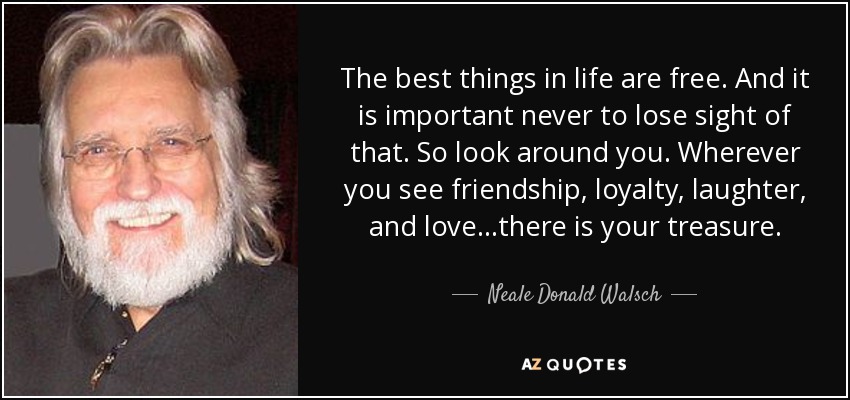
    “The best things in life are free.”
    This age-old saying has adorned greeting cards, inspirational posters, and social media captions for generations — but in today’s hyper-commercial, convenience-driven society, it’s often met with skepticism, even irony. When nearly everything we desire can be ordered, delivered, or scheduled with a few taps, what does “free” really mean anymore?

    We live in an age where abundance is more accessible than ever — services, experiences, and even emotional labor can be outsourced. Yet, despite this efficiency, many people report feeling lonelier, more anxious, and strangely unfulfilled. The conveniences designed to empower us are inadvertently creating distance — not just from others, but from ourselves.

    To understand this paradox, we need to revisit the idea of “free.”
    There are two meanings of the word that are crucial, yet often confused:

    • Price-less — meaning something that comes at no monetary cost

    • Priceless — meaning something so valuable that no price can be assigned to it

    Some of the most meaningful moments in life — a shared laugh, a comforting touch, an act of kindness — are both. They cost nothing in currency, yet their worth is beyond measure. But here’s where it gets interesting: these experiences often lose their essence when a transactional mindset enters the picture.

    In other words, the same act — giving advice, cooking a meal, lending a hand — can yield entirely different outcomes depending on the intention behind it. When done with genuine care, love, or gratitude, the impact is transformative. When done with expectation, obligation, or the hope of return, the energy shifts — and so does the outcome, often subtly but unmistakably.

    In the sections that follow, we’ll explore how our modern emphasis on convenience, productivity, and self-reliance has reframed human connection into something often optional — or worse, inefficient. We’ll also examine how reclaiming the “priceless” through conscious intention can restore meaning, trust, and joy to our lives, even amidst the chaos of modern living.



    The Rise of Convenience Culture: Is It Replacing Human Bonds?

    In the name of progress, we’ve built a world where nearly every need can be met without needing another person. This transformation — while revolutionary — has reshaped how we view relationships, often redefining them as optional rather than essential.

    Take, for instance, the rise of self-sufficiency among women. Many proudly assert, “I don’t need a husband. I have a car, a career, and I can hire help.” It’s a legitimate declaration of autonomy, especially in societies where dependence was once a norm and not a choice. For men, a similar shift is visible. The belief goes: “Why settle down? I can get food delivered, hire someone to clean, and unwind alone. No drama, no dependency.” Likewise, friendships — once built on shared time and effort — are often substituted with passive forms of connection through Netflix, gaming, or online shopping. These forms of engagement simulate companionship but rarely nourish the deeper emotional layers we yearn for.

    At the heart of this shift is a modern belief: “If I can pay for it, I don’t need to rely on others.” On the surface, this looks like empowerment — and in many ways, it is. Being able to meet one’s needs independently is a testament to human progress, especially for those who historically didn’t have that option. It allows for freedom, choice, and personal control.

    But there’s a hidden cost.
    When relationships are replaced by services, and intimacy is traded for independence, something subtle but vital begins to erode: our capacity for interdependence. That sacred space where people lean on each other not just for tasks, but for meaning, grounding, reflection, and growth. The kind of connection that’s neither hired nor automated.

    Convenience culture has made life smoother, but it has also made connection feel… negotiable. In replacing human bonds with streamlined alternatives, we risk losing more than we realize — especially the “priceless” emotional resonance that no transaction can replicate.


    The False Dichotomy: Independence vs Interdependence

    Modern culture often promotes a binary view: either you’re independent — strong, self-made, and in control — or you’re dependent — weak, needy, and burdensome. This black-and-white thinking fuels the widespread desire to eliminate reliance on others altogether, as if self-sufficiency is the ultimate mark of success. But in reality, this is a false dichotomy. There is a third — far more evolved — way of living: interdependence.

    Interdependence is not the absence of autonomy, but the presence of mature, mutual, and intentional connection. It is the conscious choice to lean on others while offering your strength in return. It’s not about needing someone because you lack something — it’s about choosing to connect because you value something greater than the sum of individual parts.

    This truth isn’t new. Indigenous wisdom has long honored this concept. The African philosophy of Ubuntu expresses it beautifully: “I am because we are.” This worldview recognizes that our wellbeing is inseparably tied to the wellbeing of others — not just practically, but spiritually and emotionally.

    Even evolutionary biology supports this. Humans did not become the dominant species through isolation. We survived — and thrived — through cooperation, shared responsibility, and complex social bonds. From foraging and hunting in groups to caregiving and storytelling, our success has always depended on one another.

    Wisdom traditions across the world echo this sentiment:

    • The Vedas teach that dharma (right living) includes obligations not just to the self, but to family, community, and the cosmos.

    • Stoic philosophy emphasizes our role in the greater human community, suggesting true virtue involves treating others with fairness, justice, and empathy.

    • Buddhism speaks of interbeing — the understanding that nothing exists in isolation, and compassion is the natural fruit of this awareness.

    Interdependence, then, is not a regression from independence — it’s its refinement. It allows us to be whole individuals who choose to be part of something meaningful. When we embrace this middle path, we rediscover that connection is not a crutch, but a catalyst for a fuller, richer life.

    The Energy Behind Actions: Transaction vs Intention

    What truly defines the value of an action? It’s tempting to measure effort in tangible terms — time spent, money exchanged, or tasks completed. But beneath the surface of every gesture, there’s something far more powerful at play: the intention behind the action. This unseen energy — the vibration it carries — profoundly shapes the quality and outcome of what’s done, both for the giver and the receiver.

    Consider two people performing the same task: preparing a meal. One is a hired cook, following instructions, watching the clock, and fulfilling a contract. The other is a loved one, cooking with thoughtfulness, warmth, and presence. The ingredients may be identical — but the energetic imprint is worlds apart. One nourishes only the body. The other nourishes the heart.

    This difference is best understood through the lens of human vibration — the subtle energy we emit through our thoughts, emotions, and intentions. Actions rooted in high-vibration states like love, gratitude, compassion, or sincerity naturally uplift. They carry a resonance that promotes trust, connection, and healing. In contrast, actions driven by low-vibration states such as obligation, resentment, entitlement, or transactional thinking often feel hollow, forced, or even draining — even if outwardly, everything seems fine.

    Let’s explore a few real-life examples:

    • A teacher who teaches from a place of passion, purpose, and a desire to uplift students creates an inspiring environment that sparks curiosity and growth. Compare that with a teacher who’s simply putting in hours for a paycheck. The difference isn’t just in teaching style — it’s in how students feel in their presence, and how deeply they engage.

    • A nurse or caregiver who shows up with compassion and presence often speeds recovery and builds trust, even in routine tasks. The same care given with indifference or haste may fulfill the medical need but leave an emotional void.

    • A friend who listens attentively out of love and concern offers healing just by being there. Another friend may listen only out of obligation, distraction in their eyes — and that gap is felt instantly, even if unspoken.

    In each of these, the same action — teaching, feeding, listening, caring — carries different frequencies. And those frequencies are received, often subconsciously, by others. In many ancient traditions, this idea is central: it’s not just what we do, but how and why we do it that matters most.

    As we navigate a world increasingly optimized for efficiency and output, it’s essential to return to this simple truth: intention shapes impact. Whether in homes, schools, hospitals, or businesses, the shift from transactional to intentional action has the power to transform outcomes — physically, emotionally, and even spiritually.


    The Myth of “Free”: Hidden Costs and Energy Debts

    While we often celebrate the idea that the best things in life are “free,” real life reveals a more nuanced picture. Not everything that comes without a price tag is truly costless. In fact, some of the most emotionally draining experiences arise from “free” offerings that carry unspoken strings attached.

    Consider the example of a family member who helps you move house or lends you money — but subtly or overtly reminds you of it for weeks, making you feel guilty or indebted. The act may have been generous on the surface, but the emotional undercurrent reveals a different story. Similarly, some friends may be available to offer emotional support, but their help may come with the demand for constant validation, time, or attention — draining your energy more than uplifting you.

    These are examples of emotional and energetic costs — forms of exchange that don’t involve money but can weigh heavily on one’s mental and spiritual bandwidth. They include guilt, obligation, resentment, or even emotional manipulation. When kindness is given not from a place of love, but from a desire for control, approval, or return favors, it ceases to be truly free. It becomes a veiled transaction.

    Ironically, these subtle energy debts often go unnoticed or unacknowledged because they are masked by the language of care, duty, or closeness. But over time, they accumulate and create emotional imbalance, strain relationships, and erode trust.

    Even within families — traditionally considered the most nurturing and selfless units — transactional mindsets can prevail. A parent may remind a child of all the sacrifices made as a form of control. Siblings may keep emotional scorecards. Spouses may tally responsibilities rather than expressing mutual appreciation. In such dynamics, even small acts of service can lose their warmth, becoming weighed down by expectations.

    This doesn’t mean we shouldn’t accept help or offer it. Rather, it calls for a deeper awareness of why we give and how we receive. It reminds us to recognize the energetic quality behind every exchange — to ensure it’s clean, conscious, and aligned with love, not control.

    Understanding these hidden costs empowers us to create healthier boundaries, cultivate cleaner intentions, and redefine what it means to truly give — or receive — without debt.
    When “Priceless” Is the Real Wealth

    In a world where nearly everything can be bought — from gourmet meals to luxury experiences, from attention-grabbing content to concierge care — we risk forgetting the essence of what truly matters. There exists a category of wealth that cannot be acquired, outsourced, or replaced — no matter how much money one has. These are life’s priceless treasures. And ironically, they often require no money at all, but rather a depth of presence and intention.

    Take love — not romanticized fantasy, but the steady, enduring kind that sees you, supports you, and holds space for your growth. It cannot be demanded or purchased. It must be offered freely, and nurtured through consistency and care.

    Or consider time. We can hire help, book holidays, and schedule our lives — but we cannot manufacture time with a loved one who is no longer around. We cannot buy back missed moments with our children or undo years of disconnection with a parent or friend. Time, once gone, is irreplaceable.

    Presence — the act of being truly with someone, without distraction — is increasingly rare and increasingly valuable. No digital subscription or product can substitute for the richness of undivided attention. When someone listens deeply or shows up for you without agenda, it leaves a lasting imprint on the soul.

    Trust, too, cannot be bought. It must be earned and honored through consistent, respectful action. One breach of trust can take years to repair, and no material compensation can fully restore its original strength.

    Belonging — the sense that we are accepted, valued, and safe — comes not from wealth or independence but from emotional roots and shared experience. It’s cultivated in homes, friendships, and communities where authenticity is welcomed, not judged.

    And then there’s shared laughter, the kind that dissolves pain and reminds us we’re not alone. It’s spontaneous, organic, and deeply connecting. No script, no transaction can mimic its healing magic.

    Lastly, peace of mind — that rare inner stillness — is often chased with money but rarely found through it. True peace comes from alignment, honesty, and the freedom of knowing you are enough and are not beholden to constant performance or validation.

    Each of these — love, time, presence, trust, belonging, laughter, peace — is cost-free, yet infinitely valuable. But they are not effortless. They require nurturing, intentionality, and a mindset that honors people over performance, connection over convenience. They cannot be hoarded, scaled, or sold. They can only be lived and shared.

    In embracing these intangible riches, we redefine wealth not as what we own — but as what we give, receive, and feel, with no receipt, and no debt.



    The Modern Gift: Professional Services with Heart

    Modern life offers a remarkable advantage that previous generations didn’t enjoy: access to professional services that streamline living. From food delivery to therapy apps, from home maintenance to childcare, today’s paid conveniences are not just luxuries — they are lifelines for many.

    They help people save time, reduce burnout, and focus on their goals. A single parent managing work and home, an elderly person living independently, or a young adult forging life in a new city can all benefit immensely from services that were once available only through family or tight-knit communities. These solutions are not only practical, they are often economically empowering, providing income and dignity to millions of workers around the world.

    In fact, for individuals who lack traditional support systems — whether due to geographic mobility, strained relationships, or personal choice — access to paid services bridges the gap between need and wellbeing. In this way, transactional help is not shallow; it can be a powerful enabler of dignity, independence, and focus.

    However, as we lean into this convenience, it becomes essential to approach it mindfully. The danger lies not in the services themselves, but in the mindset of substitution — believing that convenience can or should replace genuine human connection.

    A housekeeper may clean your home, but cannot replace the warmth of someone who cares how your day went. A virtual assistant may help you manage tasks, but cannot offer the grounding presence of someone who holds space for your fears. When we begin to treat human relationships as optional — or inefficient — we risk not only loneliness, but the erosion of our own emotional intelligence.

    The solution is balance. Use professional services with clarity and appreciation, while still investing in non-transactional relationships. Offer gratitude to those who serve you, and don’t allow the ease of outsourcing to dull your own ability to give — time, attention, kindness — freely and consciously.

    In doing so, we turn a purely commercial act into something more sacred. When the exchange is not just money for a task, but respect for service, and presence for presence, we close the loop between commerce and care — and that, too, is a form of wealth.


    Restoring the Priceless: How to Reclaim the Human Element

    In a world optimized for speed, efficiency, and self-sufficiency, the art of being human — vulnerable, connected, giving — can feel like a fading skill. Yet, the essence of life doesn’t lie in how many things we can outsource, but in how deeply we can experience, express, and exchange presence and care.

    To restore the priceless in everyday living, we don’t need to reject convenience or modernity. Instead, we need to weave the human element back into our routines, with mindfulness and intention.

    🔹 Integrate Both Worlds Gracefully

    • Use professional services as support, not substitution. Let them free up your energy — and then spend that energy on people and experiences that matter.

    • Don’t let independence become isolation. Even if you can “do it all yourself,” invite others in. Being helped doesn’t make you weak — it makes you human.

    🔹 Offer Without a Scorecard

    • Practice giving without keeping tabs — whether it’s your time, listening ear, encouragement, or acts of service.

    • Shift your internal language from “Who owes me what?” to “What can I give that costs nothing but carries meaning?”

    🔹 Maintain Relationships Without Utility

    • Check in with friends not just when you need something. Nurture bonds for their emotional richness, not transactional benefit.

    • Make space for conversations, shared meals, spontaneous plans — even when your to-do list says otherwise.

    🔹 Celebrate the Small, Free Joys

    • Take walks with no agenda.

    • Cook for someone you care about.

    • Write a handwritten note — simple, personal, enduring.

    • Laugh freely. Hug fully. Pause intentionally.

    These moments seem small, but they’re the currency of connection. They build emotional wealth that no app or algorithm can replicate.

    🔹 Suggested Daily Habits

    • Journal once a week about something you received that was “free but priceless” — a smile, a helpful gesture, a memory.

    • Practice energetic gratitude: bless your water before drinking, your food before eating, and your words before speaking. This creates higher vibration in your day.

    • Once a week, replace a purchase with a relationship: instead of ordering in, cook and eat with someone. Instead of scrolling, call someone you miss.

    These practices remind us that the greatest nourishment — emotional, spiritual, even physical — often comes not from consumption, but from connection. When we choose to invest in the invisible, we slowly rebuild a world that values heart over hustle, people over products, and presence over performance.

    And that world? It’s not bought.
    It’s built — one priceless moment at a time.



    Conclusion: Remembering What Truly Enriches Us

    We live in a time of extraordinary ease — where almost anything can be delivered, done, or delegated at the click of a button. And yes, convenience is a gift of the modern world. It frees our time, extends our reach, and enhances productivity.

    But it must not replace what truly nourishes us.

    The most life-giving experiences — love, trust, stillness, laughter, belonging — are not available for purchase. They are priceless in value and free of cost, yet only become truly enriching when given and received with presence, humility, and open-heartedness.

    As we navigate an increasingly transactional world, may we remember: connection cannot be automated, and meaning cannot be outsourced.

    So pause for a moment.

    What is one priceless thing you’ve received this week?

    And did you thank it, feel it, or nurture it — or simply move past it?

    Your answer may just be your path back to what matters most.


    🕊️ Support Meda Foundation

    Articles like this are made possible through the generous support of our patrons. If you found this piece informative, thought-provoking, or helpful in any way, please consider contributing to sustain and expand our work.

    We also deeply value community wisdom. Share your insights, experiences, or reflections to enrich this conversation.


    📚 Resources for Further Research

    Here are some trusted and insightful resources that dive deeper into the themes explored in this article:

    On the Difference Between “Priceless” and “Price-less”

    On Human Energy, Intention & Vibrations

    On Convenience Culture and Social Shifts

    On Indigenous and Philosophical Insights

    On Emotional Labor and Hidden Costs

    On Modern Independence vs Interdependence


  • Reclaiming Quality: Simple Ways to Thrive Beyond Convenience Culture

    Reclaiming Quality: Simple Ways to Thrive Beyond Convenience Culture

    This article is for young individuals navigating a world that increasingly values convenience over quality. In a culture that prioritizes speed, ease, and instant gratification, many are unaware of the deeper satisfaction that comes from engaging with life at a slower, more intentional pace. This article will help readers understand how convenience culture shapes their choices and how embracing quality—whether in relationships, work, or everyday tasks—can lead to a richer, more fulfilling life. It encourages a shift in mindset, offering practical tips for integrating quality into a busy lifestyle, while also addressing the challenges of standing out in a society that often prizes shortcuts. Whether you’re looking to enhance your well-being, rediscover the value of craftsmanship, or simply make more thoughtful decisions, this article will empower you to make conscious choices that improve both your life and your environment.

    Introduction: Understanding Convenience Culture

    Origins of Convenience Culture
    Convenience culture has its roots in the rapid technological advancements and industrial growth of the 20th century, which revolutionized how we approach daily life. With inventions like home appliances, fast food, and on-demand services, the focus shifted to reducing effort and saving time. Over time, this mindset expanded to all areas of life, with consumerism playing a pivotal role. Advertisers and corporations marketed products not just for their functionality but for their ability to make life faster and easier, linking convenience to modernity and success. The rise of digital technology and the internet further accelerated this shift, with social media platforms showcasing lifestyles of instant gratification and ease, reinforcing the idea that convenience equates to progress.
    Modern work and life pressures also contribute. Longer working hours, urban sprawl, and the demand for productivity have left little room for traditional, time-consuming processes, making convenience a necessity rather than a choice.

    Impact on Young Generations
    For younger generations, especially those growing up in urban and semi-urban areas, convenience culture has become the norm. They are surrounded by fast food, same-day deliveries, instant communication, and quick fixes for almost every problem. This environment often leaves them disconnected from the effort, patience, and craftsmanship that define quality. Even in rural areas, the influence of urban lifestyles has seeped in, as people aspire to emulate what is perceived as modern or “forward-thinking.”
    This shift has shaped mindsets in significant ways. Many young individuals are accustomed to solutions that require minimal skill or time, often unaware of the joy and depth that traditional methods or high-quality alternatives can offer. This article seeks to shed light on these changes, encouraging a reevaluation of priorities to appreciate and embrace the value of quality in a convenience-driven world.

    The Core of Convenience Culture

    Examples of Convenience
    Convenience has become a cornerstone of modern living, with its influence evident in almost every aspect of daily life. Fast food chains dominate the food industry, offering meals that are quick, affordable, and require no cooking skills but often lack nutritional value. In education, shortcuts like summarizing apps, online quizzes, and study guides replace deep, engaged learning. Even relationships are shaped by convenience, with the rise of dating apps and digital communication sometimes prioritizing quantity over quality connections.
    Consumer habits also reflect this trend. Disposable products like single-use plastics, fast fashion, and instant online shopping are embraced for their ease, often without consideration of their environmental and long-term costs. These examples highlight how convenience has permeated choices, replacing effort and craftsmanship with immediate gratification.

    Convenience vs. Quality
    The rise of convenience culture represents a significant shift from valuing skill, effort, and long-lasting quality. Traditionally, people took pride in handcrafting goods, preparing meals from scratch, and nurturing relationships over time. Today, these practices are often seen as inefficient or outdated. The focus has moved to speed, simplicity, and minimizing effort, sometimes at the expense of durability, depth, and satisfaction.
    However, convenience is not without its merits. When used wisely, life hacks and shortcuts can save time without significantly compromising quality. For example, using technology to automate repetitive tasks or finding efficient ways to organize can enhance productivity. But these benefits are exceptions rather than the rule. In most cases, convenience undermines long-term value by prioritizing short-term gains.
    This trade-off highlights the need to critically evaluate when convenience serves as a helpful tool versus when it detracts from the richness and quality of life.

    The Downsides of Convenience Culture

    Environmental and Emotional Costs
    Convenience culture has a profound environmental impact. The reliance on disposable products, single-use plastics, and fast fashion contributes to massive waste generation and resource depletion. Landfills overflow with items designed for short-term use, while the production of these goods demands vast amounts of energy, water, and raw materials. This cycle of overproduction and waste has far-reaching consequences for ecosystems and the planet’s health.
    On an emotional level, convenience culture erodes qualities like patience, creativity, and resilience. The habit of seeking instant gratification limits one’s ability to engage deeply with tasks, solve complex problems, or navigate challenges. Younger generations, in particular, may struggle to find satisfaction in long-term goals, as the constant availability of quick fixes reduces their ability to delay gratification. This can lead to feelings of emptiness, frustration, and diminished fulfillment in personal and professional lives.

    Compromising on Quality
    One of the most significant trade-offs of convenience is the compromise on quality. In the quest to save time or reduce effort, people often settle for inferior products, shallow relationships, and superficial experiences. Prepackaged meals may save time but lack the nourishment and flavor of home-cooked food. Quick fixes in relationships, such as relying on texts or emojis, can prevent deeper emotional connections.
    Work and personal projects also suffer. Tasks completed hastily for convenience may lack the depth, creativity, or excellence achieved through dedicated effort. The richness of experiences—whether it’s savoring a meal, crafting an item, or nurturing a bond—is often lost when shortcuts take precedence.
    While convenience may offer immediate comfort, the long-term cost is a diminished sense of fulfillment and an inability to fully appreciate the value of quality in life. Recognizing and addressing these downsides is key to finding a balance between convenience and meaningful living.

    Why Quality Still Matters

    Defining Quality in a Convenience World
    In a world driven by convenience, the idea of quality often feels out of place, yet its importance remains timeless. Quality goes far beyond material objects; it encompasses rich life experiences, meaningful relationships, and a mindful approach to living. High-quality experiences engage the senses, challenge the mind, and foster personal growth, offering a depth of joy that instant gratification cannot match. Similarly, quality relationships—built on trust, effort, and understanding—provide long-term emotional fulfillment, unlike fleeting, superficial connections.
    Quality is also a mindset. It encourages intentional choices, whether it’s spending time with loved ones, preparing nourishing meals, or dedicating effort to a meaningful project. This pursuit of quality brings a sense of purpose and satisfaction that endures, even as convenience culture beckons with its quick fixes.

    The Power of Slow Living
    Slow living is a lifestyle that celebrates quality by focusing on what truly matters, rather than rushing through life. It encourages taking the time to enjoy simple pleasures—savoring a meal, engaging deeply in conversations, or creating something by hand. This counterbalance to convenience culture allows individuals to reconnect with themselves and their surroundings.
    The benefits of slow living are profound. It promotes better mental health by reducing stress and anxiety tied to the constant chase for speed and efficiency. By encouraging focus and mindfulness, slow living enhances productivity and creativity. It also fosters more meaningful interactions, as time spent with others becomes deliberate and fulfilling.
    Embracing quality through slow living is not about rejecting convenience entirely; rather, it’s about making thoughtful decisions to prioritize depth and meaning over haste and superficiality. This balance can transform everyday moments into lasting sources of happiness.

    How to Identify Quality in a Convenience-First World

    Navigating a world dominated by convenience-first products and systems requires critical observation and intentionality. Here are strategies to help distinguish quality from mediocrity:

    Research the Origins and Materials

    • Understand Materials and Ingredients: Opt for items made from durable, natural materials (e.g., wood, metal, organic cotton) or whole, unprocessed ingredients. For food, look for fewer, recognizable components.
    • Investigate Brand Practices: Research the company’s sourcing, labor conditions, and sustainability initiatives. Ethical brands often produce higher-quality goods.

    Examine Craftsmanship

    • Check Durability: Look for solid construction, reinforced seams, or sturdy connections. For example, quality clothing will have double-stitched seams, and quality furniture will have well-joined pieces.
    • Inspect Details: Fine craftsmanship often shows in the smaller touches like even stitching, smooth finishes, and thoughtful design features.

     Observe Performance and Longevity

    • Test Reliability: A product that performs well over time is a hallmark of quality. Seek reviews from users who have tested the product extensively.
    • Consider Guarantees: Companies that stand behind their products with warranties or repair services are often confident in their quality.

     Evaluate the Experience

    • Depth Over Convenience: High-quality experiences require active engagement, whether it’s savoring a home-cooked meal, diving into a challenging book, or crafting something by hand. If it feels richer and more rewarding, it’s likely quality-driven.
    • Emotional Connection: Products or experiences that evoke joy, nostalgia, or satisfaction often come from thoughtful creation and attention to detail.

     Prioritize Function Over Gimmicks

    • Avoid Over-Marketing: Products loaded with buzzwords like “quick,” “instant,” or “disposable” often prioritize convenience over quality. Look for those that highlight durability, ethics, or heritage.
    • Test Practicality: A quality item fulfills its purpose efficiently without unnecessary add-ons or complexity.

     Seek Timelessness

    • Classic Designs: Quality products often feature timeless designs rather than following fleeting trends. Classic styles are easier to integrate into long-term lifestyles.
    • Sustainability in Use: High-quality items age gracefully or improve with time, like leather shoes, cast iron cookware, or wooden furniture.

     Trust Your Senses

    • Look: Quality often shows in the details—clean edges, vibrant colors, or balanced proportions.
    • Touch: High-quality materials feel solid and substantial compared to their flimsy, mass-produced counterparts.
    • Smell and Taste: In food, natural ingredients will smell and taste richer than processed alternatives.

     Assess Value Beyond Price

    • Cost per Use: A durable product may seem expensive but costs less over time because it lasts longer.
    • Emotional and Practical Value: Does it improve your life meaningfully or align with your values? Quality often brings satisfaction beyond its immediate use.

     Learn from Trusted Sources

    • Seek Expert Opinions: Recommendations from professionals or well-regarded review platforms can provide insights.
    • Listen to Experienced Users: Friends, family, or community groups often know what lasts and what doesn’t.

     Reflect on Your Experience

    • Comparison with Alternatives: Try both convenient and quality-focused options to see the difference in outcome, longevity, and satisfaction.
    • Ask Questions: Does it fulfill its purpose well? Was it worth the investment? Will it stand the test of time?


    Maintaining a Quality Mindset in a Convenience-Driven World

    Challenges of Upholding Quality
    Prioritizing quality in a world dominated by convenience can be a lonely path. Societal norms and peer pressure often glorify speed, ease, and instant results, making those who value tradition, craftsmanship, or deliberate choices seem “old-fashioned” or out of touch. This can lead to feelings of alienation or being judged, especially among peers who might not see the value of quality in the same way.
    The constant exposure to convenience culture via social media and advertising compounds the challenge, as it normalizes quick fixes and makes quality-focused decisions feel less rewarding or relevant. Navigating these pressures requires intentionality and strength to remain committed to one’s values.

    Embracing the Struggle
    Standing your ground amidst discouragement and judgment begins with understanding your “why.” Reflect on why quality matters to you—whether it’s for deeper satisfaction, sustainability, or personal growth. Developing resilience is key. Surround yourself with like-minded individuals who appreciate and support your values. Practice self-compassion and remind yourself that choosing quality is an investment in your long-term well-being.
    When faced with envy or discouragement, use these moments to share your perspective, turning judgment into an opportunity for dialogue. Demonstrate the benefits of your approach through your actions, whether it’s enjoying a skillfully prepared meal or showcasing the durability of a well-crafted item. Confidence in your choices will inspire others and reaffirm your commitment.

    Reframing Convenience
    A “quality mindset” doesn’t mean rejecting convenience entirely—it’s about integrating quality into a fast-paced lifestyle in practical, accessible ways. For instance, opt for high-quality ready-made ingredients instead of ultra-processed food, or streamline your schedule to dedicate time to meaningful hobbies.
    Look for innovations and tools that align with both convenience and quality, such as eco-friendly household products, digital platforms for skill development, or pre-planned activities that emphasize depth over speed. By reframing convenience to work for, rather than against, quality, you can maintain a fulfilling balance between tradition and modernity.

    Different Ways to Make Quality Convenient

    Innovative Ways to Merge Quality with Convenience
    Balancing quality with convenience is no longer an impossible goal, thanks to modern tools and technology. Innovations in various fields provide opportunities to maintain high standards while saving time and effort. For example:

    • Cooking: Tools like multicookers or air fryers can simplify cooking while preserving nutrition and flavor. Pre-chopped fresh ingredients or meal kits offer convenience without compromising the essence of home-cooked meals.
    • Sustainable Products: Modern sustainable goods, such as reusable silicone storage bags or biodegradable cleaning products, merge eco-friendliness with practicality.
    • Work Practices: Productivity tools like project management apps or AI-powered writing assistants help streamline tasks while enhancing quality output. Using collaborative platforms ensures team efficiency without sacrificing creativity or detail.

    By leveraging such innovations, it’s possible to maintain high standards without succumbing to the pitfalls of quick-and-easy solutions.

    Incorporating Quality into Everyday Life
    Adopting quality in daily routines doesn’t require a complete lifestyle overhaul—small, intentional changes can make a big difference. Here are some ideas:

    • Cooking: Batch cook meals on weekends using wholesome ingredients to enjoy the convenience of ready-to-eat, nutritious meals during busy weekdays.
    • Sleep and Mindfulness: Prioritize quality sleep by establishing a bedtime routine and investing in a comfortable mattress and blackout curtains. Incorporate mindfulness practices like meditation or journaling to enrich your mental well-being.
    • Relationships: Dedicate uninterrupted time for family or friends. Replace digital-only interactions with in-person meetings or meaningful phone conversations when possible.
    • Durable Investments: Choose well-made, sustainable items like sturdy clothing or durable cookware instead of disposable or fast-fashion alternatives. These choices reduce waste and save money over time.

    By integrating these practices, you can make quality a natural and effortless part of your daily life while preserving the benefits of convenience.

    The Pros and Cons of Walking Away from Convenience Culture

    Pros of Embracing Quality Over Convenience

    • Improved Quality of Life: Prioritizing quality often enhances multiple aspects of life. Health improves through mindful eating and exercise, relationships grow stronger with genuine effort, and mental well-being is bolstered by a sense of purpose and accomplishment.
    • Long-Term Satisfaction: While initially more effortful, choosing quality offers lasting benefits. Cooking a meal from scratch or creating something with your hands brings deep satisfaction, fostering personal growth and resilience. Quality-driven habits also encourage self-reliance and creativity, leading to a more fulfilling life.
    • Sustainability and Environmental Impact: Moving away from disposable, convenience-focused options reduces waste and supports a healthier planet. Investing in durable goods aligns with eco-conscious values, adding a sense of pride and responsibility to everyday actions.

    Cons of Rejecting Convenience Culture

    • Social Isolation: Opting for quality in a convenience-driven world may lead to feeling out of sync with peers. People accustomed to quick fixes may see your choices as “old-fashioned” or impractical, potentially leading to judgment or exclusion.
    • Pressure to Conform: Convenience culture is deeply ingrained, and stepping away from it can attract skepticism or even ridicule. The pressure to take the “easy way out” can feel overwhelming, especially when trying to balance quality with modern demands.
    • Time and Effort Challenges: Quality-focused approaches often require more time and energy, which can be difficult to manage in a fast-paced lifestyle. Finding a balance that fits your schedule without feeling overburdened is key to sustaining these choices.

    Finding Balance

    Walking away from convenience culture isn’t about completely rejecting it but striking a balance. Embrace the best aspects of convenience where it aligns with quality and be selective about where to invest extra effort. This compromise allows you to enjoy a meaningful, enriched life without feeling alienated or overburdened.

    Tips and Resources for Seeking Better Quality in All Aspects of Life

    Practical Tips
    Incorporating quality into your life doesn’t require drastic changes. Start with these actionable ideas:

    • Quality in Food:

      • Cook meals at home using fresh, sustainable ingredients.
      • Explore the slow food movement, which emphasizes the joy of preparing and savoring meals.
      • Learn simple cooking techniques that maximize flavor and nutrition.
    • Quality in Learning:

      • Dedicate focused time to in-depth learning, such as reading full books or engaging in skill-building activities.
      • Avoid relying solely on shortcuts like online summaries or quick guides; balance them with a thorough understanding of topics.
      • Practice critical thinking and seek out mentors or communities for deeper knowledge.
    • Quality in Relationships:

      • Invest in meaningful communication. Listen actively and show genuine interest in others.
      • Organize or participate in activities that strengthen bonds, such as shared meals, creative projects, or nature outings.
      • Limit digital distractions when spending time with loved ones to cultivate richer connections.

    Resource Guide
    To further embrace quality, explore these tools and inspirations:

    • Books:

      • “The Slow Home” by Brooke McAlary: A guide to simplifying life and finding happiness in slower living.
      • “In Praise of Slowness” by Carl Honoré: An exploration of the benefits of slowing down in a fast-paced world.
      • “Essentialism” by Greg McKeown: A strategy for focusing on what truly matters by eliminating unnecessary distractions.
    • Podcasts:

      • The Minimalists Podcast: Insights on living intentionally with less.
      • Hurry Slowly: A podcast dedicated to sustainable productivity and purposeful living.
    • Documentaries:

      • “The True Cost”: A look at the environmental and social impact of fast fashion, inspiring thoughtful consumption.
      • “Minimalism”: Stories of individuals finding freedom in less.
    • Online Guides and Communities:

      • Websites promoting sustainable living, such as Becoming Minimalist and The Zero Waste Chef, for practical tips on mindful consumption.
      • Join social media groups or forums that share experiences and tips about investing in quality over quantity.

    By incorporating these tips and leveraging these resources, you can gradually transition toward a life that values depth, durability, and genuine satisfaction over fleeting convenience.

    Conclusion: Redefining Success in a Convenience World

    Call for Empowerment

    In a world that often equates ease with success, we can redefine what it means to live a meaningful life. By consciously choosing quality where it matters—whether in relationships, personal growth, or the things we consume—we empower ourselves to embrace a richer, more fulfilling existence. This shift requires effort but fosters resilience, joy, and a deeper connection to our values.

    The Balance Between Quality and Convenience

    The purpose is not to reject convenience but to thoughtfully balance it with quality. Identify areas in your life where prioritizing quality aligns with your values and focus your efforts there. Convenience can still serve a purpose, but it should complement, not overshadow, the pursuit of long-term satisfaction and meaning.

    Final Thought

    “The life worth living is not the easiest one, but the one that is full of richness, effort, and meaning.”

    Support Meda Foundation

    This article, like many others, is made possible by the generous support of our patrons. If you found this article informative or helpful, please consider donating to the Meda Foundation. Your contributions help us continue creating meaningful content.

    Additionally, we value your voice. Share your insights, experiences, or questions through our feedback form.

    Resources for Further Research

    Here are some resources to explore the discussed concepts further:

    Books

    1. In Praise of Slow by Carl Honoré
    2. The Slow Home by Brooke McAlary
    3. Essentialism: The Disciplined Pursuit of Less by Greg McKeown

    Websites & Articles

    1. Slow Food Movement: www.slowfood.com
    2. Minimalist Living Tips: www.becomingminimalist.com
    3. Sustainable Product Reviews: www.sustainability.com

    Podcasts

    1. The Minimalists Podcast: www.theminimalists.com/podcast
    2. Hurry Slowly by Jocelyn K. Glei: www.hurryslowly.co
    3. The Tim Ferriss Show: www.tim.blog/podcast

    Videos & Documentaries

    1. The True Cost (Documentary on fast fashion): www.truecostmovie.com
    2. Minimalism: A Documentary About the Important Things: www.netflix.com
    3. Cooked by Michael Pollan: www.netflix.com

    Research Papers & Studies

    1. “The Environmental Costs of Fast Fashion”: www.researchgate.net/publication/FastFashion
    2. Studies on Slow Living: www.springer.com/journal/slow-living-research

    Blogs & Vlogs

    1. Zero Waste Living: www.goingzerowaste.com
    2. Simple Living: www.theartofsimple.net
    3. Sustainable Travel: www.nomadicmatt.com