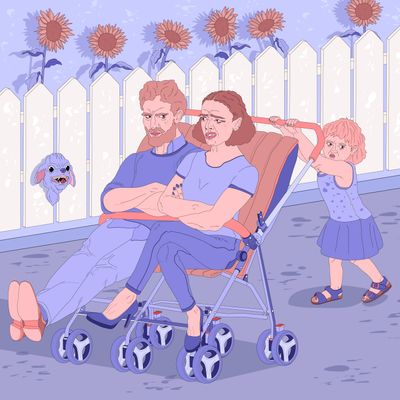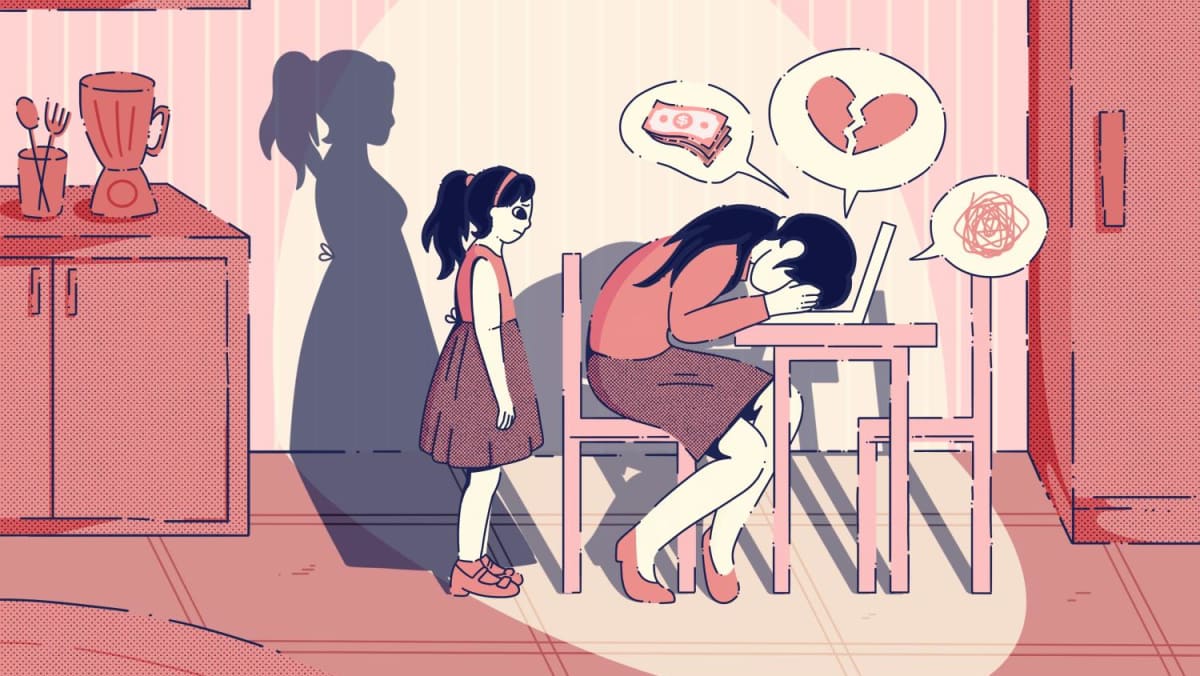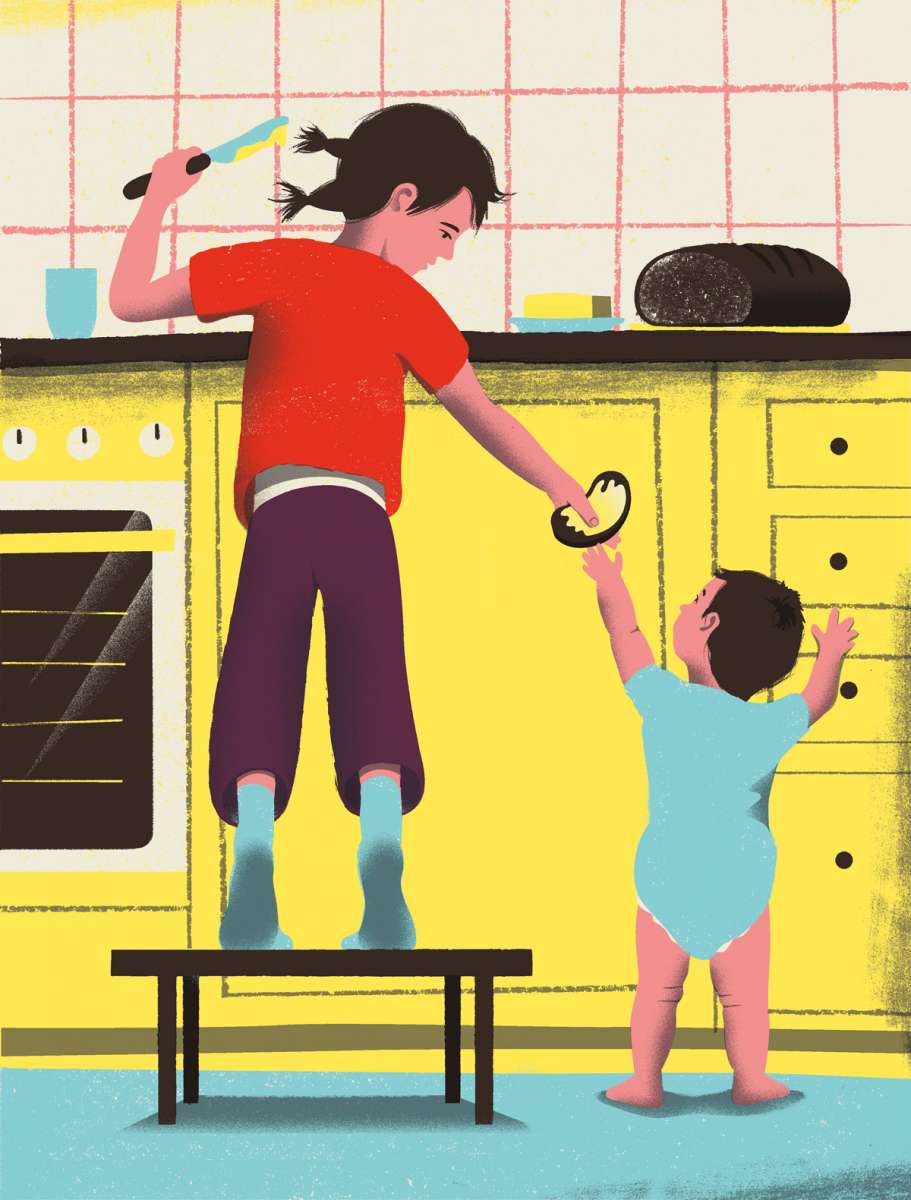

Empathy and narcissism are two sides of the same coin, rooted in unmet emotional needs and childhood trauma, manifesting in complex personality dynamics that can heal or harm depending on awareness and regulation. From the manipulative insight of dark empaths to the fragile performance of vulnerable narcissists, these traits shape relationships, often creating cycles of codependency, gaslighting, and trauma bonding. Understanding the neurological, psychological, and social mechanisms behind these patterns reveals pathways to conscious evolution: empaths learning boundaries and sovereign compassion, narcissists cultivating authentic vulnerability, and societies fostering emotional literacy over performative connection. Healing transforms survival strategies into emotional wisdom, turning compassion into strength, power into service, and human connection into a conscious, ethical, and transformative force.
ಸಹಾನುಭೂತಿ ಮತ್ತು ನಾರ್ಸಿಸಿಸಮ್ ಎರಡು ಮುಖಗಳಂತೆ; ಅವು ಪೂರಕವಿಲ್ಲದ ಭಾವನಾತ್ಮಕ ಅಗತ್ಯಗಳು ಮತ್ತು ಬಾಲ್ಯದಲ್ಲಿನ ತೊಂದರೆಗಳಿಂದ ಉಂಟಾಗುತ್ತವೆ, ಜಟಿಲ ವ್ಯಕ್ತಿತ್ವ ಗತಿಗಳಲ್ಲಿ ತೋರ್ಪಡುತ್ತವೆ ಮತ್ತು ಜಾಗೃತಿ ಮತ್ತು ನಿಯಂತ್ರಣದ ಮೇರೆಗೆ ಚಿಕಿತ್ಸೆ ಅಥವಾ ಹಾನಿ ಉಂಟುಮಾಡಬಹುದು. ಡಾರ್ಕ್ ಎಂಪಥ್ಗಳ ಕುಸಿತವಾದ ತಿಳಿವಳಿಕೆದಿಂದ ಹಿಡಿದು ಅಸಹಾಯ ನಾರ್ಸಿಸಿಸ್ಟ್ಗಳ ಅಸಹಾಯ ಪ್ರದರ್ಶನವರೆಗೆ, ಈ ಲಕ್ಷಣಗಳು ಸಂಬಂಧಗಳನ್ನು ರೂಪಿಸುತ್ತವೆ, ಹಲವಾರು ಬಾರಿ ಕೋಡೆಪೆಂಡೆನ್ಸಿ, ಗ್ಯಾಸ್ಲೈಟಿಂಗ್ ಮತ್ತು ಟ್ರಾಮಾ ಬಾಂಡಿಂಗ್ನ ಚಕ್ರವನ್ನು ಸೃಷ್ಟಿಸುತ್ತವೆ. ಈ ಮಾದರಿಗಳ ಹಿಂದೆ ಇರುವ ನ್ಯೂರೋಲಾಜಿಕಲ್, ಮನೋವೈಜ್ಞಾನಿಕ ಮತ್ತು ಸಾಮಾಜಿಕ ಯಂತ್ರಗಳನ್ನು ಅರ್ಥಮಾಡಿಕೊಳ್ಳುವುದರಿಂದ ಜಾಗೃತ ಅಭಿವೃದ್ಧಿಯ ಮಾರ್ಗಗಳು ಬೆಳೆಯುತ್ತವೆ: ಎಂಪಥ್ಗಳು ತಮ್ಮ ನೇರತೆಯನ್ನು ಮತ್ತು ಸ್ವಯಂ-ಸಹಾನುಭೂತಿಯನ್ನು ಕಲಿಯುತ್ತಾರೆ, ನಾರ್ಸಿಸಿಸ್ಟ್ಗಳು ನಿಜವಾದ ಅಸಹಾಯತೆಯನ್ನು ಬೆಳೆಯುತ್ತಾರೆ, ಮತ್ತು ಸಮಾಜಗಳು ನಾಟಕೀಯ ಸಂಪರ್ಕಕ್ಕಿಂತ ಭಾವನಾತ್ಮಕ ಸಾಕ್ಷರತೆಯನ್ನು ಉತ್ತೇಜಿಸುತ್ತವೆ. ಚೇತರಿಕೆ ತಾತ್ಕಾಲಿಕ ತಂತ್ರಗಳನ್ನು ಭಾವನಾತ್ಮಕ ಜ್ಞಾನದಲ್ಲಿ ಪರಿವರ್ತಿಸುತ್ತದೆ, ಸಹಾನುಭೂತಿಯನ್ನು ಶಕ್ತಿಯಾಗಿ, ಶಕ್ತಿಯನ್ನು ಸೇವೆಯಾಗಿ ಮತ್ತು ಮಾನವ ಸಂಪರ್ಕವನ್ನು ಜಾಗೃತ, ನೈತಿಕ ಮತ್ತು ಪರಿವರ್ತನಾತ್ಮಕ ಶಕ್ತಿಯಾಗಿ ಮಾರ್ಪಡಿಸುತ್ತದೆ.

The Spectrum of Empathy and Narcissism: Dark Empaths, Covert Manipulation, and Healing from Trauma
Intended Audience and Purpose
Audience
This article is written for students of psychology, trauma survivors, relationship counselors, and anyone deeply curious about the inner workings of human behavior and emotion. It speaks to those who have felt too much, given too much, or lost themselves in the pursuit of love, understanding, or validation. It also invites the analytical mind—the clinician, the researcher, and the observer—to examine empathy and narcissism not as opposing forces, but as interdependent psychological patterns sculpted by experience, biology, and pain.
At its core, this work appeals to individuals who seek not just to understand others, but to understand why they understand others so much—why certain people’s emotions flood their system, why they are drawn to “broken” individuals, or why manipulation hides so easily behind the mask of care. For professionals, it offers a structured yet humane exploration of empathy’s dual nature, helping refine diagnostic insight and therapeutic strategies. For survivors, it offers a mirror that reflects both their wounds and their wisdom.
Purpose
Empathy is often celebrated as humanity’s most virtuous trait—our emotional bridge to others, our moral compass. Yet, in today’s complex emotional ecosystem, empathy has revealed its paradox: it can heal or harm, liberate or enslave, connect or control. The purpose of this article is to decode that paradox, to strip away the sentimental idealism that surrounds empathy and uncover its full psychological spectrum—from radiant compassion to its shadowed twin, dark empathy.
Through a synthesis of psychological research, trauma theory, and neurobiological understanding, this exploration aims to reveal how empathy and narcissism share a common origin story—one rooted in childhood adaptation to pain. Both the empath and the narcissist are products of emotional chaos: one learns to soothe, the other to survive. They are two sides of the same defense mechanism, two languages of unmet need. Understanding this shared foundation transforms how we interpret “toxic relationships,” not as moral battles between good and evil, but as unconscious partnerships between complementary wounds.
The article seeks to awaken readers to a higher consciousness about emotional power: how empathy can be weaponized, how narcissism disguises itself as sensitivity, and how trauma subtly scripts our relational patterns. It challenges readers to see empathy not as a virtue by default, but as a skill—one that must be trained, bounded, and consciously directed.
Ultimately, the goal is not merely intellectual illumination but practical transformation. Readers will learn how to:
- Recognize and regulate empathic overextension and emotional exhaustion.
- Identify manipulative patterns that masquerade as empathy or love.
- Understand the neuropsychological processes that drive trauma bonding and emotional dependency.
- Develop tools to rebuild boundaries, self-trust, and discernment.
- Transform empathy from a reactive emotional pull into a conscious, empowered force for connection and healing.
This article does not pathologize empathy, nor demonize narcissism—it contextualizes both. It invites a deeper, more compassionate lens: one that sees human behavior as adaptation rather than malice, as learned protection rather than innate corruption. Yet it also refuses to sugarcoat. It exposes the dark mechanics of emotional manipulation, the illusion of the “rescuer” archetype, and the psychological traps of codependency with piercing clarity.
Above all, the purpose is to awaken a form of emotional intelligence that integrates empathy with wisdom—a maturity that loves without losing self, helps without absorbing pain, and feels deeply without being consumed.
Through this lens, empathy evolves from a reflex to a responsibility, and narcissism becomes not a curse, but a signal—a signpost pointing toward unhealed pain and the potential for self-awareness.
The journey this article invites is not about judging who we are, but about remembering how we became this way, and more importantly, who we can choose to become next.

I. Introduction: When Empathy Turns Dark
The Shadow Side of Feeling Deeply
Empathy is not inherently good.
When unregulated or fused with narcissistic tendencies, it can transform into a subtle but potent weapon—one capable of emotional control, guilt manipulation, and psychological harm. What society often celebrates as sensitivity or emotional intelligence can, in the wrong hands or unhealed psyche, become an art of domination disguised as compassion.
In the age of heightened awareness about trauma and emotional intelligence, we face a paradox: the same sensitivity that can heal can also wound. True empathy, when unbounded by self-awareness, easily crosses into emotional enmeshment, codependency, or worse, strategic manipulation.
This is the uncomfortable truth modern psychology and social culture are finally confronting: empathy and narcissism are not opposites—they are neighbors. Both draw from emotional insight, but while one uses it to connect, the other uses it to control.
A. The New Archetypes of Personality
In recent years, popular psychology and social media have given rise to a new pantheon of emotional archetypes—each blurring the once-clear moral line between “good” and “bad,” “empath” and “narcissist.”
Among them, three stand out as defining patterns of our emotionally complex age:
- The Dark Empath – The most disorienting of all. They possess genuine emotional insight but use it selectively—sometimes for good, often for gain. They understand pain but may leverage that understanding to manipulate, charm, or dominate. Their empathy is not absent—it is instrumental.
- The Covert Narcissist – The hidden ruler behind the mask of humility. Unlike overt narcissists who flaunt power, the covert one cloaks self-obsession under vulnerability or victimhood. Their empathy is performative, often used to secure admiration or sympathy. They don’t just want to be loved—they want to be perceived as loving.
- The Toxic Empath – The wounded healer who bleeds into others. Unlike the dark empath, their harm is unintentional but equally destructive. They absorb emotional pain until it distorts their sense of self, becoming rescuers who unconsciously recreate the very suffering they seek to heal.
These archetypes are not caricatures—they reflect a collective emotional evolution. As society prizes empathy and emotional awareness, the shadow side naturally surfaces: emotional intelligence without integrity, compassion without boundaries, and sensitivity without strength.
The fascination with these labels reveals a deeper societal anxiety: we no longer fear the cold manipulator—we fear the warm one. The person who can read emotions, mirror pain, and still act with self-interest.
It forces a profound question: When does understanding another’s emotion stop being empathy and start being exploitation?
B. Redefining Core Concepts
To navigate this nuanced terrain, we must redefine our psychological vocabulary—clearing away both sentimentality and stigma.
1. Empathy: More Than Feeling Another’s Pain
Empathy is the capacity to understand and, at times, share another’s emotional state. But it exists on two interconnected levels:
- Affective Empathy (Heart-Centered): The visceral resonance of emotion. It’s what makes you tear up during a movie or feel a friend’s sorrow as your own. Without regulation, however, it can lead to emotional exhaustion or self-erasure.
- Cognitive Empathy (Mind-Centered): The intellectual capacity to recognize and predict another’s emotions or motives. It fuels compassion in the wise—and manipulation in the cunning. When detached from conscience, it becomes a powerful psychological lever.
Healthy empathy integrates both—feeling and understanding, heart and mind. Unhealthy empathy divorces them, creating imbalance: over-feeling without clarity or analyzing without compassion.
2. Narcissism: The Fragile Fortress of Self
Narcissism, contrary to popular belief, is not confidence—it is compensatory self-protection. It manifests as an inflated self-focus, fragile self-esteem, and chronic need for validation. Behind every narcissist is a wounded child—unseen, unloved, and determined never to feel that helpless again.
Narcissism weaponizes perception. The narcissist reads emotional cues not to connect, but to control the narrative. This makes empathy—not its absence—their secret skill. They see emotions clearly; they simply use them strategically.
3. Dark Empathy: Emotional Insight as Instrument
Dark empathy is the fusion point—where empathy’s sensitivity meets narcissism’s self-interest. It is emotional intelligence decoupled from ethics.
The dark empath understands feelings but lacks the inner alignment to act with compassion. They can comfort, charm, or mirror with precision, not because they care, but because they know it grants influence.
Dark empathy often hides behind idealism or charisma. It is found in leaders who inspire but exploit, lovers who “understand you like no one else” but drain you, and even healers who unconsciously feed on the suffering they claim to mend.
In essence, dark empathy is emotional fluency without moral compass—the ability to navigate hearts without honoring them.
Empathy, in its truest form, is light—a bridge between souls.
But when it forgets its purpose, when it seeks control instead of connection, it turns dark.
Understanding this transformation is not about cynicism; it is about conscious discernment. Only when we see empathy’s full spectrum can we wield it wisely—turning sensitivity into strength, and awareness into awakening.

II. The Dual Nature of Empathy: Light, Shadow, and Survival
Empathy Is Power — and Power Always Demands Responsibility
Empathy is not a moral virtue by itself; it is a capacity — a form of emotional intelligence that can nurture connection or engineer control. It is both the glue of civilization and the subtle weapon of psychological warfare. Like fire, it warms when contained, but burns when misused.
Understanding empathy’s dual nature — its light and shadow — is essential for emotional maturity and social evolution. In its healthiest form, empathy binds humanity through care and cooperation. In its corrupted form, it manipulates the very emotions it was meant to honor. The question is not whether empathy is good or bad, but how consciously it is used.
A. Empathy as Evolutionary Advantage
Empathy is not merely a moral choice; it is a biological inheritance — an evolutionary mechanism wired into our brains to ensure survival through connection.
- Neurological and Social Roots
- The human brain evolved mirror neurons — specialized cells that fire both when we perform an action and when we witness it in others. This mirroring allows us to feel another’s emotion as if it were our own, the foundation of affective empathy.
- Neurochemicals like oxytocin, often called the “bonding hormone,” reinforce trust and social cohesion. When we empathize, oxytocin rises, encouraging cooperation, caregiving, and even forgiveness.
- From tribal cooperation to modern families, empathy has functioned as our species’ survival glue — motivating group protection, social learning, and moral behavior.
- Empathy Drives Bonding, Cooperation, and Altruism
- Early human tribes that could “feel together” survived together. Empathy promoted sharing, caregiving, and conflict resolution.
- Social neuroscientists like Tania Singer and Simon Baron-Cohen have shown that empathy correlates with moral reasoning and altruistic decision-making.
- In essence, empathy is evolution’s strategy to replace brute force with social intelligence — a way for humanity to thrive through connection instead of domination.
- Empathy Is Value-Neutral — Intent Determines Outcome
- Just as intelligence can create medicine or manipulation, empathy too is morally neutral.
- A compassionate doctor and a skilled con artist both read emotions — the difference lies in why.
- Empathy is a form of emotional data processing: what matters is the moral software guiding it.
Thus, empathy, at its core, is an evolutionary technology — powerful, adaptive, and amoral. Its ethical nature depends entirely on the intent of the user.
B. When Empathy Becomes a Weapon
Empathy’s darker potential emerges when understanding emotion replaces honoring it. When cognitive empathy — the ability to know what others feel — operates without compassion, it becomes a strategic tool for manipulation.
- Cognitive Empathy Without Compassion Enables Psychological Warfare
- Cognitive empathy grants psychological x-ray vision — one can perceive motives, fears, and vulnerabilities with clinical precision.
- In healthy individuals, this skill fosters care. In manipulative ones, it enables emotional engineering — the ability to trigger guilt, fear, or admiration at will.
- This is why abusers, cult leaders, and certain politicians appear “charmingly empathetic” — they feel just enough to know how to control.
- Weaponized Empathy in Politics, Corporate Leadership, and Abuse
- In politics, dark empathy crafts persuasive narratives that appeal to fear or hope while concealing self-serving motives.
- In corporate leadership, it can be used to inspire productivity while exploiting emotional loyalty. “We’re a family here” becomes both a motivator and a manipulative control mechanism.
- In toxic relationships, empathy morphs into gaslighting. The manipulator “understands” just enough to twist perception — to make the victim question their own emotions.
- The Paradox of Emotional Intelligence: The Smarter the Empath, the Sharper the Blade
- Emotional intelligence is often sold as the ultimate virtue in leadership and relationships. But emotional skill without ethics amplifies danger.
- The emotionally intelligent manipulator doesn’t dominate through fear — they dominate through resonance.
- The paradox: The more emotionally attuned a manipulator, the more invisible their control becomes.
Empathy without conscience thus becomes a scalpel in the hands of the self-serving — precise, seductive, and devastating.
C. The Empathy Spectrum
Empathy is not binary — it exists on a continuum of consciousness, from healing to harm. Recognizing where one stands on this spectrum is the first step toward emotional responsibility and self-mastery.
- The Healthy Empath
- Core Trait: Feels deeply, yet holds boundaries.
- Healthy empaths channel their sensitivity through awareness and self-care. They feel with others, not for
- They understand that empathy without limits is not love but leakage.
- The Over-Empath
- Core Trait: Absorbs pain until identity dissolves.
- Often born from trauma or parentification (becoming the emotional caretaker too early), over-empaths confuse love with suffering.
- Their empathy becomes martyrdom — they rescue others to avoid confronting their own unmet needs.
- Over time, this self-erasure breeds resentment, burnout, or attraction to narcissistic partners.
- The Dark Empath
- Core Trait: Feels selectively, manipulates insightfully.
- Dark empaths possess both affective and cognitive empathy but deploy them strategically. They can comfort, mirror, or seduce — but always with agenda.
- Unlike the cold narcissist, they understand emotions deeply; they simply use that understanding as a tool of influence.
- The Empathic Narcissist
- Core Trait: Uses empathy to feed self-image.
- Their empathy is performative: “Look how caring I am.”
- This archetype thrives on moral superiority — the need to be seen as the good, kind, selfless one.
- Their giving is often transactional, motivated by validation rather than connection.
Empathy, then, is not the opposite of narcissism — it is its evolutionary sibling. Both arise from sensitivity to emotion; one directs it outward for healing, the other inward for control.
To walk the path of conscious empathy requires inner clarity, ethical grounding, and self-awareness. It means using emotional insight as service, not strategy.
For in the end, empathy’s highest form is not feeling everything — it is feeling wisely, knowing when to connect, when to protect, and when to let go.

III. The Dark Empath and the Vulnerable Narcissist
Empathy and Narcissism Are Not Opposites — They Are Mirror Distortions of the Same Emotional Intelligence
Both the dark empath and the vulnerable narcissist represent adaptive responses to emotional pain that have turned defensive, distorted, and self-serving. The dark empath weaponizes emotional understanding to control others, while the vulnerable narcissist weaponizes vulnerability to be adored or protected. Both crave connection but fear true intimacy; both read emotions exquisitely but fail to honor them truthfully.
At their core, these archetypes are two sides of the same fractured mirror — reflections of childhood trauma where empathy was either exploited or ignored, forcing the psyche to armor itself with charm, intellect, or self-importance.
Understanding these patterns is not about judgment but illumination: to recognize manipulation not as evil, but as a survival strategy gone rogue — and to reclaim empathy as a force of integrity rather than illusion.
A. The Dark Empath: Charm with Calculus
Empathy, in its shadow form, becomes an instrument of precision — a scalpel rather than a salve. The dark empath embodies this paradox: emotional attunement laced with emotional detachment, charm fused with calculation.
- Definition: The Fusion of Light and Shadow
- Psychologists define dark empaths as individuals who score high on both empathy and dark triad traits — narcissism, Machiavellianism, and psychopathy.
- Unlike typical narcissists, they are not emotionally blind; they are emotionally strategic.
- Their empathy functions not as compassion, but as emotional radar — scanning others for leverage, weakness, or opportunity.
- Mechanism: The Cold Precision of Cognitive Empathy
- Dark empaths rely heavily on cognitive empathy — the intellectual understanding of another’s emotional state — while suppressing affective empathy, the heart’s resonance.
- They can sense fear, insecurity, or desire in others with surgical precision.
- This emotional data becomes ammunition: they mirror to build trust, then subtly manipulate behavior toward their desired outcome.
- Their sensitivity masquerades as care, but it is care with an agenda — connection as control.
- Common Tactics of the Dark Empath
- Gaslighting Disguised as Concern: “I just worry about you; you’re overreacting.” The illusion of empathy disarms the target, making them doubt their perceptions.
- Strategic Kindness and Emotional Extraction: Offering help, comfort, or gifts not from genuine generosity but to create debt, loyalty, or guilt.
- Psychological Mirroring: Reflecting another’s emotions, speech patterns, or values to create intimacy — then using that intimacy to extract secrets, loyalty, or compliance.
- Isolation Through Emotional Dependency: They make you believe no one else understands you like they do. It’s not empathy — it’s entrapment disguised as connection.
- Real-World Contexts: Everyday Dark Empathy
- The Office Empath: Plays both sides of a conflict, presenting as a peacemaker while subtly sowing division for influence or control.
- The Romantic Manipulator: Appears deeply understanding and emotionally available until power shifts — then begins to weaponize secrets, twist words, or guilt-trip the partner into submission.
- The Activist or Healer Archetype: Some even hide behind moral or humanitarian facades — using the language of compassion to elevate their social standing rather than heal others.
- Ethical Paradox: The Sociopathy of Emotional Intelligence
- When empathy is stripped of ethics, it becomes indistinguishable from manipulation.
- This is the sociopath’s paradox: to understand suffering yet feel nothing for it.
- Emotional intelligence, celebrated as the cornerstone of leadership and kindness, can — in the wrong hands — become a silent instrument of domination.
- The danger lies not in feeling too little or too much, but in feeling selectively, for personal gain.
In short: the dark empath doesn’t lack empathy; they exploit it. Their charm is the velvet glove covering the iron hand of control.
B. The Vulnerable Narcissist: The Wounded Performer
Where the dark empath manipulates from a position of emotional strength, the vulnerable narcissist manipulates from emotional fragility. If the dark empath is the chess master, the vulnerable narcissist is the tragic actor — always performing for love, yet terrified of being truly seen.
- Core Identity: Insecurity Masked by Self-Importance
- The vulnerable narcissist carries deep-seated shame and inadequacy, camouflaged by grandiosity or moral superiority.
- They project confidence while secretly fearing rejection or irrelevance.
- Their self-concept is a pendulum — swinging between “I am special” and “I am worthless.”
- Psychological Traits
- Hypersensitivity to Criticism: Even gentle feedback feels like personal attack. Their defenses rise instantly — withdrawal, tears, or counterattack.
- Fragile Self-Esteem: Their sense of worth depends entirely on external validation — applause, likes, praise, or sympathy.
- Emotional Volatility: They oscillate between shame and superiority, warmth and coldness. Their love is intense but conditional.
- Behavioral Patterns
- Playing the Victim: Emotional manipulation through helplessness or guilt — “No one understands how much I suffer.”
- Performative Empathy: They may express concern or care only when it earns admiration — empathy as theatre.
- Reassurance Addiction: They drain emotional energy by needing constant reminders of their value, intelligence, or attractiveness.
- Control Through Fragility: Their weakness becomes their weapon; loved ones walk on eggshells, afraid of causing another emotional collapse.
- The Hidden Pain Beneath the Persona
- At the core lies a profound fear of abandonment — the wound of early emotional neglect.
- They crave validation not for ego’s sake but for existence’s sake — to confirm that they matter.
- Their grandiosity is armor; their victimhood, a plea. Beneath both lies an unloved child still begging to be seen without conditions.
- Contrast with Grandiose Narcissism
- Grandiose narcissists retaliate when rejected — they attack.
- Vulnerable narcissists collapse — they implode.
- The grandiose manipulates through dominance; the vulnerable through despair.
- Yet both share the same underlying structure: a fragile, shame-based ego desperate to control the narrative of self-worth.
The Shared Thread: Manipulation Born of Pain
The dark empath and the vulnerable narcissist operate from different emotional postures — one predatory, the other pleading — yet both share a common root in trauma and unmet attachment needs.
Both learned early that emotions are dangerous: the dark empath mastered control to avoid being hurt again, the vulnerable narcissist mastered dramatization to never be ignored again.
One hides power behind empathy.
The other hides pain behind ego.
Both, ultimately, hide.
The next step toward healing is learning to see the hiding — in oneself and others — with clarity, not condemnation.
:max_bytes(150000):strip_icc()/1VWLove_december_round2copy-e44a8acdec5e42ac866caf0e04365da2.jpg)
IV. The Dance of the Empath and the Narcissist: The Anatomy of a Toxic Bond
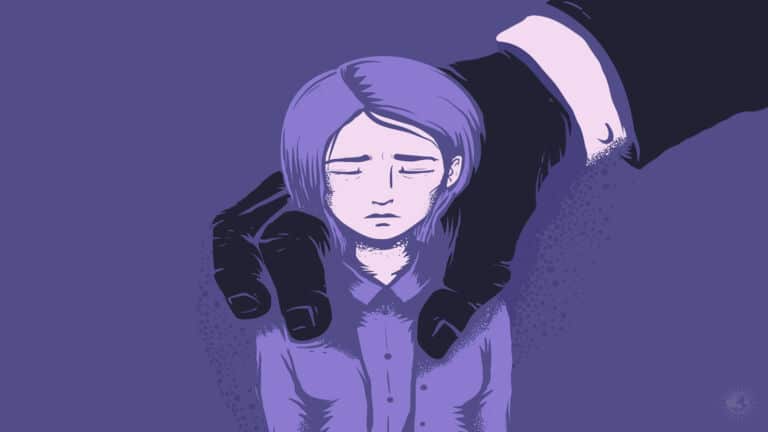
These relationships are not love stories but trauma reenactments — emotional theater where both actors unconsciously replay childhood scripts of neglect, control, and unworthiness. The empath seeks redemption through healing; the narcissist seeks validation through domination. Both are trapped in the illusion that intensity equals intimacy.
A. The Magnetism of Opposites (That Aren’t Opposites)
- Shared Wounds, Not Chemistry
- Empaths and narcissists are not “polar opposites” — they are two poles of the same emotional magnet.
- Both often emerge from emotionally unpredictable environments: one learned to fuse with others to stay safe (empath), the other to control others to stay safe (narcissist).
- Their attraction is unconscious recognition — trauma resonance, not soul connection.
- The False Healing Dynamic
- The empath’s mission: “If I love them enough, they’ll change.”
- The narcissist’s mission: “If they love me enough, I’ll feel real.”
- Each unconsciously exploits the other’s hope — one to heal, the other to be adored.
- In truth, both avoid self-confrontation: the empath externalizes their pain by fixing others; the narcissist externalizes their shame by controlling others.
- Codependency as Emotional Addiction
- The empath’s compulsive “caretaking” becomes a form of control through goodness — a moral inversion mirroring the narcissist’s control through ego.
- Both are addicted — not to each other, but to the biochemical cycle of hope, rejection, and intermittent reward.
- Love becomes a substance; validation becomes the needle.
B. The 21-Stage Cycle: The Evolution of Entrapment (Condensed)
- Idealization – Love-bombing, mirroring, and over-attunement.
“You’re my soulmate.” — The empath feels “seen”; the narcissist feels omnipotent. - Fusion – The empath dissolves boundaries to maintain connection.
“We’re the same person.” - Micro-Devaluation – Subtle corrections, teasing, and guilt trips.
“You’re overreacting.” - Gaslighting – Reality becomes pliable.
“That never happened.” - Emotional Dependency – The empath begins to chase validation, self-worth tethered to approval.
- Cognitive Dissonance – The empath rationalizes abuse.
“They hurt me because they’re hurt.” - Collapse – Identity erosion, chronic anxiety, and emotional exhaustion.
- Discard – Cold detachment, silent treatment, or sudden abandonment.
- Hoovering – Manipulative re-entry.
“I’ve changed. No one understands me like you do.” - Repeat – The empath re-enters the loop, mistaking chaos for passion.
(The full 21-stage version can later be expanded in a sidebar or annex as “The Anatomy of Emotional Entrapment” — a detailed diagnostic chart for readers.)
C. The Neuroscience of Trauma Bonding: Why the Heart Betrays the Mind
- Addiction by Design
- Intermittent reinforcement — the unpredictable cycle of love and withdrawal — releases dopamine and cortisol, creating the same addictive circuitry as gambling or cocaine.
- Each “high” of reconciliation reinforces the trauma loop, convincing the brain that survival depends on the bond.
- The Confusion of Anxiety and Love
- Chronic emotional stress activates the amygdala, making hypervigilance feel like attachment.
- The empath’s nervous system mistakes the narcissist’s chaos for excitement, interpreting fear as passion.
- The Path to Recovery
- Healing is not just about leaving — it’s about detoxing from emotional intensity.
- True recovery begins with nervous system recalibration: learning safety, stability, and solitude.
- It is less about forgetting the narcissist and more about remembering oneself.
Empaths and narcissists dance to the rhythm of unhealed wounds. The narcissist feeds on adoration to silence shame; the empath overgives to earn worthiness. Both must break the illusion: that love is found in suffering, that pain is proof of depth, or that empathy can heal what only self-awareness can.
Healing begins when the empath stops auditioning for love and starts embodying self-respect — when compassion gains a spine.
V. Shared Roots: Trauma and Emotional Adaptation
Empaths and narcissists are not opposites — they are siblings born of the same emotional famine, shaped differently by survival. Both are products of unstable love: one internalized pain through over-connection, the other through disconnection. What we later call empathy or narcissism often begins as a child’s ingenious way to stay safe in chaos.
A. The Childhood Origin Story: When Love Becomes a Labyrinth
- A Shared Emotional Landscape
- Both empaths and narcissists are raised in emotionally unstable homes — environments where love was conditional, inconsistent, or confusing.
- The child’s emotional development becomes hijacked by the need for approval or control. Instead of learning self-worth, they learn emotional navigation: how to earn affection, avoid punishment, or read the room to survive.
- Parentification and Emotional Neglect
- In many cases, the child is parentified — forced to manage adult emotions or mediate conflict.
- Emotional neglect doesn’t just starve affection; it distorts identity. The empath learns: “My feelings don’t matter if others are hurting.”
- The narcissist learns: “Feelings make me weak. I’ll matter only when I’m superior.”
- The Birth of Hypervigilance and Armor
- Emotional inconsistency breeds hypervigilance — the brain’s perpetual scanning for threat or approval.
- The empath adapts by merging — staying safe through attunement.
- The narcissist adapts by masking — staying safe through dominance.
- Both lose access to the authentic self, living through roles that ensured survival but later sabotage intimacy.
B. Divergent Survival Mechanisms: The Child’s Blueprint for Emotional Safety
- The Narcissistic Defense (Fight Response)
- The narcissist learns to control before being controlled — a psychological “preemptive strike.”
- Vulnerability becomes the enemy; power becomes the shield.
- Behind the façade of confidence lies an abandoned child who never stopped performing.
- Their adult behavior — manipulation, grandiosity, entitlement — are echoes of a child screaming, “Don’t leave me powerless again.”
- The Empathic Defense (Fawn/Freeze Response)
- The empath learns to anticipate emotions and over-please as a way to prevent rejection.
- Love becomes a job, not a state of being — earned through sacrifice, compliance, or emotional labor.
- They fear that asserting boundaries equals betrayal; thus, they disappear into others.
- Their adult kindness often hides a plea: “If I’m good enough, I won’t be abandoned.”
- Shared Deficit: Emotional Self-Regulation and Self-Trust
- Both defenses avoid self-confrontation.
- The narcissist regulates emotion through control and projection; the empath through absorption and suppression.
- Neither learned to trust their internal compass — both rely on external emotional cues.
- The narcissist becomes addicted to admiration; the empath becomes addicted to validation. Both are exiles from inner peace.
C. Empathy as a Double-Edged Sword: The Gift and the Wound
- Healthy Empathy: Connection with Boundaries
- True empathy involves feeling with others while remaining grounded in self.
- It’s an act of presence, not performance — a bridge, not a sacrifice.
- Healthy empathy fosters connection without codependence.
- Unregulated Empathy: Emotional Flooding and Self-Erosion
- When empathy is unregulated, it becomes self-abandonment in disguise.
- Chronic exposure to others’ pain without emotional boundaries leads to burnout, guilt, and identity diffusion.
- Over time, this “bleeding heart” becomes a bleeding identity — where compassion transforms into exhaustion.
- Personal Distress vs. Compassion: The Crucial Distinction
- Personal distress is self-focused empathy — you suffer with others until you collapse.
- Compassion is other-focused empathy — you stay centered enough to truly help.
- The evolution from distress to compassion marks the birth of mature empathy — where love no longer costs you your selfhood.
Empaths and narcissists share one origin: a childhood that taught survival before it taught selfhood. The empath learned to disappear to be loved; the narcissist learned to dominate to be seen. Healing begins when either stops reenacting the old script — when the empath learns to protect their light, and the narcissist learns to feel their darkness without fear.
Both are not broken — they are maladapted geniuses of survival. What was once armor can, with awareness, become wisdom.

VI. Healing the Spectrum: From Codependency to Conscious Empathy
Healing does not mean rejecting empathy or eradicating narcissism—it means transmuting survival patterns into conscious power.
The empath must evolve from emotional absorption to sovereign compassion, while the narcissist must transform self-obsession into self-awareness. Both must return home—to the authentic self that existed before fear distorted connection.
A. Healing Path for Empaths: From Self-Sacrifice to Self-Sovereignty
- Boundaries as Self-Love
- The first act of true empathy is toward oneself.
- Saying “no” is not cruelty—it is the language of emotional maturity.
- Boundaries protect energy, preserve clarity, and teach others how to meet us in mutual respect.
- Every “no” builds a bridge back to self-trust, reminding the empath that love does not require depletion.
- Detachment Practices: Releasing Emotional Osmosis
- Detachment isn’t coldness—it’s emotional hygiene.
- Techniques such as breathwork, visualization, and grounding exercises can help empaths release absorbed energy.
- The mantra shifts from “I feel what you feel” to “I understand what you feel, but it is not mine to carry.”
- This shift from merging to mirroring marks the beginning of emotional sovereignty.
- Self-Reparenting: Rebuilding Internal Safety
- The wounded empath often carries an unmet child who believes love must be earned through service.
- Self-reparenting involves nurturing that inner child through routines of consistency, gentleness, and self-approval.
- Affirmations like “I am safe even when others are not pleased” help rewrite emotional memory.
- Healing means becoming the parent you once needed—calm, validating, and unconditionally present.
- Therapeutic Tools for Deep Repair
- EMDR (Eye Movement Desensitization and Reprocessing): Reduces the emotional charge of traumatic memories.
- Somatic Therapy: Teaches the body to discharge stored survival energy and restore regulation.
- Mindfulness & Meditation: Builds awareness between feeling and identifying with emotion.
- Assertiveness Training: Rebuilds agency and voice—helping empaths speak truth without guilt.
- Healing for empaths means no longer drowning in others’ emotions but navigating them with grace and strength.
B. Healing Path for Narcissists: From Image to Essence
- Acknowledgment: The Courage to Look in the Mirror
- The first step is brutal honesty—seeing manipulation, entitlement, and control not as personality quirks but defense mechanisms born of shame.
- This confrontation shatters the protective illusion: that superiority equals safety.
- Recognition does not equal redemption—but it opens the door to it.
- Therapy and Accountability: Rebuilding the Inner Structure
- Cognitive Behavioral Therapy (CBT): Challenges distorted beliefs around worth and validation.
- Schema Therapy: Uncovers core wounds—“defectiveness,” “abandonment,” “entitlement”—and replaces them with healthy emotional needs.
- Group Therapy: Breaks narcissistic isolation and introduces corrective relational experiences.
- Healing narcissism demands consistent accountability, often over years. True recovery is possible—but it is rare, because it requires dismantling the entire false self-structure.
- Cultivating Authentic Empathy: Vulnerability as Courage
- For the narcissist, empathy begins with self-empathy—learning to sit with shame without denial or deflection.
- Vulnerability, once seen as weakness, becomes the new metric of strength.
- Practicing presence without performance allows them to feel connected, not superior.
- Over time, empathy ceases to be manipulation—it becomes meaning.
- The Reality of Change
- Narcissistic defenses are deeply ingrained and often resistant to introspection.
- Yet, when genuine transformation occurs, it is profound: the false self dissolves, and the individual experiences authentic selfhood for the first time.
- Change is possible—but it requires truth over image, humility over control.
C. Integrated Healing: The Balanced Empath
- Merging Feeling and Thinking — The Heart-Mind Synthesis
- True maturity is not the rejection of sensitivity but the integration of sensitivity with discernment.
- The balanced empath knows when to listen and when to step back; when to comfort and when to confront.
- Emotional intelligence evolves into emotional wisdom—the art of choosing where one’s compassion flows.
- Practicing “Boundaried Compassion”
- Compassion with boundaries heals both self and other.
- It recognizes that helping everyone is not the same as healing anyone.
- Boundaried compassion empowers others to grow rather than depend, and nurtures empathy that uplifts without enabling.
- It is love with awareness, kindness with structure, light with spine.
- From Emotional Contagion to Emotional Wisdom
- Empaths once absorbed energy unconsciously; now they channel it consciously.
- They learn to transform resonance into insight, not exhaustion.
- This shift marks the rebirth of empathy as a spiritual intelligence—the capacity to feel deeply without losing oneself.
- In this state, empathy becomes leadership, love becomes clarity, and compassion becomes power.
Empaths and narcissists, once locked in cycles of projection and pain, can both ascend into consciousness when they integrate rather than oppose.
The empath learns that compassion without boundaries is self-erasure; the narcissist learns that control without empathy is isolation.
Healing begins where survival ends—when we no longer use emotion as armor but as awareness.
This is the alchemy of emotional evolution: turning trauma into wisdom, empathy into discernment, and self-protection into self-realization.

VII. Societal Reflection: Empathy, Power, and Modern Manipulation
Empathy has become the newest currency of influence — marketed, weaponized, and diluted by institutions that understand its emotional pull but not its moral depth. We are living in an age where compassion is a brand, vulnerability is a strategy, and emotional connection is outsourced to algorithms. The challenge of our century is not to feel more — but to feel truthfully, responsibly, and with discernment.
A. The Cultural Commodification of Empathy
- Empathy as Marketing: The Age of Moral Optics
- In boardrooms and political campaigns alike, empathy has been co-opted as a public-relations device.
- Corporations wrap themselves in “purpose” and “values” campaigns to appear socially conscious — while outsourcing labor or exploiting ecological systems.
- The language of care becomes a veneer for control: “We care about your mental health” from the same institutions that cause burnout.
- This empathic branding transforms moral awareness into an economic asset — turning sincerity into strategy.
- Digital Empathy: The Algorithm of Emotion
- Online, empathy has been reduced to likes, tears, and hashtags.
- We scroll through curated suffering, offering symbolic compassion that costs us nothing.
- “Digital empathy” mimics connection without the responsibility of care — it’s compassion as performance, intimacy without involvement.
- Social media trains us to react emotionally but think minimally, creating a culture that feels loudly and understands shallowly.
- Performative Compassion: The Theater of Feeling Seen
- In the public square of virtue signaling, authenticity is replaced by optics.
- The new cultural narcotic is being seen caring — a dopamine rush that substitutes genuine moral engagement.
- When empathy becomes a badge rather than a bridge, society breeds emotional inflation: everyone signaling concern, few taking action.
- This is the empathy paradox of our time: feeling seen now matters more than being sincere.
B. Why Emotional Literacy is the Next Revolution
- The Educational Blind Spot
- Our schools cultivate intellect but neglect emotional regulation.
- We graduate students fluent in logic but illiterate in empathy — able to solve equations but unable to sit with pain.
- Emotional intelligence is still treated as a “soft skill,” when in truth it is the hard infrastructure of civilization.
- The next educational reform must teach how to feel, not just what to think — emotional literacy as core curriculum, not extracurricular luxury.
- Leadership for the Future: From Charisma to Coherence
- The leaders of tomorrow will not be those who can manipulate emotion, but those who can hold emotion responsibly.
- Empathy must evolve from persuasion to presence — the ability to listen deeply without collapsing into sentimentality or strategy.
- Future leadership will be measured not by how well one inspires others, but by how safely others can be authentic in their presence.
- True leaders are not emotional performers; they are emotional regulators of collective consciousness.
- The Discipline of Empathy: From Drama to Depth
- Societies collapse when emotion governs without insight, but they heal when emotion is anchored in principle.
- Mature empathy demands restraint, self-awareness, and ethical grounding. It requires the courage to say, “I care, but I will not collude with illusion.”
- The evolution we need is not more empathy, but wiser empathy — compassion disciplined by clarity, care informed by conscience.
- When empathy becomes disciplined rather than dramatized, it ceases to be manipulation and becomes medicine.
Empathy is not merely a feeling — it is a form of power, and like all power, it must be governed by consciousness.
In individuals, empathy without boundaries breeds codependency; in institutions, it breeds propaganda.
The task ahead is to reclaim empathy as a sacred human intelligence, not a social commodity.
Emotional literacy — the capacity to discern, regulate, and act with integrity — may well be the next great revolution of civilization.
Because the future will not belong to the most emotional, nor the most logical — but to the most emotionally awake.
VIII. Conclusion: From Emotional Survival to Conscious Evolution
The Essence: Mirror Images of Unmet Needs
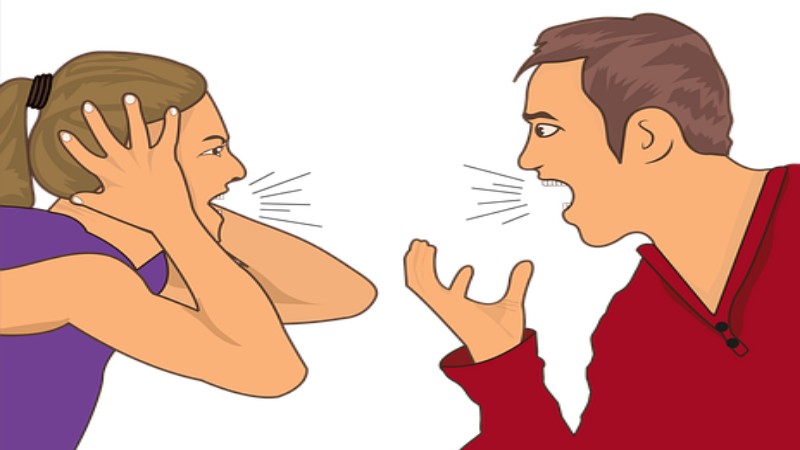
Empathy and narcissism are not opposites in conflict—they are mirror images of unresolved emotional needs and childhood adaptations. Both arise from survival strategies in unstable environments: one reaching outward to connect, the other inward to control. Understanding this is the first step toward liberation. Awareness transforms judgment into insight, compassion into strategy, and observation into conscious choice.
The Transformation: From Survival to Strength
Healing is the alchemy of turning trauma into wisdom:
- For the empath: Boundaries, self-reparenting, and emotional sovereignty transform absorption into conscious compassion, allowing connection without self-erasure.
- For the narcissist: Acknowledgment, accountability, and authentic vulnerability transform control into service-oriented power, fostering real influence rather than domination.
- For society: Emotional literacy and disciplined empathy can move communities from performative care to sustainable, genuine human connection.
When individuals evolve, empathy becomes a source of strength, not a liability; power becomes a channel for uplift, not oppression; and human relationships become spaces of learning, growth, and authentic intimacy.
Participate and Donate to MEDA Foundation
The journey from trauma to conscious empathy is not just individual—it is collective. MEDA Foundation is building trauma-informed, inclusive, and emotionally intelligent ecosystems, creating employment, empowerment, and empathy-driven education for all. By supporting MEDA, you contribute to:
- Programs for Autistic individuals and neurodiverse learners.
- Initiatives that empower communities to be self-sufficient.
- Educational frameworks that teach emotional intelligence, resilience, and ethical leadership.
Your participation and donations help us turn empathy into actionable impact, fostering a society where compassion and strength coexist.
Book References
- The Empath’s Survival Guide – Judith Orloff
- Disarming the Narcissist – Wendy T. Behary
- The Human Magnet Syndrome – Ross Rosenberg
- The Drama of the Gifted Child – Alice Miller
- Complex PTSD: From Surviving to Thriving – Pete Walker
- The Body Keeps the Score – Bessel van der Kolk
- The Narcissism Epidemic – Jean Twenge & Keith Campbell
- Emotional Intelligence 2.0 – Travis Bradberry & Jean Greaves