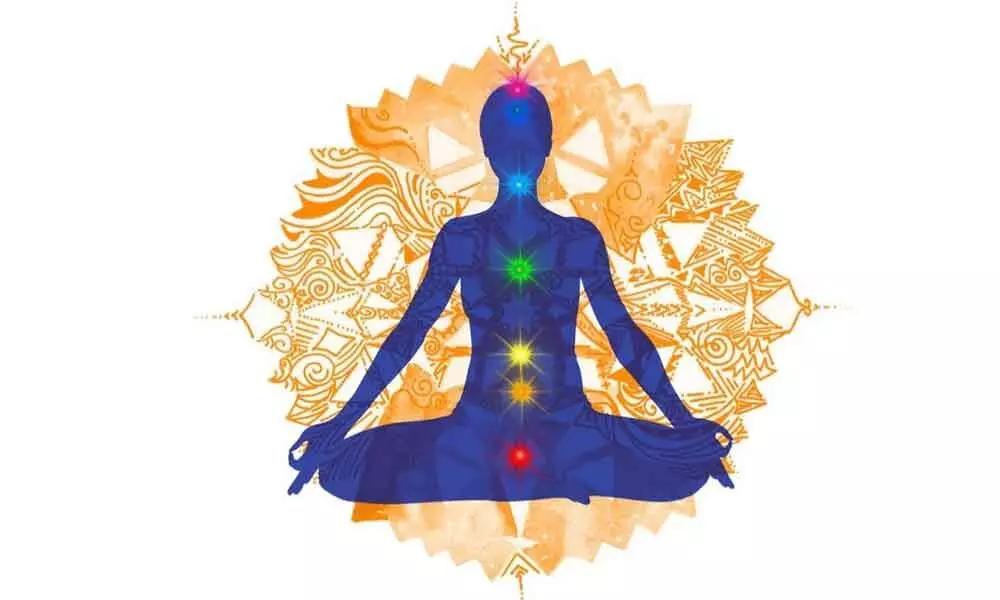

The human journey unfolds through seven interconnected levels of consciousness—Manas, Buddhi, Chitta, Ahamkara, Prana, Atman, and Paramatman—each offering a roadmap from the restless, sense-driven mind to the realization of universal unity. By understanding and cultivating these layers, individuals can enhance attention, ethical discernment, emotional resilience, ego refinement, vital energy, and self-awareness, ultimately awakening to the infinite witness within. Integrating ancient Indian wisdom with modern psychology, neuroscience, and practical life applications, this framework empowers personal growth, effective leadership, emotional healing, and spiritual fulfillment, while also inspiring societal transformation through compassion, inclusion, and service.

The Seven Levels of Consciousness – A Journey from Mind to the Infinite Self
I. Introduction
Intended Audience
This article is written for a wide but discerning audience. It speaks to spiritual aspirants seeking clarity on the path of self-realization, yoga practitioners who wish to deepen their understanding beyond asana and pranayama, and educators and leaders who aspire to lead with wisdom and integrity. It also addresses mental health professionals, offering them a bridge between ancient insights and modern psychology, and finally, curious seekers of truth who may not yet have entered formal practice but sense that the mind and consciousness are more layered than our daily distractions reveal. In short, it is meant for anyone who feels the tug of the deeper questions: Who am I? Why do I act as I do? How can I live in alignment with my higher nature?
Purpose of the Article
Human consciousness is not a flat or single-layered experience. It is multidimensional, nuanced, and dynamic—more like a symphony of faculties than a single instrument. Ancient Indian wisdom traditions—particularly Vedanta, Sankhya, and Yoga philosophy—mapped this complexity with extraordinary precision, identifying distinct layers or levels of consciousness that together shape our thoughts, emotions, decisions, and ultimate destiny.
This article serves three key purposes:
- Mapping the Architecture of Consciousness
We will explore seven primary levels—Manas (mind), Buddhi (intellect), Chitta (memory), Ahamkara (ego), Prana (vital force), Atman (witness-self), and Paramatman (universal self)—each with unique functions, challenges, and transformative potential. - Practical Implications for Growth and Well-Being
Beyond philosophy, each level corresponds to lived realities: decision-making at work, emotional reactivity in relationships, ego struggles in leadership, burnout in daily life, and the longing for inner peace. By understanding these levels, we gain not just insight but tools for mastery—from mindfulness and self-inquiry to pranayama and ethical living. - Bridging Ancient and Modern Insights
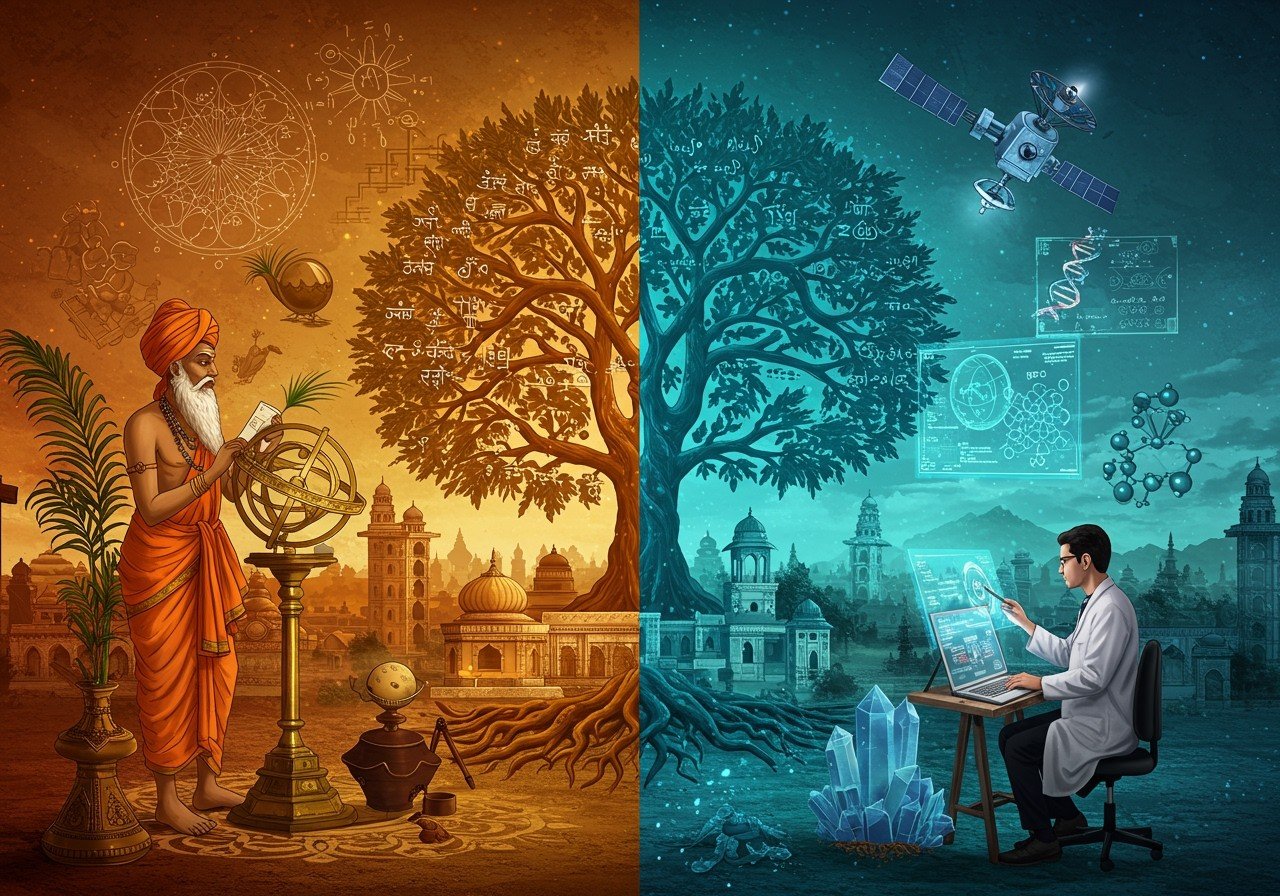
While these concepts were articulated thousands of years ago, they resonate deeply with modern neuroscience, psychology, and systems thinking. For example, the restless oscillations of manas echo the neuroscience of the “default mode network,” while the cleansing of chitta mirrors therapeutic work on trauma and memory. This cross-pollination enriches both traditions and grounds spirituality in evidence-based relevance.
Opening Thought
The mind is not a single entity. To treat it as one is like trying to navigate a city by looking only at its skyline. In truth, the inner landscape is composed of faculties that overlap, cooperate, and sometimes compete. Some drive us toward distraction, others toward clarity; some bind us to ego, others liberate us into vast awareness.
To master life, then, is not merely to sharpen thought or suppress desire but to understand the full spectrum of consciousness—to know how each level functions, how it can mislead, and how it can be purified and elevated. This journey is not an escape from life but a return to life with deeper freedom, wisdom, and compassion.

II. The Philosophical Background
A. The Concept of Antahkarana (The Inner Instrument)
Indian philosophy does not treat the mind as a single monolithic entity. Instead, it speaks of the Antahkarana, or inner instrument, which is a subtle apparatus that mediates between the soul (Atman) and the external world. The Antahkarana is traditionally described as fourfold:
- Manas – the lower mind, which receives sensory impressions, generates thoughts, and oscillates between alternatives (“Should I do this or that?”).
- Buddhi – the higher mind or intellect, which discriminates, decides, and guides action through discernment (viveka).
- Chitta – the storehouse of impressions and memory, carrying both conscious recollections and deep subconscious tendencies (samskaras).
- Ahamkara – the ego principle, the “I-maker,” which generates the sense of individuality and separateness.
These four faculties function together seamlessly, like different departments of one organization. Manas gathers information, Buddhi decides, Chitta influences decisions with stored impressions, and Ahamkara takes ownership of the outcome. Without understanding this interplay, we are left puzzled by our own inconsistencies—why we decide one thing but act another way, or why we repeat patterns we consciously wish to avoid.
B. Expansion Beyond the Fourfold Antahkarana into Seven Integrated Levels of Consciousness
While the classical Antahkarana speaks of four faculties, deeper philosophical exploration expands this framework into seven levels of consciousness to capture the full spectrum of human experience:
- Manas (Mind) – restless, sense-driven thoughts.
- Buddhi (Intellect) – clarity and discrimination.
- Chitta (Memory/Impressions) – subconscious tendencies shaping behavior.
- Ahamkara (Ego) – identity, pride, and attachment.
- Prana (Vital Force) – the animating energy sustaining body and mind.
- Atman (Witness-Self) – the eternal, pure consciousness within.
- Paramatman (Universal Self) – the infinite ground of being, the ultimate realization.
This expanded view allows us to see not just the psychological machinery (manas–ahamkara) but also the energetic (prana) and transcendental (atman–paramatman) dimensions of consciousness. It is like moving from understanding the engine of a car to comprehending its entire ecosystem—fuel, driver, and the road itself.
C. Parallels Across Traditions
The Indian map of consciousness finds striking parallels in other traditions, both spiritual and scientific:
- Yogic Koshas (Sheaths of Being): From the physical (annamaya kosha) to the vital (pranamaya), mental (manomaya), intellectual (vijnanamaya), and bliss (anandamaya) sheaths, leading to the Self.
- Buddhist Aggregates (Skandhas): Form, sensation, perception, mental formations, and consciousness—layers that bind beings to the cycle of suffering (samsara).
- Modern Psychology: The conscious mind (manas), the executive function (buddhi), subconscious memory and conditioning (chitta), and ego identity (ahamkara) align closely with cognitive and depth psychology.
- Neuroscience: Studies of brain networks show parallels—default mode network (ego/ahamkara), working memory (manas), executive control network (buddhi), and implicit memory systems (chitta).
Such parallels suggest that these insights are not limited to a single cultural framework but tap into universal truths of human functioning.
D. Why This Framework Matters Today
In the ancient world, these models guided seekers toward liberation (moksha). Today, they remain profoundly relevant because the human condition has not changed—only its context has.
- Confusion: In an age of information overload, manas is overstimulated, scattering attention across endless inputs.
- Identity Crisis: With fragmented roles (professional, social media, family), ahamkara becomes inflated, insecure, or fragile.
- Stress and Burnout: Disrupted prana through poor lifestyle choices leads to fatigue, anxiety, and disease.
- Longing for Purpose: Beneath material success, the soul (atman) calls for deeper fulfillment, which no external achievement can satisfy.
Understanding this framework provides a map for self-mastery. It helps us see not just what is happening within us but where it is happening, and therefore how to address it. For example, a problem rooted in chitta (deep impressions) cannot be solved merely at the level of manas (thought control); it requires purification practices. Likewise, restlessness of mind is often better managed through prana regulation than sheer willpower.
In short, this framework is both diagnostic and transformative—a timeless tool for navigating the complexities of modern life with clarity, resilience, and spiritual depth.
III. Level One: Manas (The Restless Mind)
Definition
Manas is the sensory-processing and thought-generating faculty of the mind. It is the seat of imagination, doubt, desire, and sensory coordination. When your eyes see, ears hear, or skin feels, it is manas that translates raw data into recognizable experience. In Vedantic psychology, manas is often described as the switchboard of the senses, constantly receiving, sorting, and transmitting inputs to higher faculties such as buddhi (intellect) and chitta (memory).
Unlike buddhi, which can decide and discriminate, manas is inherently indecisive. It wavers, oscillates, and entertains endless possibilities—“Should I go left or right? Eat this or avoid it? Stay or leave?” It is restless by nature, and this restlessness becomes the root of much human confusion.
Challenges
The untrained manas is like an untamed monkey, leaping from one branch of thought to another. This tendency manifests as:
- Distraction – Difficulty focusing, constant mental chatter, inability to stay present.
- Anxiety – Excessive processing of “what ifs,” producing unnecessary worry and tension.
- Oscillation – Indecisiveness, second-guessing decisions, and frequent change of direction.
- Attachment to Sense Pleasures – Obsession with taste, comfort, visual beauty, or stimulation, leading to dependency and dissatisfaction.
These challenges are not new—ancient texts recognized them thousands of years ago—but they are magnified in today’s environment, where the senses are bombarded with stimulation every waking moment.
Modern Parallel
The struggles of manas find direct echoes in modern life:
- Information Overload: The average person consumes more information in a single day than a medieval scholar did in a lifetime. Manas is not designed to handle this constant flood, leading to mental fatigue and confusion.
- Digital Addiction: Social media and digital platforms hijack manas by exploiting its restlessness, keeping attention fragmented and shallow.
- Short Attention Spans: Research shows that our ability to focus has diminished significantly in the digital age. Many now struggle to sustain undistracted attention for even a few minutes.
From a neuroscientific perspective, this maps onto the default mode network (DMN) of the brain, which is associated with mind-wandering, self-referential thought, and distraction. When overactive, the DMN contributes to anxiety and reduced focus—mirroring the restless manas.
Practices to Steady Manas
The ancient solution is not suppression but training the mind to serve rather than dominate. Three powerful practices stand out:
- Pratyahara (Sense Withdrawal)
- Definition: The fifth limb of Patanjali’s Yoga Sutras, pratyahara means consciously withdrawing attention from external sensory objects.
- Application: Simple daily rituals such as limiting screen time, eating mindfully without distractions, or practicing silence for short intervals. By reducing sensory bombardment, manas regains balance.
- Mindfulness Practices
- Definition: Being fully aware of the present moment without judgment, observing thoughts as they arise and pass.
- Application: Breath-focused meditation, body scans, or mindful walking. Neuroscience has shown that mindfulness meditation calms the DMN, enhancing focus and reducing anxiety. In Vedantic terms, it steadies the leaping manas.
- Journaling to Observe Thought Patterns
- Definition: Writing down thoughts as they arise, especially repetitive ones.
- Application: Keeping a daily “mental log” where you note recurring worries, doubts, or distractions. This externalization reduces the grip of manas by turning implicit noise into explicit data. Over time, patterns emerge, giving buddhi (intellect) the clarity to intervene.
Actionable Takeaway
If you feel scattered, indecisive, or overstimulated, the problem is not a weak intellect but an untrained manas. The key is not to suppress thoughts but to tame and redirect them. Begin small: set aside 10 minutes daily for mindful breathing, reduce unnecessary sensory input, and keep a simple thought journal. Over time, the restless monkey of manas learns to sit still, allowing buddhi to shine as the guiding light.
IV. Level Two: Buddhi (The Intellect, Power of Discernment)
Definition
If manas is the restless processor of inputs, buddhi is the faculty of discrimination and decision-making. Derived from the Sanskrit root budh (“to awaken, to know”), buddhi is the inner light that separates truth from falsehood, the eternal from the transient. It is the seat of viveka (discernment) and vichara (reflection).
Buddhi is what allows us to say:
- “This is useful, that is harmful.”
- “This action aligns with dharma, that one deviates.”
- “This path is temporary pleasure, that one is lasting fulfillment.”
In Vedantic philosophy, when buddhi is clear and steady, it reflects the light of the Self (Atman), becoming the gateway to wisdom. When clouded, it becomes the servant of ego (ahamkara) or desire (manas), leading to misjudgments.
Challenges
The human intellect is a double-edged sword—capable of great insight or dangerous distortion. Common pitfalls include:
- Misuse of Intelligence – A sharp mind can be twisted into justifying selfish aims, rationalizing unethical actions, or manipulating others. History is full of brilliant individuals who used intellect without wisdom, often causing great harm.
- Paralysis of Over-analysis – When buddhi overfunctions without clarity, it falls into endless cycles of “what ifs,” creating hesitation, indecision, and missed opportunities.
- Ego-entangled Decisions – Instead of serving truth, buddhi becomes hijacked by ahamkara (ego), leading to choices that gratify pride but destroy peace.
In short, buddhi can either be the inner compass toward liberation or the lawyer that defends desire and ego.
Modern Parallel
The dilemmas of buddhi echo loudly in today’s world:
- Rationality vs. Wisdom in Leadership – Many leaders make decisions based on cold calculation or profit but neglect ethical and human considerations. This creates success without soul, progress without compassion.
- Ethics in AI/Technology – Modern technology has advanced faster than human wisdom. The question is no longer “Can we build it?” but “Should we build it?” This reflects the challenge of buddhi: aligning innovation with dharma.
- Information Age Decision Fatigue – The abundance of choices in daily life overwhelms intellect, leading to shallow reasoning and impulsive decisions. Cognitive science calls this “decision fatigue,” where the quality of choices declines as the day progresses.
In neuroscience, buddhi aligns with the prefrontal cortex, the seat of executive functioning—planning, judgment, impulse control. A healthy buddhi reflects a balanced, regulated prefrontal system working in harmony with deeper values.
Practices to Refine Buddhi
- Svadhyaya (Study of Scriptures and Reflective Reading)
- Definition: Self-study, including sacred texts, philosophy, or even great works of literature.
- Application: Setting aside time daily to read and reflect—not merely for information, but for transformation. Texts like the Bhagavad Gita act as mirrors for the intellect, refining discernment and grounding it in dharma.
- Cultivating Clarity through Questioning and Contemplation
- Definition: The practice of inquiry (vichara) to test assumptions, beliefs, and impulses.
- Application: Before major actions, pausing to ask—“Will this choice bring lasting peace or temporary pleasure? Is this aligned with my higher values or my lower impulses?” Journaling contemplations can sharpen this faculty.
- Practicing Dharma (Righteous Choices in Action)
- Definition: Dharma is not merely moral codes but living in alignment with truth, balance, and responsibility.
- Application: Consciously making small but righteous choices daily—returning excess change, speaking truth even when uncomfortable, choosing long-term benefit over short-term gain. Every ethical action strengthens buddhi like a muscle.
Actionable Takeaway
The quality of your life is shaped less by the brilliance of your thoughts and more by the clarity of your discernment. A refined buddhi does not only solve problems—it prevents them. The daily practice of svadhyaya, contemplation, and dharmic choices ensures that intellect becomes the torchlight of wisdom, not the accomplice of ego.

V. Level Three: Chitta (The Subconscious Storehouse)
Definition
If manas is the restless processor and buddhi the judge, then chitta is the archive of the psyche—the deep storehouse of impressions (samskaras), tendencies (vasanas), and karmic seeds that influence thought, feeling, and behavior.
Derived from the root chit (“to be conscious, to perceive”), chitta represents not just memory in the narrow sense, but the substrate of consciousness that carries forward impressions across time. These imprints shape our instinctive responses, habits, attractions, and aversions. In Yoga Sutras, Patanjali describes yoga chitta vritti nirodhah—yoga as the stilling of the modifications of chitta—making clear that transformation requires working with this subtle layer.
Challenges
The challenge of chitta lies in its invisible influence. What is hidden often governs more than what is seen. Common obstacles include:
- Emotional Reactivity – Old imprints trigger disproportionate reactions. A harsh word reawakens childhood wounds, creating outsized anger or withdrawal.
- Compulsive Behaviors – Patterns stored in chitta repeat automatically, whether addictions, relationship dynamics, or self-sabotage.
- Karmic Cycles – Chitta holds the seeds of karma. Unresolved impressions carry forward, keeping us caught in repetitive life patterns until consciously addressed.
Left unchecked, chitta becomes like a cluttered attic: full of dust, old furniture, and shadows that block clarity. Cleansing this layer is central to freedom.
Modern Parallel
Modern psychology and neuroscience echo this understanding:
- Trauma Memory – Experiences of fear or pain get imprinted in implicit memory networks, often resurfacing as PTSD, phobias, or sudden emotional flooding.
- Unconscious Bias – Social conditioning stored subconsciously influences judgments and interactions, often without awareness.
- Psychological Conditioning – As Freud noted, unconscious drives shape much of conscious behavior. Cognitive-behavioral psychology similarly highlights how past experiences wire automatic thoughts and reactions.
Neuroscientifically, chitta corresponds to subcortical memory systems—amygdala (emotional memory), hippocampus (contextual memory), and basal ganglia (habit formation). These structures encode patterns that influence us long after conscious recall has faded.
Practices to Purify and Transform Chitta
- Meditation to Bring the Unconscious into Awareness
- Definition: Practices such as Vipassana or Yogic meditation allow suppressed impressions to surface.
- Application: Daily sitting practice reveals hidden tendencies—anger, restlessness, fear—making them conscious, where they can be transformed rather than acted out blindly.
- Japa (Mantra Repetition) for Purification
- Definition: Repetitive chanting of a sacred mantra creates new impressions of clarity, devotion, and peace that overwrite negative samskaras.
- Application: Choosing a mantra like Om Namah Shivaya or So’ham, and chanting consistently, creates subtle reprogramming of chitta. Neuroscience supports this through neuroplasticity: repeated focus rewires pathways.
- Therapy and Conscious Habit-Rewiring
- Definition: Modern tools like psychotherapy, CBT, or somatic work consciously reframe old memories and patterns.
- Application: By examining triggers and practicing new responses, one weakens old samskaras and builds healthier patterns. Daily micro-habits—choosing gratitude over complaint, calm over reactivity—reshape the subconscious.
Actionable Takeaway
Chitta is the soil of the mind. If it is filled with weeds, even the best seeds of thought and intention struggle to grow. By purifying and reprogramming chitta, we loosen the hold of compulsive patterns and awaken the possibility of freedom. Cleansing this layer is not about erasing the past but transforming impressions into wisdom, so that memory becomes a teacher, not a tyrant.

VI. Level Four: Ahamkara (The Ego, the “I”-Maker)
Definition
Ahamkara—from aham (“I”) and kara (“maker”)—is the faculty that generates individuality. It gives the raw sense of self, creating the feeling of ownership, identity, and distinction: “I am this body, I am this role, this is mine.” Without ahamkara, we would not have personal identity; yet, when unrefined, it binds us to a narrow and distorted sense of self.
Philosophically, ahamkara is the link between inner faculties (manas, buddhi, chitta) and outer action. It appropriates thoughts, emotions, and experiences, claiming them as “mine.” It is not inherently evil—it is a functional necessity. But when it mistakes the body-mind complex for the true Self (Atman), suffering follows.
Challenges
Ego is like salt in food—necessary in small amounts, destructive in excess. The main pitfalls of ahamkara include:
- Pride – Inflated self-importance, seeing oneself as superior to others.
- Insecurity – Fragile identity that constantly seeks validation or fears rejection.
- Comparison – Endless measuring of self against others, breeding envy or superiority complexes.
- Attachment – Over-identification with possessions, roles, or relationships (“my title, my child, my wealth”).
- Victimhood – Ego can also take the form of excessive self-pity, deriving identity from suffering and helplessness.
In all these, the ego mistakes transient attributes for ultimate reality, creating instability and conflict.
Modern Parallel
The manifestations of ahamkara are highly visible in contemporary life:
- Identity Politics – Over-identification with group identities (religion, race, nation, ideology) leads to division and hostility when “us” vs. “them” takes precedence over shared humanity.
- Corporate Egos – Boardrooms and organizations often become battlegrounds of ego-driven decisions, where profit and power eclipse collaboration and ethics.
- Social Media Persona – The curated online self magnifies ego’s hunger for recognition. “Likes” become fuel, and self-worth fluctuates with virtual applause, reinforcing attachment to image rather than essence.
Psychologically, ahamkara corresponds to self-concept and identity formation. A balanced ego provides coherence and direction; an inflated or fractured ego leads to narcissism, fragility, or alienation.
Practices to Refine and Transcend Ahamkara
- Karma Yoga (Selfless Service)
- Definition: Acting without attachment to results, offering work as service.
- Application: Engage in acts where the focus is on contribution rather than recognition—volunteering, mentoring, or anonymous giving. Repeatedly practicing this dissolves ego’s grip on outcomes.
- Practicing Humility and Detachment
- Definition: Consciously acknowledging that abilities, roles, and possessions are temporary and not the ultimate self.
- Application: Daily reflections such as “This role is entrusted, not owned” or intentionally allowing others to shine fosters humility. Practicing non-attachment in small ways—sharing credit, letting go of praise or criticism—weakens egoic entanglement.
- Seeing Self as Instrument of Higher Power
- Definition: Shifting perspective from “I am the doer” to “I am an instrument of a larger flow—be it divine will, universal intelligence, or collective good.”
- Application: Before beginning work, silently affirm: “Not my will, but may higher wisdom work through me.” This attitude, central to bhakti and karma yoga traditions, aligns action with transcendence.
Actionable Takeaway
Ahamkara is both the mask we wear and the prison we live in. To refine it is not to destroy individuality, but to liberate the self from false identification. When ego becomes servant rather than master, life transforms: decisions are guided by clarity, relationships by empathy, and leadership by humility. The shift from “I am the doer” to “I am an instrument” is the subtle but profound move from bondage to freedom.

VII. Level Five: Prana (The Vital Energy)
Definition
Prana—from the Sanskrit roots pra (“forth”) and an (“to breathe”)—is the vital life force that animates the body and sustains the mind. In yogic philosophy, prana is not merely breath but the subtle energy that flows through nadis (energy channels) and powers every function—heartbeat, digestion, thought, and emotional expression. The Upanishads describe prana as the thread that holds body, mind, and spirit together; when it departs, life ceases.
Prana manifests in five primary forms (pancha pranas):
- Prana (inward-moving energy, respiration)
- Apana (downward-moving, elimination)
- Samana (balancing, digestion and assimilation)
- Udana (upward-moving, speech and growth)
- Vyana (pervasive, circulation and movement)
Balanced prana creates vitality, clarity, and resilience; disturbed prana manifests as illness, fatigue, or emotional instability.
Challenges
When pranic flow is obstructed or imbalanced, the result is disharmony:
- Blockages Causing Disease – Energy stagnation leads to physical ailments. Yogic texts explain many illnesses as disruptions in pranic flow, a view echoed in traditional systems like Ayurveda and Chinese medicine.
- Emotional Swings – Since prana links body and mind, disturbed energy often produces anxiety, irritability, or lethargy.
- Burnout – Modern lifestyles overstretch prana through constant stimulation, poor rest, and neglect of natural rhythms, leading to exhaustion and loss of vitality.
Unchecked, pranic imbalance becomes the silent background that accelerates both physical and mental decline.
Modern Parallel
Science increasingly acknowledges what yogis knew intuitively: life is energetic.
- Stress Physiology – Chronic stress dysregulates the autonomic nervous system, impairing heart rate variability, immune function, and hormonal balance. This is essentially a pranic imbalance expressed biologically.
- Energy Management – Productivity research highlights energy, not time, as the real currency of performance. Effective leaders and athletes manage energy cycles with recovery and rhythm, mirroring yogic insights.
- Biofield Science – Emerging research explores subtle energy fields surrounding and permeating the body. While still debated, studies show correlations between meditation, breathing practices, and measurable biofield changes.
Prana, then, can be seen as both the subjective experience of vitality and the objective physiology of resilience.
Practices to Cultivate and Balance Prana
- Pranayama (Regulated Breathing)
- Definition: Yogic breathwork designed to regulate pranic flow.
- Application: Practices such as Nadi Shodhana (alternate nostril breathing) balance energy channels, Kapalabhati energizes, and Bhramari calms the nervous system. Even five minutes daily has measurable benefits on stress and focus.
- Rhythmic Lifestyle, Diet, and Rest
- Definition: Aligning daily routines with natural cycles (dinacharya in Ayurveda).
- Application: Sleeping and waking in tune with circadian rhythms, eating sattvic (balanced, fresh) foods, and honoring cycles of activity and rest maintain steady pranic flow.
- Energy Healing Practices
- Definition: Methods such as Reiki, acupuncture, or yogic kriyas that work directly on subtle energy.
- Application: These practices, while varying in form, share the aim of clearing blockages, restoring flow, and harmonizing body-mind energy.
Actionable Takeaway
Prana is the silent currency of life. When prana flows freely, body and mind become luminous; when it stagnates, vitality fades. By mastering breath, honoring rhythms, and nurturing energy hygiene, we transform daily life into a reservoir of vitality. Energy is not something to be consumed recklessly, but to be cultivated, conserved, and channeled toward higher living.

VIII. Level Six: Atman (The Witness-Self)
Definition
Atman, the innermost essence, is not a faculty of the mind but the very ground of being—pure consciousness. Unlike manas, buddhi, chitta, and ahamkara, which are instruments, Atman is the witness that illumines them. It is eternal, changeless, and self-luminous.
The Upanishads declare: “Ayam Atma Brahma”—this Atman is Brahman. Atman is not a fragment of reality but the indivisible reality itself, momentarily veiled by ignorance (avidya). It is the silent seer of thoughts, emotions, and experiences—never touched by them, just as the sky is never stained by the clouds passing through it.
Challenges
Although Atman is ever-present, our lived experience is often far from it. The obstacles include:
- Forgetfulness of True Nature – Through identification with body, mind, or roles, we forget the eternal witness and live in contracted identities.
- Attachment to Transient Phenomena – Mistaking fleeting experiences for the self leads to cycles of pleasure and pain, success and failure, pride and despair.
- Intellectualization Without Realization – Atman can be discussed endlessly, but unless directly experienced, it remains philosophy rather than liberation.
The greatest challenge is not the absence of Atman—it is the misidentification with non-self.
Modern Parallel
Contemporary disciplines echo the wisdom of Atman in surprising ways:
- Awareness Practices in Mindfulness – Modern mindfulness emphasizes observing thoughts and emotions without attachment, pointing toward the witness position.
- Non-Dual Psychology – Approaches inspired by Advaita Vedanta and Buddhism (e.g., transpersonal psychology) explore self as awareness rather than ego.
- Consciousness Studies – Neuroscience increasingly acknowledges the “hard problem of consciousness”—subjective awareness cannot be reduced to brain activity, echoing Vedantic insights about Atman as irreducible.
The Atman perspective reframes identity: you are not merely neurons firing or roles performed, but the knower of all experiences.
Practices to Realize Atman
- Self-Inquiry (Atma-Vichara: “Who am I?”)
- Definition: The direct method taught by sages like Ramana Maharshi—turning attention inward to the source of “I.”
- Application: Whenever thoughts arise, ask: “To whom does this thought occur?” Tracing the “I” back leads attention to the pure witness, dissolving false identifications.
- Meditation on the Witness of Thoughts
- Definition: Sitting quietly, observe thoughts, emotions, and sensations as passing clouds while resting as the sky of awareness.
- Application: Daily practice cultivates detachment and reveals that the observer is never entangled with the observed.
- Observing Without Clinging or Resisting
- Definition: A practice of radical equanimity—allowing experiences to arise and pass without attachment or aversion.
- Application: In daily life, when joy or sorrow arises, silently affirm: “This too is witnessed.” This transforms reactive living into abiding presence.
Actionable Takeaway
Atman is not a goal to be achieved but the truth to be recognized. By shifting from identification with transient roles and experiences to abiding as the witness, one discovers freedom that is untouched by circumstances. This realization does not alienate us from life—it allows us to live more fully, with serenity, compassion, and authenticity.
IX. Level Seven: Paramatman / Brahman (The Universal Self)
Definition
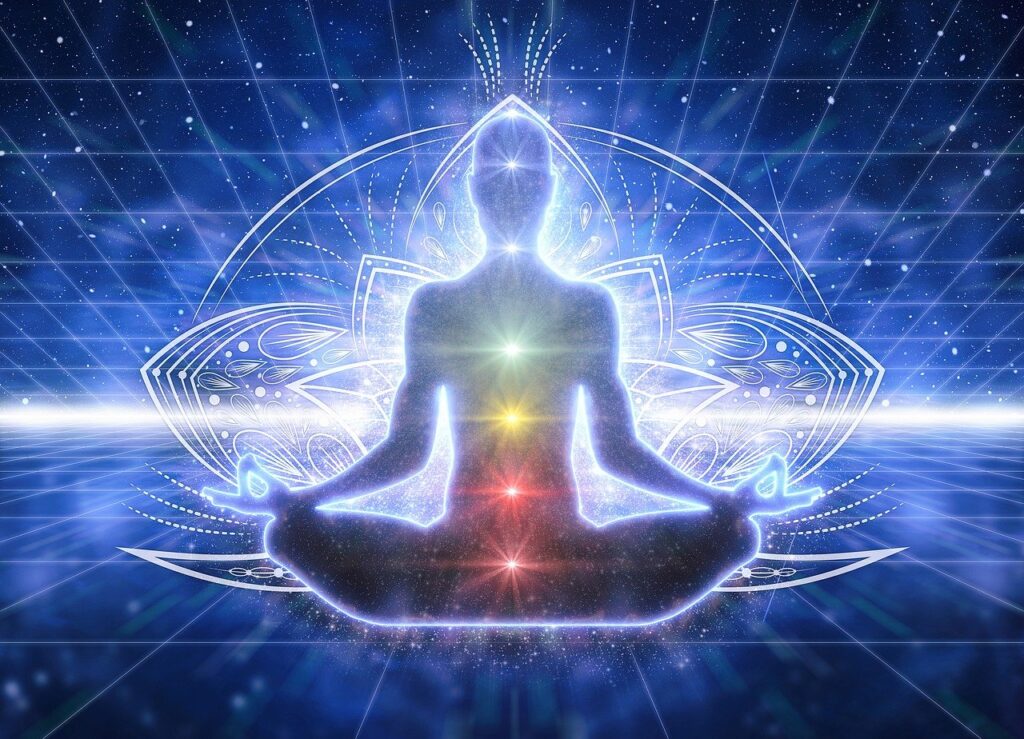
Paramatman, also referred to as Brahman, is the ultimate reality, the infinite, all-pervading ground of existence. While Atman is the inner witness of individual experience, Paramatman is the universal witness, the substratum of all that is—manifest and unmanifest, finite and infinite.
In Vedantic philosophy, all distinctions—subject and object, mind and matter, self and other—are ultimately appearances within Brahman, which alone is real (sat-chit-ananda—existence, consciousness, bliss). Paramatman is not accessible through mere intellect or effort alone; it is experienced in surrender, grace, and the dissolution of egoic boundaries.
Challenges
Realization of Paramatman is profound and subtle:
- Beyond Intellect – Rational thinking or discursive analysis cannot fully grasp the infinite. The mind can point toward it, but cannot contain it.
- Requires Grace and Surrender – Realization occurs when the ego (ahamkara) relinquishes control, and the individual submits to the flow of cosmic intelligence.
- Transcendence of Dualities – The seeker must move beyond attachment to pleasure, aversion to pain, and the illusion of separateness, embracing non-duality (Advaita).
The challenge is not effortlessness; it is aligning personal will with universal will, allowing individual identity to merge into the infinite without losing functional clarity in the world.
Modern Parallel
The notion of Paramatman resonates with contemporary scientific and philosophical explorations:
- Unified Field Theories in Physics – Efforts to describe a single underlying reality connecting gravity, electromagnetism, and quantum phenomena mirror the Vedantic idea of one infinite substratum.
- Collective Consciousness Models – Psychology and social sciences increasingly explore shared human awareness, the interdependence of minds, and emergent intelligence in networks, echoing the principle of a unified consciousness.
- Quantum Holism – Non-locality and entanglement suggest that separateness is relative; fundamentally, reality is interconnected—aligning with Brahman as the underlying unity of all existence.
Paramatman bridges spirituality and science, offering both a practical and conceptual framework for understanding interconnectedness, purpose, and ultimate liberation.
Practices to Realize Paramatman
- Surrender to the Divine (Ishvara Pranidhana)
- Definition: Devotion and surrender to a higher intelligence or cosmic will.
- Application: Offering actions, outcomes, and even personal desires to the Divine through prayer, devotion, or conscious intention, cultivating trust in the universal flow.
- Advaitic Meditation on Non-Duality
- Definition: Contemplative practice aimed at experiencing the dissolution of subject-object distinction.
- Application: Meditate on the truth: “I am not separate; the Self pervades all.” Through consistent practice, perception of duality softens, revealing the unity underlying all experience.
- Grace of Guru and Satsang (Spiritual Community)
- Definition: Guidance from realized teachers and communion with seekers facilitates subtle shifts in awareness.
- Application: Participating in satsang, receiving instruction, and observing enlightened examples accelerates alignment with Paramatman and strengthens resolve to transcend egoic limitations.
Actionable Takeaway
Paramatman represents the culmination of the inner journey. While earlier levels refine mind, intellect, ego, and energy, this level transcends individual identity to embrace universal unity. Realization is subtle—it is less about acquiring knowledge and more about becoming one with the infinite, flowing in harmony with cosmic intelligence while still functioning in daily life.
The journey from manas to Paramatman is thus a progression from distraction to discernment, from ego to surrender, and from fragmentation to wholeness. Spiritual practice, ethical living, and self-inquiry gradually dissolve barriers, allowing the individual to awaken to the eternal, all-pervading Self.

X. Integration: Climbing the Ladder of Consciousness
A. The Progression
The journey through the seven levels of consciousness is not arbitrary but sequential, each layer building on the foundation of the previous:
- Manas (Sense-Driven Mind) – Stabilize attention, regulate impulses, and cultivate clarity of perception.
- Buddhi (Intellect and Discernment) – Develop judgment, ethical clarity, and wise decision-making.
- Chitta (Subconscious Impressions) – Purify habitual tendencies, transform karmic patterns, and cultivate emotional resilience.
- Ahamkara (Ego) – Transcend identification with roles, possessions, and status; practice humility and service.
- Prana (Vital Energy) – Harmonize life-force through breath, lifestyle, and energy practices, sustaining vitality and balance.
- Atman (Witness-Self) – Cultivate detached awareness, self-inquiry, and stable presence amidst changing experiences.
- Paramatman (Universal Self) – Realize unity consciousness, surrender to the infinite, and align personal will with cosmic intelligence.
Viewed this way, human development is both vertical and holistic: each level must be understood, cultivated, and integrated to progress toward higher consciousness.
B. Importance of Balance
Neglecting any level creates structural instability:
- Strong intellect (buddhi) without emotional purification (chitta) leads to brilliant but rigid reasoning.
- Energy (prana) without ego refinement (ahamkara) results in restless activity without meaningful purpose.
- Awareness (atman) without practical grounding in mind and body (manas and prana) can lead to detachment that alienates rather than liberates.
Balance ensures synergy: clarity informs energy, awareness refines action, and ethical discernment channels vitality toward fulfillment. The seven levels are interdependent, forming a dynamic ecosystem of consciousness.
C. Practical Map for Personal, Professional, and Spiritual Mastery
- Personal Mastery
- Use manas to observe thoughts, buddhi to make wise life choices, chitta to release reactive patterns, ahamkara to cultivate humility, and prana to maintain physical and emotional resilience.
- Practices like meditation, journaling, and mindful living bridge internal alignment with outer experience.
- Professional Mastery
- Decision-making relies on buddhi refined by chitta (emotional intelligence) and tempered by ahamkara (humility).
- Managing stress and sustaining productivity depends on regulating prana and maintaining awareness (atman) under pressure.
- Leadership informed by higher consciousness integrates ethical vision with practical execution.
- Spiritual Mastery
- Self-inquiry and witnessing (atman) deepen insight, while surrender (paramatman) opens the heart to grace.
- Karma Yoga, devotional practices, and community engagement cultivate humility, compassion, and alignment with universal consciousness.
- Integration ensures that spiritual realization is embodied, not merely conceptual, transforming daily life into a living expression of wisdom.
Actionable Takeaway
The ladder of consciousness is both a map and a mirror. It shows the path forward and reveals where attention is most needed. By consciously working with each level—stabilizing mind, cultivating discernment, purifying impressions, refining ego, energizing prana, witnessing, and surrendering to the infinite—one achieves holistic mastery.
This integration is not a linear endpoint but a dynamic, ongoing process: a cycle of observation, refinement, and awakening that transforms life at personal, professional, and spiritual levels.
XI. Applications in Modern Life
The ancient framework of seven levels of consciousness is not merely theoretical; it provides practical tools for navigating the complexity of contemporary life. Each level contributes uniquely to personal, social, and professional functioning.
1. Leadership: Buddhi-Led Decision-Making Over Ego-Driven Choices
- Challenge Today: Many leaders operate from ego (ahamkara), prioritizing image, recognition, or short-term gain.
- Application:
- Cultivate buddhi through reflective practices, ethical evaluation, and mindfulness.
- Integrate chitta awareness to recognize subconscious biases influencing decisions.
- Align actions with paramatman-inspired vision: decisions that serve collective benefit, not just self-interest.
- Outcome: Leaders who balance intellect, ego, and awareness inspire trust, make resilient choices, and foster ethical organizational cultures.
2. Education: Teaching Students About Manas and Buddhi Management
- Challenge Today: Students are overwhelmed by distractions, information overload, and digital addiction.
- Application:
- Train manas with attention and mindfulness exercises.
- Strengthen buddhi through critical thinking, ethical reasoning, and reflective practices.
- Introduce awareness of chitta patterns to manage habits and emotional responses.
- Outcome: Students develop not just knowledge but cognitive, emotional, and ethical intelligence, preparing them for meaningful personal and professional lives.
3. Therapy: Healing Chitta and Ahamkara Wounds
- Challenge Today: Emotional trauma, compulsive behaviors, and identity crises are prevalent.
- Application:
- Therapeutic interventions target chitta to resolve karmic or traumatic imprints.
- Mindfulness, CBT, and somatic therapies help regulate reactivity and emotional patterns.
- Practices like Karma Yoga, self-inquiry, and humility exercises address ahamkara
- Outcome: Individuals gain emotional resilience, self-awareness, and freedom from recurring patterns.
4. Health: Prana Regulation Through Breath and Lifestyle
- Challenge Today: Chronic stress, burnout, and lifestyle diseases deplete vital energy.
- Application:
- Pranayama, yoga asanas, and energy-centered practices strengthen and balance prana.
- Adherence to rhythmic lifestyle—sleep, diet, and exercise—supports vitality.
- Awareness of energy cycles prevents overexertion and improves mental clarity.
- Outcome: Sustained physical and mental well-being, enhanced performance, and resilience to stress.
5. Inner Peace: Anchoring in Atman Awareness Amidst Chaos
- Challenge Today: Constant stimulation, social comparison, and existential anxiety erode equanimity.
- Application:
- Meditation and self-inquiry cultivate atman awareness as the inner anchor.
- Observing experiences without attachment or resistance nurtures calm and centeredness.
- Integrating awareness with daily tasks transforms mundane activity into conscious living.
- Outcome: Individuals develop stable inner peace, compassion, and clarity, even amidst external turbulence.
Actionable Takeaway
By mapping modern challenges onto the seven levels of consciousness, we gain a framework for holistic growth and well-being. Whether leading teams, teaching students, healing emotional wounds, managing health, or seeking inner peace, conscious engagement with each layer ensures balanced, resilient, and ethical living.

XII. Conclusion
Summary
The seven levels of consciousness—Manas, Buddhi, Chitta, Ahamkara, Prana, Atman, and Paramatman—offer a comprehensive roadmap for human evolution. They bridge ancient wisdom with modern insights from psychology, neuroscience, and leadership studies. By understanding and integrating these layers, we cultivate clarity, ethical discernment, emotional resilience, vitality, awareness, and ultimately, union with the infinite.
Key Takeaway
The true journey of life is not merely external achievement, but the inner ascent:
- Mastering manas to regulate thoughts,
- Refining buddhi to make wise choices,
- Purifying chitta to release karmic patterns,
- Transcending ahamkara to serve beyond ego,
- Harmonizing prana to sustain vitality,
- Anchoring in atman for inner stability, and finally,
- Realizing paramatman to awaken to universal unity.
Each level forms the foundation for the next, making conscious evolution both sequential and holistic.
Invitation to Embody Wisdom
This knowledge is not meant to remain abstract. Let it manifest in relationships, work, service, and community life. The practices outlined—mindfulness, self-inquiry, ethical action, energy regulation, and devotion—are tools to live consciously, compassionately, and purposefully.
Participate and Donate to MEDA Foundation
Your support can transform not only your own awareness but also society. MEDA Foundation is dedicated to creating self-sustaining ecosystems for autistic individuals and vulnerable communities, fostering empowerment, inclusion, and universal love. Just as one rises through levels of consciousness, society too can rise through compassion, skill-building, and opportunity. Contribute, volunteer, or collaborate, and become a part of this transformative journey.
Book References
- The Upanishads – Eknath Easwaran (translation)
- The Bhagavad Gita – Swami Prabhavananda & Christopher Isherwood
- Vedanta: Voice of Freedom – Swami Vivekananda
- Yoga Sutras of Patanjali – Swami Satchidananda
- Ashtavakra Gita
- Mandukya Upanishad with Gaudapada Karika