Tag: #Biases

  • Intuition vs. Analysis: The Science of Making Better Decisions

    Intuition vs. Analysis: The Science of Making Better Decisions

    Effective decision-making requires a delicate balance between intuition and rational thought. Intuitive decisions, or “thin-slicing,” leverage past experiences and rapid assessments, allowing for quick judgment in familiar or high-pressure situations. However, relying solely on gut feelings can lead to biases and overconfidence, while overthinking can cause paralysis and missed opportunities. By recognizing when to trust instincts and when to pause for deeper analysis, individuals can avoid common pitfalls like unconscious biases and decision fatigue. Implementing structured frameworks, reflecting on past choices, and using decision-making tools help improve both intuitive and rational thinking, leading to more confident, effective outcomes in personal and professional settings.
    Here's How To Master Your Decision Making Skills For Better Decisions
    Mastering the Art of Intuitive and Rational Decision-Making

    Introduction

    Intended Audience

    This article is designed for professionals, managers, leaders, educators, and decision-makers who strive to refine their ability to make effective decisions. Whether you oversee a team, lead an organization, or navigate complex choices in daily life, this guide offers insights to help you strike the perfect balance between intuition and rational thought.

    Purpose of the Article

    The ability to make decisions quickly without sacrificing accuracy is a skill that separates effective leaders from the rest. While intuition—a subconscious ability to process information rapidly—can often lead to successful outcomes, it is not infallible. Overthinking, unconscious biases, and contextual influences can undermine decision-making processes. This article explores these dynamics and provides actionable strategies to improve decision-making by:

    1. Understanding the role of intuition and when to trust it.
    2. Recognizing the dangers of overthinking and how to avoid them.
    3. Addressing unconscious biases and their influence on judgment.
    4. Balancing intuitive instincts with rational, data-driven analysis.

    By incorporating these approaches, you can improve decision quality, boost confidence, and enhance overall effectiveness in both personal and professional arenas.

    Hook

    “Have you ever trusted your gut and made a quick decision that turned out to be right—or overthought a simple choice and regretted it later? In today’s fast-paced world, mastering the art of both quick and thoughtful decision-making is essential.”

    In a world of information overload, where decisions must often be made on the fly, relying solely on intuition or exhaustive analysis can backfire. This article aims to show you how to harness the best of both approaches, equipping you with the tools to make better decisions without falling prey to bias or hesitation. Whether you’re navigating high-stakes corporate challenges or personal crossroads, this framework will guide you toward clarity and confidence in your choices.

    Decision-Making in the Digital Age: How Technology Is Transforming Our  Choices

    The Value of Intuitive Decision-Making: The Power of Thin-Slicing

    Intuition is often described as a “gut feeling,” an innate sense of knowing without a logical explanation. While this subconscious process may seem mysterious, it plays a significant role in how we navigate complex decisions. Understanding the mechanics of intuition and learning to harness it effectively can enhance decision-making, particularly in fast-paced or high-pressure environments.

    What is Intuition?

    Definition

    At its core, intuition is the brain’s ability to make quick judgments by synthesizing past experiences, observations, and patterns. It operates on a subconscious level, bypassing deliberate reasoning to deliver insights rapidly.

    A critical concept tied to intuition is thin-slicing, the process of making decisions with minimal information. Thin-slicing involves focusing on key, often subconscious cues while filtering out extraneous details. This allows individuals to draw accurate conclusions in seconds, a skill particularly valuable in dynamic or uncertain situations.

    For example, an experienced doctor might instantly recognize signs of a critical condition based on subtle physical symptoms, even before diagnostic tests are performed. Similarly, a leader might read the mood of a team meeting and make adjustments to strategy without conscious deliberation.

    Why Intuition Works

    The effectiveness of intuition lies in how the brain processes information. When faced with a decision, the subconscious mind sifts through a vast repository of experiences, memories, and knowledge accumulated over time. It identifies patterns and correlations that might elude conscious thought.

    Rapid Processing in Familiar Contexts

    Intuition shines in areas where the individual has significant expertise or experience. For instance:

    • Leadership: Leaders with years of experience can often gauge the feasibility of a project or the dynamics of a team without requiring detailed analysis.
    • Crisis Management: Firefighters and emergency responders rely on intuition to make split-second decisions, drawing from training and prior encounters.
    • Healthcare: A seasoned nurse might recognize a patient’s declining condition at a glance, even before clinical signs fully manifest.

    Intuition allows experts to act decisively and effectively, saving time and resources in critical moments.

    When to Trust Your Instincts

    While intuition is a powerful tool, it is not universally applicable. Recognizing when to rely on gut instincts versus rational analysis is key to effective decision-making.

    Ideal Scenarios for Intuition

    • High-Pressure Environments: In scenarios where decisions must be made quickly, such as during negotiations or emergencies, intuition can guide rapid and often accurate judgments.
    • Familiar Contexts: When dealing with problems that closely resemble past experiences, intuition leverages prior knowledge to provide reliable solutions.
    • Emotional Resonance: Decisions that evoke strong emotional clarity, such as interpersonal conflicts or value-driven choices, often benefit from intuitive insights.

    However, intuition should be tempered with caution in unfamiliar or high-stakes scenarios where bias or insufficient experience could cloud judgment.

    Actionable Tip: Cultivating Intuition

    Intuition, like any skill, can be developed with practice. To build confidence in your instincts:

    1. Start Small: Practice making quick decisions in everyday, low-risk situations. For instance, select a meal at a restaurant without deliberating over the menu or decide on a weekend activity with minimal overthinking.
    2. Reflect on Outcomes: After making a decision, analyze its success. Did your intuition align with the outcome? This reflection reinforces learning and hones instinctive decision-making.
    3. Leverage Expertise: Focus on areas where you have substantial experience. Familiar contexts allow intuition to operate more effectively.
    4. Simulate High-Pressure Scenarios: Role-play decision-making situations where quick thinking is required, such as mock presentations or hypothetical crises.

    By regularly practicing these techniques, you can refine your ability to rely on intuition confidently, making it a valuable complement to rational analysis.

    How to Make Great Decisions, Quickly

    The Risks of Overthinking: When Too Much Thought Leads to Paralysis

    While reflection and analysis are vital to sound decision-making, excessive deliberation can have the opposite effect. Overthinking not only stalls progress but also erodes confidence, leading to poor outcomes. Understanding the pitfalls of overanalyzing and learning to strike a balance can help decision-makers avoid the trap of “paralysis by analysis.”

    The Problem with Overanalyzing

    Overanalyzing occurs when an individual fixates on details, evaluates endless possibilities, or seeks unattainable levels of certainty before making a decision. This tendency can lead to delays, confusion, and indecisiveness, resulting in missed opportunities.

    Paralysis by Analysis

    This concept refers to a state of inaction caused by overthinking. When faced with too many options or excessive data, individuals may become overwhelmed and unable to choose. Instead of moving forward, they remain stuck in an endless loop of evaluation.

    For example:

    • A manager hesitates to approve a project because they keep revisiting minor details, delaying critical progress.
    • A job candidate, unsure about their career goals, spends months weighing pros and cons of multiple offers, ultimately missing deadlines to respond.

    The longer a decision is delayed, the harder it becomes to act confidently, as doubt and self-criticism often creep in.

    Impact of Stress and Overthinking

    Stress exacerbates overthinking, creating a cycle of mental exhaustion that clouds judgment. When decisions are tied to high stakes, emotional overload can amplify doubts and hinder clarity.

    How Stress Impacts Clarity

    • Second-Guessing: Stress makes it harder to trust one’s initial conclusions, leading to unnecessary re-evaluation of options.
    • Reduced Creativity: High stress levels diminish the ability to think innovatively, causing decision-makers to fixate on safe, familiar, or overly detailed solutions.
    • Physical Effects: The toll of stress on the body (e.g., fatigue, headaches, irritability) can further reduce decision-making capacity.

    In a professional setting, overthinking under stress might manifest as prolonged project approvals, indecisive leadership, or ineffective negotiations, all of which harm productivity and morale.

    Examples of Overthinking Leading to Poor Outcomes

    Overthinking can derail decisions in various contexts, from business operations to personal life.

    1. Business Strategy: A company loses market share because its leadership spends months debating product designs instead of launching quickly to meet consumer demand. Competitors seize the opportunity, rendering the delayed product irrelevant.
    2. Hiring Decisions: An employer agonizes over choosing between two candidates. By the time they finalize their decision, the preferred candidate has accepted another offer, leaving the company with a less suitable hire.
    3. Negotiations: A negotiator focuses excessively on minor contract terms, alienating the other party. The deal falls through, despite being mutually beneficial.

    These scenarios illustrate how overanalyzing can undermine effectiveness, waste resources, and create avoidable setbacks.

    Actionable Tip: Breaking Free from Analysis Paralysis

    To avoid the pitfalls of overthinking, adopt strategies that encourage timely and confident decisions:

    1. Set Time Limits for Decisions
      • Allocate specific time frames for different decision types. For instance, spend 10 minutes deciding on minor issues and one hour for moderate decisions. This creates a sense of urgency and prevents endless deliberation.
    2. Simplify Choices
      • Reduce the number of options by focusing on key criteria. For example, when choosing between two job offers, prioritize factors like growth potential and alignment with long-term goals instead of evaluating every detail.
    3. Prioritize Immediate Action
      • Break decisions into smaller, actionable steps. Rather than perfecting an entire plan, focus on taking the first step and adjust as needed along the way.
    4. Practice Decision Confidence
      • Acknowledge that no decision will ever be perfect. Commit to the best available option and remind yourself that learning from outcomes is part of growth.

    By building these habits, you can reduce the likelihood of overthinking and improve your ability to make timely, confident decisions.

    Why Its So Hard to Make Decisions in Today's Society – Boonmind

    Context and Priming: How External Factors Influence Our Decisions

    Human decision-making is rarely as autonomous as we believe. Often, subtle external cues and environmental factors—many of which operate beneath conscious awareness—can significantly influence our choices. Understanding how priming and context shape our decisions empowers us to make more informed and deliberate judgments.

    What is Priming?

    Priming refers to the subconscious influence that external stimuli have on our thoughts, feelings, and actions. It occurs when exposure to a particular cue (e.g., a word, image, or scenario) triggers a related response or behavior, often without our realization.

    How Priming Works

    Priming leverages associative memory, where the brain links concepts and experiences. For example:

    • Seeing the color green might unconsciously remind someone of nature or freshness, influencing their choice to buy organic products.
    • Listening to upbeat music in a store might make shoppers more likely to linger and spend more.

    Priming isn’t inherently good or bad, but its impact on decision-making underscores the importance of being mindful of the influences around us.

    Role of Context in Shaping Judgment

    Context encompasses the environment, mood, and social dynamics present at the time of decision-making. It shapes perceptions, influences priorities, and can subtly steer us toward choices that may not align with our true intentions.

    Key Influences of Context

    1. Environmental Factors
      • Lighting and Space: Dim lighting might lead to more relaxed, less calculated decisions, while bright environments promote alertness and precision.
      • Colors and Symbols: Red can evoke urgency or caution, while blue might inspire calm and trust.
    2. Mood and Emotional State
      • A good mood may lead to optimistic decisions, while stress or sadness can skew judgment toward caution or pessimism.
    3. Social Pressure and Conformity
      • Being surrounded by a group with strong opinions might unconsciously sway your decision to align with the majority, even if it conflicts with your beliefs.

    Examples of Priming in Real Life

    Priming and contextual influences are pervasive in various fields, often used deliberately to guide behavior.

    Marketing and Sales

    • Advertisements: A car ad featuring a scenic mountain backdrop primes consumers to associate the vehicle with adventure and freedom, influencing their perception of the brand.
    • Store Layouts: Grocery stores place essentials like milk and bread at the back, priming shoppers to pass through other aisles and make impulse purchases.

    Leadership and Workplace Dynamics

    • Body Language: Leaders who maintain open, confident postures can prime their teams to view them as approachable and capable, fostering trust and collaboration.
    • Feedback Framing: Phrasing feedback positively (“Here’s how you can improve”) primes employees to be more receptive compared to negative framing (“This is what you did wrong”).

    Decision-Making Scenarios

    • Anchoring Effect: In negotiations, the first offer often sets the tone, subconsciously priming both parties to center subsequent discussions around that initial figure.
    • Social Proof: Seeing peers adopt a product or behavior primes individuals to follow suit, even if they were initially indifferent.

    Actionable Tip: Guarding Against Contextual Bias

    To ensure external influences don’t skew your decisions, consider the following strategies:

    1. Evaluate Your Environment
      • Assess the setting where you’re making a decision. Is it noisy, crowded, or high-pressure? Seek quieter, neutral spaces for greater clarity.
    2. Recognize Emotional States
      • Check in with yourself before deciding. Are you overly stressed, excited, or distracted? Postpone non-urgent decisions until you’re in a more balanced state of mind.
    3. Minimize Distractions
      • Avoid environments designed to manipulate your focus, such as advertisements or loud social settings, when making key choices.
    4. Use Deliberate Prompts
      • Counteract unwanted priming by introducing your own cues. For instance, visualize desired outcomes before entering negotiations to reinforce your goals.

    By actively shaping your decision-making environment, you can reduce the impact of subconscious influences and make choices that better reflect your genuine priorities.

    29,300+ Decision Making Cartoon Stock Photos, Pictures & Royalty-Free  Images - iStock

    Unconscious Biases: The Hidden Influences on Decision-Making

    Unconscious biases are subtle yet powerful mental shortcuts that affect decision-making without our conscious awareness. These biases, deeply ingrained through culture, upbringing, and personal experiences, influence our judgments and actions, often leading to flawed or inequitable outcomes. Recognizing and addressing these hidden influences is essential for fostering ethical, inclusive, and effective decision-making in both personal and professional contexts.

    Understanding Unconscious Biases

    Unconscious biases are automatic preferences or prejudices that shape how we perceive and interact with others. Unlike overt prejudices, these biases operate below the surface of awareness, making them challenging to detect and mitigate.

    Types of Biases

    1. Racial or Gender Bias: Favoring individuals based on their race or gender, often reinforcing stereotypes.
    2. Affinity Bias: Preferring people who share similar backgrounds, experiences, or interests.
    3. Confirmation Bias: Seeking information that supports pre-existing beliefs while ignoring contrary evidence.
    4. Halo Effect: Allowing one positive trait (e.g., charisma) to influence overall judgment about a person’s abilities.

    These biases can manifest in any setting, from casual interactions to critical decisions in hiring, leadership, and policy-making.

    How Biases Manifest in Decision-Making

    Illustrations of Bias at Work

    1. Hiring Decisions
      • Candidates with “ethnically sounding” names often receive fewer callbacks, even if their qualifications are identical to other applicants.
      • Women and minorities are frequently evaluated more harshly for leadership roles, perpetuating underrepresentation in senior positions.
    2. Leadership and Promotions
      • Affinity bias might lead a manager to mentor someone who reminds them of their younger self, overlooking equally or more qualified candidates from diverse backgrounds.
    3. Customer Relations
      • Implicit biases may affect how staff interact with customers, leading to unequal treatment based on perceived socioeconomic status, race, or gender.

    Impact of Biases

    When biases go unchecked, they result in flawed judgments, loss of talent, missed opportunities for innovation, and reputational damage. In organizations, these biases undermine efforts toward diversity, equity, and inclusion (DEI), perpetuating systemic inequities.

    The Ethical and Professional Implications of Bias

    Organizational Culture

    Biases erode trust and morale, particularly when they influence hiring, promotions, or performance evaluations. Employees who perceive bias in decision-making processes are less likely to feel valued, reducing engagement and productivity.

    Diversity, Equity, and Inclusion (DEI)

    Unconscious biases are a barrier to achieving true diversity and equity. Organizations that fail to address biases risk fostering homogeneous cultures that lack the richness of diverse perspectives, limiting creativity and innovation.

    Ethical Considerations

    Biases can lead to unjust outcomes, such as favoring one group over another in decisions about resources, opportunities, or recognition. Beyond ethical concerns, these practices expose organizations to legal and reputational risks.

    Actionable Tip: Mitigating Bias in Decision-Making

    Reducing unconscious bias requires intentional effort and the implementation of structured frameworks.

    1. Evaluate Decisions Regularly
      • After making a significant decision, reflect on whether bias might have influenced the outcome. Ask: “Would I have made the same choice if the person or situation were different?”
    2. Adopt Structured Frameworks
      • Use standardized processes to remove subjective judgments. For example:
        • Blind Hiring: Remove names, photos, and other identifying information from resumes to focus solely on qualifications.
        • Standardized Interviews: Use a consistent set of questions for all candidates to ensure fairness and comparability.
    3. Encourage Diverse Perspectives
      • Involve individuals from varied backgrounds in decision-making processes to counteract groupthink and identify blind spots.
    4. Provide Bias Training
      • Regularly train employees and leaders to recognize and address unconscious biases. Use real-world examples and simulations to illustrate their impact.
    5. Leverage Technology
      • Use AI-driven tools to analyze decisions, such as hiring patterns, for signs of bias. However, ensure these tools are carefully audited to avoid perpetuating existing biases.

    By adopting these practices, individuals and organizations can create environments where decisions are guided by fairness, inclusivity, and ethical standards, fostering trust and long-term success.
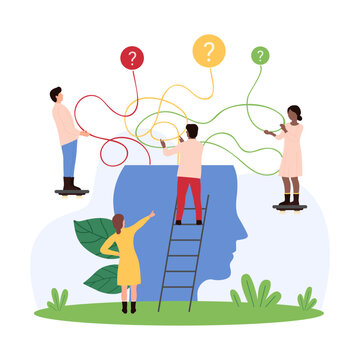
    Decision Making Cartoon Images – Browse 19,709 Stock Photos, Vectors, and  Video | Adobe Stock

    Balancing Intuition and Rational Thought

    Effective decision-making requires striking a balance between intuition—those quick, gut-level judgments—and rational thought, which involves deliberate and thorough analysis. Each approach has its strengths and limitations, and the key to making sound decisions lies in knowing when to rely on each mode of thinking.

    When to Trust Your Gut, and When to Step Back for Reflection

    The Interplay Between Intuition and Rational Thinking

    Intuition excels in familiar situations where the mind quickly identifies patterns based on experience. However, it can falter in novel or complex scenarios where biases or insufficient information come into play.

    • When to Trust Intuition:
      • High-pressure situations requiring immediate action (e.g., crisis management).
      • Routine decisions within your area of expertise (e.g., identifying potential risks in a project you’ve managed many times).
    • When to Step Back for Rational Reflection:
      • When stakes are high, and the decision involves significant long-term implications (e.g., strategic investments, hiring a senior executive).
      • In unfamiliar or ambiguous situations where data and analysis can offer clarity.

    The Importance of Expertise in Making Quick Decisions

    Experience sharpens intuition. In fields where individuals develop deep expertise, their instincts are often informed by years of pattern recognition and practical knowledge.

    Why Expertise Matters

    • Accuracy in Thin-Slicing: Experts can draw meaningful conclusions from minimal information because their subconscious has cataloged countless similar scenarios.
    • Avoiding Overconfidence: Without expertise, intuition risks being swayed by irrelevant cues or unconscious biases.

    Practical Example

    A seasoned doctor might recognize symptoms of a rare condition within moments of meeting a patient—thanks to years of experience—while a novice might overlook the same clues.

    Framework for Effective Decision-Making

    Balancing intuition and rational thought requires a structured approach.

    The Think-Feel-Do Model

    This framework integrates intuitive and analytical processes:

    1. Think: Pause and assess your initial intuitive reaction. What patterns or cues are influencing your gut instinct?
    2. Feel: Evaluate your emotional response. Are stress, fear, or excitement clouding your judgment?
    3. Do: Use logical analysis to validate your intuition. Gather data, weigh options, and decide on a course of action.

    This process ensures that both instinct and analysis contribute to the decision, reducing the risk of hasty or overly cautious conclusions.

    Case Study: Integrating Intuition and Rationality

    Scenario: A team leader must decide whether to approve a risky but promising project proposal.

    1. Intuition: Based on past experience with similar projects, the leader feels the proposal could succeed.
    2. Rational Analysis: They gather additional data, consult with experts, and assess the proposal’s financial feasibility and market potential.
    3. Balanced Decision: Combining their instinct with the analysis, they approve the project but set measurable milestones to monitor progress and mitigate risk.

    This approach leverages both quick judgment and deliberate thinking to arrive at an informed, balanced decision.

    Actionable Tip: Developing a Balanced Decision-Making Process

    To integrate intuition and rationality into your decision-making:

    1. Identify the Decision Type:
      • For familiar, low-risk decisions, trust your intuition.
      • For high-stakes or novel scenarios, allocate time for analysis.
    2. Practice in Low-Stakes Settings:
      • Use everyday decisions (e.g., prioritizing tasks, solving minor conflicts) to practice switching between intuitive and analytical modes.
    3. Reflect on Outcomes:
      • After each decision, evaluate its success. Did intuition or analysis lead you to the right choice? Over time, this reflection will refine your judgment.
    4. Adapt to Situations:
      • Not all decisions require the same balance. Learn to gauge whether speed or depth is more critical in a given moment.

    By honing both intuitive and rational decision-making, professionals and leaders can adapt to a wide range of challenges, improving outcomes and confidence in their choices.

    A Guide to Making Better Decisions | Two Sigma Ventures

    Practical Strategies for Improving Decision-Making Skills

    Strong decision-making skills are critical in both personal and professional settings. Improving these skills involves strengthening intuition, sharpening analytical thinking, and fostering a mindset of continuous learning. This section provides actionable strategies and tools to enhance decision-making capabilities.

    Building Confidence in Decision-Making

    Strengthening Intuition

    1. Practice in Familiar Settings: Repeated exposure to similar scenarios builds confidence in your gut instincts. For example, managers can practice making quick judgments in routine operations to train their subconscious mind to recognize patterns.
    2. Simulations and Role-Playing: Engage in exercises that mimic real-life decisions in a controlled environment. These can help refine instinctive responses without real-world consequences.

    Sharpening Rational Thinking

    1. Develop Analytical Skills: Learn to process data systematically by identifying trends, weighing risks, and exploring alternatives.
    2. Use Pre-Mortem Analysis: Before finalizing a decision, imagine it has failed and analyze potential causes. This approach fosters better preparation and reduces overconfidence.

    Confidence grows as individuals combine intuitive and analytical methods in decision-making, creating a well-rounded approach.

    Reflection and Continuous Learning

    The Role of Self-Reflection

    1. Post-Decision Reviews: After making a decision, reflect on its process and outcome. Ask questions like:
      • Did my intuition align with the data?
      • Were there any biases or blind spots?
      • What could I improve next time?
    2. Keep a Decision Journal: Document key decisions, the rationale behind them, and their outcomes. Over time, this will help identify patterns in successful and unsuccessful choices.

    Commit to Lifelong Learning

    1. Learn from Failures: Mistakes offer invaluable insights into what works and what doesn’t. Analyze these moments to refine both instinct and analysis.
    2. Stay Informed: Expand knowledge in your field to improve decision-making accuracy. Expertise enhances intuition by providing a larger database of experiences to draw from.

    Decision-Making Tools and Resources

    Tools to Support Decisions

    1. Decision Matrices: Evaluate multiple options by scoring them against a set of criteria.
    2. Pros and Cons Lists: A simple yet effective tool to weigh advantages and disadvantages.
    3. SWOT Analysis: Identify strengths, weaknesses, opportunities, and threats related to a specific decision.

    These tools complement intuition by providing structured methods to evaluate complex choices.

    Resources for Development

    1. Courses: Enroll in online or in-person courses on critical thinking, decision science, or leadership.
    2. Books and Podcasts: Engage with thought leaders who share insights on improving decision-making.
    3. Mentorship: Seek advice from experienced individuals who can provide perspectives on complex decisions.

    Actionable Tip

    Set aside dedicated time each week to reflect on recent decisions. Use the following steps to guide your reflection:

    1. Identify one decision where you trusted your intuition and one where you relied on analysis.
    2. Evaluate the outcomes of both decisions and consider how you could have approached them differently.
    3. Experiment with at least one decision-making tool (e.g., decision matrix) in the upcoming week to refine your analytical process.

    By consistently practicing reflection and using tools, you can build a robust and adaptable decision-making framework that leverages both instinct and logic effectively.

    The Art of Decision-Making | The New Yorker

    Conclusion

    Summary of Key Insights

    • Intuitive Decision-Making: Thin-slicing, or the ability to make rapid judgments with minimal information, is an invaluable tool, especially in familiar contexts where quick action is necessary. However, its effectiveness is amplified when paired with rational analysis to avoid potential pitfalls.
    • Balancing Intuition and Rationality: The ability to discern when to trust your instincts versus when to rely on deliberate reflection is a hallmark of sound decision-making. Overthinking and unconscious biases can derail the process, making self-awareness and structured thinking vital.

    Call to Action

    1. Implement the Framework: Begin applying a balanced approach to your decision-making processes immediately. For instance, practice the Think-Feel-Do model in your workplace or personal life. Reflect on the results and refine your methods.
    2. Strengthen Both Modes: Set aside time to develop your intuitive and rational decision-making abilities. Intentionally practice intuitive decisions in low-risk scenarios while using tools like decision matrices for more complex choices.

    Participate and Donate to MEDA Foundation

    Empower lives by supporting the MEDA Foundation’s mission to create self-sustaining ecosystems for individuals on the autism spectrum. Through your donations and active participation, you can help build a world where everyone has the opportunity to thrive. Visit MEDA Foundation to learn more and contribute to this meaningful cause.

    Book References

    1. “Thinking, Fast and Slow” by Daniel Kahneman
      • Explores the two systems of thought: fast, intuitive thinking and slow, deliberate analysis. Provides insights into biases and strategies to improve decision-making.
    2. “Decisive: How to Make Better Choices in Life and Work” by Chip Heath and Dan Heath
      • Offers practical frameworks for making sound decisions, overcoming biases, and avoiding common decision-making traps.
    3. “The Paradox of Choice: Why More Is Less” by Barry Schwartz
      • Examines how having too many options can lead to decision paralysis and dissatisfaction, with strategies to simplify choices.
    4. “Sources of Power: How People Make Decisions” by Gary Klein
      • Focuses on how professionals use intuition effectively, especially in high-stakes environments, and how experience sharpens decision-making.
    5. “Blink: The Power of Thinking Without Thinking” by Malcolm Gladwell
      • Discusses the power of rapid cognition and thin-slicing, while highlighting the strengths and limitations of intuitive decision-making.
  • Common Sense: The Power of Critical Thinking Over Intuitive Judgments

    Common Sense: The Power of Critical Thinking Over Intuitive Judgments

    This article explores the concept of common sense, revealing it as a subjective and context-dependent notion rather than a universal truth. While common sense is often seen as practical judgment, it varies widely based on individual experiences, cultural backgrounds, and societal norms. Relying solely on common sense can lead to misunderstandings and poor decisions, especially in complex situations. The article encourages a shift toward critical thinking, continuous learning, and self-reflection to navigate life’s challenges more effectively. By moving beyond the limitations of common sense, we can make more informed, inclusive, and thoughtful decisions.

    “Common Sense: A Misunderstood Concept”

    Introduction
    Definition and Misconception

    Common sense is a term that most people are familiar with, often invoking the idea of simple, practical judgment that everyone should naturally possess. It is frequently cited in everyday conversations, suggesting a shared understanding of basic truths that do not require specialized knowledge to grasp. For example, knowing not to touch a hot stove or to look both ways before crossing the street are often labeled as acts of common sense. The notion is that these are things so obvious that any reasonable person would naturally know them without needing to be told.

    However, there is a significant paradox at the heart of this concept: if common sense is truly so “common,” why do we see such widespread disagreement about what it entails? Why do situations arise where what seems like common sense to one person is seen as anything but by another? The truth is that common sense, despite its name, is far from universal. It is shaped by a multitude of factors, including cultural background, personal experiences, and societal norms, which can vary widely from one individual to another.

    This leads to a common misconception: that everyone operates from the same set of basic principles or instincts. In reality, what one person considers common sense might be seen as unconventional or even nonsensical by someone else. This divergence can lead to misunderstandings, conflicts, and a tendency to judge others harshly when they don’t align with our own perceptions of what is “obvious.”

    The belief that common sense is universally shared is not only misleading but can also be harmful. It overlooks the complexity of human thought and the diversity of experiences that shape our understanding of the world. Instead of recognizing these differences, we often fall into the trap of assuming that those who do not share our views lack common sense, leading to an oversimplified and judgmental view of others.

    Purpose of the Article

    The purpose of this article is twofold. First, it seeks to explore why common sense is often misunderstood, and why it is far less common than the term implies. By examining the roots of this concept and the reasons for its variability, the article aims to shed light on the factors that contribute to these differences in perception.

    Second, and more importantly, the article encourages readers to move beyond a simplistic reliance on what is considered “common sense.” In a world that is increasingly complex and interconnected, relying on basic instincts or preconceived notions can be limiting and even dangerous. Instead, the article advocates for a more nuanced approach to decision-making and judgment, one that incorporates critical thinking, self-awareness, and an appreciation for the diverse perspectives that others bring to the table.

    By demystifying the concept of common sense and highlighting its subjective nature, this article seeks to empower readers to think more deeply and critically about their own beliefs and assumptions. Rather than accepting things at face value, it encourages a mindset of curiosity, reflection, and open-mindedness, which is essential for navigating the complexities of modern life.

    Audience

    This article is intended for a broad audience, including the general public, educators, social workers, and anyone interested in self-development and understanding human behavior. For educators and social workers, the insights provided here can be particularly valuable in understanding the diverse backgrounds and experiences of the people they serve, allowing for more effective communication and support. For the general public, the article offers a thought-provoking exploration of a concept that is often taken for granted, encouraging readers to question their own assumptions and consider alternative viewpoints.

    Ultimately, this article is for anyone who seeks to deepen their understanding of how people think and why they often see the world so differently. It is an invitation to move beyond the illusion of common sense and to embrace a more thoughtful and informed approach to living and interacting with others.

    Caution Common Sense Required Past this Point Sign – Signs by SalaGraphics

    1. What is Common Sense?
    Origins and Evolution

    The concept of common sense has a long and intricate history, deeply rooted in ancient philosophy. The term itself can be traced back to the Latin phrase “sensus communis,” which was used by the Roman philosopher Cicero to describe a shared understanding or sense that people in a community hold in common. This idea was not about a specific set of knowledge or skills, but rather an innate ability to perceive and understand basic truths that are self-evident to any rational human being.

    In ancient Greece, the philosopher Aristotle expanded on this notion. He used the term “koinē aisthēsis” (common sense) to describe a faculty of the mind that integrates information from the five senses into a coherent whole. For Aristotle, common sense was the internal sense that allowed humans to make sense of the world around them, enabling them to perceive reality in a unified and holistic way. It was considered the foundation of practical wisdom (phronesis), guiding individuals in making sound judgments in everyday life.

    During the Enlightenment, the concept of common sense took on new significance, particularly in the works of Scottish philosopher Thomas Reid. Reid argued against the skepticism of his contemporaries, such as David Hume, by asserting that common sense provided a solid foundation for human knowledge. He believed that certain truths were self-evident and universally accessible through common sense, serving as the bedrock for moral and practical reasoning.

    However, as the concept evolved, so too did its interpretation. By the 18th and 19th centuries, common sense had become associated with the idea of practical wisdom and basic judgment that did not require specialized knowledge or formal education. It was seen as the wisdom of the ordinary person, a form of judgment that was accessible to all and rooted in everyday experiences.

    Modern Interpretation

    In today’s context, common sense is generally understood as a form of practical judgment that arises from everyday experiences, perceptions, and a basic level of reasoning. It refers to the ability to make sound decisions in typical situations without the need for specialized knowledge or extensive deliberation. This type of judgment is often considered intuitive and self-evident, relying on what seems “obvious” to most people.

    Common sense is often invoked in situations where the correct course of action appears straightforward and does not require deep analysis. For example, advising someone to dress warmly in cold weather or to avoid walking on thin ice are recommendations that are typically considered common sense. These judgments are based on simple, observable facts that are generally understood and accepted by most people.

    However, in the modern world, the meaning of common sense has become more complex and, in some ways, problematic. While it is still seen as a form of basic, practical reasoning, it is also recognized that what constitutes common sense can vary greatly depending on a person’s background, culture, and experiences. What one person views as common sense might be completely foreign to another, leading to misunderstandings and conflicts.

    Moreover, common sense is often romanticized as the wisdom of the “average” person, sometimes in contrast to expert knowledge or academic reasoning. This can lead to the dismissal of more complex or nuanced perspectives in favor of simpler, more immediate judgments. While common sense can be valuable in everyday situations, it is not always sufficient for addressing more complicated or unfamiliar challenges.

    Common sense today is understood as a form of practical judgment based on experience and basic reasoning. It is valued for its simplicity and accessibility but is also recognized as being subjective and culturally contingent. As society becomes more complex and diverse, the limitations of common sense become more apparent, highlighting the need for a more critical and reflective approach to decision-making.

    COMMON SENSE stock illustration. Illustration of insignia - 86680655

    2. Why is it Called Common Sense?
    Etymology

    The term “common sense” has a fascinating etymology that reveals much about how it came to be associated with shared, basic understanding. The phrase is derived from the Latin “sensus communis,” where “sensus” means “sense” or “perception,” and “communis” means “common” or “shared.” This concept was first articulated in ancient Rome, where it referred to a communal way of perceiving the world—a kind of collective wisdom that was thought to be inherent in all rational beings.

    The idea of common sense was further developed by the Greek philosopher Aristotle, who introduced the term “koinē aisthēsis” (κοινὴ αἴσθησις) in his works. Aristotle used it to describe an internal faculty that integrates the sensory inputs from the five external senses into a unified perception. This faculty was thought to be universal among humans, enabling them to perceive the world in a coherent and consistent manner. For Aristotle, common sense was not just about basic perception but also about the ability to make sound judgments based on those perceptions.

    The term evolved during the Middle Ages and the Renaissance, where it continued to be linked to the idea of a shared faculty of perception and judgment. By the time of the Enlightenment, philosophers like Thomas Reid and John Locke were using “common sense” to describe a set of self-evident truths or principles that did not require specialized knowledge to understand. This usage reinforced the idea that common sense was something universally accessible—a basic, shared understanding that everyone could draw upon in daily life.

    In modern English, the phrase “common sense” has come to signify practical judgment that is obvious to any reasonable person. The word “common” emphasizes the idea that this sense or understanding is supposed to be shared by all members of a community or society, reflecting a collective agreement on basic truths or principles.

    Assumed Universality

    One of the most enduring aspects of common sense is the assumption of its universality—the belief that it represents a set of basic, self-evident truths that are naturally understood by everyone. This assumption is rooted in the etymology of the term and the philosophical traditions that shaped its meaning. Because common sense is thought to derive from a shared human capacity to perceive and judge, it is often assumed that everyone has the same baseline understanding of what is “obvious” or “sensible.”

    This assumed universality is appealing because it suggests a kind of natural wisdom that is accessible to all, regardless of education or background. It implies that, despite our differences, there are certain things we all “just know” and can agree on. For example, common sense dictates that fire is dangerous and should be handled with care, or that one should not walk into traffic. These types of judgments seem so basic and obvious that it is hard to imagine anyone disagreeing with them.

    However, the assumption of universality can also lead to significant misunderstandings and conflicts. In reality, what is considered common sense can vary widely depending on cultural, social, and personal factors. What seems obvious to one person might be completely foreign to another, especially if they come from different backgrounds or have had different life experiences.

    For example, in some cultures, it is considered common sense to remove one’s shoes before entering a home as a sign of respect and cleanliness. In others, this practice might seem unnecessary or even strange. Similarly, the “common sense” approach to parenting, work ethics, or social interactions can differ drastically across societies. These differences highlight the subjective nature of common sense and challenge the idea that it is truly universal.

    When people assume that their own version of common sense is shared by everyone, they may inadvertently dismiss or misunderstand others’ perspectives. This can lead to judgments that are overly simplistic or unfair, as well as to conflicts that arise from different interpretations of what is “obvious” or “sensible.” In such cases, the assumption of universality becomes a barrier to effective communication and understanding.

    While the term “common sense” carries with it the implication of shared, basic understanding, this assumption is often misleading. Common sense is not as universal as it might seem; it is shaped by a variety of factors that can lead to significant differences in how people perceive and judge the world. Recognizing the subjective nature of common sense is crucial for fostering better communication and reducing conflicts that arise from differing viewpoints.

    7,800+ Visual Paradox Stock Illustrations, Royalty-Free Vector Graphics &  Clip Art - iStock | Fractals

    3. The Paradox: When Common Sense is Not Common
    Subjectivity of Common Sense

    Common sense is often thought of as a universal faculty—a set of basic, self-evident truths that everyone understands. However, this assumption overlooks a crucial aspect of human cognition: subjectivity. In reality, what is considered common sense varies greatly between individuals, largely influenced by their upbringing, culture, personal experiences, and education. These factors shape how people perceive the world and make judgments, leading to significant differences in what each person considers to be “common sense.”

    For example, someone raised in a rural environment might develop a strong sense of common sense around practical, hands-on tasks such as farming, hunting, or navigating natural landscapes. Their judgment in these areas would be intuitive and based on lived experience. On the other hand, someone raised in an urban setting might have a different set of common-sense judgments, such as how to navigate public transportation, interact with diverse social groups, or deal with the fast-paced demands of city life.

    This subjectivity means that what seems like common sense to one person may not be obvious—or even make sense—to someone else. When people with different backgrounds interact, they may find that their “common sense” leads them to different conclusions or approaches to the same situation. This divergence can result in misunderstandings, frustration, and even conflict, as each person may assume that their perspective is the “right” one simply because it feels self-evident to them.

    Moreover, personal experiences play a crucial role in shaping common sense. For instance, someone who has faced financial hardship might develop common-sense judgments about budgeting, frugality, and risk management that differ significantly from those of someone who has always enjoyed financial security. These differences highlight the deeply personal nature of common sense, making it clear that it is not a one-size-fits-all concept.

    Cultural and Societal Norms

    Cultural and societal norms are powerful forces that shape what is considered common sense within a given community or society. These norms are the unwritten rules that govern behavior, social interactions, and decision-making, and they vary widely from one culture to another. As a result, what is deemed common sense in one culture might be viewed as unusual, inappropriate, or even nonsensical in another.

    For example, in many Western cultures, individualism is highly valued, and common sense might dictate that people should be self-reliant, pursue their own goals, and prioritize personal freedom. In contrast, in many Eastern cultures, where collectivism is more prevalent, common sense might emphasize the importance of community, family, and social harmony. These differing cultural values shape how people make decisions, interact with others, and understand their place in the world.

    Social etiquette is another area where cultural differences in common sense are particularly pronounced. In some cultures, it is common sense to make direct eye contact during conversation as a sign of confidence and honesty. In other cultures, however, direct eye contact might be considered rude or confrontational, and common sense would dictate that one should avoid it out of respect.

    Even within a single country, societal norms can differ based on factors such as region, socioeconomic status, and community values. For instance, in some parts of the United States, common sense might suggest that a handshake is the appropriate way to greet someone. In other regions or social groups, a hug, a nod, or even no physical contact at all might be considered the norm. These variations in social norms highlight the complexity of common sense and its dependence on the cultural and societal context in which it is embedded.

    Examples of Divergence

    To illustrate the divergence of common sense across different groups, consider the following examples:

    1. Social Etiquette: In Japan, common sense dictates that one should remove their shoes before entering a home or certain public places, such as traditional inns or some restaurants. This practice is rooted in cultural norms of cleanliness and respect. However, in many Western countries, it might be seen as perfectly acceptable to wear shoes indoors, and the idea of removing them might not be considered common sense at all.
    2. Moral Judgments: In some cultures, arranged marriages are considered common sense and are seen as a practical way to ensure compatibility, family harmony, and social stability. In contrast, in cultures where individual choice in marriage is highly valued, the idea of an arranged marriage might seem contrary to common sense, which would emphasize personal freedom and romantic love.
    3. Problem-Solving Approaches: In a collectivist society, common sense might dictate that decisions should be made through consensus, with input from all relevant parties. This approach prioritizes group harmony and collective well-being. However, in an individualist society, common sense might suggest that the most effective way to solve a problem is for a single leader or expert to make a decisive, independent decision, valuing efficiency and clarity over group input.
    4. Perception of Time: In some cultures, time is viewed as a flexible concept, and common sense might suggest that it’s acceptable to arrive late to social gatherings or even business meetings. Punctuality is less emphasized, and the focus is more on relationships and the quality of interactions. In contrast, in cultures where time is seen as a finite resource, common sense dictates that punctuality is crucial, and being late is often viewed as disrespectful or unprofessional.

    These examples demonstrate that common sense is not a universal concept but rather one that is deeply influenced by a range of factors. The idea that something is “just common sense” often reflects the assumptions, values, and experiences of a particular group, rather than an objective truth that applies to everyone. Understanding this divergence is key to navigating interactions with people from different backgrounds and fostering more inclusive and empathetic relationships.

    While common sense is often presented as a universal faculty, it is, in reality, highly subjective and context-dependent. The divergence of common sense across different cultures, societies, and individuals highlights the need for a more critical and open-minded approach to understanding and interacting with others. By recognizing the variability of common sense, we can better appreciate the diversity of human thought and experience, and move beyond simplistic assumptions in our judgments and decision-making.

    5,000+ Lightning Bolt White Background Stock Illustrations, Royalty-Free  Vector Graphics & Clip Art - iStock | Lightning white background, Lightning  bolt icon

    4. How to Develop Common Sense?
    Experience and Learning

    Common sense is not an innate trait but rather a skill that is honed over time through life experiences and learning. Our sense of what is “common” often emerges from the repeated patterns and lessons we encounter in our daily lives. Every experience—whether it’s navigating social situations, solving practical problems, or simply observing the world around us—contributes to the development of our common sense.

    For example, someone who has grown up in a rural environment might naturally develop a keen understanding of nature, animals, and the changing seasons. This person’s common sense would likely include practical knowledge about farming, weather patterns, and outdoor survival. On the other hand, someone raised in an urban setting might have common sense related to public transportation, navigating crowds, or understanding the nuances of city life.

    The key here is that common sense is context-dependent, built on the specific experiences and environments that shape an individual’s worldview. It’s also cumulative, meaning that the more diverse and varied your experiences, the richer and more adaptable your common sense becomes. Engaging with different cultures, learning new skills, and exposing oneself to new situations are all ways to broaden your perspective and enhance your common sense.

    However, relying solely on experience can sometimes reinforce biases or lead to overly simplistic judgments. This is where the next component, critical thinking, becomes essential.

    Critical Thinking

    Critical thinking is the process of analyzing and evaluating information or situations in a disciplined, systematic way. It goes beyond simply relying on gut feelings or what seems “obvious.” By developing critical thinking skills, individuals can enhance their judgment and make more informed decisions, moving beyond the limitations of common sense.

    Critical thinking involves questioning assumptions, considering alternative viewpoints, and weighing evidence before arriving at a conclusion. For instance, instead of accepting a common belief at face value, a critical thinker might ask, “Why do we believe this? Is there evidence to support it? Could there be another way to look at this situation?” This approach helps to mitigate the influence of biases and allows for a more nuanced understanding of complex issues.

    For example, if someone believes it is common sense to always avoid conflict, critical thinking might lead them to question this belief. While avoiding conflict might seem like the easiest path in the short term, a critical thinker might recognize that some conflicts are necessary for growth, understanding, and long-term resolution. In this way, critical thinking enhances common sense by adding depth and rigor to the decision-making process.

    To develop critical thinking skills, it is helpful to engage with a wide range of perspectives, read critically, practice reflective questioning, and participate in discussions or debates that challenge your viewpoints. Over time, this practice helps individuals to make decisions that are not just based on instinct or habit but are well-considered and evidence-based.

    Continuous Reflection

    Developing common sense is not a one-time event but a continuous process of reflection and learning. To refine one’s sense of common sense, it is important to regularly engage in self-reflection, examining how past experiences, decisions, and cultural influences have shaped your thinking. This practice helps to identify areas where your common sense might be limited or outdated and provides opportunities for growth.

    One effective method for self-reflection is journaling. By writing down your thoughts, decisions, and the reasoning behind them, you create a record that you can revisit and analyze. Over time, this helps you to identify patterns in your thinking, recognize biases, and see where your judgment has been sound or where it could be improved. Reflecting on these entries allows you to learn from past experiences and refine your approach to new situations.

    Another method is seeking feedback from others. Engaging with friends, family, colleagues, or mentors and asking for their perspectives on your decisions and reasoning can provide valuable insights. Often, others can see blind spots that you might miss, offering a different angle that can enhance your understanding of a situation.

    Finally, continuous learning is crucial for developing and maintaining common sense. This involves staying curious, seeking out new knowledge, and being open to new experiences. Whether through formal education, reading widely, or simply being open to learning from everyday interactions, continuous learning keeps your common sense sharp and adaptable.

    In conclusion, developing common sense is an ongoing journey that involves learning from experience, cultivating critical thinking skills, and engaging in regular reflection. By combining these elements, individuals can enhance their judgment, make better decisions, and navigate the complexities of life with greater wisdom and insight. Common sense, when refined through continuous learning and reflection, becomes a powerful tool for understanding the world and making sound, practical decisions.

    What is common sense? - The Hindu

    5. Common Sense: Universal or Contextual?
    Subjective Nature

    Common sense is often assumed to be a universal guide to making sound judgments and decisions. However, a closer examination reveals that it is far from a one-size-fits-all concept. Common sense is deeply subjective and varies significantly depending on the context in which it is applied. This subjectivity is influenced by factors such as cultural background, personal experiences, social norms, and the specific environment in which an individual finds themselves.

    For example, what is considered common sense in one culture might be viewed as irrational or even incomprehensible in another. In some societies, it is common sense to prioritize community welfare over individual desires, while in others, individual rights and personal autonomy are paramount. These differences highlight how common sense is shaped by the values, beliefs, and experiences that are prevalent in a particular context.

    Moreover, within a single culture, common sense can vary from one person to another based on their unique life experiences. A seasoned professional in a particular field might consider certain procedures or practices to be common sense, while a newcomer might find them counterintuitive. Similarly, what seems like common sense to someone raised in a rural area might differ from the common sense of someone raised in an urban environment.

    This contextual variability underscores the importance of recognizing that common sense is not a universal truth. Instead, it is a flexible and adaptable framework that must be understood within the specific context in which it is applied. Failing to acknowledge this can lead to misunderstandings, conflicts, and poor decision-making.

    Influence of Biases

    Another significant factor that complicates the notion of common sense is the influence of personal biases. Biases are the unconscious beliefs, preferences, and inclinations that shape our perceptions and judgments. Because common sense is often based on instinct and intuition, it is particularly susceptible to the distorting effects of these biases.

    For instance, confirmation bias—the tendency to seek out information that confirms one’s existing beliefs—can lead individuals to consider only those facts or perspectives that align with their preconceptions, dismissing anything that challenges their worldview. In this way, what one person considers to be common sense might be heavily skewed by their biases, leading to a narrow or distorted understanding of a situation.

    Emotions also play a critical role in shaping what we perceive as common sense. When emotions run high, such as during times of stress, anger, or fear, they can cloud judgment and lead to decisions that might not align with rational thinking. For example, someone might make an impulsive decision in a moment of panic that they later realize was not based on sound reasoning, but rather on an emotional response that they mistakenly considered to be common sense at the time.

    The influence of biases and emotions highlights the need to critically examine our judgments and the assumptions underlying them. By recognizing the potential for these factors to distort our sense of common sense, we can take steps to mitigate their impact and make more balanced, well-considered decisions.

    Critical vs. Common Sense

    While common sense provides a useful framework for navigating everyday situations, it is not always the most reliable guide—especially in complex or unfamiliar scenarios. This is where critical thinking becomes essential. Critical thinking is the process of systematically analyzing and evaluating information to make reasoned judgments. Unlike common sense, which often relies on intuition and past experiences, critical thinking involves a deliberate and reflective approach to decision-making.

    One of the key differences between critical thinking and common sense is the way they handle complexity and ambiguity. Common sense tends to simplify situations, relying on general rules of thumb or gut feelings. While this can be effective in familiar or straightforward situations, it can lead to errors in more complex or novel contexts. For example, common sense might suggest that increasing punishment will deter crime, but critical thinking would prompt an examination of the evidence, which might reveal that other factors, such as rehabilitation and social support, are more effective in reducing crime rates.

    Critical thinking also involves questioning assumptions, considering multiple perspectives, and being open to changing one’s mind in light of new evidence. This contrasts with the sometimes rigid and unexamined nature of common sense, which can be influenced by deeply ingrained biases and cultural norms. For example, a critical thinker might challenge the common-sense notion that success is solely the result of hard work, recognizing that factors such as privilege, opportunity, and systemic barriers also play a significant role.

    In practice, critical thinking and common sense are not mutually exclusive. Ideally, they should complement each other. Common sense can provide a quick, practical guide in familiar situations, while critical thinking can be employed to navigate more complex or unfamiliar challenges. By combining the two, individuals can make more informed, balanced decisions that are less likely to be swayed by biases or oversimplified judgments.

    In conclusion, common sense is a valuable tool, but it is inherently subjective and context-dependent. It is shaped by personal experiences, cultural norms, and biases, all of which can influence its reliability. To navigate the complexities of life effectively, it is essential to balance common sense with critical thinking. By doing so, we can better understand the limitations of our intuitive judgments and make more thoughtful, informed decisions in both everyday and complex situations.

    4,104 Common Sense Royalty-Free Photos and Stock Images | Shutterstock

    6. The Myth of Universality
    Challenges to Universality

    The notion that common sense is universal—that everyone shares a basic understanding of how things work and how decisions should be made—is a persistent myth. In reality, common sense cannot be universally applied because it is shaped by a multitude of factors, including cultural background, personal experiences, education, and social environment. These factors vary widely among individuals and groups, leading to different interpretations of what is “common sense.”

    One of the key challenges to the universality of common sense is the diversity of human experiences. What seems self-evident to one person might be completely foreign to another, simply because their life experiences have been different. For example, someone who grew up in a close-knit community might consider it common sense to rely on family and neighbors for support, while someone from a more individualistic background might view self-reliance as the most sensible approach.

    Cultural differences further complicate the idea of universal common sense. Social norms, values, and practices vary greatly across cultures, influencing what is considered reasonable or “common.” For instance, in some cultures, it is common sense to show deference to elders and authority figures, while in others, questioning authority and advocating for equality might be seen as more sensible. These cultural differences mean that what is regarded as common sense in one context might be misunderstood or even rejected in another.

    Moreover, the evolution of knowledge and societal norms challenges the idea of a universal common sense. As societies progress and new information becomes available, what was once considered common sense can become outdated. For example, in the past, it was common sense to believe that the Earth was the center of the universe. This belief was widely accepted because it aligned with the prevailing knowledge and worldview of the time. However, as scientific understanding advanced, this “common sense” notion was replaced with a more accurate understanding of the cosmos.

    The myth of universality also ignores the role of cognitive biases in shaping common sense. These biases—such as confirmation bias, availability bias, and anchoring bias—can lead individuals to make judgments based on incomplete or skewed information, further diverging from any notion of a shared common sense. As a result, what one person considers to be common sense might be heavily influenced by their personal biases, making it less applicable to others who do not share the same biases.

    The challenges to the universality of common sense are rooted in the diversity of human experiences, cultural differences, the evolution of knowledge, and the influence of cognitive biases. These factors make it clear that common sense is not a universal truth but rather a context-dependent and subjective understanding that varies from person to person and culture to culture.

    Case Studies

    To illustrate the limitations of relying solely on common sense, consider the following case studies where common sense led to misunderstandings or poor decisions:

    1. Healthcare Decisions:
      • Scenario: In a community where traditional medicine is valued, it might be considered common sense to treat illnesses with herbal remedies rather than seeking conventional medical care. A family decides to treat their child’s fever with home remedies, believing it to be the most sensible approach based on their cultural background and experiences.
      • Outcome: Unfortunately, the child’s condition worsens because the underlying illness required medical intervention that the home remedies could not provide. The reliance on common sense, shaped by cultural beliefs, led to a delay in seeking appropriate treatment, resulting in a serious health complication.
      • Analysis: This case highlights how common sense, when based on culturally specific practices, might not always align with the best course of action, especially in situations requiring specialized knowledge.
    1. Workplace Communication:
      • Scenario: In a global company, an American manager considers it common sense to encourage open and direct communication among team members, believing it fosters efficiency and transparency. However, when interacting with colleagues from a culture that values indirect communication and avoiding confrontation, this approach leads to discomfort and misunderstandings.
      • Outcome: The manager’s attempt to foster open communication backfires, creating tension within the team. Some team members feel disrespected or misunderstood, while others become less engaged, fearing they might offend their colleagues by speaking too openly.
      • Analysis: This case demonstrates how common sense practices in one cultural context can be ineffective or even harmful in another, underscoring the importance of cultural sensitivity and adaptability in diverse environments.
    1. Environmental Policy:
      • Scenario: A local government considers it common sense to prioritize economic growth over environmental protection, believing that a strong economy will benefit everyone in the long run. They decide to approve a large-scale industrial project that promises to create jobs and boost the local economy.
      • Outcome: While the project initially brings economic benefits, it also leads to significant environmental degradation, including pollution of local water sources and destruction of natural habitats. Over time, the environmental damage negatively impacts public health and the quality of life in the area, leading to protests and demands for policy changes.
      • Analysis: This case shows how common sense, when narrowly focused on short-term economic gains, can overlook the broader and long-term consequences, resulting in decisions that ultimately harm the community.
    1. International Relations:
      • Scenario: A country’s leadership believes it is common sense to assert military power in response to perceived threats from neighboring nations. They decide to take a hardline stance, increasing military presence along borders and issuing strong public statements.
      • Outcome: This approach escalates tensions, leading to a standoff that could have been avoided with diplomatic negotiations. The assumption that military strength is the most effective way to ensure security overlooks the potential for peaceful conflict resolution, resulting in heightened regional instability.
      • Analysis: This case highlights how common sense based on assumptions of power and security can lead to escalated conflicts rather than resolving them, demonstrating the need for a more nuanced approach to international relations.

    These case studies illustrate that relying solely on common sense can lead to significant misunderstandings and poor decisions, particularly in complex or cross-cultural situations. They underscore the importance of critical thinking, cultural awareness, and a willingness to question and adapt one’s assumptions to better navigate the challenges of a diverse and interconnected world.

    The myth of universality in common sense is debunked by the diverse and context-dependent nature of human experiences. Common sense is not a universal guide to decision-making; rather, it is a subjective and flexible tool that must be used in conjunction with critical thinking, cultural sensitivity, and continuous learning to be truly effective.

    470 BBK ideas | inspirational quotes, life quotes, positive quotes

    7. Moving Beyond Common Sense
    Encouraging Deeper Thought

    While common sense can be a helpful guide in many situations, it is essential to cultivate a habit of deeper thought and critical analysis rather than simply defaulting to what appears to be common sense. This deeper level of thinking allows individuals to navigate complex situations, challenge assumptions, and avoid the pitfalls of oversimplification.

    Encouraging deeper thought begins with recognizing the limitations of common sense. It is important to acknowledge that what seems obvious or intuitive may not always be the best or most accurate approach. By questioning the validity of our initial reactions and judgments, we can open ourselves up to alternative perspectives and more informed decision-making.

    For example, rather than accepting a commonly held belief at face value, consider asking probing questions: Why do I believe this? What evidence supports this belief? Could there be another way of understanding the situation? This process of self-examination helps to uncover biases, identify gaps in knowledge, and ultimately leads to more thoughtful and effective decisions.

    Another key aspect of encouraging deeper thought is fostering curiosity. Curiosity drives the desire to learn more, explore different viewpoints, and engage with new information. By staying curious and open-minded, individuals are more likely to challenge their own assumptions and move beyond the limitations of common sense.

    Role of Education and Awareness

    Education and awareness play a crucial role in helping people develop a more nuanced understanding of the world around them. Formal education provides the foundation for critical thinking by teaching students how to analyze information, evaluate arguments, and consider multiple perspectives. However, education extends beyond the classroom and continues throughout life.

    Increasing awareness involves staying informed about current events, cultural differences, and the latest developments in various fields. It also means being aware of one’s own biases and the ways in which they can influence judgment. For example, being aware of confirmation bias can help individuals recognize when they are selectively accepting information that supports their existing beliefs while dismissing contradictory evidence.

    Educational institutions, media, and community organizations can all contribute to raising awareness by promoting critical thinking skills and encouraging individuals to question the status quo. Workshops, discussions, and educational programs that focus on critical thinking, problem-solving, and cultural competence can equip individuals with the tools they need to make more informed and balanced decisions.

    Moreover, education can empower individuals to recognize the limitations of common sense and the value of deeper analysis. By understanding the complexity of issues such as social justice, environmental sustainability, or global health, individuals can move beyond simplistic solutions and contribute to more effective and equitable outcomes.

    Practical Steps

    To move beyond common sense and apply critical thinking in everyday situations, individuals can take several practical steps:

    1. Question Assumptions:
      • Start by challenging your own assumptions. When faced with a decision or problem, ask yourself why you believe what you believe. Are your assumptions based on facts, or are they influenced by biases, emotions, or cultural norms? By questioning your assumptions, you can uncover potential flaws in your reasoning and approach the situation with a more open and critical mindset.
    1. Seek Diverse Perspectives:
      • Engage with people who have different backgrounds, experiences, and viewpoints. This can help you see issues from multiple angles and broaden your understanding. For example, if you’re making a decision that affects others, consider seeking input from those who might be impacted differently by the outcome. This practice can prevent you from relying solely on your own common sense and instead encourage a more inclusive and well-rounded approach.
    1. Evaluate Evidence:
      • Make it a habit to seek out and evaluate evidence before making a decision. Rather than relying on intuition or hearsay, look for credible sources of information that can support or challenge your beliefs. This might involve reading research studies, consulting experts, or reviewing data. By basing your decisions on evidence rather than assumptions, you increase the likelihood of arriving at sound conclusions.
    1. Practice Reflective Thinking:
      • After making a decision or taking action, take the time to reflect on the process. Consider what went well and what could have been done differently. Reflective thinking helps you learn from your experiences and refine your approach over time. For example, if you find that a decision based on common sense led to an unexpected outcome, reflecting on the situation can help you understand why and how to improve in the future.
    1. Stay Open to Change:
      • Be willing to adapt your thinking as new information becomes available. The world is constantly evolving, and what may have been common sense yesterday might not hold true today. Staying open to change and being willing to revise your beliefs in light of new evidence or perspectives is a key aspect of critical thinking. This adaptability ensures that your decisions remain relevant and effective in a changing world.
    1. Engage in Continuous Learning:
      • Commit to lifelong learning by regularly exposing yourself to new ideas, disciplines, and experiences. This can include reading widely, attending workshops, or engaging in discussions that challenge your current understanding. Continuous learning helps you build a more comprehensive and adaptable sense of judgment that goes beyond the limitations of common sense.
    1. Cultivate Empathy:
      • Empathy is the ability to understand and share the feelings of others. By putting yourself in someone else’s shoes, you can gain a deeper understanding of their perspective and avoid making decisions that are solely based on your own experiences or common sense. Empathy encourages a more compassionate and informed approach to decision-making.

    Moving beyond common sense requires a deliberate effort to think critically, stay informed, and challenge one’s own assumptions. By embracing education, awareness, and practical steps for critical thinking, individuals can develop a more nuanced understanding of the world and make better, more informed decisions. This approach not only enhances personal judgment but also contributes to more thoughtful, inclusive, and effective outcomes in both personal and professional contexts.

    Optimization: Science or just common sense?

    Conclusion
    Summary

    In this exploration of common sense, we’ve uncovered that what is often perceived as “common” is, in fact, deeply subjective and context-dependent. Common sense is not a universal truth but rather a reflection of individual experiences, cultural backgrounds, and societal norms. While it can be useful in certain situations, relying solely on common sense can lead to misunderstandings, poor decisions, and missed opportunities for growth and learning. Instead, cultivating critical thinking, staying informed, and continuously challenging our assumptions allows us to navigate the complexities of life with greater insight and wisdom.

    Call to Action

    As you reflect on your own beliefs about common sense, consider how you might apply a more critical, thoughtful approach in your daily life. Challenge the assumptions you hold, seek out diverse perspectives, and commit to continuous learning. By moving beyond the limitations of common sense, you can make more informed decisions, contribute to positive change in your community, and foster deeper understanding and empathy in your interactions with others.

    The journey toward a more thoughtful, inclusive, and self-sufficient society is one that we must embark on together. The MEDA Foundation is dedicated to enhancing understanding, empathy, and self-sufficiency among diverse communities. We invite you to engage with our initiatives, which are designed to empower individuals, promote critical thinking, and support those in need. Your participation and donations can make a significant impact, helping us create a more just and compassionate world. Together, we can move beyond common sense and embrace a future built on understanding, empathy, and action.

    Book Reading References
    1. “Thinking, Fast and Slow” by Daniel Kahneman:
      • A seminal work that explores the dual systems of thinking—fast, intuitive thinking and slow, deliberate thinking. This book provides valuable insights into how our minds work and how we can improve our decision-making by understanding these processes.
    1. “The Righteous Mind: Why Good People Are Divided by Politics and Religion” by Jonathan Haidt:
      • Haidt’s exploration of moral psychology sheds light on why people with different backgrounds and beliefs often have divergent views of what is “common sense.” This book is particularly useful for understanding the role of culture and morality in shaping our judgments.
    1. “Blink: The Power of Thinking Without Thinking” by Malcolm Gladwell:
      • This book examines the power of snap judgments and the role of intuition in decision-making. While it highlights the strengths of instinctive thinking, it also cautions against the potential pitfalls, making it a balanced exploration of the limits of common sense.
    1. “Nudge: Improving Decisions About Health, Wealth, and Happiness” by Richard H. Thaler and Cass R. Sunstein:
      • This book offers insights into how small changes in the way choices are presented can influence our decisions. It’s a great resource for understanding how common sense can be shaped and sometimes manipulated, and how to make better choices in daily life.
    1. “Critical Thinking: A Beginner’s Guide to Critical Thinking, Better Decision Making, and Problem Solving” by Jennifer Wilson:
      • A practical guide that provides tools and techniques for developing critical thinking skills. This book is ideal for anyone looking to enhance their ability to analyze information, solve problems, and make more informed decisions.
  • Pattern Recognition: Unveiling the Brain’s Efficiency and Biases

    Pattern Recognition: Unveiling the Brain’s Efficiency and Biases

    Patterns are the backbone of our cognitive processes, facilitating efficient decision-making and conserving mental energy in everyday tasks. However, this reliance on patterns can also lead to oversimplification and biases, as our brains gravitate towards broad generalizations. While essential for survival, the pitfalls of over-reliance on patterns are evident in stereotypes and misunderstandings, where individual nuances are overlooked. Striking a balance between recognizing patterns and remaining open to new information is crucial for effective decision-making and understanding. By understanding the power and perils of patterned thinking, we can navigate the complexities of human cognition with greater insight and adaptability.

    I. Introduction

    The human brain, despite comprising only a small percentage of our body mass, is a voracious consumer of energy. This metabolic demand underscores the evolutionary imperative for cognitive efficiency, where the brain’s ability to recognize and interpret patterns plays a pivotal role. From deciphering language to navigating complex social interactions, our brains rely on patterns to streamline processes and conserve precious mental resources.

    While patterns are indispensable for optimizing cognitive function, an excessive dependence on them can inadvertently foster oversimplification and biases. Understanding the delicate balance between leveraging patterns for efficiency and remaining open to novel information is crucial for fostering nuanced thinking and informed decision-making.

    This article is tailored for a broad audience, ranging from professionals in cognitive science to individuals interested in enhancing their cognitive abilities. Whether you’re a student looking to improve study habits or a seasoned professional navigating complex decision-making scenarios, the insights presented here offer practical strategies for harnessing the power of patterns while mitigating the risks of cognitive biases. By exploring real-world examples, expert tips, and actionable advice, this article aims to equip readers with the tools needed to navigate the intricacies of pattern recognition with greater discernment and adaptability.

    II. The Brain’s Energy Consumption

    A. Explanation of the brain’s disproportionate energy consumption relative to its size

    The human brain, despite constituting a mere 2% of the body’s weight, demands a staggering 20% of its total energy supply. This disproportionate energy consumption is attributable to the brain’s intricate network of neurons, which constantly communicate with one another through electrical impulses. These neural processes, essential for everything from basic bodily functions to complex cognitive tasks, require a substantial amount of metabolic energy to sustain. The brain’s high energy demands underscore its status as the body’s most vital organ, highlighting the evolutionary imperative for efficient energy utilization.

    B. Importance of conserving energy for survival and the role of efficient cognitive processes in achieving this

    In an evolutionary context, the ability to efficiently allocate and conserve energy resources is paramount for survival. Efficient cognitive processes, facilitated by pattern recognition and streamlined neural pathways, play a pivotal role in achieving this goal. By quickly identifying and responding to familiar patterns in the environment, the brain can minimize unnecessary cognitive exertion and preserve energy for essential tasks. This adaptive efficiency not only enhances survival prospects but also affords individuals a competitive edge in complex and dynamic environments. Thus, understanding the interplay between cognitive efficiency and energy conservation offers valuable insights into the fundamental principles governing human cognition and behavior.

    III. The Role of Patterns

    A. Definition of patterns in the context of cognition

    Patterns, in the realm of cognition, refer to recurring structures or sequences of information that can be identified and interpreted by the brain. These patterns may manifest in various forms, including visual, auditory, or conceptual arrangements, and they serve as building blocks for understanding the world around us. Essentially, patterns represent regularities or consistencies in data that can be discerned through observation and analysis.

    Some real-world examples :

    1. Confirmation Bias in Hiring Practices: Employers may exhibit confirmation bias by favoring candidates who fit preconceived patterns or stereotypes, such as Ivy League graduates or individuals from prestigious companies. This can result in overlooking qualified candidates from diverse backgrounds who may bring unique perspectives and skills to the organization.

    2. Medical Misdiagnosis Due to Anchoring Bias: Physicians may succumb to anchoring bias by fixating on initial impressions or diagnostic hypotheses, leading to premature closure and overlooking alternative explanations. This can result in diagnostic errors and suboptimal patient care, highlighting the importance of remaining open to new information and revising initial assessments based on evolving evidence.

    3. Financial Decision-Making and Herding Behavior: Investors may exhibit herding behavior by blindly following prevailing market trends or mimicking the actions of others, rather than conducting independent analysis. This can contribute to market bubbles and crashes, as well as missed investment opportunities. Encouraging investors to critically evaluate information and resist herd mentality can promote more informed decision-making in financial markets.

    4. Media Portrayals and Stereotyping: Media representations of certain demographic groups may perpetuate stereotypes and reinforce existing patterns of bias. For example, portraying racial minorities in stereotypical roles or depicting women primarily as caregivers can reinforce societal expectations and limit opportunities for diverse representation and inclusion.

    5. Educational Practices and Implicit Bias: Teachers may unintentionally exhibit implicit bias by disproportionately disciplining students from marginalized backgrounds or underestimating their academic potential based on preconceived notions. This can contribute to disparities in educational outcomes and perpetuate cycles of inequality, emphasizing the need for culturally responsive teaching practices and bias awareness training.

    6. Consumer Behavior and Brand Loyalty: Consumers may exhibit brand loyalty based on familiarity and past experiences, relying on established patterns of consumption rather than evaluating alternative options. This can result in missed opportunities to explore new products or services that better align with changing preferences or evolving needs.

    B. Explanation of how recognizing patterns allows for prediction, quick decision-making, and conservation of mental energy

    The human brain is adept at recognizing and leveraging patterns to streamline cognitive processes and conserve mental energy. By identifying recurring structures or sequences in our environment, the brain can make predictions about future events, facilitating quick decision-making and adaptive behavior. For example, when driving a familiar route, we rely on pattern recognition to anticipate upcoming road conditions and navigate safely without expending excessive mental effort. Similarly, in tasks like reading, we recognize patterns of letters and words to comprehend written language efficiently. This ability to extract meaningful information from complex stimuli not only enhances cognitive efficiency but also enables us to allocate mental resources more effectively to novel or challenging tasks.

    C. Examples of everyday tasks where pattern recognition is evident (e.g., driving, reading)

    Pattern recognition permeates numerous aspects of daily life, often operating seamlessly in the background. In addition to driving and reading, examples of tasks where pattern recognition is evident include:

    1. Speech comprehension: We recognize patterns in the sounds and cadences of speech to understand spoken language effortlessly.
    2. Music appreciation: Our ability to discern melodies, rhythms, and harmonies relies on recognizing patterns in auditory stimuli.
    3. Problem-solving: When faced with a familiar problem, we draw upon past experiences and patterns of successful solutions to guide our problem-solving strategies.
    4. Social interactions: Recognizing facial expressions, body language, and vocal intonations involves detecting patterns of emotional cues and social norms.

    Overall, pattern recognition serves as a cornerstone of human cognition, enabling us to navigate the complexities of our environment with efficiency and adaptability.

    Here are some practical tips that readers can implement to strike a balance between recognizing patterns and remaining open to new information and experiences:

    1. Cultivate Awareness: Practice mindfulness and self-reflection to become more aware of your own patterns of thinking and behavior. Notice when you’re relying on familiar patterns or making assumptions, and challenge yourself to consider alternative perspectives.

    2. Seek Diversity: Actively seek out diverse viewpoints, experiences, and sources of information. Engage with individuals from different backgrounds, cultures, and disciplines to broaden your perspective and challenge your assumptions.

    3. Question Assumptions: Develop a habit of questioning assumptions and challenging conventional wisdom. Instead of accepting information at face value, explore underlying assumptions, biases, and evidence to form a more nuanced understanding of complex issues.

    4. Embrace Uncertainty: Learn to embrace uncertainty and ambiguity as opportunities for growth and exploration. Recognize that uncertainty is a natural part of the learning process and an essential component of creative problem-solving and innovation.

    5. Practice Cognitive Flexibility: Cultivate cognitive flexibility by actively seeking out new experiences, learning new skills, and exposing yourself to unfamiliar situations. Challenge yourself to think outside the box and approach problems from multiple perspectives.

    6. Stay Curious: Cultivate a sense of curiosity and intellectual humility by remaining open to new ideas and perspectives. Approach each situation with a beginner’s mind, eager to learn and explore without preconceived notions or biases.

    7. Evaluate Evidence: Develop strong critical thinking skills by evaluating evidence, questioning sources, and distinguishing between fact and opinion. Be discerning in your consumption of information and avoid relying solely on patterns or heuristics to make decisions.

    8. Learn from Mistakes: Embrace failure as an opportunity for learning and growth. Reflect on past mistakes and missed opportunities, and use them as valuable feedback to refine your approach and make more informed decisions in the future.

    9. Practice Active Listening: Cultivate active listening skills by genuinely engaging with others and seeking to understand their perspectives. Avoid jumping to conclusions or making assumptions, and strive to empathize with others’ experiences and viewpoints.

    10. Stay Flexible: Finally, remain flexible and adaptable in your thinking and behavior. Recognize that patterns and routines can be valuable tools for efficiency, but they should not constrain your ability to adapt to new situations or revise your beliefs in light of new evidence.

    By incorporating these practical tips into their daily lives, readers can cultivate a more balanced approach to pattern recognition and decision-making, enabling them to navigate complexity with greater clarity, creativity, and resilience.

    IV. The Pitfalls of Over-Reliance on Patterns

    A. Discussion of how over-reliance on patterns can lead to a “broad brush approach”

    While patterns are invaluable for streamlining cognitive processes, an over-reliance on them can foster a “broad brush approach” to understanding the world. This phenomenon occurs when individuals apply simplistic or generalized patterns to complex situations or diverse populations, overlooking nuances and individual differences in the process. By reducing multifaceted phenomena to overly simplistic frameworks, the broad brush approach undermines the richness and complexity of human experience.

    B. Examples of situations where applying broad patterns can lead to biases and misunderstandings (e.g., stereotypes)

    One of the most well-documented consequences of over-reliance on patterns is the emergence of stereotypes—preconceived notions or beliefs about individuals or groups based on simplified categorizations. Stereotypes often arise from applying broad patterns to social or demographic characteristics, leading to biases and misunderstandings. For instance, assuming that all members of a certain ethnicity possess certain traits or abilities overlooks the vast diversity within that group and perpetuates harmful stereotypes.

    C. Explanation of how overlooking nuances and individual differences can result from relying too heavily on patterns

    Relying too heavily on patterns can also blind individuals to the nuances and individual differences that characterize human behavior and experience. By categorizing individuals based on superficial or generalized criteria, we risk overlooking the unique complexities and variations that shape each person’s identity and perspective. This oversimplification not only hinders our ability to understand and appreciate diversity but also perpetuates inequalities and injustices in society.

    In summary, while patterns are indispensable for cognitive efficiency, their uncritical application can lead to detrimental consequences. By recognizing the limitations of over-reliance on patterns and actively seeking out diverse perspectives and experiences, we can cultivate a more nuanced understanding of the world and foster empathy, tolerance, and inclusivity.

    Exploring counterarguments adds depth and nuance to the article, encouraging readers to consider alternative perspectives and engage critically with the topic. Here are some counterarguments to consider in relation to the role of patterns in cognition and decision-making:

    1. Efficiency and Cognitive Load: One counterargument is that patterns play a crucial role in reducing cognitive load and conserving mental energy. Critics may argue that relying on patterns allows individuals to process information more quickly and make decisions more efficiently, particularly in fast-paced or high-stakes situations. They may contend that while patterns can sometimes lead to biases or oversimplifications, the benefits of cognitive efficiency outweigh the risks.

    2. Evolutionary Adaptation: Another counterargument is rooted in evolutionary psychology, suggesting that pattern recognition is an adaptive trait that has evolved over time to enhance survival and reproductive success. Proponents of this view may argue that our brains are hardwired to detect and respond to patterns in the environment as a means of identifying threats, predicting outcomes, and exploiting opportunities. They may assert that patterns are essential for navigating complex social dynamics, identifying resources, and avoiding danger.

    3. Practical Necessity: Critics may also argue that patterns are a practical necessity in many domains of life, such as healthcare, finance, and engineering. They may contend that professionals in these fields rely on established patterns, guidelines, and best practices to make informed decisions and deliver high-quality outcomes. They may argue that while patterns can sometimes lead to errors or biases, they are indispensable tools for managing complexity and uncertainty in real-world contexts.

    4. Subjective Interpretation: Another counterargument is that patterns are inherently subjective and context-dependent, making it difficult to establish objective criteria for their validity or reliability. Critics may argue that what constitutes a “pattern” varies across individuals, cultures, and domains, leading to inconsistencies and disagreements in pattern recognition. They may contend that while some patterns may be widely recognized and accepted, others may be highly contingent on personal experience, cultural background, or ideological beliefs.

    Addressing these counterarguments allows for a more balanced and comprehensive discussion of the topic, highlighting the complexities and nuances inherent in the role of patterns in cognition and decision-making. It also encourages readers to critically evaluate the strengths and limitations of patterns as cognitive tools, fostering a deeper understanding of the topic.

    V. Striking a Balance

    A. Importance of recognizing when patterns are useful and when they might be limiting

    Recognizing the utility of patterns while remaining mindful of their limitations is essential for fostering critical thinking and informed decision-making. While patterns provide valuable shortcuts for processing information and making predictions, they may also obscure important nuances and individual differences. By acknowledging the context-specific nature of patterns and assessing their relevance to a given situation, individuals can avoid the pitfalls of overgeneralization and ensure a more nuanced understanding of complex phenomena.

    B. Discussion of the need to remain open to new information and experiences to avoid the pitfalls of over-reliance on patterns

    Maintaining a mindset of openness and curiosity is crucial for mitigating the risks associated with over-reliance on patterns. By actively seeking out new information and experiences, individuals can challenge existing patterns and expand their cognitive repertoire. This openness to novelty not only fosters intellectual growth and creativity but also guards against the stagnation that can arise from rigid adherence to established patterns. Embracing uncertainty and complexity allows for greater flexibility in thinking and a deeper appreciation of the richness and diversity of human experience.

    C. Examples of how adaptive thinking can enhance decision-making and understanding

    Adaptive thinking, characterized by a willingness to question assumptions and entertain alternative perspectives, is instrumental in enhancing decision-making and understanding. For example, in the realm of business, executives who adopt a flexible approach to problem-solving are better equipped to navigate dynamic markets and capitalize on emerging opportunities. Similarly, in interpersonal relationships, individuals who demonstrate empathy and openness to differing viewpoints foster deeper connections and more meaningful interactions. By embracing adaptive thinking, individuals can harness the power of patterns while remaining responsive to changing circumstances and evolving knowledge.

    In conclusion, striking a balance between leveraging patterns for efficiency and remaining open to new information is essential for cultivating cognitive agility and intellectual growth. By cultivating a mindset of critical inquiry and curiosity, individuals can navigate the complexities of the world with greater insight, adaptability, and resilience.

    Here are some quotes and expert insights from renowned psychologists, researchers, and thought leaders that add depth and credibility to the discussion:

    1. Daniel Kahneman: “The confidence people have in their beliefs is not a measure of the quality of evidence but of the coherence of the story the mind has managed to construct.”

    2. Carol Dweck: “Becoming is better than being.”

    3. Nassim Nicholas Taleb: “The three most harmful addictions are heroin, carbohydrates, and a monthly salary.”

    4. Amos Tversky: “The combination of overconfidence and poor statistical literacy is a formidable barrier to good decision making.”

    5. Malcolm Gladwell: “We learn by example and by direct experience because there are real limits to the adequacy of verbal instruction.”

    6. Richard Thaler: “The assumption that everybody will figure out how to make choices that are in their best interest is obviously wrong.”

    7. Barbara Mellers: “We’re all flawed human beings. We’re going to make mistakes.”

    8. Karl Weick: “When you get into a tight place and everything goes against you, till it seems as though you could not hang on a minute longer, never give up then, for that is just the place and time that the tide will turn.”

    9. Ellen Langer: “Mindfulness is simply the process of noticing new things.”

    10. Steven Pinker: “The human brain is a complex organ with the wonderful power of enabling man to find reasons for continuing to believe whatever it is that he wants to believe.”

    VI. Conclusion

    A. Recap of the significance of patterns in cognitive efficiency and the potential pitfalls of over-reliance on them

    Patterns are fundamental to cognitive efficiency, allowing the brain to process information rapidly and conserve mental energy. From navigating familiar environments to interpreting social cues, patterns streamline cognitive processes and facilitate adaptive behavior. However, the uncritical reliance on patterns can lead to oversimplification and biases, hindering our ability to appreciate the complexity and diversity of human experience. By recognizing the limitations of patterns and remaining vigilant against the pitfalls of overgeneralization, individuals can foster a more nuanced understanding of the world and cultivate empathy, tolerance, and inclusivity.

    B. Call to action for readers to strike a balance between recognizing patterns and remaining open to new information and experiences

    As we navigate the complexities of the modern world, it is imperative that we strike a balance between leveraging patterns for efficiency and remaining open to new information and experiences. By cultivating a mindset of critical inquiry and curiosity, we can challenge existing patterns, expand our cognitive horizons, and embrace the diversity of human thought and experience. Let us commit to approaching each situation with discernment and flexibility, recognizing the value of patterns while remaining receptive to the richness and complexity of the world around us. Together, let us embark on a journey of intellectual growth, empathy, and understanding.

    References:

    1. “Thinking, Fast and Slow” by Daniel Kahneman – This seminal work explores the two systems of thinking that govern our cognitive processes, shedding light on the role of patterns and biases in decision-making.

    2. “The Power of Habit: Why We Do What We Do in Life and Business” by Charles Duhigg – Duhigg explores the science behind habit formation and the role of patterns in shaping our behavior, offering insights into how we can leverage patterns to enact positive change.

    3. “Nudge: Improving Decisions About Health, Wealth, and Happiness” by Richard H. Thaler and Cass R. Sunstein – This book discusses how subtle nudges and defaults influence human behavior, highlighting the importance of understanding patterns in designing effective interventions.

    4. “The Black Swan: The Impact of the Highly Improbable” by Nassim Nicholas Taleb – Taleb explores the concept of black swan events—highly improbable occurrences with profound consequences—and the limitations of relying on patterns to predict the future.

    5. “Blink: The Power of Thinking Without Thinking” by Malcolm Gladwell – Gladwell examines the role of intuition and snap judgments in decision-making, illustrating how pattern recognition operates at an unconscious level.

    6. “Weapons of Math Destruction: How Big Data Increases Inequality and Threatens Democracy” by Cathy O’Neil – O’Neil discusses the dangers of algorithmic bias and the unintended consequences of relying too heavily on patterns in data-driven decision-making.

    The MEDA Foundation embodies a spirit of compassion, empowerment, and community resilience. Through its dedication to serving marginalized and underserved populations, the foundation has made a meaningful impact on countless lives, fostering social justice, economic opportunity, and cultural enrichment. With a commitment to holistic support and sustainable development, the MEDA Foundation exemplifies the transformative power of grassroots initiatives and collaborative partnerships. By championing equity, inclusion, and innovation, the foundation inspires hope, catalyzes change, and creates pathways to a brighter future for individuals and communities around the world.