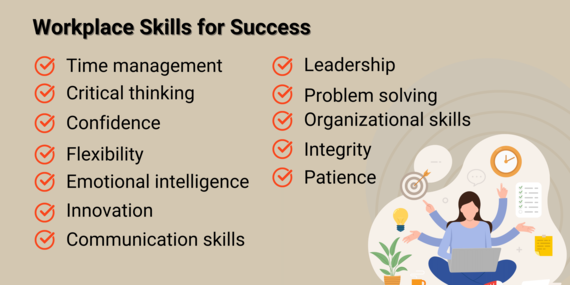
Designed for students approaching graduation, early professionals navigating their first roles, and adults making mid-career switches, the piece speaks to anyone unsettled by the gap between being chosen and being useful. It helps readers make sense of early confusion without self-blame, especially in exam-driven, hierarchical workplaces common in India. By separating entry skills from survival and growth skills, it clarifies why smart, qualified people still struggle at work. Readers gain language for unspoken expectations, practical lenses to evaluate real contribution, and reassurance that discomfort is part of learning. The value lies in faster adaptation, healthier confidence, and a clearer path from selection to sustained impact rather than chasing credentials alone while building careers grounded in reality daily.
The offer letter brings relief, pride, and a sense that the hard part is over. Years of exams, interviews, and preparation seem justified in that single moment of selection. Yet, soon after joining, many experience a quieter emotion—confusion. Tasks feel vague, expectations remain unspoken, and confidence begins to wobble despite having “done everything right.” This disconnect is deeply unsettling for capable, sincere people who assumed competence would transfer automatically. The truth is simpler and less personal than it feels. Selection is designed to read signals—potential, polish, and fit. Contribution, however, demands substance—judgment, learning, and reliability in real conditions. The shift from being chosen to being useful is where real work begins.
The Silent Contract You Were Never Told About
Hiring is not a guarantee of preparedness; it is a prediction made under uncertainty. Employers choose candidates based on signs of potential—education, communication, past exposure—not on proof of immediate effectiveness. Once work begins, the learning curve is steep, yet this reality is rarely stated aloud. As a result, early confusion and mistakes are interpreted as personal shortcomings rather than expected phases of adjustment. In exam-oriented and performance-signalling systems, individuals are conditioned to equate selection with competence. When reality diverges, self-doubt follows. What often feels like an individual failure is, in fact, a structural gap between how people are selected and how work actually unfolds. Recognising this hidden contract helps replace self-blame with clarity and agency.
Three Types of Competencies (A Useful Mental Model)
Entry competencies are what open the door. These include formal qualifications such as degrees, marks, and certifications, along with the ability to perform well in interviews. Clear communication, confidence, and the right cultural or behavioural signals reassure employers that you can fit in and be trained. These skills help you get shortlisted and selected, but they are largely predictive, not conclusive.
Survival competencies determine whether you can sustain yourself once work begins. Reliability, follow-through, and the ability to learn while doing become critical. This stage tests how you handle ambiguity, feedback, and pressure. Emotional regulation matters as much as technical skill, especially when expectations are unclear.
Growth competencies shape long-term progress. Sound judgment, prioritisation, and relationship management allow you to create impact beyond assigned tasks. At this stage, success depends on understanding the system you operate in, not just completing individual pieces of work.
Why This Gap Exists (Especially in India)
Much of Indian education is built around exams that reward correctness, speed, and compliance rather than judgment or initiative. Students are trained to perform against clear syllabi and fixed answers, leaving little room to practice ambiguity. Hiring systems mirror this limitation. To manage scale and risk, organisations rely on standardised filters that can shortlist efficiently but cannot fully assess real-world capability. Once inside, employees enter hierarchical workplaces where expectations are often implied rather than explained. Feedback is irregular, indirect, or delayed, even as roles evolve rapidly. The result is a widening gap between how people are prepared, how they are selected, and what work actually demands on a daily basis.
What Typically Gets You Selected
Signals of capability are the most visible markers used during hiring. Academic performance, well-known institutions, and recognisable brand names act as quick filters. Technical or functional knowledge reassures employers that the basics can be taught faster. English fluency and confident self-presentation further strengthen this signal, often standing in for clarity of thought and professionalism, even when they are imperfect proxies.
Signals of fit matter just as much. Employers look for agreeableness, predictability, and a willingness to learn and adjust within existing systems. Candidates who communicate enthusiasm, align with stated values, and say the right things at the right time appear easier to integrate. Together, these signals help reduce hiring risk, even though they reveal little about how someone will perform once real work begins.
What Actually Makes You Valuable at Work
Execution without hand-holding is one of the earliest signs of real contribution. Work rarely arrives as a neatly defined problem. Being able to move forward despite unclear instructions, make reasonable assumptions, and close loops on time builds trust quickly. Meeting deadlines consistently matters more than perfect execution.
Learning in motion separates steady performers from stuck ones. Valuable professionals ask better questions as they go, not more questions. They apply feedback visibly, adjust their approach, and resist the urge to defend effort instead of improving outcomes.
Social and emotional intelligence shapes how work lands in real environments. Reading the room, managing expectations upward, collaborating laterally, and supporting juniors all matter. Handling pressure without transmitting stress to others is a quiet but powerful marker of reliability.

The Intelligence Trap
Academically strong individuals often struggle more in the early stages of work, not because they lack ability, but because they are conditioned by success in structured systems. Years of excelling in exams create an expectation of clear instructions, definitive answers, and timely validation. Real work rarely offers these comforts. The fear of appearing incompetent can make high performers hesitate, over-prepare, or wait for certainty before acting. This leads to overthinking, delayed decisions, and missed learning opportunities. In the Indian context, this pattern is common among IIT and IIM graduates, CA rankers, and coaching-trained achievers who are used to precision and rankings. Adjusting requires replacing perfection-seeking with informed action and feedback-driven learning.
The Unspoken Metrics You Are Actually Judged On
Beyond formal reviews and stated KPIs, most workplaces quietly evaluate people on a small set of practical signals. One of the strongest is whether you can be trusted to work independently without constant follow-up. Equally important is whether your presence reduces or adds to the workload of others. Teams notice who anticipates issues and escalates early, and who hides problems until they become costly. Over time, a deeper question emerges: do people feel safe depending on you? Trust, reliability, and emotional steadiness shape reputations far more than visible effort or isolated bursts of brilliance.
Real Workplace Progression (Not Instant Failure)
The first months on the job often feel disorienting, but this is a natural part of learning. Month 1 is dominated by confusion and observation, as new employees absorb processes, expectations, and informal dynamics. By Month 3, partial clarity emerges, mistakes become fewer, and routines start to form. By Month 6, many begin to recognise patterns, anticipate challenges, and act with growing confidence. Real contribution is not immediate or flawless—it develops steadily through exposure, trial, and feedback. Understanding this progression helps reduce self-blame and encourages patience, persistence, and reflection, showing that competence is built over time, not granted at the point of entry.
India-Specific Workplace Realities
In many Indian workplaces, hierarchy, communal politics, and seniority often carry more weight than formal job titles. Instructions are frequently implicit rather than explicit, requiring careful observation and interpretation. Recognition and visibility are uneven—effort alone does not guarantee acknowledgement, and merit may be filtered through relationships and influence. Beyond the office, family and social expectations add pressure to “settle” quickly or secure a prestigious designation, creating tension between career growth and societal approval. Navigating these realities demands social awareness, patience, and strategic communication, alongside the technical and execution skills that are essential for real contribution.
Career Switchers: Starting Again Without Starting From Zero
For those changing careers, previous experience opens doors but rarely guarantees early influence or authority. Many face the unsettling loss of old identity and the informal power that came with tenure, requiring a mental reset. Success often depends on the willingness to learn from younger or less experienced peers who may hold domain-specific knowledge. Credibility must be rebuilt through humility, consistent performance, and a focus on contribution rather than status. Recognising that starting over is a strategic opportunity rather than a setback allows career switchers to grow faster, adapt more effectively, and eventually translate past experience into meaningful impact in the new domain.
Common Misbeliefs That Slow Growth
Many early professionals and career switchers carry assumptions that quietly hinder progress. Believing that good work will be noticed automatically can lead to frustration when effort goes unacknowledged. Assuming that asking questions shows weakness prevents learning and creates avoidable errors. Relying on hard work alone ignores the importance of prioritisation, visibility, and strategic contribution. Expecting that managers will tell you if you’re failing can leave gaps unaddressed, slowing skill development and eroding trust. Recognising and challenging these misconceptions allows individuals to act proactively, communicate effectively, and focus on outcomes that truly build credibility and long-term growth.

Common Overcorrections That Backfire
In an effort to adapt quickly, many employees overcompensate in ways that can be counterproductive. Overworking to mask insecurity may lead to burnout without improving impact. Staying silent to avoid mistakes prevents learning and can make contributions invisible. Blindly copying seniors may create temporary alignment but stifles independent judgment and initiative. Chasing visibility without substance draws attention but can erode trust if results don’t follow. Awareness of these tendencies helps individuals focus on meaningful, sustainable actions—balancing effort with judgment, learning, and collaboration—so that early adaptation supports real growth rather than undermining it.
Bridging the Gap: Practical Shifts That Help
Closing the gap between selection and meaningful contribution requires intentional adjustments. Shifting from a qualification mindset to a value mindset means prioritising impact over credentials or effort alone. Focusing on reducing friction for others—by anticipating needs, clarifying ambiguities, and supporting teammates—builds trust and influence. Take time to observe before judging systems, understanding how decisions are made and what truly drives outcomes. Finally, reflect weekly on decisions, not just outcomes, identifying what worked, what didn’t, and why. These practical habits accelerate learning, improve adaptability, and help early professionals and career switchers transition from being chosen to being genuinely valuable.
The Meta-Skill: Learning How Work Works
Beyond technical ability and formal responsibilities, the most powerful skill is understanding how work truly operates. This includes recognising the incentives that drive decisions, reading power dynamics to navigate hierarchies and informal influence, and identifying what truly matters versus what appears urgent or visible. Aligning your contributions with these realities ensures that effort translates into meaningful impact and long-term growth. Mastering this meta-skill allows individuals to anticipate challenges, make better judgments, and build credibility more quickly, turning early confusion into informed action and positioning them to thrive in any professional environment.

Conclusion: Selection Is Not Validation
Being selected for a role signals possibility, not guaranteed competence. True professional growth emerges as contribution compounds over time through learning, observation, and consistent action. Often, the most effective and respected professionals were not the ones who aced interviews—they are those who adapted, learned, and delivered where it mattered most. Recognising the gap between what gets you in and what makes you valuable provides leverage: clarity on where to focus effort, patience for the learning curve, and confidence that early struggles are part of the journey, not a reflection of ability or worth. Success is built, not granted.
Support Meda Foundation
The creation of this article, like all others, has been made possible through the generous support of patrons. If you found this piece informative or helpful, please consider donating to support ongoing research, writing, and educational initiatives. Additionally, we encourage you to share your knowledge and experiences through the feedback form, helping the community grow and improve together.
Resources for Further Research
Here are some accessible sources for deeper exploration of the ideas discussed, along with related concepts:

Harvard Business Review – The Skills That Matter: https://hbr.org
MIT Sloan Management Review – Onboarding and Early Performance: https://sloanreview.mit.edu
LinkedIn Learning – Building Workplace Skills: https://www.linkedin.com/learning
TED Talk – The First 90 Days in a New Job: https://www.ted.com
Medium – Career Switch Advice: https://medium.com/tag/career-switch
ResearchGate – Learning in the Workplace: https://www.researchgate.net
Forbes – Emotional Intelligence at Work: https://www.forbes.com
Coursera – Workplace Skills and Professional Development: https://www.coursera.org
YouTube – How to Navigate Indian Workplaces: https://www.youtube.com
The Guardian – Career Development Insights: https://www.theguardian.com/careers