

If you’ve grown up with everything taken care of—or now live a life where almost anything can be outsourced—you may still find yourself restless, disconnected, or low on vitality despite your comfort. This read is for individuals seeking meaning, strength, and mental clarity in a world that overvalues ease. You’ll find insight into why doing things with your own hands and mind builds health, self-worth, and resilience—and how a pampered life, if unbalanced, can quietly sabotage your well-being and purpose.
🔖 Disclaimer
In an era where services are just a tap away and convenience is marketed as the pinnacle of success, it’s easy to drift into a lifestyle where even the simplest of daily tasks are perpetually outsourced. From food delivery to household management, emotional labor to intellectual problem-solving, many individuals now live in a state of near-total external dependency. This pattern is especially visible among those who have grown up in nuclear urban households with abundant resources—or those who now afford such a lifestyle due to their career, wealth, or family background.
This article is not a criticism of privilege, support systems, or the occasional enjoyment of assistance. These can be empowering when used wisely. Instead, it is a reflection for individuals who have come to habitually depend on others—whether that’s family, hired help, businesses, institutions, or even automated technologies—to handle tasks they are fully capable of managing themselves. The concern arises when such convenience is no longer a temporary aid, but a permanent default.
More importantly, this article is relevant to those who do not use their freed-up time, energy, brain space, or resources to engage in something equally or more productive, enriching, or contributive—whether for personal development, creative pursuits, meaningful work, or community involvement. Without such reinvestment, ease can become erosion.
If your life is shaped more by what’s done for you than what you do with it, this is a gentle invitation to pause, reflect, and rebuild. You may be surprised to discover how many mental, emotional, and physical challenges you’re facing can be traced back to the quiet consequences of being overly pampered—and how consciously stepping into action can restore your energy, purpose, and well-being.
I. Introduction: The Paradox of Effortless Living
For many, the ideal life has come to mean one where every task is delegated, every inconvenience is eliminated, and every need is anticipated—often before it’s even felt. In this vision, groceries are delivered, meals arrive at the doorstep, a housekeeper tidies up after each day, a therapist unpacks every emotional knot, and the digital world offers endless entertainment to distract, soothe, or uplift. Even decision-making is often deferred—to algorithms, advisors, or group consensus.
This “effortless” lifestyle is widely admired and increasingly accessible. It’s portrayed as a sign of success, freedom, or smart living. After all, isn’t removing struggle what progress is about?
Yet the very absence of effort, which we’re taught to idolize, often becomes the silent architect of restlessness, low-grade anxiety, and existential fatigue. Over time, many individuals report feeling inexplicably drained, directionless, or emotionally fragile—even while surrounded by every possible comfort. The body feels sluggish despite rest, the mind feels scattered despite convenience, and the spirit feels dulled despite constant stimulation.
This isn’t paradoxical—it’s biological and psychological.
As humans, we are wired not just to consume ease, but to engage with life through effort. Whether it’s solving a conflict, preparing a meal, or tending to our emotional state, these acts are not inconveniences—they’re catalysts for clarity, growth, and self-respect. When we stop doing things for ourselves, we stop exercising the very muscles—mental, physical, and emotional—that make life rich, resilient, and meaningful.
The central idea of this article is simple but powerful:
What we outsource constantly, we weaken internally. And when we remove all effort, we remove the very thing that strengthens us.
The goal, then, is not to reject support or modern tools—it’s to use them in a way that amplifies our engagement with life, rather than replacing it entirely.

II. The Mouse Utopia That Fell Apart
The Tale of Universe 25
In the 1960s and 70s, American ethologist Dr. John B. Calhoun conducted a series of groundbreaking experiments on the behavioral patterns of rodents in environments of abundance. Among these, the most famous—Universe 25—has since become a cautionary parable for modern society.
Calhoun created what appeared to be a rodent paradise: a large, clean, enclosed space equipped with unlimited food and water, ideal temperature control, and no predators. Eight mice were introduced. Over time, they reproduced, and the population surged—reaching over 2,000. But what followed defied expectations.
Despite having all their physical needs met, the mice began to exhibit signs of severe psychological and social breakdown. Mating behaviors deteriorated. Mothers abandoned or even attacked their young. Hierarchies collapsed. Violence erupted without cause. Eventually, a subset of the population—nicknamed “The Beautiful Ones”—withdrew entirely. These mice groomed themselves obsessively, avoided mating, showed no social engagement, and spent their days in isolated inactivity. They appeared outwardly flawless but were functionally hollow.
Soon after, the population stopped reproducing altogether. Within a matter of weeks, the colony collapsed into extinction.
The eerie relevance of Universe 25 to modern urban life cannot be overstated. Many individuals in today’s world—especially in resource-rich, highly structured environments—mirror the condition of The Beautiful Ones: externally polished, internally disengaged. Despite unprecedented access to convenience, security, and comfort, rates of loneliness, depression, anxiety, and purposelessness have surged.
Calhoun coined the term “behavioral sink” to describe this phenomenon: a point at which social and psychological deterioration becomes irreversible due to a loss of meaningful engagement and purpose.
The core insight is chilling in its simplicity:
Abundance without purpose leads not to bliss, but to collapse.
When every need is met without effort, the reward circuitry of the brain falters. Without challenge, relationships lose texture. Without struggle, growth stagnates. Without responsibility, identity dissolves.
As Universe 25 shows, survival alone is not enough. Engagement, contribution, and effort are not add-ons to a good life—they are its very foundation.
III. The Science of Doing: Why Eustress Builds Us
You Were Designed for Effort
While the word “stress” often carries negative connotations, not all stress is harmful. In fact, a specific kind of stress—known as eustress—is essential for human thriving. Eustress refers to the kind of positive pressure that challenges us in manageable doses, triggers growth, and evokes a healthy physiological response. It’s the feeling you get before a meaningful presentation, during a difficult workout, while cooking for loved ones, or solving a tricky problem on your own.
This type of engagement is not merely symbolic—it’s biologically nourishing.
💡 What Happens in the Brain When You Engage With Effort:
✅ Dopamine – The Drive Chemical
Released when you solve problems, complete tasks, or pursue meaningful goals. It’s the brain’s internal “achievement reward” system. Passive consumption rarely triggers the same consistent dopamine response that purposeful action does.
✅ Oxytocin – The Bonding Hormone
Elevated when you help or care for others, build trust, or participate in collaborative activities. It promotes feelings of connection, love, and emotional safety—something increasingly absent in hyper-outsourced, socially isolated lives.
✅ Serotonin – The Stability Hormone
Produced through regular effort, especially when overcoming discomfort or doing something beneficial for long-term well-being. Serotonin supports mood regulation, willpower, and a sense of calm self-assurance.
✅ Endorphins – The Natural Painkillers
Released during physical activity or when pushing through challenges, these chemicals help relieve pain and stress while elevating mood. They’re your brain’s way of saying, “You did something hard—and it’s good for you.”
Each of these neurochemicals is part of an ancient biological loop that evolved to reward action, not avoidance. When we constantly sidestep effort through over-delegation or convenience, we short-circuit this system—leading to reduced motivation, emotional imbalance, and even depressive symptoms.
🌍 Science, Cultures & Longevity: The Blue Zone Connection
The world’s longest-living populations—identified in the Blue Zone studies (e.g., Okinawa, Sardinia, Ikaria, Nicoya)—don’t just live longer because of diet or genetics. These communities share common behaviors:
They move often, not through gym workouts but through natural effort—gardening, walking, cleaning.
They engage with their communities, offering help and receiving support in turn.
They take responsibility for daily tasks, even into old age.
They experience regular eustress through work, rituals, and social participation.
These cultures show us that consistent, purposeful effort not only strengthens the body but also preserves the mind and uplifts the spirit. Their vitality isn’t despite effort—it’s because of it.
🧠 Behavioral Psychology & Autonomy
Studies in self-determination theory—a core concept in behavioral psychology—reveal that autonomy, competence, and relatedness are foundational psychological needs. These are met not when others do things for us, but when:
We solve our own challenges (competence)
We choose to take action (autonomy)
We contribute meaningfully to others (relatedness)
When daily life lacks effort, these three needs often go unmet—contributing to the vague dissatisfaction many high-convenience individuals experience.
In short, your brain and body thrive on challenge and contribution.
Eustress isn’t just helpful—it’s foundational. A life with too little of it isn’t just boring—it’s destabilizing.
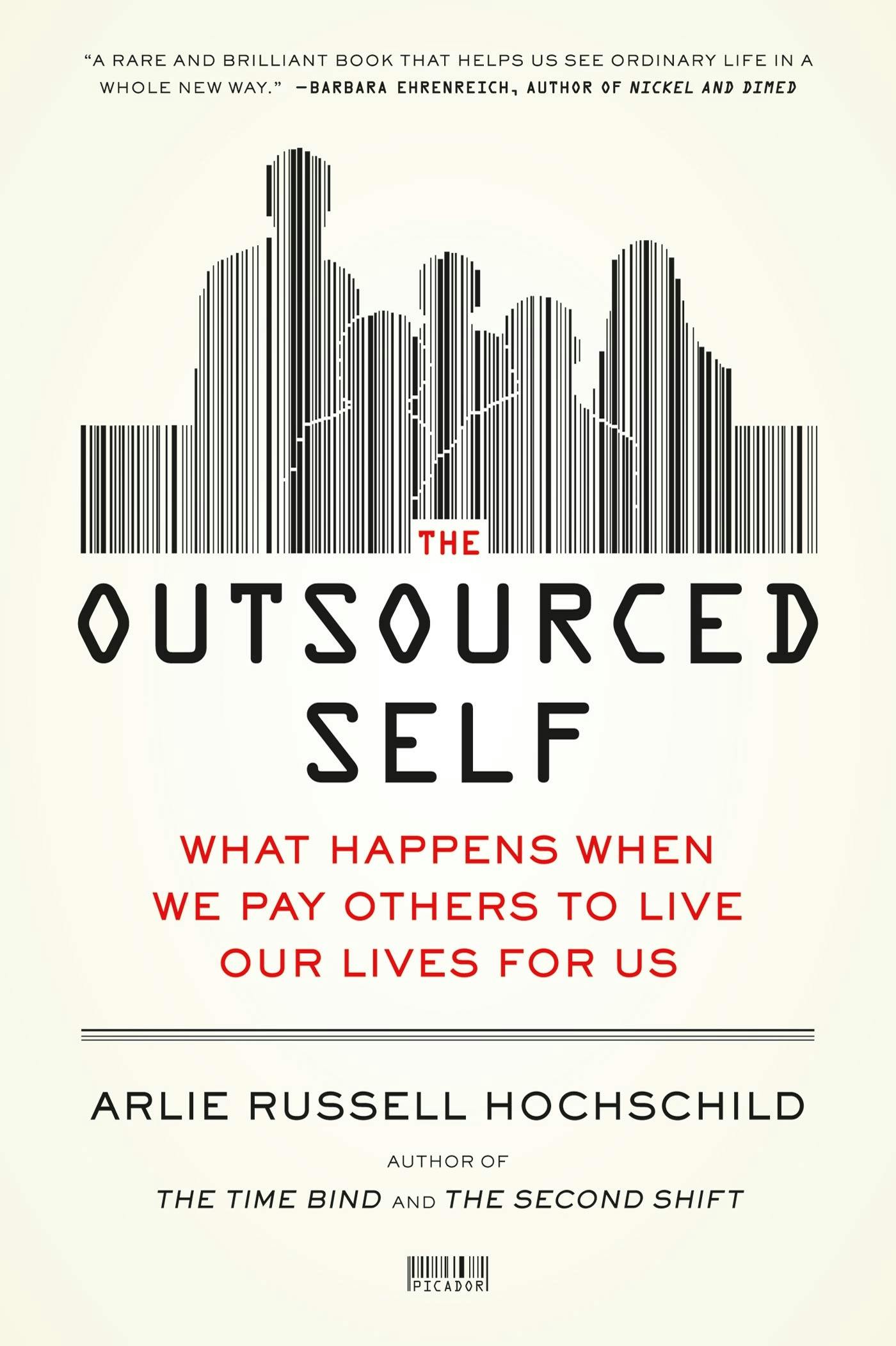
IV. Outsourcing the Self: What You Lose When You Outsource Everything
In an age of endless convenience, outsourcing seems like a logical step toward efficiency. Why not delegate what you can afford to? But when overused, convenience becomes a quiet thief—it robs you of essential life skills, self-trust, and resilience.
🧩 The Skills That Shape Identity
Daily tasks like cooking, cleaning, repairing, and nurturing may seem mundane—but they are powerful anchors of self-reliance and embodied intelligence.
When these are consistently outsourced:
You may become disconnected from how things work—like where your food comes from or how your home stays clean.
You slowly forget that you can handle discomfort, manage unpredictability, or nurture growth.
Without these small frictions, a person often loses their inner calibration.
The result? A growing sense of fragility in the face of ordinary life.
📉 Problem-Solving: A Diminishing Muscle
Each time you delegate a challenge without attempting to engage, your problem-solving capacity atrophies.
What once would have been a solvable inconvenience now feels like a crisis.
With time, even simple hurdles—fixing a leak, calming a child, facing uncertainty—can evoke disproportionate stress, not because they’re harder, but because you’re less practiced.
🧪 Replacing Roots with Quick Fixes
Over-delegation doesn’t stop at tasks—it seeps into how we nourish, entertain, and heal:
Supplements instead of balanced meals
Streaming instead of storytelling or self-expression
Quick fixes instead of deep emotional work
These replacements may mimic the surface-level effect but lack the depth and integration of the original acts.
Like plastic fruit, they look real but nourish nothing.
🧠 Emotional Numbing Through External Stimuli
When life lacks engagement, people often turn to external inputs—scrolling, binge-watching, shopping, snacking—just to feel something.
This is emotional outsourcing: using stimulation to fill the silence left by underuse of your own inner resources.
The paradox is cruel:
You seek ease by avoiding effort. But over time, you’re left with neither capability nor comfort.
Instead of freedom, you inherit a subtle dependency—a life that feels like it belongs more to systems, services, and screens than to you.
To reclaim your life, you must reclaim your own doing.
Not because it’s trendy or minimalist.
But because your aliveness depends on it.
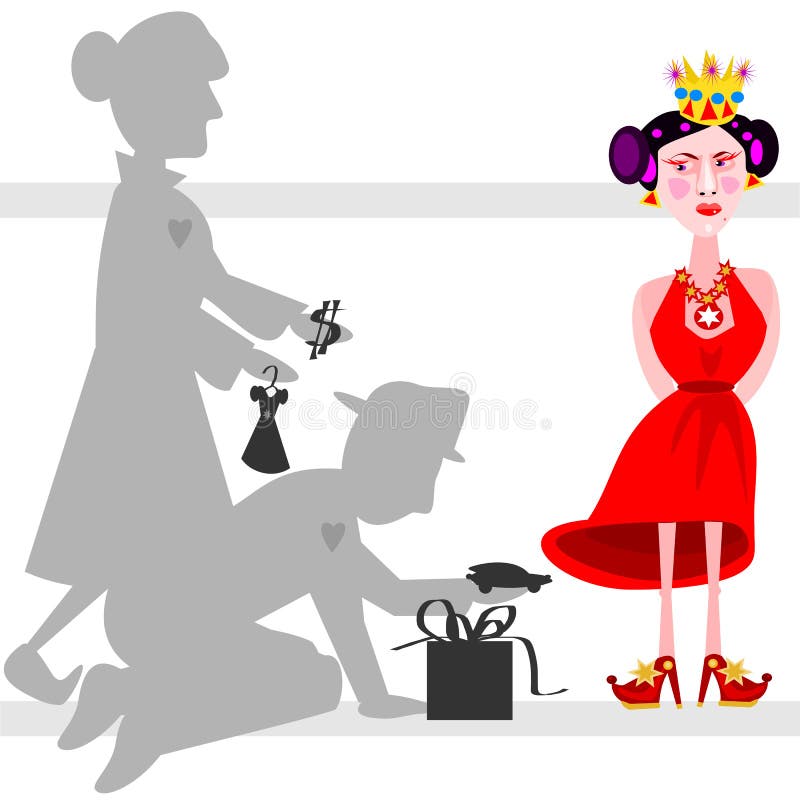
V. The Pampered Child Trap: Good Intentions, Harmful Outcomes
Every parent wants to give their child a better life than they had. But in an age where love is often expressed through removal of discomfort, we may be confusing comfort with care, and abundance with preparation.
🌱 Modern Parenting Myths
Today’s well-meaning parent often internalizes messages like:
“My child should never feel pain, stress, or sadness.”
“If I struggled to get here, I should make sure my child never has to.”
“Let them start with everything I didn’t have—money, gadgets, tutors, help.”
These thoughts come from love. But when practiced consistently, they can stunt emotional, social, and functional development.
The child may grow up in a nest so padded that they never develop the wings to fly.
🧠 What It Really Teaches
Pampering, when it crosses the line into overprotection or overindulgence, teaches unspoken lessons:
“I am not capable” — because someone always does it for me.
“Struggle is a sign of failure” — because I was never taught that discomfort is part of growth.
“I am owed comfort” — because it’s all I’ve ever known.
As a result, many young adults emerge into the real world under-equipped, despite being over-schooled or over-scheduled.
⚠️ The Consequences in Adulthood
We’re now seeing a generation of “grown children” who struggle with:
Inability to handle setbacks: Failure feels catastrophic instead of instructive.
Low frustration tolerance: Tasks requiring delayed gratification or steady effort feel unbearable.
Poor self-regulation: Sleep, food, digital habits, and time management are chaotic without external enforcement.
Minimal contribution in groups: At work or in relationships, they wait for someone else to lead, fix, or parent.
And perhaps most dangerously, they often lack an inner sense of accountability—the understanding that your life is your responsibility.
📚 Real-Life Scenarios
A college student quits mid-semester after a harsh grade, unable to process imperfection.
A young employee panics when asked to lead a meeting, having never been trusted with real responsibility.
A newly married adult struggles with housework, finances, or childcare—expecting someone else to always “handle it.”
These are not failures of character. They are the outcome of a system that over-accommodated and under-challenged.
🧭 The Right Kind of Support
Loving guidance isn’t about shielding from all hardship—it’s about scaffolding growth:
Encouraging problem-solving, not doing it for them.
Allowing natural consequences to teach, not rescuing every time.
Creating space for discomfort, then supporting the child as they build resilience through it.
True care empowers children to become capable, not just comfortable.
Because a child who is always given ease will never learn that they can generate strength from within.
VI. The Hidden Costs to Society and Relationships
When we choose comfort over effort, the burden doesn’t disappear—it simply shifts.
We may feel like we’re avoiding stress, but in reality, we’re outsourcing it to others, often without even realizing it. The consequences ripple outward—touching not just individuals, but communities, relationships, economies, and cultures.
🏠 The Quiet Weight on Others
When one person doesn’t pull their weight, someone else has to carry double.
Domestic helpers and service workers absorb the basic life tasks we no longer bother to learn or perform—cooking, cleaning, caregiving, organizing.
Partners and family members step into roles of constant emotional or logistical support, often feeling drained and unappreciated.
Coworkers and peers pick up slack in group settings, silently adjusting to the uneven effort.
Parents of adult children often postpone their own lives to fill competence gaps they never meant to leave open.
What appears as personal ease often breeds interpersonal strain.
🏥 Systems Under Siege
A lifestyle of minimal effort and constant outsourcing has measurable consequences:
Mental health suffers when people feel disconnected from purpose, helpless in adversity, or emotionally numb.
Physical health declines due to inactivity, processed food dependence, and overstimulation.
Healthcare systems bear the burden of preventable lifestyle diseases and stress-related conditions, straining public resources.
In short, what starts as comfort-seeking becomes a collective crisis of capability.
🌐 A Society of Strangers
Shared struggle is the backbone of meaningful community.
When everyone delegates effort to someone else:
We lose shared reference points: fewer people grow their food, fix things, or create together.
We weaken social bonds: it’s hard to relate to others when you haven’t experienced the friction that makes us human.
We become isolated in privilege: unable to empathize with those whose lives still require resilience, effort, and skill.
The result is a world where convenience grows, but connection shrinks.
🏛️ Cultural Erosion
A generation that avoids effort also risks losing:
Craftsmanship: Traditions and skills fade without active practitioners.
Civic responsibility: People disengage from society, assuming others will handle governance, cleanup, protection, innovation.
Cultural contribution: Art, philosophy, community rituals—all of these require effort, introspection, and investment in something bigger than self.
We are not just individuals seeking ease—we are links in a chain that holds up civilization.
When too many links weaken, the structure bends under the weight of collective passivity.

VII. Pampering as a Treat, Not a Template
🛁 Comfort Isn’t the Enemy—Entitlement Is
Pampering is not inherently bad. It becomes a problem when it stops being a reward and becomes a lifestyle default.
A hot bath after a long day? Restorative.
A life of endless hot baths and no hard days? Hollow.
We thrive on contrast. Joy is richer after effort. Rest feels earned when we’ve stretched ourselves. Without that contrast, even luxury becomes numbingly normal.
🍰 Occasional Pampering Nourishes
Treats, when occasional, serve a valuable role:
Restores energy after physical or mental exertion
Celebrates milestones and personal wins
Honors the body with care, gentleness, and softness
Used wisely, pampering is a way to reset. It says, “You’ve done well—pause, recharge, and rise again.”
🧸 Chronic Pampering Weakens
When comfort becomes constant:
The threshold for discomfort shrinks
Minor challenges feel like major obstacles
Emotional regulation, physical stamina, and mental toughness decline
One starts avoiding life, rather than engaging with it
Over time, pampering stops restoring you and starts eroding your edge.
🔑 True Luxury Is Capability
We often mistake luxury for external ease—but real luxury is internal freedom:
The strength to handle life without crumbling
The skills to create, repair, contribute
The clarity to say no to numbing comforts when your soul needs meaningful friction
The goal is not to eliminate all hardship—but to become someone who doesn’t fear it.
VIII. A Ray of Hope: Reclaiming Strength, Health, and Purpose
Even in a world of convenience and comfort, it’s not too late to reclaim your vitality.
Privilege doesn’t have to lead to passivity.
The antidote to decay is simple: re-engage with life—intentionally, actively, and humbly.
✅ 1. Do Your Own Stuff (Start Small)
Make your own bed. Cook your own food. Plan your own day.
Start reclaiming the basics of self-reliance.
Handle your own emotions—journal, reflect, take ownership instead of blaming or numbing.
Small acts of self-management restore dignity. They say: “I am capable. I can carry myself.”
✅ 2. Help Others Regularly
Lighten someone else’s load: do a chore, run an errand, listen deeply.
Mentor a younger sibling. Assist your parents. Volunteer in your community.
Helping others is not charity—it’s participation. It grounds you in shared humanity.
✅ 3. Solve Your Own Problems
Resist the urge to immediately outsource every inconvenience.
Struggle a little—then solve.
Cultivate emotional literacy and real-world problem-solving skills.
Every problem solved builds a layer of strength. Every challenge faced adds to your toolkit.
✅ 4. Live Accountably
Own your habits, health, and decisions.
Ask: “What’s within my control?” instead of “Why isn’t someone fixing this?”
Accountability isn’t punishment—it’s power.
The moment you claim your life is the moment you stop feeling helpless in it.
✅ 5. Build Rooted Routines
Reclaim natural rhythms that anchor your energy and attention:
Morning sunlight and movement
Simple, clean, home-prepared meals
Meaningful chores and home tasks
Unhurried, in-person conversations
Skill-building: cooking, mending, budgeting, first-aid
These small practices reconnect you to the real—your body, your home, your people, your time.
🌱 Final Thought
Healing from over-pampering doesn’t require guilt.
It requires courage to begin again—with your own hands, heart, and head.

IX. Rituals of Rewilding: Reintroducing Effort Into a Passive Life
To reclaim your strength, you must relearn the language of effort.
In nature, everything moves, contributes, transforms.
In modern life, we’ve outsourced too much—and with that, lost parts of ourselves.
These simple rituals bring you back to the truth of your own body, time, and presence.
🌿 Walk Instead of Drive Short Distances
Choose your feet over wheels.
Reclaim the forgotten joy of movement and awareness.
Let your body carry you. It was made to.
🍲 Cook One Meal a Day From Scratch
Touch your food. Smell it. Shape it. Nourish yourself with your own care.
Reconnect with ingredients, seasonality, and the sacred act of preparation.
A meal made by your hands becomes medicine—not just fuel.
🤝 Take One Responsibility Off Someone Else’s Shoulders
Observe. Step in quietly. Ease someone’s day without being asked.
This is how you stitch yourself into a meaningful life.
Contribution is not a duty—it’s a birthright. A way to belong.
🛠️ Declutter Entertainment Time & Replace It With Creation
Swap endless consumption for expression:
Write. Sketch. Stitch. Compose. Fix. Build. Tinker.
You don’t have to be an artist. You just have to remember you’re not a machine.
🌱 Garden, Clean, Repair—Engage With Matter and Reality
Touch soil. Scrub floors. Sew buttons. Organize drawers.
Tend to what’s physical and real.
In a virtual world, interacting with matter is a revolutionary act of return.
These rituals aren’t regressions. They’re returns—
To self, to rhythm, to grounded power.
Rewilding is not about hardship.
It’s about remembering that effort is not the enemy—disconnection is.

X. Conclusion: Earned Ease Is the Only True Ease
Ease isn’t the absence of effort.
It’s the reward of having shown up—for yourself, for others, for life.
When you do more for yourself,
you don’t just become self-sufficient—
you become capable, resilient, and rooted.
True ease comes not from outsourcing your burdens,
but from growing into the kind of person who can carry them with grace.
It’s not about denying yourself rest or comfort.
It’s about making those things meaningful—because they’ve been earned.
Final Affirmation:
“Comfort can be sweet—
but only effort builds the strength to enjoy it.”
Support Meda Foundation
This article, like all others on this platform, is made possible through the generous support of our patrons.
If you found it informative or valuable, please consider contributing to the Meda Foundation to help us continue offering thoughtful, in-depth work.
🔗 [Donation Link] (insert actual link)
We also invite you to share your insights, stories, and reflections with us:
📝 [Feedback Form Link] (insert actual link)
Your experiences may help shape future content and spark meaningful conversations.
Resources for Further Exploration
To dive deeper into the concepts discussed in this article—and explore related ideas—you can check out these resources:
On Eustress, Effort, and Resilience
Stanford Center on Stress and Health – stress.stanford.edu
Kelly McGonigal: The Upside of Stress – ted.com/talks/kelly_mcgonigal
“Flow” by Mihaly Csikszentmihalyi – psychologytoday.com/intl/basics/flow
On the Decline of Basic Skills & Over-Reliance on Convenience
“The Comfort Crisis” by Michael Easter – michael easter.com
The Blue Zones – bluezones.com
“Digital Minimalism” by Cal Newport – calnewport.com/books/digital-minimalism/
On Parenting & Resilience
Lenore Skenazy’s Free-Range Kids – freerangekids.com
Angela Duckworth on grit and long-term success – angeladuckworth.com
“The Coddling of the American Mind” – thecoddling.com
Rewilding & Building Rooted Routines
“Rewild Yourself” by Simon Barnes – simonbarnesauthor.co.uk
Thich Nhat Hanh’s teachings on mindful living – plumvillage.org
Permaculture basics and daily sustainability – permaculturenews.org
