

Neurodiverse individuals possess distinct cognitive strengths that are often misunderstood or underutilized by rigid educational, workplace, and social systems. When these strengths—such as pattern recognition, creative ideation, deep focus, or big-picture thinking—are intentionally combined with complementary skills through strategic skill stacking, they translate into rare, resilient, and high-value capabilities. By shifting from deficit-based thinking to systems design, emphasizing experiential learning, micro-habits, and supportive environments, neurodiverse people can achieve economic independence, meaningful contribution, and personal dignity. At scale, this approach not only transforms individual lives but also strengthens organizations, communities, and economies by unlocking a form of intelligence the modern world urgently needs.
ನ್ಯೂರೋಡೈವರ್ಸ್ ವ್ಯಕ್ತಿಗಳು ವಿಭಿನ್ನ ಜ್ಞಾನಾತ್ಮಕ ಸಾಮರ್ಥ್ಯಗಳನ್ನು ಹೊಂದಿರುತ್ತಾರೆ; ಆದರೆ ಕಠಿಣ ಶಿಕ್ಷಣ, ಉದ್ಯೋಗ ಮತ್ತು ಸಾಮಾಜಿಕ ವ್ಯವಸ್ಥೆಗಳ ಕಾರಣದಿಂದ ಈ ಸಾಮರ್ಥ್ಯಗಳು ಅನೇಕ ಬಾರಿ ತಪ್ಪಾಗಿ ಅರ್ಥೈಸಲ್ಪಡುತ್ತವೆ ಅಥವಾ ಸರಿಯಾಗಿ ಬಳಕೆಯಾಗುವುದಿಲ್ಲ. ಮಾದರಿ ಗುರುತಿಸುವಿಕೆ, ಸೃಜನಾತ್ಮಕ ಕಲ್ಪನೆ, ಆಳವಾದ ಗಮನ, ವಿಶಾಲ ದೃಷ್ಟಿಕೋನದ ಚಿಂತನೆ ಮೊದಲಾದ ಶಕ್ತಿಗಳನ್ನು ಪರಸ್ಪರ ಪೂರಕ ಕೌಶಲ್ಯಗಳೊಂದಿಗೆ ಉದ್ದೇಶಪೂರ್ವಕವಾಗಿ ಸಂಯೋಜಿಸಿದಾಗ—ಅಂದರೆ ತಂತ್ರಾತ್ಮಕ ಸ್ಕಿಲ್ ಸ್ಟ್ಯಾಕಿಂಗ್ ಮೂಲಕ—ಅವು ಅಪರೂಪದ, ಸ್ಥಿರ ಹಾಗೂ ಹೆಚ್ಚಿನ ಮೌಲ್ಯದ ಸಾಮರ್ಥ್ಯಗಳಾಗಿ ಪರಿವರ್ತನೆಯಾಗುತ್ತವೆ. ದೌರ್ಬಲ್ಯ ಕೇಂದ್ರೀಕೃತ ಚಿಂತನೆಯಿಂದ ವ್ಯವಸ್ಥಾ ವಿನ್ಯಾಸದತ್ತ ಚಿಂತನೆ ಸರಿದಾಗ, ಅನುಭವಾಧಾರಿತ ಕಲಿಕೆ, ಸಣ್ಣ ಅಭ್ಯಾಸಗಳು ಮತ್ತು ಬೆಂಬಲಕರ ಪರಿಸರಗಳ ಮೂಲಕ ನ್ಯೂರೋಡೈವರ್ಸ್ ವ್ಯಕ್ತಿಗಳು ಆರ್ಥಿಕ ಸ್ವಾವಲಂಬನೆ, ಅರ್ಥಪೂರ್ಣ ಕೊಡುಗೆ ಮತ್ತು ವೈಯಕ್ತಿಕ ಗೌರವವನ್ನು ಸಾಧಿಸಬಹುದು. ಈ ವಿಧಾನವು ವ್ಯಕ್ತಿಗಳ ಜೀವನವನ್ನಷ್ಟೇ ಅಲ್ಲ, ಸಂಸ್ಥೆಗಳು, ಸಮುದಾಯಗಳು ಮತ್ತು ಆರ್ಥಿಕ ವ್ಯವಸ್ಥೆಗಳನ್ನೂ ಬಲಪಡಿಸಿ, ಆಧುನಿಕ ಜಗತ್ತಿಗೆ ಅತ್ಯಾವಶ್ಯಕವಾದ ಬುದ್ಧಿಮತ್ತೆಯನ್ನು ಅನಾವರಣಗೊಳಿಸುತ್ತದೆ.
Skill Stacking for Neurodiverse Brilliance
Unlocking Neurodiverse Potential Through Complementary Skills
Intended Audience and Purpose
Audience
This article is written for neurodiverse individuals seeking clarity and agency over their futures; educators and mentors shaping learning pathways; employers building resilient, innovative teams; parents navigating support beyond labels; and policymakers responsible for systems that either unlock or suppress human potential.
Purpose
The purpose of this article is threefold.
First, it aims to reframe neurodiversity—from a deficit to be accommodated into a strategic advantage to be cultivated. Neurodiverse minds often operate with different cognitive architectures: non-linear thinking, heightened pattern recognition, deep focus, divergent creativity, or rapid ideation. These are not marginal traits; they are foundational assets in a complex, fast-changing world.
Second, the article introduces skill stacking as a practical, repeatable framework through which neurodiverse individuals can translate their cognitive strengths into real-world value. Rather than competing on a single “normalized” skill, readers will learn how combining complementary abilities can create rare, defensible expertise—professionally, economically, and socially.
Third, the article challenges deficit-focused narratives embedded in education, employment, and policy. It promotes inclusion not as charity or compliance, but as intelligent system design—one that fosters independence, dignity, creativity, and sustainable livelihoods.
The intended outcome is not inspiration alone, but action: clearer choices, better learning designs, more humane workplaces, and policy decisions grounded in reality rather than outdated assumptions.
I. Introduction
Neurodiversity and Skill Stacking: A Necessary Reframe
Neurodiversity refers to the natural variation in human cognition. It includes neurological profiles such as Autism Spectrum Condition, ADHD, dyslexia, dyspraxia, Tourette’s syndrome, and other atypical—but not abnormal—ways of thinking, processing, and engaging with the world. Neurodiversity is not a diagnosis; it is a lens. It asserts that there is no single “correct” way for a human brain to function.
Skill stacking, by contrast, is a strategic concept from modern career and systems thinking. It refers to the deliberate combination of multiple complementary skills—none of which need to be world-class in isolation—to create a unique and valuable capability. The power of skill stacking lies not in mastery of one narrow domain, but in the intersection where few others operate.
When these two ideas are combined, something important happens: neurodiversity moves from the margins to the center of value creation.
The Current Reality: Numbers That Matter
Globally, it is estimated that:
- Around 15–20% of the population is neurodiverse in some form.
- Approximately 1 in 36 children are identified as being on the autism spectrum.
- 5–7% of adults experience ADHD.
- 10–15% of people show dyslexic traits.
Yet despite these numbers:
- Neurodiverse individuals face disproportionately high unemployment and underemployment, often exceeding 60–80% for adults on the autism spectrum.
- Many who are employed are working far below their cognitive potential, constrained by rigid job roles and evaluation systems.
- Educational systems remain largely optimized for linear, time-bound, conformity-driven learning—penalizing difference rather than leveraging it.
These outcomes are not the result of inability. They are the result of misalignment.
The Missed Opportunity
Modern economies increasingly reward:
- Pattern recognition over rote memorization
- Creativity over compliance
- Systems thinking over siloed expertise
- Adaptability over fixed roles
Ironically, these are precisely the domains where many neurodiverse individuals excel—when placed in the right environments and supported by the right skill combinations.
However, without an intentional framework, raw cognitive strengths often remain trapped:
- Autism without communication scaffolding becomes isolation.
- ADHD without structure becomes chaos.
- Dyslexia without translation pathways becomes underconfidence.
- High intelligence without application becomes frustration.
This is where skill stacking becomes transformative.
From Difference to Distinction
Skill stacking offers a pragmatic answer to a critical question:
How can a neurodiverse individual convert cognitive uniqueness into consistent, real-world value—without forcing themselves to become someone they are not?
Instead of asking neurodiverse individuals to “fix” their weaknesses, skill stacking asks:
- What are your natural cognitive advantages?
- What supporting skills reduce friction and amplify output?
- What combinations make you rare, not replaceable?
The opportunity is not merely employment.
It is economic independence, self-respect, and contribution with dignity.
In a world that increasingly values uniqueness, those who learn to stack skills intentionally—especially neurodiverse individuals—are not disadvantaged. They are early.
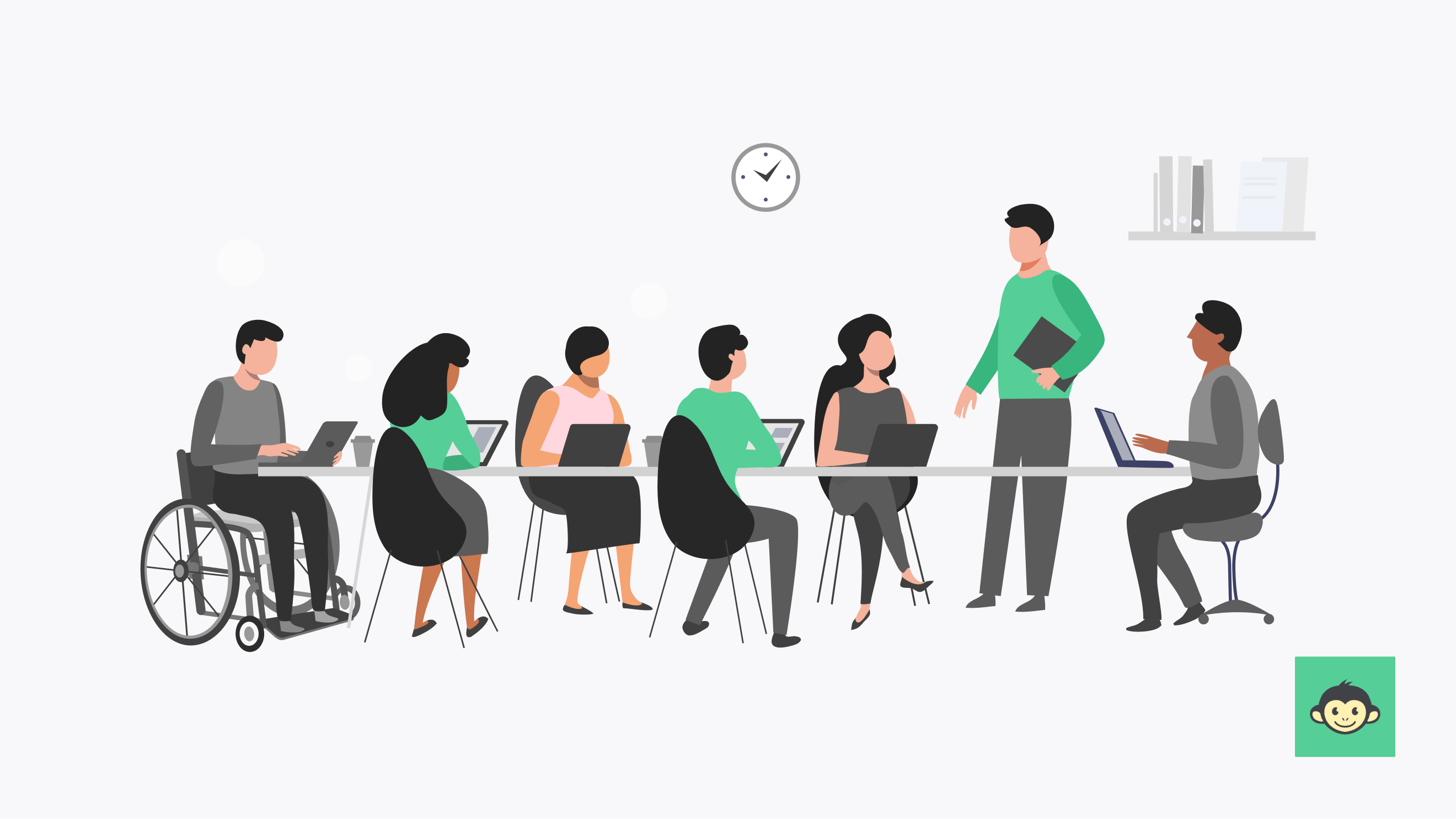
II. Understanding Neurodiverse Strengths
Strengths Are Context-Dependent, Not Absolute
Neurodiverse strengths do not fail individuals; environments fail to recognize, translate, and deploy those strengths. When cognitive traits are isolated, misunderstood, or forced into neurotypical molds, they appear as liabilities. When those same traits are contextualized, supported, and skill-stacked, they become strategic advantages. The goal, therefore, is not normalization—but intelligent alignment.
Why Neurodiverse Strengths Are Often Misjudged
Most education and workplace systems are designed around a narrow cognitive ideal: sustained attention, verbal fluency, social conformity, and standardized output. Neurodiverse minds often operate outside this template. As a result:
- Strengths are mislabeled as deficits.
- Differences are managed rather than cultivated.
- Potential is suppressed in the name of uniformity.
Steve Silberman’s NeuroTribes makes a critical point: what we call “impairment” is frequently a mismatch between an individual’s neurology and societal expectations—not an intrinsic flaw. History repeatedly shows that when environments shift, the same traits once considered disabling become indispensable.
What These Strengths Actually Look Like in Practice
ADHD: Velocity, Vision, and Creative Firepower
Individuals with ADHD often demonstrate:
- Rapid ideation: Generating multiple possibilities quickly.
- Hyperfocus in bursts: Deep immersion when interest is engaged.
- Risk tolerance: Willingness to explore unconventional paths.
- High energy and urgency: Momentum that drives innovation.
The catch: Without structure, these traits fragment. With the right scaffolding—time-boxing, external accountability, complementary planning skills—ADHD becomes a powerful engine for entrepreneurship, design, crisis management, and innovation leadership.
Translation insight: ADHD excels when paired with systems that convert ideas into execution.
Autism: Depth, Precision, and Systems Intelligence
Autistic individuals often bring:
- Exceptional pattern recognition.
- Analytical rigor and logical consistency.
- Strong memory and detail orientation.
- Integrity in thinking and communication.
These traits are invaluable in fields requiring accuracy, consistency, and deep systems understanding—data science, engineering, research, quality assurance, cybersecurity, and beyond.
The catch: Social ambiguity, communication norms, and sensory overload can obscure these strengths. When communication tools, clear expectations, and predictable workflows are added, autistic cognition often outperforms neurotypical counterparts.
Translation insight: Autism thrives in environments that value clarity over charisma and substance over noise.
Dyslexia: Big-Picture Thinking and Narrative Intelligence
Dyslexic thinkers frequently demonstrate:
- Visual-spatial reasoning.
- Holistic pattern synthesis.
- Storytelling and meaning-making ability.
- Entrepreneurial and strategic insight.
While traditional schooling penalizes dyslexia due to reading and writing speed, real-world problem-solving often rewards exactly these capabilities. Many successful entrepreneurs, architects, designers, and strategists are dyslexic—not despite it, but because of it.
Ronald D. Davis, in The Gift of Dyslexia, reframes dyslexia as a different cognitive operating system—one optimized for seeing relationships rather than symbols.
Translation insight: Dyslexia shines when ideas are communicated through visuals, stories, and systems rather than dense text alone.
Other Neurodivergences: Hidden, Yet Powerful
- Dyspraxia can bring unconventional problem-solving and heightened empathy.
- Tourette’s often coexists with creativity, quick pattern shifts, and resilience.
- Gifted cognitive profiles may include heightened sensitivity, intensity, and accelerated learning—but also asynchronous development.
These profiles often suffer the most from misinterpretation, as they do not fit clean diagnostic categories. Their strengths emerge most clearly when autonomy, psychological safety, and flexible pathways are present.
What NeuroTribes Teaches Us: Bias Is the Real Barrier
NeuroTribes documents how many neurodiverse traits were historically pathologized not because they lacked value, but because industrial-era systems prioritized uniformity over originality.
Silberman’s central insight is stark:
Society does not lack neurodiverse talent. It lacks the imagination to design systems that can use it.
Structured skill layering—adding communication, self-regulation tools, technical complements, and environmental fit—acts as the bridge between raw neurodiverse ability and societal contribution.
Actionable Reframe: From Strengths to Stacks
Understanding neurodiverse strengths is not an academic exercise. It is a design problem.
The next step is not asking “What is this person bad at?”
It is asking:
- What conditions allow these strengths to emerge?
- What skills reduce friction?
- What combinations make this individual rare rather than remedial?
That is where skill stacking begins—and where neurodiverse brilliance moves from potential to performance.

III. The Principle of Skill Stacking
Skill Stacking Is Not Optional—It Is Survival and Sovereignty
In a volatile, technology-driven world, relying on a single dominant skill is no longer a strategy; it is a gamble. For neurodiverse individuals in particular, skill stacking is not merely a career tactic—it is a path to autonomy, resilience, and dignity. When complementary skills are intentionally combined, individuals stop competing on standardized terms and begin operating in spaces where their value is distinctive, contextual, and difficult to replace.
What Skill Stacking Really Means
Skill stacking is the deliberate integration of multiple, complementary skills to create a composite capability that is greater than the sum of its parts. Unlike traditional specialization—which demands excellence in one narrow domain—skill stacking values functional synergy.
No single skill in the stack needs to be exceptional on its own. What matters is:
- How the skills reinforce one another.
- How they reduce friction caused by cognitive or environmental mismatch.
- How they create intersections where competition is minimal and value is high.
For neurodiverse minds, this approach aligns naturally with multi-dimensional thinking, pattern recognition, and non-linear growth.
Why Skill Stacking Works—Especially Now
1. It Reduces Reliance on Single-Trait Excellence
Many neurodiverse individuals are pressured to “prove” themselves by excelling in one sanctioned area—academics, coding, or technical output—while masking or compensating for everything else. This is fragile.
Skill stacking shifts the equation:
- Weaknesses are not erased; they are buffered.
- Strengths are not isolated; they are amplified.
- Identity becomes fluid rather than brittle.
An individual no longer depends on one trait being constantly “on.” Instead, multiple skills share the load.
2. It Creates Career Immunity in an Unstable Economy
Kevin Kelly, in The Inevitable, argues that the future belongs to those who can adapt continuously—those who can learn, unlearn, and recombine skills as technology evolves.
Skill stacking provides this career immunity by:
- Making roles harder to automate.
- Allowing individuals to pivot across domains without starting over.
- Positioning people at the intersection of human judgment and technical capability.
For neurodiverse individuals—often early adopters, system thinkers, or pattern spotters—this adaptability is a natural advantage when consciously developed.
3. It Builds Adaptability Through Cross-Functional Competence
Modern problems do not arrive neatly labeled. They are complex, ambiguous, and interdisciplinary. Skill stacking equips individuals to:
- Translate between technical and human domains.
- See systems rather than silos.
- Collaborate across roles without losing identity.
This is particularly powerful for neurodiverse thinkers who already perceive connections others miss—once they are given the tools to communicate and operationalize those insights.
The Core Components of an Effective Skill Stack
1. The Deep Skill: Anchor in Strength
This is the primary domain where neurodiverse cognition naturally excels. It provides identity, confidence, and leverage.
Examples:
- Autism → data analysis, quality systems, engineering logic.
- ADHD → ideation, innovation, crisis response.
- Dyslexia → storytelling, strategy, design thinking.
The deep skill anchors the stack. Without it, stacking becomes dilution.
2. The Supporting Skill: Reducing Friction, Increasing Reach
Supporting skills exist to serve the deep skill, not replace it. They:
- Translate output into usable formats.
- Provide structure, consistency, or communication.
- Mitigate executive function challenges.
Examples:
- ADHD ideation + project management or Kanban systems.
- Autism-based analysis + visual communication or documentation tools.
- Dyslexic strategy + presentation design or facilitation.
This is where many neurodiverse individuals experience their first real leverage: productivity without self-betrayal.
3. The T-Shaped Skill Combination: Depth with Breadth
A T-shaped professional combines:
- Vertical depth in one or two strong domains.
- Horizontal breadth across complementary functional skills.
This shape allows individuals to:
- Go deep without becoming isolated.
- Collaborate without being diluted.
- Lead without conforming.
For neurodiverse individuals, the T-shape legitimizes difference while enabling participation in broader systems.
What This Means in Plain Terms
Skill stacking answers a critical, often unspoken question neurodiverse individuals face:
“How do I succeed without pretending to be someone else?”
The answer is not normalization.
It is strategic combination.
When skills are stacked with intention, neurodiverse individuals stop asking for accommodation and start offering value—on their own terms.
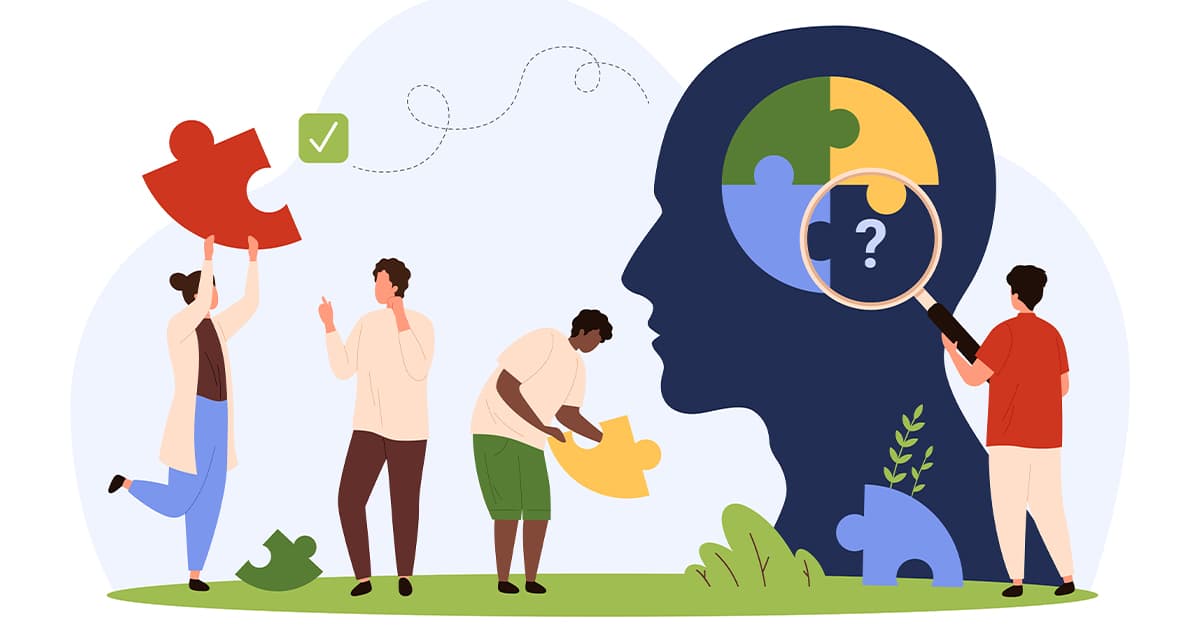
IV. Mapping Neurodiverse Skills to Opportunity
Opportunity Emerges at the Intersection, Not at the Extremes
Careers are rarely built by pursuing isolated strengths or abstract passions. They are built at intersections—where cognitive advantage meets practical skill, and where usefulness meets scarcity. For neurodiverse individuals, mapping skills to opportunity is not about fitting into predefined roles, but about designing roles that did not previously exist. This section translates theory into applied pathways.
Why Mapping Matters More Than Labels
Diagnostic labels describe tendencies; they do not define trajectories. What determines outcomes is not the diagnosis itself, but:
- How strengths are recognized.
- How they are translated into usable outputs.
- How they are combined with complementary capabilities.
Without mapping, neurodiverse individuals often over-invest in one domain while remaining invisible or underutilized. With mapping, even moderate competence across a few aligned skills can outperform singular brilliance in a crowded field.
Cal Newport’s core argument in So Good They Can’t Ignore You is blunt and liberating:
Passion follows mastery. It does not precede it.
This is particularly empowering for neurodiverse individuals who may struggle with vague “follow your passion” advice but excel when given concrete skill trajectories.
Case Examples: From Cognitive Strength to Career Path
1. ADHD + Design Thinking → Innovation Leadership
Cognitive Assets: Rapid ideation, divergent thinking, energy, risk tolerance.
Design Thinking Adds: Structure, empathy mapping, prototyping discipline, iterative testing.
Resulting Value:
An individual who can generate bold ideas and guide them through structured experimentation becomes an innovation leader—capable of driving product development, startup ideation, or organizational change.
Why This Stack Works:
Design thinking acts as a container for ADHD creativity, preventing burnout and fragmentation while preserving originality.
2. Autism + Coding + Data Visualization → Systems Analyst / Research Specialist
Cognitive Assets: Precision, logic, pattern recognition, consistency.
Coding Adds: Execution capability and automation.
Data Visualization Adds: Translation of insight into accessible understanding.
Resulting Value:
A professional who not only understands complex systems but can make them visible and actionable to others—highly valued in research, policy analysis, finance, and technology.
Why This Stack Works:
Visualization bridges the communication gap, allowing deep analytical insights to influence decision-making rather than remaining siloed.
3. Dyslexia + Storytelling + Marketing → Brand Strategist
Cognitive Assets: Big-picture thinking, narrative intelligence, emotional resonance.
Storytelling Adds: Structured communication of meaning.
Marketing Adds: Market insight, audience targeting, and strategic positioning.
Resulting Value:
A strategist who sees the soul of a brand, articulates its narrative, and aligns it with business goals—rare in an age of shallow messaging.
Why This Stack Works:
Dyslexic thinking excels at meaning-making; marketing provides the distribution channel.
The Self-Assessment Matrix: From Awareness to Action
To move from insight to implementation, individuals must perform an honest audit. A self-assessment matrix helps identify:
- Dominant cognitive strengths (what comes naturally).
- Friction points (where output stalls).
- Supporting skills needed (what enables translation and execution).
- Potential intersections (where value multiplies).
Step 1: Identify Core Strengths
- Where do you consistently outperform peers?
- What tasks energize rather than exhaust you?
- What patterns do others fail to see that you notice immediately?
Step 2: Identify Bottlenecks
- Where do ideas get stuck?
- What prevents follow-through?
- What feedback do you repeatedly receive?
Step 3: Select Complementary Skills
- Skills that reduce friction (organization, communication, tools).
- Skills that increase reach (presentation, visualization, collaboration).
- Skills that create market relevance (domain knowledge, applied tech).
Step 4: Test in Small, Real Projects
- Internships, side projects, freelancing, volunteering.
- Build proof, not theory.
This process replaces anxiety with agency.
The Newport Principle Applied to Neurodiversity
Cal Newport emphasizes that career capital—rare and valuable skills—creates freedom, leverage, and meaning over time. For neurodiverse individuals, this means:
- Stop waiting for clarity before acting.
- Start building small, useful skill combinations.
- Let competence create confidence, not the other way around.
Passion often emerges after individuals see their work matter.
A Hard Truth—and a Hopeful One
The world does not reward raw potential. It rewards applied usefulness.
But applied usefulness can be learned, layered, and designed.
When neurodiverse individuals map their strengths to real opportunities through skill stacking, they stop asking for inclusion—and start defining value.

V. Habits and Systems for Skill Stacking
Talent Compounds Only When Systems Exist
Skills do not compound through motivation or intention alone. They compound through systems—repeatable habits, structured environments, feedback loops, and practical exposure. For neurodiverse individuals, this is not a productivity hack; it is a necessity. When habits are designed to work with neurological wiring rather than against it, skill stacking becomes sustainable, humane, and powerful.
Why Habits Matter More Than Willpower
James Clear, in Atomic Habits, makes a deceptively simple claim:
You do not rise to the level of your goals; you fall to the level of your systems.
Neurodiverse individuals are often told to “try harder,” “focus more,” or “be disciplined.” These prescriptions ignore a critical truth: effort is unreliable; systems are not. Skill stacking succeeds only when habits reduce cognitive load and make progress inevitable.
Micro-Habit Formation: Small Wins, Real Momentum
Micro-habits are deliberately small actions that require minimal friction yet produce cumulative impact.
Key principles applied to neurodiverse skill stacking:
- Incremental Progress:
One small improvement per day compounds more reliably than sporadic bursts of effort. - Habit Stacking:
Attach new behaviors to existing routines. For example:- Reviewing one concept immediately after an established daily task.
- Documenting one insight at the end of a work session.
- Environment Design:
Design spaces that make the right actions easier and the wrong ones harder:- Visual cues instead of memory.
- Tools placed in sight, distractions placed out of reach.
- Digital environments curated intentionally.
For ADHD, this reduces activation energy.
For autism, it increases predictability.
For dyslexia, it shifts reliance away from text-heavy memory.
Experiential Learning: Skill Is Proved in the Field
Neurodiverse learning accelerates dramatically when knowledge is applied in real contexts.
Why experiential learning works:
- It anchors abstract concepts in tangible outcomes.
- It reveals which skills actually matter.
- It builds confidence through evidence, not affirmation.
Practical avenues include:
- Project-based learning.
- Internships or apprenticeships.
- Volunteering aligned with emerging skill stacks.
- Mentorships that focus on doing, not just advising.
At MEDA Foundation, experiential pathways have consistently shown that neurodiverse individuals learn faster and retain more when contributing to real problems that matter.
Iterative Improvement: Feedback Over Perfection
Skill stacking is not a one-time design; it is an evolving system.
Iterative improvement requires:
- Short feedback loops.
- Low-stakes experimentation.
- Willingness to refine rather than abandon.
Practical methods:
- Weekly or monthly reviews of what worked and what stalled.
- External feedback from mentors, peers, or supervisors.
- Adjusting the stack—adding, removing, or reshaping skills based on evidence.
This approach neutralizes perfectionism and fear of failure—common barriers for many neurodiverse individuals—by reframing mistakes as data.
Digital Tools: Extending Cognitive Capacity
Digital tools act as cognitive prosthetics, not crutches. When used intentionally, they:
- Compensate for executive function challenges.
- Enhance communication and visibility.
- Showcase competence beyond traditional resumes.
Categories of useful tools:
- Learning platforms: Structured courses and modular content.
- Collaboration tools: Shared documents, visual boards, asynchronous communication.
- Knowledge management: Note systems, visual maps, personal dashboards.
- Showcasing expertise: Portfolios, blogs, repositories, project logs.
The goal is not tool accumulation, but tool alignment—choosing systems that amplify natural strengths and reduce friction.
The Deeper Shift: From Discipline to Design
The most important habit is not consistency; it is self-design.
Neurodiverse individuals thrive when they stop asking:
“Why can’t I function like others?”
And start asking:
“What systems allow me to function at my best?”
Skill stacking succeeds when habits are compassionate, systems are intentional, and progress is measured in usefulness rather than conformity.

VI. Overcoming Barriers
Barriers Are Structural, Not Personal Failures
The greatest obstacles faced by neurodiverse individuals are rarely cognitive. They are structural, cultural, and systemic. Misconceptions, rigid institutions, and poorly designed environments turn difference into disadvantage. The path forward is not self-blame or endless coping—but strategic navigation. Barriers can be reduced, bypassed, or redesigned when approached with clarity and collective responsibility.
Social Misconceptions and Stigma: The Invisible Tax
Neurodiverse individuals often carry an invisible burden:
- Being perceived as “difficult,” “lazy,” or “unreliable.”
- Being underestimated despite proven capability.
- Being over-scrutinized for behaviors unrelated to output.
These misconceptions persist because society confuses difference in expression with deficiency in ability.
Practical responses include:
- Reframing narratives: focusing conversations on outcomes, not behaviors.
- Documenting results to let evidence speak louder than impressions.
- Advocating selectively—choosing when disclosure serves purpose and protection.
Stigma fades fastest in the presence of visible competence and clear contribution.
Educational Systems Built for Linear Cognition
Most educational systems reward:
- Speed over depth.
- Uniform pacing over mastery.
- Compliance over curiosity.
Neurodiverse learners—especially those with ADHD, autism, or dyslexia—often experience:
- Early labeling.
- Loss of confidence.
- Disengagement from learning altogether.
Actionable strategies:
- Shift from time-based to mastery-based learning.
- Incorporate project-based assessment.
- Allow multiple modes of expression: visual, oral, demonstrative.
- Encourage self-paced and interest-driven exploration.
Education must move from sorting students to cultivating them.
Executive Functioning Challenges: Friction, Not Flaws
Executive functioning—planning, organizing, prioritizing, and time management—is a common challenge across neurodiverse profiles. This is often misinterpreted as irresponsibility.
In reality:
- The intention exists.
- The execution pipeline is fragile.
Practical supports include:
- Externalizing systems: calendars, visual planners, reminders.
- Breaking tasks into clearly defined next actions.
- Using time-boxing rather than open-ended schedules.
- Prioritizing clarity over urgency.
When structure is externalized, cognitive energy is freed for creativity and analysis.
Strategies That Work: From Coping to Capability
Coaching and Mentorship
- Coaches help translate goals into systems.
- Mentors provide context, shortcuts, and psychological safety.
- The relationship matters more than the method.
Technology Aids
- Task managers and visual boards.
- Speech-to-text and text-to-speech tools.
- Automation for repetitive tasks.
These tools are not accommodations; they are performance enhancers.
Flexible Schedules and Work Design
- Output-based evaluation instead of time-based monitoring.
- Remote or hybrid options to reduce sensory overload.
- Clear expectations with minimal ambiguity.
Flexibility increases accountability—not the opposite.
Community Support
- Peer groups reduce isolation.
- Shared language builds confidence.
- Collective problem-solving accelerates learning.
At MEDA Foundation, community-driven ecosystems have consistently shown higher retention, confidence, and economic outcomes for neurodiverse individuals.
A Necessary Reality Check
Neurodiverse individuals should not have to fight systems alone. Employers, educators, and policymakers must recognize that inclusive design benefits everyone.
The question is not:
“Can neurodiverse individuals adapt?”
The real question is:
“Can our systems afford to ignore this much human potential?”

VII. Economic and Social Impact
When Neurodiverse Individuals Thrive, Systems Become Smarter
The economic and social impact of skill stacking extends far beyond individual success. When neurodiverse individuals are enabled to combine their cognitive strengths with complementary skills, the result is not merely inclusion—it is systemic intelligence. Organizations become more innovative, communities more resilient, and economies better equipped to handle complexity. Skill stacking, therefore, is not a welfare strategy; it is a value-creation strategy.
Skill Stacking as a Pathway to Inclusive Employment
Traditional employment models often demand conformity before contribution. Skill stacking reverses this order by prioritizing usefulness over uniformity.
In practice, this enables:
- Job roles designed around outputs rather than personalities.
- Flexible pathways where individuals contribute through strengths while systems handle limitations.
- Employment based on demonstrated capability instead of credentials alone.
For neurodiverse individuals, this often results in:
- Higher job satisfaction.
- Lower attrition.
- Greater long-term productivity.
For employers, it translates into talent that is both loyal and differentiated.
Entrepreneurship and Self-Directed Value Creation
Skill stacking lowers the barrier to entrepreneurship by:
- Allowing founders to start with what they already do well.
- Adding operational, financial, or communication skills incrementally.
- Reducing dependence on traditional gatekeepers.
Neurodiverse entrepreneurs often excel because:
- They question assumptions others accept.
- They see inefficiencies others ignore.
- They persist through unconventional pathways.
Entrepreneurship becomes not an escape from employment, but an extension of capability.
Unique Value Creation: Difficult to Replicate, Hard to Replace
When skills are stacked thoughtfully, neurodiverse individuals often occupy niches that are inherently defensible.
Examples include:
- Autistic systems thinkers translating complex data into actionable insights.
- ADHD-driven innovators who ideate, prototype, and pivot faster than teams.
- Dyslexic strategists crafting narratives that move markets and cultures.
These roles are not easily automated, outsourced, or replaced. They sit at intersections where human judgment, creativity, and systems understanding converge.
Case Studies: Patterns, Not Pedestals
Rather than idolizing outliers, it is more useful to observe patterns.
Common threads among neurodiverse leaders and innovators include:
- Deep engagement with a core strength.
- Intentional acquisition of supporting skills.
- Use of tools, teams, or systems to offset limitations.
- Willingness to design environments rather than endure misfit.
From technology and design to science and social entrepreneurship, neurodiverse individuals have consistently shaped progress when allowed to operate at their intersections.
The lesson is not that everyone must become exceptional. It is that exceptional value emerges when difference is cultivated, not corrected.
Social Return on Investment
Beyond economics, the social impact is profound:
- Reduced dependency and increased dignity.
- Role models for future generations.
- Communities that value contribution over conformity.
At MEDA Foundation, enabling neurodiverse individuals to build skill stacks has demonstrated a multiplier effect—individual empowerment leading to family stability, community engagement, and ecosystem growth.
A Strategic Imperative, Not a Moral Appeal
Inclusive skill stacking is not about doing good for a few. It is about doing what works for the many.
As societies face increasing complexity—from technological disruption to social fragmentation—the ability to harness diverse cognitive approaches is no longer optional. It is essential.

VIII. Call to Action
Knowing Is Not Enough—Design Must Follow Insight
Awareness without action changes nothing. The insights shared in this article carry value only if they are translated into designed systems, deliberate choices, and collective responsibility. Skill stacking for neurodiverse brilliance will not happen organically within structures built for uniformity. It must be intentionally enabled—by educators, employers, families, policymakers, and neurodiverse individuals themselves.
This is a call to move from sympathy to strategy.
To Educators: Redesign Learning for Real Capability
Educators hold the earliest leverage point. The task is not to remediate difference, but to cultivate usable competence.
Actionable steps:
- Replace one-size-fits-all curricula with modular, stackable skill pathways.
- Shift assessment from time-based exams to project-based demonstrations.
- Teach meta-skills: learning how to learn, systems thinking, communication, and tool usage.
- Normalize multiple expressions of intelligence—visual, oral, experiential, and technical.
Education must prepare students not for standardized tests, but for unique contribution.
To Employers: Build Pathways, Not Just Policies
Hiring neurodiverse talent without redesigning work is performative inclusion. Real empowerment comes from pathways, not promises.
Actionable steps:
- Design roles around outcomes, not personalities.
- Break jobs into components and allow skill-based contribution.
- Use probationary projects instead of traditional interviews.
- Provide tools, clarity, and flexibility—then measure results.
Organizations that do this do not lose productivity; they gain resilience, innovation, and loyalty.
To Neurodiverse Individuals: Build, Don’t Wait
Waiting for permission, validation, or perfect clarity is costly. Agency begins with action.
Practical guidance:
- Identify your core cognitive strengths honestly.
- Select one or two supporting skills that reduce friction.
- Apply them in small, real-world projects.
- Let competence—not comparison—build confidence.
You do not need to become “normal.”
You need to become useful in your own way.
To Families and Communities: Shift the Narrative
Support does not mean protection from challenge. It means designing conditions for growth.
- Encourage exploration over compliance.
- Celebrate effort and iteration, not just outcomes.
- Connect individuals to mentors, peers, and opportunities.
Community is not a safety net. It is a launchpad.
Support MEDA Foundation: From Insight to Impact
MEDA Foundation works at the intersection of neurodiversity, skill development, and economic self-sufficiency. Through structured learning, mentorship, real-world application, and ecosystem building, MEDA Foundation enables neurodiverse individuals to:
- Discover and stack their strengths.
- Create sustainable livelihoods.
- Contribute meaningfully to society.
You can participate by:
- Mentoring or volunteering.
- Partnering as an employer or educator.
- Donating to support programs that turn potential into performance.
This is not charity.
It is investment in human capability.
Final Word
The future does not belong to the most standardized minds.
It belongs to those who can combine difference with discipline, creativity with systems, and strength with structure.
Skill stacking is the bridge.
Neurodiverse brilliance is the destination.
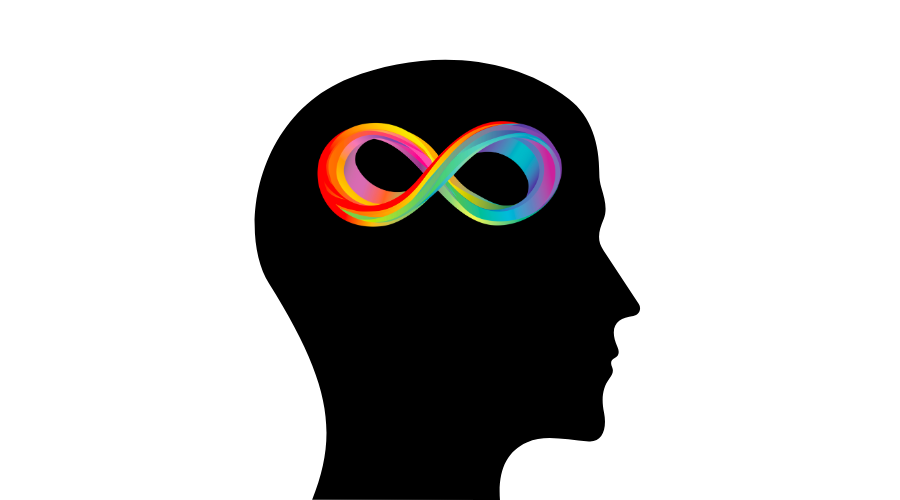
Conclusion
Neurodiverse Brilliance Is Not a Problem to Fix—It Is a Resource to Activate
Neurodiverse individuals are not broken, deficient, or incomplete. They are reservoirs of asymmetric, underutilized strengths operating in systems that were never designed to recognize them. The tragedy is not neurodiversity itself, but the persistent failure to translate difference into value. Strategic skill stacking provides that translation. By deliberately combining core cognitive strengths with complementary, enabling skills, perceived challenges are reframed into exceptional, defensible capability.
This is not optimism. It is design.
Key Takeaways That Matter
- Unique Value Lives at Intersections
As Cal Newport argues in So Good They Can’t Ignore You, career leverage is built not by chasing vague passions, but by developing rare and valuable skills. Skill stacking creates intersections where competition thins and relevance increases. Neurodiverse individuals, by nature, are already operating at unconventional intersections—skill stacking makes those intersections visible and valuable. - Breadth Plus Depth Beats Isolated Specialization
David Epstein’s Range dismantles the myth that narrow specialization is the only path to excellence. In complex, changing environments, those who combine deep focus with flexible, cross-domain capability consistently outperform single-skill specialists. This reality aligns powerfully with neurodiverse cognition, which often excels in pattern recognition across domains when not artificially constrained. - Mastery Is Built Through Small, Consistent Systems
James Clear’s Atomic Habits reminds us that transformation is not dramatic; it is cumulative. Neurodiverse brilliance compounds when habits, environments, and systems are designed intentionally. Progress is not a personality trait—it is a byproduct of structure.
Actionable Recommendations Worth Implementing
- Create personalized skill pathways that honor cognitive strengths rather than forcing conformity.
- Anchor learning in experience through projects, mentorship, and real-world contribution.
- Measure growth against personal potential, not neurotypical benchmarks. Comparison kills competence; progress builds it.
These are not accommodations. They are performance strategies.
A Direct Call to Action: Participate and Donate to MEDA Foundation
MEDA Foundation operates where insight meets execution. By fostering skill development, mentorship, inclusive employment, and ecosystem-based support, MEDA Foundation helps neurodiverse individuals move from dependence to self-sufficiency, from marginalization to meaningful contribution.
Your participation matters:
- As a mentor, educator, or employer.
- As a collaborator in ecosystem-building.
- As a donor investing in long-term human capability.
This is not charity. It is strategic compassion with measurable impact.
Book References
- Range – David Epstein
- So Good They Can’t Ignore You – Cal Newport
- Atomic Habits – James Clear
- NeuroTribes – Steve Silberman
- The Inevitable – Kevin Kelly
- The Gift of Dyslexia – Ronald D. Davis
Final Word
The future will not reward those who fit best into old systems.
It will reward those who combine difference with discipline, strength with structure, and purpose with practice.
Neurodiverse brilliance already exists.
Skill stacking is how we let it work—for individuals, for communities, and for society at large.