


Bringing Gurukul Values into Modern Education for Children and Teens
1. Introduction
Overview of the Gurukul System
The Gurukul system, prevalent during the Vedic period in ancient India, was a unique form of education where students lived with their guru (teacher) in a residential setup. This system focused on a holistic approach to learning, incorporating not only academic subjects like language, science, and mathematics but also moral values, practical skills, and spiritual growth. Students received personalized attention, lived in a community setting, and engaged in activities that promoted physical, intellectual, and spiritual development.
The Gurukul education system, a cornerstone of ancient Indian learning, represents a profound approach to education that flourished during the Vedic period. Originating as a means to impart both religious and secular knowledge, Gurukuls were more than just educational institutions—they were vibrant centers of holistic development.
At the heart of the Gurukul system was the guru-shishya relationship, where students, known as shishyas, lived and learned under the guidance of a guru. This system emphasized experiential learning, moral development, and spiritual growth alongside academic instruction. Subjects covered ranged from Vedic scriptures and philosophy to sciences and arts, reflecting a comprehensive curriculum designed to nurture not only intellectual but also ethical and personal growth.
The traditional Gurukul education system involved students living in close proximity with their guru (teacher) in a residential setting. This immersive environment facilitated not only academic learning but also the transmission of cultural and ethical values. Students, or shishyas, would reside with their guru, engaging in daily lessons, rituals, and communal living, which helped in fostering a deep, personal connection and holistic education.
With the advent of British colonial rule in India, significant changes were introduced to the educational landscape. The British colonial education system shifted from the traditional Gurukul model to a day boarding system. This transition was influenced by the need to impart English language skills and Western education, which contrasted sharply with the Gurukul’s focus on Sanskrit and Vedic studies. The change aimed to align Indian education with colonial administrative needs and broader global communication.
The Gurukul system’s unique methodologies fostered discipline and deep learning, laying a foundation for character development and knowledge that transcended mere academic achievements. Its legacy continues to inspire contemporary educational reforms and practices.
Importance of Integrating Traditional Values in Modern Education
Integrating Gurukul values into modern education can address several contemporary educational challenges. The Gurukul system’s emphasis on personal attention and holistic development contrasts with the often impersonal and exam-focused nature of current education systems. By incorporating aspects such as moral education, practical skills, and spiritual practices, modern education can foster well-rounded individuals who are not only academically proficient but also emotionally resilient and ethically grounded.
Incorporating these traditional values can enhance the overall educational experience, making it more inclusive and supportive of diverse developmental needs. This approach can lead to a more balanced and effective education system that prepares students for both professional and personal success.
Philosophy and Ethics
Traditional Approach: Study of Vedic Texts and Moral Values
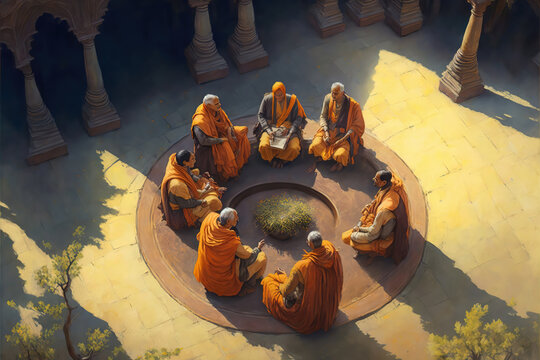
In the Gurukul system, education encompassed the study of Vedic texts such as the Upanishads, Bhagavad Gita, and various Sutras. These texts provided not only spiritual guidance but also ethical frameworks and moral values essential for personal development. The teachings focused on concepts like Dharma (duty/righteousness), Ahimsa (non-violence), and Satyam (truth), which guided students in their personal and social behavior.
Modern Integration: Incorporate Ethical Discussions and Critical Thinking Exercises
To modernize this approach, educational systems can integrate ethical discussions and critical thinking exercises into the curriculum. This could involve:
- Ethical Debates: Engaging students in discussions on contemporary ethical issues.
- Case Studies: Analyzing real-world scenarios to understand ethical dilemmas.
- Critical Thinking Workshops: Developing skills to evaluate and make reasoned ethical decisions.
Importance: Develops Moral Reasoning and Ethical Decision-Making
Incorporating these traditional values and modern techniques helps students build strong moral reasoning and ethical decision-making skills. It prepares them to navigate complex social and personal challenges with a grounded understanding of ethical principles and practices. This holistic approach fosters integrity, responsibility, and compassion, essential traits for effective and principled leadership in both personal and professional realms.
Physical Education
Traditional Approach: Yoga, Martial Arts, and Physical Training
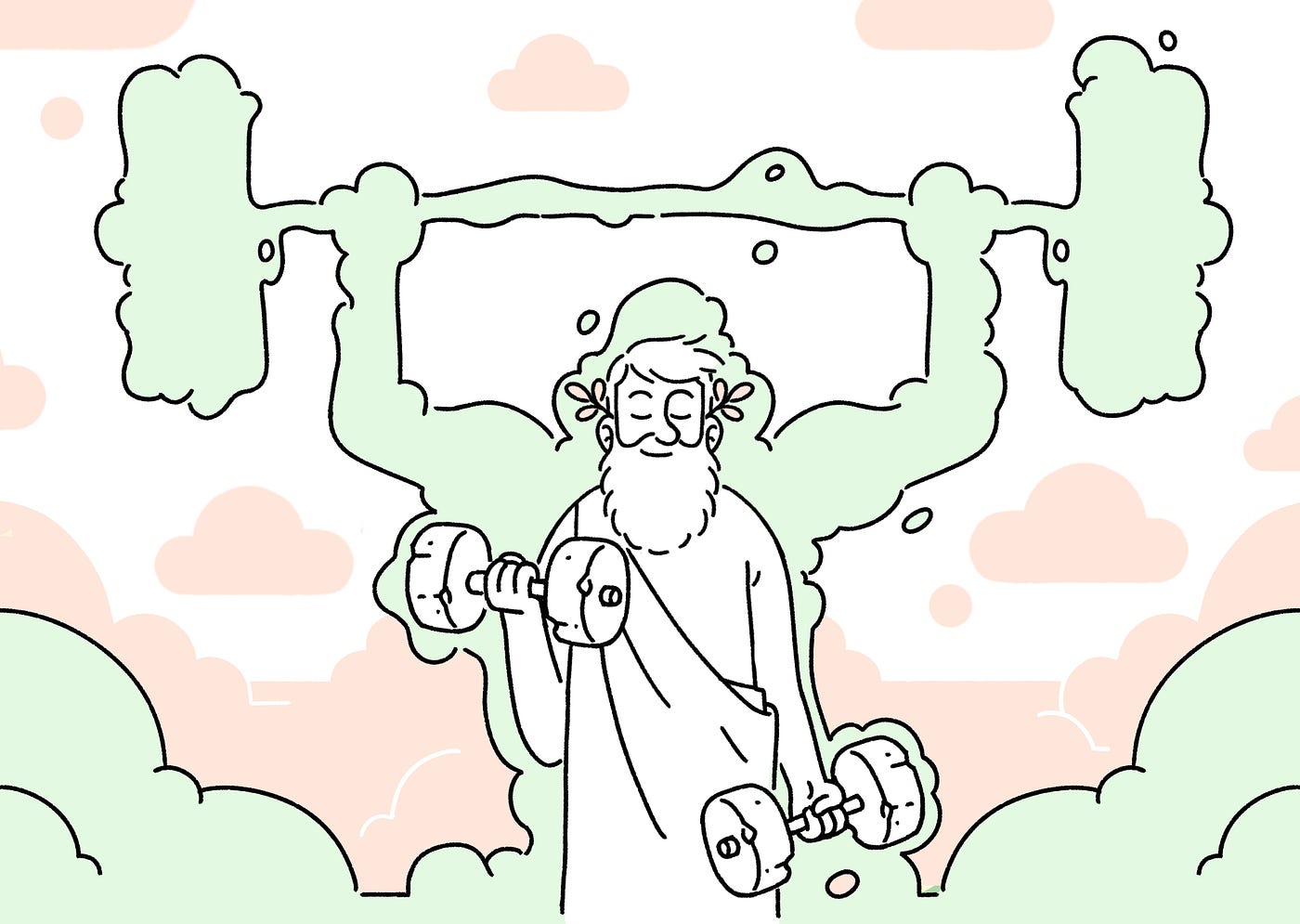
In the Gurukul system, physical education was integral and included practices such as yoga and martial arts. Yoga was used to enhance flexibility, balance, and mental focus, while martial arts provided physical conditioning and self-defense skills. Physical training was holistic, aiming to develop strength, endurance, and overall health, aligned with the principles of discipline and self-control.
Modern Integration: Daily Yoga Sessions, Fitness Programs, and Sports
Modern education systems can integrate these traditional practices by incorporating:
- Daily Yoga Sessions: To improve flexibility, mental clarity, and stress management.
- Fitness Programs: Structured physical training routines that promote cardiovascular health and strength.
- Sports: Team and individual sports to foster teamwork, discipline, and physical fitness.
Importance: Enhances Physical Health and Promotes Discipline
Integrating these practices enhances overall physical health, promotes mental well-being, and instills discipline. Regular physical activity, including yoga and martial arts, supports a balanced lifestyle and prepares students for both academic and personal challenges.

Arts and Culture
Traditional Approach: Classical Music, Dance, and Cultural Practices
In traditional Gurukul education, arts and culture were integral components. Classical music and dance were not only forms of artistic expression but also served as tools for spiritual and intellectual development. Practices like Indian classical music, with its intricate rhythms and melodies, and traditional dance forms, were used to instill discipline, cultural heritage, and emotional expression. These practices also provided a framework for understanding and preserving cultural values.
Modern Integration: Arts Programs and Cultural Studies
Modern education systems can integrate these traditional arts through:
- Arts Programs: Incorporating structured music and dance classes that reflect both traditional and contemporary styles, fostering artistic skills and cultural awareness.
- Cultural Studies: Including subjects that explore diverse cultural practices and their historical contexts to promote a broader understanding of global cultures.
Importance: Fosters Creativity and Cultural Appreciation
Integrating arts and culture into modern education nurtures creativity, enhances emotional intelligence, and builds a sense of cultural appreciation. It also helps students develop a well-rounded personality and a deeper understanding of their heritage and other cultures.
Practical Skills
Traditional Approach: Skills Like Agriculture, Craftsmanship, and Trade
In traditional education systems, practical skills were crucial and encompassed areas such as agriculture, craftsmanship, and trade. These skills were taught through direct, hands-on experiences and apprenticeships. Students learned essential techniques and knowledge through practice and observation, ensuring they could effectively manage agricultural tasks, create quality crafts, and understand trade practices.
Modern Integration: Hands-on Learning, Internships, and Project-Based Education
Today’s educational systems integrate practical skills through:
- Hands-on Learning: Incorporates practical exercises into curricula, allowing students to apply theoretical knowledge in real-world scenarios.
- Internships: Provides students with real-world experience and exposure to professional environments, enhancing their practical skills.
- Project-Based Education: Encourages students to engage in projects that require problem-solving and practical application of skills.
Importance: Prepares Students for Real-World Challenges
Integrating practical skills into education equips students with the competencies required to face real-world challenges. It ensures they are well-prepared for professional environments, fostering a robust skill set that enhances employability and adaptability in various fields .

Spirituality and Meditation
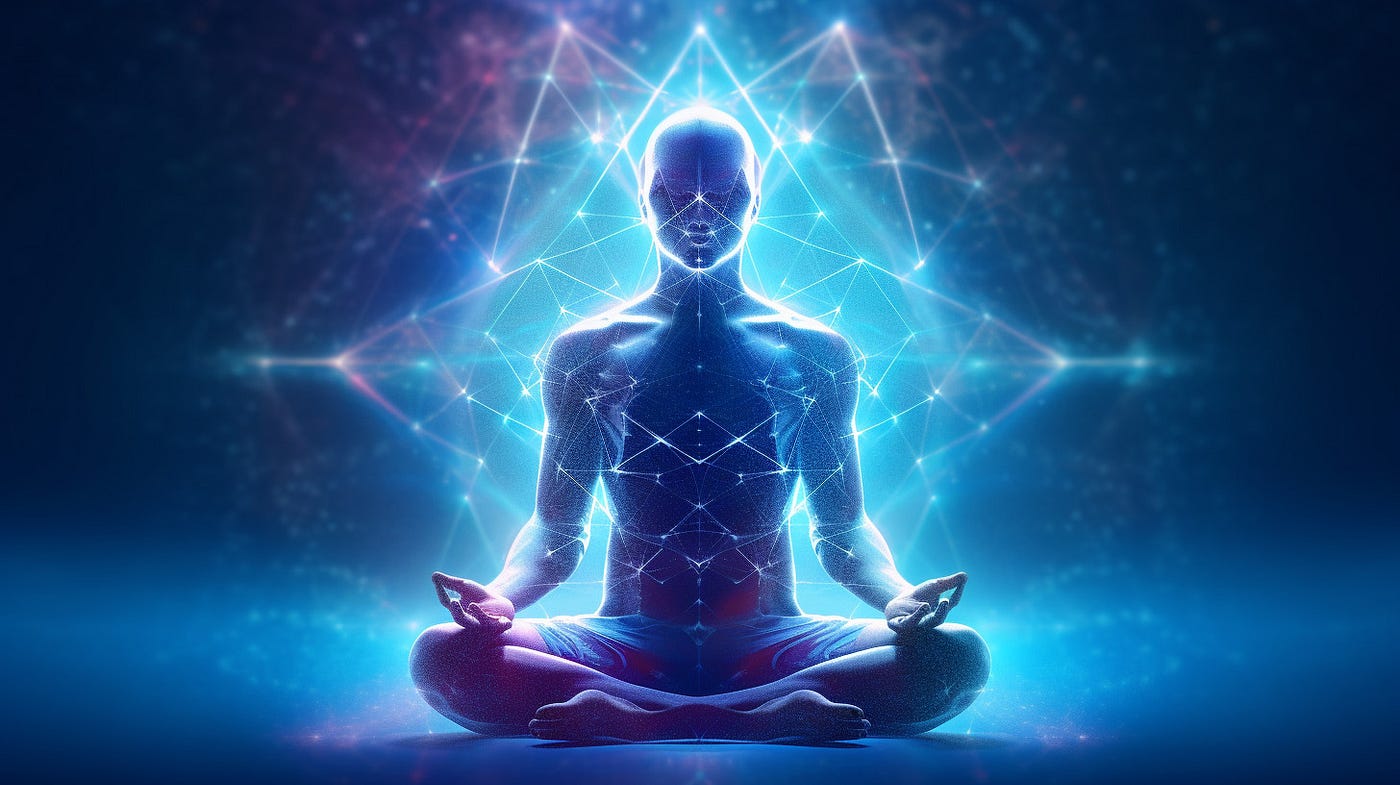
Traditional Approach: Meditation, Rituals, and Spiritual Development
Traditionally, spirituality and meditation involve practices aimed at personal growth and spiritual enlightenment. This includes:
- Meditation: Focused on achieving mental clarity and spiritual insight.
- Rituals: Structured practices designed to connect with higher powers or spiritual realms.
- Spiritual Development: Engaging in practices that foster personal and spiritual growth.
Modern Integration: Mindfulness Practices and Mental Health Support
Modern approaches integrate these traditional practices into everyday life:
- Mindfulness Practices: Techniques such as mindfulness meditation help individuals stay present and manage stress.
- Mental Health Support: Meditation and mindfulness are used as therapeutic tools to improve emotional well-being and support mental health.
Importance: Enhances Emotional Well-Being and Stress Management
Both traditional and modern methods of spirituality and meditation are crucial for:
- Enhancing Emotional Well-Being: Regular practice can lead to increased emotional stability and resilience.
- Stress Management: Techniques like mindfulness can reduce stress and improve overall mental health.
Community Living and Service
Traditional Approach: Community Living and Service
Traditionally, community living and service involve individuals working together within their communities to support and uplift each other. This includes:
- Community Living: Sharing resources and responsibilities to create a cohesive, supportive environment.
- Service: Engaging in activities that benefit others, such as volunteering and local aid.
Modern Integration: Service Learning, Teamwork, and Leadership Development
Modern approaches integrate traditional community principles with contemporary methods:
- Service Learning: Combines educational objectives with community service, enhancing both learning and civic engagement.
- Teamwork: Emphasizes collaborative efforts to achieve common goals, improving efficiency and problem-solving.
- Leadership Development: Focuses on cultivating skills such as communication and emotional intelligence to effectively lead and motivate teams .
Importance: Builds Social Responsibility and Teamwork Skills
Both traditional and modern approaches are crucial for:
- Social Responsibility: Encouraging active participation in community welfare and societal improvement.
- Teamwork Skills: Fostering collaboration and effective communication within groups .
Conclusion
Summary of the Benefits of Integrating Gurukul Values
The Gurukul system, a traditional Indian educational approach, offers significant benefits that can enhance modern education:
- Holistic Development: Focuses on the overall development of individuals, including moral and ethical growth, in addition to academic learning .
- Mentorship and Personal Attention: Provides close mentorship and personalized attention, fostering deeper learning and character development .
- Societal Values: Emphasizes community values and responsibility, promoting a sense of belonging and ethical behavior .
Call to Action for Educators and Policymakers
Educators and policymakers should consider integrating Gurukul values into modern education by:
- Adopting Holistic Teaching Methods: Incorporate moral and ethical lessons alongside academic content.
- Encouraging Personalized Learning: Implement mentorship programs to support individual student needs.
- Promoting Community Engagement: Foster activities that build social responsibility and community involvement.
Support the MEDA Foundation’s mission to create self-sustaining ecosystems by participating, encouraging others, and donating. Your contributions help advance education and support for autistic individuals and broader community initiatives.


