

Toxic people drain life, distort reality, and thrive on emotional chaos, yet peace becomes possible when you recognize that their behavior is not your responsibility to fix. Liberation begins with awareness—seeing manipulation, gaslighting, and guilt-tripping for what they are—and choosing to protect your energy, dignity, and emotional boundaries without apology. True strength lies not in endless tolerance but in walking away with clarity and compassion, reclaiming the power of your focus and peace. When more people choose self-respect over toxic attachment, we collectively shift toward a world rooted in love, accountability, and emotional integrity—a world each of us can help build through conscious choices and compassionate action.
ವಿಷಕಾರಿ ವ್ಯಕ್ತಿಗಳು ಜೀವನವನ್ನು ಹೀರುತ್ತಾರೆ, ವಾಸ್ತವಿಕತೆಯನ್ನು ವಕ್ರಗೊಳಿಸುತ್ತಾರೆ ಮತ್ತು ಭಾವನಾತ್ಮಕ ಗೊಂದಲದಿಂದ ಬದುಕುತ್ತಾರೆ — ಆದರೆ ಶಾಂತಿ ಸಾಧ್ಯವಾಗುತ್ತದೆ, ಅವರ ವರ್ತನೆ ನಿನ್ನಿಂದ ಸರಿಪಡಿಸಬೇಕಾದ ಜವಾಬ್ದಾರಿ ಅಲ್ಲ ಎಂಬುದನ್ನು ನೀನು ಅರಿತಾಗ. ಮುಕ್ತಿಯ ಆರಂಭ ಜಾಗೃತಿಯಿಂದ — ಅವರ ಕೌಶಲ್ಯ, ಮನಸ್ಸಿನ ಆಟಗಳು ಮತ್ತು ಅಪರಾಧಭಾವನೆ ಉಂಟುಮಾಡುವ ತಂತ್ರಗಳನ್ನು ನಿಖರವಾಗಿ ಕಾಣುವುದರಿಂದ — ಮತ್ತು ಕ್ಷಮೆಯಿಲ್ಲದೆ ನಿನ್ನ ಶಕ್ತಿ, ಗೌರವ ಮತ್ತು ಭಾವನಾತ್ಮಕ ಗಡಿಯಾರಗಳನ್ನು ರಕ್ಷಿಸುವುದರಿಂದ. ನಿಜವಾದ ಶಕ್ತಿ ಅನಂತ ಸಹನೆಯಲ್ಲ, ಆದರೆ ಸ್ಪಷ್ಟತೆ ಮತ್ತು ಕರುಣೆಯೊಂದಿಗೆ ದೂರ ಹೋಗುವ ಧೈರ್ಯದಲ್ಲಿ ಅಡಗಿದೆ. ನಿನ್ನ ಗಮನ ಮತ್ತು ಶಾಂತಿಯನ್ನು ಮರಳಿ ಪಡೆಯುವುದೇ ನಿನ್ನ ಅಧಿಕಾರದ ಮರುಸ್ವೀಕಾರ. ಹೆಚ್ಚು ಜನರು ವಿಷಕಾರಿ ಸಂಬಂಧಗಳಿಗಿಂತ ಆತ್ಮಗೌರವವನ್ನು ಆಯ್ಕೆ ಮಾಡಿದಾಗ, ನಾವು ಒಟ್ಟಾಗಿ ಪ್ರೀತಿಯ, ಹೊಣೆಗಾರಿಕೆಯ ಮತ್ತು ಭಾವನಾತ್ಮಕ ಅಖಂಡತೆಯ ಆಧಾರದ ಮೇಲೆ ನಿಂತಿರುವ ಲೋಕವನ್ನು ನಿರ್ಮಿಸುತ್ತೇವೆ — ಪ್ರತಿ ಜಾಗೃತ ನಿರ್ಧಾರ ಮತ್ತು ಕರುಣೆಯ ಕ್ರಿಯೆಯಿಂದ ಆರಂಭವಾಗುವ ಒಂದು ಹೊಸ ಲೋಕ.

Navigating Toxicity: Strategies for Protecting Your Peace and Well-being
I. Introduction: The Reality of Toxic Relationships
Intended Audience:
Professionals, caregivers, leaders, parents, young adults navigating friendships or romantic relationships, and anyone experiencing emotional fatigue, self-doubt, or confusion arising from toxic dynamics.
Purpose of the Article:
To provide a compassionate, evidence-informed, and practical roadmap for recognizing, managing, and ultimately freeing oneself from toxic influences — without losing one’s integrity, empathy, or peace. The aim is not to vilify individuals but to expose destructive patterns, promote self-awareness, and restore personal balance.
A. The Many Faces of Toxicity
Toxic relationships rarely appear as monsters at the door. They often begin as kind, attentive, and even inspiring connections, only to gradually reveal patterns that suffocate emotional freedom. Toxicity can wear many masks — charm, dependency, righteousness, or victimhood — making it difficult to recognize until one feels drained, confused, or diminished.
- Workplace Toxicity:
- The coworker who undermines subtly — planting seeds of doubt, withholding information, or taking quiet credit for shared efforts.
- The manager who praises publicly but micromanages privately, breeding anxiety and low self-worth.
- The culture that rewards compliance over authenticity, creating a cycle of quiet suffering.
- Friendship Toxicity:
- The friend who guilt-trips or emotionally blackmails, framing your boundaries as betrayal.
- The companion who constantly seeks validation but disappears when you need support.
- The “fun” friend who subtly encourages poor habits and mocks self-improvement.
- Family Toxicity:
- The parent who controls through love, demanding loyalty in exchange for affection.
- The sibling who competes rather than connects.
- The relative who manipulates through chronic victimhood or financial dependency.
- Romantic Toxicity:
- The partner who gaslights, turning truth into confusion until you doubt your own memory.
- The one who demands emotional labor without reciprocation — leaving you drained but responsible.
- The partner who alternates between intense affection and cold withdrawal, keeping you addicted to their approval.
In short, toxic behavior thrives not only in aggression but also in charm, silence, and obligation. It is a psychological ecosystem of control — often invisible but deeply corrosive.
B. The Silent Cost of Toxicity
Toxic relationships extract a psychological tax that compounds quietly over time. Most people realize the impact only when burnout, illness, or breakdown force them to pause.
- Psychological Costs:
- Chronic stress and anxiety: The nervous system remains on alert, scanning for emotional landmines.
- Erosion of self-worth: Repeated invalidation makes you question your own perceptions.
- Hypervigilance: You become an expert in reading micro-expressions, anticipating moods — not out of empathy, but survival.
- Decision paralysis: You lose confidence in your judgment, fearing disapproval or conflict.
- Physical Costs:
- Fatigue and insomnia from constant emotional tension.
- Headaches, digestive issues, or immune weakness due to prolonged cortisol exposure.
- Somatic symptoms — the body speaks when the voice cannot.
- Social Costs:
- Isolation: Toxic individuals often cut off your support system — subtly discouraging or criticizing others in your life.
- Dependency loops: You become emotionally or financially tied to those who drain you.
- Distorted worldview: Kindness begins to feel risky, and trust becomes a threat.
The real tragedy of toxicity is not only what it does to your life, but what it makes you doubt about yourself.
C. The Goal
The purpose of this exploration is not to demonize people or label every difficult relationship as “toxic.” Human beings are complex, wounded, and evolving. Toxicity often arises from unhealed pain, unmet needs, or distorted survival mechanisms — but that does not mean we must accept or enable it.
This article seeks to:
- Illuminate patterns — helping you identify when behavior crosses from difficult to destructive.
- Equip you with tools — boundaries, self-awareness, and communication techniques that protect peace without breeding hostility.
- Empower your exit or transformation — not through bitterness, but through clarity, compassion, and courage.
Ultimately, the goal is freedom through understanding — to step out of confusion and into conscious choice. You can respond without reacting, care without collapsing, and love without losing yourself.

II. Self-Awareness: The Unshakable Groundwork
If the first step in healing from toxicity is recognition, the second — and most crucial — is self-awareness. Toxic relationships feed on emotional fog. They thrive where self-doubt, guilt, and confusion live. To dismantle that power, one must return to the only territory truly under one’s control: the inner landscape of thoughts, emotions, and choices.
A. Why Awareness Is Non-Negotiable
Self-awareness is not a luxury or a soft skill; it is emotional armor. Without it, even intelligent, kind, or strong individuals can get caught in manipulative webs — because manipulation doesn’t prey on weakness, it preys on unconsciousness.
- You cannot outthink manipulation if you do not understand your own emotional blueprint. Manipulators read and exploit reactions — guilt, people-pleasing, approval-seeking, fear of abandonment.
- Awareness interrupts the cycle of reactivity. Instead of responding from old wounds or programmed guilt, you pause, observe, and respond from grounded clarity.
The essence of self-awareness is this: You may not control others’ behavior, but you can master your own internal climate. That mastery turns chaos into insight, pain into data, and entanglement into evolution.
B. Tools for Radical Self-Awareness
Developing awareness isn’t about judgment or perfection. It’s about seeing yourself with honesty and compassion, moment by moment. Below are practical tools to cultivate this inner clarity.
- Emotion Check-Ins: “Who Drained Me? Who Nourished Me?”
Every evening, pause for two minutes. Review your day and notice — which interactions left you tense, exhausted, or small? Which lifted your energy, confidence, or joy? Over time, patterns emerge. Those patterns reveal where your boundaries leak and where your soul thrives. - Trigger Mapping: Identify Your Emotional Hotspots
Triggers are not weaknesses; they are signposts pointing to old wounds.- What words, tones, or behaviors make you feel defensive, guilty, or anxious?
- Do certain dynamics (criticism, silence, rejection) cause overreactions or paralysis?
By mapping triggers, you reclaim choice — you no longer react blindly, but respond consciously.
- The Ownership Lens: “What Am I Responsible For?”
Many compassionate people unconsciously carry others’ emotional burdens. Ask:- Am I trying to fix or save someone who doesn’t want to change?
- Am I avoiding conflict out of fear of disapproval?
- Do I mistake enabling for empathy?
Radical ownership means seeing your role without taking the blame for others’ behavior.
- Intuitive Listening: Honoring the Body’s Wisdom
The body is an unfiltered truth-teller.- When your stomach tightens, your breath shortens, or your heart races — pay attention.
- When you sense peace and expansion around someone, trust that too.
Too often, people override their body’s “no” with politeness or logic. Yet intuition is the nervous system’s early warning radar. Listening to it can prevent months — or years — of emotional damage.
- Drop the Endless Explanations
You don’t owe everyone your “why.”- Toxic individuals often demand justifications to reopen debate or erode boundaries.
- True boundaries are statements, not negotiations.
The more you explain, the more you leak power. A calm “That doesn’t work for me” is enough.
C. Reflective Questions for Readers
Use these questions as a mirror to test the health of your interactions. They are deceptively simple but profoundly revealing:
- Do I consistently filter or shrink myself around this person?
If you feel you must censor thoughts or feelings to keep the peace, authenticity is being traded for approval. - Am I walking on eggshells more often than being authentic?
Healthy relationships allow mistakes, humor, and vulnerability. Toxic ones demand emotional precision — a survival dance that slowly erodes the self.
True self-awareness is not about becoming hypervigilant or self-critical; it is about coming home to your own inner compass.
When you know who you are, what you feel, and where your boundaries lie, manipulation loses its foothold.
You stop fighting shadows and start standing in light.

III. Boundaries: Building Emotional Fences Without Guilt
Boundaries are not walls; they are bridges of respect that connect people safely. Without boundaries, compassion becomes exploitation, kindness turns into exhaustion, and relationships become one-sided emotional economies.
True emotional maturity lies not in endless giving, but in knowing where giving ends and self-respect begins.
A. What Boundaries Really Are
Boundaries are not cruelty — they are clarity. They are not rejection — they are protection.
They define where you end and another person begins, preserving energy, dignity, and peace. Healthy boundaries create environments where mutual respect can thrive, while toxic dynamics dissolve in their presence.
When stated calmly and consistently, boundaries communicate:
“I value both of us enough to be honest about what works and what doesn’t.”
Boundaries do not punish others; they teach others how to treat you.
B. Common Obstacles to Setting Boundaries
Despite their importance, boundaries are often the hardest skill to master — especially for empathetic, culturally sensitive, or relationship-oriented individuals. Three main barriers frequently arise:
- Cultural Conditioning: Saying “No” Feels Disrespectful
Many cultures, especially collectivist ones, equate harmony with compliance.- Saying no to elders, bosses, or family may feel like rebellion or ingratitude.
- But real respect isn’t submission; it’s honesty wrapped in courtesy.
- A healthy “no” protects the integrity of every “yes” that follows.
- Toxic Resistance: Pushback, Mockery, and Emotional Blackmail
The moment you set boundaries, toxic individuals will test- They might call you selfish, cold, or difficult.
- They may use guilt (“After all I’ve done for you…”) or fear (“You’ll regret this”).
- This resistance is not proof that you’re wrong — it’s proof that your boundaries are working.
Expect the storm. Stand firm. The weather clears when consistency meets conviction.
- Internal Backlash: Guilt and Fear of Abandonment
- Boundaries can trigger deep-seated fears of rejection or loss.
- Your inner voice may whisper, “What if they leave?”
- But remember: people who truly care about you don’t leave because you draw a line — they respect you more for it.
Emotional guilt is the echo of old programming, not the sound of truth.
C. Step-by-Step Boundary Blueprint
Boundaries must be built, not blurted. They require clarity, communication, and courage — a process of internal and external alignment.
Step 1: Clarity First
Identify what drains, irritates, or disrespects you.
- When do you feel small, tense, or resentful?
- Which requests or interactions make your stomach twist?
Write these moments down. Patterns reveal where your boundaries are weak or undefined.
Step 2: Direct Communication
Use short, calm, unapologetic statements. No essays, no excuses.
- “I’m not available for that.”
- “Please speak respectfully.”
- “That doesn’t work for me.”
Remember: your tone matters more than your explanation.
Step 3: Reinforcement
Toxic people test limits — not because they misunderstand, but because they hope you’ll fold.
- Repetition is your strength.
- Consistency is your message.
Boundaries are not set once; they are enforced repeatedly until they become self-evident.
Step 4: Escalation Plan
If boundaries are continually violated despite clarity and consistency, it’s time to act.
- Reduce access (less contact, shorter responses).
- Remove privileges (no emotional labor, no justifications).
- If the behavior persists, step away — physically, digitally, or emotionally.
Cutting contact is not cruelty; it’s self-preservation with integrity.
D. Boundary Categories (With Real-World Examples)
Boundaries apply across different aspects of life. Each type protects a unique dimension of your well-being:
- Conversational Boundaries
- “I don’t engage in gossip.”
- “Please don’t comment on my personal choices.”
- “I prefer not to discuss politics at work.”
- Emotional Boundaries
- “I decide how I feel; your opinion doesn’t define me.”
- “I won’t absorb your anger as my responsibility.”
- “I care, but I can’t fix this for you.”
- Time Boundaries
- “I don’t answer work calls after 8 p.m.”
- “I need this weekend to rest — let’s talk on Monday.”
- “I can give you 20 minutes now, then I need to get back to my work.”
- Physical Boundaries
- “Please don’t come over uninvited.”
- “I’m not comfortable with hugs; a handshake works for me.”
- “This is my personal space — please respect that.”
Healthy boundaries send a simple message:
“I love you enough to be real. I love myself enough to stay whole.”
Boundaries are acts of emotional hygiene — regular, necessary, and life-preserving.
They allow love to flow freely without exploitation, and compassion to exist without depletion.
Every “no” you speak with integrity becomes an investment in your peace.
And every moment you uphold that boundary, you reinforce one sacred truth:
You are responsible for your energy, not everyone’s comfort.

IV. Strategic Disengagement: Winning by Not Playing
In toxic dynamics, the most powerful move is often no move at all.
While the ego wants to argue, prove, or fix, wisdom whispers: “Stop dancing to their rhythm.”
Strategic disengagement isn’t cowardice or coldness — it’s emotional aikido. You redirect energy instead of absorbing blows. You reclaim peace not by defeating toxicity, but by starving it of reaction.
A. Understanding the Game
Toxic people thrive on emotional reaction. Their game is not about truth — it’s about control.
They provoke to feel powerful, guilt-trip to keep you compliant, and withhold affection or communication to make you chase validation.
Once you see this pattern, the illusion collapses: their power lies not in what they say or do, but in how you respond.
Common manipulation “games” include:
- The Guilt Trap: “After everything I’ve done for you…” – meant to turn your boundaries into cruelty.
- The Provocation Loop: Subtle insults, sarcasm, or “innocent” jabs designed to hook your emotions.
- The Silent Treatment: Withdrawal of affection or communication to make you anxious and apologetic.
Recognizing the game disarms it. You no longer take the bait because you realize —
The only winning move is not to play.
B. Practical Disengagement Tactics
Once you’ve recognized manipulation patterns, the next step is tactical disengagement — deliberate, calm, and controlled. These methods reduce emotional energy loss and restore psychological space.
1. Minimal Responses: Keep It Short and Boring
Toxic people feed on emotional drama; without it, they lose interest.
Use brief, neutral responses like:
- “Noted.”
- “I see.”
- “That’s your perspective.”
Avoid explaining, defending, or debating — each word fuels the cycle.
2. Delay Replies: Time = Emotional Clarity
When provoked, pause before responding.
A delayed reply creates space between stimulus and reaction — space where wisdom resides.
Whether in person or by message, taking time helps you process without feeding the manipulation loop.
A calm pause is louder than any clever comeback.
3. The Gray Rock Method: Become Emotionally Unrewarding
Imagine being as uninteresting as a gray rock — unreactive, calm, emotionally neutral.
When you stop providing emotional “reward,” the manipulator’s tactics lose impact.
- No eye-rolls, no raised tone, no visible irritation.
- Just calm, factual, minimal engagement.
This method is especially effective in workplace or family settings where full disengagement isn’t yet possible.
4. Exit Routines: Graceful Escape Scripts
Have pre-rehearsed phrases that allow you to end toxic interactions smoothly and consistently.
Examples:
- “I have to go now.”
- “Let’s talk later when we’re both calm.”
- “I’m not available for this conversation right now.”
These phrases act as polite armor — they disengage without drama.
5. Micro-Pauses: The Breath Before the Battle
Before reacting, take a slow, conscious breath.
This single act interrupts emotional hijacking and activates the rational brain.
In that pause, you choose clarity over chaos — transforming reactivity into mastery.
C. Caution: Use Strategically, Not Habitually
Strategic disengagement is a protective maneuver, not a communication style. It is not meant for healthy, evolving relationships where dialogue, empathy, and repair are possible.
- Gray Rock isn’t for love — it’s for survival.
Use it with manipulative or emotionally predatory individuals, not with people who simply disagree or make mistakes. - In cases of physical or severe emotional abuse, disengagement alone is not enough.
Safety comes first. Involve trusted allies, seek professional support, and prioritize escape over endurance.
Strategic disengagement is not about apathy — it’s about energy economics.
You choose where your attention flows and refuse to let manipulation dictate your emotional state.
Every silence becomes a message:
“You no longer control my peace.”
When you stop reacting, you stop bleeding energy.
When you stop explaining, you start healing.
And when you stop playing, you start winning — quietly, completely, and on your own terms.

V. Unmasking Manipulation: Seeing the Strings
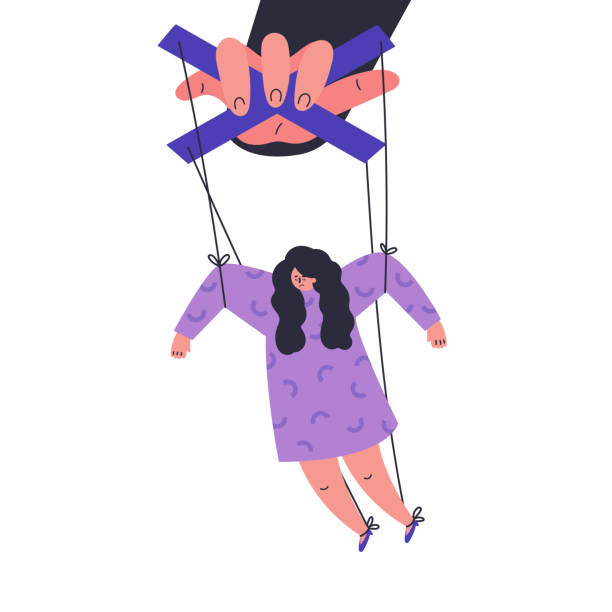
Manipulation is rarely obvious. It doesn’t always roar; sometimes it whispers, flatters, or pleads. The most dangerous manipulators often appear helpful, concerned, or wounded — until you realize your emotions, time, and confidence are being carefully orchestrated.
To reclaim power, one must learn to see the strings — the subtle psychological mechanisms toxic people use to control, confuse, and extract compliance. Awareness transforms you from a puppet into the observer of the play.
A. Common Manipulation Tactics
Understanding manipulation begins with naming its disguises. Below are the most pervasive forms and how they quietly distort reality:
- Gaslighting
A psychological warfare tactic that makes you doubt your memory, perception, or sanity.- Example: “That never happened — you’re overreacting.”
- Effect: You begin second-guessing yourself, seeking their version of reality over your own intuition.
Defense: Keep written records of conversations and trust your gut over revisionist storytelling.
- Guilt-Tripping
Emotional blackmail masquerading as moral high ground.- Example: “After everything I’ve done for you, you can’t even do this one thing?”
- Effect: You feel obligated to meet unreasonable demands out of guilt, not genuine care.
Defense: Remember — guilt is not proof of wrongdoing.
- Triangulation
Involving a third party to create rivalry or confusion.- Example: “Even your friend agrees you’re being difficult.”
- Effect: You feel isolated, defensive, or pressured to prove loyalty.
Defense: Refuse to compete or justify. Address issues directly, not through intermediaries.
- Feigned Helplessness
Pretending to be incapable or victimized to make you take responsibility.- Example: “I can’t do this without you… You know I’m bad at this.”
- Effect: You become the caretaker, shouldering their tasks and emotions.
Defense: Empathize without rescuing. Offer resources, not rescue missions.
- Emotional Bribery
Using affection, gifts, or approval as leverage for control.- Example: Being showered with praise or generosity — followed by guilt if you don’t comply later.
- Effect: Your self-worth becomes tied to their conditional approval.
Defense: Value consistency over charm. True kindness has no price tag.
B. Defense Mechanisms
Recognizing manipulation is half the battle; responding without getting entangled is the other half. These practical tools protect clarity and prevent emotional hijacking:
- Document Reality
Keep notes or records of key interactions — especially in professional, family, or legal situations. Manipulators rewrite history; your written memory keeps truth intact.- Emails, messages, or journal entries can expose contradictions and protect your integrity.
- Don’t Personalize
Their manipulation reflects their inner wounds — not your inadequacy.- When you stop taking their behavior personally, you break their power to shame or destabilize you.
- Repeat this mantra: “This is about them, not me.”
- Use Silence Wisely
Not every accusation deserves your breath. Silence can be more powerful than defense.- Responding emotionally validates their tactic; silence exposes its emptiness.
- A calm pause often says, “I see through you.”
- Redirect
Shift the energy from emotion to fact, from drama to clarity.- Example: When accused—“You never care about me”—respond with:
“I’m open to discussing what specifically made you feel that way.” - The manipulator’s fog clears when you bring focus to concrete reality.
- Example: When accused—“You never care about me”—respond with:
- Build a Support Net
Manipulators thrive in isolation, whispering doubt until you lose external mirrors of truth.- Confide in trustworthy friends, mentors, or therapists.
- Support networks offer perspective, validation, and emotional safety — the antidote to gaslighting.
C. Empowering Reminder
Manipulation thrives in darkness — secrecy, shame, confusion, and silence.
When you shine light through awareness, truth-telling, and grounded boundaries, the illusion disintegrates.
The moment you stop playing by their unspoken rules, the spell breaks.
You don’t have to expose or humiliate the manipulator; you simply have to see clearly and act consciously.
Their control fades when your clarity strengthens — and in that clarity, your peace returns.

VI. Mindset Shifts for Emotional Liberation
A. Release the Explaining Habit
- Core Insight: Over-explaining is not communication — it’s self-justification born of fear. It often signals an unconscious desire to earn emotional safety or approval.
- Shift: Replace “I need them to understand me” with “I need to understand myself.”
- Action Practices:
- Notice when you explain yourself repeatedly — what emotion drives it (guilt, fear, anxiety)?
- Practice silent confidence: state your truth once, then pause.
- Use short boundaries: “That’s what feels right for me,” “I’ve made my decision,” “I’m not explaining further.”
- Key Reminder: The right people don’t demand explanations; they respect clarity.
B. Drama Detox
- Core Insight: Drama is the emotional smog that clouds perception. It feeds on attention, reaction, and unresolved pain.
- Shift: Move from “reacting to everything” to “responding to what truly matters.”
- Detox Strategies:
- Identify your energy leaks — who or what keeps you hooked into gossip, blame, or victim loops.
- Apply the 90-Second Rule: Let the initial surge of emotion pass before deciding to engage.
- Replace complaint cycles with solution circles — focus on what you can change.
- Affirmation: “Peace is my new normal, not boredom.”
C. Personalization Antidote
- Core Insight: When you internalize others’ behavior (“They ignored me, so I must’ve done something wrong”), you surrender power.
- Shift: Detach meaning from others’ moods — their reactions reflect their internal weather, not your worth.
- Reframing Tools:
- When criticized, ask: “Is this feedback, projection, or manipulation?”
- Visualize others’ negativity sliding off you like rain on glass — it touches but doesn’t soak in.
- Use mantra-style thoughts: “Their story isn’t my story.” “I’m responsible for my energy, not their emotions.”
- Key Reminder: Emotional maturity begins where personalization ends.
D. Compassion with Boundaries
- Core Insight: Compassion without boundaries leads to depletion. Boundaries without compassion lead to rigidity.
- Shift: Balance heart and spine — kindness doesn’t mean surrender.
- Action Practices:
- When helping, ask: “Am I doing this out of genuine care or to avoid discomfort?”
- Use dual statements:
- Compassion: “I understand you’re upset.”
- Boundary: “But I can’t be spoken to that way.”
- Redefine kindness: it’s not about being liked, but about being true.
- Mantra: “I can love you and still say no.”
E. Create a Positive Counter-Field
- Core Insight: Emotional liberation is not only escape from toxicity, but active cultivation of vitality.
- Shift: Stop managing darkness; start generating light.
- Practices for Inner Nourishment:
- People Diet: Spend more time with those who inspire rather than deplete.
- Digital Cleanse: Curate media that uplifts — your feed becomes your subconscious.
- Micro-Joys: Rituals like morning sunlight, journaling, laughter, and movement rewire your emotional tone.
- Purpose Anchoring: Engage in work or service that aligns with your values — meaning is the ultimate detox.
- Key Reminder: Resilience is built in moments of joy, not just survival.
F. Reflective Questions for Readers
- When I explain myself, am I seeking understanding or validation?
- Which situations trigger my need to react or defend?
- Do I offer compassion from strength or from guilt?
- What daily habits elevate or drain my emotional frequency?
- Who am I becoming when I choose peace over reaction?
G. Micro-Practice Summary
- Mantra of Liberation: “I owe no explanations for my peace.”
- Mini Routine:
- Morning: Journal one thing you’ll not engage in today (drama, guilt, overthinking).
- Daytime: Take a 3-breath pause before responding to emotional provocation.
- Evening: Write one sentence of self-acknowledgment: “I chose peace today when I could’ve chosen chaos.”

VII. Walking Away: The Ultimate Boundary
A. When It’s Necessary
The Final Line Between Self-Respect and Self-Betrayal
- Walking away becomes essential when:
- Disrespect is repeated despite clear boundaries.
You’ve communicated, adjusted, forgiven — yet the pattern persists. - You live in emotional exhaustion.
Relationships should enrich, not erode your spirit. - Your voice, safety, or truth is constantly silenced.
If you can’t be authentic without fear, the environment is no longer safe for growth. - Trust feels like walking on glass.
You find yourself constantly on alert — editing your words, bracing for reaction.
- Disrespect is repeated despite clear boundaries.
Key Reminder:
When you have to shrink to stay, it’s already time to go.
B. Why Walking Away is Sacred
Leaving is not abandonment; it’s alignment.
- Walking away is an act of inner revolution.
It says: “My peace is worth more than your chaos.” - It restores your energetic integrity — cutting ties not out of hatred, but out of honor for your life force.
- It allows both parties to face truth:
- Some people can only learn through the silence your absence creates.
- You can only heal when you stop negotiating your worth.
- In the space that follows:
- Peace replaces panic.
- Stillness replaces overthinking.
- Self-respect grows roots where fear once lived.
Walking away is not rejection — it’s sacred reclamation.
C. Emotional Challenges
Freedom doesn’t always feel like joy at first — sometimes it feels like withdrawal.
- Expect the emotional turbulence: guilt, fear, sadness, nostalgia.
These are detox symptoms of the soul releasing attachment to dysfunction. - You may question yourself: “Was I too harsh?”
Remember — kindness without boundaries is self-neglect. - You might grieve not the person, but the version of you that tolerated less than you deserved.
- Practice emotional decompression:
- Name the loss. Write a letter you’ll never send.
- Ground in truth. Review journal entries or notes — remind yourself why you left.
- Anchor to support. Friends, therapists, spiritual mentors — healing thrives in connection.
- Replace habit with ritual. Use the time once spent managing chaos to nurture creativity, learning, and rest.
Freedom often feels empty before it feels full. Give it time.
D. The Aftermath: Rebuilding After Departure
Walking away is not the end — it’s the beginning of inner renovation.
- In the quiet that follows, your true self begins to return.
- You’ll rediscover:
- The joy of your own company.
- The sound of silence unbroken by tension.
- The sweetness of mornings without anxiety.
- You may start setting boundaries earlier, speaking softer yet stronger, and feeling lighter — not because life got easier, but because you stopped fighting yourself.
- This phase is about integration, not isolation:
- Learn from what you left behind.
- Rebuild your self-trust muscle.
- Celebrate your courage — you’ve chosen evolution over repetition.
E. Lasting Message
Walking away is not weakness — it’s the loudest “I value myself” you’ll ever speak.
- It’s not running away; it’s walking toward peace.
- It’s not giving up; it’s giving yourself a chance to breathe.
- Every step away from toxicity is a step toward truth.
Mantra:
“I release what dishonors me. I walk not in anger, but in light.”
Your life doesn’t need everyone to understand your decision — only you need to stand by it. Because sometimes, the most loving thing you can do for others is to show them how self-respect looks in motion.
F. Reflective Prompts for Readers
- What patterns have I been excusing in the name of love or loyalty?
- Am I staying to heal them, or to avoid facing my own fear of loneliness?
- What might peace feel like if I stopped explaining and simply exited?
- Who could I become if I no longer lived in emotional defense mode?
- What new possibilities await in the space I reclaim by walking away?
VIII. Beyond Survival: Thriving After Toxicity
A. Healing and Integration
From Fragmentation to Wholeness
- Surviving toxicity is not the end of the journey—it’s the beginning of integration. Healing means piecing yourself back together without losing the wisdom of what broke you.
- The aftermath often feels strange—quiet, uncertain, even lonely. But this is the fertile ground where self-respect takes root.
Pathways to Integration:
- Therapy or Coaching:
A skilled therapist helps decode lingering emotional patterns—especially guilt, shame, or self-doubt. Healing happens faster in the presence of safe witnessing. - Journaling:
Write your truths. Document what happened, what you learned, what you now choose to believe. The page doesn’t judge—it liberates. - Meditation and Mindfulness:
Trauma lives in the body; stillness teaches safety. Use breath to anchor your nervous system. - Support Circles or Group Healing:
Sharing stories with others who’ve walked similar paths transforms isolation into solidarity. - Rebuilding Self-Trust:
Every time you honor your intuition, your self-trust grows stronger.- Listen to that inner “no.”
- Celebrate each decision that aligns with your peace.
- Remember—you no longer need permission to protect your well-being.
Healing isn’t about forgetting what happened. It’s about remembering who you were before the hurt—and who you can now become.
B. Recalibrating Relationships
Choosing Connection from Strength, Not Scarcity
- Once you’ve survived toxicity, your emotional radar becomes sharper. You’ll start sensing energy imbalances early—but awareness alone isn’t enough. You must consciously recalibrate how you relate.
- Identifying Red Flags Early:
- Love-bombing disguised as affection.
- Subtle competition in friendship.
- Boundary violations disguised as “care.”
- People who expect emotional labor without reciprocity.
Pay attention to how you feel around them—your body tells the truth before your mind rationalizes it.
- Practicing Healthy Boundary-Setting:
- Say “no” without guilt.
- Ask for space without apology.
- Express needs without fearing rejection.
Every healthy relationship can hold tension; toxicity cannot tolerate limits.
- Relearning Safe Connection:
- Engage with people who communicate directly, respect time, and celebrate your individuality.
- Seek relationships that feel calm, not addictive.
- Allow kindness without suspicion—but also with discernment.
Healing doesn’t mean never trusting again; it means trusting yourself enough to choose differently.
C. Reclaiming Energy
From Survival Mode to Creative Flow
- Toxic relationships drain your life force. When they end, a remarkable thing happens: the energy once used for overthinking, pleasing, or defending becomes available
- The key is to redirect, not repress
Practical Reclamation Steps:
- Reignite Creativity:
Paint, write, garden, sing, dance—creative expression transmutes pain into beauty.
Creativity is emotional alchemy. - Invest in Growth:
Learn new skills, travel, read transformative books, or take up meditation. Growth redefines your self-narrative from victimhood to mastery. - Engage in Community Service:
Helping others reignites purpose. Service transforms suffering into contribution. When you lift others, you lift yourself.
(At this stage, readers can be invited to explore service opportunities with MEDA Foundation—helping autistic individuals, building self-sustaining ecosystems, or volunteering skills for good.) - Redefine Success:
Your worth is no longer measured by approval, productivity, or control—but by peace, authenticity, and joy.
Emotional Insight:
When you stop fighting for crumbs of love, you finally feast on your own potential.
D. The Deeper Message: Post-Toxic Growth
You are not who you were when you entered that relationship.
- You are wiser, calmer, more discerning.
- Your boundaries are no longer walls—they are gates with locks you control.
- You’ve transformed pain into power, and self-doubt into sacred discernment.
This is the true meaning of thriving:
Not revenge, not validation—but inner alignment with truth, purpose, and peace.
“The goal was never to fix them. The goal was to free yourself enough to never need to.”

IX. Conclusion: Your Peace is Non-Negotiable
A. Key Takeaway — Peace is an Inside Job
Toxicity may exist in every corner of life — at work, at home, even within ourselves — but peace is always within reach.
It doesn’t arrive when others change; it begins when you decide you’ve had enough of chaos and choose calm instead.
Every step you’ve taken — from self-awareness to boundary-building, from disengagement to healing — has been a quiet act of rebellion against dysfunction.
You’ve redefined what strength looks like: not endurance of harm, but the courage to walk away from it.
Peace is not passive. It’s power, anchored in self-respect.
B. Empowering Reminder — Your Responsibility is You
Freedom begins with responsibility — not for others, but for yourself.
You are not responsible for fixing, saving, or diagnosing toxic people.
You are, however, responsible for protecting your:
- Energy, because it fuels your creativity and clarity.
- Dignity, because it defines how you allow others to treat you.
- Joy, because it is your birthright — not a luxury.
Protecting your peace is not selfish. It’s sacred maintenance of your emotional ecosystem — without which you can neither love nor serve meaningfully.
Let go of the fantasy that your compassion can heal what only accountability can fix.
C. Bigger Vision — The Ripple Effect of Inner Peace
Imagine a world where more people said no to manipulation, drama, and self-betrayal — and yes to growth, integrity, and compassion with boundaries.
Such a world would have:
- Healthier families raising emotionally literate children.
- Workplaces built on respect, not fear.
- Communities grounded in authenticity, not pretense.
That world begins with your choices today.
Each boundary you uphold, each toxic tie you release, each moment you choose peace over chaos — you are quietly reprogramming society’s emotional DNA.
Healing yourself is not just personal work. It’s cultural repair.
D. Participate and Donate to MEDA Foundation
At the MEDA Foundation, we believe in creating ecosystems of love, dignity, and self-reliance.
Our mission is to empower individuals — including those on the autism spectrum — to live, learn, and work with independence and joy.
When you support MEDA Foundation, you help us:
- Create employment opportunities for individuals with neurodiverse abilities.
- Build inclusive ecosystems that replace pity with purpose.
- Promote mental and emotional well-being through education, awareness, and community programs.
Your contribution — whether through volunteering, donations, or partnerships — helps transform compassion into action.
Join us in shaping a world where healing is collective and dignity is universal.
🌐 Visit: www.MEDA.Foundation
💖 Participate. Donate. Share Hope.
E. Book References — For Continued Growth and Insight
These works provide timeless wisdom for those seeking deeper understanding and practical strategies to navigate, heal, and thrive beyond toxic dynamics:
- Boundaries – Dr. Henry Cloud & Dr. John Townsend
A foundational guide on defining limits and protecting emotional health without guilt. - Emotional Blackmail – Susan Forward
Illuminates how fear, obligation, and guilt are used to control — and how to reclaim freedom. - The Gift of Fear – Gavin de Becker
A powerful exploration of intuition as a survival tool against manipulation and harm. - Stop Caretaking the Borderline or Narcissist – Margalis Fjelstad
A lifeline for those caught in codependent or caretaking roles within toxic relationships. - Radical Acceptance – Tara Brach
A meditative journey toward embracing imperfection, self-compassion, and spiritual freedom. - The Disease to Please – Harriet Braiker
A practical roadmap to break free from people-pleasing and reclaim authenticity.
Final Reflection
You don’t owe anyone access to your peace.
You owe yourself the dignity of living aligned with truth.
“You survived what was meant to break you.
Now, thrive in the freedom you fought to find.”
Your peace is not up for debate. It is your birthright. Guard it. Nurture it. And let it ripple outward — quietly transforming the world around you.
