

A South Indian gut-healing approach offers autistic adults a practical, science-backed pathway to calmer moods, steadier energy, and better daily comfort by nurturing the microbiome through familiar, culturally rooted foods. By combining fermented staples, fiber-rich vegetables, omega-3 sources, and gentle anti-inflammatory dishes, families can systematically repair gut lining integrity, reduce inflammation, improve motility, and support more balanced emotional responses. This article outlines microbiome fundamentals, ASD-specific gut challenges, optimized recipes, a 7-day healing meal plan, sensory-friendly adaptations, and a practical 30-day monitoring system—making transformation achievable even for busy households. At its heart, the message is simple: consistent, nourishing South Indian food is one of the most loving, sustainable gifts caregivers can offer, helping autistic adults thrive with dignity, comfort, and greater independence.
ದಕ್ಷಿಣ ಭಾರತೀಯ ಹೊಟ್ಟೆ–ಚೇತನ ಆಹಾರ ಪದ್ಧತಿ ಸ್ವಯಂಶಿಸ್ತು ಸಮಸ್ಯೆಗಳಿರುವ ವಯಸ್ಕರಿಗೆ ಮನೋಶಾಂತಿ, ಸ್ಥಿರ ಶಕ್ತಿ ಮತ್ತು ದೈನಂದಿನ ಆರಾಮವನ್ನು ಹೆಚ್ಚಿಸಲು ವೈಜ್ಞಾನಿಕವಾಗಿ ಬೆಂಬಲಿತ, ಸಂಸ್ಕೃತಿಗೆ ಹತ್ತಿರವಾದ ಸರಳ ಮಾರ್ಗವನ್ನು ಒದಗಿಸುತ್ತದೆ. ಹುಳಿ–ಹಾಲು ಪದಾರ್ಥಗಳು, ನಾರು ಸಮೃದ್ಧ ತರಕಾರಿಗಳು, ಓಮೆಗಾ–3 ಮೂಲಗಳು ಮತ್ತು ಮೃದುವಾದ ಪ್ರತಿದಾಹಕ ಆಹಾರಗಳ ಸಂಯೋಜನೆಯ ಮೂಲಕ ಮೈಕ್ರೋಬಿಯೋಮ್ ಅನ್ನು ಪೋಷಿಸಿ, ಹೊಟ್ಟೆಯ ಒಳಪದರವನ್ನು ಮರಳಿ ಸುಧಾರಿಸಿ, ದಾಹವನ್ನು ಕಡಿಮೆ ಮಾಡಿ, ಜೀರ್ಣ ಕ್ರಿಯೆಯನ್ನು ಸುಧಾರಿಸಿ ಮತ್ತು ಭಾವನಾತ್ಮಕ ಪ್ರತಿಕ್ರಿಯೆಗಳನ್ನು ಸಮತೋಲನಗೊಳಿಸಬಹುದು. ಈ ಲೇಖನವು ಮೈಕ್ರೋಬಿಯೋಮ್ನ ಮೂಲಭೂತ ತತ್ತ್ವಗಳು, ASD–ಗೆ ಸಂಬಂಧಿಸಿದ ಜೀರ್ಣಕೋಶ ಸಮಸ್ಯೆಗಳು, ಸುಧಾರಿತ ರೆಸಿಪಿಗಳು, 7 ದಿನಗಳ ಚಿಕಿತ್ಸಕ ಆಹಾರ ಯೋಜನೆ, ಸಂವೇದನಾತ್ಮಕ–ಸ್ನೇಹಿ ತಿದ್ದುಪಡಿಗಳು ಮತ್ತು 30 ದಿನಗಳ practically ಅನುಸರಿಸಬಹುದಾದ ಟ್ರ್ಯಾಕಿಂಗ್ ವ್ಯವಸ್ಥೆಯನ್ನು ವಿವರಿಸುತ್ತದೆ—ವ್ಯಸ್ತ ಕುಟುಂಬಗಳಿಗೂ ಸುಲಭವಾಗಿ ಅನುಸರಿಸಬಹುದಾದ ರೀತಿಯಲ್ಲಿ. ಅಂತಿಮವಾಗಿ ಸಂದೇಶ ಸ್ಪಷ್ಟ: ನಿರಂತರ, ಪೋಷಕ ದಕ್ಷಿಣ ಭಾರತೀಯ ಆಹಾರವು ಸ್ವಯಂಶಿಸ್ತು ವಯಸ್ಕರಿಗೆ ನೀಡಬಹುದಾದ ಅತ್ಯಂತ ಪ್ರೀತಿಪೂರ್ಣ ಮತ್ತು ದೀರ್ಘಕಾಲಿನ ಕೊಡುಗೆಗಳಲ್ಲಿ ಒಂದಾಗಿದೆ, dignity, ಆರಾಮ ಮತ್ತು ಹೆಚ್ಚಿನ ಸ್ವಾವಲಂಬನೆಯೊಂದಿಗೆ ಅವರು ಪ್ರಗತಿಪರವಾಗಲು ಸಹಾಯ ಮಾಡುತ್ತದೆ.

Nourishing the Gut–Brain Connection – South Indian Foods for Better Gut Health in Families with Autistic Adults
I. Introduction (with Intended Audience & Purpose)
Supporting the gut–brain axis is one of the most powerful, compassionate, and practical steps a family can take to improve the daily life of an autistic adult. What makes this especially encouraging is that traditional South Indian foods—timeless, comforting, and deeply rooted in local wisdom—already contain many of the therapeutic properties modern science now celebrates. This is not about exotic superfoods or expensive supplements; this is about rediscovering the healing intelligence of everyday cuisine and using it strategically to nurture emotional steadiness, digestive comfort, and overall well-being.
Why This Matters
For decades, families have intuitively noticed a link between digestion and behavior in autistic adults—days with stomach discomfort often spill into days with anxiety, sensory overwhelm, or irritability. Now, science finally agrees.
- Digestive issues are extremely common among autistic adults.
Constipation, bloating, reflux, and irregular digestion affect a large percentage of them, often without the language to articulate what is happening internally. These gastrointestinal disturbances directly feed into emotional distress, lowered frustration tolerance, and heightened sensory sensitivities. - The gut is a major neurological and immunological control center.
- Nearly 90% of the body’s serotonin—the neurotransmitter responsible for calmness and emotional stability—is produced in the gut.
- The gut regulates inflammation through immune signaling pathways, which influence everything from mood to clarity of thought.
- When the gut microbiome is imbalanced, harmful metabolites and inflammation can disrupt brain signaling, contributing to heightened anxiety, irritability, and fatigue.
- Small, steady food choices can transform the gut microbiome.
The microbiome is surprisingly responsive. Introduce more fiber, more fermented foods, more anti-inflammatory spices, and you begin to:- rebuild beneficial bacteria,
- reduce inflammatory triggers,
- improve motility and digestion,
- support more consistent emotional regulation,
- and enhance cognitive clarity.
This transformation is not loud or dramatic—it’s slow, steady, and profoundly stabilizing over weeks and months. Most importantly, it is fully within the family’s control.
What This Article Will Offer
This article is not a diet plan. It is a whole-family strategy—rooted in culture, science, and compassion—to create predictable, comforting, gut-friendly eating patterns meant for long-term well-being.
Here’s what you can expect:
- A deep yet practical roadmap for crafting a gut-supportive plate using traditional South Indian foods that are easy to source and cook.
- Sensory-friendly, familiar recipes designed for autistic adults who prefer consistency, softness, and mild flavors.
- Evidence-based strategies drawn from the latest understanding of:
- microbiome health,
- immune–gut signaling,
- psychobiotic mechanisms (foods that influence mood),
- and anti-inflammatory dietary patterns.
The intention is not only to improve digestion but to create a calmer, more predictable internal environment—because a peaceful gut often leads to a peaceful day.
Intended Audience & Purpose
This article is written for families, caregivers, and communities supporting autistic adults—especially those seeking realistic, affordable, culturally resonant ways to improve daily well-being.
The purpose is simple yet profound:
To show how everyday South Indian foods—curd rice, dosa, sambar, coconut, turmeric, fish, and fresh produce—can become reliable allies in improving:
- gut comfort,
- emotional balance,
- sensory stability,
- and long-term health.
If you are a family member who wants to help an autistic adult feel lighter, calmer, and more in control—without disrupting their routines or preferences—this guide is crafted for you, with love, clarity, and practicality.
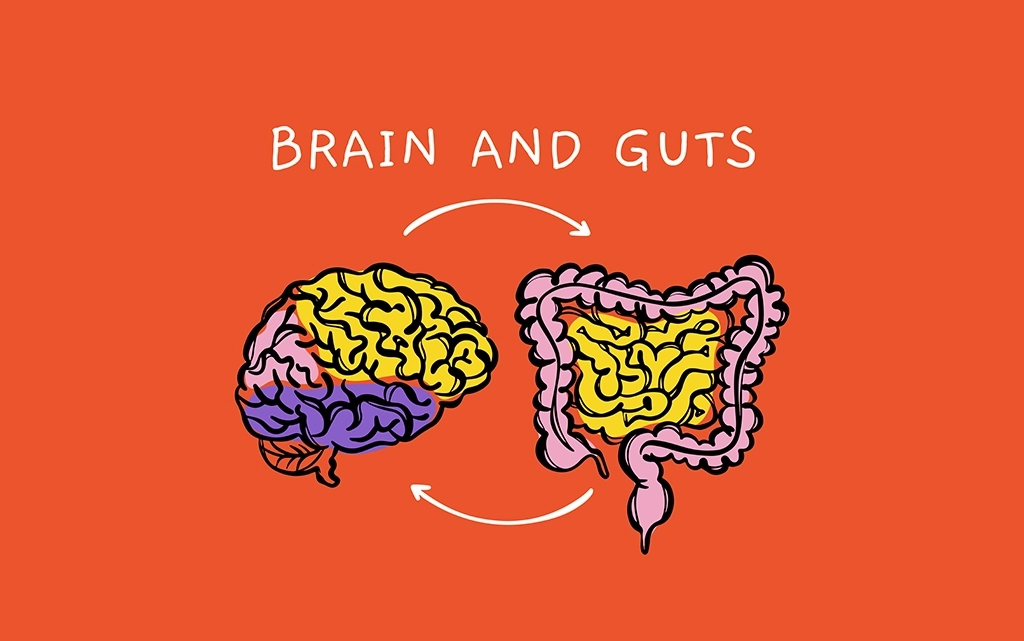
II. The Gut–Brain System and ASD: What Every Family Should Know
Supporting the microbiome through consistent, gut-friendly nutrition is one of the fastest ways families can reduce digestive pain, improve emotional balance, and ease sensory overwhelm in autistic adults—often without needing complex interventions. South Indian food traditions already contain the ideal building blocks to make this healing both natural and sustainable.
The Biology Made Simple
To make wise dietary decisions, families don’t need a PhD—just a clear view of how the gut and brain constantly communicate:
- Microbiome imbalance directly affects mood and thinking
When harmful bacteria outnumber beneficial ones, the gut lining becomes stressed, inflammation rises, and this inflammation signals the brain. Many autistic adults experience higher inflammatory markers, making emotional volatility more likely when the gut is irritated. - The gut produces most of the body’s serotonin
Nearly 90% of serotonin is manufactured in the gastrointestinal tract. When digestion is unstable, serotonin pathways fluctuate—resulting in anxiety spikes, irritability, and a low threshold for sensory input. - Fiber fermentation produces SCFAs—brain-protective nutrients
When gut bacteria ferment fibers from lentils, greens, and vegetables, they create short-chain fatty acids (butyrate, acetate, propionate). These nourish intestinal cells, seal the gut lining, support detox pathways, and promote better mental clarity and emotional steadiness. - Polyphenols help calm an overactive nervous system
Natural compounds in curry leaves, turmeric, cumin, vegetables, and fruits reduce neuroinflammation and oxidative stress—two patterns commonly observed in ASD. Calmer inflammation equals calmer behavior and more consistent emotional regulation.
The ASD-Specific Gut Challenges
Many autistic adults face similar digestive patterns—not because of “fault,” but because of lifelong biology, sensory preferences, and environmental factors. Understanding these patterns empowers families to intervene wisely.
- Sensitivity to preservatives and ultra-processed foods
Packaged foods, flavored chips, and sugary beverages often trigger bloating, gas, and irritability due to artificial additives that disrupt the microbiome. - Medication-related microbial changes
Long-term use of certain medications can strain gut motility or kill beneficial bacteria, creating cycles of constipation, reflux, or loose stools. - Functional digestive issues
Sluggish digestion, irregular bowel movements, and IBS-like symptoms are common. Poor motility increases toxin buildup, raising anxiety and sensory reactivity. - Texture sensitivities limiting diet diversity
If an adult prefers only soft foods, crunchy foods, or specific flavors, the microbiome receives limited nutrients—impacting mood and immune function. Fortunately, South Indian cuisine adapts beautifully to preferred textures.
Why South Indian Food is Exceptionally Suited
South Indian food isn’t just delicious—it’s uniquely aligned with gut-brain healing science.
- Naturally fermentation-centric
Idli, dosa, appam, and homemade curd introduce beneficial probiotics that support microbial diversity and improve digestion. - Rich in soluble fiber and gut-healing lentils
Dals, sambar, kootu, avial, and poriyals provide a steady supply of fermentable fibers essential for SCFA production. - Inherently anti-inflammatory
Turmeric, ginger, cumin, coriander, curry leaves, and coconut all contain compounds that reduce inflammation and support nervous system stability. - Easily modifiable for sensory comfort
Almost any dish can be blended, softened, strained, or mildly flavored—making it possible to honor food preferences while still nourishing the gut.

III. Building a Gut-Healing South Indian Plate
A gut-healing South Indian meal doesn’t require complicated nutrition plans—it simply integrates three pillars at every plate: fermented foods for probiotics, fiber-rich plants for SCFAs, and anti-inflammatory ingredients to soothe the gut–brain axis. When this trinity appears consistently, autistic adults experience fewer digestive flare-ups, calmer emotional rhythms, and more predictable sensory regulation.
The South Indian “Gut Trinity” Framework
This framework helps families build meals that are both culturally familiar and biologically effective.
1. Probiotic Elements – replenish and rebalance
Naturally fermented foods in South Indian cuisine are powerful because they contain live bacteria that:
- reinforce friendly microbes,
- help regulate stress pathways, and
- reduce inflammatory signaling.
A small amount daily—curd, buttermilk, or fermented batter-based dishes—can smooth digestion and stabilize emotional cycles.
2. Prebiotic Fibers – feed the right bacteria
Gut bacteria thrive on plant fibers, especially those found in lentils, vegetables, and millets. When fermented by bacteria, these fibers produce SCFAs that:
- repair the gut lining,
- improve nutrient absorption,
- lower inflammatory chemicals, and
- support clearer thinking and emotional steadiness.
A fiber-rich South Indian diet naturally creates this microbiome-friendly environment.
3. Anti-Inflammatory Components – calm the system
Turmeric, ginger, curry leaves, coriander, cumin, black pepper, and coconut are not merely flavorings—they deliver bioactive compounds that reduce oxidative stress and quiet neuroinflammation. This directly supports:
- calmer sensory responses,
- reduced irritability, and
- better stress resilience.
Easy Visual Plate Model
A simple way to design a gut-supportive meal:
- 50% Vegetables + Lentils
Soft-cooked vegetables, sambar, kootu, avial, poriyal, or mashed vegetable blends. This maximizes fiber and micronutrients without overwhelming sensory needs. - 25% Rice or Millets
Rice, red rice, brown rice, little millet, or foxtail millet—providing steady energy without triggering inflammation. - 25% Fermented Food or Soft Protein
Curd, buttermilk, idli, dosa, soft-boiled eggs, omelette, or steamed fish. These offer probiotics and essential amino acids in easy-to-digest forms.
This structure ensures each meal supports the microbiome, stabilizes blood sugar, and keeps digestion predictable.
Sensory-Friendly Adaptation Principles
Many autistic adults thrive on consistency and gentle textures. These adjustments help maintain comfort while meeting nutritional goals:
- Smooth Textures
Pureed sambar, blended rasam, mashed poriyal, soft khichdi-style mixtures, or rice with curd. These reduce chewing fatigue and sensory overload. - Mild Flavors
Use ginger, cumin, hing, coriander, and curry leaves to maintain flavor depth without chili-related discomfort. - Predictable Meal Schedules
Eating at consistent times trains the gut, improves motility, and reduces bloating or constipation cycles.
Quick Reference Table (Revised with Deeper Science)
Category | South Indian Foods | Key Mechanism | Impact on Gut–Brain Health |
Probiotics | Curd, buttermilk, fermented dosa/idli batter | Restores beneficial bacteria, improves gut-brain signaling | Reduces anxiety, improves stool regularity, stabilizes mood |
Prebiotics | Banana stem, onions, garlic, ragi, lentils, beans | SCFA production, microbiome diversification, gut lining repair | Better emotional balance, improved focus, reduced irritability |
Anti-inflammatory Foods | Turmeric, pepper, ginger, coriander, curry leaves | Lowers inflammatory cytokines and oxidative stress | More consistent mood, fewer sensory flare-ups |
Omega-3s | Sardines, mackerel, anchovies, flaxseed podi | Supports neuronal membrane health and reduces inflammation | Better cognition, calmer sensory processing |
Polyphenols | Coconut, tamarind, spices, herbs, greens | Strengthens antioxidant defenses and reduces stress-related inflammation | Reduced fatigue, clearer thinking, improved resilience |

IV. Core Food Categories & Optimized Recipes
(Book Insights Embedded—Without Mentioning the Books)
The most gut-healing foods are not exotic supplements—they’re already in South India’s traditional kitchen. When prepared with intention, these foods nourish the microbiome, repair the gut lining, stabilize immune function, and soothe neuroinflammation. This section transforms everyday dishes into therapeutic nutrition that supports both digestion and emotional balance for autistic adults.
A. Fermented Healers (Probiotic Foods)
Why They Work:
Fermented foods introduce beneficial bacteria that strengthen the gut–brain axis. They improve motility, reduce inflammation, aid serotonin-related pathways, and help restore microbial diversity that many autistic adults lack due to long-term sensitivity, stress, or medication.
Key Recipes
1. Curd Rice with Cucumber & Pomegranate
A cooling, polyphenol-rich probiotic bowl that soothes the stomach and supports emotional steadiness.
How to prepare:
- Mix cooked rice (soft consistency) with fresh curd.
- Add grated cucumber, handful of pomegranate seeds, little grated carrot.
- For aroma: curry leaf–ginger tempering.
2. Dosa/Idli Variations (Fiber-Enhanced)
Add grated beetroot, bottle gourd, carrots, or drumstick leaves into the fermented batter.
- Enhances fiber and increases SCFA production.
- Maintains the familiar taste autistic adults often prefer.
3. Lightly Spiced Buttermilk (Neer Mor)
A microbiome-friendly drink that reduces bloating, gas, and acidity.
- Blend buttermilk with ginger, coriander, curry leaves, and cumin.
- Keep spice levels low for sensory comfort.
Sensory Adaptations
- Make curd rice extra mushy for smooth mouthfeel.
- Reduce tanginess in curd and buttermilk (use freshly set curd instead of sour).
- Blend vegetables into batters for texture-sensitive individuals.
B. Plant Fibers & SCFA Boosters (Prebiotic Foods)
Why They Work:
Prebiotic fibers feed the beneficial microbes that generate short-chain fatty acids—nutrients essential for gut lining repair, immune balance, and emotional regulation. Many autistic adults show low SCFA levels, making these foods crucial.
Key Recipes
1. Drumstick–Onion Sambar
Rich in inulin (from onions) and soluble fibers (from drumstick).
- Enhances bowel movement.
- Reduces inflammatory signaling in the gut.
2. Ragi Mudde or Ragi Porridge
Gentle on digestion, loaded with prebiotics and minerals.
- Mudde for those who like soft solids.
- Ragi porridge for those preferring smooth textures.
3. Banana Stem Poriyal
A natural detoxifier that improves gut motility and reduces bloating.
- Chop finely, cook soft, season with mustard, curry leaves, and coconut.
Tips for Safe Fiber Introduction
- Introduce new fibers gradually to prevent gas or discomfort.
- Prefer well-cooked vegetables and soft consistencies.
- Combine fibers with probiotics to enhance tolerance.
C. Omega-3 & Antioxidant-Rich Foods
Why They Work:
Omega-3s and antioxidants reduce oxidative stress and neuroinflammation—two biological triggers that often worsen sensory overload, mood instability, and fatigue in autistic adults.
Key Recipes
1. Gentle Fish Curry (Low Spice)
Made with sardines or mackerel for maximum omega-3 content.
- Use mild spices: turmeric, coriander, cumin.
- Coconut milk base keeps the dish soothing on the gut.
2. Turmeric–Pepper Rasam
A powerful anti-inflammatory broth.
- Turmeric reduces inflammation.
- Pepper enhances its absorption.
- Ideal during digestive discomfort or emotional agitation.
3. Flaxseed–Curry Leaf Podi
A shelf-stable brain-nourishing podi.
- Dry roast flaxseed + curry leaves.
- Add minimal red chili or none.
- Sprinkle on rice or mix with ghee.
Notes
- Prefer small fish to reduce risk of heavy metals.
- Pair turmeric with pepper for increased bioavailability.
- Avoid deep-frying fish to preserve omega-3s.
D. Antimicrobial & Immune-Calming Foods
Why They Work:
These foods naturally regulate microbial balance without aggravating the gut. They calm the immune system, reduce overgrowth, and support a resilient gut lining.
Key Recipes
1. Jeera–Ginger Rasam
A gentle tonic for bloating, indigestion, and nausea.
- Cumin boosts digestive enzyme activity.
- Ginger calms inflammation and motility issues.
2. Garlic–Lemon Rice
Simple, fragrant, and antimicrobial.
- Garlic fights harmful microbes.
- Lemon adds vitamin C to support healing.
3. Coconut–Turmeric Stir-Fries
A blend of natural antimicrobials + gut-nourishing fats.
- Use beans, cabbage, carrots, or ash gourd.
- Add turmeric, pepper, and grated coconut.
Sensory Tips
- Reduce garlic intensity by lightly sautéing before mixing.
- Add coconut for smoother mouthfeel and gentle flavor.
- Keep rasams light and low-spice for comfort.

V. A 7-Day Gut-Healing Meal Plan for Autistic Adults
A predictable weekly meal rhythm—built on gentle flavors, healing ingredients, and sensory-friendly textures—is one of the most powerful tools for supporting both digestive comfort and emotional stability in autistic adults. When meals follow a calm, structured pattern, the gut-brain axis becomes more resilient, motility becomes smoother, and anxiety often softens without any drastic interventions.
This plan blends probiotics, prebiotics, anti-inflammatory spices, omega-3s, and antioxidant-rich foods in a way that feels familiar, affordable, and easy to prepare in a South Indian household.
Features of This Meal Plan
- Low-spice, sensory-safe variants for comfort.
- Daily probiotic + prebiotic + anti-inflammatory components for balanced microbiome support.
- 30-minute recipes to ensure long-term family consistency.
- Soft texture options for autistic adults who prefer predictable mouthfeel.
7-Day Gut-Healing Meal Plan (Expanded & Nuanced)
Day | Breakfast | Lunch | Dinner | Snack | Gut Benefit |
Mon | Idli + coconut chutney (minimal chili) | Drumstick–onion sambar + white rice | Curd rice with grated cucumber | Banana + ragi malt | Microbiome reset & reduced inflammation |
Tue | Warm ragi porridge with ghee | Veg kootu + rice (rich in soluble fiber) | Turmeric–pepper rasam + soft dosa | Tender coconut water | SCFA production + gut lining repair |
Wed | Pesarattu (moong dosa) | Mild fish curry + rice | Steamed vegetables + curd | Boiled sweet potato | Omega-3 absorption & emotional steadiness |
Thu | Soft upma with vegetables | Lemon rice + curd | Mixed-veg kootu + chapati | Buttermilk (ginger + cumin) | Anti-inflammatory balance |
Fri | Ven Pongal (ginger, pepper, ghee) | Beetroot poriyal + rasam | Ragi mudde + amaranth greens | Coconut chunks | Antioxidant support & detox |
Sat | Idiyappam + coconut milk | Sambar rice (lentil-rich) | Vegetable stew (coconut milk base) | Seasonal fruit bowl | Digestive regulation + immune calm |
Sun | Appam | Vegetable kurma | Light fish curry (small fish, low spice) | Fresh buttermilk | Mood balancing + microbial harmony |
Additional Implementation Guidance
1. Sensory-Friendly Modifications
- Soft textures:
Reduce chunkiness in kootu, poriyal, and veggies; mash lightly or puree when needed. - Predictable flavors:
Replace chili with ginger, pepper, and coriander for gentle warmth. - Aroma control:
Avoid strong tempering for individuals sensitive to smells.
2. Consistency Over Perfection
The gut responds best to routine, not novelty.
Repeating similar ingredients across the week:
- Reduces digestive surprises
- Creates comfort and predictability
- Supports stable microbial ecosystems
3. Hydration Structure
- Morning: Warm water with a pinch of cumin.
- Afternoon: Buttermilk or tender coconut water.
- Evening: Light rasam or herbal water.
Hydration improves motility and reduces episodes of irritability linked to constipation.
4. Realistic Family Strategy
- Prepare one base dish (sambar, rasam, kootu) for the whole family.
- Create a low-spice, softer-texture version for the autistic adult.
- Store batters (idli/dosa/pesarattu) for 3–4 days to simplify mornings.
5. Emotional & Behavioral Synergy
The slow release of glucose from ragi, the probiotic effect of curd, and the anti-inflammatory action of turmeric contribute to:
- Lower anxiety spikes
- More stable sensory thresholds
- Improved clarity and attention
- Reduced GI distress episodes

VI. Practical Implementation & Troubleshooting
Lasting gut–brain improvements come from small, repeatable steps—not drastic diet overhauls. Families that adopt gentle, steady changes see far greater progress than those chasing rigid protocols. This section turns science into simple, doable habits that fit real South Indian households.
Shopping & Meal Prep for Busy Families
A consistent gut-healing lifestyle is easier when the kitchen is organized for success. Here’s how to create a low-cost, high-impact routine.
Weekly Essentials (₹500–₹800 Budget-Friendly List)
- Fermentation staples: rice, urad dal, moong dal
- Prebiotic fibers: banana stem, onions, drumstick, ragi
- Probiotics: curd, buttermilk
- Antioxidants: turmeric, pepper, ginger, garlic
- Omega-3 options: sardines/mackerel (small fish = safer + cheaper)
- Coconut in all forms: grated, milk, oil
- Fresh herbs: curry leaves, coriander
This small list covers nearly all recipes in the weekly plan.
Batch-Prep Methods That Save Time
- Pre-ferment idli/dosa/pesarattu batter in 2–3 batches for the week.
- Chop, portion, and freeze vegetables like drumstick, carrots, and beans for quick sambar/kootu.
- Keep 2–3 podis (flaxseed podi, curry leaf podi, sesame podi) ready for instant nutrient upgrades.
- Make buttermilk bases (cumin, ginger, curry leaves) and refrigerate for daily use.
These methods help families stay consistent without burnout.
Handling Sensory Barriers
Autistic adults often eat within a narrow “safe food zone.” Expanding this gently is the key.
Safe Expansion Strategy
- Introduce one new food per week—micro steps prevent overwhelm.
- Pair new textures with familiar bases (e.g., mix banana stem into curd rice).
- Blend vegetables into gravies so nutrients increase without altering mouthfeel.
- Reduce chili-based heat; shift toward ginger, cumin, coriander, pepper for gentle warmth.
- Use aroma control—avoid heavy tempering if smells trigger discomfort.
The goal is comfort first, nutrition second.
Monitoring Changes (30-Day Gut Journal)
Families often underestimate progress because improvements are subtle at first. A simple journal helps track meaningful shifts.
Track Daily:
- Stool consistency
- Bloating or gas episodes
- Mood fluctuations or irritability
- Sleep quality
- Energy levels
Patterns usually emerge by Week 3–4, especially when probiotics and fibers stabilize the microbiome.
Red Flags Requiring Professional Support
Some symptoms need attention beyond food-based fixes:
- Persistent bloating or pain despite dietary changes
- Multiple food sensitivities appearing suddenly
- Unexpected weight gain or loss
- Severe constipation lasting >3 days
- Episodes of vomiting, reflux, or diarrhea
If these occur, collaborate with a gastroenterologist or dietitian experienced in ASD-related digestive issues.
Helpful Non-Food Add-Ons
These simple lifestyle habits significantly boost gut motility, vagus nerve activity, and emotional stability:
- Evening walks to regulate digestion and sleep
- Gentle yoga (Pawanmuktasana, Vajrasana after meals) for motility
- Structured routines that reduce stress-induced gut symptoms
- Slow eating practices to improve digestion and nutrient absorption
- Deep breathing before meals to activate the rest-and-digest system
When paired with the meal plan, these habits multiply the gut–brain benefits.

VII. Conclusion
A gut-healing South Indian diet is one of the most loving and practical gifts families can offer autistic adults—because it directly improves daily comfort, emotional balance, digestive resilience, and overall long-term well-being. Food becomes more than nourishment; it becomes a pathway to dignity, stability, and hope.
Why This Approach Works
This approach succeeds because it rests on four pillars that are both scientifically grounded and culturally intuitive:
- Rooted in microbiome science
Fermented foods, soluble fibers, polyphenols, and anti-inflammatory spices modulate gut flora, increase short-chain fatty acids, calm neuroinflammation, and improve mood-regulation pathways. - Gentle, nourishing, sustainable
South Indian meals—idli, dosa, sambar, rasam, curd—naturally lean toward soft textures, mild spices, and probiotic fermentation. This makes them easier for autistic adults with sensory challenges. - Culturally meaningful and family-centered
Food traditions support routine, identity, emotional connection, and predictability. These rhythms play a major therapeutic role. - Fully adaptable for sensory needs
Textures, spice levels, temperatures, and visual profiles can be adjusted without losing the nutrient density that the gut needs to heal.
Next Step for Families
Start small and stay consistent. A single micro-routine practiced daily is more transformative than an ambitious plan dropped after a week. Begin with:
- One fermented food (idli batter, curd, buttermilk)
- One fiber-rich vegetable (drumstick, pumpkin, beetroot, spinach)
- One anti-inflammatory spice ritual (turmeric + pepper, cumin, ginger)
This three-step rhythm stabilizes digestion, mood, sleep, and energy—often within weeks.
Participate and Donate to MEDA Foundation
Support a movement dedicated to empowering autistic individuals and creating employment-driven, self-sustaining ecosystems across India.
Your contributions help families access guidance, community support, and training.
Every donation strengthens a future where autistic adults can thrive with dignity and opportunity.
Book References (Suggested)
- The Psychobiotic Revolution
- Brain Maker
- The Autoimmune Solution
- Healing the New Childhood Epidemics
- The GAPS Diet
- The Mind-Gut Connection
- 2024–2025 scientific reviews on ASD–gut microbiome relationships


