

Chronic stress today is not a reflection of personal weakness but a consequence of modern life’s relentless micro decisions, which overload the brain and erode judgment, focus, and emotional balance across all ages. From overstimulated children and overworked adults to elders struggling with technology, constant small choices create a self-reinforcing scarcity loop, fragment attention, and reduce cognitive bandwidth. Research from Kahneman, Levitin, Mullainathan, Shafir, Clear, and Eyal highlights that willpower alone cannot overcome systemic design flaws, and environments, routines, and societal structures play a decisive role in mental well-being. Practical solutions—ranging from standardized routines, clear roles, and cognitive-load-aware education to decision hygiene in workplaces and human-centered societal systems—can reduce stress, restore autonomy, and support thriving communities. Organizations like MEDA Foundation demonstrate that building inclusive, self-sustaining ecosystems transforms cognitive resilience into actionable, real-world impact, enabling people to flourish without constant depletion.
ಇಂದಿನ ದೀರ್ಘಕಾಲಿನ ಒತ್ತಡವು ವೈಯಕ್ತಿಕ ದುರ್ಬಲತೆಯ ಪ್ರತಿಫಲನವಲ್ಲ, ಬದಲಿಗೆ ಆಧುನಿಕ ಜೀವನದ ನಿರಂತರ ಸೂಕ್ಷ್ಮ ನಿರ್ಣಯಗಳಿಂದ ಉಂಟಾಗುವ ಪರಿಣಾಮವಾಗಿದೆ, ಇದು ಮೆದುಳನ್ನು ಒತ್ತಡಕ್ಕೆ ತರುತ್ತದೆ ಮತ್ತು ಎಲ್ಲಾ ವಯಸ್ಸಿನವರಲ್ಲಿ ತೀರ್ಮಾನಶಕ್ತಿ, ಗಮನ ಮತ್ತು ಭಾವನಾತ್ಮಕ ಸಮತೋಲನವನ್ನು ಹಾನಿಗೊಳಿಸುತ್ತದೆ. ಹೆಚ್ಚು ಉದ್ರಿಕ್ತವಾಗಿರುವ ಮಕ್ಕಳು, ಹೆಚ್ಚು ಕೆಲಸ ಮಾಡಿದ ವಯಸ್ಕರು ಮತ್ತು ತಂತ್ರಜ್ಞಾನವನ್ನು ಅಳವಡಿಸಲು ಪ್ರಯತ್ನಿಸುತ್ತಿರುವ ಹಿರಿಯ ನಾಗರಿಕರೊಳಗೆ, ನಿರಂತರ ಚಿಕ್ಕ ನಿರ್ಣಯಗಳು ಸ್ವ-ಬಲವರ್ಧಕ ಕೊರತೆಯ ಲೂಪನ್ನು ಸೃಷ್ಟಿಸುತ್ತವೆ, ಗಮನವನ್ನು ವಿಭಜಿಸುತ್ತವೆ ಮತ್ತು ಮೆದುಳಿನ ಸಾಮರ್ಥ್ಯವನ್ನು ಕಡಿಮೆ ಮಾಡುತ್ತವೆ. ಕಹ್ನೆಮನ್, ಲೆವಿಟಿನ್, ಮುಲ್ಲೈನಾಥನ್, ಶಾಫಿರ್, ಕ್ಲಿಯರ್ ಮತ್ತು ಏಯಲ್ ಅವರ ಸಂಶೋಧನೆಗಳು ತೋರಿಸುತ್ತವೆ, ವೈಯಕ್ತಿಕ ಇಚ್ಛಾಶಕ್ತಿ ಮಾತ್ರ ವ್ಯವಸ್ಥಿತ ವಿನ್ಯಾಸದ ವೈಫಲ್ಯವನ್ನು ಗೆಲ್ಲಲು ಸಾಕಾಗದು; ವಾತಾವರಣಗಳು, ರೂಟೀನ್ಗಳು ಮತ್ತು ಸಾಮಾಜಿಕ ರಚನೆಗಳು ಮಾನಸಿಕ ಕಲ್ಯಾಣದಲ್ಲಿ ನಿರ್ಧಾರಾತ್ಮಕ ಪಾತ್ರ ವಹಿಸುತ್ತವೆ. ಮಾನಸಿಕ ಒತ್ತಡವನ್ನು ಕಡಿಮೆ ಮಾಡಲು, ಸ್ವಾಯತ್ತತೆಯನ್ನು ಪುನಃಸ್ಥಾಪಿಸಲು ಮತ್ತು ಸಮೃದ್ಧ ಸಮುದಾಯಗಳನ್ನು ಬೆಳೆಸಲು, ನಿಗದಿತ ರೂಟೀನ್ಗಳು, ಸ್ಪಷ್ಟ ಪಾತ್ರಗಳು, ಮೆದುಳಿನ ಭಾರವನ್ನು ಗಮನದಲ್ಲಿಟ್ಟುಕೊಂಡ ಶಿಕ್ಷಣ, ಕಾರ್ಯಸ್ಥಳದಲ್ಲಿ ನಿರ್ಣಯ ಶುದ್ಧತೆ ಮತ್ತು ಮಾನವ-ಕೇಂದ್ರಿತ ಸಾಮಾಜಿಕ ವ್ಯವಸ್ಥೆಗಳಂತಹ ಪ್ರಯುಕ್ತ ಪರಿಹಾರಗಳನ್ನು ಅನುಸರಿಸಬಹುದು. MEDA ಫೌಂಡೇಶನ್ ನಂತಹ ಸಂಸ್ಥೆಗಳು ಆಳವಾದ ಮತ್ತು ಸ್ವ-ತಂಗೊಳ್ಳುವಿಕೆಯನ್ನು ಬೆಂಬಲಿಸುವ ಪರಿಪರಿಸರಗಳನ್ನು ನಿರ್ಮಿಸುವ ಮೂಲಕ ಮಾನಸಿಕ ಸ್ಥಿರತೆಯನ್ನು ಕ್ರಿಯಾತ್ಮಕ, ನೈಜ ಪ್ರಭಾವವಾಗಿ ಪರಿವರ್ತಿಸುತ್ತವೆ, ಇದು ಜನರಿಗೆ ನಿರಂತರ depleted ಆಗದೆ ಬೆಳೆಸಲು ಸಾಧ್ಯವಾಗುತ್ತದೆ.
Micro Decisions and the Silent Stress Epidemic Across All Ages
Why This Matters Now: Stress Has Become a Background Condition
- Stress Has Shifted from Episodic to Continuous
For most of human history, stress arrived in episodes. Wars, famines, disease outbreaks, economic collapse—these were intense, disruptive, but finite. Once the threat passed, the nervous system had time to recalibrate. Recovery was not optional; it was built into the rhythm of life.
Today, stress no longer arrives with a beginning and an end. It has become ambient—a constant background hum that never quite switches off.
This shift is not merely cultural; it is cognitive. As Sendhil Mullainathan and Eldar Shafir explain in Scarcity, the human brain performs poorly under persistent bandwidth taxation. Modern life creates this taxation not through catastrophic events, but through micro decisions—small, frequent choices that demand attention without delivering meaning.
What to respond to.
What to ignore.
What to click.
What to postpone.
What to compare.
What to optimize.
Each decision is minor in isolation, yet collectively they generate a state of perpetual cognitive alertness. Daniel Kahneman’s work on System 1 and System 2 thinking helps explain why this is so corrosive. System 2—the slow, deliberate, effortful mode of thinking—was never designed to be “always on.” When it is continuously activated by trivial decisions, the brain enters a low-grade stress response that mimics threat, even in the absence of danger.
This creates what psychologists refer to as open loops—unfinished mental tasks that demand resolution. Notifications, unread messages, pending choices, and unresolved comparisons keep the mind partially engaged at all times. The result is that the brain never fully rests, even during leisure. Scrolling masquerades as relaxation; binge-watching becomes cognitive anesthesia rather than recovery.
The hard truth is this:
Modern stress is not caused by life being harder—it is caused by life being noisier.
- Decision Fatigue Is Misdiagnosed as Laziness or Anxiety
One of the most damaging myths of our time is the belief that poor decisions reflect poor character.
When people eat poorly at night, snap at loved ones, procrastinate important tasks, or default to impulsive choices, the dominant explanation is moral weakness—laziness, lack of discipline, or emotional instability. This interpretation is not just wrong; it is harmful.
Kahneman’s research demonstrates that decision quality deteriorates as cognitive energy depletes. Judges grant fewer paroles late in the day. Doctors make more conservative choices when fatigued. Consumers default to the easiest option when overwhelmed. This is not psychology in the abstract; it is measurable neurocognitive decline.
Daniel Levitin further explains that willpower is not a personality trait—it is a finite biological resource. Glucose levels drop. Working memory saturates. Attention fragments. What appears as apathy is often neurological exhaustion.
Yet instead of redesigning environments to reduce unnecessary decisions, society doubles down on blame:
- “Be more disciplined.”
- “Try harder.”
- “Manage your time better.”
- “Control your impulses.”
This misplaced accountability ignores the real culprit: decision-heavy environments that extract more cognitive labor than the human brain can sustainably provide.
The result is a silent cycle of shame. People internalize failure that is structural in origin. Anxiety rises not because individuals are fragile, but because they are constantly asked to perform at peak cognitive capacity without recovery.
Tell it like it is:
We are diagnosing human limits as personal flaws.
- Children and Elders Are the Least Equipped — and Most Affected
If continuous stress is harmful for healthy adults, it is devastating for those whose cognitive systems are either still developing or gradually declining.
Children do not possess fully formed executive functions. The prefrontal cortex—responsible for planning, impulse control, and prioritization—matures well into the mid-twenties. Yet modern childhood is saturated with choice: apps, platforms, subjects, schedules, notifications, social comparisons, and performance metrics.
Freedom without structure is often framed as empowerment. In reality, for children, it produces decision overload. Mullainathan and Shafir’s scarcity framework explains why: limited bandwidth leads to tunnel vision, emotional reactivity, and reduced learning capacity. When children are overwhelmed, they do not articulate stress—they act it out.
Elders face the inverse problem. Processing speed declines with age, even when intelligence and wisdom remain intact. Yet systems—banking, healthcare, governance, communication—are increasingly designed for peak adult cognition. Interfaces change frequently. Instructions are fragmented. Defaults are unclear. What should be supportive becomes intimidating.
Both groups experience the same outcome through different pathways:
- Cognitive overload
- Loss of confidence
- Increased anxiety
- Reduced autonomy
The cruel irony is that the most vulnerable are expected to adapt the fastest.
Balanced perspective matters here. Technology and choice are not inherently harmful. The problem lies in unfiltered abundance without cognitive compassion. Systems that fail to account for human limits do not create resilience; they create quiet suffering.
The question we must confront is uncomfortable but necessary:
If our children are anxious and our elders are overwhelmed, what does that say about the systems we are calling “progress”?
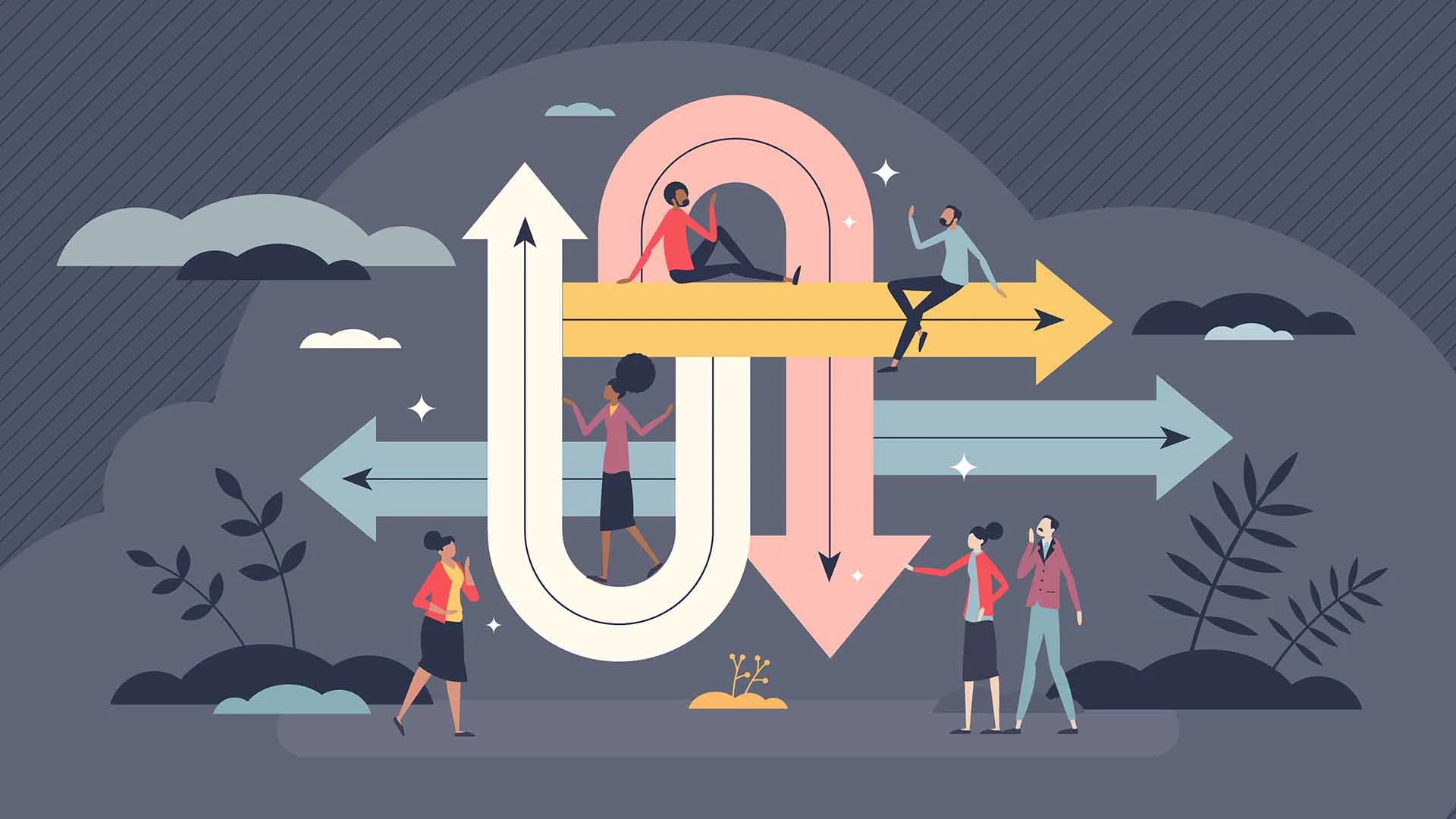
What Are Micro Decisions — And Why Are They So Costly?
- Defining Micro Decisions
Micro decisions are the unseen currency of modern life. They are rarely acknowledged, almost never measured, and yet they silently dictate how depleted or composed we feel by the end of each day.
Daniel Levitin’s work on cognitive overload makes a crucial distinction: the brain is not overwhelmed by complexity alone, but by frequency. Micro decisions are not about importance; they are about repetition. They are the small, often trivial choices that demand conscious attention again and again.
Micro decisions share four defining characteristics:
First, they are frequent.
They occur dozens, sometimes hundreds of times a day. Notifications, options, prompts, and interruptions fragment attention into ever-smaller units.
Second, they are low-impact individually.
No single choice—what to reply, what to click, what to eat—appears consequential. This illusion of insignificance is precisely what makes them dangerous. They bypass conscious scrutiny.
Third, they are high-impact cumulatively.
While each decision seems harmless, the cumulative cognitive load is enormous. Mental energy is drained long before any “important” decision arrives.
Fourth, they are often forced rather than chosen.
Most micro decisions are imposed by environments: interface design, social expectations, work cultures, digital platforms. The individual is reacting, not deciding deliberately.
Consider the range of micro decisions embedded in an ordinary day:
- Whether to open or ignore a message
- How quickly to respond
- What tone to use
- What to wear that will not invite judgment
- What to eat that balances health, cost, convenience, and time
- Whether to engage, scroll past, compare, comply, or withdraw
- How to emotionally respond—defensive, polite, assertive, silent
None of these are inherently stressful. What is stressful is that they never stop.
The modern mind is not tired because it is weak. It is tired because it is over-consulted.
- The Cognitive Cost of “Small Choices”
Daniel Kahneman’s research dismantles the comforting belief that decision-making is free. It is not. Every conscious choice consumes glucose, attention, and working memory. System 2 thinking—the deliberate, effortful mode of cognition—is metabolically expensive.
When micro decisions accumulate, System 2 begins to fatigue. And when System 2 is tired, it does not shut down gracefully; it defaults poorly.
Three predictable patterns emerge:
Impulsive behavior increases.
People choose what is easy, familiar, or immediately rewarding. Not because they want to, but because the brain is conserving energy.
Emotional reactivity rises.
Tolerance drops. Minor frustrations trigger outsized reactions. What looks like anger or anxiety is often unprocessed exhaustion.
Judgment quality deteriorates.
Risk assessment weakens. Long-term thinking collapses. People choose speed over wisdom.
This explains a paradox many experience but rarely articulate: decisions feel harder at the end of the day, even when they are objectively simple. The brain is not failing—it is protecting itself.
Stress, then, is not produced because decisions are difficult or dramatic. It arises because decisions are endless, unprioritized, and unavoidable. The mind remains in a constant state of partial engagement, unable to fully commit or fully disengage.
Here is the uncomfortable reality:
A life filled with small choices is not a life of freedom—it is a life of quiet depletion.
Until we recognize micro decisions as a legitimate cognitive cost—and redesign our environments accordingly—we will continue to misinterpret exhaustion as incompetence and stress as personal weakness.
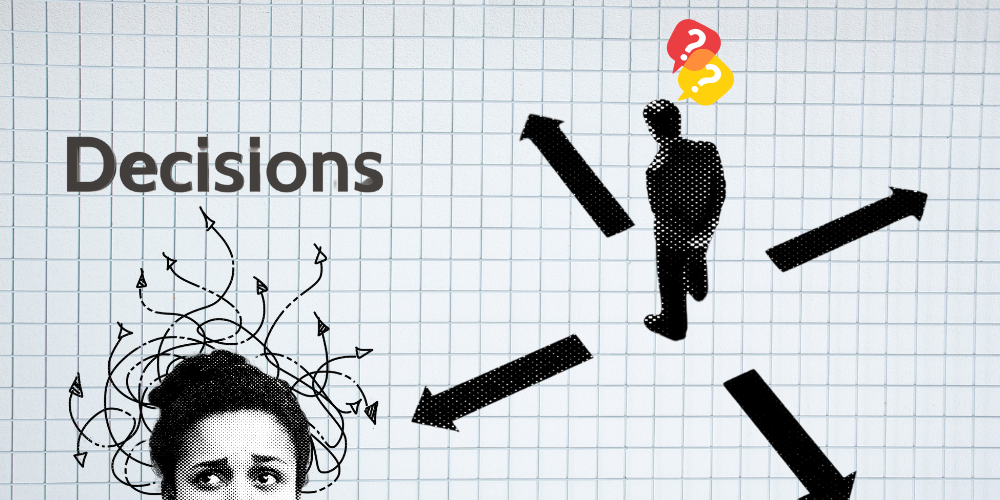
Micro Decisions Across the Lifespan
- Children and Adolescents: Overstimulated, Under-Structured
Children and adolescents are often described as “digital natives,” as if early exposure to technology automatically confers mastery. This assumption is not just inaccurate—it is dangerous. As Daniel Levitin and Nir Eyal both make clear in different ways, the developing brain is especially vulnerable to environments that demand constant choice, rapid switching, and emotional self-regulation without scaffolding.
The modern child is exposed to too many choices too early. What to watch, what to skip, how to respond, which app to use, which identity to present, which peer group to align with. These decisions arrive long before the neurological systems required to manage them are fully formed. Executive functions—planning, impulse control, prioritization—are works in progress, not finished tools.
Digital learning environments multiply micro decisions exponentially. Even well-intentioned platforms require children to decide:
- Where to click next
- What to ignore
- How long to stay focused
- When to switch tasks
- Whether to engage socially or withdraw
Each click is a decision. Each switch taxes attention. Over time, the cognitive cost accumulates, leaving less bandwidth for deep learning, creativity, or emotional regulation.
Nir Eyal’s analysis of attention economics exposes a deeper problem: many digital systems are not neutral tools. They are engineered to exploit dopamine feedback loops. Likes, streaks, notifications, and infinite scroll hijack attention by rewarding reactivity, not reflection. For a developing brain, this creates a distorted relationship with effort and reward.
The consequences are increasingly visible:
Anxiety increases
Not because children are fragile, but because they are continuously evaluating, comparing, and deciding without closure.
Frustration tolerance declines
When environments constantly offer escape, the capacity to sit with difficulty erodes. Effort begins to feel threatening rather than normal.
Identity confusion intensifies
When every platform invites performance and comparison, the self becomes fluid, reactive, and externally validated.
Here lies the hard truth many adults avoid confronting:
Freedom without structure creates stress, not confidence.
Children do not need infinite options. They need clear boundaries, predictable routines, and reduced decision load so that their limited cognitive energy can be invested in growth rather than self-management.
Balanced perspective matters. Choice is not the enemy. Structure is not control. The real harm arises when responsibility is handed over without readiness, and when stimulation replaces guidance.
If we are serious about nurturing resilient, grounded young people, we must stop mistaking exposure for empowerment—and start designing childhood environments that protect attention, support focus, and respect developmental limits.
- Working Adults: Productivity Theater and Cognitive Burnout
For working adults, stress rarely announces itself as crisis. It arrives disguised as productivity. Full calendars, rapid responses, multitasking, and visible busyness are often rewarded, even admired. Yet beneath this performance lies what can only be called productivity theater—the appearance of effectiveness masking deep cognitive depletion.
James Clear’s work in Atomic Habits dismantles the myth that success is primarily a function of motivation. Motivation fluctuates. Systems persist. Unfortunately, most modern workplaces are built not as supportive systems, but as decision factories.
Constant Context Switching
Working adults are expected to move seamlessly between tasks: emails, meetings, messages, documents, dashboards, calls. Each switch demands a micro decision:
- What deserves attention now?
- What can wait?
- What tone should I use?
- How fast must I respond?
Research consistently shows that context switching is not neutral. It fragments attention, increases error rates, and inflates perceived workload. The brain pays a “switching cost” every time it disengages and reorients. Over a day, this cost compounds into mental exhaustion—often without any corresponding sense of meaningful progress.
False Urgency as a Cultural Norm
Scarcity theory helps explain why urgency feels so pervasive. When time and attention feel scarce, everything appears urgent—even when it is not. Notifications, red badges, and escalating reminders create artificial pressure. The nervous system cannot distinguish between genuine emergencies and manufactured ones; both trigger stress responses.
False urgency crowds out reflection. Long-term thinking is deferred. Important but non-urgent work—learning, planning, mentoring, deep problem-solving—is sacrificed at the altar of immediate responsiveness. The workday becomes reactive rather than intentional.
The “Always Available” Trap
The expectation of constant availability multiplies micro decisions beyond working hours. Should I reply now or later? Will silence be misinterpreted? Am I falling behind? Even when no action is taken, the decision itself consumes energy.
This culture erodes recovery. Rest is interrupted by anticipation. Leisure is punctured by vigilance. Over time, the boundary between work and self dissolves, leaving individuals perpetually “on call” mentally, if not formally.
When Decision Fatigue Wears a Disguise
The most insidious aspect of cognitive overload is how it presents itself. Decision fatigue rarely announces, “I am exhausted.” Instead, it masquerades as:
- Burnout, when the real issue is unsustainable decision volume
- Lack of motivation, when the system has already drained capacity
- Career dissatisfaction, when meaningful work is crowded out by noise
Sendhil Mullainathan and Eldar Shafir would describe this as bandwidth collapse. Under constant cognitive taxation, people lose not intelligence or ambition, but clarity. Choices narrow. Creativity dims. Risk tolerance shrinks.
This is where James Clear’s insight lands with uncomfortable precision:
You do not rise to your goals; you fall to your systems.
No amount of personal discipline can compensate for environments that demand excessive micro decisions. The path forward is not heroic self-control, but systemic redesign—fewer interruptions, clearer defaults, protected focus, and realistic expectations of human cognition.
Until workplaces measure effectiveness by outcomes rather than activity, working adults will continue to confuse exhaustion with effort—and mistake survival for success.
- Elders: Forced Adaptation Without Support
Aging is often discussed in terms of physical health or memory, but far less attention is paid to cognitive load—the silent factor that determines whether elders feel capable or defeated in daily life. Daniel Levitin’s work makes a critical point: intelligence does not disappear with age, but processing speed, working memory, and error tolerance change. Systems that fail to account for this do not merely inconvenience elders; they actively erode autonomy.
Technology as a Source of Unnecessary Micro Decisions
Technology is frequently positioned as a solution for older adults—online banking, telemedicine, digital governance, messaging platforms. Yet each of these introduces layers of micro decisions that were previously absent:
- Which app or link is correct?
- What changed since last time?
- Where did the button move?
- What happens if I make a mistake?
These are not trivial questions. For an aging brain, each uncertainty triggers vigilance and anxiety. Tasks that were once routine become mentally taxing, not because elders lack competence, but because systems demand constant re-learning.
Interfaces That Ignore Aging Cognition
Most digital interfaces are designed for speed, novelty, and experimentation—qualities aligned with younger users. They assume:
- Fast visual scanning
- High tolerance for trial-and-error
- Comfort with abstraction and icons
- Continuous updates without explanation
For elders, this design philosophy translates into friction. Every unfamiliar layout forces conscious deliberation. Every update resets learning. What should be intuitive becomes effortful. Levitin emphasizes that when working memory is overloaded, error rates increase—and fear of error follows.
Loss of Autonomy and the Rise of Stress
Autonomy is not merely independence; it is predictability and control. When elders are unsure whether they can complete basic tasks without assistance, stress rises. Dependence grows—not always because help is needed, but because systems are unforgiving.
This loss of autonomy has cascading effects:
- Avoidance of technology
- Withdrawal from services
- Reduced social engagement
- Heightened anxiety
Ironically, the very tools designed to support aging populations often exclude them cognitively.
Cognitive Overload as a Catalyst for Decline
Chronic cognitive overload does more than frustrate—it accelerates decline. When elders avoid mentally demanding tasks due to repeated failure or stress, engagement drops. Reduced engagement weakens cognitive resilience, creating a self-reinforcing loop.
Here lies the cruel irony:
Tools meant to help often overwhelm.
Balanced honesty is essential. Technology itself is not the enemy. The problem is design without empathy. When systems demand adaptation without offering support, they shift the burden onto those least equipped to carry it.
If we truly value dignity in aging, we must redesign environments that reduce micro decisions, offer clear defaults, and prioritize stability over novelty. Anything less is not innovation—it is negligence.

The Stress Loop: How Micro Decisions Create Self-Reinforcing Scarcity
- Scarcity Mindset and Tunnel Vision
One of the most misunderstood aspects of stress is how quickly it reshapes the mind’s operating system. Sendhil Mullainathan and Eldar Shafir, in Scarcity, demonstrate that scarcity is not merely a lack of resources—it is a psychological state that captures attention and distorts judgment. Micro decisions are the perfect trigger for this state.
When individuals are subjected to constant decision-making, mental bandwidth shrinks. Attention narrows. Cognitive flexibility declines. The brain, sensing overload, shifts into survival mode. This is not a conscious choice; it is an adaptive response to perceived constraint.
Under scarcity, short-term thinking dominates. The mind prioritizes what is immediate, visible, and urgent, even when it is trivial. Messages must be answered now. Minor tasks crowd out meaningful work. Immediate relief is chosen over long-term benefit—not because people lack foresight, but because foresight requires bandwidth they no longer possess.
As this pattern persists, long-term planning collapses. Goals remain intellectually understood but practically unreachable. Planning feels heavy. Reflection feels indulgent. People stop asking, “What matters most?” and start asking, “What will stop the noise right now?”
This is how micro decisions create a self-reinforcing stress loop:
- Cognitive overload reduces bandwidth
- Reduced bandwidth triggers tunnel vision
- Tunnel vision leads to reactive choices
- Reactive choices increase future stress
Outwardly, this state often looks like irresponsibility. Missed deadlines. Poor financial decisions. Health neglect. Inconsistent behavior. Society is quick to assign moral explanations—lack of discipline, poor values, weak character.
The reality is far less judgmental and far more human:
People under cognitive strain are not careless; they are taxed.
Scarcity captures the mind. It makes intelligent people behave in ways that contradict their own long-term interests. And because micro decisions are constant, the scarcity never lifts. There is no recovery window—only ongoing compensation.
The danger lies in normalization. When tunnel vision becomes the default, stress is no longer perceived as a problem; it becomes the baseline. Individuals stop expecting clarity. Organizations stop designing for it. Societies stop protecting it.
Tell it plainly:
A mind trapped in scarcity cannot build a future—it can only manage the present.
- Distraction as a Business Model
Distraction is often framed as a personal failing—a lack of focus, discipline, or self-control. This framing is convenient, because it shifts responsibility away from systems and onto individuals. Nir Eyal’s work in Indistractable exposes a far less comfortable truth: distraction is not accidental; it is engineered.
Platforms Profit from Fragmentation
Many of today’s dominant platforms are built on a simple economic principle: the longer attention is held, the more valuable the user becomes. To achieve this, systems are deliberately designed to fragment focus, not sustain it. Notifications, variable rewards, infinite scroll, and algorithmic personalization ensure that attention is repeatedly interrupted and redirected.
From a business standpoint, fragmentation is efficient. From a human standpoint, it is corrosive. Each interruption forces a micro decision—engage or ignore, respond or delay, continue or stop. Over time, these decisions accumulate into cognitive fatigue, making users more susceptible to further distraction. The system feeds on the weakness it creates.
Attention as a Monetized Resource
In this model, attention is not merely used; it is monetized. Engagement metrics translate directly into advertising revenue, data extraction, and behavioral prediction. The more fragmented attention becomes, the easier it is to shape, nudge, and exploit.
What is rarely acknowledged is the asymmetry of power. Platforms employ behavioral scientists, data analysts, and machine learning systems optimized to capture attention. Individuals are left to defend themselves with willpower alone. This is not a fair contest.
As micro decisions multiply, the capacity to resist declines. What begins as voluntary engagement slowly shifts into habitual compliance.
The Erosion of Mental Agency
The deepest cost of distraction is not lost time; it is lost agency. When attention is constantly hijacked, individuals lose the ability to choose what deserves sustained focus. Reflection becomes rare. Deep work becomes fragile. Identity itself becomes reactive, shaped by algorithms rather than intention.
This is how distraction reinforces the stress loop. Fragmented attention leads to shallow thinking. Shallow thinking increases mistakes. Mistakes increase stress. Stress further reduces the ability to resist distraction.
The blunt reality must be stated without apology:
If you don’t control your attention, someone else is billing for it.
This is not a call for digital abstinence or moral panic. It is a call for structural awareness. When distraction is a business model, self-regulation alone is insufficient. Environments must be redesigned, defaults must change, and attention must be treated as a finite, protected resource—not an open marketplace.
Until that shift occurs, the burden will continue to fall on individuals least equipped to fight an invisible, industrial-scale assault on their minds.
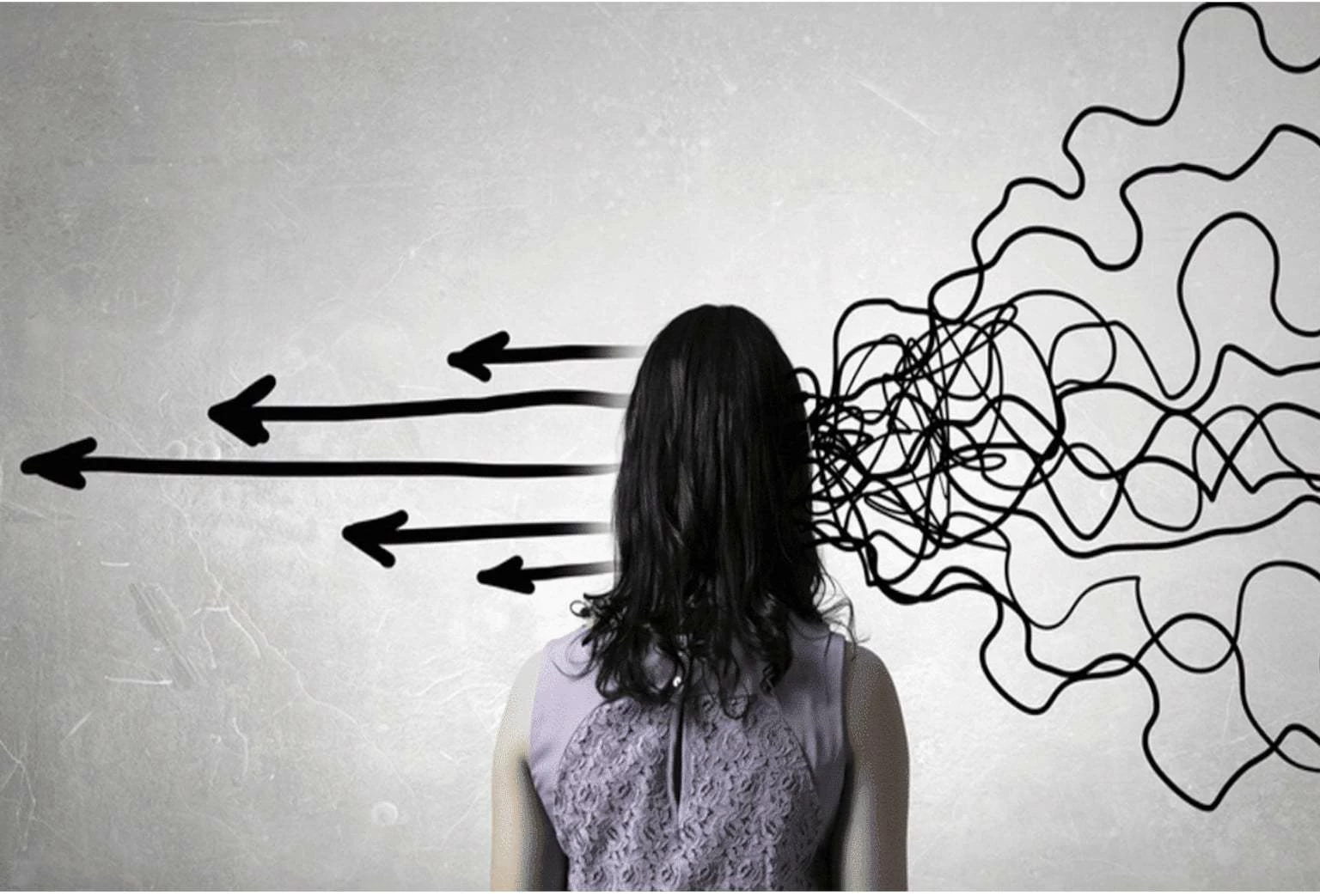
What Actually Works: Practical, Multi-Level Solutions
Stress caused by micro decisions cannot be solved at a single point. It is not a mindset problem alone, nor a productivity hack away from resolution. It requires layered intervention—from the individual outward to families, institutions, workplaces, and society itself. The guiding principle is simple but non-negotiable:
Reduce decisions. Do not demand more discipline.
- Individual Level: Reduce Decisions, Not Discipline
The dominant self-help narrative insists that people must “try harder.” James Clear dismantles this illusion with clarity: behavior change does not happen through heroic effort; it happens through system design.
The individual solution is not stronger willpower, but fewer decision points.
Standardize routines
Routines are not rigid; they are liberating. By standardizing mornings, meals, clothing, and workflows, individuals conserve cognitive energy for decisions that actually matter. The goal is not monotony, but predictability.
Pre-decide non-essential choices
Every decision delayed becomes a tax. Pre-deciding removes that tax. Fixed grocery lists, default meeting agendas, predetermined work blocks—these are not trivial optimizations. They are acts of mental self-respect.
Build identity-based habits
Clear emphasizes that habits stick when they reinforce identity. “I am someone who plans ahead” eliminates dozens of daily micro decisions automatically. Identity collapses choice into instinct.
Use environment design instead of willpower
Remove friction for good behaviors. Add friction for harmful ones. Willpower fluctuates; environments persist. The room, the device, the layout, the defaults—these are the real levers of behavior.
Hard truth:
If discipline were enough, exhaustion would not be so widespread.
- Family Level: Fewer Choices, Clearer Roles
Families are decision factories unless intentionally designed otherwise. Many households unknowingly exhaust themselves through constant negotiation, explanation, and emotional firefighting.
Reduce daily negotiations
Not everything needs discussion. Predictable rules around meals, screen time, chores, and sleep remove thousands of micro decisions—especially for children.
Establish rhythms and rituals
Rhythms create safety. Weekly planning rituals, shared meals, fixed downtime—these anchor attention and reduce uncertainty. Children thrive when they know what comes next.
Teach emotional labeling early
When children can name emotions, they spend less energy acting them out. Emotional literacy reduces internal chaos and decision paralysis later in life.
Model calm decision-making
Children learn how to decide by watching adults decide. When parents react impulsively or under stress, children absorb that pattern. Calm, transparent decisions create cognitive templates for life.
Tell it straight:
Chaos at home is rarely a personality issue—it is a design issue.
- Education Systems: Cognitive Load-Aware Learning
Education systems often confuse stimulation with learning. Daniel Levitin’s work shows that the brain learns best when cognitive load is managed, not maximized.
Fewer platforms, deeper focus
Each platform adds decision points. Logins, interfaces, notifications. Learning suffers when attention is fragmented across tools rather than invested in thinking.
Predictable structures
Consistency reduces anxiety. Fixed schedules, clear expectations, and stable formats free cognitive resources for comprehension rather than navigation.
Emotional regulation as curriculum
Teaching children how to pause, reflect, and regulate emotion is not a “soft skill.” It is foundational cognitive infrastructure.
Assessment that values thinking, not speed
Speed rewards impulsivity. Depth rewards understanding. When education prioritizes quick answers, it trains students to fear reflection.
Uncomfortable truth:
An overstimulated classroom produces compliance, not curiosity.
- Workplaces: Decision Hygiene as Policy
Organizations frequently misinterpret stress as workload. The real problem is decision volume.
Clear defaults
When everything is optional, nothing is easy. Defaults reduce friction, confusion, and second-guessing.
Reduced meetings
Meetings are decision multipliers. Fewer meetings mean fewer interruptions, fewer follow-ups, and fewer micro judgments about priority and presence.
Protected deep-work time
Deep work requires uninterrupted cognitive bandwidth. Protecting it is not indulgence; it is efficiency.
Respect circadian decision quality
Kahneman’s work shows that decision quality varies across the day. Expecting peak judgment at all hours is biologically ignorant and operationally wasteful.
Say it plainly:
Burnout is often the symptom. Poor decision architecture is the disease.
- Society and Policy: Human-Centered Design
At the societal level, micro decisions become moral failures only because systems refuse responsibility.
Simplified services
Forms, procedures, and processes should minimize steps, not showcase bureaucracy. Complexity does not equal sophistication.
Accessible interfaces
Design must account for aging cognition, disability, language diversity, and neurodiversity. If clarity is missing, dignity erodes.
Neurodiversity-friendly systems
Uniform expectations punish difference. Flexible pathways reduce stress and unlock contribution.
Dignity through clarity
When systems are understandable, people feel competent. When they are opaque, people feel small. Stress follows humiliation.
Final truth, without softening:
A society that overwhelms its people and then blames them for failing is not efficient—it is unjust.

Role of MEDA Foundation: From Awareness to Action
- Building Stress-Resilient Ecosystems
Understanding stress is only the first step. Insight without application risks becoming another form of cognitive overload. The real challenge—and the real opportunity—lies in translating awareness into living systems that reduce stress at its source. This is precisely where the work of MEDA Foundation moves beyond theory into action.
MEDA Foundation does not treat stress as an individual weakness to be managed. It recognizes stress as a systemic outcome of poorly designed environments—educational, economic, and social. Its approach is ecological rather than corrective: instead of asking people to adapt endlessly, it redesigns the conditions in which people live, learn, and work.
Addressing Cognitive Overload Through Skill-Building
At the core of MEDA Foundation’s work is the understanding that clarity reduces stress. Skill-building initiatives are designed not merely to impart knowledge, but to lower decision fatigue. When individuals possess practical, repeatable skills, they spend less mental energy navigating uncertainty and more energy applying competence.
Structured learning pathways replace guesswork. Predictable progression replaces anxiety. Skills become anchors in an otherwise noisy world.
Employment Aligned with Human Strengths
One of the most overlooked sources of chronic stress is misaligned work. When employment demands constant compensation for weakness rather than leverage of strength, cognitive load skyrockets. MEDA Foundation focuses on strength-aligned employment, especially for individuals who have been marginalized by conventional systems.
Work becomes sustainable when:
- Roles match cognitive styles
- Expectations are clear
- Performance is measured meaningfully, not theatrically
This alignment reduces micro decisions at work and restores a sense of agency and dignity.
Autism-Inclusive Systems, Not Token Inclusion
For individuals on the autism spectrum, the modern world can be an assault of micro decisions—social cues, ambiguous expectations, sensory overload. MEDA Foundation’s autism-inclusive approach does not attempt to “normalize” individuals. Instead, it normalizes clarity.
Clear communication, structured environments, predictable routines, and respectful accommodations reduce stress for autistic individuals—and, as a byproduct, improve conditions for everyone else. Inclusion, done right, simplifies systems rather than complicating them.
Self-Sustaining Community Models
Perhaps most importantly, MEDA Foundation invests in self-sustaining ecosystems. Dependency multiplies stress; self-sufficiency reduces it. Communities built around shared responsibility, clear roles, and mutual support distribute cognitive load rather than concentrating it on the most vulnerable.
These ecosystems:
- Reduce isolation
- Share decision-making wisely
- Create continuity and trust
- Allow individuals to focus on contribution rather than survival
From Participation to Transformation
This work cannot scale through goodwill alone. It requires participation, advocacy, and financial support.
Participate and Donate to MEDA Foundation.
Your support helps:
- Reduce decision fatigue through structured education
- Create meaningful, strength-aligned employment
- Restore dignity, focus, and self-sufficiency
- Build ecosystems where people do not merely survive—but thrive
Tell it like it is:
Stress is not inevitable. It is engineered—and therefore, it can be redesigned.
MEDA Foundation exists to do exactly that.

Conclusion: Reducing Stress Is Not About Strength — It Is About Design
Chronic stress across all age groups is not a personal failure; it is a design failure. Human brains evolved to make a limited number of meaningful decisions each day. Modern life, by contrast, forces individuals—children, working adults, and elders alike—to make hundreds of micro decisions daily, most of which add no real value yet steadily drain cognitive bandwidth.
This is not a motivational problem. It is a neurological mismatch.
Daniel Kahneman showed that when System 2—our deliberate, effortful mode of thinking—is overused on trivial choices, judgment quality deteriorates. Sendhil Mullainathan and Eldar Shafir demonstrated that scarcity of time, money, or attention taxes mental capacity and traps people in self-reinforcing stress loops. James Clear reminds us that willpower is unreliable; environment beats intention every time. Nir Eyal exposes how constant interruptions fracture not only focus but identity itself. Daniel Levitin makes the consequence unmistakable: an overloaded brain cannot think clearly, creatively, or compassionately.
The implication is uncomfortable but liberating. If stress is designed into our systems, then it can also be designed out.
The path forward is not relentless self-optimization or heroic personal discipline. It is collective simplification:
- Fewer meaningless choices
- Better defaults and clearer structures
- Emotional regulation taught early, not assumed
- Work and education redesigned around human cognition
- Communities that reduce mental load rather than multiply it
When systems are humane, people do not need to be superhuman.
This is where action matters. Participate and Donate to MEDA Foundation to help build stress-resilient ecosystems through inclusive education, neurodiversity-friendly employment, and human-centered systems that allow people to thrive without burning out. Supporting MEDA Foundation is not charity alone—it is an investment in clarity, dignity, and sustainable human potential.
Book references:
- Thinking, Fast and Slow – Daniel Kahneman
- Scarcity – Sendhil Mullainathan & Eldar Shafir
- Atomic Habits – James Clear
- Indistractable – Nir Eyal
- The Organized Mind – Daniel J. Levitin
Tell it like it is: resilience is not about enduring broken systems—it is about redesigning them so endurance is no longer required.

:max_bytes(150000):strip_icc()/iStock-496546048-5891f14a5f9b5874ee82a5fc.jpg?w=150&resize=150,150&ssl=1 "Charting the Future: Navigating Life After Us for Parents of Autistic Individuals")


