Category: MEDA
Own article from MEDA Foundation staff…

Redefining Leadership Through Radical Candor
Radical Candor is a leadership philosophy that bridges the gap between empathy and accountability by urging us to care personally while challenging directly. It rejects the false choices of silence, politeness, or cruelty and instead creates cultures where truth is spoken with respect and trust. Whether in workplaces, nonprofits, classrooms, families, or startups, Radical Candor…

Who Is Government?: From ‘They’ to ‘We’
Government is often noticed only in its failures, yet it is the quiet backbone of civilization—sustaining infrastructure, health, safety, justice, and economic stability. Far from being an abstract “they,” it is a living network of people, institutions, and shared responsibilities that prevent chaos and enable progress. While stereotypes paint it as inefficient or corrupt, its…

The Weight of What We Do Not Say
History does not end with events; it lingers in memory, silence, and the stories we choose to tell or withhold. Personal identities are inseparable from collective histories, where wars, displacements, and unspoken traumas leave invisible imprints on generations. Memory becomes both archive and wound, silence both shield and violence, and storytelling both survival and justice.…

Boredom is Not the Enemy: Reclaiming the Lost Power of Boredom
In a world overflowing with endless stimulation, boredom has become one of the most misunderstood and avoided states of mind, yet it holds the keys to creativity, self-awareness, discipline, and meaning. Rather than a void, boredom is a signal—an evolutionary nudge pushing us toward growth and reflection—that we increasingly drown out with digital distractions. Avoiding…

The Productivity Blueprint: Turning Urgency and Importance into Results
Designed for anyone juggling multiple responsibilities—students, professionals, parents, or creatives—who wants to make their time and energy count, the urgency/importance matrix offers a clear framework for prioritizing what truly matters. Readers will learn how to distinguish between urgent and important tasks, allocate time efficiently, and balance short-term deadlines with long-term goals. By applying these principles…

Politics, Perils, and Promise of Abundance
Abundance is not about endless consumption but about creating systems where everyone has enough to thrive—powered by clean energy, equitable housing, proactive healthcare, and universal access to knowledge. It calls for a shift from scarcity-driven competition to collaborative growth, where technology, governance, and culture align to multiply human well-being. Yet abundance also carries risks: ecological…

The Power of Tactical Empathy to Influence
Negotiation is not about compromise but about connection — a process rooted in empathy, listening, and emotional intelligence rather than logic or force. Drawing from the high-stakes lessons of hostage negotiation and extending into everyday contexts like parenting, teaching, leadership, and community building, the framework emphasizes seeing the human behind the position. It challenges the…

The High Cost of Believing Easy Lies
The timeless metaphor of the Sirens reveals how humanity’s longing for comfort, certainty, and shortcuts makes us vulnerable to dangerous illusions in politics, economics, media, culture, and technology. By dissecting the anatomy of seduction—from cognitive biases and emotional hooks to the repetition of falsehoods—the narrative uncovers the steep costs of surrender: fractured societies, institutional collapse,…

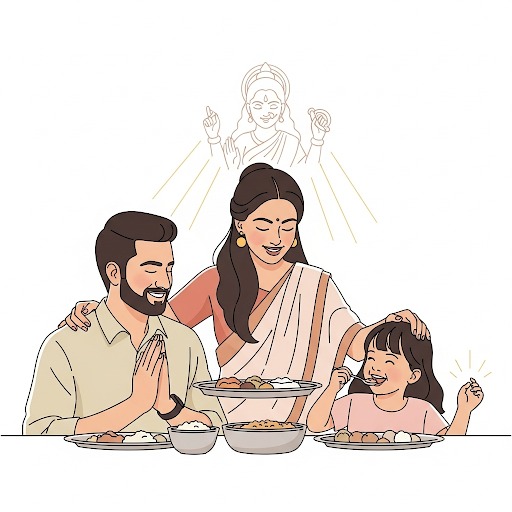
Embodying Annapoorna: The Value of Cooking and Feeding with Love in the Age of Convenience
For those who cherish the warmth of home-cooked meals or wish to rediscover their nurturing side, this piece offers a gentle reminder of the deeper value of cooking with love. Whether you are a homemaker, a young woman learning to care for loved ones, or someone seeking meaning in daily routines, you’ll find practical and…

Why Men Are Suffering in Silence
Men today face a silent storm of isolation, depression, and purposelessness—hidden beneath masks of strength, achievement, or anger. Rising rates of suicide, emotional disconnection, and fractured relationships reveal the heavy cost of silence, where suppressed feelings erupt as rage, addictions, or collapse. True strength lies not in denial but in vulnerability, in embracing Jason Wilson’s…

Want Love? Be Lovable. Want Respect? Be Respectable.
Many people pour effort into their relationships yet feel unseen, unheard, or unappreciated. If you’ve ever wondered why love feels distant or respect feels lacking, this guide will help you understand the natural exchange that keeps relationships thriving. It’s for women who long to feel cherished, men who want to feel valued, and anyone ready…

Blueprint for Ethical and Profitable Consulting
Successful consulting is less about selling and more about engaging — listening deeply, asking the right questions, and co-creating solutions that matter. From the first networking conversation to long-term client partnerships, effective consultants follow a disciplined flow: surfacing needs, uncovering motivations, conducting thorough discovery, and securing commitment through trust and clarity. Execution is anchored in…

How Childhood Trauma Shapes Us
Childhood trauma leaves invisible scars that shape relationships, self-worth, health, and identity, but it does not have to define a life. By confronting toxic family dynamics, understanding long-term consequences, and breaking free from subconscious programming, survivors can reclaim agency and build healthier futures. Healing requires layered approaches—financial independence, emotional boundaries, self-care rituals, therapy, and the…

How Presence Unlocks Enlightenment, Healing, and Human Potential
Awakening to the power of the present moment opens the doorway to freedom from compulsive thought, emotional pain, and the illusions of ego. By learning to observe the mind, heal the pain-body through awareness, and anchor into the living presence of the body, one discovers a deeper dimension of peace and clarity that transcends circumstance.…

Know Your Consumer : A Guide to Serving Every Type of Audience
Creators, curators, and experience designers often struggle to balance familiarity and novelty for their audience. Whether you craft stories, style outfits, design menus, or host events, understanding your consumer’s exposure level is the key to making every interaction resonate. This guide helps you identify different consumer mindsets—from fresh explorers to seasoned enthusiasts to saturated connoisseurs—and…

How the Unconscious Shapes Us
Our decisions are not as free or rational as we like to believe—neuroscience shows that unconscious processes initiate choices before we become aware of them, while conscious reasoning often acts more as a storyteller than a driver. This article explores the tension between free will and determinism, blending insights from psychology, philosophy, and behavioral science…

Why Kindness Provokes Hate
Kindness, when authentic and boundaried, is both a gift and a provocation: it unsettles masks of superiority, exposes stagnation, triggers envy, and disrupts cultural scripts rooted in cynicism and self-interest. Many respond with distrust, projection, or hostility—not because kindness is weak, but because it highlights their own wounds, inertia, or unmet needs. The journey of…

Art School Is Expensive, Squinting Is Free!
Whether you’re a fine artist, photographer, designer, or simply someone curious about how visual perception works, learning to “see like an artist” can transform the way you create. Many beginners feel intimidated by complex details, but squinting and other free techniques simplify the visual world into manageable shapes, tones, and colors. By practicing these habits…

Non-verbal Communication: Science of Charisma and Human Connection
Charisma and connection are not accidents but the result of intentional cues—verbal, nonverbal, and behavioral—that shape how others perceive warmth and competence. From posture, gestures, and eye contact to smarter questions and purposeful words, the way we show up can either build trust or quietly undermine it. By becoming more aware of pitfalls like uptalk,…

How Intentional Dialogue Transforms Relationships and Leadership
Mastering conversations is less about eloquence and more about intentionality, empathy, and the discipline of listening deeply. From bridging generational gaps and navigating polarization to avoiding common pitfalls like information overload or passive listening, meaningful dialogue requires conscious effort and practice. When treated as a lifelong discipline, communication becomes a transformative force that enriches marriages,…