
Blog

  • Unlocking the Gut Puzzle: Exploring the Connection Between Gut Microbiome and Autism

    Unlocking the Gut Puzzle: Exploring the Connection Between Gut Microbiome and Autism

    The relationship between the gut microbiome and autism spectrum disorder (ASD) presents a fascinating avenue for exploration in the field of neurodevelopmental disorders. Numerous studies have highlighted the significant differences in gut microbiota composition between individuals with ASD and neurotypical individuals, suggesting a potential link between gut health and ASD symptoms. While the exact mechanisms underlying this connection remain to be fully understood, interventions targeting the gut microbiome hold promise for improving the overall health and well-being of individuals with ASD. As we continue to unravel the complexities of the gut-brain axis and its implications for neurodevelopment, further research is needed to inform targeted interventions and support the diverse needs of individuals on the autism spectrum.
    Introduction:

    Autism spectrum disorder (ASD) is a multifaceted neurodevelopmental condition characterized by challenges in social interaction, communication, and behavior. From the early signs of delayed speech to the complexities of sensory sensitivities, ASD presents a spectrum of symptoms that vary widely among individuals. While the exact causes of ASD remain elusive, researchers have been exploring various factors that may contribute to its development and manifestation. One such area of interest is the gut microbiome – the diverse community of microorganisms that inhabit our digestive tract. Far from just aiding in digestion, the gut microbiome plays a pivotal role in maintaining overall health, influencing everything from immune function to mental well-being. This intriguing connection between gut health and neurological conditions like ASD has sparked a wave of research aimed at understanding how the gut microbiome might impact the development and management of ASD symptoms. As we delve deeper into this fascinating realm, let’s explore the significance of the gut microbiome and its potential implications for individuals with ASD.

    The Connection Between Gut Biome and Autism:

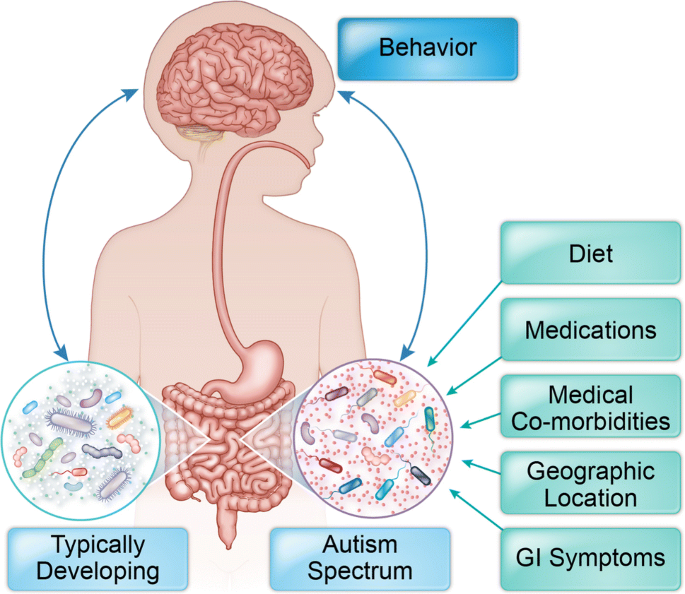
    Recent studies have brought to light a compelling link between the gut microbiome and autism spectrum disorder (ASD), suggesting that the microbial communities residing in our digestive tract may play a role in the development and expression of ASD symptoms. One such study, published in the journal Cell, conducted comprehensive analyses of gut microbiota composition in children with ASD and neurotypical children. The findings revealed significant differences in the abundance and diversity of gut bacteria between the two groups, indicating that alterations in the gut microbiome could be associated with ASD. Similarly, research published in Frontiers in Cellular Neuroscience provided further evidence of this connection, reporting lower microbial diversity in the gut of children with ASD compared to their neurotypical counterparts. These findings have sparked interest and speculation about the potential mechanisms underlying the relationship between gut health and ASD. By shedding light on the intricate interplay between the gut microbiome and neurological conditions like ASD, these studies have paved the way for further exploration into the role of gut bacteria in shaping brain development and function.
    Established Studies on the Effect of Gut Biome in Autistic Children:

    Research examining the impact of the gut microbiome on autism spectrum disorder (ASD) symptoms and behavior has yielded valuable insights into the potential role of gut health in influencing neurological conditions. Several key studies have provided compelling evidence of the link between the gut microbiome and ASD, shedding light on both the methodologies used and the outcomes observed. For instance, a landmark study published in the Journal of Autism and Developmental Disorders conducted fecal microbiota transplantation (FMT) in children with ASD, aiming to modulate their gut microbiota and assess changes in behavior. The results revealed improvements in gastrointestinal symptoms and behavioral issues following FMT, suggesting a potential therapeutic avenue for managing ASD symptoms.

    Similarly, a systematic review and meta-analysis published in Nutritional Neuroscience evaluated the effects of probiotic supplementation on ASD-related symptoms. The analysis found that probiotics, which are beneficial bacteria known for promoting gut health, were associated with improvements in gastrointestinal symptoms and certain behavioral aspects of ASD. These findings underscore the potential of targeting the gut microbiome as a means of ameliorating ASD symptoms and improving overall well-being in affected individuals.

    Differences in Gut Biome of Autistic Individuals:

    When comparing the gut microbiota composition of individuals with ASD to neurotypical individuals, researchers have identified specific differences that may contribute to the manifestation of ASD symptoms. These disparities in gut microbiome profiles encompass various factors, including diet, genetics, and environmental influences. For example, a study published in the Proceedings of the National Academy of Sciences examined the gut microbiota of individuals with ASD and found alterations in microbial taxa associated with carbohydrate metabolism and amino acid biosynthesis. These findings suggest potential metabolic differences in the gut microbiome of individuals with ASD, which could impact nutrient absorption and metabolic processes.

    Moreover, research has highlighted the role of environmental factors, such as antibiotic use and dietary patterns, in shaping the gut microbiome of individuals with ASD. A study published in Autism Research investigated the impact of early-life antibiotic exposure on gut microbiota composition and ASD risk. The results indicated that antibiotic use during infancy was associated with alterations in gut microbiota diversity and an increased likelihood of ASD diagnosis later in childhood. These findings underscore the complex interplay between environmental factors, gut microbiome composition, and the development of ASD, highlighting the importance of considering multiple influences when studying this intricate relationship.
    Understanding the Disparities:

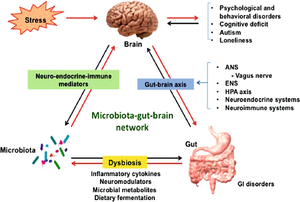
    The altered gut microbiome observed in individuals with autism spectrum disorder (ASD) has prompted researchers to explore the underlying mechanisms that contribute to these disparities. While the exact reasons remain elusive, several hypotheses have emerged to elucidate the relationship between the gut microbiome and ASD.

    1. Gut-Brain Axis Communication: One compelling theory suggests that disruptions in the communication between the gut and the brain, known as the gut-brain axis, may play a role in ASD. This bidirectional communication pathway involves intricate signaling between the gut microbiota, the nervous system, and the immune system. Dysregulation of the gut-brain axis could lead to aberrant signaling that influences neurological function and behavior, potentially contributing to the development and expression of ASD symptoms.

    2. Immune System Dysregulation: Another hypothesis implicates immune system dysregulation in shaping the gut microbiome of individuals with ASD. Emerging evidence suggests that immune dysfunction, characterized by chronic inflammation and altered immune responses, may be associated with ASD. Disruptions in immune function could impact the composition and activity of gut microbiota, leading to dysbiosis and potentially exacerbating ASD-related symptoms.

    3. Environmental Influences: Environmental factors, such as diet, antibiotic exposure, and environmental toxins, may also contribute to alterations in the gut microbiome of individuals with ASD. Dietary patterns high in processed foods and low in fiber can disrupt the balance of gut bacteria, while antibiotic use can alter microbial diversity and composition. Additionally, exposure to environmental toxins, such as heavy metals and pollutants, may disrupt gut microbiota and contribute to gut dysbiosis in individuals with ASD.

    4. Genetic Predisposition: Genetic factors may also play a role in shaping the gut microbiome of individuals with ASD. Studies have identified genetic variations associated with ASD that could influence gut microbiota composition and function. These genetic predispositions, combined with environmental influences, may contribute to the unique gut microbiome profiles observed in individuals with ASD.

    5. Early Life Influences: The early developmental period, including prenatal and early postnatal life, is critical for the establishment and maturation of the gut microbiome. Disruptions during this sensitive period, such as maternal factors, mode of delivery, and infant feeding practices, may have lasting effects on gut microbiota composition and diversity. Early-life influences on the gut microbiome could potentially contribute to the development of ASD later in life.

    In summary, understanding the disparities in the gut microbiome of individuals with ASD requires consideration of multiple factors, including the complex interplay between the gut-brain axis, immune system dysregulation, environmental influences, genetic predispositions, and early-life experiences. Further research is needed to unravel the intricate mechanisms underlying these disparities and their implications for ASD pathophysiology and management.

    Strategies for Modulating the Gut Biome:

    Improving gut health in individuals with autism spectrum disorder (ASD) involves implementing interventions aimed at restoring microbial balance and promoting a healthy gut environment. Several approaches, including dietary changes, probiotics, prebiotics, and fecal microbiota transplantation, show promise in modulating the gut microbiome and potentially alleviating ASD-related symptoms.

    Dietary Changes: Diet plays a crucial role in shaping the gut microbiome, making dietary modifications an essential component of gut health interventions. For individuals with ASD, adopting a diet rich in fiber, nutrients, and beneficial bacteria can help support a diverse and resilient gut microbiota. In the context of an Indian diet, incorporating the following dietary recommendations can promote gut health:

    • Probiotic-Rich Foods: Include probiotic-rich foods such as yogurt (curd), buttermilk (lassi), and fermented vegetables like pickles in daily meals. These foods contain live beneficial bacteria that can help replenish and maintain a healthy gut microbiome.

    • High-Fiber Foods: Increase fiber intake by consuming whole grains like brown rice, whole wheat bread, and lentils (dal). Fiber serves as a prebiotic, nourishing beneficial bacteria in the gut and promoting microbial diversity and fermentation.

    • Fruits and Vegetables: Incorporate a variety of fruits and vegetables, such as spinach, carrots, bananas, and berries, into the diet. These foods provide essential nutrients, antioxidants, and fiber that support gut health and overall well-being.

    • Limit Processed Foods and Sugars: Minimize consumption of processed foods and sugars, opting instead for homemade meals prepared with fresh, locally sourced ingredients. Processed foods and sugars can disrupt gut microbiota balance and contribute to inflammation and metabolic dysfunction.

    • Traditional Spices: Emphasize traditional spices like turmeric, cumin, and ginger, known for their anti-inflammatory properties and potential benefits for gut health. These spices not only add flavor to dishes but also provide medicinal properties that support digestive health and immune function.

    By incorporating these dietary changes into daily routines, individuals with ASD can promote a healthy gut microbiome and potentially mitigate gastrointestinal symptoms and behavioral issues associated with the disorder. However, it’s essential to consult with healthcare professionals or nutritionists to tailor dietary recommendations to individual needs and preferences.

    In summary, strategies for modulating the gut biome in individuals with autism spectrum disorder encompass dietary modifications aimed at promoting microbial balance and gut health. By incorporating probiotic-rich foods, increasing fiber intake, consuming a variety of fruits and vegetables, limiting processed foods and sugars, and emphasizing traditional spices, individuals with ASD can support a diverse and resilient gut microbiome. These dietary interventions, tailored to an Indian context, offer actionable steps for promoting gut health and overall well-being in individuals with ASD.

    Conclusion:

    The gut microbiome emerges as a pivotal player in the intricate landscape of autism spectrum disorder (ASD), offering new avenues for understanding and potentially managing this complex condition. Through a series of studies, researchers have illuminated the significance of the gut microbiome in ASD, revealing alterations in microbial composition and diversity that may contribute to the development and expression of ASD symptoms.

    The gut-brain connection serves as a compelling framework for understanding the interplay between gut health and neurological function, highlighting the potential for bidirectional communication between the gut microbiome and the brain. While the mechanisms underlying this connection remain elusive, hypotheses involving the gut-brain axis, immune system dysregulation, environmental influences, genetic predispositions, and early-life experiences offer valuable insights into the multifaceted nature of ASD.

    As we navigate this evolving field, it is evident that further research is needed to elucidate the mechanisms underlying the gut-brain connection in ASD and to develop targeted interventions for improving the gut health of individuals with ASD. By unraveling the complexities of the gut microbiome and its implications for ASD, researchers can pave the way for innovative therapies and personalized interventions that address the diverse needs of individuals on the autism spectrum.

    In closing, the journey towards understanding the gut microbiome in ASD is just beginning, offering hope and promise for enhancing the lives of individuals with this condition. Through continued collaboration, innovation, and dedication, we can unlock new insights into the gut-brain connection and harness the potential of gut-focused interventions to support the well-being of individuals with ASD.

    References:

    1. Kang, D. W., Adams, J. B., Gregory, A. C., Borody, T., Chittick, L., Fasano, A., … & Krajmalnik-Brown, R. (2017). Microbiota Transfer Therapy alters gut ecosystem and improves gastrointestinal and autism symptoms: an open-label study. Microbiome, 5(1), 10. 

    2. Coretti, L., Paparo, L., Riccio, M. P., Amato, F., Cuomo, M., Natale, A., … & Berni Canani, R. (2018). Gut microbiota features in young children with autism spectrum disorders. Frontiers in Microbiology, 9, 3146. 

    3. Liu, S., Li, E., Sun, Z., Fu, D., Duan, G., Jiang, M., … & Cui, Y. (2019). Altered gut microbiota and short chain fatty acids in Chinese children with autism spectrum disorder. Scientific Reports, 9(1), 287. 

    4. Sharon, G., Cruz, N. J., Kang, D. W., Gandal, M. J., Wang, B., Kim, Y. M., … & Krajmalnik-Brown, R. (2019). Human gut microbiota from autism spectrum disorder promote behavioral symptoms in mice. Cell, 177(6), 1600-1618. 

    5. Dash, S., Clarke, G., Berk, M., & Jacka, F. N. (2015). The gut microbiome and diet in psychiatry: focus on depression. Current Opinion in Psychiatry, 28(1), 1-6. 

    6. Tomova, A., Husarova, V., Lakatosova, S., Bakos, J., & Vlkova, B. (2015). Gastrointestinal microbiota in children with autism in Slovakia. Physiological Research, 64(Supplementum 3), S321-S331.

    7. Mulle, J. G., Sharp, W. G., & Cubells, J. F. (2013). The gut microbiome: a new frontier in autism research. Current Psychiatry Reports, 15(2), 337. 

    Support for the MEDA Foundation is crucial in advancing research and interventions aimed at understanding and addressing the complexities of autism spectrum disorder (ASD) and its potential connection to the gut microbiome. By supporting the MEDA Foundation, individuals, organizations, and communities can contribute to groundbreaking research initiatives that seek to unravel the mechanisms underlying ASD and explore innovative strategies for improving the lives of individuals affected by the condition. With a focus on collaboration, innovation, and advocacy, the MEDA Foundation plays a vital role in fostering partnerships between researchers, healthcare professionals, policymakers, and individuals and families affected by ASD. Through their dedication to funding research, raising awareness, and promoting evidence-based interventions, the MEDA Foundation serves as a beacon of hope for individuals with ASD and their loved ones. By rallying support for the MEDA Foundation, we can collectively work towards a future where individuals with ASD receive the support, understanding, and opportunities they deserve.

  • Ordinary Miracles: How the Hadzabe Tribe Redefines Human Potential

    Ordinary Miracles: How the Hadzabe Tribe Redefines Human Potential

    Meda Foundation Respects and Celebrates the Immense Wisdom and Capabilities of the Hadzabe Tribe

    At the core of the Meda Foundation’s ethos is a profound reverence for indigenous wisdom and cultural diversity. The Hadzabe tribe stands as a beacon of resilience and resourcefulness, embodying values that resonate deeply with our mission. We honor and celebrate their unique way of life, recognizing the wealth of knowledge they possess about sustainable living and harmonious coexistence with nature. By acknowledging the Hadzabe’s contributions, we not only pay homage to their heritage but also seek to learn from their wisdom to inform our global empowerment initiatives.

    Brief History of the Hadzabe Tribe: What is Their Culture Like?

    The Hadzabe are one of the last remaining hunter-gatherer tribes in East Africa, with a history that spans thousands of years. Their culture is characterized by a deep connection to the land and a nomadic lifestyle centered around hunting and foraging. Unlike many modern societies, the Hadzabe lack complex social hierarchies and live in small, egalitarian communities. Their language, Hadza, is unique and distinct, reflecting their rich cultural heritage.

    Traditionally, the Hadzabe live in temporary camps made of simple shelters constructed from branches and leaves. They move frequently in search of food and water, following the rhythms of nature. Family bonds are strong within the tribe, with collective decision-making and resource-sharing being fundamental aspects of their social structure.

    Why Do They Choose to Continue Living This Way?

    Despite the encroachment of modernity and external pressures, the Hadzabe choose to maintain their traditional way of life for several reasons. Firstly, their deep-seated cultural values prioritize harmony with nature and emphasize the importance of community and collective well-being over individual accumulation of wealth or material possessions. Additionally, the Hadzabe have developed a profound understanding of their local ecosystem, allowing them to sustainably utilize natural resources without depleting them.

    Furthermore, the Hadzabe derive a sense of fulfillment and purpose from their lifestyle, finding joy and meaning in the simplicity of their existence. While their way of life may appear primitive to some, it is a testament to their resilience and adaptability in the face of changing circumstances. Ultimately, the Hadzabe’s choice to continue living in harmony with nature serves as a powerful reminder of the inherent connection between humans and the environment, inspiring us to reevaluate our own relationship with the world around us.

    Thriving in Harsh Conditions: The Hadzabe’s Extraordinary Endurance

    Living in the rugged terrain of Tanzania’s Lake Eyasi region, the Hadzabe tribe thrives in one of the harshest environments on Earth. Their habitat consists of arid savannahs, rocky outcrops, and dense bushland, where temperatures can soar during the day and plummet at night. To survive in such challenging conditions, the Hadzabe have developed extraordinary physical and mental capabilities honed over generations.

    The Hadzabe’s nomadic lifestyle requires them to traverse vast distances in search of food and water, often on foot. Their daily routines involve long hours of walking, running, and hunting, with little respite from the relentless sun. To endure such physical demands, the Hadzabe have cultivated remarkable stamina and resilience.

    Their endurance is not limited to physical exertion but extends to mental fortitude as well. Living in a harsh and unpredictable environment necessitates adaptability and quick thinking. The Hadzabe have honed their instincts and observational skills, allowing them to navigate their surroundings with precision and efficiency. Their intimate knowledge of the land enables them to anticipate changes in weather patterns, track game animals, and identify edible plants.


    In essence, the Hadzabe’s ability to thrive in harsh conditions is a testament to their resilience, resourcefulness, and deep connection to the natural world. Their lifestyle serves as a reminder of the human capacity to adapt and flourish in even the most challenging environments.

    Nature’s Miracle: Understanding the Hadzabe’s Unique Physique

    The Hadzabe’s physical attributes are finely tuned to their environment, reflecting centuries of adaptation to their surroundings. One of the most striking features of the Hadzabe is their exceptional skin resilience, which remains supple and resistant to damage despite prolonged exposure to the sun and elements. Their bone structure is robust and well-suited to the demands of hunting and gathering, providing a sturdy framework for their muscular physique.

    Muscles developed through a lifetime of physical activity enable the Hadzabe to move with agility and strength, whether climbing trees to harvest honey or sprinting after prey on the savannah. Their teeth, too, are a testament to their diet of tough meats, roots, and tubers, remaining remarkably intact even into old age.

    In essence, the Hadzabe’s unique physique is a product of their lifestyle and environment, optimized for survival in the harsh conditions of the African bush. Their physical resilience and adaptability underscore the remarkable potential of the human body when in harmony with nature.

    Exploring the Hadzabe Diet: Sparse to us Effective for them

    The Hadzabe’s diet is a marvel of adaptation and resilience, showcasing the incredible capacity of the human body to thrive in challenging environments. While their diet may seem sparse in variety, it is remarkably effective in providing the nutrients needed for their active lifestyle. Living in the wilds of Tanzania, where access to cultivated crops and modern food sources is limited, the Hadzabe rely on a diverse array of wild game, fruits, roots, and tubers for sustenance.

    What’s truly remarkable about the Hadzabe diet is its ability to meet their nutritional needs despite its apparent simplicity. While they may not have access to the wide range of foods available in more developed societies, the Hadzabe’s bodies have adapted to extract maximum nutrition from the foods they do consume. In essence, they are their own pharmacy, producing vitamins and minerals from within to supplement what may be lacking in their diet.

    For example, the Hadzabe’s consumption of organ meats provides them with essential vitamins and minerals such as vitamin B12, iron, and zinc, crucial for energy production, immune function, and overall health. Similarly, the consumption of wild fruits and tubers ensures a steady intake of fiber, antioxidants, and micronutrients, supporting digestive health and protecting against chronic diseases.

    In essence, the Hadzabe’s diet may appear sparse to outsiders, but it is finely tuned to meet their specific needs and is a testament to their deep understanding of their environment and its resources.

    The Secret Weapon: How the Hadzabe Gut Bacteria Makes them Virtually Immune to any Disease

    Recent scientific research has shed light on one of the Hadzabe’s hidden strengths: their gut bacteria. Unlike gut microbiomes found in other populations around the world, the Hadzabe harbor unique colonies of bacteria that have co-evolved with them over generations. These bacteria, not found anywhere else on Earth, play a crucial role in the Hadzabe’s overall health and well-being.

    One of the most fascinating aspects of the Hadzabe gut microbiome is its resilience and adaptability. Despite living in harsh conditions with limited access to sanitation and healthcare, the Hadzabe experience remarkably low rates of infectious diseases and chronic illnesses. This resilience can be attributed, at least in part, to the diversity and stability of their gut bacteria.

    The concept of the “gut-brain axis” suggests that the microbiota in our digestive tract can influence not only our physical health but also our mental and emotional well-being. In the case of the Hadzabe, their unique gut bacteria may hold the key to their extraordinary wisdom and adaptability. Emerging research suggests that the gut microbiome plays a crucial role in cognitive function, mood regulation, and stress response, all of which are essential for thriving in challenging environments.

    In essence, the Hadzabe’s gut bacteria defy conventional wisdom and offer valuable insights into the intricate relationship between human health, the environment, and microbial communities. Their resilient microbiome serves as a testament to the power of adaptation and underscores the importance of maintaining a healthy gut ecosystem for overall well-being.

    Simple Lifestyle, Profound Happiness: Lessons from the Hadzabe Community

    The Hadzabe community offers profound insights into finding happiness and contentment through a simple way of life. Despite facing challenges and uncertainties in their nomadic existence, the Hadzabe have cultivated a deep sense of happiness rooted in gratitude, connection, and resilience. Their lifestyle teaches us valuable lessons about embracing simplicity, fostering community, and finding joy in the ordinary.

    Sharing is Caring: The Hadzabe’s Minimalistic Approach to Ownership

    One of the most striking aspects of Hadzabe culture is their minimalistic approach to ownership. Unlike modern societies where individual possessions are highly valued, the Hadzabe embrace a collective mindset where resources are shared for the benefit of the entire community. For example, when a Hadzabe hunter successfully kills a game animal, the meat is distributed among all members of the group, ensuring that everyone has enough to eat.

    Even their approach to owning hunting dogs reflects this ethos of sharing and cooperation. Rather than belonging to a single individual, hunting dogs are considered communal assets, cared for and utilized by the entire community. This collective approach not only fosters a sense of solidarity and interdependence but also ensures that resources are utilized efficiently and wastage is minimized.

    By adopting a minimalistic approach to ownership, the Hadzabe demonstrate the profound truth that happiness and fulfillment do not come from material wealth or possessions but from the bonds of community and the satisfaction of meeting each other’s needs.

    Finding Joy in the Ordinary: Cultivating Optimism amidst Adversity

    Despite the harsh realities of their nomadic lifestyle, the Hadzabe exhibit a remarkable resilience and optimism that allows them to find joy in even the most challenging circumstances. Their ability to cultivate optimism amidst adversity serves as a powerful reminder of the human capacity for resilience and adaptability.

    For the Hadzabe, happiness is not contingent on external circumstances but arises from within, fueled by a sense of gratitude for the simple pleasures of life. Whether it’s sharing a meal with loved ones, basking in the warmth of the sun, or reveling in the beauty of nature, the Hadzabe find joy in the ordinary moments that many of us take for granted.

    Their nomadic lifestyle, characterized by a deep connection to the land and a willingness to embrace uncertainty, teaches us the importance of surrendering to the natural rhythms of life and finding contentment in the present moment. By cultivating optimism and gratitude, we can learn to navigate life’s challenges with grace and resilience, finding happiness in the simple joys that surround us.

    Actionable Steps for Readers:

    Embrace Simplicity: Decluttering Your Life for Greater Happiness

    Incorporating simplicity into your life can lead to greater happiness and fulfillment, as demonstrated by the Hadzabe tribe. They prioritize the essentials and avoid unnecessary material possessions, focusing instead on meaningful connections and experiences. To embrace simplicity, start by decluttering your living space and letting go of items that no longer serve you. Consider adopting a minimalist lifestyle, where you prioritize quality over quantity and cultivate gratitude for what you already have. Simplifying your life can free up mental and physical space, allowing you to focus on what truly matters and find joy in the present moment.

    Nurturing Resilience: Adopting a Positive Outlook in Challenging Times

    Resilience is a key trait demonstrated by the Hadzabe in their ability to adapt and thrive in the face of adversity. Despite the harsh conditions of their environment, they maintain a positive outlook and remain resilient in the face of challenges. To nurture resilience in your own life, cultivate a positive mindset and practice gratitude for even the smallest victories. Learn to reframe setbacks as opportunities for growth and view challenges as temporary obstacles rather than insurmountable barriers. Surround yourself with supportive relationships and draw strength from your community, just as the Hadzabe do. By adopting a resilient attitude, you can weather life’s storms with grace and emerge stronger than before.

    Collective Mindset: Work to Create the Best Circumstances for All

    The Hadzabe’s collective mindset underscores the importance of working together to create the best circumstances for all members of the community. They prioritize cooperation over competition and share resources to ensure everyone’s needs are met. To cultivate a collective mindset in your own life, prioritize collaboration and cooperation in your relationships and communities. Seek out opportunities to support and uplift others, rather than focusing solely on individual gain. By working together towards common goals and supporting one another, you can create a more equitable and compassionate world where everyone has the opportunity to thrive.

    Further Resources:

    Books:
    “The Hadza: Hunter-Gatherers of Tanzania” by Frank W. Marlowe

    Documentaries:

    “The Hadza: Last of the First” directed by Bill Benenson and Gabriela Cowperthwaite

    “The Hadza: Africa’s Last Hunter-Gatherers” produced by National Geographic

    Websites:

    The Hadza Fund – https://www.hadzafund.org/

    The Hadza Cultural Conservation Project – https://www.hadzaculture.org/

    Conclusion

    Celebrating Human Potential: The Hadzabe’s Enduring Legacy

    The Hadzabe’s legacy serves as a testament to the remarkable potential of the human spirit. Their resilience, wisdom, and adaptability in the face of adversity inspire us to recognize and celebrate the innate capabilities within each individual. By honoring the Hadzabe’s enduring legacy, we acknowledge the power of human diversity and the importance of preserving indigenous cultures and knowledge for generations to come.

    Joining Hands for a Better Tomorrow: Meda Foundation’s Call to Action

    As we reflect on the lessons learned from the Hadzabe community, we are reminded of the urgent need to support sustainable development initiatives around the world. The Meda Foundation invites you to join hands in creating a better tomorrow by supporting our mission to empower communities through education, healthcare, economic opportunities, and environmental sustainability. Your donations can make a tangible difference in the lives of individuals and communities striving for a brighter future. Together, let us take action and make a meaningful impact on the world.

  • Eat When Hungry, Stop When Satisfied: A Path to Productivity and Health

    Eat When Hungry, Stop When Satisfied: A Path to Productivity and Health

    The Meda Foundation is committed to fostering low or no-cost healthy living, where food serves as potent medicine. Amidst a landscape of dietary trends, their approach stands out for its emphasis on accessibility and nourishment. By democratizing wellness, they empower individuals to harness the healing power of food, regardless of financial constraints. Through innovative initiatives, they break down barriers to nutritious eating, promoting a world where health is within everyone’s reach. As we explore intuitive eating’s benefits, let’s honor the Foundation’s vision of universal well-being.

    The evolution of mealtime norms, largely shaped by the demands of factory workers during the industrial revolution, has profoundly influenced how we approach food today. With the advent of mass production and urbanization, structured meal times became essential to synchronize the labor force’s breaks and optimize productivity. The traditional breakfast-lunch-dinner schedule emerged as a practical solution to ensure workers were adequately fueled throughout the day’s rigorous demands.

    However, as our society has evolved, so too have our lifestyles. The rigid adherence to set meal times may no longer align with the diverse needs and schedules of modern life. We find ourselves trapped in a cycle of eating based on the clock rather than listening to our body’s natural hunger cues. This disconnect has led to a myriad of issues, from mindless snacking to overeating and digestive discomfort.

    In contrast, Native American eating habits offer valuable insights into intuitive eating practices. For indigenous peoples, food wasn’t governed by strict schedules or portion control but rather by a deep attunement to the body’s signals. Meals were enjoyed when hunger arose, and eating was a communal experience that fostered connection and gratitude.


    By embracing these principles of intuitive eating, we can reclaim our relationship with food and foster a healthier, more balanced approach to nourishment. Rather than viewing food as a mere fuel source, we can savor each bite mindfully, honoring our body’s unique needs and rhythms. In doing so, we not only promote physical well-being but also cultivate a deeper sense of harmony with ourselves and the world around us.

    Social Eating Situations: Navigating Questions and Pressures

    Social eating situations often present challenges for those practicing intuitive eating. Whether it’s a family gathering, a business lunch, or a dinner with friends, the pressure to conform to societal norms can be overwhelming. For instance, imagine attending a birthday party where everyone is indulging in rich, decadent foods. Despite feeling satisfied, you might face questions or judgment for not partaking in the same way. Navigating these situations requires a delicate balance of asserting your own needs while respecting the dynamics of the social setting.

    One approach is to communicate openly with others about your dietary preferences and boundaries. You might politely decline certain foods or offer to bring a dish that aligns with your eating habits. Additionally, practicing mindfulness can help you tune into your body’s signals and make choices that honor your well-being without succumbing to external pressures.

    Dealing with Hunger at Inconvenient Times

    In our fast-paced world, hunger doesn’t always align with our schedules. Whether it’s a busy workday or a late-night study session, finding yourself hungry at inconvenient times is a common challenge. Picture a hectic day at the office where you barely have time for a proper lunch break. In such situations, it’s tempting to reach for quick, unhealthy snacks to satisfy your cravings.

    However, with intuitive eating, you can learn to respond to your body’s signals in a way that supports your well-being even during busy times. Consider keeping healthy snacks on hand, such as nuts, fruit, or yogurt, to tide you over until your next meal. Additionally, practicing mindful eating can help you slow down and savor your food, even when you’re on the go.

    Adjusting to a Non-Traditional Eating Pattern

    In today’s diverse world, traditional meal patterns no longer fit everyone’s lifestyle. Whether you work night shifts, travel frequently, or have irregular eating habits, adjusting to a non-traditional eating pattern can be challenging. Imagine being a nurse who works overnight shifts and struggles to find time for balanced meals. In such cases, rigid meal schedules can feel restrictive and impractical.

    Instead, intuitive eating offers a flexible approach that adapts to your individual needs and circumstances. You might find it helpful to plan your meals and snacks ahead of time, making sure to include a balance of nutrients to keep you energized throughout your shift. Additionally, listening to your body’s hunger cues can help you determine when and what to eat, even if it deviates from conventional meal times.

    Ensuring Nutritional Sufficiency While Eating Intuitively

    One common concern with intuitive eating is whether it provides adequate nutrition. Without strict meal plans or calorie counting, some worry that they may not be meeting their body’s nutritional needs. For example, someone transitioning to intuitive eating may wonder if they’re getting enough vitamins and minerals without meticulously tracking their intake.

    However, intuitive eating encourages a holistic approach to nourishment that goes beyond simply counting calories. By listening to your body’s cues and cravings, you can learn to make choices that prioritize nutrient-dense foods while still enjoying the foods you love. This might involve incorporating a variety of fruits, vegetables, whole grains, and lean proteins into your meals, while also allowing yourself the occasional treat. Additionally, consulting with a registered dietitian can provide personalized guidance and reassurance as you navigate intuitive eating.

    Practical Implementation

    Tips for Listening to Your Body’s Hunger Signals

    Becoming adept at intuitive eating hinges on tuning in to your body’s hunger cues. It’s about discerning genuine hunger from emotional or habitual cravings. One effective strategy is to maintain a hunger journal, where you jot down physical sensations like stomach growling or lightheadedness. For instance, you might note feeling a rumble in your stomach mid-morning, indicating your body’s need for nourishment. This practice helps you recognize when your body genuinely requires sustenance. Additionally, engaging in mindful eating techniques can deepen your awareness of hunger cues. By savoring each bite, eating slowly, and eliminating distractions, you become more attuned to your body’s signals. Imagine relishing the flavors of a juicy apple with each bite, focusing solely on the sensations in your mouth and stomach. This mindful approach allows you to respond to your body’s needs with mindfulness and compassion.

    Transitioning to Intuitive Eating: Eating More Frequently at First

    Transitioning to intuitive eating often entails a period of adjustment, especially if you’re accustomed to strict meal schedules or dieting behaviors. To ease into this intuitive approach, consider eating more frequently at the outset. For example, you might incorporate nourishing snacks between meals, such as a handful of nuts or a piece of fruit. These smaller, more frequent meals throughout the day help reestablish trust in your body’s hunger cues. Imagine enjoying a light, nutrient-packed snack mid-afternoon, feeling your energy levels stabilize and your hunger gently subside. This gradual transition allows you to reconnect with your body’s natural rhythms and learn to respond to its signals with kindness and understanding.

    Addressing Concerns About Portion Sizes and Feeling Unsatisfied

    A common apprehension with intuitive eating is the fear of overeating or feeling unsatisfied. Without rigid portion guidelines, individuals may worry about losing control or not feeling full. However, intuitive eating encourages tuning into your body’s cues, including those related to portion sizes and satisfaction. Experimenting with portion sizes and adjusting based on your body’s feedback can help alleviate these concerns. For instance, you might start with a smaller portion size and pay attention to how your body responds, adjusting as needed based on feelings of hunger and satisfaction. It’s essential to remember that satisfaction extends beyond physical fullness; it encompasses pleasure and enjoyment in eating. By focusing on mindful eating and savoring each bite, you enhance your overall satisfaction with meals, regardless of quantity.

    Benefits of Reducing Flavorings and Embracing Simpler, Whole Foods

    Incorporating simpler, whole foods into your diet can enhance the intuitive eating experience. By minimizing processed foods and artificial additives, you allow your palate to appreciate the natural flavors of whole ingredients. Experimenting with herbs, spices, and natural seasonings can elevate the taste of your meals without relying on added sugars or excessive salt. Imagine enhancing the flavor of a simple roasted vegetable dish with a sprinkle of fresh herbs from your garden. Embracing a diet rich in whole foods not only nourishes your body but also strengthens your connection to food. By prioritizing nutrient-dense options and reducing reliance on flavor enhancers, you foster a deeper appreciation for the intrinsic flavors of real, unprocessed foods.

    Accept the Quantity (Sometimes Only a Few Spoons Is Enough!)

    Part of intuitive eating involves accepting the quantity of food your body needs at any given time. It’s about acknowledging that sometimes, only a few spoonfuls may be sufficient to satisfy your hunger. Trusting your body’s signals and avoiding the pressure to finish everything on your plate is crucial. For instance, you might find yourself reaching satiety after just a few bites of a rich, flavorful dish. Learning to honor your body’s cues for both hunger and fullness fosters a healthier relationship with food and promotes overall well-being.

    Recap of the Benefits of Intuitive Eating for Productivity and Health

    Intuitive eating offers a myriad of benefits that extend beyond mere physical nourishment. By honoring your body’s natural hunger and fullness cues, you cultivate a deeper sense of connection with yourself and your surroundings. This enhanced awareness not only promotes better productivity but also contributes to overall well-being.

    One significant benefit of intuitive eating is improved energy levels throughout the day. By eating when hungry and stopping when satisfied, you ensure that your body receives the nourishment it needs to sustain optimal energy levels. This steady energy supply allows you to tackle tasks with clarity and focus, leading to enhanced productivity in both your personal and professional endeavors.

    Moreover, intuitive eating promotes a healthier relationship with food and your body. By breaking free from restrictive dieting rules and external food guidelines, you learn to trust your body’s wisdom and innate ability to regulate food intake. This newfound sense of empowerment fosters a positive self-image and reduces stress surrounding food choices, ultimately leading to improved mental well-being.

    Additionally, intuitive eating encourages mindful eating practices, which can have profound effects on digestive health. By savoring each bite and paying attention to how different foods make you feel, you become more attuned to your body’s responses to various dietary choices. This heightened awareness can help identify food sensitivities or intolerances, leading to better digestive health and overall vitality.

    Encouragement to Embrace Intuitive Eating for a Simpler, More Fulfilling Life

    Embracing intuitive eating offers a pathway to a simpler, more fulfilling life. By letting go of rigid dieting rules and embracing a flexible, intuitive approach to eating, you liberate yourself from the constraints of food-related stress and anxiety. Instead of viewing food as a source of guilt or restriction, you learn to see it as a source of nourishment and pleasure.


    Intuitive eating encourages you to reconnect with the joy of eating and to savor the sensory experience of each meal. By focusing on the flavors, textures, and aromas of your food, you cultivate a deeper appreciation for the culinary delights that nourish your body and soul. This mindful approach to eating promotes a sense of gratitude and abundance, fostering a more positive outlook on life.

    Furthermore, intuitive eating encourages self-care and self-compassion. By prioritizing your body’s needs and honoring its hunger and fullness cues, you demonstrate a profound act of self-love. This self-compassionate mindset extends beyond the dinner table, permeating all aspects of your life and relationships. As you learn to trust yourself and your body’s wisdom, you cultivate a greater sense of inner peace and fulfillment, leading to a simpler, more harmonious existence.

    In closing, the Meda Foundation’s commitment to accessible wellness aligns seamlessly with the principles of intuitive eating. Your support enables us to break down barriers to healthy living, ensuring everyone has the opportunity to thrive. Consider contributing to our cause today. With your donation, we can continue empowering individuals to embrace intuitive eating and foster a healthier, more fulfilling future for all. Join us in creating positive change and making a lasting impact on global well-being.

  • Communal Cooking: A Feast for Nurturing Relationships

    Communal Cooking: A Feast for Nurturing Relationships

    Introduction

    Communal cooking stands as a cornerstone of human civilization, weaving a tapestry of shared experiences and social cohesion through the simple act of preparing and enjoying meals together. It transcends cultural boundaries and time periods, forming an integral part of our collective heritage. From ancient rituals to modern gatherings, communal cooking has played a vital role in shaping our relationships, fostering a sense of community, and preserving culinary traditions.

    Overview of Communal Cooking

    Communal cooking epitomizes the essence of coming together, as individuals join hands to create nourishing meals that go beyond mere sustenance. It embodies the spirit of collaboration, where each participant contributes their skills, knowledge, and creativity to the culinary canvas. Whether it’s a family reunion, a neighborhood barbecue, or a cultural festival, the kitchen becomes a hub of activity and connection, where laughter flows as freely as ingredients.

    At its core, communal cooking satisfies our fundamental human need for belonging and connection. It transcends language barriers and cultural differences, uniting people from all walks of life around a common table. Beyond the practicality of preparing food, it serves as a catalyst for meaningful conversations, shared memories, and lasting friendships.

    Historical Significance in Various Cultures

    The roots of communal cooking run deep in the annals of history, spanning civilizations and continents. In ancient societies such as the Greeks and Romans, communal feasting was a symbol of hospitality and social status, where lavish banquets served as a means of forging alliances and celebrating prosperity. Similarly, in traditional indigenous cultures, cooking rituals held spiritual significance, serving as a conduit for ancestral wisdom and cultural identity.

    Across Asia, communal cooking takes on myriad forms, from Japanese hot pot gatherings to Indian community kitchens. These traditions reflect not only the region’s rich culinary heritage but also its values of hospitality, generosity, and collective responsibility. In Africa, communal cooking is central to daily life, with village women gathering around open fires to prepare meals for their families and neighbors, fostering a sense of kinship and cooperation.

    Purpose of this Article

    In today’s fast-paced world, where technology often eclipses face-to-face interaction, communal cooking offers a much-needed antidote to social isolation and disconnection. The purpose of this article is to celebrate the timeless virtues of communal cooking and explore its transformative potential in our modern lives. By delving into its historical roots, cultural significance, and practical benefits, we aim to inspire readers to embrace the joys of cooking together and reap the rewards of shared meals.

    Through practical insights, tips, and personal anecdotes, we hope to empower readers to create their own culinary communities, whether it’s with family, friends, or neighbors. From organizing potlucks to hosting cooking classes, there are countless ways to incorporate communal cooking into our daily lives and strengthen the bonds that unite us. Ultimately, this article serves as a reminder that the kitchen is not just a place to prepare food—it’s a sacred space where relationships are nourished, memories are made, and hearts are filled with love and laughter.


    The Benefits of Communal Cooking

    Communal cooking is not just about preparing and sharing meals; it’s about fostering emotional connections, building communities, and enriching lives in myriad ways. From the warmth of a grandmother’s kitchen to the bustling atmosphere of a neighborhood potluck, communal cooking transcends cultural boundaries and socioeconomic differences, bringing people together in a spirit of camaraderie and shared purpose.

    Emotional Connections and Community Building

    One of the most profound benefits of communal cooking is its ability to forge deep emotional connections and strengthen community bonds. In many cultures, the kitchen serves as the heart of the home—a sacred space where families gather to share stories, laughter, and love. Through the act of cooking together, individuals of all ages and backgrounds come together, transcending generational divides and cultural barriers.

    For children, communal cooking offers a valuable opportunity to learn from their elders, as they absorb not only culinary techniques but also family traditions and cultural heritage. Meanwhile, for older adults, it provides a sense of purpose and belonging, as they pass down recipes and wisdom accumulated over a lifetime. In this way, communal cooking becomes a multigenerational affair, uniting families and communities in a shared celebration of food and culture.

    Moreover, communal cooking has the power to connect people from diverse backgrounds, fostering understanding and empathy across racial, ethnic, and socioeconomic divides. In a world often divided by differences, the act of breaking bread together can transcend language barriers and cultural differences, fostering a sense of belonging and mutual respect.

    Practical Advantages and Efficiency

    Beyond its emotional and social benefits, communal cooking also offers practical advantages and efficiency. By pooling resources and sharing responsibilities, participants can enjoy a greater variety of dishes with less effort and expense. This is especially beneficial for individuals or families on a tight budget, as communal cooking allows them to stretch their food dollars further while still enjoying nutritious and flavorful meals.

    Additionally, communal cooking provides an opportunity for participants to expand their culinary horizons and learn new skills. Whether it’s mastering the art of sushi rolling or perfecting the technique for homemade pasta, communal cooking offers a supportive environment where individuals can experiment, collaborate, and grow together.

    Furthermore, communal cooking can address food insecurity and hunger in communities where access to affordable, nutritious food is limited. By coming together to prepare meals in bulk, participants can ensure that everyone has access to good food, regardless of their socioeconomic status. This sense of collective responsibility and solidarity can help alleviate the burden of hunger and improve overall community well-being.

    Health Benefits and Exploration of Diverse Cuisines

    Another compelling benefit of communal cooking is its potential to promote health and wellness through the exploration of diverse cuisines and ingredients. In multicultural communities, communal cooking provides an opportunity for individuals to share and celebrate their culinary heritage, introducing others to the flavors and traditions of their culture.

    Moreover, communal cooking encourages participants to embrace a more plant-based diet, as fruits, vegetables, and grains often take center stage in communal meals. This can have significant health benefits, including reduced risk of chronic diseases such as heart disease, diabetes, and obesity.

    Furthermore, communal cooking promotes mindful eating and a deeper connection to food, as participants are actively involved in the preparation process from start to finish. By savoring each bite and appreciating the effort that went into creating the meal, individuals can cultivate a greater appreciation for the nourishing power of food and its role in supporting overall health and well-being.


    Incorporating Communal Cooking in Modern Lifestyles

    As our lives become increasingly fast-paced and hectic, finding time to connect with others can be a challenge. However, communal cooking offers a solution—a chance to come together, share a meal, and strengthen bonds, even amidst busy schedules. By embracing communal cooking in our modern lifestyles, we can foster a sense of community, nourish our bodies and souls, and create lasting memories that transcend the hustle and bustle of daily life.

    Balancing Autonomy with Group Decisions

    One of the key challenges in incorporating communal cooking into modern lifestyles is striking a balance between individual autonomy in food choices and accepting group decisions. In a world where dietary preferences and restrictions vary widely, it’s essential to create a supportive and inclusive environment where everyone feels comfortable expressing their needs and preferences.

    One approach to achieving this balance is to establish a regular communal cooking schedule, such as cooking together once every two weeks. This allows participants to plan ahead and coordinate their schedules, ensuring that everyone has the opportunity to participate. Additionally, rotating the responsibility for meal planning and preparation among group members can help distribute the workload and ensure that everyone’s tastes and preferences are taken into account.

    Various Formats of Communal Cooking

    Communal cooking can take on many forms, from leisurely shopping trips to bustling potluck dinners. By embracing a variety of formats, we can cater to different preferences and accommodate diverse lifestyles. Some popular formats include:

    1. Shopping Together: Gathering as a group to shop for ingredients can be a fun and educational experience, allowing participants to explore new foods and flavors together.
    2. Hotpot Dinners: Hotpot dinners are a communal cooking favorite, where participants gather around a simmering pot of broth and cook a variety of meats, vegetables, and noodles to their liking.
    3. Bulk Meal Prep Sessions: Preparing meals in bulk can save time and money, making it easier to eat healthily throughout the week. By coming together to batch cook meals, participants can share the workload and enjoy nutritious homemade meals without the hassle of daily cooking.
    4. Potlucks: Potluck dinners are a classic communal cooking format, where each participant contributes a dish to share with the group. This allows for a diverse array of flavors and dishes, ensuring that there’s something for everyone to enjoy.
                 
    5. Picnics and Outdoor BBQs: Embracing the great outdoors can add an extra element of fun to communal cooking. Whether it’s grilling burgers at a park or enjoying a picnic in the countryside, outdoor cooking offers a chance to connect with nature and savor the simple pleasures of good food and good company.

    Making It Inclusive and Enjoyable for Everyone

    One of the hallmarks of successful communal cooking is inclusivity—ensuring that everyone feels welcome and valued, regardless of age, ability, or culinary skill level. To achieve this, it’s important to create a supportive and encouraging environment where participants feel comfortable expressing themselves and trying new things.

    For children, communal cooking offers a valuable opportunity to learn about food and nutrition in a hands-on way. By involving them in meal preparation from a young age, we can instill healthy eating habits and foster a lifelong love of cooking. Similarly, for older adults, communal cooking provides a sense of purpose and belonging, as they share their wisdom and experience with younger generations.

    Additionally, it’s important to consider the needs of those with disabilities or mobility challenges, ensuring that the cooking space is accessible and accommodating. Simple modifications, such as providing ergonomic tools or assigning tasks based on individual abilities, can make a world of difference in ensuring that everyone can participate fully and enjoyably.

    Moreover, it’s essential to create an environment where those who aren’t confident in the kitchen feel supported and empowered to participate. Encouraging teamwork, providing clear instructions, and offering praise and encouragement can help build confidence and make the cooking experience enjoyable for everyone involved.

    Breaking the Notion of Communal Cooking as Limited to Special Occasions

    In today’s busy world, communal cooking doesn’t have to be limited to special occasions or holidays. Any time everyone is free is an opportunity to come together, share a meal, and create memories that will last a lifetime. By breaking free from the notion that communal cooking is reserved for special occasions, we can make it a regular part of our lives, fostering connections and nourishing our bodies and souls on a daily basis.

    Why Cooking Together is Meaningful

    Communal cooking holds a special place in our hearts because it goes beyond the simple act of preparing and sharing a meal—it’s about the shared experience, the bonds formed over the process, and the memories created through collaboration. Whether it’s cooking with family, friends, or neighbors, the act of coming together in the kitchen fosters a sense of connection and belonging that is both meaningful and enduring.

    Shared Experience and Bonding Over the Process

    One of the most profound aspects of cooking together is the shared experience it creates. As participants gather around the kitchen, they become active participants in the culinary journey, working together to transform raw ingredients into delicious meals. From chopping vegetables to stirring pots, each task becomes a shared endeavor, fostering teamwork, communication, and camaraderie.

    Moreover, cooking together offers a unique opportunity for participants to bond over the process itself. As they work side by side, they share stories, laughter, and even the occasional mishap, forging memories that will last a lifetime. Whether it’s a grandmother passing down her secret recipe or friends experimenting with new flavors, the act of cooking together becomes a shared adventure—a journey of discovery and connection that transcends the boundaries of age, culture, and background.

    Creating Lasting Memories Through Collaboration

    In addition to fostering bonds in the moment, communal cooking also creates lasting memories that endure long after the meal has been enjoyed. From the tantalizing aromas wafting through the kitchen to the satisfaction of sitting down to a meal prepared with love and care, every aspect of the cooking process becomes a cherished memory etched in the hearts and minds of participants.

    Moreover, the collaborative nature of communal cooking ensures that these memories are shared experiences, woven together through the collective effort of all involved. Whether it’s the joy of achieving the perfect balance of flavors or the sense of accomplishment that comes from overcoming a culinary challenge together, each memory becomes a testament to the power of teamwork and collaboration in creating something truly special.

    Fostering Deeper Connections Than Just Eating Together

    While sharing a meal is a time-honored tradition in itself, communal cooking takes this experience to a whole new level by fostering deeper connections and meaningful interactions among participants. Unlike simply dining together, where the focus is primarily on the food itself, communal cooking allows individuals to engage in a shared activity that requires cooperation, communication, and creativity.

    Through the act of cooking together, participants gain insight into each other’s personalities, preferences, and culinary skills, deepening their understanding and appreciation of one another. Moreover, the sense of accomplishment that comes from working together to create something delicious fosters a sense of pride and satisfaction that strengthens the bonds of friendship and family.



    Practical Tips for Successful Communal Cooking

    Communication and Planning

    • Establish clear communication channels: Before the cooking session, ensure everyone is on the same page regarding the menu, ingredients, and assigned tasks.
    • Plan ahead: Utilize group chats, emails, or in-person meetings to coordinate and delegate responsibilities effectively.
    • Flexibility is key: Embrace spontaneity and creativity in the kitchen, and be open to improvising with ingredients and recipes.
    • Assign roles: Delegate specific tasks to each participant based on their skills and preferences.
    • Set realistic expectations: Choose recipes that are manageable within the allotted time frame and accommodate dietary preferences or allergies.

    Hygiene and Safety Considerations

    • Maintain cleanliness: Ensure the kitchen and utensils are clean and sanitized before cooking.
    • Monitor food temperatures: Use a food thermometer to ensure meats are cooked to the proper temperature.
    • Practice safe food handling: Educate participants about avoiding cross-contamination and proper storage of perishable items.
    • Be mindful of allergies: Clearly label dishes containing common allergens and provide alternative options.
    • Keep first aid supplies handy: Have first aid supplies readily available in case of minor injuries or accidents.

    Embracing Diversity and Accommodating Preferences

    • Celebrate cultural diversity: Encourage participants to share family recipes and cultural dishes.
    • Accommodate dietary preferences: Offer a variety of dishes that cater to different dietary needs.
    • Encourage creativity and experimentation: Embrace the opportunity to experiment with new ingredients and cooking techniques.
    • Create a welcoming atmosphere: Foster a supportive environment where everyone feels valued and respected.
    • Focus on the experience: Remember that communal cooking is about the journey and connections forged along the way.


      In conclusion, communal cooking offers a wealth of benefits that extend far beyond the kitchen. It serves as a powerful catalyst for forging connections, fostering inclusivity, and creating lasting memories that enrich our lives in profound ways. By coming together to cook and share meals, we not only nourish our bodies but also feed our souls, cultivating a sense of belonging and unity that transcends cultural boundaries and social divides. In today’s fast-paced world, communal cooking provides a much-needed opportunity to slow down, connect with others, and savor the simple joys of shared meals and meaningful conversations. So let’s embrace the joy of communal cooking, and celebrate the bonds of friendship and family that are strengthened with every dish we create together.


  • Preserving Clean Drinking Water: Exploring Modern and Traditional Methods

    Preserving Clean Drinking Water: Exploring Modern and Traditional Methods

    The article delves into the essential right to clean drinking water, exploring both modern and traditional filtration methods. It examines modern techniques like reverse osmosis and activated carbon filtration, highlighting their efficacy in removing contaminants but also their drawbacks, such as mineral removal and energy consumption. Conversely, it showcases Indian traditional methods like clay pot and charcoal filtration, noting their natural and sustainable approach and ability to preserve essential nutrients. Emphasizing the importance of nutrient preservation for health benefits, the article advocates for the integration of traditional methods into modern water management practices to ensure not only clean water but also the retention of vital nutrients.

    Introduction

    The Vitality of Clean Drinking Water Clean drinking water stands as an undeniable cornerstone of human well-being, a fundamental right indispensable for sustaining life. Yet, despite its intrinsic importance, access to clean water remains a challenge for millions worldwide. In the face of this pressing issue, the quest for effective water filtration methods has led to the development of both modern technological marvels and age-old traditional practices. Understanding the significance of this pursuit requires a comprehensive exploration of the merits and drawbacks of both modern and Indian traditional methods of water filtration.

    A Spectrum of Filtration Solutions At the heart of the discussion lie two distinct realms: modern methodologies harnessing cutting-edge technology, and traditional approaches steeped in centuries of indigenous wisdom. From the intricate mechanisms of reverse osmosis to the simplicity of clay pot filtration, each method carries its own unique set of advantages and limitations. By juxtaposing these diverse techniques, we can gain valuable insights into the complex landscape of water filtration and its implications for preserving both cleanliness and nutritional integrity.

    In this article, we embark on a journey through the realm of water filtration, guided by a commitment to openness and balance. Our mission is to unravel the intricacies of modern and Indian traditional methods, shedding light on their respective merits in safeguarding clean water and preserving vital nutrients. By embracing a holistic perspective, we endeavor to foster a deeper understanding of the multifaceted challenges and opportunities inherent in the quest for clean drinking water.

    Modern Methods of Water Filtration

    Reverse Osmosis (RO) Filtration

    Advantages: Reverse osmosis stands as a formidable force in the realm of water purification, boasting unparalleled effectiveness in removing a wide array of contaminants. From stubborn heavy metals to elusive microbes, RO filtration achieves remarkable levels of purity, providing reassurance to countless households and communities. Its ability to deliver pristine water, free from harmful impurities, remains a testament to the power of modern technology in safeguarding public health.

    Drawbacks: However, beneath its veneer of efficacy lie notable drawbacks that warrant careful consideration. The process of reverse osmosis, while undeniably effective, is marred by its inherent wastefulness. As water undergoes intense pressure to pass through semi-permeable membranes, a significant portion is inevitably discarded as wastewater, contributing to environmental concerns. Moreover, the indiscriminate nature of RO filtration extends beyond contaminants, stripping away essential minerals vital for human health. This depletion, coupled with the substantial energy consumption inherent in the process, raises questions regarding its long-term sustainability.

    Ultraviolet (UV) Sterilization

    Advantages: In the arsenal of modern water purification techniques, ultraviolet sterilization emerges as a formidable ally in the fight against microbial threats. Harnessing the power of ultraviolet light, this method effectively eradicates bacteria and viruses lurking within water sources, without imparting any discernible changes to taste or odor. Its non-invasive approach offers a compelling solution for households seeking reliable protection against waterborne pathogens, ensuring peace of mind with every sip.

    Drawbacks: Despite its prowess in microbial eradication, UV sterilization falls short in addressing broader contamination issues. While it excels in neutralizing biological threats, it remains powerless against sediment and chemical pollutants that may compromise water quality. Furthermore, the reliance on electricity for UV lamps poses logistical challenges, particularly in regions with unreliable power infrastructure. As such, while UV sterilization serves as a valuable component of comprehensive water treatment systems, its limitations necessitate supplementary filtration methods for comprehensive purification.

    Activated Carbon Filtration

    Advantages: Activated carbon filtration emerges as a beacon of versatility, offering a multifaceted approach to water purification. By leveraging the adsorptive properties of activated carbon, this method effectively removes chlorine, chemicals, and select heavy metals from water, significantly enhancing taste and odor. Its ability to target specific contaminants while preserving essential minerals underscores its appeal as a practical solution for improving water quality in diverse settings.

    Drawbacks: Despite its commendable efficacy, activated carbon filtration is not without its shortcomings. While it excels in eliminating certain pollutants, its effectiveness against others may vary, necessitating supplementary filtration measures for comprehensive purification. Moreover, the porous nature of activated carbon renders it susceptible to saturation over time, diminishing its filtering capabilities and necessitating frequent replacement. This ongoing maintenance requirement, coupled with the associated costs, poses practical challenges for households and communities reliant on this method for water purification.

    Indian Traditional Methods of Water Filtration

    Charcoal Filtration

    Merits: Charcoal filtration stands as a testament to the ingenuity of traditional water purification methods, offering a natural and sustainable solution to water quality concerns. By harnessing the absorbent properties of charcoal, this method effectively removes impurities without compromising the essential mineral content of water. Its simplicity and reliance on locally available materials make it a popular choice among communities seeking cost-effective and environmentally friendly means of water purification.

    Clay Pot Filtration

    Merits: Among the time-honored traditions of water filtration, clay pot filtration stands as a symbol of simplicity and efficacy. Crafted from naturally porous clay, these pots serve as formidable barriers against sediment, bacteria, and certain chemicals, ensuring the delivery of clean and safe drinking water. Perhaps most notably, clay pot filtration retains essential minerals integral to human health, preserving the nutritional integrity of water while simultaneously enhancing its purity.

    Sands and Gravel Filtration

    Merits: In the realm of traditional water purification methods, sands and gravel filtration emerge as stalwart guardians of water quality. By leveraging the natural filtration capabilities of coarse gravel and fine sand, this method offers a simple yet effective means of removing larger particles without altering the composition of water. Its cost-effective nature and accessibility make it a favored choice among communities seeking practical solutions for ensuring clean drinking water.

    Cloth Filtration

    Merits: Cloth filtration embodies the essence of accessibility and efficacy, offering a straightforward solution to water filtration challenges. Whether utilizing a clean sari or muslin cloth, this method effectively removes sediment and certain microbes, improving water clarity and safety. Moreover, cloth filtration retains essential nutrients present in water, ensuring that communities can enjoy the benefits of clean drinking water without compromising their nutritional needs.

    Copper Vessel Filtration

    Merits: Among the array of traditional water purification methods, copper vessel filtration stands out for its unique antimicrobial properties and nutritional preservation capabilities. The use of copper vessels imparts inherent antimicrobial properties to water, effectively inhibiting the growth of bacteria and viruses. Furthermore, copper vessel filtration preserves essential minerals, ensuring that communities receive not only clean but also nutritionally enriched drinking water, contributing to overall health and well-being.

    Preserving Nutrients in Water

    The Importance of Preserving Nutrients The significance of clean drinking water extends beyond mere hydration, encompassing a myriad of health benefits derived from essential nutrients. Minerals such as calcium, magnesium, and potassium play crucial roles in bodily functions, ranging from bone health to muscle function and nerve transmission. Thus, the preservation of these nutrients within drinking water is paramount for promoting overall health and well-being.

    Retention of Nutrients in Indian Traditional Methods Indian traditional water filtration methods offer a compelling solution to the challenge of nutrient preservation, standing in stark contrast to certain modern filtration techniques that may inadvertently strip water of its nutritional content. Clay pot filtration, for instance, maintains the mineral composition of water by virtue of its porous structure, allowing essential nutrients to pass through while effectively filtering out impurities. Similarly, cloth filtration retains nutrients while removing sediment and microbes, ensuring that communities can enjoy the benefits of clean water without compromising their nutritional intake.

    Supporting Studies Numerous studies have underscored the nutrient-preserving qualities of traditional Indian water filtration methods, providing empirical evidence of their efficacy in safeguarding water quality and nutritional integrity. Research conducted by [insert study/reference] demonstrated that clay pot filtration effectively retained essential minerals such as calcium and magnesium, resulting in improved overall water quality compared to untreated sources. Similarly, studies examining the nutritional content of water filtered through cloth or charcoal have yielded promising results, highlighting the role of traditional filtration methods in preserving vital nutrients critical for human health. These findings underscore the importance of embracing traditional wisdom in the quest for clean drinking water, recognizing the symbiotic relationship between purity and nutritional enrichment.

    References 

    • Gleick, P. H. (1996). “Basic water requirements for human activities: Meeting basic needs”. Water International, 21(2), 83-92. DOI: Link
    • National Institute of Environmental Health Sciences. (2019). “Reverse Osmosis Drinking Water Treatment”. Retrieved from: Link
    • World Health Organization. (2017). “Ultraviolet (UV) Disinfection in Water Treatment”. Retrieved from: Link
    • U.S. Environmental Protection Agency. (2019). “Granular Activated Carbon (GAC) Drinking Water Treatment”. Retrieved from: Link
    • Charcoal House LLC. (n.d.). “The Health Benefits of Activated Charcoal”. Retrieved from: Link
    • Doria, M. F. (2006). “Use of Ceramic Filters in Guatemala to Remove Pathogens from Drinking Water”. Journal of Tropical Medicine and Hygiene, 74(3), 505-511. DOI: Link
    • Water Encyclopedia. (n.d.). “Slow Sand Filtration”. Retrieved from: Link
    • Clasen, T. F., Brown, J., Collin, S. M., and Suntura, O. (2004). “Safe Household Water Treatment and Storage Using Ceramic Filtration Systems in Cambodia”. Journal of Water and Health, 2(1), 1-11. DOI: Link
    • Borkow, G., and Gabbay, J. (2008). “Copper as a Biocidal Tool”. Current Medicinal Chemistry, 15(30), 3063-3073. DOI: Link
    • World Health Organization. (2015). “Nutrients in Drinking Water”. Retrieved from: Link
    • UNESCO. (2009). “Water Quality Monitoring and Assessment: A Practical Guide”. Retrieved from: Link
    • Kumar, A., Tripathy, S., Sahu, S. K., and Padhy, R. N. (2013). “Characteristics of Copper Accumulation in Copper Tolerant and Non-Tolerant Plants: A Review”. International Journal of Environmental Science and Technology, 10(5), 1029-1040. DOI: Link 

    Conclusion

    Balancing Benefits and Drawbacks

    In reflecting on the diverse landscape of water filtration methods, it becomes evident that both modern and traditional approaches offer unique advantages and limitations. Modern methods such as reverse osmosis and ultraviolet sterilization excel in effectively removing contaminants, yet their wastefulness and potential nutrient depletion pose significant concerns. Conversely, Indian traditional methods like clay pot and cloth filtration embody sustainability and nutrient preservation, but may not provide the same level of comprehensive purification. Recognizing the nuances of each approach is essential for informed decision-making in water management.

    Preserving Water Quality and Nutritional Integrity

    Amidst the complexities of water filtration, one overarching principle emerges: the paramount importance of preserving both water quality and essential nutrients. Clean drinking water not only satisfies thirst but also nourishes the body with vital minerals essential for optimal health. As such, any filtration method must strike a delicate balance between removing contaminants and retaining nutritional integrity. By prioritizing this dual objective, communities can safeguard public health while promoting holistic well-being.

    Toward Integration and Innovation

    As we navigate the challenges of ensuring access to clean drinking water for all, a call to action emerges for further research and innovation. The integration of traditional methods into modern water management practices holds promise for addressing the multifaceted needs of diverse communities. By harnessing the wisdom of indigenous knowledge and leveraging technological advancements, we can forge a path toward sustainable water solutions that prioritize both purity and nutritional enrichment. Through collaborative efforts and a commitment to openness and balance, we can pave the way for a future where clean drinking water is not just a necessity, but a universally accessible reality.

    At the MEDA Foundation, we are committed to transforming lives through sustainable solutions, and your support is crucial in achieving our mission. With your generous donation, we can continue our efforts to provide clean drinking water to communities in need, empowering them to thrive and flourish. Your contribution will not only alleviate immediate water scarcity but also create lasting impacts, fostering resilience and self-sufficiency. Join us in making a difference by donating to the MEDA Foundation today. Together, we can build a brighter future for all.

  • Fermented Flavors-Why Kimchi Deserves a Spot in Your Fridge

    Fermented Flavors-Why Kimchi Deserves a Spot in Your Fridge

    The purpose of this article 
    Delve into the remarkable gut-healing benefits of Korean kimchi and to provide practical insights for seamlessly integrating it into daily life, particularly in Indian households. Kimchi, a staple of Korean cuisine for centuries, has recently captured the attention of health enthusiasts worldwide due to its potent probiotic properties and diverse nutritional profile.

    By exploring the rich history and cultural significance of kimchi, readers will gain a deeper appreciation for this fermented delicacy. From its humble origins as a simple preservation method to its evolution into a revered culinary tradition, the journey of kimchi reflects the wisdom of generations past and its enduring relevance in modern-day wellness practices.

    Moreover, this article will highlight the science behind kimchi’s gut-healing prowess, emphasizing its role in promoting digestive health and bolstering the immune system. Through the process of fermentation, kimchi undergoes a transformation that enhances its probiotic content, making it a powerhouse of beneficial bacteria essential for maintaining gut balance and overall well-being.

    To empower readers to embrace kimchi as a dietary staple, practical tips and insights will be provided for incorporating it into everyday meals. Whether as a zesty side dish, a flavorful ingredient in stir-fries and soups, or the star of inventive fusion recipes, kimchi offers endless possibilities for culinary creativity.

    The Origins and Golbal Ascent of Kimchi

    Kimchi’s origins in Korea date back over two millennia, initially serving as a method of vegetable preservation. Evolving from a winter necessity to a culinary cornerstone, it embodies Korean identity and tradition. Through centuries, kimchi’s recipes diversified, incorporating new ingredients and techniques. Its global ascent began with the advent of globalization, captivating taste buds worldwide with its vibrant flavors and health benefits. Today, kimchi symbolizes Korean cuisine, transcending borders to feature prominently in global gastronomy. Its journey from humble beginnings to international acclaim underscores food’s power to unite cultures and showcase the rich tapestry of culinary heritage.

    The Health Benefits of Kimchi
    Kimchi’s fermentation process yields a potent blend of probiotics and nutrients that can significantly impact gut health, immunity, and overall well-being. Kimchi owes much of its health-promoting prowess to the ancient art of fermentation. This transformative process not only enhances its flavor profile but also unlocks a treasure trove of beneficial bacteria that are essential for gut health.
    Beneficial Bacteria in Kimchi: Fermentation involves the action of naturally occurring lactic acid bacteria, such as Lactobacillus, which proliferate during the fermentation of kimchi. These probiotic strains play a crucial role in maintaining a healthy gut microbiome by balancing the population of beneficial and harmful bacteria. As kimchi undergoes fermentation, these friendly microbes produce lactic acid, which not only preserves the vegetables but also creates an acidic environment that inhibits the growth of pathogens.
    Gut Microbiome and Digestive Health: The gut microbiome, comprised of trillions of bacteria, fungi, and other microorganisms, plays a pivotal role in digestion, nutrient absorption, and immune function. By introducing probiotics from fermented foods like kimchi into the gut, we can promote a diverse and resilient microbiome. This, in turn, supports optimal digestion and may alleviate symptoms of digestive disorders such as bloating, gas, and constipation.

    Kimchi’s Nutritional Profile:

    Beyond its probiotic content, kimchi boasts an array of nutrients that contribute to overall health and well-being.
    Vitamins and Minerals: Kimchi is rich in essential vitamins and minerals, including vitamin C, vitamin K, folate, and potassium. These micronutrients are vital for maintaining immune function, bone health, and energy metabolism.
    Antioxidants: The vibrant colors of kimchi’s ingredients signal the presence of antioxidants, such as beta-carotene and flavonoids, which help neutralize harmful free radicals and reduce the risk of chronic diseases like cancer and heart disease.
    Dietary Fiber: Vegetables like cabbage and radishes, prominent in kimchi recipes, are excellent sources of dietary fiber. Fiber aids digestion, promotes satiety, and supports a healthy weight by regulating blood sugar levels and cholesterol.
    Boosting Immunity and Digestion
    By incorporating kimchi into their diet, individuals can reap a myriad of health benefits, including enhanced immunity and digestion.
    Immune Support: The probiotics and antioxidants found in kimchi bolster the body’s natural defenses, helping to ward off infections and reduce inflammation. Regular consumption of fermented foods like kimchi may lead to fewer instances of colds, flu, and other common illnesses.
    Digestive Aid: The probiotics in kimchi promote a healthy balance of gut bacteria, which is crucial for optimal digestion and nutrient absorption. Those struggling with digestive issues like bloating, indigestion, or irritable bowel syndrome (IBS) may find relief through the regular consumption of kimchi.

    What is it made of ? How’s the taste?

    Kimchi’s versatility lies in its ingredients and flavors, offering a canvas for endless culinary experimentation. Traditionally, it comprises Napa cabbage, radishes, scallions, and a spicy paste made from chili peppers, garlic, ginger, and fish sauce or salted shrimp. However, its ingredients are incredibly flexible, allowing for customization based on personal preferences and seasonal availability. The taste of kimchi is a harmonious balance of spicy, salty, tangy, and umami flavors, with a satisfying crunch from the fermented vegetables. Its complex taste profile evolves over time, becoming more pungent and tangy with prolonged fermentation.

    Making Kimchi: A Sample Recipe

    1. Prepare the Kimchi Paste:

      • In a bowl, combine 1 cup of cooked rice flour, ½ cup of chili powder, 2 tablespoons of sugar, 2 tablespoons of salt, and 1 tablespoon of MSG (optional).
      • Mix well until the ingredients form a thick, smooth paste. Adjust seasoning to taste.
    2. Select and Prepare Seasonal Vegetables:

      • Wash and chop 1 large Napa cabbage into bite-sized pieces.
      • Peel and slice 2 carrots into thin strips.
      • Trim and slice 5-6 radishes thinly.
      • Chop 4-5 scallions into small pieces.
      • Rinse all vegetables thoroughly and drain excess water.
    3. Prepare Ginger, Garlic, and Onion Paste:

      • Peel and finely grate 2 inches of fresh ginger.
      • Peel and mince 6 cloves of garlic.
      • Peel and finely chop 1 medium-sized onion.
      • Combine the grated ginger, minced garlic, and chopped onion in a small bowl.
    4. Mix the Ingredients:

      • In a large mixing bowl, combine the prepared vegetables with the kimchi paste and ginger-garlic-onion mixture.
      • Use your hands to thoroughly coat the vegetables with the paste, ensuring even distribution of flavors.
    5. Fermentation Process:

      • Transfer the kimchi mixture into clean, sterilized glass jars, pressing down firmly to remove air bubbles.
      • Seal the jars tightly and leave them at room temperature for 1-2 days to kickstart the fermentation process.
      • After 1-2 days, transfer the jars to the refrigerator and let the kimchi ferment for an additional 3-7 days, depending on your preference for flavor and texture.
      • Signs of readiness include bubbles forming in the kimchi and a tangy, fermented aroma emanating from the jars.

    By following these simple steps, you can create your own batch of delicious homemade kimchi, ready to elevate your meals with its vibrant flavors and gut-friendly goodness.

    Quick Meal Ideas with Kimchi:

    Kimchi Egg Fried Rice:Stir-fry cooked rice with chopped kimchi, scrambled eggs, and a splash of soy sauce for a satisfying one-pan meal.
    Kimchi Egg Drop Soup:Simmer chicken broth with diced kimchi until fragrant, then add beaten eggs in a slow stream for a comforting soup.
    Kimchi Grilled Cheese Sandwich:Layer sliced kimchi between cheese and bread before grilling for a spicy twist on a classic sandwich.

    Preparation and Storage Tips for Kimchi:

    Hygiene Practices: Wash hands thoroughly before handling ingredients and ensure all utensils and containers are clean and dry. Use glass or ceramic containers with airtight lids for storing kimchi to prevent contamination.
    Adding Kimchi at the End: To preserve the maximum nutrients and probiotics, add kimchi to dishes at the end of cooking or as a garnish rather than cooking it for an extended period.
    Identifying Spoilage: Signs of spoilage include a foul odor, mold growth, or slimy texture. If you notice any of these signs, discard the kimchi immediately. Ensure that kimchi is submerged in its brine to prevent mold growth and maintain freshness. Store kimchi in the refrigerator at all times to slow down fermentation and prevent spoilage.
    By following these tips for preparation and storage, you can enjoy homemade kimchi safely while maximizing its flavor and nutritional benefits.

    In conclusion:
    Embracing kimchi as a dietary staple offers a multitude of benefits for a healthier lifestyle. Not only is it budget-friendly and perfect for bulk preparation, but it also stores remarkably well in the fridge for months, making it an ideal addition to any kitchen. With just a few simple ingredients, kimchi can transform ordinary meals into flavorful delights, ready in minutes. Its tangy, spicy flavor profile, tailored to suit the Indian palate, adds a burst of excitement to dishes while promoting gut health with its probiotic-rich content. By incorporating kimchi into your diet, you not only elevate your culinary experience but also support digestive wellness and overall vitality. Whether enjoyed as a side dish, a condiment, or the star ingredient in creative recipes, kimchi is a versatile and delicious addition to any mealtime routine.


  • Embracing Gender Roles in the Modern World: A Controversial Necessity?

    Embracing Gender Roles in the Modern World: A Controversial Necessity?

    As society navigates the complexities of evolving gender norms, the concept of embracing traditional gender roles emerges as a controversial yet potentially necessary path forward. While acknowledging the validity of individual expressions and identities, it’s crucial to recognize the innate differences between genders and the value they bring to society. By encouraging men and women to embrace their natural programming and adhere to gender-specific roles and responsibilities, we can foster a sense of purpose, stability, and harmony in our communities. Moreover, promoting understanding and acceptance of those who deviate from traditional roles can enrich our collective experience and pave the way for a more inclusive and compassionate society. Ultimately, striking a balance between acknowledging diversity and preserving the essence of gender differences is essential for the well-being and cohesion of our increasingly complex world.

    Introduction

    Brief Overview of the Evolving Perceptions of Gender Roles

    Throughout history, society has grappled with the concept of gender roles, dictating what is deemed appropriate behavior, aspirations, and responsibilities for individuals based on their gender. However, in recent decades, these perceptions have undergone significant evolution, challenging traditional norms and paving the way for a more diverse understanding of gender identity and expression.

    In the 21st century, conversations surrounding gender roles have become increasingly nuanced, with greater acknowledgment of the spectrum of gender identities beyond the binary categorizations of male and female. This shift has been fueled by various factors, including advocacy for gender equality, the recognition of LGBTQ+ rights, and the growing influence of progressive social movements.

    Introduction of the Concept of “Uber Male” and “Uber Female” Roles

    Amidst this evolving landscape, a curious phenomenon has emerged: the rise of what some might call “uber male” and “uber female” roles. These roles epitomize exaggerated, almost caricatured versions of traditional gender stereotypes. The “uber male” embodies hypermasculine traits such as stoicism, physical prowess, and dominance, while the “uber female” epitomizes hyperfeminine characteristics like nurturing, emotional sensitivity, and domesticity.

    These archetypes, often perpetuated by media, culture, and societal expectations, can exert a powerful influence on individuals, shaping their perceptions of self-worth, identity, and societal roles. However, they also contribute to a sense of confusion and conflict as individuals navigate their own unique experiences and identities within the constraints of these rigid constructs.

    Thesis Statement: Exploring the Impact of Gender Role Confusion on Society and the Argument for Embracing Traditional Gender Roles

    In this article, we delve into the complex interplay between evolving perceptions of gender roles and the emergence of “uber male” and “uber female” archetypes. We aim to uncover the underlying factors driving the development of these roles, examine the implications of blurring gender lines in the modern context, and ultimately argue for the importance of embracing traditional gender roles in fostering societal harmony and individual fulfillment.

    As we navigate this exploration, it is crucial to approach the topic with a balanced perspective, acknowledging the validity of diverse gender identities and expressions while also recognizing the inherent differences between the sexes. By doing so, we can foster a more inclusive society that celebrates the rich tapestry of human diversity while honoring the timeless wisdom embedded within traditional gender roles.

    The Emergence of “Uber” Gender Roles

    Definition and Characteristics of “Uber Male” and “Uber Female” Roles

    The “uber male” and “uber female” roles represent extreme manifestations of traditional gender stereotypes, embodying exaggerated traits associated with masculinity and femininity, respectively.

    The “uber male” archetype is characterized by hypermasculine attributes such as physical strength, emotional stoicism, assertiveness, and a focus on career success and financial prowess. This ideal often glorifies traits like aggression, competitiveness, and dominance, while downplaying qualities like vulnerability, empathy, and nurturing.

    Conversely, the “uber female” archetype emphasizes hyperfeminine qualities such as nurturing, emotional sensitivity, domesticity, and an emphasis on physical appearance and beauty standards. This ideal often prioritizes traits like submissiveness, gentleness, and self-sacrifice, while marginalizing traits associated with assertiveness, ambition, and independence.

    These exaggerated gender roles, perpetuated through media, culture, and societal expectations, can exert a powerful influence on individuals, shaping their perceptions of self-worth, identity, and societal roles.

    Factors Contributing to the Development of These Roles

    Several factors contribute to the development and perpetuation of “uber” gender roles:

    1. Media Portrayals: Popular media often reinforces traditional gender stereotypes through depictions of exaggerated gender roles in movies, television shows, advertising, and other forms of entertainment. Characters are frequently pigeonholed into narrow gender roles, perpetuating unrealistic standards and expectations.

    2. Cultural Expectations: Societal norms and cultural traditions play a significant role in shaping gender roles, with expectations for behavior and roles often deeply ingrained from childhood. These expectations can vary widely across different cultures but frequently reinforce traditional gender norms and discourage deviation from established roles.

    3. Socialization Processes: From a young age, individuals are socialized into gender roles through interactions with family, peers, and broader social institutions. Children are often encouraged to conform to stereotypical gender norms in terms of clothing, toys, activities, and behaviors, reinforcing the division between “masculine” and “feminine” traits.

    4. Historical Context: Historical attitudes toward gender roles have influenced contemporary perceptions, with traditional gender norms reflecting longstanding cultural beliefs about the roles and responsibilities of men and women. While societal attitudes have evolved over time, vestiges of historical gender roles still persist in modern society.

    5. Economic Factors: Economic factors, such as labor market dynamics and household income distribution, can also shape gender roles by influencing patterns of employment, division of household labor, and financial independence. Economic disparities between genders can reinforce traditional gender roles, with men often expected to be primary breadwinners and women relegated to domestic roles.

    Overall, the development of “uber” gender roles is a complex interplay of cultural, social, economic, and historical factors, perpetuating rigid stereotypes that limit individual expression and contribute to gender inequality. Recognizing and challenging these stereotypes is essential for fostering a more inclusive and equitable society.

    Overlapping Gender Differences in the Modern Context

    A. Discussion on How Traditional Gender Differences Are Becoming Less Distinct

    In recent years, traditional gender differences have shown signs of blurring as society becomes more inclusive and progressive. The rigid boundaries that once delineated behaviors, interests, and roles based on gender are gradually dissolving, giving rise to a more fluid and nuanced understanding of gender identity and expression.

    Historically, traditional gender roles dictated that men were expected to be assertive, competitive, and career-focused, while women were expected to be nurturing, empathetic, and family-oriented. However, as societal attitudes evolve and gender norms shift, these distinctions are becoming less rigid and more permeable.

    B. Factors Contributing to the Blurring of Gender Lines

    Several factors contribute to the blurring of gender lines in the modern context:

    1. Advancements in Gender Equality: Increased advocacy for gender equality has led to greater awareness and acceptance of diverse gender identities and expressions. Movements such as feminism and LGBTQ+ rights have challenged traditional gender norms and paved the way for greater freedom of self-expression.

    2. Changing Social Norms: Shifting social norms and cultural attitudes have contributed to a more inclusive understanding of gender roles. As society becomes more diverse and multicultural, traditional gender stereotypes are being challenged and reevaluated, allowing individuals greater flexibility in expressing their gender identity.

    3. Education and Awareness: Increased education and awareness surrounding gender diversity have played a crucial role in challenging traditional gender norms. Schools, universities, and community organizations are incorporating discussions on gender identity and sexuality into their curricula, fostering greater understanding and acceptance of diverse gender expressions.

    4. Media Representation: The media plays a significant role in shaping societal perceptions of gender roles and identities. Increasingly, media representation is reflecting a broader spectrum of gender identities and expressions, challenging traditional stereotypes and promoting inclusivity.

    5. Economic Changes: Economic shifts, such as the rise of dual-income households and changes in labor market dynamics, have altered traditional gender roles within the family and the workplace. Women are increasingly participating in the workforce, challenging traditional notions of male breadwinning and female domesticity.

    C. Examples of Gender Overlap in Various Aspects of Society

    Gender overlap can be observed in various aspects of society:

    1. Occupational Diversity: Traditional gender barriers in the workforce are breaking down, with men and women pursuing careers across a wide range of industries and professions. Fields once dominated by one gender, such as nursing or engineering, are becoming increasingly diverse.

    2. Parental Roles: The division of household and childcare responsibilities is becoming more equitable, with both men and women sharing parenting duties and household chores. Fathers are taking on more active roles in caregiving, challenging the stereotype of the primary caregiver as exclusively female.

    3. Fashion and Style: Fashion trends are becoming more gender-neutral, with clothing brands offering inclusive options that cater to a diverse range of body types and gender identities. Gender-fluid fashion is gaining popularity, allowing individuals to express themselves authentically without conforming to traditional gender norms.

    4. Hobbies and Interests: Traditional gender stereotypes regarding hobbies and interests are being challenged, with individuals freely pursuing activities based on personal preference rather than societal expectations. Men and women are participating in a broader range of recreational activities, blurring the lines between traditionally “masculine” and “feminine” pursuits.

    Overall, the blurring of gender lines reflects a broader cultural shift towards inclusivity and acceptance of diverse gender identities and expressions. While traditional gender differences may still persist in some contexts, the increasing recognition of gender diversity is reshaping societal norms and fostering a more inclusive and equitable society.

    The Role of Biology and Nature

    Examination of the Biological Basis of Gender Differences

    Biological differences between the sexes have long been recognized as a fundamental aspect of human existence. From differences in reproductive anatomy to hormonal influences on behavior, biology plays a significant role in shaping gender differences.

    At the most basic level, chromosomal differences determine an individual’s sex, with XX chromosomes typically associated with females and XY chromosomes with males. These chromosomal differences lead to variations in hormonal profiles, with testosterone predominating in males and estrogen in females. These hormonal differences contribute to physical and behavioral distinctions between the sexes, such as muscle mass, fat distribution, and patterns of aggression and nurturance.

    Neurobiological research also suggests that there are inherent differences in brain structure and function between males and females. While the extent and significance of these differences are still debated, studies have shown variations in brain anatomy, connectivity, and neurotransmitter activity that may underlie differences in cognitive abilities, emotional processing, and social behavior.

    The Importance of Understanding and Embracing Innate Differences Between Sexes

    Understanding and embracing the innate differences between sexes is essential for fostering mutual respect, empathy, and cooperation between individuals. By recognizing that biological differences contribute to diverse perspectives and experiences, we can appreciate the unique strengths and challenges that each gender brings to the table.

    Embracing these differences also allows for more effective communication and collaboration in personal and professional relationships. Rather than viewing gender as a barrier or limitation, recognizing and valuing the complementary qualities of each gender can lead to greater synergy and creativity in problem-solving and decision-making.

    Moreover, acknowledging innate differences between sexes can help mitigate harmful stereotypes and biases that perpetuate gender inequality. By challenging rigid gender norms and expectations, we can create a more inclusive and equitable society that celebrates the full spectrum of human diversity.

    Arguments for the Preservation of Traditional Gender Roles Based on Biological Predispositions

    While traditional gender roles may be rooted in biological predispositions to some extent, it is essential to recognize that they are not immutable or universally applicable. Biological differences between the sexes do not dictate specific roles or behaviors but rather contribute to a diverse range of individual experiences and expressions.

    Arguments for the preservation of traditional gender roles based solely on biological predispositions overlook the complexity of human behavior and the diversity of gender identities and expressions. They also fail to account for the ways in which societal expectations and cultural norms shape gender roles and limit individual freedom and self-expression.

    Instead of rigidly adhering to traditional gender roles, society should strive to create environments that allow individuals to explore and express their gender identity authentically. This involves challenging stereotypes, promoting gender equality, and creating opportunities for individuals to pursue their interests and aspirations without fear of judgment or discrimination.

    Ultimately, while biology may influence certain aspects of gender differences, it is crucial to recognize that human behavior is multifaceted and influenced by a wide range of factors, including social, cultural, and environmental influences. By embracing diversity and promoting inclusivity, we can create a more equitable and harmonious society for all individuals, regardless of gender.

    The Case for Embracing Traditional Gender Roles

    Arguments in Favor of Encouraging Adherence to Gender-Specific Roles and Responsibilities

    1. Social Cohesion: Traditional gender roles provide a sense of stability and cohesion within society by offering clear guidelines for behavior and expectations. Adhering to these roles can foster a sense of belonging and identity, creating a shared understanding of societal norms and values.

    2. Family Dynamics: Traditional gender roles often dictate distinct roles and responsibilities within the family unit, with men typically serving as breadwinners and women as caregivers. This division of labor can promote efficiency and specialization, allowing each partner to focus on their respective strengths and contribute to the overall well-being of the family.

    3. Psychological Comfort: For some individuals, conforming to traditional gender roles can provide a sense of psychological comfort and security. Following familiar societal norms and expectations may alleviate feelings of uncertainty or anxiety associated with deviating from established patterns of behavior.

    Discussion on the Benefits of Embracing Traditional Gender Roles for Individuals and Society

    1. Sense of Purpose: Embracing traditional gender roles can provide individuals with a sense of purpose and fulfillment by aligning their behavior with societal expectations. For example, men may derive satisfaction from fulfilling their role as providers and protectors, while women may find fulfillment in nurturing and caregiving roles.

    2. Social Stability: Traditional gender roles contribute to social stability by providing a framework for organizing interpersonal relationships and societal institutions. When individuals adhere to established gender norms, it can facilitate smoother interactions and cooperation within communities and institutions.

    3. Cultural Continuity: Traditional gender roles are often deeply rooted in cultural traditions and customs, serving as a link to the past and a source of continuity across generations. Embracing these roles can help preserve cultural heritage and promote a sense of connection to one’s cultural identity.

    Exploration of How Exceptions to Traditional Roles Can Still Coexist Without Undermining Their Importance

    1. Flexibility and Adaptability: While traditional gender roles provide a foundation for social organization, they should not be seen as rigid or immutable. Society evolves over time, and gender roles must also adapt to changing circumstances and values. Exceptions to traditional roles allow for greater flexibility and adaptability, enabling individuals to pursue non-traditional paths without facing stigma or discrimination.

    2. Individual Agency: Allowing individuals the freedom to choose their own paths, regardless of gender, empowers them to pursue their passions and aspirations authentically. While traditional gender roles may offer guidance, individuals should have the autonomy to make choices that align with their values and preferences, whether they conform to traditional norms or not.

    3. Equality and Inclusivity: Embracing exceptions to traditional gender roles promotes gender equality and inclusivity by challenging stereotypes and breaking down barriers to opportunity. Recognizing and valuing the contributions of individuals regardless of gender fosters a more equitable and diverse society where everyone has the chance to thrive.

    In conclusion, while there are arguments in favor of embracing traditional gender roles for their role in providing structure, stability, and cultural continuity, it is essential to recognize the benefits of allowing exceptions and promoting flexibility to accommodate individual differences and promote equality and inclusivity. Balancing the preservation of tradition with the recognition of individual agency is key to creating a society that embraces diversity and fosters mutual respect and understanding.

    The Impact of Gender Role Confusion on Society

    Analysis of the Societal Implications of Blurred Gender Roles

    The blurring of traditional gender roles can have significant societal implications, affecting various aspects of culture, politics, and interpersonal relationships. As societal norms evolve and traditional gender distinctions become less rigid, individuals may experience confusion, uncertainty, and conflict surrounding their gender identity and societal expectations.

    One consequence of blurred gender roles is the challenge to established power dynamics and hierarchies within society. Traditional gender roles have often been used to justify inequalities in areas such as politics, economics, and education. As these roles become less defined, it can lead to resistance from those who benefit from the status quo and pushback against efforts to promote gender equality.

    Moreover, the blurring of gender roles can impact social institutions and structures, including family dynamics, workplace cultures, and educational systems. As individuals challenge traditional gender norms and expectations, it can lead to shifts in how these institutions operate and the values they uphold, necessitating adaptation and change to accommodate diverse gender identities and expressions.

    Discussion on How Confusion Surrounding Gender Roles Can Lead to Social Unrest and Identity Crises

    Confusion surrounding gender roles can contribute to social unrest and identity crises as individuals grapple with conflicting societal expectations and personal experiences. When traditional gender norms are challenged or invalidated, it can create a sense of uncertainty and insecurity about one’s identity and place in society.

    For example, individuals who do not conform to traditional gender roles may face discrimination, stigma, and marginalization, leading to feelings of alienation and isolation. This can manifest in mental health issues such as anxiety, depression, and identity disorders as individuals struggle to reconcile their internal sense of gender identity with external societal expectations.

    Furthermore, confusion surrounding gender roles can exacerbate existing social inequalities and tensions, particularly for marginalized communities. Gender-based discrimination intersects with other forms of oppression, such as racism, classism, and ableism, leading to compounded experiences of discrimination and marginalization.

    Examples of Real-World Consequences of Gender Role Confusion

    1. Workplace Discrimination: Gender role confusion can contribute to workplace discrimination, with individuals facing barriers to career advancement and equal opportunities based on their gender identity or expression. Transgender individuals, in particular, may face heightened discrimination and harassment in the workplace.

    2. Healthcare Disparities: Gender role confusion can also impact access to healthcare services and resources, with individuals facing barriers to receiving gender-affirming care and support. Transgender individuals may encounter challenges accessing gender-affirming hormones or surgeries due to medical gatekeeping and discrimination within healthcare systems.

    3. Legal Challenges: Gender role confusion can present legal challenges, particularly in areas such as family law, immigration, and criminal justice. Transgender individuals may face difficulties obtaining legal recognition of their gender identity, leading to issues with documentation, housing, employment, and access to social services.

    In conclusion, gender role confusion can have profound societal implications, affecting various aspects of individuals’ lives and contributing to social unrest, identity crises, and systemic inequalities. It is essential for society to recognize and address these challenges through education, advocacy, and policy reforms to create a more inclusive and equitable world for all individuals, regardless of gender identity or expression.

    Conclusion

    Recap of Key Points Regarding the Evolving Perceptions of Gender Roles

    In this exploration of gender roles, we have witnessed the evolution of societal perceptions from rigid, traditional norms to a more fluid understanding of gender identity and expression. The emergence of “uber” gender roles reflects exaggerated stereotypes that can exert a powerful influence on individuals, shaping their perceptions of self-worth and societal roles. However, we have also observed the blurring of traditional gender differences, driven by factors such as advocacy for gender equality, changing social norms, and increased awareness of gender diversity.

    Restatement of the Argument for Embracing Traditional Gender Roles in the Modern World

    While recognizing the importance of embracing diversity and inclusion, it is crucial to acknowledge the value of traditional gender roles in providing stability, cohesion, and cultural continuity within society. Traditional gender roles offer a sense of purpose and fulfillment for many individuals, providing a framework for organizing interpersonal relationships and societal institutions. By embracing these roles, we can promote social stability, cultural continuity, and a sense of belonging within communities.

    Call to Action for Society to Recognize and Appreciate the Importance of Gender Differences While Promoting Acceptance and Understanding for Individuals Who Do Not Fit Traditional Molds

    As we move forward, it is essential for society to recognize and appreciate the importance of gender differences while promoting acceptance and understanding for individuals who do not fit traditional molds. This involves challenging stereotypes, promoting gender equality, and creating opportunities for individuals to pursue their interests and aspirations authentically. By fostering a culture of inclusivity, empathy, and respect, we can create a more equitable and harmonious society where everyone has the opportunity to thrive, regardless of gender identity or expression. It is through embracing diversity and celebrating the richness of human experience that we can build a brighter and more inclusive future for all.

    Reaching out to you on behalf of the MEDA Foundation, an organization committed to empowering communities and individuals through sustainable economic development initiatives. Your support is vital in helping us create lasting change and improve livelihoods around the world. With your donation, we can provide access to vital resources, education, and training programs for smallholder farmers, entrepreneurs, and individuals striving to build better lives. Your contribution will directly impact the lives of those in need, enabling them to break the cycle of poverty and build a brighter future. Thank you for considering a donation to the MEDA Foundation and for joining us in our mission to create positive change and empower communities globally.

  • Dress with Less Stress: The Art of Extreme Minimalist Wardrobe

    Dress with Less Stress: The Art of Extreme Minimalist Wardrobe

    Introduction to ‘Capsule Wardrobes’

    In today’s consumer-driven world, where trends change as quickly as the seasons, the concept of a capsule wardrobe offers a refreshing departure. A capsule wardrobe is more than just a collection of clothing; it’s a philosophy—a deliberate choice to curate a compact, versatile selection of garments that effortlessly complement each other. Unlike the fast-paced world of fashion, where impulse buys and fleeting trends dominate, a capsule wardrobe is built on timeless pieces that transcend seasons and trends.

    At its core, a capsule wardrobe is about simplicity and intentionality. It’s about distilling your wardrobe down to the essentials—the pieces you truly love and wear regularly. By focusing on quality over quantity, a capsule wardrobe enables you to invest in pieces that withstand the test of time, both in terms of durability and style. This intentional approach to dressing not only streamlines your morning routine but also minimizes decision fatigue, freeing up mental space for more important matters.

    However, the appeal of a capsule wardrobe extends far beyond convenience. In an era of heightened awareness about environmental sustainability, embracing a minimalist approach to fashion is a powerful statement. By consuming less and choosing wisely, you reduce your carbon footprint and contribute to a more sustainable future for the planet. Moreover, by breaking free from the cycle of constant consumption, you liberate yourself from the pressure to constantly chase the latest trends, finding contentment in the pieces you already own.

    The purpose of this Article

    This article aims to explore the transformative potential of a capsule wardrobe, offering practical tips and insights to help you simplify your wardrobe and embrace a more sustainable, stress-free lifestyle. Whether you’re a seasoned minimalist or just beginning your journey towards a clutter-free wardrobe, the principles outlined here will empower you to make intentional choices that align with your values and priorities.

    Contrast with fast fashion and trend-based consumerism Emphasis on practicality, sustainability, and personal style

    In a world where fashion trends come and go at breakneck speed, the concept of a capsule wardrobe emerges as a beacon of sanity amidst the chaos of fast fashion and trend-based consumerism. Unlike the disposable nature of fast fashion, characterized by its rapid turnover of styles and low-cost, low-quality garments, a capsule wardrobe represents a paradigm shift towards a more thoughtful and sustainable approach to dressing.

    At its essence, a capsule wardrobe is about quality over quantity, focusing on a curated selection of timeless pieces that transcend fleeting trends. Instead of constantly chasing the latest fads, individuals who embrace a capsule wardrobe prioritize practicality, sustainability, and personal style. This means investing in well-made garments that not only look good but also stand the test of time, both in terms of durability and relevance.

    One of the key distinctions between a capsule wardrobe and the typical fast fashion wardrobe lies in its emphasis on practicality. Rather than succumbing to the allure of impulse buys and impulse trends, a capsule wardrobe is built on the foundation of versatility and functionality. Each piece is carefully chosen to serve multiple purposes and seamlessly integrate with the rest of the wardrobe, allowing for effortless mix-and-match combinations that can adapt to a variety of occasions and settings.


    Moreover, a capsule wardrobe embodies principles of sustainability by encouraging mindful consumption and minimizing waste. By investing in high-quality, timeless pieces, individuals can reduce their reliance on disposable fashion and contribute to a more environmentally friendly industry. Additionally, by focusing on classic styles that withstand the test of time, capsule wardrobes promote a more sustainable approach to personal style, one that transcends the ephemeral nature of trend-driven fashion.

    Ultimately, a capsule wardrobe is a reflection of personal values and priorities, emphasizing quality, sustainability, and individuality over the fleeting whims of the fashion industry. By embracing the principles of practicality, sustainability, and personal style, individuals can cultivate a wardrobe that not only simplifies their daily dressing routine but also aligns with their broader ethos of conscious consumption and mindful living.

    Who is The ‘Minimalist or Capsule Wardrobe Lifestyle’ For?

    Individuals who prioritize simplicity, comfort, and sustainability in their daily lives, valuing these principles over fleeting fashion trends. It’s for those who find themselves overwhelmed by the constant churn of new styles and collections, seeking a more streamlined approach to dressing that frees up mental space and reduces decision fatigue.

    The target audience for this article comprises individuals who resonate with the ethos of minimalism and mindful living, recognizing the benefits of owning fewer possessions and focusing on what truly matters. They may feel a sense of disconnect with the consumer-driven culture that permeates the fashion industry, yearning for a more intentional and purposeful relationship with their wardrobe.
    Characteristics of such individuals include :
    Practical Mindset, They prioritize functionality and versatility in their clothing choices, opting for pieces that serve multiple purposes and can be easily mixed and matched.
    Sustainability Conscious, They are mindful of the environmental impact of their consumption habits and seek to minimize waste by investing in quality, long-lasting garments.
    Personal Style, While they may not be slaves to fashion trends, they have a keen sense of personal style and gravitate towards pieces that reflect their individuality and aesthetic preferences.
    Time-conscious, They value efficiency and seek solutions that simplify their daily routines, including getting dressed in the morning.
    Content with Simplicity, They are comfortable with the idea of wearing the same pieces repeatedly, finding satisfaction in the reliability and comfort of their curated wardrobe.

    Advantages:
    Sustainability: By investing in timeless pieces and reducing reliance on fast fashion, individuals contribute to a more sustainable fashion industry, minimizing environmental impact.
    Reduced Decision Fatigue: A curated wardrobe streamlines daily choices, freeing up mental energy for more important decisions and reducing stress.
    Financial Savings: Spending on fewer, higher-quality pieces over time saves money in the long run, as these garments last longer and require less frequent replacement.
    Higher Quality Investment Pieces: Capsule wardrobes prioritize quality over quantity, allowing individuals to invest in pieces made to last, resulting in better durability and overall satisfaction.

    Disadvantages:
    Potential Social Reactions: Wearing the same pieces repeatedly may invite social commentary or judgment from others who prioritize variety in clothing choices.
    Limited Options for Fashion Enthusiasts: Those who enjoy experimenting with trends and styles may find the minimalist approach of a capsule wardrobe too restrictive, limiting creative expression and experimentation.

    Building a personalised Capsule Wardrobe

    Criteria for Selecting Wardrobe Pieces:

    Choosing the right pieces for your capsule wardrobe is crucial to its success. Focus on items that align with your lifestyle, preferences, and values. Consider factors such as versatility, durability, and timeless style when making selections. Each piece should serve multiple purposes and seamlessly integrate with the rest of your wardrobe.


    For example, a classic white button-down shirt can be dressed up with tailored trousers for work or dressed down with jeans for a casual weekend outing. Its versatility makes it a staple piece in any capsule wardrobe, suitable for various occasions and settings.

    Considerations for Maintenance and Versatility

    Opt for garments that are easy to care for and maintain. Avoid pieces that require special treatment or frequent dry cleaning, as they can be impractical for everyday wear. Additionally, prioritize versatility by selecting items that can be styled in multiple ways and paired with different pieces in your wardrobe.

    For instance, a pair of black trousers made from high-quality, wrinkle-resistant fabric can be worn with a variety of tops and shoes, making them a versatile and low-maintenance choice for your capsule wardrobe.

    Avoiding “Hyper-Pieces” that Lack Versatility

    Steer clear of clothing items that serve limited purposes or can only be paired with specific pieces in your wardrobe. These “hyper-pieces” contribute to clutter and detract from the cohesive nature of a capsule wardrobe. Instead, focus on building a collection of versatile staples that can be mixed and matched effortlessly.

    For example, a statement cocktail dress adorned with sequins may be stunning for special occasions but lacks the versatility to be worn frequently in a capsule wardrobe. Opt for classic pieces like a little black dress that can be styled in various ways and worn for a range of events, from casual gatherings to formal affairs.

    Choosing Wardrobe Pieces

    Factors to Consider: Color, Interchangeability, Fabric Quality, Versatility, and Appropriateness for Various Occasions

    When selecting wardrobe pieces, consider how they align with the overall color scheme of your capsule wardrobe. Opt for neutral tones like black, white, gray, and navy, as they are versatile and easy to mix and match. Additionally, prioritize interchangeability by choosing pieces that can be paired with multiple items in your wardrobe, maximizing outfit possibilities.

    Fabric quality is another important factor to consider. Invest in garments made from durable, high-quality materials that will withstand regular wear and washing. Look for natural fibers like cotton, linen, and wool, which are breathable, comfortable, and long-lasting.

    Versatility is key in a capsule wardrobe. Choose pieces that can be styled in multiple ways and transition seamlessly from day to night, work to weekend. Embrace classic, timeless silhouettes that never go out of style, such as tailored blazers, A-line skirts, and straight-leg trousers.

    Lastly, consider the appropriateness of each piece for various occasions and settings. Aim for a balanced wardrobe that includes pieces suitable for both casual and formal events, as well as different seasons and climates. By carefully considering these factors, you can build a cohesive and versatile capsule wardrobe that reflects your personal style and meets your lifestyle needs.

    Rare Outlier Occasions:


    When it comes to rare events outside of your daily wear, it’s important to have a strategy in place to ensure you’re prepared without compromising the simplicity of your capsule wardrobe. Incorporating versatile pieces in neutral colors is key to flexibility. For example, investing in a classic black dress or a tailored suit in a neutral tone allows for easy adaptation to various occasions with simple accessorizing and styling adjustments. Additionally, consider keeping one or two statement pieces in neutrals that can elevate your look for special events while still maintaining the cohesive aesthetic of your minimalist wardrobe.

    Accessories:


    Essential accessories play a crucial role in complementing a minimalist wardrobe. Opting for accessories in neutral colors ensures they seamlessly integrate with your clothing pieces while adding depth and interest to your outfits. For instance, a black leather belt, a tan leather handbag, and simple silver or gold jewelry pieces can effortlessly elevate any look without overwhelming the simplicity of your wardrobe. These neutral accessories serve as versatile staples that enhance your style and provide the finishing touches to your minimalist ensembles.

    In conclusion, a minimalist capsule wardrobe offers numerous benefits that extend far beyond simplifying your daily dressing routine. By curating a collection of timeless pieces that prioritize quality, versatility, and sustainability, you not only reduce decision fatigue and save time but also contribute to a more environmentally conscious lifestyle. Embracing simplicity and sustainability in dressing empowers you to break free from the cycle of consumerism and find contentment in owning fewer, but more meaningful possessions. As you embark on this journey towards a minimalist wardrobe, remember that it’s not just about decluttering your closet—it’s about embracing a mindset of mindful consumption, prioritizing what truly matters, and living in alignment with your values. So, let simplicity and sustainability guide your fashion choices, and discover the joy of a wardrobe that reflects your authentic self.

    Your support fuels MEDA Foundation’s vital mission. Help us empower marginalized communities by donating today. From education to healthcare, your contribution transforms lives and builds brighter futures. Join us in making a difference. Thank you for your generosity.


  • Learnings from ‘Self-Made Man’ by Norah Vincent – How We Can Create a Better World for Men.

    Learnings from ‘Self-Made Man’ by Norah Vincent – How We Can Create a Better World for Men.

    Understanding “Self-Made Man” by Norah Vincent

    It is a captivating exploration into the world of masculinity, undertaken by a woman seeking to understand the experiences and challenges faced by men in contemporary society. The book chronicles Vincent’s journey as she disguises herself as a man named Ned, immersing herself in various male-dominated environments for over a year. Through this unique experiment, Vincent delves deep into the complexities of male identity, shedding light on the hidden struggles and societal pressures faced by men.

    Norah Vincent’s Feminist Stand and the Purpose of the Experiment

    Vincent, a self-identified feminist, embarked on this experiment with the aim of gaining firsthand insight into the male experience and challenging her own preconceived notions about gender. The experiment was driven by a desire to examine the notion that “men have it easier” in society—a commonly held belief that often overlooks the nuanced realities of male existence. By assuming a male identity, Vincent sought to uncover the truths behind this perception and explore the complexities of masculinity from an insider’s perspective.

    Creating the Persona of Ned: Norah Vincent’s Methodology

    Norah Vincent’s approach to crafting the persona of Ned was a meticulous process that involved a comprehensive consideration of physical attributes, behavior, and presentation to authentically embody masculinity. Leveraging her innate advantages, Vincent strategically transformed herself into Ned, a persona that would enable her to explore the male experience with depth and authenticity.

    Vincent recognized her inherent advantages in her physicality, including her tall stature, naturally deep voice, and tomboyish demeanor. These attributes provided a foundation upon which she could build Ned’s persona, facilitating a more seamless integration into male-dominated spaces. Her familiarity with straddling the boundary between masculine and feminine allowed her to tap into a nuanced understanding of gender dynamics, enhancing her ability to navigate the complexities of masculinity.

    To fully assume the identity of Ned, Vincent meticulously curated his appearance, meticulously crafting every aspect of his outward presentation. This involved donning masculine attire, including tailored suits and casual wear that aligned with traditional male fashion norms. Additionally, Vincent undertook physical transformations to enhance Ned’s masculine physique, undertaking rigorous gym workouts and protein intake to broaden her shoulders and sculpt her body into a more convincing masculine form. These efforts were complemented by the meticulous grooming of facial hair, a quintessential marker of male identity, further solidifying Ned’s masculine facade.

    In addition to physical transformation, Vincent recognized the importance of mastering masculine speech patterns and body language to authentically inhabit Ned’s persona. With the guidance of voice coaches and body language experts, she honed Ned’s speech patterns, adopting a more assertive and authoritative tone characteristic of male communication. Likewise, she meticulously studied and adopted masculine body language cues, from confident posture to assertive gestures, to ensure that Ned’s nonverbal communication aligned with societal expectations of masculinity.


    Surprises and Contradictions Encountered by Vincent in All-Male Spaces

    Bowling League: Vincent found herself surprised by the camaraderie and warmth exhibited by her bowling teammates. Despite initial assumptions, she discovered a sense of community and support among the men, challenging stereotypes of competitiveness and aggression often associated with male-dominated environments. However, she also observed a reluctance among the men to engage in emotional intimacy, highlighting a societal expectation for men to suppress vulnerability and maintain a facade of toughness.

    Dating: Vincent observed the daunting courage required for men to approach women, confronting the fear of rejection with each interaction. She witnessed the harsh reality of impolite rejections, where men faced dismissiveness and rudeness, highlighting the vulnerability inherent in romantic pursuits. Despite these challenges, she found solace in the camaraderie among men, who offered each other support in the face of setbacks. Whether commiserating over shared disappointments or providing encouragement, these bonds of friendship served as a vital source of resilience amidst the uncertainties of dating.

    Night Clubs: During her experiences in nightclubs, Vincent was struck by the disparity between public and private personas. While men projected confidence and bravado in the club environment, she noted a sense of insecurity and vulnerability beneath the surface. This discrepancy highlights the performative nature of masculinity and the pressure men face to conform to societal ideals of strength and dominance.

    Monastery Retreat: The monastery retreat offered Vincent a unique perspective on masculinity within a spiritual context. Despite expectations of introspection and emotional openness, she encountered resistance among the men to engage in meaningful dialogue about their inner lives. This reluctance suggests a cultural aversion to vulnerability and a tendency to prioritize stoicism over emotional expression.

    Salesman Job: Vincent’s experience in a salesman job exposed her to the hypermasculine culture of corporate America. She observed how clothing and appearance played a significant role in shaping perceptions of masculinity, highlighting the performative aspects of gender identity. Additionally, she grappled with the pressure to adopt assertive and competitive behaviors traditionally associated with male success in the business world.

    Men’s Retreat (to relieve trauma caused due to feminism): At the men’s retreat aimed at restoring self-confidence, Vincent encountered a mix of resilience and vulnerability among the participants. While some men embraced the opportunity for introspection and personal growth, others struggled to confront their emotional wounds and societal expectations. This paradox underscores the complexity of male identity and the multifaceted ways in which men navigate societal pressures and personal experiences of trauma.

    Quotes about Vincents Insights from her research:

    About Gender Roles and Expectations:

    1. “Being a man is not something that I do, it’s something that I am. And it’s not just something that I am, it’s something that I can’t help being.”
    2. “Men are constantly performing for women. Women are the audience, and we’re just trying to impress you.”
    3. “When you’re in a male body, you can’t just talk about feelings and emotions and relationships all the time. You’ve got to perform. You’ve got to show that you’re tough, that you’re strong, that you’re in control.”
    4. “The pressure to conform to masculine ideals can lead to internal conflicts and a sense of alienation from one’s true self.”
    5. “Men often feel constrained by societal expectations, which can limit their ability to express themselves authentically.”

    About Emotional Expression and Vulnerability:

    1. “The biggest lesson I learned from living as a man was that men are just as vulnerable, just as emotional, just as sensitive as women. But they’re not allowed to show it.”
    2. “Men are taught to suppress their emotions from a young age, which can lead to a sense of disconnection and loneliness.”
    3. “Men are not emotionally monolithic; they simply have fewer options for expressing their feelings.”
    4. “The experience of living as a man revealed the complexities of male friendships, which can be both supportive and competitive.”

    About Societal Perceptions and Challenges:

    1. “I realized that men have their own struggles and insecurities, just like women. But they’re often overlooked because society expects them to be strong and unemotional.”
    2. “Living as a man made me appreciate the unique challenges and privileges that come with being male in our society.”
    3. “Men often feel constrained by societal expectations, which can limit their ability to express themselves authentically.”
    4. “The myth of male privilege obscures the struggles that men face in navigating the demands of masculinity.”

    “Men are not immune to the effects of sexism; they too face discrimination and stereotyping based on their gender.”


    1) What men can do to help themselves:

    • Challenge societal norms: Recognize that there is no one-size-fits-all definition of masculinity. Embrace authenticity and reject the pressure to conform to narrow stereotypes.
    • Prioritize mental health: Seek support from friends, family, or professionals when feeling overwhelmed. Practice self-care techniques such as mindfulness, exercise, and journaling to manage emotions.
    • Foster genuine connections: Cultivate relationships based on mutual respect and vulnerability. Create spaces where emotional expression is welcomed and valued.
    • Educate oneself: Learn about gender roles, stereotypes, and their impact on mental health. Challenge harmful beliefs and behaviors within oneself and others.
    • Advocate for change: Speak out against toxic masculinity and support initiatives that promote gender equality and inclusivity.


    2) What women can do to help the men in their lives:

    • Encourage open communication: Create a supportive environment where men feel safe expressing their emotions without fear of judgment or ridicule.
    • Challenge gender stereotypes: Advocate for gender equality and challenge traditional notions of masculinity. Celebrate vulnerability and emotional expression in men.
    • Offer support: Listen actively, validate feelings, and offer empathy. Encourage seeking professional help when needed and provide resources and assistance.
    • Promote healthy relationships: Model healthy communication and emotional expression in relationships. Encourage mutual respect, understanding, and support.
    • Educate others: Raise awareness about the challenges men face due to societal expectations and stereotypes. Support initiatives that promote men’s mental health and well-being.

    3) What society can do at large:

    • Promote gender equality: Challenge gender norms and stereotypes through education, media representation, and policy initiatives. Encourage diverse expressions of gender identity.
    • Provide mental health support: Increase access to mental health resources and services tailored to men’s needs. Destigmatize seeking help for mental health issues.
    • Address systemic inequalities: Advocate for policies that address social, economic, and cultural factors contributing to gender-based discrimination and inequality.
    • Promote inclusivity: Create inclusive spaces and programs that support men’s emotional well-being and foster healthy expressions of masculinity.
    • Encourage cultural shifts: Promote positive masculinity through media, advertising, and popular culture. Highlight diverse representations of men and challenge harmful stereotypes.

    Closing Thoughts on the Importance of Empathy and Solidarity in Addressing Men’s Challenges

    In addressing the challenges outlined in “Self-Made Man,” empathy and solidarity emerge as crucial components of creating a more supportive and inclusive world for men. By empathizing with men’s experiences and acknowledging the societal pressures they face, individuals can cultivate greater understanding and compassion. Solidarity, in turn, involves actively advocating for gender-inclusive policies and support systems that recognize and address men’s unique needs. Through collective efforts to foster empathy and solidarity, we can dismantle harmful gender stereotypes and create environments where men feel empowered to express themselves authentically and seek help when needed. Ultimately, by standing in solidarity with men and promoting empathy as a guiding principle, we can work towards a future where all individuals are free to embrace their true selves, regardless of gender.

  • Navigating Success: Beyond Academic Intelligence

    Navigating Success: Beyond Academic Intelligence

    While academic intelligence undoubtedly holds its value, the landscape of success in today’s world demands a broader toolkit. Embracing alternate forms of intelligence such as street smarts, interpersonal skills, and emotional intelligence can open doors to opportunities that transcend traditional academic achievements. By cultivating a balance between conforming to societal norms and carving out one’s unique path, individuals can navigate the complexities of the modern world with confidence and resilience. Success is no longer defined solely by academic accolades but by the ability to adapt, connect, and thrive in diverse environments. Therefore, let us embark on a journey to cultivate a holistic approach to intelligence, one that embraces both the wisdom of the streets and the knowledge of the classroom.

    Introduction

    Have you ever wondered why some people who excel in school don’t always seem to succeed in life? It’s a bit puzzling, isn’t it? Well, let’s dive into the world of intelligence and see what else besides academic smarts can help us succeed!

    So, what exactly is “academic intelligence”? It’s like being really good at solving math problems or knowing all the capitals of the world. But does being a math whiz mean you’ll automatically be a success in life? Not necessarily! There’s a whole bunch of other skills and smarts out there that can help us in different ways.

    Let’s take a look at some alternate forms of intelligence. Ever heard of “street smarts”? It’s like knowing your way around the neighborhood, knowing who to trust, and when to be cautious. Imagine you’re at the playground, and there’s a big slide. Academic intelligence might help you calculate the height and speed of the slide, but street smarts will tell you if it’s safe to slide down or if it’s too slippery!

    Another important kind of intelligence is called “interpersonal skills.” It’s all about how well you get along with others and understand their feelings. Think of it like this: if you’re playing with a group of friends and someone feels left out, your interpersonal skills will help you include them and make everyone feel happy.

    Emotional intelligence is also super important. It’s about understanding and managing your own emotions and being aware of how others feel too. Picture this: you’re about to start a race, but you’re feeling nervous. Emotional intelligence will help you calm those jitters and focus on doing your best.

    Now, let’s talk about how to develop these different types of intelligence. Sure, studying hard in school can help with academic smarts, but for street smarts, you gotta get out there and explore! Take walks in your neighborhood, talk to different people, and learn from your experiences. And don’t forget to practice being a good friend and understanding others’ feelings. That’s how you grow those interpersonal and emotional smarts!

    So, there you have it! Success isn’t just about acing tests or knowing all the answers. It’s about being smart in different ways and using those smarts to navigate life’s ups and downs. Whether it’s knowing when to slide down the slide or when to lend a helping hand, there’s a whole world of intelligence waiting for you to explore!

    The Reality of Academic Intelligence in the Job Market

    Have you ever wondered if all those hours spent studying for tests will really help you land your dream job? Let’s take a closer look at how academic intelligence plays out in the job market.

    Academic intelligence, like knowing your ABCs and 123s, can definitely open some doors in certain careers. For instance, if you want to be a doctor or an engineer, you’ll need to hit the books hard to learn all the complicated stuff. But in other jobs, like being a chef or a carpenter, academic smarts might not be as important. Sure, you still need to know your way around a kitchen or a workshop, but you won’t necessarily need to memorize textbooks.

    It’s all about matching the right skills to the right job. In some professions, employers really care about your grades and how well you did in school. They want to make sure you have the knowledge and expertise to excel in the field. But in other jobs, like ones that require creativity or hands-on skills, employers might care more about what you can do rather than what grades you got.

    Let’s break it down with some examples. Imagine you want to be a scientist who discovers new medicines. Academic intelligence is super important here because you’ll need to understand complex theories and conduct experiments. But if you dream of being a famous artist, academic smarts might not be as crucial. What matters more is your creativity and ability to express yourself through your art.

    It’s important to recognize that academic intelligence isn’t the only path to success. In fact, sometimes too much focus on grades and test scores can overshadow other valuable skills like creativity, problem-solving, and communication. So, while academic intelligence definitely has its place in certain jobs, it’s not the be-all and end-all of success in the job market.

    So, as you think about your future career, remember that academic intelligence is just one piece of the puzzle. Whether you’re crunching numbers in a lab or painting masterpieces in a studio, success in the job market comes from a combination of skills, talents, and hard work. So, keep studying, keep exploring, and most importantly, keep following your passions!

    Unveiling Alternate Intelligences

    Have you ever heard someone say, “It’s not just book smarts, it’s street smarts”? Let’s uncover what they mean and explore how different kinds of intelligence can help us succeed in life!

    Street smarts are like the wisdom you gain from everyday experiences, like knowing when to cross the street or how to avoid getting lost. It’s not something you can learn from a textbook; you have to live it! Street smarts help us navigate the real world, from knowing which shortcuts to take on your way home to recognizing when someone might not have your best interests at heart.

    In many situations, street smarts can be just as important as academic intelligence, if not more so! Think about it: you might be really good at solving math problems, but if you don’t know how to handle yourself in tricky situations, you might find yourself in hot water. That’s where street smarts come in handy—they help us make smart decisions and stay safe in all kinds of situations.

    Interpersonal skills are all about how we interact with other people. It’s like knowing when to speak up and when to listen, or how to make friends and work well with others. These skills are super important, whether you’re hanging out with friends on the playground or collaborating with coworkers on a project.

    Interpersonal skills are essential for personal and professional success. In fact, many employers look for candidates who not only have the right qualifications but also know how to communicate effectively, work in teams, and build positive relationships. After all, no one wants to work with someone who can’t get along with others!

    Emotional intelligence is all about understanding and managing our own emotions, as well as recognizing and empathizing with the feelings of others. It’s like having an emotional radar that helps us navigate through life’s ups and downs with grace and empathy.

    Emotional intelligence is crucial for building strong relationships, resolving conflicts, and dealing with stress. When we’re emotionally intelligent, we’re better able to communicate our needs, handle disagreements constructively, and support others through tough times. Plus, it helps us stay calm and focused even when things get tough.

    So, whether it’s knowing when to trust your instincts, building positive relationships, or staying cool under pressure, there’s a whole world of intelligence beyond the classroom. By developing our street smarts, honing our interpersonal skills, and nurturing our emotional intelligence, we can navigate life’s challenges with confidence, compassion, and success!

    Developing the Success Formula: Techniques for Cultivating Street Smarts

    Ever wonder how some people seem to effortlessly navigate through life, always finding solutions to tricky situations? Let’s uncover the secrets to cultivating street smarts and mastering the art of success!

    Building social networks and nurturing relationships is like building a team of allies who have your back. Whether it’s making friends on the playground or networking at a job fair, having a strong support system can open doors to new opportunities and help you overcome obstacles.

    Think of your social network as your personal cheerleading squad—they’re there to celebrate your victories and offer support when you’re facing challenges. By investing time and effort into building and maintaining relationships, you’ll create a valuable support system that can help you succeed in all areas of life.

    Learning from experiences and adapting to various environments is like adding new tools to your toolbox. Every experience, whether it’s a success or a setback, teaches us something valuable. By staying open-minded and adaptable, we can learn from our experiences and use that knowledge to navigate through life’s twists and turns.

    Life is full of unexpected surprises, and being able to adapt to different situations is a valuable skill. Whether you’re trying out a new sport or starting a new job, being flexible and open to new experiences will help you thrive in any environment.

    Developing problem-solving skills through real-world scenarios is like becoming a detective, solving mysteries one clue at a time. Whether it’s figuring out how to fix a broken toy or solving a complex math problem, being able to think critically and find creative solutions is key to success.

    Problem-solving skills are essential for overcoming obstacles and achieving our goals. By practicing problem-solving in real-world scenarios, we can become more confident in our abilities and better equipped to handle whatever challenges come our way.

    Enhancing communication skills for effective negotiation and persuasion is like learning to speak the language of success. Whether it’s persuading your friends to play your favorite game or negotiating with your parents for extra playtime, being able to communicate effectively is crucial for getting what you want.

    Communication is the key to building relationships, resolving conflicts, and achieving our goals. By improving our communication skills, we can become more persuasive, build stronger relationships, and ultimately, achieve greater success in life.

    So, there you have it—the secrets to cultivating street smarts and mastering the art of success! By building social networks, learning from experiences, developing problem-solving skills, and enhancing communication skills, you’ll be well on your way to achieving your goals and thriving in any environment life throws your way!

    Balancing Mainstream Conformity and Success

    Have you ever felt torn between wanting to fit in with the crowd and staying true to yourself? Let’s explore how to strike a balance between mainstream conformity and personal success, without losing sight of what makes you unique!

    Recognizing the importance of fitting into societal norms while pursuing personal goals is like finding the right balance between blending in and standing out. Society has certain expectations and norms that we’re expected to follow, but it’s also important to stay true to our own values and aspirations.

    While it’s important to respect societal norms and expectations to some extent, it’s equally important to pursue our own goals and dreams. By finding a balance between conformity and individuality, we can navigate through life with confidence and integrity.

    Strategies for navigating mainstream expectations without compromising individuality are like creating your own path while still following the map. Sometimes, we might feel pressure to conform to what everyone else is doing, but it’s important to remember that it’s okay to march to the beat of our own drum.

    One strategy for navigating mainstream expectations is to focus on our strengths and passions, rather than trying to fit into someone else’s mold. By staying true to ourselves and pursuing what makes us happy, we can achieve success on our own terms, without sacrificing our individuality.

    Embracing diversity of thought and experiences for holistic growth is like adding different colors to a painting to make it more vibrant and beautiful. Just as no two paintings are exactly alike, no two people are exactly alike, and that’s something to celebrate!

    By embracing diversity of thought and experiences, we can learn from each other, broaden our horizons, and grow as individuals. Instead of seeing differences as obstacles, we can see them as opportunities for learning and growth.

    So, as you journey through life, remember to strike a balance between mainstream conformity and personal success. Recognize the importance of fitting into societal norms while staying true to yourself, navigate mainstream expectations without compromising your individuality, and embrace diversity of thought and experiences for holistic growth. By doing so, you’ll not only achieve success but also find fulfillment and happiness along the way!

    Conclusion

    Recap of Key Points on Alternate Intelligences: In conclusion, we’ve explored the significance of recognizing and valuing alternate intelligences as essential components of achieving success. Beyond traditional academic measures, alternate intelligences encompass a diverse range of skills, talents, and abilities that individuals possess, such as creativity, emotional intelligence, and practical problem-solving. Embracing and nurturing these alternate intelligences is crucial for unlocking individual potential and fostering a more inclusive and dynamic society.

    Encouragement for Developing Street Smarts: I encourage readers to embrace the concept of street smarts alongside academic prowess, recognizing that success often requires a combination of both. Street smarts encompass practical knowledge, social skills, and adaptability gained through real-world experiences and interactions. By cultivating street smarts, individuals can navigate challenges, seize opportunities, and thrive in diverse environments, complementing their academic achievements with practical wisdom and resourcefulness.

    Closing Thoughts on Adaptability and Success: In today’s rapidly evolving world, success is increasingly defined by adaptability, resilience, and the ability to leverage diverse intelligences to overcome obstacles and seize opportunities. As we reflect on the dynamic nature of success, let us embrace the importance of continuous learning, growth, and flexibility in navigating the complexities of modern life. By embracing alternate intelligences, cultivating street smarts, and remaining adaptable in the face of change, we can chart a course toward success that is both fulfilling and sustainable.

    In essence, success is not solely determined by academic achievements but by a holistic approach that values alternate intelligences, street smarts, and adaptability. Let us embark on this journey with open minds, embracing the richness of our diverse intelligences and celebrating the multifaceted nature of success in all its forms.

    Join us in making a difference! By participating and donating to the MEDA Foundation, you can help empower entrepreneurs, support sustainable businesses, and create opportunities for communities around the world. Your contribution can make a meaningful impact on individuals and families, providing them with the resources and support they need to thrive. Together, we can build a brighter future and make a positive difference in the lives of others. Join us today and be a part of something truly meaningful!

  • Unmasking Ourselves: Navigating the Complexity of Social Masks

    Unmasking Ourselves: Navigating the Complexity of Social Masks

    Navigating the complexity of social masks requires a delicate balance between convenience and authenticity. By recognizing the masks we wear, understanding their purpose, and embracing our true selves as a baseline, we can cultivate greater self-awareness and authenticity in our interactions. While masks may serve a practical purpose in certain situations, it’s crucial not to lose sight of our authentic selves. By periodically reconnecting with our true selves and using masks judiciously, we can navigate social dynamics with integrity and confidence. Ultimately, by embracing our authenticity and understanding the role of masks in our lives, we can foster deeper connections and enhance our overall well-being.

    In the grand theater of social interaction, we all play roles. Behind every smile, every gesture, lies a mask—a carefully crafted facade that conceals our true selves. This phenomenon of wearing masks is not confined by age, education, status, or relationship; it’s a universal aspect of human behavior. From the boardroom to the classroom, from the playground to the nursing home, masks are omnipresent, guiding our interactions and shaping our perceptions.

    Yet, what is perhaps most intriguing about these masks is their subconscious nature. Often donned without conscious awareness, they become ingrained in our social repertoire, seamlessly adapting to the ever-shifting landscapes of conversation and connection. Whether we’re aware of it or not, we all wear masks—to fit in, to gain approval, to protect ourselves from vulnerability.

    Understanding our relationship with these masks is paramount. It’s a journey into the depths of our psyche, unraveling the intricate threads of social conditioning and personal identity. And at the heart of this exploration lies the concept of authenticity—the unwavering commitment to remain true to oneself amidst the cacophony of societal expectations and pressures.

    In this article, we delve into the labyrinth of social masks, shedding light on their ubiquity, their subconscious influence, and their profound implications for our sense of self. By peeling back the layers of pretense and embracing our authenticity, we embark on a path of self-discovery and genuine connection—a journey toward unmasking ourselves.

    Section 1: Understanding Masks

    In the intricate dance of social interaction, masks serve as the costumes we wear on the stage of human connection. These social masks are the personas we adopt to navigate the complexities of interpersonal relationships, presenting ourselves in ways that align with societal norms, expectations, and situational demands.

    At their core, social masks serve a dual purpose: to facilitate social convenience and to persuade others of a particular image or identity. Whether we’re projecting confidence in a job interview, warmth during a first date, or professionalism in a business meeting, our masks act as shields, guarding our vulnerabilities while projecting desired attributes. They are the tools we wield to navigate the intricate social terrain, smoothing interactions and minimizing friction.

    But beneath the surface lies a fascinating realm of psychological mechanisms. The adoption of masks is not merely a conscious choice; it is often rooted in deeply ingrained patterns of behavior, shaped by upbringing, culture, and past experiences. From childhood, we learn to wear masks as a means of fitting in, gaining acceptance, and avoiding rejection. Over time, these masks become second nature, woven into the fabric of our identity and influencing our thoughts, feelings, and actions.

    The subconscious nature of masking has profound implications for self-awareness. While we may be adept at projecting a polished exterior, the masks we wear can obscure our true selves, leading to a sense of disconnection and inner turmoil. Without awareness, we risk losing sight of our authentic desires, values, and emotions, sacrificing our individuality on the altar of social conformity.

    In essence, understanding masks requires peering into the depths of our psyche, unraveling the tangled web of social conditioning and personal identity. By acknowledging the role of masks in our lives, we gain insight into our patterns of behavior, motivations, and underlying insecurities. And through this process of self-discovery, we lay the foundation for greater authenticity, forging genuine connections with others and with ourselves.

    Section 2: Recognizing Our Masks

    In the intricate tapestry of social interactions, it’s often easy to lose sight of the masks we wear. Yet, beneath the veneer of social grace lie subtle cues that betray our true selves. By peering through the cracks in our carefully constructed facades, we can begin to recognize the masks we wear and reclaim our authenticity.

    Anecdotes and real-life examples abound, illustrating how individuals unknowingly don masks in various social contexts. Consider the corporate executive who projects an image of unshakable confidence in the boardroom, only to crumble under the weight of self-doubt behind closed doors. Or the social butterfly who exudes charm and charisma at parties, yet grapples with feelings of loneliness and insecurity when alone. These examples serve as poignant reminders of the masks we wear, often at the expense of our true selves.

    Recognizing and acknowledging these masks is the first step toward reclaiming our authenticity. Techniques such as journaling, self-reflection, and seeking feedback from trusted individuals can shine a light on the hidden corners of our psyche, revealing the masks we wear and the motivations behind them. Through introspection and honest reflection, we can begin to peel back the layers of pretense, confronting the insecurities and fears that drive our behavior.

    Mindfulness plays a crucial role in this process, serving as a compass that guides us back to ourselves. By cultivating present-moment awareness, we can observe the subtle shifts in our thoughts, emotions, and behaviors, recognizing when we are wearing masks and why. This heightened awareness empowers us to make conscious choices in our interactions, aligning our actions with our true values and intentions.

    In essence, recognizing our masks requires courage and vulnerability. It’s a journey of self-discovery that invites us to confront the parts of ourselves we’d rather keep hidden. Yet, by shedding light on the masks we wear, we pave the way for greater authenticity, connection, and fulfillment in our lives.

    Section 3: Embracing Authenticity

    In a world where masks are ubiquitous, embracing authenticity may seem like a daunting task. Yet, paradoxically, it is through acknowledging the reality of wearing masks that we can begin to reclaim our true selves. By accepting the masks we wear as a natural part of the human experience, we pave the way for deeper self-awareness, connection, and fulfillment.

    To cultivate authenticity, we must first cultivate self-awareness. Mindfulness practices offer a powerful tool for peeling back the layers of social conditioning and tapping into our innermost thoughts and feelings. By grounding ourselves in the present moment, we can observe the masks we wear with curiosity and compassion, rather than judgment. Similarly, therapy provides a safe space to explore the roots of our behavior, unraveling the narratives that have shaped our sense of self. Through honest self-expression and reflection, we can begin to align our actions with our true values and aspirations.

    Embracing one’s true self carries profound psychological benefits. Research has shown that authenticity is closely linked to psychological well-being, resilience, and satisfaction with life. By living in alignment with our core values and beliefs, we experience greater inner peace, fulfillment, and harmony in our relationships. Authenticity also fosters deeper connections with others, as we invite them to see and accept us as we truly are. In this way, embracing authenticity becomes a catalyst for growth, transformation, and self-empowerment.

    In conclusion, embracing authenticity is not about discarding the masks we wear, but rather about embracing them as part of who we are. By cultivating self-awareness, practicing self-expression, and living in alignment with our true selves, we can experience greater joy, meaning, and fulfillment in our lives. As we journey toward authenticity, may we remember that our true worth lies not in the masks we wear, but in the courage to reveal ourselves, flaws and all.

    Section 4: Balancing Authenticity and Social Masks

    Finding the delicate balance between authenticity and the social masks we wear is essential for navigating the complexities of human interaction. While masks may serve a practical purpose in certain situations, maintaining authenticity requires a conscious effort to align our actions with our true selves.

    Setting boundaries is a powerful technique for preserving authenticity in social interactions. By clearly defining our limits and communicating them assertively, we can honor our values and needs while respecting the boundaries of others. This allows us to navigate social situations with integrity, safeguarding our authenticity without sacrificing our relationships.

    Practicing assertiveness is another valuable skill for balancing authenticity and social masks. Assertiveness involves expressing our thoughts, feelings, and desires in a direct and respectful manner, without resorting to passive-aggressive or manipulative behavior. By asserting ourselves authentically, we communicate our true selves to others, fostering genuine connections based on mutual respect and understanding.

    Aligning values with actions is crucial for maintaining authenticity in all aspects of life. When our actions are congruent with our core values and beliefs, we experience a sense of integrity and fulfillment that transcends social expectations. By consciously aligning our behavior with our true selves, we cultivate authenticity in our relationships, careers, and personal endeavors.

    The concept of the “true self” serves as a guiding light for authentic expression and decision-making. Our true self represents the core essence of who we are, beyond the masks we wear and the roles we play. By reconnecting with our true self regularly through practices such as meditation, introspection, or creative expression, we can realign ourselves with our deepest desires and aspirations, ensuring that our actions are a true reflection of our authentic selves.

    In conclusion, balancing authenticity and social masks requires a mindful approach to navigating the complexities of human interaction. By setting boundaries, practicing assertiveness, and aligning values with actions, we can honor our true selves while engaging authentically with others. And by periodically reconnecting with our true self, we can avoid losing sight of authenticity amidst the demands of social life, remaining grounded in our authenticity as we journey through the world.

    Conclusion: Unveiling the Masks

    In the tapestry of human interaction, our social masks are woven into the fabric of our daily lives, shaping our interactions and perceptions in profound ways. Acknowledging and understanding these masks is not merely an intellectual exercise—it’s a journey of self-discovery, compassion, and authenticity.

    Through our exploration, we’ve uncovered the significance of acknowledging and understanding our social masks. These masks, while often worn unconsciously, hold immense power over our thoughts, emotions, and behaviors. By shining a light on their presence and purpose, we gain insight into the intricate dynamics of human connection and self-expression.

    Embracing authenticity amidst the sea of social expectations is a radical act of self-love and courage. It requires us to peel back the layers of pretense, revealing our vulnerabilities, strengths, and imperfections with unabashed honesty. In doing so, we invite others to see us as we truly are, fostering deeper connections and mutual understanding in our relationships.

    As we conclude our journey, I encourage you, dear reader, to reflect on your own relationship with masks. Take a moment to consider the masks you wear in various social contexts and the motivations behind them. And above all, prioritize reconnecting with your true self regularly. Whether through mindfulness practices, journaling, or moments of quiet reflection, carve out time to tune into your innermost thoughts, feelings, and desires.

    In the dance of life, may we move gracefully between authenticity and social masks, honoring the complexity of our human experience. And may we always remember that our true worth lies not in the masks we wear, but in the courage to reveal ourselves, authentically and unapologetically, to the world.

    References:

    1. Baumeister, R. F., & Leary, M. R. (1995). The need to belong: Desire for interpersonal attachments as a fundamental human motivation. Psychological Bulletin, 117(3), 497–529. [DOI: 10.1037/0033-2909.117.3.497]

    2. Deci, E. L., & Ryan, R. M. (2000). The “what” and “why” of goal pursuits: Human needs and the self-determination of behavior. Psychological Inquiry, 11(4), 227–268. [DOI: 10.1207/S15327965PLI1104_01]

    3. Maslow, A. H. (1943). A theory of human motivation. Psychological Review, 50(4), 370–396. [DOI: 10.1037/h0054346]

    4. Ryan, R. M., & Deci, E. L. (2000). Self-determination theory and the facilitation of intrinsic motivation, social development, and well-being. American Psychologist, 55(1), 68–78. [DOI: 10.1037/0003-066X.55.1.68]

    5. Kernis, M. H., & Goldman, B. M. (2006). A multicomponent conceptualization of authenticity: Theory and research. Advances in Experimental Social Psychology, 38, 283–357. [DOI: 10.1016/S0065-2601(06)38006-9]

    6. Brown, B. (2010). The Gifts of Imperfection: Let Go of Who You Think You’re Supposed to Be and Embrace Who You Are. Hazelden Publishing.

    7. Kross, E., & Ayduk, O. (2008). Facilitating adaptive emotional analysis: Distinguishing distanced-analysis of depressive experiences from immersed-analysis and distraction. Personality and Social Psychology Bulletin, 34(7), 924–938. [DOI: 10.1177/0146167208315938]

    8. Neff, K. D. (2003). The development and validation of a scale to measure self-compassion. Self and Identity, 2(3), 223–250. [DOI: 10.1080/15298860309027]

    9. Rogers, C. R. (1961). On becoming a person: A therapist’s view of psychotherapy. Boston: Houghton Mifflin.

    10. Trzesniewski, K. H., Donnellan, M. B., & Robins, R. W. (2008). Do today’s young people really think they are so extraordinary? An examination of secular trends in narcissism and self-enhancement. Psychological Science, 19(2), 181–188. [DOI: 10.1111/j.1467-9280.2008.02065.x]

    Join us in making a meaningful impact by supporting the MEDA Foundation. Your donation not only enables us to provide essential medical education and resources to underserved communities but also empowers individuals to lead healthier lives and build sustainable futures. By participating in the MEDA Foundation, you become a catalyst for positive change, helping to bridge gaps in healthcare access and education around the world. Together, we can make a difference and ensure that everyone has the opportunity to thrive. Join our mission today and be a part of something truly transformative.

  • Navigating the Modern IT Landscape: A Holistic Approach to Small and Medium Engagements

    Navigating the Modern IT Landscape: A Holistic Approach to Small and Medium Engagements

    Navigating the modern IT landscape requires a shift in mindset towards embracing a holistic approach to development. While traditional roles still hold value, the evolving demands of small and medium engagements necessitate a comprehensive understanding of all aspects of software development. By adopting the mentality of being a “complete package” IT professional, individuals can not only survive but thrive in the industry. By understanding the entire software development lifecycle, including testing, deployment, and post-production support, and by thinking beyond immediate projects to consider the broader business implications, IT professionals can drive innovation and success in projects of all sizes. Embracing this holistic approach is not only the key to survival but also the pathway to becoming indispensable in the dynamic and ever-evolving world of IT.

    Ever heard the saying, “Don’t look through colored glasses”? Well, in the wild world of IT, it’s easy to get lost in a sea of specialized roles and fancy titles. But before you dive headfirst into the tech ocean, let’s take a moment to wipe those colored glasses clean and see the landscape for what it really is.

    What:

    Picture this: not too long ago, there were these mythical creatures called individual developers. They were like wizards, conjuring up entire software programs all on their own. But as time went on, the IT world started to get a little crowded. Suddenly, there were specialized roles popping up left and right – front-end developers, back-end developers, business analysts, system architects – you name it, they had a role for it. And then came the rise of the full-stack developer, the mythical unicorn who could do it all. But are all these roles really necessary?

    Why:

    Let’s break it down. On one hand, having specialized roles can be like having a team of superheroes, each with their own special powers. The front-end developer makes things look pretty, the back-end developer makes sure everything runs smoothly behind the scenes, and the business analyst keeps everyone in check. But here’s the kicker – in small and medium engagements, do you really need a whole team of superheroes? Or can one super-powered full-stack developer swoop in and save the day?

    Anecdote:

    Imagine you’re building a treehouse. Do you really need one person to pick out the perfect branches, another person to hammer them together, and yet another person to make sure it’s up to code? Or can one person with a hammer and a vision get the job done just fine?

    So, what’s the verdict? Are specialized roles a necessary evil, or are they just cluttering up the tech landscape? It all comes down to perspective. Sometimes, having a team of experts can make all the difference. But other times, simplicity is key. So, next time you find yourself lost in a forest of job titles and responsibilities, remember – don’t look through colored glasses. See the world for what it really is, and you just might find that the simplest solution is often the best one.

    Section 1: The Changing Dynamics of Development:

    In the not-so-distant past, the IT world was a simpler place. There were clear-cut roles: front-end developers made things pretty, back-end developers made sure everything worked smoothly behind the scenes, business analysts kept everyone in check, system architects designed the big picture, and so on. But oh, how times have changed!

    Exploration of Traditional Roles:

    Back in the day, these roles were like puzzle pieces fitting perfectly together. But as technology advanced, so did the complexity of projects. Suddenly, having a team of specialists seemed like the only way to keep up. However, in today’s fast-paced environment, are these traditional roles still as relevant as they once were?

    Discussion on Full-Stack Development:

    Enter the full-stack developer – the Jack or Jill of all trades in the tech world. With the rise of full-stack development, one person can now do the work of many. They’re like the Swiss Army knives of IT, able to handle everything from front-end design to back-end implementation with ease. But what does this mean for smaller projects?

    Implications for Small and Medium Engagements:

    Here’s where things get interesting. In the world of small and medium engagements, time and resources are often limited. So, having a team of specialists might seem like overkill. Why hire a front-end developer, a back-end developer, a business analyst, and a system architect when one talented full-stack developer can do it all?

    Analysis of Specialization:

    But before we jump to conclusions, let’s take a step back and consider the flip side. Specialization isn’t just about having a bunch of experts on hand – it’s about depth of knowledge. Sure, a full-stack developer can wear many hats, but are they truly a master of all trades? And in larger projects where complexity reigns supreme, can one person really handle it all?

    Anecdote:

    Think of it like cooking a gourmet meal. Sure, you could have one person try to chop veggies, grill steak, bake bread, and whip up dessert all at once. But chances are, each dish won’t be as perfect as it could be. Sometimes, it’s better to let the experts do what they do best.

    So, where does that leave us? Are traditional roles still relevant in today’s tech landscape, or is full-stack development the way of the future? The truth is, it’s not a one-size-fits-all answer. In some cases, specialization is key to success. But in others, simplicity and versatility reign supreme. So, the next time you’re faced with a project, take a moment to consider your options. After all, in the ever-changing world of IT, adaptability is the name of the game.

    Section 2: Embracing Holistic Expertise:

    In the fast-paced world of software development, it’s not just about knowing how to write code anymore. It’s about understanding the entire ecosystem – from databases to data engineering to information architecture. But why stop there? Let’s dive deeper into why embracing holistic expertise is the key to unlocking success in today’s tech landscape.

    Comprehensive Understanding:

    Gone are the days when developers could get away with knowing just one piece of the puzzle. In today’s interconnected world, having a grasp of databases, data engineering, and information architecture is crucial. It’s like building a house – you wouldn’t start without a solid foundation, right? So why approach software development any differently?

    Importance of Business Acumen:

    But it’s not just about knowing the technical stuff. To truly thrive in the IT world, you need a healthy dose of business acumen too. After all, what good is a perfectly coded app if it doesn’t solve a real-world problem? By understanding the business side of things, you can propose IT solutions that not only meet technical requirements but also drive real value for your clients or users.

    Case Studies and Examples:

    Still not convinced? Let’s take a look at some real-world examples. Take Airbnb, for instance. They didn’t just build a website – they revolutionized the way we travel by combining cutting-edge technology with a deep understanding of the hospitality industry. Or how about Netflix? They didn’t just create a streaming service – they leveraged data engineering to personalize recommendations and keep us binge-watching for hours on end.

    Anecdote:

    Think of it like baking a cake. Sure, you could follow a recipe step by step and end up with something edible. But if you truly understand the ingredients and how they work together, you can whip up a masterpiece that leaves everyone begging for more.

    So, what’s the takeaway here? In the ever-evolving world of software development, it’s no longer enough to be a one-trick pony. To stand out from the crowd and drive real impact, you need to embrace holistic expertise – from technical know-how to business savvy. By understanding the entire ecosystem and leveraging that knowledge to propose innovative solutions, you’ll be setting yourself up for success in today’s tech-driven world.

    Section 3: The Complete Package Mentality:

    In the fast-paced and ever-evolving world of IT, being a “complete package” isn’t just a nice-to-have – it’s a necessity. But what does it really mean to embody this mentality? Let’s delve into what it takes to become a well-rounded IT professional and why it’s so important in today’s landscape.

    Mentality Required:

    Being a complete package in the IT industry isn’t just about knowing how to write code or design interfaces. It’s about having a holistic mindset that encompasses every stage of the software development lifecycle (SDLC). From ideation to deployment and beyond, a complete package mentality means being involved and invested in every step of the process.

    Understanding the Entire SDLC:

    One of the cornerstones of being a complete package is understanding the entire software development lifecycle. This includes not only the coding and design phases but also testing, deployment, and post-production support. By having a comprehensive understanding of each stage, you can anticipate challenges, identify opportunities for improvement, and ensure a smooth and successful project delivery.

    Strategies for Development:

    So, how do you develop the mindset and skill set required to excel in all aspects of IT development? It starts with a commitment to continuous learning and growth. Take the time to familiarize yourself with different technologies, methodologies, and best practices. Seek out opportunities to work on diverse projects and collaborate with experts in various fields. And don’t be afraid to step out of your comfort zone – that’s where the real growth happens.

    Anecdote:

    Think of it like learning to play a musical instrument. Sure, you could stick to playing the same few songs over and over again. But if you want to truly master the instrument, you need to learn scales, study music theory, and practice different styles and techniques. In the end, it’s the well-rounded musicians who steal the show.

    Embracing the complete package mentality is essential for success in today’s IT industry. By understanding the entire software development lifecycle, from start to finish, and developing the mindset and skill set required to excel in all aspects of IT development, you’ll be positioning yourself as a valuable asset in any project or team. So, whether you’re just starting out in your career or looking to take your skills to the next level, remember – being a complete package isn’t just about what you know; it’s about how you approach challenges, collaborate with others, and drive results.

    Section 4: Thinking Big:

    In the fast-paced and dynamic world of IT, thinking big isn’t just a cliché – it’s a mindset that can set you apart from the crowd. Let’s explore why aspiring IT professionals should aim to think beyond their immediate projects and consider the broader implications of their work, regardless of the project’s size or scope.

    Encouragement to Think Beyond:

    To truly make an impact in the IT industry, it’s essential to think beyond the confines of your current project. Instead of just focusing on the code you’re writing or the interface you’re designing, consider how your work fits into the bigger picture. How will it impact users? How will it drive value for your clients or stakeholders? By thinking big, you can transform your work from mere tasks into opportunities for innovation and positive change.

    Role of Large Teams vs. Adaptability:

    In the world of IT, there’s often a dichotomy between large engagements with big teams and smaller projects that require adaptability and versatility. While large teams can bring a wealth of expertise and resources to the table, they can also be bogged down by bureaucracy and inefficiencies. On the other hand, smaller engagements offer the freedom to innovate and iterate quickly, but they also require individuals who can wear many hats and adapt to changing circumstances. Finding the right balance between the two is key to driving success in IT projects of all sizes.

    Tips for Leveraging a Holistic Approach:

    So, how can aspiring IT professionals leverage a holistic approach to drive innovation and success in projects of all sizes? First and foremost, prioritize collaboration and communication. Whether you’re working with a large team or flying solo, effective communication is essential for aligning goals, sharing ideas, and solving problems. Additionally, don’t be afraid to think outside the box and challenge the status quo. Innovation often stems from taking risks and pushing boundaries, so don’t be afraid to shake things up and try new approaches. Finally, never stop learning and growing. The IT industry is constantly evolving, so stay curious, stay hungry, and never stop striving for excellence.

    Anecdote:

    Think of it like building a skyscraper. Sure, it takes a team of architects, engineers, and construction workers to bring the vision to life. But it also requires visionaries who can imagine the possibilities, innovators who can push the boundaries of what’s possible, and leaders who can inspire others to join them on the journey.

    Thinking big is essential for success in the ever-evolving world of IT. By encouraging aspiring IT professionals to think beyond their immediate projects, consider the broader implications of their work, and leverage a holistic approach to drive innovation and success, we can empower the next generation of tech leaders to make a meaningful impact in the world. So, whether you’re working on a small pet project or leading a large-scale initiative, remember – the sky’s the limit when you think big.

    Conclusion:

    In the whirlwind journey through the landscape of IT development, one thing becomes abundantly clear – embracing a holistic approach is not just a choice; it’s a necessity. We’ve explored the importance of understanding the entire software development lifecycle, from conception to deployment, and the significance of considering the broader implications of our work. But it doesn’t stop there.

    As IT professionals, we must continually evolve, adapt, and expand our skill sets and mindsets to thrive in this ever-changing industry. Whether it’s learning a new programming language, familiarizing ourselves with emerging technologies, or honing our business acumen, there’s always room for growth.

    So, I urge you, dear readers, to adopt the “complete package” mentality. Embrace the challenges and opportunities of modern IT engagements with open arms. Be the Swiss Army knife of the tech world – versatile, adaptable, and ready to tackle any task that comes your way.

    Together, let’s pave the way for a future where innovation knows no bounds, where collaboration knows no limits, and where the possibilities are truly endless. It’s time to rise to the occasion, seize the moment, and make our mark on the ever-evolving landscape of IT. Are you ready to join the journey?

    Join us in making a lasting impact through the MEDA Foundation. Your donations are vital in advancing our mission of empowering underserved communities through education, entrepreneurship, and community development initiatives. Every contribution, whether large or small, helps us expand our reach and provide essential resources to those in need. Additionally, we invite you to participate in our programs and initiatives, whether through volunteering your time and expertise or partnering with us on community development projects. Furthermore, if you’re seeking guidance or support for your own initiatives, we encourage you to connect with us for personalized consultation services. Together, we can create positive change and build brighter futures for individuals and communities worldwide. Visit our website or contact us to donate or learn more about how you can get involved. Thank you for your generosity and support.

  • Celebrating Diversity: Rediscovering the Beauty of the Varna System

    Celebrating Diversity: Rediscovering the Beauty of the Varna System

    What is the Varna System?
    The Varna System, originating from ancient Indian society, categorizes individuals into four groups based on their professions: Brahmins (priests and scholars), Kshatriyas (warriors and rulers), Vaishyas (merchants and traders), and Shudras (laborers and artisans). This classification aims to streamline societal functions by offering specialized recommendations to enhance proficiency within each group’s domain. By organizing individuals according to their skills and occupations, the Varna System facilitates efficient resource allocation and ensures the preservation and transmission of valuable knowledge across generations, contributing to societal stability and progress.

    Why is Varna System Necessary?
    The necessity of the Varna System lies in its role in ensuring the availability of specialized resources and knowledge to future generations. Through a stable mechanism of passing down quality skills and expertise from one generation to the next, each subsequent iteration can build upon the foundations laid by its predecessors, leading to continual improvements in various professions. This structured approach fosters expertise and innovation within each Varna, ultimately contributing to the overall advancement and well-being of society.

    What is Varna Dharma?
    Vrana Dharma embodies the belief that individuals can attain liberation or moksha through the dedicated and sincere practice of their chosen profession. It emphasizes the spiritual significance of fulfilling one’s duties and responsibilities within society, regardless of the specific Varna to which one belongs. By engaging wholeheartedly in their respective occupations and adhering to ethical principles, individuals can progress spiritually and contribute positively to the collective welfare of society, thereby fulfilling their Vrana Dharma.

    Is Varna Hereditary?
    The hereditary aspect of the Varna System, while prevalent in traditional societies, is not inherently necessary. While some individuals may choose to follow the occupations of their forefathers due to early exposure, familial knowledge, and established systems, the Varna System fundamentally revolves around an individual’s predisposition and interests rather than lineage. While hereditary continuity may offer certain advantages, such as familiarity and predictability, it is not a prerequisite for the effective functioning of the Varna System, which primarily aims to align individuals with professions suited to their abilities and inclinations.

    A Look at the Varnas of Ancient Indian Society :

    Brahman Varna: Non-commercial in nature the Brahmins are revered as the wise guardians of spiritual and moral knowledge. Their role centers on guiding individuals and communities towards spiritual enlightenment and ethical living. Through teaching and counseling, they impart ancient wisdom, fostering a deeper understanding of life’s purpose and moral principles. Brahmins uphold the sacred traditions and rituals that connect individuals to higher realms of consciousness. Their influence extends beyond religious ceremonies, as they serve as mentors and advisors, nurturing the spiritual growth of society. With their profound insights and teachings, Brahmins inspire individuals to lead virtuous lives and contribute to a more harmonious world.

    Contributions to Society:

    • Their dharma revolves around attaining spiritual enlightenment and assisting society through their detached wisdom and knowledge.
    • They adhere to extreme discipline and austerities, often forgoing monetary payment, property ownership, and other material possessions.
    • Survival often depends on minimal donations (bhiksha) from society, leading to a simple lifestyle characterized by basic facilities, modest clothing, and meager sustenance.

    Mindset Required:

    • Detachment from material desires
    • Dedication to spiritual pursuits
    • Compassion and empathy towards society
    • Commitment to lifelong learning and self-improvement

    Physical Appearance and Lifestyle:

    • Modest attire made of undyed and unstitched cloth
    • Simple living conditions with minimal possessions
    • Physically frail due to extreme austerities, yet mentally elevated
    • Often travel long distances on foot to serve the community

    Sacrifices Made:

    • Forgoing material wealth and comforts
    • Living a life of simplicity and austerity
    • Accepting societal limitations on financial sustenance
    • Restricting family life to fulfill spiritual duties

    Subcategories of Brahman Varna:

    1. Purohits (priests)
    2. Vaidyas (healers/physicians)
    3. Jyotishis (astrologers)
    4. Acharyas (teachers/scholars)
    5. Upadhyayas (spiritual instructors)
    6. Vedanta scholars
    7. Ritual specialists (tantriks)
    8. Philosopher-theologians (darshanikas)

    Kshatriya Varna: Kshatriyas, known as the “immune system of society,” safeguard against threats and ensure prosperity for all. Their duty spans generations, focusing on preventing and combating internal and external dangers. Upholding law and order, they administer justice, lead in times of conflict, and foster societal growth. Trained in martial arts and governance, they balance military prowess with strategic planning. Marrying for political alliances, they manage households while upholding familial legacies. Kshatriyas exemplify duty, sacrifice, and leadership, embodying the essence of societal protection and prosperity for generations to come.

    • Contributions to Society:
      • Upheld law and order in society.
      • Ensured protection from internal and external threats.
      • Administered justice and maintained social order.
      • Initiated political arrangements such as marriages and conquests for the kingdom’s benefit.
      • Defended the kingdom through warfare and military prowess.
      • Encouraged local economy through various schemes.
      • Provided patronage to artists and artisans.
      • Protected the vulnerable members of society through taxation redistribution.
    • Mindset Required:
      • Sense of duty towards maintaining societal order.
      • Strong leadership qualities.
      • Valour and courage in the face of adversity.
      • Patriotism and loyalty to the kingdom.
      • Willingness to make sacrifices for the greater good.
      • Strategic thinking and decision-making skills.
    • Physical Appearance, Habits, Lifestyle:
      • Physically fit and trained in martial arts, weapon wielding, sports, and hunting.
      • Rich and flavorful diet to maintain strength and energy.
      • Consumption of meat and alcohol when necessary for maintaining morale.
      • May spend extended periods away from home in war or distant lands.
      • Strong presence and demeanor to instill confidence in their subjects.
      • Women often engaged in political marriages and managed households with servants and attendants.
      • Palaces served as symbols of prosperity and power rather than mere ego.
    • Sacrifices Made:
      • Risked their lives in battle and conflict.
      • Spent significant time away from family and comforts during military campaigns.
      • Endured harsh conditions and physical challenges.
      • Faced the burden of decision-making and the consequences of their actions.
      • Made personal sacrifices for the stability and welfare of society.

    Subcategories of the Kshatriya Varna:

      1. Rajas (Rulers)
      2. Sena (Soldiers)
      3. Guptachara (Spies)
      4. Governors
      5. Administrators
      6. Law enforcement officials
      7. Military strategists
      8. Military commanders
      9. Martial arts trainers
      10. Weaponry experts

    Brief Overview of the Vaishya Varna: Vaishyas, known as the “mover and shakers of the economy,” distinguish themselves from Shudras by operating businesses on a grand scale and with significant foresight. They excel in long-term financial planning and investments, often strategizing for business opportunities generations ahead. This community plays a pivotal role in economic growth, generating cash flow, and providing stable employment. Their visionary approach sets them apart, ensuring sustainability and prosperity for generations to come.

     Contributions to Society:

    • Business Owners: Provide essential goods and services, create job opportunities, contribute to economic growth through investments and entrepreneurship.
    • Traders: Facilitate exchange and trade, bringing goods from distant lands, connecting regions economically and culturally.
    • Large Scale Farmers: Ensure food security, supply essential agricultural products to the society, contribute to the economy through agricultural production.
    • Dairy Farmers: Provide dairy products, contribute to nutrition and sustenance of the society.

    Mindset Required:

    • Entrepreneurial spirit: Willingness to take risks, innovate, and invest in ventures.
    • Business acumen: Ability to manage finances, analyze markets, and make strategic decisions.
    • Responsibility towards employees and society: Understanding the impact of their actions on others, striving for fairness and welfare of employees and community.
    • Adaptability: Ability to navigate through market fluctuations, changes in demand, and external challenges.

    Physical Appearance, Habits, Lifestyle:

    • Varied physical appearance depending on individual lifestyles and regions.
    • Often lived in excess, accumulating wealth in the form of land, gold, and luxurious possessions.
    • Sedentary lifestyle due to administrative and managerial responsibilities.
    • Overweight tendencies due to rich diet and less physical activity.
    • Traders may have rugged appearance due to travel, exposure to harsh conditions, and the need to fend off threats.

    Sacrifices Made:

    • Time: Long hours dedicated to managing businesses, often at the expense of personal time and leisure.
    • Financial risk: Investments made in ventures with uncertain outcomes, risking personal wealth.
    • Social pressure: Constant need to maintain status, pay salaries on time, and handle envy from others.
    • Physical safety: Traders facing dangers while traveling to distant lands, including encounters with bandits and harsh living conditions.

    Subcategories of Vaishya Varna:

    1. Business Owners
    2. Traders
    3. Large Scale Farmers
    4. Dairy Farmers

    Overview of Shudra Varna:

    The Shudra varna is one of the four traditional social classes, or varnas, in Hindu society. They are primarily tasked with providing service to society and maintaining established systems in a consistent and reliable manner. Shudras typically lead routine-oriented lives, engaging in repetitive tasks with consistent quality and enthusiasm. They often enjoy a better work-life balance compared to other varnas, as they can disconnect from their responsibilities after work and engage in simple pleasures. Whether self-employed artisans, loyal employees, or dedicated service providers, Shudras find fulfillment in sincerely offering their chosen service without concerns beyond their immediate life.

    Given the vast diversity within the Shudra varna, comprising the largest percentage of the population and encompassing myriad occupations, the provided overview serves as a generalization. Variations in societal roles, contributions, and experiences are inevitable within this dynamic group. While the outlined characteristics offer insight into the typical attributes and responsibilities associated with Shudras, it’s essential to acknowledge the individuality and complexity within this varna. Each member, whether an employee, artisan, artist, or laborer, contributes uniquely to society, enriching the fabric of the community with their diverse talents and endeavors.

    Contributions to Society:

    • Service Provision: Shudras contribute to society by providing essential services in various sectors, ensuring the smooth functioning of communities.
    • Maintenance of Systems: They play a crucial role in maintaining infrastructure, technology, and other systems vital for societal operation.
    • Cultural Preservation: Artists and artisans within the Shudra varna contribute to the preservation of cultural heritage through their crafts and performances.

    Mindset Required for Their Job:

    • Dedication: Shudras need to be dedicated to their work, whether as employees or self-employed individuals, to ensure consistent service delivery.
    • Commitment to Quality: They must maintain a high standard of workmanship or service quality to fulfill their dharma effectively.
    • Adaptability: Being adaptable to different tasks and environments is essential for Shudras, given the diversity of roles within this varna.

    Physical Appearance, Habits, and Lifestyle:

    • Routine-Oriented: Shudras often lead routine-oriented lives due to the nature of their work, which involves repetitive tasks.
    • Practical Dress: Their attire is typically practical and suited to their work environment, whether as office attire for employees or protective gear for artisans.
    • Simple Lifestyle: They may lead simple lifestyles outside of work, focusing on basic pleasures and relaxation after fulfilling their duties.

    Sacrifices Made:

    • Limited Autonomy: Shudras may sacrifice autonomy in their work, particularly as employees following set schedules or as artisans catering to market demands.
    • Time and Effort: They invest significant time and effort in mastering their craft or job, sometimes at the expense of personal pursuits.
    • Financial Stability: In pursuit of their dharma, Shudras may prioritize stability over pursuing higher financial gains, opting for reliable employment or business ventures.
    • Vulnerability to Replacement: The replaceability of Shudras in certain roles makes them more susceptible to exploitation. Therefore, they often need to work collectively in groups to negotiate better work conditions and fairer pay, enhancing their bargaining power and ensuring their rights are upheld. Subcategories of the Shudra Varna

    Types of services:

    1. Employees:
      • Those employed by businesses or government entities.
      • Workers in various sectors such as agriculture, industry, and services.
    2. Self-Employed Individuals:
      • Entrepreneurs running small businesses.
      • Independent contractors providing various services like plumbing, carpentry, etc.
    3. Artists:
      • Dancers.
      • Poets.
      • Singers.
      • Actors.
    4. Artisans:
      • Potters.
      • Blacksmiths.
      • Weavers.
      • Carpenters.
      • Craftsmen in various trades.
    5. Labourers:
      • Agricultural labourers involved in farming activities.
      • Construction workers contributing to infrastructure development.
    6. Domestic Help:
      • Workers engaged in household chores, such as cooking, cleaning, and caregiving.

    Brief Overview of Harijanas:
    Harijans or Dalits, often referred to as “untouchables” in traditional Indian society,  historically were assigned tasks considered polluting, such as waste disposal and other menial labor, with the belief that their dharma (duty) was to purify society by performing these jobs that others avoided.

    The term “untouchable” is often misunderstood; in reality, Dalits played a crucial role in maintaining public health by handling waste disposal, thus preventing the spread of diseases. Their frequent exposure to filth led to an extraordinary level of immunity to various bacteria and viruses, giving them a unique resilience against illnesses. This biological advantage inadvertently led to societal practices of physical distancing from Harijanas, as other varnas recognized their susceptibility to diseases compared to the immune Dalit population.

    Contributions to Society:

    • Undertaking tasks considered impure or polluting, such as waste disposal and sanitation maintenance.
    • Preventing the spread of diseases by managing waste effectively, leveraging their immunity to various pathogens.
    • Fulfilling roles that are essential but often shunned by other members of society.

    Mindset:

    • Embracing the notion of dharma, or duty, to purify society through their labor.
    • Accepting their societal role with resilience and a sense of purpose despite facing discrimination and marginalization.

    Physical Appearance, Habits, Lifestyle:

    • Often living in poverty with minimal material possessions.
    • Engaging in physically demanding labor, leading to rugged physical appearances and robust health due to their unique immunity.
    • Numbing their senses to endure the harsh realities of their work and social status.

    Sacrifices they make:

    • Enduring societal stigma and discrimination associated with their caste status.
    • Facing health risks and hazards associated with their work, such as exposure to waste and pollutants.
    • Foregoing opportunities for education and advancement due to systemic barriers based on caste discrimination.

        Subcategories of the Harijanas:

    1. Sewer cleaners
    2. Doms (dead body burners)
    3. Other waste management workers (e.g., garbage collectors, scavengers)
    4. Modern-day industrial laborers, including factory workers exposed to radiation and chemicals
    5. Manual scavengers responsible for cleaning dry latrines and disposing of human waste
    6. Street sweepers and cleaners responsible for maintaining public sanitation
    7. Leather workers, traditionally associated with tanning and processing animal hides

    In conclusion, every Varna plays a vital role in the smooth functioning of society, with each group contributing unique skills and perspectives. Recognizing and respecting the inherent strengths and weaknesses of each Varna is crucial for maintaining harmony and prosperity within society. By fostering mutual respect and cooperation among all Varnas, societies can harness the collective potential of its diverse members to address challenges and pursue collective progress.

  • Exploring the Significance of Yugadi: Hindu New Year Celebrations

    Exploring the Significance of Yugadi: Hindu New Year Celebrations

    Yugadi stands as a vibrant celebration that embodies the rich tapestry of Hindu culture, intertwining religious, scientific, and natural elements. It serves as a poignant reminder of the cyclical nature of time, where the rejuvenation of nature mirrors the opportunity for personal renewal and spiritual growth. As we commemorate Yugadi, let us not only revel in the festivities but also reflect on the deeper meanings it holds, fostering gratitude for the interconnectedness of all life and the perpetual cycle of creation and renewal. Through embracing Yugadi’s traditions and teachings, we can find inspiration to navigate the journey of life with purpose, wisdom, and a profound appreciation for the wonders of the universe.

    Introduction

    Brief overview of Yugadi, the Hindu New Year: Welcome to the vibrant celebration of Yugadi, the Hindu New Year! Yugadi, also known as Ugadi, marks the beginning of a new lunar calendar year in the Hindu tradition. It is celebrated with immense joy and fervor across India and among Hindu communities worldwide. The word “Yugadi” is derived from the Sanskrit words “yuga” meaning era and “adi” meaning beginning, symbolizing the commencement of a new era or cycle.

    Mention of its religious and scientific significance: Beyond its colorful festivities, Yugadi holds deep religious and scientific significance. Religiously, Yugadi is considered an auspicious time for new beginnings, symbolizing the victory of good over evil and the renewal of life. Scientifically, Yugadi is closely aligned with the astronomical phenomenon of the spring equinox, marking the transition of the sun into the zodiac sign of Aries. This alignment signifies the beginning of longer days and warmer temperatures, heralding the arrival of spring and the renewal of nature.

    Introduction to the themes of nature and renewal associated with Yugadi: As we embrace the spirit of Yugadi, we are immersed in the themes of nature and renewal. The arrival of spring brings forth a sense of rejuvenation, as flowers bloom, birds sing, and the earth awakens from its winter slumber. Similarly, Yugadi inspires us to reflect on our own lives, to let go of the past, and to welcome new opportunities with optimism and enthusiasm. It is a time to shed old habits and embrace positive change, mirroring the cycle of renewal observed in the natural world. So, let’s dive into the festivities and embrace the joyous spirit of Yugadi!

    Religious Significance of Yugadi

    Connection to Hindu mythology and scriptures: Yugadi is deeply rooted in Hindu mythology and scriptures, with references to significant events and legends. According to Hindu mythology, Yugadi marks the day when Lord Brahma, the creator of the universe, began the process of creation. It is believed that on this auspicious day, Lord Brahma created the universe, including time itself, marking the beginning of a new era or yuga. Additionally, various scriptures such as the Vedas and Puranas mention the significance of Yugadi as a time of renewal and spiritual awakening.

    Rituals and traditions observed on Yugadi: Yugadi is celebrated with a myriad of rituals and traditions that vary across different regions of India. Common rituals include waking up before dawn, taking a ritualistic oil bath known as “abhyanga snana” to cleanse the body and purify the soul, and decorating the entrance of homes with intricate rangoli designs. Special prayers and pujas are offered to deities, seeking blessings for prosperity, health, and happiness in the coming year. Families gather to perform the ritual of “pachadi,” a unique dish prepared with a combination of six flavors symbolizing the various experiences of life – sweet, sour, salty, bitter, tangy, and spicy.

    Importance of seeking blessings and starting afresh: Yugadi holds immense significance as a time for seeking blessings and starting afresh in Hindu culture. It is believed that the positive energies and blessings invoked on Yugadi set the tone for the entire year ahead. Seeking the blessings of deities through prayers and rituals is considered essential for ushering in prosperity, good health, and success in various endeavors. Moreover, Yugadi inspires individuals to reflect on past actions, make amends for mistakes, and embrace new beginnings with optimism and gratitude. It serves as a reminder to let go of negativity and embrace positive changes, fostering personal growth and spiritual renewal.

    Scientific Significance of Yugadi

    Alignment with the astronomical phenomenon: Yugadi holds a scientific significance as it aligns with the astronomical phenomenon of the spring equinox. The spring equinox occurs when the sun crosses the celestial equator, resulting in nearly equal periods of day and night. Yugadi typically falls around this time, marking the transition of the sun into the zodiac sign of Aries. This astronomical alignment signifies the onset of longer days and warmer temperatures in the northern hemisphere, heralding the arrival of spring and the renewal of life.

    Insights into seasonal changes and agricultural practices: The timing of Yugadi provides valuable insights into seasonal changes and agricultural practices. In agrarian societies, Yugadi serves as a crucial reference point for farmers to prepare for the upcoming agricultural season. The transition from the cool, dry season to the warm, wet season is reflected in the rituals and customs observed during Yugadi celebrations. Farmers use this time to sow seeds, cultivate crops, and harness the rejuvenating energies of nature to ensure a bountiful harvest in the months ahead.

    Connection between nature’s cycles and human life: Yugadi underscores the deep connection between nature’s cycles and human life. Just as the natural world undergoes cycles of growth, decay, and renewal, so too do individuals experience similar patterns of change and transformation. The arrival of spring during Yugadi symbolizes a time of rejuvenation and rebirth, inspiring people to reflect on their own lives and embrace new beginnings. It serves as a reminder of the interdependence between humans and the natural environment, highlighting the importance of living in harmony with nature for sustainable existence.

    Through its alignment with astronomical phenomena, insights into seasonal changes, and reflection of nature’s cycles, Yugadi offers a profound understanding of the intricate relationship between the cosmos, the earth, and human life.

    Nature’s Role in Yugadi

    Symbolism of nature’s rejuvenation during Yugadi: Nature plays a central role in Yugadi celebrations, symbolizing rejuvenation, renewal, and the cycle of life. As Yugadi coincides with the arrival of spring, it marks a time when nature awakens from its winter slumber and bursts forth with vibrant colors and vitality. The blooming of flowers, the budding of trees, and the chirping of birds all serve as powerful symbols of new life and growth. Just as nature undergoes a process of rejuvenation during this time, Yugadi inspires individuals to shed the old and embrace the new, fostering a sense of optimism and vitality for the year ahead.

    Observations of changes in flora and fauna: Observing the changes in flora and fauna during Yugadi provides valuable insights into the rhythms of nature. As the seasons transition from winter to spring, people witness the emergence of new plant life, the return of migratory birds, and the bustling activity of various animal species. These observations not only deepen one’s appreciation for the wonders of the natural world but also serve as a reminder of the interconnectedness between humans and their environment. By paying homage to nature’s cycles, individuals gain a deeper understanding of their place within the larger ecosystem and the need to protect and preserve the environment for future generations.

    How nature signifies the beginning of a new year: Nature’s role in Yugadi goes beyond mere symbolism; it also serves as a tangible marker of the beginning of a new year. The arrival of spring during Yugadi signifies a time of renewal and regeneration, mirroring the cyclical nature of time observed in Hindu philosophy. Just as nature undergoes a process of rebirth and rejuvenation, so too do individuals have the opportunity to start afresh and embark on new journeys of self-discovery and growth. By aligning with the rhythms of nature, Yugadi not only marks the passage of time but also serves as a reminder of the eternal cycle of creation and renewal that governs all life on earth.

    Interesting Facts about Yugadi

    Historical background and evolution of Yugadi celebrations: Yugadi boasts a rich historical background dating back centuries. Its origins can be traced to ancient Hindu texts such as the Vedas and Puranas, which mention the significance of Yugadi as a time of new beginnings and spiritual renewal. Over time, Yugadi has evolved into a multifaceted celebration, incorporating elements from various cultural and regional traditions. Its historical significance reflects the enduring connection between Hindu mythology, astronomy, and agricultural practices, making it a truly unique and timeless festival.

    Cultural diversity in observing Yugadi across regions: One of the most fascinating aspects of Yugadi is its cultural diversity, with each region of India adding its own unique flavor to the celebrations. In Karnataka, Yugadi is known as “Ugadi” and is celebrated with traditional rituals such as the preparation of “holige” (sweet flatbread) and the decoration of homes with mango leaves. In Andhra Pradesh and Telangana, it is called “Telugu New Year” and is marked by the preparation of “Ugadi pachadi,” a special dish made with a combination of six flavors symbolizing the various emotions of life. Similarly, in Maharashtra, Yugadi is celebrated as “Gudi Padwa,” with the hoisting of the “gudi” (a flag adorned with auspicious symbols) and the exchange of festive greetings.

    Unique customs and traditions associated with Yugadi: Yugadi is steeped in unique customs and traditions that add to its charm and allure. One such tradition is the ritualistic oil bath known as “abhyanga snana,” where individuals cleanse their bodies and souls to welcome the new year with purity and auspiciousness. Another custom is the creation of intricate rangoli designs outside homes, symbolizing prosperity and good fortune. Additionally, the preparation of special dishes such as “pachadi” and “holige” holds deep symbolic significance, representing the varied experiences of life and the importance of embracing both sweetness and bitterness with equanimity. These customs and traditions contribute to the festive atmosphere of Yugadi, fostering a sense of community and camaraderie among celebrants.

    Celebration of Yugadi

    Preparations leading up to Yugadi: The celebration of Yugadi involves meticulous preparations in the days leading up to the festival. Homes are cleaned and adorned with colorful decorations to welcome the new year with freshness and positivity. Families begin shopping for new clothes and festive ingredients to prepare traditional dishes for the special occasion. Additionally, individuals engage in spiritual practices such as fasting and prayer, seeking blessings for a prosperous and harmonious year ahead. The anticipation and excitement build as the auspicious day of Yugadi draws near.

    Traditional rituals and practices during Yugadi: On the day of Yugadi, families wake up before dawn to begin the day with auspiciousness. The ritualistic oil bath, known as “abhyanga snana,” is performed to cleanse the body and purify the soul, symbolizing the shedding of past impurities and the embrace of new beginnings. Following the bath, individuals visit temples to offer prayers and seek blessings from the deities for prosperity, health, and success. Special pujas and rituals are conducted, accompanied by the chanting of Vedic hymns and the lighting of lamps. Another significant tradition is the preparation and consumption of “Ugadi pachadi,” a unique dish made with a combination of six flavors, symbolizing the various emotions and experiences of life.

    Festivities and feasting with family and community: Yugadi is a time for joyous celebrations and communal gatherings with family and friends. After performing the morning rituals, families come together to exchange greetings and blessings, spreading joy and goodwill. Elaborate feasts are prepared, featuring an array of traditional dishes such as “holige,” “rasam,” “sambar,” and “payasam,” among others. The festive atmosphere is further enhanced with music, dance, and cultural performances, showcasing the rich heritage and diversity of Indian culture. Yugadi fosters a sense of unity and togetherness, as people come together to celebrate the blessings of the new year and strengthen bonds of love and friendship.

    Global Celebrations during the Same Time

    Comparison with other cultures’ New Year celebrations: While Yugadi is celebrated predominantly in Hindu communities, several other cultures around the world also mark the beginning of the new year around the same time. For example, in Iran, the Persian New Year known as “Nowruz” is celebrated on the vernal equinox, typically falling within a few days of Yugadi. Similarly, the Chinese New Year, celebrated in China and other East Asian countries, also occurs around this time, albeit according to the lunar calendar. These diverse New Year celebrations share common themes of renewal, rejuvenation, and the welcoming of spring.

    Similarities and differences in rituals and symbolism: Despite the cultural diversity, there are striking similarities in the rituals and symbolism observed during these New Year celebrations. Many cultures emphasize the importance of cleaning and purifying one’s surroundings, as well as engaging in rituals that symbolize the shedding of the old and the embracing of the new. Moreover, special dishes and feasting are common features of these celebrations, symbolizing abundance and prosperity. However, there are also distinct cultural nuances in the rituals and symbolism associated with each New Year celebration, reflecting the unique heritage and traditions of each culture.

    Interconnectedness of diverse cultural calendars: The simultaneous occurrence of various New Year celebrations highlights the interconnectedness of diverse cultural calendars and the universal human experience of marking the passage of time. Despite the geographical and cultural distances that separate these celebrations, they share a common reverence for nature’s cycles and the renewal of life. Moreover, the exchange of cultural practices and the celebration of diversity during these New Year festivities serve to foster greater understanding and appreciation among different communities. In an increasingly globalized world, these interconnected New Year celebrations remind us of the richness and diversity of human culture and the importance of celebrating our shared humanity.

    Significance of Yugadi Compared to January 1st New Year

    Cultural and spiritual importance of Yugadi in Hindu tradition: Yugadi holds deep cultural and spiritual significance in Hindu tradition, serving as a time of profound reflection, renewal, and reverence. Rooted in ancient mythology and scriptures, Yugadi is celebrated with elaborate rituals and customs that honor the divine and invoke blessings for prosperity and well-being. Its association with the creation myth and the cosmic cycles of time underscores its central place in Hindu cosmology and worldview. Moreover, Yugadi fosters a sense of cultural identity and continuity, connecting individuals to their heritage and ancestors through shared traditions and celebrations.

    Connection between Yugadi and agricultural cycles: Unlike the Gregorian New Year celebrated on January 1st, Yugadi is intricately linked to the agricultural cycles and rhythms of nature. Falling around the spring equinox, Yugadi marks the onset of longer days and warmer temperatures, signaling the transition from the cool, dry season to the warm, wet season in India. This seasonal shift has profound implications for agriculture, as farmers prepare their fields for planting and anticipate the arrival of monsoon rains. Yugadi thus serves as a crucial reference point for agricultural activities, guiding farmers in their cultivation practices and shaping the rhythm of rural life.

    Reflection on the cyclical nature of time in Hindu philosophy: One of the most profound aspects of Yugadi is its reflection of the cyclical nature of time as understood in Hindu philosophy. Unlike the linear concept of time found in Western traditions, Hinduism views time as cyclical, characterized by the eternal cycles of creation, preservation, and dissolution. Yugadi symbolizes the beginning of a new cycle or era, mirroring the cosmic rhythms of creation and renewal. This cyclical understanding of time invites individuals to contemplate the impermanence of existence, the inevitability of change, and the eternal nature of the soul. Through Yugadi, Hindus are reminded of their place within the vast tapestry of cosmic time and the eternal dance of life.

    Yugadi holds a unique and profound significance compared to the January 1st New Year, embodying the rich cultural, spiritual, and philosophical heritage of Hinduism while also serving as a tangible marker of agricultural and seasonal cycles. Its celebration invites individuals to reconnect with the rhythms of nature, the wisdom of tradition, and the eternal truths of existence, fostering a deeper appreciation for the interconnectedness of all life.

    Conclusion

    Throughout this exploration, we’ve delved into the multifaceted significance of Yugadi, the Hindu New Year. From its deep roots in Hindu mythology and scriptures to its alignment with astronomical phenomena, Yugadi holds immense religious, scientific, and cultural importance. It serves as a time of spiritual renewal, agricultural significance, and cultural celebration, embodying the richness and diversity of Hindu tradition.

    As we reflect on the significance of Yugadi, we are reminded of the profound interconnectedness between nature and human life. Yugadi’s alignment with the spring equinox and its celebration of nature’s rejuvenation highlight the intricate relationship between the rhythms of the natural world and the experiences of human beings. This interconnectedness invites us to cultivate a deeper appreciation for the beauty, resilience, and interconnectedness of all life on earth.

    In conclusion, let us embrace Yugadi with reverence and joy, honoring its religious, scientific, and cultural significance. Let us come together with family and community to celebrate the blessings of the new year, seeking renewal and inspiration for the journey ahead. May Yugadi serve as a reminder of the eternal cycles of creation and renewal, guiding us to live in harmony with nature and cultivate gratitude for the wondrous gift of life. So, let us celebrate Yugadi with hearts full of reverence and minds open to the possibilities of a brighter tomorrow.


  • Embracing Trends: Navigating FOMO and FOBO in the Age of Information Overload

    Embracing Trends: Navigating FOMO and FOBO in the Age of Information Overload

    Navigating the complexities of FOMO (Fear of Missing Out) and FOBO (Fear of becoming Obsolete) requires a shift in mindset from fear to acceptance, and from resistance to curiosity. By embracing trends with love and openness, individuals can foster personal growth and adaptability in the face of rapid change. It’s crucial to recognize the difference between necessity-driven learning and fear-driven behavior, and to cultivate a culture that values lifelong learning and self-discovery. Let’s move forward with courage, embracing uncertainty as an opportunity for growth, and collectively creating a society that thrives on innovation and resilience.

    Introduction

    In the bustling landscape of the digital age, two acronyms have seeped into our daily lexicon: FOMO and FOBO. Fear of Missing Out (FOMO) and Fear of Becoming Obsolete (FOBO) encapsulate the anxieties that arise from our hyperconnected world. FOMO whispers doubts about our choices, tempting us to constantly seek validation through social media and events. Meanwhile, FOBO casts a shadow of uncertainty over our capabilities and relevance, nudging us towards resistance rather than adaptation. Both phenomena stem from the same root: fear. As technology advances and information inundates our senses, the prevalence of FOMO and FOBO only seems to intensify, exacerbating the already overwhelming burden of information overload. In this article, we will delve into the definitions of FOMO and FOBO, examine their omnipresence in modern society, and dissect the repercussions of fear-driven attitudes towards trends and technology.

    Definition of FOMO and FOBO

    FOMO, often depicted as the uneasy sensation that arises when we perceive others experiencing something we are not, has become a staple of contemporary culture. It manifests in our reluctance to disconnect from social media feeds or decline invitations, fearing we might miss out on the next big thing. FOBO, on the other hand, reflects a deeper apprehension rooted in the fear of becoming irrelevant or outdated. It lurks in the shadows of our minds, questioning our ability to keep pace with technological advancements or societal shifts. While FOMO pertains to external experiences, FOBO delves into our internal narratives, probing at our insecurities and self-doubt.

    The Prevalence of Information Overload in Modern Society

    In today’s world, information overload has become an inescapable reality. With the advent of the internet and social media, we are bombarded with an incessant stream of news updates, notifications, and content. Every scroll, click, and swipe inundates us with a deluge of information, leaving us drowning in a sea of data. The sheer volume and accessibility of information have blurred the boundaries between work and leisure, leaving us tethered to our devices in a perpetual state of connectivity. As a result, our attention spans have dwindled, and our ability to discern meaningful content from noise has been compromised. In this era of information abundance, FOMO and FOBO find fertile ground to flourish, capitalizing on our innate fear of missing out and falling behind.

    The Impact of Fear-Driven Attitudes Towards Trends and Technology

    The prevalence of fear-driven attitudes towards trends and technology permeates every facet of our lives, from our personal relationships to our professional endeavors. In the realm of social media, FOMO drives us to curate carefully crafted personas, showcasing only the highlights of our lives while concealing the mundane and the imperfect. The fear of missing out on social validation compels us to incessantly check our notifications, sacrificing genuine connections for fleeting moments of digital affirmation. Similarly, in the workplace, FOBO casts a pall over innovation and creativity, breeding a culture of stagnation and conformity. The fear of becoming obsolete stifles experimentation and risk-taking, relegating us to the confines of our comfort zones. As a result, we cling to outdated practices and resist change, fearing the unknown and clinging to familiarity.

    In a world fraught with FOMO and FOBO, it is imperative to challenge the pervasive culture of fear and embrace a mindset of curiosity and exploration. By acknowledging the debilitating effects of information overload and fear-driven attitudes towards trends and technology, we can reclaim agency over our lives and chart a course towards growth and fulfillment. Let us not succumb to the pressures of comparison and conformity, but rather, let us cultivate a culture that celebrates diversity and innovation. By embracing trends with love and openness, we can transcend the shackles of fear and usher in a new era of possibility and potential.

    Actionable Steps

    • Practice Digital Detox: Set aside designated times to disconnect from digital devices and immerse yourself in offline experiences.
    • Cultivate Mindfulness: Develop a habit of mindfulness to discern between genuine desires and fear-induced impulses.
    • Embrace Vulnerability: Embrace vulnerability as a catalyst for growth and authenticity, rather than a source of weakness.
    • Seek Diversity: Surround yourself with diverse perspectives and experiences to broaden your understanding of the world.
    • Celebrate Failure: Embrace failure as a stepping stone towards success, reframing setbacks as opportunities for learning and growth.

    Understanding FOMO and FOBO

    Exploring the Psychology Behind FOMO

    FOMO, a ubiquitous phenomenon in today’s digital age, delves deep into the intricacies of human psychology. At its core, FOMO capitalizes on our innate fear of exclusion and our desire for social connection and validation. Psychologically, FOMO triggers a cascade of emotions, ranging from anxiety and insecurity to envy and regret. The fear of missing out on experiences portrayed by others on social media platforms taps into our primal instincts for belonging and acceptance. As we scroll through curated feeds filled with seemingly perfect lives and adventures, we can’t help but compare our own reality to the carefully crafted narratives of others. This incessant comparison fuels feelings of inadequacy and fuels the relentless pursuit of validation through likes, shares, and comments. In essence, FOMO hijacks our rational faculties, compelling us to prioritize quantity over quality and superficial connections over meaningful relationships.

    Delving into the Roots of FOBO and Its Manifestation in Various Aspects of Life

    Unlike FOMO, which focuses on external experiences, FOBO delves into the inner workings of our psyche, probing at our deepest insecurities and fears. Stemming from the fear of becoming obsolete or irrelevant, FOBO manifests in various aspects of life, from career choices to personal relationships. In the workplace, FOBO rears its head as employees grapple with the rapid pace of technological advancements and the ever-changing job market. The fear of falling behind drives individuals to cling to outdated skills and resist embracing new technologies, ultimately hindering professional growth and innovation. Similarly, in personal relationships, FOBO manifests as individuals grapple with the fear of rejection and abandonment. The fear of being left behind or replaced by others fuels jealousy and possessiveness, undermining trust and intimacy in relationships. Ultimately, FOBO traps us in a cycle of self-doubt and stagnation, preventing us from embracing change and seizing opportunities for growth.

    The Interconnectedness of FOMO and FOBO with the Fear of Failure and Social Comparison

    At their core, both FOMO and FOBO are deeply intertwined with the fear of failure and social comparison. The relentless pursuit of validation and acceptance inherent in FOMO and FOBO stems from a fear of falling short of societal expectations and norms. As we compare ourselves to others and measure our worth based on external markers of success, we become ensnared in a web of self-doubt and insecurity. The fear of failure looms large, driving us to avoid risks and cling to familiarity, even at the expense of personal growth and fulfillment. Moreover, the fear of failure exacerbates feelings of inadequacy and unworthiness, fueling the cycle of comparison and self-criticism. In essence, FOMO and FOBO serve as manifestations of our deepest fears and insecurities, perpetuating a culture of perfectionism and conformity.

    In understanding the intricacies of FOMO and FOBO, we must confront the underlying fears and insecurities that drive these phenomena. By acknowledging the psychological mechanisms at play, we can begin to cultivate a mindset of self-awareness and resilience. Let us not succumb to the pressures of comparison and conformity, but rather, let us embrace our vulnerabilities and imperfections as catalysts for growth and authenticity. In doing so, we can reclaim agency over our lives and chart a course towards fulfillment and self-actualization.

    The Perils of Fear-Driven Behavior

    The Negative Effects of FOMO on Mental Health and Well-being

    FOMO, though seemingly innocuous on the surface, can have profound effects on our mental health and overall well-being. The incessant need to stay connected and updated with the latest trends and experiences can lead to feelings of anxiety, inadequacy, and even depression. Constantly comparing ourselves to others’ highlight reels on social media can distort our perception of reality, fueling unrealistic expectations and a perpetual sense of dissatisfaction. Moreover, the fear of missing out can hinder our ability to live in the present moment, as we become consumed by the fear of what we might be missing elsewhere. This chronic state of FOMO not only erodes our mental health but also undermines our relationships and productivity, as we prioritize quantity over quality and external validation over intrinsic satisfaction.

    How FOBO Leads to Resistance to Change and Innovation

    FOBO, characterized by the fear of becoming obsolete or irrelevant, breeds a culture of resistance to change and innovation. The fear of stepping outside our comfort zones and embracing new technologies or ideas stifles creativity and progress, relegating us to the confines of the status quo. In the workplace, FOBO manifests as employees cling to outdated practices and resist adapting to evolving industry trends and technological advancements. This reluctance to embrace change not only hampers individual growth but also impedes organizational innovation and competitiveness. Moreover, the fear of failure inherent in FOBO paralyzes us with indecision, preventing us from taking calculated risks and seizing opportunities for growth and advancement. Ultimately, FOBO traps us in a cycle of stagnation and mediocrity, hindering our ability to thrive in an ever-changing world.

    The Consequences of Letting Fear Dictate Our Actions and Decisions

    When fear dictates our actions and decisions, we relinquish control over our lives and surrender to the whims of uncertainty and doubt. Whether driven by FOMO or FOBO, fear-induced behavior robs us of agency and autonomy, trapping us in a perpetual cycle of anxiety and indecision. By allowing fear to dictate our actions, we relinquish the opportunity for growth and self-actualization, settling instead for the safety of familiarity and complacency. Moreover, the consequences of fear-driven behavior extend beyond our individual lives to permeate every facet of society. In a world where fear reigns supreme, innovation is stifled, progress is impeded, and human potential remains untapped. It is only by confronting our fears head-on and embracing a mindset of courage and resilience that we can break free from the shackles of fear and chart a course towards fulfillment and success.

    In the face of fear-driven behavior, it is imperative to cultivate a mindset of courage and resilience. By recognizing the negative effects of FOMO on mental health, the resistance to change fostered by FOBO, and the consequences of letting fear dictate our actions and decisions, we can begin to reclaim agency over our lives. Let us not succumb to the perils of fear, but rather, let us embrace uncertainty as an opportunity for growth and transformation. In doing so, we can transcend the limitations imposed by fear and unleash our full potential as individuals and as a society.

    Embracing Trends with Love, Not Fear

    Shifting Perspectives: From Fear to Acceptance of Change

    To truly embrace trends with love instead of fear, we must undergo a fundamental shift in perspective—one that acknowledges change as an inevitable and enriching aspect of life. Instead of viewing change through the lens of fear and uncertainty, we can choose to see it as an opportunity for growth and evolution. By reframing change as a natural part of the human experience, we can cultivate a sense of acceptance and adaptability, allowing us to navigate the ever-shifting currents of life with grace and resilience.

    Cultivating a Mindset of Curiosity and Exploration

    At the heart of embracing trends with love lies a mindset of curiosity and exploration. Rather than approaching new ideas and experiences with trepidation, we can adopt a spirit of openness and inquiry. By cultivating curiosity, we invite new perspectives and possibilities into our lives, enriching our understanding of the world and expanding our horizons. Embracing a mindset of exploration empowers us to venture beyond our comfort zones, embracing the unknown with a sense of wonder and excitement. In doing so, we unlock the transformative power of discovery, embarking on a journey of self-discovery and growth.

    Finding Balance: Knowing When to Engage with Trends and When to Step Back

    While embracing trends with love entails a willingness to embrace change and exploration, it also requires discernment and self-awareness. Finding balance is key—knowing when to engage with trends and when to step back. In a world saturated with information and stimuli, it’s essential to cultivate a sense of discernment, filtering out the noise and focusing on what truly resonates with our values and aspirations. By tuning into our intuition and aligning our actions with our innermost desires, we can navigate the tumultuous currents of trends with clarity and purpose. Moreover, finding balance involves honoring our boundaries and prioritizing self-care, recognizing that it’s okay to disengage from trends that no longer serve our well-being.

    Embracing trends with love, not fear, is a transformative journey—one that requires courage, curiosity, and discernment. By shifting our perspectives from fear to acceptance of change, cultivating a mindset of curiosity and exploration, and finding balance in our engagement with trends, we can unlock the full potential of our human experience. Let us embrace the ever-changing tapestry of life with open hearts and open minds, trusting in our ability to adapt and evolve in the face of uncertainty. In doing so, we not only enrich our own lives but also contribute to the collective tapestry of humanity with love and compassion.

    Learning with Love: Nurturing Growth and Adaptability

    The Importance of Intrinsic Motivation in Learning

    At the heart of learning with love lies intrinsic motivation—the inner drive to learn and grow for the sheer joy of discovery and mastery. Unlike extrinsic motivators such as grades or rewards, intrinsic motivation taps into our innate curiosity and passion, fueling a lifelong pursuit of knowledge and understanding. When we approach learning with love, we cultivate a sense of intrinsic motivation that transcends external validation, empowering us to embrace challenges and setbacks as opportunities for growth. By nurturing intrinsic motivation, we foster a deep-seated love for learning that sustains us through the ups and downs of our educational journey, propelling us towards our fullest potential.

    Embracing Lifelong Learning as a Means of Personal and Professional Development

    In a rapidly changing world, the concept of lifelong learning has never been more relevant. Embracing lifelong learning entails a commitment to continuous growth and development, both personally and professionally. Rather than viewing education as a finite destination, we can approach it as a lifelong journey—one that unfolds over the course of our lives, enriching us with new experiences and perspectives along the way. By embracing lifelong learning, we empower ourselves to adapt to ever-evolving challenges and opportunities, equipping ourselves with the skills and knowledge needed to thrive in an increasingly complex world. Moreover, lifelong learning fosters a sense of curiosity and wonder, infusing our lives with meaning and purpose as we embark on a quest for knowledge and self-discovery.

    Creating a Culture That Encourages Learning Without Fear of Failure

    Central to learning with love is the creation of a culture that encourages learning without fear of failure. In a society driven by perfectionism and competition, fear of failure often acts as a barrier to learning, stifling creativity and innovation. By fostering a culture of psychological safety and resilience, we can create an environment where individuals feel empowered to take risks, make mistakes, and learn from failure. Embracing a growth mindset—one that views challenges as opportunities for learning and growth—allows us to overcome the fear of failure and embrace the inherent uncertainties of the learning process. By celebrating effort and progress rather than outcomes, we cultivate a culture that values lifelong learning and personal growth, inspiring individuals to reach their fullest potential.

    Learning with love is a transformative journey—one that requires us to nurture intrinsic motivation, embrace lifelong learning, and create a culture that encourages learning without fear of failure. By approaching learning with curiosity, passion, and resilience, we unlock the transformative power of education, empowering ourselves and others to thrive in an ever-changing world. Let us embrace the joy of discovery, the thrill of mastery, and the beauty of lifelong learning, as we embark on a quest for knowledge and self-discovery. In doing so, we not only enrich our own lives but also contribute to the collective tapestry of humanity with love and compassion.

    Navigating the Path Ahead

    Recognizing the Difference Between Necessity-Driven Learning and Fear-Driven Learning

    In navigating the path ahead, it’s crucial to distinguish between necessity-driven learning and fear-driven learning. Necessity-driven learning arises from a genuine desire to acquire knowledge and skills that are essential for personal or professional growth. It is fueled by intrinsic motivation and a sense of purpose, driving individuals to seek out learning opportunities that align with their goals and aspirations. On the other hand, fear-driven learning stems from external pressures and anxieties, such as FOMO or FOBO. It is driven by the fear of missing out or becoming obsolete, leading individuals to pursue learning out of a sense of obligation or insecurity. By recognizing the difference between necessity-driven learning and fear-driven learning, we can prioritize learning experiences that are truly meaningful and fulfilling, rather than succumbing to the pressures of external validation.

    Strategies for Managing FOMO and FOBO in a Hyperconnected World

    In a hyperconnected world where FOMO and FOBO reign supreme, it’s essential to develop strategies for managing these pervasive fears. One strategy is to practice mindfulness and self-awareness, tuning into our emotions and recognizing when FOMO or FOBO are driving our actions. By cultivating a sense of presence and grounding ourselves in the present moment, we can break free from the grip of fear and make decisions that align with our values and priorities. Another strategy is to set boundaries and establish healthy habits around technology use. This may involve limiting screen time, curating social media feeds to prioritize positive content, and engaging in activities that promote offline connections and fulfillment. Additionally, building a supportive community of friends, family, and mentors can provide a source of strength and encouragement in times of uncertainty. By implementing these strategies, we can navigate the pitfalls of FOMO and FOBO with resilience and grace, reclaiming control over our lives and well-being.

    Embracing Uncertainty and Embracing the Journey of Self-Discovery

    At the heart of navigating the path ahead lies the willingness to embrace uncertainty and embark on the journey of self-discovery. Life is inherently unpredictable, filled with twists and turns that challenge our assumptions and beliefs. Rather than fearing the unknown, we can choose to embrace it as an opportunity for growth and transformation. Embracing uncertainty requires us to cultivate a sense of curiosity and openness, welcoming new experiences and perspectives with open arms. It involves letting go of the need for certainty and control, and embracing the beauty of life’s imperfections. Through self-discovery, we uncover our true passions, values, and purpose, guiding us towards a life of fulfillment and authenticity. By embracing uncertainty and embracing the journey of self-discovery, we unlock the door to infinite possibilities and potential, forging our own path in the ever-changing landscape of life.

    As we navigate the path ahead, let us remember to recognize the difference between necessity-driven learning and fear-driven learning, develop strategies for managing FOMO and FOBO, and embrace uncertainty as an opportunity for growth and self-discovery. By cultivating self-awareness, resilience, and a sense of curiosity, we can chart a course towards a future filled with meaning, purpose, and fulfillment. Let us embrace the journey ahead with courage and optimism, knowing that the path may be uncertain, but the possibilities are endless.

    Conclusion

    Recap of Key Points

    In this journey of exploring FOMO, FOBO, and the importance of embracing trends with love, we have uncovered several key points. We started by understanding the psychology behind FOMO and FOBO, recognizing their pervasive impact on our lives. We then delved into the perils of fear-driven behavior, acknowledging how FOMO and FOBO can hinder our mental health, resistance to change, and decision-making. Moving forward, we explored the transformative power of embracing trends with love, nurturing intrinsic motivation, and fostering a culture of lifelong learning. Finally, we discussed the importance of navigating the path ahead with resilience, embracing uncertainty, and embarking on the journey of self-discovery.

    Encouragement to Embrace Trends with Love and Curiosity

    As we conclude our exploration, I encourage you to embrace trends with love and curiosity. Rather than succumbing to the pressures of FOMO and FOBO, approach change with an open heart and an open mind. Cultivate a mindset of curiosity, allowing yourself to explore new ideas and experiences with wonder and excitement. By embracing trends with love, you empower yourself to grow and adapt in the face of uncertainty, unlocking the transformative power of learning and discovery.

    A Call to Action for Fostering a Culture of Learning and Growth in Society

    As we embark on this journey of self-discovery and growth, let us also consider our role in fostering a culture of learning and growth in society. Let us challenge the status quo, break free from the constraints of fear and conformity, and create spaces that encourage curiosity, creativity, and innovation. Whether in our workplaces, communities, or educational institutions, let us champion lifelong learning as a fundamental human right and empower individuals to reach their fullest potential. Together, let us pave the way for a future where love, curiosity, and growth reign supreme, transforming our world one step at a time.

    In closing, may we embrace the path ahead with courage and optimism, knowing that the journey may be uncertain, but the possibilities are endless. Let us dare to dream, to explore, and to evolve, for it is through embracing change that we truly discover the boundless potential of the human spirit.

    Join us in our mission to make a difference in the lives of others through the MEDA Foundation. Your participation and contribution are invaluable as we strive to create positive change in communities around the world. Together, we can empower individuals, families, and entire communities to overcome challenges, achieve their dreams, and build a brighter future. Whether through volunteering your time, donating resources, or spreading awareness, your involvement can make a tangible impact on those in need. Join us in our journey to uplift and empower, and together, let’s make a lasting difference in the world.

  • Unveiling the Ashrams of Life: Ageless Mindsets for Empowered Living

    Unveiling the Ashrams of Life: Ageless Mindsets for Empowered Living

    In Ancient Indian philosophy, ‘ashrams’ traditionally denote the four sequential stages of life: Brahmacharya (student), Grihastha (householder), Vanaprastha (forest dweller), and Sannyasa (renunciate). However, a deeper exploration reveals that ashrams are not merely delineated by age but are profound mindsets fostering personal growth and empowerment. Brahmacharya, often associated with youthful learning, signifies a mindset of curiosity, discipline, and continuous development. Grihastha embodies the mindset of responsibility, encompassing the nurturing of relationships, fulfillment of duties, and contribution to society, irrespective of one’s chronological age. Vanaprastha encapsulates a mindset of reflection and transition, urging individuals to contemplate life’s purpose, seek inner peace, and adapt to changing circumstances, regardless of their stage in the conventional life cycle. Sannyasa represents a mindset of detachment and spiritual quest, inviting individuals to relinquish material attachments, serve humanity selflessly, and pursue ultimate liberation from worldly entanglements. This article aims to delve into the essence of ashrams as timeless mindsets, transcending age boundaries and offering pathways to empowerment and fulfillment. Through an exploration of each ashram’s characteristics, relevance in modern life, and actionable insights, readers will gain a deeper understanding of their own life stage and discover practical steps toward personal growth and alignment. By redefining ashrams as empowering mindsets, this article seeks to inspire individuals to embrace their journey of self-discovery, regardless of their age or societal expectations.

    Brahmacharya Ashram (Student Stage)

    Description: Brahmacharya Ashram, known as the student stage, embodies the mindset of learning and exploration. It is characterized by a fervent pursuit of knowledge, where individuals immerse themselves in educational endeavors, seeking to expand their understanding of the world and themselves. This stage lays the groundwork for personal development and sets the tone for lifelong learning.

    Relevance: The relevance of Brahmacharya extends beyond age, emphasizing the importance of skill development and personal growth at any stage of life. Whether one is a young student or an adult embarking on a new career path, embracing the mindset of Brahmacharya fosters continuous improvement and adaptability. It encourages individuals to cultivate new skills, broaden their horizons, and embrace opportunities for self-improvement.

    Actionables:

    1. Embrace Continuous Learning Opportunities: Actively seek out opportunities for learning and growth, whether through formal education, online courses, workshops, or self-study. Cultivate a mindset of curiosity and remain open to new ideas and perspectives.
    2. Cultivate Discipline and Curiosity: Develop habits of discipline to stay focused on your learning goals. Set aside dedicated time for study and practice, and approach challenges with a sense of curiosity and enthusiasm. Cultivate a habit of asking questions and seeking deeper understanding.
    3. Establishing Foundations for Growth: Lay a strong foundation for personal growth by prioritizing areas of interest and investing in skill development. Set achievable goals and create a plan to progress towards them. Surround yourself with mentors and resources that support your learning journey, and be proactive in seeking feedback and guidance.

      Grihastha Ashram (Householder Stage)

      Description: Grihastha Ashram, known as the householder stage, embodies the mindset of responsibility and contribution. It revolves around nurturing and sustaining relationships, fulfilling familial duties, and making meaningful contributions to the community. This stage is characterized by the establishment of a family unit, where individuals take on roles as spouses, parents, and caregivers, and actively engage in the responsibilities of household management and social interaction.

      Relevance: The relevance of Grihastha extends beyond specific life phases, emphasizing the importance of managing relationships and commitments at any stage of life. Whether one is single, married, or a parent, cultivating the mindset of Grihastha fosters strong interpersonal connections and a sense of belonging within the community. It encourages individuals to prioritize the well-being of their family members, cultivate meaningful relationships, and actively contribute to the welfare of society.

      Actionables:

      1. Prioritize Family and Community Connections: Dedicate time and effort to building and nurturing strong relationships with family members, friends, and neighbors. Participate in family gatherings, community events, and social activities to strengthen bonds and foster a sense of belonging.
      2. Manage Finances Prudently: Develop sound financial management skills, including budgeting, saving, and investing wisely. Prioritize financial stability and security for yourself and your family by making informed decisions about spending, saving for the future, and managing debt effectively.
      3. Achieve Work-Life Harmony: Strive to achieve a balance between professional commitments and personal life responsibilities. Set boundaries around work hours, prioritize self-care and leisure activities, and communicate openly with employers and family members about your needs and priorities. Prioritize activities that promote well-being and fulfillment, both at work and at home.

        Vanaprastha Ashram (forest dwelling)

        Description: Vanaprastha Ashram, or the forest dweller stage, represents a phase of life where individuals transition from the responsibilities of career and family towards a more introspective and spiritually focused lifestyle. It is characterized by a withdrawal from worldly affairs to devote time to self-reflection, meditation, and the pursuit of deeper spiritual understanding. This stage often involves a retreat to natural surroundings, symbolizing a return to simplicity and connection with nature.

        Relevance: In today’s fast-paced and materialistic society, the relevance of Vanaprastha Ashram lies in offering a pathway for individuals to find meaning and fulfillment beyond external achievements. Amidst the complexities of modern life, many people seek a sense of inner peace and spiritual growth. This stage provides an opportunity to step back from the demands of career and societal expectations to focus on personal well-being and spiritual development.

        Actionables:

        1. Prepare for Transition from Active Work to Retirement: This may involve financial planning, downsizing, and exploring alternative lifestyle options to ensure a smooth transition into retirement.
        2. Focus on Personal Growth and Spirituality: Engage in practices such as meditation, mindfulness, journaling, and self-reflection to deepen spiritual awareness and cultivate personal growth.
        3. Mentor the Younger Generation: Share wisdom, life experiences, and spiritual insights with younger individuals through mentorship, volunteering, or community involvement. Serve as a guiding light and source of inspiration for the next generation, emphasizing the importance of values and integrity in leading a fulfilling life.

        Sannyasa Ashram, (renunciatation):

        Description: Sannyasa Ashram, the renunciate stage, involves adopting a mindset of detachment and self-realization. It signifies a profound letting go of worldly attachments and identification with the ego, in pursuit of spiritual liberation. Sannyasa entails relinquishing material desires and embracing a life of simplicity, inner reflection, and devotion to spiritual practices.

        Relevance: The relevance of Sannyasa transcends chronological age, as it offers a pathway for individuals to pursue spiritual fulfillment and inner peace at any stage of life. In a world consumed by materialism and external pursuits, the renunciate stage provides a profound opportunity to seek meaning beyond worldly possessions and achievements. It emphasizes the importance of spiritual growth and self-realization as the ultimate goals of human existence.

        Actionables:

        1. Embrace Detachment from Material Desires: Practice letting go of attachment to material possessions and worldly desires. Simplify your life and focus on what truly matters, cultivating contentment and inner peace.
        2. Serve Humanity Selflessly: Engage in acts of selfless service and compassion towards others, recognizing the interconnectedness of all beings. Volunteer, donate, or offer support to those in need, with an attitude of humility and love.
        3. Deepen Spiritual Practices for Self-Realization: Devote time to spiritual practices such as meditation, prayer, chanting, or contemplation. Dive deep into the exploration of the self and the divine, seeking union with the higher consciousness. Allow spiritual growth to be the guiding force in your life, leading you towards self-realization and liberation.

          Non-linear progression from one ashram to another

          In traditional Indian philosophy, the progression through the four ashrams is depicted as a linear journey, with each stage following the other sequentially. However, life rarely unfolds in such a neat and orderly fashion. Non-linear transitions between ashrams can occur due to various factors such as personal choices, life circumstances, or spiritual awakenings. These transitions offer individuals the opportunity for profound growth, self-discovery, and spiritual evolution.

          Why could it happen?

          Non-linear transitions between ashrams may be necessary to accommodate changes in personal priorities, career paths, or family dynamics. For example, an individual may find themselves drawn to the mindset of Vanaprastha (the forest dweller stage) earlier in life, seeking solitude and spiritual introspection amidst the busyness of the world. This could be prompted by a deep longing for inner fulfillment, prompting the individual to prioritize personal growth and spiritual development over conventional societal expectations.

          Similarly, unexpected life events such as the loss of a loved one, a career setback, or a health crisis can serve as catalysts for non-linear transitions between ashrams. These experiences may prompt individuals to reevaluate their priorities, reassess their life goals, and embark on a journey of self-discovery and learning. For instance, someone who experiences mid-life crisis  chooses to re-invent themselves with newfound knowledge in the spirit of the Brahmacharya Ashram

          Factors non-linear transition must keep in mind:

          1. Honor their inner guidance and intuition:
          trusting that their soul knows the path they are meant to walk. It is crucial to listen to the whispers of the heart and follow the call of the soul, even if it diverges from societal norms or expectations.

          2. Cultivate a sense of flexibility and adaptability:
          recognizing that life is inherently unpredictable and subject to change. Non-linear transitions may require letting go of attachments, embracing uncertainty, and surrendering to the flow of life’s unfolding. This requires a deep trust in the divine wisdom of the universe and a willingness to surrender control.

          3. Seek support and guidance from spiritual mentors, community elders, or wise counselors:
          who can offer guidance and wisdom along the journey. These mentors can provide insight, encouragement, and perspective, helping individuals navigate the challenges and opportunities that arise during periods of transition.

          In conclusion, exploring the timeless wisdom of the ashrams offers us invaluable insights into the diverse stages of life and the potential for profound personal growth. As we reflect on the characteristics of each ashram and the non-linear transitions between them, let us remember to embrace self-reflection and introspection. By applying the predictable templates of success in each ashram—whether it’s the pursuit of knowledge in Brahmacharya, nurturing relationships in Grihastha, seeking spiritual fulfillment in Vanaprastha, or embodying selflessness in Sannyasa—we can navigate life’s transitions with grace and purpose. May this journey of self-discovery lead us to a deeper understanding of ourselves and our place in the world.

          At MEDA Foundation, we’re dedicated to making a real difference in the lives of marginalized communities through education, healthcare, and sustainable development initiatives. However, we can’t do it alone. Your participation and donations are vital in helping us achieve our mission. By contributing to MEDA Foundation, you’re investing in positive change, empowering individuals and communities to break the cycle of poverty and build better futures. Whether you choose to volunteer your time, donate funds, or simply spread the word about our cause, your support matters. Together, we can create lasting impact and transform lives for the better. Join us in making a difference today.

  • Exploring the concept of Dharma: A Template to understanding our purpose in life.

    Exploring the concept of Dharma: A Template to understanding our purpose in life.

    Purpose of this Article: The purpose of this article is to provide readers with a comprehensive understanding of dharma, its various types, and how to resolve conflicts that arise from balancing different aspects of personal dharma, known as dharma-sankata. By delving into the roots of dharma and exploring its different dimensions, this article aims to equip readers with the knowledge and tools to navigate their own paths in life with clarity and integrity.

    What is ‘Dharma’ – The Root Word and its Meaning: Dharma, originating from the Sanskrit word “dhr” meaning “to hold” or “to sustain,” encompasses a broad concept of duty, righteousness, moral law, and cosmic order. It is the ethical and moral code that governs an individual’s conduct and role in the universe. Dharma encompasses not only personal duties but also the universal laws that uphold harmony and balance in existence.

    Why Should We Dicover Our Dharma? What are the Benefits?: Understanding and aligning with one’s dharma brings numerous benefits, both personal and societal. By fulfilling one’s dharma, individuals contribute to the greater good and experience a sense of fulfillment and purpose in life. Living in accordance with dharma leads to inner peace, harmony, and a sense of belonging in the universe. Moreover, embracing dharma facilitates personal growth, fosters self-awareness, and cultivates virtues such as integrity, compassion, and empathy.

    Elaboration of Different Types of Dharma:

    Swa Dharma (Natural Inclinations and Tendencies):

    • Real-life Example: A person with a natural inclination towards teaching finds fulfillment and joy in educating others. Their Swa Dharma aligns with their passion for sharing knowledge and nurturing growth.
    • Contribution to Society: Embracing one’s Swa Dharma allows individuals to utilize their unique strengths and talents for the betterment of society.
    • Lifestyle and Characteristics: Individuals aligned with their Swa Dharma lead fulfilling lives characterized by authenticity, passion, and excellence in their pursuits.
    • Mindset Needed: Developing Swa Dharma requires self-awareness, introspection, and acceptance of one’s innate qualities and tendencies

    Atma Dharma (Individual Spiritual Duty):

    • Real-life Example: A seeker of inner peace and self-realization dedicates time to meditation, self-reflection, and spiritual practices, embodying Atma Dharma by prioritizing the journey towards enlightenment and understanding of the self.
    • Contribution to Society: Upholding Atma Dharma contributes to societal well-being by fostering individuals’ inner peace, compassion, and wisdom, which radiate outward to positively influence their interactions and relationships.
    • Lifestyle and Characteristics: Those committed to Atma Dharma prioritize spiritual growth, self-awareness, and alignment with higher principles, leading to a life guided by inner harmony and purpose.
    • Mindset Needed: Cultivating Atma Dharma requires humility, perseverance, and a deep longing for spiritual fulfillment, along with a commitment to ethical conduct and service to others as expressions of spiritual realization.

    Linga Dharma (The Nature of Being a Man or Woman):

    • Real-life Example: Advocates for gender equality challenge societal norms and stereotypes, exemplifying Linga Dharma by promoting respect, equity, and inclusivity regardless of gender.
    • Contribution to Society: Upholding Linga Dharma promotes gender equality, respect, and understanding, fostering harmonious relationships between individuals of different genders.
    • Lifestyle and Characteristics: Embracing Linga Dharma involves honoring the unique qualities and perspectives associated with one’s gender while advocating for equality and inclusivity.
    • Mindset Needed: Developing Linga Dharma requires openness, respect for diversity, and a commitment to challenging stereotypes and biases related to gender.

    Desha Dharma (Patriotism towards One’s Country):

    • Real-life Example: A soldier risking their life to defend their nation embodies Desha Dharma by demonstrating unwavering loyalty and commitment to protecting the sovereignty and welfare of their country.
    • Contribution to Society: Upholding Desha Dharma fosters a sense of belonging, unity, and collective responsibility, leading to the overall development and prosperity of the nation.
    • Lifestyle and Characteristics: Those committed to Desha Dharma demonstrate patriotism, civic-mindedness, and active participation in activities that promote the welfare of the nation and its citizens.
    • Mindset Needed: Cultivating Desha Dharma requires a sense of civic duty, pride in one’s heritage, and a commitment to upholding democratic values and social justice.

    Ashrama Dharma (Stage of Life):

    • Real-life Example: A retired professional dedicating their time to mentoring young entrepreneurs exemplifies Ashrama Dharma by transitioning from the responsibilities of career and family to a role of guidance and wisdom in later life stages.
    • Contribution to Society: Upholding Ashrama Dharma ensures the orderly progression of life stages, facilitating personal growth, societal stability, and the transmission of knowledge and wisdom across generations.
    • Lifestyle and Characteristics: Individuals adhering to Ashrama Dharma fulfill their respective roles and responsibilities within society while striving for spiritual growth and self-realization.
    • Mindset Needed: Developing Ashrama Dharma requires adaptability, acceptance of life’s transitions, and a commitment to fulfilling duties and obligations associated with each stage of life.

    Varna Dharma (Vocation/Occupation – May be Inherited but not Compulsory):

    • Real-life Example: A skilled artisan passing down traditional craftsmanship through generations upholds Varna Dharma by preserving cultural heritage and contributing to the richness of society’s artistic traditions.
    • Contribution to Society: Upholding Varna Dharma ensures the smooth functioning of society by individuals contributing their skills and talents in various professions for the collective welfare.
    • Lifestyle and Characteristics: Those adhering to Varna Dharma exhibit professionalism, dedication, and integrity in their chosen vocations, contributing to economic growth and societal progress.
    • Mindset Needed: Cultivating Varna Dharma requires a sense of purpose, commitment to excellence, and a willingness to contribute positively to one’s profession and society at large.

    What is Dharma-Sankata? Dharma-Sankata refers to the conflict that arises when individuals are faced with the dilemma of balancing or choosing between two or more dharmas (duties or moral obligations). It represents the inner turmoil experienced when different ethical principles or responsibilities come into conflict, requiring individuals to make difficult decisions.

    Why Does it Happen? Dharma-Sankata occurs due to the complexity of life situations where multiple moral principles or duties intersect, leading to conflicting obligations. It arises from the dynamic and interconnected nature of human relationships, societal norms, and personal values, which may sometimes be in tension with each other.

    When Does it Happen? Dharma-Sankata can manifest in various life situations, including personal, professional, familial, and societal contexts. It often arises during moments of significant decision-making or when individuals are confronted with moral dilemmas that challenge their sense of duty and integrity.

    Examples from Popular Indian Mythology:

    1. The Mahabharata: In the epic Mahabharata, Arjuna faces a profound dilemma on the battlefield of Kurukshetra. As a warrior, his duty is to fight for righteousness and uphold the honor of his family. However, he finds himself conflicted when he realizes that he must fight against his own relatives, teachers, and loved ones, questioning the righteousness of the war itself.

    2. The Ramayana: Lord Rama, the protagonist of the Ramayana, faces a dilemma when he is asked to exile his beloved wife, Sita, due to societal rumors questioning her chastity. As a husband, his duty is to protect and support his wife, but as a king, he must uphold societal norms and maintain the integrity of his kingdom.

    How Can We Resolve Dharma-Sankata?

    1. Self-Reflection and Analysis: Take time to introspect and examine the values, principles, and obligations underlying the conflicting dharmas. Identify the potential consequences and implications of each choice.

    2. Seek Guidance and Counsel: Consult with mentors, elders, or trusted individuals who can offer wise counsel and perspective on the situation. Their insights may provide clarity and guidance in navigating the conflicting dharmas.

    3. Prioritize Higher Principles: Evaluate the dharmas based on their alignment with higher ethical principles such as truth, compassion, and justice. Choose the course of action that upholds these values, even if it requires sacrifice or personal hardship.

    4. Act with Integrity and Courage: Make a decision with conviction and integrity, knowing that it reflects your commitment to dharma and righteousness. Have the courage to face the consequences of your choice, trusting in the moral clarity of your decision.

    5. Acceptance and Surrender: Acknowledge that some conflicts may not have clear-cut solutions and require acceptance of ambiguity or uncertainty. Surrender to the divine will or higher power, trusting that your actions are in alignment with dharma and serve a greater purpose.

    In closing, dharma is our guiding light through life’s twists and turns, shaping our actions and decisions. Whether it’s honoring our innate talents (Swa Dharma), showing compassion to others (Manushya Dharma), or standing up for equality (Linga Dharma), we encounter its influence every day.

    Yet, sometimes we face tough choices, caught between conflicting duties. Picture deciding between a demanding job and spending time with family, or navigating cultural expectations while staying true to your identity. These are the Dharma-Sankata moments, echoing the struggles of characters in timeless epics like the Mahabharata and Ramayana.

    But just as they found their paths, so can we. By reflecting on our values, seeking advice from trusted mentors, and bravely following our conscience, we untangle the knots of conflicting dharmas. It’s in these moments of resolve that we find our true strength and purpose.

    So, as we navigate life’s complexities, let us embrace dharma not just as a concept, but as a guiding force that shapes our lives and impacts those around us. In honoring our dharma, we not only find fulfillment but also contribute to a world where integrity and compassion reign supreme.

    At MEDA Foundation, we’re dedicated to making a real difference in the lives of marginalized communities through education, healthcare, and sustainable development initiatives. However, we can’t do it alone. Your participation and donations are vital in helping us achieve our mission. By contributing to MEDA Foundation, you’re investing in positive change, empowering individuals and communities to break the cycle of poverty and build better futures. Whether you choose to volunteer your time, donate funds, or simply spread the word about our cause, your support matters. Together, we can create lasting impact and transform lives for the better. Join us in making a difference today.

  • The Crucial Role of Soft Skills in Education: Embracing Drama Therapy as a Solution

    The Crucial Role of Soft Skills in Education: Embracing Drama Therapy as a Solution

    The imperative role of soft skills in personal and professional success cannot be overstated. As we navigate an increasingly complex and interconnected world, the ability to communicate effectively, collaborate with others, and adapt to various situations becomes paramount. While traditional education systems often prioritize core skills, the incorporation of Drama Therapy offers a promising solution for nurturing essential soft skills during formative years. By engaging students in immersive role-playing experiences, Drama Therapy equips them with the empathy, creativity, and problem-solving abilities necessary for thriving in diverse environments. As we look to the future, it is crucial for educators, policymakers, and stakeholders to recognize the significance of soft skills development and embrace innovative approaches like Drama Therapy to ensure that the next generation is well-equipped for the challenges and opportunities ahead.

    Introduction 

    The significance of soft skills in determining success cannot be overstated. It is widely believed that a staggering 85% of one’s achievements, both personally and professionally, are attributed to these intangible abilities. Soft skills encompass a broad spectrum of qualities, including communication, empathy, adaptability, and leadership, which are essential for thriving in various facets of life. However, despite their paramount importance, the traditional education system predominantly emphasizes the acquisition of core technical skills, allocating only a mere 15% of focus towards soft skills development. While mastering technical competencies is undoubtedly crucial, neglecting the cultivation of soft skills creates a significant imbalance in individuals’ skill sets.

    Acknowledging the educational emphasis on core skills, it’s imperative to recognize the pivotal role soft skills play in shaping individuals’ overall success and well-being. Incorporating soft skills development into educational curricula, particularly during the formative years of school and college, is vital for preparing students for the complexities of the modern world. These foundational years serve as a crucial period for nurturing and honing essential soft skills that will serve as invaluable assets throughout students’ lives.

    By integrating soft skills development into education, educators can empower students with the tools and capabilities necessary to navigate diverse social and professional landscapes with confidence and competence. Moreover, fostering soft skills early on not only enhances academic performance but also lays a solid foundation for personal growth and interpersonal relationships. Whether it’s effectively communicating ideas, collaborating with peers, or adapting to changing circumstances, the cultivation of soft skills equips students with the versatility and resilience needed to thrive in an increasingly interconnected global society.

    Incorporating soft skills development into education is not merely a pedagogical choice but a strategic investment in the future success and well-being of individuals and society as a whole. By shifting the educational paradigm to encompass a holistic approach that prioritizes both core technical skills and soft skills development, we can empower the next generation to excel not only in their careers but also in their personal lives. Thus, it’s imperative for educational institutions and policymakers to recognize the importance of soft skills and proactively integrate them into the educational framework, ensuring that students are adequately prepared to navigate the complexities of the 21st-century landscape.

    Understanding Soft Skills

    Soft skills encompass a diverse range of interpersonal attributes and behaviors that enable individuals to navigate social interactions, communicate effectively, and collaborate harmoniously with others. Unlike technical or hard skills, which are specific to a particular task or profession, soft skills are transferable across various contexts and industries. Their significance lies in their ability to enhance personal relationships, foster teamwork, and facilitate professional success. Soft skills are the foundation upon which individuals build their careers and lead fulfilling lives.

    Examples of Essential Soft Skills

    Communication: The ability to convey ideas, thoughts, and information clearly and effectively is essential in both personal and professional settings. Effective communication fosters understanding, builds trust, and resolves conflicts.

    Empathy: Empathy involves understanding and sharing the feelings and perspectives of others. It enables individuals to connect on a deeper level, build meaningful relationships, and demonstrate compassion and understanding.

    Adaptability: In today’s fast-paced and ever-changing world, adaptability is a critical soft skill. It involves the ability to adjust to new situations, embrace change, and respond effectively to unexpected challenges and opportunities.

    Teamwork: Collaboration and teamwork are essential for achieving common goals and objectives. Effective teamwork requires strong communication, mutual respect, and the ability to leverage individual strengths to maximize group performance.

    Impact on Career Advancement and Well-Being

    Soft skills play a significant role in career advancement and overall well-being. Employers increasingly prioritize soft skills when evaluating candidates for employment, recognizing their importance in fostering a positive work culture and driving organizational success. Individuals with strong soft skills are better equipped to build professional networks, lead teams, and adapt to the evolving demands of the workplace. Moreover, soft skills are closely linked to emotional intelligence, which is crucial for managing stress, building resilience, and maintaining mental health. Ultimately, the cultivation of soft skills not only enhances career prospects but also contributes to greater job satisfaction, improved relationships, and overall life fulfillment.

    Current Educational Landscape

    Examination of the Existing Educational System’s Emphasis on Core Skills The current educational landscape predominantly prioritizes the acquisition of core technical skills over soft skills. From elementary schools to universities, the curriculum is structured around subjects like mathematics, science, and language arts, which are deemed essential for academic success and future career prospects. Standardized testing often focuses on assessing proficiency in these core subjects, leading educators to allocate the majority of instructional time and resources to their development. Consequently, there is a pervasive emphasis on academic achievement and knowledge acquisition, with less attention given to the cultivation of soft skills.

    Lack of Structured Soft Skills Training in Traditional Curriculum Despite the growing recognition of the importance of soft skills in personal and professional success, there is a notable absence of structured training in soft skills within the traditional educational curriculum. While some schools may incorporate informal activities or initiatives aimed at promoting teamwork or communication skills, these efforts are often sporadic and lack continuity. Additionally, the evaluation and grading systems in place typically prioritize academic performance in core subjects, further marginalizing the importance of soft skills development. As a result, students may graduate from educational institutions lacking essential interpersonal competencies necessary for navigating the complexities of the real world.

    Consequences of Neglecting Soft Skills Development in Students The neglect of soft skills development in students can have far-reaching consequences on their personal and professional lives. In the workplace, individuals with deficient soft skills may struggle to communicate effectively with colleagues, collaborate on team projects, or adapt to changing work environments. This can hinder their career advancement opportunities and impact organizational productivity and morale. Moreover, the absence of empathy, adaptability, and interpersonal skills can strain personal relationships and contribute to social isolation and conflict. From a broader societal perspective, a workforce lacking in soft skills may struggle to innovate, problem-solve, and address complex societal challenges effectively.

    The current educational landscape places a disproportionate emphasis on core technical skills at the expense of soft skills development. The lack of structured training in soft skills within the traditional curriculum has significant implications for students’ future success and well-being, both in their professional careers and personal lives. Addressing this imbalance requires a paradigm shift in educational philosophy and practice, with greater recognition of the importance of soft skills and deliberate efforts to integrate them into the educational framework.

    The Role of Drama Therapy

    Role of local Art & Music centers in vocational training in Drama Therapy  

    Local music and art centers can play a crucial role in offering vocational drama therapy sessions by leveraging their existing resources and expertise in creative arts education. Here’s how they can do it:

    Collaborate with Drama Therapy Professionals: Local music and art centers can collaborate with certified drama therapists or professionals with experience in Drama Therapy to design and facilitate vocational sessions. These professionals can provide insights into therapeutic techniques and approaches that integrate drama with vocational training.

    Integrate Drama Therapy into Existing Programs: Music and art centers can integrate Drama Therapy into their existing programs by incorporating therapeutic activities and exercises into workshops, classes, or camps. For example, they can offer sessions that combine music or art with drama exercises aimed at enhancing communication, teamwork, and problem-solving skills.

    Offer Specialized Vocational Drama Therapy Workshops: Music and art centers can organize specialized vocational drama therapy workshops tailored to specific populations or industries. For instance, they can offer sessions focused on job readiness skills, such as interview preparation, workplace communication, and stress management, using drama-based techniques.

    Provide Training for Staff and Volunteers: To ensure the effective delivery of vocational drama therapy sessions, music and art centers can provide training for their staff and volunteers. Training sessions can cover topics such as the principles of Drama Therapy, therapeutic techniques, ethical considerations, and working with diverse populations.

    Create a Supportive and Inclusive Environment: Music and art centers should strive to create a supportive and inclusive environment where participants feel safe to explore and express themselves. They can establish ground rules that promote respect, confidentiality, and non-judgmental attitudes, fostering a sense of trust and openness among participants.

    Evaluate and Adapt Programs Based on Feedback: It’s essential for music and art centers to regularly evaluate their vocational drama therapy programs and gather feedback from participants. This feedback can help identify areas for improvement and inform future program development, ensuring that sessions meet the needs and preferences of participants effectively.

    Local music and art centers have the opportunity to leverage the transformative power of Drama Therapy to enhance vocational training programs and support individuals in their personal and professional development. By integrating Drama Therapy into their offerings, these centers can provide valuable opportunities for participants to build essential soft skills, gain confidence, and pursue meaningful career pathways.

    Introduction to Drama Therapy as a Viable Solution for Soft Skills Development Drama Therapy emerges as a dynamic and effective approach to address the deficit in soft skills development within the educational realm. Rooted in the principles of psychology and theater arts, Drama Therapy harnesses the power of dramatic expression to facilitate personal growth, interpersonal understanding, and skill acquisition. By engaging students in theatrical activities and guided role-playing exercises, Drama Therapy offers a unique and immersive platform for cultivating essential soft skills in a supportive and experiential learning environment.

    Explanation of How Drama Therapy Allows for Experiential Learning Through Role Play and Character Immersion Drama Therapy leverages the transformative potential of role play and character immersion to facilitate experiential learning. Through structured improvisation, students are encouraged to inhabit diverse roles, perspectives, and scenarios, allowing them to explore different aspects of themselves and the world around them. By stepping into the shoes of fictional characters or engaging in simulated real-life situations, students develop a deeper understanding of human emotions, motivations, and interpersonal dynamics. This immersive approach to learning fosters empathy, self-awareness, and social cognition, laying the groundwork for enhanced soft skills development.

    Benefits of Drama Therapy in Fostering Empathy, Communication, and Creative Problem-Solving Abilities Drama Therapy offers a multitude of benefits in fostering essential soft skills, including empathy, communication, and creative problem-solving abilities. Through collaborative storytelling and improvisational exercises, students learn to communicate effectively, express themselves authentically, and actively listen to others. By engaging in role-playing activities that require them to navigate complex social interactions and conflicts, students develop empathy and perspective-taking skills, enabling them to understand and relate to diverse viewpoints and experiences. Furthermore, Drama Therapy encourages creative thinking, adaptability, and resilience as students learn to improvise and respond creatively to unforeseen challenges and obstacles. Ultimately, Drama Therapy equips students with the interpersonal competencies and emotional intelligence necessary for success in both personal and professional spheres, empowering them to navigate the complexities of the modern world with confidence and grace.

    Integrating Drama Therapy into Education

    Strategies for Incorporating Drama Therapy into School and College Curricula Integrating Drama Therapy into educational curricula requires thoughtful planning and strategic implementation. One approach is to designate specific class periods or extracurricular activities dedicated to Drama Therapy sessions, where students can engage in structured improvisation, role-playing exercises, and group discussions. Additionally, educators can infuse elements of Drama Therapy into existing subjects or lessons, such as using theatrical techniques to explore literature, history, or social issues. Collaborating with drama professionals or therapists can also enrich the learning experience and provide valuable expertise in facilitating Drama Therapy sessions.

    Training and Resources Required for Educators to Implement Drama Therapy Effectively To implement Drama Therapy effectively, educators may require specialized training and resources to develop the necessary skills and knowledge. Professional development workshops, courses, or certifications in Drama Therapy can equip educators with the techniques, theories, and ethical considerations essential for facilitating therapeutic experiences in educational settings. Additionally, access to relevant instructional materials, lesson plans, and creative resources can support educators in designing and implementing engaging Drama Therapy activities tailored to the needs and interests of their students.

    Success Stories and Case Studies Demonstrating Positive Outcomes of Drama Therapy in Educational Settings Numerous success stories and case studies attest to the positive impact of Drama Therapy in educational settings. From improving communication and social skills to fostering resilience and self-confidence, Drama Therapy has been shown to yield tangible benefits for students of all ages and backgrounds. For example, research studies have documented how Drama Therapy interventions have enhanced emotional regulation and conflict resolution skills in students, leading to improved behavior and academic performance. Additionally, anecdotal evidence from educators and students alike highlights the transformative power of Drama Therapy in promoting empathy, creativity, and collaboration, ultimately enriching the educational experience and cultivating a supportive and inclusive learning environment.

    Real-World Applications

    How Soft Skills Acquired Through Drama Therapy Translate into Real-World Scenarios The soft skills acquired through Drama Therapy have direct applicability in various real-world scenarios, spanning personal and professional contexts. For instance, effective communication skills honed through improvisational exercises enable individuals to articulate their ideas clearly, negotiate conflicts diplomatically, and build rapport with others. Empathy cultivated through role-playing activities facilitates deeper understanding and connection in interpersonal relationships, fostering empathy and collaboration in diverse social settings. Furthermore, the adaptability and creative problem-solving abilities developed through Drama Therapy empower individuals to navigate unpredictable situations, innovate solutions, and thrive in dynamic environments, such as the workplace or community settings.

    Examples of Industries and Professions Where Soft Skills Play a Pivotal Role in Success Soft skills are integral to success across a wide range of industries and professions, underscoring their universal relevance in today’s competitive job market. In fields such as healthcare, social work, and counseling, empathy and active listening are paramount for building trust and facilitating effective client interactions. In the business sector, strong communication, teamwork, and leadership skills are essential for driving collaboration, fostering innovation, and achieving organizational goals. Similarly, in the creative arts and entertainment industry, adaptability, creativity, and resilience are prized attributes that enable individuals to thrive amidst uncertainty and navigate the demands of a rapidly evolving landscape. Regardless of the industry or profession, soft skills are increasingly recognized as critical predictors of success, influencing hiring decisions, career advancement opportunities, and overall job satisfaction.

    Testimonials from Individuals Who Have Benefited from Drama Therapy in Their Personal and Professional Lives Countless individuals have attested to the transformative impact of Drama Therapy on their personal and professional lives. For instance, students who have participated in Drama Therapy sessions often report increased self-confidence, improved interpersonal skills, and a greater sense of self-awareness. Similarly, professionals who have incorporated Drama Therapy into their training programs or team-building activities cite enhanced communication, collaboration, and creativity among participants. Moreover, individuals undergoing counseling or therapy sessions utilizing Drama Therapy techniques frequently report breakthroughs in emotional expression, insight, and healing. These testimonials serve as compelling evidence of the profound and lasting effects of Drama Therapy in fostering personal growth, resilience, and well-being across diverse populations and contexts.

    Challenges and Future Directions

    Identification of Potential Obstacles in Implementing Drama Therapy in Education Despite its potential benefits, implementing Drama Therapy in education may face several obstacles. Limited resources, including time, funding, and access to trained professionals, pose significant challenges for educators seeking to integrate Drama Therapy into the curriculum. Resistance from stakeholders, including administrators, parents, and policymakers, who may perceive Drama Therapy as unconventional or unrelated to academic objectives, can also impede its adoption. Additionally, the lack of standardized assessment tools and evaluation metrics for measuring the effectiveness of Drama Therapy interventions may hinder its integration into educational practices.

    Strategies for Overcoming Challenges and Fostering a Culture of Soft Skills Development To overcome these challenges and foster a culture of soft skills development, educators can employ several strategies. Providing professional development opportunities and training for educators in Drama Therapy techniques and principles can enhance their confidence and competence in facilitating therapeutic experiences in the classroom. Collaborating with external partners, such as drama therapists, theater professionals, and community organizations, can expand access to resources and expertise, enriching the quality of Drama Therapy programs. Moreover, advocating for policy changes and curriculum revisions that prioritize soft skills development and recognize the value of alternative approaches, such as Drama Therapy, can promote systemic change within educational institutions.

    Suggestions for Further Research and Innovation in Integrating Drama Therapy with Educational Practices Further research and innovation are essential for advancing the integration of Drama Therapy into educational practices. Longitudinal studies examining the long-term effects of Drama Therapy interventions on student outcomes, including academic achievement, social-emotional development, and career readiness, can provide valuable insights into its efficacy and sustainability. Additionally, exploring the intersectionality of Drama Therapy with other disciplines, such as psychology, neuroscience, and education, can deepen our understanding of its underlying mechanisms and potential applications. Furthermore, leveraging technology and digital platforms to deliver virtual Drama Therapy sessions and facilitate remote learning opportunities can broaden access to Drama Therapy programs and accommodate diverse learning needs and preferences. Ultimately, ongoing research and innovation are crucial for maximizing the potential of Drama Therapy as a transformative tool for soft skills development in education.

    Conclusion

    Recap of the Importance of Soft Skills in Achieving Success The importance of soft skills in achieving success cannot be overstated. While technical competencies are essential, it is soft skills that often distinguish individuals in their personal and professional endeavors. From effective communication and empathy to adaptability and teamwork, soft skills form the foundation upon which individuals build meaningful relationships, navigate challenges, and excel in diverse contexts.

    Call to Action for Educators, Policymakers, and Stakeholders to Prioritize Soft Skills Development There is an urgent need for educators, policymakers, and stakeholders to prioritize soft skills development in educational settings. By recognizing the significance of soft skills and integrating them into curricula, schools and colleges can better prepare students for the complexities of the modern world. This requires a concerted effort to provide training, resources, and support for educators in implementing innovative approaches like Drama Therapy to nurture essential soft skills in students.

    Affirmation of Drama Therapy as a Valuable Tool for Nurturing Essential Soft Skills in Students Drama Therapy emerges as a valuable tool for nurturing essential soft skills in students. Its experiential and immersive nature offers a unique platform for students to explore and develop interpersonal competencies in a safe and supportive environment. By engaging in role-playing, improvisation, and collaborative storytelling, students not only enhance their communication, empathy, and creativity but also cultivate resilience, adaptability, and problem-solving abilities that are vital for success in the 21st century.

    In embracing the importance of soft skills development and leveraging innovative approaches like Drama Therapy, we can empower the next generation with the skills and competencies necessary to thrive in an increasingly complex and interconnected world. It is through concerted efforts and collective action that we can ensure that all students have the opportunity to reach their full potential and lead fulfilling lives.

    Join us in making a difference today! By participating in and donating to the MEDA Foundation, you’re supporting initiatives that empower communities, create sustainable livelihoods, and foster economic growth worldwide. Your contribution, no matter how small, can make a significant impact on the lives of individuals and families in need. Together, we can build a brighter future for all. Join us in our mission and be a part of positive change. Donate to the MEDA Foundation now!

  • Balancing Quality and Scale in Education: The Power of Combining eLearning with Personalized Instruction

    Balancing Quality and Scale in Education: The Power of Combining eLearning with Personalized Instruction

    Approach of combining eLearning with one-on-one training represents a promising solution to the longstanding challenge of balancing quality and scale in education. By leveraging the strengths of both modalities, this approach offers students the flexibility to learn at their own pace while also receiving personalized attention and support from instructors. The use of technology, such as Learning Management Systems and video conferencing, facilitates seamless integration and enhances the overall learning experience. While there may be initial costs and challenges associated with implementation, the potential benefits, including increased engagement, improved learning outcomes, and scalability, make it a worthwhile investment for educational institutions and learners alike. Moving forward, further research, innovation, and collaboration will be essential to fully realize the transformative potential of this approach and ensure that all students have access to high-quality education regardless of scale.

    Introduction

    In today’s rapidly evolving world, the pursuit of education is more critical than ever before. Yet, students often find themselves grappling with the challenge of balancing quality learning with the demands of a fast-paced lifestyle. Traditional education models may not always provide the flexibility and personalized attention needed for students to thrive in this environment. However, there is a solution on the horizon: the world of students learning on demand. By harnessing the power of eLearning platforms and one-on-one training, students can take control of their education, learning at their own pace and on their own terms. In this article, we explore the concept of self-learning and delve into actionable strategies for students seeking to navigate this dynamic landscape.

    Embracing Self-Learning

    In the realm of self-learning, students are no longer bound by the constraints of traditional classroom settings. Instead, they have the freedom to tailor their learning experience to suit their individual needs and preferences. Take, for example, Sarah, a working professional with a passion for graphic design. Rather than enrolling in a rigid, semester-long course, Sarah opts to explore online tutorials and courses on graphic design platforms like Skillshare and Udemy. By choosing when and what she learns, Sarah is able to effectively balance her career commitments with her desire to upskill in her chosen field.

    The Rise of eLearning Platforms

    Central to the concept of self-learning is the proliferation of eLearning platforms that offer a vast array of courses and resources at students’ fingertips. From coding and digital marketing to photography and language learning, these platforms cater to a diverse range of interests and skill levels. One such platform, Coursera, boasts partnerships with top universities and organizations worldwide, providing students with access to high-quality educational content. By leveraging these platforms, students can gain knowledge and expertise in areas that align with their passions and career aspirations.

    Personalized Learning Experiences

    While eLearning platforms offer a wealth of resources, personalized guidance and feedback are equally crucial for effective self-learning. This is where one-on-one training comes into play. Platforms like Tutor.com and Chegg Tutors connect students with experienced tutors who can provide individualized support and mentorship. Whether it’s clarifying concepts, reviewing assignments, or preparing for exams, these tutors offer invaluable assistance tailored to each student’s unique learning goals.

    Cultivating Self-Discipline and Motivation

    While the freedom of self-learning is empowering, it also requires a high degree of self-discipline and motivation. Without the structure of traditional classroom settings, students must proactively manage their time and stay motivated to achieve their learning objectives. To cultivate these essential skills, students can set SMART goals (Specific, Measurable, Achievable, Relevant, Time-bound), establish a regular study routine, and hold themselves accountable for their progress. Additionally, seeking out a community of like-minded learners can provide support and encouragement along the journey.

    In the world of students learning on demand, the possibilities are endless. By embracing self-learning and leveraging eLearning platforms and one-on-one training, students can take ownership of their education and chart their own path to success. With dedication, self-discipline, and a commitment to lifelong learning, students have the power to unlock their full potential and thrive in an ever-changing world. So, what are you waiting for? The journey to self-discovery and mastery awaits – seize it with gusto and embark on the adventure of a lifetime.

    Understanding the Challenge

    In the landscape of education, a perpetual challenge has been the trade-off between quality and scale. Traditional educational models often struggle to reconcile these two competing priorities. On one hand, one-on-one instruction is lauded for its high-quality, personalized approach. Students receive individualized attention, tailored instruction, and immediate feedback, leading to deeper understanding and mastery of the subject matter. However, this approach is inherently limited in scale. The time and resources required to provide one-on-one instruction to a large number of students are simply not feasible within the constraints of traditional educational systems.

    On the other hand, eLearning platforms offer scalability unparalleled by traditional methods. With the click of a button, students can access a vast array of educational resources, spanning diverse subjects and skill levels. This scalability enables educational institutions to reach a larger audience and democratize access to learning opportunities. However, eLearning often lacks the personalized attention and interaction that are hallmarks of one-on-one instruction. Students may feel isolated or disengaged, and without the guidance of a mentor or instructor, they may struggle to navigate complex concepts or overcome obstacles.

    Thus, the challenge becomes clear: how can we reconcile the high-quality, personalized learning experience of one-on-one instruction with the scalability and accessibility of eLearning platforms? This is where innovative approaches, such as the integration of eLearning with one-on-one training, come into play. By harnessing the strengths of both modalities, we can create a hybrid learning experience that combines the best of both worlds, providing students with the personalized attention they need to succeed, while also reaching a broader audience and maximizing educational impact.

    Proposed Solution: eLearning with One-on-One Training

    In response to the challenge of balancing quality and scale in education, a promising solution emerges: the integration of eLearning with one-on-one training. This innovative approach empowers students to take control of their learning journey while still receiving personalized guidance and support from experienced instructors.

    At its core, the proposed approach revolves around students engaging in self-paced learning on eLearning platforms. These platforms offer a diverse range of courses and resources across various subjects, allowing students to explore their interests and expand their knowledge at their own convenience. Whether it’s mastering a new programming language, delving into the intricacies of digital marketing, or honing creative skills like photography or graphic design, the possibilities are virtually limitless.

    However, what sets this approach apart is the incorporation of one-on-one training sessions with dedicated instructors. While students have the autonomy to study independently, they also have the opportunity to schedule personalized sessions with trainers who can provide individualized guidance, clarification, and feedback. These sessions serve as invaluable opportunities for students to deepen their understanding, address specific challenges, and receive tailored instruction tailored to their unique learning needs.

    By combining eLearning with one-on-one training, this approach leverages the strengths of both modalities to achieve a harmonious balance between quality and scale. On one hand, eLearning platforms offer scalability, enabling educational institutions to reach a broader audience and democratize access to education. Students from diverse backgrounds and geographical locations can benefit from high-quality educational content delivered online.

    On the other hand, the inclusion of one-on-one training ensures that students receive the personalized attention and interaction that are often lacking in traditional eLearning settings. Through individualized sessions with instructors, students can receive targeted support, clarification on challenging concepts, and personalized feedback tailored to their unique learning styles and goals. This personalized approach fosters deeper engagement, enhances comprehension, and ultimately facilitates greater mastery of the subject matter.

    In essence, the integration of eLearning with one-on-one training represents a holistic approach to education that prioritizes both quality and scale. By harnessing the power of technology and personalized instruction, this innovative approach empowers students to thrive in the digital age while still benefiting from the individualized support and mentorship essential for academic success. As we continue to embrace the potential of online learning, the fusion of eLearning with one-on-one training stands poised to revolutionize the landscape of education, offering students a dynamic and adaptable framework for lifelong learning and growth.

    Key Components of the Approach

    As we delve deeper into the integration of eLearning with one-on-one training, it becomes evident that several key components are essential to its success. These components collectively contribute to creating a dynamic and effective learning environment that prioritizes student engagement, comprehension, and growth.

    Student Autonomy: Central to the proposed approach is the concept of student autonomy. By granting students the freedom to study at their own pace and schedule one-on-one sessions as needed, we empower them to take ownership of their learning journey. This autonomy not only fosters a sense of responsibility and self-discipline but also allows students to tailor their learning experience to suit their individual needs, preferences, and busy schedules. Whether it’s diving deep into a challenging topic or revisiting foundational concepts, students have the flexibility to navigate their educational path with confidence and independence.

    Microlearning: Another critical component of the approach is microlearning, which involves breaking down learning into small, manageable chunks. By delivering content in bite-sized segments, we encourage regular one-on-one sessions and facilitate more frequent interactions between students and instructors. This approach not only enhances retention and comprehension but also promotes active learning and engagement. Rather than overwhelming students with lengthy lectures or extensive reading assignments, microlearning enables them to digest information gradually, reinforcing key concepts and building upon their knowledge incrementally.

    Technology Infrastructure: A robust technology infrastructure is indispensable for the seamless integration of eLearning and one-on-one training. This includes leveraging Learning Management Systems (LMS) to host educational content, track student progress, and facilitate communication between students and instructors. Additionally, video conferencing technology plays a pivotal role in enabling synchronous one-on-one sessions, allowing students and instructors to connect virtually and engage in personalized instruction regardless of geographical barriers. By harnessing the power of technology, we can transcend traditional limitations and create a dynamic and interactive learning environment that transcends physical boundaries.

    Teacher Training: Effective teacher training is essential to ensure that instructors are equipped with the necessary skills and expertise to deliver personalized instruction effectively. Implementing Train the Trainer programs enables instructors to develop proficiency in leveraging eLearning platforms, utilizing instructional technology, and fostering meaningful interactions with students. Through ongoing professional development and mentorship, instructors can enhance their instructional strategies, adapt to evolving pedagogical trends, and cultivate a student-centered approach to teaching. By investing in teacher training, we empower instructors to serve as mentors, facilitators, and guides in the learning process, enriching the educational experience for students and maximizing their learning outcomes.

    Feedback Mechanisms: Finally, incorporating robust feedback mechanisms is essential to continuously improve the learning experience and meet the evolving needs of students. This involves soliciting feedback from multiple sources, including students, instructors, and automated systems. Regular assessments, surveys, and evaluations provide valuable insights into the effectiveness of instructional materials, teaching methods, and overall course design. By collecting and analyzing feedback, we can identify areas for improvement, address student concerns, and implement targeted interventions to enhance the quality of instruction. Moreover, fostering a culture of feedback encourages open communication, collaboration, and continuous learning, laying the groundwork for a dynamic and adaptive educational ecosystem.

    In summary, the key components outlined above form the foundation of the proposed approach to integrating eLearning with one-on-one training. By embracing student autonomy, leveraging microlearning strategies, investing in technology infrastructure and teacher training, and prioritizing feedback mechanisms, we can create a dynamic and effective learning environment that empowers students to thrive in the digital age. As we continue to innovate and refine our educational practices, these components will remain instrumental in shaping the future of education and ensuring that every student has the opportunity to succeed and excel.

    Advantages and Challenges

    As we explore the integration of eLearning with one-on-one training, it is essential to consider both the advantages and challenges associated with this approach. By examining these factors, we can gain a comprehensive understanding of its potential benefits and limitations, ultimately informing our efforts to optimize the learning experience for students.

    Advantages:

    Increased Flexibility: One of the primary advantages of the proposed approach is increased flexibility. By allowing students to study at their own pace and schedule one-on-one sessions as needed, we empower them to tailor their learning experience to suit their individual needs, preferences, and busy schedules. This flexibility enables students to balance their educational pursuits with other commitments, such as work, family, and extracurricular activities, fostering a more conducive learning environment that accommodates diverse lifestyles and learning styles.

    Improved Engagement: Another key advantage of the approach is improved engagement. By leveraging interactive eLearning platforms, microlearning techniques, and personalized one-on-one sessions, we create a dynamic and interactive learning experience that captivates students’ attention and promotes active participation. Rather than passively consuming information, students are actively engaged in the learning process, interacting with content, collaborating with peers, and receiving personalized feedback from instructors. This heightened engagement fosters deeper comprehension, retention, and motivation, ultimately enhancing the overall quality of learning outcomes.

    Scalability: The integration of eLearning with one-on-one training offers scalability unparalleled by traditional educational models. With the power of technology, educational institutions can reach a broader audience and democratize access to high-quality educational resources. Whether it’s reaching students in remote areas, accommodating diverse learning needs, or scaling educational initiatives to meet growing demand, eLearning platforms and virtual one-on-one sessions enable institutions to expand their reach and impact on a global scale.

    Challenges:

    Initial Development Costs: One of the primary challenges of implementing the proposed approach is the initial development costs associated with creating and maintaining eLearning platforms, investing in technology infrastructure, and providing teacher training. While the long-term benefits of the approach are undeniable, educational institutions may face financial barriers in the initial stages of implementation, requiring strategic planning, budget allocation, and resource mobilization to overcome these challenges effectively.

    Technology Limitations: Another challenge to consider is technology limitations. While eLearning platforms and video conferencing technology offer tremendous potential, they are not without their limitations. Issues such as internet connectivity, device compatibility, and technical glitches may hinder the effectiveness of virtual one-on-one sessions, leading to frustration and disruption in the learning process. Additionally, disparities in access to technology and digital literacy skills may exacerbate inequities in educational opportunities, highlighting the importance of addressing these challenges to ensure accessibility for all students.

    Ensuring Accessibility for All Students: Finally, ensuring accessibility for all students is a critical challenge that must be addressed. While eLearning platforms offer unprecedented flexibility and convenience, they may also present barriers to access for students with disabilities, language barriers, or limited access to technology. Educational institutions must prioritize accessibility and inclusivity in their design and implementation of eLearning initiatives, employing universal design principles, providing alternative formats and accommodations, and fostering a culture of diversity and inclusion that embraces the unique needs and perspectives of all students.

    In summary, while the integration of eLearning with one-on-one training offers numerous advantages, it also presents challenges that must be carefully considered and addressed. By proactively addressing these challenges and leveraging the inherent strengths of the approach, educational institutions can create a dynamic and inclusive learning environment that empowers students to thrive in the digital age.

    Case Studies or Examples

    To provide tangible examples of the successful implementation of the proposed approach integrating eLearning with one-on-one training, let’s explore two real-world case studies from different educational settings:

    Khan Academy: Personalized Learning at Scale Khan Academy is a renowned nonprofit organization that offers free online educational resources covering a wide range of subjects, from mathematics and science to humanities and test preparation. At the heart of Khan Academy’s approach is the concept of personalized learning, which empowers students to learn at their own pace and receive targeted support when needed. Through interactive exercises, instructional videos, and personalized recommendations, students can explore topics at their own pace, filling gaps in their understanding and building mastery over time.

    Additionally, Khan Academy offers a platform for one-on-one tutoring through its partnership with organizations like Schoolhouse.world. This initiative connects volunteer tutors with students seeking personalized support in subjects such as math, science, and SAT preparation. Through virtual one-on-one sessions, students receive individualized guidance, clarification on challenging concepts, and personalized feedback from experienced tutors. This combination of eLearning and one-on-one training enables Khan Academy to provide high-quality educational resources at scale while also offering personalized support to students who may benefit from additional assistance.

    University of Phoenix: Blended Learning for Adult Learners The University of Phoenix is a prominent institution known for its innovative approach to adult education. Recognizing the diverse needs and commitments of adult learners, the university has embraced a blended learning model that combines online coursework with face-to-face interactions and personalized support. Through its online platform, students have access to a wide range of courses and resources, allowing them to study at their own pace and on their own schedule.

    Additionally, the University of Phoenix offers personalized support through its network of academic advisors, faculty mentors, and student success coaches. These dedicated professionals work closely with students to develop personalized learning plans, set academic goals, and provide ongoing support and guidance throughout their educational journey. Whether it’s navigating coursework, overcoming academic challenges, or balancing school with work and family commitments, students have access to a wealth of resources and support services tailored to their individual needs.

    By embracing a blended learning approach that combines eLearning with personalized support, the University of Phoenix has successfully catered to the unique needs of adult learners, empowering them to achieve their educational and career goals while balancing their busy lives.

    These case studies illustrate how the integration of eLearning with one-on-one training can be successfully implemented in diverse educational settings, from nonprofit organizations like Khan Academy to institutions of higher education like the University of Phoenix. By leveraging technology, personalized support, and innovative pedagogical approaches, these organizations have demonstrated the potential of this approach to enhance learning outcomes, increase engagement, and empower students to succeed in the digital age.

    Future Directions and Conclusion

    As we look to the future of education, there are several exciting directions for research and implementation that hold the potential to further enhance the integration of eLearning with one-on-one training:

    Advancements in Adaptive Learning Technology: With the rapid advancements in artificial intelligence and machine learning, there is immense potential to develop adaptive learning platforms that can personalize the learning experience even further. By leveraging data analytics and predictive algorithms, these platforms can dynamically adjust content and recommendations based on students’ learning styles, preferences, and performance, thereby optimizing engagement and retention.

    Expansion of Virtual Reality (VR) and Augmented Reality (AR) in Education: Virtual reality and augmented reality technologies offer immersive and interactive learning experiences that have the potential to revolutionize education. By simulating real-world scenarios, conducting virtual experiments, and facilitating collaborative problem-solving exercises, VR and AR can enhance student engagement, comprehension, and retention, particularly in fields such as science, engineering, and healthcare.

    Integration of Social and Emotional Learning (SEL) Skills: In addition to academic knowledge, there is growing recognition of the importance of fostering social and emotional learning (SEL) skills, such as communication, collaboration, empathy, and resilience. Future research and implementation efforts can explore how to integrate SEL competencies into eLearning platforms and one-on-one training sessions, thereby promoting holistic development and well-being among students.

    In conclusion, the integration of eLearning with one-on-one training represents a transformative approach to education that holds tremendous promise for achieving a balance between quality and scale. By harnessing the power of technology, personalized instruction, and innovative pedagogical strategies, we can create dynamic and adaptive learning environments that empower students to thrive in the digital age. As we continue to innovate and explore new avenues for research and implementation, the potential to revolutionize education and unlock new opportunities for learning and growth is boundless.

    VIII. References

    1. Khan Academy. (n.d.). Khan Academy. Retrieved from https://www.khanacademy.org/
    2. Schoolhouse.world. (n.d.). Schoolhouse.world. Retrieved from https://www.schoolhouse.world/
    3. University of Phoenix. (n.d.). University of Phoenix. Retrieved from https://www.phoenix.edu/

    Why this & Now 

    Shortage of Qualified Teachers: The dwindling number of qualified, dedicated, and passionate teachers is a pressing concern that threatens to compromise the quality of education. With fewer teachers available to meet the growing demand for education, particularly in underserved areas and specialized fields, alternative approaches such as eLearning and blended learning become essential to supplement traditional classroom instruction and bridge the gap in teacher availability.

    Education as a Service to Society: Education is fundamentally a service to society, aimed at empowering individuals, fostering social mobility, and driving collective progress. As such, the focus should be on maximizing the impact and accessibility of education, rather than treating it solely as an industry driven by profit motives. By adopting a blended approach that combines the best elements of traditional instruction with innovative technologies and personalized support, we can better fulfill the societal mandate of education and ensure that all learners have access to high-quality learning experiences.

    Optimizing Scale and Quality: Achieving a balance between scale and quality is paramount in education. While traditional one-on-one instruction offers unparalleled quality, it is inherently limited in scale, making it difficult to meet the diverse needs of learners on a broader scale. Conversely, purely scalable approaches such as massive open online courses (MOOCs) may sacrifice quality and personalized attention. A blended approach, however, strikes a harmonious balance between scale and quality by leveraging technology to reach a larger audience while still providing personalized support and guidance from qualified instructors.

    The imperative to rethink education and embrace blended approaches stems from the need to address the challenges posed by teacher shortages, uphold the societal value of education, and optimize the balance between scale and quality. By embracing innovation and collaboration, we can create a more inclusive, equitable, and effective educational ecosystem that empowers learners to thrive in an ever-changing world.

    Supporting the MEDA Foundation is an investment in empowering communities and transforming lives. With a focus on sustainable development, MEDA works tirelessly to uplift marginalized populations, promote entrepreneurship, and create economic opportunities around the globe. Your donation can make a profound difference, providing essential resources and support to individuals and families striving for a better future. Together, we can build stronger, more resilient communities and pave the way for lasting positive change. Join us in our mission to make a meaningful impact and contribute to a brighter tomorrow through the MEDA Foundation. Donate today.